
Explore Our Collection: Find Your Perfect Rug Types and Styles
To the discerning collector, a rug is defined by two distinct identities: its origin and its style / type. While ‘Persian’ or ‘Turkish’ tells us the geography of the loom, the Style describes the soul of the design. A Tabriz is a style defined by its refined, floral precision; a Bidjar is a style defined by its legendary ‘Iron Rug’ density; and an Oushak is a style defined by its soft, monumental patterns.
In this section, we have organized our 45-year archive by these specific stylistic fingerprints. Whether you are seeking the geometric tribalism of an Afshar, the grand architectural scale of an Agra, or the minimalist serenity of an Early Ningxia, this guide allows you to shop by the aesthetic character that best fits your space—regardless of the border it was woven in.
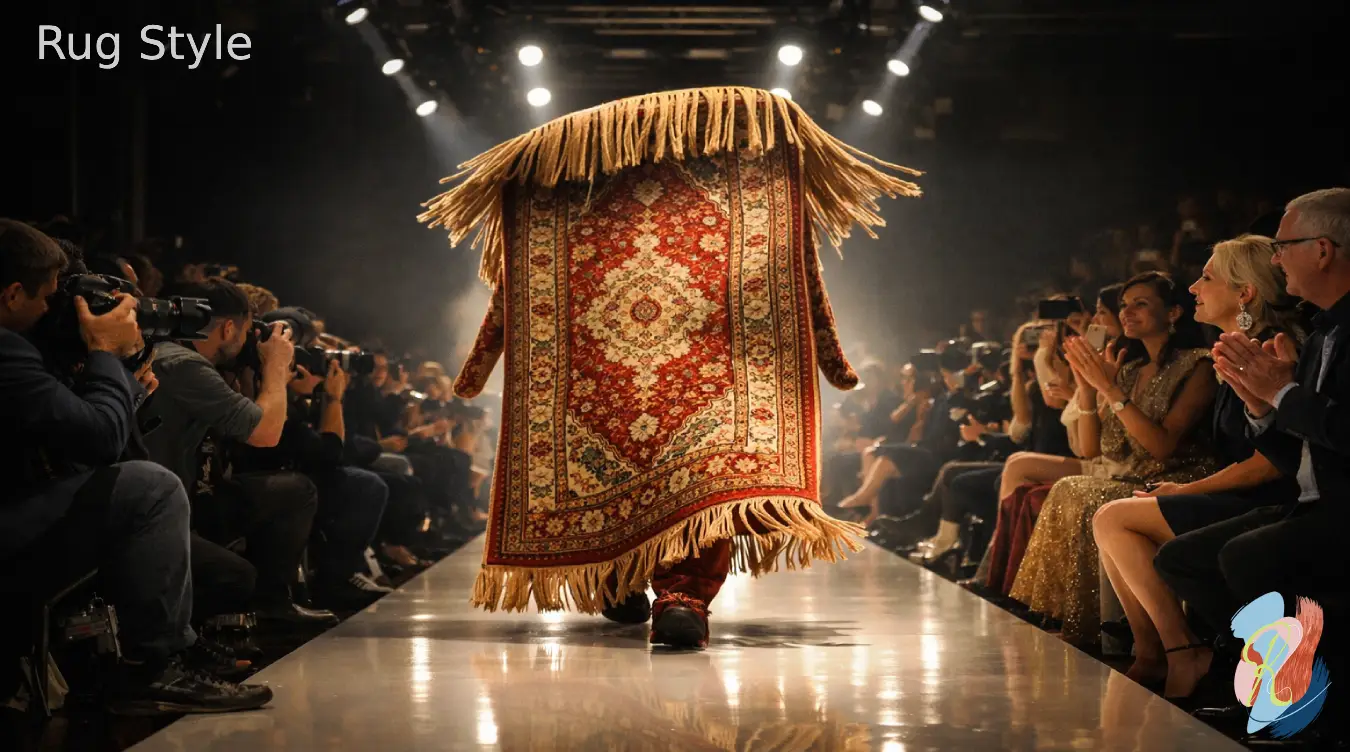
View all our different styles and rug types below:
 Afshar Carpets |  Agra Rugs |  American Hooked Rugs |  American Rag Rugs |  Amritsar Rugs |  Antique Revival Rugs |  Art Deco Rugs |  Artistic Modern Rugs |
 Aubusson Rugs | 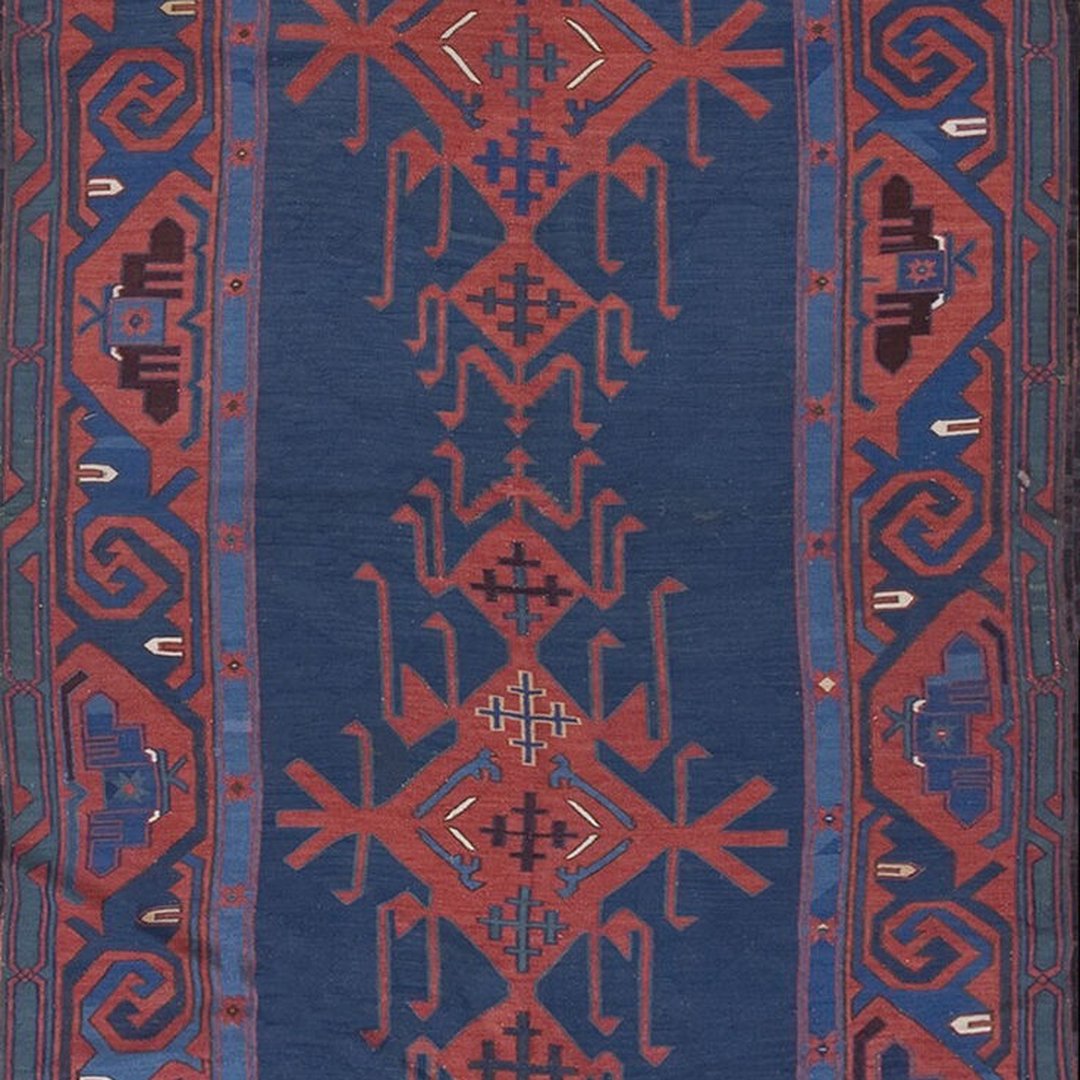 Avar Rugs |  Axminster Rugs |  Bakhtiari Rugs |  Bakshaish Rugs | 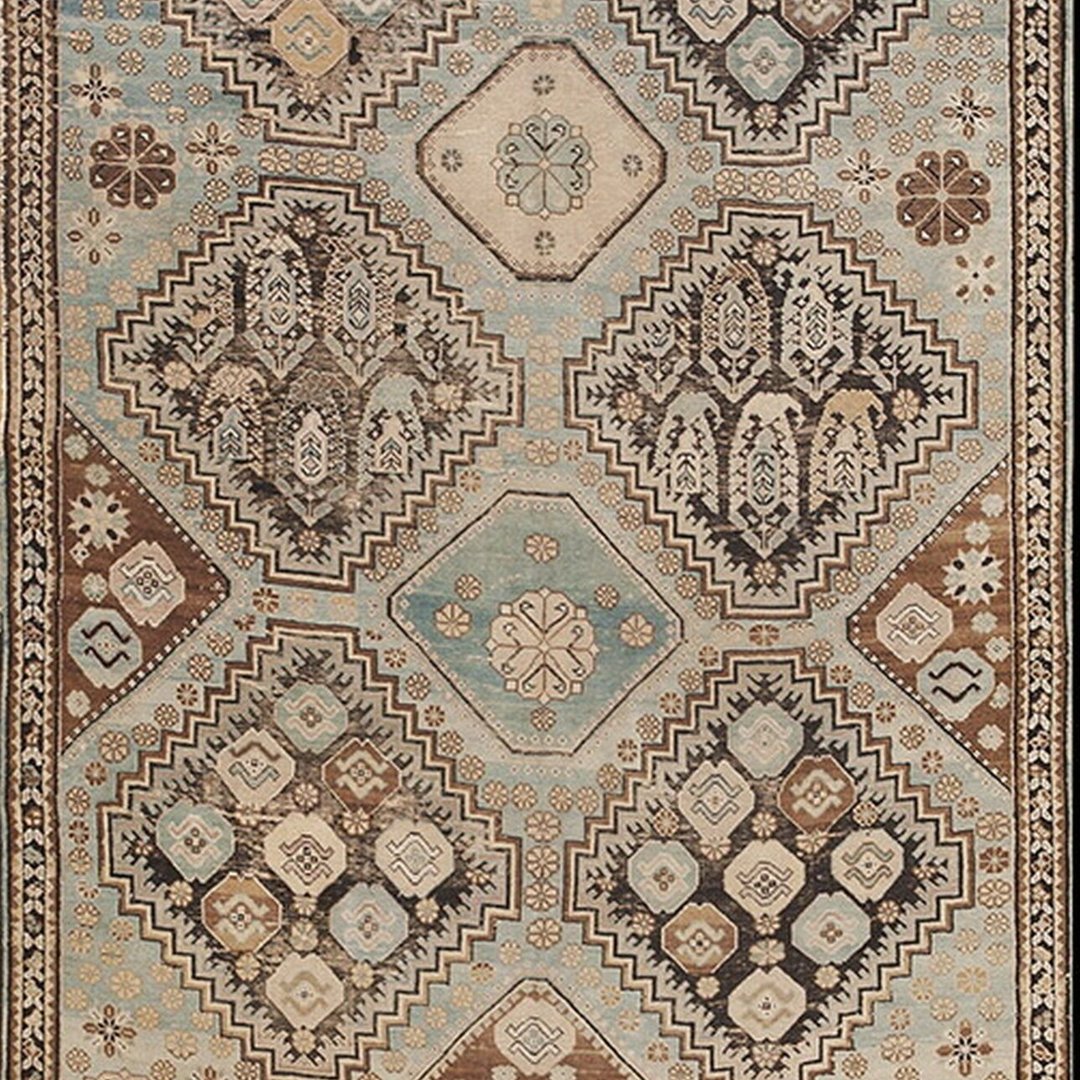 Baku Rugs |  Baluch Rugs |  Baotou Carpets |
 Berber Carpet |  Bergama Rugs |  Bessarabian Rugs |  Bibikabad Rugs |  Bidjar Rugs |  Bidjov Rugs |  Bokara Rugs |  Borlou Rugs |
 Braided Carpets |  Central European Rugs | 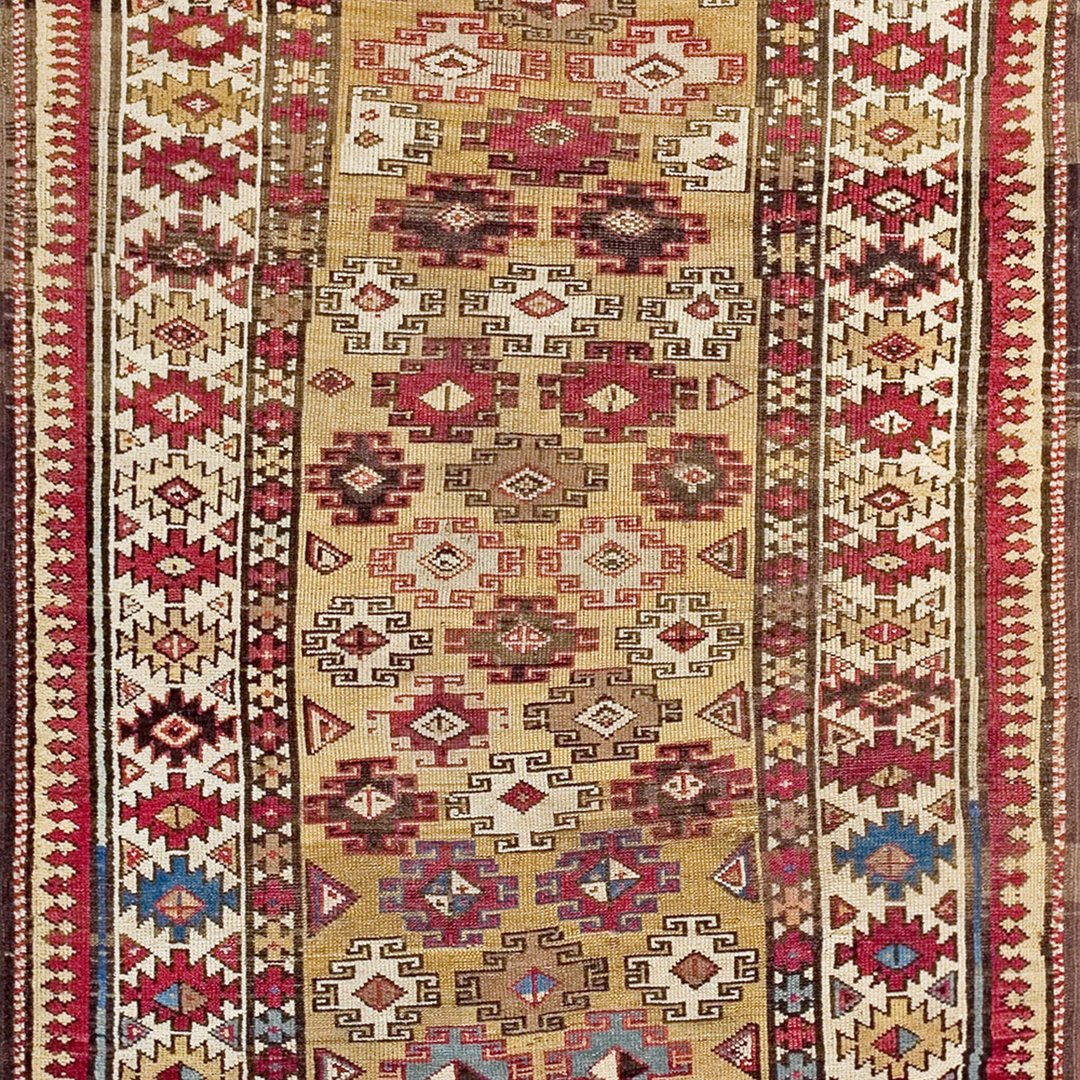 Chi Chi Rugs |  Chinese Art Deco Carpets |  Chinese Rugs |  Chodor Rugs | 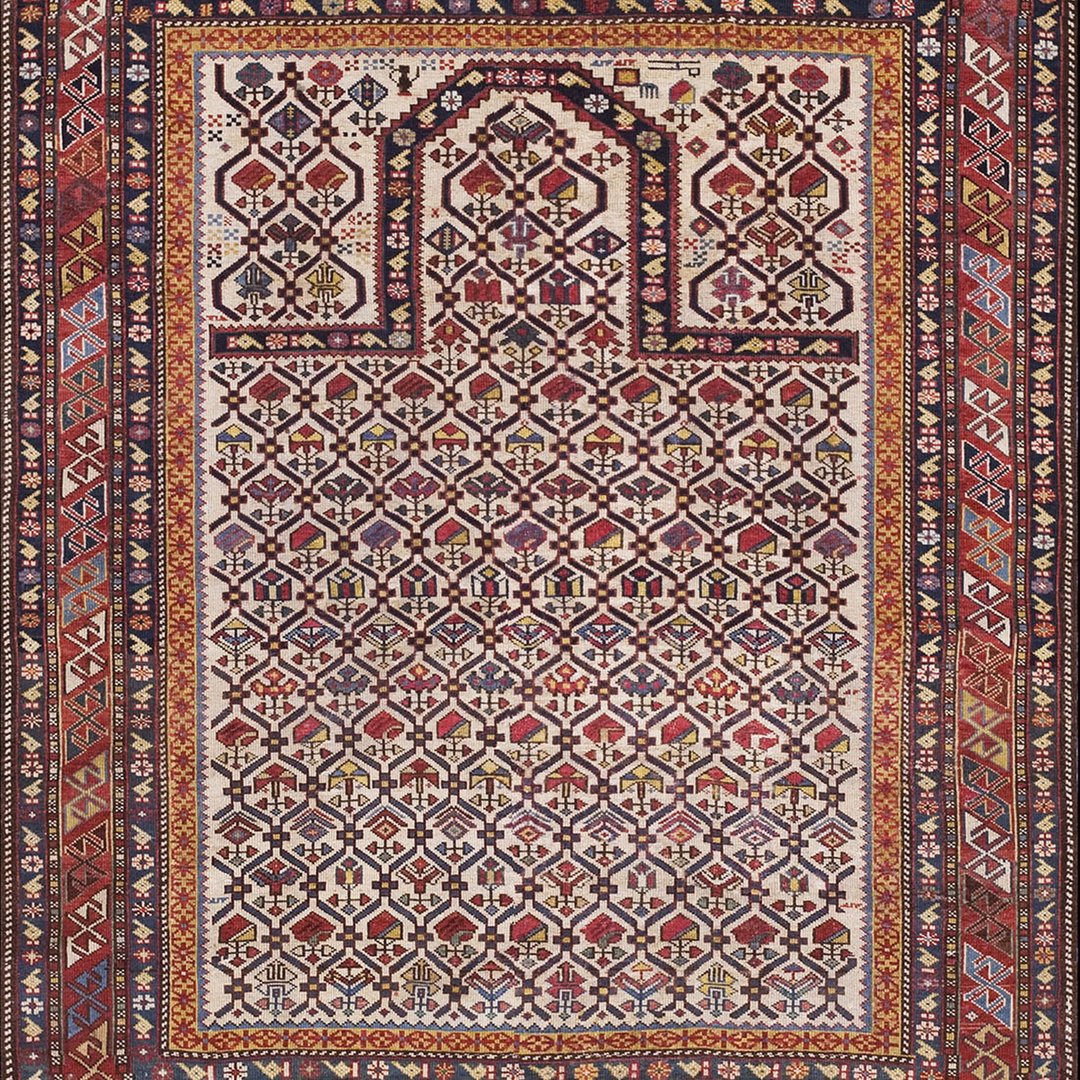 Dagestan Rugs |  Dhurries |
 Donegal Arts Crafts Rugs | 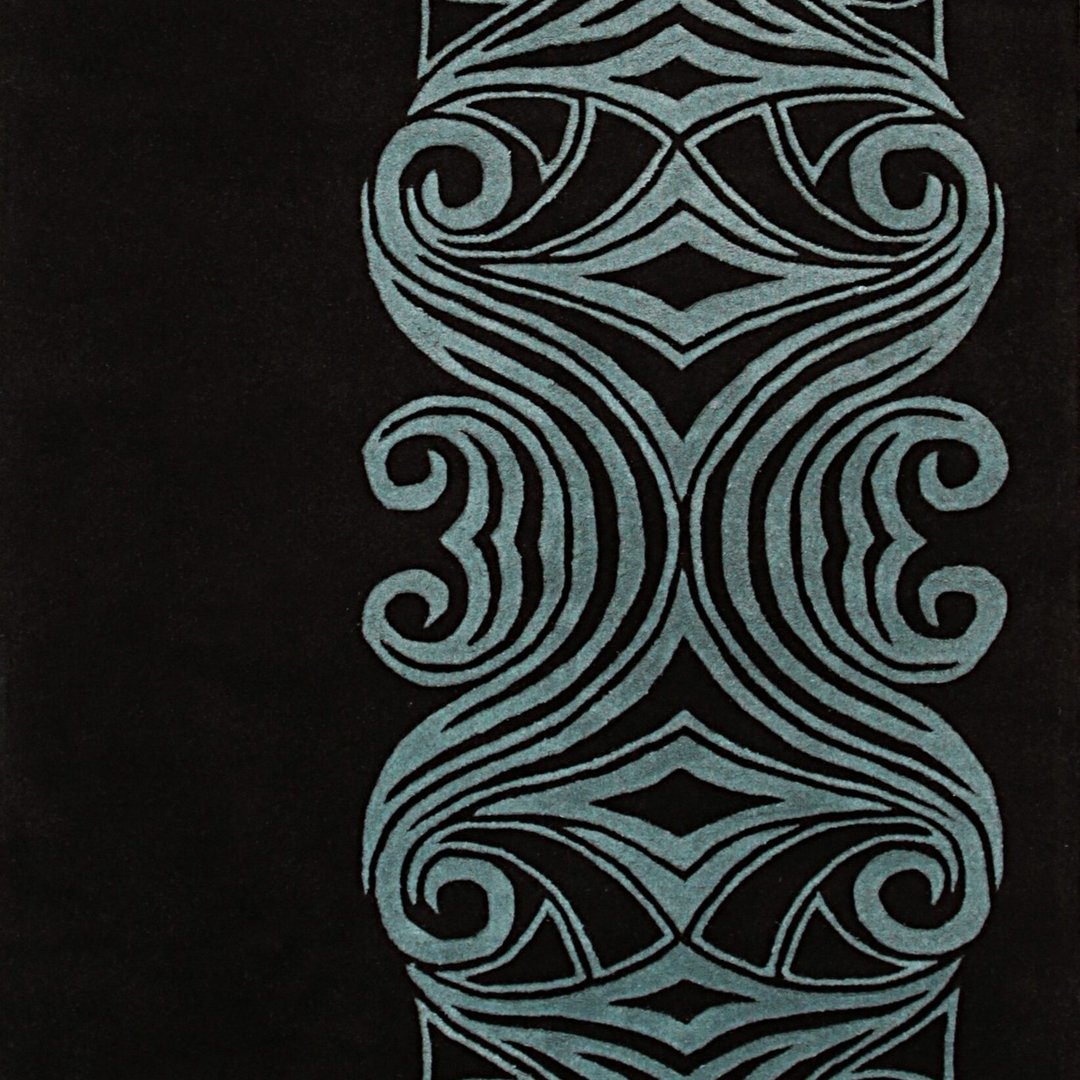 EORC Rugs |  Ersari Beshir Rugs |  Farahan Rugs |  Fine Persian Nain |  Flat Woven Kilims |  Gabbeh Rugs |  Gafsa |
 Ganjieh Carpets |  Ghiordes Rugs |  Hamadan Rugs |  Hatchli Carpets |  Hereke Rugs |  Heriz Serapi Carpets |  Horse Covers |  Indian Rugs |
 Ingrain Rugs |  Isfahan Carpets | 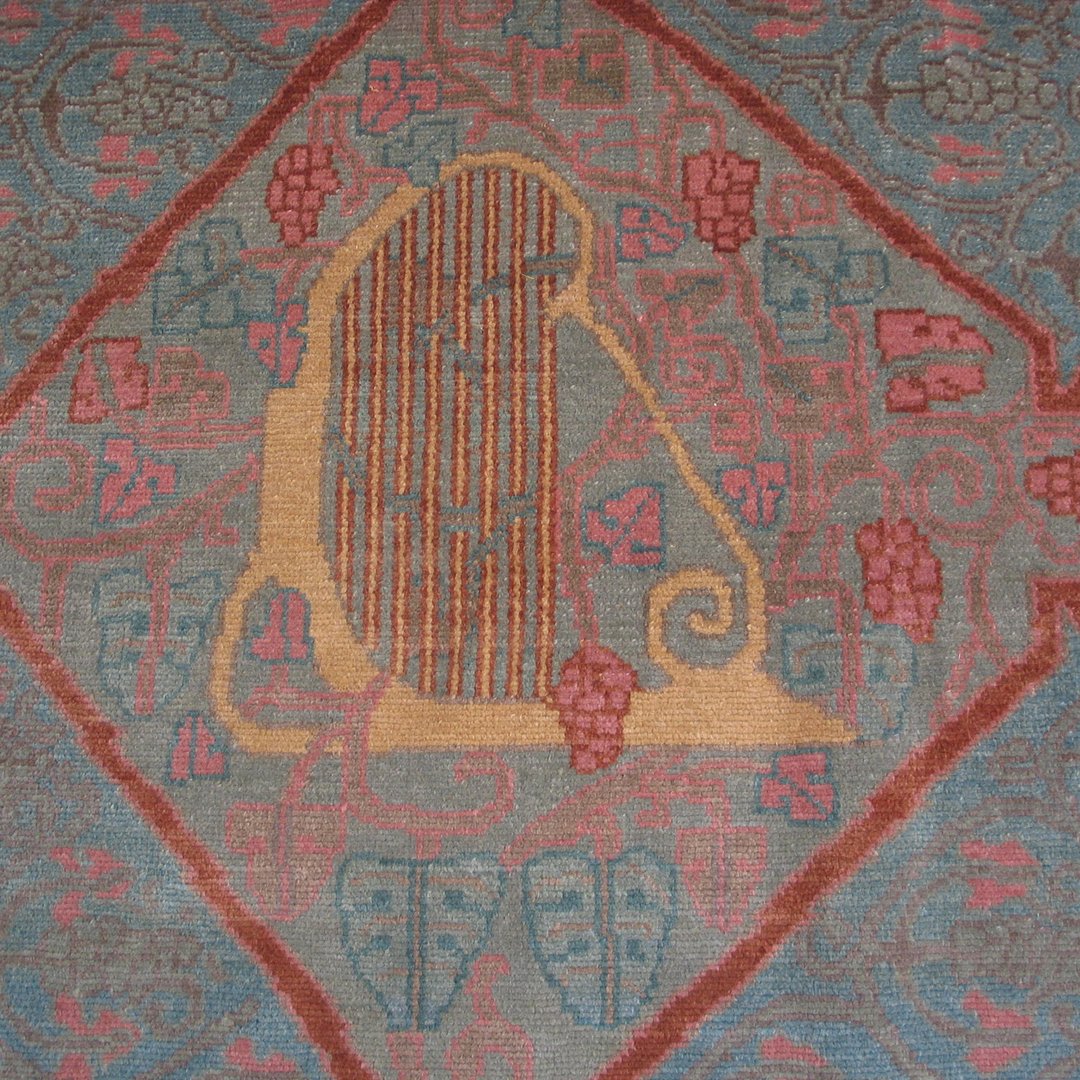 Israeli Rugs | 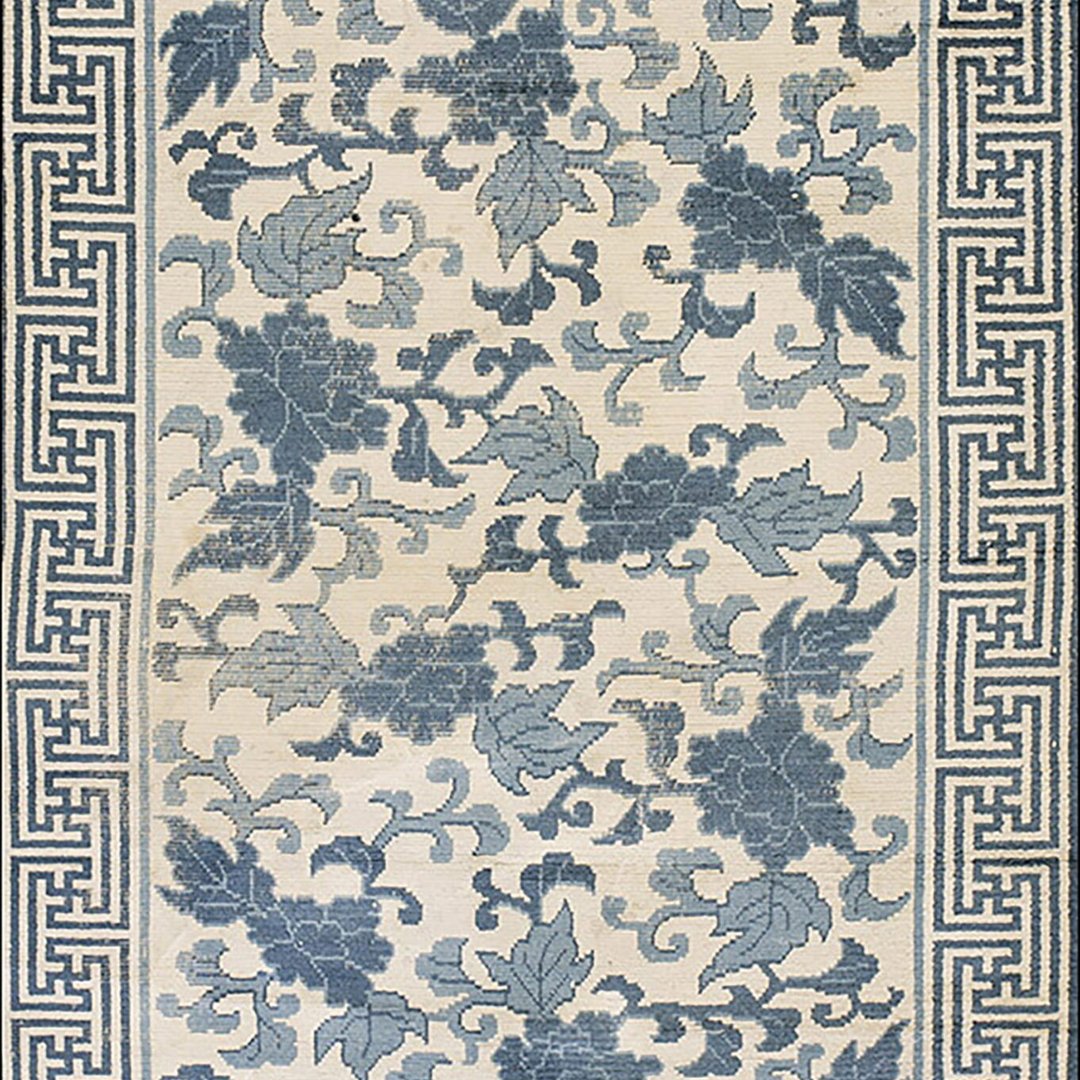 Japanese Rugs |  Kansu Gansu Rugs |  Karabagh Rugs | 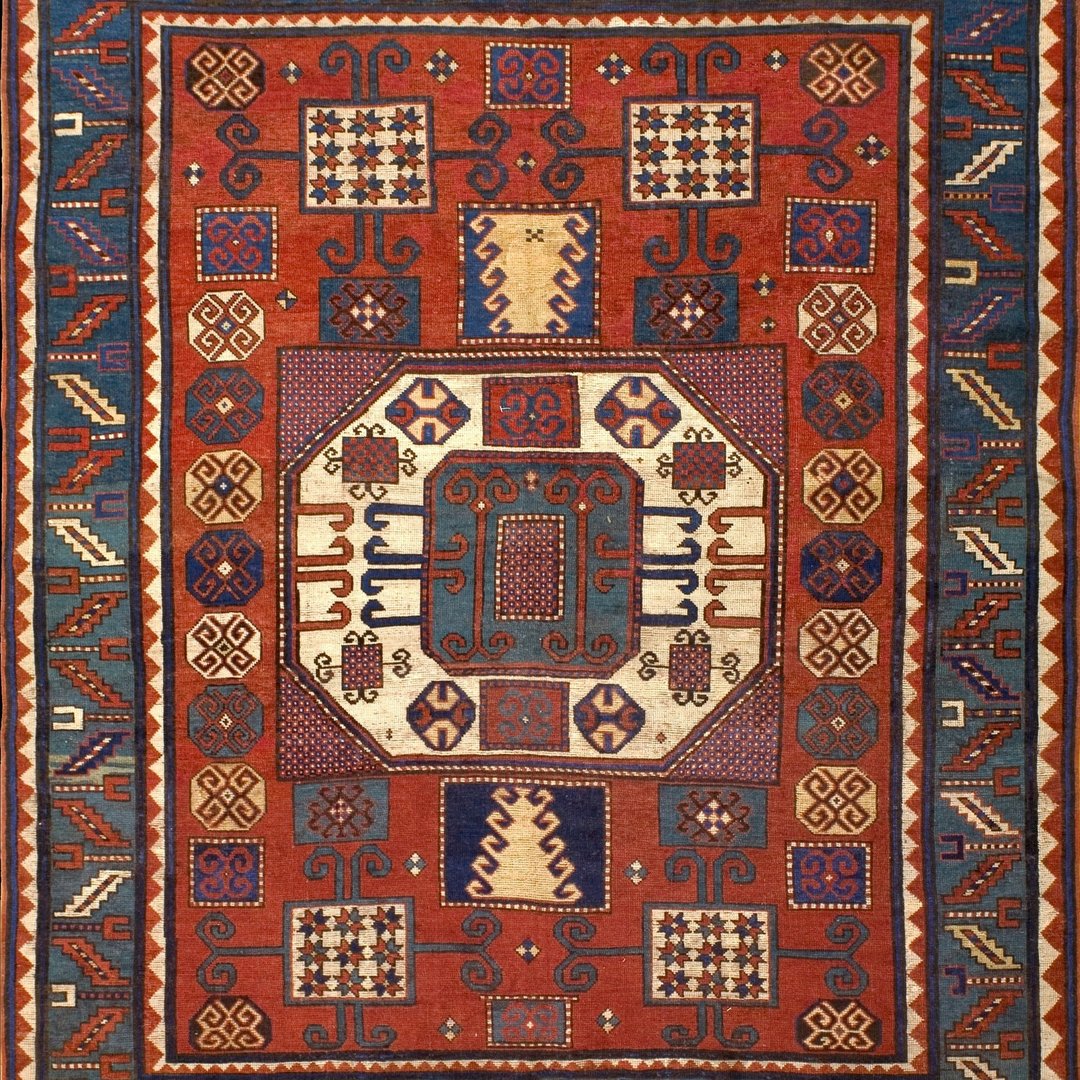 Karachopf Rugs |  Karajeh Carpets |
 Kashan Carpets | 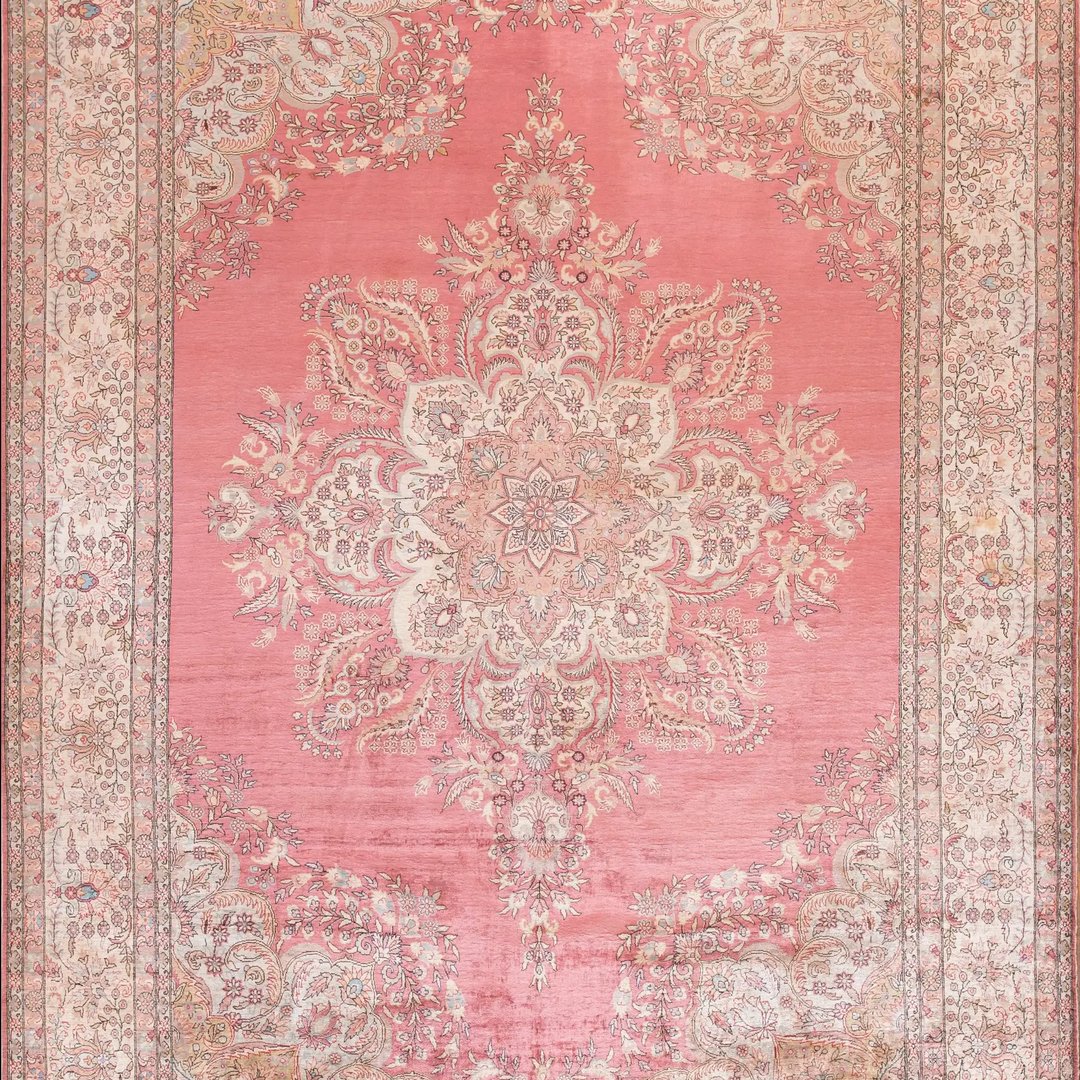 Kayseri Rugs |  Kazak Carpets |  Kazvin Rugs |  Kerman Rugs |  Khamseh Rugs | 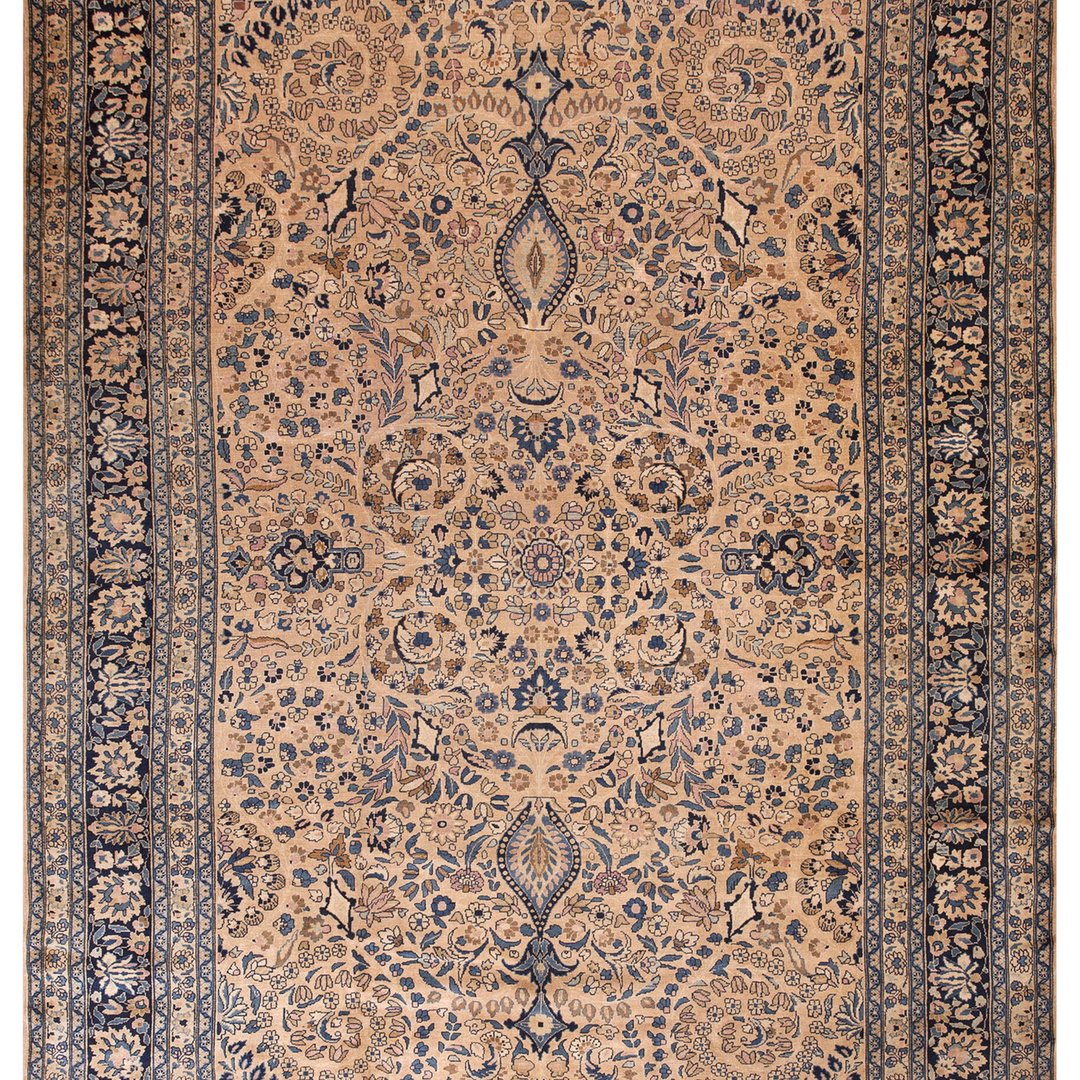 Khorassan / Mashad Rugs |  Khotan Rugs |
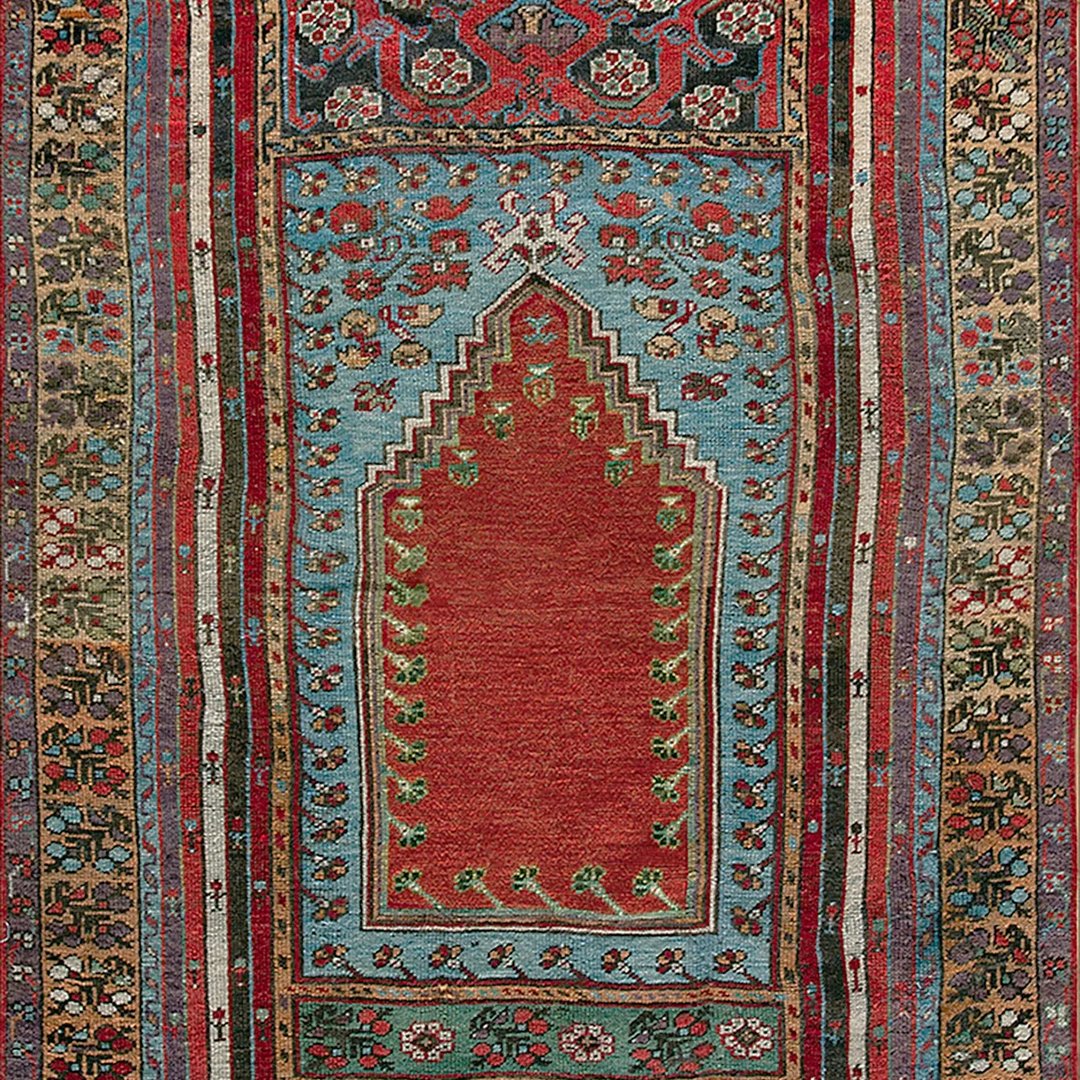 Kirshehir Rugs |  Konya Carpets |  Kuba Carpets | 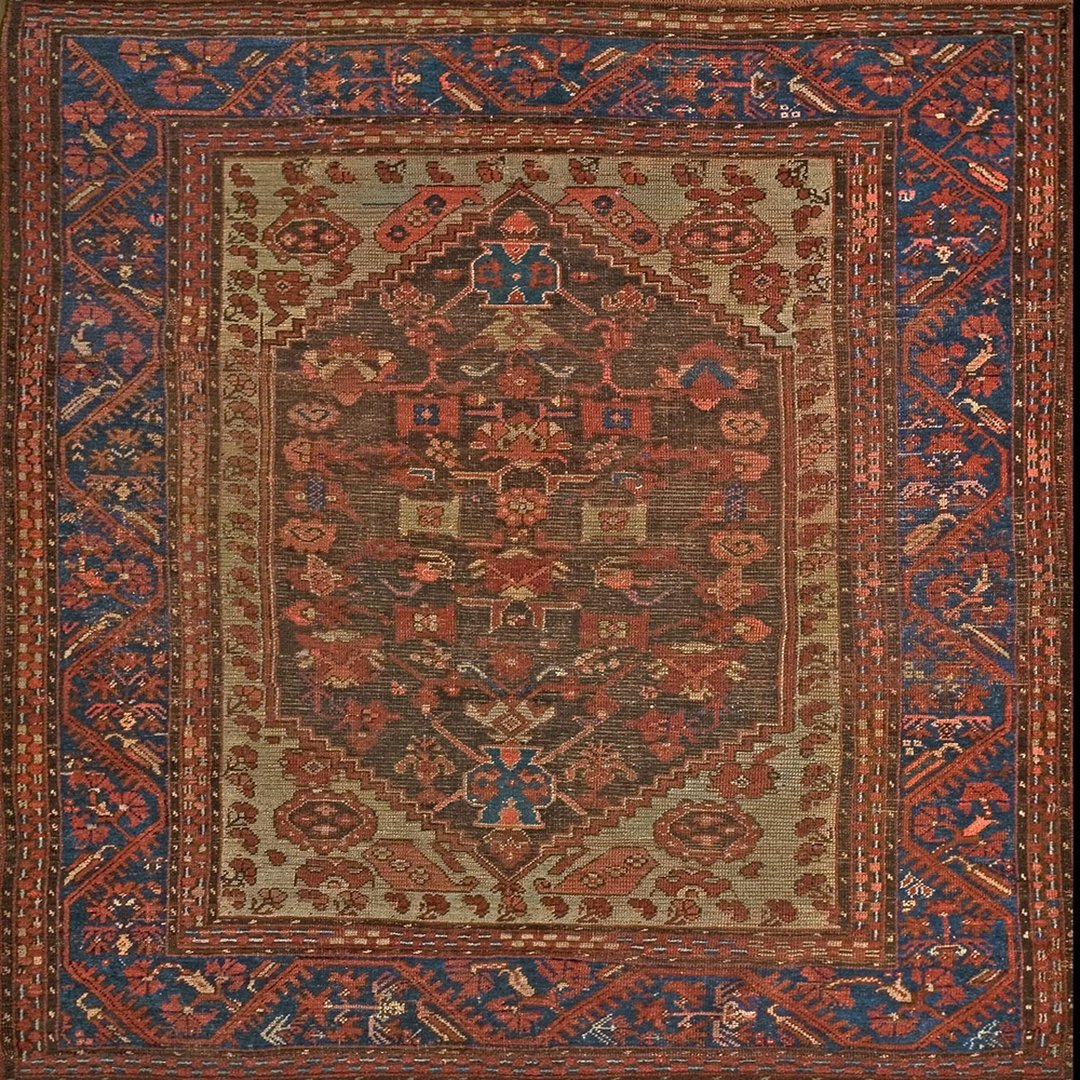 Kula Rugs |  Kurdish Rugs | 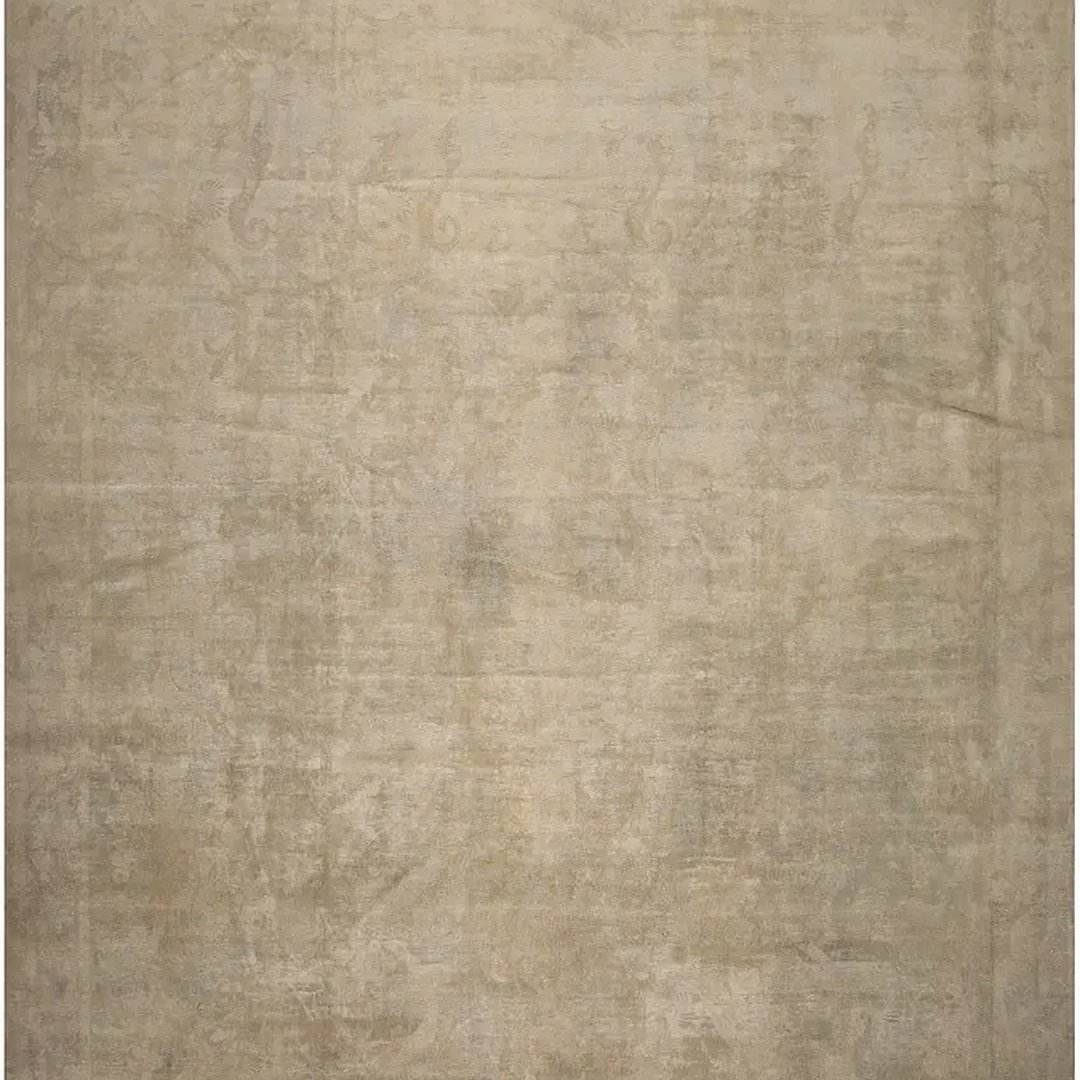 Lahore Rugs | 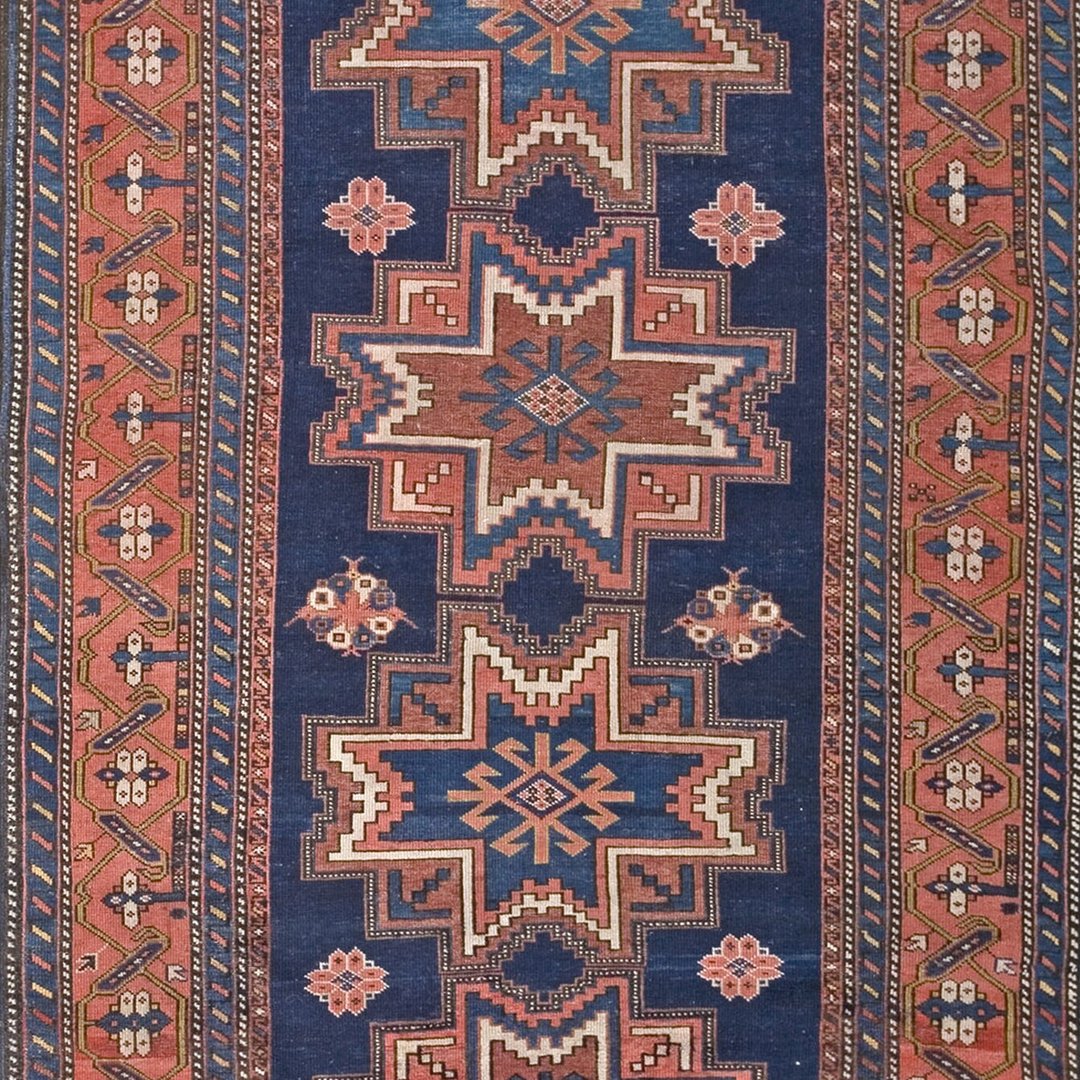 Lesghi Rugs | 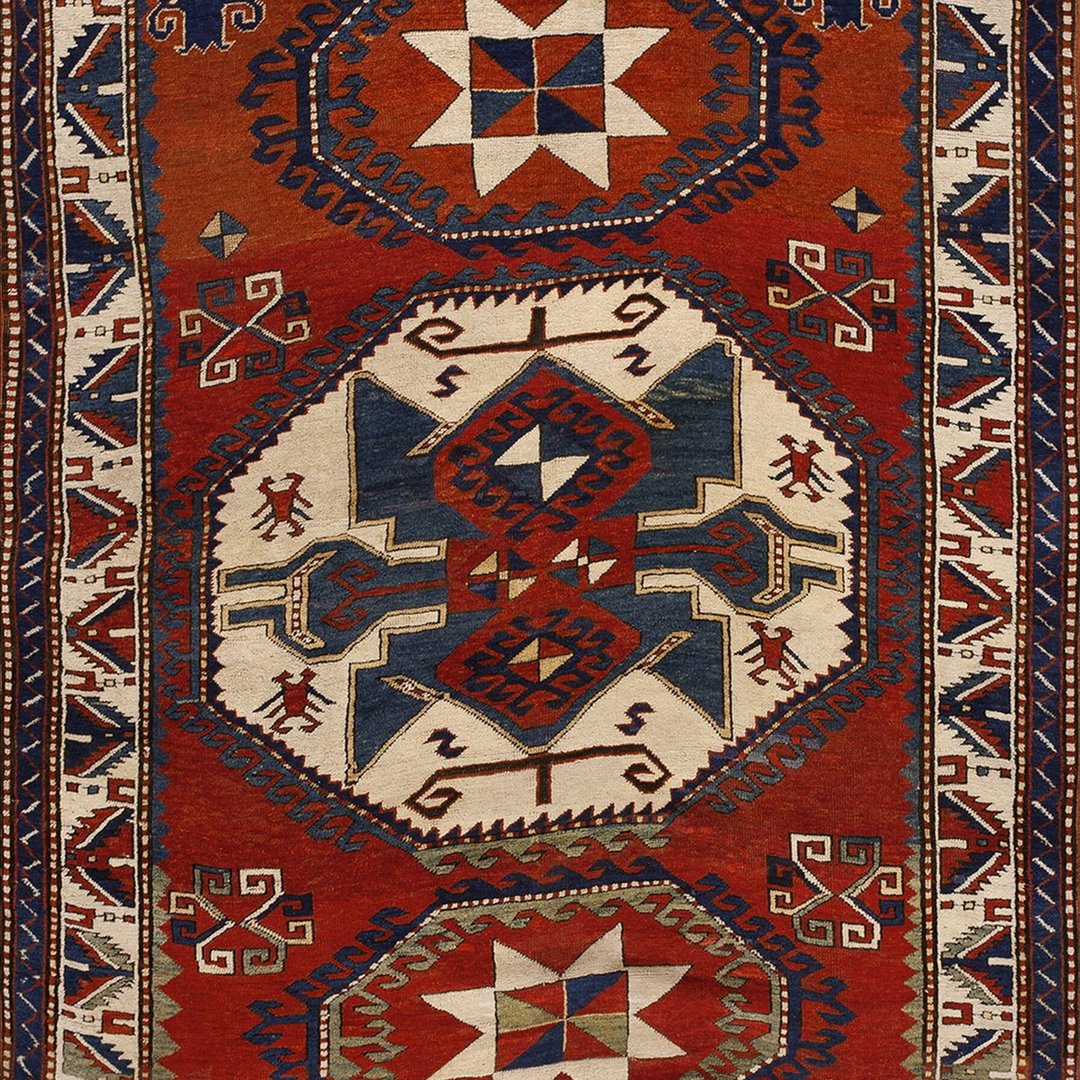 Lori Pambak Rugs |
 Malayer Rugs | 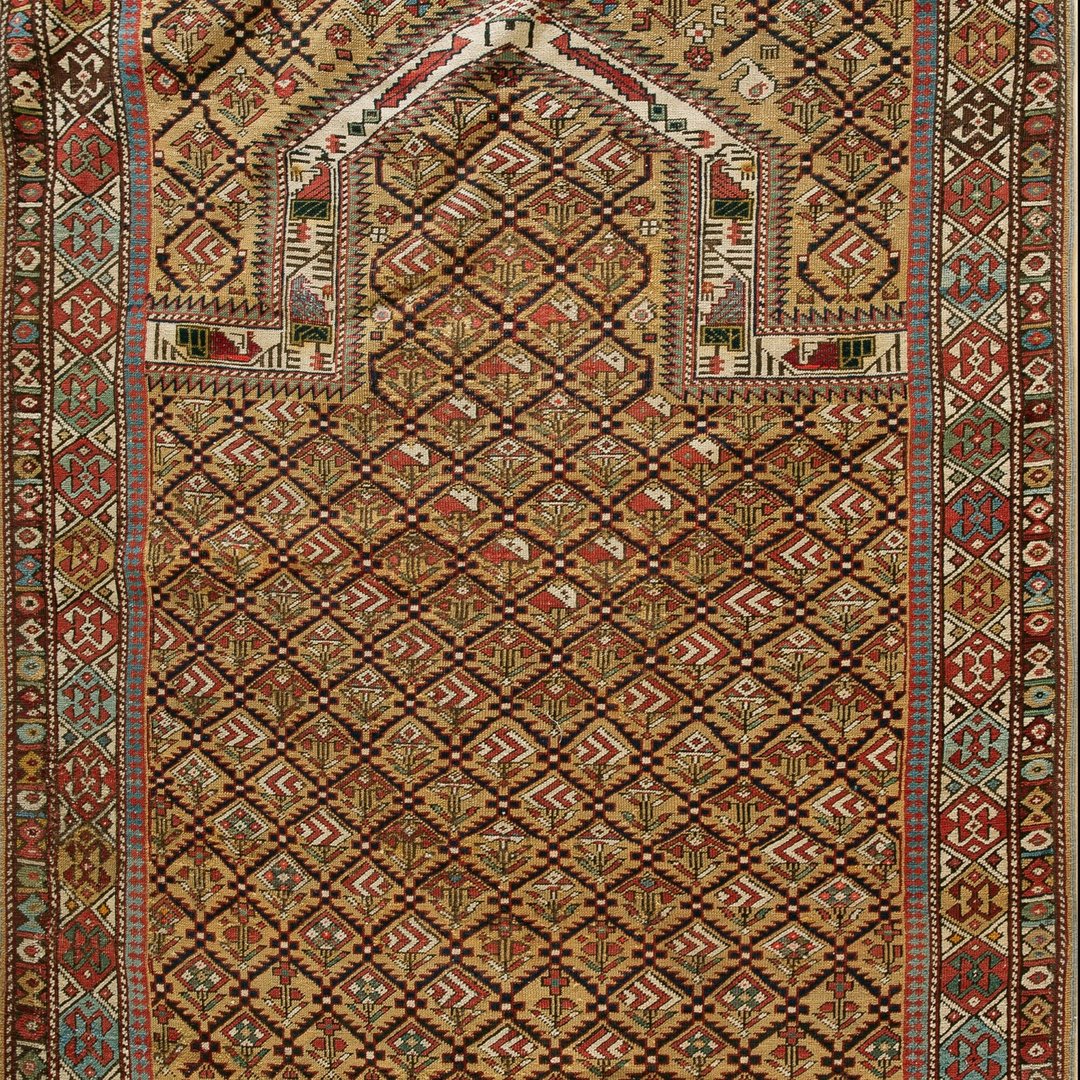 Maraselli Rugs | 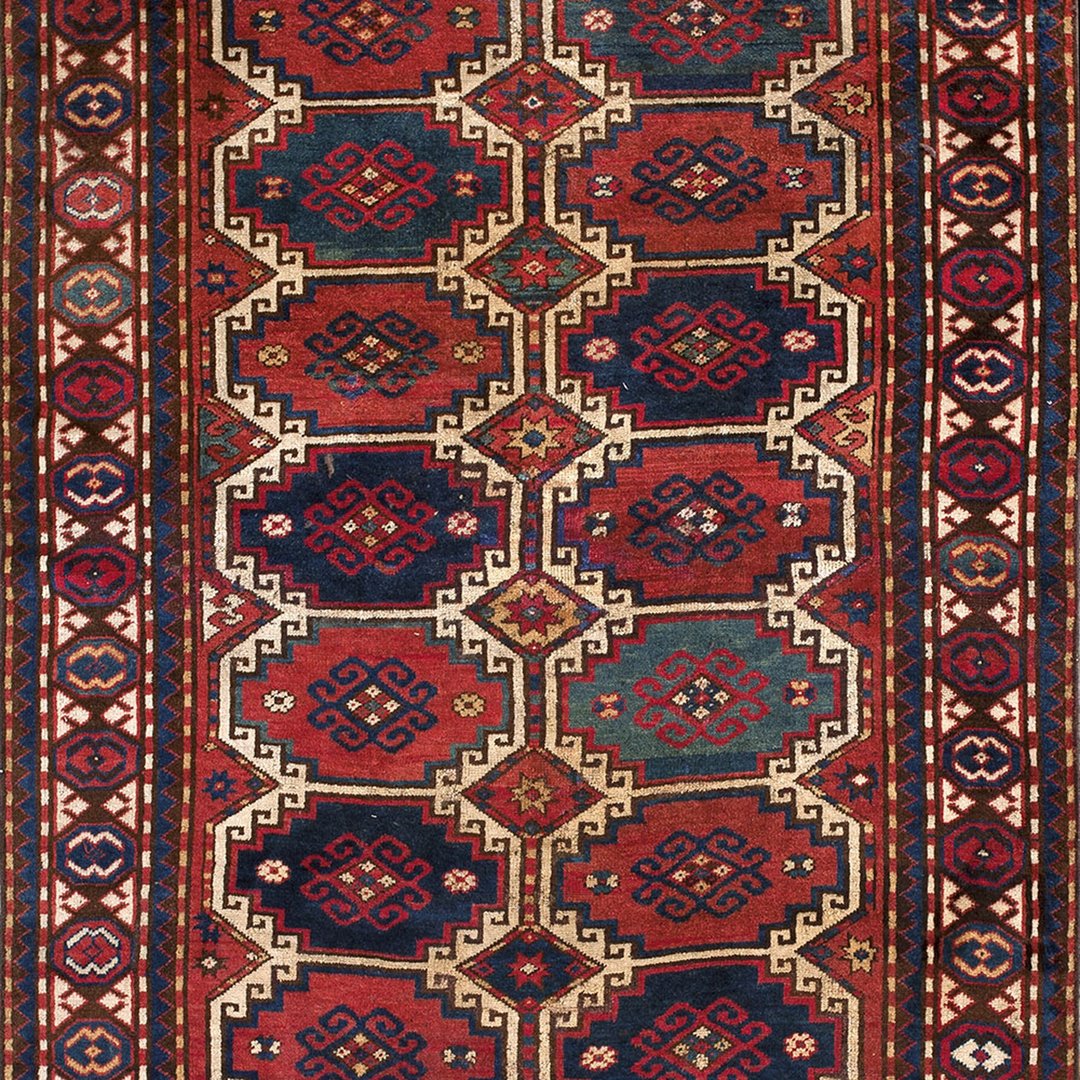 Moghan Rugs |  Mongolian Design |  Moroccan Boucherouitte Rugs |  Moroccan Rabat |  Navajo Rugs |  Needlepoint Rugs |
 Ningxia Rugs |  Northwest Persian Rugs |  Oushak Carpets |  Peking Rugs |  Pop Art Carpets |  Quilts |  Qum |  Reed Carpets |
 Sarouk Rugs |  Savonnerie Rugs |  Scandinavian Carpets |  Senneh Rugs |  Serab Rugs | 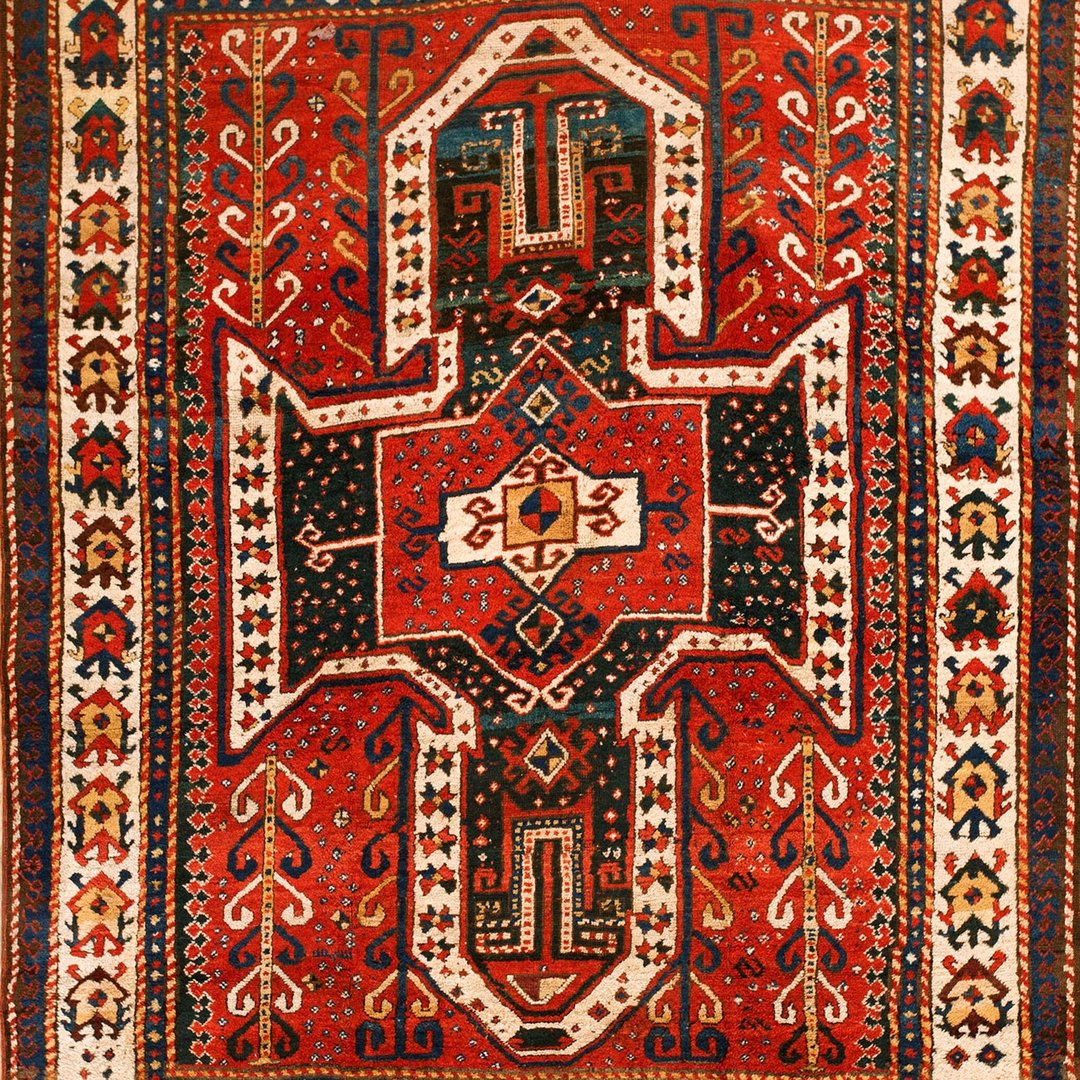 Sewan Rugs | 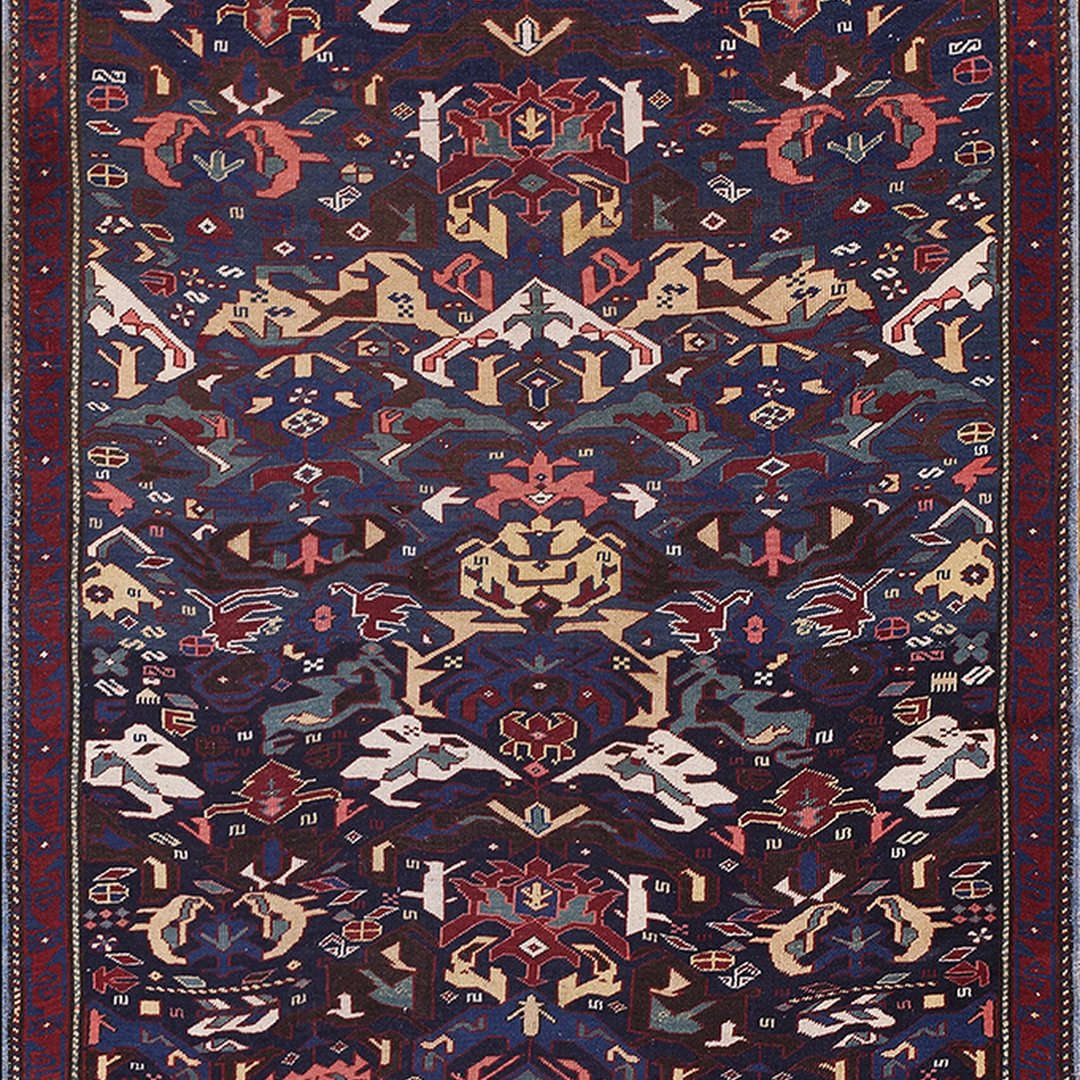 Seychour Rugs |  Shahsavan Rugs |
 Shaker Rugs |  Shawls |  Shirvan Rugs |  Sivas Rugs |  Soumak Rugs |  Spanish Design |  Sultanabad Rugs |  Swedish Shag Rya |
 Tabriz Rugs |  Talish Rugs |  Tehran Rugs |  Tekke Rugs |  Textile Art Tapestry |  Textiles |  Tibetan Rugs |  Turkmen Engsi |
 Varamin Rugs |  Verneh Rugs |  Yamoud Rugs |  Yastik Rugs |  Yuruk Rugs |  Zapotec Rugs |
Foundations: Rug Types, Styles, and Layouts
Pile vs Flatweave vs Felt
The distinction between rug types begins with their structure.
The different rug weaving types fall into 3 main categories:
- Pile rugs are created by tying yarn ends around warp threads to form an upright nap, which is then sheared to a uniform height. This produces plush texture and allows complex motifs.
- Flatweave rugs rely on interlacing colored wefts with no raised pile, so the design comes directly from the weave itself. They are thinner, lighter, and often reversible.
- Felt rugs, such as Central Asian shyrdaks, are not woven but pressed from matted wool fibers into dense sheets, cut and appliquéd into striking patterns.
These 3 main structural / rug weaving types differences define not only the rug types texture but also function, with pile rugs suited for warmth and status display, flatweaves for portability and utility, and felts for insulation in nomadic settings.
| Type | Structure | Texture | Typical Uses |
|---|---|---|---|
| Pile | Knotted yarn ends on warps | Plush, upright nap | Decorative, prestige, warmth |
| Flatweave | Interlaced wefts, no pile | Smooth, thin | Floor covering, portable, reversible |
| Felt | Pressed wool fibers | Dense, firm | Insulation, yurts, nomadic decoration |
Nomadic / Tribal vs Village vs Workshop
Rug types and styles also reflect their production context. Nomadic and tribal rugs are woven on small, portable looms, producing modest sizes with bold, improvised geometry. They often emphasize symbolic motifs and a strong, graphic presence.
Village rug types sit between tribal and court production: they adapt prestigious designs like medallions or floral repeats but render them in simplified, more robust form.
Workshop or city rug types emerge from professional looms with access to drawn cartoons. Their designs are curvilinear, precise, and planned for symmetry, producing masterpieces of refinement.
| Context | Characteristics | Design Traits |
|---|---|---|
| Tribal | Portable looms, improvisation | Bold geometry, symbolic motifs, strong colors |
| Village | Local looms, hybrid tradition | Simplified medallions, sturdy builds |
| Workshop | Professional, court or urban production | Curvilinear precision, large-scale planning |
This distinction explains the contrast often expressed as tribal rugs vs city rugs—the former raw and symbolic, the latter polished and intricate.
Layout Archetypes
A rug’s visual logic is shaped by its layout archetype. The medallion layout centers on a dominant form framed by a border, while the allover layout distributes motifs evenly across the field without hierarchy.
Prayer rug types layouts introduce a niche or arch-like form, designed for directional use but not always tied strictly to religious practice. Each archetype guides how patterns scale, repeat, and frame the rug’s surface, linking directly to broader rug pattern traditions.
Kilim vs Pile Rugs
- Kilim rugs are flatweaves produced through a tapestry technique where colored wefts form the design. Slit joins create sharp-edged geometric patterns.
- This structure results in thin, lightweight, and reversible rugs with strong visual contrast.
- Pile rugs use knotted yarns to form a raised nap that can show intricate curvilinear designs.
- The nap allows subtle shading, floral motifs, and luxurious depth.
This contrast forms the essential kilim definition in comparison to pile: one is woven flat, the other raised by knots.
Dhurrie Origins
Dhurrie rug types are flatweave textiles historically originating in India. They are most commonly woven from cotton, though wool examples exist, and are notable for being reversible.
Traditionally used as everyday floor coverings, bedding, or even tent mats, their appeal lies in utility and affordability. The dhurrie rug origin firmly anchors them within Indian weaving traditions, where they developed into a distinct category of flatweaves separate from kilims or pile carpets.
Key Takeaways
- Structure and production context define style, distinguishing pile vs flatweave rugs, tribal vs city rugs, and functional vs decorative intent.
- Kilim and dhurrie are flatweaves, not pile, each with distinct regional signatures.
- Prayer rug layout does not automatically imply religious use, but rather refers to a visual form.
- Rug types and styles span material structure, cultural context, and design layout, forming the foundation of classification for all carpets.
Structure Shapes Style: Knots, Density, Materials
Turkish vs Persian Knot
The two dominant knotting systems define much of rug aesthetics. The Turkish knot, also called the symmetrical or Ghiordes knot, wraps evenly around two adjacent warp threads, leaving two warp bumps visible on the back.
This produces strong geometric clarity and durability, often found in rug types that are Anatolian, Caucasian, and some Central Asian weaving regions. The Persian knot, or asymmetrical knot, wraps around one warp and passes under the adjacent, leaving only one warp bump visible. This allows finer curves and fluid detail, common in Persian, Mughal, and later urban workshop carpets.
| Knot Type | Wrap Style | Back Appearance | Common Regions |
|---|---|---|---|
| Turkish Knot | Symmetrical, around two warps | Two warp bumps visible | Anatolia, Caucasus, parts of Central Asia |
| Persian Knot | Asymmetrical, one warp wrap | One warp bump visible | Persia/Iran, Mughal India, city workshops |
Knot type affects look, shaping whether motifs appear bold and angular or fine and curvilinear.
Knot Density Clarity
- High knot count (kpsi) supports intricate floral and curving motifs: The more knots per square inch, the sharper and more detailed the design can be, much like higher resolution in printing.
- Lower knot count favors strong geometry and graphic patterns: With fewer knots, weavers emphasize bold forms, contrast, and durability over minute detail.
- Medium densities balance refinement with resilience: Many village rugs sit in this range, blending clarity with practicality.
This knot count kpsi guide underscores that density affects not just durability but also pattern clarity.
Foundations: Wool, Cotton, Silk
The choice of warp and weft foundation controls tension and handling of the specific rug types. Cotton warps offer high tension and dimensional stability, enabling large, flat rugs with precise detail. Wool warps add pliancy and resilience, often preferred by nomadic or village weavers for portability and flexibility.
Silk foundations, though less common, allow extremely fine weaving but can distort under stress.
For pile, silk produces luminous detail yet lacks abrasion resistance, while wool provides the best balance of durability, elasticity, and dye absorption. Material selection reflects both technical needs and the intended lifespan of the rug, making wool vs cotton foundation a key structural choice.
Hand-Knotted vs Hand-Tufted
| Type | Build Method | Lifespan/Repairability |
|---|---|---|
| Hand-Knotted | Each knot tied to warp, integral fringe finish | Decades to centuries; fully repairable |
| Hand-Tufted | Yarn punched into backing with latex adhesive | 5–15 years; limited repairs, backing ages |
Hand-knotted rug types vs hand-tufted rugs diverge in longevity: the former creates heirlooms with structural integrity, while the latter provides quick style at lower cost but without generational endurance. For heirloom quality, hand-knotted always outlasts tufted.
High-Traffic Picks
- Dense, low-pile wool rugs perform best under constant use: Wool’s natural spring and resilience withstand abrasion while maintaining color vibrancy.
- Flatweaves like kilims or dhurries suit heavy movement zones: Their thin structure reduces tripping and resists crushing.
- Avoid silk piles in traffic areas: Silk shows wear quickly and is best reserved for display or low-use rooms.
These qualities define the best rugs for high traffic, balancing beauty with practicality.
Natural Dyes and Patina
Natural dyes penetrate fibers unevenly, creating subtle tonal variations that evolve over decades. As rugs age, these tones mellow into layered complexity, producing a prized natural dye patina.
Synthetic dyes, while stable, often flatten in aging, lacking the depth and character of traditional vegetable or insect-based palettes. The slow evolution of color gives natural-dyed rug types a visual richness that becomes part of their value and identity.
Key Takeaways
- Knot type and knot density shape pattern clarity, from bold geometrics to delicate curvilinear motifs.
- Material choice must match usage: wool for resilience, silk for display, cotton for stable foundations.
- Hand-knotted rugs outlast tufted rugs, making them the only true option for heirloom quality.
- Low, dense wool piles and flatweaves excel in high-traffic settings without sacrificing design integrity.
- Natural dyes age into complex patina, deepening style over time in ways synthetics rarely match.
Persian Rug Types / Styles: Court to Camp
Safavid Court Florals and City Standards
The foundation of Persian rug> types and styles lies in the Safavid court workshops of the 16th–17th centuries. Under royal patronage, designers developed detailed cartoons that enabled curvilinear arabesques, scrolling vines, and lush floral motifs of remarkable precision.
These patterns established a repertoire still echoed in modern Persian city carpets. Urban workshops in cities like Isfahan, Kashan, and Tabriz followed these standards, producing rugs with balanced medallions, refined borders, and color harmonies tied to natural Persian dye palettes.
Kerman and Laver: Vase and Millefleur
Kerman carpets, particularly the Laver subset rug types, are prized for their technical ingenuity and artistic diversity. Woven with a distinctive triple-weft structure, they combine strength with the ability to support delicate detailing.
Their most famous subtypes include the Kerman vase carpets, with large-scale flowering vases, and millefleur pieces, where dense blossoms fill the field like a botanical tapestry. This combination of durability and intricacy made antique rugs Kerman enduring favorites for collectors and interiors alike.
Heriz and Serapi Village Geometry
In northwest Persia, the Heriz region became renowned for its sturdy, angular designs. Built on cotton foundations that increase tension, Heriz rugs balance rustic geometry with unmatched strength, making them highly durable under foot.
Their bold medallions, rendered in jagged, crystalline outlines, are instantly recognizable.
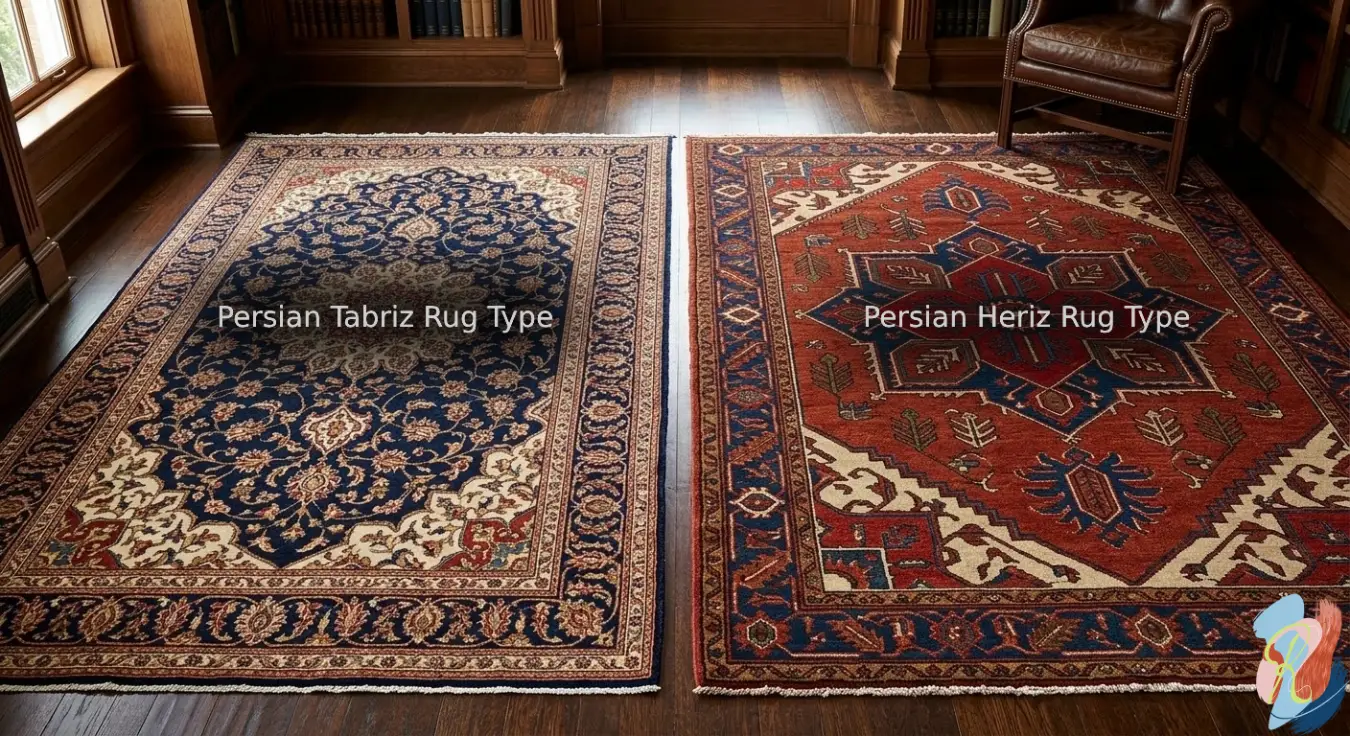
Serapi rug types, often considered earlier or finer cousins, share the same tradition but present with lighter palettes and slightly more open spacing. The comparison of Serapi vs Heriz underscores how one regional style can diverge into variants prized for both resilience and artistry.
Qashqai and Gabbeh Tribal Character
The Qashqai confederation of nomadic tribes in southwest Iran created weavings full of spontaneity. Qashqai tribal rugs often feature improvised diamond medallions, stylized animals, and vibrant natural dyes. Their portable looms ensured authenticity and individuality in each piece.
In contrast, Gabbeh minimal rugs, also of tribal origin, reflect naive simplicity: thick piles, bold color fields, and minimal motifs, sometimes no more than a few scattered symbols. These rugs embody the direct voice of tribal weavers and remain popular for their modernist resonance.
Qom, Nain, and Isfahan Fine Weaves
Urban refinement reaches its pinnacle in Qom silk rug types, where shimmering silk or kurk wool enables jewel-like detail. Nain rugs, often woven with pale ivory-and-blue palettes, balance fine craftsmanship with recognizable elegance.
Isfahan carpets continue the Safavid tradition with exquisite medallion layouts and symmetrical precision. Comparing Heriz vs Isfahan highlights the breadth of Persian diversity: one angular and rustic, the other fluid and courtly.
Key Perspectives
- Persian diversity spans tribal to imperial, from Safavid court florals to Gabbeh’s raw minimalism.
- Heriz combines rustic geometry with strength, remaining one of the most durable Persian village styles.
- Kerman’s triple-weft structure underpins both fineness and wear, making Kerman vase carpets enduring investments.
- Qashqai and Gabbeh rugs demonstrate how nomadic improvisation feeds directly into modern taste.
- Qom and Isfahan carpets represent the height of Persian finesse, exemplifying city workshop standards.
Turkish / Anatolian Rug Types / Styles: Geometry to Grandeur
Seljuk, Holbein, and Lotto Archetypes
The Turkish rug types weaving traditions reaches back to the Seljuk period, whose surviving fragments reveal geometric clarity and deep color. These early forms shaped what became known in Europe as the Holbein and Lotto carpets, frequently depicted in Renaissance paintings.
The Holbein carpet meaning lies in its repeating octagonal medallions, balanced grids, and clear borders, while Lotto carpets feature scrolling arabesque lattices with warm reds and yellows. Their presence in European art shows how Anatolian rugs embodied both status and style across cultures.
Ushak: Medallion and Star
The Oushak (Ushak) rug types in western Anatolia is one of the most recognizable rug lineages. Large-scale Star Ushak designs and bold medallion Oushaks were exported widely, often woven with soft, lustrous wool and monumental proportions.
Later, Oushak production shifted to gentler, pastel palettes, aligning with Western tastes in the 19th century. Oushak vs Persian highlights the contrast: Oushaks privilege scale, softness, and geometry, while Persian city rugs focus on precision florals. This scale and palette are the reason Heriz and Oushak rugs are so recognizable, even to casual observers.
Prayer Rugs: Gördes, Ladik, Kula
Turkish Islamic prayer design area rugs occupy a diverse spectrum. The Gördes tradition is famous for sharply pointed arches and balanced proportion. Ladik prayer rugs include tulip spandrels that frame the mihrab, adding floral elegance. Kula examples often feature elongated fields with softer coloring.
While these rug types employ the prayer niche or mihrab arch, they are not exclusively liturgical; their layout functions as both symbolic design and decorative archetype. Thus, prayer rugs vary and should not be seen as solely religious objects.
Yörük and Kurdish Village Pieces
The Yörük tribal rug types of Anatolia, along with related Kurdish weavings, retain a nomadic vigor. Their iconography often includes hooked motifs like the ram’s horn, believed to signify strength and protection. Saturated reds, blues, and deep greens give these area rugs a striking graphic energy.
Their portable-loom construction and spontaneous design echo the tribal authenticity of Qashqai or Caucasian traditions, forming the village backbone of Anatolian weaving.
Hereke Silk Court Revival
At the height of Ottoman refinement, Hereke silk rug types emerged as symbols of court luxury. Reviving classical Ottoman floral motifs, these rugs are distinguished by extreme knot counts—sometimes exceeding 1,000 knots per square inch.
Their shimmering silk foundations and jewel-toned palettes place them alongside Persian Qom or Kashan masterpieces in terms of technical finesse. Hereke exemplifies Ottoman luxury, combining Turkish knot symmetry with the precision of urban workshops.
Key Perspectives
- Oushak’s scale and soft palette drive recognizability, distinguishing them from Persian precision.
- Prayer rugs in Anatolia vary in form—their arches and tulip spandrels are as decorative as they are symbolic.
- Hereke silk rugs represent the Ottoman court at its peak, where technical mastery met imperial grandeur.
- Holbein and Lotto carpets preserved in European art anchor Anatolia’s role in global textile history.
- Yörük and Kurdish pieces retain the bold spirit of nomadic design.
Caucasian Rug Types / Styles: Graphic Geometry
Kazak: Bold Medallions
Among the most recognizable Caucasian Kazak rugs are the rug types woven with monumental, oversized medallions set against saturated red or deep blue grounds. Their geometry is crisp, their proportions generous, and their wool piles resilient.
These qualities gave Kazaks a strong reputation in the 19th century export market, where their boldness appealed to Western tastes.
Karabagh: Florals and Dragon Lineage
The Karabagh rug types blends Persian-influenced floral ornament with earlier Caucasian lineage, including the legendary dragon carpets of the 17th century. Later pieces often feature roses, bouquets, and naturalistic flowers, a departure from the sharp geometrics of Kazak or Shirvan.
These Karabagh floral rugs embody a cross-cultural synthesis, balancing regional strength with cosmopolitan flourish.
Shirvan and Kuba: Precision Small-Scale
Shirvan and Kuba rugs are known for their meticulous drawing. Often woven with cotton wefts for stability, they present fine-scale medallions, repeating boteh, or star motifs rendered with clarity.
Borders are tightly proportioned, giving these rug types a polished look. Key Shirvan Kuba features include symmetry, fine knotting, and sharp outlines, distinguishing them from the looser drawing of village pieces.
Dagestan and Chechen: Lattices and Light Grounds
Weavings from Dagestan and Chechnya stand out for their lighter palettes and use of repeating lattice structures. These rugs often employ pale ivory or tan fields filled with geometric grids. Their repetition and open balance set them apart from the denser, saturated fields of Kazak or Karabagh.
Border Lexicon and Regional Tells
One of the most reliable ways to classify Caucasian rug types is through their border systems. The running-dog, with its undulating wave-like motif, and the leaf-and-chalice pattern are classic Caucasian border signatures.
Barber-pole selvages—striped edge finishes in contrasting colors—serve as another distinctive regional hallmark. These framing elements often identify sub-regional workshops more reliably than the field motifs themselves, forming the foundation of a Caucasian borders guide for collectors.
Key Perspectives
- The strength of Caucasian weaving lies in crisp geometry and joyous color, expressed in Kazak boldness, Shirvan precision, and Karabagh florals.
- Borders are critical identifiers, with motifs like running-dog and barber-pole selvage marking regional provenance.
- Many 19th-century Caucasian rugs were produced for export, yet they retained the unmistakable vitality of tribal traditions.
Central Asian: Turkmen and “Bokhara”
Tekke Gul Grid
The Tekke tribe rug types stand at the heart of Turkmen weaving. Their rugs are instantly recognizable for their perfectly ordered rows of guls—octagonal or polygonal motifs repeated across the field like an insignia. Dyed in deep madder or cochineal reds, Tekke pieces show symmetry, balance, and restraint, woven with very fine, low pile and high knot density. This velvety texture and measured rhythm make the Tekke Bokhara rug one of the most widely copied patterns in later trade.
Yomut and Ersari Differences
Other Turkmen rug types and groups developed distinct signatures. Yomut rugs favor angular lattice structures and darker palettes, their guls sharper and less rounded than Tekke.
Ersari rugs display larger-scale guls and warmer orange-red grounds, giving them a bolder, more open feel. These differences—Yomut vs Ersari—reflect tribal identity as much as geography, reinforcing the fact that guls acted like heraldic emblems, distinguishing one community’s weaving from another’s.
Ensi, Chuval, and Torba Functions
Not all Turkmen weavings were floor carpets. Ensi door rug types were woven as quartered panels to cover the entrance of a yurt, symbolically dividing and protecting the home.
Chuvals functioned as storage bags, while torbas served as decorative trappings. These function-specific textiles reveal nomadic life in practice: weaving was as much about utility as it was about display. Their durability, portability, and symbolic patterns made them integral to daily existence.
Fine, Low Pile Handle
Technically, Turkmen rugs stand out for their low, closely clipped pile and fine asymmetric knots. This gives them a supple, cloth-like handle, unlike the thicker wool of Caucasian or village Persian rugs.
Their precision is best appreciated up close, where the sharp definition of motifs and the intensity of natural dyes create a jewel-like surface.
The “Bokhara” Trade Naming
In the 19th century, Turkmen rug types entered Western markets through the Central Asian hub of Bukhara. Over time, the name “Bokhara rug” became a blanket trade term for anything resembling a gul-filled field, including mass-produced Pakistani and Indian copies.
The reality is that Bokhara is a misnomer—authentic Turkmen rugs come from nomadic tribes, not Persian cities. Clarifying this origin is critical for buyers and collectors, as the label masks one of the most distinctive nomadic weaving traditions.
Key Perspectives
- Guls are tribal insignia, marking identity across Tekke, Yomut, Ersari, and other groups.
- Functional weavings like ensi, chuval, and torba reveal nomadic life, blending utility and artistry.
- Turkmen rugs are defined by fine, low piles with high knot counts, producing crisp detail and deep, saturated reds.
- “Bokhara” should not be confused with Persian weaving; it is a market shorthand that obscures Turkmen origins.
Chinese and East Asian Rug Types: Serenity to Deco
Ningxia and Peking Medallions
Early Chinese rugs like the iconic Pekin rugs or those from Ningxia are marked by their restrained elegance. These pieces often use soft golds, blues, and aubergine tones, set against open fields with minimal ornament.
Circular medallions dominate, surrounded by symbolic motifs such as the Shou character (longevity), bats (happiness), or stylized clouds. Their appeal lies in clarity and spaciousness… Chinese design favors spacious elegance, contrasting with the density of Persian florals or Caucasian geometrics.
Art Deco Chinese and Nichols Designs
In the early 20th century, the firm of Walter Nichols popularized Art Deco Chinese rugs, produced mainly in Tianjin. These rugs broke with classical symmetry, using bold fields of turquoise, magenta, or indigo, often decorated with asymmetrical branches, blossoms, or architectural motifs.
Nichols Chinese rug types embodied the modern spirit while still referencing traditional symbolism, making them coveted today for both collectors and interior designers. The contrast between Peking vs Art Deco Chinese highlights how Chinese weaving shifted from serene classicism to vibrant modernism.
Khotan and Samarkand Hybrids
On the Silk Road, Khotan Samarkand rug types reveal a synthesis of cultures. They combine Chinese fretwork and cloud collars with Persian-inspired medallions and pomegranate motifs, alongside Greek key borders.
This hybridization reflects the crossroads geography of East Turkestan, where caravans carried both goods and design traditions. These rugs are proof that East Turkestan fused Chinese and Persian elements, creating a distinct school unlike either origin.
Tibetan Tiger, Dragon, and Knot
Tibetan rug types stand apart for their unique knotting system. Instead of tying knots individually around warps, Tibetan weavers loop yarn around a temporary gauge rod across the loom, cutting it in sequence to create a line of pile. This structural distinction makes the Tibetan knot faster and thicker.
Iconographically, Tibetan rugs feature bold tiger skins, dragon emblems, and cloud forms, used both as meditation mats and temple furnishings. The Tibetan tiger rug in particular remains iconic, symbolizing strength and spiritual power.
Temple and Imperial Symbolism
From the Ming to the Qing dynasties, rugs for palaces and temples carried layered meanings. The five-clawed dragon signified imperial authority, while lotuses and endless knots conveyed Buddhist ideals.
Placement of these rug types in shrines, thrones, or altars reinforced the spiritual and political order of their time. Chinese rug symbols thus serve as more than decoration: they are carriers of meaning tied to philosophy and empire.
Key Perspectives
- Chinese design favors spacious elegance, seen in Peking and Ningxia medallion rugs.
- Art Deco Chinese rugs under Nichols reinvented tradition with saturated palettes and asymmetry.
- Khotan and Samarkand rugs exemplify Silk Road hybridity, blending motifs from East and West.
- Tibetan rugs employ a structurally distinct knotting system, producing bold tiger and dragon designs with unique texture.
- Symbolism—whether Shou characters or imperial dragons—anchors Chinese and East Asian weaving in cultural identity.
Indian/Mughal and South Asia
Mughal Millefleur and Hunting Scenes
The rise of the Mughal Empire in the 16th century marked a turning point in South Asian weaving. Emperor Akbar established imperial karkhanas (court workshops) that adopted Persian techniques while introducing Indian aesthetics. Under Shah Jahan, designs reached their pinnacle with Mughal millefleur rugs, where dense fields of tiny blossoms created a tapestry-like surface.
Equally distinctive were hunting scene rug types, showing riders, animals, and foliage in naturalistic landscapes. These designs blended Persian structure with Indian flora, creating a vocabulary unique to Mughal art.
Agra and Amritsar Revivals
In the 19th century, Agra carpet history was revived under colonial patronage. Workshops in Agra and Amritsar produced large-scale rugs for Western export, often with softer palettes and more spacious drawing than their Mughal predecessors.
These pieces reflect a transitional phase: rooted in imperial Indian motifs yet adapted to international tastes. Their enduring appeal lies in their scale and muted elegance, which distinguished them from Persian and Turkish rug types contemporaries.
Kashmir Silk Carpets
The weaving centers of Kashmir became famous for the Kashmir silk rug, characterized by luminous sheen and finely drawn Persian rug types florals. These carpets often feature deep jewel tones—sapphire blues, ruby reds, emerald greens—enhanced by the natural reflectivity of silk.
Their refinement and light-catching qualities made them coveted both locally and abroad, reinforcing Kashmir’s role as a center of delicate craftsmanship.
Dhurries and Jail Weaves
The Indian dhurrie rug types represents a parallel, more accessible tradition. Woven from cotton in flatweave structures, dhurries are lightweight, reversible, and versatile. Historical examples include double-weave variants for added thickness. During the colonial era, “jail weaves” were produced in prisons under British direction, often for military or export demand.
These utilitarian pieces expanded the reach of Indian flatweaves, but the dhurrie’s essential character—affordability, practicality, and design versatility—has remained unchanged. This is why dhurries continue as enduring classics in the global market.
Dye Sources: Lac and Indigo
South Asia contributed distinctive dyestuffs that shaped its rug types identity. Lac dye red, derived from the secretions of scale insects, gave Indian carpets their vibrant crimson hues, distinct from madder reds of Persia.
Indigo provided rich blues, often balancing lac’s intensity. Together, these natural sources created the bold, saturated palettes that defined both Mughal court carpets and village dhurries.
Key Perspectives
- Mughal rugs blended Persian structure with Indian flora, creating designs of naturalistic beauty.
- Colonial ateliers in Agra and Amritsar widened styles and rug types for export, introducing soft palettes and larger scales.
- Kashmir silk rugs exemplify luminosity and refinement, echoing Persian floral traditions while remaining uniquely South Asian.
- Dhurries remain versatile and affordable classics, rooted in India’s long history of cotton flatweaves.
- Lac and indigo dyes shaped the distinctive red-blue balance of South Asian palettes.
North Africa and Eastern Mediterranean
Moroccan Beni Ourain Minimalism
The Beni Ourain origin lies in the Atlas Mountains of Morocco, where Berber tribes wove shaggy wool carpets for warmth. These rugs are instantly recognizable for their ivory fields and broken diamond lattices.
Their natural, undyed wool and minimalist geometry inspired modernist architects and designers in the 20th century, making them icon rug types of mid-century interiors. The soft, high pile reflects the Berber knot and looped construction methods, producing rugs both functional in mountain climates and aesthetically timeless.
Azilal and Boujad Chromatic Spontaneity
Where Beni Ourain rugs stress restraint, Azilal vs Boujad weavings highlight exuberance. Azilal rugs combine ivory backgrounds with splashes of vivid, playful color, often arranged in freeform motifs.
Boujad rugs, by contrast, lean toward saturated reds, pinks, and oranges with improvisational patterning. Both traditions embody spontaneity, turning tribal weaving into a canvas of chromatic expression.
Mamluk Cairo Kaleidoscopes
From medieval Cairo, Mamluk carpet design produced some of the most intricate geometric masterpieces in the history of rugs. These weavings often used a tri-color scheme of red, blue, and green, structured around mandala-like central medallions that radiate kaleidoscopic symmetry.
Their precision reflects both Islamic geometry and the cosmopolitan refinement of Cairo’s workshops under Mamluk rule. Surviving examples in museums today are prized as monuments of medieval textile art.
Rabat Urban Florals
Moving westward, the Rabat rug types style reflects the urban tastes of Morocco’s capital. Influenced by Ottoman and Eastern floral traditions, Rabat rugs display bouquets, vines, and curvilinear motifs, marking a departure from the geometric dominance of tribal Berber weaving.
These urban carpets catered to local elites and exported markets, bridging North African craft with broader Mediterranean aesthetics.
Symbolism Cautions
While motifs in Moroccan Berber symbolism often carry protective or fertility associations, interpretation must be approached with care. Many symbols—such as diamonds, crosses, or zigzags—are polyvalent and can vary by tribe, region, or even individual weaver.
Over-assigning fixed symbolic meanings risks obscuring the lived, improvised nature of Berber weaving traditions.
Key Perspectives
- Moroccan Beni Ourain rugs inspired modernist interiors, their minimalism resonating with global design movements.
- Azilal and Boujad weavings express spontaneity, using color as a form of tribal creativity.
- Mamluk carpets are geometric masterpieces, reflecting medieval Cairo’s sophistication.
- Rabat rugs introduced floral urban refinement, distinct from tribal Moroccan styles.
- Symbolism should be read with caution, respecting tribal context and individual expression.
European Hand-Knotted Traditions
Spanish Single-Warp Knot: Cuenca and Alcaraz
Spain produced some of Europe’s earliest knotted rug types, marked by the distinctive Spanish single-warp knot. Unlike the symmetrical or asymmetrical knots of Anatolia and Persia, this knot wraps around a single warp, creating a “brick pattern” effect on the back.
Centers such as Cuenca and Alcaraz specialized in these rugs from the late medieval period, blending Islamic geometric traditions with Renaissance and heraldic motifs. This structural outlier sets Spanish rugs apart as a unique chapter in European weaving.
Savonnerie and Aubusson Origins
France established two iconic weaving traditions under royal patronage. The Savonnerie origin traces to the early 17th century, when workshops were founded in Paris (in a converted soap factory, hence the name) to create pile carpets for the Louvre and Versailles. Using the Turkish knot, they adapted Oriental methods into French court aesthetics, with scrolling acanthus, garlands, and trompe-l’œil effects.
By contrast, Aubusson flatweave rug types production in central France produced tapestry-woven carpets with floral cartouches, vases, and pastel palettes. Together, Savonnerie and Aubusson mark how royal initiatives transformed Oriental techniques into European decorative art.
English Axminster: Bespoke Commissions
In the 18th century, Axminster hand-knotted carpets emerged in England, inspired by both Savonnerie and Oriental imports. These workshops specialized in bespoke commissions, producing large-scale carpets tailored to aristocratic estates.
Their designs ranged from classical medallions to pictorial and armorial themes, reflecting the rising taste for personalized interiors in Georgian and Regency England.
Scandinavian Rya and Modern Design Links
In northern Europe, Scandinavian Rya rugs trace back to the 15th century, when these rug types were woven with long shaggy pile for use as bedcovers and cloaks. Over time, they shifted into floor coverings, becoming central to 20th-century Scandinavian modernism.
Their abstract patterns, bold color blocking, and deep texture linked traditional craft to the new area rugs design, influencing international textile art.
Royal and Armorial Carpets
Across Europe, knotted and woven carpets frequently carried royal emblems or coats of arms. Whether Savonnerie commissions for Louis XIV or English Axminster rugs for stately homes, these pieces asserted dynastic identity as much as decorative function.
They highlight how Europe adapted Oriental techniques to local aesthetics, embedding weaving within systems of power and display.
Key Perspectives
- Spanish single-warp knot is a structural anomaly, giving Spanish carpets a distinct fingerprint.
- Savonnerie and Aubusson began as royal initiatives, transforming imported ideas into uniquely French decorative traditions.
- Axminster workshops embodied the English appetite for bespoke luxury, merging Oriental inspiration with domestic identity.
- Scandinavian Rya rugs bridged medieval utility with modernist aesthetics.
- Europe consistently adapted Oriental weaving to fit its own cultural and courtly frameworks.
Navajo (Diné): Tapestry Mastery
From Chief’s Blankets to Rugs
The weaving tradition of the Navajo (Diné) began with chief’s blankets, large wearing textiles with bold horizontal stripes prized across the American West. By the late 19th century, as trading posts developed, production shifted toward floor rug types aimed at non-Native markets.
Unlike Oriental rugs, Navajo rugs are weft-faced tapestries, not knotted textiles. This tapestry method produces a dense, flat fabric with designs integrated directly into the weave rather than created by pile.
Eye-Dazzlers and Germantown Yarns
One of the most dramatic design shifts came with Eye-Dazzler patterns, woven with vibrant Germantown yarns supplied by traders in the late 1800s. These commercial yarns allowed brilliant synthetic colors and sharp zigzag or diamond patterns that astonished buyers.
The movement marked an adaptation to market demand while maintaining Navajo technical distinctiveness.
Regional Styles and Rug Types : Ganado, Two Grey Hills, Crystal, Teec Nos Pos
Regional names reflect the influence of individual trading posts:
- Ganado red rugs: strong red fields with black and white borders, popularized by Lorenzo Hubbell’s Ganado trading post.
- Two Grey Hills rugs: undyed wool in soft greys, tans, and blacks, woven with exceptionally high weft counts for subtle, jewel-like detail.
- Crystal rugs: vegetal dyes with Oriental-inspired borders, blending Navajo structure with global motifs.
- Teec Nos Pos rugs: intricate borders and colorful fields, among the most elaborate Navajo designs.
These regional distinctions stem from commercial history rather than tribal divisions, illustrating how regional naming reflects market history.
Four-Selvage Construction, Lazy Lines, and No Fringe
Structural tells are critical for Navajo rug types identification. Authentic pieces are woven with all four edges finished on the loom, leaving no fringe, unlike Oriental rugs where warps form fringe ends.
Subtle diagonal joins known as lazy lines explained appear where weavers build the field in sections, an authentic feature of Navajo tapestry structure. These elements confirm authenticity more reliably than surface design alone.
Pictorial and Yeibichai Weavings
Beyond geometric rugs, Navajo weavers also produced pictorial weavings, depicting trains, livestock, or landscapes, reflecting daily life and external influences. Yeibichai rugs feature stylized figures of Navajo deities, adapted into weavings for the market yet rooted in ceremonial imagery. These categories show the breadth of Navajo artistry and adaptability.
Key Perspectives
- Technique and finishing differ from Oriental rugs: Navajo weavings are tapestry-structured, four-selvaged, and never fringed.
- Eye-Dazzlers and regional rug types and styles arose from 19th–20th century trade interactions, not ancient tribal divisions.
- Identification relies on structural tells like lazy lines and four finished edges, making them distinct from replicas.
- Two Grey Hills rugs demonstrate the highest technical refinement, while Ganado red rugs remain iconic for bold simplicity.
Cross-Cultural Flows and Timelines
Chinese Motifs in Persian Carpets
One of the clearest examples of rug motif diffusion is the adoption of Chinese iconography into Safavid Persian carpets. Cloud bands, lotus blossoms, and even stylized dragons entered Safavid design vocabularies in the 16th century, producing famous Safavid dragon carpets.
These borrowings illustrate how Persian weaving did not evolve in isolation but in dialogue with East Asian textile and decorative arts.
Turkic Migrations and the Spread of Guls
The migration of Turkic tribes across Central Asia carried with them the gul motif—an octagonal medallion that functioned as a tribal insignia. This emblem spread from Turkmen tents to Anatolian workshops, embedding itself in Caucasian and Turkish design repertoires.
The gul’s persistence across regions demonstrates how identity and mobility shaped the visual vocabulary of Oriental rug types.
Trade Routes, Exhibitions, and Dealers
By the 19th century, export carpets history accelerated through global exhibitions and the rise of Western dealers. International fairs introduced Caucasian, Persian, and Turkish rugs to European and American audiences, creating surges in demand.
These markets in turn reshaped regional production: Oushak weavers adopted softer palettes, and Kerman workshops shifted designs to suit Western tastes. Such feedback loops illustrate how markets actively influenced the aesthetics of Oriental weaving.
Paintings as Dating Evidence
Art history provides critical tools for chronology. Renaissance canvases depicting Holbein carpet paintings and Lotto rug types establish dates and contexts for these designs.
By situating rugs within painted settings, scholars can anchor textile styles to specific decades, confirming the circulation of Anatolian carpets across Europe. Art history thus assists carpet chronology, making paintings a vital resource for dating surviving fragments.
Export Feedback Loops
The global carpet trade continually generated feedback cycles. Workshops adapted designs for foreign buyers, who in turn associated certain motifs or rug colors with authenticity. This cycle produced hybrid forms, such as altered medallion layouts or pastel versions of traditionally bold rugs, reflecting not just local tradition but international market shaping.
Key Perspectives
- Styles and rug types evolve through exchange, not isolation, with Chinese, Persian, Turkic, and European traditions continually intersecting.
- Art history anchors the Oriental rug timeline, with paintings serving as evidence for dating designs.
- Markets reshape aesthetics, as seen in Oushak and Kerman’s export-driven color and layout adjustments.
- Motif diffusion—from cloud bands to guls—traces the cultural highways of Silk Road trade and migration.
Contemporary Revivals and Trends
Natural Dye Revivals
In the late 20th century, projects like DOBAG in Turkey spearheaded the natural dye revival, reintroducing vegetal dyes and handspun wool into workshop practice. Iranian producers soon followed, restoring traditional palettes and weaving methods that had been displaced by synthetic dyes and machine-spun yarns.
These revivals improved both quality and authenticity, reconnecting contemporary rugs to their historical roots while meeting global demand for natural, sustainable artistry.
Transitional, Overdyed, and Erased Aesthetics
The modern market embraces hybrids such as transitional rugs explained: classical medallion or floral structures partially faded, distressed, or overlaid with modern voids. Overdyed rug meaning refers to a finishing process where older carpets are chemically stripped of original colors and re-dyed in saturated tones like teal, purple, or chartreuse.
While popular, this is a finish or aesthetic, not a historic rug type, and should not be confused with authentic traditions. Erased designs take similar liberties, digitally or chemically fading motifs to create ghostlike layers—bridging antique reference with contemporary minimalism.
Modern Abstracts from Classics
Designers often reinterpret traditional rug types and motifs into abstract compositions. A Heriz medallion may dissolve into fractured geometry, or a Mamluk kaleidoscope may inspire sweeping color fields.
These modern abstracts reinterpret traditional rug motifs by retaining structural echoes while freeing them from symmetry. The result is a contemporary art form grounded in history yet visually aligned with modern interiors.
Ethical Sourcing and Geographical Indications
The rise of ethical handmade rugs reflects consumer concern for heritage and labor conditions. Cooperatives and certification schemes (like fair-trade or GoodWeave) support fair wages, eliminate child labor, and sustain craft communities.
Geographical indications (GIs) help anchor rug types and identities to their true origins, ensuring credit and income flow back to weavers. Ethical sourcing sustains living traditions, making rugs not only decorative but socially responsible investments.
Afghan War Rugs
Since the late 20th century, Afghan war rugs have documented conflict and upheaval. Early examples incorporated tanks, helicopters, and maps into traditional layouts, evolving into a form of folk art that narrates lived history.
They are simultaneously documentary and commercial, capturing trauma and resilience in textile form.
Key Perspectives
- Natural dye revivals reconnected weaving to authenticity, elevating quality and sustainability.
- Overdyed rugs are an aesthetic finish, not a historic styles or rug types, representing market-driven adaptation.
- Transitional and erased designs bridge past and present, overlaying classical forms with contemporary voids.
- Modern abstracts reinterpret motifs from Heriz medallions to Mamluk medallions, turning heritage into artful minimalism.
- Ethical sourcing and cooperatives ensure continuity of craft traditions while respecting weavers.
- Afghan war rugs stand as evolving folk art, weaving conflict into cultural memory.
Misconceptions and Labeling Pitfalls
“Persian” vs “Oriental” Rug Types
One of the most common confusions is between Persian vs Oriental rug types. The term “Persian” specifically refers to rugs woven in Iran, with a lineage that spans city workshops like Isfahan or Kashan and tribal groups like the Qashqai.
“Oriental,” by contrast, is a broad trade category that encompasses rugs from Turkey, the Caucasus, Central Asia, India, China, and beyond. Misusing these terms erases cultural distinctions and undervalues non-Persian weaving traditions.
“Bokhara” Rug Types vs Turkmen Origin
The label “Bokhara” often obscures the truth behind the rug types. In trade usage, it describes almost any carpet with repeating guls, including Pakistani machine-woven copies. The Bokhara origin truth is that authentic examples are Turkmen tribal rugs, woven by Tekke, Yomut, or Ersari groups, not Persian or Pakistani workshops.
Understanding this prevents buyers from conflating authentic nomadic textiles with modern reproductions.
Kazak vs Kazakh Terminology
Collectors frequently confuse Kazak rugs defined with Kazakh nationality. Kazak rugs are Caucasian weavings, bold in geometry and saturated in color, historically produced in Armenia, Georgia, and Azerbaijan. By contrast, Kazakh refers to Central Asia’s Kazakh people.
The similarity in names is accidental; the rug category “Kazak” belongs firmly to the Caucasus.
Baluch Overuse
Dark, small tribal rugs are often generically labeled “Baluch,” even when woven by other groups in eastern Iran or Afghanistan. This overuse diminishes the diversity of tribal weaving traditions.
Precise classification requires examining structure, palette, and knotting, not just assigning any small dark piece to Baluch origins.
Machine vs Handmade Rug Types Tells
A simple look at the back can reveal rug types and authenticity. Machine-made tells include sewn-on fringes, uniform machine stitching, and latex backings. By contrast, handmade rug authentication relies on structural cues: fringes that are extensions of the warp, visible knots at the back, and minor irregularities from human craftsmanship.
These quick checks prevent costly misbuys and highlight why verify origin by structure and materials remains essential.
Key Perspectives
- Trade names often obscure culture, such as “Bokhara” used for non-Turkmen rugs or “Baluch” applied too broadly.
- Kazak is Caucasian, not Kazakh, underscoring the need for careful terminology.
- Simple back checks authenticate handmade rugs, separating them from machine-made copies.
- Hand-knotted rugs cost more than tufted because of time, labor, and repairability. Tufted rugs rely on latex backings and wear out in years; hand-knotted rugs can endure for generations, making them heirloom investments.
Identification and Buying Guide by Rug Style
Spot Originals vs Replicas
- Integral fringe and visible knots = originals: Hand-knotted rugs carry their warp threads through the structure, ending as natural fringes, with knot heads visible on the back.
- Sewn-on fringe or glued latex = replicas: Machine-made or tufted rugs attach fake fringes and rely on adhesives, leaving uniform, unnatural backs.
- Irregularities signal authenticity: Minor asymmetry or unevenness shows hand-weaving, unlike machine-perfect repetition.
These steps authenticate tribal rug types more reliably than design alone, ensuring confidence when buying rugs.
Cost Drivers: Fiber, Density, Labor
The main hand-knotted price factors are:
- Fiber quality: Wool, silk, or blends dictate sheen, resilience, and cost.
- Knot density: More knots per square inch means higher detail and vastly more labor hours.
- Design complexity: Curvilinear florals or medallions require finer planning and execution.
- Labor time: A large rug can contain millions of knots, taking months or years to complete.
This is why hand-knotted rug types cost more than tufted: they are true textiles built knot by knot, fully repairable, and meant to last for generations.
High-Traffic Picks
The right construction ensures beauty without rapid wear.
| Need | Best Types |
|---|---|
| Hallways/Entries | Flatweaves or tight kilims: low pile, no tripping |
| Living Rooms | Dense, low-pile wool rugs: balance comfort and endurance |
| Dining Rooms | Short-pile Persians or dhurries: chairs glide, easy cleaning |
| Kids/Family Rooms | Sturdy village rugs or cotton dhurries: affordable, durable |
For any heavy-use space, best rugs for hallways and high-traffic areas are low, dense wool or tightly woven flatweaves.
Investment Theses: Vintage Persian and Antique Oushak
- Invest in vintage rugs Persia with natural dyes and handspun wool. They retain value best due to quality materials and enduring design. Documentation of dye type and origin strengthens resale and insurance.
- Antique Oushak rarity drives market demand. Early medallion or star Oushaks are scarce; condition, size, and palette all influence price. Their monumental scale and soft palettes ensure continued desirability.
- Provenance matters. Museum records, expert appraisals, and gallery documentation all enhance confidence for collectors.
Buy structure for use, style for love; documentation for investment.
Ethical Sources and Cooperatives
- Fair-trade cooperatives sustain wages and prevent exploitative labor: They allow weaving communities to thrive while preserving traditions.
- Geographical indication (GI) labels protect authenticity: They confirm rugs come from true regions of origin, not imitations.
- Museum- or NGO-backed ateliers balance heritage with fair pay: These institutions link buyers directly to artisans while ensuring quality.
Such ethical rug cooperatives ensure buyers can support craft communities while enjoying authentic pieces when they shop for these beautiful area rugs.
Key Perspectives
- Buy structure for use and style for love, keeping durability and personal taste in balance.
- Hand-knotted rugs command higher costs due to material, density, and labor, but they deliver heirloom durability.
- Dense wool and flatweaves suit high-traffic zones, ensuring practicality without sacrificing beauty.
- Investing in vintage Persian rugs remains sensible, provided condition and authenticity are documented.
- Antique Oushak rugs are increasingly rare, with demand fueled by scarcity and recognizability.
- Ethical purchases sustain communities, aligning heritage preservation with fair trade.
FAQ
-
Are any rug types risky to own?
Viscose/“art silk” rug styles yellow and weaken with moisture; jute browns when wet. Use cautiously in spill-prone or humid areas.
-
Which rug styles align with minimalist or Scandinavian interiors?
Scandinavian flatweaves (röllakan) and understated Beni Ourain rug styles suit minimal rooms. Geometric patterning, muted palettes, and low pile keep spaces calm.
-
What do rug styles typically cost?
Machine-made rug styles often run about \$3–\$15 per sq ft. Hand-knotted commonly range \~\$30–\$200+ per sq ft; hand-tufted sit between, varying by quality.
-
How do rug types like hand-knotted, hand-tufted, and machine-made compare?
Hand-knotted rug types are most durable and unique; hand-tufted use latex backing and can shed more; machine-made offer consistency and lower prices.
-
What’s the difference between vintage and antique rug styles?
Antique rug styles are typically 100+ years old; vintage generally \~20–80 years. Age affects value—verify condition, repairs, and provenance.
-
What does “overdyed” mean in rug styles?
Overdyed rug styles are existing rugs stripped/washed and re-dyed in saturated hues for a modern, uniform look. Colorfastness varies by process.
-
What outdoor rug types resist fading and weather?
Solution-dyed polypropylene or recycled-PET rug types are UV-, mildew-, and water-resistant. They hose clean easily and dry fast.
-
Which rug styles are best for dining rooms?
Flatweave or low-pile rug styles keep chairs sliding smoothly and crumbs accessible. Choose patterns to hide spills; avoid high-shag around casters.
-
How do natural-fiber rug types—jute, sisal, seagrass—compare?
Jute is softer but less durable; sisal is stronger and coarser, yet stain-prone; seagrass is non-porous and naturally stain-resistant but dislikes prolonged moisture.
-
What are transitional rug styles?
Transitional rug styles blend classic motifs with simplified forms and updated palettes. They bridge antiques and modern furniture seamlessly.
-
How do traditional vs contemporary rug styles compare?
Traditional rug styles emphasize symmetry, borders, and florals/medallions. Contemporary rug styles favor abstract, asymmetry, and minimal borders with modern color stories.
-
Do robot vacuums work with fringe-heavy rug styles?
Fringe on traditional rug styles can tangle. Use no-go zones, flip or tuck fringe, or choose bound edges; newer bots may reverse rollers but tangles still happen.
-
Which rug types are safe over radiant floor heating?
Thin wool or natural-fiber rug types with radiant-safe pads work well. Avoid rubber/plastic-backed or very thick rugs that can trap heat.
-
Which rug styles shed less?
Flatweaves and synthetics shed least. Quality wool rug styles may shed for a few months, then taper; vacuum without a beater bar and rotate every 6 months.
-
Which rug styles are machine-washable?
Lightweight polyester/chenille washable rug styles are designed for home machines. Check capacity—many need 4–7 cu ft—and use cold, gentle cycles; larger sizes may not fit.
-
Which rug types are easiest to clean?
Low-pile wool and synthetics (polypropylene/polyester) are easiest. Wool’s lanolin helps repel spills; synthetics tolerate more aggressive cleaning. Flatweaves shake out quickly.
-
What are Gabbeh rug styles?
Gabbeh rug styles are thick, plush Persian tribal pieces with simple fields and small motifs. They’re hand-knotted wool with coarser knots for a cozy, minimalist look.
-
What defines the Heriz rug style?
Heriz rug style (NW Iran) shows bold geometric medallions and robust construction. Dense wool and strong lines make it excellent for large, busy rooms.
-
What defines the Oushak rug style?
Oushak rug style (western Turkey) features large-scale florals/medallions, soft gold/ivory/saffron palettes, and luminous wool. It reads relaxed yet elegant in living or bedrooms.
-
How do Moroccan Beni Ourain rug styles differ from Persian rug styles?
Beni Ourain styles are ivory wool with black diamonds and a plush hand. Persian rug styles vary widely—florals, medallions, allover patterns—often with finer knotting.
-
What are flatweave rug styles (kilim, dhurrie), and how do they differ?
Both are pile-less weaves. Kilim rug styles are tapestry-like and often geometric; dhurrie rug types are Indian, weft-faced, and typically reversible.
-
Which rug types work best for homes with pets and kids?
Low-pile wool or polypropylene/PET rug types resist stains and clean easily. Avoid high-shag and delicate viscose; mid-tone, patterned designs disguise crumbs and paw prints.
-
Which rug styles are best for high-traffic areas?
Flatweave rug styles (kilim, dhurrie) and low-pile wool or solution-dyed polypropylene/PET perform best. Patterns around 0.25–0.4″ pile help hide wear; use a quality rug pad.
-
What’s the difference between rug types and rug styles?
Rug types describe construction or material (hand-knotted, hand-tufted, machine-made; wool, jute, polypropylene). Rug styles describe the look (Persian, Moroccan, kilim, modern).
-
What are the main rug styles?
The core rug styles are traditional, transitional, and contemporary. Traditional uses classic Persian/Turkish motifs; transitional softens those patterns; contemporary favors abstract or geometric forms with simpler palettes.