
Oushak Rugs
Key takeaways: antique Oushak rugs
- What they are: Turkish rugs from the town of Uşak and its surrounding villages in western Anatolia. Oushak is a Turkish weaving tradition, not a Persian one.
- How to recognize one: soft, luminous color such as apricot, terracotta, saffron, soft green and silvery ivory; large-scale, open drawing; and glossy, springy wool tied with the symmetrical Turkish knot, usually on a wool foundation.
- Two great periods: the star and medallion carpets of the 15th to 17th centuries, admired across Renaissance Europe, and the revival carpets of about 1870 to 1930, which make up most antique Oushaks on the market today.
- Made for big rooms: revival Oushaks were woven in room sizes and oversizes for European and American houses, so they are among the easiest antiques to find at 9 x 12 and larger.
- Our collection: more than 140 Oushak rugs at our New York showroom, most of them antique Turkish carpets from the 19th and early 20th centuries, plus a small group of new hand-knotted rugs woven in the Oushak style.
- Buying with confidence: every rug is inspected before it is listed, each listing states origin, approximate age, materials and measured size, shipping is free within the continental United States, and there is a 4-day in-home trial. See buying with confidence.
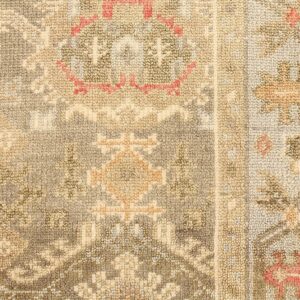
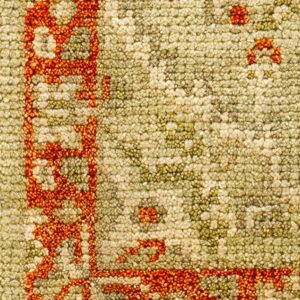
Oushak rugs are among the most iconic and historically significant Turkish hand‑knotted carpets, originating in the city of Uşak in western Anatolia, a weaving center active since at least the 15th century and celebrated throughout the Ottoman Empire. These rugs are recognized for their generous scale, luminous wool, and soft, muted color palettes, often featuring warm ivories, golds, pale blues, and earthy tones, creating a refined yet inviting presence in any space.
Unlike the denser, highly intricate patterns of many Persian carpets, Oushak designs typically emphasize large-scale medallions, stylized floral motifs, and open fields, allowing the artistry and texture of the weave to stand out. Woven with high-quality wool using the traditional Turkish (Ghiordes) knot, these rugs combine durability with a soft, luxurious hand underfoot, making them prized both as decorative pieces and practical floor coverings.
Celebrated by collectors and designers alike, Oushak rugs have not only shaped the history of Oriental carpets but continue to be valued for their elegant balance of historical heritage and versatile style, making them equally at home in classic and contemporary interiors.
Antique Turkish Oushak rugs are revered for their soft palettes, often featuring earthy tones and spacious, large-scale medallion designs. Originating from Western Anatolia, these masterful Turkish weaves are highly sought after by designers for their ability to blend antique grandeur with modern, airy interiors. Discover more about the storied history and unique design characteristics of Oushak rugs in our specialized guide.
Oushaks vary enormously in palette and drawing, and that is most of the price. Our oushak buying and identification guide covers current price bands, what to look for and what moves the value.
Antique Oushak rugs at a glance
The table below summarizes the main facts about antique Oushak rugs, drawn from our guides and from the live collection on this page. Counts and prices were taken from our in-stock Oushak rugs on September 27, 2026 and change as rugs sell.
| Feature | Antique Oushak rugs |
|---|---|
| Where they were woven | Uşak (Oushak, Ushak) and its surrounding villages in western Anatolia, Turkey |
| Periods | Classical star and medallion Oushaks, 15th to 17th centuries (rare, museum-grade); revival Oushaks, about 1870 to 1930. In our collection, more than 70 are 19th century, more than 30 date from 1900 to 1925, and 16 are from the 1930s to the 1950s. |
| Origin mix in our collection | 127 antique and vintage Oushaks woven in Turkey, plus 19 new hand-knotted rugs in the Oushak style woven in India, China and Pakistan, each labeled with its true origin |
| Materials | Lustrous, springy Anatolian wool, usually on a wool foundation. Ten of our Oushaks are woven in Angora wool, from the Angora goats of the Ankara region, known for its glow. |
| Construction and knotting | Hand-knotted pile with the symmetrical Turkish (Ghiordes) knot. The weave is comparatively coarse and the handle supple, which suits the large-scale drawing. |
| Typical palettes | Apricot, saffron, terracotta, coral, soft green, gold, gentle cinnamon and silvery ivory. Ivory is the most common color in our collection, followed by coral, red, blue, gold and green. |
| Signature designs | Star and medallion layouts, sparse large medallions on open fields, all-over angular vines and palmettes, and some prayer designs |
| Formats in stock | Room size, 88; large oversized carpets, 34; square formats, more than 10; a handful of runners and gallery carpets |
| Most common sizes in stock | 9 x 12, 33; 10 x 14, 19; 8 x 10, 15; 12 x 15, 10; 12 x 18, 8; 13 x 16, 7; 15 x 17 and 16 x 21 or larger, 6 each |
| Price range (antique, in stock) | For our Oushaks dated 1925 or earlier: from $3,000 to $97,500. The median is about $22,500, and half are priced between $15,000 and $33,750. Prices are in US dollars. |
| In stock | More than 140 Oushak rugs, of which more than 110 are antique Turkish Oushaks dated 1925 or earlier |
Prefer to see a rug in person?
-
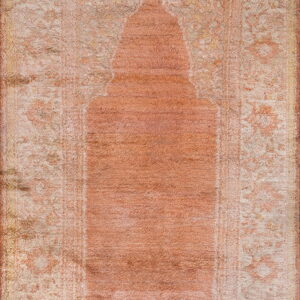
Luxurious Soft Pile Antique Coral Turkish Islamic Prayer Design Angora Oushak Rug
$6,000.00 Antique RugsSKU: 21273Rug sizes: 3 ft 10 in x 5 ft 10 in (1.17 m x 1.78 m) -
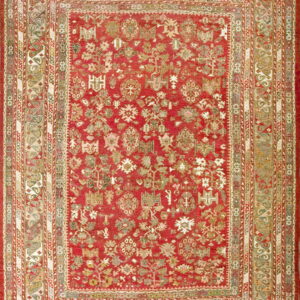
Antique Turkish Oushak Coral Rug – Rustic Village Pattern
$18,500.00 Antique RugsSKU: 19022Rug sizes: 9 ft x 11 ft 8 in (2.74 m x 3.56 m) -
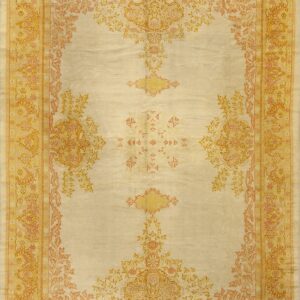
Soft Decorative Yellow Antique Room Size Turkish Oushak Rug
$18,800.00 Antique RugsSKU: 24806Rug sizes: 8 ft 3 in x 11 ft 6 in (2.51 m x 3.51 m) -
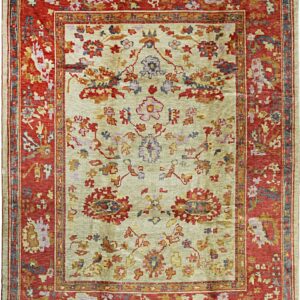
Selene Modair Oushak Ivory and Red Hand Knotted Rug
$5,200.00 New RugsSKU: FAAN13RD9X12Rug sizes: 9 ft 3 in x 12 ft 3 in (2.82 m x 3.73 m) -
Contemporary Oushak Rug, Design 4031
Contact us for price New RugsSKU: NEC-4031Rug sizes: 2 ft x 2 ft (0.61 m x 0.61 m) -
Contemporary Oushak Rug, Design 4030
Contact us for price New RugsSKU: NEC-4030Rug sizes: 1 ft x 1 ft (0.30 m x 0.30 m) -
Contemporary Oushak Rug, Design 4028
Contact us for price New RugsSKU: NEC-4028Rug sizes: 2 ft x 2 ft (0.61 m x 0.61 m) -
Contemporary Oushak Rug, Design 4025
Contact us for price New RugsSKU: NEC-4025Rug sizes: 2 ft x 2 ft (0.61 m x 0.61 m) -
Contemporary Oushak Rug, Design 4024
Contact us for price New RugsSKU: NEC-4024Rug sizes: 2 ft x 2 ft (0.61 m x 0.61 m) -
Contemporary Oushak Rug, Design 4023
Contact us for price New RugsSKU: NEC-4023Rug sizes: 2 ft x 2 ft (0.61 m x 0.61 m) -
Contemporary Oushak Rug, Design 4022
Contact us for price New RugsSKU: NEC-4022Rug sizes: 1 ft 6 in x 2 ft (0.46 m x 0.61 m) -
Contemporary Oushak Rug, Design 4021
Contact us for price New RugsSKU: NEC-4021Rug sizes: 2 ft 6 in x 2 ft 6 in (0.76 m x 0.76 m) -
Contemporary Oushak Rug, Design 4020
Contact us for price New RugsSKU: NEC-4020Rug sizes: 2 ft 6 in x 2 ft 6 in (0.76 m x 0.76 m) -
Contemporary Oushak Rug, Design 4016C
Contact us for price New RugsSKU: NEC-4016CRug sizes: 2 ft x 3 ft (0.61 m x 0.91 m) -
Contemporary Oushak Rug, Design 4015
Contact us for price New RugsSKU: NEC-4015Rug sizes: 2 ft x 3 ft (0.61 m x 0.91 m) -
Contemporary Oushak Rug, Design 4014
Contact us for price New RugsSKU: NEC-4014Rug sizes: 2 ft x 3 ft (0.61 m x 0.91 m) -
Contemporary Oushak Rug, Design 4010
Contact us for price New RugsSKU: NEC-4010Rug sizes: 1 ft x 2 ft (0.30 m x 0.61 m) -
Contemporary Oushak Rug, Design 4009
Contact us for price New RugsSKU: NEC-4009Rug sizes: 2 ft x 2 ft (0.61 m x 0.61 m) -
Contemporary Oushak Rug, Design 4008
Contact us for price New RugsSKU: NEC-4008Rug sizes: 2 ft x 4 ft (0.61 m x 1.22 m) -
Contemporary Oushak Rug, Design 4007
Contact us for price New RugsSKU: NEC-4007Rug sizes: 2 ft x 3 ft (0.61 m x 0.91 m) -
Contemporary Oushak Rug, Design 4005
Contact us for price New RugsSKU: NEC-4005Rug sizes: 2 ft x 3 ft (0.61 m x 0.91 m) -
Contemporary Oushak Rug, Design 4002
Contact us for price New RugsSKU: NEC-4002Rug sizes: 2 ft x 3 ft (0.61 m x 0.91 m) -
Contemporary Oushak Rug, Design 4001B
Contact us for price New RugsSKU: NEC-4001BRug sizes: 2 ft x 2 ft (0.61 m x 0.61 m) -
1930s Tan Camel Geometric Antique Turkish Decorative Oushak Rug 13′ X 18’4″ Handknotted Wool Carpet
$38,000.00 Vintage RugsSKU: 40-611Rug sizes: 13 ft x 18 ft 4 in (3.96 m x 5.59 m) -
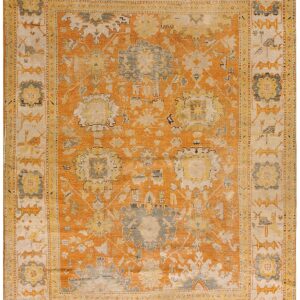
1880s Orange Tangerine Large Scale Antique Turkish Oushak Rug 8’4”x 11’2” Handknotted Wool Carpet
$22,500.00 Antique RugsSKU: 40-5152Rug sizes: 8 ft 4 in x 11 ft 3 in (2.54 m x 3.43 m) -
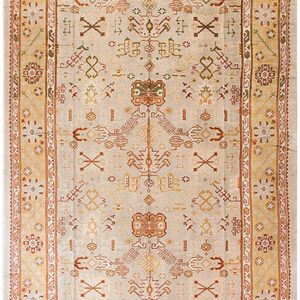
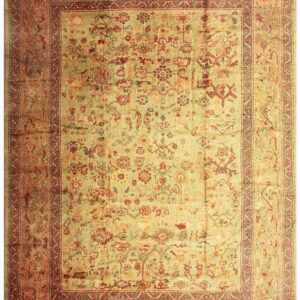
Magnificent White Ivory Color and Superb Geometric Design Antique Turkish Oushak Mansion Carpet
$3,000.00 Antique RugsSKU: 40-3701Rug sizes: 9 ft 2 in x 22 ft 4 in (2.79 m x 6.81 m) -
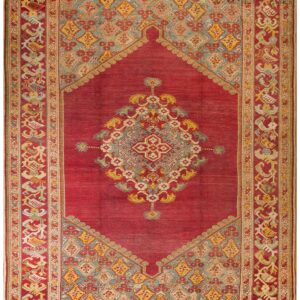
Spellbinding Red-Raspebery Fiedl With Delicate Medallion Pattern Antique Turkish Ghiordes Oushak Rug
$25,000.00 Antique RugsSKU: 40-3700Rug sizes: 10 ft x 14 ft (3.05 m x 4.27 m) -
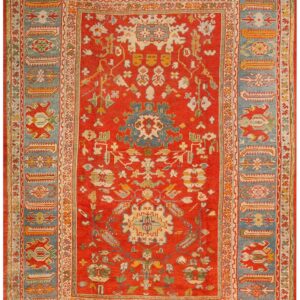
Impressive Red Color Large Pattern Antique Room Size Turkish Oushak Rug
$22,400.00 Antique RugsSKU: 40-2411Rug sizes: 9 ft 6 in x 13 ft (2.90 m x 3.96 m) -
Ivory Hand-Knotted Wool Peshawar Traditional Area Rug 8′ x 10′
$1,334.95 New RugsSKU: MR1602IV8X10Rug sizes: 8 ft x 9 ft 9 in (2.44 m x 2.97 m) -
Turquoise Hand-Knotted Wool Oushak Floral Traditional Area Rug 8′ x 10′
$1,514.95 New RugsSKU: IE516TK8X10Rug sizes: 8 ft x 10 ft (2.44 m x 3.05 m) -
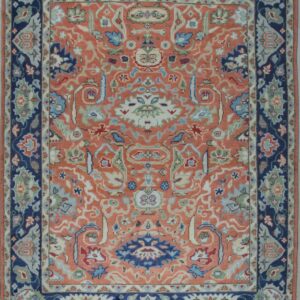
Rust Hand-Knotted Wool Oushak Floral Traditional Area Rug 8′ x 10′
$1,514.95 New RugsSKU: IE513RT8X10Rug sizes: 8 ft x 10 ft (2.44 m x 3.05 m) -
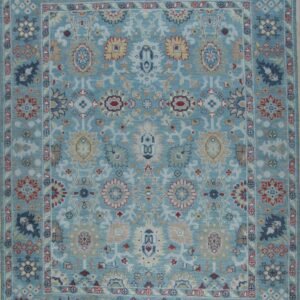
Blue and Ivory Hand-Knotted Wool Oushak Floral Traditional Area Rug 8′ x 10′
$1,514.95 New RugsSKU: IE512BL8X10Rug sizes: 8 ft x 10 ft (2.44 m x 3.05 m) -
Light Green Hand-Knotted Wool Oushak Floral Traditional Area Rug 8′ x 10′
$1,514.95 New RugsSKU: IE511LGN8X10Rug sizes: 8 ft x 10 ft (2.44 m x 3.05 m) -
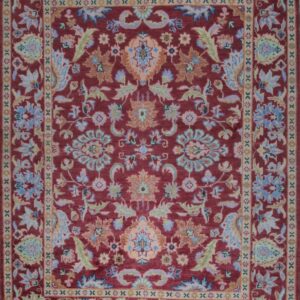
Burgundy Hand-Knotted Wool Oushak Floral Traditional Area Rug 8′ x 10′
$1,514.95 New RugsSKU: IE510RD8X10Rug sizes: 8 ft x 10 ft (2.44 m x 3.05 m) -
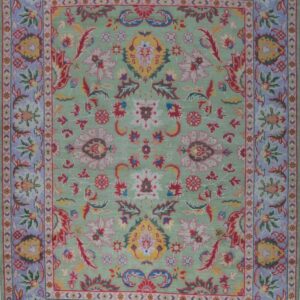
1890s Green Grand Scale Botanical Motifs Knotted Wool Antique Oushak Turkish Carpet
$13,000.00 Antique RugsSKU: 40-5422Rug sizes: 13 ft x 17 ft (3.96 m x 5.18 m) -
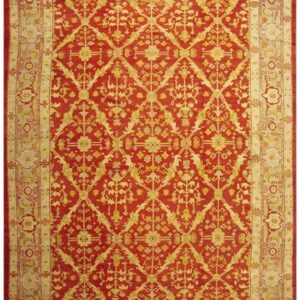
1890s Traditional Red Diamond Knotted Wool Antique Oushak Turkish Decorative Rug
$24,700.00 Antique RugsSKU: 40-5408Rug sizes: 12 ft x 17 ft (3.66 m x 5.18 m)
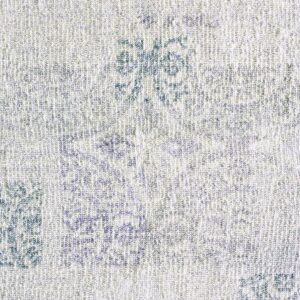
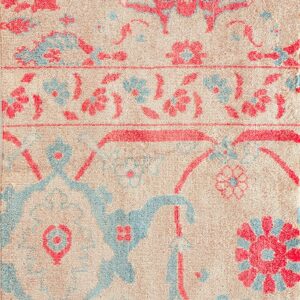
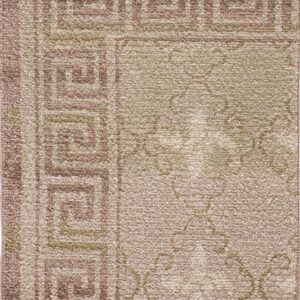
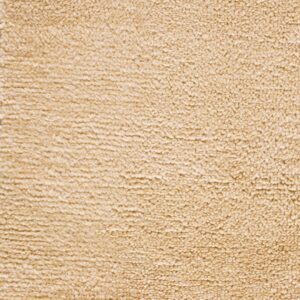
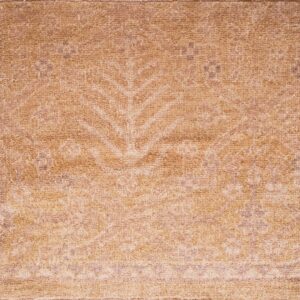
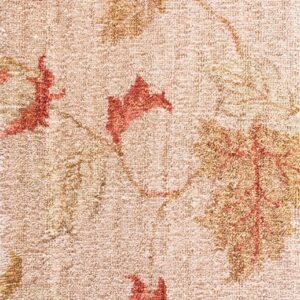
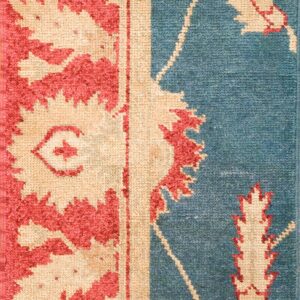
What is an antique Oushak rug?
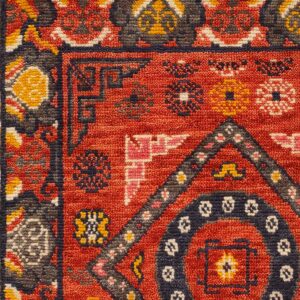
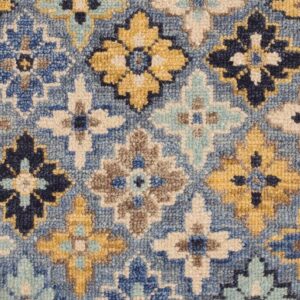
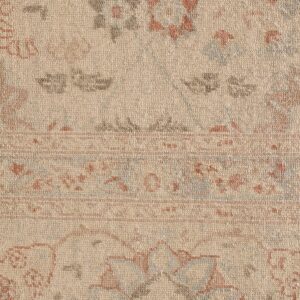
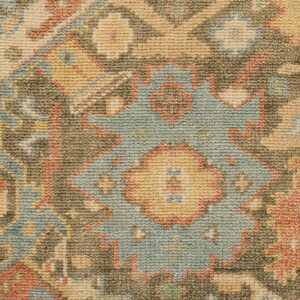
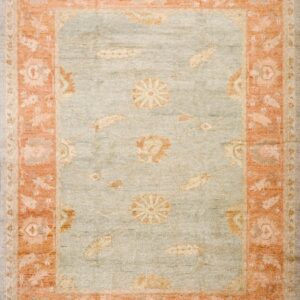
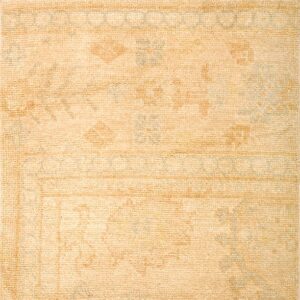
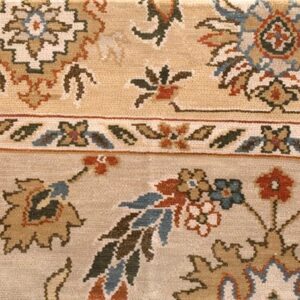
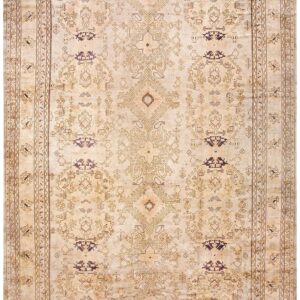
An antique Oushak rug is a hand-knotted Turkish carpet woven in the town of Uşak and its surrounding villages in western Anatolia, roughly 100 years ago or more. Oushaks are prized for three things above all: luminous, soft-toned color, large-scale open drawing, and glossy, resilient wool. Uşak became one of the most important weaving centers of the Ottoman Empire from the 15th century, and its carpets were so admired in Europe that they appear under the feet of saints, monarchs and merchants in Renaissance paintings. Oushak belongs to the wider family of antique Turkish rugs. For history, identification and value in depth, read our antique Oushak rugs guide and our longer Oushak reference.
What are the main types of Oushak rugs?
Oushaks fall into two historical groups, with modern Oushak-style rugs as a separate third category. Knowing which you are looking at decides both the price and how the rug will behave in a room.
- Classical star and medallion Oushaks, 15th to 17th centuries. The great early designs, with radiating stars or monumental medallions, famous enough to be named after the painters who pictured them, such as Holbein and Lotto. Surviving examples are rare, museum-grade objects with deeper, more saturated palettes and archaic drawing.
- Revival Oushaks, about 1870 to 1930. Western demand in the late 19th century revived the town's looms, and these carpets, woven in room sizes and oversizes for European and American houses, make up almost all of the antique Oushaks on the market. They favor all-over angular vines, sparse medallions and generous open fields in pale, warm palettes. All of the antique Oushaks in our collection belong to this group or to the vintage decades just after it.
- Angora Oushaks. Some of the most prized 19th century Oushaks were woven with Angora wool from the goats of the Ankara region, which takes dye with a watercolor-like transparency and seems to glow. We have 10 in stock, all Turkish, all from the 1870s to 1890s.
- New Oushak-style rugs. Oushak design is widely reproduced today in other countries. The new hand-knotted Oushak-style rugs on this page were woven in India, China and Pakistan, and each listing states that origin. They are new rugs, not antiques.
How can you tell if an Oushak rug is antique?
Start with the wool. West Anatolian wool has a distinctive sheen and spring, and in an antique Oushak the pile catches the light almost like silk. Then check the rest:
- Structure. The symmetrical Turkish knot, a comparatively coarse weave and a supple handle, usually on a wool foundation. A stiff handle or a cotton, mesh-like back points away from the genuine article. See our guides to rug knots and KPSI and foundations, warps and wefts.
- Color. Revival-era Oushaks show natural-dye abrash and colors that have mellowed into the glowing pastel range designers love. Chemically washed reproductions imitate that softness, but the color sits on the surface, flat and uniform. Our natural vs synthetic dyes guide explains the difference.
- Drawing. Large in scale and unhurried, with generous space between motifs, and the small irregularities of a hand-knotted rug.
- Wear. Honest wear follows the traffic of a room. Distressing that is too even, across the whole surface, is a warning sign.
- Origin on the label. A modern Oushak-style rug is a legitimate new rug, but it is not an antique Turkish Oushak. Every listing on this site states origin and approximate age; see antique vs vintage vs new rugs.
How do you decorate with an antique Oushak rug?
Use an Oushak where you want a large rug that warms a room without dominating it. The soft palette and open, large-scale drawing read calmly, so Oushaks sit as comfortably in contemporary and transitional rooms as in traditional ones.
- Living rooms. Room-size Oushaks are the core of our collection, led by 9 x 12 and 10 x 14. Choose a size that lets at least the front legs of the seating rest on the rug. See our guide to antique 9 x 12 rugs.
- Large and open-plan rooms. Oushak is one of the few antique types that regularly reaches the largest sizes: we hold 34 oversized Oushak carpets, including 12 x 18, 13 x 16 and 16 x 21 or larger. See antique 10 x 14 rugs and large antique rugs, 12 x 18 and bigger.
- Square rooms. Square Oushak carpets such as 11 x 11 and 13 x 13 suit square rooms and round dining tables.
- Color pairings. Ivory and pale gold Oushaks suit neutral and light rooms; coral, apricot and terracotta pieces warm a cool palette; soft green and blue pieces pair well with wood and linen.
- Measure first. Our rug size guide explains how to measure, and every listing gives the measured size.
How do you care for an antique Oushak rug?
Treat an Oushak like the fine wool object it is: a quality pad, seasonal rotation, gentle vacuuming without a beater bar, no steam cleaning, and periodic hand washing by a rug specialist. The lustrous wool rewards good care by growing more beautiful with time.
- Light. Soft pastel palettes are part of the appeal, but long exposure to direct sun fades them further. Use curtains or UV film in very bright rooms.
- Spills. Blot at once with plain water, never rub or soak, and ask a specialist before trying any home remedy on a pale ground.
- Professional washing. Our rug cleaning service in Manhattan washes hand-knotted rugs with a pH-balanced process, after checking for old repairs and fragile areas.
- Moths. Large rugs spend much of their area under sofas and beds, exactly the dark, undisturbed places moth larvae prefer. Our moth-proofing service washes the rug first and then treats the fibers.
- Shape. Large carpets can ripple or pull out of square over time. Blocking and stretching helps a rug lie flat again.
- Restoration. Good, honest restoration is accepted in carpets of this age. Full pile and original ends and sides add value, so have damage stabilized early.
Glossary of antique Oushak rug terms
These are the terms you will meet most often in our listings and guides for Oushak rugs.
- Uşak
- The town in western Anatolia, Turkey, that gives Oushak rugs their name, also spelled Ushak. Shop Oushak rugs.
- Star Ushak
- A classical Oushak layout of large radiating star medallions, one of the earliest Turkish carpet designs to become famous in Europe.
- Medallion Ushak
- A classical Oushak layout built around monumental medallions on an open field.
- Holbein and Lotto carpets
- 15th and 16th century Anatolian rugs, many from Uşak, named after the European painters who pictured them.
- Revival Oushak
- A carpet from the late 19th and early 20th century revival of Uşak weaving, about 1870 to 1930, usually in room sizes and oversizes.
- Angora wool
- Lustrous fiber from the Angora goats of the Ankara region, used in some of the most prized 19th century Oushaks.
- Ghiordes knot
- The symmetrical or Turkish knot, tied around two warps, used in Oushak and across Anatolia.
- Abrash
- Soft bands of tonal variation within one color, from changes in dye lot. Welcome in an antique Oushak.
- Chemical wash
- A treatment used on some modern rugs to fake the soft color of age. The color sits flat on the surface rather than glowing from within the wool.
- Oversize
- A carpet larger than standard room sizes, roughly 12 x 18 and up. Oushak is one of the few antique types that reaches these sizes regularly.
Antique Oushak Rugs: Frequently Asked Questions
Are Oushak rugs Turkish or Persian?
Oushak rugs are Turkish. They come from the town of Uşak and its villages in western Anatolia, Turkey, and are woven with the symmetrical Turkish knot. Oushak-style designs are also reproduced today in other countries, but a genuine antique Oushak is a Turkish carpet.
How many antique Oushak rugs does Rugs On Net have?
We have more than 140 Oushak rugs in stock. Of these, 127 were woven in Turkey, and more than 110 of those are antique pieces dated 1925 or earlier, mostly 19th century. The rest are new hand-knotted Oushak-style rugs, each listed with its true origin.
Why are Oushak rugs so popular with interior designers?
Because of their palette and scale. Antique Oushaks were woven in soft apricot, terracotta, ivory, gold and gentle green, with large-scale, open drawing that reads calmly in a room, and in the large sizes that living rooms need. They warm a space without dominating it, in both traditional and contemporary interiors.
What is an antique Oushak rug worth?
Value follows size, palette, age and condition, with room sizes and oversizes in pale, warm colors commanding the strongest prices. In our stock on September 27, 2026, antique Oushaks dated 1925 or earlier had a median price of about $22,500, with half between $15,000 and $33,750.
Do you ship antique Oushak rugs, and can I return one?
Yes. Shipping is free within the continental United States, and international orders ship at a flat rate of $495 per order ($350 to Canada, $395 to Mexico), with tracking. Orders ship in 1 to 3 business days. Customs fees, import duties and taxes are paid by the buyer on delivery. US buyers get a 4-day in-home trial starting the day the rug is delivered; see our shipping policy and returns policy.
Do you buy or appraise antique Oushak rugs?
Yes. We buy antique rugs outright: send photographs and measurements, and Kevin Rahmanan reviews the photos and decides. Consignment is also offered. For a value, we give a free Quick Opinion by phone or email from photographs, and a free In-Depth Appraisal Report for insurance, estate valuation and documentation. See sell your antique rug or contact us.