
Green Rugs
Key takeaways: green rugs
- What this page holds: every rug in our collection with a significant green in its palette, of every age. That means more than 120 antique rugs dated 1925 or earlier, 36 vintage rugs and 71 new rugs, all in stock. A rug can appear under more than one color.
- Harder to find than blue or red: green is a much smaller color family in antique rugs. We have 231 green rugs against 1,314 blue ones, which is why a good antique green field stands out.
- Where the green comes from: in older rugs, usually two dyes on the same wool, blue and yellow. The yellow tends to fade first, so antique greens often drift toward teal or blue green. 1920s and 1930s Chinese Art Deco rugs use stable synthetic chrome dyes.
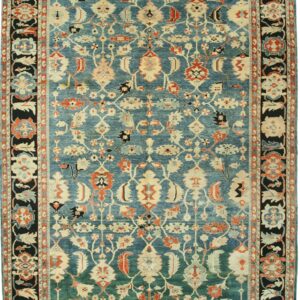
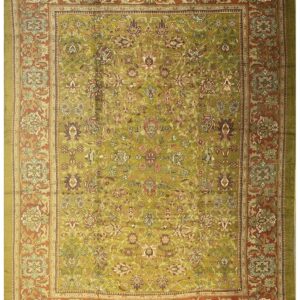
- Traditions known for green: in our stock, Chinese Art Deco rugs lead by far, most of them by Walter Nichols. Soft sage and celadon appear in Turkish Oushak and Persian Sultanabad rugs, and olive and moss in French, English and Irish rugs.
- How it decorates: green brings the garden indoors. It pairs naturally with coral and pink, rust, cream, brass and mid-tone wood.
- Buying with confidence: every rug is inspected before it is listed, each listing states origin, approximate age, materials and measured size, shipping is free within the continental United States, and there is a 4-day in-home trial. See buying with confidence.
Browse our green rugs to find one of the rarest and most technically challenging achievements in weaving. Because these pigments—ranging from Sage Green and Olive Green to Forest Green and Emerald Green—require a two-stage dyeing process, they are hallmarks of a master weaver’s skill.
Review our collection of Kelly Green, Seafoam, and Mint to find a botanical energy that suits your space. Shop these green masterpieces to secure a color-stable, hand-knotted foundation that brings a sense of the natural world indoors.
Green rugs infuse your home with the refreshing tranquility of the natural world, bringing a grounded sophistication to any room. From deep emerald hues to soft sage tones, these versatile floor coverings serve as captivating anchors that harmonize with diverse interior styles; discover more about green rug colors and their decorative impact.
Green rugs at a glance
The table below summarizes the green rugs on this page. Counts and prices were taken from our in-stock green rugs on September 27, 2026 and change as rugs sell. Ages follow the circa date in each listing: antique means dated 1925 or earlier, vintage means later than 1925, and new means rugs from our new rugs collection.
| Feature | Green rugs in our collection |
|---|---|
| In stock | 231 rugs: 124 antique, 36 vintage and 71 new |
| Age of the antiques | 6 made before 1800, 42 from the 19th century and 76 from 1900 to 1925. Of the vintage rugs, 27 date from the late 1920s to the 1940s. |
| Top origins | China, 79; India, 70; Persia, 23; Turkey, 14; France, 13; England, 8; America, 8; Ireland, 5 |
| Most common types | Chinese Art Deco, 62, including 49 by Walter Nichols; Oushak, 14; Agra, 14; Aubusson, 8; kilims, 8; American hooked, 7; needlepoint, 6; Donegal, 5; Sultanabad, 5 |
| How the green was dyed | In most older rugs, blue and yellow dyes applied one after the other; in 1920s and 1930s Chinese Art Deco rugs, synthetic chrome dyes; in new rugs, modern dyes |
| Colors most often paired with green | Red and rust (21 rugs tagged with both), gold (20), ivory and cream (19), blue (18), multicolor jewel tones (18), and coral and pink (13) |
| Formats in stock | Room size, 135; small scatter rugs, 60; runners, 38; large oversized carpets, 32; wide gallery carpets, 7 |
| Most common sizes in stock | 9 x 12, 55; 8 x 10, 55; 10 x 14, 33; 6 x 9, 23; 5 x 8, 19; 12 x 15, 11; 12 x 18, 9 |
| Price range | Antique green rugs: from $1,000 to $133,500, with a median of about $12,900 and half priced between $6,800 and $23,400. Vintage: median about $8,370. New: from $82 to $7,215, median about $783. Prices are in US dollars. |
Prefer to see a rug in person?
-
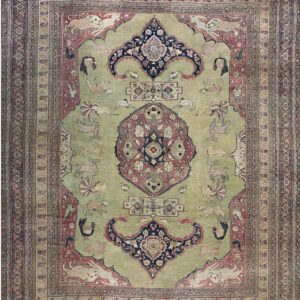
Green Fine Antique Persian Moud / Khorassan Animal Hunting Scene Room Size Rug
$33,800.00 Antique RugsSKU: 24920Rug sizes: 9 ft 9 in x 12 ft 2 in (2.97 m x 3.71 m) -
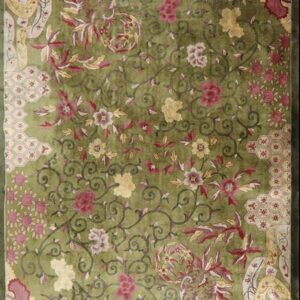
Stunning Antique Chinese Art Deco Carpet by Nichols Workshop Green Hand Knotted Pile Rug
$33,500.00 Antique RugsSKU: 23817Rug sizes: 11 ft 10 in x 17 ft 2 in (3.61 m x 5.23 m) -
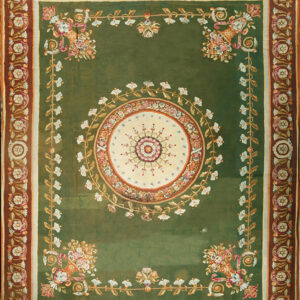
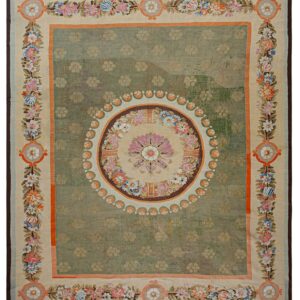
Antique Oversized Aubusson French Medallion Knotted Rug
$68,000.00 Antique RugsSKU: 24344Rug sizes: 17 ft x 20 ft 10 in (5.18 m x 6.35 m) -
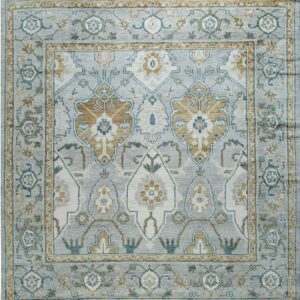
Freya Oushak Gray and Gold Hand Knotted Wool Rug
Price range: $885.00 through $2,463.00 New RugsRug sizes: 8 ft x 10 ft (2.44 m x 3.05 m), 9 ft x 12 ft (2.74 m x 3.66 m), 10 ft x 14 ft (3.05 m x 4.27 m), 8 ft x 8 ft (2.44 m x 2.44 m), 12 ft x 15 ft (3.66 m x 4.57 m) -
Elena Kira Pink and Gray Hand Tufted Wool Rug
$1,494.95 New RugsRug sizes: 8 ft 8 in x 11 ft 8 in (2.64 m x 3.56 m) -
Celia Modern Green Hand Knotted Silk Rug
Price range: $1,807.00 through $3,151.00 New RugsRug sizes: 8 ft x 10 ft (2.44 m x 3.05 m), 9 ft x 12 ft (2.74 m x 3.66 m), 10 ft x 14 ft (3.05 m x 4.27 m) -
Antique Aubusson French Medallion Flat Weave Rug
$35,100.00 Antique RugsSKU: 23963Rug sizes: 8 ft 8 in x 12 ft 6 in (2.64 m x 3.81 m) -
Selene Modair Oushak Ivory and Red Hand Knotted Rug
$5,200.00 New RugsSKU: FAAN13RD9X12Rug sizes: 9 ft 3 in x 12 ft 3 in (2.82 m x 3.73 m) -
Refined Chic Green Hand Knotted Wool Rug
$5,060.00 New RugsSKU: BA1004Rug sizes: 13 ft 1 in x 20 ft 1 in (3.99 m x 6.12 m) -
Sophie Enchanting Green Hand Tufted Wool Rug 9 x 12
$1,454.95 New RugsSKU: T109GN9X12Rug sizes: 8 ft 11 in x 11 ft 11 in (2.72 m x 3.63 m) -
Ophelia Oriental Green Hand Knotted Wool Rug 8 x 10
$988.00 New RugsSKU: KC30785GN8X10Rug sizes: 8 ft x 10 ft (2.44 m x 3.05 m) -
Brenda Kira Tan Green Hand-Tufted Wool Rug Geometric 9’x12′ Carpet
$2,774.95 New RugsSKU: IE117GN9X12Rug sizes: 9 ft x 12 ft (2.74 m x 3.66 m) -
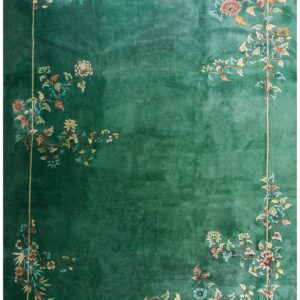
1930s Solid Green Field Floral Antique Chinese Art Deco Carpet Rug
$18,200.00 Vintage RugsSKU: 25804Rug sizes: 12 ft 10 in x 15 ft 9 in (3.91 m x 4.80 m) -
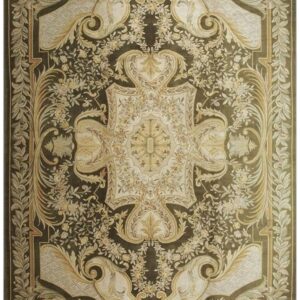
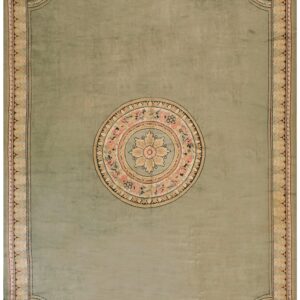
Contemporay Luxury Green Field Medallion Antique European Savonnerie Gallery Rug
$20,800.00 Vintage RugsSKU: 7076Rug sizes: 11 ft x 18 ft (3.35 m x 5.49 m) -
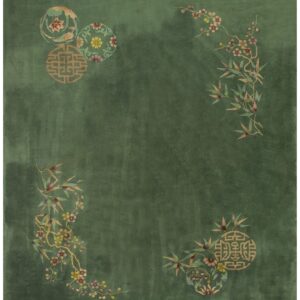
1920s Antique Bold Green Field Handknotted Wool Chinese Art Deco Carpet Rug
$6,500.00 Antique RugsSKU: 6983Rug sizes: 8 ft x 9 ft (2.44 m x 2.74 m) -
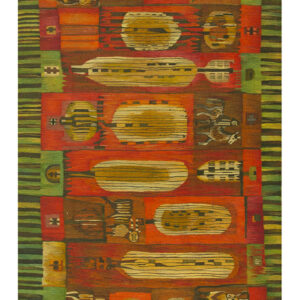
Colorful Antique Swedish Flatweave with Animals, Trees, and Figures
$3,300.00 Antique RugsSKU: 7000Rug sizes: 5 ft x 8 ft 5 in (1.52 m x 2.57 m) -
1900s Green Asparagus Medallion Antique Irish Donegal Arts & Crafts Rug 12’6″ X 18′ Knotted Wool Carpet
$34,000.00 Antique RugsSKU: 40-3521Rug sizes: 12 ft 8 in x 18 ft (3.86 m x 5.49 m) -
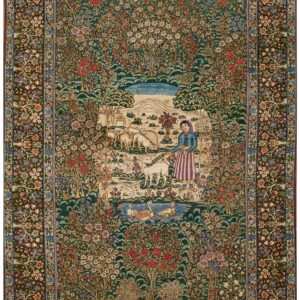
1900s Green Scene Figural Medallion Antique Persian Kerman Rug 4′ 10”x 7′ 9” Knotted Pile Wool Carpet
$9,000.00 Antique RugsSKU: 40-5097Rug sizes: 4 ft 10 in x 7 ft 9 in (1.47 m x 2.36 m) -
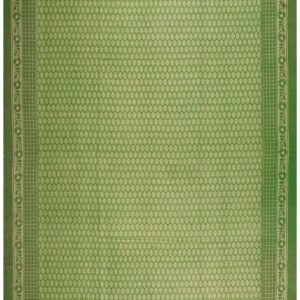
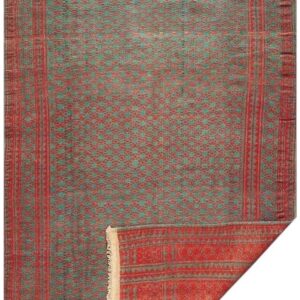
Splendid Green Color With Small Ikat Pattern Design Antique Ingrain Rug
$12,000.00 Antique RugsSKU: 40-624Rug sizes: 11 ft 4 in x 15 ft (3.45 m x 4.57 m) -
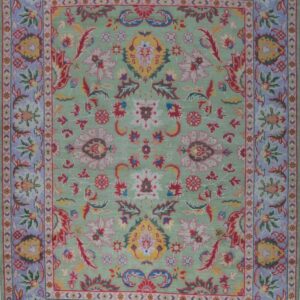
Light Green Hand-Knotted Wool Oushak Floral Traditional Area Rug 8′ x 10′
$1,514.95 New RugsSKU: IE511LGN8X10Rug sizes: 8 ft x 10 ft (2.44 m x 3.05 m) -
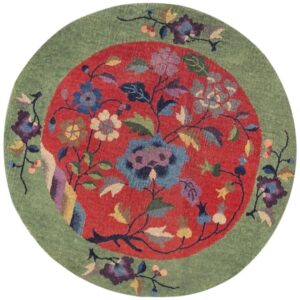
1920s Antique Red Floral Green Border Chinese Knotted Art Deco Wool Round Rug
$1,040.00 Antique RugsSKU: 7002Rug sizes: 2 ft x 2 ft (0.61 m x 0.61 m) -
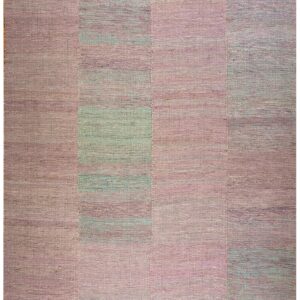
Awesome Rose-Green Color Contemporary Handwoven Wool Shaker Style Flat Weave Rug
$6,400.00 New RugsSKU: 30-13138Rug sizes: 10 ft x 13 ft 8 in (3.05 m x 4.17 m) -
1950s Small Solid Green Modern Geometric Vintage Cotton Textile Ziloo Rug
$2,000.00 Vintage RugsSKU: 6956Rug sizes: 5 ft x 9 ft (1.52 m x 2.74 m) -
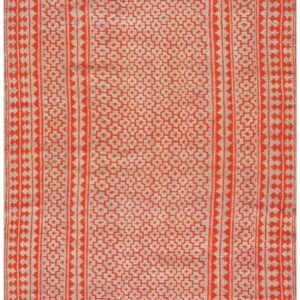
1950s Small Green Red Modern Geometric Cotton Vintage Textile Knotted Ziloo Rug
$2,000.00 Vintage RugsSKU: 6957Rug sizes: 5 ft x 8 ft (1.52 m x 2.44 m) -
1920s Green Large-Scale Floral Woven Formal Neoclassical Spanish Savonnerie Rug signed Real Fabrica de Tapices
$52,000.00 Antique RugsSKU: 6946Rug sizes: 15 ft x 18 ft 4 in (4.57 m x 5.59 m) -
1920s Green Open Field Roses Border Antique Donegal Arts Crafts Woven Carpet Rug
$23,400.00 Antique RugsSKU: 6930Rug sizes: 11 ft x 18 ft (3.35 m x 5.49 m) -
1900s Green Classic Antique Intricate Floral Handknotted Wool Mashad Carpet Rug
$19,500.00 Antique RugsSKU: 40-5421Rug sizes: 9 ft x 16 ft (2.74 m x 4.88 m) -
1880s Traditional Deep Red Green Antique Indian Agra Gallery Rug 8’x27’2″ Carpet
$78,000.00 Antique RugsSKU: 23064Rug sizes: 8 ft x 27 ft 2 in (2.44 m x 8.28 m) -
Brenda Kira Tan Green Hand-Tufted Wool Rug Geometric 8’x10′ Carpet
$2,079.95 New RugsSKU: IE117GN8X10Rug sizes: 8 ft x 10 ft (2.44 m x 3.05 m) -
1890s Antique Oversized Green Olive 5 Star Floral Knotted Wool Sultanabad Rug
$52,000.00 Antique RugsSKU: 40-5391Rug sizes: 15 ft x 16 ft (4.57 m x 4.88 m) -
1940s Green Medallion Classical Motifs Antique Tabriz Knotted Wool Rug
$7,150.00 Vintage RugsSKU: 40-4890Rug sizes: 6 ft x 9 ft (1.83 m x 2.74 m) -
1890s Green Grand Scale Botanical Motifs Knotted Wool Antique Oushak Turkish Rug
$13,000.00 Antique RugsSKU: 40-5422Rug sizes: 13 ft x 17 ft (3.96 m x 5.18 m) -
1900s Olive Green Ground Floral Antique European Needlepoint Handmade Wool Rug
$2,600.00 Antique RugsSKU: 6940Rug sizes: 3 ft x 6 ft (0.91 m x 1.83 m) -
1920s Green Floral Medallion Haute Modern Knotted Antique Chinese Art Deco Rug
$4,550.00 Antique RugsSKU: 6985Rug sizes: 5 ft x 8 ft (1.52 m x 2.44 m) -
Antique Chinese Art Deco Carpet 11’×15’7″ Green Field, Minimalist Floral Design, 1920s
$20,800.00 Antique RugsSKU: 6869Rug sizes: 11 ft x 15 ft 7 in (3.35 m x 4.75 m) -
Antique Indian Amritsar Carpet 12’×14’9″ Green Field, Soft Yellow Border, 19th Century
$22,500.00 Antique RugsSKU: 19476Rug sizes: 12 ft x 14 ft 9 in (3.66 m x 4.50 m)
Which rug traditions are known for green?
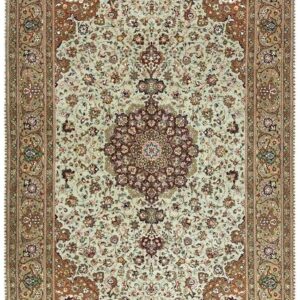
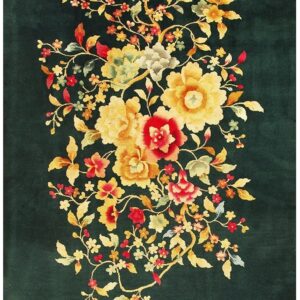
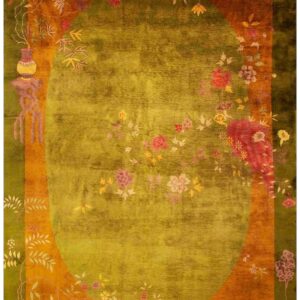
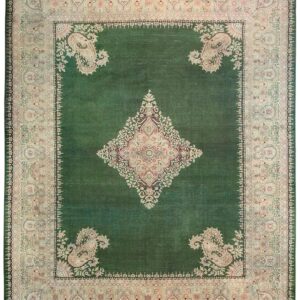
Chinese Art Deco rugs are the tradition most associated with strong green, and in our stock they make up 62 of the 231 green rugs on this page. Softer greens turn up in Turkish, Persian and European rugs, and India supplies most of our new green rugs. Here is how our green stock breaks down.
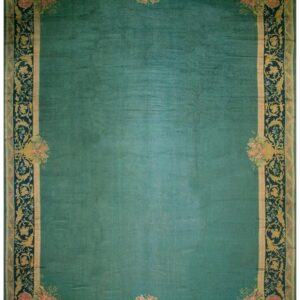
- Chinese Art Deco, 62 in green, including 49 by Walter Nichols. Jade, emerald, teal and acid green from the 1920s and 1930s, often as a whole field with floating flowers. Chrome dyes kept these greens saturated. See Chinese Art Deco rugs and the Walter Nichols story.
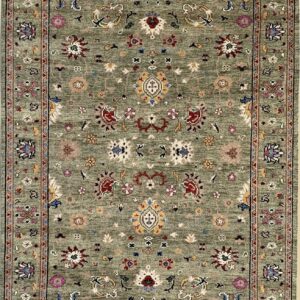
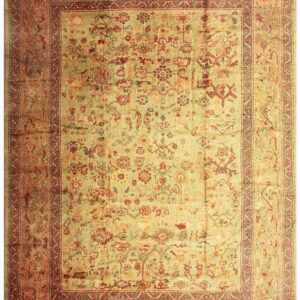
- Oushak, 14. Soft green and celadon with apricot and ivory on large, open drawing. See Oushak rugs.
- Persian rugs, 23. Green is more often an accent than a field in Persian weaving; Sultanabad carpets bring sage green alongside terracotta and sky blue. See Sultanabad rugs.
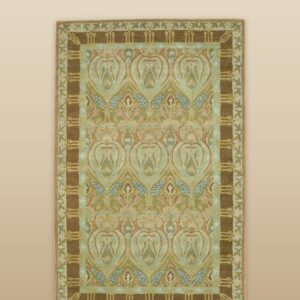
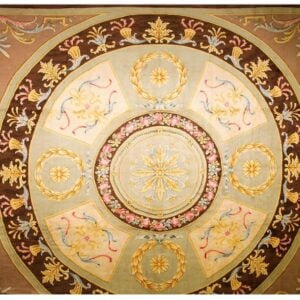
- European rugs. French Aubusson and Savonnerie rugs with leaf greens in their florals, English rugs, and Irish Donegal carpets of the Arts and Crafts period with olive and moss. See French rugs, English rugs and Donegal rugs.
- New rugs, 71. Mostly hand-knotted in India, 56 of them, where modern dyes make an even, stable green. See new rugs.
How is green made in a hand-knotted rug?
In most older rugs there is no single green dye. The dyer colored the wool twice, once with indigo for blue and once with a plant yellow, and the mix of the two gave anything from olive to emerald. That method explains most of what you see in an antique green.
- Greens drift toward blue. Plant yellows fade faster than indigo, so over the decades many antique greens have moved toward teal or blue green, especially on the side that faced the light.
- Patchy green is common. Because two dye steps had to line up, green areas in village rugs often show more abrash than other colors. This is natural and part of the character.
- Synthetic greens. Synthetic dyes arrived in most weaving areas in the late 19th century. The chrome dyes in 1920s Chinese Art Deco rugs are fast, which is why those greens still look strong. Our natural vs synthetic dyes guide explains how to tell.
- Check both sides. Compare the green on the front with the back. A back that is greener than the front shows fading, which is normal in an old rug. We can send close-ups or a condition report.
How does a green rug look in different light?
Green changes character with light more than you might expect, because it sits between warm yellow and cool blue.
- Warm bulbs push green toward olive and moss.
- North light brings out the blue in teal and jade and can make sage look gray.
- Garden views reflect green light into a room, so a green rug near large windows can look brighter by day than in the evening.
- Pile direction. Seen against the pile, green reads deeper; seen with it, lighter and more silvery.
How do you decorate with a green rug?
Use green where you want a fresh, living feel. It works in traditional rooms and suits the current taste for garden and botanical interiors.
- With wood floors. Mid-tone oak and walnut suit green well. On very dark floors, pick a lighter sage or celadon so the rug does not sink.
- With stone and terracotta. Green on terracotta tile or warm stone gives a Mediterranean feel; on cool marble it reads crisp.
- With walls. Warm white, blush plaster and soft terracotta walls flatter green. A green rug under deep green walls makes a tonal, enveloping room.
- With upholstery. Coral and pink are green's natural partners. Rust, camel, cream and brass also work. With red, let one color lead so the room does not read seasonal.
- Room by room. Soft green Oushaks suit bedrooms and living rooms; emerald Art Deco rugs make strong statements in dining rooms and entries; olive Arts and Crafts carpets suit libraries.
- Measure first. Our rug size guide explains how to measure, and every listing gives the measured size.
How do you care for a green rug?
Care for a green rug the way you would any fine wool rug: a good pad, rotation once or twice a year, gentle vacuuming without a beater bar, and professional washing every few years.
- Sun. Direct sun fades the yellow in natural greens first, so the rug shifts toward blue. Rotate the rug and use curtains or UV film in bright rooms.
- Spills. Blot at once with plain water, never rub, and ask a specialist before trying any home remedy.
- Professional washing. Our rug cleaning service in Manhattan washes hand-knotted rugs with a pH-balanced process.
- Moths. Deep Art Deco pile gives moth larvae plenty of cover. Our moth-proofing service washes the rug first and then treats the fibers.
Glossary of green rug and dye terms
These are the terms you will meet most often in our listings and guides for green rugs.
- Overdyeing
- Dyeing wool a second time over a first color. Blue overdyed with yellow is the traditional route to green.
- Celadon
- A pale gray green, named after the glaze on Chinese ceramics.
- Sage
- A soft, muted gray green, typical of Oushak and Sultanabad rugs.
- Jade and emerald
- Clear, saturated greens typical of Chinese Art Deco rugs. Shop Chinese Art Deco rugs.
- Olive
- A brownish yellow green, common in Arts and Crafts carpets and village rugs.
- Chrome dye
- A synthetic dye fixed with a chrome mordant, fast to light and washing.
- Abrash
- Soft bands of tonal variation within one color, from changes in dye batch. Often strong in natural greens.
Green Rugs: Frequently Asked Questions
Why are antique green rugs harder to find?
Because in older rugs green usually needed two separate dye steps, blue and yellow, so weavers used it more sparingly than red or blue. In our own stock we have 231 green rugs against 1,314 blue ones, and most of our strong greens come from 1920s and 1930s Chinese Art Deco workshops.
Do green rugs fade?
Natural greens can. The yellow component usually fades before the blue, so antique greens often drift toward teal or blue green. Chrome-dyed Art Deco greens and modern dyes are more stable. Rotate the rug and keep it out of strong direct sun.
What colors go with a green rug?
Coral, pink, rust, cream, camel and brass are the easiest partners. Warm white or blush walls flatter green, and mid-tone wood floors suit it well. With red, let one color lead so the room does not look seasonal.
How many green rugs do you have, and what do they cost?
We have 231 green rugs in stock: 124 antique, 36 vintage and 71 new. On September 27, 2026, antique green rugs ranged from $1,000 to $133,500, with a median of about $12,900 and half between $6,800 and $23,400. New green rugs had a median of about $783.
Do you ship green rugs, and can I return one?
Yes. Shipping is free within the continental United States, and international orders ship at a flat rate of $495 per order ($350 to Canada, $395 to Mexico), with tracking. Orders ship in 1 to 3 business days. Customs fees, import duties and taxes are paid by the buyer on delivery. US buyers get a 4-day in-home trial starting the day the rug is delivered; see our shipping policy and returns policy.
Do you buy or appraise antique green rugs?
Yes. We buy antique rugs outright: send photographs and measurements, and Kevin Rahmanan reviews the photos and decides. Consignment is also offered. For a value, we give a free Quick Opinion by phone or email from photographs, and a free In-Depth Appraisal Report for insurance, estate valuation and documentation. See sell your antique rug or contact us.