
- How much floor should show around modern rugs near walls?
A clean rule for modern rugs is to leave a visible border of floor around the edges, often 12–18 inches. Smaller borders can work in tight rooms, but avoid wall-to-wall “almost” fits.
- Are outdoor modern rugs actually different from indoor modern rugs?
Yes—outdoor modern rugs are typically made from weather-resistant synthetics and are designed to handle moisture and sun. They’re often easiest to clean by shaking out or rinsing.
- How long should modern rugs last?
Lifespan varies by fiber and construction—some modern rugs last 3–5 years in heavy traffic, while better-made wool or hand-knotted pieces can last decades with care.
- How do I flatten curled corners on new modern rugs?
Reverse-roll the modern rug for a day, then lay it flat with a rug pad underneath. You can also weight corners with books for 24–48 hours.
- Will a robot vacuum work on modern rugs?
Robot vacuums work best on low-pile modern rugs with a stable pad underneath. Thick shag or high-pile styles can stall robots or cause edge-tangling.
- Can modern rugs be used with radiant or underfloor heating?
Many modern rugs work fine if they’re not overly thick and you use a heat-safe pad. Avoid dense rubber pads that can trap heat; follow your floor maker’s guidance.
- Are modern rugs safe for kids and play areas?
Choose modern rugs made from durable, low-pile fibers and pair them with a cushioned rug pad. If you’re sensitive to odors, air the rug out for a few days after unrolling.
- Are modern rugs good for pets?
Yes if you pick low-pile, tightly woven modern rugs that shed less and trap less hair. Patterns like heathered, geometric, or speckled designs also hide pet fur and minor stains.
- How often should I rotate modern rugs?
Rotate modern rugs every 3–6 months if sunlight or traffic is uneven. This helps prevent lopsided wear and keeps fading more uniform.
- Can I steam clean modern rugs?
Sometimes, but it depends on fiber and construction—heat and moisture can damage some modern rugs. When unsure, use professional cleaning and specify the rug’s material (wool, viscose, etc.).
- What’s the safest way to spot-clean modern rugs?
Blot (don’t rub) and use a mild soap-and-water mix first for many modern rugs. Test in a hidden area and avoid over-wetting, especially on viscose or silk blends.
- How do I keep modern rugs from slipping on tile or wood?
Use a non-slip rug pad cut slightly smaller than the modern rug. For corners that curl, add rug corner grips or double-sided rug tape made for floors.
- What rug pad is best for modern rugs on hardwood floors?
A thin, grippy pad is usually best for modern rugs on hardwood. If you want more comfort, choose a denser felt+grip style around 1/4 inch thick.
- Do modern rugs need a rug pad?
Yes—rug pads help modern rugs stay in place and reduce wear from friction. A pad also adds cushioning and can protect hardwood from scratching.
- Do hand-tufted modern rugs shed a lot?
Many hand-tufted modern rugs shed at first, especially wool tufted rugs. Regular vacuuming (without aggressive beater bars) often reduces shedding over a few weeks.
- What’s the difference between hand-knotted and hand-tufted modern rugs?
Hand-knotted modern rugs are typically more durable and longer-lasting. Hand-tufted modern rugs are usually softer and cheaper, but the backing can break down over time.
- Are viscose (or Tencel) modern rugs a good idea for busy homes?
Usually not for high-traffic—these modern rugs can show water marks and wear faster. They work best in low-traffic spaces like formal living rooms or bedrooms.
- Are wool modern rugs better than polypropylene modern rugs?
Wool modern rugs tend to feel richer and last longer with care, but they can shed at first. Polypropylene modern rugs are usually easier to clean and more budget-friendly.
- What materials are most popular for modern rugs?
Wool is popular for softness and resilience, while polypropylene is common for stain resistance and value. Viscose/Tencel is used for sheen but can be more delicate.
- What size modern rug is best for under a bed?
For a queen bed, modern rugs are commonly 8’×10′; for a king, 9’×12′ is typical. You want the rug to extend at least 18–24 inches past the sides.
- What size modern rug should I use under a dining table?
Choose modern rugs that extend about 24 inches beyond the table on all sides. That lets chairs stay on the rug even when pulled out.
- Should furniture sit fully on modern rugs or just the front legs?
With modern rugs, front legs on the rug usually looks most balanced and budget-friendly. Full “all legs on” feels more luxurious but typically requires a larger size.
- What size modern rug works best in a living room?
For most living rooms, modern rugs in 8’×10′ or 9’×12′ fit best. Aim for a rug at least 6–8 inches wider than the sofa on each side.
- Are modern rugs the same as contemporary rugs?
Not exactly—modern rugs often refer to specific design aesthetics (clean, minimalist), while contemporary rugs track current trends. In practice, many retailers use the terms interchangeably.
- What makes a rug a “modern rug” today?
Modern rugs usually feature clean lines, abstract or geometric patterns, and simplified color palettes. They’re designed to complement contemporary interiors rather than replicate traditional medallion-and-border looks.
New Rugs
New rugs bring contemporary style, comfort, and durability to today’s living spaces. Designed to suit a range of aesthetics—from minimalist to boho chic—these rugs come in a variety of materials, patterns, and colors that complement both modern and transitional interiors.
Whether you’re refreshing a single room or designing a cohesive look across your home, a new rug can anchor your space with clarity and charm.
Our new rugs are made using cutting-edge manufacturing techniques and high-quality fibers like wool, viscose, and recycled materials.
Many are machine-washable and stain-resistant, making them perfect for busy households, families with children, and pet-friendly environments.
From geometric prints to calming neutrals, there’s a style to match every taste.
Browse our latest collection to discover rugs that balance style and functionality. With budget-friendly options and designer-grade selections, our new rugs provide a fresh foundation for your lifestyle.
Elevate your home with on-trend designs that reflect your personality and needs.
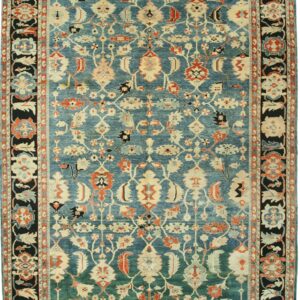
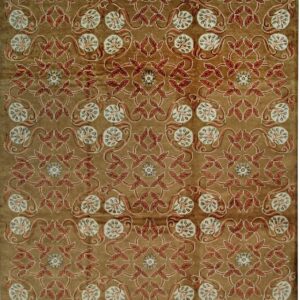
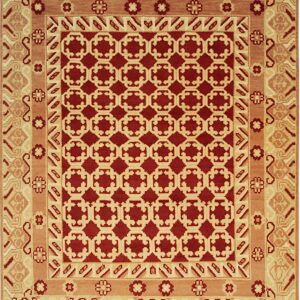
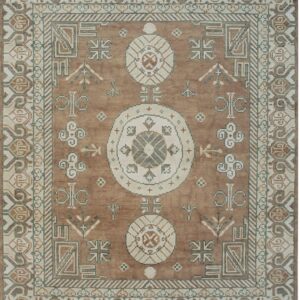
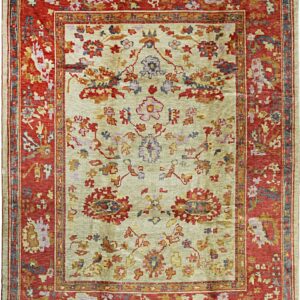
Warm Rust Color Hand Knotted Wool Rug
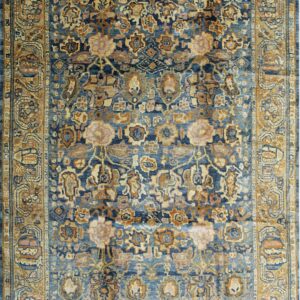
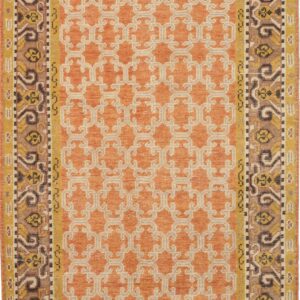
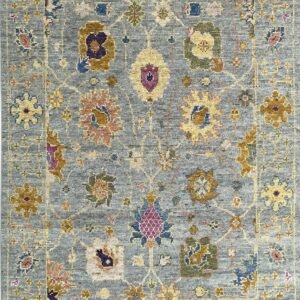
Price range: $1,295.00 through $6,927.00 New RugsRug sizes: 9x12, 10x14, 11x15.1, 12x18, 8x10Violet Traditional Blue Mohair Hand Knotted Rug
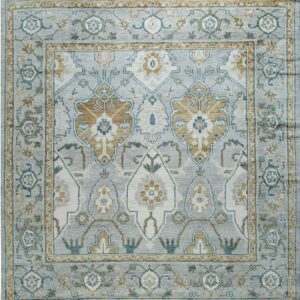
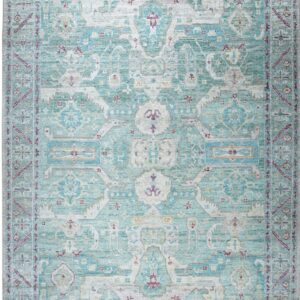
Price range: $3,800.00 through $15,000.00 New RugsRug sizes: 9.1x12.3, 8x10, 10x14, 12x18Freya Oushak Green Hand Knotted Wool Rug
Price range: $885.00 through $2,463.00 New RugsRug sizes: 8x10, 9x12, 10x14, 8x8, 12x15Modern Marrakech Ivory Hand-Knotted Wool Rug
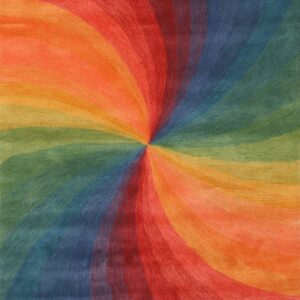
Price range: $706.00 through $2,345.00 New RugsRug sizes: 6x9, 12x15Talia Classic Rainbow Hand Tufted Wool Rug
Price range: $134.95 through $1,979.95 New RugsRug sizes: 6x6, 11.8x14.8, 4x4, 4x6, 5x8Brenda Refined Multicolor Flatweave Wool Rug
Price range: $149.00 through $799.00 New RugsRug sizes: 4x6, 6x9, 8x10, 9x12, 10x14Celia Modern Green Hand Knotted Silk Rug
Price range: $1,807.00 through $3,151.00 New RugsRug sizes: 8x10, 9x12, 10x14Chloe Trara Coral Hand Knotted Wool Rug
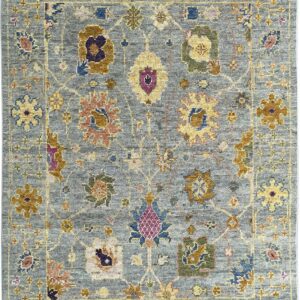
Price range: $404.00 through $1,023.00 New RugsRug sizes: 6x9, 9x12, 10x14Jade Oriental Yellow Hand Knotted Wool Rug
Price range: $361.00 through $911.00 New RugsRug sizes: 10x14, 6x9, 9x12Nina Oriental Multicolor Hand Knotted Wool Rug
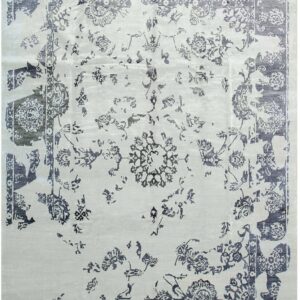
Price range: $965.00 through $3,375.00 New RugsRug sizes: 6x9, 8x10, 9x12, 10x14Refined Exquisite Gray Hand Knotted Silk Rug
Price range: $1,181.00 through $3,039.00 New RugsRug sizes: 10x14, 6x9, 8x10, 9x12Talia Lila Gray Hand Knotted Wool Rug
Price range: $2,261.00 through $2,927.00 New RugsRug sizes: 9x12, 10x14Trendy Brown Color Hand Knotted Wool Rug
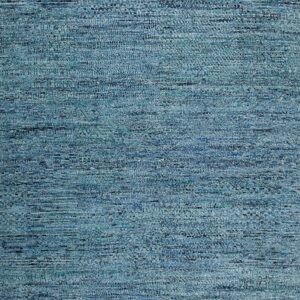
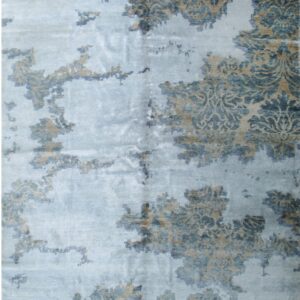
Price range: $490.00 through $1,247.00 New RugsRug sizes: 9x12, 8x10, 6x9, 10x14Lustrous Contemporary Blue Silk Rug from India
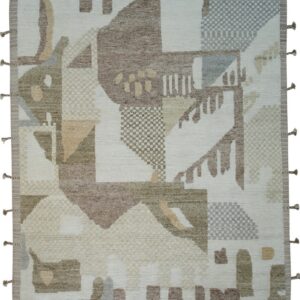
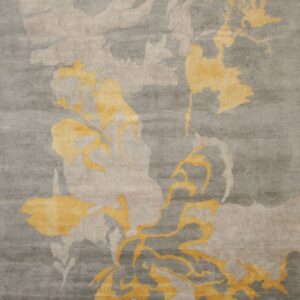
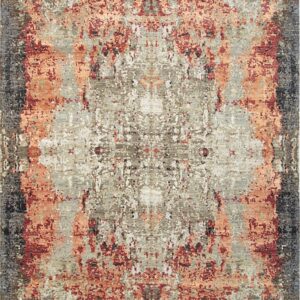
Price range: $1,181.00 through $3,039.00 New RugsRug sizes: 6x9, 8x10, 9x12, 10x14New Artistic Sloane Giselle Gray Abstract Modernist Wool & Viscose Contemporary Rug
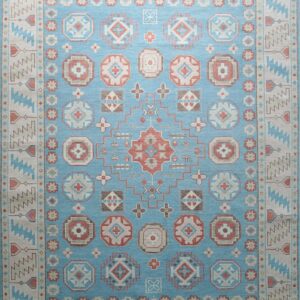
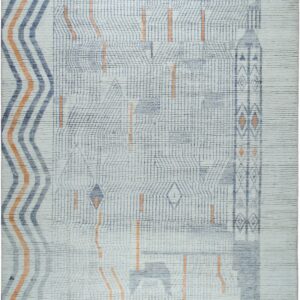
$1,916.00 New RugsRug sizes: 9x12Yara Willow Light Blue Tribal Geometric Design New Hand Knotted Contemporary Rug
$1,311.00 New RugsRug sizes: 9x12Lush Ella Blue Handmade Wool & Viscose Rug
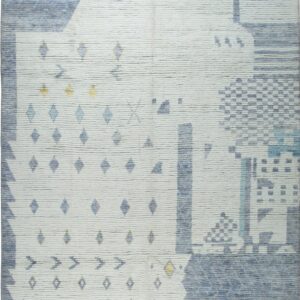
Price range: $361.00 through $965.00 New RugsRug sizes: 9x12, 5x8Modern Tribal Marrakech Ivory Hand-Knotted Wool Berber Carpet
Price range: $706.00 through $1,397.00 New RugsRug sizes: 6x9, 9x12Iris Laine Coral Hand Tufted Wool Rug
Price range: $304.95 through $544.95 New RugsRug sizes: 5x8, 8x10Mirage Radiant Multicolor Hand Tufted Rug
Price range: $494.95 through $934.95 New RugsRug sizes: 8x10, 5x8Yara Laine Soft Pastel Modernist Hand Tufted Wool Contemporary Rug
Price range: $484.95 through $679.95 New RugsRug sizes: 6x9, 8x10Yara Rustic Blue Hand Tufted Wool Rug
Price range: $484.95 through $679.95 New RugsRug sizes: 6x9, 8x10
Introduction: What Are New & New Rugs?
Defining New Rugs vs. New Rugs
When discussing area rugs, the terms new rugs and New rugs overlap but carry distinct meanings. A new rug simply refers to a recently produced and unused carpet—fresh from the loom or factory floor, without any prior wear.
A new area rug, on the other hand, speaks to both style and era. These rugs embody contemporary aesthetics, weaving methods, and globalized production processes, even when they borrow motifs from historical designs.
A New rug definition often includes bold abstraction, minimalist geometrics, updated color palettes, or reinterpretations of classical motifs like medallions and florals. Construction may be entirely machine-made, hand-tufted, or hybrid processes blending industrial efficiency with artisanal detail.
In purchase contexts, buyers encounter New rugs as part of today’s design catalogs, produced within the last few decades, and widely available across retailers in standard sizes.
Unlike vintage carpets that carry the marks of time, contemporary area rugs arrive crisp, standardized, and uniform, reflecting current tastes and methods of global commerce.
Core Differences from Vintage & Antique Rugs
- Age and Authenticity — Why: New rugs are fresh productions, while vintage pieces carry decades of history, and antiques typically exceed a century in age. The distinction shapes how each is valued and perceived.
- Patina and Wear — Why: New rugs have no patina or softened dyes; their appeal lies in sharpness and clarity. Vintage rugs, by contrast, display aged beauty and nuanced character that comes only with time.
- Construction and Technique — Why: Contemporary area rugs often employ mechanized looms, chemical dye lots, and scalable weaving methods. Vintage and antique rugs, tied to specific regions, relied heavily on hand-knotting traditions and natural dyes.
- Design Context — Why: New rugs may revive Persian, Moroccan, or Turkish motifs but are made anywhere—from India to China—breaking free from the strict geographical identities of their predecessors. Vintage carpets remain tethered to their cultural origins.
- Market Accessibility — Why: New rugs are commercial products, found across department stores and online catalogs. Vintage rugs are curated, harder to source, and valued as one-of-a-kind finds.
Scale & Standardization in New Rug Production
The most defining aspect of New rugs is their commercial production model. Unlike the village-based or family-centered weaving of earlier centuries, today’s rugs are designed for scale.
Factories can produce a single pattern across multiple continents, offering standard sizes such as 5×8, 8×10, or 9×12, and controlling color through strict dye-lot management to ensure consistency.
A design seen in New York may be identical to one purchased in London or Tokyo, a hallmark of commercial production in the globalized rug market.
This standardization extends to customization. Many suppliers now allow buyers to order the same rug in alternative colorways or dimensions, adjusting patterns digitally before weaving begins.
While vintage rugs are one-of-a-kind, New rugs are defined by repeatability—rows of nearly identical pieces, engineered for consumer convenience and visual consistency.
What Defines a New Rug Style Today?
New rug style today is defined less by geography and more by aesthetic intent and global accessibility. Clean lines, geometric repetition, abstract washes of color, and minimalist palettes are prevalent.
Even when referencing heritage motifs, such as medallions or tribal patterns, New rugs translate them into streamlined forms suited for contemporary interiors.
The hallmark of the New rug is not only how it looks but also how it is produced—accessible, scalable, and consistent across markets.
Vintage vs. New Rugs: The Defining Divide
The essential divide between vintage vs. New rugs is experience versus immediacy. Vintage rugs embody survival, carrying with them the aura of use, cultural specificity, and organic aging that shapes their look and feel.
New rugs, by contrast, represent the present: crisp edges, controlled color, predictable dimensions, and an identical, non-location-specific identity shaped by worldwide distribution.
In short, New rugs are products of their era—new, uniform, and globally available. They answer to today’s demand for scale, affordability, and style versatility, while vintage and antique rugs preserve the irreplaceable uniqueness of time.
Core Materials in New Rug Making
Traditional Fibers: Wool, Cotton, Silk
For centuries, rugs were crafted primarily from natural fibers, and these materials remain central to New rug materials today. Wool is prized for its longevity, softness, and resilience.
A wool rug can last for decades while resisting crushing and naturally repelling stains due to the fiber’s lanolin coating. Cotton, though less durable, is often used in the warp, weft, or as a base material for flatweaves, providing flexibility and affordability.
Silk, the most luxurious of the traditional fibers, contributes unmatched sheen and detail, often blended with wool in contemporary area rugs to highlight patterns.
These materials link today’s production to centuries of weaving tradition while serving different needs in New homes.
Synthetic Fibers: Viscose, Nylon, Polyester, Polypropylene
Synthetic rugs dominate large segments of the global market because they meet New demands for affordability, performance, and consistency.
Polypropylene is a best-seller thanks to its lightweight, stain-resistant, and water-resistant qualities.
Nylon offers strength and resilience, making it ideal for high-traffic households.
Polyester delivers vibrant, fade-resistant colors at a low price point.
Viscose, though technically semi-synthetic, is widely used to mimic the luster of silk at a fraction of the cost, but it lacks durability and is prone to staining.
Collectively, these synthetics support commercial production of standardized, easy-to-clean rugs suited to everyday living.
Novelty & Eco-Fibers: Banana Silk, Bamboo, Cactus, Recycled PET, TENCEL
The market for sustainable rug options is expanding with innovative fibers. Banana silk and bamboo viscose offer silky textures and a luminous finish while promoting renewable sourcing.
Cactus fibers—derived from nopal plants—are emerging as vegan alternatives with durability and environmental appeal. Recycled PET rugs, made from repurposed plastic bottles, transform waste into attractive floor coverings that resist stains and moisture. TENCEL, produced from sustainably harvested wood pulp, adds softness and an eco-friendly profile.
These novelty fibers highlight how New rug materials are diversifying to meet both design and environmental priorities.
Pros and Cons for New Homes
- Wool — Durable, naturally stain-resistant, warm underfoot. — Why: Best for longevity and classic elegance, but higher in cost.
- Cotton — Soft, breathable, and versatile. — Why: Affordable and casual, though less durable than wool.
- Silk/Viscose — Luminous sheen, luxury appeal. — Why: Ideal for decorative, low-traffic spaces but prone to stains.
- Polypropylene / Polyester — Budget-friendly, stain-resistant, vibrant colors. — Why: Excellent for family homes or rentals, though less eco-friendly.
- Nylon — Strong, resilient, easy to clean. — Why: Great for busy households and high-traffic areas.
- Recycled PET Rugs — Eco-conscious, moisture-resistant, durable. — Why: Popular among sustainability-minded buyers, combining performance with environmental benefits.
- Natural Fiber Area Rugs (Jute, Sisal, Cactus) — Organic texture, biodegradable. — Why: Perfect for eco-focused interiors, though sometimes rough underfoot.
Sustainable & Recycled Content in New Rugs
One of the most important shifts in New production is the rise of sustainable rug options. Recycled PET rugs directly respond to market demand for environmentally responsible design, giving plastic waste a second life as durable floor coverings.
Natural fiber area rugs, such as jute, sisal, and cactus-based designs, also appeal to eco-conscious consumers looking for biodegradable and renewable solutions. Performance remains central: recycled synthetics are designed to resist stains, fading, and moisture, making them practical choices for everyday use.
As a result, the New rug industry is increasingly defined not only by design trends but also by material innovation that balances durability, affordability, and sustainability.
What Materials Are Popular in New Rugs?
Today’s most popular materials range from wool and cotton to synthetic rugs like polypropylene and nylon, alongside growing interest in sustainable rug options such as recycled PET and bamboo silk.
Does Fiber Type Affect Performance in New Rugs?
Yes—fiber type directly impacts performance. Wool guarantees long-term durability, synthetics offer stain resistance and ease of care, and fibers like viscose deliver beauty at the expense of resilience.
Can New Rugs Be Made from Recycled or Sustainable Materials?
Absolutely. Recycled PET rugs, natural fiber area rugs, and TENCEL-based designs prove that New rugs can combine eco-conscious innovation with practical performance, making sustainability one of the most dynamic forces shaping the market today.
New Rug Construction: Techniques & Technologies
Handmade vs. Machine-Made: How to Spot the Difference
One of the most common questions about New rug construction is whether a piece is handmade or machine-made. Hand-knotted New rugs reveal subtle irregularities—knots vary slightly, the back shows individual hand-tied loops, and fringes are part of the rug’s foundation rather than sewn on.
Machine-made rugs, by contrast, have perfectly uniform knots or loops, a stiffer backing often reinforced with latex or glue, and fringes attached after weaving.
While handmade rugs remain the gold standard for artistry and durability, machine-made rugs dominate the mass market due to affordability, speed, and commercial uniformity.
In comparison to older rugs, new rugs often lean on precision-driven manufacturing.
Antique pieces carry natural irregularities from handcraft, while today’s rugs, even handmade ones, can incorporate New tools to streamline production without losing artisanal character.
Unique Techniques in New Production
The landscape of rug manufacturing technology has advanced dramatically. Digital looms allow weavers to shift patterns instantly, producing complex motifs with minimal downtime.
Hybrid hand/machine methods—such as hand-guided tufting guns—balance craftsmanship with efficiency. Tufting has become especially common: yarn is punched into a backing fabric, then secured with latex to create pile height at scale.
Serging, the process of binding edges with stitched yarn, ensures durability and a polished finish. These innovations mean that a single rug design can move from concept to market faster than ever, meeting both boutique and mass-market demand.
Standard Sizing and Scalable Manufacturing
One of the defining traits of New rugs is their commercial uniformity. Standard sizes such as 5×8, 8×10, and 9×12 dominate catalogs, making rugs easy to fit into contemporary interiors.
Thanks to scalable manufacturing and globalized supply chains, the same design may be available across multiple retailers in dozens of dimensions and colorways.
Unlike antique rugs tied to a single region or workshop, new rugs are engineered for consistency, allowing customers in New York, London, or Tokyo to purchase identical versions. This scalability reflects a market that values predictability and broad accessibility.
Customization Trends
- Custom Colors — Why: Digital dyeing and pattern software allow consumers to match rugs to existing décor palettes.
- Custom Sizes — Why: Standardized looms can adjust output for unusual room dimensions, from oversized great rooms to narrow hallways.
- Custom Patterns — Why: Online configurators let buyers personalize motifs or scale designs, giving mass-produced rugs a sense of individuality.
These custom rugs illustrate how technology has shifted the market: mass production and personalization now exist side by side.
Customers can order a stock design for immediate delivery or request a bespoke version tailored to their home.
How Does Rug Construction Differ in New vs. Old Rugs?
Older rugs relied on hand-knotting and natural fibers, with every piece a one-of-a-kind artifact rooted in local tradition.
In contrast, New rug construction blends mechanization, synthetic fibers, and scalable production to achieve speed, affordability, and uniformity.
While antiques showcase irregularities and natural dye variations, new rugs emphasize precision and consistency, often offering the additional benefit of customization.
How Available Are Custom Designs in the New Rug Market?
Custom designs are widely available. From luxury hand-knotted workshops offering bespoke rugs to online retailers allowing digital previews of pattern and color changes, consumers today enjoy unprecedented control over design.
This balance of commercial uniformity with customization underscores how New technology has reshaped the industry.
In essence, New rugs are defined by both machine efficiency and digital innovation. They can be mass-produced for identical uniformity or adapted into personalized creations, making construction one of the most dynamic aspects of the New rug market.
Design Evolution: Patterns, Colors & Artistic Direction
How New Rug Patterns Evolved from Traditional Ones
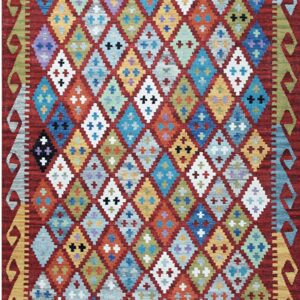
The story of New rug patterns begins with revival and reinterpretation. Time-honored motifs such as Persian Heriz medallions, Turkish Oushak florals, or Moroccan Berber diamonds are not abandoned but transformed.
Instead of earthy vegetable-dyed palettes, they are now reimagined in grays, teals, or even neon tones through digital dyeing. The symmetry and precision of antique rugs, once shaped by hand-knotting, are translated into perfect machine alignment or deliberately distorted to create painterly irregularities.
Where older rugs were tied to geography and heritage, New designs lift motifs from their origins, enabling “Persian” rugs woven in China or “Moroccan” patterns produced in Turkey. The evolution reflects both homage to tradition and the freedom of globalized, location-agnostic production.
Hallmarks of Contemporary Rug Design
The defining traits of today’s rug aesthetics fall into several categories:
- Minimalist Rugs: Solid fields of color, tonal variations, and reduced patterning create calm, uncluttered statements.
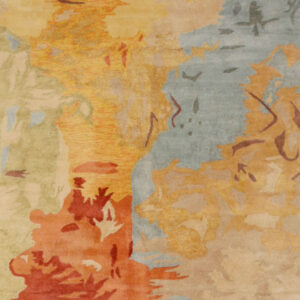
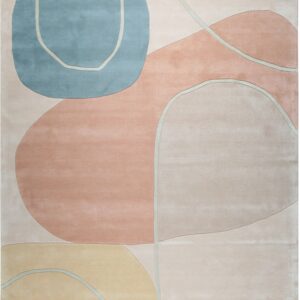
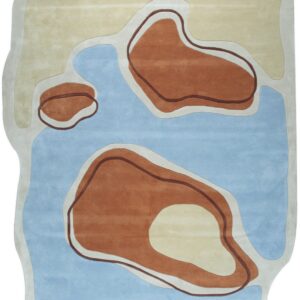
- Abstract Rugs: Painterly washes, irregular splashes, and freeform compositions echo fine art canvases brought to the floor.
- Retro & Vintage Revival: Mid-century geometrics, faded looks, or digitally “distressed” surfaces echo the charm of older rugs without true age.
- Geometric Precision: Crisp lines, tessellations, or bold repeats made possible by computer-driven weaving.
- Painterly Expression: Designs resembling brushstrokes, ink bleeds, or watercolors, blurring the line between décor and artwork.
These hallmarks make New rugs flexible in style—capable of complementing minimalist lofts, colorful eclectic rooms, or retro-inspired interiors.
Color Innovation in New Rugs
One of the most radical shifts is in contemporary rug colors. With synthetic dyes and digital dyeing, manufacturers achieve shades never seen in antique carpets—neon citrus, metallic sheens, icy pastels, or deep teal.
Colors are standardized, meaning the same gray or navy appears identically across thousands of rugs, a feat impossible with natural dye lots. At the same time, customization allows for curated palettes, letting a buyer adjust a rug’s tones to suit personal décor.
The combination of consistency and creative freedom has redefined how rugs interact with New interiors.
Cross-Cultural & Location-Agnostic Trends
Unlike traditional carpets that were inseparable from their place of origin, today’s rugs are location-agnostic. A Moroccan diamond pattern can be woven in Turkey, an Oushak design produced in India, or a Persian-inspired medallion crafted in China.
Globalized production means motifs have become universal design languages rather than exclusive cultural markers. This shift has broadened accessibility while sparking conversations about authenticity, but it also reflects the fluid, interconnected nature of New décor.
Famous Designers and Celebrity Collaborations
- Calvin Klein — Why: Pioneered the minimalist rug category with sleek, understated designs aligned with his fashion brand.
- Diane von Fürstenberg — Why: Introduced bold color palettes and graphic patterns into rug collections.
- Paul Smith — Why: Brought signature stripes and playful geometrics into the world of designer area rugs.
- Andy Warhol Foundation — Why: Adapted pop art into floor coverings, blurring art and utility.
- KAWS — Why: Reimagined contemporary art motifs as collectible rugs, attracting younger, art-focused audiences.
These collaborations elevated rugs from décor to cultural statement, merging the textile world with fashion and art.
What Are the Hallmarks of Contemporary Rug Designs?
The hallmarks include minimalism, abstraction, geometric precision, painterly washes, and retro revival, all supported by standardized yet customizable color palettes.
How Have New Rug Patterns Evolved from Traditional Ones?
They reinterpret historic motifs with digital accuracy or artistic freedom, freeing them from geographic constraints while refreshing them with new palettes.
What Makes a Rug Minimalist or Abstract?
A minimalist rug strips design to tonal simplicity and clean fields; an abstract rug mimics fine art gestures, irregular shapes, or spontaneous color movement.
How Do New Rug Trends Influence Color Choices in Décor?
They expand interiors beyond neutrals, offering consistent grays for balance or bold neon for statement accents, shaping how designers coordinate New rooms.
What Are the Latest Trends in New Area Rugs?
Today’s trends highlight abstract rugs, minimalist rugs, vintage-inspired revivals, and artist collaborations, unified by digital dyeing and globalized production that push color and design further than ever before.
New Rugs in Interior Design & Everyday Life
How New Rug Trends Shape Decor Choices
New rugs are more than floor coverings—they are design tools that set the mood of a room. Some New rug patterns serve as bold focal points, acting like artwork underfoot, while others offer subtle, neutral foundations that allow furniture and wall décor to shine.
The availability of contemporary rug colors—from standardized grays to neon accents—gives homeowners and designers precise control over how a space feels.
These trends influence décor choices by expanding palettes, making it easier to coordinate rooms with consistency, or deliberately inject contrast for statement interiors.
Rug Selection for High-Traffic & Family Spaces
- Washable Area Rugs — Why: Machine-washable designs are practical for busy households, making cleanup of spills and messes easy.
- Durable Synthetics — Why: Fibers like polypropylene and nylon resist stains and wear, ideal for kids’ rooms or family living areas.
- Wool Blends — Why: Wool adds softness and resilience, balancing comfort with longevity.
- Low-Pile High-Traffic Rugs — Why: Flatweaves or short-pile rugs are easier to clean and maintain, staying attractive despite heavy use.
These qualities make New rugs for families an essential investment—functional without sacrificing style.
Custom Design Accessibility
- Online Platforms — Why: Retailers now let customers upload a color, pattern, or even a photo to generate custom area rugs tailored to individual tastes.
- Catalog-Based Customization — Why: Many brands offer a base design that can be tweaked by adjusting size, scale, or palette, making bespoke rugs affordable.
- Designer Collaborations — Why: Access to well-known designer patterns with personal adjustments lets homeowners add exclusivity to their décor.
The accessibility of customization highlights a core feature of the New rug market: buyers can balance mass production with personal expression, ensuring rugs meet both lifestyle and aesthetic needs.
Mixing New and Traditional Rugs
- Layering Styles — Why: Pairing a minimalist New rug with a richly patterned vintage piece creates depth and contrast.
- Color Coordination — Why: Echoing a single tone (such as gray or navy) between New and traditional rugs ties them together visually.
- Room Zoning — Why: Using a bold contemporary rug in one area and a classic rug in another helps define spaces within open-plan homes.
- Texture Balance — Why: Combining the smooth finish of a New flatweave with the plush pile of a traditional rug adds tactile richness.
Mixing rug styles is not only accepted but recommended in current décor trends.
This blend produces eclectic interiors that feel curated rather than uniform, giving rooms character and layered personality.
Should I Choose a New Rug for High-Traffic Areas?
Yes. High-traffic rugs made from durable synthetics, wool blends, or machine-washable constructions are specifically engineered for everyday family life.
Can You Mix New and Traditional Rugs in One Space?
Absolutely. Designers increasingly advocate for mixing styles, whether through layering, zoning, or coordinated palettes, to create eclectic yet harmonious interiors.
How Do New Rug Trends Influence Color Choices in Décor?
With standardized hues and bold new options, New rugs guide room palettes.
A gray rug can anchor a neutral scheme, while a neon accent rug can drive daring color choices across furnishings and accessories.
How Available Are Custom Designs in the New Rug Market?
Custom rugs are widely accessible, from fully bespoke uploads to adjustable catalog pieces, making personalization easier than ever.
New rugs today embody functionality, style, and adaptability—ideal for families, customizable for unique spaces, and versatile enough to blend seamlessly with vintage heirlooms or stand alone as contemporary design statements.
Commercial Realities: Availability, Value & Investment
Where Are Most New Rugs Made?
The production of New rugs is no longer tied to the regions that historically defined specific styles. Today, the majority come from India, China, and Turkey, each housing large-scale New rug factories capable of producing thousands of pieces monthly.
India is a hub for both hand-knotted and tufted rugs, often reinterpreting “Persian” or “Moroccan” motifs for export. China specializes in machine-made and hybrid production, offering cost-efficient supply at scale. Turkey remains a key producer of machine-woven rugs with strong distribution across Europe.
Even Afghanistan contributes, creating both traditional and New styles for international markets. This global shift means that motifs once exclusive to cultural origins are now replicated worldwide, making rugs more affordable and widely available.
Designer Rug Price Range
Designer rug prices vary significantly depending on brand reputation, exclusivity, and materials used. Entry-level designer collections from fashion brands may start at a few hundred dollars, while premium collaborations or hand-knotted artist rugs can climb into the thousands.
Limited-edition or celebrity-designed rugs, such as those linked to Paul Smith or Diane von Fürstenberg, often command higher values due to exclusivity and brand prestige.
The result is a marketplace where a buyer can choose between accessible catalog designs or rare, high-end designer area rugs that serve as both décor and collectible art.
Resale and Investment Value
- Most New Rugs Lack Resale Value — Why: They are mass-produced, easy to replace, and driven by shifting trends, making them unlikely to appreciate.
- Standardized Production — Why: Identical rugs are available in multiple markets, diminishing rarity and therefore secondary demand.
- Wear and Depreciation — Why: Unlike antiques, which gain character with age, New rugs lose value once used.
For these reasons, New rug value lies in use and enjoyment, not in building wealth on the secondary market.
When a New Rug Can Be Investment-Worthy
- Signed Artist Rugs — Why: Pieces linked to well-known artists (e.g., KAWS, Warhol adaptations) may gain collectible status.
- Limited-Edition Designer Collaborations — Why: Scarcity and brand prestige can drive secondary market interest.
- High-End Hand-Knotted New Rugs — Why: Boutique studio productions, especially in silk or premium wool, can hold value due to craftsmanship.
- Museum or Gallery Endorsement — Why: Rugs displayed in exhibitions or tied to cultural institutions may develop long-term desirability.
These cases remain rare compared to antique and vintage carpets, which dominate the investment side of the market.
Are New Rugs a Good Investment Compared to Antiques?
In most cases, no. Unlike antiques that carry historical significance, rarity, and a built-in collector’s market, New rugs are commercial products designed for style, accessibility, and immediate use.
Exceptions exist in the realm of artist-signed or limited-edition collaborations, but as a rule, New rugs are not investment assets—they are lifestyle purchases best valued for their design and utility.
New rug production today reflects global accessibility, scalable manufacturing, and brand-driven design, where value comes from usability and aesthetics rather than financial return.