
Multicolor Jewel Tones Rugs
Key takeaways: multicolor and jewel tone rugs
- What this page holds: every rug in our collection whose palette is many colors rather than one dominant ground, of every age. That means more than 430 antique rugs dated 1925 or earlier, more than 250 vintage rugs and more than 290 new rugs, all in stock. A rug can appear under more than one color.
- A different mix from our other color pages: American rugs lead here, not Chinese or Persian. American hooked rugs come first, followed by needlepoint rugs, kilims, and Persian and Caucasian village rugs.
- What jewel tones means: saturated ruby, sapphire, emerald, amber and amethyst side by side. In older rugs these come from natural dyes such as madder, indigo and plant yellows, combined and overdyed; many 20th century pieces use synthetic dyes.
- How it decorates: a multicolor rug gives you a ready-made palette. Pull two or three of its colors into the room and keep the rest calm.
- Construction matters for care: this page mixes hand-knotted pile, hooked loop pile, flatweaves and needlework, and each needs slightly different handling.
- Buying with confidence: every rug is inspected before it is listed, each listing states origin, approximate age, materials and measured size, shipping is free within the continental United States, and there is a 4-day in-home trial. See buying with confidence.
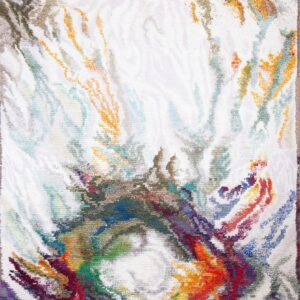
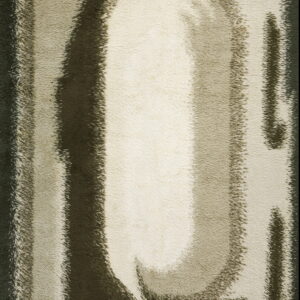
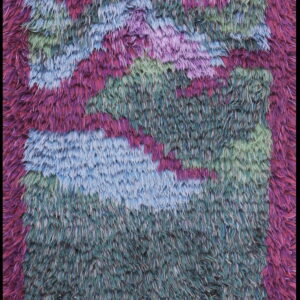
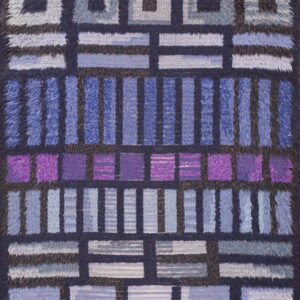
View our multicolor jewel-tone rugs to see masterpieces of chromatic engineering that incorporate Ruby, Emerald, and Sapphire tones. These rugs are the premier choice for camouflaging daily life; the intricate patterns and varied colors naturally mask spills and wear.
Shop our multicolor inventory to find a high-performance foundation that refuses to sacrifice luxury for utility. Buy a jewel-toned rug when you want a vibrant, forgiving textile that thrives in the most active areas of your home.
Multicolor jewel tone rugs transform any floor into a stunning visual centerpiece, utilizing rich, saturated hues like emerald, sapphire, and ruby. These vibrant colorful palettes enhance every style, whether woven into intricate Floral Designs and Patterns or striking Geometric Designs and Motifs. Discover more about how these colors define Classic Traditional Designs in our decorating guides.
Multicolor and jewel tone rugs at a glance
The table below summarizes the multicolor rugs on this page. Counts and prices were taken from our in-stock multicolor and jewel tone rugs on September 27, 2026 and change as rugs sell. Ages follow the circa date in each listing: antique means dated 1925 or earlier, vintage means later than 1925, and new means rugs from our new rugs collection.
| Feature | Multicolor and jewel tone rugs in our collection |
|---|---|
| In stock | 979 rugs: 434 antique, 254 vintage and 291 new |
| Age | Of the antique rugs with a circa date, 11 were made before 1800, 154 in the 19th century and 202 from 1900 to 1925. Of the vintage rugs, 158 date from the late 1920s to the 1940s and 92 from the 1950s or later. |
| Top origins | America, 272; China, 213; Persia, 189; India, 122; Turkey, 66; the Caucasus, 39; Morocco, 10; Native American, 10; France, 10 |
| Most common types | American hooked, 304; needlepoint, 66; kilims, 63; modern and artistic designs, 51; vintage Turkish rugs and kilims, 33; quilt designs, 31; braided rugs, 26; Tabriz, 25; Kurdish, 21; rag rugs, 20; Navajo, 15; North West Persian, 15 |
| Construction | Hand-knotted pile, 609; hooked loop pile, 196; flatweave, 130; needlework and textiles, 19; the rest hand-tufted, hand-woven or other |
| Patterns | Allover designs, 778; geometric, 444; floral, 118. By style: classic traditional, 397; folk art, 136; striped, 106; tribal, 98 |
| Formats in stock | Room size, 583; small scatter rugs, 299; runners, 85; large oversized carpets, 30; wide gallery carpets, 29 |
| Most common sizes in stock | 9 x 12, 146; 6 x 9, 120; 8 x 10, 113; 2 x 3, 86; 5 x 8, 50; square 6 x 6, 49; 10 x 14, 49 |
| Price range | Antique multicolor rugs: from $300 to $260,000, with a median of about $7,400 and half priced between $3,000 and $13,000. Vintage: median about $2,700. New: from $66 to $16,500, median about $5,000. Prices are in US dollars. |
Prefer to see a rug in person?
-
Antique American Hooked Multicolor 1920s Square Rug
$1,200.00 Antique RugsSKU: 6540Rug sizes: 1 ft 9 in x 2 ft 8 in (0.53 m x 0.81 m) -
1880s Wool Antique American Hooked Multicolor Jewel Tones Square Rug
$10,000.00 Antique RugsSKU: 26106Rug sizes: 5 ft 3 in x 5 ft 6 in (1.60 m x 1.68 m) -
Mid Century Vintage Grid Pattern American Flowers Hooked Square Rug
$3,800.00 Vintage RugsSKU: 25649Rug sizes: 3 ft 10 in x 4 ft 6 in (1.17 m x 1.37 m) -
Vintage Mid Century Modern Allover Hand Knotted Pile Art Rug
$13,600.00 Vintage RugsSKU: 25440Rug sizes: 7 ft 3 in x 9 ft (2.21 m x 2.74 m) -
Antique American Hooked Square Small Scatter Size Wool & Cotton Multicolor Rug
$3,700.00 Antique RugsSKU: 25285Rug sizes: 2 ft 9 in x 3 ft 6 in (0.84 m x 1.07 m) -
Vintage Rya Room Size Wool Multicolor Rug
$13,000.00 Vintage RugsSKU: 23303Rug sizes: 9 ft x 10 ft 10 in (2.74 m x 3.30 m) -
Antique Allover Geometric Wool & Cotton Hooked – Loop Pile Multicolor Jewel Tones 1900s Rug
$15,000.00 Antique RugsSKU: 21972Rug sizes: 5 ft 8 in x 11 ft (1.73 m x 3.35 m) -
Vintage Mid Century Moroccan Tribal Geometric Design Rug
$8,800.00 Vintage RugsSKU: 21606Rug sizes: 4 ft 9 in x 9 ft 8 in (1.45 m x 2.95 m) -
Vintage Large Rya Sweden Knotted Rug
$58,500.00 Vintage RugsSKU: 21575Rug sizes: 9 ft 8 in x 17 ft (2.95 m x 5.18 m) -
Vintage Rya Hallway Runner Wool Multicolor Rug
$12,000.00 Vintage RugsSKU: 21509Rug sizes: 6 ft x 9 ft 8 in (1.83 m x 2.95 m) -
Vintage Small Scatter Size Mid Century Modern Shag Wool Pile Swedish Rya Rug
$1,350.00 Vintage RugsSKU: 21322Rug sizes: 3 ft 3 in x 5 ft 4 in (0.99 m x 1.63 m) -
Mid Century Modern Vintage Swedish Rya Shag Rug
$1,850.00 Vintage RugsSKU: 21323Rug sizes: 3 ft 2 in x 5 ft 8 in (0.97 m x 1.73 m) -
Multicolor Vintage American Mid Century Modern Square Hooked Rug
$980.00 Vintage RugsSKU: 20552Rug sizes: 1 ft 9 in x 2 ft 8 in (0.53 m x 0.81 m) -
Vintage American Hooked Rug American Multicolor 1950s Multicolor
$2,300.00 Vintage RugsSKU: 20549Rug sizes: 2 ft 1 in x 3 ft 4 in (0.64 m x 1.02 m) -
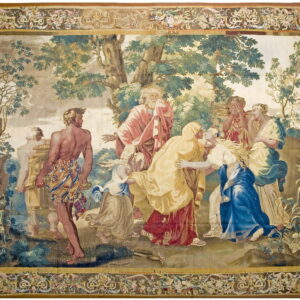
Romantic Antique Flemish Tapestry from Belgium
$96,500.00 TapestrySKU: 18888Rug sizes: 10 ft x 12 ft 8 in (3.05 m x 3.86 m) -
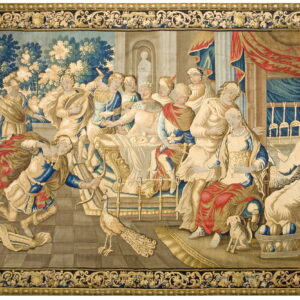
Antique 17th Century Flemish Baroque Mythological Tapestry: “The Triumph of Fidelity”
$96,000.00 TapestrySKU: 18445Rug sizes: 10 ft 6 in x 15 ft 6 in (3.20 m x 4.72 m) -
Multicolor Vintage Mid Century Modern American Hooked Artistic Folk Art Rug
$7,000.00 Vintage RugsSKU: 17467Rug sizes: 4 ft 6 in x 9 ft 6 in (1.37 m x 2.90 m) -
Vintage Mid Century Modern American Oval Braided Room Size Rug
$6,000.00 Vintage RugsSKU: 24137Rug sizes: 9 ft x 12 ft 6 in (2.74 m x 3.81 m) -
Expressive Vintage German Art Deco Abstract Wool Rug
$3,000.00 Vintage RugsSKU: 24048Rug sizes: 6 ft x 9 ft (1.83 m x 2.74 m) -
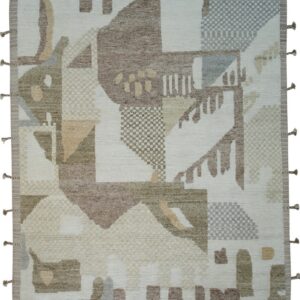
Yara Laine Soft Pastel Modernist Hand Tufted Wool Contemporary Rug
Price range: $484.95 through $679.95 New RugsRug sizes: 6 ft x 9 ft (1.83 m x 2.74 m), 8 ft x 10 ft (2.44 m x 3.05 m) -
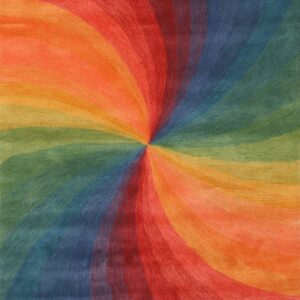
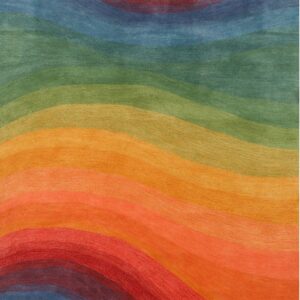
Talia Classic Rainbow Hand Tufted Wool Rug
Price range: $134.95 through $204.95 New RugsRug sizes: 4 ft x 4 ft (1.22 m x 1.22 m), 4 ft x 6 ft (1.22 m x 1.83 m) -
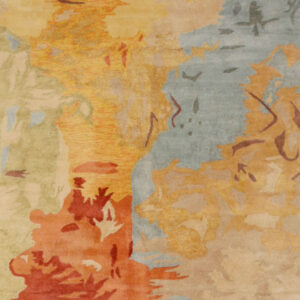
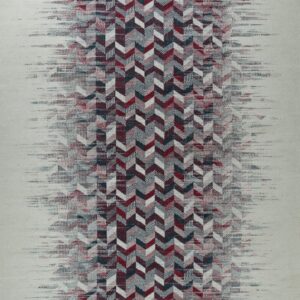
Mirage Radiant Multicolor Hand Tufted Rug
Price range: $494.95 through $934.95 New RugsRug sizes: 8 ft x 10 ft (2.44 m x 3.05 m), 5 ft x 8 ft (1.52 m x 2.44 m) -
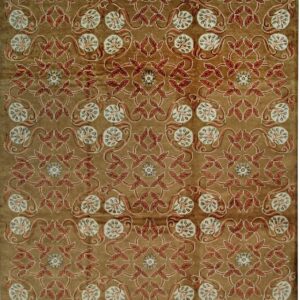
Nina Oriental Multicolor Hand Knotted Wool Rug
Price range: $965.00 through $3,375.00 New RugsRug sizes: 6 ft x 9 ft (1.83 m x 2.74 m), 8 ft x 10 ft (2.44 m x 3.05 m), 9 ft x 12 ft (2.74 m x 3.66 m), 10 ft x 14 ft (3.05 m x 4.27 m) -
Warm Rust and Gold Hand Knotted Wool Rug
Price range: $1,295.00 through $6,927.00 New RugsRug sizes: 9 ft x 12 ft (2.74 m x 3.66 m), 10 ft x 14 ft (3.05 m x 4.27 m), 11 ft x 15 ft 1 in (3.35 m x 4.60 m), 12 ft x 18 ft (3.66 m x 5.49 m), 8 ft x 10 ft (2.44 m x 3.05 m) -
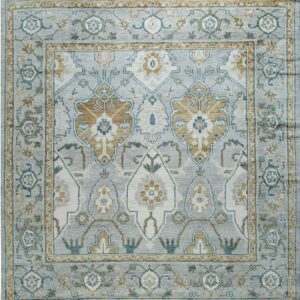
Freya Oushak Gray and Gold Hand Knotted Wool Rug
Price range: $885.00 through $2,463.00 New RugsRug sizes: 8 ft x 10 ft (2.44 m x 3.05 m), 9 ft x 12 ft (2.74 m x 3.66 m), 10 ft x 14 ft (3.05 m x 4.27 m), 8 ft x 8 ft (2.44 m x 2.44 m), 12 ft x 15 ft (3.66 m x 4.57 m) -
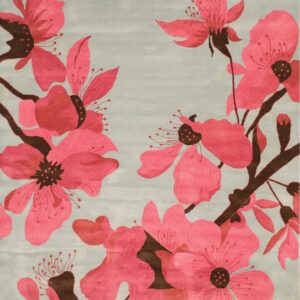
Elena Kira Pink and Gray Hand Tufted Wool Rug
$1,494.95 New RugsRug sizes: 8 ft 8 in x 11 ft 8 in (2.64 m x 3.56 m) -
Brenda Refined Multicolor Flatweave Wool Rug
Price range: $149.00 through $799.00 New RugsRug sizes: 4 ft x 6 ft (1.22 m x 1.83 m), 6 ft x 9 ft (1.83 m x 2.74 m), 8 ft x 10 ft (2.44 m x 3.05 m), 9 ft x 12 ft (2.74 m x 3.66 m), 10 ft x 14 ft (3.05 m x 4.27 m) -
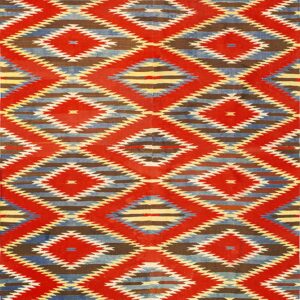
Antique Rustic Red Color Allover Geometric Native American Navajo Flat Weave Rug
$8,000.00 Antique RugsSKU: 23972Rug sizes: 3 ft 6 in x 4 ft 4 in (1.07 m x 1.32 m) -
Selene Modair Oushak Ivory and Red Hand Knotted Rug
$5,200.00 New RugsSKU: FAAN13RD9X12Rug sizes: 9 ft 3 in x 12 ft 3 in (2.82 m x 3.73 m) -
Iris Sophisticated Multicolor Flatweave Wool Rug
$399.00 New RugsSKU: MD8MT5X8Rug sizes: 5 ft x 8 ft (1.52 m x 2.44 m) -
Amara Kilim Multicolor Flatweave Wool Rug
$399.00 New RugsSKU: MD3VMU5X8Rug sizes: 5 ft x 8 ft (1.52 m x 2.44 m) -
1930s Antique Multicolor Geometric Tribal Turkish Village Kilim Flatweave Rug
$600.00 Antique RugsSKU: 90-1010Rug sizes: 5 ft 6 in x 8 ft (1.68 m x 2.44 m) -
1930s Multicolored Field Geometric Antique Turkish Village Kilim Flatweave Rug
$800.00 Antique RugsSKU: 90-1013Rug sizes: 6 ft 8 in x 8 ft 6 in (2.03 m x 2.59 m) -
1930s Colorful Geometric Antique Gallery Scale Turkish Kilim Flatweave Rug
$1,000.00 Antique RugsSKU: 90-1016Rug sizes: 6 ft 6 in x 10 ft 2 in (1.98 m x 3.10 m) -
Desertland Lollipop Multicolor Hand-Tufted Wool Rug Abstract 9’9 Round Carpet
$1,414.95 New RugsSKU: T173MU10RRug sizes: 9 ft 9 in x 9 ft 9 in (2.97 m x 2.97 m) -
1930s Antique Multicolor Diamond Turkish Village Kilim Runner Flatweave Wool Rug
$600.00 Vintage RugsSKU: 90-1085Rug sizes: 4 ft 8 in x 10 ft 10 in (1.42 m x 3.30 m)
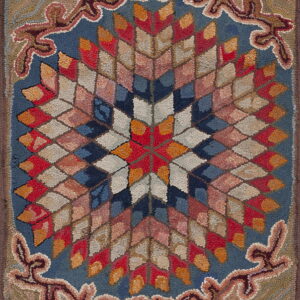
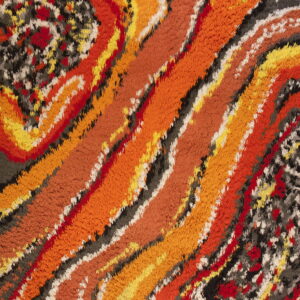
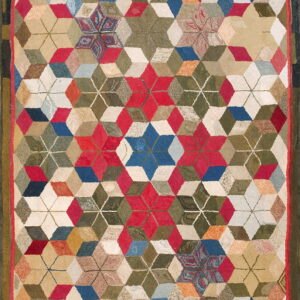
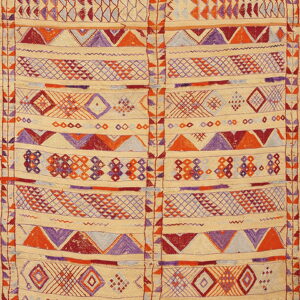
Which rug traditions are known for multicolor and jewel tones?
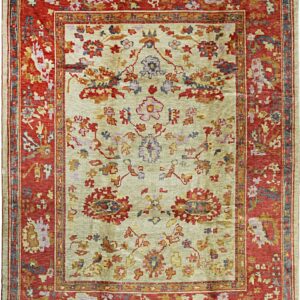
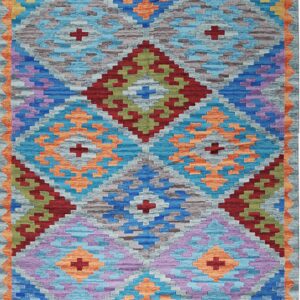
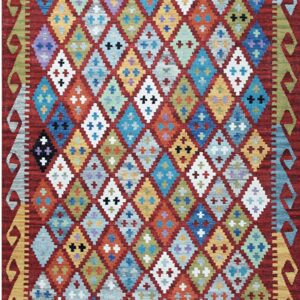
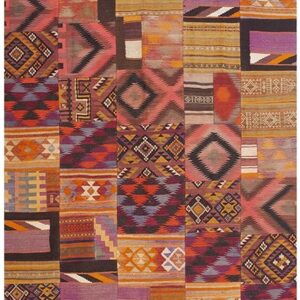
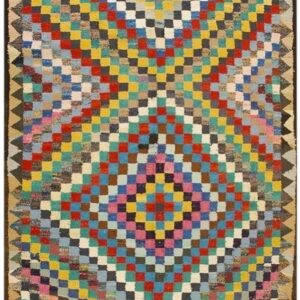
American hooked rugs lead our multicolor stock, with 304 of the 979 rugs on this page. Persian and Caucasian village rugs bring the classic jewel tones, and Turkish kilims and needlepoint rugs add bold stripes and florals. Here is how our multicolor stock breaks down.
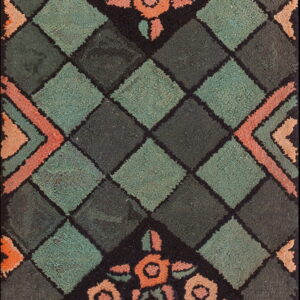
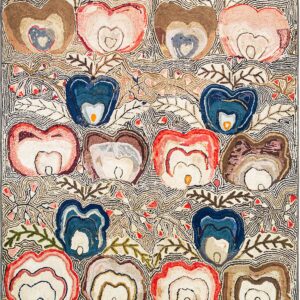
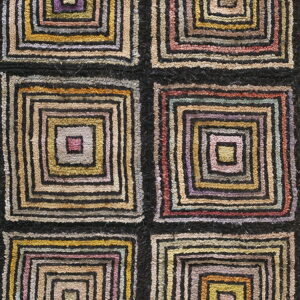
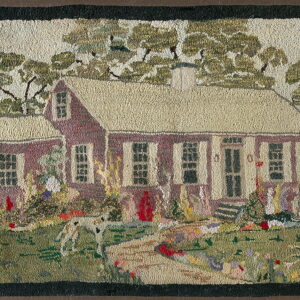
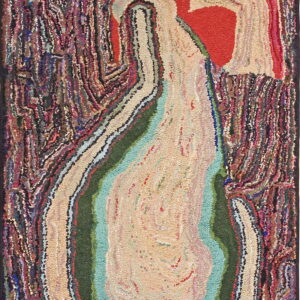
- American hooked rugs, 304. Folk florals, animals, geometrics and pictorial scenes in many colors. 190 were made in America, most of them antique or vintage, and 113 are new hooked rugs made in China. See American hooked rugs.
- Persian village and town rugs, 189. Tabriz, Kurdish and North West Persian rugs in ruby, indigo, ivory, gold and green, most of them antique: 151 of 189. See antique Persian rugs.
- Caucasian rugs, 39. The purest jewel tones on the page: saturated madder red, indigo, ivory, yellow and green in bold, stepped geometry, as in Shirvan and Kazak rugs. See Caucasian rugs.
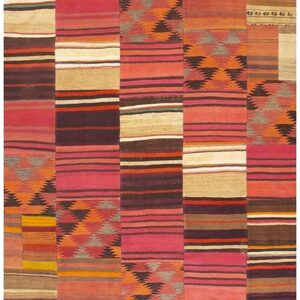
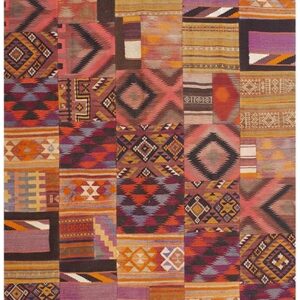
- Turkish rugs and kilims, 66. Mostly vintage flatweaves from the mid 20th century in stripes and diamonds. See kilims and Turkish rugs.
- Needlepoint rugs, 66. Florals stitched on canvas, mostly new pieces made in China, with a few English and French examples. See needlepoint rugs.
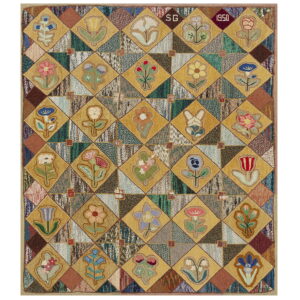
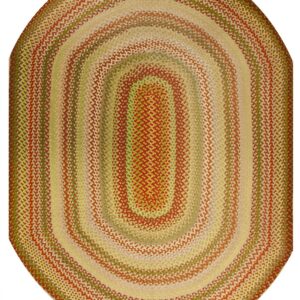
- Quilt designs, braided and rag rugs. 31 quilt and patchwork designs, 26 braided rugs and 20 rag rugs, mostly American and mostly antique or vintage. See braided rugs.
What are jewel tones, and how were they dyed?
Jewel tones are saturated colors named after gemstones: ruby red, sapphire blue, emerald green, amber, amethyst and topaz. In older hand-knotted rugs they came from a small set of natural dyes combined in many ways.
- A few dyes, many colors. Madder gives reds and pinks, indigo gives blues, and plant yellows give gold. Overdyeing one on another makes green, purple and orange.
- Abrash. Separate dye batches give soft bands of tonal change. In a multicolor village rug, abrash adds life rather than distraction.
- Synthetic dyes. Synthetic dyes reached most weaving areas in the late 19th century, and many 20th century multicolor rugs, hooked rugs and kilims use them. Some early synthetics faded or ran; later dyes are stable. Our natural vs synthetic dyes guide explains how to tell.
- Hooked rug colors. Many American hooked rugs were made from dyed wool strips and fabric scraps, so a single rug can mix colors from many sources.
- Ask for close-ups. Every listing states origin, approximate age and materials, and we can send close-ups of the back or a condition report.
How does a multicolor rug look in different light?
In a multicolor rug, light changes which colors lead rather than the whole rug at once.
- Warm bulbs bring reds, golds and oranges forward and let blues and greens recede.
- North light brings blues and greens forward and quiets the reds.
- Bright sun raises contrast, so a busy pattern looks busier by day.
- Distance. From across a room, many colors blend into one overall tone. Look at the rug from the doorway as well as up close.
How do you decorate with a multicolor rug?
Treat a multicolor rug as the palette for the room. Pick two or three of its colors for walls, upholstery and accents, and let the rug carry the rest.
- With floors. Multicolor rugs sit easily on almost any wood or stone. On a strongly grained or patterned floor, choose a rug with a calmer, more even palette.
- With walls. Warm white or a soft neutral lets the rug lead. For more color, take the darkest tone in the rug for the walls.
- With upholstery. Solid fabrics work best. If you add pattern, change the scale: small patterns on cushions against a large-scale rug.
- By style. Hooked, braided and rag rugs suit cottage, farmhouse and traditional rooms. Vintage Turkish kilims suit mid-century and modern rooms. A Caucasian rug can hang on the wall or sit alone in a minimal room as a piece of art.
- Small spaces. We have 86 multicolor rugs at 2 x 3 and 49 square 6 x 6 rugs, useful for entries, bedsides and round tables.
- Measure first. Our rug size guide explains how to measure, and every listing gives the measured size.
How do you care for a multicolor rug?
Care depends on construction. Every rug here needs a good pad, rotation and gentle vacuuming without a beater bar, and each type has one extra point.
- Hooked rugs. The loops are held in a backing, so avoid beater bars and pet claws that can pull them, and keep them flat rather than folded.
- Kilims and other flatweaves. A non-slip pad keeps them in place and reduces wear. Rotate them so traffic is spread evenly.
- Mixed dyes. With many colors side by side, a spill or soaking can make one color run into another. Blot with plain water and never wash a multicolor rug at home.
- Sun. Different dyes fade at different speeds, which shifts the balance of the palette. Use curtains or UV film in very bright rooms.
- Professional washing. Our rug cleaning service in Manhattan washes hand-knotted rugs with a pH-balanced process.
- Moths. Our moth-proofing service washes the rug first and then treats the fibers.
Glossary of multicolor rug terms
These are the terms you will meet most often in our listings and guides for multicolor rugs.
- Jewel tones
- Saturated colors named after gemstones, such as ruby, sapphire, emerald and amber.
- Polychrome
- Made in many colors, with no single dominant ground.
- Overdyeing
- Dyeing wool a second time over a first color, the traditional route to green, purple and orange.
- Hooked rug
- A rug made by pulling loops of yarn or fabric strips through a backing. Shop American hooked rugs.
- Needlepoint
- A rug stitched in wool on a canvas base, usually with floral designs.
- Kilim
- A flatwoven rug with no pile, where colored wefts form the pattern.
- Braided rug
- A rug made from braided strips of fabric or yarn coiled and stitched together, often oval or round.
- Folk art
- Designs drawn by makers outside formal workshops, often pictorial and full of color.
Multicolor and Jewel Tone Rugs: Frequently Asked Questions
What are jewel tone rugs?
Jewel tone rugs use saturated colors named after gemstones, such as ruby red, sapphire blue, emerald green and amber, side by side rather than on one dominant ground. Caucasian and Persian village rugs are classic examples.
How do you decorate around a multicolor rug?
Use the rug as your palette. Pick two or three of its colors for walls, upholstery and accents, keep fabrics mostly solid, and let the rug be the pattern in the room. Warm white or soft neutral walls let it lead.
Are hooked rugs as durable as knotted rugs?
They are sturdy for everyday rooms but need a little more care. The loops sit in a backing, so avoid beater bars and pet claws, use a pad, and keep them flat. Hand-knotted pile rugs are the better choice for the heaviest traffic.
How many multicolor rugs do you have, and what do they cost?
We have 979 multicolor and jewel tone rugs in stock: 434 antique, 254 vintage and 291 new. On September 27, 2026, antique multicolor rugs ranged from $300 to $260,000, with a median of about $7,400 and half between $3,000 and $13,000. Vintage pieces had a median of about $2,700.
Do you ship multicolor rugs, and can I return one?
Yes. Shipping is free within the continental United States, and international orders ship at a flat rate of $495 per order ($350 to Canada, $395 to Mexico), with tracking. Orders ship in 1 to 3 business days. Customs fees, import duties and taxes are paid by the buyer on delivery. US buyers get a 4-day in-home trial starting the day the rug is delivered; see our shipping policy and returns policy.
Do you buy or appraise antique multicolor rugs?
Yes. We buy antique rugs outright: send photographs and measurements, and Kevin Rahmanan reviews the photos and decides. Consignment is also offered. For a value, we give a free Quick Opinion by phone or email from photographs, and a free In-Depth Appraisal Report for insurance, estate valuation and documentation. See sell your antique rug or contact us.