
- In colder US regions, what rugs from Shop All Rugs feel warmest?
Dense wool pile and thicker felt pads add insulation and comfort. Shag feels plush but needs more maintenance—vacuum regularly and rotate.
- For apartments in US cities, what should I prioritize when I shop all rugs?
Choose low-pile or flatweave for door clearance, sound-dampening pads for neighbors, and sizes like 5×8, 6×9, or 8×10 to fit typical rooms.
- Are there eco-friendly choices in Shop All Rugs?
Yes—wool, cotton, jute, sisal, and recycled PET are common. Look for certifications (e.g., GOTS/GoodWeave) and undyed or low-VOC finishes.
- How should I care for rugs I buy via Shop All Rugs?
Vacuum with suction (no beater bar on delicate fibers), rotate every 3–6 months, and spot-clean promptly. Professional clean wool or silk as needed.
- Can I get custom sizes when I shop all rugs?
Many brands offer made-to-measure or broadloom cut-downs. Expect premiums of 10–30% and lead times from 2–10 weeks.
- What about radiant-heat floors when I shop all rugs?
Most rugs are fine if the floor stays under manufacturer-recommended temps (often ≤85°F). Use a heat-safe, breathable pad and monitor for drying or warping.
- Do robot vacuums work with rugs I find in Shop All Rugs?
Low-pile and flatweaves are robot-friendly. High-pile or fringed rugs may tangle; set no-go zones or lift fringe ends.
- How do I compare rug backing types while I shop all rugs?
Woven backings drape naturally; latex backings add grip but can trap moisture. Use a breathable pad and avoid humid storage to prevent backing breakdown.
- What’s typical shipping time when I shop all rugs in the US?
In-stock machine-mades often ship in 1–5 business days; hand-knotted and oversized may take longer. Custom pieces can require 4–12+ weeks.
- Can I find stain-resistant options under Shop All Rugs?
Yes—solution-dyed synthetics, treated wool, and performance finishes resist stains. Always blot spills immediately; avoid scrubbing to prevent fiber damage.
- Is off-gassing a concern when I shop all rugs?
New rugs and pads may release mild odors from packaging or latex backings. Unroll, ventilate 24–72 hours; choose wool or certified low-VOC pads if sensitive.
- Are outdoor options included in Shop All Rugs?
Yes—look for polypropylene or PET made for UV and moisture. Rinse with a hose seasonally; allow airflow to prevent mildew.
- When I shop all rugs, how do I avoid a rug that’s too small?
Tape out dimensions before buying and ensure the rug anchors the furniture grouping. In living rooms, aim for at least 8×10 unless the room is very small.
- What is a kilim in Shop All Rugs?
Kilims are flatweaves with no pile—lightweight, reversible, and easy to layer. They suit low-clearance doors and add bold geometric pattern.
- How do I budget when I shop all rugs?
Set a size-first budget: small (2×3–5×7) often $30–$600, mid (6×9–8×10) $150–$2,000, large (9×12–12×15) $300–$6,000+. Hand-knotted antiques can far exceed this.
- When I shop all rugs for pets and kids, what materials are best?
Solution-dyed polypropylene and washable constructions handle accidents well. Low-pile wool also performs, naturally repels stains, and hides dirt—vacuum weekly.
- Are natural-fiber rugs (jute, sisal) good when I shop all rugs?
They offer great texture and a coastal look but can be rougher, less spill-friendly, and prone to moisture staining. Use in dry, medium-traffic spaces.
- How do rug pads factor in when I shop all rugs?
Always add a pad for grip and cushioning. Choose felt for comfort on carpets and felt-rubber or rubber on hard floors; trim pads 1–2″ smaller than the rug.
- What styles should I expect under Shop All Rugs?
You’ll see modern, traditional, Moroccan, Persian, kilim/flatweave, geometric, striped, floral, abstract, and vintage/distressed. Filters let you narrow quickly.
- How do I pick pile height while I shop all rugs?
Low pile (≤0.25″) = easy cleaning and doors clear; medium (0.25–0.5″) = comfort; high/shag (≥0.75″) = cozy but traps debris. Choose by traffic and maintenance tolerance.
- When I shop all rugs, what’s the difference between hand-knotted and machine-made?
Hand-knotted rugs are individually tied and durable for decades; machine-made are power-loomed, consistent, and budget-friendly. Hand-knotted usually costs more but ages beautifully.
- Are washable rugs worth it when I shop all rugs?
Washable rugs trade softness and thickness for easy cleaning. They’re great for kitchens, dining areas, and kids’ rooms; many fit in standard home washers.
- When I shop all rugs, should I pick wool or synthetic?
Wool rugs feel plush, hide soil, and last; synthetics cost less and handle spills better.
- How do I choose rug size when I shop all rugs for a living room?
Pick a rug that lets front furniture legs sit on it or covers the seating area. Common fits are 8×10 or 9×12; leave a 12–18″ floor border.
- What does “Shop All Rugs” typically include on a rug site?
A “shop all rugs” hub aggregates every category—sizes, styles, materials, rooms, and constructions—so you can filter in one place. Expect options from 2×3 mats to 12×18 area rugs and runners.
Shop Rugs and Carpets Online
Shop All Our Rugs In One Place:
Welcome to our online rug shopping hub—your single place to browse every style, size, and story. Use the filters to go straight to Traditional, Transitional, or Contemporary looks. Shop rugs and compare hand-knotted, flatweave, tufted, or machine-made constructions; and choose wool, silk, cotton, natural fibers, or performance synthetics based on traffic and care.
Sort by room (living, dining, bedroom, entry, outdoor), pattern (medallion, geometric, floral, abstract, solid), size, and budget to balance price, durability, and look at a glance. Whether you’re a first-time buyer, a practical planner, or a collector exploring Persian and broader origin pieces, this page helps you choose with confidence—then dive deeper for sizing rules, care tips, and buying frameworks below.
Quick Links For Easy Rug Shopping:
Rugs By Standard Sizes | Rugs By Type / Style | Rugs By Origin | Rugs By Design | Rugs By Color | Rugs By Materials
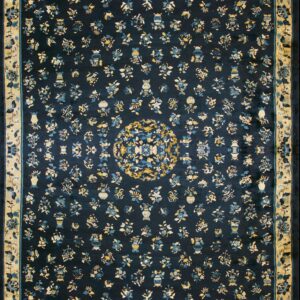
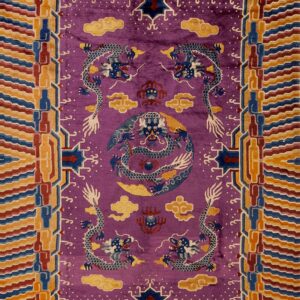
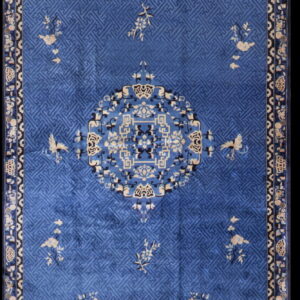
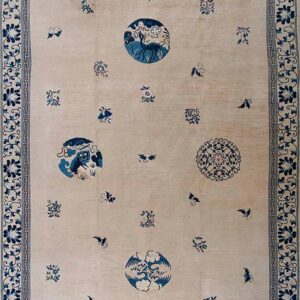
Chinese Wool – Peking 1890s Knotted Large Oversized Big Rectangle Blue Antique Rug
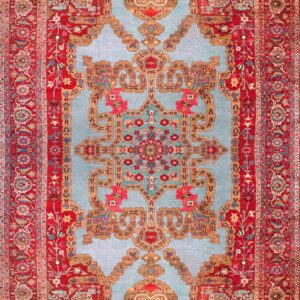
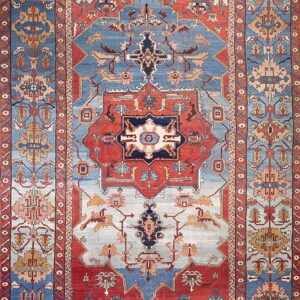
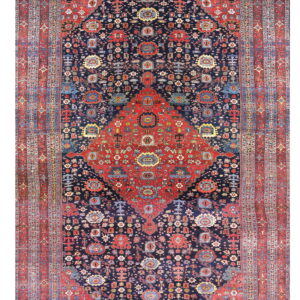
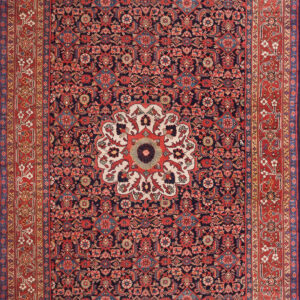
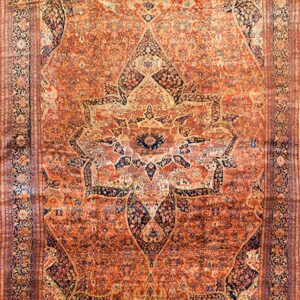
$67,500.00 Antique RugsRug sizes: 12x23Happy Jewel Tone Color Antique Oversized Persian Medallion Heriz Serapi Rug
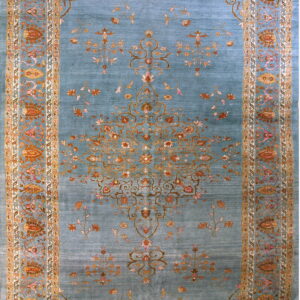
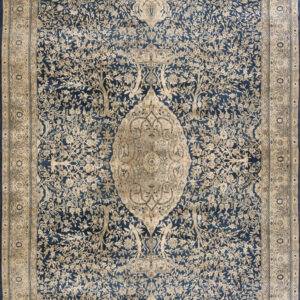
$98,000.00 Antique RugsRug sizes: 14x20Rare Light Sky Blue Color Antique Finely Woven Intricate Large Persian Tabriz Rug
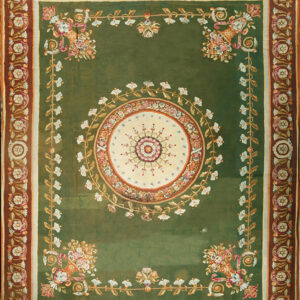
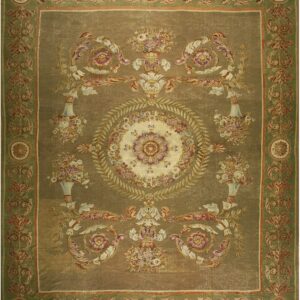
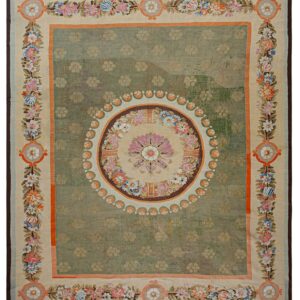
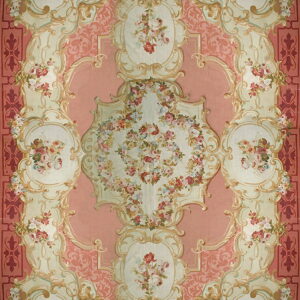
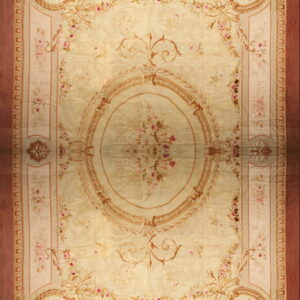
$68,000.00 Antique RugsRug sizes: 10.02x17.09Antique Large Aubusson French Floral, Medallion Knotted Rug
$25,000.00 Antique RugsRug sizes: 14.02x16.08Beautiful Sky Blue Color Antique Persian Room Size Geometric Serapi Heriz Rug
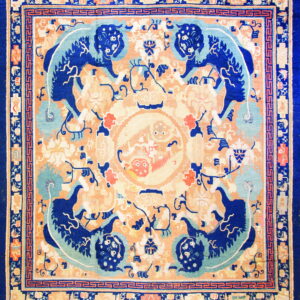
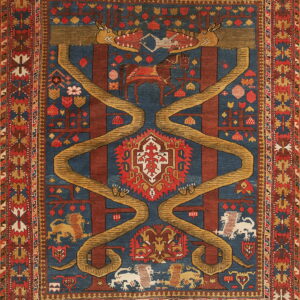
$68,000.00 Antique RugsRug sizes: 10.02x15.02Rare Early 18th Century Antique Foo Dog Chinese Square Ningxia Carpet
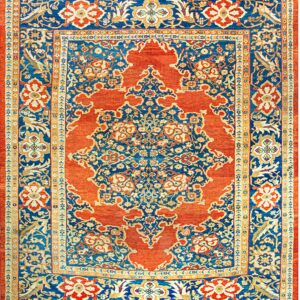
$375,000.00 Antique RugsRug sizes: 12.08x13.04Antique Square Persian Sultanabad Rug – Late 19th Century Rustic Red and Blue
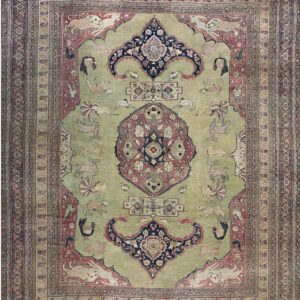
$22,500.00 Antique RugsRug sizes: 11.07x12.06Green Fine Antique Persian Moud / Khorassan Animal Hunting Scene Room Size Rug
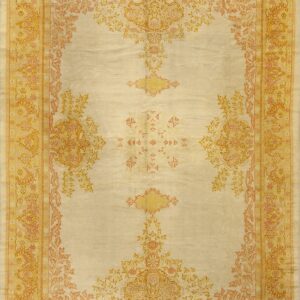
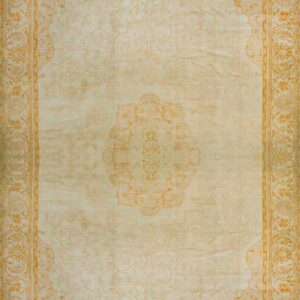
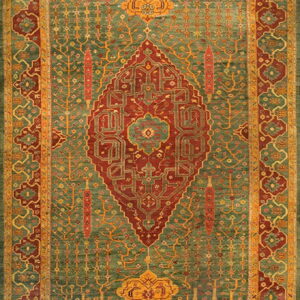
$38,000.00 Antique RugsRug sizes: 9.09x12.02Soft Decorative Yellow Antique Room Size Turkish Oushak Rug
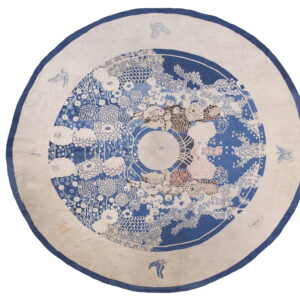
$18,800.00 Antique RugsRug sizes: 8.03x11.06Antique Artistic Chinese Soft Blue Color Wool Pile Round Peking Rug
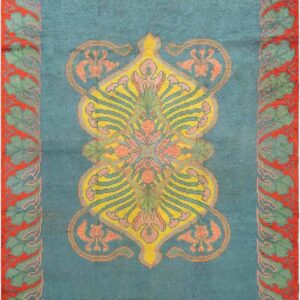
$22,500.00 Antique RugsRug sizes: 10.06x10.06Antique Donegal Arts & Crafts Ireland Medallion Knotted Rug
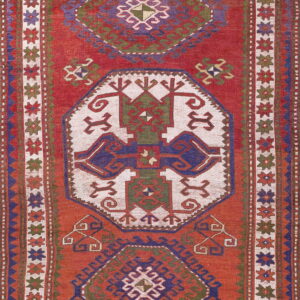
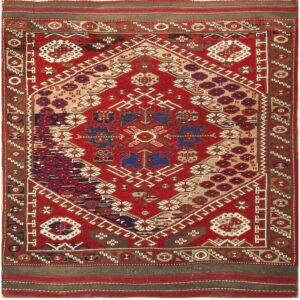
$13,600.00 Antique RugsRug sizes: 5.07x7.09Classic Tribal Geometric Antique Caucasian Red Lori Pambak Rug
$3,400.00 Antique RugsRug sizes: 4.09x6.1Antique Caucasian Geometric Medallion Square Wool Hand Knotted Pile Blue 1890s Rug
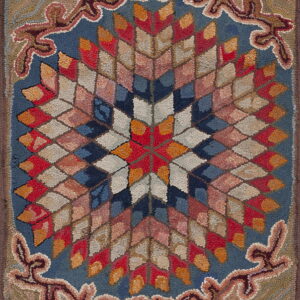
$15,000.00 Antique RugsRug sizes: 4.04x5.02Antique American Hooked Square Small Scatter Size Wool & Cotton Multicolor Rug
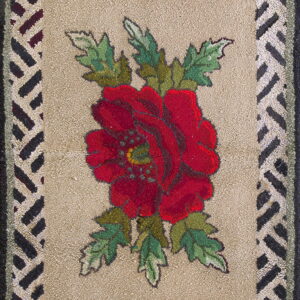
$3,700.00 Antique RugsRug sizes: 2.09x3.06Square Wool 1930s Ivory Beige Cream White Antique American Hooked Rug
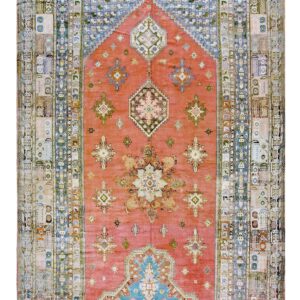
$600.00 Antique RugsRug sizes: 2.03x3.01Rare Massive Oversized Early 20th Century Coral Tribal Rabat Moroccan Berber Carpet
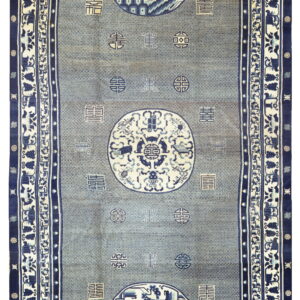
$68,000.00 Antique RugsRug sizes: 12.06x36.06Long and Narrow Shape Large Oversized Antique Blue Color Chinese Rug
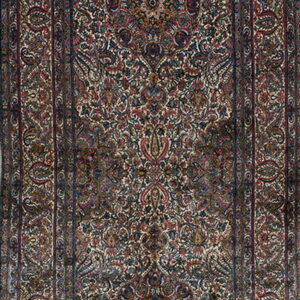
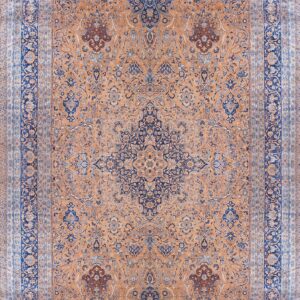
$98,000.00 Antique RugsRug sizes: 8.09x35Fine Oversized Antique Floral Medallion Pattern Light Earthy Color Persian Kerman Rug
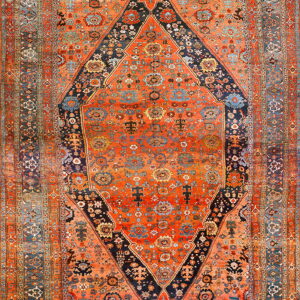
$52,000.00 Antique RugsRug sizes: 16x27.06Antique Tribal Geometric Design Jewel Tone Color Antique Persian Bidjar Rug
$98,000.00 Antique RugsRug sizes: 16.02x27.04Decorative Light Ivory Antique Oversized Turkish Borlou Medallion Oushak Carpet
$60,000.00 Antique RugsRug sizes: 17.02x27.02Antique Aubusson Oversized Large Oversized Big Rug Wool Coral
$98,000.00 Antique RugsRug sizes: 18x27Exciting Happy Coral Antique Oversized Persian Bidjar Carpet
$90,000.00 Antique RugsRug sizes: 15x25.09Classic Antique Late 19th Century Red Floral Medallion Pattern Oversized Persian Sarouk Farahan Carpet
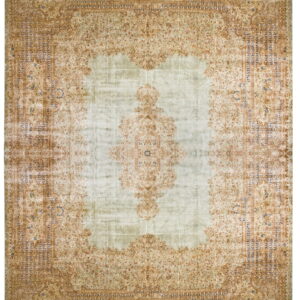
$110,500.00 Antique RugsRug sizes: 13x23.1Antique Seafoam Green Open Field Fine Floral Medallion Large Oversized Persian Kerman Rug
$16,500.00 Antique RugsRug sizes: 17.08x23.08
Discover Every Style, Size, and Story in One Place
Shopper Intents and Paths
- Beginners exploring basics — A first-time rug buyer often needs a simple breakdown of rug categories, what they mean, and which ones fit common rooms like living rooms or bedrooms.
- Style-driven shoppers — Some visitors already know they want traditional rugs, transitional rugs, or modern rug styles and need a clear path to those collections.
- Practical buyers — Focused on price, durability, and performance, these shoppers want to quickly compare machine-made vs. handmade rugs or natural vs. synthetic fibers.
- Room-based planners — Many users shop by function, asking “What rug works for dining rooms, kitchens, or high-traffic entryways?”
- Collectors and enthusiasts — They seek origin, craftsmanship, and unique investment pieces, making direct links to Persian, Oriental, or vintage rug categories essential.
Rug Taxonomy at a Glance
| Category | What It Means | Best For |
|---|---|---|
| Style | Traditional, transitional, contemporary, bohemian, etc. | Matching a room’s décor theme |
| Construction | Hand-knotted, hand-tufted, machine-made, flatweave | Budget vs. heirloom investment choices |
| Material | Wool, silk, cotton, synthetics, natural fibers | Balancing feel underfoot with durability needs |
| Size | From small mats to palace-size carpets | Scaling rugs to room proportions |
| Room Placement | Living room, dining, bedroom, entryway, outdoor | Aligning rugs with function and foot traffic |
| Pattern/Design | Medallion, geometric, floral, abstract, solid | Visual personality and mood of the space |
This taxonomy ensures that anyone using this shop all rugs hub can navigate directly into the rug categories most relevant to their shopping intent.
Key Trade-Offs: Price, Durability, Look
The biggest factor for how to choose a rug is understanding the trade-offs between aesthetics, longevity, and budget:
- Price reflects time, labor, and material. Hand-knotted Persian rugs from modern day Iran may cost far more than a machine-made options, but the labor hours and natural fibers justify the investment.
- Rug durability comes from the fiber and weave. Wool hand-knotted rugs resist wear for decades, while tufted synthetics may last a few years in high-traffic zones.
- Look balances uniqueness vs. uniformity. Handmade rugs deliver one-of-a-kind irregularities, while machine-made rugs offer precision and consistency in design.
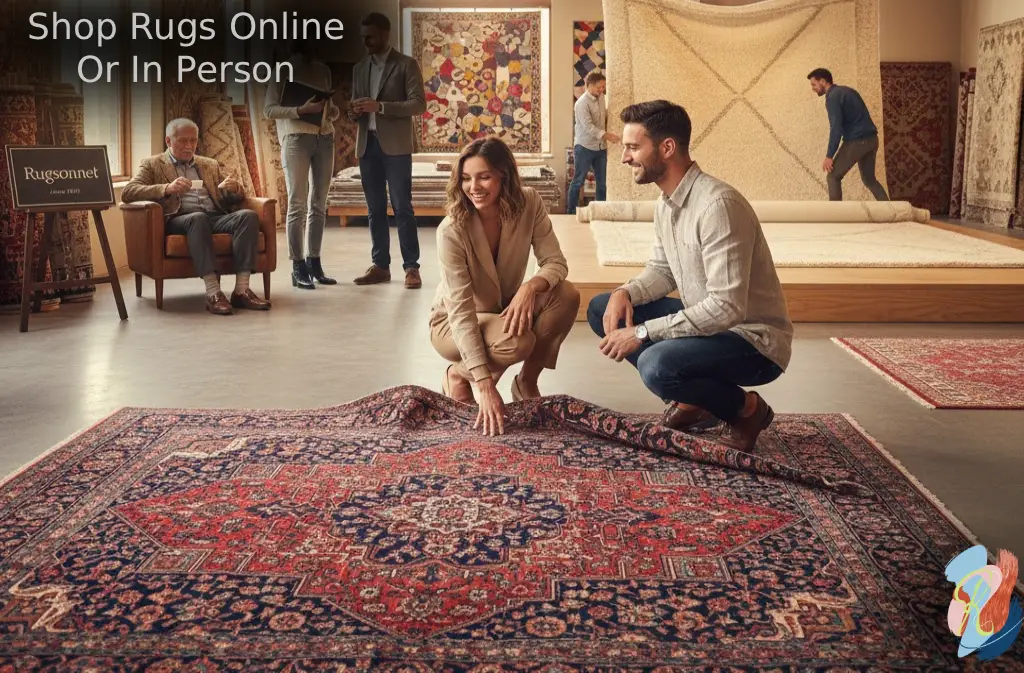
Beginner Guidance
Beginners should start with rugs that balance affordability and durability, such as wool flatweaves, sturdy machine-made synthetics, or transitional rugs that blend traditional motifs with modern palettes. Once confident, buyers can explore specialized handmade categories.
This hub is designed to guide you step by step: start with your room’s needs, then refine by style, construction, and material. Every section links to a deeper pillar page, from the to and , so you can shop rugs with confidence and clarity.
Rug Style Families: Traditional, Transitional, Contemporary
What Makes a Rug Traditional
Traditional rugs draw directly from centuries of weaving heritage. They often feature floral scrolls, vine work, and central medallions framed by intricate borders. Palettes lean toward rich reds, deep blues, and burnished golds, creating an heirloom aura that immediately signals formality and timelessness.
Medallion layouts anchor a room, giving it a defined visual center, while allover patterns distribute detail evenly, making them easier to pair with layered décor. Choosing between medallion and allover designs shapes a room’s balance: the former adds structure, the latter enhances flow.
Transitional Defined
Transitional rugs bridge the gap between traditional and contemporary, making them one of the most versatile rug categories for today’s homes. These designs soften heritage motifs by fading medallions, streamlining borders, or using modern palettes like grays, ivories, and muted blues. Distressed textures are common, blending the character of antique rugs with the polish of modern interiors.
This balance allows transitional rugs to tone down the formality of traditional rugs while adding warmth and depth that purely contemporary designs sometimes lack. They are especially useful for open floor plans where multiple décor styles meet.
Contemporary Design Language
Contemporary rugs embody the vocabulary of modern rug styles: abstraction, geometry, and minimalism. Instead of ornate motifs, these rugs rely on bold lines, asymmetry, and tone-on-tone shading. Solids and near-solids emphasize material and texture, while abstract patterns act like artwork for the floor. Contemporary new area rugs favor simplicity and negative space, letting furniture and architecture take the lead.
For shoppers asking how modern area rugs differ in design language, the answer lies in this restraint: where traditional rugs add layers of ornament, contemporary rugs strip them away to highlight shape, texture, and clean contrast.
Each of these style families serves a different purpose. Traditional classic area rugs lend gravitas, transitional rugs offer balance, and contemporary rugs deliver clarity and minimalism. Together, they represent the foundational categories that define how a rug sets the mood and formality of a space.
Traditional Handmade: Persian & “Oriental” Workshop Rugs
Persian vs. Broader Oriental
Persian rugs specifically refer to those woven in Iran, a country with an unbroken legacy of rug making that dates back millennia. These luxurious area rugs are renowned for their density of knots, refined floral rug designs and motifs, and saturated palettes of red, blue, and gold. By contrast, the term Oriental rugs encompasses a broader geography, including Turkish, Caucasian, Central Asian, and Indian rug weaving traditions.
Turkish rugs, for example, contributed iconic geometric Oushak rugs, while in Persia rug weavers produced angular, bold Persian Heriz Serapi rugs. Understanding this naming distinction matters because rug origin affects fiber choice, dye palette, and the finesse of the knotting itself. Persian and Turkish rug traditions matter not only for their artistry but also because they set the standards that defined Oriental weaving as a whole.
City vs. Village Look
| Type | Hallmarks |
|---|---|
| City Rugs | Fine knots, curvilinear arabesques, polished finishes, symmetrical medallions |
| Village / Tribal Rugs | Bold geometry, visible irregularities, coarser wool, more spontaneous character |
City rugs often served urban elites and court patrons, showing technical mastery in their precise curves and lush detailing. Village tribal design rugs, by contrast, reflect the weaver’s hand more directly, their irregularities exuding warmth and charm. This city vs. village rugs distinction remains one of the clearest ways to classify traditional handmade rugs.
Medallion vs. Allover Layouts
- Rug Medallion Pattern Layouts: A large central motif anchors the room, creating a focal point and adding a sense of structure. These are typical in both Persian city rugs and Turkish Oushaks.
- Allover Rug Pattern Layouts: Repeating vines, florals, or geometric patterns distribute design evenly, making them versatile and easier to layer with other décor. Heriz rugs often use this approach to great effect.
Visual Hallmarks of Traditional Oriental Rugs
Traditional Oriental rugs are defined by floral scrolls, vine work, saturated jewel-tone palettes, and either medallion or allover construction. Heriz rugs are known for angular medallions and bold geometry, while Oushak rugs favor softer palettes and larger, more open motifs. These regional styles fit within the broader Oriental family but carry distinctive traits that help buyers identify them.
Whether selecting the refinement of a Persian city workshop, the rustic beauty of a village weaving, or the regional character of Heriz rugs and Oushak rugs, shoppers find that origin directly shapes the material, palette, and knot finesse of each rug. This makes the traditional handmade category central to any shop rugs journey.
Tribal & Nomadic Rugs
Geometric Symbols and Meanings
Tribal rugs rely on simplified motifs rather than finely drawn curvilinear patterns. Common symbols include diamonds for protection, hooked medallions for warding off evil, and stylized animals or plants that echo daily life. These geometric forms are not only decorative but also carriers of meaning, passed down through weaving traditions. Unlike city workshop rugs, which emphasize symmetry and polish, tribal and nomadic rugs celebrate directness and storytelling in their designs.
Weave, Coarseness, and Durability
Portable looms used by nomadic weavers limited rug width, often producing narrower formats like runners or small room-sized pieces. The resulting structures were typically coarser than city-made rugs, yet that coarseness translates into durability. A tighter, refined knot allows detailed motifs, but a thicker, chunkier weave creates a sturdy textile designed for real-world use—whether on tent floors, walls, or as bedding.
In construction terms, this makes tribal rugs practical companions, robust enough for high-traffic zones while still showcasing authentic artistry.
Regional Flavors: Caucasian and Turkoman
- Caucasian Rugs: These feature bold primary colors, sharp geometry, and motifs like latch-hook medallions. Their striking simplicity and high-contrast palettes make them some of the most recognizable tribal weavings.
- Turkmen Rugs: Known for deep red fields patterned with rows of “gul” motifs (octagonal emblems), Turkoman rugs embody a more restrained but equally symbolic design language. Their repetition reflects tribal identity and continuity.
Distinctive Traits of Tribal Rugs
Design clues that separate tribal rugs from city workshop rugs include asymmetry, irregular borders, and the use of abrash—the natural variation in color caused by hand-dyeing with small dye lots. Rather than being a defect, abrash signals authenticity and handcraft, adding movement and life to the rug’s surface.
These characteristics explain why tribal rugs bring energy, spontaneity, and cultural storytelling to casual spaces. Their irregularities highlight the hand of the weaver, reminding buyers that these pieces are as much lived expressions as they are decorative art.
Flatweaves: Kilim, Dhurrie, Soumak, Braided
Flat vs. Pile Rugs
| Type | Structure | Maintenance |
|---|---|---|
| Flatweave Rugs | No cut pile, woven warp and weft interlaced | Thin, light, easy to shake out and relocate |
| Pile Rugs | Knotted or tufted fibers projecting upward | Plush, thicker, require vacuuming and deeper cleaning |
The key difference is that flatweave rugs like kilim rugs, dhurrie rugs and Soumak rugs have no raised surface. Their compact, lightweight build makes them practical for busy households, while hand knotted pile rugs deliver softness and height but demand more upkeep.
Reversible Use and Layering
- Reversible Functionality: Most flatweaves can be flipped, instantly refreshing the surface and extending their lifespan.
- Lightweight Mobility: They can be rolled, folded, or shaken out with ease, making them ideal for frequent refreshes or seasonal swaps.
- Layering Possibilities: Placing a patterned kilim over a neutral jute rug creates depth, contrast, and extra grip. Braided rugs, often oval or round, add rustic texture when layered in entryways or dining rooms.
Where Flatweaves Excel
Flatweaves are thin enough to slide under doors, unlike thick pile rugs that block clearance. They hold up well in high-traffic areas like hallways, kitchens, and dining rooms, where chairs scrape and footfall is heavy. Their smooth weave also makes cleanup simple—spills blot quickly, and the absence of pile prevents debris from embedding deeply.
Why Flatweaves Stand Out
Flatweaves deliver pattern punch with low maintenance. A kilim’s bold geometry, a dhurrie’s crisp cotton stripes, a Soumak’s raised brocade texture, or a braided rug’s rustic coils each provide distinct character. These area rugs balance function and design, proving especially effective in casual, hardworking spaces where style and practicality must meet.
For shoppers asking, What is a flatweave rug versus a pile rug?—the answer lies in structure: pile rugs rise up, while flatweaves lie flat, making them lighter, easier to care for, and more versatile in everyday living.
Moroccan & Shag Looks
Beni Ourain Neutrals
Among the most iconic Moroccan rugs are the Moroccan Berber carpets, hand-knotted from undyed wool. Their hallmark is a cream or ivory field crisscrossed with a dark diamond lattice. The simplicity of this pattern gives it universal appeal: it softens minimalist interiors while adding warmth and cultural depth. These rugs are plush underfoot, their thick wool pile providing natural insulation and comfort.
Shag Thickness and Upkeep
Shag rugs and other plush pile constructions feature longer fibers that feel luxuriously soft but require more care. Their depth traps dust and debris, and standard vacuum beater bars can damage fibers. Instead, they need suction-only vacuuming, regular shake-outs, and spot cleaning. For that reason, shag is best placed in low- to medium-traffic areas such as lounges, bedrooms, or reading nooks—spaces where comfort matters more than quick cleanup.
Modern Boho Crossovers
The popularity of shag and Moroccan motifs feeds directly into boho rugs, which merge tribal influences with contemporary interiors. A Beni Ourain rug can anchor a minimalist loft just as easily as it can complement layered bohemian décor. The neutral palette pairs seamlessly with wood, greenery, and artisanal accents, creating interiors that feel both curated and relaxed.
Comfort vs. Durability
When comparing modern shag rugs to vintage rugs, durability highlights the difference. Vintage pieces, often woven with dense wool and tighter knots, were built to last generations. Shag rugs, while invitingly soft, are not as robust under heavy use and may flatten over time. This makes them best suited for cozy, comfort-driven spaces rather than high-traffic zones.
In short, choose shag when comfort trumps cleanup time, and embrace Moroccan patterns when you want timeless, graphic warmth that bridges minimalist and bohemian interiors.
Modern & Contemporary Rugs
Abstract, Geometric, Solid Textures
- Abstract Rugs: They act like floor art, using brushstroke effects, painterly washes, or freeform shapes that add creative movement to modern interiors.
- Geometric Rugs: Crisp lines, grids, or repeating polygons deliver structure and symmetry, ideal for offices, dining rooms, or any space needing order.
- Solid Rugs: Single-color or subtly heathered fields emphasize texture over pattern. They are versatile foundations that let furniture and artwork take center stage.
These modern area rugs provide multiple design languages, showing how contemporary rugs differ from traditional styles: where the latter relies on motifs and borders, the former embraces abstraction, simplicity, and negative space.
Palette Strategies: Tone-on-Tone vs. Pops
Color plays a decisive role in contemporary rugs. A tone-on-tone palette (ivory on ivory, gray on charcoal) subtly enlarges the feel of smaller rooms and works best in serene bedrooms or minimalist living areas. By contrast, a rug with bold pops of color—like teal against neutrals or black-and-white contrast—defines zones in open layouts and energizes social areas such as dining rooms or lounges. Solids can hide less dirt, but tweed or heathered weaves disguise wear more effectively.
Minimalist Layouts vs. Statement Pieces
| Approach | Definition | Pros | Cons |
|---|---|---|---|
| Minimal Rugs | Subdued solids or soft tone-on-tone patterns | Calming, versatile, enhances light and openness | May feel flat or underwhelming in large rooms |
| Statement Rugs | Bold abstract or geometric motifs with strong contrast | Defines a focal point, adds personality | Can overwhelm if room already has bold décor |
Why Contemporary Rugs Work
One of the strengths of contemporary rugs is their range: they can be hand-knotted luxury pieces or budget-friendly power-loomed designs. Matching the visual energy to the room’s purpose and lighting ensures balance—statement abstract rugs in sunlit great rooms, minimalist solids in compact bedrooms.
In every case, contemporary rugs demonstrate how modern area rugs differ in design language: by prioritizing clarity, abstraction, and atmosphere over ornate detail, they offer tools for shaping modern spaces with precision.
Constructions: Hand-Knotted, Tufted, Hooked, Braided, Machine-Made
What “Hand-Knotted” Really Means
Hand-knotted rugs are made by tying individual knots onto the warp threads of a loom, one by one. The back of the rug mirrors the front, with no canvas or glue. This technique can take months or even years to complete, depending on size and density. High knot density translates into finer detail and greater longevity, making these rugs true heirloom pieces. This is why hand-knotted rugs command higher prices: the cost reflects the immense labor and artistry required, not just the materials.
Hand-Tufted Economics
Hand-tufted rugs use a tufting gun to shoot yarn into a pre-stretched canvas. The back is sealed with latex or glue to hold the yarn in place, then covered with a cloth.
While they mimic the look of hand-knotted pieces from the front, their lifespan is shorter because they are not structurally tied. The trade-off is affordability and speed of production, which makes them a strong budget alternative for buyers who want style without the cost of heirloom longevity.
Hooked and Braided Options
Hooked rugs use looped yarn pulled through a base cloth, creating a nubby, casual texture. They work well in cottages, kids’ rooms, and relaxed settings. Braided rugs, often oval or round, weave strips of fabric or yarn together into sturdy, reversible mats. Both are durable and approachable but typically less formal than pile-based rugs.
Machine-Made Quality Tiers
| Tier | Traits | Best Use |
|---|---|---|
| Entry-Level | Polypropylene or polyester; thin pile; printed or simple weaves | Rentals, quick décor refreshes |
| Mid-Range | Denser synthetics, tighter power-loomed builds | Everyday family use, budget-conscious style |
| Premium | Advanced synthetics or wool blends, intricate precision | Long-term use, higher durability, consistent quality |
Machine-made rugs (also called power-loomed rugs) offer precision and consistency, with quality scaling from throwaway entry-level pieces to premium synthetics that rival durability. They excel at uniform patterns and cost control but lack the uniqueness of handwork.
Why Construction Matters
Construction is the fastest way to predict a rug’s lifespan, look, and price. A quick glance at the backing tells the story: mirrored knots for hand-knotted, glued canvas for hand-tufted, loops for hooked, and stitched coils for braided.
For shoppers asking how to compare knot density and quality, remember: the denser the knots, the sharper the design and the longer the rug will last.
In short, construction drives both lifespan and price. Hand-knotted rugs deliver heirloom value, hand-tufted rugs provide a practical budget option, and machine-made rugs cover the full spectrum from disposable to dependable.
Materials: Wool, Silk, Cotton, Natural Fibers, Synthetics
Wool Benefits and Shedding
Wool rugs remain the gold standard for everyday durability and comfort. Wool fibers contain natural lanolin, which repels soil and makes stains easier to clean. They also accept dyes richly, producing saturated tones that age beautifully. Most wool rugs shed lightly in the first months of use as loose fibers release, but this stabilizes with regular vacuuming. Their resilience and ability to “bounce back” make wool rugs ideal for high-traffic family rooms.
Silk Luster and Care
Silk rugs are prized for their sheen, fine detail, and luxurious hand feel. They can render intricate motifs with remarkable precision and shimmer under light. However, silk is delicate and prone to abrasion, meaning these rugs are best placed in low-traffic settings like bedrooms or formal sitting rooms. Caring for silk rugs requires professional cleaning, and they are sensitive to moisture, making them a premium but high-maintenance choice.
Jute and Sisal Texture vs. Moisture
- Jute Rugs: Soft to the touch with a chunky weave, they bring organic warmth and casual style. Best for living rooms and bedrooms where texture is welcome. Avoid in damp or spill-prone areas as jute absorbs water.
- Sisal Rugs: Firmer, rougher feel with strong durability. Excellent for entryways and high-use zones but also vulnerable to stains and moisture.
Both jute rugs and sisal rugs excel in creating natural, eco-friendly textures, but their absorbency makes them less practical in kitchens or bathrooms.
Polypropylene, Polyester, Nylon Basics
| Fiber | Strengths | Caveats |
|---|---|---|
| Polypropylene Rugs | Highly stain-resistant, affordable, washable options | Fibers can flatten; less luxurious underfoot |
| Polyester Rugs | Vivid colors, fade-resistant, budget-friendly | May crush over time; shorter lifespan |
| Nylon Rugs | Tough, crush-resistant, resilient pile | More expensive than other synthetics |
These synthetics make excellent picks for households with pets, kids, or frequent spills. Washable polypropylene and polyester rugs, in particular, offer convenience that traditional natural fibers cannot.
Choosing by Traffic and Use
The best material for rugs in high-traffic family rooms is wool for its resilience, or nylon if opting for a synthetic alternative. For more casual or textural interest, jute and sisal add warmth but should be kept away from moisture. Polypropylene rugs and polyester rugs, especially washable versions, work well where spills are likely.
When people go out rug buying and ask whether machine-washable rugs can replace traditional options: while they cannot match the longevity or luxury of wool and silk, they are practical complements in busy, spill-prone zones. The right fiber choice balances traffic, spill risk, and feel goals, making material selection as crucial as style.
Sizes, Shapes, and Pads
Standard Sizes and Sightlines
- Living Rooms : Choose general rug sizes like 8×10 or 9×12 so that at least the front legs of seating rest on the rug. This anchors the furniture grouping and makes the room feel larger. Leave a consistent 12–18 inch floor border around the perimeter to frame the space.
- Dining Rooms: Add about 24 inches beyond the table edges so chairs remain fully on the rug when pulled out, avoiding wobbly edges.
- Bedrooms: A 9×12 frames a king bed, while an 8×10 works under a queen, giving balance and softness underfoot. Runner sizes are also common at bed sides for narrow rooms.
These area rug sizes rules ensure sightlines look intentional, avoiding rugs that are either too small or too large for the room.
Round, Square, and Oval Use-Cases
Round rugs work beautifully under round dining tables, reinforcing geometry and symmetry. Square rugs suit square rooms or arrangements where balanced proportions are key. Oval rugs soften layouts, making them useful in long, narrow spaces or where traffic flow needs easing. Aligning rug shape with furniture geometry avoids visual tension and creates cohesion.
Rug Pads: Grip and Cushioning
| Pad Type | Use | Best Floor |
|---|---|---|
| Non-Slip Grip | Prevents sliding, keeps rug in place | Hard floors (wood, tile, laminate) |
| Cushion / Felt | Adds softness, reduces wear | Large rugs anchored by furniture |
| Dual-Surface | Combines grip with padding | Versatile; mixed flooring types |
A rug pad guide is essential because pads not only improve safety by preventing slips, they also increase comfort and extend the rug’s lifespan by reducing friction with the floor.
Flatweave vs. Pile: Size and Height Implications
A flat weave rug is thin, with no raised pile. Its low profile makes it easy to place under doors or dining chairs without catching. A pile rug, by contrast, has height and plushness, which feels softer but may affect clearance or furniture stability.
This distinction matters when choosing rug sizes in functional zones like dining rooms or hallways, where smooth movement is crucial.
By matching the right size, shape, and pad, buyers ensure their rug not only looks balanced but also performs safely and comfortably for years.
Rugs by Room
Living Room Anchoring Rules
- Front Legs On — Why: A classic rule for living room rugs is to place at least the front legs of sofas and chairs on the rug. This visually connects seating pieces into one zone.
- All Legs On — Why: For larger rugs, fitting all furniture legs within the boundary creates a cohesive, anchored island of comfort.
- Floating Rug — Why: Smaller rugs centered beneath a coffee table can still work, but risk making the space feel disjointed.
These rules ensure rugs scale properly to the room and keep layouts intentional.
Dining Clearance Math
For dining room rugs, add 24 inches beyond all sides of the tabletop so chairs remain fully on the rug even when pulled out. Low-pile constructions are best here, since chairs glide more easily and crumbs don’t get trapped. This is where flatweaves or tightly woven polypropylene rugs excel.
Bedroom Comfort Layouts
| Bed Size | Recommended Rug Size | Placement |
|---|---|---|
| Twin/Full | 5×8 | Horizontal under bed, extending 2–3′ beyond sides |
| Queen | 8×10 | Rug under lower 2/3 of bed, covering nightstands |
| King | 9×12 | Rug under entire bed with ample border on all sides |
Bedroom rugs should extend at least 2–3 feet around the bed so feet land on softness each morning. Runners on either side of the bed are also practical for narrow rooms.
Hall, Entry, Kitchen, and Bath Picks
- Hallway Runners: Long and narrow size rugs protect floors, absorb sound, and guide traffic. Durable flatweaves or low-pile wool are best.
- Foyer Entry Rugs: Mud, grit, and moisture demand hard-wearing, low-pile, or washable rugs with non-slip pads.
- Kitchen Rugs: Runners near sinks and prep zones add comfort underfoot. Choose stain-resistant synthetics or washable cotton.
- Bathroom Rugs: Quick-dry, mildew-resistant fibers prevent issues. Avoid absorbent jute or sisal here.
Outdoor Performance Guidelines
Outdoor rugs need to resist UV fading and shed water easily. Polypropylene or recycled PET rugs are designed to withstand rain, humidity, and direct sun. Pair them with quick-dry pads to promote drainage and prevent mildew. Many can be hosed clean, making them practical for patios and decks.
Choosing by Room Function
Room use dictates pile height and fiber choice. High-traffic family rooms suit resilient wool rugs or durable nylon rugs, while low-maintenance synthetics like polypropylene work well in spill-prone kitchens.
For busy households, machine-washable rugs are an effective supplement, though they can’t fully replace the depth and longevity of traditional wool.
By aligning material, size, and pile with each room’s demands, shoppers ensure rugs enhance both comfort and performance.
Quality & Durability Signals
Knot Density and Weave Regularity
| Signal | What It Suggests |
|---|---|
| High Knot Density | Enables fine curves and intricate motifs; increases labor and price but not always required for durability |
| Even Weave | Indicates skilled workmanship and consistent performance under wear |
| Dense, Upright Pile | Wears more evenly in high-traffic areas, resisting matting |
| Loose or Irregular Weave | Suggests casual, rustic character; can still be durable if thick wool is used |
When comparing rugs, knot density matters for design precision, not for longevity alone. Rug quality depends equally on fiber type, finishing, and how well the rug is maintained.
Backing Types and Fringes
The rug’s back and edges often reveal construction. In hand-knotted rugs, the fringe is part of the warp foundation, extending naturally from the weave. In machine-made or tufted rugs, the fringe is usually sewn on, serving as decoration rather than structure.
Backing also tells the story: mirrored knots indicate hand-knotting, while latex or glue suggests tufted construction. These fringe construction and backing clues are essential for identifying durability and authenticity.
Dye Behavior and Abrash
Natural dye processes often produce tonal shifts known as abrash. Seen as subtle bands of lighter or darker shades, abrash reflects small dye lots and hand-dye techniques rather than flaws. Collectors and enthusiasts prize abrash because it adds movement, depth, and authenticity to the rug’s surface. In synthetic or machine-made rugs, color is uniform, lacking this variation.
For buyers wondering why some area rugs show abrash color variation, the answer lies in the natural irregularity of hand-dyeing, which enhances character rather than diminishing quality.
What Defines Durability
Durability is a sum of factors: strong fibers like wool, tight construction, even pile height, and skilled finishing. Rug durability cannot be judged on knot density alone; instead, examine the back, edges, and fringe to understand the construction, then factor in fiber resilience and intended use.
By recognizing these signals—knot density, weave consistency, fringe type, and dye behavior—buyers can distinguish between everyday pieces and heirloom-quality rugs with confidence.
Vintage, Distressed, and New
True Vintage vs. Distressed Finish
| Attribute | Vintage Rugs | Distressed Rugs |
|---|---|---|
| Age | Produced decades ago; authentic older weaving | Newly made but chemically or mechanically aged |
| Wear | Natural patina from time and use | Artificial fading, sanding, or over-dyeing |
| Value | Unique, often with resale potential | Affordable way to achieve “old-world” look |
| Durability | Built with older, denser wools; long-lasting | May not match vintage strength; modern build |
For buyers wondering how distressed differs from true vintage rugs: distressed pieces offer the aesthetic without the age, while vintage rugs are authentically older and often more robust.
Patina vs. Pristine
- Patina Rugs: They show history, with softened colors, worn pile, and character that can’t be replicated. Patina appeals to those who value uniqueness and a lived-in story.
- Pristine Rugs: Perfect for crisp, modern interiors where sharp motifs and vivid color are essential. These work well when the goal is a clean, new look without visible wear.
Deciding between patina and pristine comes down to whether you want history and individuality or a flawless, uniform surface.
When “Washable” Replaces Heirloom
Washable rugs, often made from polypropylene or polyester, trade longevity for convenience. They can be machine-washed at home, making them excellent for kitchens, playrooms, or rentals where spills are frequent.
However, they lack the heirloom value and long lifespan of wool-based vintage rugs. Use washable rugs as practical solutions, not as investment pieces.
Durability and Use Cases
For those asking if vintage rugs are more durable than new rugs, the answer is often yes—particularly if they were woven with dense wool and natural dyes. Many vintage pieces have already survived decades of wear, proving their resilience.
In contrast, some modern synthetics prioritize easy cleaning over longevity.
Ultimately, the choice lies in your priorities: vintage rugs for history and lasting strength, distressed rugs for style at lower cost, washable rugs for maintenance ease, and pristine new rugs for a flawless, modern finish.
Each option solves a different need in today’s rug market.
Budget & Value Framework
Balancing Fiber, Construction, and Size
| Budget | Best Bet | Why |
|---|---|---|
| Entry | Polypropylene or polyester machine-made rugs | Affordable, stain-resistant, ideal for rentals, pets, or kids |
| Mid | Hand-tufted rugs in wool or blends | Plush look at lower cost, good balance of softness and price |
| Premium | Hand-knotted rugs in wool, silk, or mixes | Long lifespan, heirloom quality, intricate detail; higher upfront cost |
When building a rug budget, size and placement often matter more than fiber upgrades. A correctly sized rug in a central living area elevates the room more than a too-small heirloom in the same space.
Hand-Tufted as a Bridge
As explained in constructions, hand-tufted rugs are a middle ground. They mimic the rich look of hand-knotted rugs but are produced faster with glue-backed construction, which shortens lifespan. For buyers wanting plush style without the investment of heirloom pieces, hand-tufted rugs offer strong value rugs for mid-range budgets.
Machine-Made Value Tiers
- Entry-Level: Printed or basic woven synthetics give quick style refreshes at the lowest cost, perfect for fast-changing interiors.
- Mid-Tier: Power-loomed rugs with denser weaves and blended fibers provide durability for everyday households.
- Premium Machine-Made: High-quality synthetics or wool blends deliver precision and longevity, offering the best rugs for price when true hand-knotting isn’t feasible.
Where to Spend and Save
- Spend More: Living rooms and dining rooms are daily-use zones where rug quality impacts comfort and longevity. Investing here maximizes return on cost.
- Save More: Playrooms, rental units, kitchens, or trend-driven spaces benefit from affordable synthetics or washable rugs. Mess risk and short style cycles make high investment unnecessary.
For shoppers asking, Can I balance budget with fiber and construction?—yes: prioritize size first, invest in premium fibers where they’ll be felt and seen daily, and rely on machine-made value or hand-tufted bridges in secondary spaces. This ensures comfort and design impact without overspending.
Care, Cleaning, and Longevity
Vacuuming and Pile Care
Routine vacuuming is the foundation of rug care, but technique matters. Use suction-only or a brushless attachment for shag rugs, silk rugs, and other delicate piles—no beater bar, which can pull fibers loose.
Low- to medium-pile wool rugs can tolerate a beater bar, though it should still be used gently. Consistent, careful vacuuming prevents dirt from grinding into fibers and preserves rug longevity.
Spot Cleaning by Fiber
| Fiber | OK Methods | Avoid |
|---|---|---|
| Wool Rugs | Blot spills with cold water, mild wool-safe soap | Hot water, harsh chemicals, aggressive scrubbing |
| Silk Rugs | Blot only; professional cleaning strongly advised | DIY cleaners, moisture saturation |
| Cotton Rugs | Mild soap and water, some are machine washable | Excessive soaking, bleach |
| Jute/Sisal Rugs | Dry blotting, vacuuming only | Water or liquid cleaners (absorbent fibers) |
| Polypropylene Rugs | Soap-and-water cleanup, some are fully washable | Prolonged heat, bleach |
| Nylon Rugs | Soap and water, stain removers safe | Overuse of solvents that strip finishes |
The rule of thumb: blot, don’t rub. Always test cleaners on an inconspicuous corner before treating larger areas.
Rotation, Pads, and Professional Wash
- Rotate Every 6–12 Months: Sunlight and foot traffic cause uneven fading and wear; rotation ensures even aging.
- Use Rug Pads: Pads reduce slippage, cushion impact, and minimize friction against the floor. They are the cheapest longevity upgrade you can buy.
- Schedule Professional Cleaning: A deep wash every few years, especially for wool and silk, removes embedded dirt, refreshes fibers, and restores vibrancy.
Care Guidance for Busy Homes
For high-traffic family rooms, wool rugs remain the most forgiving: their lanolin content resists stains, and fibers bounce back with regular care. Nylon rugs are a good synthetic option, offering crush resistance and easy spot cleaning.
In mess-prone households, machine-washable polypropylene rugs add a convenient layer of protection, though they lack the longevity of natural fibers.
Correct care not only keeps a rug looking vibrant but also preserves its structure and pile for decades, ensuring that investment pieces stay beautiful across generations.
Decision Path & Next Steps
Quick Chooser Flow
- Room : Each space has unique needs. Living rooms demand anchoring presence, kitchens need easy-clean surfaces, and bedrooms benefit from plush comfort.
- Traffic: High-traffic zones call for durable wool or synthetics, while low-traffic areas can handle delicate fibers like silk.
- Fiber: Fiber dictates both feel and maintenance. Wool is resilient, jute adds texture, synthetics handle spills, and silk is for luxury.
- Construction: Hand-knotted rugs offer heirloom longevity; hand-tufted or machine-made rugs balance style with budget.
- Style: Traditional, transitional, or contemporary patterns shape the mood of the room and its level of formality.
- Size: Correct rug sizes anchor furniture and visually enlarge rooms, ensuring the design feels complete.
Following this sequence ensures buyers know how to choose rugs logically: start with function, finish with style.
Compare Shortlists
| Option | Pros | Watch Outs |
|---|---|---|
| Wool Hand-Knotted | Durable, richly dyed, heirloom value | Higher price; requires professional cleaning |
| Machine-Made Synthetic | Affordable, consistent, stain-resistant | Shorter lifespan; lacks handmade uniqueness |
| Hand-Tufted | Plush look, mid-range price | Backing wears faster; lifespan shorter |
| Vintage Rugs | Unique patina, strong resale potential | Limited sizes; may show wear |
| Washable Rugs | Easy to clean, pet- and kid-friendly | Lower durability; less texture and depth |
Creating a shortlist of 2–3 rugs and reviewing them under room lighting helps reveal how rug colors and rug designs actually behave in context.
When to Go Custom
Custom rugs solve challenges standard rug sizes can’t: oversized great rooms, unusually shaped dining tables, or unique projects like stair runners. Custom also allows control over fiber, construction, and palette, ensuring the rug matches both the function and the design intent of the space. While more expensive, it can be the best rug for my room if standard dimensions don’t fit.
Beginner Considerations
For beginners, the safest starting point is wool rugs or durable machine-made rugs that balance cost, performance, and style flexibility. These categories allow newcomers to shop rugs online confidently without risking premature wear.
Final Guidance
Machine-washable rugs can replace traditional options in messy or high-turnover areas but not in heirloom roles. Pads and correct sizing remain the simplest ways to “finish” a room.
By comparing options systematically, buyers can use this hub as a reliable rug comparison tool, ensuring every choice is tailored to their lifestyle and space.