
- What should I ask a seller before buying?
Ask age, origin, fiber/dyes, construction, cleaning history, repairs, and return policy. Request 6–8 photos, including the back, edges, and any damage.
- Will sunlight fade a vintage rug?
Yes. Use shades or UV film and rotate the rug every 6–12 months to even out exposure.
- How do I spot a real vintage rug vs a printed “vintage-style”?
Printed/tufted pieces have fabric backs and often glued fringe; true vintage shows knots on the back and fringe woven into the foundation.
- How should I store a vintage rug long-term?
Clean, roll (never fold), wrap in breathable muslin/Tyvek—not plastic—and store cool, dry, and off the floor. Inspect quarterly.
- Is it okay to buy a vintage rug with repairs?
Yes, if repairs are disclosed and stable (e.g., overcasting/reweaving). Expect pricing adjusted downward versus fully original pieces.
- How much should I budget for a vintage rug?
Small mats (2×3–3×5) often run a few hundred dollars; room-size hand-knotted wool commonly ranges \$1,000–\$5,000+, with rare antiques far higher.
- Are overdyed vintage rugs risky?
They can crock or bleed during cleaning. Test with a damp white cloth first and use experienced pros for washdowns.
- Can I use a vintage rug over radiant floor heating?
Low-pile wool works fine; keep overall thickness modest (around 3/8″). Confirm your heating system’s guidelines.
- What about bathrooms?
Use only in well-ventilated baths and choose flatweaves/low pile. Hang to dry after steamy showers to prevent damp issues.
- Are vintage rugs okay in kitchens?
Yes. Low-pile wool runners handle traffic and splashes; common sizes are 2×8 or 3×10. Blot spills quickly.
- How do I prevent moth damage to wool rugs?
Keep rugs clean, moved, and vacuumed along edges/underside. For small textiles, freezing at about −22°F for 72 hours (or −4°F for \~2 weeks) can kill pests.
- What rug pad should I use under a vintage rug?
A felt + natural rubber pad adds cushion and grip. Trim it 1–2 inches smaller than the rug and avoid PVC waffle pads on hardwoods.
- Do vintage rugs off-gas fewer VOCs than new synthetics?
Typically yes—older wool pieces have already aired out and wool is naturally low-VOC. Still air new arrivals for 24–72 hours.
- Will a robot vacuum hurt my vintage rug or fringe?
It can tangle in fringe. Disable the brushroll, set no-go zones, and avoid letting robots cross fringed edges.
- What should I do about pet urine on a vintage rug?
Blot immediately, then apply a mild, neutral pH solution (e.g., 1:1 water and white vinegar), blot again, and air-dry cool. Persistent odor or dye bleed needs a professional.
- Can I steam-clean a vintage rug?
Usually avoid it—heat and high pH can cause dye bleed and shrinkage. Use low-moisture methods or a specialist cleaner.
- How do I maintain a vintage wool rug at home?
Vacuum with suction only (no beater bar), blot spills promptly, and deep-clean professionally every 12–18 months after color-testing.
- What size works beneath a dining table?
Add about 24 inches beyond the tabletop on all sides so chairs stay on the rug when pulled out.
- What size rug should go under a queen bed?
8×10 is the common sweet spot. Aim for 18–24 inches showing on the sides and foot.
- What size vintage rug works in most living rooms?
8×10 or 9×12 fits many layouts. Leave 18–24 inches of walkway and try to get front furniture legs on the rug.
- What knot count (KPSI) is considered good?
Rough guide: ≤80 KPSI low, 120–330 KPSI medium-good, and ≥330 KPSI very fine. Knot density alone doesn’t decide value—condition and design matter.
- What is “abrash,” and is it a flaw?
Abrash is natural shade variation from hand-dyed yarns, often visible as gentle color bands. It signals handmade character, not damage.
- How can I tell hand-knotted from hand-tufted or machine-made?
Check the back. Hand-knotted shows individual knots and fringe that’s part of the warp; tufted has cloth/latex backing, and machine-made looks uniformly perfect.
- Are vintage rugs durable enough for high-traffic homes with kids or pets?
Yes. Hand-knotted wool is famously tough; use a rug pad and rotate every 6–12 months to spread wear.
- What qualifies as a “vintage” rug versus “antique”?
Vintage generally means \~20–100 years old; antique is 100+ years. Sellers may stretch terms, so ask for an estimated age and origin.
Vintage Rugs
We curate vintage rugs with real history—handwoven pieces typically 20–80 years old that bring patina, abrash, and soul to today’s rooms.
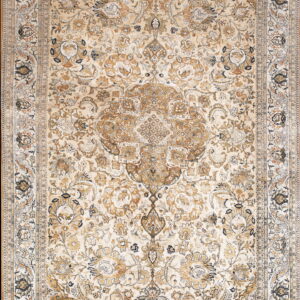
Our collection spans Persian Heriz and Kashan medallions, Turkish Oushaks with generous geometry, and Moroccan Beni Ourain shags, each woven in natural fibers—primarily wool with cotton foundations and occasional silk—for longevity under everyday living.
Choose character-rich runners for hallways, room-sized statements for living and dining spaces, or one-of-a-kind kilims for layered, graphic warmth. For easy care, add a rug pad, rotate seasonally, and vacuum gently to protect the pile and preserve those mellowed hues you love.
Whether you’re after a minimalist neutral or saturated mid-century color, you’ll find authentic craftsmanship and non-standard sizes that feel made for your home. Click here to learn more about vintage rugs
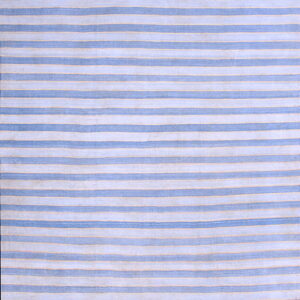
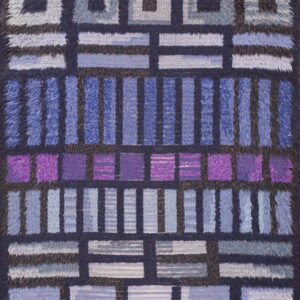
Striped Room Size Light Blue and White Antique Mid Century Indian Dhurrie Rug
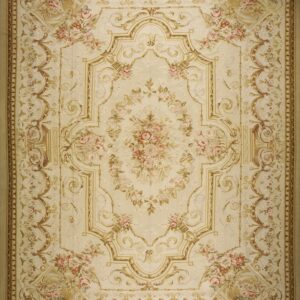
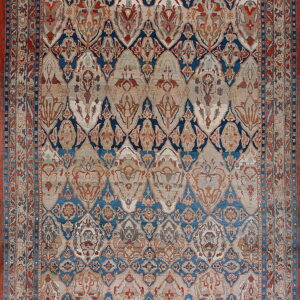
$9,800.00 Vintage RugsRug sizes: 7.06x15.09Beautiful Shield Design Vintage Persian Mahal / Sultanabad Room Size Rug
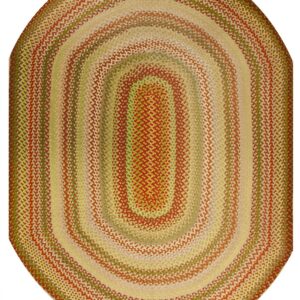
$9,800.00 Vintage RugsRug sizes: 9.08x14.04Vintage Mid Century Modern American Oval Braided Room Size Rug
$6,000.00 Vintage RugsRug sizes: 9x12.06File Weave Vintage Luxurious Silk Pile Persian Iranian Qum Rug
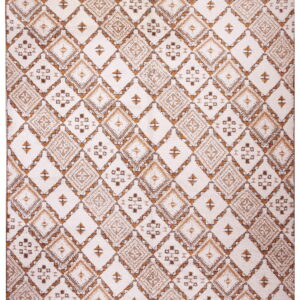
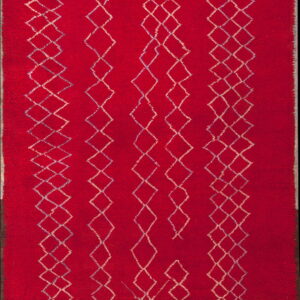
$14,000.00 Vintage RugsRug sizes: 6.03x10.1Vintage Rabat Tribal Diamon Pattern Berber Moroccan Ivory Color Shaggy Rug
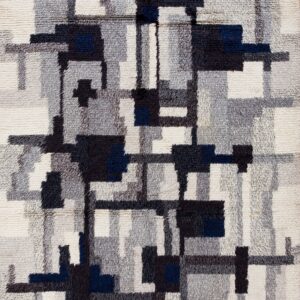
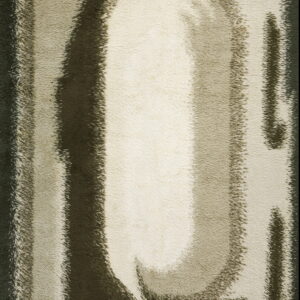
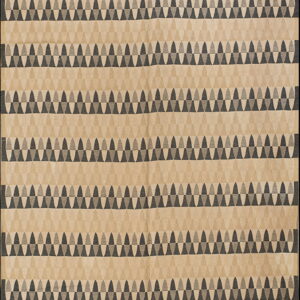
$11,000.00 Vintage RugsRug sizes: 7x10.03Vintage Mid Century Modern Geometric Gray Swedish Shag Pile Rya Scandinavian Rug
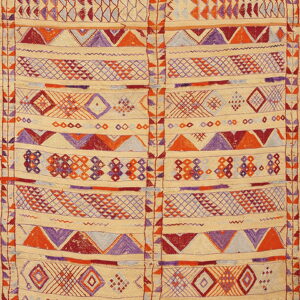
$13,600.00 Vintage RugsRug sizes: 5.1x9.1Vintage Mid Century Moroccan Tribal Geometric Design Rug
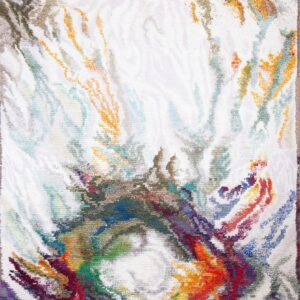
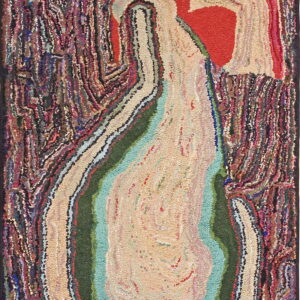
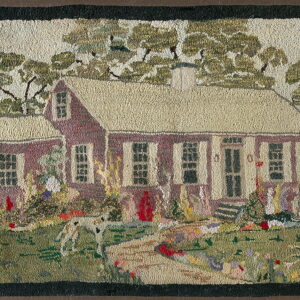
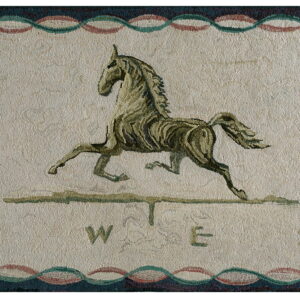
$8,800.00 Vintage RugsRug sizes: 4.09x9.08Multicolor Vintage Mid Century Modern American Hooked Artistic Folk Art Rug
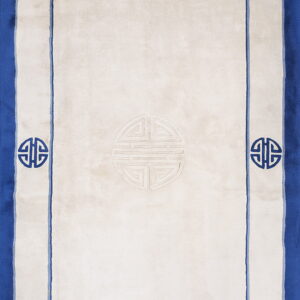
$7,000.00 Vintage RugsRug sizes: 4.06x9.06Minimalist Vintage Light Blue and Ivory White Color Open Field Chinese Rug
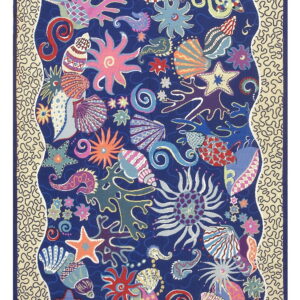
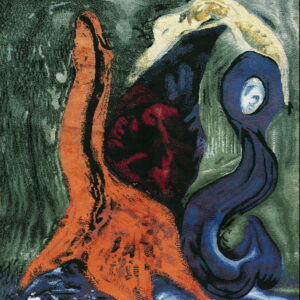
$3,575.00 Vintage RugsRug sizes: 6.02x9.02Vintage Mid Century Modern French Under The Sea Pattern Needlepoint Art Rug
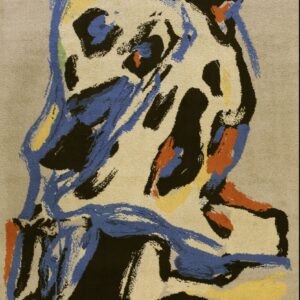
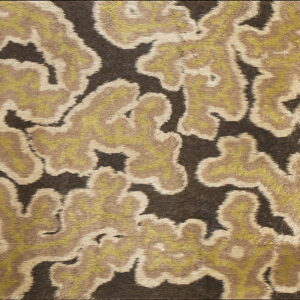
$1,650.00 Vintage RugsRug sizes: 5.08x9Vintage Mid Century Modern Allover Hand Knotted Pile Art Rug
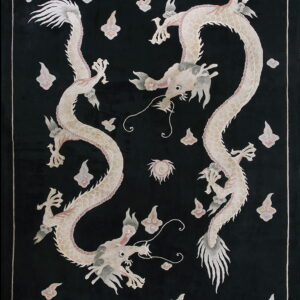
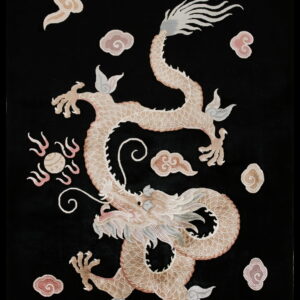
$13,600.00 Vintage RugsRug sizes: 7.03x9Vintage Benevolent 5 Claw Dragon Design Chinese Deco Rug
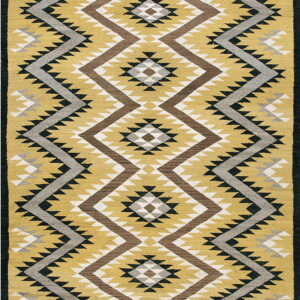
$9,800.00 Vintage RugsRug sizes: 5.07x8.07Vintage Geometric Chevron Pattern Native American Navajo Small Scatter Size Wool Yellow Rug
$11,050.00 Vintage RugsRug sizes: 5.08x7.1Vintage Art Deco Round European French Allover Knotted Rug
$19,500.00 Vintage RugsRug sizes: 7.09x7.09Vintage Mid Century Modern Scandinavian Shag Pile Rya Rug
$6,800.00 Vintage RugsRug sizes: 5.07x7.09Vintage Berber Moroccan Boucherouitte Small Scatter Size Wool & Cotton Rug
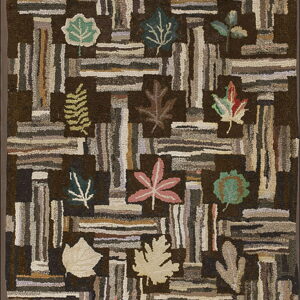
$1,100.00 Vintage RugsRug sizes: 4x6.03Bold Brown Color Vintage Mid Century American Folk Art Leafe Pattern Hooked Rug
$2,300.00 Vintage RugsRug sizes: 3x5.07Vintage Small Scatter Size Mid Century Modern Shag Wool Pile Swedish Rya Rug
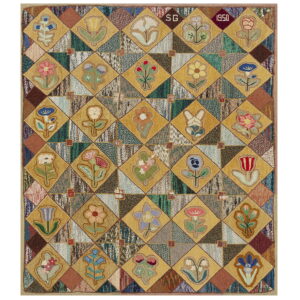
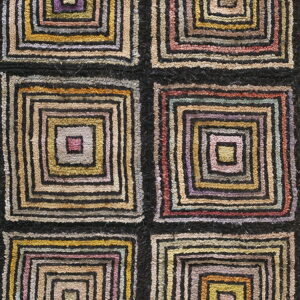
$1,350.00 Vintage RugsRug sizes: 3.03x5.04Mid Century Vintage Grid Pattern American Flowers Hooked Square Rug
$3,800.00 Vintage RugsRug sizes: 3.1x4.06Vintage American Hooked Rug American Multicolor 1950s Multicolor
$2,300.00 Vintage RugsRug sizes: 2.01x3.04Multicolor Vintage American Mid Century Modern Square Hooked Rug
$980.00 Vintage RugsRug sizes: 1.09x2.08Vintage Mid Century Modern American Long Rag Hallway Runner Rug
$9,000.00 Vintage RugsRug sizes: 2.03x80
What Are Retro / Vintage Rugs?
When people ask, what is a vintage rug, the answer goes beyond simply being “old.” A vintage rug is generally defined as a handwoven carpet that is between 20 and 80 years old.
This time frame captures pieces that are no longer “new” but have not yet reached the age to be classified as antique. By contrast, an antique rug is typically at least 100 years old—some experts set the threshold closer to 80 years, but the prevailing standard is a full century.
Anything less than 20 years old would simply be considered used or pre-owned, rather than vintage.
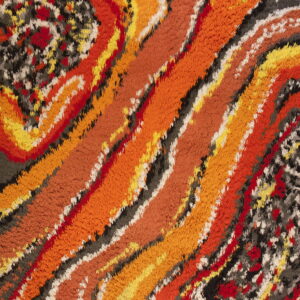
The distinction matters because “vintage” implies more than age. It represents area rugs that reflect a specific era in weaving, design, and cultural history. Most often, the label applies to mid-century modern rugs made from the 1940s through the 1970s.
These decades saw changes in dye technology, weaving practices, and design influences, making vintage rugs a recognizable category in the market.
Key Traits of Vintage Rugs
Certain qualities help identify a rug as truly vintage rather than just second-hand.
- Visible Abrash (Color Variation) — Why: Natural fading and dye inconsistencies over decades create abrash, a gentle shift in tone that collectors value for authenticity.
- Handmade Irregularities — Why: Subtle asymmetries in motifs or borders reveal that a rug was woven by hand, not mass-produced, underscoring its heritage.
- Handspun Wool or Natural Fibers — Why: Many vintage rugs feature durable, handspun wool that gives the pile a distinct luster and feel, unlike uniform machine-made fibers.
- Unique or Non-Standard Sizing — Why: Older rugs were often woven for specific homes or traditions, resulting in dimensions that don’t conform to modern retail standards.
- Cultural Symbolism in Patterns — Why: Motifs often carry meaning tied to the weaver’s region, tribe, or heritage, embedding history into the textile.
- Patina and Character from Age — Why: Decades of use give the fibers a softened texture and colors that mellow gracefully, making each rug unique.
These qualities separate a vintage rug from something merely “used.” A rug bought ten years ago and resold today would not yet show these hallmarks of age and history.
How Old Is a Rug to Be Vintage?
The vintage rug age range is flexible but typically falls between 20 and 80 years old. For example, a rug woven in the 1960s is a textbook case of vintage today—it captures mid-20th-century weaving trends and has aged long enough to show character without crossing into antique status.
By contrast, a rug from the early 1900s would surpass the vintage category and be recognized as an antique.
This range ensures that vintage rugs are old enough to have historical and aesthetic value but young enough that many remain in excellent condition, retaining vibrant colors or modernist design influences.
How Are Vintage Rugs Different from Antique Rugs?
The comparison of vintage vs. antique rugs is one of age, materials, and stylistic character. Antique rugs, woven 100 or more years ago, often feature natural dyes that mellow into muted tones over generations, intricate hand-knotting, and traditional motifs tied closely to their place of origin.
Vintage rugs, by contrast, are products of more recent weaving eras. They often include synthetic dyes, resulting in brighter colors, bolder contrasts, and sometimes more experimental design choices influenced by mid-century aesthetics.
Both categories share important qualities—they are handmade, non-mass-produced, and valued for their artistry and heritage. Yet the price, rarity, and cultural weight of antiques tend to be higher because of their advanced age and scarcity.
Vintage rugs occupy a sweet spot: they are unique, historic, and accessible, often appealing to collectors who want authentic craftsmanship without the steep premiums of museum-level antiques.
Vintage as a Category of Its Own
It is crucial to stress that vintage ≠ antique ≠ used. A used rug may be any age and lacks the historical markers that give a piece enduring value. An antique rug is a museum-worthy textile that reflects centuries-old traditions.
A vintage rug, however, bridges the gap—rooted in authenticity, infused with decades of character, and tied to specific cultural and design movements of the 20th century.
By understanding the vintage rug definition, buyers and collectors can better appreciate why a rug from the 1950s or 1970s isn’t just old…. it’s a textile that represents a particular historical moment in weaving, blending artistry, heritage, and unique age markers into a category all its own.
Origins and Regional Identity of Vintage Rugs
Where Do Most Vintage Rugs Come From?
When exploring vintage rug origins, the key regions are the great weaving cultures of the Middle East, North Africa, and Central Asia. The majority of collectible pieces come from Iran (Persia), Turkey, Morocco, the Caucasus, India, and Central Asia.
Each of these areas has a centuries-old weaving tradition, but during the mid-20th century, they adapted styles and techniques that now define what we recognize as vintage rugs. These pieces are not just textiles; they are historical markers of cultural identity and craft.
Persian vs. Turkish vs. Moroccan Vintage Rugs
The differences between a vintage Persian rug, a vintage Turkish rug, and a Moroccan vintage rug are immediately recognizable in both design and symbolism.
- Persian Vintage Rugs: Known for intricate floral fields, central medallions, and refined curvilinear designs. Workshops in Tabriz, Kashan, and Heriz produced iconic vintage styles that maintained classical Persian elegance while sometimes experimenting with bolder, modern hues introduced by synthetic dyes. — These rugs embody luxury and artistic mastery, making them some of the most iconic vintage rugs in the market.
- Turkish Vintage Rugs: Defined by bold geometric patterns, angular motifs, and tribal influences. Regions like Oushak and Hereke created large-scale carpets with earthy palettes, while nomadic and village weavers favored symbolic designs—diamonds, stars, and protective motifs. — Their character lies in their balance of symmetry and symbolism, making them deeply rooted in heritage.
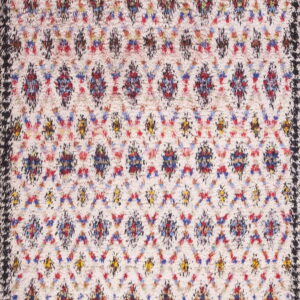
- Moroccan Vintage Rugs: Far more abstract than Persian or Turkish pieces, these are usually Berber designs such as Beni Ourain rugs with cream wool bases and bold black or colored linear patterns. Many Moroccan vintage rugs use asymmetry and improvisation, often carrying tribal stories or personal narratives woven into the fabric. — Their modern, minimalist appeal has made them global design favorites today.
Each type carries its regional DNA, making the rug not only a decorative piece but also a cultural artifact.
First Vintage-Style Rugs: Historical Timeline
The first vintage-style rugs emerged in the early to mid-20th century, particularly post-World War II. The weaving industry adapted to changing markets: synthetic dyes replaced many natural ones, resulting in brighter, more standardized palettes.
Urban workshops and rural tribes alike responded to global demand, creating rugs that carried traditional craftsmanship but reflected modern influences.
For instance, Persian city workshops continued making classical medallion rugs but in updated colors, while Turkish and Moroccan weavers experimented with bolder or more abstract designs.
This era marks the transition from “old-world traditional” to “modern collectible,” the foundation of what we now call vintage.
Famous Vintage Rug Makers and Weaving Centers
The world of famous vintage rug weavers is defined by both city ateliers and tribal groups.
- Persia (Iran): Tabriz, Kashan, and Heriz workshops are celebrated for their detailed craftsmanship and artistic innovation. Tribal groups like the Qashqai also produced vintage masterpieces with bold motifs and storytelling designs.
- Turkey: Renowned weaving centers include Oushak, known for large-scale geometric rugs, and Hereke, where ateliers produced finely knotted rugs that blended classical Ottoman elegance with 20th-century flair.
- Morocco: The Berber tribes, particularly the Beni Ourain, became iconic for their high-pile wool rugs with simple yet striking abstract designs. These rugs are among the most famous vintage rug styles globally.
These weaving centers and makers ensured that their rugs carried both cultural symbolism and technical excellence, which today translates into higher value and collectability.
Which Countries Produce the Best Vintage Rugs?
The question of which countries produce the best vintage rugs depends largely on preference.
- Collectors seeking intricate design and technical mastery gravitate toward Persian vintage rugs.
- Those who value bold geometry and symbolic heritage often prefer vintage Turkish rugs.
- Enthusiasts of abstract, minimalist aesthetics choose Moroccan vintage rugs, which align seamlessly with contemporary interiors.
- Additionally, Caucasian and Indian vintage rugs bring regional flavors, with Caucasian rugs showing angular tribal designs and Indian pieces reflecting Mughal-inspired artistry adapted to mid-century tastes.
Each origin has its strengths, but all share one common trait: their authenticity and artistry are not replicable in mass-market production.
Regional DNA in Every Vintage Rug
Understanding the regional identity of vintage rugs is crucial for appreciating their value. The origin of a rug influences its weave, symbolism, palette, and even market price.
A vintage Kashan medallion carpet tells a different story than a Moroccan Beni Ourain shag, yet both embody the legacy of their culture and the era in which they were woven.
Recognizing these origins helps buyers distinguish genuine pieces from imitations and gives collectors a richer appreciation of why iconic vintage rugs remain timeless works of art.
Why Vintage Rugs Are So Popular Today
Enduring Style & Timeless Appeal
- Classic Motifs Never Go Out of Style — Why: Patterns such as central medallions, geometric borders, and tribal kilim stripes have been admired for centuries and continue to fit seamlessly into both modern and traditional interiors.
- Instant Character and Soul — Why: Unlike new mass-produced carpets, vintage rugs carry history in their fibers, lending depth and authenticity to a room’s design.
- Versatility Across Styles — Why: From minimalist lofts to richly layered eclectic spaces, timeless rugs adapt effortlessly, making them a foundation piece for decorators and homeowners alike.
This timeless appeal explains why buy vintage rugs is a trend that never fades—these textiles remain relevant in every generation of design.
Sustainability & Eco-Friendly Appeal
- Recycling at Its Finest — Why: Purchasing a vintage rug means extending the life of an existing piece rather than consuming resources for a newly manufactured one.
- Natural Materials Over Synthetics — Why: Many vintage rugs are woven with wool, cotton, or silk—biodegradable and healthier alternatives compared to synthetic, plastic-based fibers.
- Lower Environmental Footprint — Why: Buying vintage eliminates the need for industrial dyeing, factory weaving, and overseas shipping of mass-produced products, aligning with eco-conscious values.
For many, the sustainable rug choice is not just about design but about reducing environmental impact—a major reason vintage rug trends have surged in recent years.
Collector’s Value & Investment Potential
A well-kept vintage rug investment often retains or even increases in value. Rare styles, especially from celebrated weaving centers, can become highly collectible. Unlike disposable décor items, vintage rugs are woven to last for generations.
Collectors appreciate them not only for their artistry but also for their financial potential, as scarcity drives desirability. While not every piece skyrockets in value, the durability and historic prestige ensure vintage rugs often outperform modern machine-made rugs in long-term worth.
Imperfection as Luxury
One of the most distinctive reasons vintage rugs are coveted today is the embrace of imperfection as luxury.
- Patina: Natural aging creates a softened surface, giving the rug a richness and depth that new carpets cannot replicate.
- Abrash: Subtle shifts in color due to hand-dyeing and natural fading over decades add movement and character to the design.
- Repairs and Restorations: Old mends, carefully executed, are now celebrated as signs of longevity and authenticity rather than flaws.
These elements make each rug truly one-of-a-kind. A faded hue or a carefully repaired tear becomes a mark of history, cherished by those who view rugs as art rather than commodities.
Why Vintage Rugs Are Popular Today
The answer is simple: vintage rugs blend style, sustainability, and exclusivity.
They bring warmth and authenticity into homes, satisfy eco-conscious priorities, and offer buyers the chance to own a textile that no one else in the world possesses.
Are Vintage Rugs a Good Investment?
Yes—especially when well-maintained. While not every rug appreciates dramatically, the category as a whole holds value because of durability, uniqueness, and collector demand.
Many timeless rugs from mid-century weaving centers remain highly sought after, making them both functional décor and long-term assets.
Does a Vintage Rug’s Color Fade Over Time?
Yes, but in a desirable way. Colors mellow and soften, resulting in the patina and abrash that are prized qualities.
Instead of diminishing value, this fading often enhances the rug’s aesthetic appeal.
Can You Use Vintage Rugs in High-Traffic Areas?
Absolutely. Wool vintage rugs, in particular, were woven for daily use and can withstand heavy wear.
Proper care—such as using a rug pad, rotating regularly, and cleaning as needed—ensures they thrive even in busy rooms like living rooms, hallways, or dining areas.
In today’s market, the vintage rug trend reflects more than just fashion—it is a conscious choice for heritage, sustainability, and investment, making these rugs as relevant now as the day they were woven.
Authenticity & How to Identify a True Vintage Rug
Hallmarks of Authentic Vintage Rugs
- Uneven Knots on the Back — Why: Genuine vintage rugs are hand-knotted, and the backside shows knots of varying size and spacing, unlike the perfect uniformity of machine-made rugs.
- Woven-In Fringes — Why: In an authentic vintage rug, the fringe is part of the warp threads that extend from the foundation, not sewn or glued on afterward.
- Subtle Asymmetry — Why: Minor irregularities in design or pattern are a hallmark of handmade work, underscoring the individuality of the weaver’s hand.
- Natural Dye Abrash — Why: Variations in shade (abrash) occur when small dye batches age differently over time, a prized indicator of authenticity.
- Signs of Age — Why: Gentle fading, softened fibers, or low pile in certain areas distinguish true vintage rugs from newer reproductions.
These markers are central to how to identify vintage rugs—they reveal whether a piece has the handmade integrity and era-specific characteristics of a true collectible.
Spotting Handmade vs. Machine-Made
The difference between a hand-knotted vintage rug and a factory-made carpet comes down to construction. Practical checks include:
- Back of the Rug: On a handmade rug, the design on the back mirrors the front with visible knots. On a machine-made rug, the back looks uniform and sometimes has a mesh-like grid.
- Fringe: Authentic vintage rugs have woven-in fringe that is part of the rug’s foundation. In machine-made pieces, the fringe is often stitched or glued on.
- Fiber Quality: Handspun wool or silk has natural irregularities and a matte finish, while synthetics used in mass production may appear overly shiny.
- Flexibility: A handmade rug bends easily and feels supple; a machine-made rug tends to be stiff due to synthetic backing or glue.
These red flags make spotting an authentic vintage rug possible even without expert training.
Telling Age: Fading, Abrash, and Repairs
A rug’s age shows in its surface. Fading happens naturally as dyes mellow, creating soft, lived-in tones. Abrash appears as gentle color shifts caused by hand-dyeing and decades of wear.
Old repairs, often hand-stitched or re-knotted, indicate a history of preservation and add to the story of the rug. Rather than diminishing value, these elements confirm that the rug has lived for decades—qualities that make it desirable to collectors.
What Materials Are Used in Vintage Rugs?
The most common vintage rug materials are natural fibers:
- Wool: Durable, resilient, and the most widely used fiber in vintage rugs. Handspun wool adds texture and luster.
- Cotton: Often used as the foundation (warp and weft threads) for structure and stability.
- Silk: Occasionally found in luxury vintage rugs, prized for sheen and fine detail.
- Rarely Synthetics: True vintage rugs (20–80 years old) rarely feature synthetic fibers; if they do, it’s usually in later mid-20th-century commercial pieces, not handmade heirlooms.
These fibers separate authentic rugs from reproductions, which frequently rely on polyester, nylon, or other artificial threads.
How to Spot Damage, Repairs, and Quality Issues
- Selvages (Edges) — Why: Well-maintained selvages indicate structural integrity; frayed or unraveling edges can weaken the rug.
- Fringe — Why: Original woven-in fringe adds authenticity; missing or replaced fringe may lower value.
- Low or Uneven Pile — Why: Expected in true vintage rugs, but excessive bald spots can reduce durability.
- Holes or Tears — Why: Small, well-mended repairs are acceptable; large holes signal compromised quality.
- Stiffness or Glue Residue — Why: Indicates machine-made or poorly restored rugs rather than genuine handwoven construction.
A professional appraisal remains the gold standard for confirmation, but these signs help buyers recognize whether a rug is an authentic vintage rug or a reproduction.
How Can You Tell If a Rug Is Truly Vintage?
A rug is truly vintage when it shows a combination of age (20–80 years), handmade construction, natural materials, and authentic signs of wear such as abrash, fading, or old repairs.
It is not enough for a rug to be “old”—authenticity is rooted in how it was woven and what it was made from.
What Materials Are Common in Vintage Rugs?
The backbone of vintage rugs is handspun wool, with cotton foundations and occasional silk.
These natural fibers ensure longevity and rich texture, setting them apart from synthetic, mass-market carpets.
How Do You Spot Repairs or Damage in Vintage Rugs?
Look closely at the edges, fringe, and pile. Genuine vintage rugs may have professional hand repairs that blend into the pattern, a positive sign of preservation.
Damage such as missing selvages, glued fringe, or holes diminishes value. The distinction lies in whether the wear tells a story of use—or signals poor condition.
An authentic vintage rug carries imperfections that affirm its history, making it both a design treasure and a cultural artifact.
Styles, Materials, and Sizes in Vintage Rugs
Most Famous Vintage Rug Styles
- Persian Heriz — Why: Bold geometric medallions and durable wool make these rugs timeless centerpieces, balancing elegance with strength.
- Persian Kashan — Why: Recognized for floral fields and intricate curvilinear designs, Kashan rugs embody the refined artistry of Persian weaving.
- Turkish Oushak — Why: Known for large-scale geometric motifs and soft color palettes, Oushaks add grandeur to both traditional and contemporary spaces.
- Moroccan Beni Ourain — Why: High-pile, ivory wool rugs with simple black or colored lines offer a minimalist aesthetic prized in modern interiors.
- Caucasian Geometric Rugs — Why: Angular motifs, tribal symbolism, and bold color contrasts reflect centuries of cultural storytelling.
- Kilim and Flatweaves — Why: Lightweight, reversible, and highly graphic, vintage kilim rugs stand out for their portability and bold geometric striping.
These vintage rug styles represent a cross-section of regional heritage, each bringing unique design language and weaving identity.
Common Materials and Weaving Techniques
The primary vintage rug materials are natural fibers chosen for durability and beauty:
- Wool: The most common material, handspun for texture and luster.
- Silk: Found in luxury city rugs, valued for sheen and detail.
- Cotton: Typically used in the foundation for strength and stability.
- Wool-Cotton Blends: Balance resilience with softness.
Weaving techniques further define each rug:
- Hand-Knotting: The Persian Senneh knot and Turkish Ghiordes knot create dense, resilient piles with distinct regional identities.
- Berber Single-Knot: Used in Moroccan rugs, producing thick, plush textures.
- Flatweave (Kilim): A tapestry technique where the design is woven directly into the foundation, creating rugs without pile.
These methods ensure every hand-knotted vintage rug is both durable and a reflection of its cultural origin.
Typical and Unique Vintage Rug Sizes
Unlike modern rugs, which follow standardized retail dimensions, unique vintage rug sizes are the norm. Many were woven for specific households, producing unusual shapes and proportions:
- Room-Sized Rugs: Common in Persian city rugs like Kashan or Tabriz, often large enough for formal living spaces.
- Runners: Especially popular in Turkish and Caucasian weaving traditions for narrow corridors.
- Small and Irregular Formats: Found in Moroccan tribal rugs and kilims, often dictated by loom size or practical household use.
This irregularity is part of their appeal—no two vintage rugs are identical in proportion, making them one-of-a-kind design statements.
Kilims and Flatweaves: The Vintage Version
A vintage flatweave rug, particularly kilims, differs from pile carpets in several ways:
- No Pile: Flatwoven construction results in a thinner, lighter rug.
- Reversible Design: Both sides can be used, extending longevity.
- Geometric Aesthetic: Kilims feature bold stripes, diamonds, or stepped motifs in earthy palettes.
- Slit-Weave Visible: Small gaps in the weave are common, distinguishing handwoven kilims from modern imitations.
Collectors value vintage kilims for their portability, versatility, and bold design language, which speaks to tribal and village traditions.
The Breadth of Vintage Rugs
From finely knotted Persian styles to minimalist Beni Ourain shags, from Turkish Oushaks to vintage flatweave rugs, the range of styles, materials, and sizes is unmatched.
Every rug carries the distinct DNA of its origin, offering a piece of history that cannot be replicated. The non-standard dimensions, natural fibers, and regional techniques ensure that each vintage rug is not just a decorative piece, but a work of cultural heritage.
What Are the Most Famous Vintage Rug Styles?
Persian Heriz and Kashan, Turkish Oushak, Moroccan Beni Ourain, Caucasian tribal designs, and kilims rank among the most recognizable.
What Sizes Are Most Common for Vintage Rugs?
There is no single standard—room-sized rugs, long hallway runners, and irregular household-specific formats are all common, with unique dimensions adding to their charm.
What Materials Are Common in Vintage Rugs?
Wool dominates, with cotton foundations and occasional silk or wool-cotton blends. Each natural fiber contributes to durability, authenticity, and tactile richness.
Buying Vintage Rugs: Value, Sourcing, and Best Practices
Are Vintage Rugs Worth It?
For many buyers, the question is not simply whether to decorate with a vintage rug but whether it represents a wise purchase. The answer is yes—vintage rug value often extends beyond décor into investment territory.
Authentic, well-preserved pieces retain their worth and sometimes appreciate, especially those from renowned weaving centers like Tabriz, Heriz, or Oushak. Unlike disposable machine-made rugs, vintage pieces are handwoven with natural fibers, ensuring durability that can last generations.
This combination of longevity, cultural heritage, and collectible appeal makes vintage rugs a sound investment for both homeowners and collectors.
Where to Buy: Markets, Online, In-Person
- Trusted Dealers — Why: Established dealers or galleries specialize in authentic rugs, often providing provenance and expert knowledge.
- Auctions & Estate Sales — Why: These sources can yield rare finds at competitive prices, particularly for collectors seeking unique pieces.
- Vintage Rug Markets — Why: Local bazaars or regional rug markets offer hands-on access, where buyers can inspect weave, materials, and condition directly.
- Online Retailers — Why: Online platforms provide vast selection and accessibility, though they require due diligence to confirm authenticity and quality.
Knowing the best vintage rug dealers or reliable marketplaces ensures buyers avoid fakes and maximize both value and authenticity.
How to Choose the Right Vintage Rug for Your Home
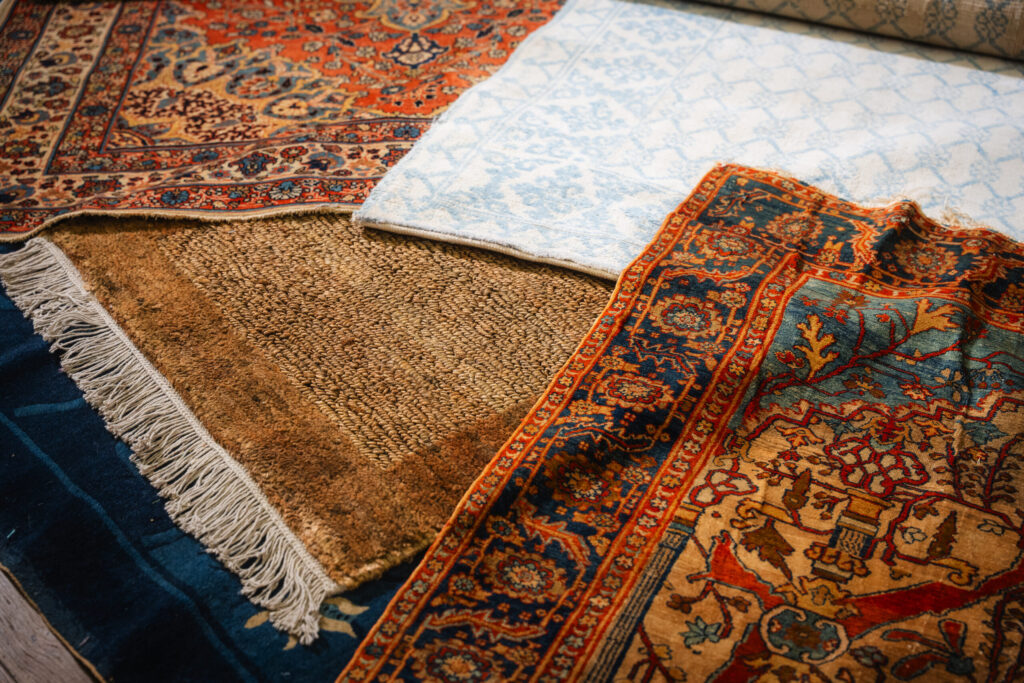
- Size Matters — Why: A rug that is too small makes a room look cheap; vintage rugs often come in irregular sizes, so measure carefully.
- Check Condition — Why: Look for intact selvages, original fringe, and repairs that blend naturally—signs of longevity and quality.
- Match Style to Room — Why: Persian medallion rugs suit formal settings, Moroccan Beni Ourain complements modern interiors, and kilims add vibrancy to casual spaces.
- Consider Provenance — Why: Knowing a rug’s origin adds value, authenticity, and storytelling power to your décor.
Selecting with these factors in mind ensures your purchase is both aesthetically pleasing and a solid investment.
Avoiding Cheap-Looking Rugs
- Undersized Rugs — Why: A rug that doesn’t anchor furniture makes the entire space feel unfinished.
- Shiny Synthetic Fibers — Why: Polyester or nylon imitations lack the depth and matte elegance of natural wool.
- Visible Binding or Overly Straight Edges — Why: These are telltale signs of machine production, stripping away authenticity.
- Garish or Dated Patterns — Why: Overly bright, synthetic-looking colors signal low quality.
- Poor Placement — Why: Even a fine rug can look cheap if poorly sized or awkwardly placed within the room.
Understanding what makes a rug look cheap helps buyers focus on authentic qualities and avoid common mistakes.
Price Factors: What Makes Vintage Rugs Expensive?
The vintage rug pricing spectrum depends on several factors:
- Rarity and Age: Older, less common designs command higher prices.
- Origin: Rugs from famous weaving centers (Heriz, Kashan, Oushak) often fetch premium values.
- Materials: Wool, silk, and fine natural dyes increase price.
- Condition: Well-preserved rugs with minimal wear retain value best.
- Demand: Styles like Moroccan Beni Ourain are especially prized in modern design, raising their market price.
This explains why vintage rugs are so expensive—they are irreplaceable works of art, not mass-produced floor coverings.
Should You Buy a Vintage Rug Online or In Person?
Both options have advantages. Buying in person allows direct inspection of knots, colors, condition, and materials—ideal for verifying authenticity.
Buying vintage area rugs online offers broader selection and convenience, but requires careful vetting of the seller, review of detailed photos, and ideally, guarantees or return policies.
The choice depends on comfort level: collectors often prefer in-person, while design buyers may shop online from trusted dealers.
How Can I Tell If My Old Rug Is Valuable?
Signs of value include hand-knotting, natural fibers, cultural motifs, visible abrash, intact edges, and provenance.
If a rug has a woven-in fringe, uneven hand-tied knots on the back, and materials like wool or silk, it is likely authentic and potentially valuable.
Professional appraisals provide confirmation and ensure accurate pricing.
When Did the Vintage Rug Trend Start?
While vintage rugs have always been collected, the modern vintage rug trend surged in popularity during the 2000s as homeowners and designers sought authentic, eco-friendly alternatives to synthetic décor.
The appeal grew alongside sustainability movements, making vintage rugs a fixture in interior design worldwide.
Buying With Confidence
To buy vintage rugs wisely, remember: provenance, material, size, and condition all determine value.
Properly chosen, a vintage rug enhances not just a room but a collection—delivering investment potential, sustainability, and timeless style in one authentic textile.
Care, Use, and Preservation of Vintage Rugs
Cleaning & Maintenance Best Practices
- Gentle Vacuuming — Why: Light, regular vacuuming (without a beater bar) removes dust and grit without damaging the fibers or knots.
- Spot Cleaning with Mild Detergent — Why: Using a diluted, pH-balanced soap prevents dye bleed and fiber weakening while addressing spills quickly.
- Rotate Periodically — Why: Turning the rug every few months ensures even exposure to light and traffic, preventing uneven fading or pile wear.
- Avoid Harsh Sunlight — Why: Direct UV rays accelerate fading, especially in naturally dyed wool.
- Professional Cleaning — Why: Periodic cleaning by experts in vintage rug maintenance restores vibrancy without risking chemical damage.
These vintage rug cleaning methods ensure that rugs woven decades ago remain vibrant and structurally sound for decades more.
Using Vintage Rugs in High-Traffic Areas
Contrary to the belief that older rugs are too delicate, many vintage rugs were woven for daily use. A tightly woven Persian Heriz or Turkish Oushak can withstand busy living rooms, dining areas, or hallways.
Their complex patterns often camouflage minor stains and wear, while wool pile naturally resists dirt. With proper care, using vintage rugs in high-traffic areas is not only possible but practical, combining beauty with functionality.
How Vintage Rugs Age Over Time: Color, Pile, Repairs
A hallmark of true vintage is how gracefully rugs age. Colors mellow into softer tones, creating the patina prized by collectors. The pile naturally lowers in heavily walked-on sections, giving the surface a velvety look.
Repairs, when carefully executed, are not flaws but signs of stewardship, preserving the rug’s life and authenticity. These qualities transform a textile into a living record of its journey, enhancing rather than diminishing its value.
Storing & Protecting Vintage Rugs
Proper storage is essential for long-term preservation:
- Always store rugs rolled, not folded, to avoid creases.
- Keep them in a dry, cool environment to prevent mold or mildew.
- Wrap rugs in cotton cloth or muslin, never plastic, which can trap moisture.
- Periodically unroll and inspect to ensure no pests or damage develop.
These practices guarantee that rugs already 50+ years old will remain heirlooms for generations to come.
Museums, Collections, and Inspiration
- The Textile Museum (Washington, D.C.) — Why: Offers global context for rug history, with vintage and antique examples from every weaving culture.
- Carpet Museum of Iran (Tehran) — Why: A definitive collection showcasing Persian masterpieces, including mid-20th-century vintage treasures.
- Istanbul Carpet Museum (Turkey) — Why: Provides insight into Ottoman and Turkish weaving traditions, inspiring appreciation for vintage Oushaks and Herekes.
- The Metropolitan Museum of Art (New York City) — Why: Houses an extraordinary collection of historic carpets, including examples of vintage designs that bridge tradition and modernity.
These vintage rug museums not only preserve masterpieces but also serve as educational and design inspiration for collectors and decorators alike.
How Do You Clean and Care for a Vintage Rug?
The best approach is gentle, consistent maintenance: vacuum lightly, rotate regularly, avoid harsh sunlight, spot clean carefully, and seek professional cleaning when needed.
Can You Use Vintage Rugs in High-Traffic Areas?
Yes—durable handwoven rugs are ideal for active spaces. Their dense weaves and wool construction allow them to endure daily use while hiding minor wear through patterned designs.
Are There Any Famous Vintage Rug Museums or Markets?
Yes—renowned institutions like the Carpet Museum of Iran, The Textile Museum in Washington, D.C., the Istanbul Carpet Museum, and the Met in New York hold celebrated collections.
Additionally, vintage rug markets and bazaars across Turkey, Morocco, and Iran remain vibrant hubs for sourcing authentic pieces.
Caring for vintage rugs ensures their beauty and heritage live on, whether in a family home or displayed in world-class collections.