
What “Rug Design” Means: Layout, Motifs, Style
Layout vs. Motif
A rug design definition rests on its three-part structure: layout, motifs, and stylistic tradition. The layout, also called the rug composition, is the master plan that organizes the surface. It defines the field, the surrounding borders, and any central or subsidiary devices such as medallions, corner spandrels, or prayer niches.
Within that plan, motifs are the decorative units—floral sprays, boteh, geometric diamonds, animal figures—that repeat or combine to populate the field and borders. A rug’s character comes not from one motif alone but from how these forms are arranged within the compositional framework of field and border.
This distinction between layout and motif is essential, as two rugs may share motifs yet appear completely different if placed in contrasting layouts.
 4 Pointed Star Motif |  Abstract | 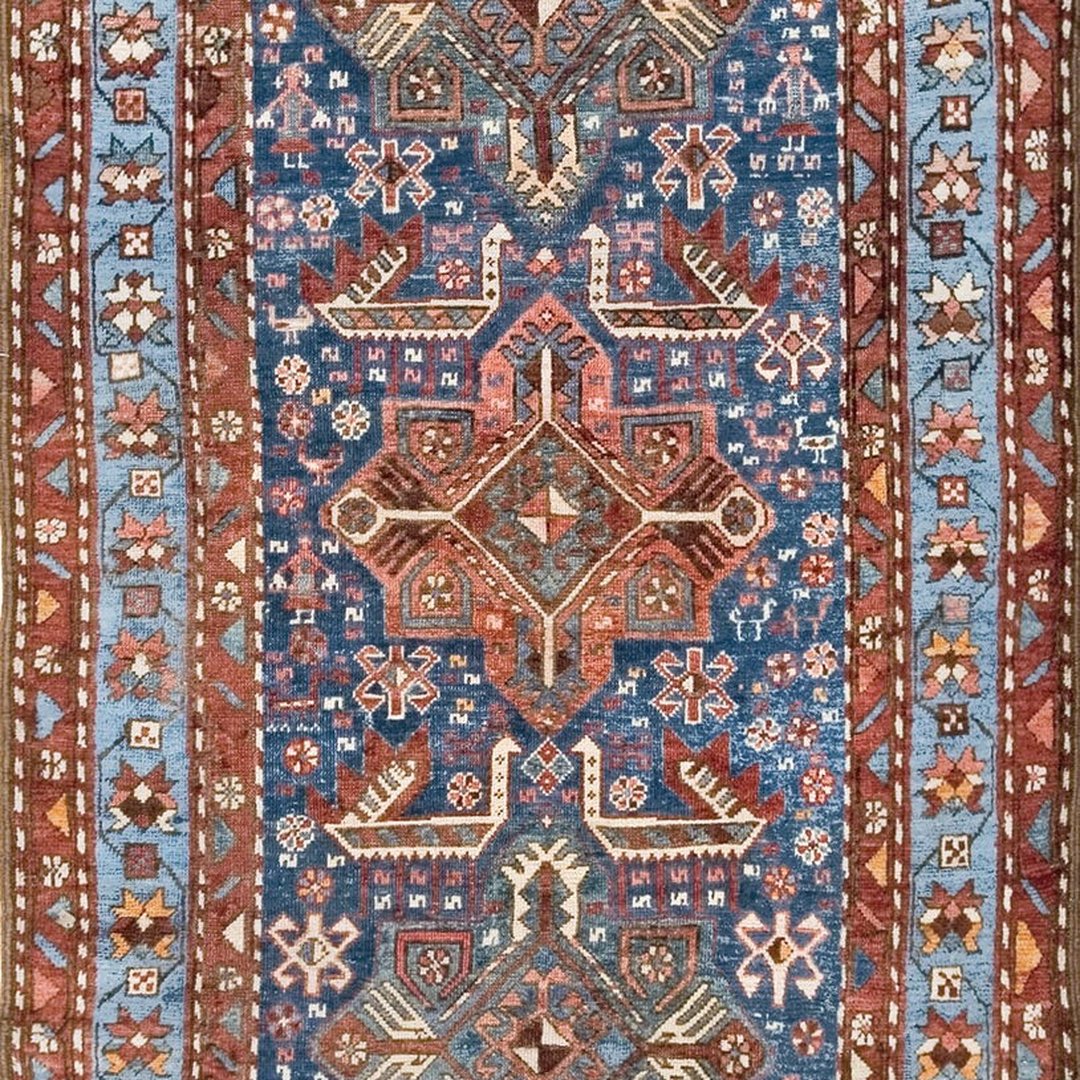 Akstafa Rugs |  Animal Pelts |  Animal |  Archers Motif |  Argyle Motif | 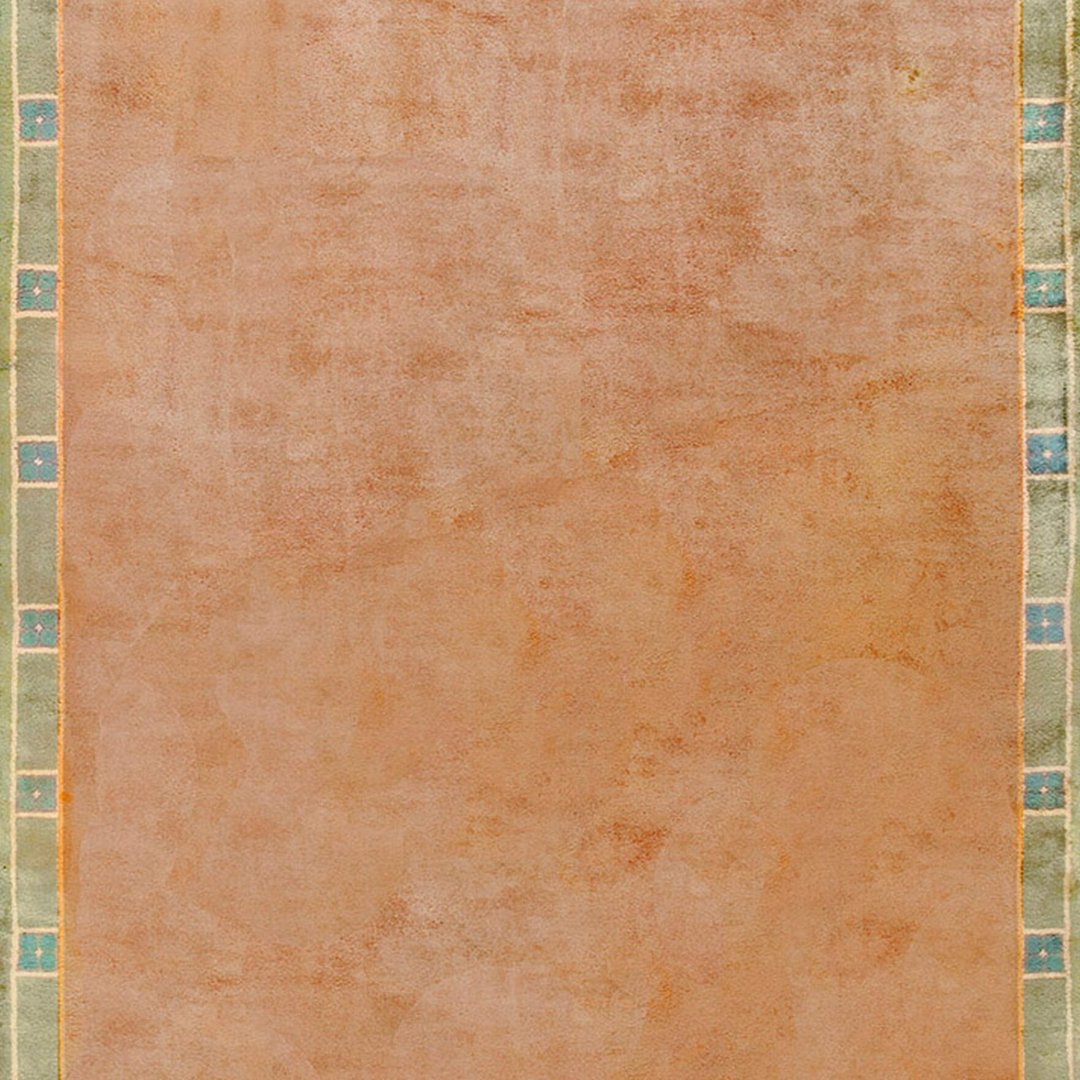 Art Nouveau Rugs |
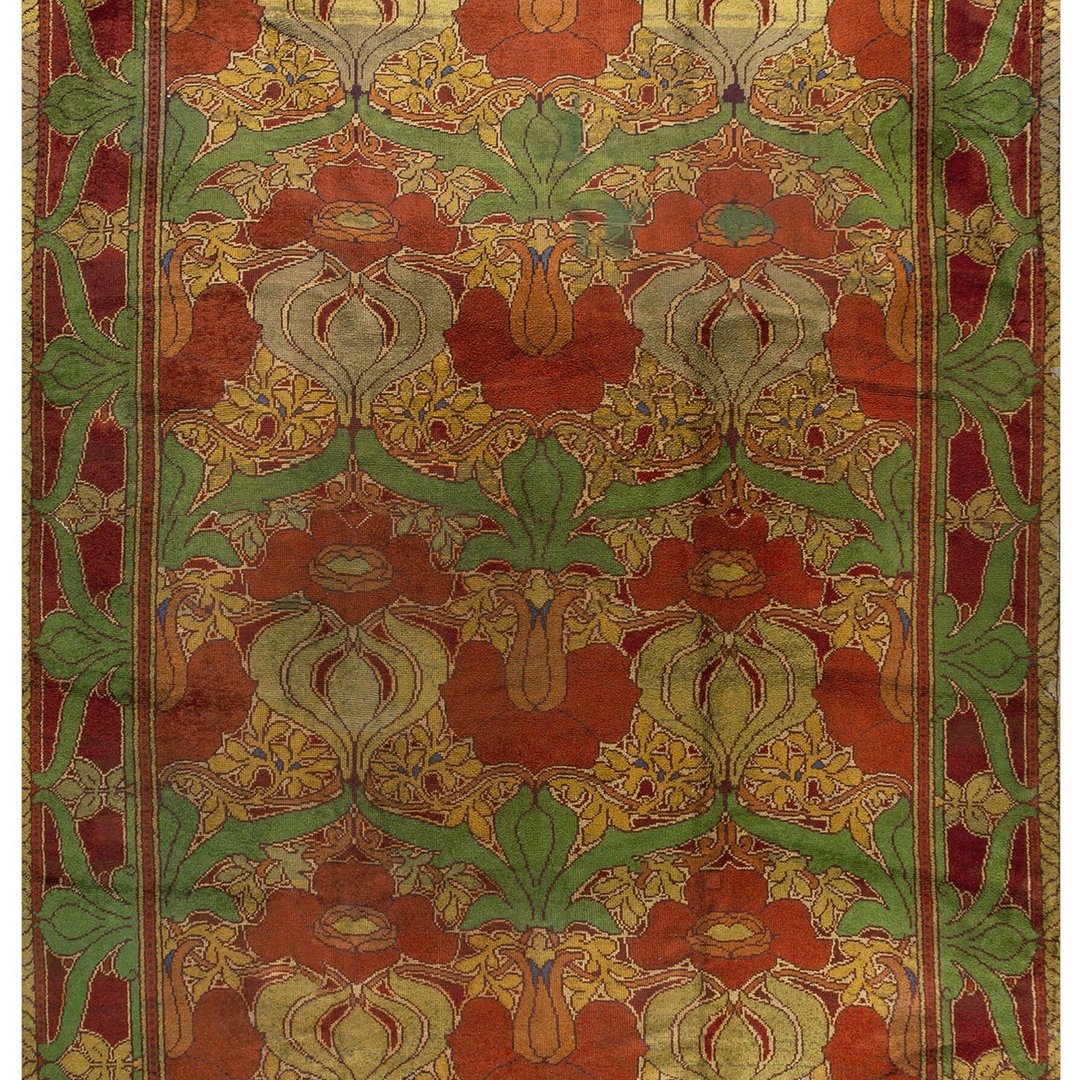 Arts and Crafts Rugs |  Bird |  Boteh Paisley |  Camels | 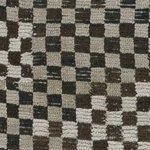 Checkerboard | 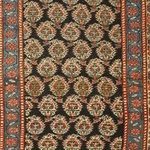 Cintamani | 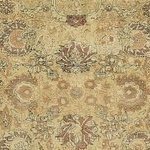 Classic Traditional | 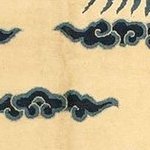 Cloud Band |
 Coat Of Arms Tapestries |  Contemporary Design |  Cupids Cherubs Tapestries |  Cypress Trees |  Damask |  Dragons | 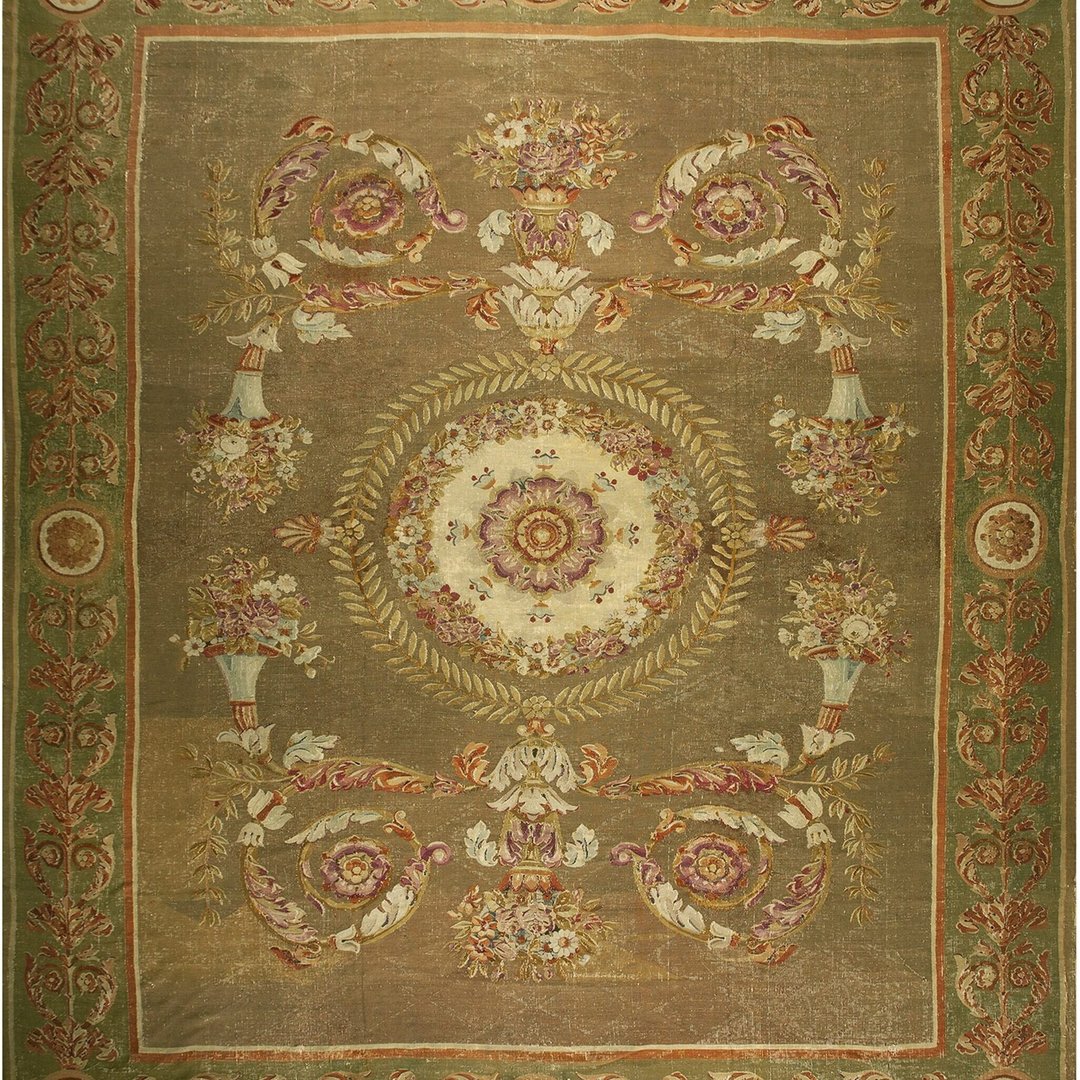 European Rugs |  Evil Eye Protective Symbols |
 Fleur De Lis Motif | 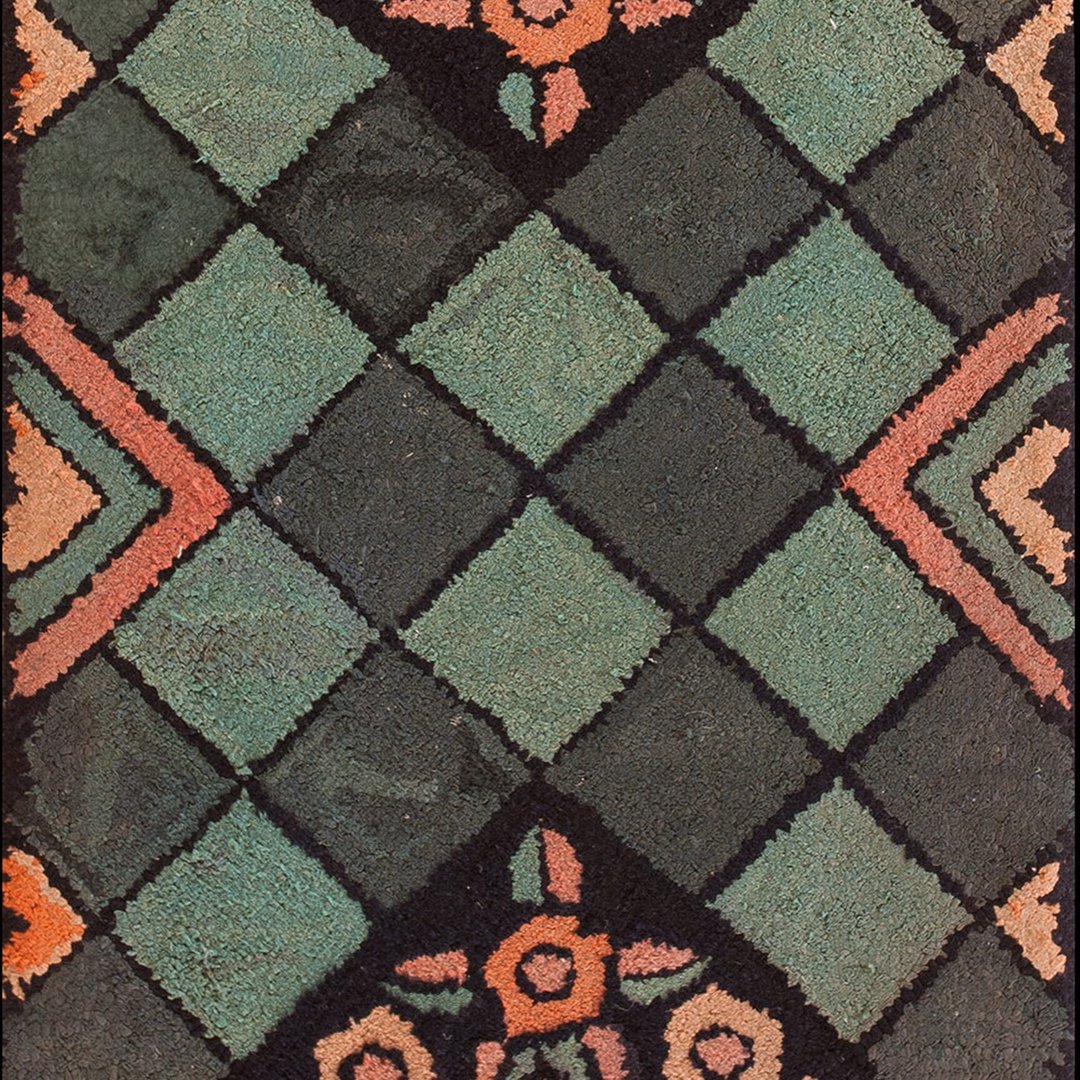 Folk Art Rugs |  Foo Dogs Chinese Lions |  Garden Design | 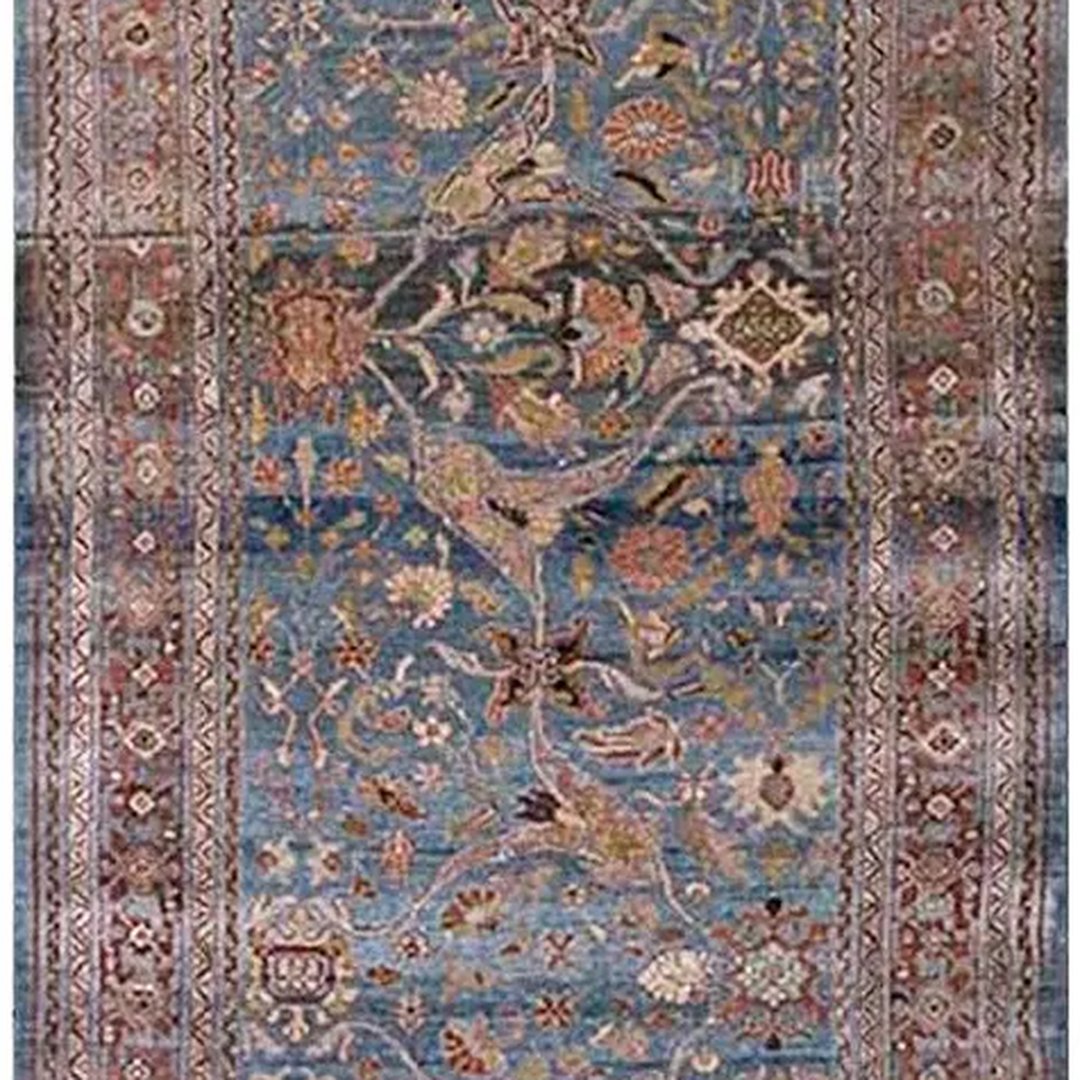 Garous Rugs | 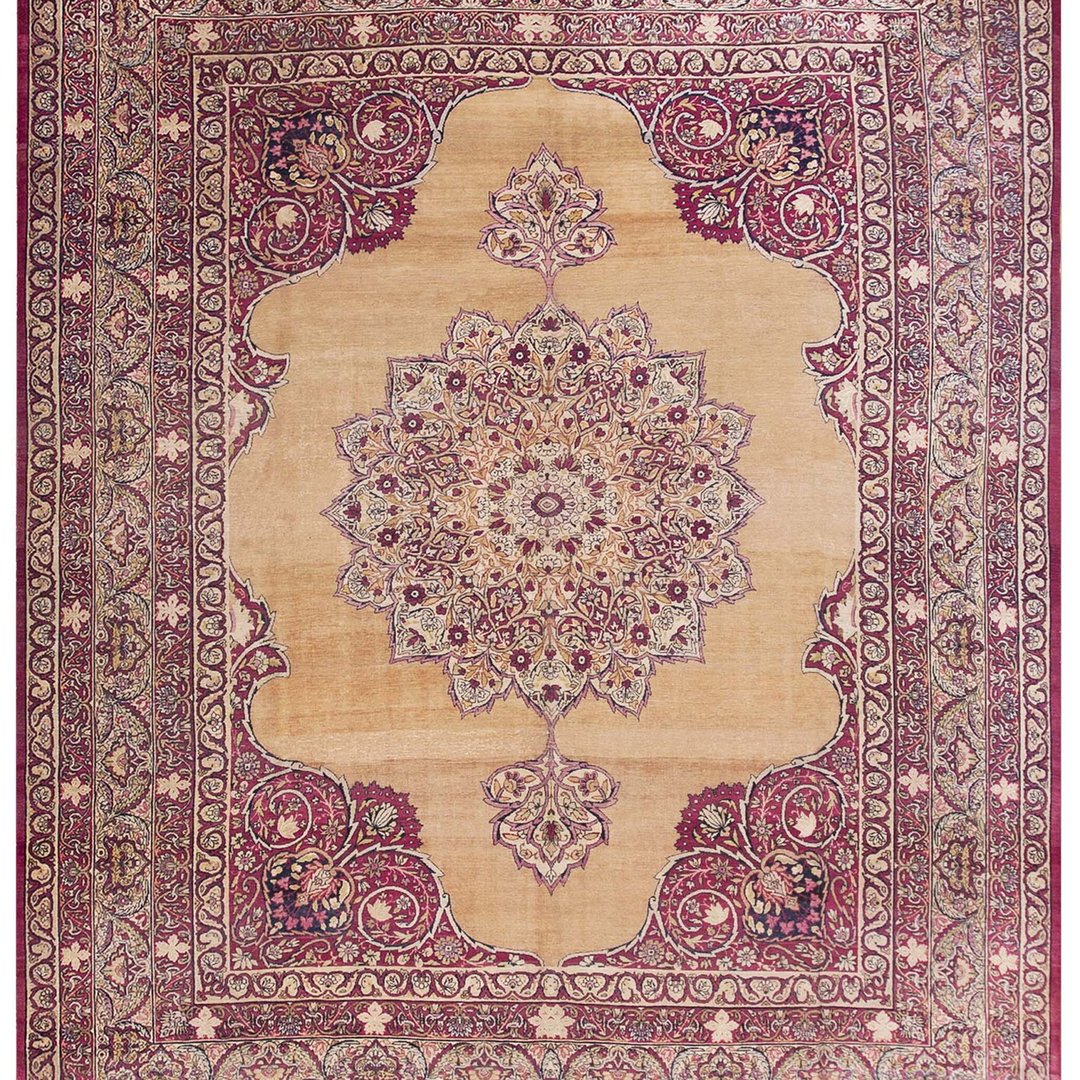 Gonbad Rugs |  Greek Key Running Dog Motif | 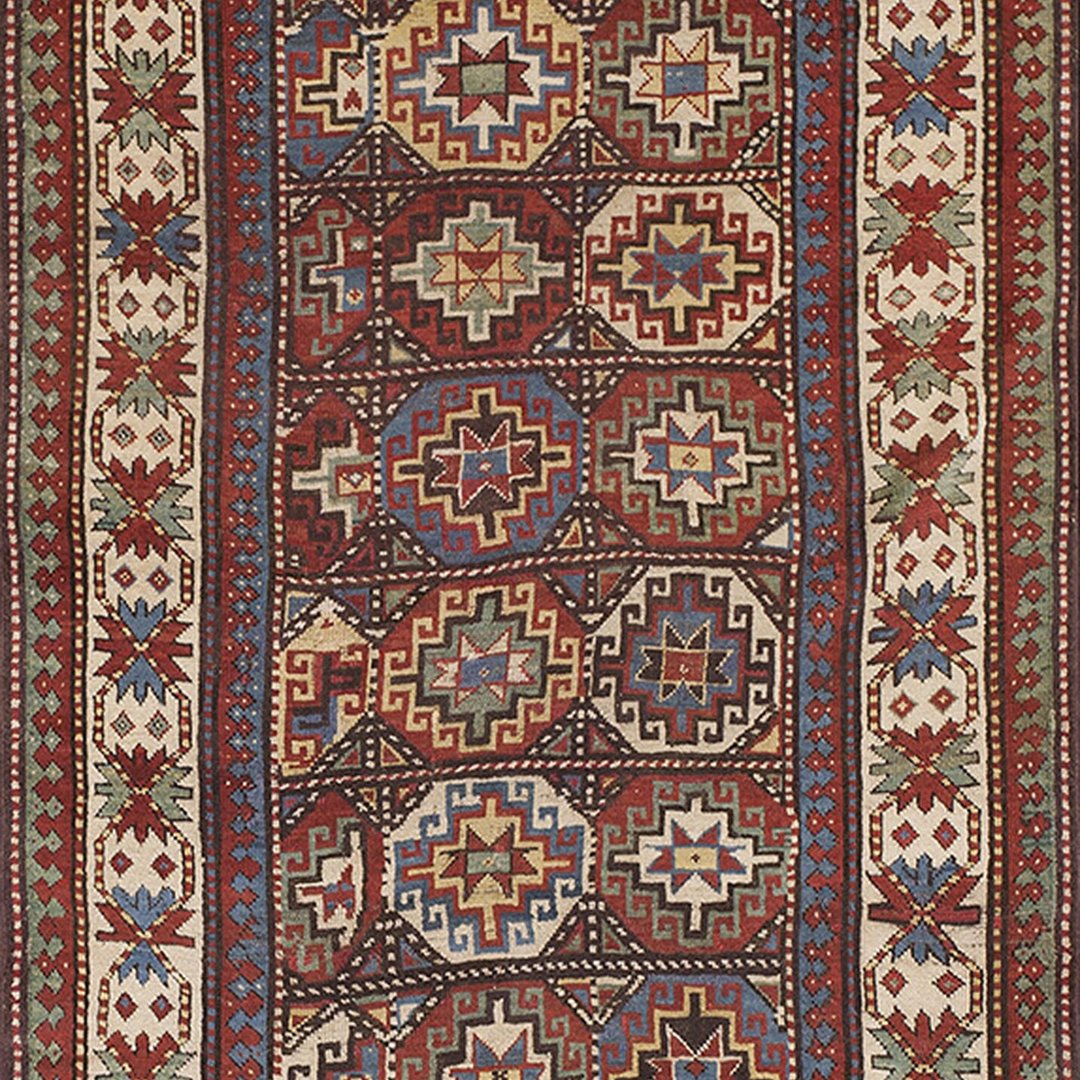 Harshang / Crab Rugs |
 Houndstooth |  Human People Designs | 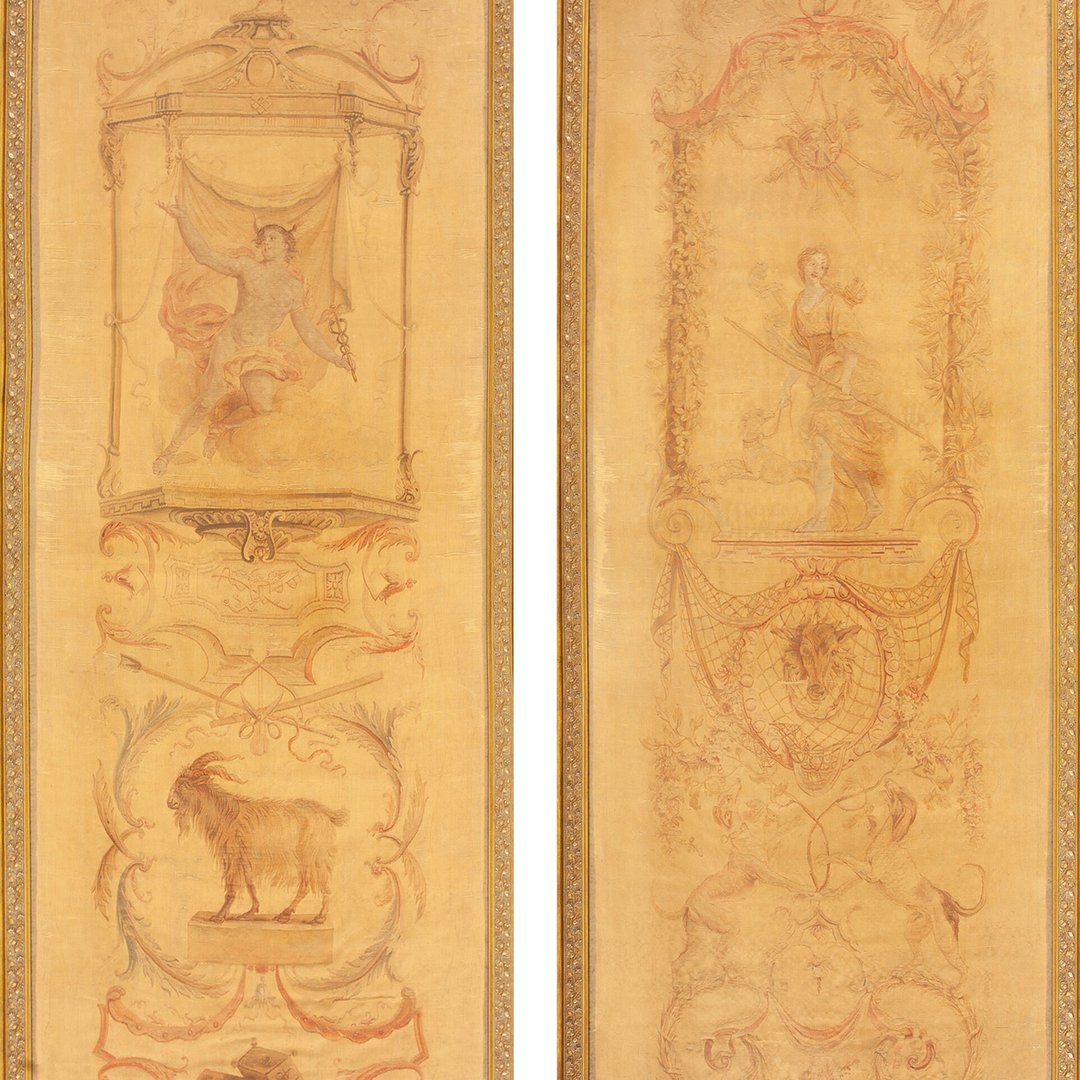 Hunters / Hunting Scene Rugs |  Islamic Prayer |  Islimi Motif |  Jewish |  Key Hole Motif |  Kufic Design |
 Lions Sword |  Mahi Herati | 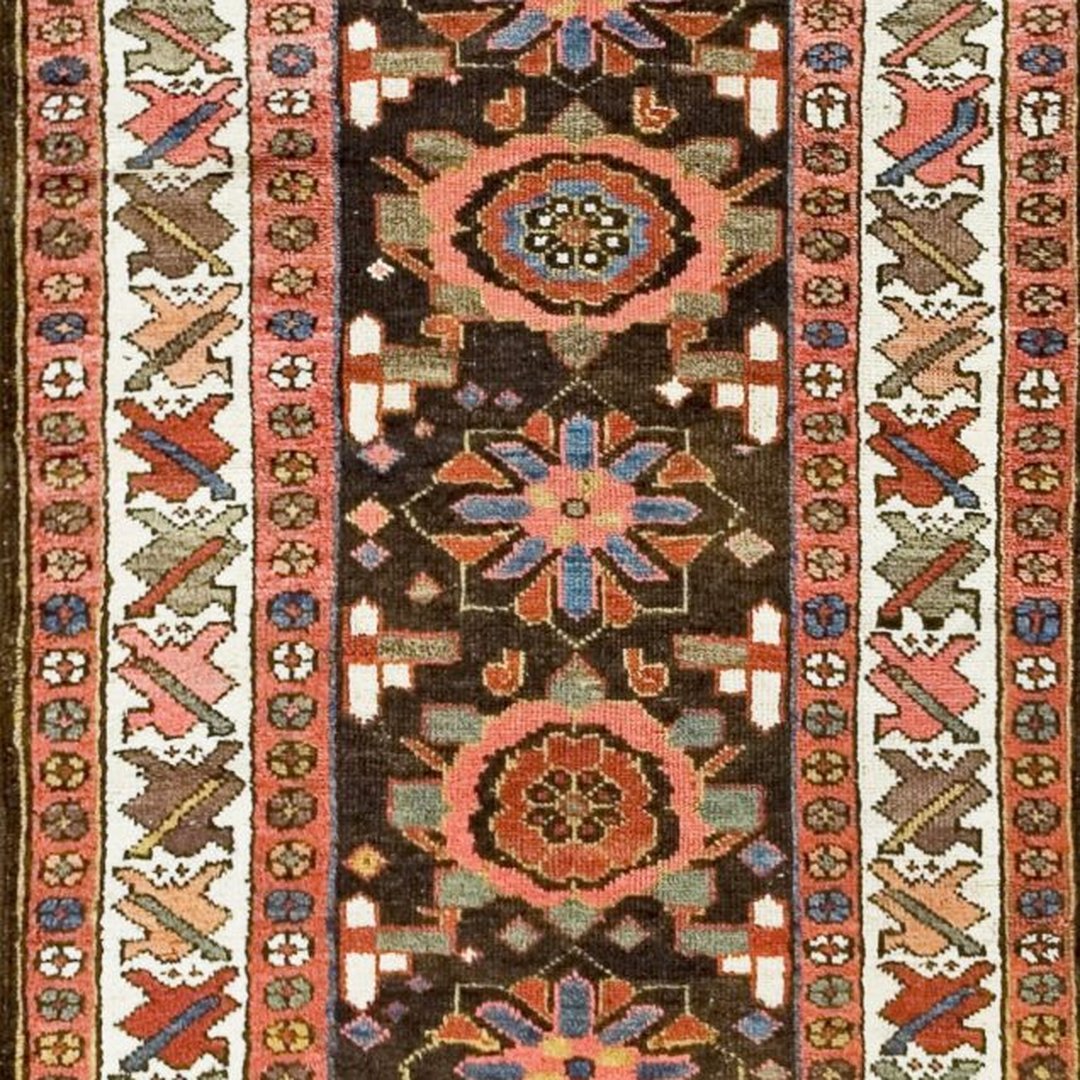 Mina Khani Rugs |  Modernist |  Moon | 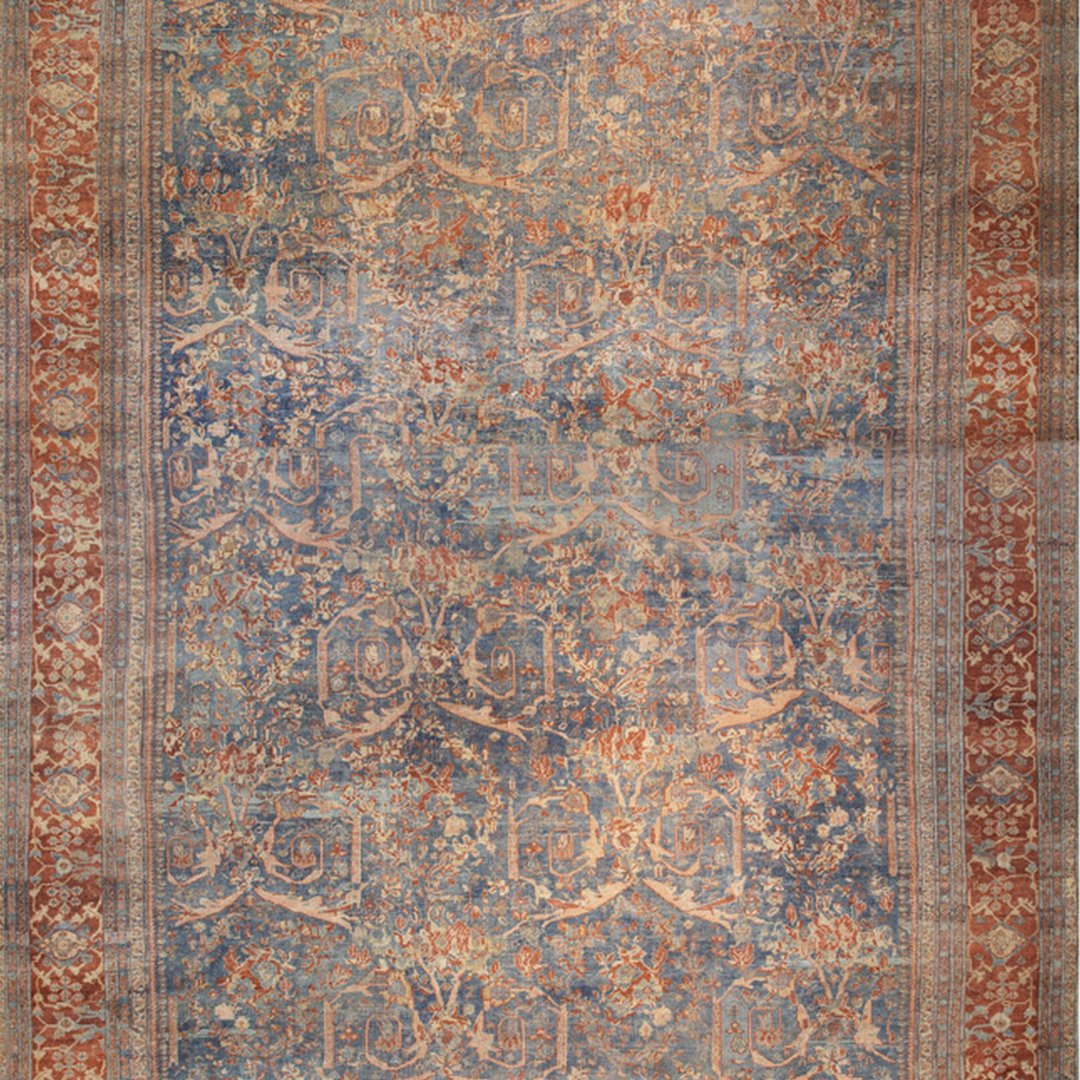 Mostofi Rugs |  Oriental |  Peacock Designs |
 Polka Dot |  Pomegranate Motif |  5 Pointed Star Motif |  6 Pointed Star Motif |  7 Pointed Star Motif |  8 Pointed Star Motif |  Scenic Pictorial |  Shah Abbas Motif |
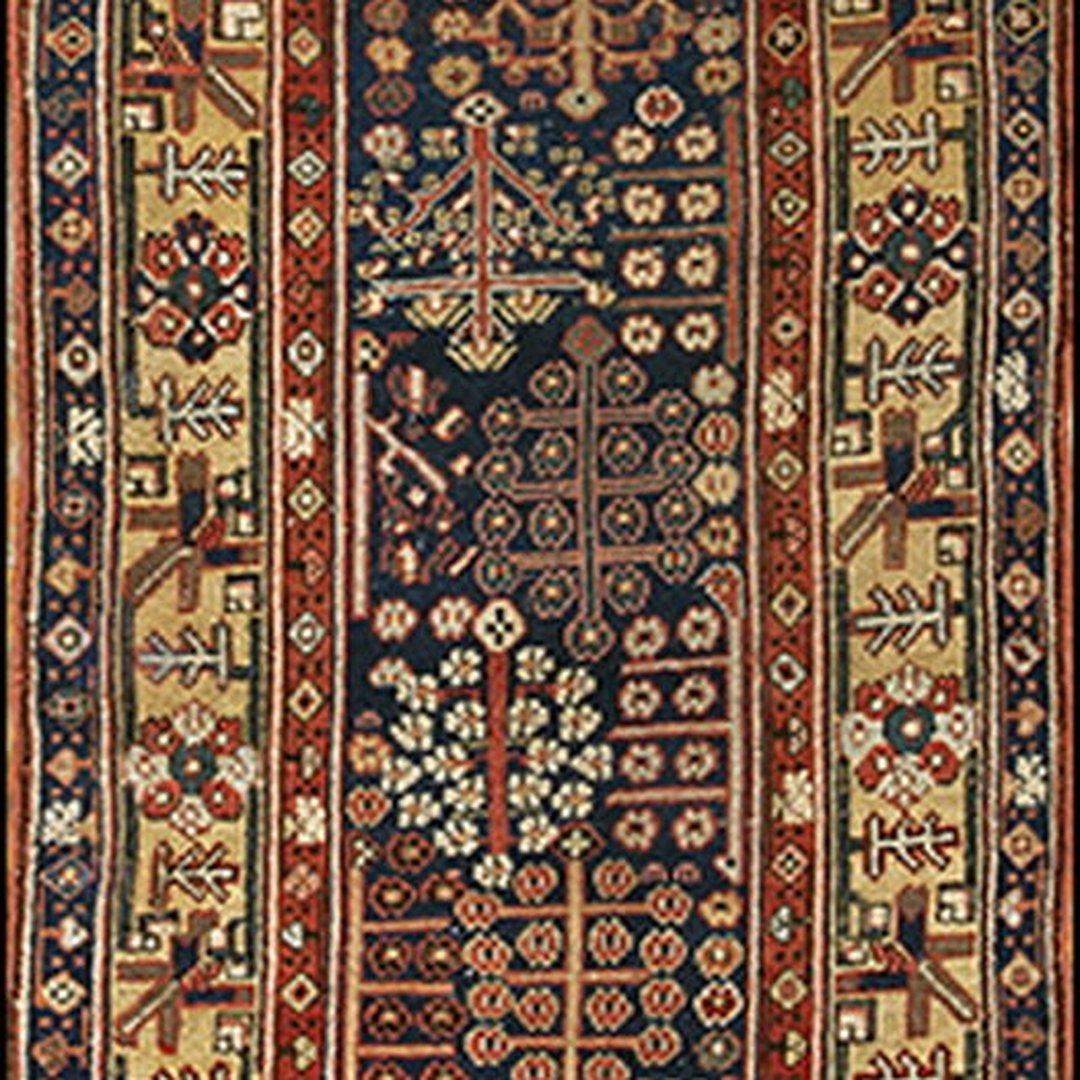 Shrub Rugs |  Solid / Open Field Rugs |  Striped |  Sun Designs |  Swastika Motif |  Tiger |  Tiger Eye | 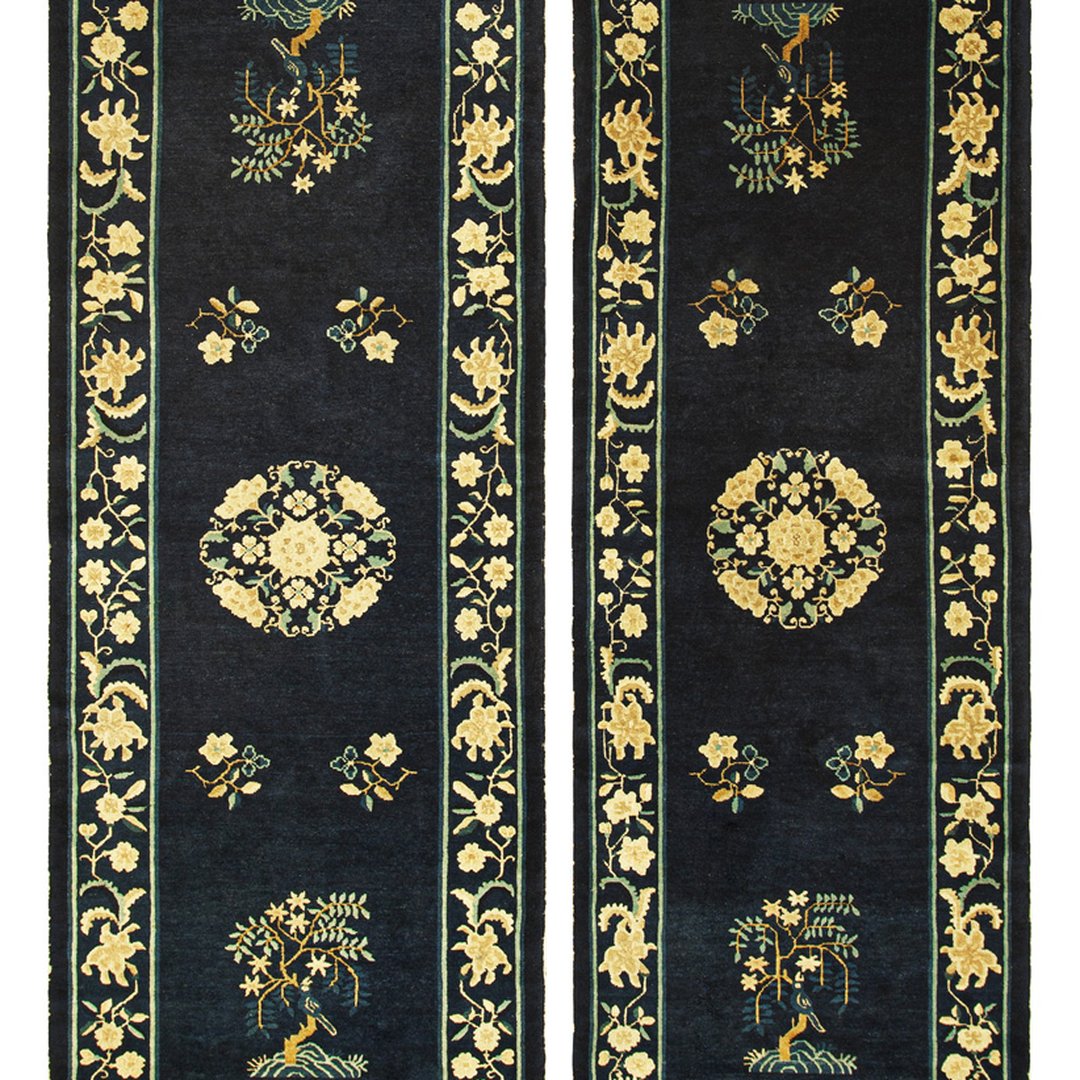 Tree Of Life Rugs |
 Trellis Lattice Motif |  Tribal |  Turtles Tortoises Motifs |  Vase Design |  Mid Century Modern | 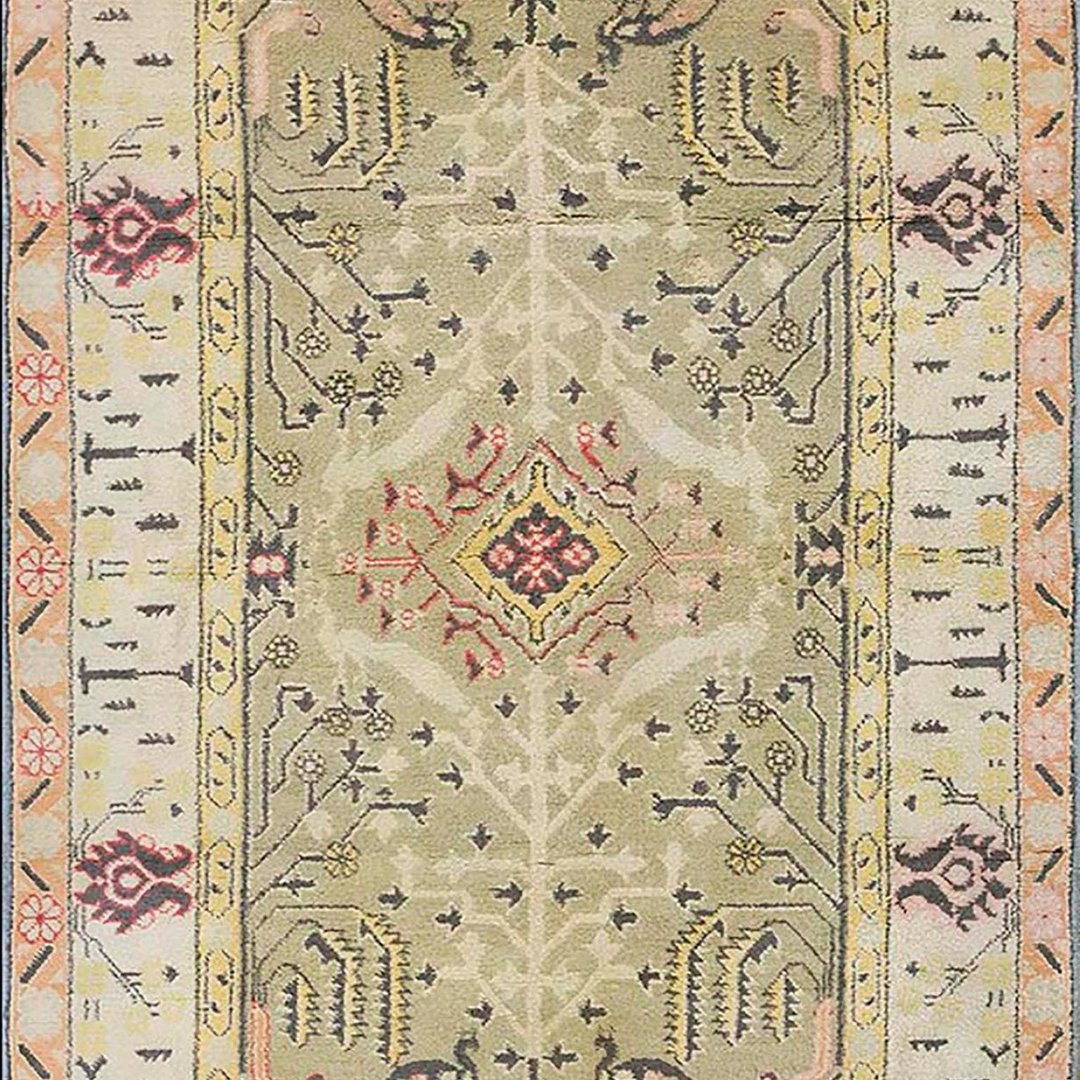 Weeping Willow Rugs |  Yin Yang Design |  Open Field Medallion Rugs |
Stylistic Schools by Culture and Region
Rug styles have historically been shaped by where and how they were woven. City rug designs emerged from organized workshops in urban centers, where trained artisans executed curvilinear patterns with finesse, drawing from complex floral scrolls and carefully balanced medallions. In contrast, tribal rug designs reflected nomadic or village life, relying on bold geometry and a limited design vocabulary, often adapted to smaller looms and more spontaneous weaving.
The difference between city vs. tribal rug design is not merely aesthetic: it reflects contrasting social contexts, levels of technical control, and symbolic traditions. City rugs emphasize precision and fluid curves, while tribal rugs prioritize strength of form, rhythm, and abstraction. This divide remains a core stylistic distinction in rug history.
Design Vocabulary and Taxonomy
- Field — the central ground of the rug, usually carrying the primary motifs. — Why: Defines the visual focus and scale of a composition.
- Border system — usually a main border flanked by guard borders framing the field. — Why: Provides structural containment and aesthetic balance.
- Medallion — a central motif, often radiating symmetry, common in Persian city carpets. — Why: Anchors the composition and reflects workshop planning.
- Niche or mihrab — an arch-shaped device used especially in prayer rugs. — Why: Signals religious function and symbolic orientation.
- Spandrels — corner elements around a medallion or niche. — Why: Harmonize transitions between field and border.
These terms form the taxonomy of rug design, enabling specialists to classify and compare examples across regions and periods. They also connect to related domains such as for categories of motifs and for structural techniques.
Design vs. Construction Constraints
While rug design is conceived as layout, motif, and style, it must always conform to what the loom and technique allow. Large, finely knotted rugs permit intricate curvilinear drawing, while coarse or narrow looms encourage bolder geometry and simplified borders.
Thus, design is never isolated from construction; the expressive vocabulary of a rug reflects both artistic intention and technical possibility. Construction constraints set the boundaries within which design traditions evolved.
Must-highlight takeaway: Any rug can be classified by analyzing its layout, motifs, and style. The city vs. tribal distinction remains one of the most fundamental ways to understand how design choices shape the finished textile.
Core Layout Typologies
Medallion Layouts
The medallion rug design, known in Persian as lachak–toranj, features a large central medallion (toranj) placed in the field, often balanced by quarter-medallions (lachak) in each corner.
This arrangement creates a strong visual anchor, directing attention toward the center of the carpet. Medallion designs are closely associated with Persian city workshops, where fine knotting allows curvilinear scrolls, pendant medallions, and carefully harmonized borders to flourish.
All-Over Repeat Layouts
In contrast, an allover rug pattern distributes motifs evenly across the field without a single focal point. Herati, boteh, lattice, or floral repeats give the rug a sense of calm balance.
All-over patterns are particularly effective in furnished interiors because they maintain visual continuity without competing with room layout. Collectors value them for their adaptability: the eye can enter at any point in the composition and find rhythm rather than dominance.
Prayer-Niche Layouts
The prayer niche rug, or mihrab, carries a distinct arch-shaped panel at one end of the field. The design is directional, meant to be oriented toward Mecca during Islamic prayer.
Elements such as hanging lamps, stylized columns, or a tree-of-life motif may accompany the niche, reinforcing both symbolism and function. Unlike medallion or all-over rugs, which can be rotated freely, prayer-niche carpets have a fixed orientation central to their meaning and use.
Garden Layouts
Garden carpets embody the imagery of paradise gardens. Their layouts divide the field into quadrants or channels representing the four rivers of Eden, or into multiple rectangular plots filled with trees, flowers, and wildlife.
This design expresses order and fertility, often reflecting Persian cosmological ideals. The paneled garden format became especially prominent in Safavid court carpets.
Compartment and Panel Grids
Compartment rugs employ a lattice of squares, hexagons, or other geometric cells, each containing its own motif, flower, or vignette. This grid system allows for great variety within a single framework, echoing architectural tiling traditions.
Compartment designs balance diversity with order and are found across Persian, Indian, and Caucasian weaving centers.
Pictorial Formats
Pictorial rugs feature figurative scenes—hunts, courtly gatherings, landscapes, or portraits—woven as wall hangings rather than floor coverings. They demand vertical orientation, making directionality critical.
Their design emphasizes narrative rather than symmetry, blurring the line between carpet and textile art.
Layout Comparison
| Layout Type | Focal Point | Directionality | Typical Use | Regions Commonly Found |
|---|---|---|---|---|
| Medallion | Central toranj | Non-directional | Formal rooms, court settings | Persia, Anatolia |
| All-Over | None (balanced repeat) | Flexible | Busy interiors, furniture-heavy rooms | Persia, Caucasus, Anatolia |
| Prayer-Niche (Mihrab) | Arch at one end | Strong | Religious ritual, personal devotion | Persia, Anatolia, India |
| Garden | Quadrants/plots | Flexible | Symbolic/paradise imagery | Safavid Persia, Mughal India |
| Compartment/Panel | Multiple cells | Flexible | Decorative, architectural echo | Persia, India, Caucasus |
| Pictorial | Narrative scene | Strong | Wall display, symbolic gift | Persia, India, Europe (imitations) |
Must-highlight takeaway: Directionality is essential in prayer-niche rugs and pictorial formats, where orientation determines meaning. In contrast, all-over rug patterns provide a calmer presence in furniture-heavy spaces.
Motif Lexicon and Iconography
Boteh / Paisley
The boteh motif, often recognized in the West as paisley, is one of the most enduring symbols in rug art. Shaped like a teardrop, sprout, or flame, it carries meanings of fertility, eternal life, and renewal.
Countless regional variations exist—from the angular botehs of Caucasian rugs to the finely drawn, curling botehs of Persian city workshops. Understanding boteh motif meaning helps identify both the cultural source of a rug and its intended symbolism.
Gul (Turkoman Tribal Emblems)
The gul motif is the emblematic device of Turkmen tribes. Typically polygonal or octagonal, guls are arranged in repeating rows across deep red fields, forming the unmistakable identity of tribal carpets.
Each Turkmen subgroup developed distinct gul variations, functioning as both visual signature and tribal insignia. The gul motif is central to attribution in Central Asian rug studies.
Herati / Mahi Lattice
The Herati pattern, also called mahi (“fish”), consists of a diamond enclosing a rosette, flanked by curled leaves resembling fish. Repeated across the field, it creates a continuous lattice of harmony and rhythm.
Found widely in Persian and Caucasian weaving, this motif exemplifies how repetition can embody infinity. The Herati lattice is both decorative and symbolic, representing balance in nature and cosmos.
Palmettes (Shah Abbasi)
The Shah Abbasi palmette became the royal emblem of Safavid Persian design. Stylized lotus or palmette blossoms are woven into flowing arabesque networks, often surrounding central medallions or filling fields in curvilinear compositions.
Associated with court workshops, this motif radiates regal refinement and artistry, setting apart city rugs from tribal weavings.
Animal Motifs
Rugs often feature lions, gazelles, birds, or dragons. These animal motifs symbolize power, protection, or grace. The lion conveys courage and kingship, gazelles suggest beauty and agility, while dragons serve as cosmic guardians.
In tribal rugs, animals are often abstracted into geometric forms, maintaining symbolic presence even when stylization obscures realism.
Geometric Primitives and Talismans
Stars, hooked diamonds, crosses, and zigzags belong to the oldest layer of rug symbolism. These geometric primitives served as protective talismans, believed to ward off evil. They frequently appear in borders and filler motifs, subtly encoding spiritual protection into everyday textiles.
The presence of these motifs in multiple traditions—from Anatolia to Central Asia—testifies to their ancient continuity.
Tree of Life
The Tree of Life motif depicts a vertical axis rising from earth to sky, linking mortal and divine realms. In rugs, it may appear as a single stylized trunk with branching flowers or as a repeating tree grove. Found in Persian, Indian, and Caucasian traditions, it symbolizes immortality, continuity, and the promise of paradise.
Calligraphic Elements
In Islamic-influenced weaving centers, calligraphy serves as both text and ornament. Verses from the Qur’an, poetic lines, workshop signatures, or dates appear as border inscriptions or field medallions. These elements authenticate a rug’s origin and elevate its role from floor covering to spiritual and cultural document.
Motif Quick-Reference
| Motif | Origin / Tradition | Symbolism | Typical Regions |
|---|---|---|---|
| Boteh (Paisley) | Persian, Caucasian | Life, fertility, flame | Persia, Caucasus, India |
| Gul | Turkmen tribal emblem | Identity, clan signature | Central Asia, Turkmenistan |
| Herati / Mahi | Persian lattice design | Infinity, harmony | Persia, Caucasus |
| Shah Abbasi Palmette | Safavid court workshops | Royal refinement, lotus | Persia, India |
| Animal motifs | Widespread | Power, grace, protection | Persia, Caucasus, Anatolia |
| Geometric talismans | Prehistoric / tribal | Protection, cosmic order | Anatolia, Central Asia, Caucasus |
| Tree of Life | Persian, Indian, Caucasian | Immortality, paradise | Persia, India, Caucasus |
| Calligraphy | Islamic workshops | Spiritual, documentary | Persia, Anatolia, India |
Must-highlight takeaway: Motifs encode both cultural identity and belief systems. Borders often conceal protective talismans, reminding us that every detail may carry symbolic intent.
Such reimaginings preserve symbolic resonance while aligning with modern aesthetics.
Regional and Cultural Styles
Persian City and Tribal Schools
Persian weaving illustrates the classic divide between city and tribal rug design. City workshops such as Isfahan, Kashan, and Tabriz perfected the Persian medallion rug, with curvilinear florals, arabesque scrolls, and fine drawing enabled by high knot counts. These carpets emphasize symmetry and refinement.
In contrast, Persian tribal and village traditions—Qashqai, Bakhtiari, Heriz—produce bold geometrics, angular medallions, and playful filler motifs. The difference lies in the hand: city rugs employ trained artisans following cartoon drawings, while tribal rugs reflect spontaneity and the loom’s rustic constraints.
Anatolian / Turkish Traditions
Anatolian Oushak designs stand out for their monumental star or medallion layouts, rendered with sweeping scale and simplified drawing. Colors often include soft apricots, saffrons, and blues, dyed from vivid natural sources.
Anatolia also produced prayer-niche rugs with strong mihrab arches, as well as striking village geometrics woven in flatweave kilim form. The geometric strength and varied palette make these rugs highly recognizable.
Caucasian Village Weaves
The Caucasian star rug exemplifies the region’s aesthetic: crisp geometric drawing, sharp outlines, and saturated primary colors. Common motifs include crosses, hooked diamonds, and stylized animals.
The borders often display reciprocal saw-tooth patterns, a hallmark of Caucasian grammar. These rugs reflect small-scale village production, prized for their graphic clarity and bold symmetry.
Central Asian Traditions
Turkmen, Baluch, and related Central Asian tribes favored regimented rows of guls across deep red fields. These carpets are defined by precise symmetry, high wool quality, and austere palettes restricted to reds, browns, and ivory. Baluch weavings add darker tonality and intricate, compact designs, often for personal or tribal use rather than export.
Chinese and East Asian Weaving
Chinese carpets display spacious fields and balanced compositions. Motifs include dragons, clouds, lotus blossoms, and other auspicious symbols drawn from Daoist and Buddhist cosmology.
Colors lean toward soft yellows, blues, and golds, with round medallions or fretwork borders reflecting Chinese decorative arts. Their distinct symbolism and uncluttered layouts set them apart from West Asian traditions.
Indian / Mughal Styles
The Mughal court workshops in India translated Persian influences into naturalistic florals, hunting (shikar) scenes, and pastel harmonies. Unlike Persian curvilinear density, Mughal florals are airy and botanical, with blossoms depicted in near-natural scale.
Their palettes often include soft pinks, pale greens, and ivory, establishing a gentle elegance.
Moroccan / Berber Traditions
Moroccan Berber rugs, particularly the Beni Ourain, are instantly recognizable by their shaggy wool, neutral ivory grounds, and bold black diamond lattice. These designs embody symbolic minimalism, with motifs often linked to tribal identity and protective charms.
Their popularity today lies in their adaptability: minimalist patterns harmonize with modern interiors, while the high-pile texture adds warmth and tactility.
Style Matrix
| Region / Tradition | Hallmarks | Common Layouts | Palette |
|---|---|---|---|
| Persian City | Curvilinear florals, fine detail | Medallion, all-over | Deep reds, blues, ivory |
| Persian Tribal/Village | Bold geometry, rustic fillers | Geometric medallions, niches | Strong reds, earthy browns, bright accents |
| Anatolian (Oushak) | Monumental medallions, prayer rugs | Star medallions, niches | Apricot, saffron, indigo |
| Caucasian | Crisp geometrics, star motifs | Lattice, bold medallions | Saturated primaries, ivory |
| Central Asian (Turkmen/Baluch) | Rows of guls, symmetry | All-over gul repeats | Red, brown, ivory |
| Chinese | Dragons, clouds, spacious fields | Round medallion, open field | Yellow, blue, gold, ivory |
| Indian / Mughal | Naturalistic florals, shikar | Garden, all-over florals | Pastel pink, pale green, ivory |
| Moroccan / Berber | Shaggy pile, diamonds | Simple lattice, minimal | Ivory ground with black/brown |
Must-highlight takeaway: Drawing style—city versus village—directly affects curvature and detail, while palette and border grammar remain essential clues to provenance.
Symbolism and Meaning Systems
Cosmological Geometry and Mandala Logic
At the heart of rug symbolism lies cosmological order. Medallion plans, especially those with concentric elements radiating from a center, function as textile mandalas. They evoke a cosmic axis, where symmetry expresses balance in creation.
Repeated lattices such as the Herati or gul pattern embody infinity—unity within multiplicity—suggesting the continuity of life and the endlessness of divine order. This use of sacred geometry in rugs links ornament to a higher metaphysical framework, aligning with broader architectural and religious aesthetics.
Religious and Prayer Symbolism
The prayer rug meaning is anchored in the mihrab design, an arch-shaped niche at one end of the field that symbolizes a gateway to the divine. Oriented toward Mecca, it establishes both functional and spiritual directionality.
Lamps may hang within the arch to signify divine light, while stylized trees or columns emphasize ascent toward paradise. In this way, the prayer rug becomes a portable sanctuary, translating architectural space into woven form.
Tribal and Protective Symbols
Tribal weavers often embedded talismans within their designs. Stars, hooks, diamonds, and zigzags carry protective force, guarding the household from evil.
Borders, far from being decorative frames, act as enclosures that safeguard the field, keeping out malevolent influences. Zigzag borders, interpreted as “running water,” form a protective moat. This protective coding reveals the personal dimension of rug-making, where textiles serve as both functional objects and spiritual armor.
Narrative Storytelling and Woven Books
Some rugs function as “woven books,” carrying narrative content that transmits myth, morality, or history. Pictorial rugs may depict hunting scenes, dynastic ceremonies, or folklore. These woven texts were both visual records and mnemonic devices, ensuring the survival of collective memory in oral cultures. A carpet’s design thus becomes a medium of storytelling as well as decoration.
Sacred Geometry Aesthetics
Beyond individual motifs, the aesthetic of rugs rests on proportional harmony. Geometric repetition, concentric medallions, and lattice structures embody principles of sacred geometry—balance, symmetry, and transcendence.
These principles not only elevate the rug’s beauty but also tie it into a wider history of symbolic geometry found in architecture, manuscripts, and decorative arts.
Must-highlight takeaway: Rug design layers often blend sacred, protective, and personal narratives. Borders act not simply as frames but as symbolic enclosures, charged with meaning and protective force.
Timeline: The Evolution of Rug Design
Ancient Roots and the Pazyryk Precedent
The origins of rug design can be traced to the Pazyryk carpet motifs, preserved in a frozen Scythian tomb dated to the 5th century BCE. This masterpiece already displays mature design grammar: lotus blossoms in the field, meander borders, and processions of deer and horsemen.
It reveals that the basic visual vocabulary—floral, geometric, and animal elements arranged in ordered composition—was established millennia ago and would be recomposed in later traditions.
Medieval Islamic Synthesis
With the rise of Islam, rug design absorbed both local motifs and universal geometric principles. Seljuk and early Ottoman workshops produced bold geometric lattices, recognizable today in the “Lotto” and “Holbein” carpets often depicted in Renaissance paintings.
These designs used strong medallions, angular scrolls, and repetitive border systems, combining Central Asian tribal energy with Islamic abstract symmetry.
Safavid Flowering; Ottoman and Mughal Parallels
The Safavid carpet design of 16th- and 17th-century Persia represents the classical peak of rug art. Court workshops in Isfahan and Kashan perfected the medallion-and-corner (lachak–toranj) layout, flowing arabesques, palmettes, and paradise garden schemes. Hunting scenes and pictorial storytelling also flourished.
At the same time, the Ottoman workshops of Oushak in western Anatolia developed monumental floral medallions and soft, glowing palettes—establishing the celebrated Oushak history of large-scale floral carpets prized in Europe. Meanwhile, Mughal India synthesized Persian artistry with naturalistic botanical drawing and shikar scenes, creating a unique Indo-Persian style.
18th–19th Century Revivals and Commercial Shifts
By the 18th and 19th centuries, declining court patronage gave way to standardized city patterns aimed at international markets. Qajar-era Persia saw workshops like Tabriz reviving Safavid models, while European demand shaped Anatolian and Caucasian exports.
Tribal traditions also adjusted, simplifying or enlarging motifs for broader appeal.
Synthetic Dyes, DOBAG, and Color Reform
The mid-19th century introduction of synthetic dyes disrupted traditional palettes. Bright aniline reds and purples, though novel, often faded poorly, reducing aesthetic and commercial value.
This disruption eventually spurred reform: the Turkish DOBAG project of the late 20th century revived natural dyeing methods, restoring historical harmony to colors and raising scholarly awareness.
20th–21st Century Modernism and Fusion
In the 20th century, rug design responded to global modernism. Chinese Art Deco carpets introduced streamlined florals and bold, asymmetrical layouts. Scandinavian weavers emphasized minimalist geometrics and muted palettes.
Today, contemporary designers create fusion pieces—borrowing motifs like the boteh or gul but scaling, abstracting, or recoloring them to suit modern aesthetics. These reinterpretations show how rug design continually adapts while retaining inherited “design DNA.”
Timeline Snapshot
| Era / Period | Innovations | Signature Motifs / Layouts |
|---|---|---|
| Ancient (Pazyryk, 5th c. BCE) | Early mature grammar | Lotus, meander, animal borders |
| Medieval (Seljuk/Ottoman, 11th–15th c.) | Geometric synthesis | Holbein medallions, lattice repeats |
| Safavid Persia (16th–17th c.) | Classical flowering | Medallions, arabesques, gardens, shikar |
| Ottoman Oushak (15th–17th c.) | Monumental florals, soft hues | Large star/medallion florals |
| Mughal India (16th–17th c.) | Naturalistic florals | Shikar, paradise gardens |
| 18th–19th c. Commercial | Standardized city revival | Reworked Safavid/tribal motifs |
| Synthetic dye era (mid-19th c.) | Palette disruption | Harsh reds, purples, unstable tones |
| Color reform / DOBAG (20th c.) | Natural dye revival | Historical palettes restored |
| 20th–21st c. Modern Fusion | Minimalist, abstract, global | Bold geometrics, abstract botehs |
Must-highlight takeaway: Across centuries, rug design reinterprets inherited vocabularies. The persistence of medallions, lattices, and floral scrolls demonstrates that design DNA never disappears—it is recomposed anew.
At the same time, dye technology shifts have visibly altered palettes and commercial values, shaping how rugs are perceived and collected.
Design Techniques and Aesthetic Principles
Symmetry vs. Intentional Asymmetry
Rug symmetry has long been a hallmark of ordered design, offering balance and predictability. Central medallions, mirrored borders, and repeated motifs all establish a sense of stability.
Yet many master weavers deliberately introduced slight asymmetries—offset medallions, irregular motifs, or color shifts. These interventions add vitality, human presence, and in some traditions reflect humility before the divine, reminding viewers that only God is perfect.
Repetition, Mirroring, and Rhythm
Repetition creates rhythm across a rug’s surface, but strict uniformity risks monotony. Weavers often vary scale, orientation, or detail within repeats, so each boteh or gul carries subtle individuality.
Mirroring along vertical or horizontal axes enhances compositional order while small variations keep the design alive.
Field vs. Border Dynamics
The relationship between the central field and its borders is crucial. Border–field contrast often relies on color inversion: if the field is dark, the border may be light, and vice versa.
This inversion frames the pattern and improves figure–ground clarity, ensuring motifs stand out from their setting. Borders are not passive frames but active participants in the rug’s grammar, both protecting and complementing the field.
Color Harmony, Contrast, and Abrash
Rug aesthetics depend heavily on palette. Harmonious tones create unity, while sharp contrasts lend energy. Abrash color variation, caused by differences in dye batches, produces striations within the field.
Rather than flaws, these variations add visual depth, movement, and authenticity. Collectors often prize abrash as a sign of handwoven character.
Scale, Proportion, and Motif Hierarchy
Designs must scale appropriately to the rug’s size and intended setting. Oversized medallions or palmettes suit grand halls, where bold drawing remains legible from afar.
By contrast, small-scale Herati or floral repeats reward close inspection in intimate rooms. Proportion ensures motifs neither overwhelm the field nor become lost within it. Hierarchy of elements—medallion, field, border—organizes the eye’s journey.
Outlining, Shading, Texture, and Corner Resolution
Outlines sharpen motifs against their ground, securing visual clarity. Shading techniques, from color gradation to stepped tonal transitions, give blossoms or botehs dimensionality. Texture—created by differences in pile cut or weave density—enriches pattern reading under light.
Corner resolution, where border motifs must turn the corner without disruption, reveals the workshop’s discipline: skilled weavers align repeats seamlessly, while rustic productions show abrupt breaks.
Must-highlight takeaway: Figure–ground clarity is central to rug readability. Every design principle—symmetry, contrast, outline, or scale—works to ensure the eye can distinguish form from background. Scale must also correspond to room size and viewing distance, linking aesthetic choice to practical use.
How Construction Shapes Design (Knots, Density, Pile, Weave)
Persian vs. Turkish Knots and Curve Rendering
The choice of knot type directly affects design possibilities. The asymmetrical Persian knot (Senneh) allows yarn ends to pack more closely, easing the drawing of fine curves and delicate floral arabesques.
The symmetrical Turkish knot (Ghiordes), by contrast, produces sturdier loops that favor crisp geometry and bold outlines. This Persian vs. Turkish knot distinction underlies the difference between flowing city medallions and sharp tribal star motifs.
Knot Density and Drawable Detail
Knot density KPSI (knots per square inch) sets the upper limit for design resolution. A rug with 50 KPSI can only carry simple, large-scale motifs, while one with 500 KPSI can render micro-florals, arabesque scrolls, and miniature pictorials.
Pile Height and Pattern Readability
Pile height dramatically alters motif legibility. A tall pile creates plush comfort but blurs outlines, softening pattern clarity. Low pile sharpens drawing, allowing each line and figure to stand out crisply.
Flatweave Limits and Freedoms
In flatweave vs. pile design, the absence of pile frees color fields from shading and texture, but it also limits curvilinear finesse. Kilims and soumaks excel at bold geometry, stripes, and bands of contrasting color.
Materials and Design Clarity
Material choice influences both sheen and durability. Wool provides warmth, resilience, and balanced texture—ideal for both geometric and curvilinear drawing. Silk enhances sheen and brightness, highlighting minute detail with jewel-like clarity.
Cotton, used in foundations, stabilizes fine drawing by providing a rigid warp-and-weft base. Thus, fiber selection controls how clearly motifs appear under light.
Cartoons vs. Improvisation on the Loom
Urban workshops often follow cartoons—scaled paper drawings—ensuring standardized designs and symmetry. Tribal and village weavers, by contrast, improvise within remembered templates, producing spontaneous variations in motif size, proportion, or border sequence.
This improvisation adds charm but also irregularity, distinguishing tribal authenticity from city precision.
Build–Design Effects
| Factor | Design Impact | Trade-Offs |
|---|---|---|
| Knot type (Persian vs. Turkish) | Curves vs. crisp geometry | Flexibility vs. strength |
| Knot density (KPSI) | Level of detail possible | Higher labor/time cost |
| Pile height | Clarity vs. plushness | Readability vs. comfort |
| Flatweave construction | Bold geometry, no shading | Limited curves, less depth |
| Material (wool, silk, cotton) | Sheen, texture, durability | Luxury vs. resilience trade-offs |
| Cartoon vs. improvisation | Precision vs. spontaneity | Standardization vs. individuality |
Must-highlight takeaway: Construction choices set the ceiling for design complexity. Fiber sheen and pile height alter motif legibility as much as drawing itself, making technical build inseparable from aesthetic outcome.
Choosing Designs for Rooms and Lifestyles
Medallion vs. All-Over by Room Size
- Small rooms: The best rug design for small rooms is usually the allover pattern. — Why: Without a central focal point, the design reads calmer and avoids visual crowding when much of the rug is covered by furniture.
- Large rooms: A medallion rug suits wide, open floorplans. — Why: The central toranj motif anchors the space, provided sightlines are unobstructed.
- Hallways and runners: All-over repeats or simple stripes are ideal. — Why: They prevent the “chopped” effect of cutting through a medallion when placing a runner in narrow corridors.
Directional and Prayer Formats
Directional rugs, especially prayer niche rugs and pictorial weavings, require orientation. On floors, they risk being visually fragmented when partly hidden. For this reason, they excel as wall hangings or accent placements where their symbolism and directionality can be respected.
Pattern Scale vs. Furniture Layout
Overscale medallions or palmettes are effective in large seating areas, where patterns must read across distances. In smaller living rooms, finer repeats ensure that motifs remain visible even when partially covered by sofas or tables.
A well-chosen living room rug layout balances the scale of motifs against how much floor remains open.
Color Planning and Light
Colors change with natural and artificial lighting. Dark fields create intimacy but highlight dust, while lighter grounds expand visual space. Low-contrast palettes read subtle and refined, while high contrast delivers drama. Natural abrash color variation softens palette transitions and lends authenticity.
Family, Pets, and Stain Camouflage
Households with children or pets benefit from camouflaging designs. Multicolored all-over repeats hide spills and wear best, while low-contrast motifs disguise everyday fading. Conversely, flat light fields reveal stains quickly. Linking design to lifestyle ensures the rug remains practical as well as beautiful.
Style Matching Guide
| Interior Style | Best Designs | Why |
|---|---|---|
| Traditional | Medallion layouts, floral repeats | Honor classical heritage, rich symmetry |
| Contemporary Minimal | Moroccan/Berber diamonds, allover | Neutral palettes, symbolic simplicity |
| Eclectic/Bohemian | Tribal geometrics, gul repeats | Strong color, pattern layering |
| Modern Classic | Persian medallion, Shah Abbasi | Curvilinear refinement, timeless feel |
| Rustic / Farmhouse | Caucasian stars, Heriz medallions | Bold geometry, warm saturated tones |
| Family-Friendly | Allover Herati, boteh repeats | Multicolor camouflage, durability |
Must-highlight takeaway: Always choose layout first, then motif, then palette. Consider viewing distance, room size, and how furniture will cover the field. This ensures both aesthetic clarity and practical suitability for daily living.
Modern, Transitional, and Fusion Design
Traditional Revivals
One of the strongest currents in today’s market is the Oushak revival. These rugs reinterpret classical Ottoman and Persian-inspired drawings—large medallions, scrolling vines, or Sultanabad florals—but recolor them in soft, washed palettes of ivory, gray, and pale blue.
Natural vegetal dyes are often re-adopted, bringing muted harmony back into circulation.
Minimalist and Abstract Directions
The opposite trend is minimalism. A modern abstract rug may feature solid grounds, ombré gradients, or tonal textures created by differential pile cutting. Relief carving, loop vs. cut pile contrast, and restrained palettes emphasize surface over motif.
Gabbeh designs, woven by Persian tribes, anticipated this minimalism: thick wool, plain fields, and scattered naïve motifs create simplicity that feels timeless and modern.
Cross-Cultural Fusions and “Erased” Aesthetics
“Transitional” has become a defining phrase: a transitional rug design merges classical Persian or Anatolian motifs with contemporary neutral palettes. Some fusion rugs deliberately “erase” parts of traditional patterns, fading them into background textures or enlarging them beyond recognition.
This layered approach acknowledges heritage while creating a fresh, cosmopolitan look.
Overdyed, Distressed, and Sustainability Trends
The overdyed rug represents another fusion of past and present. Old carpets are bleached, stonewashed, and recolored with saturated dyes—bright teal, purple, or charcoal. The result feels modern yet rooted in vintage textile.
Tech, CAD, and Artist Collaborations
Contemporary design also embraces technology. CAD programs allow precise scaling, palette testing, and motif distortion before weaving. At the same time, collaborations with visual artists, architects, and fashion designers push the boundaries of rug design, treating carpets as canvases for contemporary expression.
From digitally warped boteh motifs to painterly abstraction, these projects expand the field’s vocabulary.
Today’s Styles Overview
| Category | Traits | Pros | Cons |
|---|---|---|---|
| Traditional Revival | Soft palettes, vegetal dyes, Oushak/Sultanabad | Classical heritage reimagined | Risk of pastiche or dilution |
| Transitional | Classical motifs + modern palettes/erasure | Flexible, widely appealing | Can feel formulaic |
| Minimalist/Abstract | Solids, ombré, texture, relief | Calm, modern, versatile | May lack cultural depth |
| Overdyed/Distressed | Vintage carpets recolored/distressed | Sustainable reuse, edgy modern | Authenticity debates |
| Fusion/Collaborative | Artist/CAD reinterpretations | Innovative, collectible | Expensive, less traditional |
Must-highlight takeaway: “Transitional” styles now dominate, bridging past and present. Minimalist and abstract directions emphasize texture, while overdyed and fusion carpets push sustainability and experimentation. Designer collaborations and tech-driven production show that rug design today is as much about invention as inheritance.
Design, Value, and Authentication
Attribution by Design DNA
Specialists rely on rug attribution by design as the quickest path to provenance. Border grammar, medallion structures, and filler motifs form a “design DNA” unique to each weaving region or workshop.
A single Shah Abbasi palmette or eagle Kazak medallion can reveal origin with more certainty than fiber analysis alone.
Authentic vs. Copy: Design Tells
Copies frequently betray themselves through stiffness in drawing, misplaced motifs, or anachronistic border combinations. Off-color palettes—especially harsh synthetic reds and purples—signal later production.
By contrast, authentic Persian designs exhibit proportional harmony, natural palette flow, and correct border hierarchies. Comparing authentic versus imitation borders side by side highlights these differences immediately.
Rarity Premiums and Market Taste
Certain collectible rug patterns command enduring premiums because of their rarity. Full Tree of Life rugs, early pictorials, or the eagle Kazak design are scarce and consistently valued by collectors. While market cycles rise and fall, rarity sustains long-term interest.
At the same time, fashion shifts influence which designs are most sought after—soft-hued Sultanabad or Oushak revivals may surge during one decade, then give way to tribal geometrics the next.
Dating Through Design Evolution
Design also provides dating cues. Synthetic aniline purples and magentas imply post-1860 weaving. Certain revivalist palettes and standardized medallion forms point to late 19th–early 20th century production. Recognizing when motifs shifted or palettes changed helps place a rug within historical context (see for deeper analysis).
Design Completeness and Condition
Integrity matters. A rug missing its borders, ends, or medallion tips loses not only aesthetic balance but also significant value. Collectors prize completeness because design was conceived holistically—removal of even a narrow border compromises that vision.
Resale Value Heuristics
- Recognizable patterns (Herati, boteh, gul): — Why: Universally marketable, familiar to both novices and connoisseurs.
- Rare tribal designs (eagle Kazak, unusual niche formats): — Why: Scarcity keeps demand high regardless of fashion cycles.
- Full compositions with intact borders and medallions: — Why: Complete design integrity ensures visual and market appeal.
- Authentic Persian city carpets: — Why: High refinement and documented provenance command trust premiums.
- Naturally dyed palettes: — Why: Softer, stable colors appeal more to collectors than synthetic hues.
Appraisal Cues
| Design Clue | What It Suggests |
|---|---|
| Border grammar (correct sequence) | Authentic regional attribution |
| Synthetic purple/magenta | Post-1860 weaving date |
| Oversimplified medallion | Copy or later commercial revival |
| Missing corner resolution | Village/tribal improvisation, not workshop |
| Tree of Life / eagle Kazak | Rare collectible category |
| Intact borders and ends | Higher resale value, design completeness |
Must-highlight takeaway: Design is often the fastest and surest way to authenticate and value a rug. While market taste fluctuates, rarity and authenticity—anchored in design DNA—sustain long-term premiums.
Challenges and Ethics in Design
Heritage Claims and Appropriation Debates
Rug design has become a field of contested ownership. Nations from Iran to Turkey to India assert that certain patterns and techniques belong to their cultural heritage, while global markets often blur these boundaries.
Rug design appropriation arises when motifs are lifted from one culture and reproduced without acknowledgment, sometimes at industrial scale. These disputes underscore that carpets are not just decorative goods but cultural documents, embedded in identity and history.
Copying and Lack of Copyright
Unlike modern artworks, rug patterns rarely enjoy copyright protection. Traditional motifs such as boteh, gul, or Herati are centuries old and fall into the public domain.
This lack of legal protection allows widespread copying, from machine-loom imitations to tourist-grade knockoffs. While this democratizes access, it also risks diluting the prestige of authentic traditions. Without authentic origin labeling, consumers may struggle to distinguish true workshop heritage from mass-market replication.
Misattribution and Tourism Effects
Tourism-driven demand often shifts rug design in subtle ways. Palettes may be brightened, motifs simplified, or borders reconfigured to meet foreign tastes. While profitable, this process can erode authenticity, producing pieces that no longer reflect local tradition.
Misattribution compounds the issue—Anatolian rugs sold as “Persian,” or village carpets passed off as city masterpieces—confusing markets and distorting provenance.
Quality Control and Brand Dilution
When designs are endlessly copied, brand identity suffers. Renowned types such as Caucasian star rugs or Oushak medallions lose distinctiveness if reproduced carelessly.
Inconsistent labeling and weak geographical indication systems mean that even connoisseurs face challenges in ensuring authenticity.
Labor Ethics and Certifications
Behind design debates lies the reality of production. Labor exploitation in rug weaving remains a pressing issue. Organizations such as GoodWeave and fair-trade bodies work to certify rugs that meet ethical standards, helping consumers support communities rather than undercut them. Choosing fair-trade rugs aligns design appreciation with social responsibility.
Purism vs. Innovation
- Purist approach: Preserve traditional motifs, colors, and borders without alteration. — Why: Ensures cultural continuity, protects heritage, and maintains authenticity.
- Innovative approach: Reimagine classical designs through new palettes, scaling, or abstraction. — Why: Keeps the tradition alive in contemporary contexts and attracts new audiences.
Balancing these forces ensures that innovation thrives while heritage is acknowledged, not erased.
Must-highlight takeaway: Respect for origin and credit strengthens weaving communities and sustains authenticity. Innovation is healthiest when rooted in acknowledgment rather than appropriation, ensuring that rug design continues to evolve without losing its cultural soul.
FAQ
-
Which rug designs suit busy families and high-traffic areas?
Patterned, low-pile rug designs in multitone colors hide wear. Choose darker entryway tones and aim for 0.25–0.5 inch pile for easy upkeep.
-
What rug designs work best with robot vacuums?
Low-pile, bound-edge rug designs without long fringe reduce tangles. A rug pad improves traction and cleaning efficiency.
-
Are round rug designs better for certain spaces?
Round rug designs pair naturally with round tables and soften sharp rooms. For dining, match rug shape to table shape.
-
Do striped rug designs make rooms look bigger?
Yes—horizontal stripes widen; vertical stripes lengthen. Align stripes with the room’s dimension you want to emphasize.
-
How many rug designs can I mix in an open-plan space?
Two or three coordinating rug designs work well. Share a palette, vary pattern scale, and change textures to define zones.
-
Can I layer different rug designs?
Yes—use a neutral jute/flatweave base and a smaller patterned rug on top. Aim for the top rug to be about two-thirds the base.
-
Which rug designs work for minimalist decor?
Solid or tonal rug designs with subtle texture (ribbed, heathered) keep things calm. Stick to 1–2 hues and low contrast.
-
Will bright rug designs fade in sunlight?
Yes—UV light dulls most dyes over time. Rotate rugs periodically and consider solution-dyed, fade-resistant fibers for sunny rooms.
-
Do printed rug designs look different from woven ones?
Printed rug designs have flatter surfaces and lower cost; woven designs show deeper texture and sharper definition. Woven pieces often outlast printed by years.
-
What does “overdyed” or “distressed” mean in rug designs?
Vintage rugs re-dyed or surface-washed for a worn look while retaining pattern. Expect intentional fading and color variation.
-
What are kilim rug designs?
Flatweave rug designs with crisp geometrics and no pile—lighter, reversible, and great for layering. Common sizes: 4×6, 6×9.
-
What are Heriz rug designs known for?
A bold geometric medallion (often Lachak-Toranj) with angular motifs and saturated reds/blues. These rug designs anchor living rooms.
-
What characterizes Oushak rug designs?
Large, spaced floral/geometric motifs with soft, muted palettes and open fields. These rug designs feel airy in big rooms.
-
What defines Moroccan Beni Ourain rug designs?
Typically ivory ground with a black diamond lattice and plush pile. The minimal grid reads calm in sizes from 5×8 to 9×12.
-
Are geometric rug designs good for mid-century or modern rooms?
Absolutely—triangles, hexagons, and abstract color blocks fit mid-century/modern looks. Earthy palettes (olive, rust) keep them timeless.
-
Which rug designs suit hallways and runners?
Striped rug designs elongate halls; borders emphasize the path. Flatweaves reduce tripping and clean easily in 2’6″–3′ widths.
-
What rug designs work best under dining tables?
Low-pile or flatweave rug designs with forgiving patterns ease chair movement and hide drips. Size the rug at least 24 inches beyond the table on all sides.
-
Do bordered rug designs make spaces look smaller?
Borders frame and define zones, which can visually tighten a small room. Borderless or allover rug designs help eyes “flow” outward.
-
Should I pick medallion or allover rug designs?
Use medallions when furniture can center around the motif; choose allover rug designs for flexible layouts. Allover patterns avoid “cutting off” a center in large rooms.
-
How do I mix rug designs with patterned sofas or wallpaper?
Vary pattern scale (small/medium/large) and keep a 3–5 color palette across pieces. Let one rug design dominate and keep others supporting.
-
Are checkered rug designs still in style?
Yes, but plaid rug designs are the modern twist. Try muted checks or tartans for a softer grid effect in 5×8 or 8×10 sizes.
-
What rug designs are trending in 2025?
Expect warm neutrals, high-pile textures, washable prints, color blocking, and a plaid update to checkerboard rug designs. Natural fibers and 1970s-inspired patterns are also popular.
-
Which rug designs hide stains and pet hair best?
Busy, multicolor or distressed rug designs camouflage messes well. Darker tones like charcoal or burgundy help too, especially in high-traffic zones.
-
How do I choose rug designs for a small living room?
Use simpler, lighter rug designs and larger-scale patterns to reduce visual clutter. Leave a 12–18 inch floor border to make the room feel bigger.
-
What are rug designs, and what basic styles should I know?
Rug designs generally fall into geometric, floral, abstract, medallion, and allover/borderless styles. Common examples include Heriz medallions, Moroccan diamond lattices, kilim geometrics, and distressed/overdyed prints.