
Foundations: The Caucasus & Its Rug-Weaving Legacy
Explore our curated selection of genuine Caucasian origin rugs available now.
What and Where Is the Caucasus?
The Caucasus is a rugged, mountainous region located between the Black Sea and the Caspian Sea, forming a natural bridge between Europe and Asia. Locked geographically between empires and trade routes, it has long been a frontier of cultural exchange and conflict. The Greater Caucasus mountain range, with its snowcapped peaks and isolated valleys, created pockets of distinctive communities that maintained their weaving practices across centuries. To the south, the Lesser Caucasus range connects into Armenia and Georgia, while the lowlands of Azerbaijan stretch toward the Caspian coast. This geography not only shaped political borders but also preserved deeply rooted weaving traditions that remained remarkably distinct despite foreign influences. The region’s complexity extends beyond geography—its peoples include a mosaic of ethnic groups, languages, and religions, each contributing their own motifs and techniques to the shared textile heritage.
Countries and Regions in the Caucasus Rug-Weaving Area
- Armenia — Why: One of the world’s oldest centers of rug-making, where symbolic motifs and Christian iconography merged with ancient geometric traditions.
- Azerbaijan — Why: Home to some of the most iconic Caucasian rugs, especially from Karabagh, Shirvan, and Kuba, known for bold color palettes and medallion layouts.
- Georgia — Why: Georgian rugs, particularly from Kakheti and Tbilisi markets, acted as a bridge between Persian, Anatolian, and Russian styles while preserving unique village patterns.
- Dagestan (Southern Russia) — Why: A key part of the North Caucasus, famous for highly technical weaving, prayer rugs, and the influence of Islamic design.
- Chechnya and Other North Caucasus Republics — Why: Contributed regional designs with strong Islamic artistic elements, often less documented but historically significant in trade networks.
Together, these areas form the broader Caucasus styles rug-weaving zone with styles that cannot be confined to modern political borders but instead emerge from centuries of shared traditions.
Defining “Caucasian Rugs” vs. Broader Regional Types
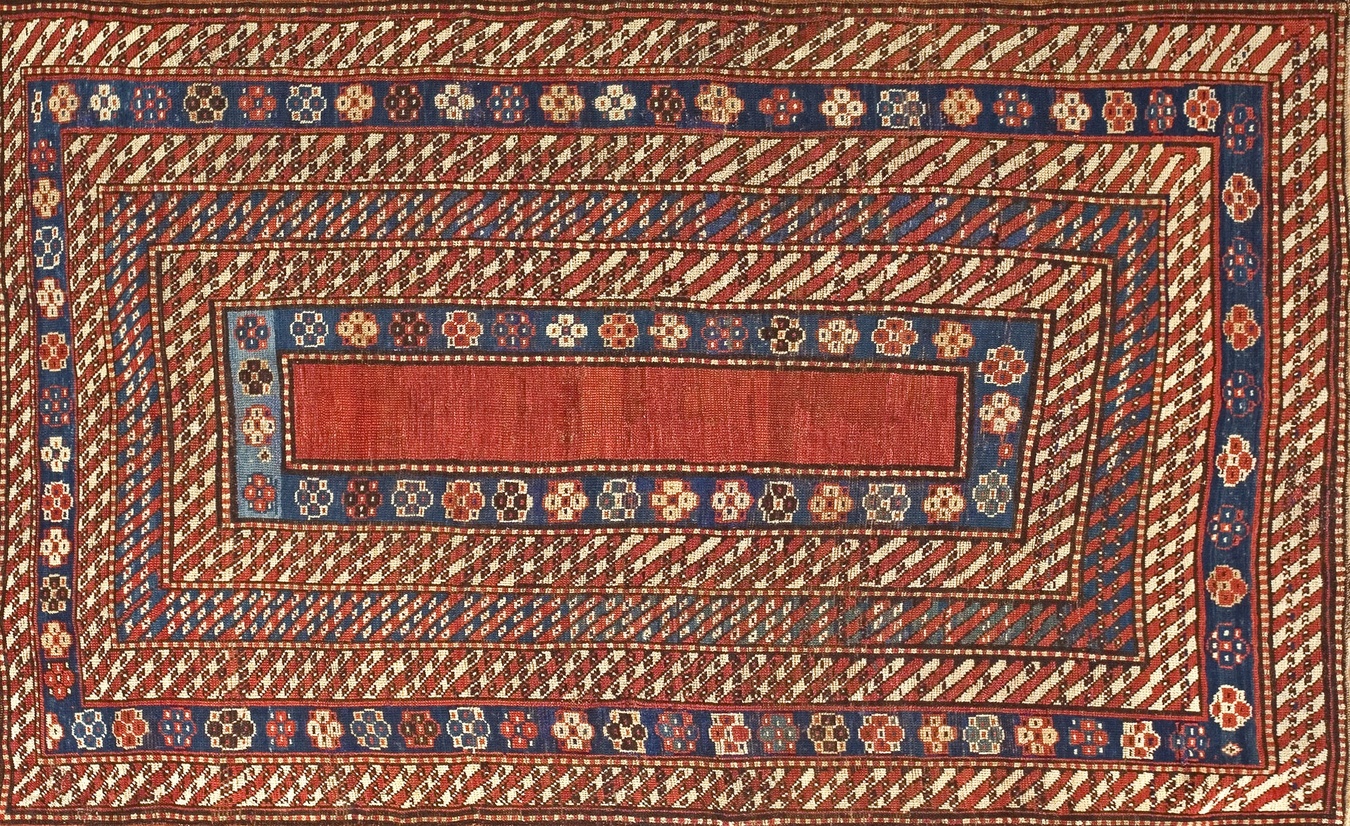
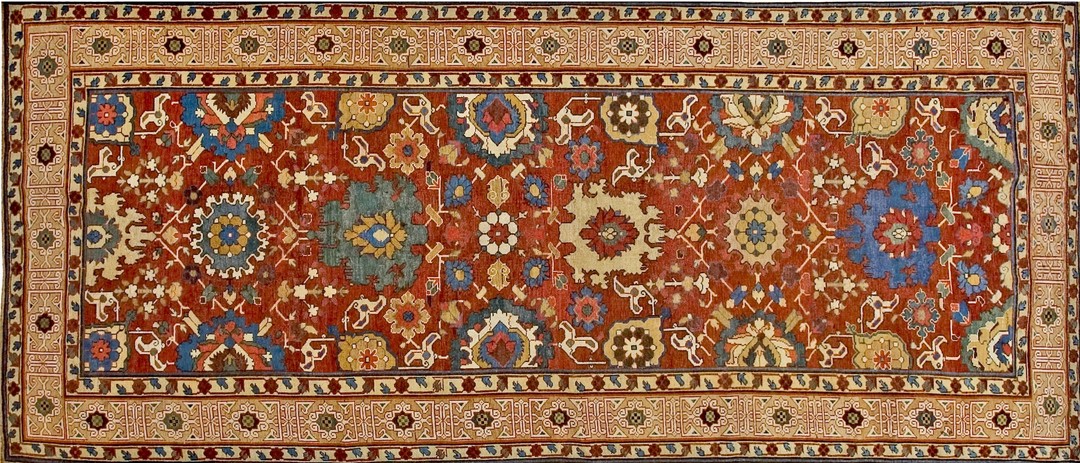
Antique Caucasian Caucasian Coral 1890s Rug – by Rugs On Net
In the trade and in scholarship, the term “Caucasian rugs” generally refers to handwoven pile and flatweave textiles produced across Armenia, Azerbaijan, Georgia, and the North Caucasus. They are characterized by bold geometric motifs, strong symmetry, and saturated natural dyes that produce reds, blues, greens, and ivories of remarkable intensity. Importantly, the label does not imply a single national identity. Instead, it covers a broad stylistic family shaped by intermingling cultures. For example, Armenian rugs may carry distinct crosses and hooked motifs, while Azerbaijani rugs often favor large medallions and lattice fields. Yet all of these are still recognized as Caucasian rugs in the marketplace because of shared mountain-zone aesthetics. Unlike Persian or Anatolian classifications, which often tie to specific cities or dynasties, Caucasian rugs are grouped more by geography and visual language than by a singular ethnic or national tradition.
Why the Caucasus?
- Geographic crossroads — Why: Positioned between empires such as Persian, Ottoman, and Russian, the region absorbed artistic ideas while fiercely maintaining local expressions.
- Mountainous isolation — Why: Villages in highland valleys preserved unique weaving traditions, producing highly distinctive regional rug schools.
- Cultural diversity — Why: The Caucasus hosted Christians, Muslims, and diverse ethnic groups, each adding religious and symbolic motifs to textiles.
- Trade networks — Why: Carpets and kilims from the Caucasus circulated widely through Silk Road markets, bringing fame to the region’s designs.
- Textile innovation — Why: Use of natural dyes, inventive geometric iconography, and both pile and flatweave techniques made these rugs distinctive in global markets.
The Caucasus is not just a political region; it is a cultural crossroads where geography and history combined to create a vibrant and enduring weaving legacy. The mountain terrain safeguarded distinctive traditions, while the region’s role as a corridor of empire ensured exposure to new ideas. For this reason, Caucasian rugs remain some of the most prized and recognizable in the world—defined not by modern borders but by their shared geography, colors, and motifs.
Timeline: Rug Weaving History in the Caucasus
Prehistoric and Ancient Roots
The Caucasus weaving history stretches back more than 6,000 years, making it one of the oldest known textile traditions in the world. Archaeological finds confirm weaving activity as early as c. 4000 B.C., with wool textiles and dyed fibers unearthed in mountain settlements. Even earlier evidence of flax fibers from the Paleolithic period, around 34,000 B.C., suggests the region’s long-standing engagement with fiber technologies. These ancient beginnings laid the foundation for later developments, as natural resources like mountain sheep’s wool and madder root for dyeing were abundant. While no complete ancient Caucasian rugs survive from these earliest times, the continuity of textile-making in the region underscores its central role in domestic life, ritual practice, and trade.
Silk Road & Medieval Evolution
- Persian and Anatolian influences — Why: From the 1st through the 15th centuries, Silk Road trade routes crossing the Caucasus introduced new weaving techniques and motifs, linking village rugs to broader artistic traditions.
- Chinese motifs and luxury goods — Why: Patterns such as cloud bands and stylized florals filtered into Caucasus design vocabulary, enriching local iconography.
- Export markets — Why: Silk Road carpets from the Caucasus were shipped “to all parts of the world,” bringing fame to the region’s vivid dyes and bold geometric layouts.
- Religious and symbolic exchange — Why: Cross-border movement of Christian and Islamic communities encouraged adaptation of sacred motifs, from crosses to mihrab-inspired arches.
The Silk Road era marked the Caucasus as a major hub of cultural interchange, ensuring its rugs carried both deeply local and cosmopolitan features.
Persian Safavid, Russian, and Soviet Transformations
The Safavid influence in Caucasian rugs during the 16th and 17th centuries introduced dramatic stylistic shifts. Persian court workshops inspired the weaving of monumental “palace” designs, with elaborate floral motifs and Dragon carpets that blended Persian luxury with Caucasian boldness. By the 19th century, under Russian Imperial rule, weaving became increasingly industrialized. Artisan cooperatives were encouraged, and aniline dyes—cheaper but harsher than natural ones—entered the market, creating brighter but less stable colors. This period also saw a massive export boom, as demand for village rugs surged in Europe. The Soviet-era rugs of the 20th century reflected yet another transformation. Between the 1920s and 1980s, production was collectivized and standardized, reducing the individuality of village weavings. Propaganda themes and mechanical looms diminished traditional artistry, though weaving survived as a state-managed industry. While this safeguarded rug-making as a livelihood, it also narrowed the creative scope that had once flourished in isolated mountain valleys.
Modern Era & Revival Movements
- Post-independence revivals (after 1991) — Why: The breakup of the USSR gave countries like Armenia, Azerbaijan, and Georgia new opportunities to reclaim cultural identity through weaving.
- UNESCO heritage recognition — Why: Global acknowledgment of Caucasian rugs reinforced their importance as intangible cultural heritage, attracting both preservation funding and international collectors.
- State programs such as Azerkhalcha — Why: In Azerbaijan, government-backed workshops ensure training, employment, and the continuation of authentic designs.
- Return to natural dyes — Why: A renewed emphasis on traditional dyeing methods restored the vibrancy and authenticity lost in the age of synthetics.
- Museum curation and education — Why: Exhibitions and rug schools, particularly in Georgia, Armenia, and Azerbaijan, encourage younger generations to view weaving as both heritage and art.
Today, revival projects and state workshops support weaving in rural villages, keeping this millennia-old craft alive despite industrial pressures. In rural Georgian villages, cooperatives and cultural initiatives sustain the tradition, ensuring that Caucasian weaving endures as both a livelihood and a cultural emblem. Traditional rug-weaving in the Caucasus is over 6,000 years old, and its timeline highlights dramatic transformations—from prehistoric wool textiles to Silk Road carpets, from Safavid grandeur to Soviet-era rugs, and finally to post-Soviet revival efforts that secure its place in the modern world.
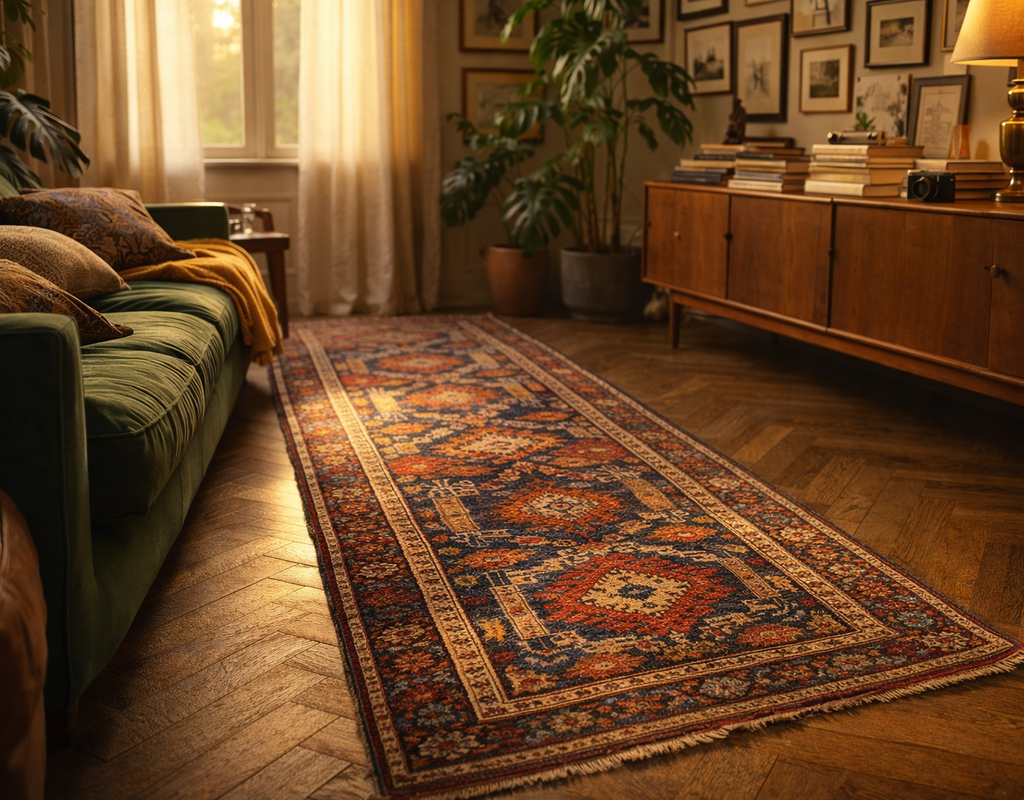
A vibrant, traditional runner rug enhances the warmth and character of this cozy, light-filled living space.
Iconic Styles & Signature Types of Caucasian Rugs
Kazak Rugs
Kazak rugs are among the most recognizable and collectible of all Caucasian rug types. Originally woven in the northwest Caucasus, within the Kazakh Khanate region of present-day Armenia and Azerbaijan, they feature bold geometric medallions, thick handspun wool, and striking motifs such as the “ram’s horn” and the Memling gül. Their pile is typically high and plush, giving them a substantial, almost sculptural surface. Dyes produce deep reds, indigos, and greens, which remain vibrant even in antique pieces. Because of their strong geometry and durability, Kazak rugs are equally suited for both practical home use and art collections, with antique examples commanding high prices in the market.
Karabagh/Artsakh Rugs
Karabakh rugs, also called Artsakh carpets, reflect the region’s complex cultural heritage. Produced in the Karabakh province of Azerbaijan/Armenia, these rugs bridge two traditions: geometric tribal designs rooted in village weaving, and floral salon carpets influenced by European taste, especially in the 19th century. The celebrated “rose carpets” are large-format pieces filled with exuberant blossoms and scrolling vines, reflecting French textile fashions. At the same time, village Karabagh rugs retain angular medallions and tribal boldness. This duality mirrors the intertwined claims of Armenian and Azerbaijani heritage. The province is particularly known for colorful pile rugs, enriched by the availability of natural dyestuffs and a centuries-long tradition of experimenting with vibrant dye recipes, giving Karabagh weavings their distinct chromatic brilliance.
Shirvan Rugs
Shirvan rugs originate in eastern Azerbaijan, where fine weaving traditions flourished in urban workshops and rural villages alike. They are celebrated for their high knot density and lower pile height, making them more delicate and intricate than Kazak rugs. Connoisseurs prize their refined compositions, often featuring boteh patterns (paisley-like teardrops), mihrab-shaped prayer niches, and small-scale geometric repeats. Their palette tends to be softer yet still rich, balancing natural madder reds with indigo blues and ivory grounds. The combination of knot fineness, balanced design, and portable small formats helped establish Shirvan rugs as highly desirable among collectors and worshippers alike.
Kuba/Quba Rugs
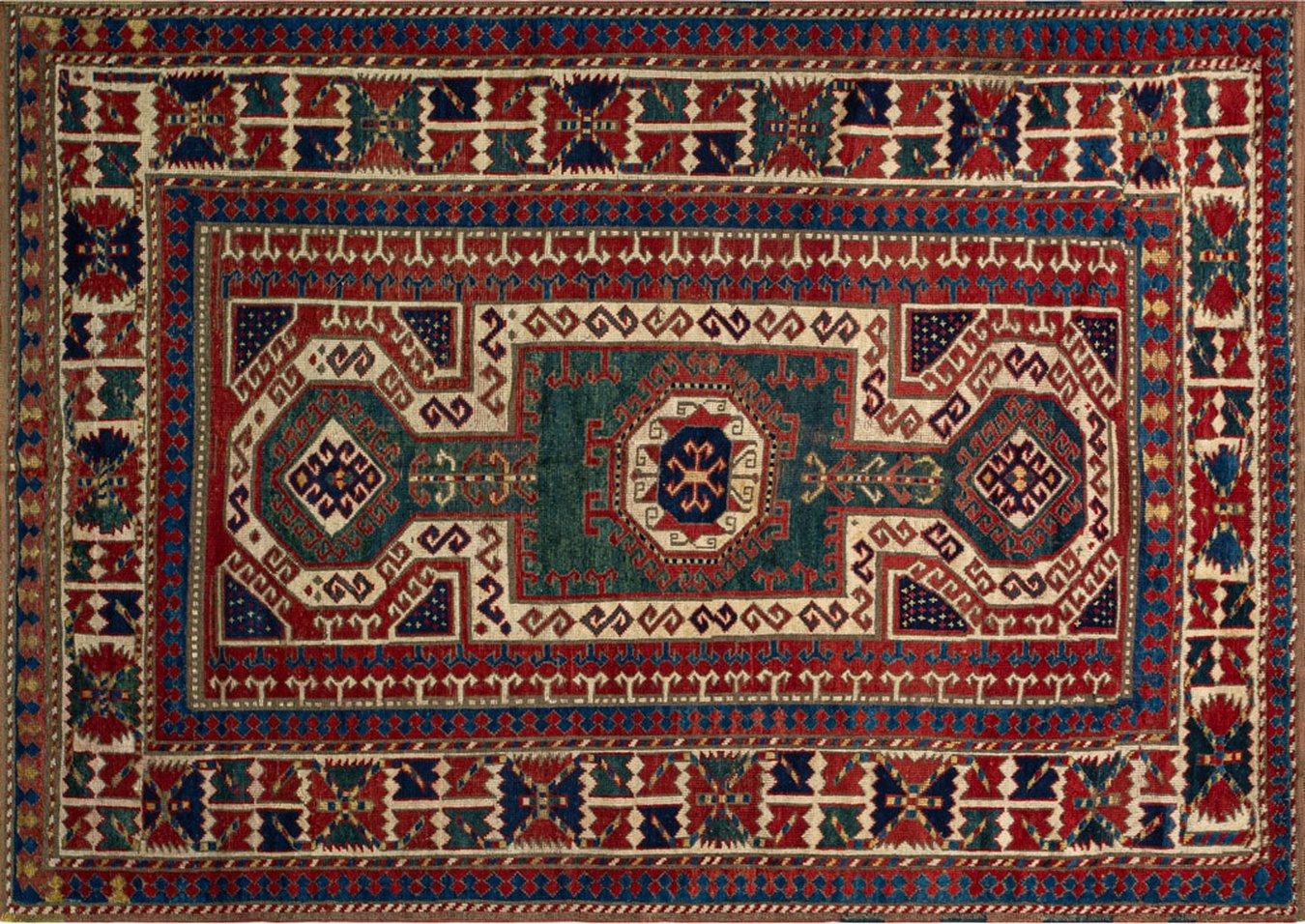
In the northeast Caucasus, straddling Azerbaijan and southern Dagestan, Kuba rugs emerged as another refined type. These weavings display medallion layouts that are tighter and more repetitive than Shirvan’s broader field-based designs, lending them a more architectural rhythm. A defining feature is the Lesghi star, a radiating geometric motif often placed in central or staggered alignment. Borders are equally distinctive, with the famous “barber pole” diagonal stripes framing the field. Kuba rugs boast bright colors, fine wool, and high knot counts, yet maintain a relatively low pile. Their technical precision and crisp geometry make them some of the most admired Caucasian rugs in both historical and modern collections.
Gendje/Ganja Rugs
- Runner format — Why: Gendje rugs from west-central Azerbaijan are most often woven as long, narrow runners, making them ideal for corridors and architectural niches.
- Candy-stripe patterns — Why: Diagonal stripes and lozenge sequences dominate their fields, earning them the nickname “candy-stripe rugs.”
- Earthy palette — Why: Their colors lean toward warm browns, reds, and soft greens, reflecting both available dyes and local taste.
- Folk-art charm — Why: Less formal than Shirvan or Kuba pieces, Gendje runners exude a rustic, playful quality valued by collectors for their authenticity.
Other Classic Types & Rug “Schools”
- Borchalo rugs — Why: Known for coarse tribal weaves and bold medallions, often linked to Georgian-Azerbaijani border communities.
- Talish rugs — Why: Long rugs with simple striped fields, produced in southern Azerbaijan; minimalist yet elegant.
- Karachov rugs — Why: Featuring central cross medallions and rich coloration, part of the Kazak family but with unique symmetry.
- Marasali rugs — Why: Small prayer rugs from the Shirvan area, celebrated for their narrow format and finely detailed arches.
Together, these schools demonstrate the breadth of Caucasian rug types, where each sub-region developed recognizable signatures while still contributing to the shared visual language of the Caucasus. Original Kazak tribal rugs were produced in northwest Azerbaijan and Armenia, within the Kazakh Khanate. Shirvan rugs possess higher knot density and shorter pile than Kazaks, distinguishing them as technically finer. Guba medallion layouts are tighter and more repetitive, while Shirvan compositions favor all-over, field-based arrangements. And Karabakh province is especially colorful because of its deep dyeing heritage and cross-cultural artistry. These traits underscore how each type embodies a unique blend of local tradition, outside influence, and adaptation to home environments, making Caucasian rugs among the most prized in the world.
Regional Hotspots & Weaving Centers
Borchalı/Bordjalou
Borchalo rugs originate from the Kvemo Kartli region, straddling the Georgia–Armenia border. This cross-border weaving zone is famous for its distinctive “Borchalo cross” motif, a bold medallion form that often dominates the rug’s central field. Historically tied to both Georgian and Armenian communities, Borchalı production highlights the way weaving traditions transcend modern national boundaries. Today, the craft is sustained by active village weavers supported by NGOs and heritage projects, with additional recognition under geographic indication (GI) protection. This revival ensures that Borchalo remains a living tradition, combining continuity with modern market viability.
Tusheti
- Felt tradition — Why: High in the Georgian Caucasus, Tusheti is known less for pile carpets than for Tusheti felt rugs (palasi), crafted from sheep’s wool in thick, insulating layers.
- Festival culture — Why: The Tushetoba festival showcases spinning, dyeing, and rug-making, keeping traditions alive through public demonstration.
- Cooperatives and EU support — Why: Craft cooperatives and international programs provide resources for wool processing and training, ensuring younger generations can continue these ancient practices.
Tusheti exemplifies how even peripheral regions contribute unique textures to Caucasus weaving traditions.
Quba–Dagestan
The Quba carpets of northeastern Azerbaijan and the Dagestan rugs of southern Russia together form one of the most celebrated Caucasian weaving centers. Their hallmark is the Lesghi star motif, a crisp, radiating geometric emblem that anchors medallion fields. Quba is also home to some of the region’s finest soumakh flatweaves, woven with great technical precision. Both Quba and Dagestan rugs have received GI recognition, protecting their authenticity in the global marketplace. Annual carpet fairs in Quba bring together Muslim, Jewish, and Christian weavers, reflecting the multi-ethnic history of the region. Collectors seeking authentic Dagestan prayer rugs today often turn to these fairs or village workshops, where small-scale production continues in both traditional pile and sumakh forms.
Sheki
The Azerbaijani town of Sheki has long been associated with silk production, and its weaving traditions reflect this specialty. Sheki silk carpets are lighter in feel and color palette, often employing pastel tones and delicate detailing. The town is also a hub for sumakh weaving, a flatweave technique that flourished thanks to Sheki’s position on Silk Road trade routes. UNESCO recognition of Sheki’s heritage, alongside its historic Khan’s Palace, underscores its importance as a cultural site. The annual Silk Cocoon Festival attracts artisans and scholars alike, blending textile practice with global symposiums on sericulture. Notably, Sheki Palace motifs appear in Guba rugs as repeating stylized designs, often accentuated with silk highlights—an example of how artistic exchange traveled across regional centers.
Artsakh/Nagorno-Karabakh
- Armenian heritage — Why: Artsakh carpets, historically linked to the city of Shusha (once known as the “Carpet Capital”), are a cornerstone of Armenian cultural identity.
- Iconic motifs — Why: Rugs often feature “eagle” or “sunburst” medallions, radiating symbols associated with strength and protection.
- Cochineal red — Why: Use of insect-based red dyes produced vivid chromatic fields that became signatures of the region.
- Modern documentation — Why: Contemporary efforts to archive and document Artsakh rugs aim to preserve their legacy amid regional conflict.
Artsakh carpets embody both artistic brilliance and political resonance, symbolizing the contested yet enduring heritage of the Caucasus.
Other Notable Regions
- Talish rugs — Why: Southern Azerbaijani runners with long striped fields, prized for their simplicity and deep natural dyes.
- Pshavi and Khevsureti flatweaves — Why: Georgian highland textiles with bold color contrasts, tied to village life and ceremonial uses.
- Karachov (Kazakh area) — Why: Known for monumental medallions, bridging Kazak and Borchalo schools.
These regional schools reinforce the idea that many classic Caucasian styles are tied to specific towns or villages, each contributing a unique chapter to the story of the Caucasus. Today, rural Georgian villages keep rug-weaving alive through cooperatives, NGO support, and cultural festivals, while Quba–Dagestan fairs and Sheki’s silk workshops provide living sources for authentic weavings. Each hotspot demonstrates how geography, community, and heritage combine to sustain the identity of Caucasian rugs in the modern era.
Symbolism, Motifs & Materials
Geometric Motifs & Cultural Symbolism
One of the defining features of Caucasian rug motifs is their reliance on bold, memorable geometric designs. These forms were not only practical—easily executed on vertical looms and transmitted across generations without written patterns—but also deeply symbolic. The ram’s horn signifies strength, masculinity, and protection, a common emblem in Kazak and Borchalo weavings. The Borchalo cross appears as a central medallion, representing both faith and spiritual safeguarding. The Lesghi star, radiating from the field of Kuba carpets, is associated with luck and cosmic order. Other motifs include stylized plants, animals, and birds, each carrying folk meaning rooted in fertility, prosperity, or warding off the evil eye. This rich vocabulary of geometric rug symbolism demonstrates how everyday household textiles became carriers of cultural identity and spiritual belief.
Natural Dyes & Wool Quality
- Madder (plant-based red) — Why: Provided the deep crimson hues that became a hallmark of Kazak and Shirvan pieces.
- Indigo (plant-based blue) — Why: Produced rich blues, prized for durability and resistance to fading.
- Weld (plant-based yellow) — Why: Created golden shades, often combined with indigo to form greens.
- Walnut husks (brown/black) — Why: Added grounding tones for borders and outlines.
- Cochineal (insect-derived red) — Why: Especially strong in Artsakh carpets, giving them vivid scarlet tones.
These natural dye rugs are admired not only for their brilliance but also for their remarkable longevity, as vegetable and insect dyes age gracefully, often intensifying with time. Equally important is Caucasus wool quality: wool from mountain sheep is known for its gloss, resilience, and ability to hold color, ensuring carpets remained both visually striking and structurally durable.
Borders, Medallions, and Layouts
Borders in Caucasian rugs are rarely ornamental alone; they encode cultural and dating clues. The famous barber pole border, with its diagonal candy-stripe, symbolized flowing water and protective energy around the rug’s field. The Kazbek motif, inspired by the towering Mount Kazbek, appears in Kazak and Borchalo borders as angular, repeating mountain-like forms—reminders of both geography and spirituality. Medallion layouts also vary by region: Guba rugs employ repetitive, tight medallions, Shirvan rugs favor all-over field compositions, and Kazak rugs highlight bold, singular medallions that dominate the textile’s surface. Since border choices often shifted over time, collectors can date Caucasian runners by border pattern—for example, early pieces show continuous barber pole stripes, while later examples may display color substitutions or simplified borders reflecting evolving tastes.
Iconic Color Combinations
- Red and indigo blue — Why: The most recognizable Caucasian pairing, evoking strength and depth.
- Ivory and madder red — Why: Created striking contrast, enhancing bold geometric forms.
- Cochineal crimson with black accents — Why: Artsakh’s signature palette, embodying luxury and drama.
- Blue-green with yellow highlights — Why: Provided visual balance and echoed natural landscapes.
- Rust brown with ivory borders — Why: Popular in Gendje and Talish runners, adding warmth and rustic charm.
These color combinations were not chosen at random—they carried symbolic associations of life, fertility, power, and protection, while also serving practical roles in geometric rug symbolism by amplifying the clarity of motifs. Caucasian rugs are renowned for their vivid geometric motifs precisely because these designs encoded memory, protection, and identity in bold, easily replicated forms. Their colors came from natural dyes including madder, indigo, weld, walnut, and cochineal, all fixed beautifully in glossy mountain wool. Collectors can often date Caucasian runners by border patterns, especially shifts in the barber pole border, while mountain-inspired Kazbek motifs reveal how natural landscapes inspired rug borders. Every choice of motif, dye, and material reflects both spiritual meaning and practical artistry, making Caucasian rugs timeless works of woven heritage.
Modern Industry, Authenticity & Sustainability
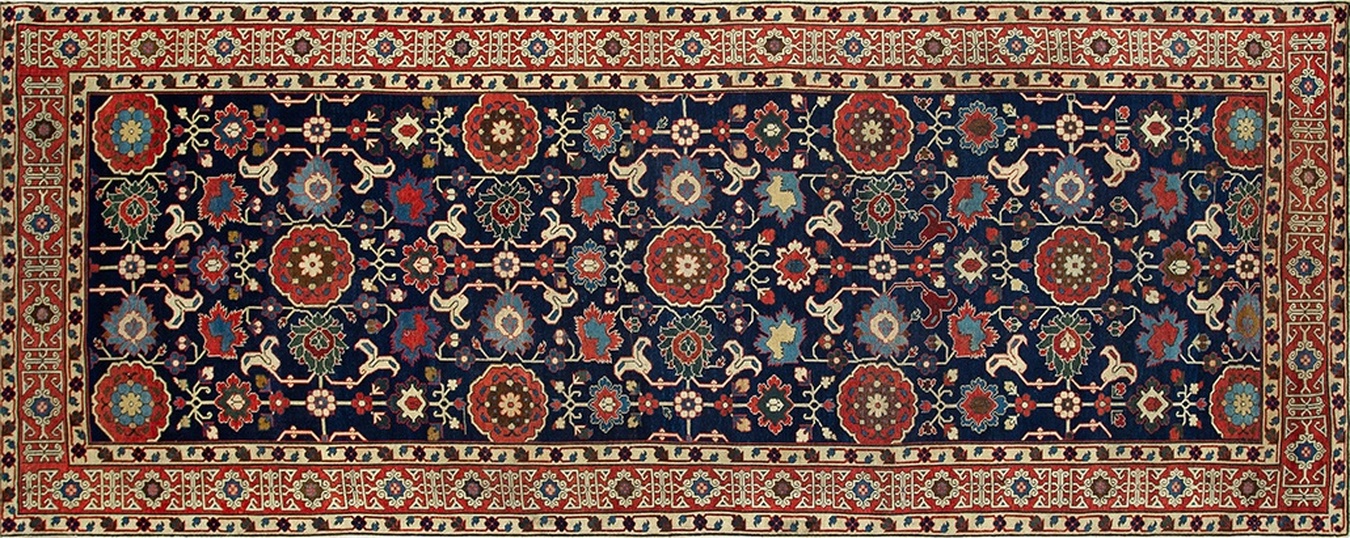
Where Are Caucasian Rugs Made Today?
Contemporary authentic Caucasian rugs are still produced across the region, though primarily through specialized workshops and artisan collectives. In Azerbaijan, the state-backed organization Azerkhalcha operates weaving centers that employ thousands of artisans while maintaining regional design traditions such as Quba and Karabagh. Armenia and Georgia support smaller, independent workshops that focus on high-quality handwoven rugs for export and local markets. In the North Caucasus (Dagestan, Chechnya), artisan cooperatives continue weaving on a smaller scale, often supported by cultural NGOs. To ensure authenticity, many of these carpets now carry Geographic Indication (GI) branding, protecting names like Quba carpets or Borchalo rugs from misuse in international markets.
Handwoven vs. Machine-Made: How to Tell?
- Back of the rug — Why: In a handwoven rug, knots are visible and slightly irregular; machine-made rugs show uniform, grid-like stitching.
- Fringe construction — Why: In handwoven rugs, fringes are the warp threads themselves; in machine-made rugs, they are sewn on separately.
- Wool and dye quality — Why: Glossy mountain wool and rich natural dyes signal authenticity, while synthetic fibers and flat tones suggest industrial origin.
- Design precision — Why: Slight asymmetry in authentic pieces reflects human craftsmanship, whereas perfect symmetry may indicate a machine product.
These cues help collectors distinguish handwoven vs. machine-made rugs, a critical skill for avoiding low-value imitations.
Sustainability, Natural Dyes & Revival Efforts
A growing emphasis on sustainable rug weaving has reshaped the Caucasian carpet industry. Projects like “Green Carpet” encourage the return to natural dye sources and eco-conscious production methods, reducing reliance on synthetic chemicals. UNESCO recognition and cultural heritage programs provide both funding and international visibility, while weaving schools educate new generations in natural dyeing and hand-knotting. Certified workshops and fair-trade collectives ensure that new Caucasus rugs may be ethically and sustainably sourced, giving buyers confidence in both quality and labor practices.
Market Dynamics & Export
- Collector demand — Why: Antique and 19th-century Caucasian originals remain the gold standard for investors due to their rarity and authenticity.
- Pricing trends — Why: Modern artisan carpets are more affordable, appealing to design-conscious buyers, while antiques command premium prices.
- Export hubs — Why: Baku, Tbilisi, and Yerevan serve as key centers for international trade and exhibitions.
- Ethical sourcing — Why: Buyers increasingly seek documentation of origin, ensuring rugs are produced under fair conditions with natural dyes.
This balance between heritage and modern demand ensures the survival of the industry while reinforcing ethical standards.
Care & Preservation for Caucasian Rugs
- Sunlight protection — Why: To prevent fading, natural dye carpet care requires rugs be kept out of direct sunlight.
- Gentle cleaning — Why: Wash with mild, pH-neutral soap and avoid harsh chemicals that strip vegetable dyes.
- Rotation and padding — Why: Rotating rugs and using underlay pads prevent uneven wear and prolong life.
- Restoration caution — Why: Professional restoration can lower the value of tribal Caucasian rugs if non-original materials or methods are used, compromising authenticity.
- Investment strategy — Why: 19th-century originals are generally prioritized by investors over later copies, both for cultural importance and long-term value retention.
In today’s market, authentic Caucasian rugs stand at the crossroads of heritage and sustainability. They are still handwoven in workshops across the Caucasus, often under eco-friendly initiatives, and buyers can import them ethically through certified collectives. Proper care—avoiding sunlight, using gentle cleaning, and respecting original materials—ensures these rugs remain both functional art and valuable heirlooms.
Collecting, Valuing, and Investing in Caucasian Rugs
Dating and Appraising Caucasian Rugs
Determining the authenticity and age of antique Caucasian rugs requires a careful eye for detail. Specialists examine border patterns, dyes, knot structure, and signs of wear. For example, early barber pole borders with continuous diagonal striping can signal 18th–19th century origin, whereas later borders may show simplified or substituted colors. Natural vegetable dyes—such as cochineal, madder, and indigo—suggest pre-aniline production, a key marker for dating. Knot count is often discussed, but while knot density and rug value are connected, they are not absolute. Knot count can significantly affect price, especially in fine Shirvans or Kubas, but factors like artistry, provenance, and originality usually weigh more heavily. Ultimately, collectors rely on professional appraisers to confirm age, since antique runner dating by border alone requires deep expertise.
Restoration, Replicas & Value
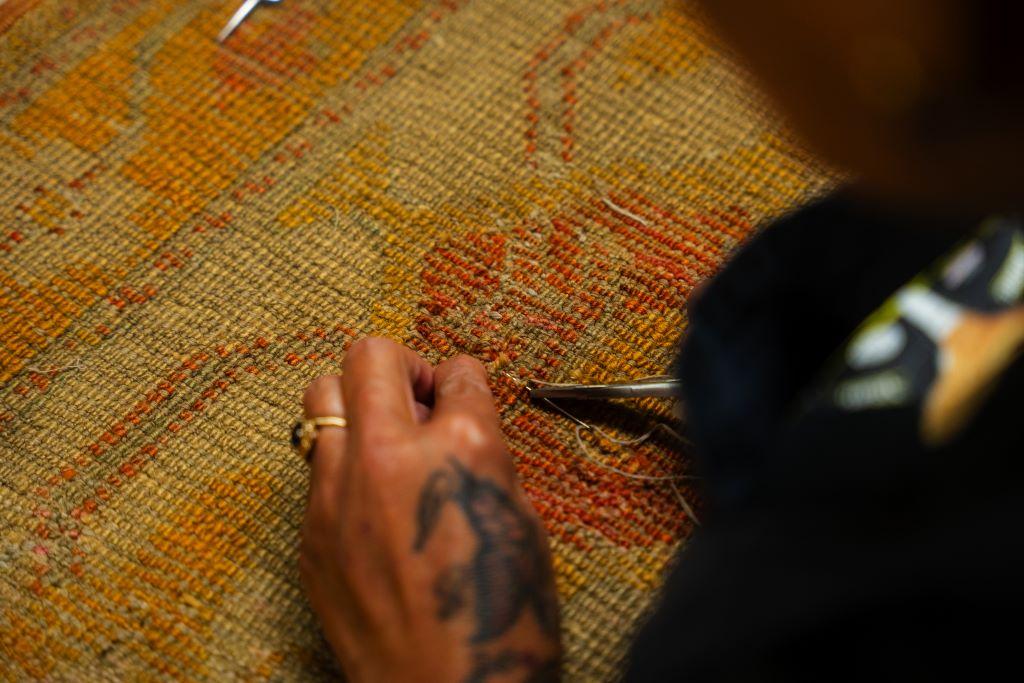
Detail of hands mending a rustic, richly colored woven rug.
- Professional restoration — Why: If carried out with original materials and expert techniques, restoration can stabilize a rug. However, improper or over-restoration can decrease value, since replaced fibers or synthetic dyes compromise authenticity.
- Replicas — Why: Modern copies may provide decorative appeal but have little resale value, making them poor investments.
- Conservation vs. repair — Why: Gentle conservation that preserves original knots and borders is preferable for maintaining both cultural and market worth.
For serious collectors, untouched condition often carries more weight than cosmetic “improvements.”
Sourcing: Where to Find Authentic Pieces
- Auctions — Why: Major houses like Christie’s or Sotheby’s feature rare Kazaks, Shirvans, and Artsakh carpets with provenance, though prices can be steep.
- Museums and deaccession sales — Why: Institutions occasionally release pieces, offering guaranteed authenticity.
- Direct import and cooperatives — Why: Collectors can find authentic Dagestan prayer rugs through reputable dealers, carpet cooperatives in the North Caucasus, or museums in Quba and Makhachkala.
- Specialist dealers — Why: Long-established galleries provide documentation and expertise for first-time buyers.
Each sourcing avenue balances access, cost, and assurance of authenticity.
Current Pricing & Auction Trends
The auction market for investing in Caucasian rugs remains dynamic. Recent sales show that Kazak rugs frequently command higher auction prices than Shirvan rugs, thanks to their bold, graphic style and strong international demand. Shirvans, despite their higher knot density, are often valued slightly lower because their small formats and intricate fields appeal to a narrower collector base. Rare prayer rugs from Dagestan or Artsakh, particularly with intact natural dyes and minimal restoration, have also seen record prices in recent years. Market watchers note that while condition is paramount, rarity and provenance can eclipse even knot count in driving value.
Advice for Collectors and Buyers
- Prioritize 19th-century originals — Why: These are the top tier for long-term investment, offering authenticity and scarcity.
- Check knot count but don’t obsess — Why: Quality matters, but artistry and originality often outweigh density.
- Confirm provenance and dyes — Why: Documentation and vegetable dye use increase value.
- Avoid over-restored rugs — Why: Professional restoration can lower value unless done with utmost care.
- Buy from trusted sources — Why: Museums, auction houses, and long-standing dealers minimize risk.
- Plan for care — Why: Sunlight, cleaning, and improper storage can undermine investment value.
For buyers, the best strategy is balancing beauty with collectibility—recognizing that knot density, border detail, and dye type are tools for appraisal, but the cultural story and originality are what sustain long-term worth. In conclusion, auction prices for Kazak vs. Shirvan rugs reveal market preferences for bold designs, while authentic Dagestan prayer rugs remain highly collectible. Yes, knot count significantly affects price, but only when paired with artistry and provenance. And for serious investors, the safest path is clear: prioritize untouched 19th-century originals, preserve them carefully, and avoid heavy restoration that could compromise their value.
Quick Facts & Practical Resources
Fast Reference Table: Countries, Airports, Currencies, Languages
- Armenia — Why: Travelers and collectors visiting rug centers need to know basic logistics. Currency is the dram (AMD), the national language is Armenian, and key airports are Yerevan Zvartnots and Gyumri Shirak, connecting directly to rug hubs and museums.
- Georgia — Why: Known for Borchalo and Tusheti weaving traditions. Currency is the lari (GEL), the official language is Georgian, and major airports are Tbilisi, Batumi, and Kutaisi, making rural rug villages accessible.
- Azerbaijan — Why: Home to Quba carpets and Karabakh rugs. Currency is the manat (AZN), language is Azerbaijani, and international access is via Baku Heydar Aliyev, with regional flights to Ganja and Nakhchivan.
- Russia (Dagestan) — Why: Collectors seeking authentic Dagestan prayer rugs often travel here. Currency is the ruble (RUB), languages include Russian and local tongues such as Lezgian, with Makhachkala Airport as the main entry point.
These quick references provide collectors with essential travel and trade planning details.
Must-Visit Museums, Festivals & Cultural Sites
- Azerbaijan National Carpet Museum (Baku) — Why: One of the world’s foremost repositories of Caucasian rug collecting resources, housing historic Quba, Shirvan, and Karabakh masterpieces.
- Sheki Crafts Museum (Sheki, Azerbaijan) — Why: Displays Sheki silk carpets and flatweaves; connects directly with the town’s sericulture heritage.
- Carpet Museum (Yerevan, Armenia) — Why: Preserves Artsakh carpets, cochineal-dyed works, and rare eagle medallion designs, underscoring Armenian textile traditions.
- Tbilisi State Silk Museum (Georgia) — Why: Showcases Georgia’s role in silk weaving, dyeing, and rug production, tying directly to Tusheti and Borchalo heritage.
- International Carpet Festival (Baku) — Why: Brings together weavers, scholars, and collectors, making it a global hub for networking and sourcing.
- Sheki Silk Cocoon Festival (Azerbaijan) — Why: Highlights sustainable silk and natural dye practices, linking heritage to eco-friendly trends.
- Tushetoba Festival (Omalo, Georgia) — Why: Celebrates Tusheti felt rugs and traditional wool crafts, supported by EU cultural programs.
These cultural sites and festivals not only provide context for rug history but also serve as live marketplaces and learning centers for collectors.
Key Sources & Further Reading
- Schurmann, U. (1965). Caucasian Rugs. London: Thames and Hudson. — Why: A foundational study of regional rug schools and typologies.
- Bennet, I. (1993). Caucasian Rugs. London: Antique Collectors’ Club. — Why: Essential for understanding motifs, symbolism, and classifications.
- Mellaart, J. (1984). The Development of Neolithic Weaving in the Near East. — Why: Traces prehistoric textile roots in the Caucasus.
- Miller, D. (2011). Carpets of the Caucasus: Structure and Design. — Why: Focuses on technical analysis, border dating, and knot density.
- Official GI Registries of Azerbaijan and Georgia — Why: Provide documentation of Quba, Borchalo, and other GI-protected rug types.
- UNESCO Intangible Cultural Heritage Records — Why: Validate recognition of Caucasus weaving traditions and sustainability projects.
By combining practical travel knowledge, cultural institutions, and scholarly resources, collectors and enthusiasts gain both the logistical grounding and intellectual depth needed to engage meaningfully with the world of Caucasian rugs. Museums, festivals, and GI-protected workshops remain the best entry points for learning, sourcing, and investing responsibly in this centuries-old tradition.
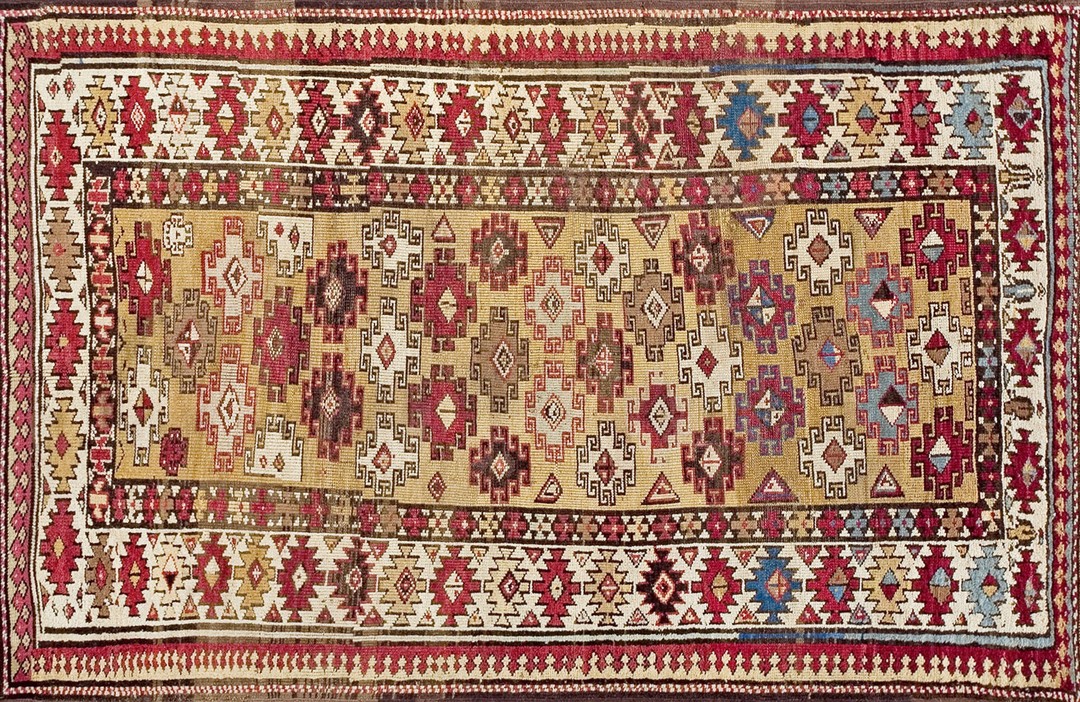
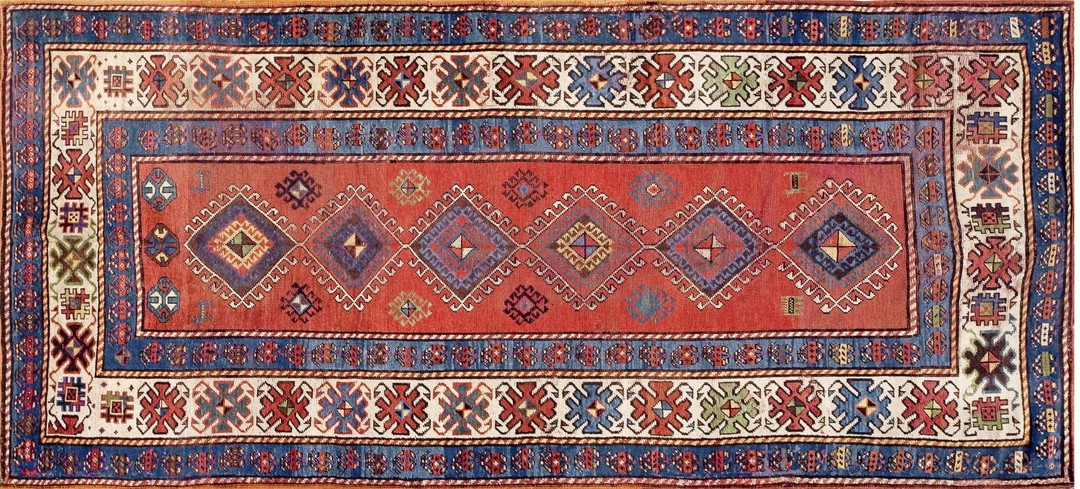
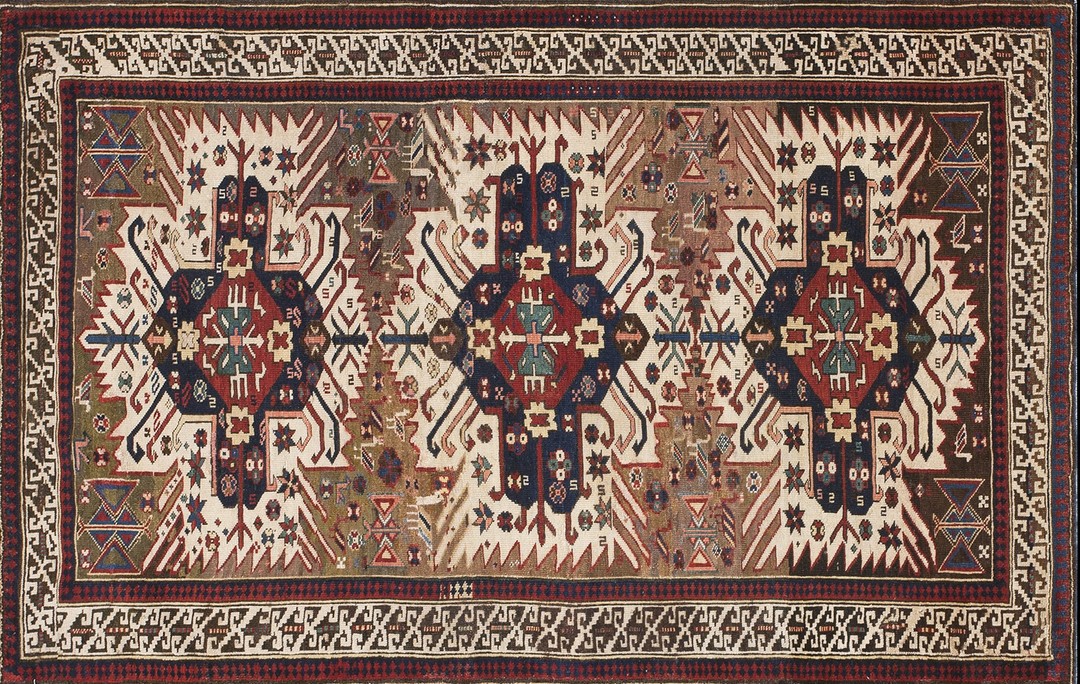
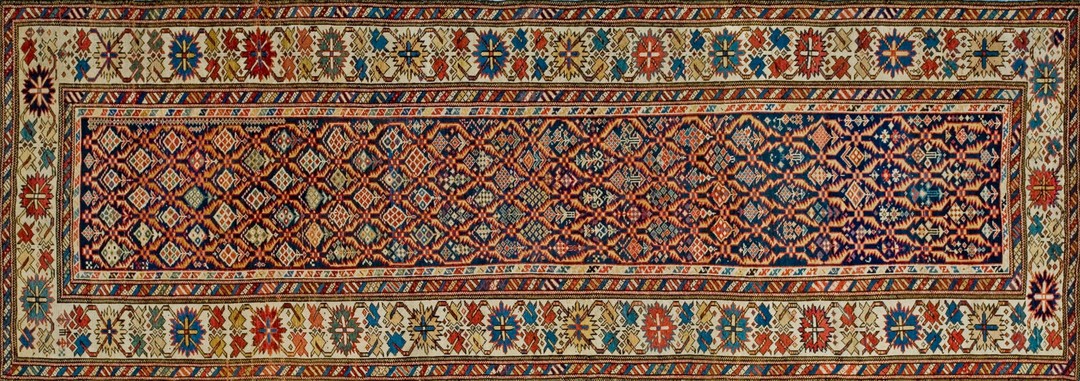
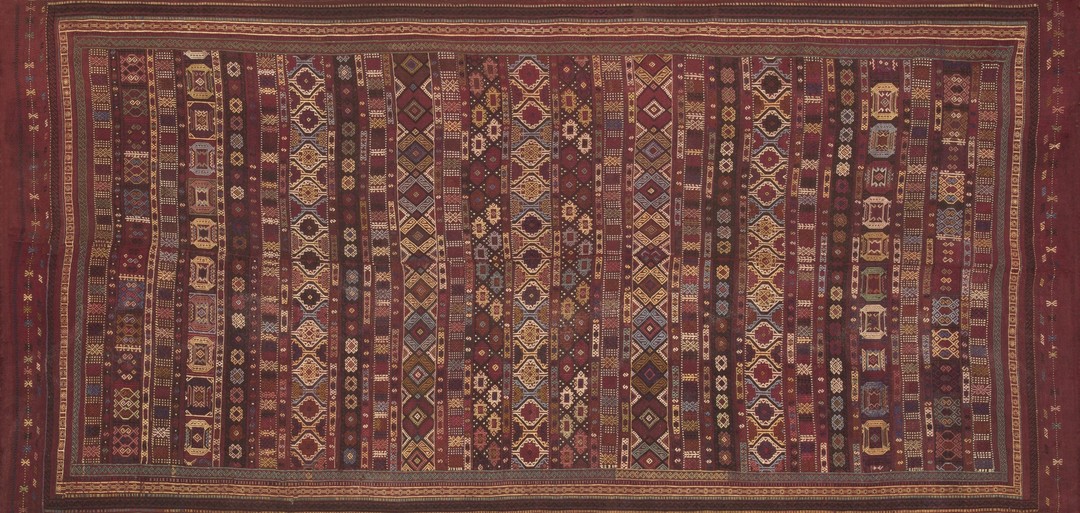
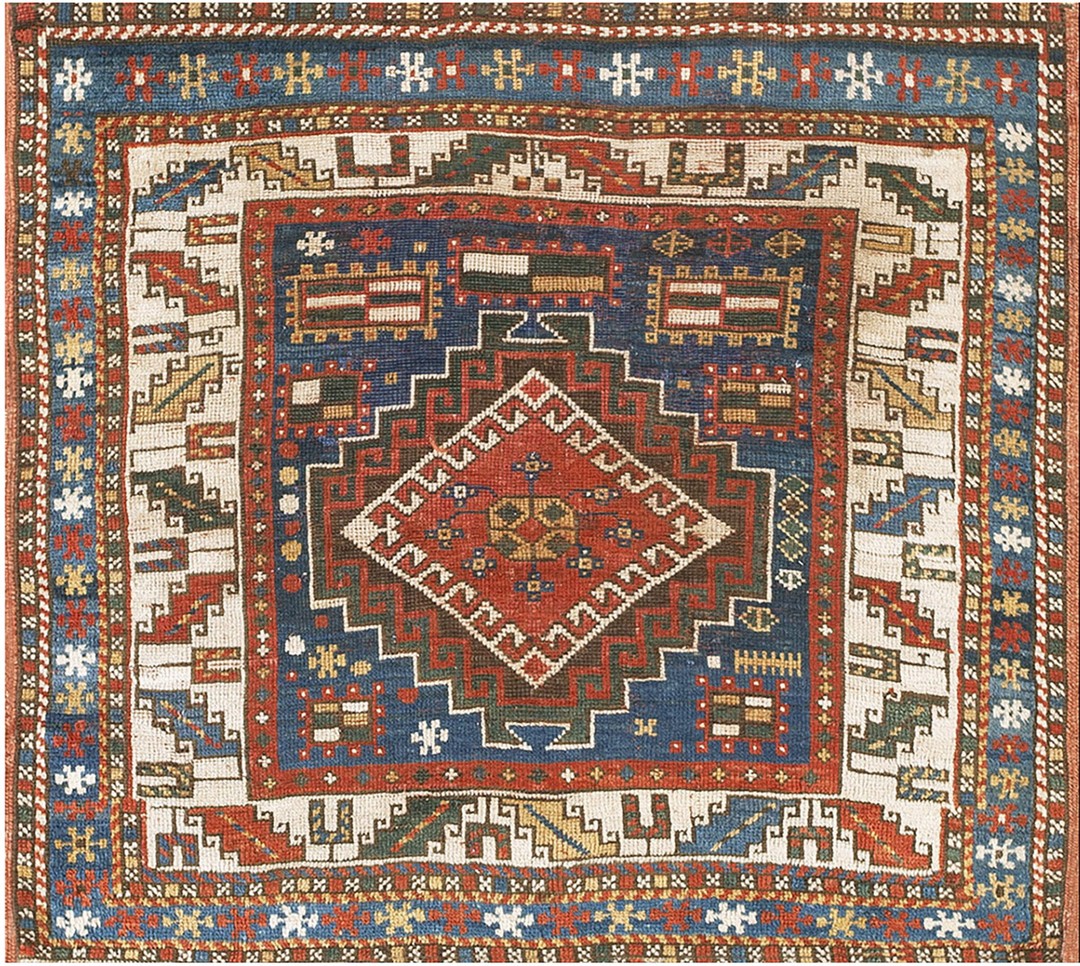
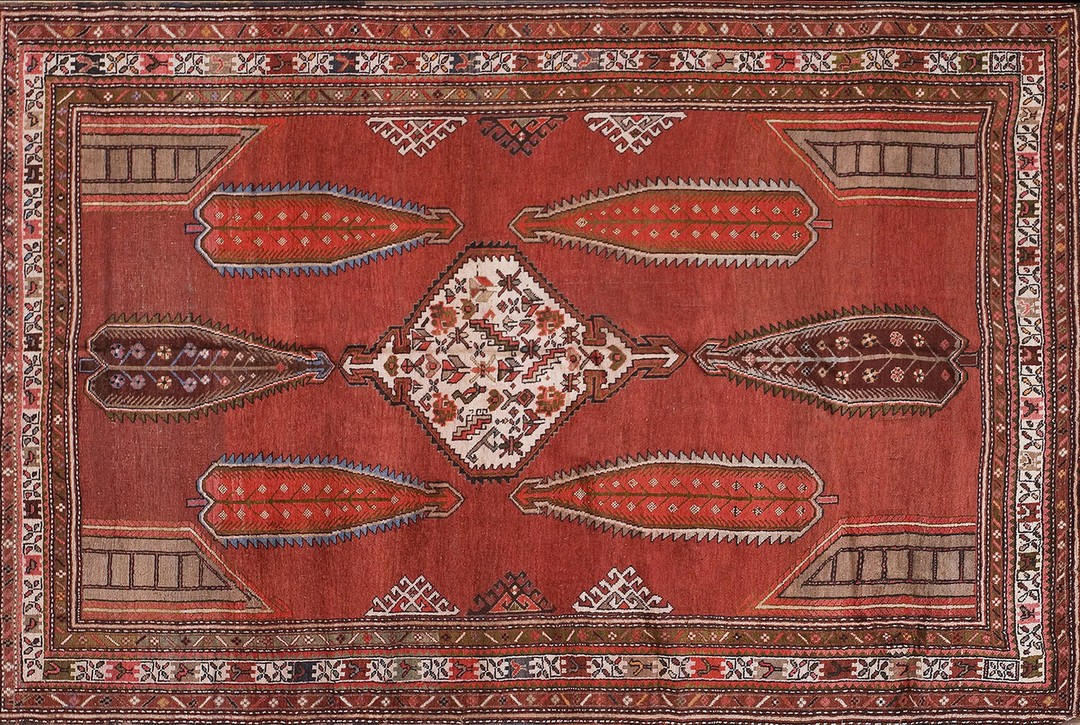
Browse a few favorite rugs from our Caucasus Collection
FAQ
- Are Caucasus rugs a good investment?
Exceptional nineteenth-century pieces can appreciate, but buy for beauty and condition first. Provenance, rarity, and restoration quality matter greatly.
- Are fringes original or added later?
On hand-knotted rugs, fringe is the warp foundation and integral to construction. A sewn-on fringe suggests later alteration or machine manufacture.
- What sizes work best as runners and entry rugs?
Hall runners around 3’×10′ or 3’×12′ suit corridors; 3’×5′ works at entries. Add a low-profile non-slip pad.
- Will sunlight fade the colors?
UV light fades both natural and synthetic dyes over time. Rotate the rug 180° every 6–12 months and use window treatments where possible.
- How should I store a Caucasian rug?
Clean, roll (don’t fold), wrap in breathable material, and keep in a cool, dry place. Inspect every few months for moth activity.
- Are they safe on radiant floor heating?
Wool rugs are fine, but avoid thick, insulating pads that trap heat. Choose thin pads rated for heated floors.
- Can a robot vacuum run over fringes?
Fringes can tangle in rollers and get chewed. Fold fringe under temporarily or keep robots away from edged areas.
- Do I need a rug pad?
Yes—a felt or felt-rubber pad prevents slipping and cushions impact. Trim the pad about 1–2 inches smaller than the rug on all sides.
- How should I clean one at home?
Vacuum without a beater bar and avoid the fringe; blot spills with cool water and mild detergent. Deep washes belong with a professional rug cleaner.
- Are they practical with kids and pets?
Wool naturally repels spills better than synthetics and cleans up well when blotted quickly. Enzyme cleaners should be tested for colorfastness first.
- Are these rugs good for high-traffic spaces?
Wool’s resilience and spring make them excellent for halls and living rooms. A quality pad further reduces wear.
- Are modern “Caucasian-style” rugs available?
Absolutely—many Afghan/Pakistani weavers produce new Kazak- or Shirvan-inspired pieces. Prices are far lower than top antiques.
- What drives value in Caucasian rugs?
Age, condition, rarity, dyes, and drawing quality. Nineteenth-century examples can range from a few thousand dollars to high five figures.
- How do I tell hand-knotted from machine-made?
Flip it—hand-knotted backs mirror the front pattern with slight irregularities, and the fringe is the warp, not sewn on. Machine-made backs look uniform and the fringe is added.
- What is “abrash” and is it bad?
Natural, often horizontal color striation from hand-dye lots or aging. It’s normal—and often desirable—as a hallmark of handmade work.
- How can I roughly date dyes?
Natural dyes dominate before the 1860s; early synthetics appear afterward and became common by \~1900. Harsh, fugitive reds or purples can hint at early anilines.
- Which motifs are most associated with Caucasus rugs?
Lesghi stars, ram’s horns, latchhooks, and cloudbands appear frequently. Expect strong contrast in red, indigo, ivory, and green.
- What is a Soumak (Sumak/Verneh) rug?
A Caucasian flatweave made with a wrapping (brocaded) weft, not pile knots. You’ll see long floats on the back.
- What materials and knots do they use?
Wool pile on wool foundations is typical, with some cotton wefts/warps in certain districts. Pile pieces generally use the symmetrical (Turkish/Ghiordes) knot.
- Are Caucasian rugs usually small?
Yes—scatter sizes and runners dominate, like \~3’×5′ to 4’×7′ and 3–4’×9–12′ runners. Room-size pieces exist but are less common.
- What defines Karabagh rugs?
They range from tribal geometrics to lush floral or pictorial designs. Larger room sizes (e.g., 8’×10′ or 9’×12′) appear more here than elsewhere in the Caucasus.
- What defines Kuba/Quba rugs?
Often finely knotted with tidy drawing and complex borders. Lesghi-star layouts and dark blue grounds are common.
- How do Kazak and Shirvan rugs differ?
Kazaks use large-scale medallions and thicker, more rustic piles. Shirvans tend to be finer with crisp, small-scale geometry and prayer formats.
- Which main regional types should I know?
Kazak, Shirvan, Kuba/Quba, Karabagh, Daghestan, Gendje, and Talish are the big families. Each shows distinct palettes, motifs, and weave habits.
- What are Caucasus rugs?
Handwoven carpets from the Caucasus (Armenia, Azerbaijan, Georgia, Dagestan), prized for bold geometric designs and saturated natural dyes. Most are village weavings made for home use, not factories.