
Introduction to Purple and Lavender Rugs
Discover our complete range of luxurious purple, lavender, and mauve color rugs ready to elevate your home decor.
What Sets Purple and Lavender Rugs Apart?
- Symbolic richness — Why: Purple has long been associated with royalty, spirituality, and mystery, giving purple area rugs and lavender carpets a depth of meaning beyond color.
- Rare in antiques — Why: In historical rug weaving, violet rugs and lilac rugs were scarce because natural purple dyes were costly and difficult to produce, making authentic antique pieces especially unique.
- Modern versatility — Why: Today, unique purple rugs span the full spectrum from soft lilac rugs for serene interiors to bold violet rugs for dramatic statements, fitting both traditional and contemporary spaces.
- Mood-setting power — Why: Lavender carpets create calm and relaxation, while deep purple area rugs bring richness and luxury to interiors, making the palette unusually dynamic compared to other rug colors.
Brief Color History in Rug-Making
Purple has one of the most striking journeys in rug history. In the ancient world, purple dyes were derived from sources like the murex shell or complex plant-based recipes, processes so costly that the color became synonymous with nobility and exclusivity. This made antique purple rugs exceedingly rare, with only the wealthiest patrons commissioning such works.
Lavender tones were even less common, appearing occasionally as faded results of red and blue dye combinations. The modern era transformed the availability of these shades. With the invention of synthetic dyes in the 19th century, purple shifted from being a luxury reserved for the elite to a widely accessible design option.
Today, violet rugs and lilac rugs are found in every style, from tribal-inspired weavings with subtle lavender accents to sleek modern carpets with saturated amethyst tones. The accessibility of these dyes means that purple area rugs are no longer a rarity but a staple in global rug markets, bridging the gap between their regal past and their versatile, contemporary appeal.
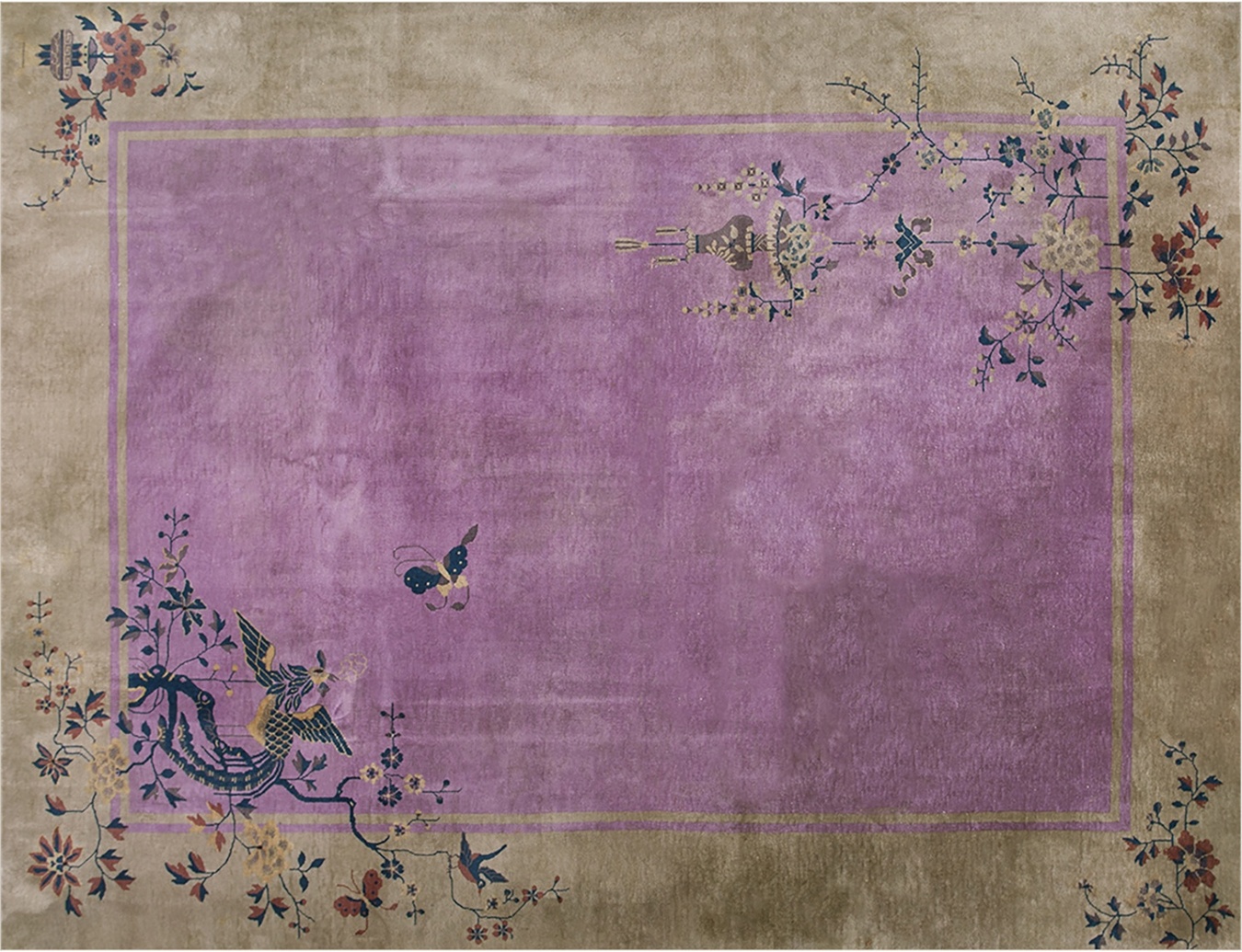
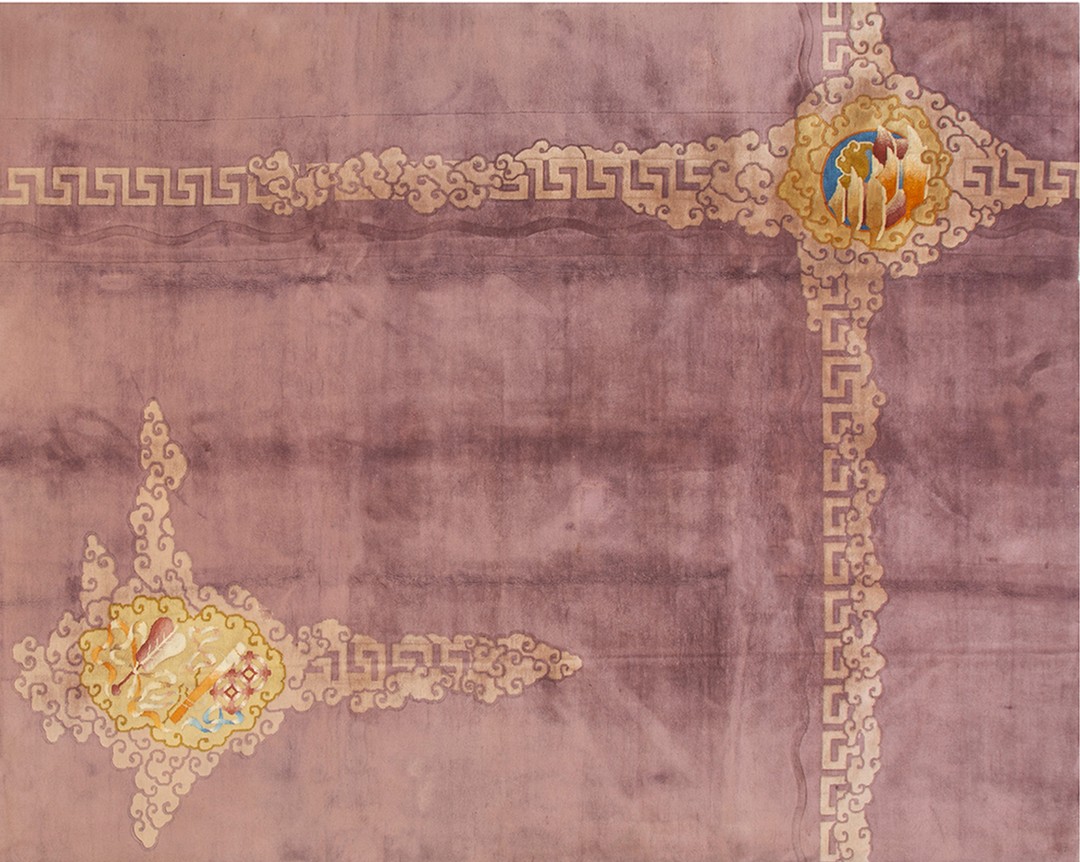
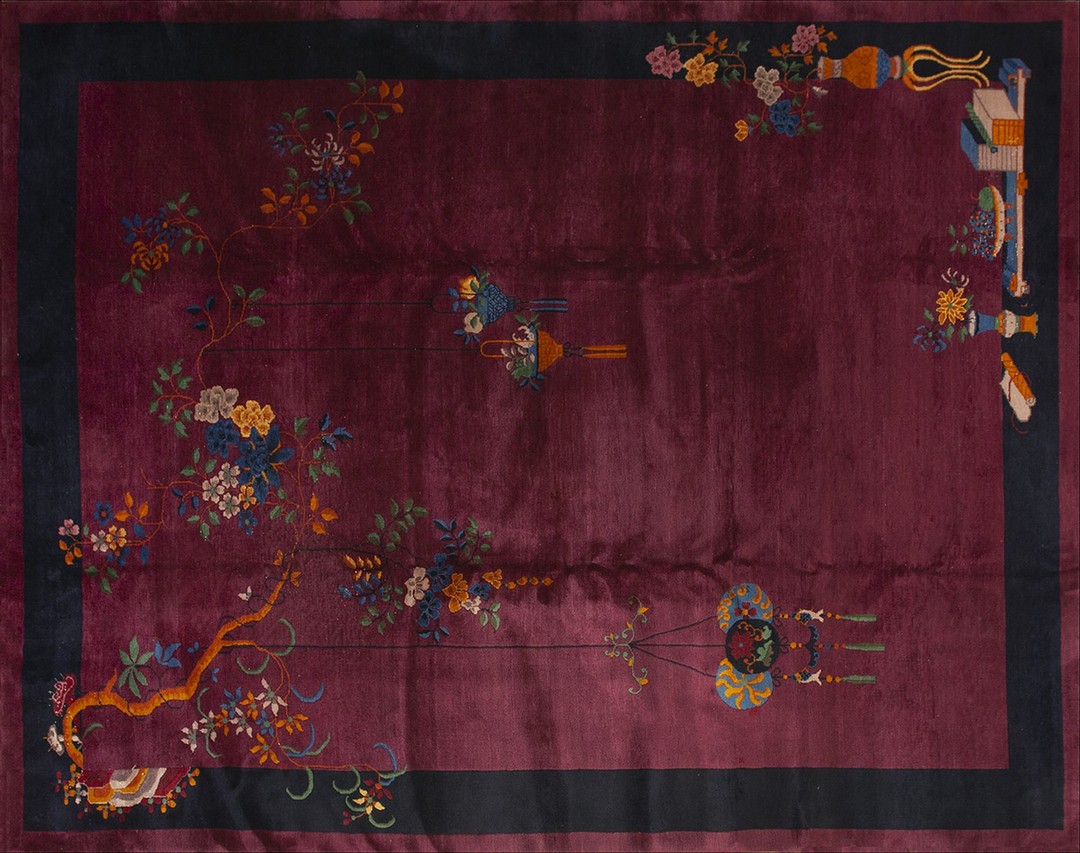
Rectangle 1920s Chinese – Art Deco Purple Room Size Antique Wool Knotted Rug – by Rugs On Net
Purple and lavender rugs thus occupy a dual identity: they carry the legacy of rarity and symbolism from rug history while embracing modern abundance and design freedom, making them one of the most unique rug color categories available today.
Visual Characteristics and Dye Chemistry
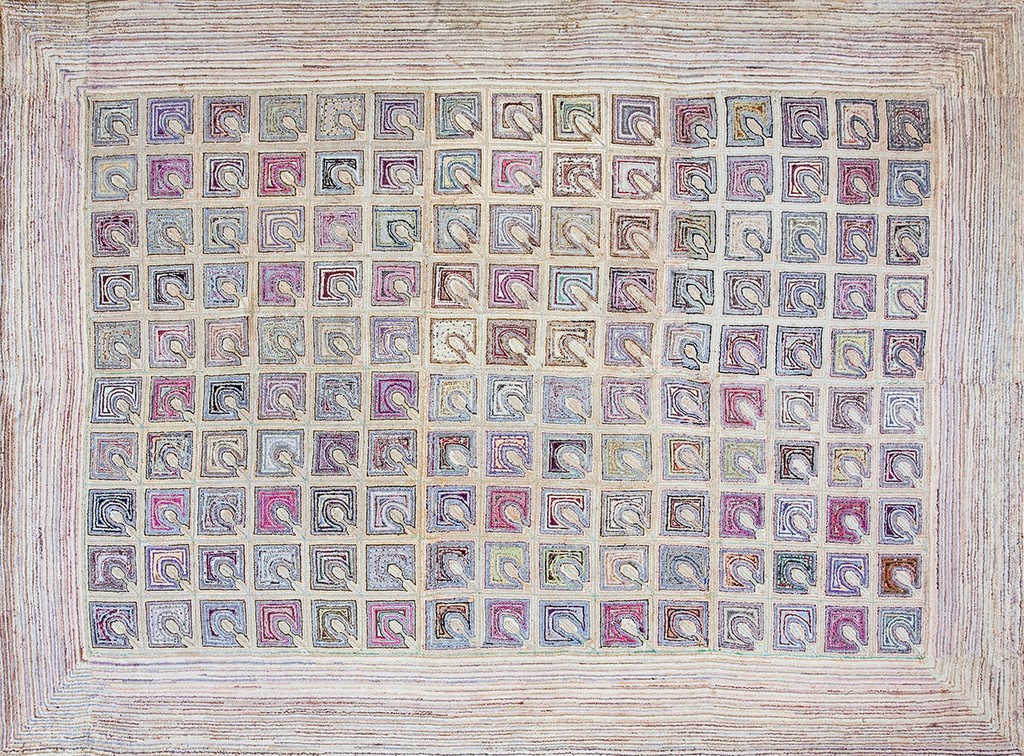
Ivory Room Size American Hooked 1890s Wool Antique Rug by Rugs On Net
Purple and Lavender Hues: Ranges & Effects
- Deep tones (aubergine, violet, magenta) — Why: These saturated hues create dramatic centerpieces, especially in silk, where the sheen enhances their luminous quality.
- Soft shades (lavender, lilac, periwinkle) — Why: Pale tones project calm and sophistication, often used in contemporary interiors for their versatility.
- Fiber-dependent appearance — Why: Silk displays purple rug dye with radiant depth, while wool produces a softer, matte effect that feels grounded and earthy.
- Psychological impact — Why: Deep violets convey luxury and mystery, while lilac rugs and lavender carpets evoke peace, femininity, and subtle elegance.
Dye Sources: Natural vs. Synthetic
Historically, achieving natural purple dye in rugs was a technical and economic challenge. Tyrian purple, extracted painstakingly from murex sea snails, was so rare that it became a symbol of power. More accessible but less permanent sources included hollyhock blossoms, orchil lichen, and combinations of indigo with madder to yield violet or plum tones.
Cochineal, a deep crimson insect dye, sometimes blended with indigo to create complex magentas and purples. The 19th century brought a revolution in purple rug dye with the invention of synthetics. Mauveine, the first aniline dye, introduced mass accessibility, followed by stronger formulations like fuchsine. However, many early synthetic purple rugs showed instability—tip fading occurred as pile tips bleached in light while knot bases retained stronger color.
Modern chrome and acid dyes corrected these flaws, producing colorfast purple rugs with stability comparable to traditional natural methods. Today, a synthetic purple rug can maintain its vibrancy for decades if properly cared for.
Tip Fading, Abrash & Dye Stability
Collectors and buyers should pay close attention to how purples age in rugs. Tip fading is especially common in 19th- and early 20th-century synthetics, leaving pile surfaces pale lavender while interiors of the knots remain vivid violet. This contrast can help date a piece but may reduce aesthetic uniformity. Abrash, or tonal variation across a field, often occurs when different batches of purple rug dye were used or when natural fibers absorbed dye unevenly.
In antique and tribal violet rugs, this variation is valued as a sign of authenticity and handwork. Sunlight exposure is another key factor—lavender wool pile can fade more quickly than deeper shades, especially with natural dyes. For overdyed Turkish rugs, colorfastness depends on whether modern chrome dyes or older, unstable synthetics were used.
Contemporary overdyeing with acid or chrome formulations ensures far more stable results. In every case, understanding the chemistry behind natural purple dye versus synthetics is essential: it determines not only the beauty of lilac and violet rugs but also their longevity and collectibility.
Symbolism and Cultural Meanings
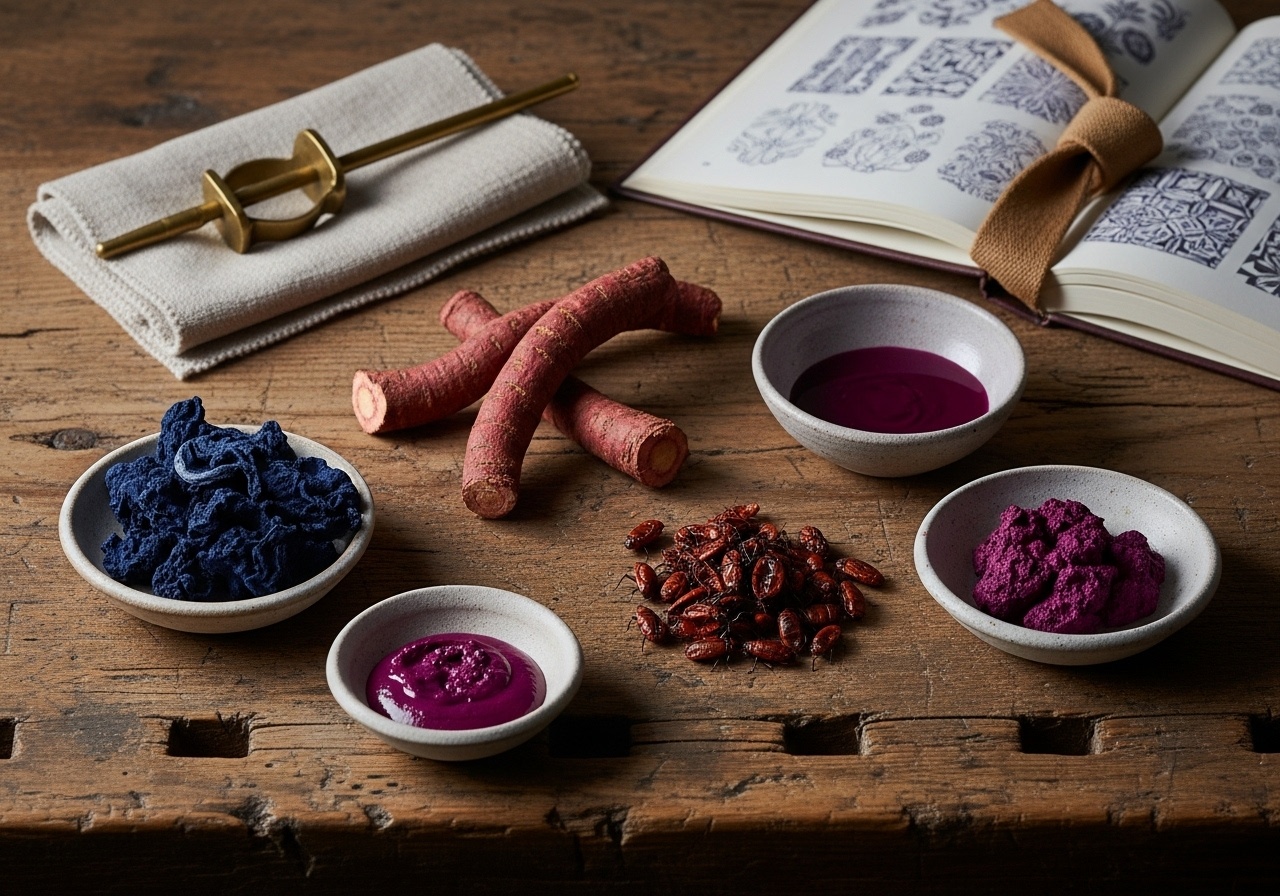
Natural ingredients used to create vibrant textile dyes.
Purple’s Meaning in Persian, Anatolian, and Caucasian Rugs
Purple rug symbolism is deeply tied to cultural context and history. In Persian rugs, purple often signifies royalty, nobility, and luxury, reflecting the dye’s historic rarity and cost. The Persian purple rug was also connected to spirituality, with deep violets symbolizing transcendence and sacredness in courtly or ceremonial textiles.
In Anatolian (Turkish) weaving traditions, purple represents prestige, wisdom, and honor. Its presence in village or urban rugs could mark celebration, prosperity, and the weaver’s aspiration toward dignity and distinction. By contrast, in the Caucasus and Armenian regions, violet rugs took on overtly spiritual and talismanic qualities.
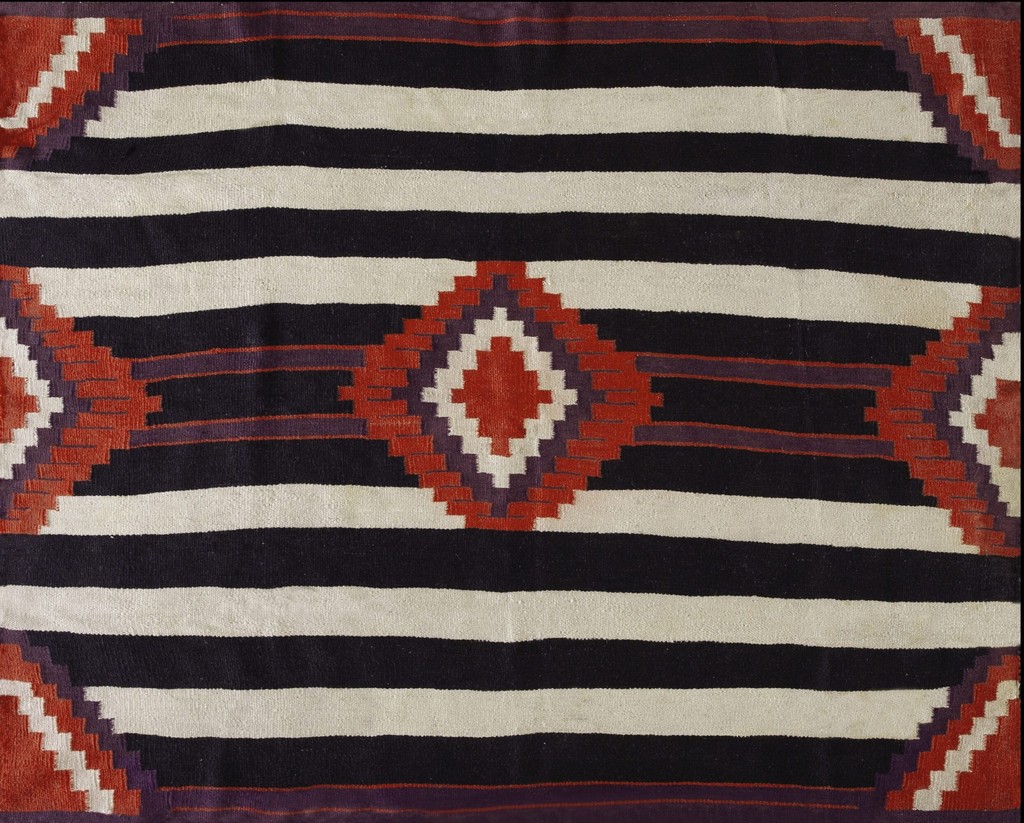
Geometric Flatwoven Antique Native American Chiefs Blanket Rug by Rugs On Net
Purples were often woven into motifs associated with faith, protection, and divine blessing, making them highly symbolic in both domestic and religious settings. Together, these regional contrasts underscore how purple’s value was not merely aesthetic but also a cultural emblem—each society assigning meaning that reflected both the difficulty of achieving natural purples and the reverence they inspired.
Lavender’s Associations
- Calm and tranquility — Why: The softness of lavender tones is tied to relaxation, making lavender rugs natural fits for bedrooms and meditative interiors.
- Devotion and gentle spirituality — Why: Lavender shades, unlike darker purple, carry associations of humility and peaceful faith, especially in Christian and Eastern traditions.
- Love and nurture — Why: Lavender carpets are often chosen for children’s rooms because their soothing qualities promote security and warmth. This explains why lavender rugs are popular in kids’ rooms—they embody both serenity and affection.
Modern Color Psychology of Purple
In contemporary design, purple’s rarity in nature still lends it a sense of the extraordinary. Color psychology links a purple rug to creativity, imagination, and originality, making it a favored choice for artists, designers, and anyone cultivating an atmosphere of inspiration. Deeper purples project dignity, authority, and sophistication, while lighter lavenders soften interiors with calm energy.
The meaning of lavender rugs today blends cultural history with modern psychology: they continue to represent tranquility and devotion but also serve as versatile design tools for creating balanced, serene, and imaginative spaces. Purple, whether in Persian luxury contexts or modern interiors, remains one of the most symbolically layered colors in the rug world.
Rug Styles, Regions & Design Patterns Featuring Purple
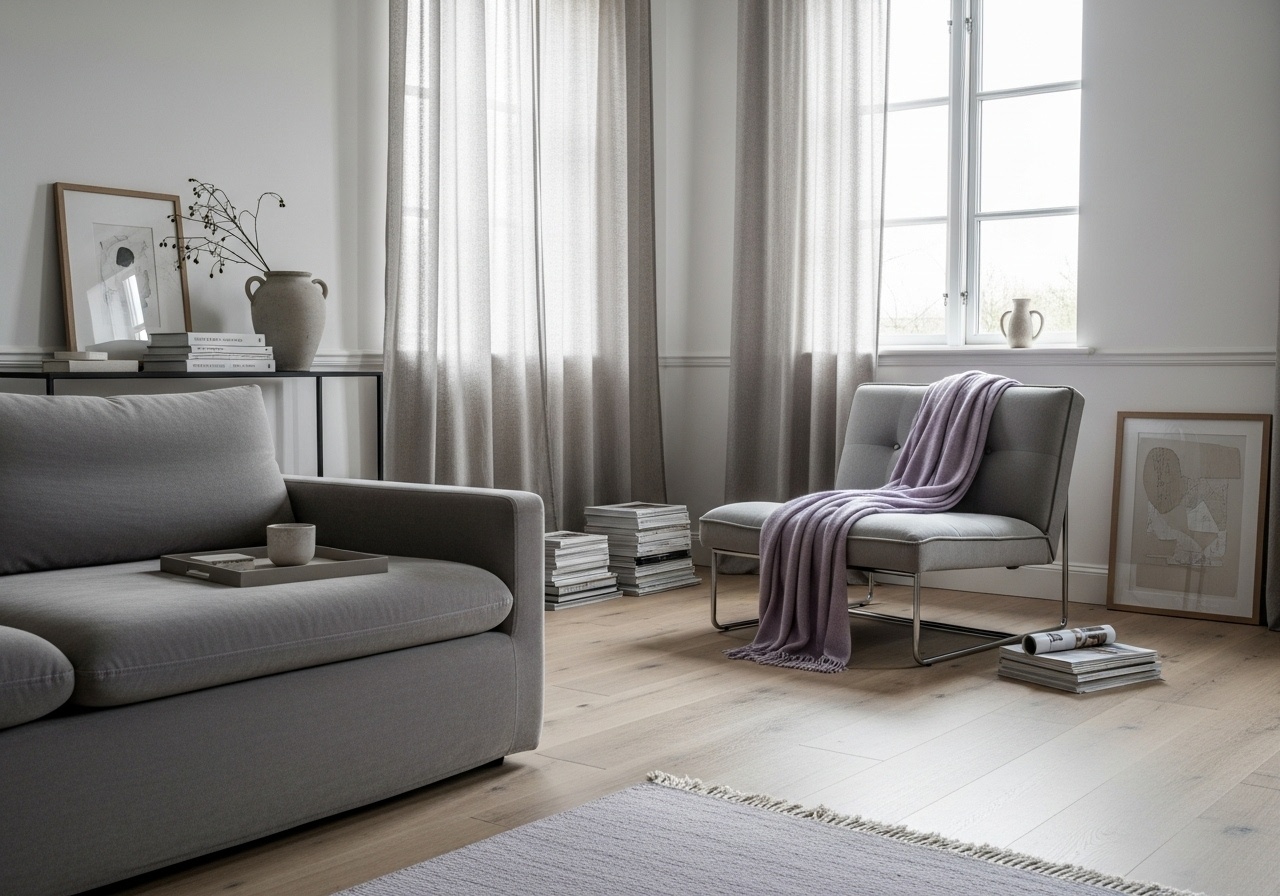
Gray furniture pairs beautifully with soft lavender accents.
Major Styles with Bold Purple Medallions
- Mohtasham Kashan — Why: These high-quality Persian masterpieces sometimes incorporated regal purples into large medallions, underscoring their status as luxury court carpets.
- Eggplant Kerman — Why: Dark aubergine tones highlight the central medallion, creating a bold purple rug with depth and grandeur.
- Karabagh blossom carpets (Caucasus) — Why: Famous for their vivid floral fields, these often use violet or magenta medallions that stand out against darker grounds.
- Kayseri silk prayer rugs (Turkey) — Why: Delicate medallion and mihrab designs occasionally include shimmering purples, especially in the 19th century.
- Samarkand rugs (East Turkestan) — Why: Their geometric medallions and Chinese-inspired motifs sometimes employed rich purple to emphasize exotic appeal.
These iconic styles demonstrate how the purple medallion rug was historically reserved for important, highly decorative pieces, signaling power and prestige.
Region-by-Region Usage
- Persia: Purple appears in luxury urban weavings like Kashan and Kerman, and in Qashqai or Bakhtiari tribal rugs where deep purples add vibrancy to geometric motifs.
- Turkey: Anatolian traditions incorporated violet into Kayseri silks and flatweaves, with purple highlights reinforcing prestige and celebration.
- Caucasus: Karabagh stands out for its exuberant purple blossoms, making it the most identifiable regional source of bold purple rugs.
- Central Asia: Samarkand designs utilized purple as an accent in medallions and latticework, reflecting a blend of Chinese and Islamic aesthetics.
This regional spread shows that while rare, purple was consistently chosen for its ability to command attention and heighten symbolic value.
Flatweaves, Overdyed, and Contemporary Trends
Flatweave kilims often reveal purple in subtler forms: lavender stripes, lilac weft bands, or violet guard borders. Collectors can still find a vintage purple kilim runner from Anatolia or the Caucasus, where vegetable and early synthetic dyes created a spectrum of purples. In contrast, overdyed rugs—a Turkish and Persian innovation—immerse entire fields in saturated violet or lavender.
These modern bold purple rugs bridge antique structure with contemporary color, appealing to trend-focused buyers. Contemporary designers now push the palette further with ombré purple gradients, lilac Moroccan-inspired shag styles, and lavender Oushak rugs that reinterpret tradition with soft palettes suited to transitional interiors.
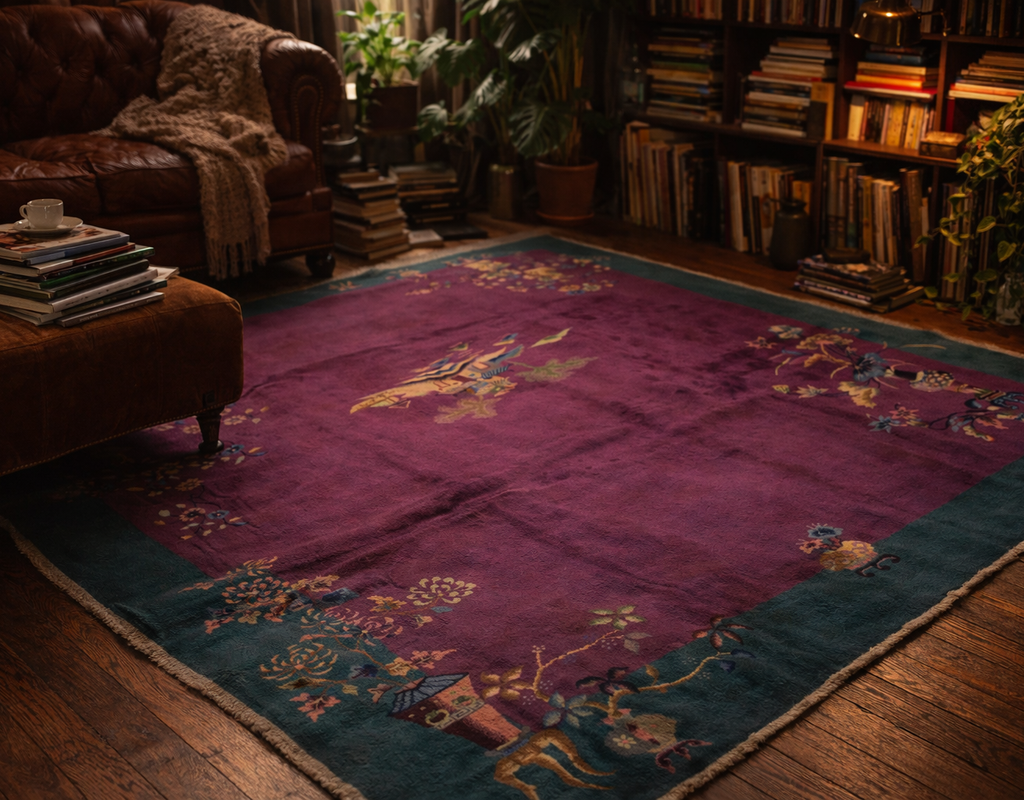
A striking purple and teal rug enhances the warm, literary ambiance of this richly textured living space.
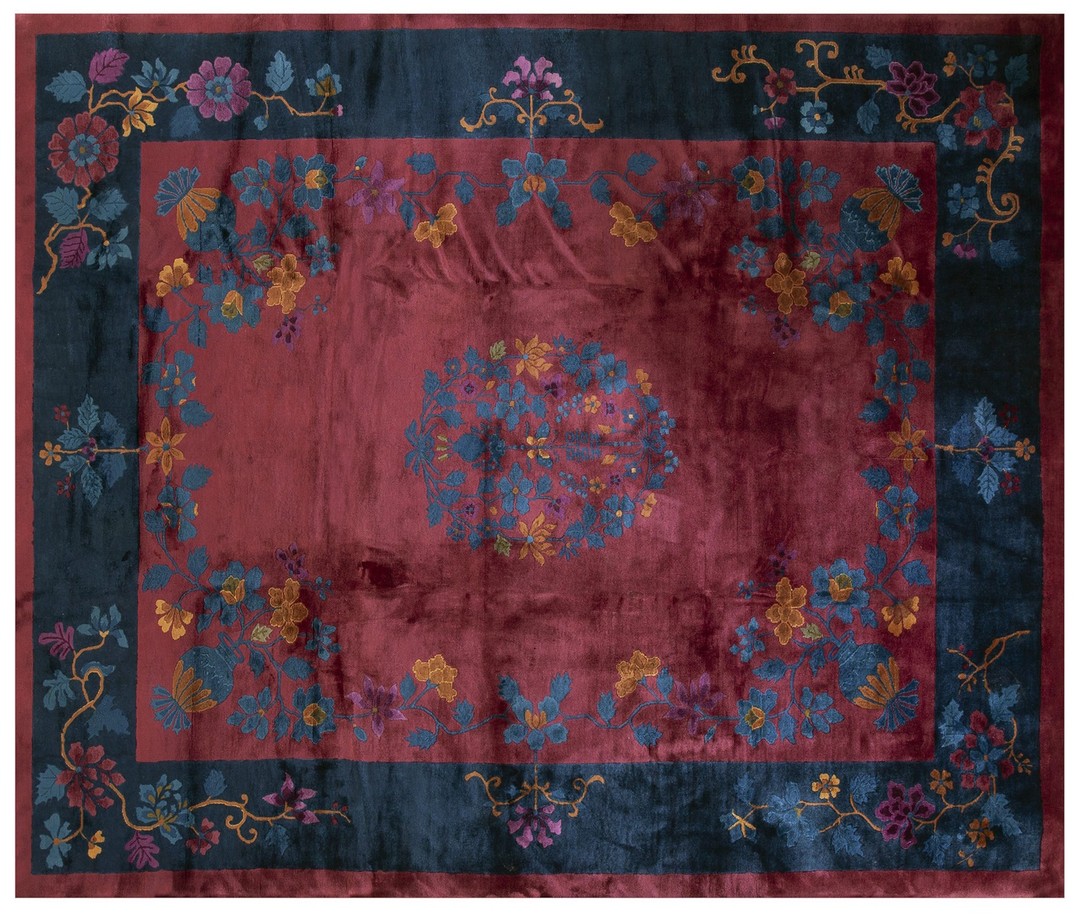
Antique Chinese – Art Deco Floral Knotted Rug – by Rugs On Net
Moroccan lavender rugs, in particular, pair the bold geometry of Berber design with soothing tones that fit minimalist and bohemian homes alike.
Lavender & Lilac in Children’s Rooms
- Soothing atmosphere — Why: Lavender rugs reduce overstimulation, making them ideal for nurseries and playrooms.
- Associations with love and devotion — Why: Gentle symbolism makes lilac rugs a nurturing choice for family spaces.
- Practicality — Why: Flatweave lilac rugs are lightweight and easy to clean, though softer tones may show dirt more quickly than darker purples.
Parents often choose a lavender Oushak rug or Moroccan lavender rug for children’s spaces, blending traditional craftsmanship with calming modern design. These pieces combine cultural depth with functional, child-friendly aesthetics, cementing purple’s versatility in both heritage and contemporary decor.
Natural vs Synthetic Purple Dyes: Origin, Technique & Impact
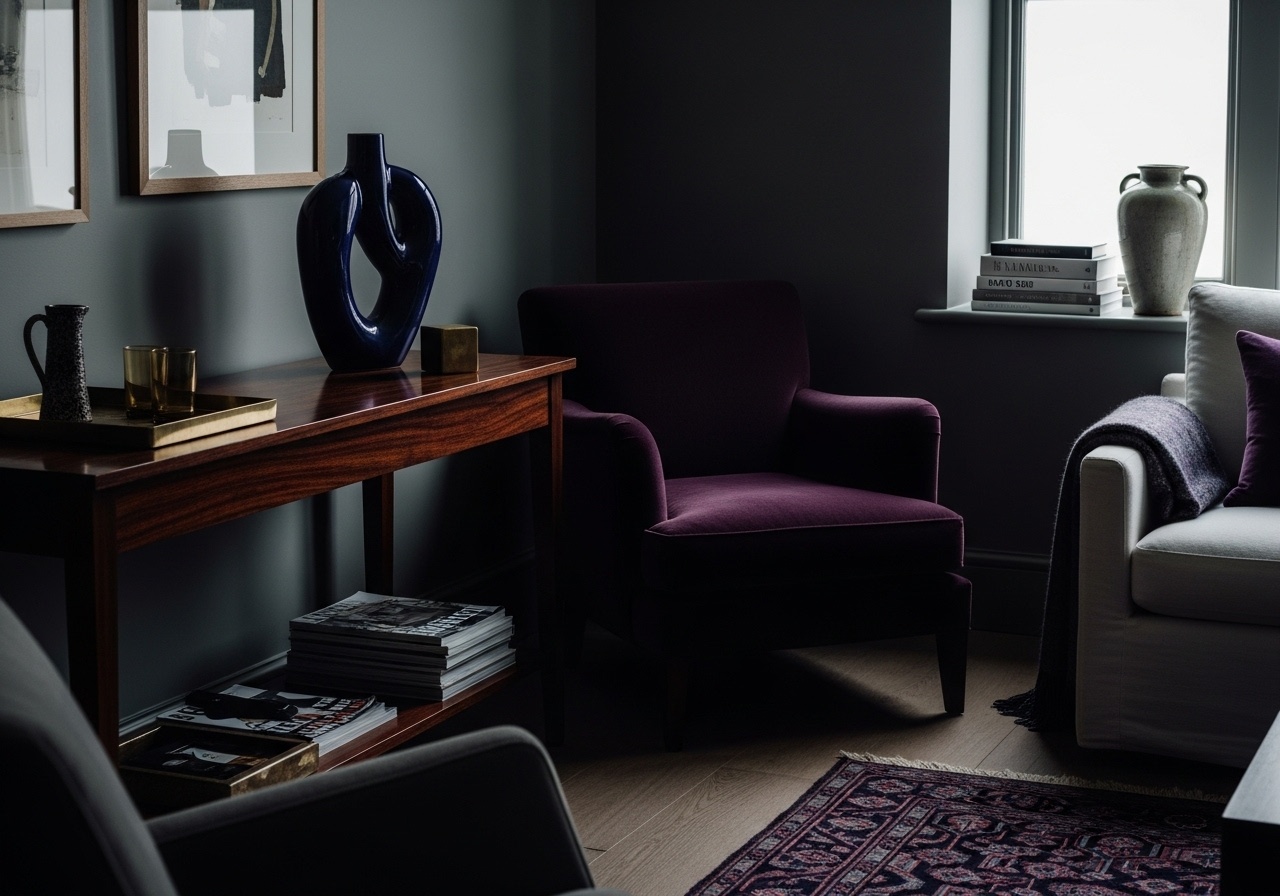
Deep purple accents define this moody reading nook.
Natural Dyes: Indigo, Madder, Cochineal, Orchil, Logwood, Tyrian Purple
- Tyrian purple — Why: Extracted from murex sea snails, this legendary natural purple dye rug source was prohibitively rare and costly, symbolizing royal exclusivity but virtually absent in surviving carpets.
- Orchil lichen — Why: Produced soft lilac hues but notoriously fugitive, fading rapidly under light, making antique rugs with orchil traces extremely fragile.
- Indigo + madder — Why: This plant-based purple dye combination was the most reliable historic method, yielding plum and violet tones that appear in Persian, Anatolian, and Caucasian weavings.
- Cochineal (plus indigo) — Why: The insect-derived crimson mixed with indigo produced brilliant purples, especially in Central Asian and Anatolian rugs.
- Logwood — Why: A strong purple-black introduced via European trade, but it sometimes weakened wool fibers, leaving rugs more fragile over time.
Each natural dye offered unique visual effects, but their longevity varied widely, making dye recognition an essential skill for collectors and restorers.
Synthetic Dyes: Aniline, Fuchsine, Chrome, Modern Acid/Metal Complex
- Aniline (1850s+) — Why: First synthetic purple rug dyes made purples accessible but prone to tip fading and uneven absorption.
- Fuchsine/Mauveine — Why: Brilliant hues created eye-catching violet rugs in the late 19th century, but instability caused dramatic fading, reducing collector value.
- Chrome dyes — Why: By the early 20th century, chrome formulations offered far greater colorfastness, stabilizing synthetic purple rugs in both urban Persian and village weaving traditions.
- Modern acid/metal-complex dyes — Why: These deliver consistent, stable shades, allowing designers to achieve the full spectrum from lilac to aubergine without the fading issues of earlier synthetics.
The evolution of synthetics demonstrates the balance between innovation and durability, transforming purple from rarity to mainstream while solving the fading and fiber-damage issues of earlier dyes.
Achieving & Preserving Colorfastness
Whether natural or synthetic, technique determines how well purple tones endure. Careful mordanting with alum or tin stabilizes plant-based indigo-madder or indigo-cochineal blends, yielding more colorfast purple rugs. Display is also critical: placing rugs away from direct sunlight helps prevent lavender wool pile from fading.
Cleaning should always be done with gentle, pH-balanced methods, as harsh chemicals may strip unstable purple dyes. Overdyed rugs made with modern chrome or acid dyes are generally stable, but they too require cautious maintenance. For antique pieces, testing for dye bleed before cleaning is essential, since orchil and early anilines are especially prone to color loss.
Plant-Based Indigo-Madder Dyes
- Reliability — Why: Indigo and madder are time-tested, producing rich plums and aubergines that remain stable with proper mordanting.
- Sustainability — Why: Both are renewable and central to the natural dye revival embraced by artisan rug cooperatives today.
- Sourcing — Why: Plant-based purple dye materials can be obtained from specialist natural dye suppliers, eco-textile markets, or directly from weaving cooperatives that continue traditional recipes.
- Collector value — Why: Rugs dyed with indigo-madder blends often hold higher esteem, signaling authenticity and adherence to historic craft.
For buyers and restorers, understanding whether a rug was dyed with natural purple dye or a synthetic purple rug formula is key. Both approaches have shaped rug history, but plant-based purple dye techniques like indigo-madder continue to define quality and sustainability in the modern market.
Care, Conservation & Performance of Purple Rugs
Sunlight, Fading, and Abrasion Resistance
- Sunlight fading — Why: Lavender wool pile is particularly prone to fading, especially when dyed with orchil or early aniline purples, making protective window coverings or careful placement essential.
- Abrasion resistance — Why: Wool purple rugs resist wear better than silk or viscose; pale lilacs show dirt and scuffing sooner than deep aubergines.
- Stable dyes — Why: Chrome and Tyrian purples are more fade-resistant purple rugs, holding their vibrancy even under moderate light exposure.
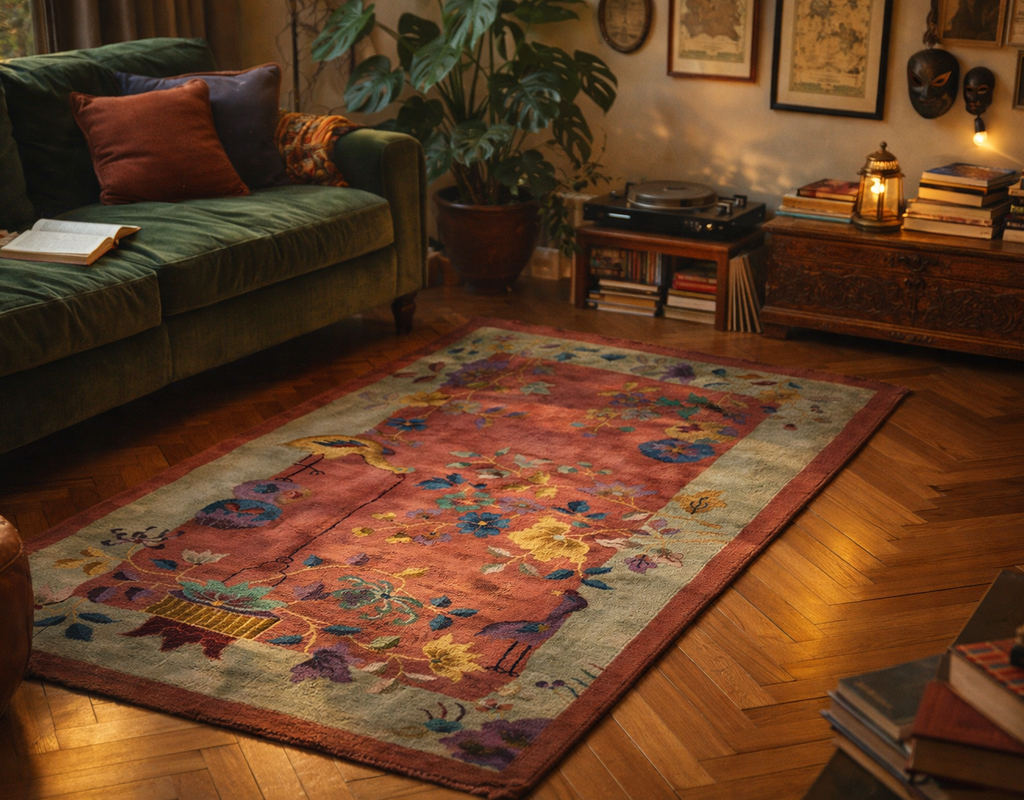
An antique, richly colored rug anchors this warm and inviting study or living area.
Professional Cleaning and Color Revival
- Reviving dulled pile — Why: Professional cleaning can restore luster by removing soil and refreshing fibers, though it cannot reverse chemical fading in unstable purples.
- Antique considerations — Why: Harsh cleaning agents damage fragile purple rug dyes—only specialized conservators should treat historic Persian purple rugs or Karabagh violet carpets.
- Modern rugs — Why: Lavender rug cleaning with safe, pH-balanced methods helps maintain brightness, especially in synthetics and overdyed pieces.
Dye Migration, Patina, and Rug Washing
- Dye migration risks — Why: Purple rug dye from unstable anilines or viscose often bleeds during wet cleaning or onto hardwood; homeowners should use rug pads and avoid moisture exposure.
- Patina development — Why: Washing antique purple rugs increases patina, softening texture and blending colors, which collectors often prize as a mark of authenticity.
- Bleach warning — Why: Lilac viscose rugs cannot withstand bleach, which destroys fibers and strips already delicate hues.
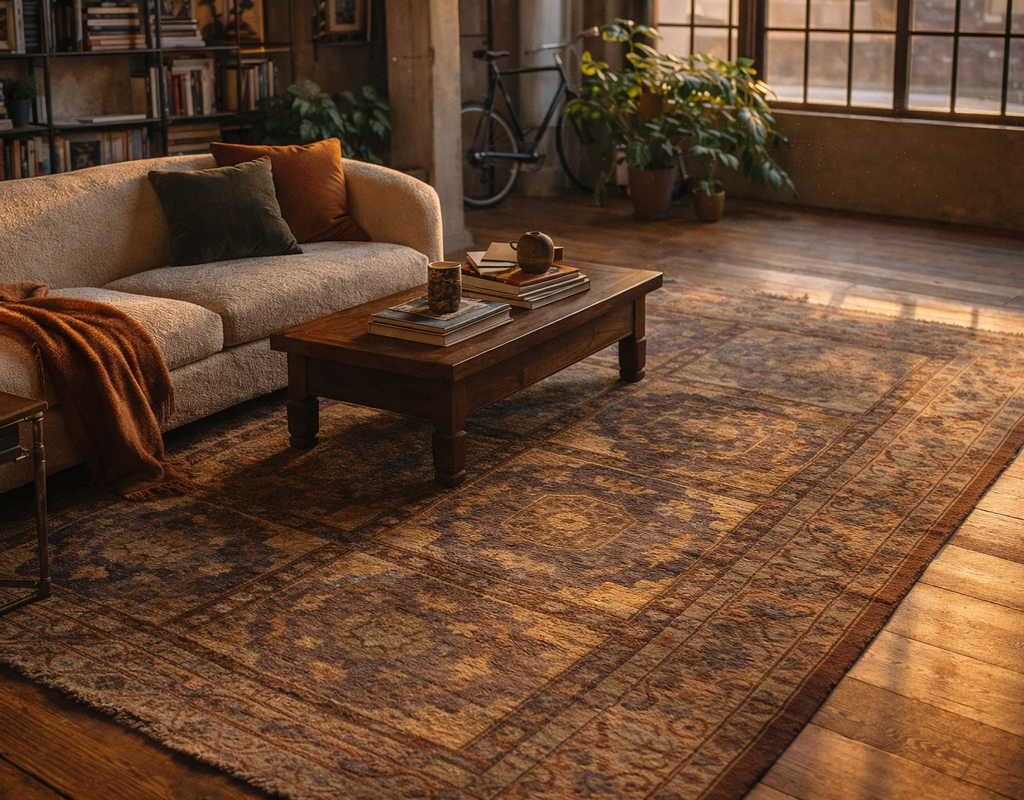
The richly patterned area rug defines the seating area, adding warmth and texture to the sunlit room.
Maintenance Tips for Lilac Flatweaves, Outdoor, and Viscose Rugs
- Lilac flatweaves — Why: Their pale surfaces show dirt quickly; frequent, gentle vacuuming and spot-cleaning prevent buildup without damaging fibers.
- Viscose rugs — Why: These absorb moisture easily, making dye migration and fiber damage common—professional care only, never DIY bleaching.
- UV-protected outdoor rugs — Why: Investing in a UV-protected purple outdoor rug ensures longer-lasting vibrancy, resisting the sun damage that plagues untreated synthetic fibers.
Preventing Dye Migration on Hardwood
Homeowners should be especially cautious with purple rugs on wood floors. Dye migration is common when moisture seeps through unstable dyes into bare hardwood. Prevent this by placing a high-quality rug pad underneath, limiting water during cleaning, and addressing spills immediately with dry blotting before they can soak through.
Purple rug care ultimately comes down to prevention and expertise: limit sun exposure, avoid moisture, clean with professional oversight, and adapt maintenance routines to the specific fiber and shade. With these steps, even delicate lavender carpets and lilac flatweaves can retain their beauty and character for decades.
Styling & Decorating With Purple and Lavender Rugs
Color Pairing Advice: Should I Pair with Gray Furniture?
- Yes, pair with gray — Why: A lavender rug with gray sofa combinations highlight the rug’s vibrancy while maintaining a calm, sophisticated atmosphere.
- Balance boldness — Why: Deep aubergine or violet rugs paired with light gray furniture prevent heaviness, making the room feel elegant rather than overwhelming.
- Soft harmony — Why: Lilac and lavender rugs paired with charcoal or dove-gray furnishings create tranquil, cohesive spaces perfect for bedrooms or contemporary living rooms.
Layering Techniques (Lavender over Jute/Sisal)
- Texture contrast — Why: Layering lavender rugs over jute or sisal introduces softness and color over a natural, coarse foundation.
- Grounded design — Why: The neutral, earthy base of jute/sisal balances the more expressive tone of purple, preventing visual clutter.
- Practicality — Why: A lavender flatweave layered over sisal increases comfort and extends rug life by reducing wear on the more delicate rug.
Oushak vs. Moroccan Lavender Rugs
The choice between an Oushak lavender rug and a Moroccan purple rug comes down to style and texture. Oushak rugs from Turkey are plush, low-contrast, and traditional, often in muted lilacs that fit transitional or classic interiors.
Moroccan lavender rugs, by contrast, are bolder, with geometric motifs and higher pile that lean toward bohemian, modern, or eclectic designs. Homeowners seeking subtle sophistication may prefer Oushak, while those drawn to statement-making comfort often choose Moroccan styles.
Region and Resale Value Insights
- Persian origins — Why: Purple Persian rugs, particularly Kashan or Kerman examples, command high purple rug resale value due to rarity and quality.
- Caucasian/Armenian — Why: Karabagh and other Caucasian violet rugs with strong floral or geometric designs are prized for their bold symbolism.
- Anatolian/Turkish — Why: Lavender Oushaks have moderate resale demand, valued more for décor appeal than rarity.
- Modern rugs — Why: Overdyed or contemporary lilac rugs typically hold less resale value, as their worth lies in style rather than collectible heritage.
Where to Find Vintage Purple Kilims & Modern Options
- Specialist rug dealers — Why: Trusted dealers often carry rare vintage kilim runner rugs in purple and lavender, sourced directly from Anatolia or the Caucasus.
- Antique shops & auctions — Why: Collectors may find unique vintage purple kilims with authentic vegetable-dyed lilac tones.
- Online platforms — Why: Select marketplaces and curated rug shops provide both antique kilim runners and modern purple rug options, making them accessible to global buyers.
Whether layering a lavender rug over jute, pairing purple rugs with gray furniture, or choosing between an Oushak lavender rug and a Moroccan purple rug, the adaptability of these hues ensures they can anchor interiors with both elegance and creativity.
Resale value depends on origin and dye stability, while availability spans from rare vintage kilims to abundant contemporary designs.
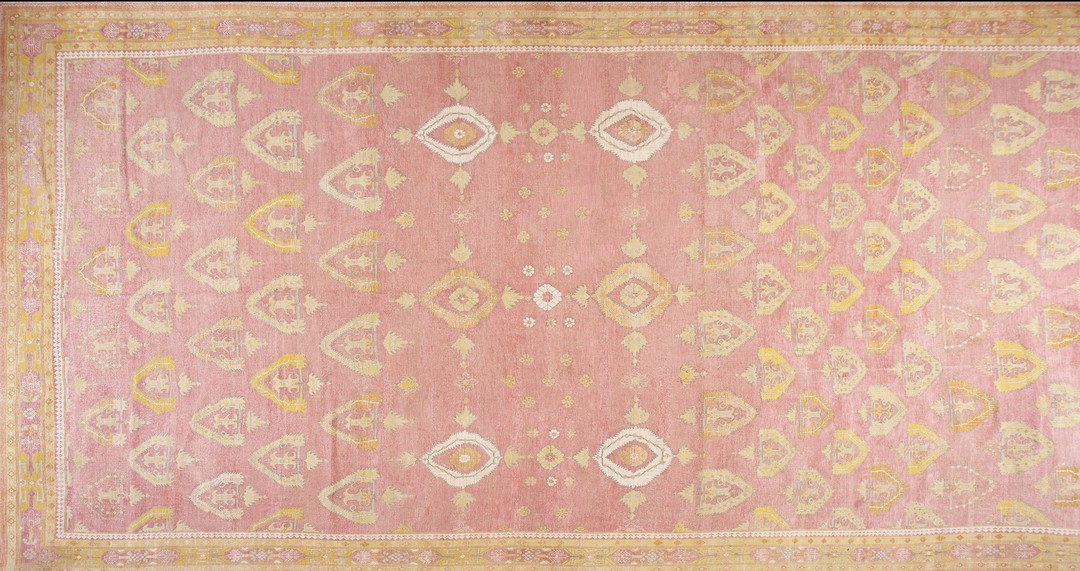
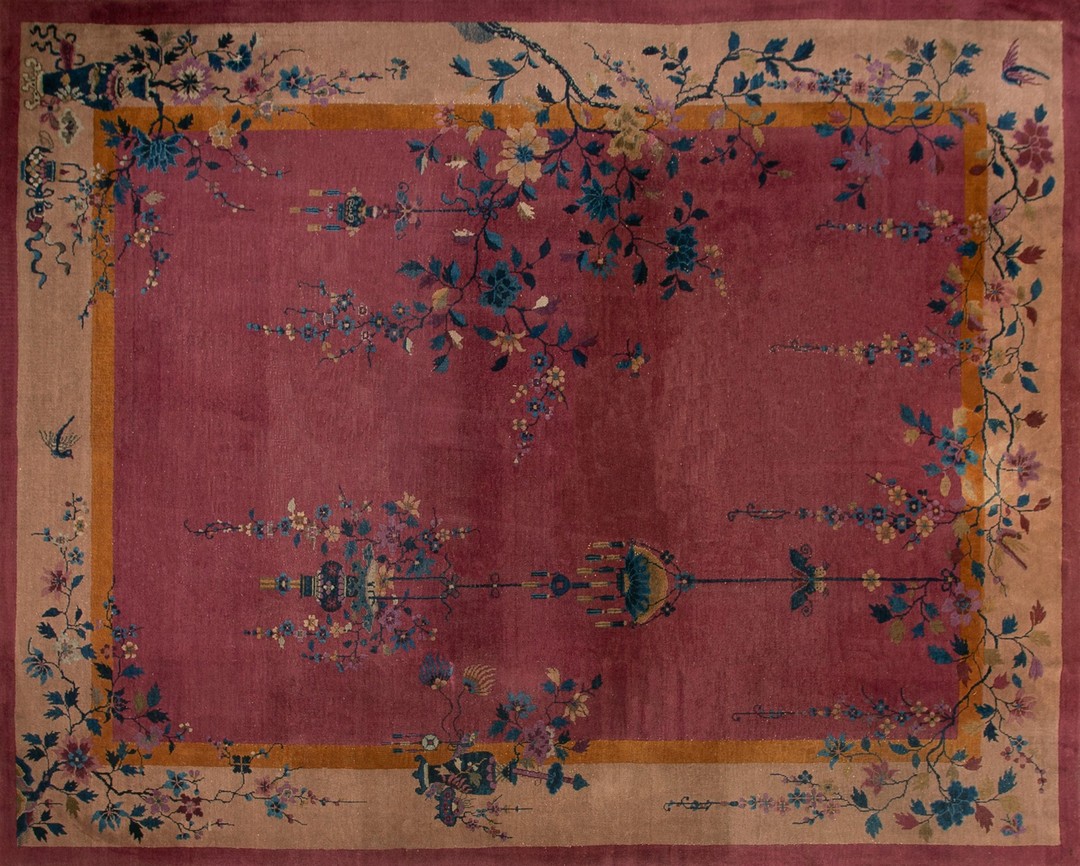
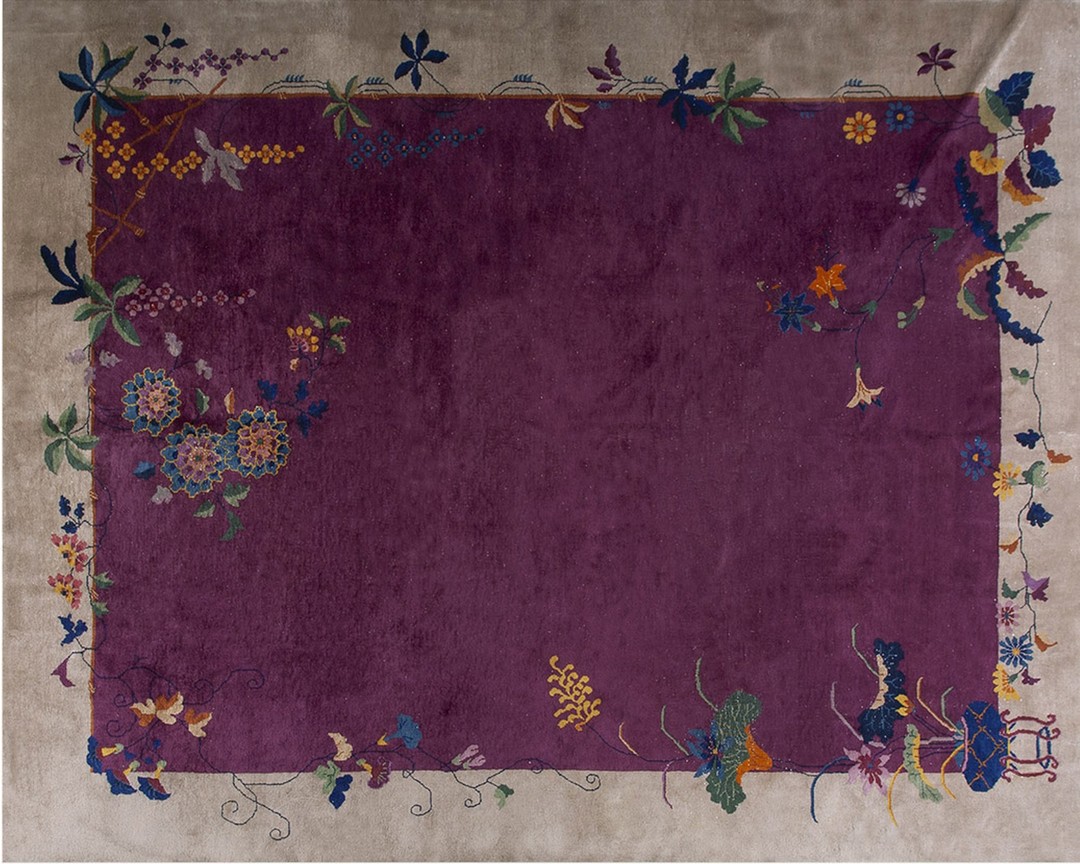
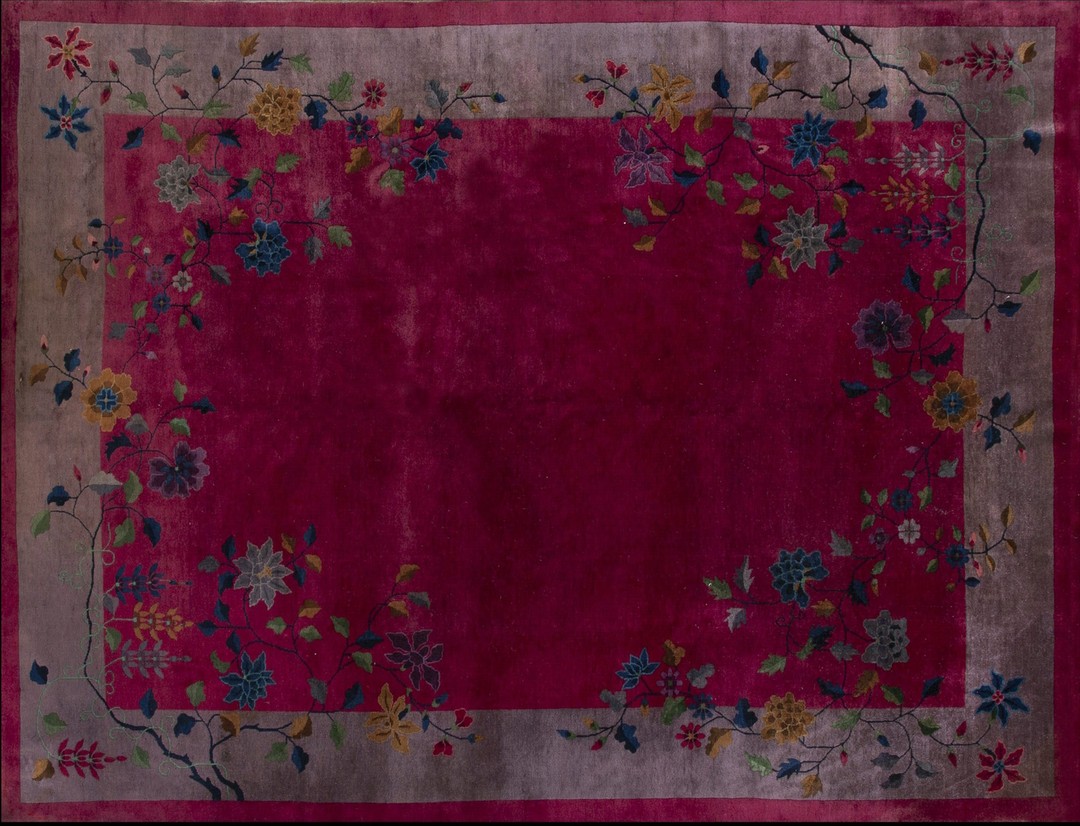
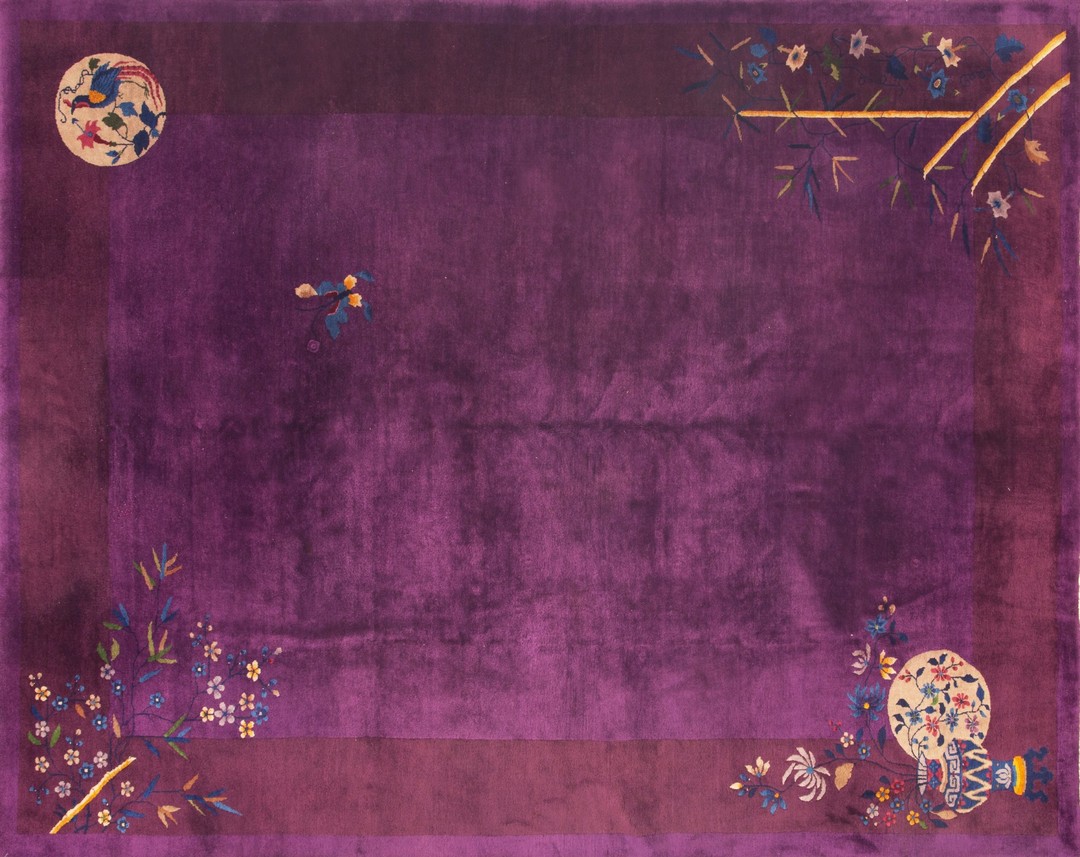
Explore a Few of Our Favorite Purple & Lavender Rugs
FAQ
- How do I layer with lavender rugs without tripping issues?
Place a neutral jute base, then a smaller lavender rug on top. Use a thin pad between layers and confirm door clearance.
- How much do purple or lavender rugs cost?
Machine-made 8×10 synthetics typically run \$150–\$400; wool hand-tufted about \$400–\$1,200; hand-knotted often \$1,500+ depending on craftsmanship.
- Which patterns pair well with lavender rugs?
Florals, geometrics, checks, and soft abstracts all work. Mix one large-scale pattern with smaller accents to avoid visual clutter.
- Are lavender rugs safe for nurseries?
Yes—pick low-pile, low-VOC materials and a non-slip pad. Air out new rugs 24–72 hours before use.
- What curtains complement lavender rugs?
White sheers for lightness, taupe or charcoal for contrast, or dusty rose for warmth. Keep patterns subtle if the rug is bold.
- Will radiant floor heating damage lavender rugs?
No, if you choose thin rugs and radiant-safe pads (felt or felt+natural rubber). Avoid very thick pads that block heat.
- How do I remove red wine from a lavender rug?
Blot—not rub—then apply club soda or a 1:1 water–white-vinegar mix. Test colorfastness first; for wool, consider a professional if staining persists.
- Can lavender rugs be used outdoors?
Use outdoor-rated polypropylene or PET for UV and moisture resistance. Avoid wool outdoors; it absorbs water and can mildew.
- Will lavender rugs look flat against white walls?
No—lavender adds gentle contrast. Layer textures (linen curtains, oak side tables) to keep the room from feeling sterile.
- Do lavender rugs make small rooms look bigger?
Often, yes. Light lavender visually expands space—choose a larger rug that slides under front furniture legs to reduce visual breaks.
- What colors pair nicely with lavender rugs?
Sage or olive green, navy, warm wood tones, and brushed gold work beautifully. White or cream keeps the palette airy.
- Are lavender rugs good for bedrooms?
Yes—lavender rugs feel calming and sleep-friendly. Pair with soft neutrals and diffused lighting for a serene atmosphere.
- How do I stop a purple rug from slipping?
Use a felt+rubber pad trimmed 1–2 inches smaller than the rug. It adds grip, protects floors, and smooths edges.
- What wall paint works best with a purple rug?
Crisp white, soft cream, pale gray, sage, or muted blush complement purple rugs. Test swatches in daylight to match undertones.
- Are purple rugs trending this year?
Yes—deep eggplant and other jewel tones are popular. Balance them with warm neutrals, natural wood, and textured fabrics.
- Do purple rugs shed?
New wool rugs may shed for 1–3 months, tapering by about six months. Gentle, frequent vacuuming reduces loose fibers.
- Which materials keep purple rug colors brightest?
Solution-dyed polypropylene is highly colorfast and UV resistant. Quality-dyed wool also holds color well if you minimize direct sun.
- Can I use purple rugs in a dining room?
Absolutely—pick low pile or flatweave. Size so the rug extends at least 24 inches beyond the table on all sides to keep chairs on the rug.
- Are purple rugs good for homes with pets and kids?
Choose low-pile wool or solution-dyed synthetics with patterning to hide stains. Pair with a felt+rubber pad for grip and easier cleanup.
- Will a robot vacuum work on a purple rug?
Usually, yes. Very dark borders can confuse some cliff sensors; tuck fringe and use a non-slip pad to prevent bunching.
- How do I clean a purple wool rug safely?
Vacuum weekly with beater bar off, blot spills immediately with cold water and wool-safe detergent, and schedule professional cleaning every 12–18 months.
- Do purple rugs fade in sunlight?
They can. Rotate every few months and use UV-filtering window film or layered curtains to slow fading, especially in south- or west-facing rooms.
- What size purple rug should I choose for a living room?
Common fits are 8×10 or 9×12. Aim for the rug to be 6–8 inches wider than the sofa on both sides and keep 18–24 inches of walkway around seating.
- Can purple rugs work with a gray sofa?
Yes—use a purple rug to anchor the space and warm up gray. Add brass or wood accents and one patterned pillow to tie the palette together.
- What colors go best with purple rugs?
Start with soft neutrals (cream, taupe, gray), then add sage or muted gold for balance. Green and yellow are complementary accents that make purple rugs pop without overwhelming a room.