
Introduction to Evil Eye & Protective Symbols in Rugs
Discover our curated selection of Evil Eye Protective Symbols Motifs Rugs and infuse your space with positive energy.
What Is the Evil Eye Motif in Rugs?
The evil eye motif in rugs—often called nazar in Turkish or göz in older Anatolian weaving traditions—is one of the most recognizable apotropaic rug motifs. At its core, it represents a stylized eye, believed to deflect envy, curses, or misfortune. Unlike realistic depictions, the eye is abstracted into concentric dots or lozenges, sometimes nested within diamonds or circular medallions.
Common colors include blue, white, and black, echoing the iconic Turkish evil eye amulet still sold in bazaars today. In rugs, these designs may appear prominently in the field, embedded in medallions, or repeated along the borders as a protective shield.
Whether woven into a Turkish evil eye kilim or a Caucasian tribal carpet, the eye motif rug carries both visual power and deep cultural meaning: a textile talisman meant to guard the household.
Why Do Rugs Feature Protective Symbols Like Nazar?
Protective rug symbols stem from age-old cultural and spiritual beliefs. Weavers across Anatolia, Persia, the Caucasus, and Central Asia considered carpets not only household items but also guardians of the home. The act of weaving in a nazar rug motif was a conscious gesture, aimed at keeping away misfortune and jealous glances.
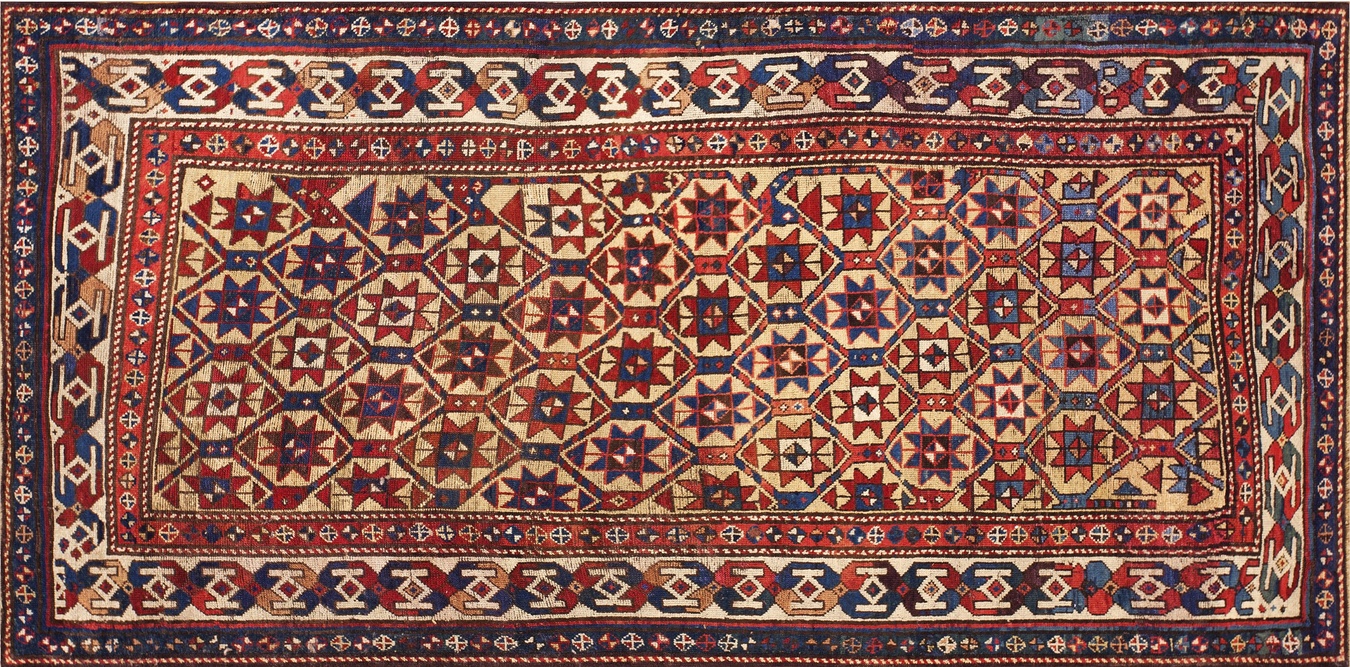
Antique Caucasian Hallway Runner Wool Yellow Rug – by Rugs On Net
These designs connect to broader traditions of amulet design carpets, where motifs such as crosses, S-shapes, hooks, or triangles were thought to serve as charms. In communities where oral traditions and folk beliefs shaped daily life, rugs became woven prayers, their symbols part of a protective language handed down through generations.
By integrating these motifs, rugs carried not just warmth and beauty, but also superstitious roots—a belief that each knot of the pattern added an extra layer of defense.
How Can You Identify Evil Eye Patterns Quickly?
Shoppers and collectors can spot evil eye rug motifs by looking for these visual cues:
- Dots inside shapes — Why: The “eye” is typically shown as a dark dot inside a circle, diamond, or lozenge, echoing the pupil.
- Diamonds with crosses or hooks — Why: These amulet-like details often symbolize protection layered over the eye motif.
- Strong blue and white contrasts — Why: Shades of cobalt or turquoise paired with white reflect the iconic nazar amulet design.
- Scattered or border placement — Why: Evil eye patterns may guard the outer frame of the rug or be repeated across the field to offer all-over protection.
Recognizing these geometric evil eye rug markers allows even casual viewers to understand that these are not random designs, but deliberate protective rug symbols.
Each element—from the hooked cross to the concentric eye—transforms the textile into a shield against harm, making the motif as meaningful today as it was centuries ago.
Origins & Spread of Protective Rug Symbols
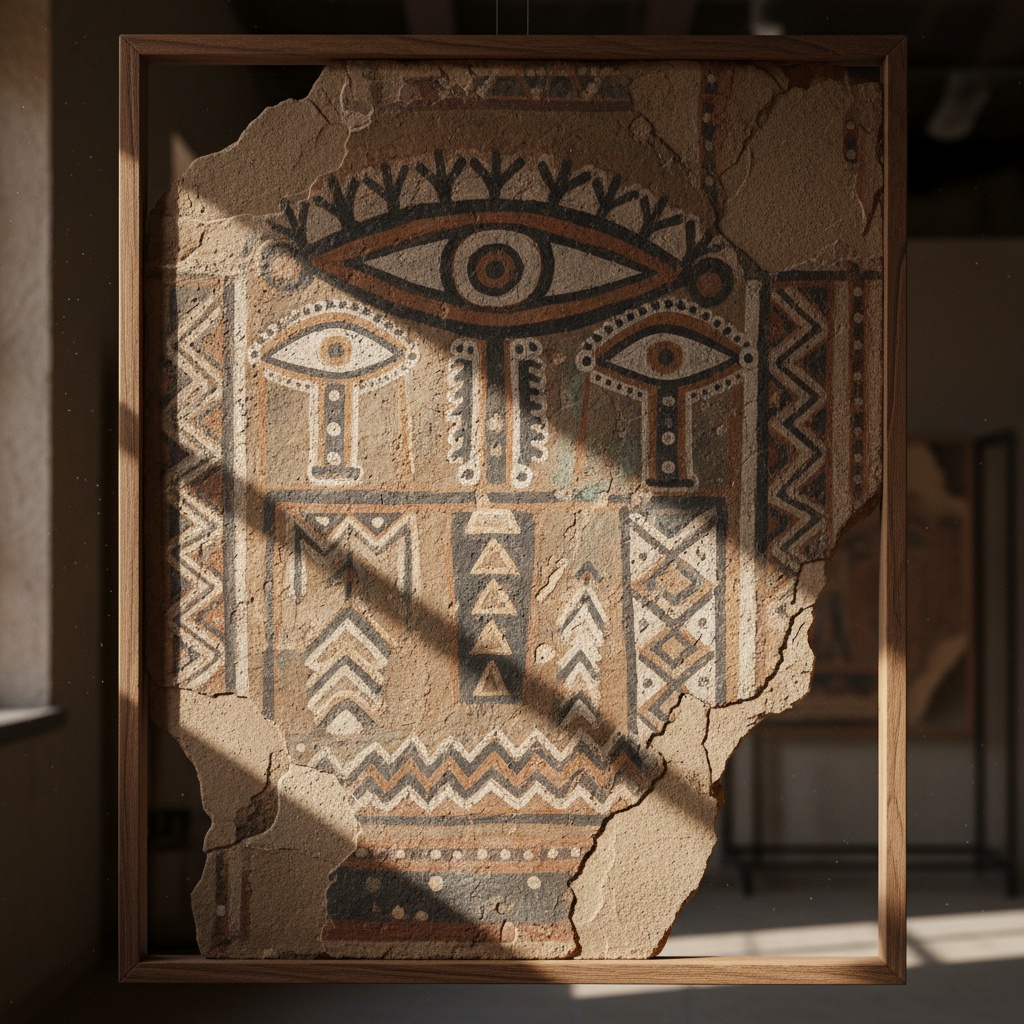
Ancient wall painting fragment showing early eye symbolism.
Where Did Protective Rug Symbols First Emerge?
The origin of evil eye rugs and other protective designs can be traced back to Neolithic Anatolia, with evidence from the site of Çatalhöyük (c. 6000 BC) showing symbolic eye-like forms in wall paintings and artifacts. Long before the rise of organized religions or written language, these early communities believed in the power of visual symbols to repel harm.
From Anatolia, the tradition spread outward across the Middle East, the Mediterranean basin, Central Asia, and eventually North Africa, carried by trade, conquest, and migration. Over time, what began as simple geometric talismans evolved into complex protective weaving traditions embedded in rugs, kilims, and textiles.
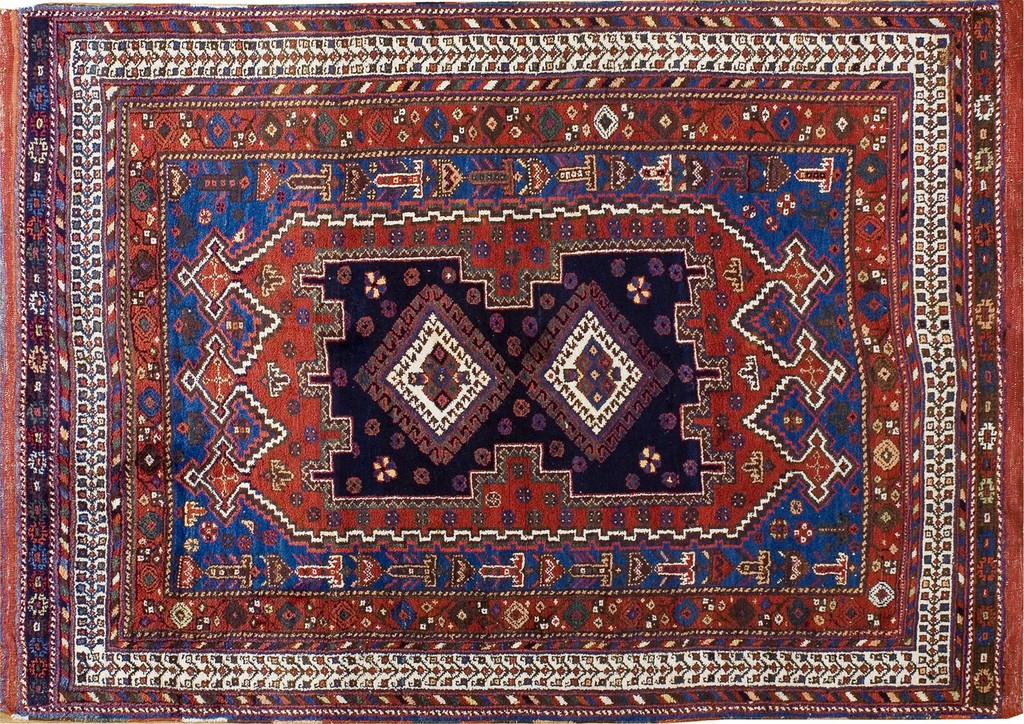
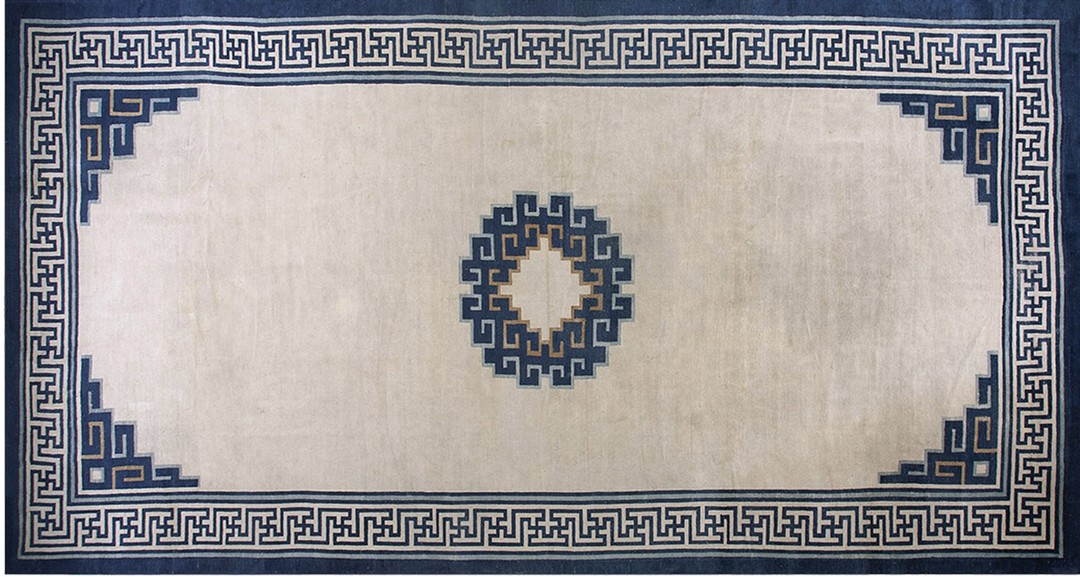
Wool Blue Antique Rectangle 1930s Hand Knotted Pile Geometric Medallion Rug by Rugs On Net
While the first evil eye motifs appeared in Anatolia, their symbolism resonated so widely that cultures from Persia to Greece adapted them under different names—cheshm-e bad in Persian, mati in Greek, and nazar in Turkish—each sharing the belief that the motif deflected envy and misfortune.
Who Traditionally Wove Amulet Designs into Carpets?
The keepers of this tradition were almost always women, particularly in tribal and nomadic societies. Rug weaving was a domestic art, passed down from mother to daughter, and each knot carried not just aesthetic value but protective intention. Women wove amulet rug designs into dowry pieces, prayer rugs, and everyday household textiles, embedding them with prayers for health, prosperity, and protection.
In many regions, rugs were a woman’s voice and legacy; through them, she preserved her family’s well-being. These nomadic weaver motifs reveal an intimate connection between art and survival, where the loom became both a creative outlet and a spiritual safeguard.
The universality of female authorship is what allowed the tradition to endure for thousands of years, spreading symbols across cultural boundaries while keeping their intent intact.
Regional Styles: Anatolia, Caucasus, Persia, Central Asia, Morocco
- Anatolia (Turkey) — Why: Known as a hotbed of Turkish kilim symbols, Anatolian rugs display bold nazar eyes, diamond-shaped muska (amulets), and hooks scattered across kilims as all-over protection.
- Caucasus — Why: Tribal carpets often feature angular, geometric eyes and cross-like apotropaic motifs, reinforcing borders as a protective shield.
- Persia (Iran) — Why: Motifs like cheshm-e bad (evil eye) were stylized into elegant medallions and Persian amulet rugs, blending talismanic protection with fine artistry.
- Central Asia — Why: Nomadic Turkmen and Uzbek weavers incorporated eyes, ram’s horns, and S-shapes, creating layered talismans within guls and repeating patterns.
- Morocco — Why: Berber rugs frequently embed amulet designs such as diamonds, crosses, and zigzags, combining protective meaning with regional color palettes and high symbolism.
Despite these stylistic differences, the unifying theme is constant: rugs served as shields against harm, with their motifs functioning as apotropaic rug symbols that transcended geography. From Anatolia and the Caucasus—true cultural “hotbeds” of talismanic weaving—to Morocco and Central Asia, protective rug symbols testify to a universal human need: the desire to weave safety, luck, and resilience into the very fabric of daily life.
Design Language: Forms & Meanings
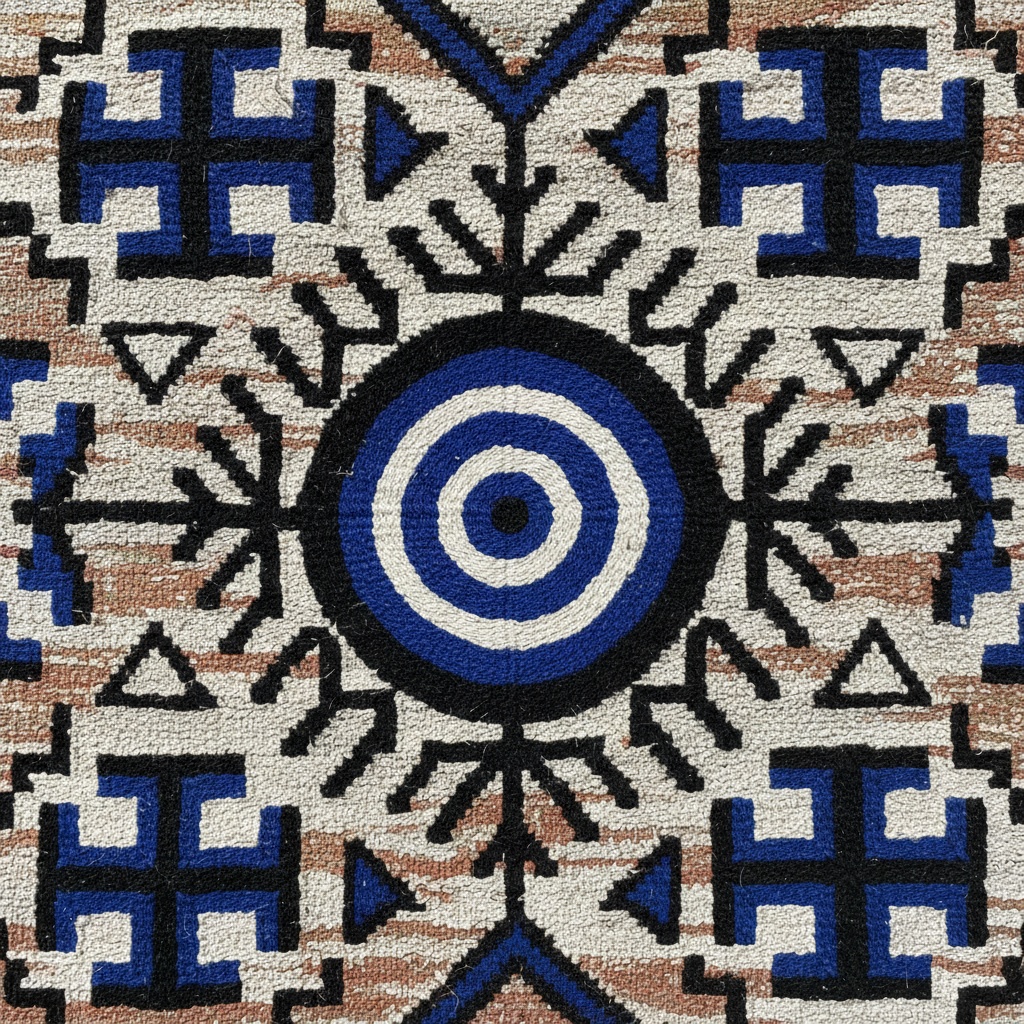
Geometric forms and central eye motif in textile design.
Key Motifs: Evil Eye, Nazar, Cross, Hook, Amulet
- Evil Eye / Nazar — Why: The central evil eye symbol meaning is protection from envy or curses. Typically shown as a dot inside a circle, diamond, or triangle, it acts as a watchful presence embedded in the textile.
- Cross (Haç) — Why: One of the oldest motifs, the cross motif kilim was not originally Christian but a universal evil-averting sign. It symbolizes dividing or “cutting” evil, protecting the weaver’s household.
- Hook (Çengel) — Why: The hook motif rug—S-shapes or angular brackets—served to “catch” or trap destructive forces. They often form chains along rug borders, acting as a perimeter defense.
- Amulet Triangles (Muska) — Why: Inspired by physical amulet pouches, the muska amulet motif was woven to replicate charms traditionally hung in homes. It embodies wishes for safety and fortune.
Each design is deliberate, with a function beyond aesthetics—woven talismans designed to guard the spaces they inhabit.
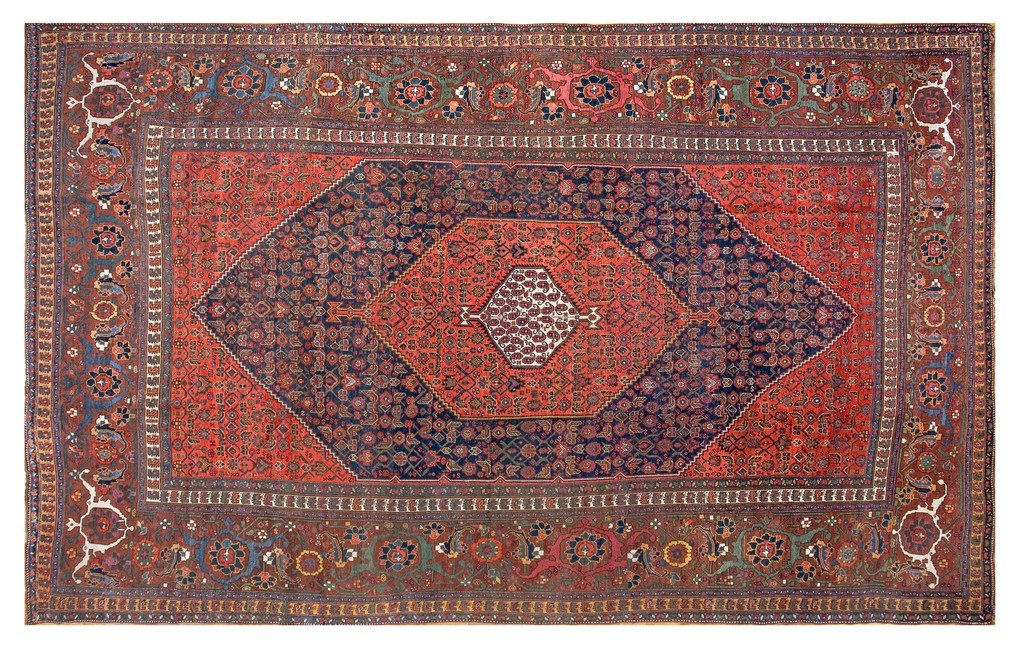
Big Size Blue Color Antique Tribal Persian Bidjar 1920s Rug by Rugs On Net
The Cross Motif in Kilims: Meaning & Role
In kilims, the cross motif is an ancient protective symbol, deeply rooted in Anatolian weaving. Long predating Christianity, the cross motif kilim signified the act of dividing, cutting, or neutralizing negative energy. For nomadic and village weavers, this geometric form carried apotropaic weight—it literally “broke apart” misfortune.
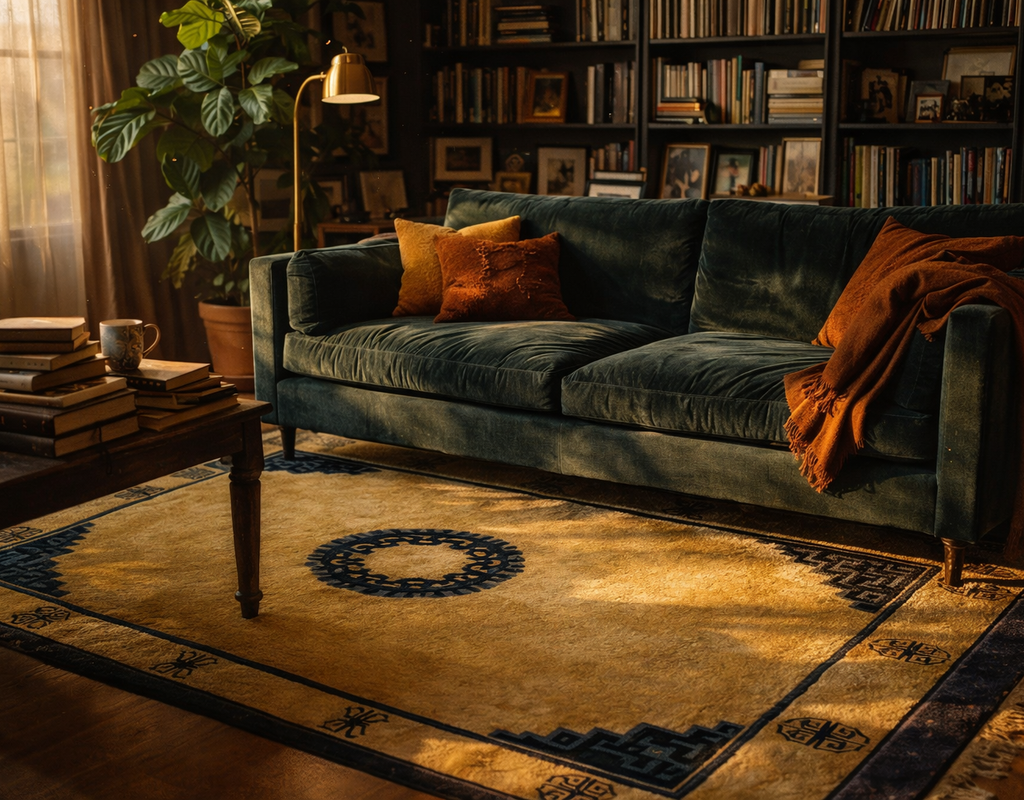
Golden sunlight highlights the bold pattern of the traditional area rug in this dimly lit, comfortable library space.
Positioned at crossroads within patterns, the motif strengthened the rug’s symbolic defense. Over centuries, the cross acquired layers of meaning, later resonating with Christian iconography, but in its weaving origins it remained a universal talisman, proof that geometric abstraction could embody power.
Symbol Placement & Room Energy Flow
Protective rug symbols were never scattered randomly; placement dictated function. Along borders, motifs acted as guards, creating a perimeter shield to block negativity. At the center, an eye motif rug or medallion watched over the household, a spiritual sentry in textile form.
When motifs appeared scattered across the field, they created broad coverage—protection woven into every corner. Many scholars liken this to rug energy flow, echoing concepts found in feng shui, where arrangement channels balance and harmony.
Thus, symbol placement was not only protective but also believed to direct room energy, inviting good fortune while blocking destructive influences.
Color, Geometry & Iconography
- Blue — Why: Associated with water and sky, blue symbolized luck and protection; it was the most common color for nazar rugs.
- White — Why: Represented purity and spiritual clarity, often highlighting central motifs for emphasis.
- Strong contrasts (blue/white, black/white) — Why: Visibility mattered; bold geometry ensured protective power was “seen” by both people and spirits.
- Diamonds, triangles, and circles — Why: Each geometric form had layered meaning: diamonds suggested watchfulness, triangles invoked the muska amulet, and circles embodied eternal protection.
These choices reveal that color symbolism in rugs and geometric design were not matters of style alone but encoded messages of faith, superstition, and identity. A protective rug placement with the right colors and motifs transformed an ordinary textile into a woven shield, balancing both artistry and spiritual intent.
Materials, Techniques & Visibility
Are Protective Symbols Found in Flat-Weave Kilims?
Yes—flatweave kilim evil eye motifs are among the boldest and easiest to recognize. Kilims, woven without pile, rely on interlaced wool or goat hair to form crisp, geometric patterns. This construction gives motifs sharp outlines, making symbols like the nazar eye, crosses, and hooks highly visible even from a distance. Because kilims were often woven by nomadic women for daily use, their designs carried strong talismanic intent, functioning both as decoration and protection. The angular precision of flatweaves allowed protective motifs to appear almost like woven amulets, guarding every space they occupied.
How Are Evil Eye Designs Created in Hand-Knotted Rugs?
In hand-knotted eye rugs, protective motifs emerge from the pile itself. Using either the Turkish knot (symmetrical) or Persian knot (asymmetrical), weavers inserted contrasting colors knot by knot to form eyes, triangles, and crosses. These motifs could be large and central—dominating the field—or subtle, embedded in the rug’s borders.
Unlike flatweaves, hand-knotted construction allowed motifs to blend into the overall pattern, sometimes only noticeable upon close inspection. This layered effect reinforced the talismanic nature of the design: protection woven directly into the fabric, visible to those who understood the symbolic code.
Does Material Affect Visibility of Evil Eye Motifs?
Absolutely—motif visibility in rugs depends heavily on both the weaving technique and the fiber used. Wool, the most common material, produces bold, textured motifs with strong contrast, ideal for rustic or tribal rugs. By contrast, silk rugs allow for finer detail but can make symbols appear softer or even blurred under light because of their sheen.
Thus, a wool vs silk rug symbol differs not in meaning but in clarity: wool excels at bold protective statements, while silk conveys delicate, almost hidden amulet forms. In flatweaves, coarse wool fibers make the evil eye symbol pop, while in high-pile silk carpets the same motif may shimmer, shifting visibility as the rug is viewed from different angles.
Construction Details & Embellishments
- Beads and Muska Amulets — Why: Some rugs included actual muska beads or triangular pouches sewn on after weaving, reinforcing their protective power.
- Shells and Stones — Why: These natural elements acted as charms, believed to deflect negativity much like the woven symbols themselves.
- Tassels and Fringe — Why: Often enhanced with knots or charms, fringes served as liminal spaces—the boundary between the rug and the outside world—where added protection was most needed.
These construction embellishments reveal that protection was not only visual but tactile. Every choice of fiber, knot, bead, or fringe reinforced the rug as more than décor: it was a woven shield, where motif sharpness and material selection determined both its aesthetic presence and its spiritual potency.
Historical Evolution & Revivals
Timeline: Ancient Roots to Modern Trends
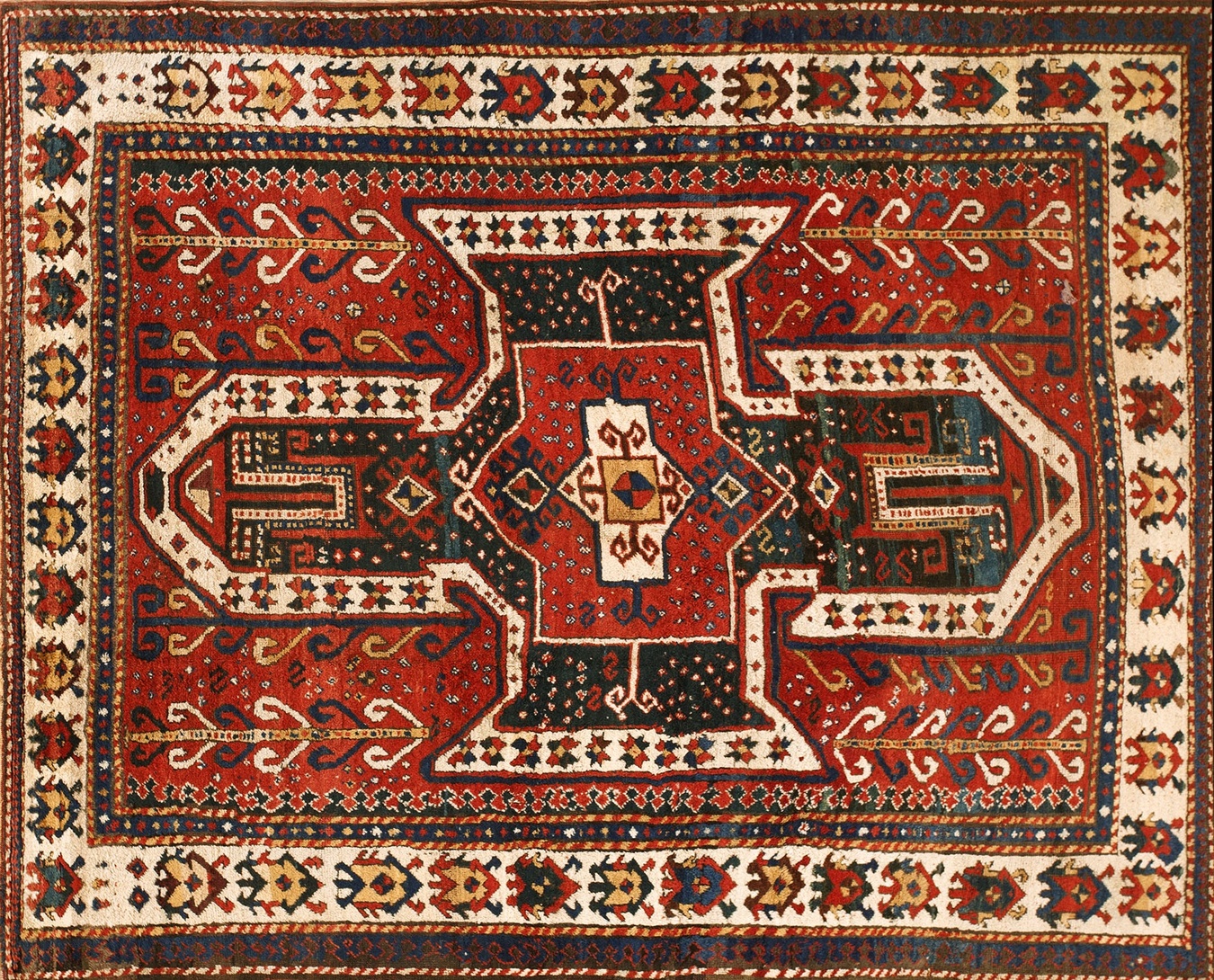
Antique Caucasian Caucasian Allover Knotted Rug – by Rugs On Net
- Prehistoric & Neolithic (6000 BC onward) — Why: The history of evil eye rugs begins with symbolic eyes and amulets found in early Anatolian sites like Çatalhöyük, showing that protective motifs predate writing.
- Middle Ages — Why: Tribal and nomadic groups across Anatolia, Persia, and Central Asia continued weaving protective motifs into flatweaves and knotted rugs, keeping the tradition alive as part of daily domestic life.
- 20th Centuries — Why: As rugs entered global trade markets, some protective motifs were softened or removed for Western export tastes. Yet, in village and nomadic weaving, these revival of protective motifs remained constant, sustained by family traditions.
- 1980s — Why: A turning point came when scholars and collectors began studying rugs as cultural texts. Motifs once dismissed as “folk” were revalued as ancient talismans, sparking renewed interest.
- 21st Century — Why: Designers and consumers rediscovered the evil eye trend, reimagining traditional symbols for modern interiors, fashion, and tufted rug production.
When Did Evil Eye Rugs Become Popular Again?
Evil eye rugs became popular again during the 1970s–1980s, when academic research and the growing collector market brought attention to their symbolic depth. What had long been preserved in tribal weaving was suddenly appreciated globally as part of rug heritage.
Since then, the motif has continued to rise, particularly in the 21st century as both collectors and interior designers embrace the revival of protective motifs. Today, the evil eye motif resonates as both an ancient talisman and a stylish, recognizable design element.
Is the Evil Eye Trend Influencing Modern Tufted Rugs?
Yes—the evil eye trend has strongly influenced modern tufted evil eye rugs. In today’s design landscape, hand-tufted and machine-made rugs often feature bold, oversized eye motifs rendered in minimalist or graphic styles. Unlike their historic counterparts, which blended symbols into dense patterns, these rugs place the motif front and center as a visual statement piece.
The trend aligns with broader bohemian rug trends and pop-cultural fascination with talismans, making the motif both fashionable and meaningful. Tufted rugs in particular lend themselves to playful reinterpretation, turning what was once a subtle amulet into a striking emblem for contemporary interiors.
Protective symbols may have shifted in style, but their essence remains the same. The continuity of the evil eye—from Neolithic textiles to modern tufted evil eye rugs—shows how an ancient language of protection has found fresh life in today’s homes, straddling heritage and trend with equal strength.
Collecting & Buying Guide
Should I Choose Vintage or New Evil-Eye Design?
Choosing between a vintage kilim evil eye rug and a new production depends on what you value most. Vintage rugs carry authenticity, cultural depth, and historical resonance, often woven by nomadic women who embedded genuine talismanic intent.
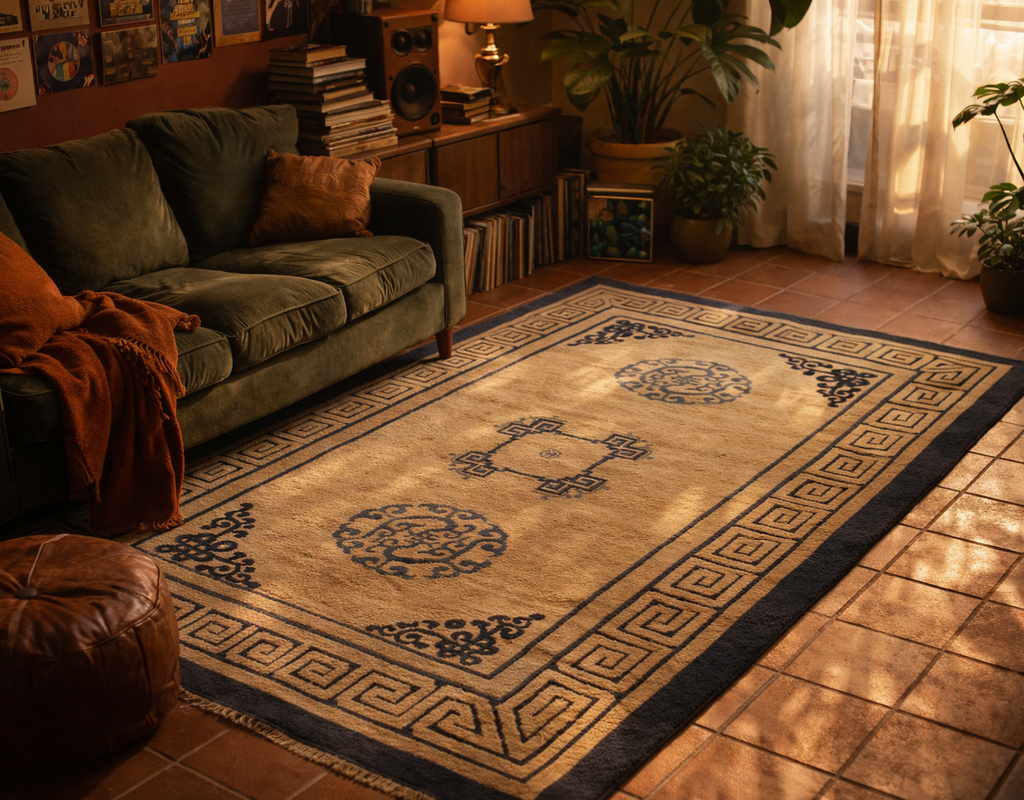
A traditional-style rug complements the rich textures and earthy tones of this inviting living area.
However, they may show wear and limited availability in specific sizes. New evil eye rugs, by contrast, offer broader design flexibility, cleaner condition, and consistent availability, but they can lack the lived tradition of older pieces. For collectors seeking meaning and provenance, vintage is unmatched.
For decorators seeking style and function, new options may be the better fit.
Can Vintage Kilims with Eye Motifs Be Affordable Today?
Yes—affordable evil eye rugs are possible, though condition and provenance dictate price. Entry-level vintage kilim evil eye pieces may be found in the range of $300–$800, particularly small to medium sizes with moderate wear.
Larger or rarer examples, especially those with documented tribal origins, can range from $1,500–$5,000+. Accessibility remains strong for beginners; many vintage kilims survive in good condition, making them attractive for both collectors and first-time buyers seeking an authentic nazar rug without prohibitive costs.
Are Custom Evil Eye Rugs Worth Higher Costs?
A custom evil eye rug commands higher prices, often starting around $1,000–$3,000+, but the value lies in personalization. Customization allows buyers to choose the exact size, materials, and protective motifs—whether bold, oversized eye symbols for contemporary interiors or subtle tribal amulets for traditional rooms.
For clients seeking rugs that double as meaningful heirlooms or design centerpieces, the investment can be worthwhile. While custom rugs lack antique provenance, their ability to fuse cultural symbolism with modern needs makes them a premium choice.
Where to Buy Ethically Made Evil Eye Rugs?
- Fair-trade artisan cooperatives — Why: Ensure weavers are paid fairly and traditions are preserved.
- Established rug dealers specializing in Anatolian, Persian, or Berber rugs — Why: Trusted expertise and access to authentic, well-sourced pieces.
- Online marketplaces with verified sellers — Why: Platforms like vetted Etsy shops or specialist rug galleries can offer both vintage and new rugs with transparency.
- Direct-from-workshop sourcing in Turkey, Iran, or Morocco — Why: Buying at the source supports local economies and maintains weaving traditions.
For those who want to buy evil eye rugs ethically, sourcing from trusted suppliers ensures authenticity and avoids exploitative production chains.
How Do You Verify Authentic Protective Symbols in Antiques?
- Motif analysis — Why: Confirm symbols like eyes, crosses, and hooks match traditional forms.
- Provenance research — Why: Knowing region and tribal origin increases both cultural and collector value.
- Documentation & appraisals — Why: Certificates or expert evaluations confirm authenticity.
- Material inspection — Why: Hand-spun wool and natural dyes are hallmarks of genuine antique protective rugs.
These steps safeguard buyers from reproductions and ensure they are investing in a truly authentic nazar rug.
Can Protective Motifs Raise a Rug’s Resale Value?
Yes—protective rug motifs often add collector appeal. Antique or vintage pieces featuring well-preserved evil eye patterns or other amulets tend to appreciate in value because they represent not just design but cultural heritage.
Collectors pay premiums for rugs with documented talismanic significance, and resale markets recognize these as more than décor. In short, a rug resale value is strengthened when motifs are authentic, rare, and tied to regional traditions, turning protective symbolism into both a spiritual and financial asset.
Care, Preservation & Display
How to Preserve Dye Vibrancy in Evil Eye Motifs?
Maintaining the brilliance of an evil eye rug requires mindful care. To preserve rug color, especially the bold blues and whites central to eye motifs, avoid placing the rug in direct sunlight, which accelerates fading. Rotate rugs regularly so foot traffic and light exposure remain even.
Moisture control is equally critical—excess humidity can cause dyes to bleed and weaken fibers. For cleaning, skip harsh chemicals and strong detergents; instead, follow gentle rug cleaning tips such as vacuuming without beater brushes and spot-cleaning with pH-neutral solutions.
Antique or delicate pieces should be entrusted to professionals experienced in evil eye rug care, ensuring dyes remain vibrant for generations.
Best Placement for Protective Symbol Rugs
- Entryways and thresholds — Why: Traditionally, a rug with eye motifs at the entrance acted as a guard, “catching” negative energy before it entered.
- Bedrooms and nurseries — Why: A best room for evil eye rug choice, symbol placement here offered nightly protection and comfort, especially for children.
- Prayer or meditation spaces — Why: Protective motifs aligned with spiritual practice, reinforcing the rug’s talismanic aura during moments of reflection.
Where a rug is placed not only affects its wear but also strengthens its symbolic role, allowing the motifs to function as intended.
Display Tips for Maximal Energy/Charm
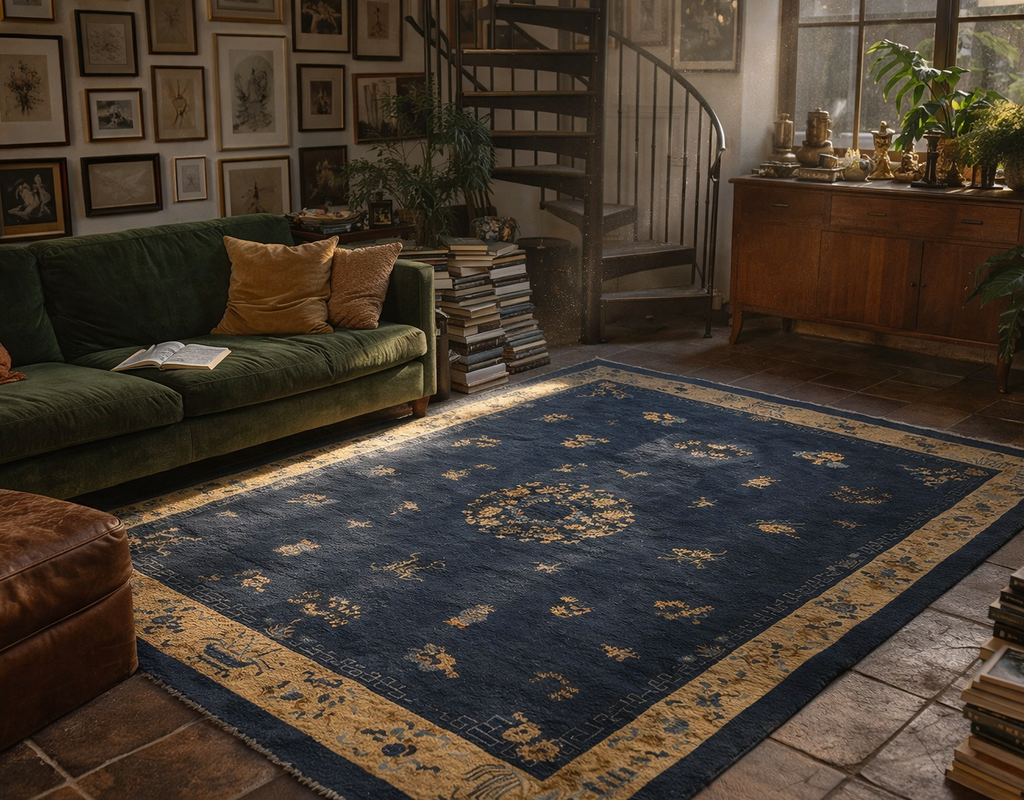
An antique-style blue and gold rug defines the space in this art-filled, cozy reading nook.
- Wall hanging for kilims — Why: Flatweave rugs with sharp motifs become striking textile art, preserving their condition while amplifying their presence.
- Centerpiece display — Why: Positioning an eye motif rug in the middle of a room draws focus to its protective symbolism and activates its “watchful” role.
- Threshold placement — Why: Locating rugs at doorways or transitions maximizes their traditional energy flow, reinforcing their barrier-like function.
A thoughtful rug placement guide shows that care is not only about fiber preservation but also about spiritual activation. Displaying a protective rug with intention elevates it from décor to woven charm, sustaining both its aesthetic beauty and its symbolic power.
Cultural Legacy & Modern Meaning
Symbolism in Daily Life & Home
- Weddings & dowries — Why: A cultural meaning evil eye rug often appeared as a bride’s dowry gift, symbolizing wishes for protection, fertility, and prosperity.
- Housewarmings — Why: Rugs with protective motifs were given as talismans for good luck and harmony in new homes.
- Everyday rituals — Why: Placing a rug with an eye motif in a central space reinforced a family’s ongoing connection to safety and well-being.
These examples show how symbolism in rugs reached beyond aesthetics, embedding deep meaning into ordinary life.
Cross-Cultural Adoption & Modern Decor
The story behind the evil eye has crossed cultural borders, becoming a global design icon. From Anatolia to Morocco, motifs once tied to rural ritual now feature in loft apartments, boutique hotels, and contemporary galleries.
In modern interiors, cross-cultural protective motifs are reinterpreted as bold graphic statements—whether in minimalist tufted rugs or handwoven kilims displayed as art.
The appeal lies in more than pattern: buyers are drawn to rug traditions that embody both history and universal themes of protection, luck, and resilience. This global embrace reflects how ancient symbols adapt to new contexts while retaining their talismanic aura.
Ethical Considerations & Cultural Respect
- Buy from artisans or fair-trade sources — Why: Supporting weavers directly sustains living traditions and communities.
- Acknowledge cultural roots — Why: Recognizing the Anatolian, Persian, and Berber origins of motifs ensures respect rather than appropriation.
- Avoid trivializing protective motifs — Why: Treating these designs as purely decorative strips them of their significance as spiritual safeguards.
Practicing ethical rug buying honors the weavers who preserved these traditions. Respect transforms ownership from trend-following into stewardship of cultural heritage. Protective symbol rugs remain both cultural artifact and contemporary style statement.
Their legacy endures because they address primal human hopes—safety, fortune, resilience—while their artistry resonates with today’s demand for meaningful, story-rich objects. With care, respect, and thoughtful presentation, the cultural meaning of evil eye rugs continues to guard homes, connect generations, and inspire design worldwide.
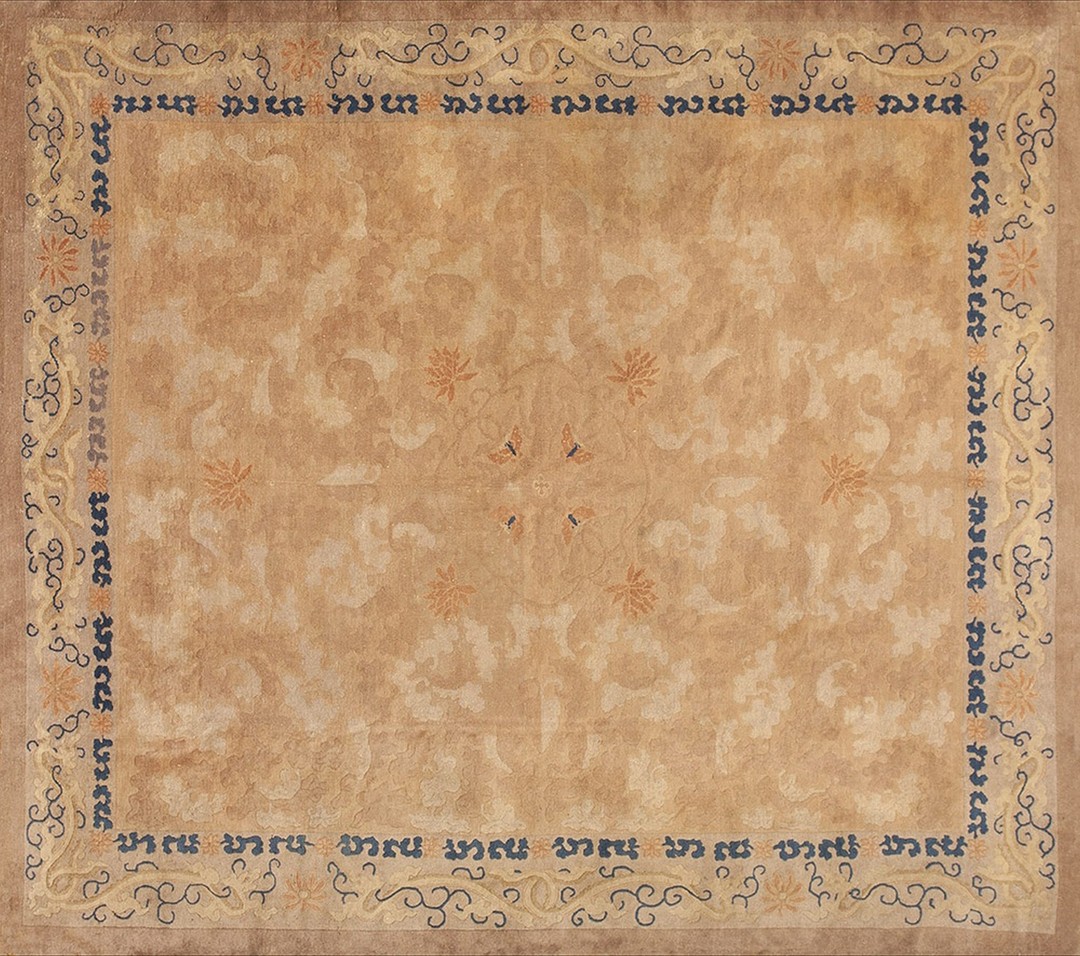
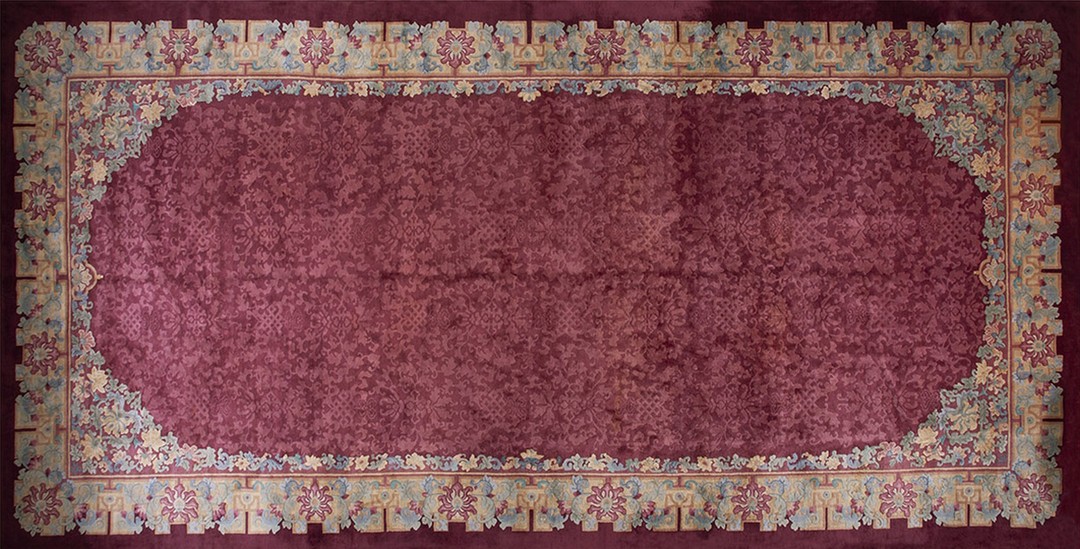
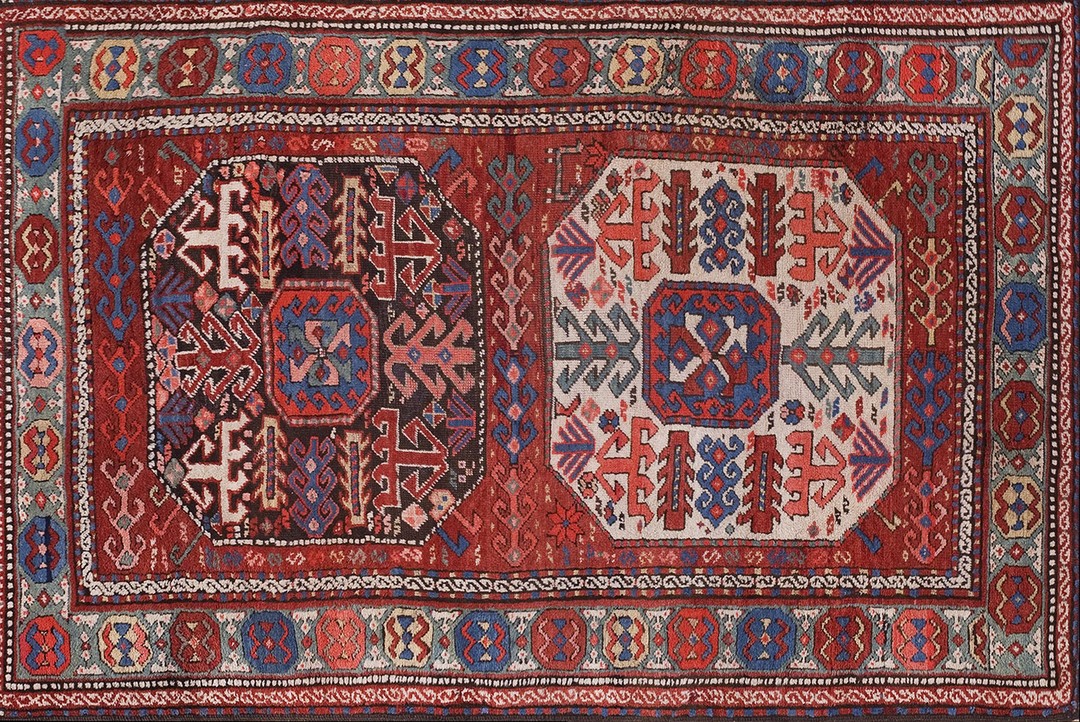
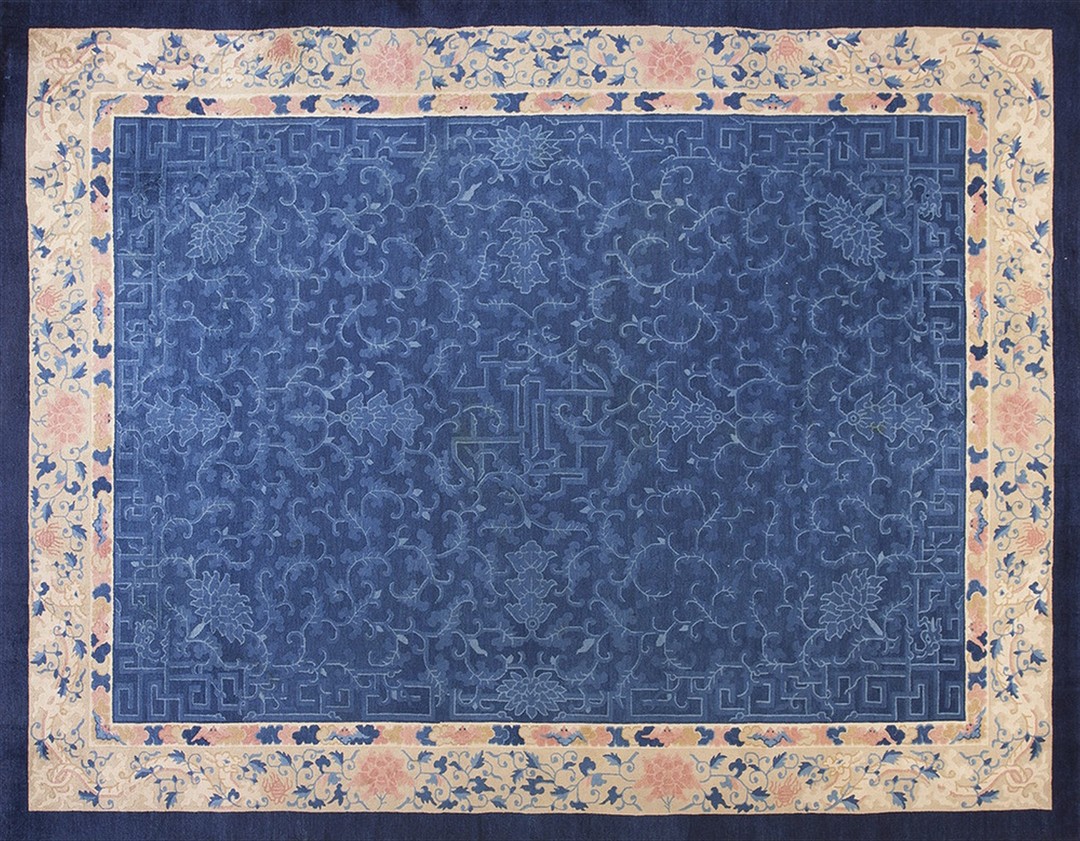
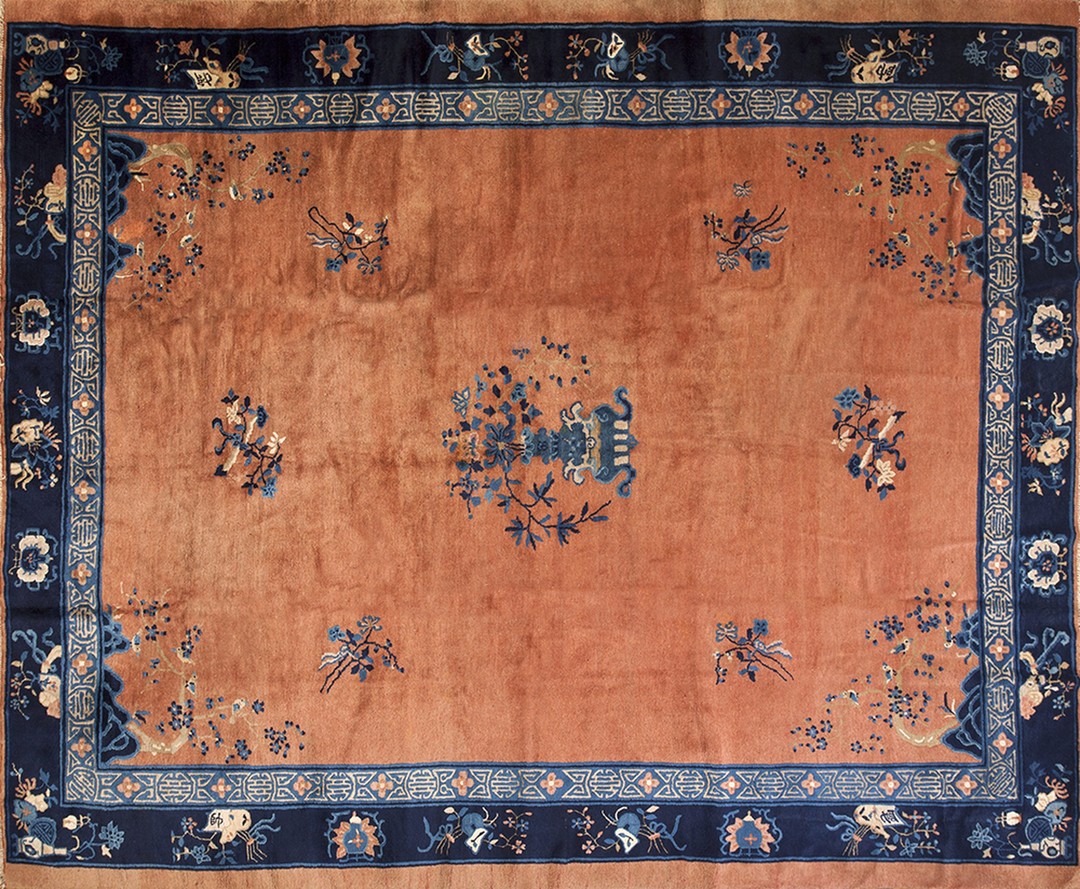
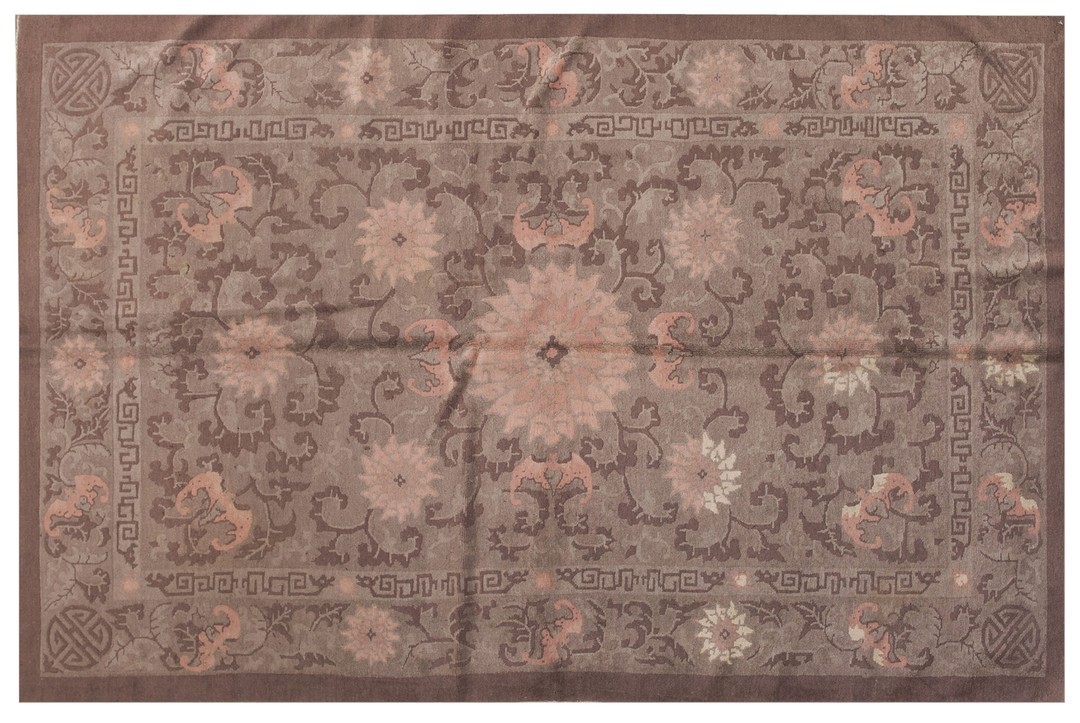
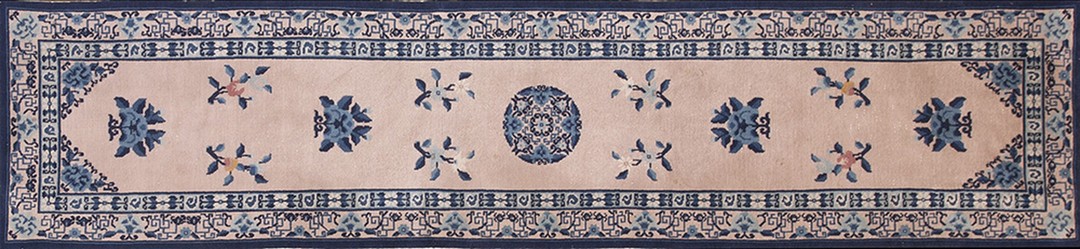
Explore a few of our favorite Evil Eye rugs
FAQ
- Where can I find authentic evil eye rugs in the U.S.?
Look for Turkish or Mediterranean-origin evil eye rugs from reputable dealers; request weave details, fiber content, and return policies. Ask for back-of-rug photos to verify construction.
- What patterns pair well with evil eye rugs?
Combine evil eye rugs with solids, thin pinstripes, or small-scale geometrics. Keep companion prints under one-third the scale of the eye motif to avoid clashing.
- Are non-toxic options available for evil eye rugs?
Choose wool evil eye rugs with natural latex or cotton backings, and a felt pad. Air out new rugs for 24–48 hours if you’re odor-sensitive.
- Do evil eye runner rugs suit narrow hallways?
Evil eye runner rugs work well in 2’6″–3′ widths; leave 3–5 inches of floor on each side for safe clearance and visual balance.
- Are vintage or antique evil eye rugs rare?
Vintage kilims with eye motifs exist but are less common than allover geometrics; expect more hunting and higher prices for well-preserved examples.
- Can evil eye rugs be part of a minimalist space?
Absolutely—pick a single large-scale evil eye rug in muted tones and keep furniture lines clean. One bold motif anchors minimal rooms without clutter.
- How do I clean spills on a wool evil eye rug?
Blot immediately; use cool water with a drop of mild dish soap. Rinse, blot dry, then elevate to air-dry; call a pro for stubborn stains or bleeding dyes.
- Do evil eye rugs work with radiant floor heating?
Most wool or synthetic evil eye rugs are fine over radiant heat; use a breathable felt pad and confirm floor-temperature limits (often ≤85°F).
- Are outdoor evil eye rugs available?
Yes—look for polypropylene evil eye rugs labeled UV-resistant. Hose off seasonally and allow full drying to avoid mildew.
- Will a robot vacuum damage my evil eye rug?
Robot vacuums handle low-pile evil eye rugs well; avoid high-pile, shag, or fringed edges. Use “no-go” zones around tassels to prevent tangles.
- What rug pad should I use under an evil eye rug?
Use 1/4″ felt for large, anchored evil eye rugs; use felt-plus-rubber for smaller pieces or runners to prevent slip and protect floors.
- Are washable evil eye rugs worth it?
Washable evil eye rugs are convenient for apartments and nurseries; expect thinner piles and printed designs. Air-dry flat to prevent curling.
- What sizes of evil eye rugs fit common rooms?
Living rooms often suit 8×10 or 9×12 evil eye rugs; bedrooms use 8×10 under a queen. Aim to leave 8–18 inches of floor border visible.
- Can evil eye rugs include the hamsa hand?
Yes—many evil eye rugs pair the central eye with a hamsa (hand) for layered protection, echoing historical amulet designs in Anatolia and North Africa.
- Do evil eye rugs fade in sunlight?
All dyed textiles fade with UV; blue pigments are especially sensitive. Rotate evil eye rugs every 3–6 months and use window film or shades to slow fading.
- How much do evil eye rugs typically cost?
Machine-made evil eye rugs run about \$80–\$300 in 5×8; hand-tufted \$200–\$800; hand-knotted or vintage kilims can range from \$500 to \$5,000+ depending on size and age.
- How can I authenticate a handwoven evil eye rug?
Flip evil eye rugs over: look for visible knots or slit-weave joins (kilim), color variations, and a non-latex backing. Ask for fiber content and weaving origin in writing.
- Are there hand-knotted evil eye rugs, or are they mostly printed?
You’ll find hand-knotted and flat-woven (kilim) evil eye rugs alongside tufted and printed options; hand-knotted pieces show individual knot backs and subtle irregularities.
- What materials work best for evil eye rugs with kids and pets?
For life-proof evil eye rugs, choose low-pile polypropylene or PET; they resist stains and moisture. Wool offers natural resilience but needs blotting and periodic professional cleaning.
- Do evil eye rugs belong near the front door?
Many place evil eye rugs by an entry for symbolic protection; a 3×5 or 2×6 runner works well in foyers while leaving 3–6 inches of floor clearance.
- Is it appropriate to use evil eye rugs, or is it cultural appropriation?
Evil eye rugs reflect widely shared protective folklore; respectful use is generally acceptable. Avoid trivializing sacred symbols and credit their Anatolian/Mediterranean roots.
- How can I style an evil eye rug without overwhelming a room?
Let the evil eye rug be the focal point; pair with solids and simple lines. A 5×8 or 8×10 grounded by neutral upholstery keeps balance.
- Where do evil eye rug motifs originate?
Evil eye rugs draw from Anatolian/Turkish kilims and wider Mediterranean folklore, where the eye and related amulets (like the hamsa) appear as woven protection symbols.
- Are evil eye rug colors always blue and white?
Blue, white, and black concentric “eye” rings are classic, but evil eye rugs also appear in neutrals and multicolor palettes; meaning is tied to the motif, not strictly the hue.
- What do evil eye rugs symbolize in home décor?
Evil eye rugs (nazar rugs) are believed to ward off envy and misfortune; the eye motif acts as a protective talisman rooted in Mediterranean and Middle Eastern traditions.