
- Did ancient Greeks have rugs?
Ancient Greeks used more textiles than rugs, though they did have simple woven floor covering mats for practical purposes.
- Did medieval castles have rugs?
Yes, castles commonly had rugs for warmth, comfort, decoration and as status symbols.
- Were there carpets in the Middle Ages?
Yes, carpets were widely used in wealthy medieval homes, castles, and churches.
- Were there rugs during medieval times?
Yes, medieval rugs were common, used to add warmth, reduce noise and display wealth.
- What tools were used to weave very old area rugs?
Weavers used basic vertical or horizontal (mostly wooden) looms, spindles, combs, hooks, and knives to create rugs by hand.
- How can I tell the difference between antique rugs and reproductions?
Genuine antiques show handmade imperfections, uneven knots, natural dyes and gentle fading. Reproductions appear overly uniform.
But keep in mind that some of the reproductions are so good at mimicking the appearance and textures of old rugs to the point where some experts may be fooled.
So we suggest getting a few opinions if something just does not “feel” right.
See Buying & Valuing section for full checklist.
- Who were the top master weavers of antique rugs?
Mohtashem and Hadji Jalili from Persia are among the most famous historical weavers, known for exceptional craftsmanship.
More recent renowned weavers include Amoghly from Mashhad and the Sairafian family from Isfahan, admired worldwide for their luxurious, high-quality rugs. - Did ancient Romans have rugs?
Romans occasionally imported rugs from the East, but rugs weren’t commonly used in everyday Roman life.
- How do I know where my antique rug was made?
It would be difficult for private consumers to nail down the exact location where an old carpet was woven. But experts will asses the rug’s origin mostly through carful examination of the specific dyes used, the patterns, the knots, and weaving style.
But if you are still unsure, a professional appraiser can and will confirm the exact origin of the carpet.
- What are the old court carpets?
Court carpets are magnificent, centuries-old woven masterpieces created during the “Golden Ages” of court patronage, such as the Persian Safavid (16th–18th centuries) and Ottoman (late 15th–18th centuries) empires.
- What questions to ask when buying antique carpets
Ask about age, origin, repairs, materials, appraisal status, care instructions and authenticity. Ask the dealer to include that in the invoice so that you have a record of it.
- What repairs to look for when buying an older rug?
Look for minor professional repairs and avoid rugs with glue, mismatched colors, heavily tinted areas or poor-quality patching. You should also confirm the rug had not been “size adjusted” like cut down in size.
- Can an antique carpet be washed?
Yes, but consult an expert if you are not sending out to be professionally cleaned. Washing rugs at more can damage the rug in different ways and may even cause colors to bleed / color run.
- Are all antique carpets considered rare?
Not always. Some antique area rugs were not made with top shelf materials or used the perfect blend of color, weave, texture and pattern.
- How can I tell how old a rug is?
Assessing the true age of a carpet would be almost impossible for a private consumer. Dealers and professional rug appraisals should be consulted to be able to confirm the approximate age of an older area rug.
- Do antique area rugs last and can they take traffic?
Yes, most antique rugs are durable and can handle light to moderate home use type of foot traffic. For using in heavy traffic areas you should speak to the dealer first.
- What is the most expensive rug ever sold?
The Clark Sickle-Leaf Carpet sold for over $33 million, making it the most expensive rug ever auctioned.
- Do antique rugs work in modern spaces?
Yes. Antique rugs fit beautifully in modern interiors, adding warmth, character, and contrast.
- Why do people like imperfections in older area rugs?
Imperfections, like uneven color (abrash), add value because they prove the rug is handmade, authentic, and unique.
- How much do antique rug appraisals cost?
Professions written appraisals tens to cost between $500 – $1,000 depending and how many and how complex the appraisal is.
- How much does professional rug restoration cost?
Minor restorations cost as low as $100–$300; extensive restorations can range from $500 to well over $2,000, depending on what needs to be done.
- Are antique rugs a good investment?
For an expert they Yes. But for a regular consumers who are buying them for their home – no. For personal use, buy the rug you love the most based on your budget.
- Are antique rugs and antique carpets the same thing?
Yes. “Carpet” and “rug” are used interchangeably here; the difference is mostly regional vocabulary.
- How can you tell if a rug is truly antique?
Look for handmade knots, uneven stitching, natural dyes, and gentle wear like fading. But really the best way is to consult an expert.
- What was the original purpose of carpets?
Carpets were initially used for warmth, comfort, and protecting floors, later becoming symbols of wealth.
Antique Rugs
Embark on a journey through time with our curated collection of antique rugs, each a unique masterpiece woven with stories of history, culture, and artistry.
Handcrafted by master artisans from bygone eras, these rugs are more than just floor coverings; they are tangible pieces of heritage, showcasing intricate patterns, rich vegetable dyes, and exceptional craftsmanship that have withstood the test of time.
Whether you’re seeking a majestic Persian carpet, a rustic tribal kilim, or a delicate silk masterpiece, our selection offers a window into the past, adding a touch of timeless elegance and unparalleled character to any space.
Discover the perfect antique rug to become the centerpiece of your home, a treasure to be cherished for generations to come. Click here to learn about antique rugs
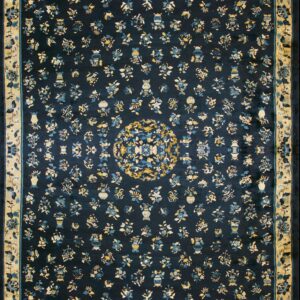
Chinese Wool – Peking 1890s Knotted Large Oversized Big Rectangle Blue Antique Rug
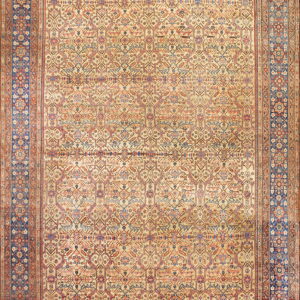
$67,500.00 Antique RugsRug sizes: 12x23Decorative Light Yellow Color Antique Tribal Allover Design Persian Sultanabad Oversized Rug
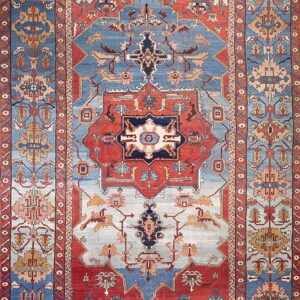
$60,000.00 Antique RugsRug sizes: 13.03x20.08Happy Jewel Tone Color Antique Oversized Persian Medallion Heriz Serapi Rug
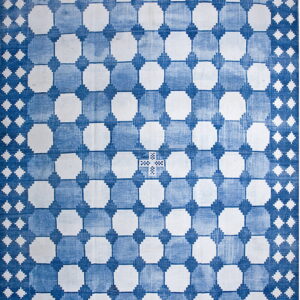
$98,000.00 Antique RugsRug sizes: 14x20Large Geometric Mid Century Modern Design White and Blue Flatweave Dhurrie Rug
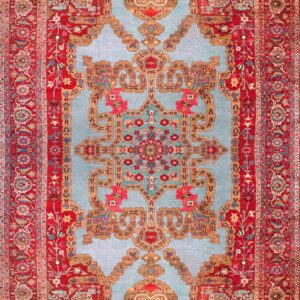
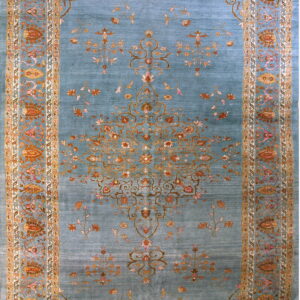
$24,500.00 Antique RugsRug sizes: 12.03x19Rare Light Sky Blue Color Antique Finely Woven Intricate Large Persian Tabriz Rug
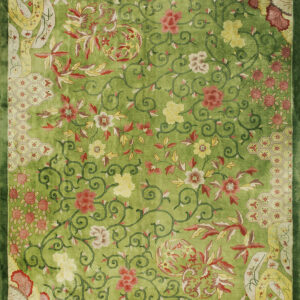
$68,000.00 Antique RugsRug sizes: 10.02x17.09Stunning Antique Chinese Art Deco Carpet by Nichols Workshop Wool Green Hand Knotted Pile Rug
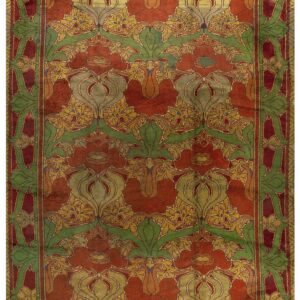
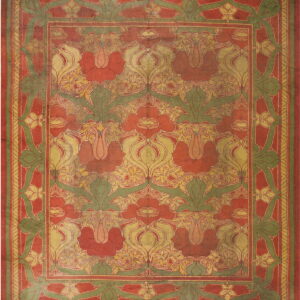
$33,500.00 Antique RugsRug sizes: 11.1x17.02Antique Large Red Donegal – Arts & Crafts Ireland Floral Knotted Rug
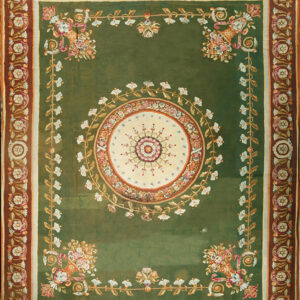
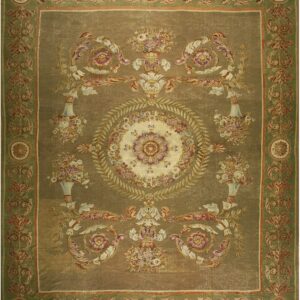
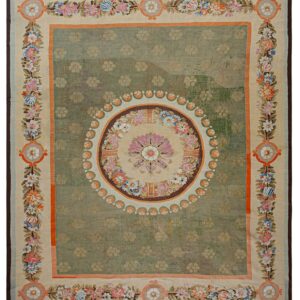
$98,000.00 Antique RugsRug sizes: 12x16.09Antique Large Aubusson French Floral, Medallion Knotted Rug
$25,000.00 Antique RugsRug sizes: 14.02x16.08Beautiful Sky Blue Color Antique Persian Room Size Geometric Serapi Heriz Rug
$68,000.00 Antique RugsRug sizes: 10.02x15.02Antique Donegal – Arts & Crafts Room Size Wool Coral Rug
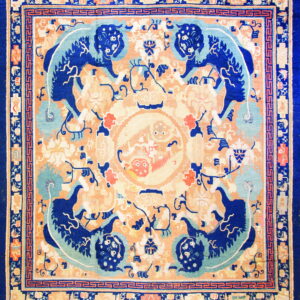
$68,000.00 Antique RugsRug sizes: 12.06x14.08Rare Early 18th Century Antique Foo Dog Chinese Square Ningxia Carpet
$375,000.00 Antique RugsRug sizes: 12.08x13.04Rectangle Antique 1920s Chinese – Peking Wool Blue Knotted Room Size Rug
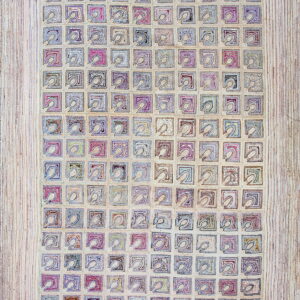
$22,500.00 Antique RugsRug sizes: 10x13.02Ivory Room Size American Hooked 1890s Wool Antique Rug
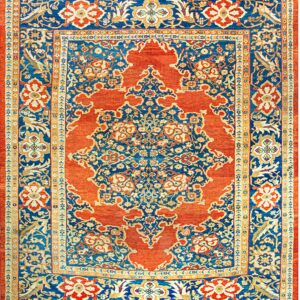
$21,000.00 Antique RugsRug sizes: 9.06x12.06Antique Square Persian Sultanabad Rug – Late 19th Century Rustic Red and Blue
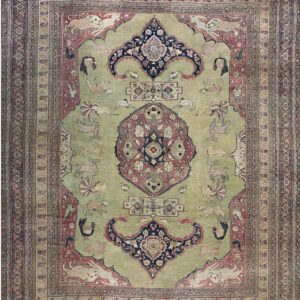
$22,500.00 Antique RugsRug sizes: 11.07x12.06Green Fine Antique Persian Moud / Khorassan Animal Hunting Scene Room Size Rug
$38,000.00 Antique RugsRug sizes: 9.09x12.02Antique Tribal Striped Turkish Kilim Hallway Runner Rug
$18,000.00 Antique RugsRug sizes: 4.02x11.09Antique Turkish Oushak Coral Rug – Primitive Tribal Pattern
$18,500.00 Antique RugsRug sizes: 9x11.08Soft Decorative Yellow Antique Room Size Turkish Oushak Rug
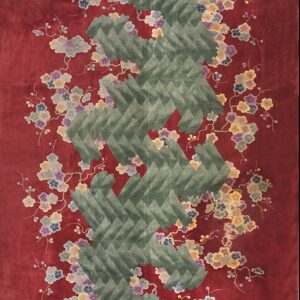
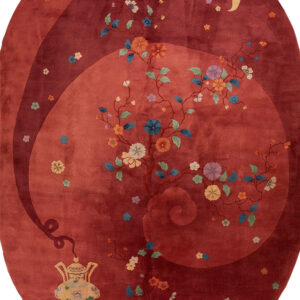
$18,800.00 Antique RugsRug sizes: 8.03x11.06Antique Art Deco Chinese Oval Rug with Artistic Swirl Pattern in Red
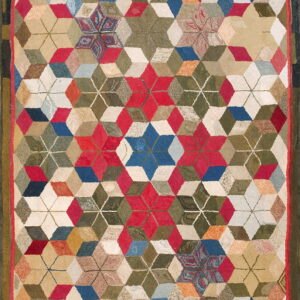
$22,500.00 Antique RugsRug sizes: 7.09x11Antique Allover Geometric Wool & Cotton Hooked – Loop Pile Multicolor Jewel Tones 1900s Rug
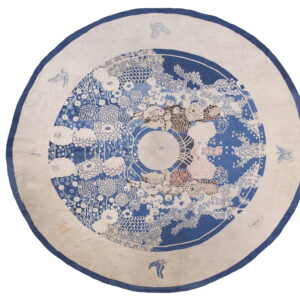
$15,000.00 Antique RugsRug sizes: 5.08x11Antique Artistic Chinese Soft Blue Color Wool Pile Round Peking Rug
$22,500.00 Antique RugsRug sizes: 10.06x10.06Antique Donegal Arts & Crafts Ireland Medallion Knotted Rug
$13,600.00 Antique RugsRug sizes: 5.07x7.09Antique Native American Navajo Geometric Design Ivory Color Rug
$7,500.00 Antique RugsRug sizes: 3.06x7.06Dazzling Geometric Design Antique Native American Navajo Earth Tone Rug
$8,200.00 Antique RugsRug sizes: 4.1x7.03Classic Tribal Geometric Antique Caucasian Red Lori Pambak Rug
$3,400.00 Antique RugsRug sizes: 4.09x6.1Bold Graphic Tribal Design Antique Native American Flat Weave Navajo Rug
$3,750.00 Antique RugsRug sizes: 3.09x6Rustic Tribal Antique Mid 18th Century Turkish Islamic Ghiordes Prayer Design Coral Rug
$18,800.00 Antique RugsRug sizes: 4x6Antique Small Scatter Size Sky Blue Fine Persian Silk Heriz Muslim Prayer Rug
$38,000.00 Antique RugsRug sizes: 4x6
What Makes an area Rug “Antique”
An antique rug is a handmade rug that is at least 100 years old. Some experts say 80 years is enough, but most agree 100 years is the real mark of an antique.
We often refer to rugs that are old but not yet antique—usually between 20 and 80 years old—as vintage. Anything younger than 20 years is simply called modern.
People often use the words “rug” and “carpet” to mean the same thing, but there is a slight difference. A rug is usually smaller and does not cover the whole floor, while a carpet is larger and sometimes covers a whole room.
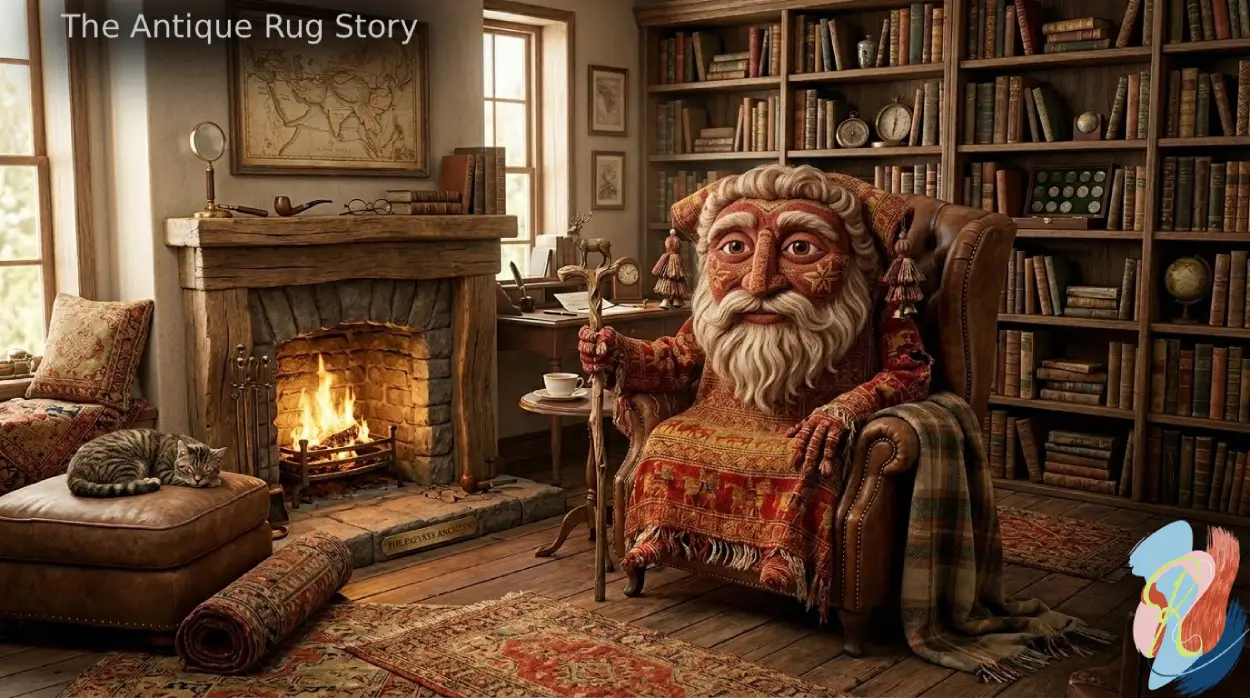
Still, when people talk about antique rugs or antique carpets, they usually mean the same handmade, old-fashioned floor covering.
4 ways to tell if a rug in an antique:
Weave and knotting
- One way to tell if a rug is antique is by looking closely at how it was made. Antique carpets have special kinds of knots. These knots were tied by hand, and some types of knots were used only during specific times or in specific places. A full knot breakdown will be explained later on.
- People ask, “Are there specific types of knots exclusive to antique rugs from certain periods or regions?” Well, sort of. certain knots are strongly linked to specific times or places. For example, rugs from Persia usually have asymmetrical Persian knots, while Turkish rugs have symmetrical Turkish knots. Experts look closely at these knots to tell how old a rug is and where it came from.
- Over centuries, several knot styles became famous. The most popular knots are Persian (asymmetrical), Turkish (symmetrical), jufti, and Tibetan knots. Persian knots allow for very fine detail, creating delicate patterns often seen in rugs from Iran. Turkish knots are symmetrical and strong, used mainly in rugs from Turkey and surrounding areas. Jufti knots are simpler, using fewer threads and tying two warp threads together; these are common in some Persian and Indian rugs. Tibetan knots differ by looping yarn around a rod before cutting, making thick, soft pile carpets ideal for colder climates.
Natural abrash
- Another sign that a rug is old is something called natural Abrash. Abrash is when the colors in the rug look slightly uneven or streaked. This happens because the dyes used long ago were natural and weavers used different dye lots. When the weavers dyed new yarn batches, colors didn’t always match exactly.
Weaving Materials
- Rug collectors especially love the older examples made before 1920. The ones woven before this time were created entirely by hand using traditional methods. They are usually made from high-quality wool, real silk and higher thread count cotton.
- “Camel hair” is something that is mostly used in older rugs. Many people believe camel hair rugs are common, but real camel hair is rarely used because it’s rough and difficult to dye. When camel hair is used, it’s usually mixed with wool to create rugs for extra warmth and durability, but pure camel hair rugs are rare and highly valued.
Carpet Dyes
- The older area rug dyes used to create the beautiful colors were sourced exclusively from natural materials like plants or insects. This is due to the fact that the first chemical dye, fuchsin, was only created during the 3rd quarter of the 20th century.
Because these older carpets were not mass-produced, each one is unique, with patterns and colors you won’t find anywhere else.
Hand spun vs Machine
Hand-spun yarn is a very important part of antique rugs. The yarn used in true antique rugs was always spun by hand, in a process called “hand-carding.”
Hand-carding means opening the wool by hand and spinning it manually. This process keeps the wool’s natural oils intact, making it strong, soft, and long-lasting.
Machine-made yarn is very different. Machines wash the wool with strong soap or chemicals, which remove these natural oils. Without oils, the wool becomes dry, brittle, and fragile.
Rugs made from machine-spun yarn will often break or wear out quickly as people walk on them. Rugs made with hand-carded yarn stay beautiful and durable, aging nicely over many years.
Collectors of antique carpets and rugs
Rugs made before 1920 are also prized for their historical value. They tell stories about the place and people who made them. When we admire an old carpet made in Persia, Turkey, or China, we connect with the culture and daily life from a century ago.
Collectors enjoy antique rugs because they are not just pretty floor coverings but historical objects full of meaning.
Another reason collectors prize these rugs is their quality and durability. The handmade rugs from older eras were carefully crafted to last. Weavers spent months, sometimes years, making each rug.
The materials used, like sheep’s wool or silk threads, were strong and high-quality. This care and attention mean antique rugs can still look great even after 100 or more years.
If well cared for, rugs can last centuries. Many have been passed down for generations, from parents to children, from grand parents to grand children and become prized familial heirlooms.
Because the older examples are rarer, rugs from before 1920 that are good examples in good condition are sought-after items in the collector’s market, making them not only beautiful but also valuable.
Investment value and potential of antique carpets
Old rugs have a finite number. With every passing year, fewer good examples remain. This creates a supply and demand issue that drives the prices of the best example to levels that are unattainable for the vast majority of us.
Great and rare historical rug examples regularly sell for over $1,000,000/ To the point where one single rug sold at a Sotheby’s auction for 34,000,000.
In short, antique carpets are valuable because they are old, handmade, and full of history. They show special features like unique knots and abrash that only appear in carpets made the traditional way.
These features, along with age, quality, and cultural meaning, make antique carpets prized treasures for collectors worldwide.
Uses, Origins and Timelines of Rugs
Lets review some of the more significant points during the evolution of rugs throughout history.
Earliest Uses:
The very first rugs were created to provide warmth and comfort—needs we still value deeply today. Over time, their role expanded—they became important status symbols, decorative pieces, and expressions of art and culture.
Ancient kings, nobles, and everyday families alike valued rugs not just for utility, but for their beauty and meaning.
The Pazyryk Carpet:
The oldest surviving rug in the world is the Pazyryk Carpet, discovered frozen in a Siberian tomb and dating back to around 500 BCE.
Its intricate patterns of animals and geometric designs prove that rug weaving has ancient roots and remarkable early sophistication.
Historic origin of rug making
The art of rug weaving started mainly in three regions:
- Persia (modern-day Iran)
- Anatolia (modern-day Turkey)
- Central Asia
These 3 locations had the perfect conditions for weaving:
- Access to sheep for wool
- Plants for dye
- Skilled people who passed weaving traditions from one generation to the next.
Each origin had its own unique features:
- Persia quickly became famous for its intricate, high-quality rugs, with designs inspired by nature, religion, and daily life.
- Anatolian became known for rugs in bright colors and bold geometric patterns.
- Central Asian was famed for producing rugs with tribal design elements, reflecting nomadic lifestyles with simple but powerful designs.
Antique carpets from different regions became historically significant for their distinct styles, colors, and weaving techniques.
Some notable older rug-producing regions include Persia (Iran), Turkey, the Caucasus, China, India, and Morocco.
Rugs by the Ancient Greeks and Roman:
People often wonder if ancient Greeks and Romans had rugs. Greeks used simple woven mats and floor coverings, but they did not commonly produce or use ornate rugs.
Romans sometimes imported carpets from the East, especially for important buildings or wealthy homes. However, area rugs were not widespread in Roman everyday life; instead, they preferred tile or mosaic floors.
Carpets from medieval time:
During medieval times, rugs became very important in castles, churches, and wealthy homes across Europe. People ask, “Were there rugs in medieval times?” The answer is yes.
Rugs, mostly imported from the Middle East, were symbols of wealth and power. Nobles and kings used rugs not only for warmth but to show their importance. A rug on the floor or hung on the wall was proof that a family was wealthy and influential.
Medieval castles often had rugs, especially in the great halls or private rooms of nobles. Stone floors were cold, and rugs made rooms warmer and more comfortable.
Rugs also helped reduce noise, which was useful in busy castles filled with people. In churches and cathedrals, rugs sometimes marked sacred spaces, showing special areas reserved for priests or important ceremonies.
Rugs of Persia
Persian rugs are highly admired for their intricate designs, fine weaving, and elegant colors. Cities like Tabriz, Kashan, and Isfahan produced stunning court carpets, highly valued by collectors.
Persian weavers often created patterns of gardens, flowers, or historical scenes, woven with unmatched skill and precision.
Carpets from Anatolian / Turkey
The Turkish rugs, especially from Anatolia, are celebrated for bold colors, symmetrical patterns, and tribal motifs. Unlike Persian rugs, Turkish rugs often have geometric shapes and brighter, stronger colors.
Antique Turkish rugs from towns like Oushak or Bergama remain popular because of their lively, timeless designs.
Rugs from the Caucasus region:
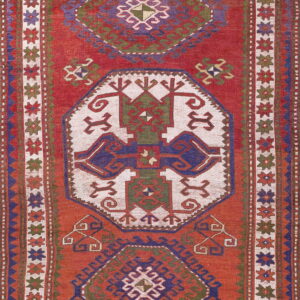
Caucasian rugs from regions near the Caucasus mountains (modern-day Armenia, Azerbaijan, Georgia) have unique tribal designs with strong, vivid colors.
These rugs often show simple but striking shapes, including stars, diamonds, and stylized animals, reflecting a nomadic life and cultural traditions.
Rugs from China
Chinese rugs are easily identified by their calm colors, floral patterns, and sometimes mythical creatures like dragons or phoenixes.
Historically woven for emperors and nobles, these rugs have a formal yet graceful style, perfect for elegant settings.
The carpets from India
Indian rugs have a rich history influenced by Persian designs but have developed their own unique identity over time. Famous for both detailed court carpets and simpler village rugs, Indian carpets often combine floral motifs with geometric patterns, woven with silk or fine wool threads.
Rugs from Morocco
Moroccan rugs, unlike others, feature simple yet powerful geometric patterns. Often woven by tribal women for personal use, these rugs have thick piles and bold, abstract designs.
Antique Moroccan rugs, especially Berber rugs, have become popular worldwide for their simplicity and beauty.
What is behind the antique area rug:
Antique rug designs reflect history, culture, and craftsmanship. From tribal origins to courtly elegance, from Persia to Morocco, each rug tells a unique story. Imperfections like abrash and small irregularities make antique rugs special, proving their handmade origin.
Rugs by famous masters or from well-known regions are highly prized and rare, making antique rugs more than just decorations—they are valuable pieces of art and history.
Important moments in area rug history:
Antique Rugs and the Silk Road
The Silk Road, an ancient network of trade routes dating back to around 130 BCE, played a crucial role in introducing rugs to the West.
Merchants traveling from Central Asia, Persia, and Anatolia carried rugs into Europe, making them popular trade items.
We can imagine how Europeans felt captivated by the vibrant colors and intricate patterns, quickly increasing demand. By the Middle Ages, these rugs had become treasured items in European royal courts and noble households.
The Golden Age of Antique Persian Rugs
The Safavid era in Persia (1501–1736) is widely regarded as the “golden age” of Persian rug weaving, a period when the craft reached unparalleled artistic heights.
Supported by wealthy patrons, including powerful rulers and royal families, skilled artisans created exquisite rugs known for their intricate designs, vivid colors, and exceptional craftsmanship.
Master weavers developed sophisticated patterns, such as floral motifs, medallions, and elaborate borders, transforming rug-making into a prestigious art form.
Today, rugs from the Safavid period remain among the most treasured and valuable antiques, celebrated for their beauty, artistry, and remarkable durability.
The Industrial Era and Machine-Made Rugs
During the industrial revolution in the 1800s, rug production changed dramatically. Machine-made carpets became common, allowing rugs to be produced faster and more affordably.
This innovation made rugs accessible to the middle class, not just the wealthy. However, the rise of machine-made rugs also created a clear distinction between mass-produced carpets and the handcrafted antique rugs prized for their unique craftsmanship and enduring quality.
Evolution of Carpet Weaving and Tools
Rugs started as simple coverings for warmth and comfort but became much more than that. Over thousands of years, they developed into treasured works of art, prized by kings, queens, and collectors.
From the ancient Pazyryk Carpet to the medieval castles of Europe, rugs have always told stories—of trade, culture, wealth, and beauty. Today, antique rugs still remind us of the long history and incredible skill behind each piece.
What tools were used to weave very old area rugs?
Basic but effective tools. Early weavers used simple looms, usually wooden frames. The simplest loom was a vertical loom, where threads were stretched between two beams. Weavers tied knots by hand, row after row, carefully building the pattern.
Some regions used a special weaving hook that had a small knife attached, allowing weavers to grab yarn, pull it through warp threads, and cut the wool quickly.
Other areas preferred using only their fingers to tie knots, separately trimming yarn with a knife. Additional common tools included comb-like tools to push knots tightly together and spindles for spinning wool into yarn.
Over time, looms became more sophisticated. Horizontal looms, which allowed weavers to sit while working, became common in Persia and Turkey.
These looms helped weavers work faster and create larger rugs. Despite these improvements, rug weaving remained mostly unchanged for thousands of years, with weavers relying on their hands and simple tools to produce beautiful carpets.
Rug Designs, Knots & Regions
Antique rug designs evolved significantly over the centuries, shifting from ancient tribal patterns to intricate, historical court designs. Early antique tribal rugs showcased basic shapes and symbols reflecting daily life, such as animals, plants, and geometric patterns.
These historical rugs were crafted by nomadic or village communities, mainly for their personal use. As weaving spread and became popular in wealthy courts, the patterns became more complex and detailed, often reflecting royal tastes, religion, or mythology.
Famous Antique Rug Weavers
These sophisticated rugs, known as court carpets, were specially made for kings, queens, and noble families. They were woven by skilled master weavers who worked under royal sponsorship.
Court carpets often had precise designs, rich colors, and luxurious materials like silk threads or gold fibers. Historical master weavers like Mohtashem and Hadji Jalili from Persia became famous for creating some of the world’s most beautiful rugs, known for incredibly fine detail, balanced patterns, and exceptional color harmony.
In more recent times, master weavers such as Amoghly from Mashhad and the Sairafian family from Isfahan have continued this tradition. Their carpets remain highly valued for their sophisticated designs, luxurious materials, and unmatched craftsmanship.
Origins of patterns seen in area rugs
People often ask, “How did older rug patterns and designs evolve over time?” Initially, rugs were practical items made by tribes for everyday use. Designs started simply, often representing nature or tribal symbols.
Over time, as rugs reached wealthy courts, the patterns evolved into more intricate designs. Royal patronage allowed weavers to experiment with new patterns, colors, and materials, creating the rich and varied rug designs we see today.
Why people like imperfections in antique carpets
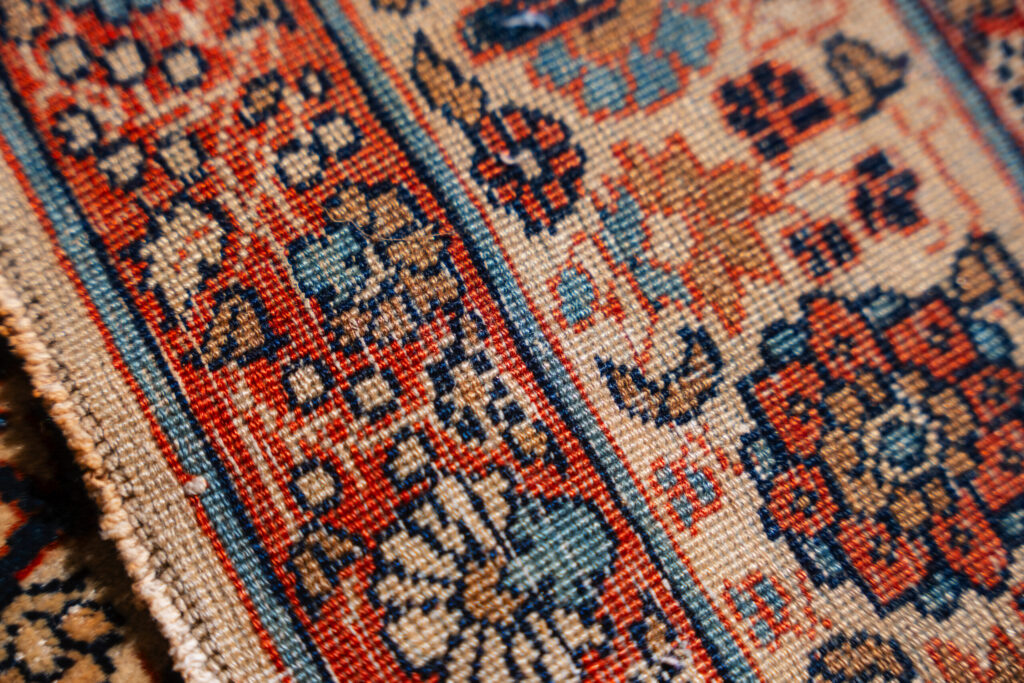
People often wonder and ask, “Why do collectors and mavens like imperfections in older area rugs?” Imperfections like uneven colors (abrash), small “mistakes” in design, or slightly uneven shapes can make antique carpets more valuable.
These so-called imperfections are what set that specific carpet from any other. Only machine made pieces have a “perfect” design that could be cranked out again and again and again.
Anything truly hand made will have some level of imperfection as if to say – “I am the real thing, not some massed produced commercial item”
Are all old rugs truly rare?
People also ask, “Are all antique rugs considered rare?” Not all antique rugs are equally rare. Rugs from famous master weavers, certain regions, or those with unusual patterns are rarer and more valuable.
Common rugs from the past century might still be antique but less rare and valuable. True rarity comes from unique designs, fine craftsmanship, excellent condition, or historical importance.
Buying & Valuing Antique Rugs Vs New
People buy antique rugs for several reasons.
3 main reason for buying an antique over new:
- Investment potential: Some antique rugs often become more valuable over time, making them a smart investment.
- Uniqueness: Because they’re handmade and older, each rug is truly one-of-a-kind. Owning something unique adds personality to your home and makes the space feel special.
- Sustainability: Many people also choose antique rugs because they support sustainability. By buying something older, you reuse and reduce the need for new materials, helping the environment.
New vs antique rug buying checklist to help decide:
- Budget: Antique rugs usually cost more upfront, but can increase in value.
- Durability: Antique rugs are well-made and durable but may need gentle care.
- Design: Antique rugs offer unique designs you can’t easily find new.
- Environmental impact: Antiques are eco-friendly compared to mass-produced rugs.
- Maintenance: Antiques may need special cleaning or restoration.
- Availability: Antique rugs may require more time to find than new rugs.
Should I buy a new or antique rug for my home?
If you love history, uniqueness, and potential investment value, antique rugs are the better choice.
If you want something modern, inexpensive, and easy to replace, a new rug might suit you better.
5 things that affect the price of older area rug:
The price of antique carpets varies greatly, depending on several factors.
Here are 5 important price drivers:
- Age: Older rugs, especially pre-1900, often cost more
- Condition: Well-preserved rugs command higher prices.
- Origin: Rugs from famous weaving regions like Persia or Turkey cost more.
- Materials: Silk or high-quality wool rugs cost more.
- Size and design: Larger rugs or rare designs usually have higher prices.
Are antique rugs really more expensive than new rugs
Usually, yes. Antique rugs are handmade and limited in supply and with every gassing year, less and less good examples are available. This makes the good ones more valuable, especially over time.
However, some high-end new rugs can also be expensive. Antique rugs, though, have the advantage of increasing in value over time.
Should I have my antique carpet appraised before buying it?
If you’re buying a more “expensive” antique rug, it’s smart to have it appraised. Appraisals tell you how much your rug is worth.
Usually, appraisal costs depend on the rug’s size and value, but they typically range from $100 to $500. It’s a small price to pay for peace of mind.
Buying old rugs with repairs:
Beware of repairs when buying antique rugs. Some repairs are normal and fine, but watch for “red-flag” repairs.
These include excessive patching, badly matched colors, glued areas, or very uneven edges. Poor repairs lower the rug’s value, so always inspect closely.
5 points to make sure that the antique carpet is fairly priced:
“How do I know if the antique rug I am buying is worth the price?” Is one of the top questions we get.
So here are 5 things to keep in mind:
- Inspect closely: Look for fine craftsmanship, consistent knotting, and vibrant colors.
- Check materials: Natural fibers like wool or silk add value.
- Research origin: Rugs from famous areas have higher value.
- Get an appraisal: Professional appraisal confirms the rug’s value.
- Ask about repairs: Understand what repairs were made and why.
7 important questions to ask when buying antique rugs:
- How old is this antique rug? Age significantly affects value, rarity, and condition.
- What region is this antique rug from? Region impacts style, rarity, and historical value.
- Has this antique rug been repaired? Repairs can influence the rug’s integrity and value.
- What materials is the antique rug made from? Materials like silk or wool affect durability, value, and care needs.
- Has this antique rug been appraised? An appraisal ensures you’re paying a fair price.
- Is there a certificate of authenticity for this antique rug? This confirms the rug is genuine and accurately described.
- How should I care for this antique rug? Proper care extends lifespan and preserves value.
Buying an antique area rug means choosing something special and timeless.
Antiques offer potential investment value, unique beauty, and sustainability benefits. Always inspect rugs closely, ask questions, and get an appraisal if possible.
Choosing carefully ensures you own a work of art and piece history that enhances your home for years to come.
How to spot a “fake” antique rug
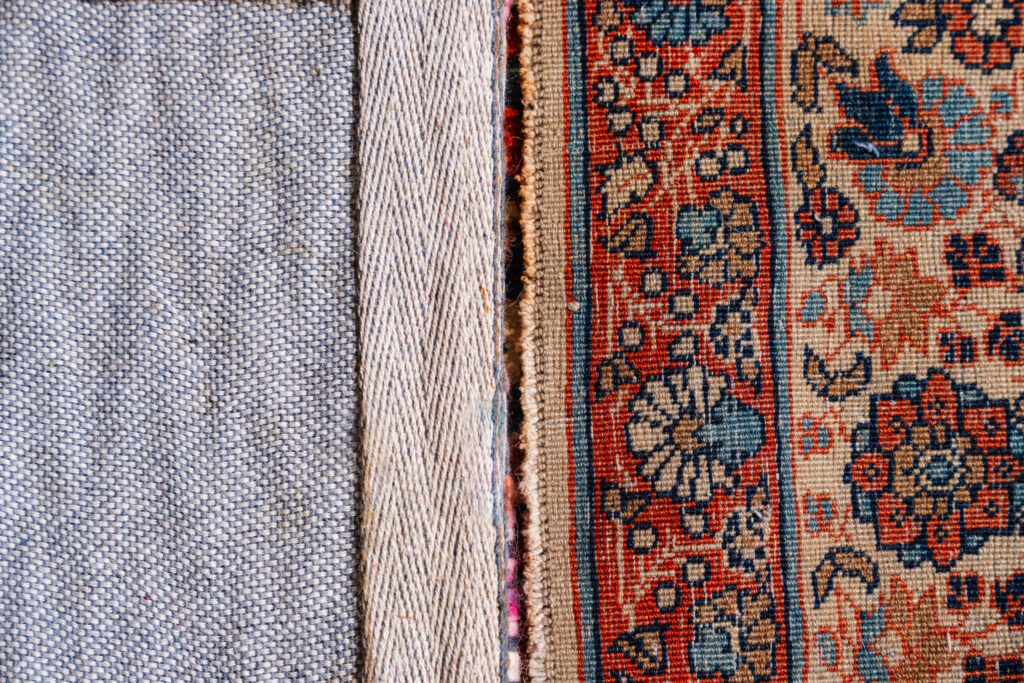
To spot fake antique carpets and confirm origin, carefully examine details. Look at the rug’s back first. Real antique carpets have irregularities in knots and stitching.
Machine-made rugs are too perfect, smooth, and uniform. Check colors, too. Antique carpets have natural colors that fade gently over time, not bright or synthetic-looking shades.
It’s important to know how to tell the difference between real antique rugs and reproductions. Genuine antique rugs show unevenness, color variations (abrash), and subtle signs of age.
Reproductions often look too new, uniform, and lack natural fading or imperfections.
Gauging the age of a rug
Another common question is, “How can I tell how old a rug is?”
Here are 4 basic things to help try and figure that out:
- Design: Older rugs often have traditional patterns from specific eras.
- Knots: Certain knots were used only in specific time periods or regions.
- Wear and fading: Gentle, even fading usually means age.
- Materials: Natural fibers and dyes indicate older rugs.
How to know where the rug was made
The question, “How do I know where my antique rug was made?” is also important. Look at knots and patterns closely. Persian rugs often have fine, delicate knots and floral patterns. Turkish rugs have strong, bold patterns and symmetrical knots. Caucasian rugs have tribal, geometric patterns. A rug expert or appraisal can confirm the exact origin.
5 famous interior designers who use antique rugs in projects
Interior designers and home decorators frequently use antique carpets in modern homes because they add warmth, character, and history. An antique rug can be the perfect centerpiece in a sleek, minimalist room, balancing modern design with timeless beauty.
They also love them for their rich colors, detailed patterns, and cultural history which blend seamlessly into a wide range of interior design approaches, even contemporary homes.
Theft can provide unique focal points in any room or blend in softly into the background and ties the different elements together in a soft gentile way.
Famous interior designers often prefer antique rugs because of their beauty, uniqueness, and quality.
The high end decorators we chose to feature here are:
- Wearstler is known for bold, artistic interiors and loves antique rugs for adding depth and character.
- Bunny Williams appreciates antiques for their timeless quality and warmth.
- Axel Vervoordt, famous for understated, elegant designs, values antique rugs for their authenticity and the sense of history they bring.
- Michael Smith, celebrated for sophisticated yet inviting interiors, favors antique rugs for their ability to ground a room with elegance and subtle texture.
- Thomas Jayne, recognized for classic spaces with modern comfort, values antique rugs for connecting rooms to tradition while enhancing contemporary living.
Antique rugs continue to inspire designers and homeowners today. In short, antique rugs are not just floor coverings—they’re historical, cultural, and diplomatic treasures.
From royal gifts and wedding dowries to storytelling pieces and modern interior highlights, these rugs connect past and present beautifully.
Antique Rug Care, Storage & Repair
Proper care for your antique rug ensures it remains beautiful and usable for generations. While known for exceptional durability, antique rugs require consistent and mindful maintenance.
Follow these practical guidelines to protect your rug from gradual damage and preserve its historical charm.
Environmental Factors—Preventing Quiet Damage:
Sunlight and UV Exposure
Use sheers, blinds, or UV-filter films to shield your rug from direct sunlight. Rotate your rug by 90 degrees every three to six months to maintain even color and wear. Avoid extended exposure to midday sun—UV rays weaken fibers and permanently fade dyes.
Humidity and Moisture
Keep indoor humidity stable between 45% and 55%, utilizing dehumidifiers in damp spaces if needed. Never store your rug in extremely damp environments such as basements or overly dry areas like attics, as this invites mildew, mold growth, and fiber brittleness. Promptly blot any liquid spills to avoid moisture damage.
Pests: Moths and Carpet Beetles
Regularly vacuum both sides of your rug to remove pests and their eggs. Place cedar blocks or lavender sachets nearby as natural repellents. Do not seal your rug in airtight plastic; trapped moisture can lead to mold and pest infestations.
Routine Handling & Rug Maintenance
Top 6 things to know so you can take good care of your older area rug:
Gentle Vacuuming and Cleaning
Vacuum your antique rug once weekly using gentle suction without rotating brushes or beater bars. Avoid vacuuming fringes to prevent fraying. Professional cleaning every few years by specialists is necessary; never wash antique rugs at home, as improper techniques risk permanent damage.
Managing Foot Traffic
Antique rugs can handle moderate daily foot traffic comfortably, but placing them in very busy areas, such as entryways or high-traffic hallways, will accelerate wear. Regular rotation ensures even distribution of use, prolonging the rug’s life.
Furniture Precautions
Avoid placing heavy furniture directly onto rugs, as this may permanently crush fibers. Always lift furniture when repositioning; never drag it across the rug’s surface.
Storage Techniques
Always roll rugs with the pile facing inward and wrap them in breathable cotton or muslin fabric. Never fold antique rugs, as creases permanently weaken the fibers and structure of the rug.
Prompt Attention to Small Damage
Inspect regularly and promptly address minor issues like tears, unraveling edges, or loose threads. Immediate attention prevents minor imperfections from becoming significant problems.
Padding for antique rugs
Antique rugs do require special padding underneath. People often ask, “Do antique rugs require special padding?” Yes, padding protects your rug from friction against the floor, preventing damage. Choose high-quality rug pads made specifically for antiques, usually thick felt or rubber-and-felt combinations. Avoid plastic or sticky pads—they can damage your rug over time.
How Long Do Antique Rugs Last?
With appropriate care, antique rugs commonly remain beautiful and structurally sound for multiple generations, sometimes even centuries.
Their remarkable durability depends largely on mindful maintenance and careful handling practices.
Antique Carpet Restoration, Repair and Cost
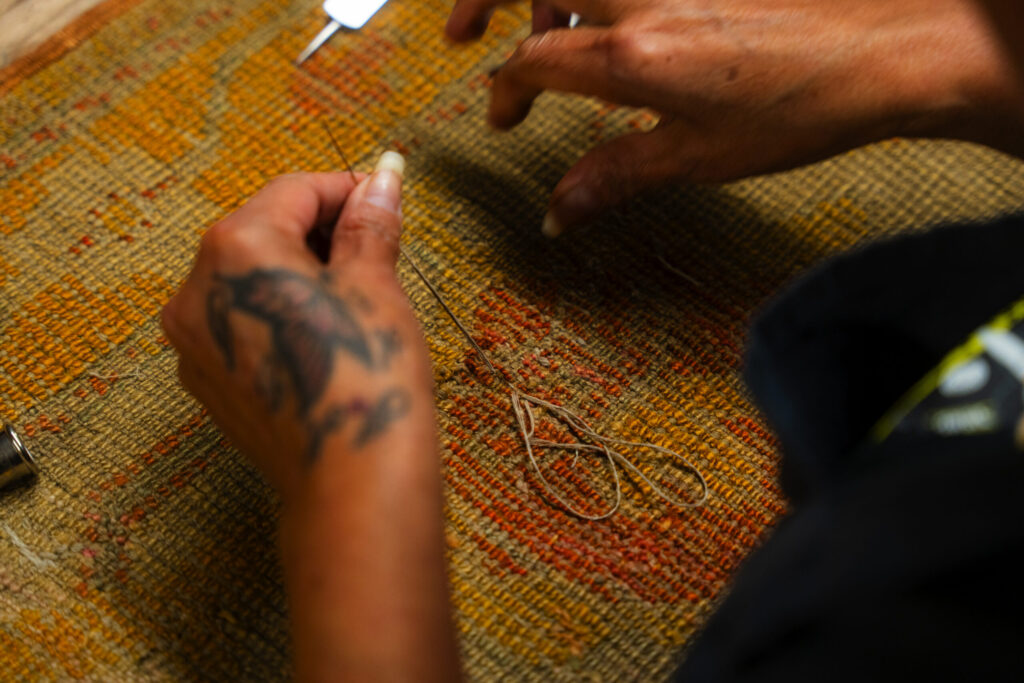
Professional restoration can help ensure your rug’s value as well as its longevity.
How much restoration and repair costs
Many ask: “How much does professional rug restoration cost?”
So keeping that in mind… Restoration can vary widely based on the rug’s condition, size, and needed repairs. Minor repairs, like small edge fixes, might cost around $100–$300.
Major restoration, including extensive reweaving, might cost $500 to $2,000 or more. Always get a clear estimate from a trusted professional before starting restoration.
Good repair & restoration vs bad:
When buying or evaluating an antique rug, look carefully at repairs. Some repairs are normal, like small edge repairs or neatly restored fringes.
However, avoid rugs with heavy patching, glue marks, or badly matched colors. These are signs of poor-quality repairs and can lower the rug’s value significantly.
People often wonder, “When considering an older rug, what repairs should I look for?” Good repairs include small areas of professional reweaving, neatly restored edges, and stable fringes.
Bad repairs include glued patches, mismatched yarns, overly stiff backing, or loose edges. These poorly done repairs reduce your rug’s value and durability.
Caring for your old rugs
In short, taking care of your antique rug involves simple but important steps. Regular gentle cleaning, proper padding, protecting from sunlight and pests, and careful professional restoration are key.
By following these basic guidelines, your antique rug will stay beautiful, valuable, and in excellent condition, ready to be enjoyed by you and future generations.
Rug Culture, Diplomacy, Fun & Historical Facts
Antique rugs have played a special role beyond decoration—they’ve been used as powerful tools in diplomacy, social life, and storytelling throughout history.
Rug diplomacy
“Rug diplomacy” was an important tradition, especially in Persia and Turkey. Rulers and Shahs often gifted valuable rugs to other countries’ leaders as symbols of friendship, peace, and respect. These carpets were carefully chosen to impress and build strong political ties.
For example, Persian Shahs regularly presented stunning handmade carpets to European kings, presidents, and diplomats. Such carpets often became treasured artifacts, showing the importance and lasting influence of these diplomatic exchanges.
Carpets in Historical Cultural Traditions
Antique carpets also had important social roles in their home cultures:
- Dowry rugs: Rugs frequently served as dowries, especially in regions like Turkey, Iran, and Central Asia. Families gave handmade carpets as part of a bride’s wedding gifts, showing wealth and skill. These rugs were carefully woven, often by the bride herself or her family, making each one deeply meaningful and personal.
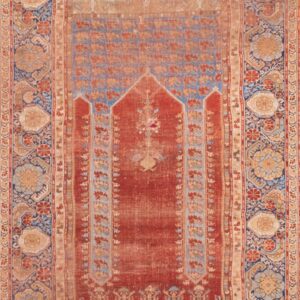
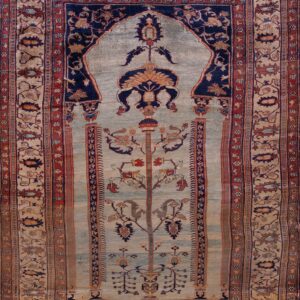
- Islamic Prayer Rugs: Prayer rugs hold a significant place in religious life. Many antique carpets were created as prayer rugs, featuring patterns pointing toward Mecca, helping Muslims perform daily prayers. These rugs were practical, spiritual, and highly personal objects, often passed down within families.
- Rug Stories: Storytelling through rugs was another tradition. Patterns and symbols in tribal rugs often represented stories, myths, or family histories. Weavers used rugs as visual storytelling tools, embedding meaning in every knot. Today, these rugs still carry hidden stories, giving us insight into the lives and beliefs of their makers.
Myths & Folklore and Some Facts about Antique Carpets
Some fun facts, myths and old folklore stories about rugs add charm to their history:
Folklore and Rugs
Flying carpets are famous in folklore and appear in many Middle Eastern stories, including “One Thousand and One Nights.”
Although rugs can’t fly, this myth reflects their magical status in culture as objects that transport people to new worlds and adventures.
Some interesting facts about antique rugs:
- The term “Oriental rug” refers to rugs from a vast region stretching from China to Turkey and Iran, reflecting many distinct cultures.
- The finest rugs can have hundreds of knots per square inch, showcasing incredible detail.
For those considering antique rugs, there are endless historical and rich cultural aspects that new productions, as nice as they may be, just pale in comparison.