
America “Rugs”
Discover our curated selection of American USA-made rugs perfect for enhancing your domestic decor today.
Key Terms and Types For Rugs Of America
- Navajo rugs — Why: Navajo rugs are renowned examples of Indigenous American weaving, distinguished by their unique geometric patterns, vegetal dyes, and the use of wool. These handmade American rugs are integral to both Native tradition and the broader story of U.S.-made rugs.
- Hooked rugs — Why: Hooked rugs are a signature American rug type, originating in the early colonial period. Made by pulling loops of yarn or fabric through a base, they became a staple in New England homes, reflecting thrift and regional style.
- Braided rugs — Why: Braided rugs exemplify American ingenuity and rural craft. Made by coiling and stitching together strips of fabric or yarn, these rugs are closely tied to early settlers and farmhouse décor.
- Chimayó and Rio Grande rugs — Why: These Southwestern styles—Chimayó (from New Mexico) and Rio Grande—highlight Hispanic weaving traditions transplanted to America, blending Indigenous, Spanish, and Mexican influences.
- Industrial tufted carpets (USA) — Why: The rise of industrial tufted carpets in the 20th century transformed the American rug industry, making affordable floor coverings widely accessible and shifting production toward mass manufacturing, especially in states like Georgia.
Category Scope: What Is (and Isn’t) an “American Rug”
An “American rug” is specifically defined by its origins in the United States, encompassing both handmade and industrial forms.
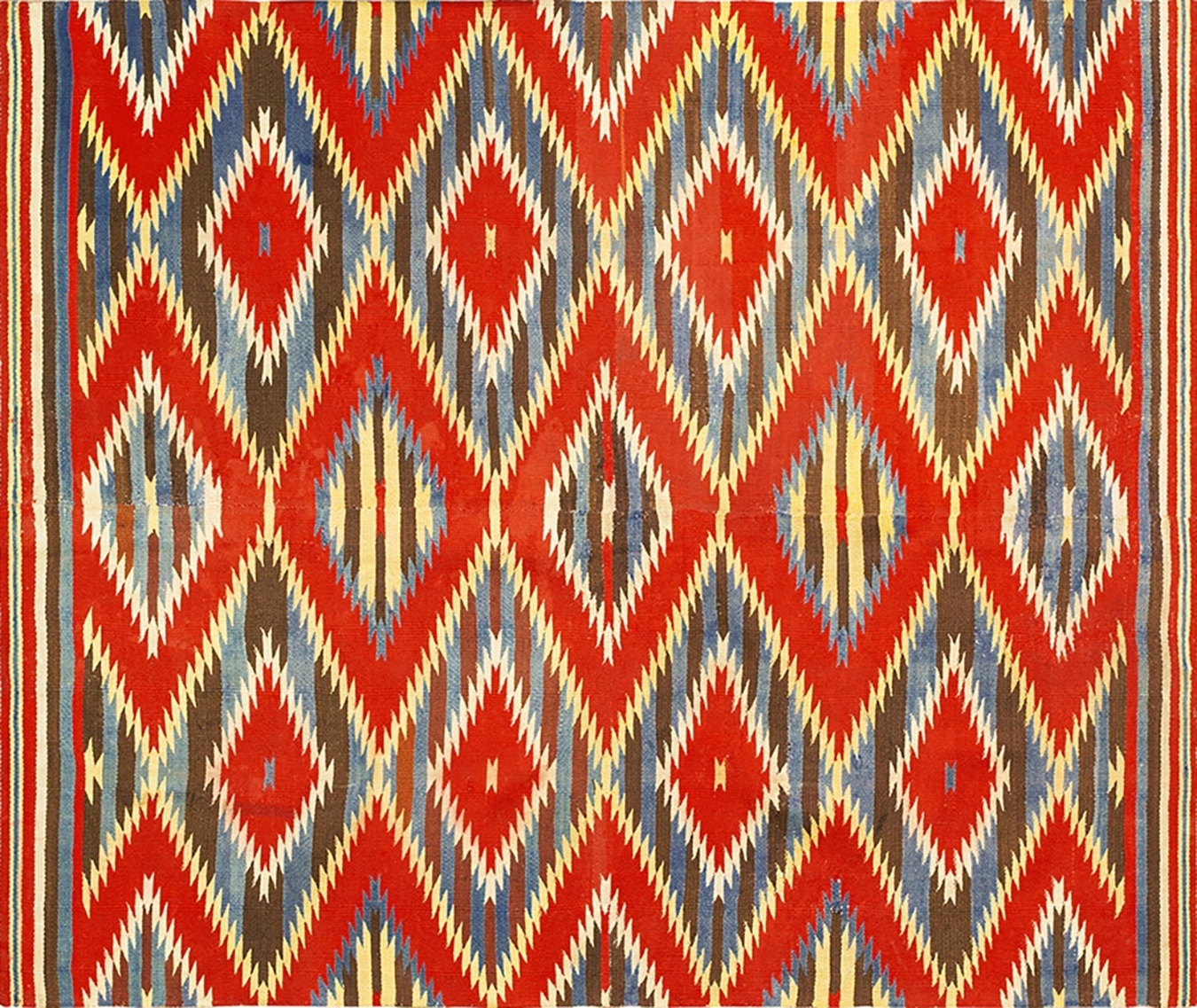
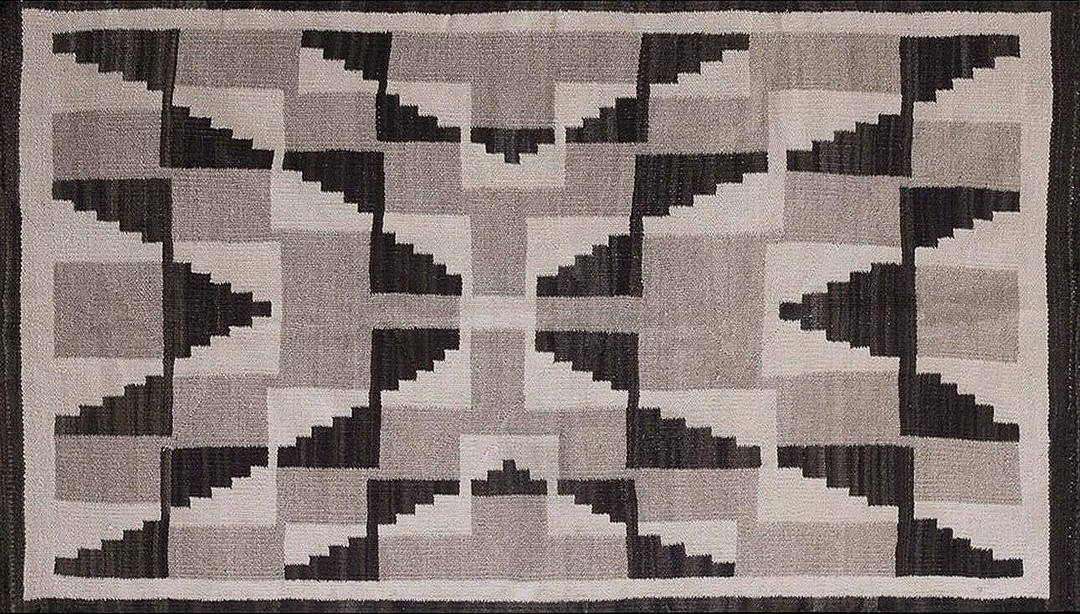
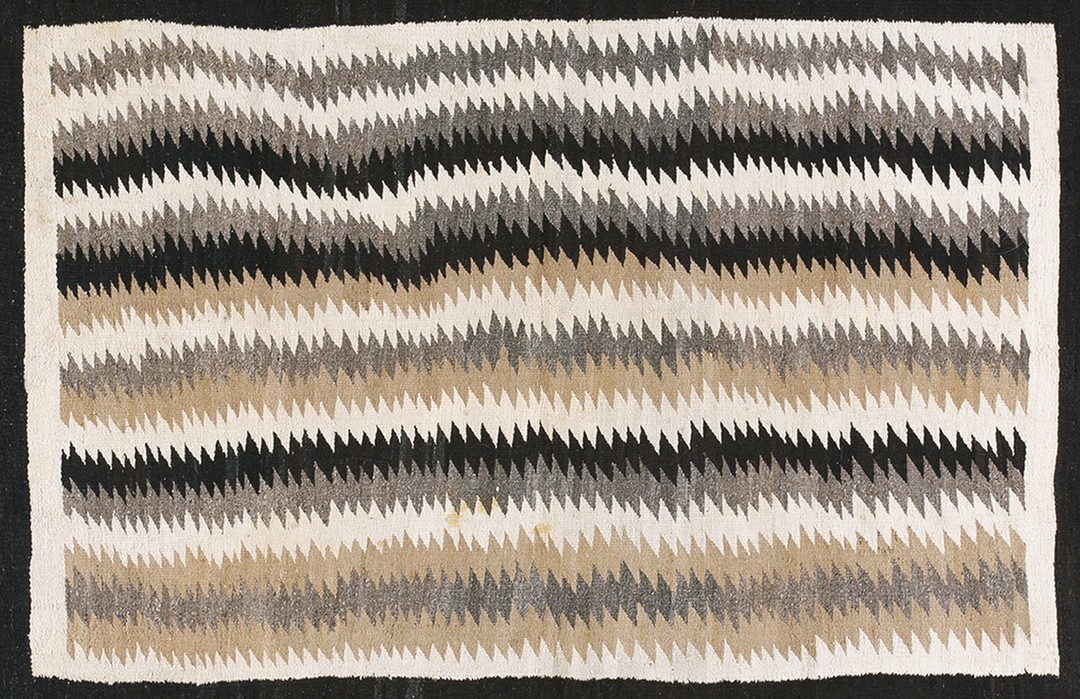
Antique Navajo American Allover Geometric Flat Weave Rug – by Rugs On Net
This includes:
- Indigenous weavings such as Navajo rugs, which represent some of the earliest and most culturally distinct American rug types.
- Colonial and early settler rugs, including hooked and braided styles that reflect European influences adapted to the American context.
- Hispanic and regional types like Chimayó and Rio Grande rugs, which blend traditions from Indigenous, Spanish, and Mexican heritage within U.S. borders.
- Industrial carpets and tufted rugs produced in American factories, especially since the Industrial Revolution, highlighting the transition from artisanal to large-scale manufacturing.
Crucially, “American-made” refers only to rugs physically produced in the USA. This is distinct from rugs imported and sold in America—only U.S.-made rugs, whether crafted by hand or manufactured in mills, fall under the scope of the American rug industry.
What is not considered an “American rug” for this category are imports: rugs made abroad, even if sold by American brands or retailers, do not represent U.S. weaving heritage or industrial history.
What Makes American-Made Rugs Different from Imports?
American-made rugs are distinct from imports in both heritage and construction. They reflect the diverse history and innovation unique to the United States, shaped by Indigenous, colonial, immigrant, and industrial influences. The blend of techniques—ranging from Navajo loom weaving to New England rug hooking, to mass-produced tufted carpets—results in uniquely American rug types and aesthetics not found elsewhere. American rugs are marked by:
- Regional and cultural diversity due to the country’s history of immigration and innovation.
- Materials and manufacturing methods that reflect both local resources (such as American wool or cotton) and technological advances from the Industrial Revolution.
- Distinctive styles like braided, hooked, and Chimayó rugs that are not replicated abroad.
In summary, “American rugs” is a broad term covering a rich tapestry of Indigenous, colonial, and modern/industrial forms, each with unique regional flavors and historical backgrounds. This diversity is a direct result of the United States’ multicultural history, ongoing innovation, and the clear distinction between U.S.-made and imported products—a difference that remains central to understanding the American rug industry today.
For collectors, decorators, and historians alike, recognizing what truly constitutes an “American rug” offers insight into the evolving narrative of American craft and commerce.
Deep History Timeline: From Indigenous Roots to Industrial Boom
Indigenous Weaving Traditions (Navajo Focus)
The history of American rugs begins with Indigenous weaving traditions, most notably those of the Navajo people. Weaving among the Navajo likely started after Spanish contact in the late 1600s, when they learned techniques from neighboring Pueblo communities. Early Navajo weavers used cotton, but after acquiring sheep from the Spanish, they transitioned to wool, marking a key innovation in early American textiles.
Native American Navajo rugs, recognized for their striking geometric patterns and earthy colors, remain a defining tradition in the history of American rugs. Their adaptability—blending Indigenous, Spanish, and Pueblo influences—demonstrates the larger story of U.S. rug weaving as one of continual adaptation and cultural fusion.
Colonial & Early American Weaving
During the colonial era, rug and textile making was both a necessity and a political act. The homespun movement encouraged American colonists to create their own textiles in protest against British imports, laying the groundwork for an “American” textile identity. Rug weaving in this period featured hand-hooked, braided, and woven rugs crafted from locally available materials like wool, cotton, and linen.
These early American textiles often reflected regional traditions and family ingenuity, as settlers adapted European techniques to the realities of the New World. The birth of the American textile industry in this period set the stage for future innovation and the eventual rise of the U.S. carpet industry.
Industrial Revolution & Mass Production
The Industrial Revolution brought a seismic shift in the production of American rugs. In 1839, the invention of Bigelow’s power loom in Massachusetts doubled the output of carpets and marked the dawn of industrialization in the U.S. carpet industry. Textile mills in New England and beyond began to produce rugs and carpets on a scale never before seen, using Jacquard looms and other mechanized processes.
This era of mass production made rugs affordable for millions of Americans, transforming them from luxury goods into everyday home furnishings. However, industrialization also changed the materials and styles of rugs, introducing synthetic fibers and uniform designs, and sometimes pushing aside regional handmade traditions.
Modern Era & Cultural Revival
In recent decades, there has been a cultural revival of American rug making, reconnecting with heritage crafts and emphasizing sustainability. The resurgence of interest in handwoven, hooked, and braided rugs reflects a desire to preserve traditional skills and celebrate the diversity of American rug types. Artisans and collectors alike are drawn to these practices, not just for their artistry but also for their connection to U.S. history and culture.
Today’s American rug industry thus bridges innovation and heritage, blending mass production with folk art traditions and continuing the story of adaptation that defines the history of American rugs. The trajectory of rug weaving in the United States—from Indigenous roots to colonial innovation, through industrial mass production, and into modern revival—highlights a narrative of constant adaptation and ingenuity.
Industrialization made rugs more accessible and transformed the industry, but it also sparked renewed interest in traditional styles and sustainable practices. Understanding this timeline provides essential context for appreciating the diverse, evolving landscape of American rugs, and points to the enduring significance of both handmade and industrial carpets in the nation’s cultural fabric.
American Rug Heritage: Materials, Techniques, and Traditions
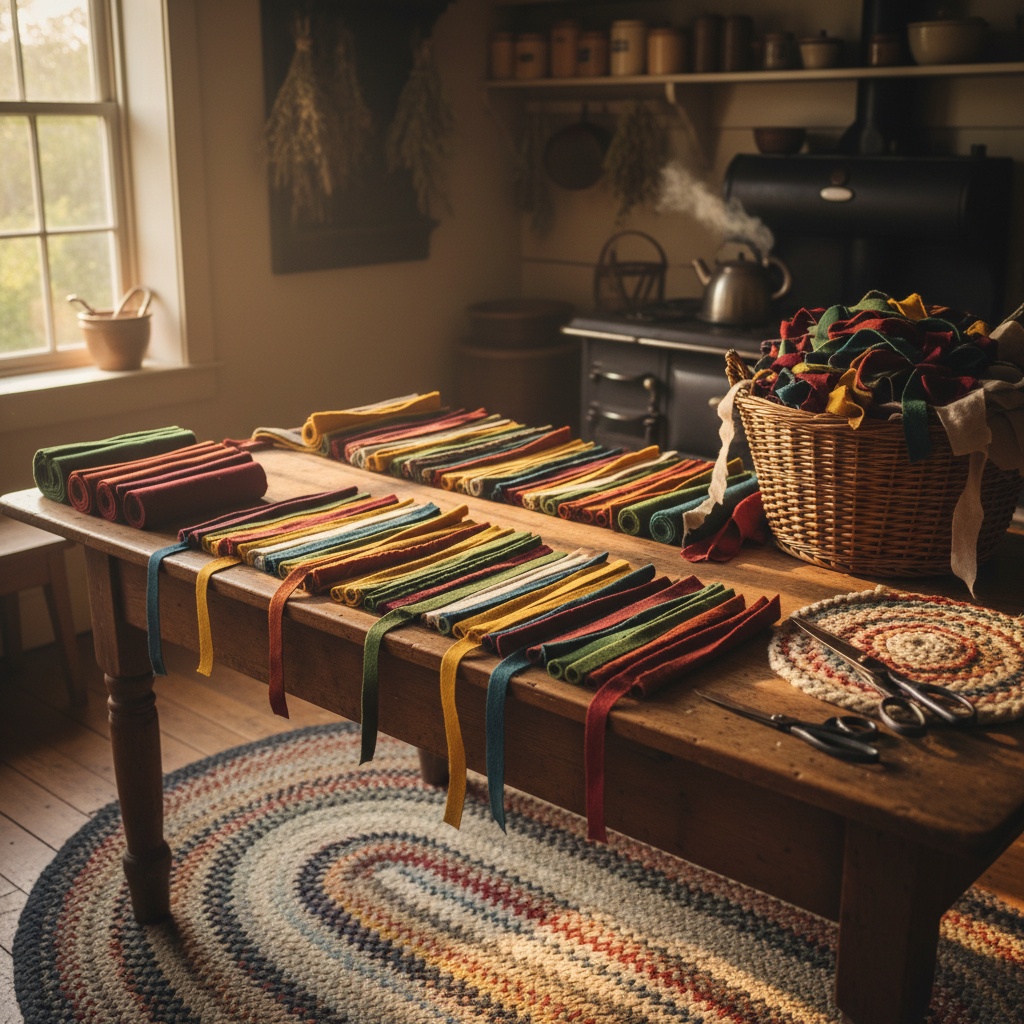
Fabric strips suggest material preparation for braiding.
Navajo Rugs (Diné Textiles)
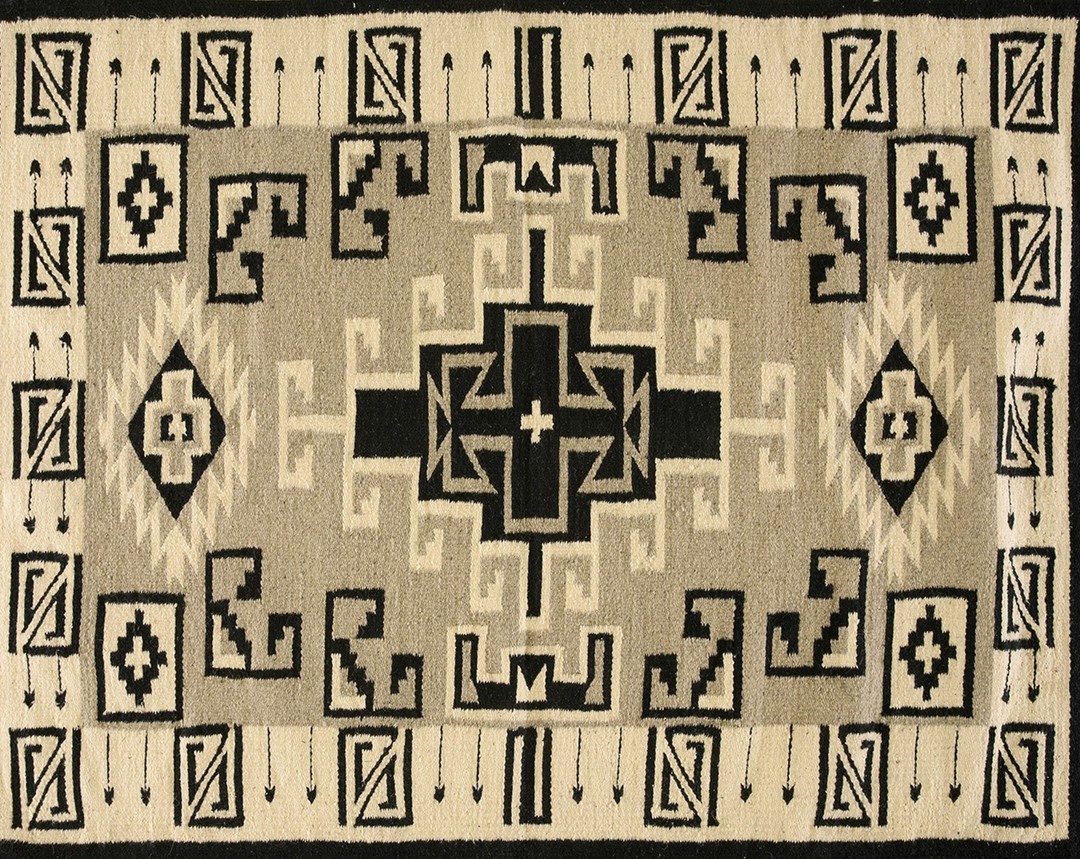
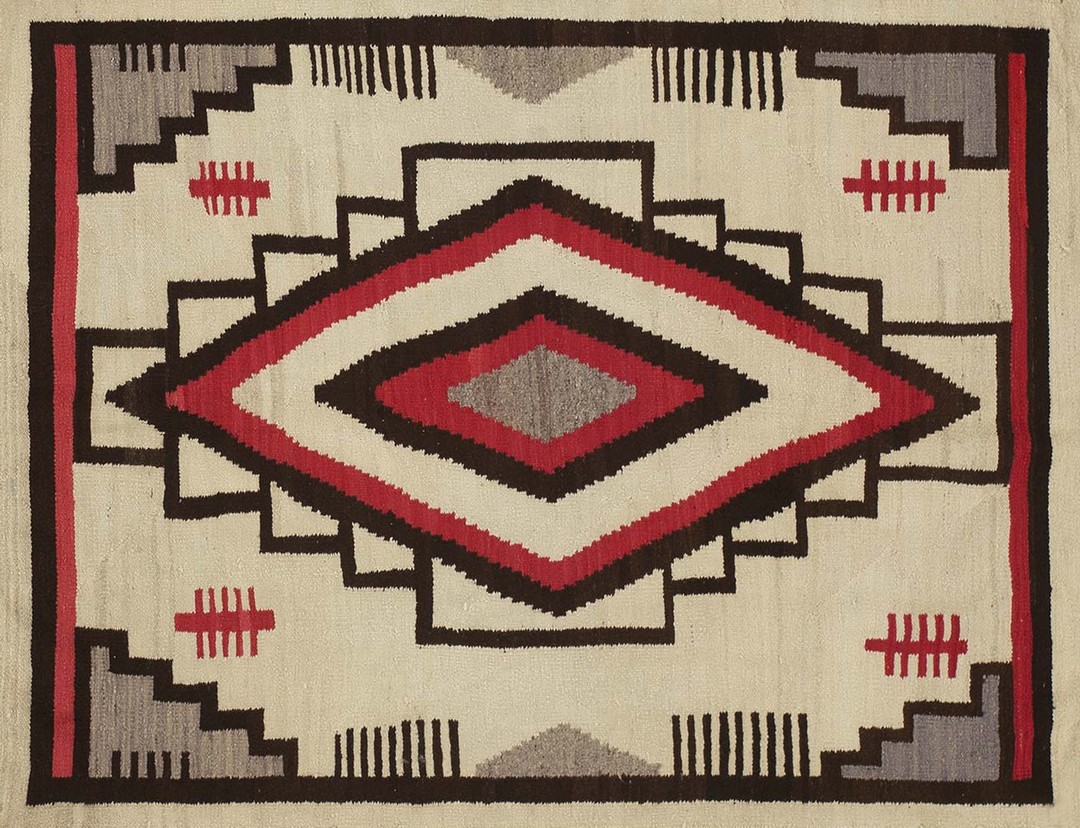
Navajo rug patterns are distinguished by their bold geometric forms, intricate symmetry, and deep cosmological symbolism. These rugs, woven by Diné artisans, often feature stepped diamonds, zigzags, and motifs that represent spiritual and natural forces. A hallmark of many Navajo rugs is the “spirit line”—a single contrasting thread woven from the edge into the field, signifying the weaver’s spiritual journey and the belief that creativity must not be confined. Utilizing a flatweave construction and vegetal or aniline dyes, Navajo rugs are valued for both their artistry and their historical significance, often commanding high prices in the collector’s market.
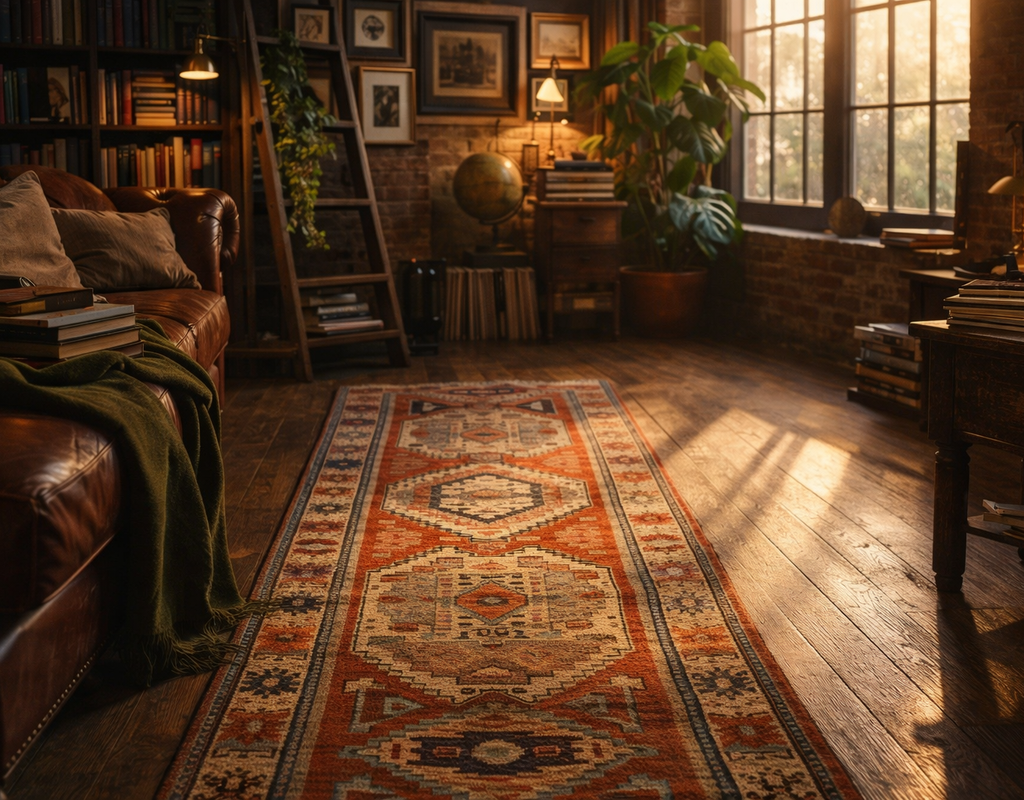
An antique-style Oriental runner rug adds warmth and pattern to this richly decorated, sunlit library or study.
The influence of Navajo rug patterns on modern American rug designs is profound; their precision and symbolism have inspired countless contemporary weavers and set a high standard for U.S. wool rugs.
Hooked Rugs (New England)
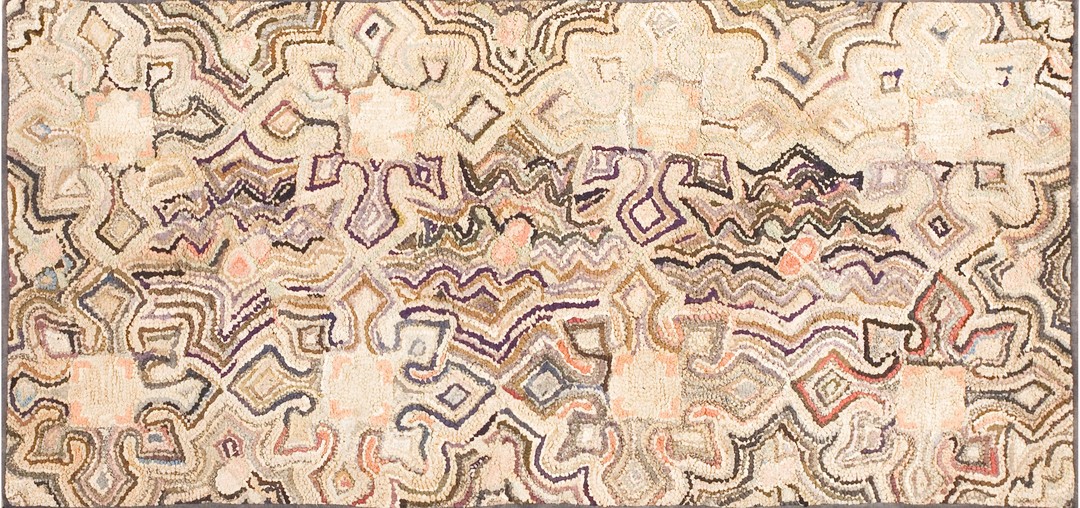
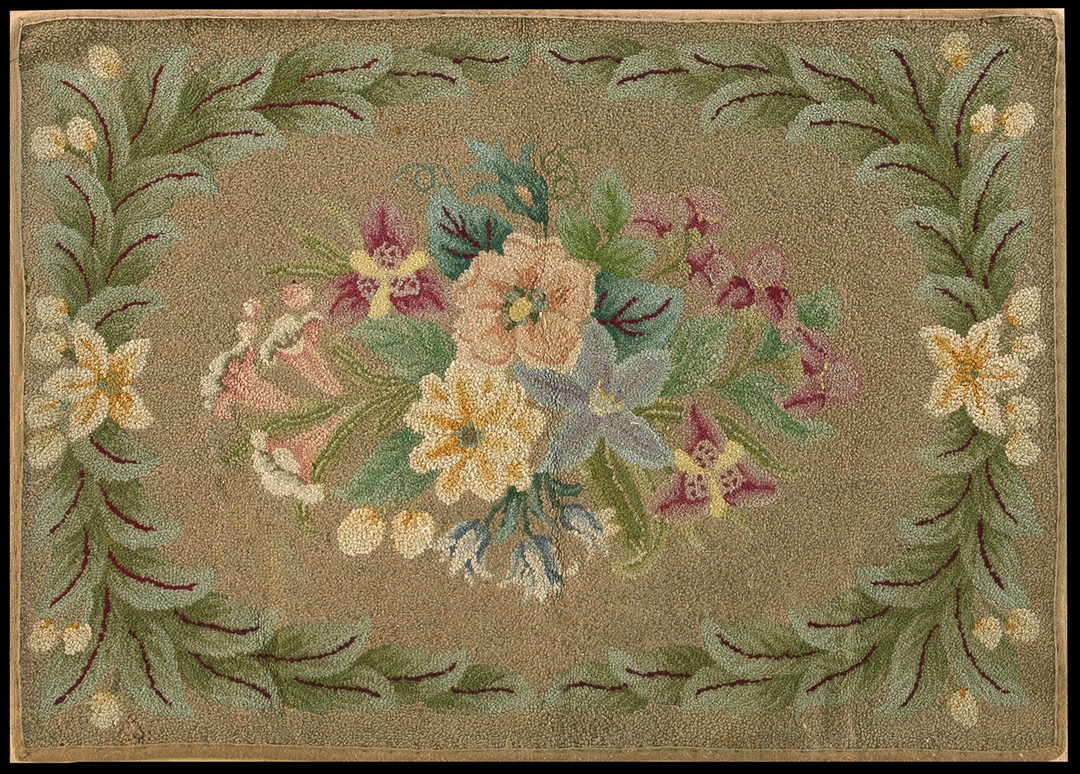
American hooked rugs, originating in 19th-century New England, are renowned for their nubby texture and folk-art appeal. They are created by pulling loops of wool or fabric strips through a sturdy backing, resulting in thick, durable surfaces adorned with floral, animal, and everyday motifs. Hooked rugs provided an affordable, resourceful way for families to add warmth and color to their homes, using scraps and cast-off materials.
The technique fostered an entire folk tradition, and today, authentic hooked rugs are considered a signature American rug type. Their tactile quality and vibrant, pictorial designs remain popular among collectors and interior designers.
Braided Rugs (Appalachian, New England)
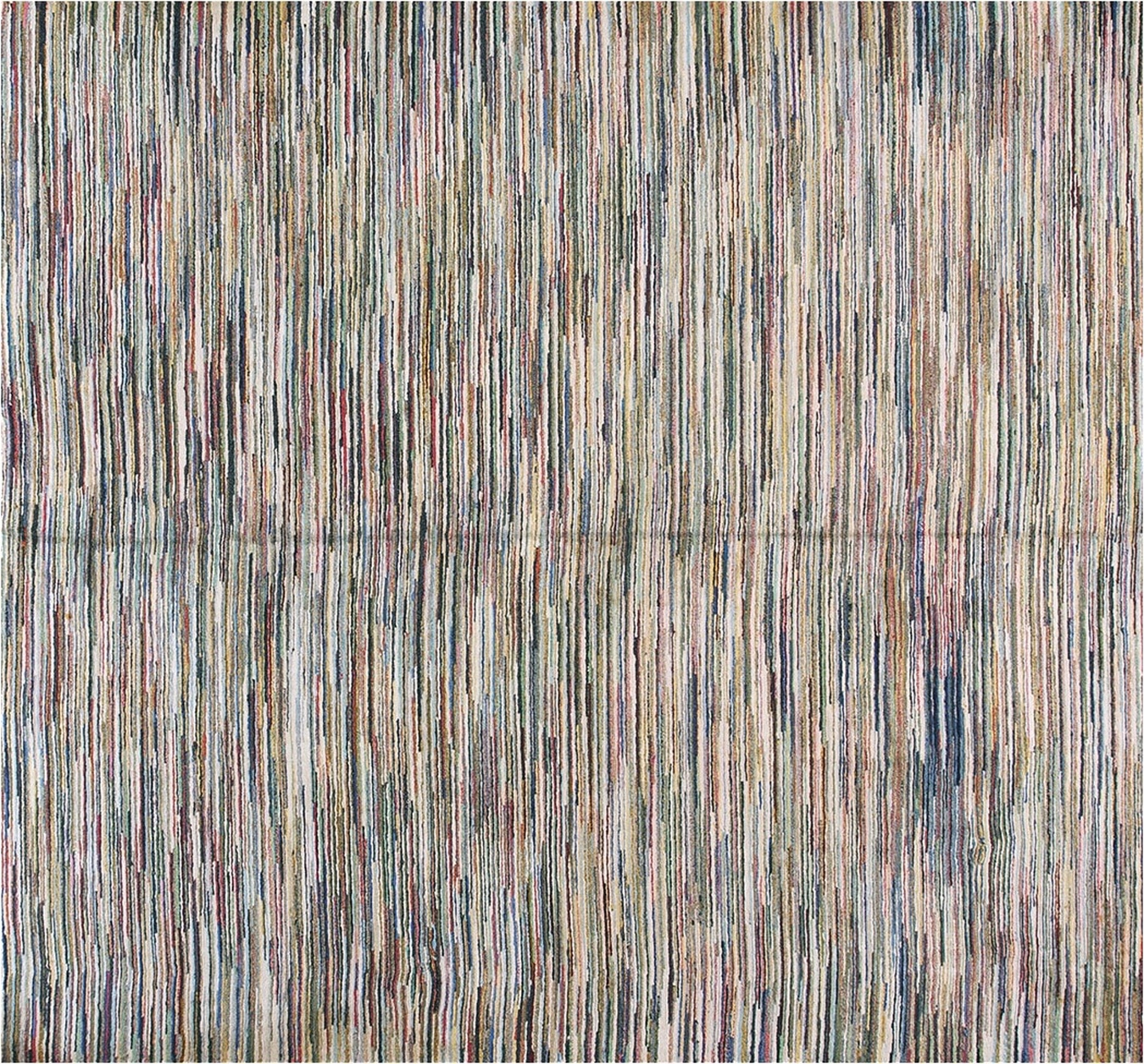
Antique Shaker America Knotted Rug – by Rugs On Net
Braided rug technique is rooted in the rural traditions of Appalachia and New England, becoming especially widespread after the 1810s. These rugs are constructed by braiding long strips of cloth or yarn—often from repurposed fabric—and sewing the braids into spirals or concentric ovals. The result is a sturdy, reversible rug well suited to high-traffic areas and rustic interiors.
The construction method not only reflects American thrift and ingenuity but also enables the use of diverse colors and patterns. Today, Appalachian and New England braided rugs are appreciated for their durability, historical authenticity, and eco-friendly appeal.
Chimayó and Rio Grande Weaving (New Mexico)
Chimayó weaving, practiced in northern New Mexico, stands out for its vibrant striped backgrounds, central diamond medallion, and crisp, Hispanic-inspired symmetry. This tradition stems from Spanish colonial weaving, which blended Indigenous and European techniques. Rio Grande weaving, closely related, employs horizontal stripes and bold geometric patterns, often in earthy colors.
Both traditions use locally sourced wool and manual looms, linking the area rugs directly to their regional historic heritage. Chimayó weaving, in particular, is celebrated for its role in maintaining Hispanic culture in the American Southwest and remains an iconic U.S. wool rug style.
Southwest Kilims and Flatweaves
American kilim rugs and Southwest flatweaves are frequently mistaken for imported styles, but many are distinctly U.S.-made. While “kilim” is a Turkish word, in the American context it refers to flatwoven rugs produced in the Southwest that use similar weft-faced techniques.
The key distinction lies in materials and motifs—American kilims may integrate Navajo, Hispanic, or regional patterns, and utilize local wool. Although imported kilims often appear in U.S. markets, American kilim and Southwest flatweave rugs embody the fusion of Indigenous, Hispanic, and settler influences, carving out a unique niche in the story of American rug heritage.
Wool Sourcing by State
- Texas — Why: As the nation’s leading wool producer, Texas supplies a large share of wool for U.S. wool rugs, influencing both the price and quality of American-made carpets.
- California — Why: California’s diverse sheep industry contributes to a steady supply of high-quality wool for rug production, impacting regional rug pricing and eco-profile.
- Wyoming, Colorado, Utah, New Mexico — Why: These states play crucial roles in wool sourcing for American rug makers, offering climate-adapted breeds that produce strong, resilient fibers. Local sourcing reduces transport emissions and bolsters sustainability credentials.
Wool sourcing by state directly affects the cost, durability, and environmental impact of American rugs. Rugs made with locally sourced wool often boast superior resilience and a smaller carbon footprint, while states with robust wool industries can offer competitive pricing and quality consistency for U.S.-made rugs.
In sum, American rug making is a blend of artisanal traditions and industrial advances, defined by distinct techniques, region-specific materials, and the continual adaptation of cultural influences. The diversity in rug types—from Navajo and Chimayó to hooked and braided rugs—reflects a rich heritage shaped by geography, innovation, and the enduring value of locally sourced wool.
Regional Rug Hotspots & Geographic Distinctions
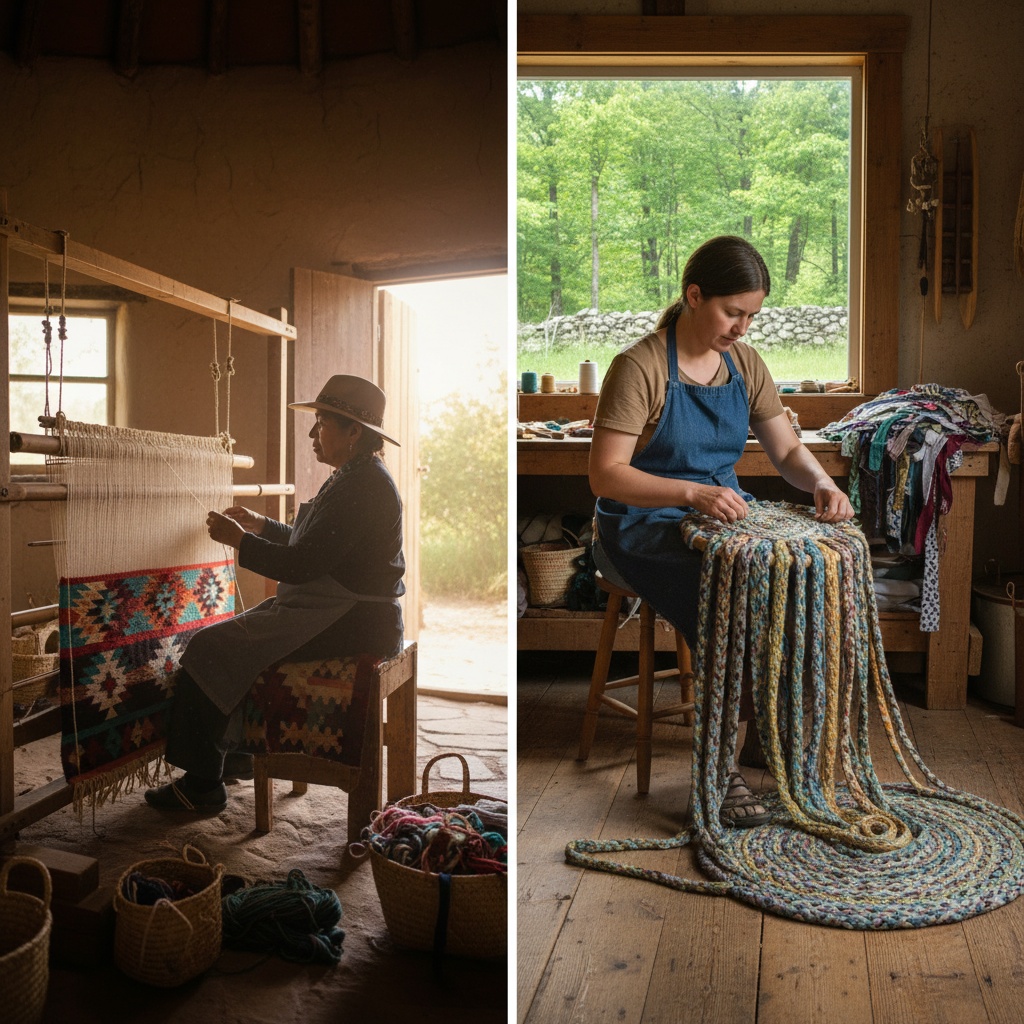
Contrasting textile techniques in American craft.
Navajo Nation, Arizona
Arizona’s northern region is home to some of the most celebrated Navajo weaving communities, including Teec Nos Pos, Ganado, and Two Grey Hills. These areas are renowned for producing Navajo rugs with distinctive regional patterns—Ganado for its deep reds and central diamonds, Two Grey Hills for fine, undyed wool and intricate geometric motifs, and Teec Nos Pos for vibrant, complex designs.
The “Navajo rug Arizona” reputation is closely tied to these communities, where weaving is both a living cultural practice and a significant economic activity for the Diné people. Their continued output affirms Arizona as a cornerstone of American rug heritage.
Northern New Mexico (Chimayó)
Chimayó, a village in northern New Mexico, is famed for its unique weaving tradition. Chimayó New Mexico rugs are instantly recognizable by their central diamond motifs and bold striped backgrounds, crafted by families such as the Ortegas and Trujillos.
The annual Spanish Market in Santa Fe further celebrates and sustains this Hispanic weaving heritage. Chimayó remains one of the country’s few places where traditional hand-loomed rug weaving thrives, linking the region’s Spanish colonial past to today’s artisanal revival.
New England (Maine, Massachusetts, Vermont)
New England is synonymous with American hooked rugs and braided rugs, especially in Maine, Massachusetts, and Vermont. Maine’s legacy includes the E. S. Frost patterns, which standardized many popular folk designs, while Massachusetts is known for its braided rug fairs and a longstanding tradition of home production.
“New England hooked rugs” are prized for their texture and pictorial folk art, while braided rugs from the region evoke classic rural American style. These traditions anchor New England’s reputation as a historic hub of handmade rug production.
Georgia’s Dalton: Carpet Capital of the World
Dalton, Georgia, is globally recognized as the “Carpet Capital of the World.” The Dalton carpet industry generates more than $9 billion annually, making the region a global leader in tufted carpet manufacturing.
The city’s transformation began in the early 20th century with tufted bedspreads, evolving into large-scale machine-made carpet production that now supplies homes, offices, and hotels worldwide. Dalton’s influence extends far beyond the U.S., cementing Georgia’s place at the heart of the industrial American rug industry.
Oregon’s Pendleton Mill & Other Regional Producers
The Pendleton wool mill in Oregon is legendary for its colorful blankets and woven textiles, maintaining a continuous weaving tradition for more than a century.
While the Pendleton wool mill is celebrated for its blankets—often inspired by Native American motifs—it does not primarily focus on producing floor rugs. Thus, while Pendleton products are iconic in American textile history, they are not a central player in the U.S. rug market.
North Carolina & Tufted Rug Production
North Carolina holds an important role in American rug manufacturing, especially in the industrial production of tufted rugs and carpets. The state’s textile sector has been a backbone of the regional economy, with major plants producing a wide range of carpets for residential and commercial use. The significance of North Carolina rugs lies in the state’s adaptability: from traditional woven goods to modern machine-made products, it continues to be a vital part of the U.S. carpet industry.
Across the United States, distinct regions have become inseparable from specific rug traditions—whether artisanal or industrial. Arizona’s Navajo communities, New Mexico’s Chimayó artisans, New England’s hooked and braided rug makers, Georgia’s Dalton carpet industry, Oregon’s Pendleton mill, and North Carolina’s industrial rug production each contribute unique threads to the story of American rugs. These regional centers sustain diverse skills, foster innovation, and shape the geographic map of the American rug industry today.
Signature American Styles: Features and Identification
Defining Navajo Patterns
Navajo rug motifs are renowned for their clarity, complexity, and symbolic meaning. These patterns prominently feature stepped diamonds, zigzags, and repeated geometric forms that reflect both cosmological beliefs and a deep sense of order. One of the most distinctive elements is the spirit line rug feature—a single, often contrasting thread running from the border into the field.
The spirit line is said to offer spiritual humility, allowing the weaver’s creativity an exit path and acknowledging that perfection belongs only to the divine. This subtle detail is crucial for authenticating Navajo rugs and sets them apart from other traditions. Navajo rug motifs often encode stories of nature, cosmology, and personal journey, making each textile a piece of living art.
Hooked Rug Designs: Folk Art & Popularity
American hooked rug design is synonymous with folk art in the United States, especially in New England. Hooked rugs are typically adorned with pictorial motifs such as flowers, animals, and rural scenes, but “hit-or-miss” patterns—created from available fabric scraps—are also common.
In the 19th and early 20th centuries, pre-stamped patterns made the craft accessible to people of all skill levels, helping democratize and popularize rug-making. The resulting rugs, with their nubby texture and vivid, playful images, became household staples and valuable collectibles. Their enduring appeal comes from their warmth, charm, and the personal narratives woven into each piece, reflecting uniquely American folk traditions.
Braided Rug Construction Methods
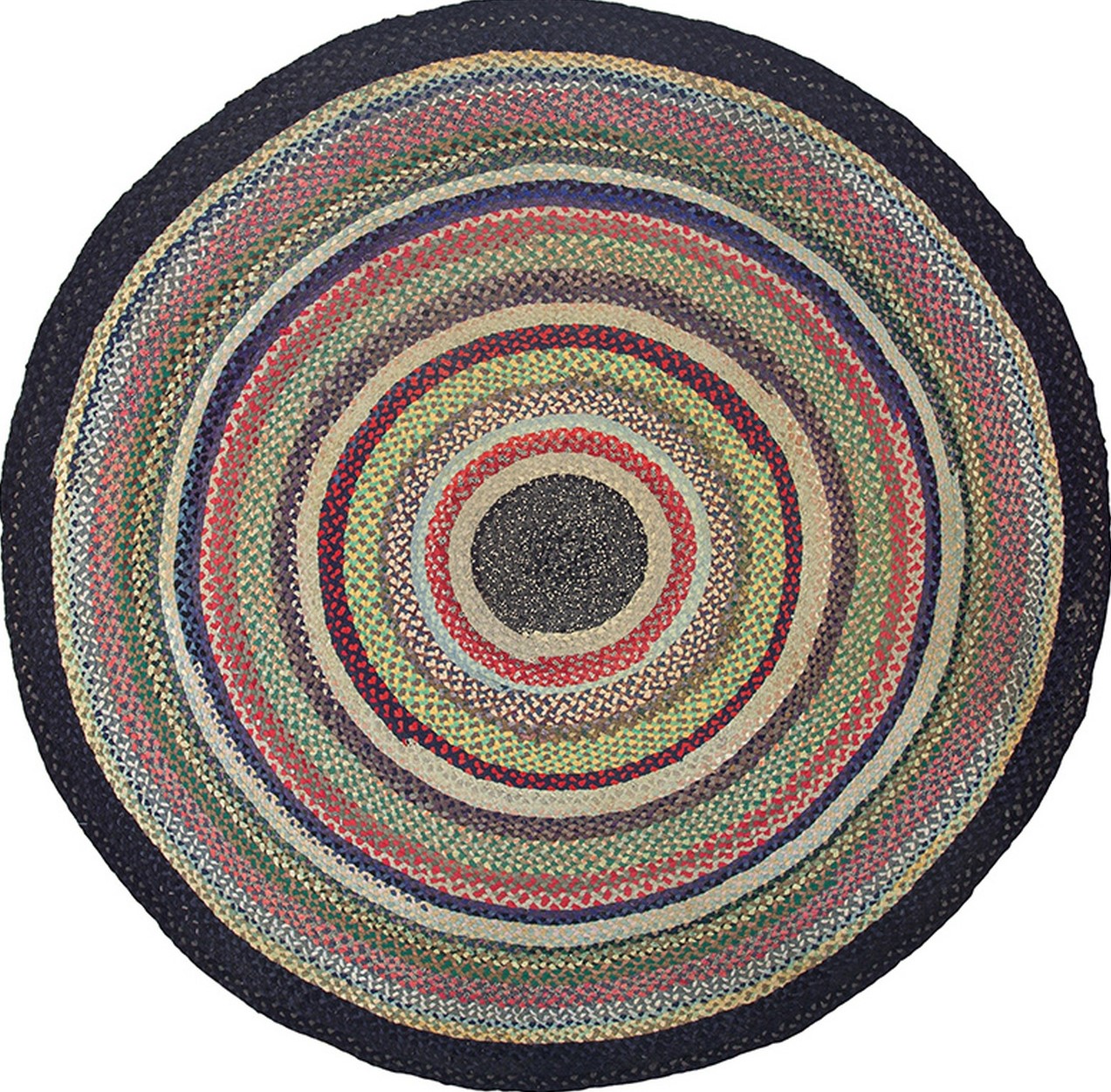
Braided rug construction is a craft rooted in thrift and resourcefulness, especially in the Appalachian and New England regions. To create these rugs, artisans braid strips of cloth—often recycled wool or cotton—into long ropes, then coil and stitch them together into oval, round, or spiral shapes.
The process, which first gained traction in the 1820s, leveraged the availability of mill textiles and made rug-making accessible to ordinary households. The resulting braided rugs are exceptionally durable, reversible, and visually striking, with their concentric color bands and textured surface. Today, authentic braided rugs remain iconic in American interiors for their blend of sustainability, practicality, and rustic beauty.
Chimayó Motifs & Craft Heritage
Chimayó rugs, woven in northern New Mexico, are instantly identifiable by their bold horizontal stripes and striking central diamond motif. Each rug represents a family legacy, with skills and patterns passed down through generations—most famously by the Ortega and Trujillo families.
The Chimayó motif blends Hispanic, Indigenous, and Southwestern influences, producing textiles that serve as both decorative pieces and emblems of cultural resilience. The craft heritage of Chimayó weaving remains vibrant, celebrated at events like the Santa Fe Spanish Market and preserved in artisan workshops throughout the region.
Industrial Tufted Carpets: Features & Market Niche
The modern American carpet industry is defined by tufted carpet features—a result of industrial mass production, especially in Dalton, Georgia. These carpets use either cut or loop pile techniques, with fibers stitched through a backing to form soft, dense surfaces. Industrial tufted carpets are typically made with synthetic materials, offering a wide array of patterns, colors, and textures at an affordable price.
Their variety, durability, and accessibility have secured a dominant market niche for tufted carpets in American homes, businesses, and public spaces, illustrating the industrial side of the U.S. rug industry. Iconic design features—like the spirit line in Navajo rugs, the pictorial motifs of hooked rugs, the concentric forms of braided rugs, the bold Chimayó motif, and the versatility of tufted carpets—are key to authenticating and appreciating the rich diversity of American rugs.
While tufted and industrial carpets reflect innovation and scale, hooked and braided rugs preserve uniquely American folk traditions, making the landscape of U.S. rug design as varied as the country itself.
The American Rug Market: Size, Demand, and Investment Value
U.S. Rug Market Size (2025)
The American rug market is a multibillion-dollar sector, ranking among the largest globally. In 2025, the U.S. carpet and rug industry—including residential, commercial, and specialty segments—continues to post robust figures, with Dalton, Georgia alone accounting for an estimated $9 billion in annual output.
Machine-made carpets dominate the U.S. carpet industry size, supplying affordable flooring for millions of homes and businesses. While handmade American rugs, such as Navajo and Chimayó pieces, comprise a much smaller market share, their niche appeal and artisanal value keep demand strong among collectors and designers.
Imports vs. American-made
The American rug market is shaped by a steady flow of imports—especially Oriental and Persian rugs—but also features a vibrant sector of American-made products. Key differences include:
- Quality & Heritage: U.S.-made rugs, particularly handmade Navajo, Chimayó, and other heritage types, focus on quality, authenticity, and connection to local tradition. In contrast, imports often offer greater variety at a range of price points but may lack direct ties to American history or craftsmanship.
- Consumer Trends: Many consumers are drawn to the affordability and design diversity of imported rugs. However, there is a growing trend toward supporting American-made rugs for their superior materials, local economic impact, and artisan credentials.
- Market Positioning: Machine-made American carpets compete with global imports on price and accessibility, while high-end handmade American rugs stand out for their provenance and collectability.
Investment Value & Museum Provenance
- Navajo Rugs Displayed in Museums — Why: Museum provenance—meaning a rug has been exhibited or documented in a reputable institution—greatly enhances its historical and investment value, especially for antique Navajo and Chimayó rugs.
- Chimayó Rugs from Renowned Workshops — Why: Rugs linked to legacy families, like the Ortegas or Trujillos, and verified through museum display or published collections, often command premium prices in the market.
- Signed or Dated Pieces with Documented History — Why: American antique rugs with clear provenance (including ownership and exhibition records) are more desirable for collectors, ensuring long-term appreciation and potential as investment assets.
Are American Rugs LEED/Eco-Friendly?
American wool rugs can—and increasingly do—meet eco-friendly standards, appealing to both consumers and designers. Rugs made with organic fibers, natural dyes, and locally sourced materials can qualify for LEED (Leadership in Energy and Environmental Design) certification points. These eco-friendly rugs USA options contribute to healthier indoor air quality, support sustainable agriculture, and reduce transportation emissions.
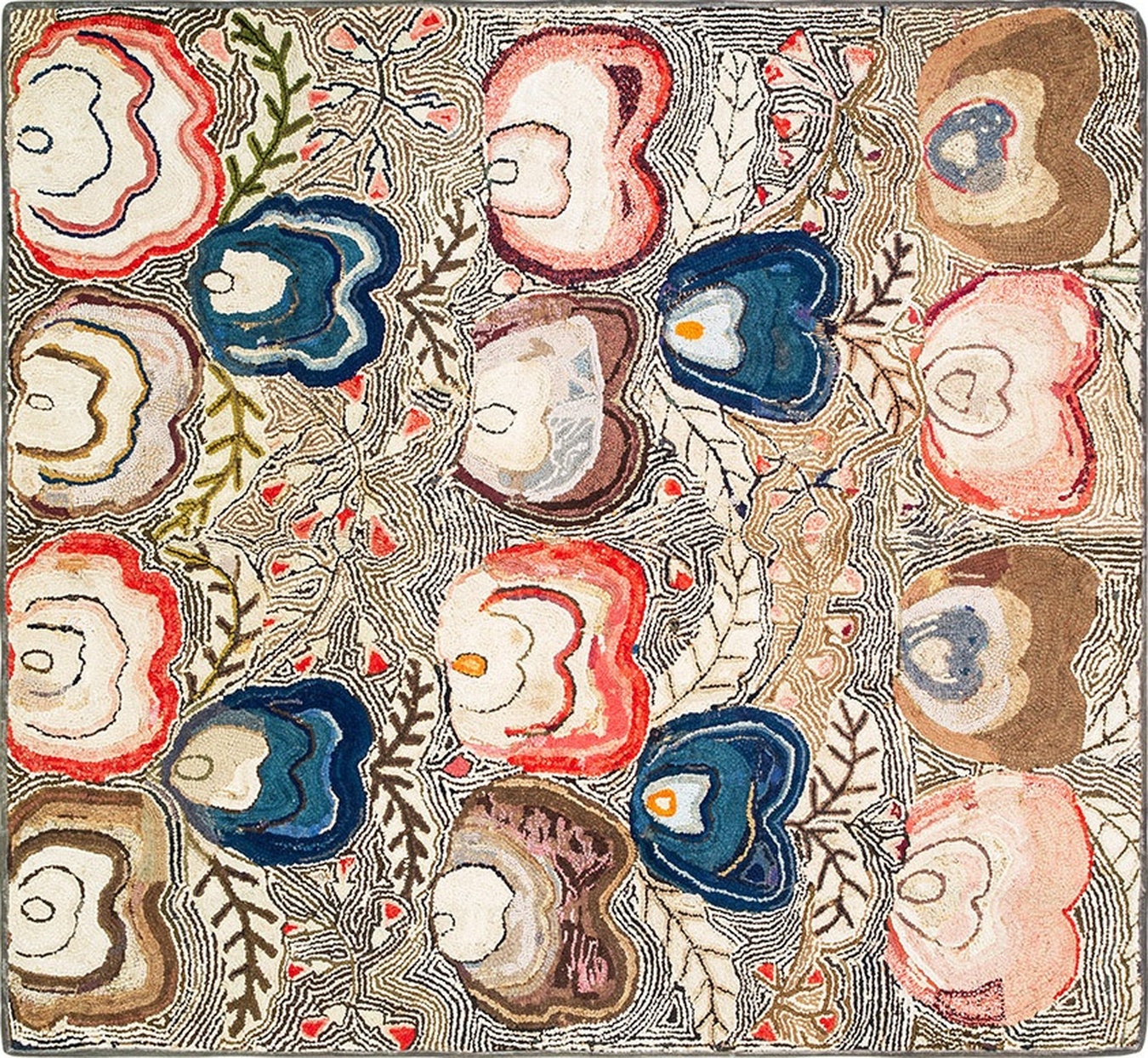
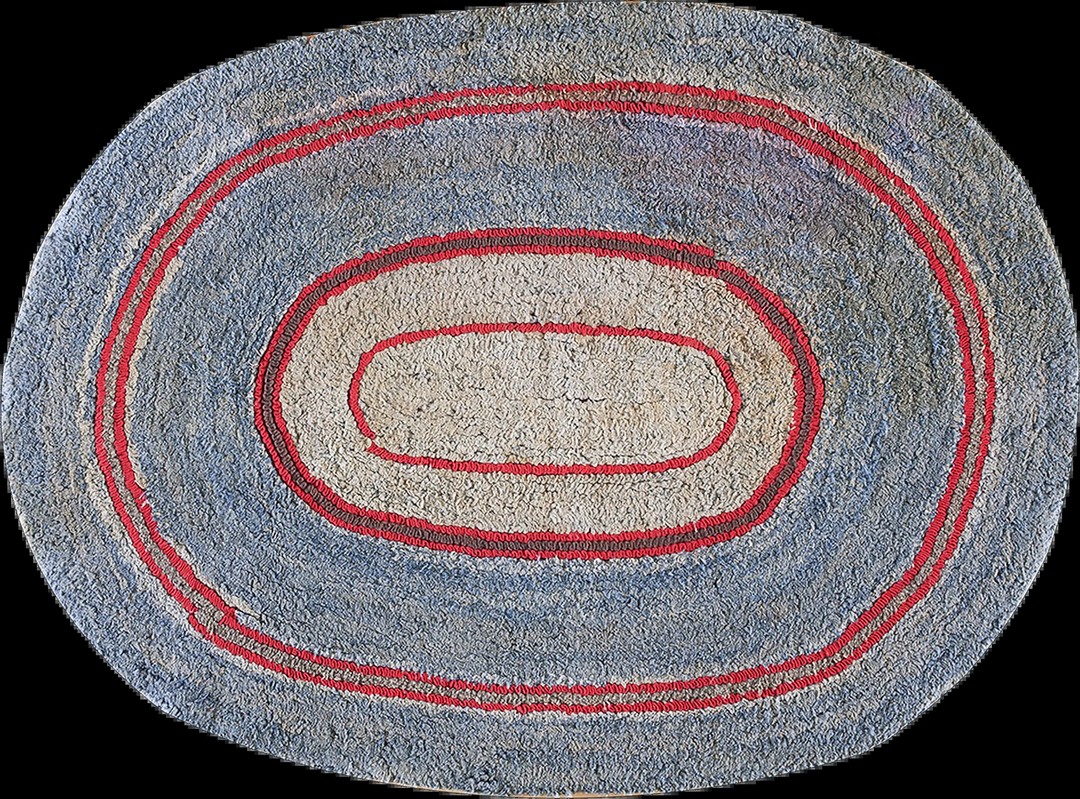
1880s Wool Antique American Hooked Multicolor Jewel Tones Rug – by Rugs On Net
Designers seeking LEED certification often prioritize American-made rugs with documented eco-credentials, further boosting demand for sustainable domestic options.
Market Insights and Buying Considerations
- How big is the U.S. rug market in 2025? The U.S. carpet and rug sector is valued at multiple billions annually, with Dalton, Georgia’s output alone nearing $9 billion.
- Should I buy a Dalton, Georgia rug for better quality? Dalton’s machine-made carpets offer reliability, consistency, and a wide range of options for everyday use. For those seeking handmade artistry or investment value, Navajo or Chimayó rugs may be preferable.
- Can American wool rugs meet eco-friendly standards? Yes, many American wool rugs meet or exceed eco-friendly benchmarks through the use of organic fibers and natural dyes, making them a strong choice for sustainable interiors.
- Does museum provenance raise the value of American antique rugs? Absolutely. Museum provenance is a key driver of rug investment value, especially for rare or historic pieces.
- Are American-made rugs a better investment than Persian pieces? Investment value depends on provenance, rarity, and cultural significance. Top-tier American rugs with museum documentation can rival or exceed the value of many Persian antiques, especially in the U.S. market.
- Should designers prioritize American rugs for LEED certification points? Yes, selecting American-made, eco-friendly rugs can help projects achieve LEED certification and demonstrate a commitment to sustainability.
In summary, the U.S. is both a powerhouse producer and importer of rugs, offering choices for every taste and budget. Investment value in American antique rugs is closely tied to provenance and museum display, while the demand for eco-friendly rugs USA is growing rapidly, driven by consumer awareness and green building standards.
For buyers and designers, understanding these distinctions can guide smarter, more sustainable, and potentially lucrative rug selections. Modern Industry, Sustainability, and Innovation
Sustainability Efforts: Industrial and Artisanal
The push for sustainable American rugs now defines both the industrial sector and small-scale artisan producers. Major industry initiatives such as the Carpet America Recovery Effort (CARE) and Aquafil’s nylon recycling programs have set new standards for rug recycling in the USA. CARE, for example, diverts millions of pounds of used carpet from landfills each year, while Aquafil’s process transforms post-consumer nylon waste into high-quality, recycled fiber for new carpets.
At the same time, many states enforce recycling mandates, driving the eco rug industry toward greener production and end-of-life solutions. On the artisan side, organizations like the Navajo Sheep Project and the Rainbow Fiber Co-Op promote sustainable ranching and traditional dyeing methods.
These groups support ethical wool production and fair labor, ensuring that handmade American wool rugs can meet or exceed eco-friendly standards. The result is a market where both industrial and artisanal rugs adapt to consumer demand for lower environmental impact and greater transparency.
Upcycling, Recycled Rugs, and New Materials
Upcycling and the use of recycled materials have become central to the contemporary U.S. rug market. Upcycled rag rugs—made from repurposed textiles—are a hallmark of American ingenuity, reducing waste while celebrating folk traditions.
In both commercial and home studios, makers increasingly turn to recycled synthetics, reclaimed wool, and innovative blends such as PET (from plastic bottles), all of which contribute to a more sustainable supply chain. The modern “maker movement” has embraced these practices, giving rise to a new generation of upcycled, eco-friendly rugs that appeal to consumers seeking both style and environmental responsibility.
Contemporary Artisans and Cooperatives
A surge in contemporary artisans and cooperatives is revitalizing American rug making. Groups like the Rainbow Fiber Co-Op not only source wool from local, ethically managed flocks, but also empower Native, women, and minority weavers. This collaborative approach supports traditional skills, fair wages, and community-based entrepreneurship—further boosting the appeal and eco-profile of American wool sourcing. Many cooperatives now track fiber from sheep to finished rug, providing transparency and authenticity that add value for buyers and collectors alike.
State-by-State Wool Sourcing and Price Impact
American wool sourcing is deeply regional, with states like Texas, California, Wyoming, Colorado, Utah, and New Mexico leading in production. States with larger sheep populations offer more affordable, locally sourced wool, which reduces transportation costs and environmental impact. Rugs made with state-sourced wool are often priced more competitively and prized for their durability, as the fiber quality reflects local breeds and climates.
For consumers and designers, choosing rugs produced with local wool strengthens the eco rug industry and can result in superior longevity and value. In summary, the American rug industry’s commitment to sustainability is evident at every level—from industrial-scale recycling efforts to grassroots upcycling projects. State-level wool sourcing not only enhances eco-credentials but also helps control price and maintain quality.
As the market evolves, sustainable American rugs continue to set new standards for innovation, transparency, and environmental stewardship, offering buyers a diverse array of eco-friendly and ethically produced choices.
Where to See, Buy, and Learn: Museums, Fairs, and Buying Tips
Museums and Exhibitions
- American Folk Art Museum (New York City) — Why: Renowned for its collection of American hooked, braided, and folk art rugs, this museum offers deep insight into the nation’s textile history.
- Heard Museum (Phoenix, AZ) — Why: One of the best places to see historic and contemporary Navajo rugs, the Heard Museum celebrates Indigenous artistry and the ongoing legacy of Navajo weaving.
- Museum of International Folk Art (Santa Fe, NM) — Why: Features an extensive array of Southwestern rugs, including Chimayó, Rio Grande, and other Hispanic weaving traditions.
- Old Sturbridge Village (Massachusetts) — Why: This living history museum recreates 19th-century New England life and regularly displays hooked and braided rugs, connecting visitors to early American craftsmanship.
- Smithsonian National Museum of the American Indian (Washington, DC) — Why: Showcases some of the most important collections of Navajo, Pueblo, and other Indigenous rugs, emphasizing their cultural and artistic significance.
These American rug museums provide essential opportunities to study and appreciate historic textiles, with museum provenance greatly increasing the value and authenticity of antique rugs.
Rug Auctions, Fairs, and Community Events
Live events are vital hubs for collectors, dealers, and enthusiasts. The Crownpoint Rug Auction in New Mexico is a premier venue for purchasing Navajo rugs directly from weavers, often with certificates of authenticity.
The Navajo Nation Fair in Arizona features demonstrations, competitions, and sales, providing a unique opportunity to learn from master artisans and acquire pieces with verifiable provenance. Regional fairs in New England and the Southwest regularly feature hooked, braided, and Chimayó rugs, supporting both the preservation and evolution of American rug traditions.
Many rug dealers offer their rugs for people to shop and purchase online through their websites. You can search the web, do research and hopefully find the perfect rug for the best value.
Buying American Rugs: Quality, Provenance, and Value
When buying rugs, prioritize quality, provenance, and value. Handmade American rugs—such as Navajo, Chimayó, and historic New England hooked or braided examples—are best evaluated by their materials, craftsmanship, and documentation.
Rugs with museum provenance or detailed historical records command significantly higher prices and offer strong investment potential. For antique and collectible pieces, verified provenance can be the single greatest driver of value.
Should You Buy a Dalton Rug?
Dalton, Georgia carpets are a benchmark for quality, variety, and reliability in the mass-produced sector. If you’re seeking a rug for everyday use—durable, affordable, and available in countless designs—Dalton carpet buying is a dependable option. For those interested in investment, art, or supporting living craft traditions, handmade American rugs such as Navajo, Chimayó, or vintage hooked and braided styles are preferable.
Dalton’s strength lies in scale and consistency, while handmade rugs offer uniqueness, cultural value, and greater appreciation over time. Across the United States, there are abundant opportunities to view, buy, and learn about American rugs—from major museums and auctions to local fairs and workshops. Museum provenance rugs stand out as especially valuable for collectors, while Dalton-made carpets remain unmatched for functional, everyday needs.
For buyers, understanding the distinctions in quality, history, and documentation is the key to making informed, rewarding purchases that honor both the art and industry of American rug making.
Explore a few of our favorite American rugs.
FAQ
- How do American rugs compare to Persian or Turkish rugs?
Many American styles are braided, hooked, or machine-woven for durability and practicality, while Persian/Turkish pieces are typically hand-knotted. For investment value, antiques abroad often lead.
- Are there eco-friendly American rugs?
Yes. Some U.S. producers spin recycled-PET yarns from billions of plastic bottles annually, and natural wool is renewable and biodegradable. Pair with natural-rubber pads.
- Do American wool rugs shed?
New wool can shed lightly for weeks; routine vacuuming reduces it. Synthetics like polypropylene shed far less, making them convenient for busy households.
- What materials are common in American-made rugs?
Wool and cotton dominate traditional styles, while polypropylene, nylon, and recycled-PET yarns appear in modern lines. Recycled bottle yarns power some eco-focused collections.
- Are vintage American hooked rugs valuable?
Some are. Early, well-designed or signed examples in good condition can bring hundreds to thousands. Value depends on design, size, condition, and provenance.
- How do I verify a “Made in USA” claim?
The FTC standard requires “all or virtually all” U.S. content for unqualified claims. Qualified phrases like “made in USA with imported yarn” signal partial domestic content.
- Where can I find USA-made braided or wool rugs?
Check retailers that note “Made in USA,” including collaborations (e.g., North Carolina-made braided wool for a major Maine outfitter) and direct-from-mill shops in Rhode Island.
- Are there outdoor rugs made in America?
Yes. Some U.S. mills weave polypropylene outdoor rugs that are moisture-, fade-, and stain-resistant. Look for “Made in USA” filters and outdoor-rated collections.
- Can I use area rugs over radiant floor heating?
Yes—choose breathable, low-pile rugs and ventilated pads. Keep rug coverage under about 50% of heated floor area and follow system guidance to stay under roughly 85°F.
- What rug pad works best on hardwood floors?
Use a felt-and-natural-rubber pad for grip and cushioning. Aim for 1/8–1/4 inch thickness under doors; avoid PVC pads that can discolor finishes.
- Can American rugs be machine-washed?
Some cotton and washable constructions are machine-washable—check the label. For example, certain U.S.-made cotton rugs specify cold wash and low heat tumble dry.
- How do I clean a hooked rug?
Vacuum gently with suction only and blot spills using a mild wool-safe detergent. Avoid soaking; moisture can distort loops. Vintage pieces should be professionally cleaned.
- How do I clean a braided rug?
Vacuum both sides with a suction-only head (no beater bar) and spot-clean with a 50/50 water-and-white-vinegar solution. Deep, overall cleaning is best done professionally.
- Are wool American rugs kid- and pet-friendly?
Generally yes. Wool naturally resists staining and rebounds from compression. Choose low-pile (about 0.25–0.5 in) designs and use a quality pad to reduce slips.
- Are braided rugs good for high-traffic areas?
Yes. Their dense construction and often reversible design handle foot traffic well. Vacuum both sides regularly and rotate every 3–6 months to even wear.
- How much do USA-made rugs typically cost?
Machine-made 5×7 options often start around \$100–\$300; braided wool 8×11 pieces commonly run \$800–\$1,500. Authentic Navajo weavings can range from hundreds to many thousands.
- What are the standard rug sizes in American homes?
Common sizes include 2×3, 3×5, 5×7 or 5×8, 6×9, 8×10, 9×12, and 10×14. Runners are typically around 2.5×8–12 feet for halls and kitchens.
- What is an ingrain carpet/rug?
A flat, double-weave wool carpet popular in 19th-century America; it’s reversible, with colors inverted on the back. You’ll see geometric or curvilinear motifs typical of the era.
- What is a braided rug?
Long braids of fabric or yarn are coiled and stitched into ovals, rounds, or rectangles. Many are reversible, doubling wear, and are common in rustic and farmhouse interiors.
- What is a hooked rug?
Strips of wool or other fibers are pulled through a sturdy foundation to make loops that form the pattern. It’s a North American folk art practiced for roughly 200 years.
- Is it respectful to buy Navajo rugs?
Yes, when you purchase authentic Diné-made pieces from reputable galleries or directly from weavers, you support living artists and cultural continuity. Avoid “Navajo-style” imports labeled vaguely.
- How can I tell if a Navajo rug is authentic?
Look for a continuous warp with no fringe and tight, balanced designs; many weavings show warp loops at the ends. Buy from reputable dealers and ask for written provenance.
- What are the traditional American rug types?
Navajo (hand-woven, geometric), hooked (loops pulled through backing), braided (coiled, stitched, often reversible), and ingrain (double-weave, reversible) became staples from the 18th–19th centuries onward.
- Are any area rugs still made in the USA?
Yes—though it’s a niche. Examples include braided and custom lines from long-running makers in North Carolina and Rhode Island, and machine-woven options from Georgia and South Carolina facilities.
- What does “American rug” usually mean?
It refers to rugs designed or made in the U.S., including historic styles like Navajo, hooked, braided, and ingrain, plus modern machine-made lines sold in standard U.S. sizes like 8×10 and 9×12.