
What “Buying Family Room Rugs” Actually Means (Definition + Priorities)
The family room rugs are the workhorse with a design job. It needs to handle traffic, spills, pets, and downtime—without feeling purely functional. These two pages help guide those tradeoffs.
Good references to review: the Rug Buying Guide and layout and spacing guidelines.
Explore the other room guides: Study, Living Room, Dining Room, Bedroom, Foyer / Entry, Library, Kids Rooms.
Family Room Rugs
The family room is the functional heart of the home, demanding a rug that balances inviting comfort with the durability required for high-traffic daily life. High-quality wool remains the gold standard for these spaces due to its natural resilience and inherent resistance to staining, providing a soft foundation that can withstand the rigors of pets and play.
When selecting a rug, it is crucial to consider practical logistics like pile height and door clearance; a rug that is too thick can become a tripping hazard or prevent doors from swinging freely, while a low-profile weave offers a smoother transition in high-traffic zones. To further enhance safety and longevity, a high-quality rug pad is an essential addition, as it prevents the rug from sliding during active use and acts as a shock absorber to protect the fibers from the impact of constant footfall.
Beyond individual safety, the design of captivating family room rugs serve as a strategic tool for organizing your interior layout. In modern open-concept homes, a well-placed rug acts as a visual “anchor” or boundary, mentally partitioning the relaxation area from the kitchen or dining space without the need for restrictive walls.
To achieve a cohesive look that masks the inevitable wear of a lived-in space, intricate patterns like fine Persian rugs or transitional casual Turkish Oushak rugs are ideal for concealing small marks and lint. Whether you choose a “front legs on” or “all legs on” arrangement, the right rug provides the necessary scale to unify your furniture, absorbing sound and creating a tranquil, defined sanctuary for the entire household.
Select a rug designed to patina with life, not degrade with traffic.
Explore High-Performance MasterpiecesWhat To Look For When Shopping For Family Room Rugs
| Technical Benchmark | What to Look For | Why it Matters (The Audit) |
|---|---|---|
| Fiber Integrity | 100% High-Mountain Wool | Natural lanolin acts as a built-in stain repellent; recovers from furniture compression. |
| Construction Type | True Hand-Knotted | Avoids latex adhesives that crumble over time; allows for deep-submersion cleaning. |
| Knot Density | Consistent KPSI (Knots Per Sq. Inch) | Higher density prevents grit from settling at the foundation and cutting the fibers. |
| Dye Stability | Vegetable-based or High-Grade Chrome | Ensures colors won’t “bleed” into the white warp threads during accidental spills. |
| Visual Camouflage | Multi-tonal (Abrash) or Intricate Patterns | Masks daily dust and pet hair; hides the “traffic lanes” that form in seating areas. |
Why Choose a Family Room Rug from Rugs on Net?
Choosing a rug for the most-used room in your home is an investment in your family’s daily comfort and your home’s long-term aesthetic. At Rugs on Net, we specialize in sourcing high-quality, authentic new and vintage carpets as well as phenomenal antique area rugs that bridge the gap between artisanal beauty and modern-day durability.
Our collection is meticulously curated to ensure that every piece—from resilient wool traditional to sophisticated transitional designs—meets our rigorous standards for material integrity and craftsmanship. We understand that a family room rug needs to do more than just look good; it needs to perform under the pressure of real life, and we are committed to helping you find a piece that offers both timeless style and incredible longevity.
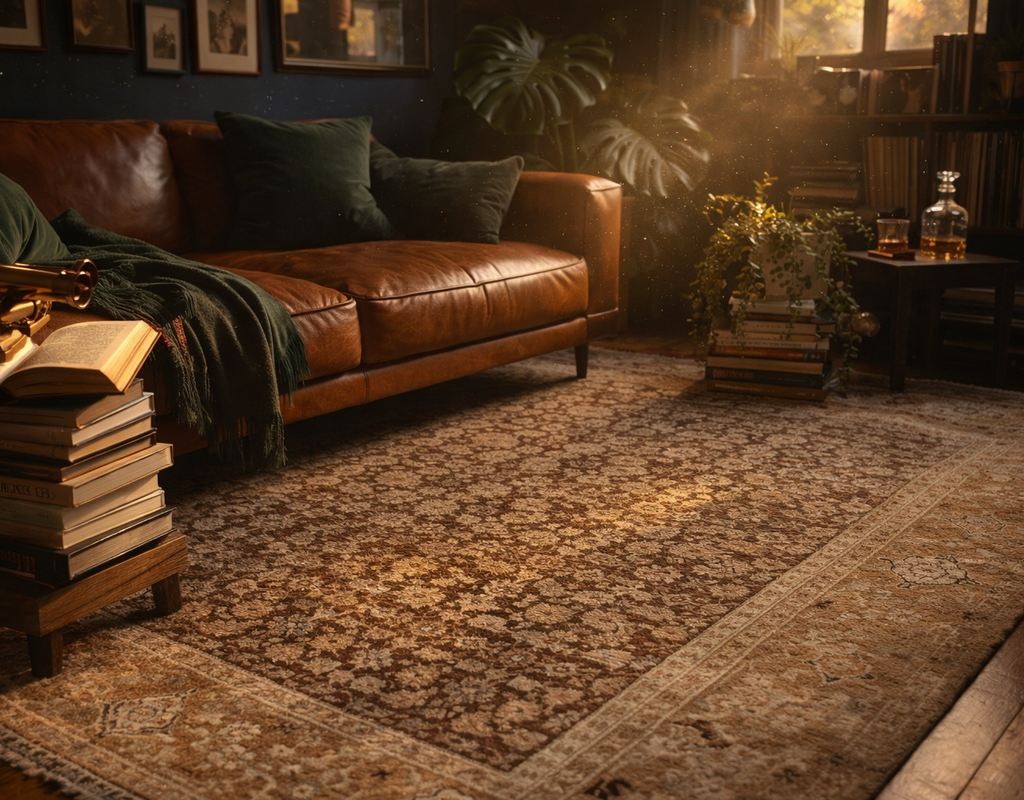
When you shop with us, you aren’t just buying a floor covering; you are gaining access to decades of expertise in the textile industry. We take the guesswork out of the buying process by providing detailed insights into weave types, fiber performance, and maintenance, ensuring you feel confident in your selection.
Our goal is to provide a seamless experience, offering a diverse range of sizes, rug styles / types and rug patterns that allow you to anchor your living space with a rug that feels personal, permanent, and perfectly suited to your household’s unique rhythm.
Because family room rugs are a high-performance mechanical component of your home, their maintenance shouldn’t be a DIY guessing game. While regular vacuuming manages surface grit, the true longevity of hand-knotted pile rugs is secured through professional oversight.
This is why we focus on building a relationship rather than just completing a sale. We don’t want to sell you a rug and disappear. We are here to act as your long-term consultant.
We are here to help you schedule specialized washing when the time comes, advising on structural repairs before a small tear becomes a failure point and to ensure your investment ages as a legacy piece, not a disposable one. When you buy from a reputable rug store or real expert dealer, you aren’t just getting a floor covering; you’re gaining a partner who is as invested in the rug’s future as you are.
Select a rug designed to patina with life, not degrade with traffic.
Explore High-Performance MasterpiecesDefine the Category
Buying family room rugs is fundamentally different from selecting Textiles for low-traffic areas like bedrooms or formal parlors. It defines the process of selecting specific rug sizes, construction, and finish parameters for the highest-traffic everyday living space in a home. Unlike purely decorative purchases, this category demands a technical evaluation of how materials interact with constant physical stress.
A successful selection anchors the room visually while acting as a durable workhorse capable of withstanding daily abrasion. This is a performance decision first and a style decision second; the aesthetic appeal must be engineered to survive the environment it inhabits.
Why This Room is Uniquely Punishing
A high-traffic living room rug faces a unique convergence of destructive forces. Family rooms concentrate grit, heavy footfall, accidental spills, and pet traffic more intensely than almost any other zone.
This environment serves as an accelerated stress test where high traffic reveals weak constructions faster than low-use rooms. Grit tracked in from outdoors settles into the pile, acting as sandpaper that cuts fibers at the base during vacuuming or walking.
Furthermore, the constant weight and movement of occupants place significant torque on the rug’s foundation. In this room, fiber choice, construction density, pile profile, and the quality of the underlay often determine the rug’s year-one appearance. Without prioritized durability, standard textiles will show “traffic lanes”—flattened, grayed-out paths—within months.
The Rug’s Functional Jobs
Your family room rugs are a mechanical component of the room that serves four distinct purposes.
- Comfort underfoot: It acts as a primary shock absorber against hard subflooring, providing a necessary layer of softness for relaxation, play, and barefoot walking.
- Safety: It provides a slip-resistant surface that increases traction and reduces impact injuries from falls, which is critical for households with active children or seniors.
- Acoustics: The dense pile and backing absorb sound waves to dampen noise levels and reduce echo in large, open-plan living areas.
- Cohesive design anchoring: It visually unifies scattered furniture pieces into a single conversation zone, defining the perimeter of the gathering space.
What “Aging Beautifully” Looks Like
The best family room rugs for longevity are ones that are designed to patina rather than degrade. “Aging beautifully” means the rug maintains its structural integrity and color vibrancy despite wear. This concept relies on viewing the purchase as a total “rug system” that includes the textile, a high-quality pad, and a strict maintenance routine, rather than just the textile alone.
Ability to balance budget and durability in rugs lies in amortizing the cost over the rug’s lifespan. Allocating a higher initial budget toward natural rug weaving materials like Wool or high-performance synthetics prevents the need for frequent replacements.
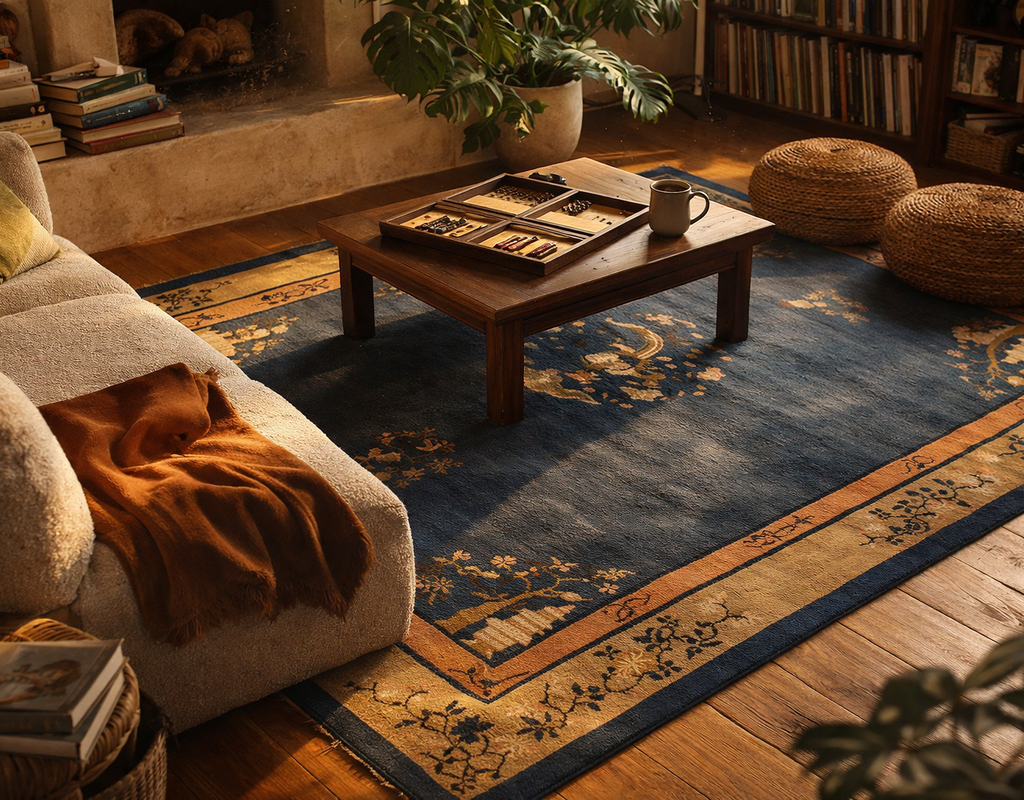
A cheap rug that looks worn in six months is more expensive over five years than a Durable Rug that lasts a decade. Prioritize tight weaves and resilient fibers that hide soil and recover from compression, ensuring the rug remains a visual asset rather than a liability.
Family Room Rugs vs Other Rooms
| Room | Primary Stressors | Best Rug Traits |
|---|---|---|
| Family Room | Concentrated grit, constant foot traffic, food/drink spills, pet claws. | High density, stain resistance, durable construction, forgiving patterns. |
| Dining Room | Repetitive chair scraping, food crumbs, liquid spills. | Flat weave rugs or very low pile to allow chair movement; synthetic or wool for cleaning. |
| Bedroom | Bare feet, dust accumulation, minimal abrasion. | High pile (shag/plush), soft hand-feel, delicate fibers like Viscose or Silk blends. |
| Entryway | heavy moisture, mud, street grit, high friction. | Coarse texture for scraping shoes, moisture/mold resistance, darker colors. |
Performance Reality: Wear, Soil, Spills, and Indoor Environment
Wear Mechanics
Understanding high traffic rug performance requires analyzing the physics of destruction. Rug wear is primarily driven by two mechanical forces: abrasion from grit and compression along specific paths.
Grit acts like microscopic sandpaper; when dirt particles settle at the base of the pile, foot traffic grinds them against the fiber strands, eventually cutting them. This damage is irreversible and accelerates if vacuuming is infrequent. Compression occurs where weight is applied repeatedly, creating “lanes.”
Traffic patterns are predictable; plan for them rather than hoping they won’t appear. The most common wear zones form along the “sofa edge path”—where people sit and stand up—and in the circulation loops around coffee tables.
The primary reasons that make family room rugs wear faster are choosing a rug with low pile density and not rotating them. These kinds of area rugs cannot resist crushing and failing to rotate them allows these specific lanes to absorb 100% of the mechanical stress until failure occurs.
Soil Visibility Drivers
Whether a rug looks clean is often different from whether it is actually clean. “Looks dirty” is often a result of poor color contrast or texture choice rather than the actual dirt load. Stain hiding rug patterns utilize multi-colored or heathered yarns to camouflage soil particles that inevitably enter a family room. Conversely, solid colors—especially very light or very dark tones—act as a canvas that highlights every crumb, lint speck, or pet hair.
Texture also dictates visibility and hygiene. While a plush surface feels soft, high pile increases debris trapping and often reveals traffic patterns sooner than tighter weaves. Deep crevices hold dirt beyond the reach of standard vacuums, leading to a dingy appearance that surface cleaning cannot fix. For high-activity zones, the best rug pile for traffic is a dense, low-profile cut pile or loop structure that keeps dirt on the surface where it can be easily removed.
Moisture Events and Failure Points
In a family room, moisture events expose construction weaknesses, not just stain resistance claims. While marketing often focuses on whether a fiber (like wool or Nylon) can repel wine or juice, the real structural threat often lies beneath the surface. Spills and pet accidents stress dyes, finishes, and adhesives, particularly in tufted rugs.
Many mid-range rugs use a latex adhesive to bond the face fiber to a secondary backing. When liquids penetrate this layer, they can break down the glue, causing the backing to crumble or the rug to delaminate (separate) over time. Furthermore, chemically unstable dyes may bleed when wet, ruining the pattern permanently. True family room rugs durability relies on construction methods that can survive the cleaning process required to remove the spill, not just the spill itself.
Indoor Environment Priorities
Modern families increasingly prioritize the invisible impact of their furnishings, specifically regarding Indoor Air Quality (IAQ). In tighter indoor spaces like apartments or energy-efficient homes, off-gassing from synthetic materials is a valid concern. Volatile Organic Compounds (VOCs) can be emitted from the latex adhesives, synthetic fibers, or chemical treatments used in mass-produced rugs.
For households sensitive to air quality, selecting family room rugs certified for low emissions or opting for natural fibers that require fewer chemical binders is essential. This consideration shifts the definition of “performance” from simple physical rug durability to environmental safety, ensuring the rug does not degrade the air the family breathes.
High-Traffic vs Open-Plan vs Allergy-Priority Variations
| Scenario | Rug Traits | Key Compromises |
|---|---|---|
| High-Traffic Family | Dense low-pile, heathered wool or high-grade nylon, strong backing. | Higher initial cost; less “plush” feel than shag styles. |
| Open-Plan Living | Large format to unify zones, sound-absorbing materials, consistent color palette. | heavy furniture anchors the rug, making removal for deep cleaning difficult. |
| Allergy-Priority | Flatweave or very short pile, natural fibers (Cotton / wool), no latex glue. | less cushioning underfoot; requires a high-quality grip pad to prevent slipping. |
Construction Types: Predicting Durability, Repairability, and Failure Modes
Construction is the First Diagnostic
In the hierarchy of rug assessment, construction is the primary diagnostic tool. While fiber content determines surface feel and stain chemistry, the method of assembly dictates the rug’s structural lifespan. Two rugs can look identical on the showroom floor—sharing the same pattern, color palette, and pile height—yet possess vastly different survival ratings under family-room stress.
Construction type predicts durability, repairability, and ultimately, the specific “failure mode” the rug will experience. A rug does not simply “wear out”; it fails mechanically. This might manifest as delamination (backing separation), unraveling edges, or pile crushing. Understanding these mechanics allows buyers to predict whether a rug will last three years or thirty.
This is the best construction for family room rugs selection criteria: looking past the aesthetic surface to the engineering underneath.
Fast Definitions of Major Types
To evaluate potential purchases, one must identify the four primary assembly methods:
- Hand-knotted: Individual knots are tied around warp threads, creating a dense, integrated structure where the pile and foundation are one unit, offering maximum longevity and repairability.
- Hand-tufted: A “plush for less” option where yarns are punched through a canvas and glued in place with latex; these lack structural knotting and rely entirely on adhesive integrity.
- Flatwoven: These lack a Vertical pile entirely, created instead by interweaving weft and warp threads, resulting in a durable, reversible textile that resists crushing but offers less cushioning.
- Machine-woven (Power-loomed): Precision mechanical looms create consistent, high-density piles (often synthetic) that mimic knotted structures at a lower price point, though repair options are limited.
Performance Comparison by Lifestyle
| Construction | Durability | Repairability | Typical Failure | Best Match |
|---|---|---|---|---|
| Hand-Knotted | Extremely High (generations) | High (re-knotting possible) | Fringe wear or selvedge unraveling (fixable). | Buy-it-for-life households, high traffic areas. |
| Hand-Tufted | Low to Medium (3-7 years) | Very Low (adhesive fails) | Delamination (glue breakdown), shedding, odor. | Budget-conscious seeking short-term plush comfort. |
| Flatweave | High (reversible) | Medium (re-weaving possible) | Snagging threads or curling corners. | Flatweave kilim rug for high traffic, pet owners, door clearance issues. |
| Machine-Woven | Medium to High | Low (cannot re-weave) | Fiber matting in lanes, edge binding detachment. | Busy families needing consistent machine woven rug performance. |
Backing and Edge Finish Cues
The underside and edges of a rug function as early warning signals for future performance. Stable edges are critical in high-traffic zones where feet constantly kick and shuffle against the perimeter. A high-quality rug will feature substantial side cords (selvage) or tight overcasting that resists fraying. Ideally, the edge is hand-wrapped or integrally woven rather than simply glued.
Backing behavior is equally telling. Inspect the back for stability; it should be firm yet pliable, not stiff or brittle. In tufted rugs, the secondary backing covers the glue layer. If this backing is scratched, it should not shed white powder or grit, which indicates low-quality filler in the latex.
Hand knotted vs tufted rug durability is most easily determined here: a knotted rug shows the pattern clearly on the back (the mirror image of the front), proving the pile is physically tied to the foundation, whereas a tufted rug hides the pattern behind a canvas sheet.
Open-Plan and Collector Contexts
When selecting rugs for expansive open-plan areas, structural integrity becomes paramount. Larger size area rugs endure higher torque and drag forces. As explored in future discussions on layout, a rug in a large room anchors the space, and failure in the center may require a total replacement of a massive oversized rug.
Wool vs Synthetic
While wool is naturally resilient, a poorly constructed tufted wool rug will fail faster than a high-density synthetic machine-woven rug. However, a hand-knotted wool rug remains the gold standard for longevity.
For those viewing rugs as assets, repairability is key. Hand-knotted rugs can be restored (re-piled, re-edged) indefinitely—a topic critical for long-term maintenance —whereas adhesive-based rugs generally cannot be repaired once the glue degrades.
Pile Height + Density: Comfort vs Maintenance (and Crushing)
Why Density Beats Height for Longevity
When evaluating dense rug pile for high traffic, density is the quiet hero of performance. While pile height is visible from across the room, density—how tightly the yarn is packed together—determines whether a rug will look mat and worn within a year. In a low-density rug, fibers have too much room to bend and flatten under weight.
High density forces the fibers to stand vertically, supporting one another against the downward pressure of footsteps and furniture. This structural support is critical for compression recovery; a dense rug springs back after being walked on, whereas a loose, airy rug stays flat. Consumers often mistake thickness for quality, but a thin, dense rug will invariably outlast a thick, loose one in a busy family room.
Low/Medium/High Pile Tradeoffs
Understanding the low pile vs high pile rug debate requires analyzing how each profile handles dirt and gravity.
| Pile Profile | Comfort | Cleaning | Traffic Visibility |
|---|---|---|---|
| Low (Flatweave – 0.25″) | Minimal cushioning; firm underfoot. | Easiest; surface dirt vacuums off instantly. | Moderate; no crushing, but surface wear is visible. |
| Medium (0.25″ – 0.5″) | Balanced; soft but stable. | Moderate; grit hides between tufts but releases with suction. | Low; resists obvious “lanes” if density is high. |
| High (Plush/Shag > 0.75″) | Maximum luxury and softness. | Difficult; traps deep grit; requires raking or special vacuum tools. | High; fibers flatten quickly, creating distinct shadow lanes. |
Family-Room Default Pile Strategy
For most households, the best pile height for family room rugs falls into a specific “Goldilocks” zone. This strategy balances the desire for softness with the reality of daily abuse.
- Aim for 1/4 to 1/2 inch pile height: This range offers enough cushion for sitting on the floor while remaining short enough to allow grit to release easily during vacuuming.
- Prioritize the “Fingertip Test”: If you can easily push your fingers through the pile to feel the backing, the density is too low for high traffic and will crush prematurely.
- Select sheared surfaces over loops for pets: While low loops are durable, they can snag on claws; a dense, sheared cut pile prevents unraveling while hiding soil.
- Match pile to cleaning reality: You must choose a pile based on your actual cleaning cadence; if you only vacuum once a week, a high pile will essentially become a permanent dirt trap.
When High Pile is Worth It
High pile isn’t “bad,” but it is rarely the easiest family-room choice. However, plush rug maintenance family room strategies can work for specific lifestyles. If the household is shoe-free, has no shedding pets, and is willing to use a suction-only vacuum (to prevent beater-bar damage), a shag or plush rug can survive. Additionally, heavily patterned high-Pile Rugs can disguise the inevitable crushing better than solid-colored ones.
If the primary goal is a cozy, “sink-in” experience for movie nights and the family accepts that the rug may need replacement sooner than a denser counterpart, high pile is a valid, comfort-driven compromise.
“Softest Rug = Best” Myth
A pervasive misconception in rug buying is that the softest hand-feel equates to the highest quality. As discussed in future sections regarding maintenance, extreme softness often signals the presence of viscose (synthetic silk) or loose air pockets within the yarn. Neither of these attributes withstands abrasion.
A rug that feels like a cloud in the showroom often flattens like a pancake at home because it lacks the structural resistance to push back against weight. In the family room, a slightly stiffer, resilient wool or performance synthetic will “soften up” physically over time while maintaining its look, whereas an initially super-soft rug will often matte down into a hard, unappealing surface.
Fibers and “Fiber Truthfulness”: Wool, Cotton Foundations, Synthetics, and Labels
Wool Pile Fundamentals
For generations, wool pile family room rugs had remained the gold standard, not due to nostalgia, but physics. Wool fibers possess a helical protein structure that acts like a microscopic spring, allowing the pile to compress under foot traffic and naturally bounce back. This resilience makes it uniquely suited for high-traffic zones where furniture and feet constantly apply pressure.
Beyond structure, wool scales trap dust high in the pile where it can be vacuumed away, rather than letting it filter down to the backing. However, buyers must remember that wool is chemistry- and moisture-sensitive; while it hides soil beautifully, it requires pH-neutral cleaners and immediate attention to spills to prevent permanent staining or dye bleed.
Cotton Foundation Role
While the face fiber gets the aesthetic credit, the rug’s structural stability often depends on a cotton foundation. In high-quality hand-tufted and hand-knotted rugs, a grid of Cotton warp and weft threads forms the skeleton upon which the pile is tied or anchored.
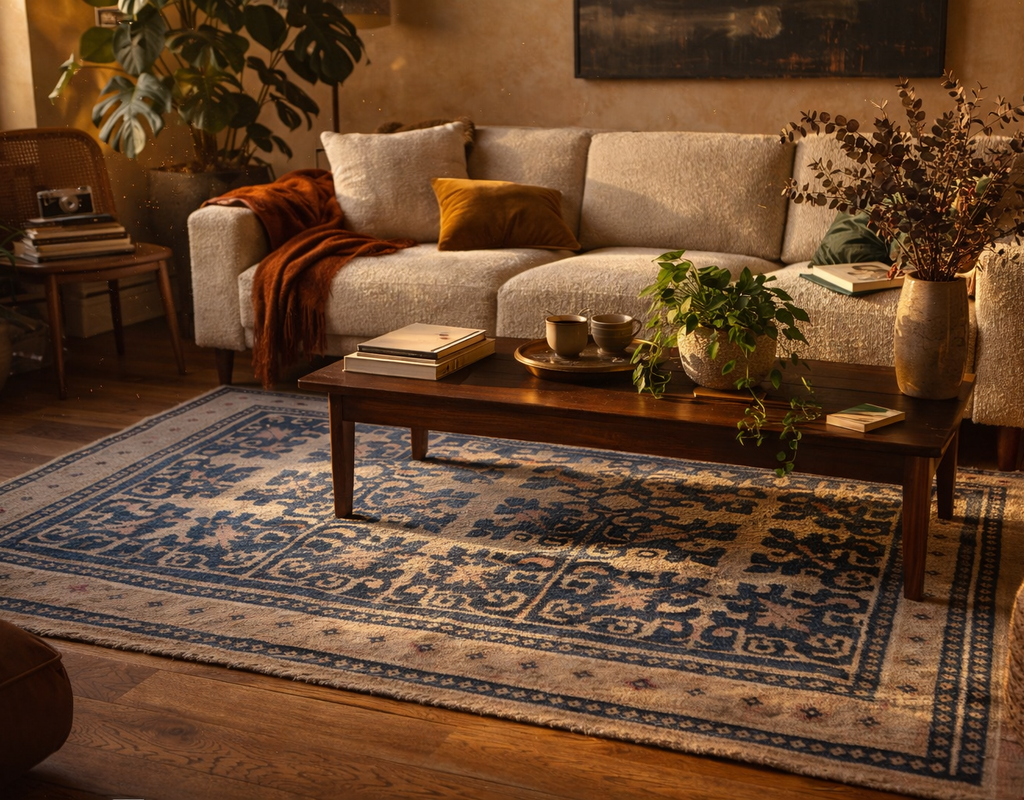
Cotton pile is dimensionally stable and resists stretching, ensuring the rug keeps its rectangular shape even when anchored under heavy sofas or subject to the torque of running children. A rug without a stable foundation—often seen in cheaper synthetic constructions that rely solely on glue—will eventually ripple, buckle, or curl at the corners.
Synthetics in Modern Rugs
Synthetic rug durability family room performance is no longer an oxymoron, provided the consumer understands the engineering involved. Modern synthetics like solution-dyed nylon or heat-set Polypropylene perform vastly differently than cheap polymers. “Heat-set” refers to a thermal process that locks the twist into the yarn, mimicking wool’s resilience and preventing the “frizzing” that makes older synthetics look matted.
Furthermore, solution-dyed fibers are colored all the way through (like a carrot) rather than just on the surface (like a radish), allowing them to withstand harsh cleaning agents, including dilute bleach solutions in some cases. However, fiber alone doesn’t decide performance; construction completes the story. A loose, low-density synthetic will fail rapidly, regardless of the fiber’s chemical properties.
Fiber Truthfulness and Labeling
The first step when choosing a rug material is ignoring the sales pitch and reading the rug fiber content label. “Fiber truthfulness” is critical because marketing often obfuscates inferior materials with romantic names. Avoid “mystery blends” or terms like “Bamboo Silk,” “art silk,” or “viscose” for family rooms.
These are semi-synthetic cellulose fibers that lack resilience and rupture when wet, effectively turning a spill into a permanent stain. Accurate labels that specify percentages (e.g., “80% Wool, 20% Cotton”) protect comparison shopping and prevent you from paying wool prices for cheap fillers. The best rug material for kids and pets is always a known quantity—either 100% natural wool or a high-grade, branded synthetic—rather than a vague “commercial blend.”
Indoor Pollutant Claims Context
Wool organizations frequently cite research regarding the fiber’s ability to absorb common indoor pollutants, such as formaldehyde and nitrogen dioxide, chemically locking them away. While this is factually true and contributes to a healthier indoor environment, these claims should be treated as context rather than a solution.
A wool rug is not a substitute for proper home ventilation or regular cleaning. As detailed in earlier sections on indoor environments and future sections on maintenance, the rug’s ability to act as a passive air filter is finite and secondary to its primary job: surviving the physical abuse of family life while minimizing the off-gassing of its own materials.
Sizing + Layout: The Rug Shouldn’t Float
Typical Family Room Sizes and Standard Rug Sizes
When determining what size rug fits a typical family room, practicality must override theoretical perfection. Standard rug sizes (5’x8′, 8’x10′, 9’x12′, 10’x14′) are mass-produced because they fit most modern construction grids.
For an average 14’x20′ size family room, an 8’x10′ is often the minimum viable size, though a 9’x12′ usually provides a more luxurious and functional anchor.
The goal is to avoid the “postage stamp effect,” where an undersized rug floats aimlessly in the center of the room, failing to connect the furniture or protect the floor where people actually walk.
| Room Dimensions | Ideal Rug Size | The “Why” (Technical Goal) |
|---|---|---|
| Small (10′ x 12′) | 6′ x 9′ | Defines the seating zone without overwhelming the floor perimeter. |
| Medium (12′ x 18′) | 8′ x 10′ | Protects the “sofa edge” where high-traffic friction is most concentrated. |
| Large/Open (15′ x 20′) | 9′ x 12′ or 10′ x 14′ | Acts as an “island” to unify floating furniture and manage acoustics. |
Sofa Legs on the Rug Rule
The “sofa legs on rug rule” is the primary navigational tool for this decision.
There are three accepted configurations, each serving a different spatial purpose:
- All Legs On: This creates the most luxurious, defined zone, ideal for large rooms or open-plan spaces where the rug acts as an island anchoring all furniture.
- Front Legs Only: The most versatile standard; it physically connects the sofa to the conversation area while allowing for a smaller, more budget-friendly rug size (e.g., placing an 8’x10′ halfway under a sofa rather than needing a 10’x14′).
- No Legs On (Floating): Generally discouraged in family rooms as it makes the space feel disjointed and smaller, though acceptable if layering a small Vintage Rug over a larger sisal base.
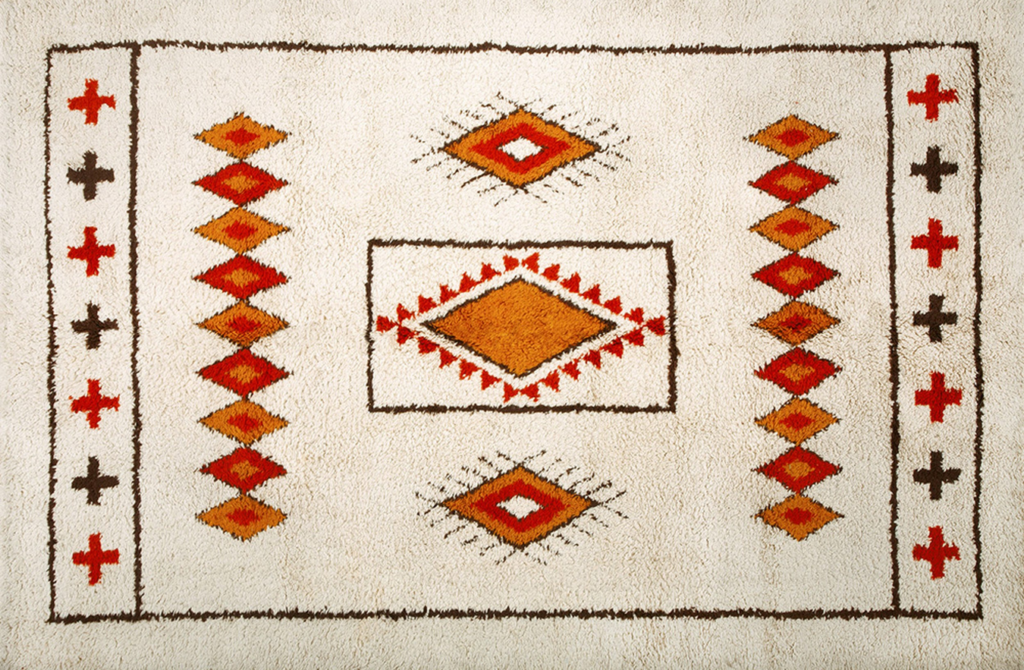
How Much Rug Should Show Around Furniture
Once the furniture is placed, balance is determined by the visible floor perimeter. Ideally, aim for 12 to 18 inches of exposed hard flooring between the rug edge and the wall.
This frames the room without making it feel like wall-to-wall carpeting. Within the seating arrangement, the family room rugs should extend at least 6 to 10 inches beyond the sides of the sofa.
This “balanced border reveal” ensures that when someone walks around the furniture, their feet remain on the soft surface rather than awkwardly straddling the transition between rug and floor.
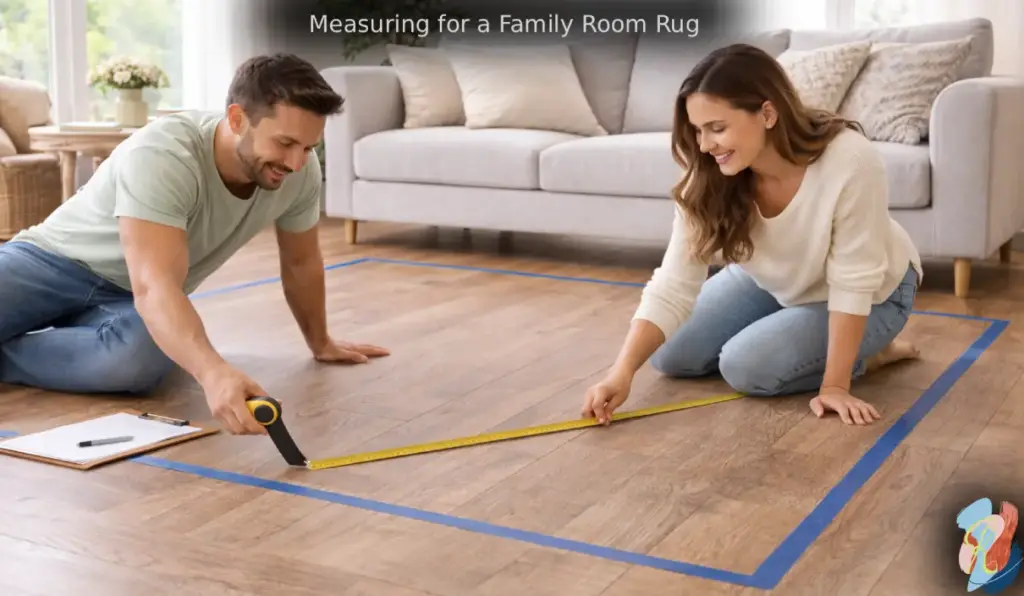
Measuring for a Sectional
Sectionals complicate layout when shopping for family room rugs due to their asymmetry.
How to measure for sectional sofa family room rugs:
- Measure the Total Footprint: Capture the full length and width of the sectional, including any chaise extensions or ottomans.
- Apply the Front-Leg Rule to All Sides : Ensure the rug is large enough that every seat on the sectional has rug beneath its front legs; if one wing of the sectional hangs off the rug, the room will feel lopsided.
- Prioritize Square or Custom Sizes: Standard rectangular rugs often leave awkward gaps with L-shaped sectionals; a large square rug (e.g., 10’x10′) or a custom-cut piece often unifies the geometry better.
Coffee Table Sizing
The coffee table acts as the bullseye of the family room rugs layout.
How large a rug should be under coffee table:
- Maintain 18 Inches of Walkway: Ensure there is roughly 18 inches of clear rug space between the edge of the coffee table and the sofa seat to allow for comfortable legroom and passage.
- Anchor, Don’t Swamp: The rug should extend well beyond the table; if the rug is only slightly larger than the table, it looks like a coaster rather than a foundation.
- Centering is Key: The coffee table should generally be centered on the rug pattern (if applicable) to maintain visual symmetry within the conversation zone.
Open-Plan Placement and Zoning
In modern architecture, open plan family room rugs placement is functional architecture. Here, rugs act as invisible walls, defining the TV/conversation area as distinct from the dining or kitchen zones. A large rug physically demarcates the “living room” without vertical barriers.
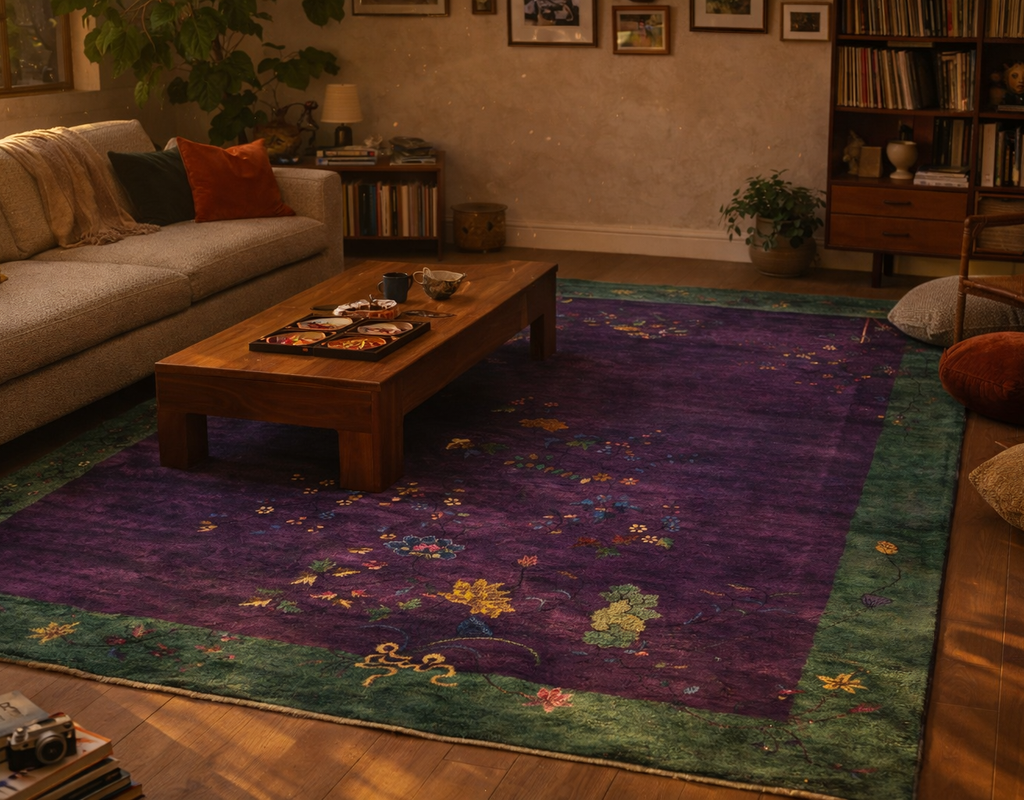
By ensuring that the rug size is generous enough to hold the entire furniture grouping (all legs on), you create a cohesive “room within a room.” This not only organizes the visual chaos of an open floor plan but also significantly dampens noise, softening the acoustics in what is typically a large, echo-prone volume.
Correct sizing of your family room rugs solves more “design problems” than changing color or pattern ever could.
Selecting The Shape Of Your Living Room Rugs
Rugs come in all shapes and sizes, but selecting the right footprint is a matter of spatial engineering rather than just personal preference. The shape of your rug dictates the flow of traffic and the visual ‘torque’ of the room.
A rectangular shaped area rug might align perfectly with a standard sofa, but in a room with multiple doorways or a non-traditional footprint, a round shape rug or square option can prevent ‘corner curling’ and soften rigid architecture.
Understanding the mechanical relationship between your floor plan and your textile is the first step in ensuring your rug acts as a permanent anchor rather than a spatial obstacle.
| Rug Shape | Best Use Case | Technical Advantage |
|---|---|---|
| Rectangular | Standard seating groups and long family rooms. | Aligns with the linear “torque” of sofas and TV consoles. |
| Round | Conversational nooks or rooms with multiple door openings. | Prevents “corner curling” in heavy traffic paths and softens boxy rooms. |
| Square | Symmetrical rooms or large, open-plan square zones. | Ensures a balanced “reveal” of the floor on all four sides. |
Pads / Underlay + Safety: Slip Control, Comfort, Wear Protection, Emissions
Underlay as Part of Performance Engineering
The performance of family room rugs is determined by a system, not a single product. The “rug system” consists of the textile itself, the maintenance regime, and crucially, the underlay.
A high-quality rug underlay for high traffic is an unseen piece of engineering that performs three simultaneous jobs: it locks the rug to the floor to prevent movement, adds a layer of impact absorption to extend the pile’s life, and enhances comfort underfoot. A great rug can fail in practice with the wrong pad, suffering from accelerated wear caused by friction against the subfloor. Therefore, selecting the pad is as critical as selecting the rug itself.
Keeping Rugs from Slipping
The most immediate function of a pad is safety. Slip control is a mandatory safety feature, not a “nice-to-have” luxury, especially in spaces with children or elderly relatives.
To keep family room rugs from slipping one must match the grip mechanism to the rug type:
- Natural Rubber Pads: They provide the strongest grip on hard surfaces without the chemical migration that can damage floor finishes, making them the gold standard for high-traffic zones.
- Felt + Rubber Hybrids: These dual-surface pads offer the best of both worlds: a rough felt side that grabs the rug backing to prevent bunching, and a rubberized bottom that grips the floor.
- Avoid “Waffle” Foam: Cheap PVC waffle pads often lose their grip as dust accumulates and can disintegrate or fuse to the floor finish over time.
Pad Selection Pitfalls
The best rug pads under family room rugs avoids common pitfalls that can ruin both the rug and the floor beneath it. The most frequent error is using a pad that is too thick for the rug type, causing “heeling”—where the rug stretches and stresses as a foot sinks into the soft pad.
Conversely, using a non-breathable plastic pad on natural wood floors can trap moisture, leading to discoloration or warping. Additionally, cheap synthetic pads are notorious for off-gassing strong chemical odors that can persist for months, undermining the air quality of the room.
Low-Emission Programs and What They Test
For health-conscious households, emissions concerns apply to pads and adhesives just as much as the rug itself. A low VOC rug pad ensures that the foundation of your room isn’t a source of indoor pollution.
Programs like the Carpet and Rug Institute’s (CRI) Green Label Plus identify lower-emitting products through standardized testing. These certifications cover the entire ecosystem—carpet, cushion, and adhesives—verifying that they meet strict limits for Volatile Organic Compounds (VOCs). Checking for this seal ensures the pad won’t contribute to respiratory irritation or chemical sensitivity issues.
Edge Curl and Trip Prevention
Beyond slipping, a quality pad helps mitigate edge curl, a common tripping hazard, especially for family room rugs. As discussed in future maintenance sections, edge curl often results from the rug tension changing as it settles.
A firm, dense pad that extends to within an inch of the rug’s perimeter provides a consistent platform that supports the edges, discouraging them from rolling up. If curling has already started, a combination of a stiff felt pad and double-sided carpet tape (applied to the pad, not the floor) can retrain the corners to lie flat, restoring safety and aesthetics.
Color + Pattern Strategy for Busy Rooms
Picking Color for Daily Life
Best selection of colors for family room rugs that get lots of use, is an exercise in contrast management rather than purely aesthetic preference. The core principle of “living with color” is that visible soiling is driven by contrast; a crumb on a Black Rug is just as visible as a muddy footprint on a white one.
Therefore, the goal is to select mid-tone hues that bridge the gap between light and dark. Neutral gray, taupe, and warm earth tones (like rust or olive) are excellent at absorbing the visual impact of daily dust and lint. Conversely, extreme ends of the spectrum—pure white or jet black—act as high-contrast canvases that highlight every speck of debris, requiring daily vacuuming to look presentable.
Patterns That Hide Stains
The patterns that hide stains best in family room rugs offer a visual complexity.
Stain hiding rug patterns break up the eye’s ability to focus on a single imperfection:
- Intricate Floral Rug Patterns or Herati Designs: The dense, curving lines and varied colors make it nearly impossible to spot a small spill or spot, as the stain blends into the existing “chaos” of the design.
- Solid Abstract / Distressed Rug Designs: Modern “erased” or distressed patterns mimic wear intentionally, meaning real-life wear and tear simply looks like part of the original artistic intent.
- Small-Scale Geometric Rug Patterns: Tight, repetitive motifs create a visual texture that confuses the eye, preventing it from isolating a single dirty patch.
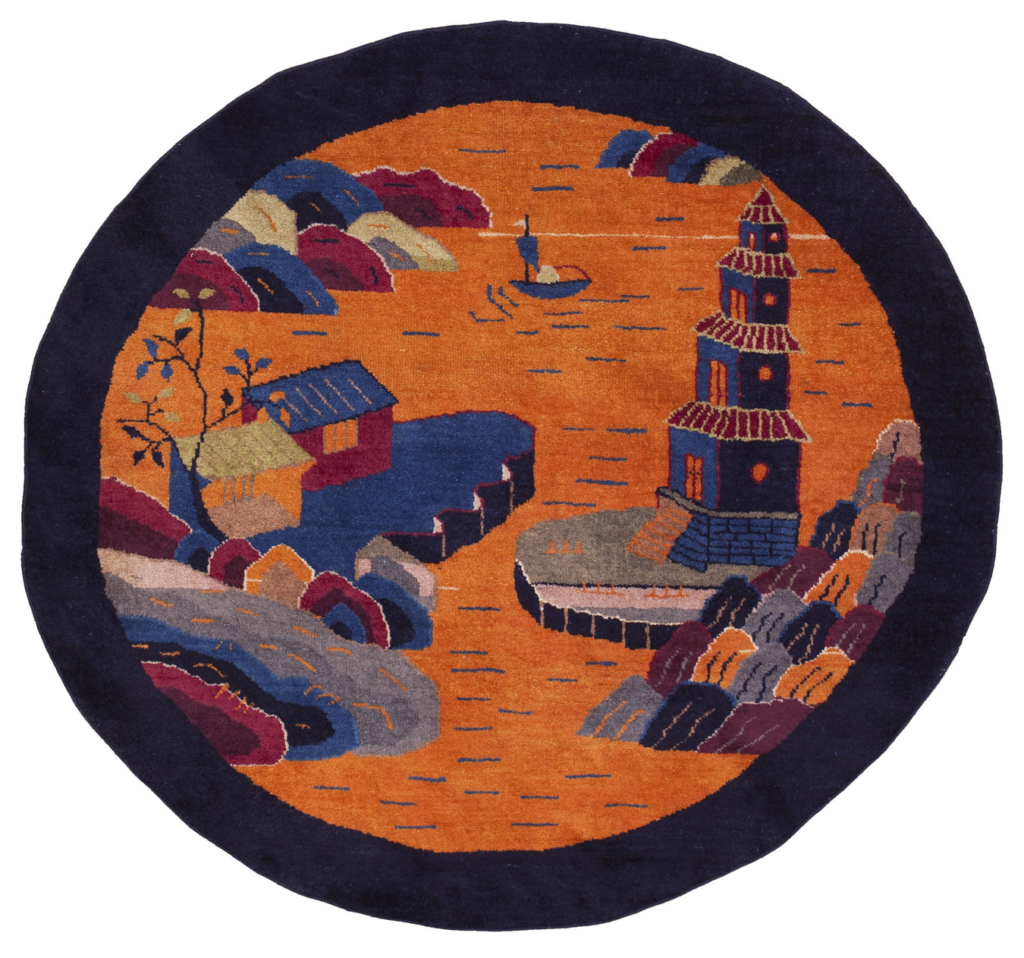
Multi-Tonal Grounds vs Solids in Family Room Rugs
Camouflage is intentional design: pattern and tone can buy you time between cleanings.
A solid-colored rug, even in a forgiving mid-tone, will eventually show “traffic lanes” where the pile texture changes underfoot.

A multi-tonal ground uses yarns of slightly different shades twisted together. This creates a speckled effect that mimics the natural variation of stone or wood.
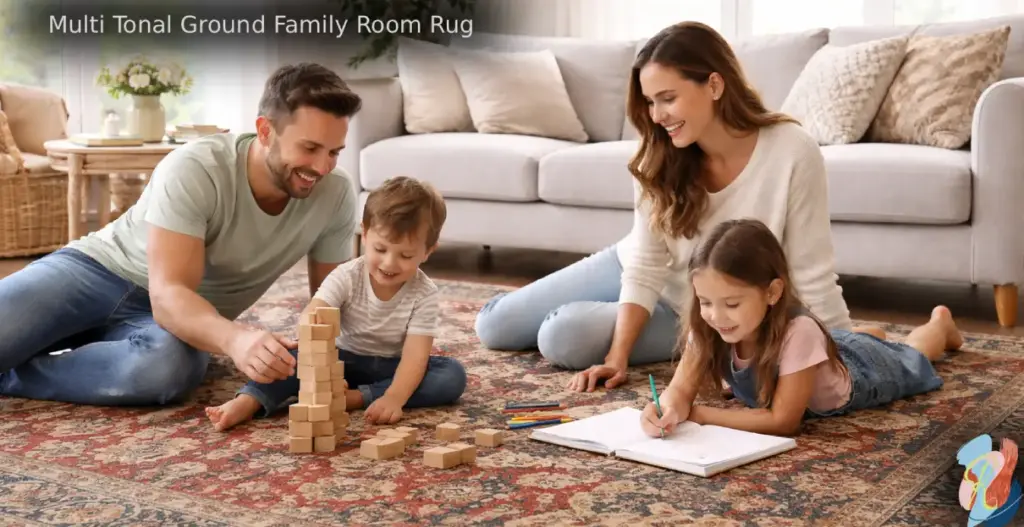
This technique is far superior to a flat solid because it blends the inevitable graying of traffic paths into the overall color field, extending the rug’s visual lifespan by years.
Rug colors that hide dirt effectively are never just one single color code; they are a blend.
High-Traffic Family Room Pattern “cheat codes”
To maximize longevity of your family room rugs in a chaotic space, rely on established patterned rug for high traffic strategies that have worked for centuries.
Rug pattern suggestions for high traffic family rooms:
- The “Busy Field” Rule: Choose a rug with a high density of motifs in the center (the field) where the coffee table sits and feet shuffle; this masks the highest abrasion zone.
- Tribal Designs or Nomadic Styles: These designs were originally created for use on dirt floors in tents; their bold, dark geometric design rugs are historically engineered to withstand and conceal grit.
- Detailed Borders: A strong, dark border frames the seating area and hides the dust that accumulates near the sofa edge, while visually containing the “mess” of the central pattern.
Some addition safety points to keep in mind in high traffic family rooms:
- Door Clearance and Safety: In the high-energy environment of a family room, people are often moving quickly. It is essential to choose a pile height that allows for easy door swings and provides a smooth transition to the floor to prevent tripping hazards, especially near entryways or transitions to other rooms.
- The Role of a Rug Pad: A high-quality rug pad is a non-negotiable safety feature for a family room. Beyond adding an extra layer of cushioned comfort, it prevents the rug from sliding during play or fast foot traffic and acts as a shock absorber that protects the rug’s fibers and your flooring from long-term wear.
- Zoning Open-Concept Spaces: For modern homes with open floor plans, a large rug serves as a vital “anchor.” It creates a clear visual boundary that defines the relaxation area, separating the lounge from the kitchen or dining space without the need for physical walls, which helps the room feel organized and intentional.
Open-Plan Cohesion Using Repeats and Borders
In open-plan homes, the rug’s pattern acts as a grammatical structure for the space. Rugs typically use a “field + border” composition that naturally frames a specific zone, such as the conversation area. By selecting family room rugs with a distinct border, you create a “controlled composition” that visually organizes scattered furniture.
This border acts as a container, signaling to the brain where the living room ends and the dining room begins. Choose forgiveness first, then refine style; a beautiful solid rug that looks ruined in six months is a failure of design, whereas a bordered, patterned rug that looks pristine for a decade is a triumph of function.
Family-Proofing: Kid-Friendly, Pet-Friendly, Washable, Indoor-Outdoor
Kid-Friendly Criteria
The concept of kid friendly family room rugs is often marketed as aesthetic—bright colors or cute motifs. But true suitability is structural. Family room rugs can be kid-friendly if they balance softness for crawling knees with the density required to resist toy abrasion. Safety is the priority; the rugs must provide traction for early walkers and cushion for inevitable tumbles.
However, maintenance reality dictates that the pile should be dense enough to keep crumbs on the surface but low enough that small toys (like LEGO bricks) don’t get lost in the shag. Chemically, parents should prioritize Oeko-Tex or Green Label Plus certified products to minimize exposure to VOCs during “tummy time.” Avoid loop piles, which can snag on toy wheels, and opt for cut piles that release debris easily during vacuuming.
Pet-Friendly Criteria
Selecting a pet friendly rug for living room use requires acknowledging the “three claws” of destruction: snagging, shedding, and accidents. Family room rugs can be pet-friendly but may require avoiding continuous loop constructions (like Berber). These can be unraveled by a single caught claw. Instead, choose a sheared, dense cut pile. Regarding color, the most practical strategy is to match the rug color to the pet’s fur—a dark rug with a white Golden Retriever is a maintenance nightmare regardless of vacuum frequency.
Crucially, moisture events reveal the weakness of many rugs. Pet urine is acidic and warm; it breaks down the latex adhesives in hand-tufted rugs, creating a permanent odor that lives in the glue, not the fiber. For households with frequent accidents, open-backed rug weaving types (like hand-knotted or flatweave) that allow water to flow through during cleaning are superior to glue-backed rugs that trap enzymes.
Washable Rugs: When They Help, When They Disappoint
The rise of the washable family room rugs trend answers the consumer desire for hygiene, but often at the expense of comfort and longevity.
Weather or not to buy a washable rug for family rooms depends on whether you prioritize easy cleaning over underfoot luxury rugs.
| Option | Pros | Cons | Best For |
|---|---|---|---|
| 2-Piece Systems (Cover + Pad) | Fits in standard washing machines; stain removal is guaranteed. | Very thin profile lacks cushion; corners often curl; velcro/grip can degrade. | Households with potty-training pets or severe allergy concerns. |
| One-Piece Thin Washable | Lower price point; easy to fold and move. | Tends to bunch up under vacuuming; lacks structural weight to anchor a room. | Temporary rentals or play zones, not permanent living spaces. |
| Cotton Flatweaves | Natural feel; breathable; softens with washing. | Shrinkage is common; requires line drying; stains absorb deeply into cotton. | Casual, low-stress environments or layering over sisal. |
Indoor-Outdoor Rugs Indoors
Using an indoor outdoor rugs for as your family room rugs is a legitimate “life hack” for high-mess families. Indoor-outdoor rugs are good for family rooms specifically for their moisture resistance. Made primarily from UV-stabilized polypropylene or PET (recycled plastic), these rugs are essentially waterproof. You can scrub them with bleach solutions or drag them outside to hose them off without damaging the fiber. The compromise is tactile; they lack the warmth and softness of wool. However, newer “soft-touch” synthetics mimic the look of sisal or wool structures, offering a hygienic solution for dining areas within a family room or zones with heavy muddy-shoe traffic.
Budget vs Durability Tradeoffs
A common dilemma is how to balance budget and durability in family room rugs.
The market offers a “U-shaped” curve of value:
- Low Budget (Disposable): Cheap, printed synthetic rugs or indoor-outdoor options are cost-effective “band-aids.” They won’t last long, but the financial loss is minimal when they are ruined by a puppy.
- High Budget (Investment): Hand-knotted wool rugs are expensive upfront but last decades and can be professionally washed to remove pet odors completely.
- The “Danger Zone” (Mid-Range): Moderately expensive hand-tufted wool rugs often represent the worst value for messy families. They cost enough to be painful to replace, yet their latex-glue construction makes them susceptible to permanent ruin from a single significant pet accident.
True family-proofing involves matching the construction and fiber to the specific biological hazards—claws, spills, or mud—of your household.
Care, Misconceptions, and Replace-vs-Repair Signals
Edge Curl and Trip Risk: Causes and Response
Family room rugs who’s edges lift or curl are not merely aesthetic annoyances. They are significant safety hazards. They increase the risk of trips and falls. To prevent rug edge curl, one must understand that it usually stems from tension changes in the fiber caused by traffic patterns or aggressive vacuuming that pulls the binding loose.
Do not attempt to forcefully bend the rug back in the opposite direction, as this can break the foundation yarns. Instead, employ controlled methods: apply gentle steam to the back of the curled area (never soaking the face fibers) to relax the tension, and then weight the corner down with a heavy, flat object for 24 to 48 hours. If the curl persists, installing a stiff, specialized corner pad or double-sided carpet tape applied directly to the underlay can retrain the corner to lie flat.
Over-Wetting and Dye Migration Risks
A primary failure point in wool rug cleaning tips is the mishandling of moisture. Wool is highly absorbent and sensitive to pH changes. When homeowners attempt DIY cleaning with excessive water or high-alkaline consumer detergents, they risk triggering dye migration (bleeding), where colors run into adjacent light areas.
Furthermore, over-wetting can cause “cellulosic browning” in the cotton foundation, leading to permanent discoloration wicking up to the surface. Wool needs respect: moisture and chemistry errors show up fast. Effective maintenance involves immediate blotting—never rubbing—of spills and the use of dedicated, pH-neutral wool-safe products rather than generic multi-surface cleaners.
Professional Standards and Maintainability
Knowing how to maintain your family room rugs involves recognizing the limits of home care. Professional standards provide frameworks for evaluating textile floor coverings and dictating appropriate cleaning methods. For example, industry standards distinguish between “surface extraction” (steam cleaning), which is suitable for wall-to-wall carpet, and “immersion washing,” which is often necessary for thorough soil removal in high-quality hand-knotted rugs.
Understanding these standards ensures that the cleaning approach matches the construction. Most premature “ruin” comes from wrong cleaning and wrong pad choices rather than the rug’s inherent quality. A high-traffic rug should be professionally cleaned every 12 to 18 months to remove the deep, abrasive grit that vacuums miss.
Misconceptions That Shorten The Life Of Family Room Rugs
Three pervasive myths that make family room rugs wear faster:
- “Softest rug equals best family rug”: Extreme softness often indicates viscose or loose air pockets, increasing soil retention and traffic visibility while sacrificing abrasion resistance.
- “All wool rugs clean the same”: Chemistry and moisture matter; a hand-tufted wool rug relies on latex glue that dissolves if soaked, whereas a hand-knotted wool rug can withstand full immersion.
- “Any rug pad is fine”: Wrong pads cause slipping, floor damage from plasticizer migration, and can trap odors or emit VOCs.
Replace vs Repair vs Re-Pad Decisions
Deciding on replace vs repair area rug options requires evaluating structure and safety rather than just surface wear.
Use these signals to decide when to replace your family room rugs:
- Replace: If there is structural delamination (the backing is crumbling/separating), dry rot (the rug cracks when folded), or persistent odors (pet urine in the glue layer), the rug has reached the end of its sanitary lifespan.
- Repair: If a hand-knotted rug has fraying sides (selvage) or worn fringe but a healthy pile, professional binding repair is a cost-effective way to extend its life for decades.
- Re-Pad: If the rug is slipping or you find dust/powder on the floor underneath, the pad has failed; replacing the underlay can instantly restore comfort and protect the floor without buying new area rugs.
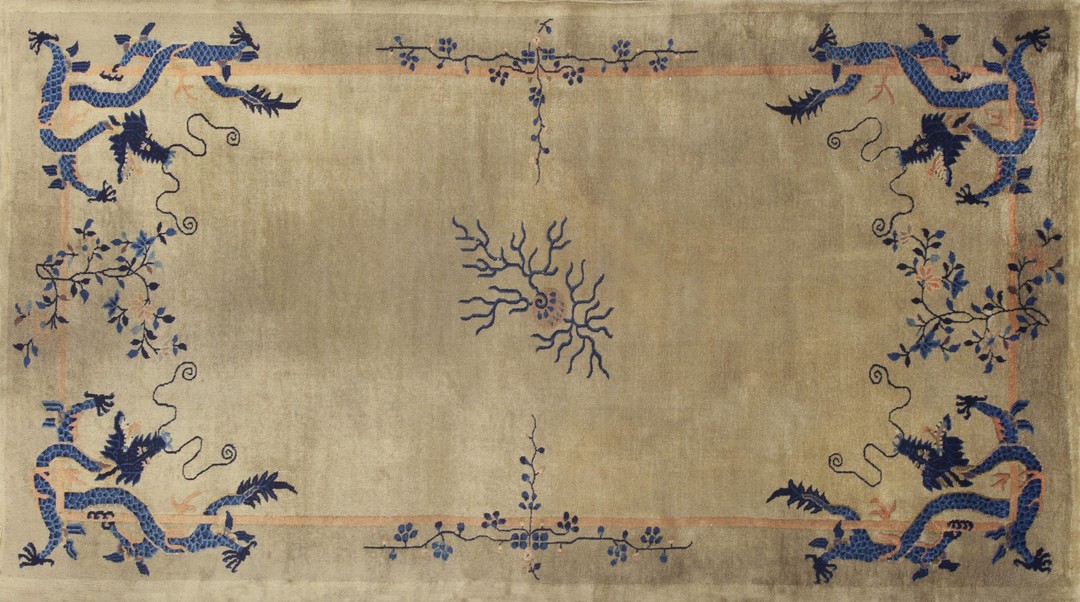
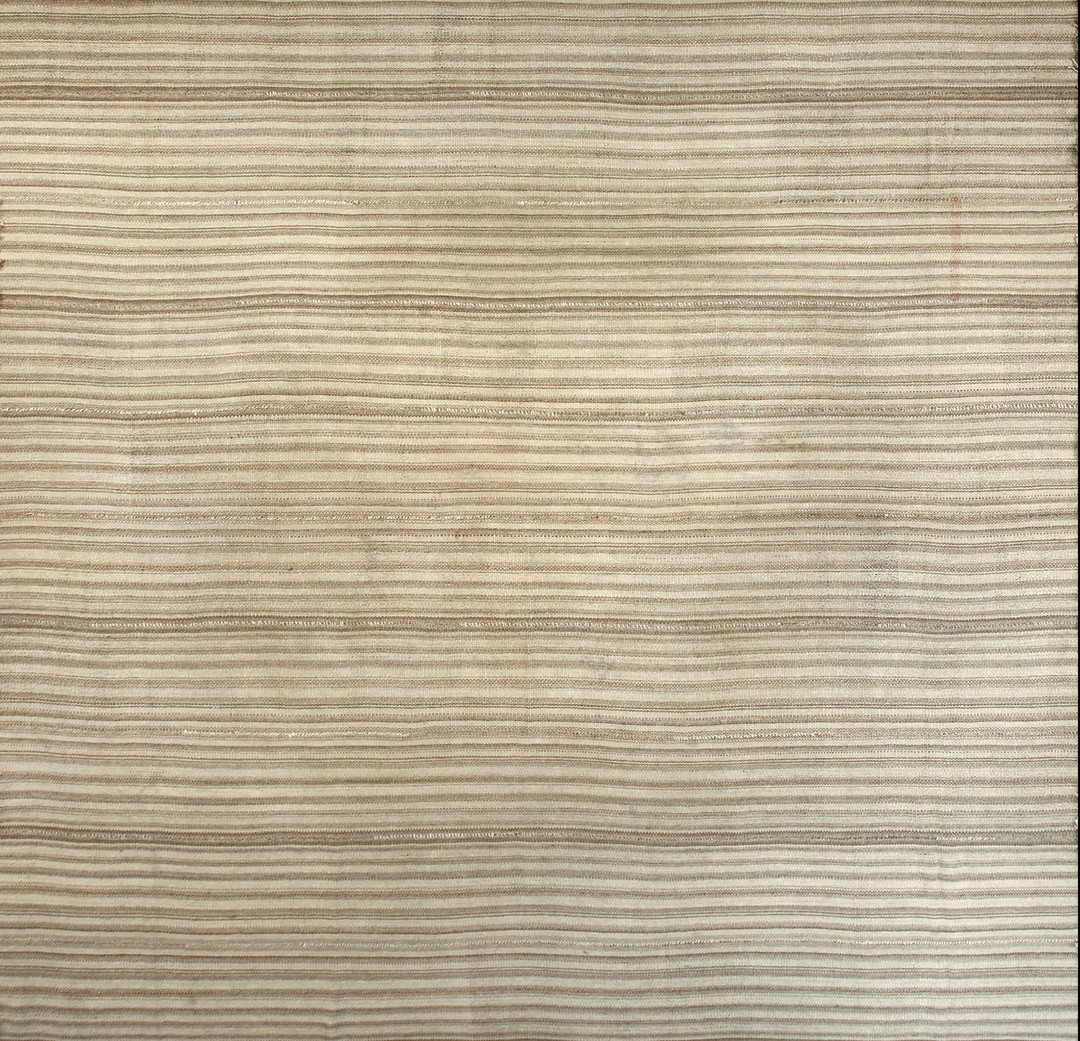
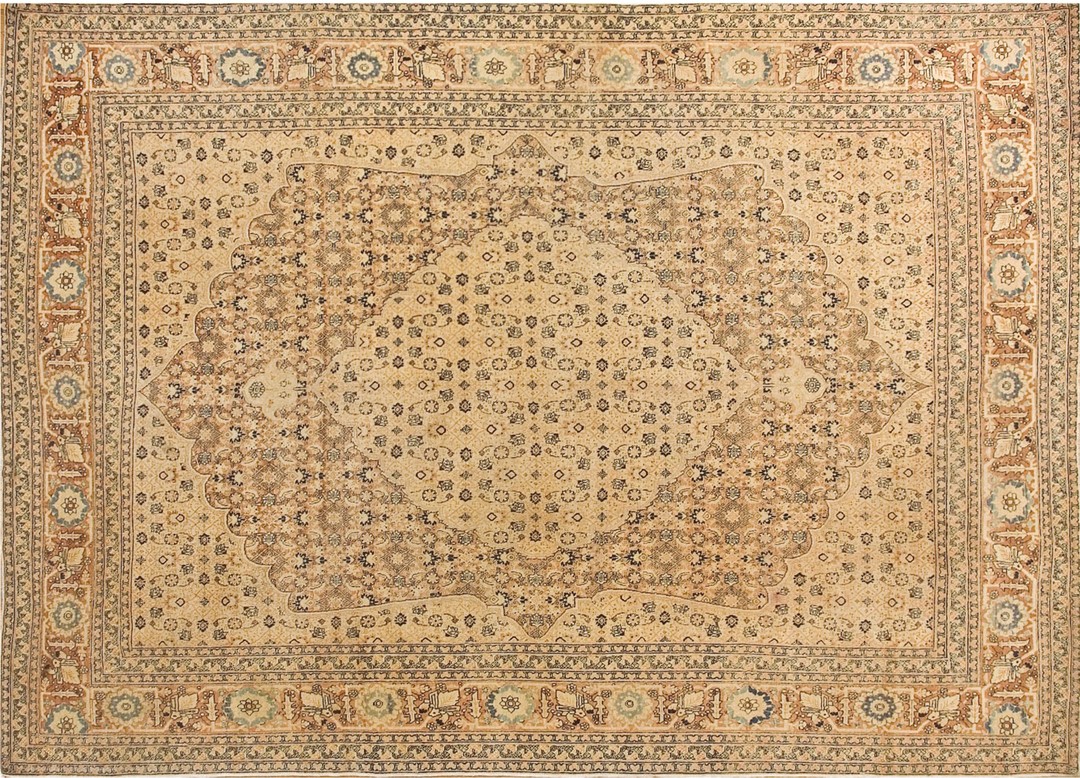
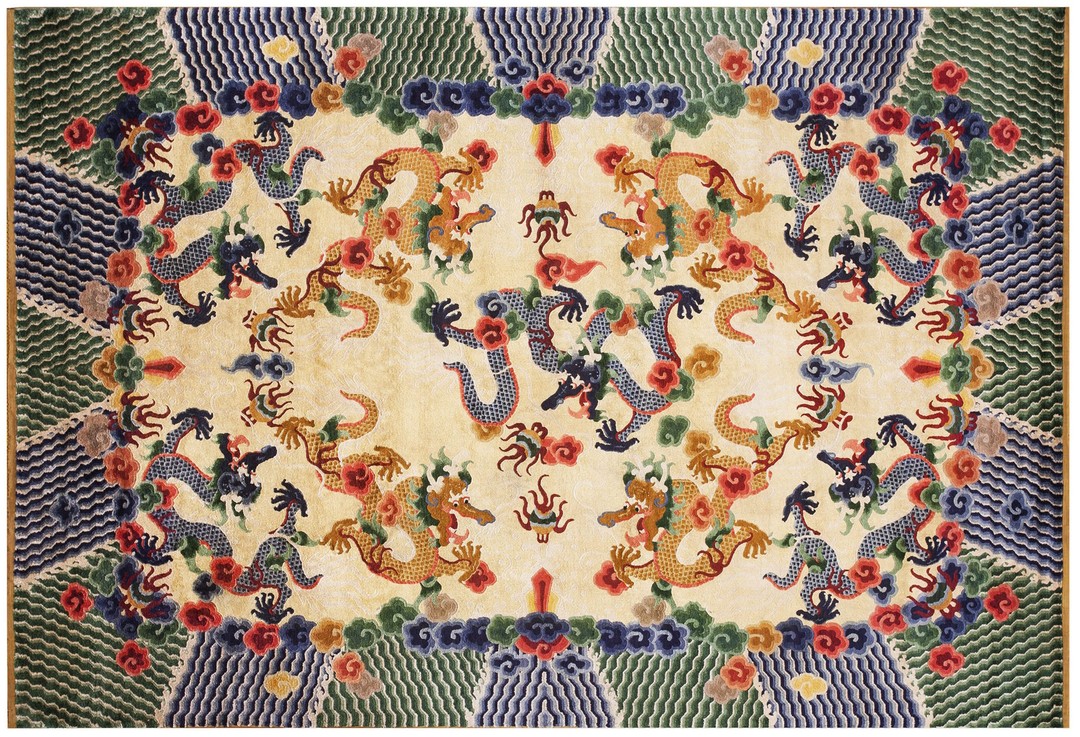
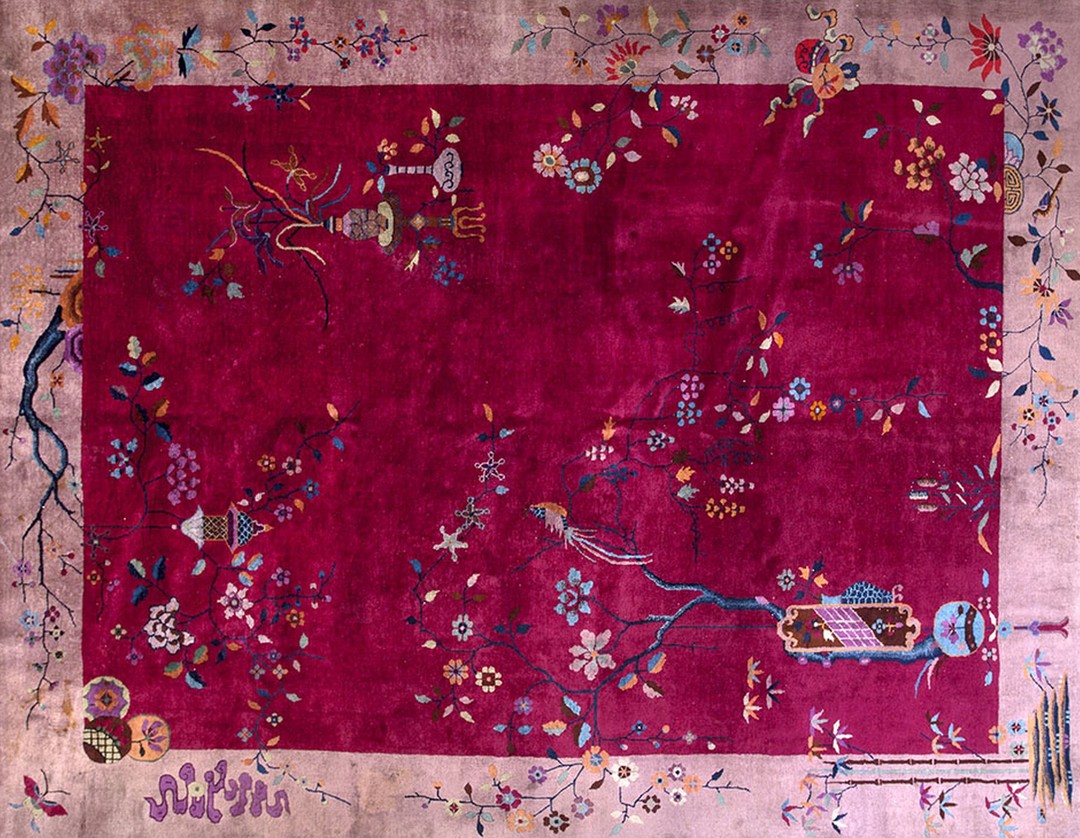
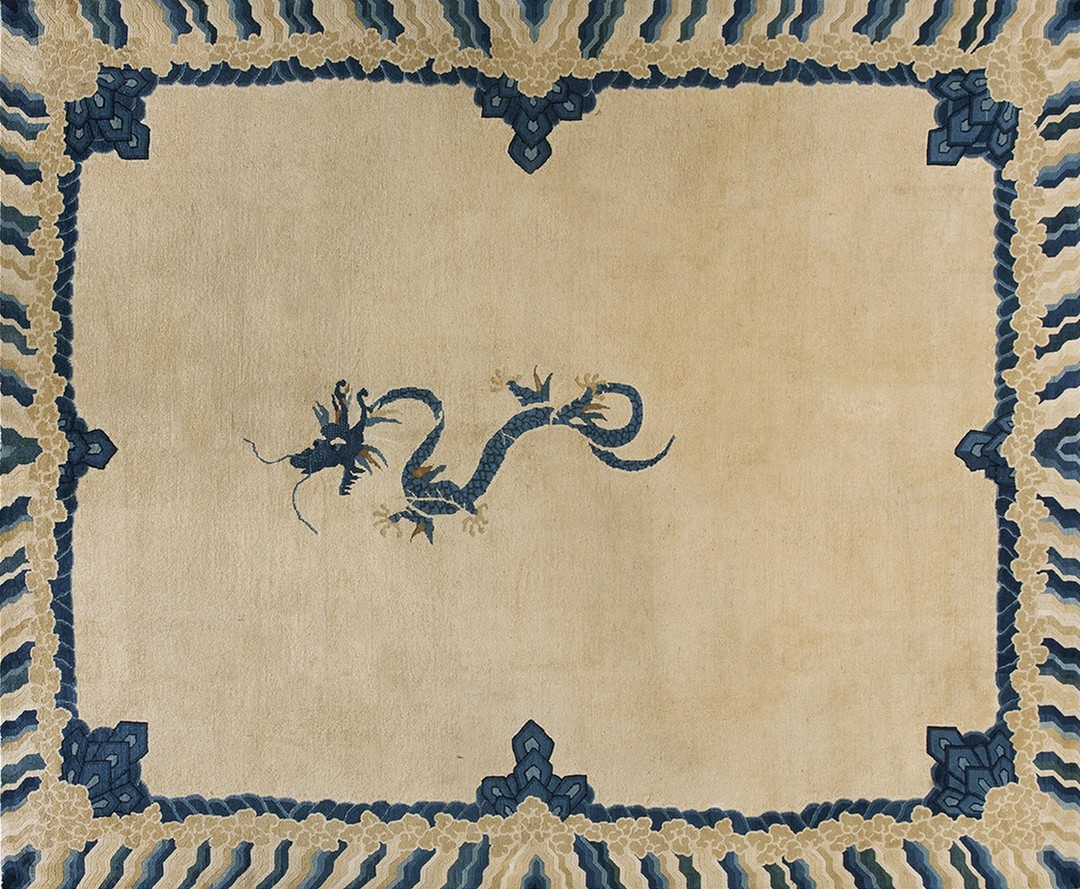
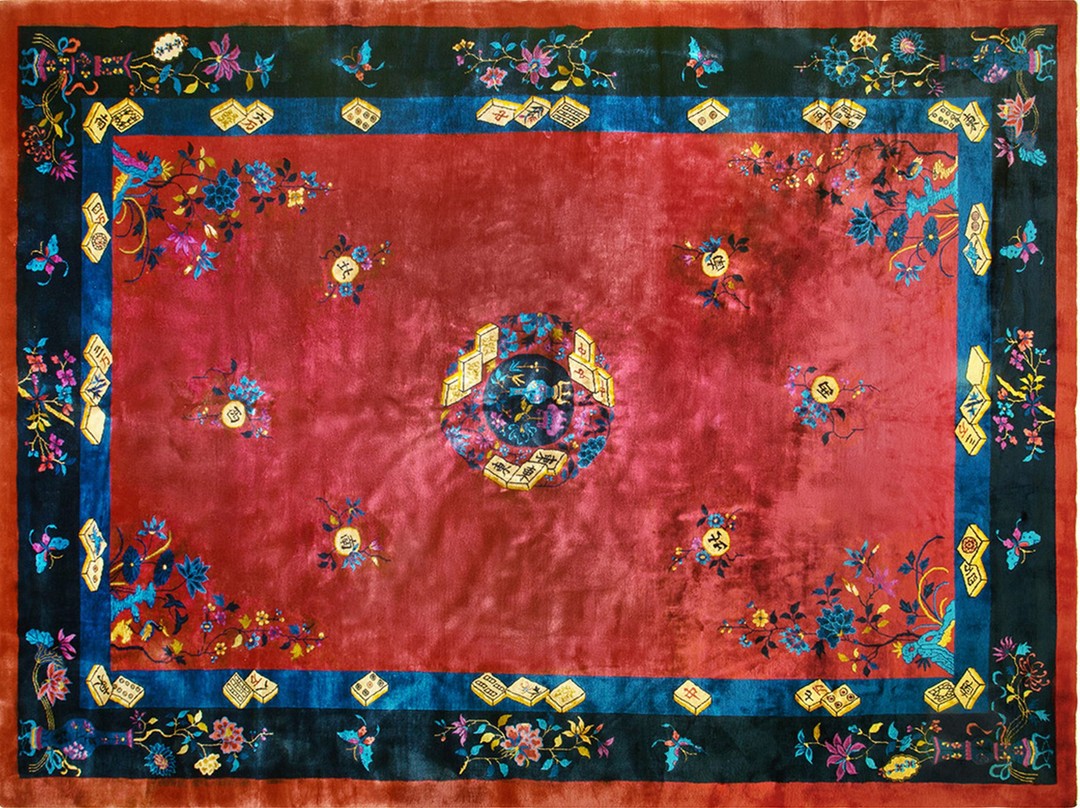
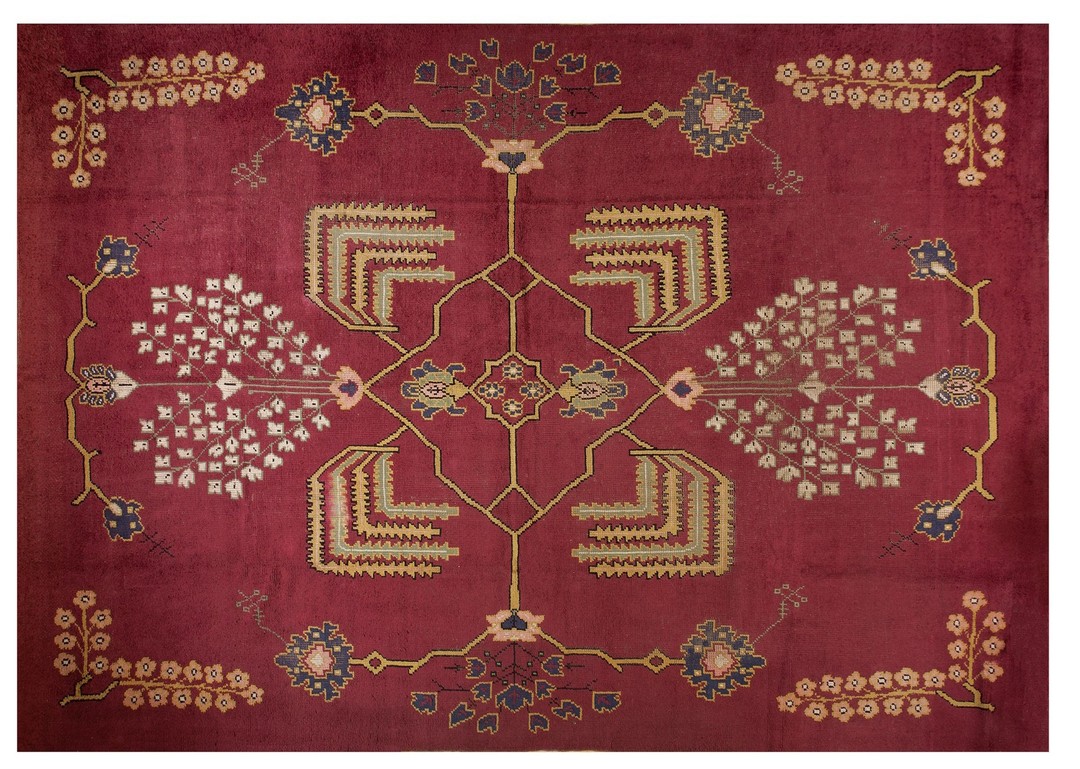
Explore a Few of Our Favorite Family Room Rugs
FAQ
- Can one rug define a family room in an open space?
Yes, buying family room rugs helps visually anchor seating in open layouts. A large rug creates clear boundaries without walls.
- How much should I budget for a family room rug?
Family room rugs typically range from $300 to $3,000 depending on size and material. Higher density usually means better long-term value.
- What’s the best rug construction for family rooms?
Hand-knotted, handwoven, or high-density machine-made rugs perform best. When buying family room rugs, construction quality predicts longevity.
- Are light-colored family room rugs a bad idea?
Light rugs can work if they’re patterned or tightly woven. When buying family room rugs, avoid flat solid light colors in high-traffic homes.
- Can family room rugs reduce noise?
Yes, family room rugs absorb sound and reduce echo. Thicker or denser rugs improve acoustics in large or open rooms.
- How do I prevent curling edges on family room rugs?
Use a quality rug pad and proper placement to prevent curling. When buying family room rugs, finished edges and binding help maintain shape.
- Are vintage-style rugs suitable for family rooms?
Yes, vintage-style rugs are great for family rooms because they disguise wear. Distressed patterns are especially forgiving in high-traffic spaces.
- Should family room rugs match or contrast furniture?
Family room rugs can either complement or gently contrast furniture. When buying family room rugs, balance color tones to avoid visual clutter.
- What rug shape works best in a family room?
Rectangular rugs are most common when buying family room rugs, as they align with seating layouts. Large square rugs also work in open-plan rooms.
- Are flatweave rugs good for family rooms?
Flatweave rugs work well in family rooms because they’re durable and easy to clean. When buying family room rugs, add a pad for comfort.
- Can family room rugs handle heavy furniture?
Yes, dense family room rugs handle sofas and tables well. Rotate the rug every 6–12 months to prevent permanent dents.
- How often should family room rugs be replaced?
Quality family room rugs can last 10–20 years with proper care. Frequent replacement usually signals low-density construction or unsuitable materials.
- Are machine-made rugs good for family rooms?
Machine-made rugs can be a smart choice when buying family room rugs due to affordability and durability. Choose higher-density weaves for better longevity.
- How do I clean family room rugs?
Regular vacuuming and prompt spot cleaning keep family room rugs looking fresh. Professional cleaning every 12–18 months is recommended for wool rugs.
- Should I use a rug pad under a family room rug?
Yes, a rug pad is essential when buying family room rugs to prevent slipping and reduce wear. Pads can extend rug life by years.
- How thick should a family room rug be?
Medium thickness is ideal when buying family room rugs, offering comfort without interfering with doors or furniture. Dense construction matters more than height.
- Are family room rugs safe for kids and pets?
Yes, buying family room rugs made from wool or low-VOC materials improves safety. Pair with a non-slip pad to prevent shifting and tripping.
- Do patterned rugs work better than solid rugs in family rooms?
Patterned rugs are often better for family rooms because they disguise dirt and wear. When buying family room rugs, subtle patterns age more gracefully.
- What colors are best for family room rugs?
Neutral or mixed-tone colors work best when buying family room rugs because they hide wear and stains. Patterns with multiple colors are especially forgiving.
- Should family room rugs be stain resistant?
Yes, stain resistance is important when buying family room rugs due to spills and heavy use. Look for tightly woven fibers or rugs with built-in stain treatments.
- Are wool rugs practical for family rooms?
Yes, wool is practical when buying family room rugs because it naturally resists stains and recovers from foot traffic. A dense weave improves long-term performance.
- What materials work best for family room rugs?
Wool, wool blends, and high-quality synthetics work best for family room rugs. Wool is durable and resilient, while synthetics offer stain resistance at lower cost.
- Are low-pile or high-pile rugs better for family rooms?
Low-to-medium pile rugs are better when buying family room rugs because they resist crushing and are easier to clean. High-pile rugs can trap dirt in busy spaces.
- What size rug is best for a family room?
The best size when buying family room rugs usually allows all main furniture legs to sit on the rug. Common choices are 8×10 or 9×12 area rugs.
- What should I look for when buying family room rugs?
When buying family room rugs, prioritize durability, comfort, and easy maintenance. Medium-pile wool or performance fiber rugs handle daily foot traffic while staying comfortable underfoot.