
Introduction To The Rugs Of India: Weaving Heritage and Global Standing
Discover our curated selection of heritage Indian rugs available for immediate purchase.
Executive Overview & Key Statistics Of The Rugs of India
The rugs of India stand at the forefront of the global handmade carpet market, commanding nearly 40% of worldwide exports of artisanal rugs. This dominance is not just a matter of trade but a testament to centuries of accumulated skill, innovation, and cultural identity. Today, the Indian rugs industry employs an estimated two million people across weaving, dyeing, finishing, and related activities. Many of these artisans are women from rural communities, for whom rug weaving provides both livelihood and empowerment.
The scale of India carpet exports reflects its unmatched production capacity and artistry. From small-scale family workshops to larger cooperative clusters, weaving remains deeply embedded in the fabric of India’s economy. The numbers underscore the scale: millions of square meters of rugs are shipped annually to major markets such as the United States, Europe, and the Middle East.
For global buyers, Indian rugs signify not only high-quality craftsmanship but also an ethical choice, as increasing numbers of exporters participate in certification programs like GoodWeave to guarantee fair labor practices. So, how large is India’s handmade rug industry today? The answer is clear: it is the single largest in the world, both in workforce and in export value, serving as the backbone of the international market for hand-knotted, hand-tufted, and flatwoven carpets.
Country Context & Cultural Significance Of The Rugs of India
Beyond economics, the rugs of India are a powerful expression of cultural heritage rugs that fuse local traditions with external influences. The craft flourished under Mughal patronage in the 16th century, when Persian-inspired artistry merged with indigenous motifs, techniques, and dyes.
Over time, this synthesis produced designs that were unmistakably Indian—lush floral arabesques, rich medallion patterns, tribal geometrics, and vibrant color palettes that resonated with both local and international aesthetics.
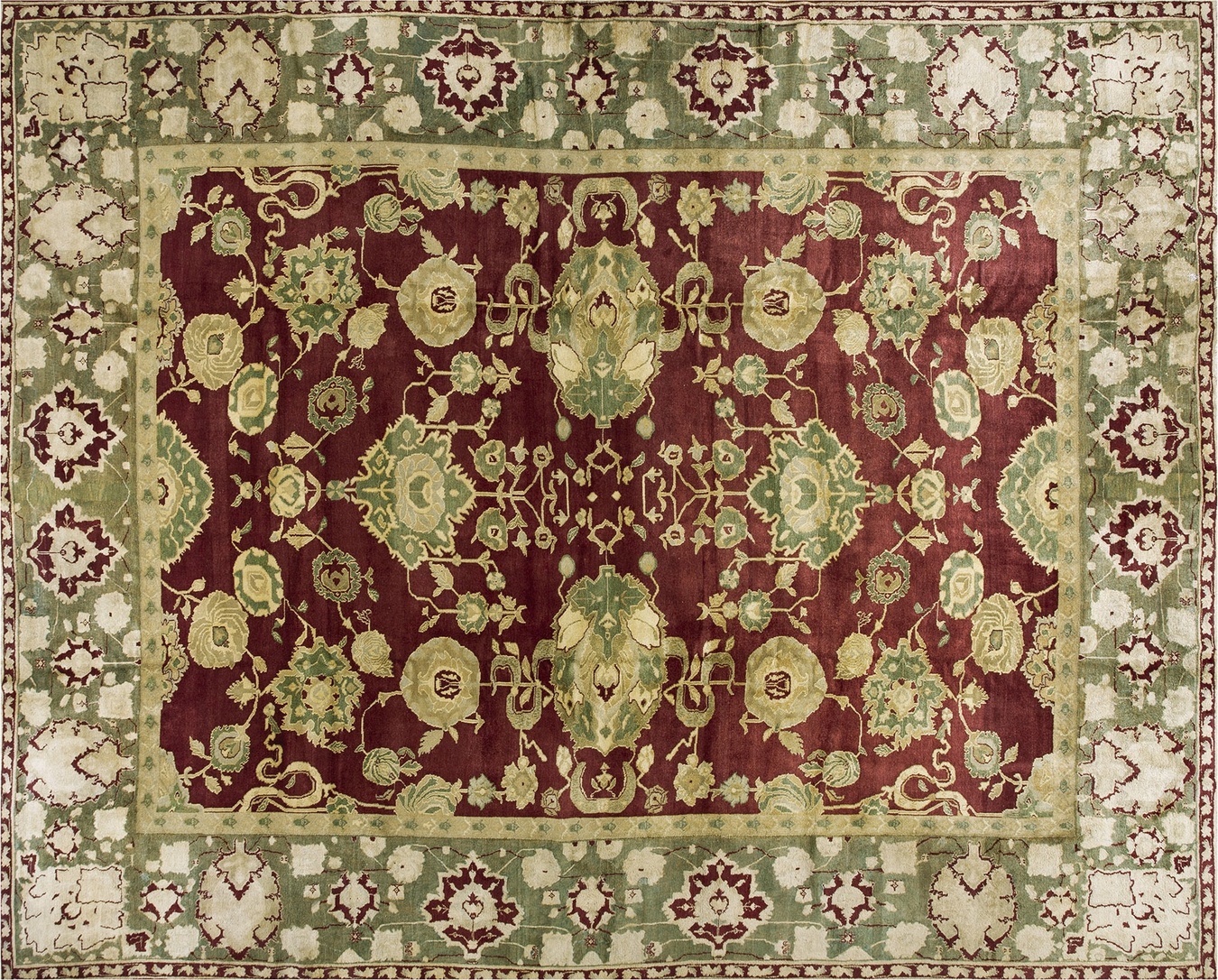
The weaving of the rugs of India continues to serve as a bridge between past and present. Artisans maintain centuries-old knotting techniques while also responding to the demands of contemporary interior design. This balance of tradition and innovation explains why Indian carpets are found in royal palaces, museums, luxury hotels, and modern homes alike.
Their adaptability secures India’s enduring influence on global tastes. Equally important is the role of rug weaving in preserving heritage and empowering rural communities. In regions such as Uttar Pradesh, Rajasthan, and Jammu & Kashmir, entire villages depend on this craft. By passing skills through generations, weaving sustains both cultural memory and economic survival.
Women in particular have gained agency through this work, weaving not only rugs but also pathways toward education and improved livelihoods for their families. The Indian artisan rug is therefore more than a floor covering; it is a living archive of India’s artistic identity and a driver of social change. Each carpet embodies the story of a community, shaped by geography, history, and belief systems, yet destined to travel far beyond India’s borders to become part of global interiors. India’s rug sector is thus both an economic powerhouse and a cultural ambassador.
As the country continues to innovate with sustainable practices and modern design collaborations, its position as the heart of the handmade rug world remains secure. The story of Indian carpets is, ultimately, the story of a nation whose artistry commands global admiration while safeguarding traditions at home.
Rugs of India: Historical Evolution
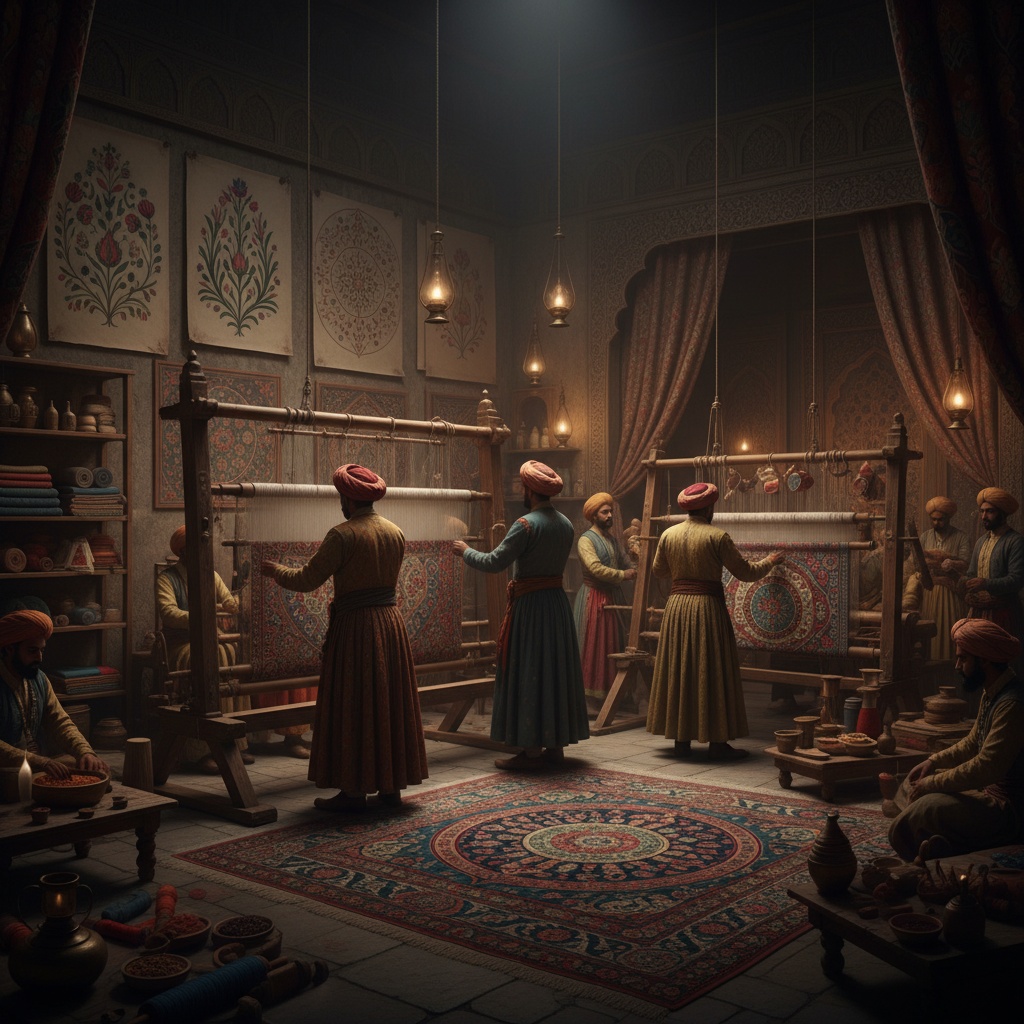
Artisans engaged in traditional carpet weaving on vertical looms.
Prehistoric & Ancient Roots
The origins of Indian rug and carpet weaving can be traced to the Indus Valley Civilization around 3000 BCE, where archaeological evidence reveals advanced cotton weaving techniques. While actual rugs from this prehistoric period have not survived, spindle whorls and fragments of woven fabric indicate that textile craftsmanship was already well established in the subcontinent.
This foundation in fiber work laid the groundwork for later advances in rug-making, as weaving gradually evolved from utilitarian cloth to decorative and ceremonial forms. These earliest textiles represent the roots of what would become one of the world’s richest traditions of cultural heritage rugs.
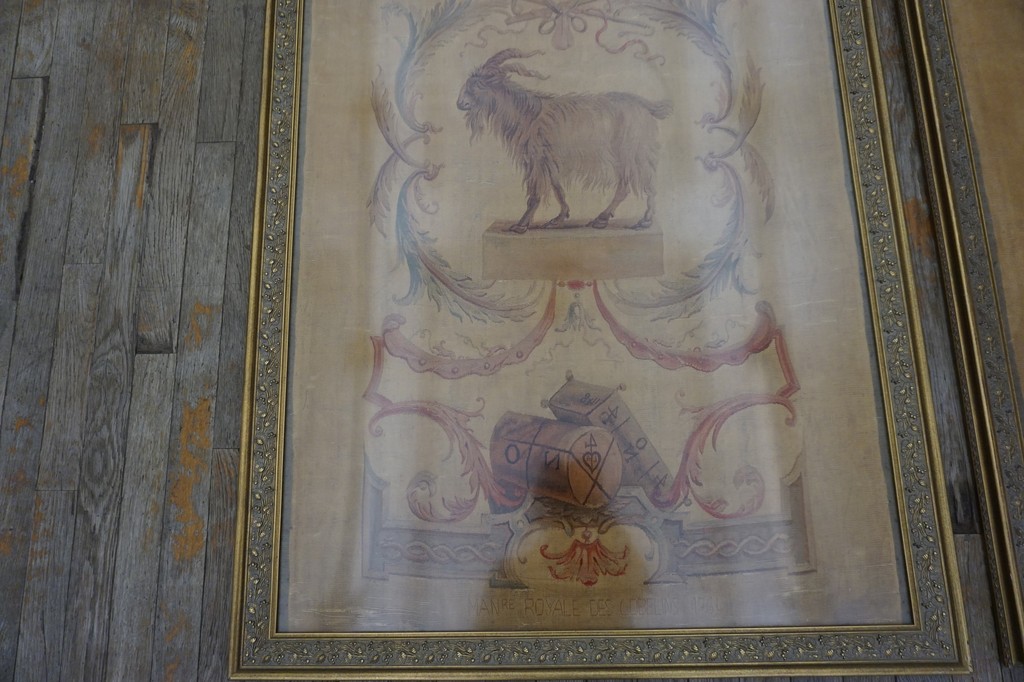
Pair of Scenic Antique 18th Century Beauvais French Tapestries by Rugs On Net
As weaving knowledge spread through trade and cultural exchange, techniques moved from the northern plains into regions such as Kashmir and later Rajasthan, where local resources like fine wool and natural dyes shaped distinctive traditions. The expansion of textile craftsmanship across these regions laid the foundation for the Indian rug industry’s extraordinary diversity of designs and techniques.
Mughal Era: The Persian Influence
The true flowering of Mughal carpet history came in the 16th century, under the reign of Emperor Akbar (1556–1605). Akbar established imperial carpet workshops, known as karkhanas, and invited master weavers from Persia to train Indian artisans. This period marked the introduction of Persian knotting in India, a pivotal technique that transformed the quality and global reputation of Indian rugs.
Mughal carpets were characterized by their exceptional craftsmanship: silk and fine wool piles, intricate floral and garden motifs, symmetrical medallion patterns, and exceptionally high knot densities. These textiles were not merely floor coverings but works of art—symbols of refinement, power, and cultural prestige.
Royal patronage rugs during the Mughal golden age ensured that weaving thrived. The court’s financial support and artistic vision encouraged experimentation with new motifs, blending Persian influences with Indian sensibilities. This fusion produced carpets that became prized possessions in royal courts across Asia and Europe. It was through this synthesis of artistry and patronage that Indian carpets entered their “golden age,” achieving both technical brilliance and international acclaim.
Colonial Disruption & Post-Independence Revival
The decline began with the advent of British colonial rule, which had a profound colonial impact on Indian rugs. As the East India Company and later the British Raj sought to restructure India’s economy around industrial production and export, the emphasis on hand craftsmanship weakened. Workshops focused on producing carpets tailored to Western tastes, often with reduced quality and simplified designs.
This shift not only diluted traditional artistry but also marginalized many artisan communities. The disruption was further compounded by the upheaval of Partition in 1947, which dislocated weaving centers, particularly in Kashmir and Punjab.
Yet, this moment also sparked a remarkable Indian carpet revival. The newly independent government, along with cooperatives and private initiatives, invested in training artisans, re-establishing weaving centers, and promoting exports. Geographic Indication (GI) tags for regional carpets, international exhibitions, and fair-trade certifications helped restore both economic vitality and cultural pride.
By the late 20th century, India had reclaimed its place as the world’s leading source of handmade rugs. The resilience of artisans ensured that the craft adapted to modern tastes while retaining its historic identity. Today, Indian rugs stand as proof of a successful cultural resurgence: a tradition that survived colonial decline and now thrives in the global market, powered by heritage and innovation alike.
What Defines The Rugs of India?
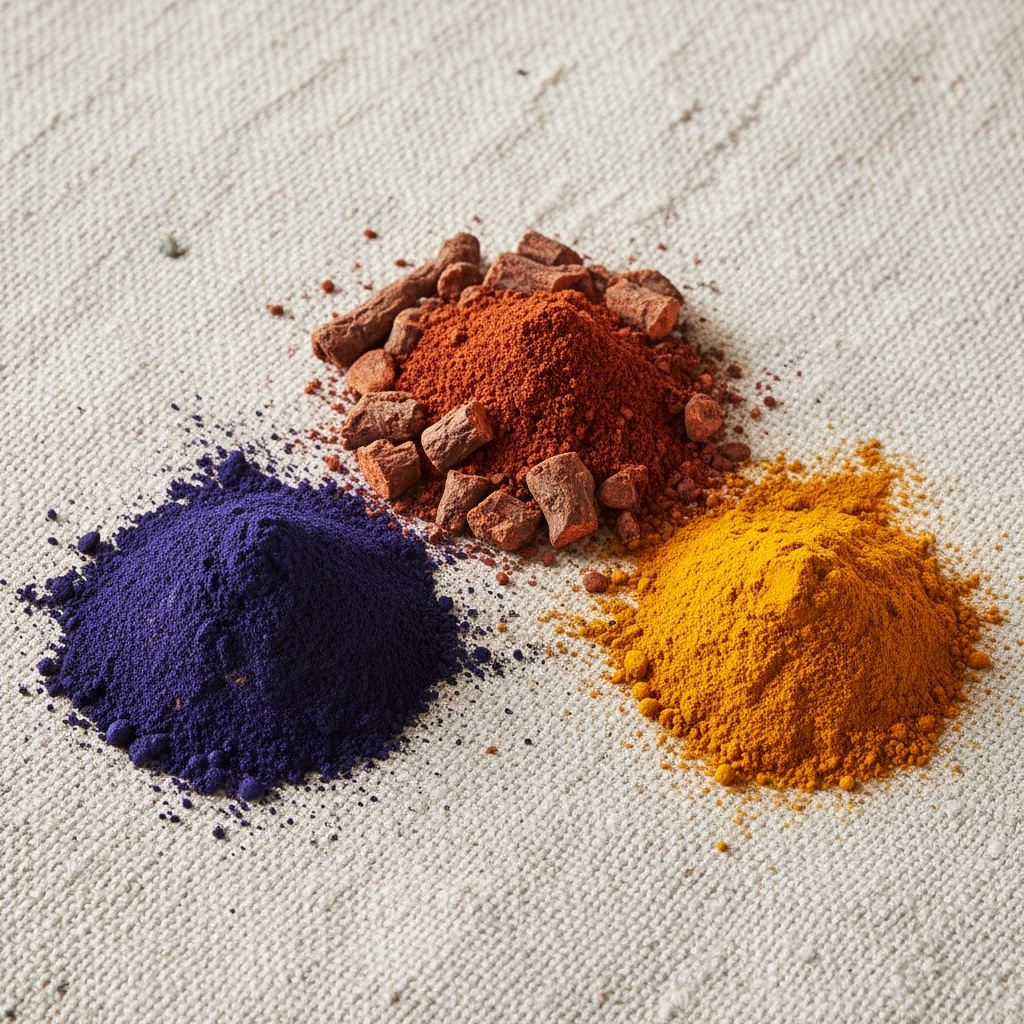
Natural pigments used in traditional dyeing processes
Key Differentiators vs. Persian Rugs
- Foundation materials: Indian rugs are most often woven on a cotton foundation, which provides strength and stability, while Persian rugs more frequently use wool foundations. — Why: This material difference influences durability and texture, giving Indian carpets a distinct structural identity.
- Design philosophy: Persian rugs tend toward curvilinear patterns and central medallion layouts, while Indian rug characteristics include a broader range—geometric arrangements, repeating motifs, and narrative elements that reflect local storytelling. — Why: This diversity reflects the fusion of imported techniques with indigenous artistry, making Indian vs. Persian rugs immediately distinguishable.
- Dye traditions: Indian weavers historically employed natural dyes such as indigo, madder, and turmeric, creating warm palettes unique to the subcontinent. Persian dyes, while also plant-based, rely on different recipes and mordants, giving their colors another tonality. — Why: The choice of dyes ties Indian carpets to local geography and natural resources, reinforcing their regional character.
- Motif repertoire: While Persian carpets emphasize arabesques and floral vines, Indian artisans incorporated motifs inspired by palaces, temples, and flora native to their landscapes. — Why: This lends Indian carpet symbolism a distinctly local resonance, marking them as products of their cultural environment.
Signature Indian Techniques & Motifs
The most defining aspect of the area rugs of India is their fusion of Persian and Indian influences. The introduction of Persian knotting in the Mughal era gave artisans a technical foundation of fineness and precision. Yet, the creativity of Indian weavers ensured that these techniques were adapted to suit local aesthetics.
Indian rug makers became renowned for their bold use of natural dyes, particularly indigo blues, madder reds, and turmeric yellows, each deeply tied to the land and culture.
Motifs often draw on indigenous sources—lotus flowers symbolizing purity, elephants representing power, and temple arches echoing architectural heritage. These symbols go beyond decoration; they embed Indian rug characteristics with layers of meaning that resonate with both domestic and global audiences.
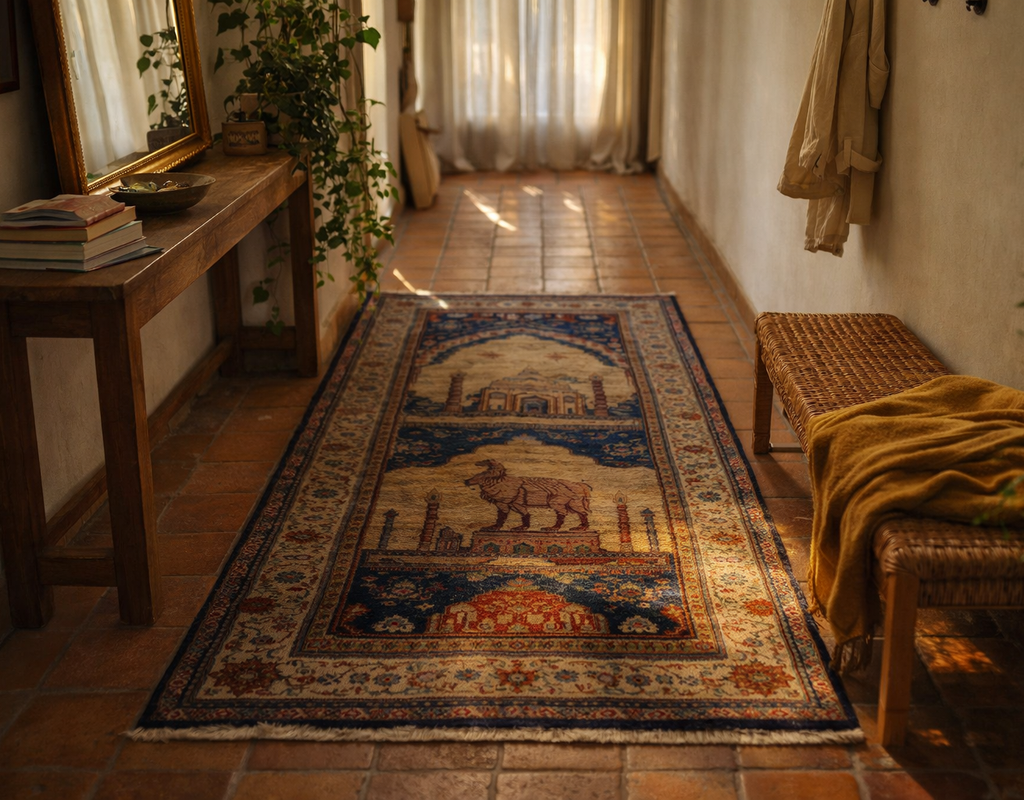
A detailed rug featuring traditional motifs anchors the warm, sun-drenched aesthetic of this hallway.
Taj Mahal & Other Iconic Motifs in Rugs of India
Among all motifs found in the rugs of India, the Taj Mahal motif design pattern stands out as the most recognizable. The Taj Mahal, commissioned by Emperor Shah Jahan in the 17th century, symbolizes eternal beauty and love, as well as India’s Islamic-Mughal artistic heritage. When represented in carpets, the monument often appears in stylized garden layouts, with domes, arches, and pathways woven into the textile.
The inclusion of this motif elevates the rug into a work of Indian carpet symbolism, simultaneously evoking national pride and universal admiration for beauty. Other iconic motifs also carry weight. Garden themes symbolize paradise and harmony, while palace-inspired borders frame designs with grandeur. Such imagery reflects how rugs became both aesthetic objects and cultural ambassadors—textiles that told stories of India’s artistry, spirituality, and architectural genius.
Signature Styles & Types Of The Rugs of India
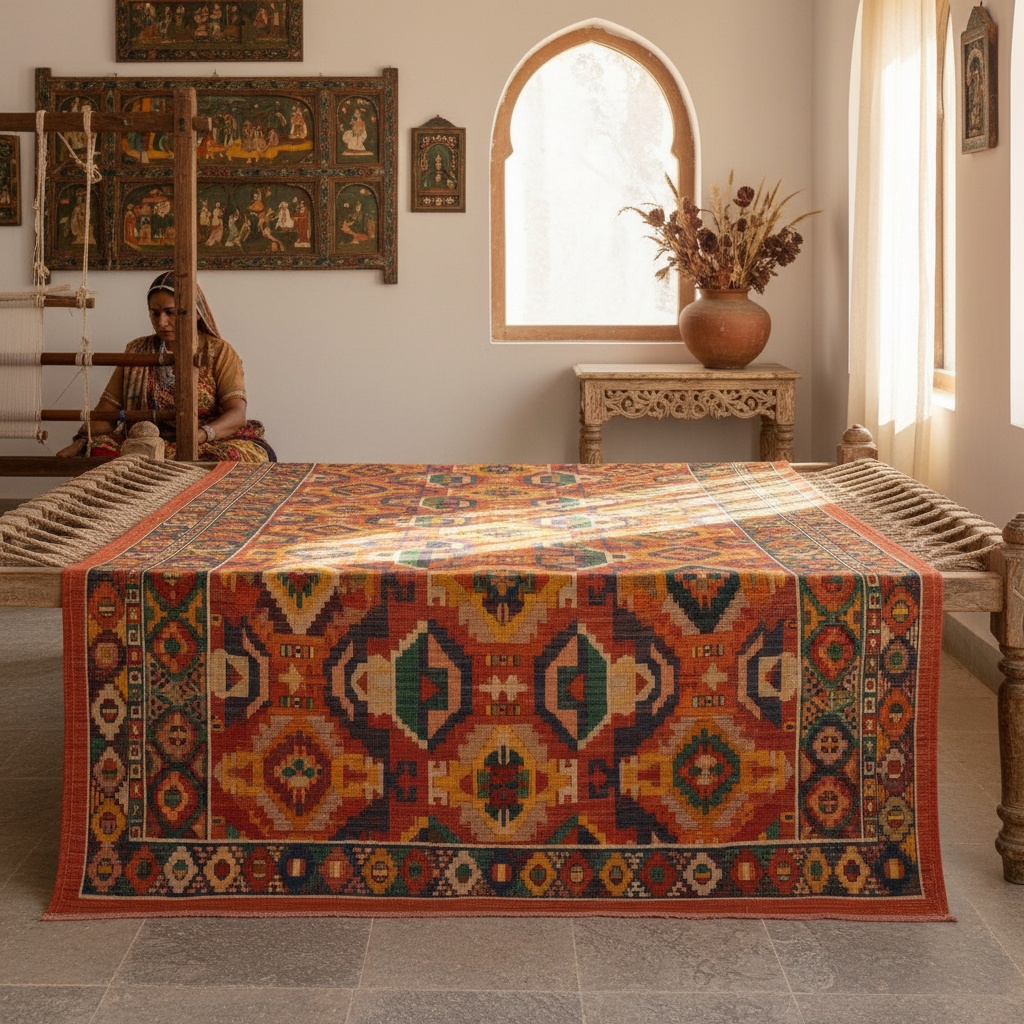
Vibrant Kilim-style rug on a traditional wooden frame.
Dhurrie (Flatweave Classic)
The Dhurrie rug India is one of the country’s most enduring and versatile weaving traditions. These specific rugs of India are flat-woven using cotton or wool, often in bold geometric or striped patterns. Unlike pile carpets, Dhurries are reversible, lightweight, and perfectly suited to India’s varying climates—cool in summer and warm in winter.
Their all-season utility made them popular household items as well as treasured dowry gifts passed down through generations. Distinctive regional variations emerged, with Jaipur dhurries celebrated for their sharp geometric motifs and desert-inspired hues, while other regions developed their own techniques.
Compared with Mirzapur tufted rugs, which rely on pile and modern tufting methods, Dhurries are entirely hand-woven, making them more traditional and durable in structure. This contrast highlights the diversity of India’s weaving sector, where both classic flatweaves and modern tufted styles flourish side by side.
Kashmiri Silk Carpets (Hand-Knotted Luxury)
The Kashmiri silk carpet represents the pinnacle of the weaving artistry of the rugs of India. Each carpet is hand-knotted with extraordinary precision, often featuring curvilinear floral and garden motifs inspired by Persian traditions and Mughal aesthetics. The use of natural dyes—including indigo, madder, and saffron—creates rich yet harmonious palettes.
What sets these rugs apart is their luminous sheen, which comes from the high-quality silk fibers that reflect light with brilliance. This radiance, combined with high knot counts that allow for minute detailing, makes Kashmiri carpets prized worldwide as both luxury furnishings and collector’s items. Their refinement reflects centuries of royal patronage and international admiration, positioning them as the crown jewel of Indian rug production.
Namda & Other Regional Specialties
The Namda rug Kashmir is an eco-friendly alternative to pile carpets, crafted by felting wool rather than weaving. Once valued for its warmth and affordability, the Namda is traditionally decorated with hand embroidery, often in vibrant floral designs.
While its popularity declined in the 20th century, recent revival efforts—supported by craft cooperatives and government initiatives—have restored Namdas as both cultural artifacts and sustainable modern products.
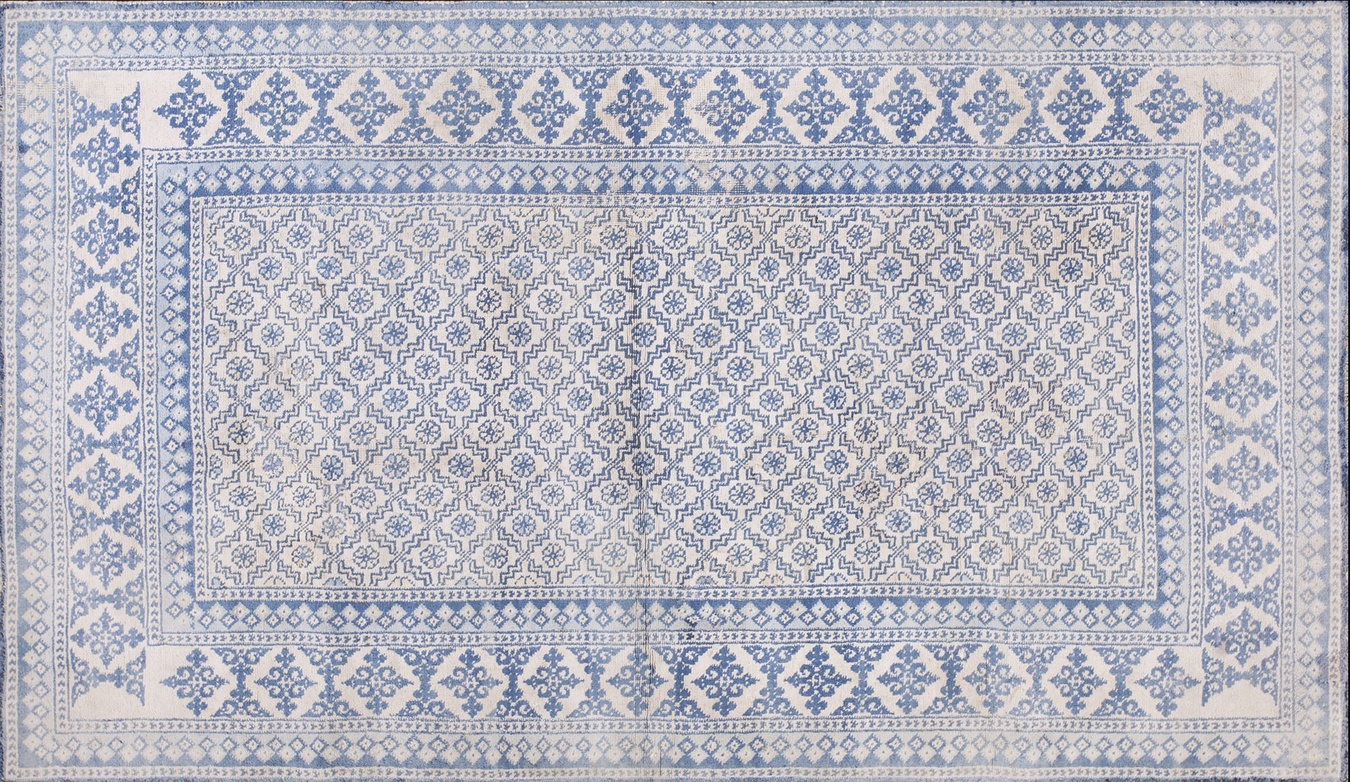
Antique Agra – Cotton Indian Knotted Rug handcrafted – by Rugs On Net
Other regional specialties enrich India’s diverse rugscape. Gabba rugs, made from recycled wool with simple stitched patterns, offer rustic charm, while Jamawar shawl-inspired weavings and appliqué techniques reflect India’s regional inventiveness.
Each style tells the story of its community, preserving local traditions while adapting to new design demands.
Contemporary Indian Rug Innovations
- Recycled materials: Artisans increasingly use reclaimed fibers to create eco-conscious designs. — Why: Appeals to sustainability-minded global buyers while reducing waste.
- Solar-powered yarn spinning: Workshops in Rajasthan and Uttar Pradesh have adopted renewable energy in production. — Why: Reduces costs and carbon footprint, reinforcing India’s green manufacturing leadership.
- Design hybrids: Blends of traditional motifs, such as Jaipur rug styles, with modern minimalism attract both domestic and international audiences. — Why: Keeps India relevant in contemporary interior design while honoring heritage.
- Export-quality workshops: Centers in Rajasthan, especially Jaipur and Bikaner, lead in producing rugs that balance craftsmanship with large-scale international demand. — Why: They secure India’s dominance in the global handmade carpet market and adapt to evolving trends.
Regional Weaving Hotspots
Uttar Pradesh: Bhadohi–Mirzapur (“Carpet City”)
The district of Bhadohi in Uttar Pradesh is the beating heart of India’s rug exports, often referred to as “Carpet City.” Recognized with a Geographical Indication (GI) tag, Bhadohi carpets are renowned for their higher knot density, intricate craftsmanship, and use of both traditional and modern patterns.
This region produces the bulk of India’s handknotted wool rugs, while also hosting a vast tufted carpet manufacturing cluster in neighboring Mirzapur. Together, Bhadohi–Mirzapur represents India’s largest hub for rug exports, supplying luxury residences and international retailers alike. Family-run workshops dominate production here, with skills passed down for generations. Ethical certifications such as GoodWeave are increasingly common, reassuring global buyers of responsible practices.
For those seeking ethically certified carpets, Bhadohi is an ideal sourcing destination. The region’s strength lies not only in its scale but also in its adaptability, producing everything from traditional Mughal-inspired rugs to contemporary global trends.
Jammu & Kashmir: Silk, Namda, Gabba
The Valley of Kashmir is synonymous with Kashmir silk rugs, famed for their shimmering elegance, curvilinear designs, and cultural symbolism. These carpets are protected under GI certification, ensuring authenticity and safeguarding artisan livelihoods.
Alongside silk masterpieces, Kashmir sustains unique craft traditions such as the Namda rug—made from felted wool and hand-embroidered for warmth—and the Gabba, an appliqué style made from recycled wool cloth stitched into vibrant patterns.
Local festivals and exhibitions keep these traditions alive, while government support helps artisans market their products worldwide. Together, these crafts embody the region’s identity, weaving resilience and artistry into every piece.
Rajasthan: Jaipur, Bikaner, Jail Carpets
- Jaipur rugs: Known for royal-inspired flatweaves, vibrant dyes, and city palace motifs. — Why: Jaipur remains a global exporter, bridging heritage with export-quality modern designs.
- Bikaner rugs: Traditionally woven with camel hair, valued for durability and desert-inspired motifs. — Why: They showcase Rajasthan’s resourcefulness and link between local ecology and craft.
- Jail Carpets: Produced in prison workshops, where weaving is taught as both vocational training and rehabilitation. — Why: These textiles are a rare example of social reform tied to traditional craftsmanship.
Rajasthan’s diversity ensures it remains a key contributor to India’s international carpet trade, with Jaipur standing out as one of the country’s major global rug exporters.
Telangana: Warangal Dhurries
The historic town of Warangal is celebrated for its Warangal dhurries, flat-woven rugs that are both durable and decorative. Made on pit looms by skilled women artisans, these rugs feature bold temple-inspired motifs and striking geometric designs.
The craft has been awarded a GI tag, protecting its authenticity and providing artisans with greater global recognition. Today, Warangal dhurries are cherished for their affordability, versatility, and cultural symbolism, representing the strength of women-led craft revival.
Haryana: Panipat & Sustainability Story
- Panipat recycled rugs: Produced with regenerated yarn, including shoddy fibers and wool blends. — Why: They demonstrate India’s growing focus on sustainable, eco-conscious weaving.
- Bathmat and shoddy carpet exports: Panipat is one of the world’s largest suppliers of affordable rugs and mats. — Why: This affordability allows Indian textiles to compete strongly in global markets.
Panipat’s sustainable orientation cements its place in India’s rug industry, showing how recycled materials can still yield global success.
Punjab: Golden Temple-Inspired Rugs
Punjab adds spiritual depth to Indian rug traditions with Amritsar temple carpets, woven in and around the holy city. These rugs are often inspired by the Golden Temple, featuring motifs like the lotus, the chinar leaf, and Sikh religious symbols.
Used in gurdwaras and often purchased by devotees, these textiles embody devotion as much as artistry. Beyond their ritual role, Amritsar carpets have become sought-after collectibles for their historical and cultural resonance.
Design, Motifs, & Symbolism in Indian Rugs
Mughal Floral Medallions & Gardens
The Agra medallion carpet stands as one of the finest legacies of Mughal weaving, echoing the grandeur of imperial palaces and gardens. These iconic area rugs of India are distinguished by floral medallions arranged in symmetry, often surrounded by scrolling vines, blossoming lotuses, and intricate borders. The medallion reflects the Persian-inspired layout favored in Mughal aesthetics, while the floral detail symbolizes fertility, abundance, and paradise.
The “tree of life” motif became particularly significant, appearing in many Agra carpets. Depicted as a flowering tree rooted firmly in the ground yet reaching toward the sky, it represents spiritual growth and eternal continuity. These designs were more than decorative—they mirrored the Mughal court’s view of gardens as earthly paradises, translating architecture and horticulture into the textile arts.
How do Agra carpets showcase Mughal floral medallion styles? They feature central medallions framed by lush floral fields, blending Persian symmetry with Indian botanical richness, embodying both aesthetic refinement and symbolic meaning.
Jaipur City Palace & Varanasi Ghats Motifs
Motifs in the rugs of India also serve as visual storytelling devices, capturing the essence of cities and monuments. Jaipur palace design rugs often draw inspiration from the City Palace, featuring arches, domes, elephants, and festival imagery. These motifs tell stories of royal life and seasonal celebrations, turning carpets into cultural documents of Rajasthan’s regal past.
They also reflect spiritual symbolism, with elements like palace gardens signifying harmony and prosperity. In contrast, Varanasi ghat rugs portray the sacred steps leading to the Ganges River. Woven in contemporary patterns, these designs often include stylized waves, temple silhouettes, or flame motifs symbolizing ritual lamps lit at the ghats. Such imagery transforms rugs into meditations on spirituality and the cyclical nature of life and death.
How are Varanasi ghats represented in contemporary Indian rug patterns? By incorporating river-like flows, stepped motifs, and sacred lamp designs, modern weavers translate the daily rhythms of the ghats into symbolic textile art. What stories do Jaipur City Palace motifs tell on rugs? They narrate festivals, royal courtly life, and spiritual traditions tied to the palace, blending opulence with sacred meaning.
Local & Spiritual Symbolism
- Lotus: Represents purity and enlightenment, central to Hindu and Buddhist traditions. — Why: Its frequent use in Indian symbolic carpets links rugs to spiritual ideals of clarity and transcendence.
- Pomegranate: Symbol of prosperity and abundance. — Why: It reflects wishes for wealth and fertility in households where these rugs were displayed.
- Birds: Especially peacocks, symbolize fertility, renewal, and divine beauty. — Why: They are tied to Indian mythology and courtly symbolism.
- Chinar leaf (Kashmir): Evokes seasonal change and natural beauty. — Why: Deeply tied to the Kashmiri landscape, grounding rugs in local identity.
- Temple towers (Warangal): Embody sacred architecture and divine presence. — Why: They link weaving traditions to regional spirituality and temple heritage.
By weaving these motifs into textiles, artisans ensure that Indian rug motifs preserve not only artistic beauty but also local narratives and spiritual heritage.
Each carpet becomes a cultural map, carrying forward the memory of India’s palaces, temples, and landscapes into homes across the world.
India’s Modern Rug Industry
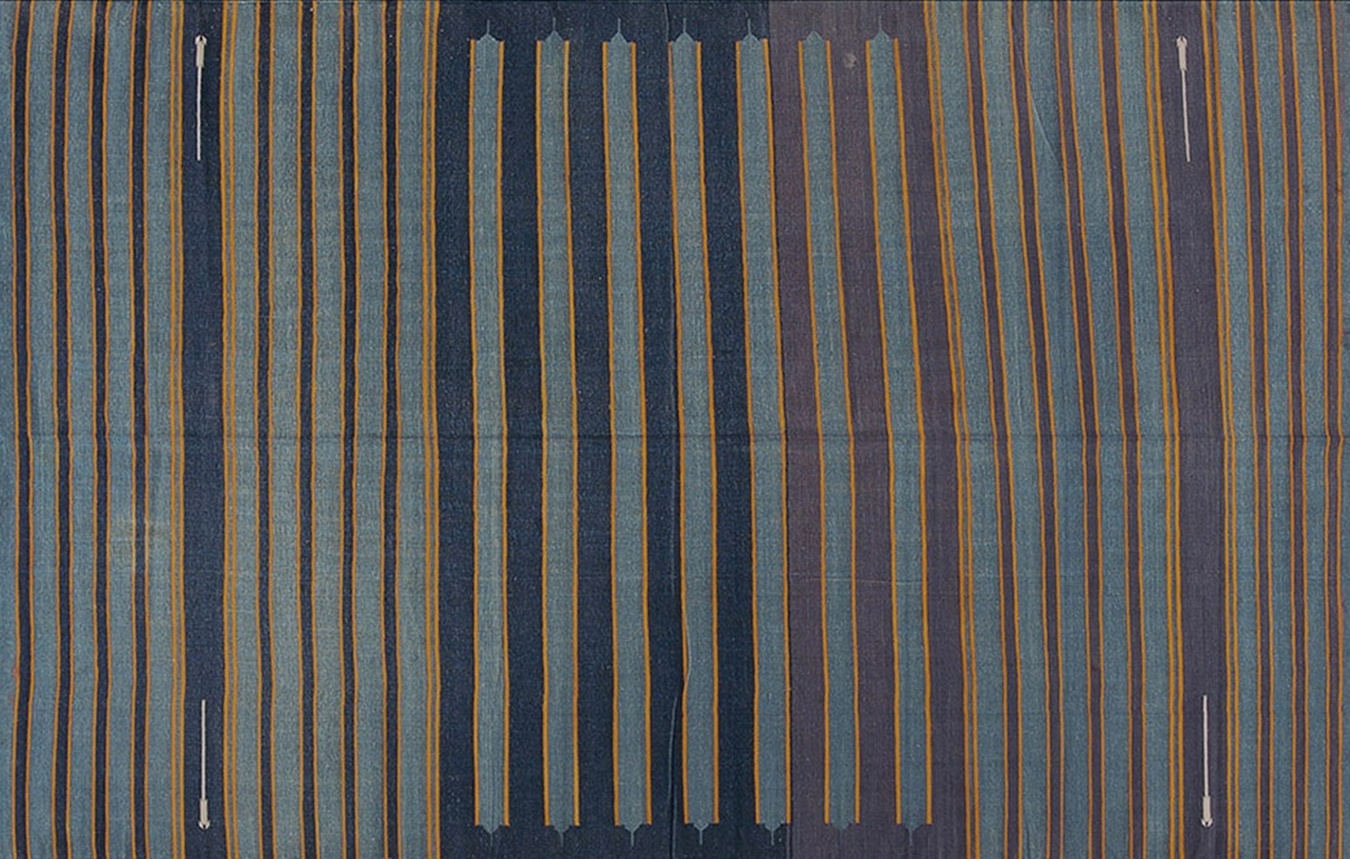
Antique Raya Indian Blue 1935 Rug – by Rugs On Net
Export Dominance & Market Growth
The handmade rug market in India is the backbone of the nation’s textile export economy, valued at US $2.23 billion in 2021–22. An astonishing 85–90% of all rugs woven in India are exported, underscoring how deeply embedded the industry is in the global handmade carpet market. India holds the world’s largest share of handmade rug exports, supplying nearly 40% of international demand.
Rugs of India export growth has outpaced many other home goods sectors in recent years. While furniture, curtains, and household textiles compete globally, carpets remain India’s flagship, benefiting from deep-rooted traditions, vast artisan clusters, and rapid adaptation to evolving consumer tastes.
The U.S. leads as the single largest importer, while Germany, the UK, and Gulf nations represent other critical markets that consistently drive demand for Indian carpets.
Key Production Hubs
- Bhadohi production hub (U.P.): Known as “Carpet City,” it is India’s largest hand-knotted carpet cluster and dominates the country’s wool rug exports. — Why: Its combination of scale, skilled artisans, and ethical certifications like GoodWeave makes Bhadohi a cornerstone of the global rug trade.
- Mirzapur (U.P.): Specializes in tufted rugs, forming the core of India’s tufted carpet manufacturing cluster. — Why: Its industrial adaptability ensures consistent, affordable production for international buyers.
- Jaipur export rugs (Rajasthan): Famous for flatweaves, dhurries, and palace-inspired motifs, Jaipur workshops are leaders in high-quality export production. — Why: The city’s heritage craftsmanship combined with modern design capabilities positions it as a premium exporter.
- Panipat (Haryana): Renowned for recycled fiber rugs, bathmats, and shoddy carpets. — Why: Its eco-focus ensures competitiveness in the sustainable goods market.
- Srinagar (Kashmir): Celebrated for Kashmiri silk and wool carpets, with GI protection and international acclaim. — Why: These luxury products uphold India’s image for artistry and refinement.
Together, these hubs sustain the breadth of India’s industry, ensuring both luxury and affordable rugs are supplied to global buyers.
India’s Role in Global Design Trends
One of the defining features of the handmade rugs of India industry is its responsiveness to consumer preferences. Artisans and exporters continually adapt by creating fusion styles that blend traditional motifs with contemporary minimalism, geometric abstraction, and even Western-inspired palettes. Sustainability is also central, with growing demand for eco-friendly rugs produced from recycled yarns or natural dyes.
India’s adaptability has ensured its influence on global rug trends, from modern interiors in New York and London to luxury homes in the Gulf. Designers increasingly collaborate with Indian workshops to create custom, trend-driven collections that marry heritage craftsmanship with cutting-edge aesthetics.
Ethical, Sustainable & Craft-Preserving Practices
Elimination of Child Labor & GoodWeave
The industry of the rugs of India has undergone one of the most significant transformations in global textile history, particularly in the elimination of child labor. Through initiatives such as GoodWeave certified rugs India, the sector has implemented strict oversight and transparent supply chains. Today, child labor has been nearly eradicated in all reputable export clusters, including Bhadohi and Jaipur. Certification not only reassures international buyers but also ensures that artisans work in safe, fair conditions. This change has elevated India’s reputation, positioning it as a leader in ethical rug sourcing.
Eco-Friendly & Fair-Trade Initiatives
- Natural dyes: Many workshops now prioritize vegetable-based colorants such as indigo, madder, and turmeric. — Why: They reduce chemical waste and preserve traditional artistry.
- Recycled yarn: Especially in Panipat, rugs are woven from regenerated fibers, producing affordable, eco-friendly Indian carpets. — Why: Reuse of materials lessens environmental impact and promotes circular production.
- Solar power: Spinning and washing units in Rajasthan increasingly run on renewable energy. — Why: Reduces carbon emissions and supports India’s sustainability commitments.
- Women’s cooperatives: Programs like the Jaipur Rugs Foundation focus on empowering rural women through weaving. — Why: Ensures fair trade Indian carpets while uplifting entire communities through dignified work and fair pay.
These initiatives demonstrate how sustainability and social justice are no longer peripheral, but central to India’s rug industry.
Geographical Indications (GI) & Craft Certification
One of the most powerful safeguards of authenticity in rugs of India is the GI tag Indian rugs program. Carpets from Kashmir, Bhadohi, and Warangal have been awarded Geographical Indication status, protecting them from imitations and affirming their cultural origins.
For buyers, a GI tag guarantees both authenticity and traditional methods, while for artisans, it helps preserve heritage and ensure better market value. Alongside GI protection, various certification schemes reinforce quality standards, ensuring that regional identities remain intact in the face of global demand.
Buyer’s Guide: Choosing Ethically Certified Indian Rugs
- Look for GoodWeave labels: These guarantee carpets free of child labor and unethical practices. — Why: They assure buyers that their purchase supports human rights.
- Ask about fair-trade sourcing: Rugs tied to cooperatives or organizations like Jaipur Rugs Foundation emphasize artisan welfare. — Why: This ensures artisans are paid fairly, and buyers contribute to craft preservation.
- Seek GI-tagged products: Whether Kashmir silk carpets, Bhadohi hand-knotted rugs, or Warangal dhurries. — Why: These rugs guarantee cultural authenticity and traditional quality.
- Check sustainability claims: Eco-friendly production methods—natural dyes, recycled yarn, or solar-powered workshops. — Why: They reflect a commitment to environmental responsibility.
Practical Guide to Buying Rugs of India
What to Look For: Quality, Knots, Materials
- Knot density: A quality Indian carpet often reveals its craftsmanship through its knot count. Higher knot densities create sharper patterns and longer durability. — Why: The fineness of design directly reflects the time, skill, and artistry invested.
- Materials: Rugs made from wool, silk, or a wool-silk blend are the benchmark of excellence. Cotton is common in foundations, while silk pile adds luminosity. — Why: Material choice influences not only texture and sheen but also long-term value.
- Dyes: Natural dyes—indigo, madder, turmeric—produce deeper, more enduring tones compared to synthetics. — Why: They highlight authenticity and minimize environmental impact.
- Provenance: GI tags and artisan certifications identify rugs with traceable origins, such as Kashmir silk or Warangal dhurries. — Why: Provenance guarantees authenticity and preserves cultural identity.
Together, these benchmarks ensure buyers can distinguish quality Indian carpets from mass-produced imitations.
Should You Buy Bhadohi Carpets?
The answer is an emphatic yes. Bhadohi high knot density rugs are among the most prized exports from India, with a reputation for precision and resilience. The region carries a Geographical Indication (GI) tag, affirming its cultural significance, while many workshops operate under GoodWeave and other ethical certifications.
Can Bhadohi carpets be distinguished by their higher knot density? Absolutely. This trait sets them apart, creating a tighter weave and more defined motifs compared to lower-density rugs. Combined with their certification standards, Bhadohi carpets balance luxury, durability, and social responsibility, making them an excellent investment for buyers seeking authenticity and value.
Should buyers consider Bhadohi district for ethically certified carpets? Yes, Bhadohi is widely recognized as one of India’s leading hubs for certified Indian carpets, ensuring buyers receive products that are both beautiful and responsibly made.
Export, Pricing, and Value Considerations
- Export reputation: India exports 85–90% of its rug production, with Bhadohi at the forefront. — Why: International buyers rely on this district for consistent, high-quality supply.
- Pricing factors: Costs vary depending on materials (silk > wool > cotton), knot density, dye type, and artisan reputation. — Why: Buyers can align budget with quality expectations while recognizing what drives price differences.
- Certification value: GoodWeave, fair-trade labels, and GI protection add premium value to rugs. — Why: They guarantee ethical sourcing, authenticity, and enduring artistry.
- Long-term worth: Certified Indian rugs retain cultural and monetary value, often appreciating when tied to renowned regions like Kashmir or Bhadohi. — Why: Beyond decoration, rugs serve as cultural heirlooms and secure investments.
In summary, an Indian rug buying guide highlights three essentials: assess craftsmanship through knots and materials, prioritize provenance through GI or certification, and recognize Bhadohi as a leading source of authentic, ethical, and enduring carpets.
For buyers, this approach ensures both value and the preservation of a living cultural tradition – the iconic rugs of India!
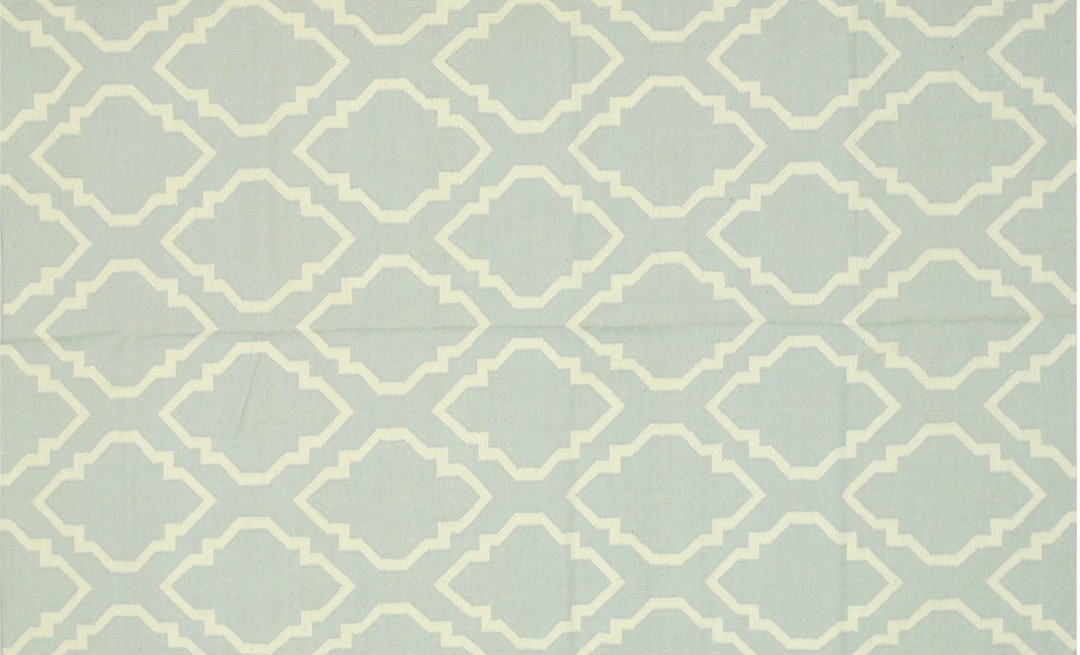
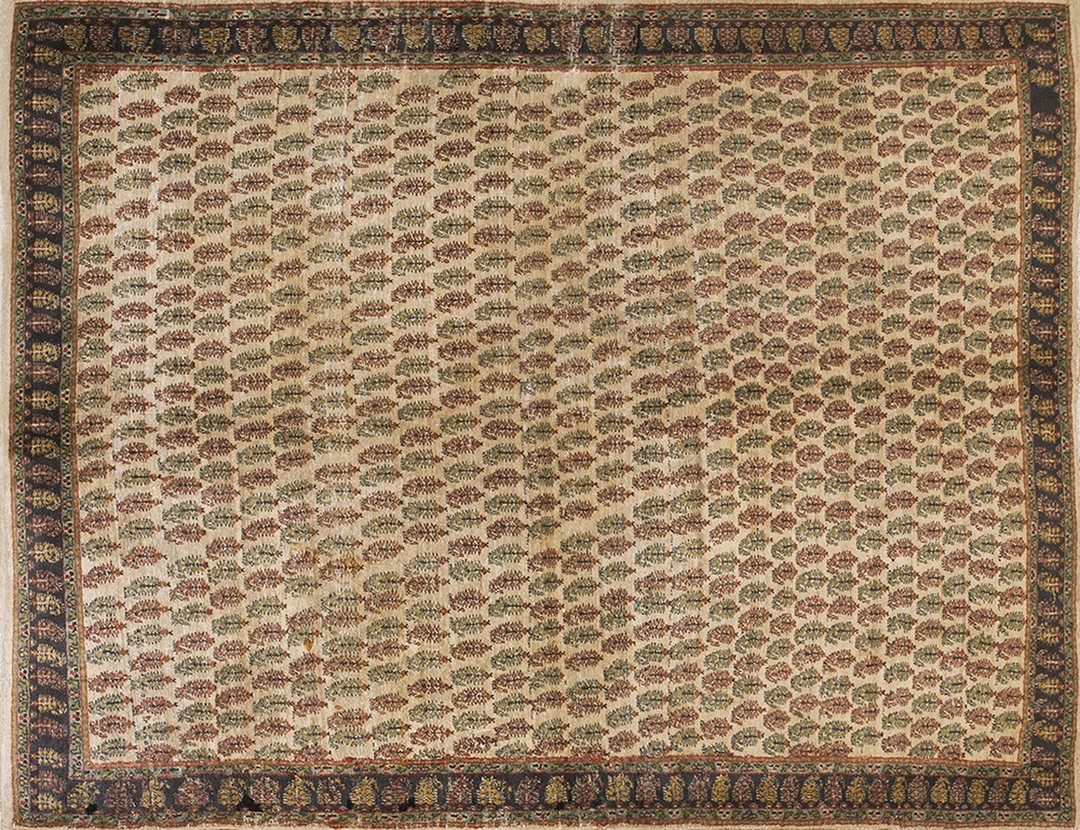
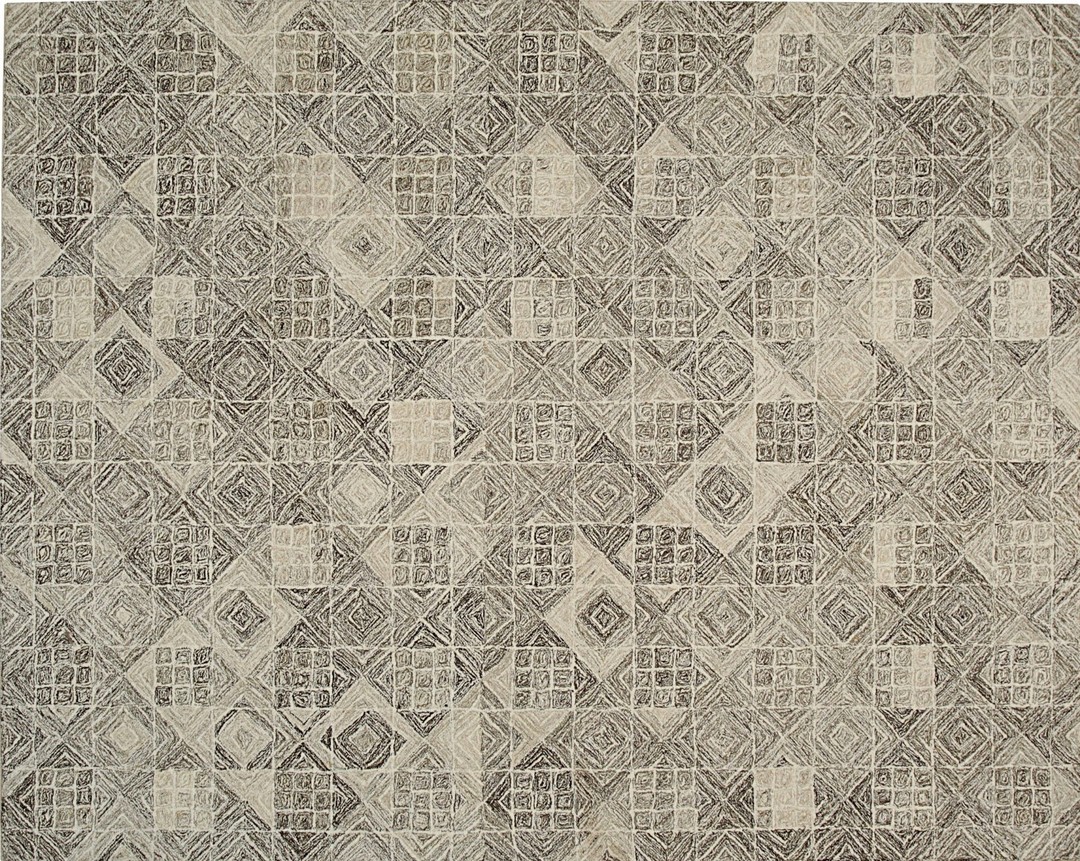
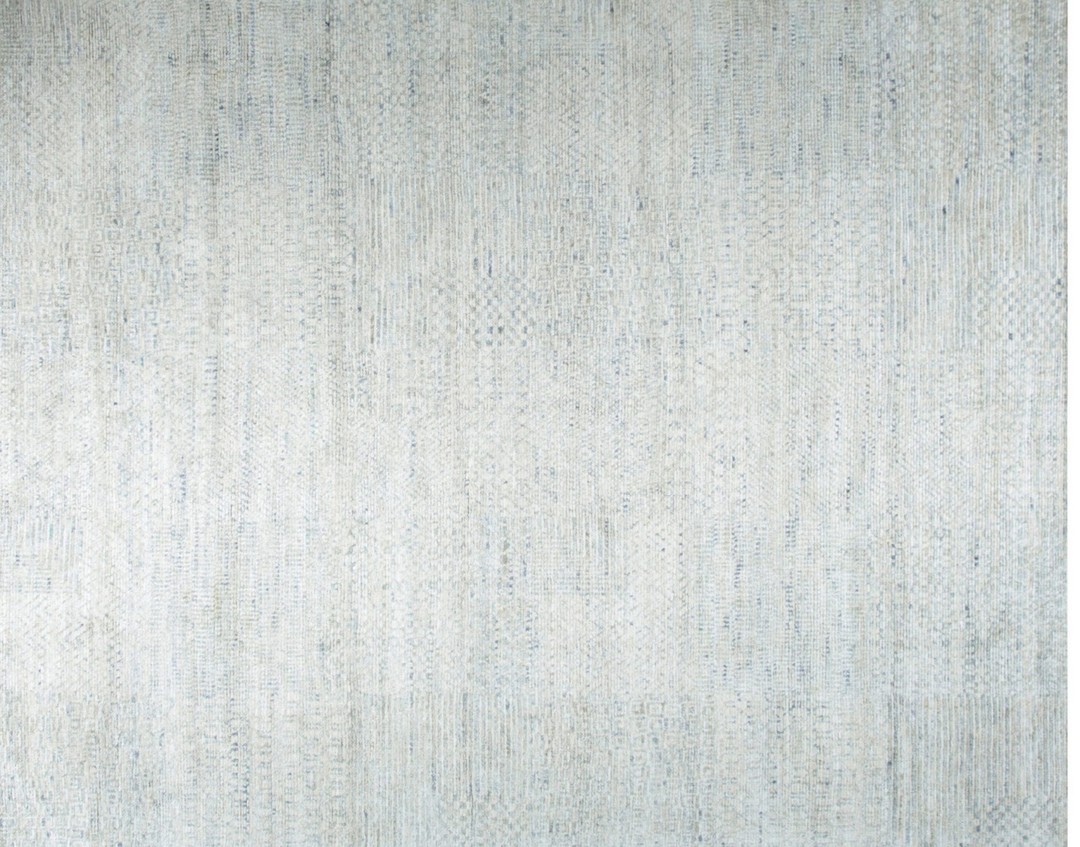
Discover a few of our favorite Indian rugs
FAQ
- Will robot vacuums damage fringes on Indian rugs?
Yes, they can. Tuck fringes under, disable side brushes or beater bars, or set no-go zones.
- Are Indian wool rugs safe near fireplaces?
Yes, wool is naturally flame-resistant and won’t melt. Still use a hearth mat and keep embers off the pile.
- Do jute rugs from India handle kitchens or baths?
No, jute absorbs moisture, browns, and can mildew. Keep it in dry rooms, or choose a synthetic “jute-look” for damp areas.
- What sizes work best in common rooms?
Living rooms often use 8×10 under front sofa legs; 9×12 anchors large seating. Dining tables need 24–30 inches extra so chairs stay on the rug.
- How long will a hand-tufted rug last?
Typically 5–10 years with light to moderate traffic. Latex backings limit deep cleaning and can break down over time.
- Are Indian rugs smart investments?
Select antiques—Agra/Mughal pieces or fine Kashmir silk—can appreciate. Contemporary mass-made rugs are usually décor, not investments.
- What quick checks confirm authenticity?
Examine the back for mirrored patterns and individual knots; fringes should be part of the foundation. Sewn-on fringe and a canvas backing indicate tufted or machine-made.
- How do I buy ethically made Indian rugs?
Look for GoodWeave certification and regional GI tags (e.g., Kashmir Hand-Knotted, Bhadohi Handmade). These trace producers and help prevent child or forced labor.
- Can I use an Indian rug over radiant floor heating?
Yes, pick thin flatweaves or low-pile wool with a breathable pad. Avoid thick shag and rubber-backed pads that trap heat.
- What rug pad should I use under an Indian rug?
Choose felt or felt-with-natural-rubber pads trimmed 1–2 inches smaller. Avoid cheap PVC waffle pads on hardwood or vinyl to prevent staining or residue.
- Which knot do Indian hand-knotted rugs use?
Mostly the asymmetrical Persian (Senneh) knot. Knot density (KPSI) and wool quality determine detail, flexibility, and price.
- Are Kashmir silk rugs durable enough for traffic?
Yes, but they’re best in low-traffic rooms or under furniture. Always vacuum with suction only and keep liquids off the pile.
- Are Indian rugs good for homes with pets and kids?
Yes, wool resists stains and rebounds well; flatweaves and low-pile styles clean fastest. Use a pad and darker patterns to hide messes.
- What does “Indo-Heriz” or “Indo-Gabbeh” mean?
Made in India using Heriz or Gabbeh design language. You’re buying the pattern tradition, not the original region.
- Do tufted Indian rugs smell?
Sometimes, latex-backed tufted rugs can off-gas a “rubber” odor. Air them out for weeks; avoid wet cleaning, which can intensify trapped smells.
- Do Indian wool rugs shed?
Yes, initial shedding is normal for 1–6 months. Gentle, frequent vacuuming and occasional brushing help it taper off.
- Can I wash a cotton dhurrie at home?
Yes, small cotton dhurries can be hand-washed in cold water and shade-dried. Printed or block-printed versions are safer with spot cleaning and professional care.
- How do I care for an Indian wool rug?
Vacuum with suction only (no beater bar), blot spills with wool-safe detergent, and rotate every 3–6 months. Professional washing every 1–3 years preserves color and pile.
- Is “art silk” the same as real silk?
No, “art silk” is viscose/rayon (also called bamboo or banana silk). It feels silky but weakens with moisture and abrades faster than real silk.
- How much does an 8x10 hand-knotted Indian wool rug cost?
Expect roughly \$1,000–\$5,000+ for wool; fine silk 8x10s often run \$5,000–\$20,000+. Hand-tufted 8x10s commonly cost \$200–\$800.
- How can I tell hand-knotted from hand-tufted?
Flip it: hand-knotted backs mirror the front with visible knots and real fringe. Tufted rugs have fabric backings hiding latex glue and often sewn-on fringe.
- Where are most Indian rugs made?
The Mirzapur–Bhadohi belt is India’s largest handmade carpet cluster; Kashmir produces silk; Jaipur and Agra weave wool; Panipat is known for handloom durries.
- What is a dhurrie?
A dhurrie is an Indian flatweave in cotton or wool, reversible and lightweight. Vacuum without a beater bar; small cotton dhurries can be hand-washed cold, then shade-dried.
- Are Indian rugs good quality?
Yes, many hand-knotted Indian rugs are durable, repairable pieces that can last decades; quality varies by weave, knot density, and materials.
- What are rugs from India known for?
Hand-knotted wool and silk, plus reversible dhurrie flatweaves, from hubs like Bhadohi, Agra, Jaipur, and Kashmir. Common sizes include 5×8, 8×10, and 9×12.