
Understanding Classic Traditional Rugs
Explore our vast range of luxurious classic traditional rugs and find the perfect centerpiece for your home today.
What Makes a Rug “Classic Traditional”?
Classic traditional rugs are defined by their deep connection to centuries-old artistry and weaving techniques. They are recognized instantly by their ornate detailing, balanced symmetry, and rich use of color. Unlike modern rugs, which often experiment with minimalism, abstraction, or unusual textures, classic traditional rugs embody continuity with the past.
Their patterns follow archetypes—medallions, floral vines, palmettes, latticework, and borders—that have been repeated, refined, and perfected for hundreds of years. These motifs are not simply decorative; they are carriers of history, symbols of cultural values, and reflections of regional identity. The essence of classic traditional rugs lies in their ability to marry form and function. Handwoven from natural materials such as wool, silk, or cotton, they are both durable and luxurious.
The artistry is meticulous, often involving months or years of work for a single carpet. As a result, these pieces have long been considered the standard-bearers of authentic Oriental carpets, widely admired for their harmony, elegance, and balance. They represent not just floor coverings but a timeless rug style that anchors a room and elevates it with heritage.
Motifs such as central medallions, flowing arabesques, or intricate garden layouts define a classic rug pattern. These design elements, consistent across Persian, Turkish, and Indian weaving traditions, link today’s rugs to the artistry of earlier dynasties. This enduring structure is what makes them “classic”—a visual vocabulary recognized across cultures and centuries.
Historical and Cultural Roots
The roots of traditional Persian rugs and their Anatolian and Indian counterparts extend back over a millennium. Archaeological evidence and historical records show that woven carpets were prized commodities in Persia as early as the Achaemenid Empire (6th–4th century BCE). By the Safavid period (16th–17th century), Persian weaving had reached its zenith, producing masterpieces with dense knotting, silk highlights, and brilliant natural dyes.
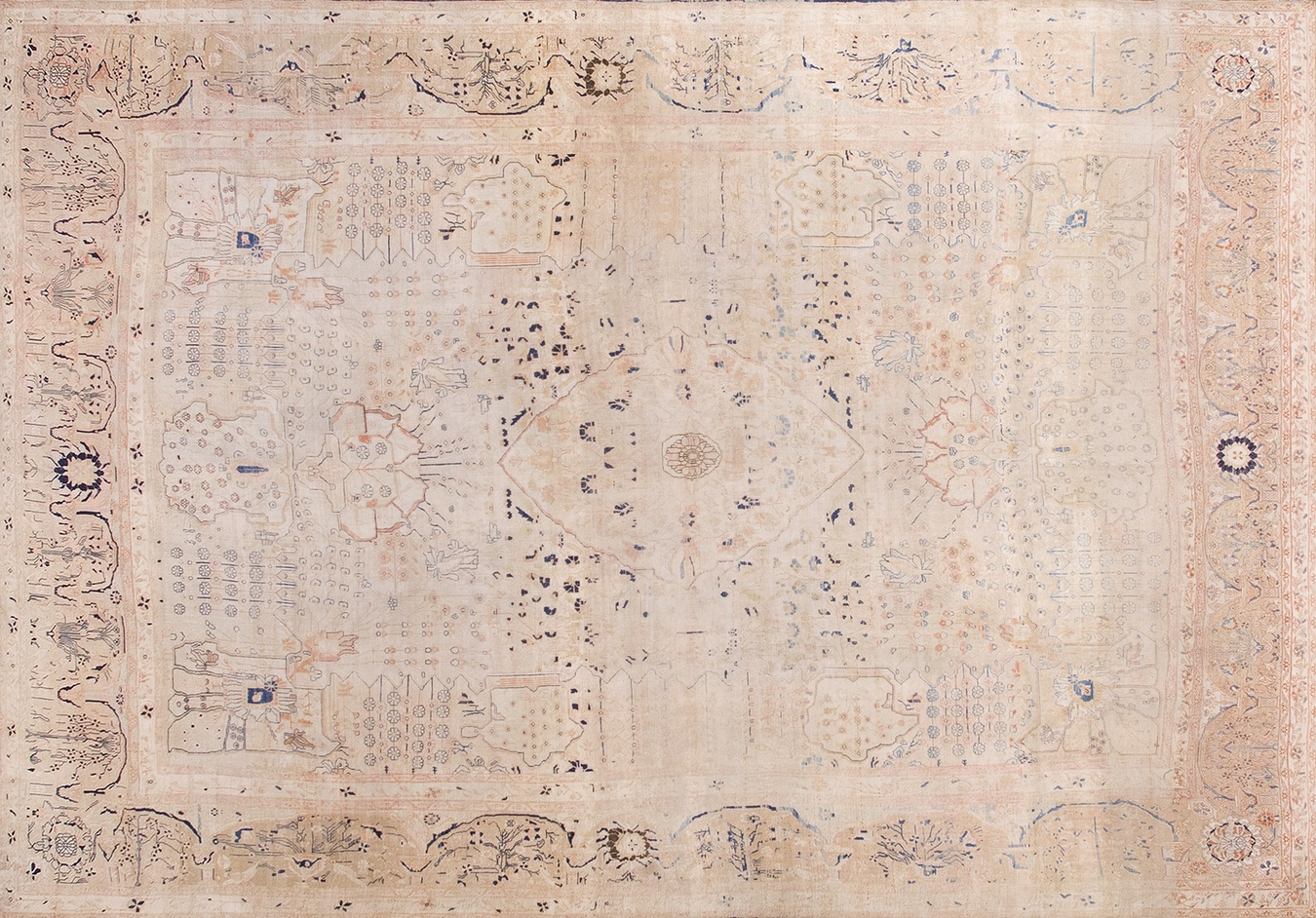
These rugs became diplomatic gifts, symbols of power, and treasured heirlooms, cementing Persia’s reputation as the “gold standard” of classic design. The Ottoman Empire expanded the tradition in Anatolia (modern-day Turkey), developing bold geometric motifs and prayer rug formats that remain hallmarks of the classic traditional rug category.
Meanwhile, in Mughal India, Persian-trained weavers created their own flourishing tradition, blending Persian floral motifs with local botanical themes. These regional adaptations enriched the broader design lexicon, ensuring that traditional rugs reflected not only artistry but also cross-cultural exchange along trade routes.
The heritage of classic traditional rugs thus represents a woven chronicle of empire, religion, and everyday life. Each design tells a story: a Shah’s court garden, a mosque’s geometry, or a merchant’s aspiration to bring luxury into the home. Through these patterns, historical societies preserved ideals of beauty, spirituality, and prestige.
Name & Etymology
The language surrounding classic traditional rugs has evolved alongside the rugs themselves. For much of the 19th and early 20th centuries, these carpets were broadly labeled as “Oriental rugs.” The term “Oriental” encompassed Persian, Turkish, Caucasian, Indian, and Central Asian weavings, but as rug scholarship advanced, distinctions became necessary.
Today, the phrase “classic traditional” emphasizes continuity with historical weaving methods and motifs, while distinguishing them from modern, minimalist, or machine-made alternatives. The word “classic” conveys exemplary status—rugs that represent a model of enduring beauty and artistry. “Traditional” signals reliance on established methods: hand-knotting, natural dyeing, and historically rooted designs. This terminology reflects a linguistic shift: while “Oriental rug” was once the default, it now carries both geographical and stylistic ambiguity.
Collectors, designers, and historians increasingly prefer precise descriptors such as “traditional Persian rugs” or “authentic Oriental carpets” to situate a piece within its heritage. This evolution of language mirrors the diversification of rug styles in the global market. As contemporary rugs gained prominence, the need arose to safeguard and honor the category that remained closest to cultural origin—the classic traditional rug.
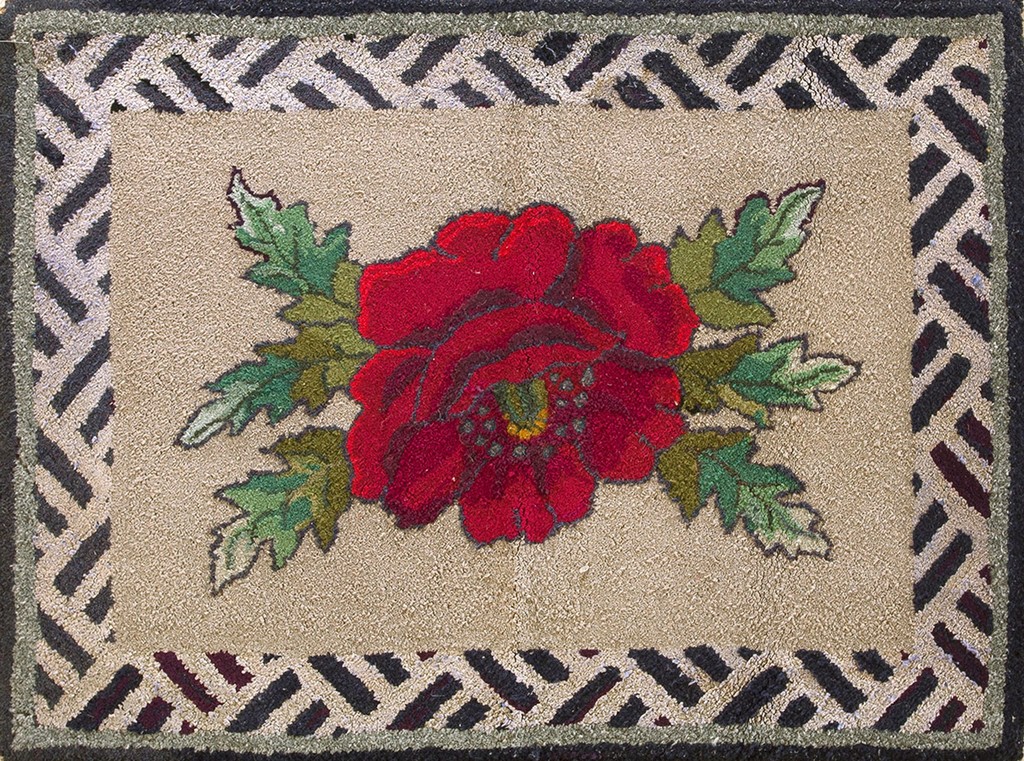
Wool 1930s Ivory Beige Cream White Antique American Hooked Rug by Rugs On Net
In today’s interior design lexicon, the phrase denotes more than age or pattern: it encapsulates a tradition of weaving that is inseparable from history, artistry, and timeless human expression.
Defining Motifs and Patterns
Signature Motifs
- Central Medallion — Why: The medallion is the defining hallmark of many classic rug motifs, serving as a visual anchor that symbolizes cosmic order, unity, and authority. Its presence instantly signals a rug’s connection to Persian courtly traditions.
- Arabesques and Vines — Why: Flowing tendrils and scrolling vines embody infinity, balance, and eternal renewal. These decorative flourishes reinforce the sense of life without end.
- Boteh (Paisley) — Why: A flame- or teardrop-shaped motif symbolizing fertility, growth, and divine protection. It became one of the most recognizable designs across Persian and Indian weaving.
- Tree of Life — Why: Represents spiritual ascent, immortality, and connection between earthly and divine realms. Frequently used in prayer and garden carpets.
- Palmettes, Lotus, and Peonies — Why: These floral forms evoke paradise and rebirth, carrying forward the symbolism of gardens in Islamic art.
- Herati Pattern — Why: A repeating design of rosettes flanked by leaves or fish, expressing abundance and prosperity.
- Gul Motif — Why: Found in tribal weavings of Central Asia, the gul represents clan identity and continuity, often arranged in bold repeats.
- Geometric Stars and Crosses — Why: Echo ancient symbolism of strength, cosmic harmony, and faith.
- Ram’s Horn — Why: Common in nomadic rugs, symbolizing fertility, courage, and protection.
- Mihrab (Prayer Niche) — Why: Used in prayer rugs to orient worshippers; represents the gateway to paradise.
These designs are both decorative and symbolic, functioning as a visual language across centuries of weaving.
Pattern Structures: Medallion vs Allover
Two main structures dominate classic rug motifs: the medallion layout and the allover rug design.
- The medallion rug is defined by a single central emblem, often accompanied by corner spandrels and symmetrical framing. Emerging in Persian Safavid workshops, this layout reflects notions of hierarchy and order. Its influence spread widely, becoming a hallmark of traditional Persian rugs and inspiring countless imitations in Turkey, India, and beyond.
- The allover rug design replaces centrality with repetition. Instead of a single focal point, motifs—whether floral vines, boteh, or guls—extend seamlessly across the field. This creates a sense of abundance, harmony, and infinite expansion, embodying ideas of paradise gardens or universal balance.
The choice of layout isn’t merely aesthetic: it communicates worldview, values, and even the intended use of the rug.
Classic Floral vs Geometric Motifs
The contrast between traditional floral rugs and those dominated by geometric rug patterns reflects two distinct cultural identities.
- Floral motifs—lotus blossoms, peonies, palmettes—are linked to Persian and Mughal traditions. They evoke paradise, regrowth, and spiritual renewal, drawing heavily from Islamic garden symbolism.
- Geometric designs—stars, diamonds, ram’s horns, or crosses—are rooted in nomadic and tribal weaving. These patterns emphasize strength, endurance, fertility, and identity. Their bold, angular lines distinguish them from the flowing, curvilinear elegance of floral rugs.
Together, floral and geometric motifs illustrate the duality of refinement and resilience in the world of authentic Oriental carpets.
Iconic Border Styles
- Main Border with Rosettes or Vines — Why: Frames the rug with floral abundance, linking the field to the concept of paradise.
- Guard Stripes — Why: Narrow inner and outer bands that protect and stabilize the main border, signifying security.
- Wolf’s Mouth — Why: A jagged motif meant to ward off evil spirits and symbolize vigilance.
- S-Motif — Why: A serpentine form tied to cycles of eternity and protection.
- Running Dog (Meander) — Why: A continuous, undulating pattern representing movement, infinity, and boundary crossing.
These rug border styles are more than decoration. They authenticate traditional craftsmanship, with complexity and cohesion often used by experts to assess a rug’s origin and value.
Symbolic Elements & Visual Language
- Evil Eye Amulets — Why: Protects against misfortune, a common talisman woven subtly into rug fields or borders.
- Animal Figures — Why: Birds, lions, or fish stand for strength, freedom, and prosperity, echoing tribal beliefs.
- Cypress Trees — Why: Symbolize immortality and eternal life, linking the rug’s design to spiritual hope.
Together, these motifs form a woven language of meaning. They ensure that classic traditional rugs are not just objects of beauty but enduring chronicles of heritage, belief, and artistry. The interplay of medallions, borders, florals, and geometrics demonstrates why Persian motifs remain central to rug heritage: they codified the grammar that still defines timeless rug style today.
Materials & Construction Techniques
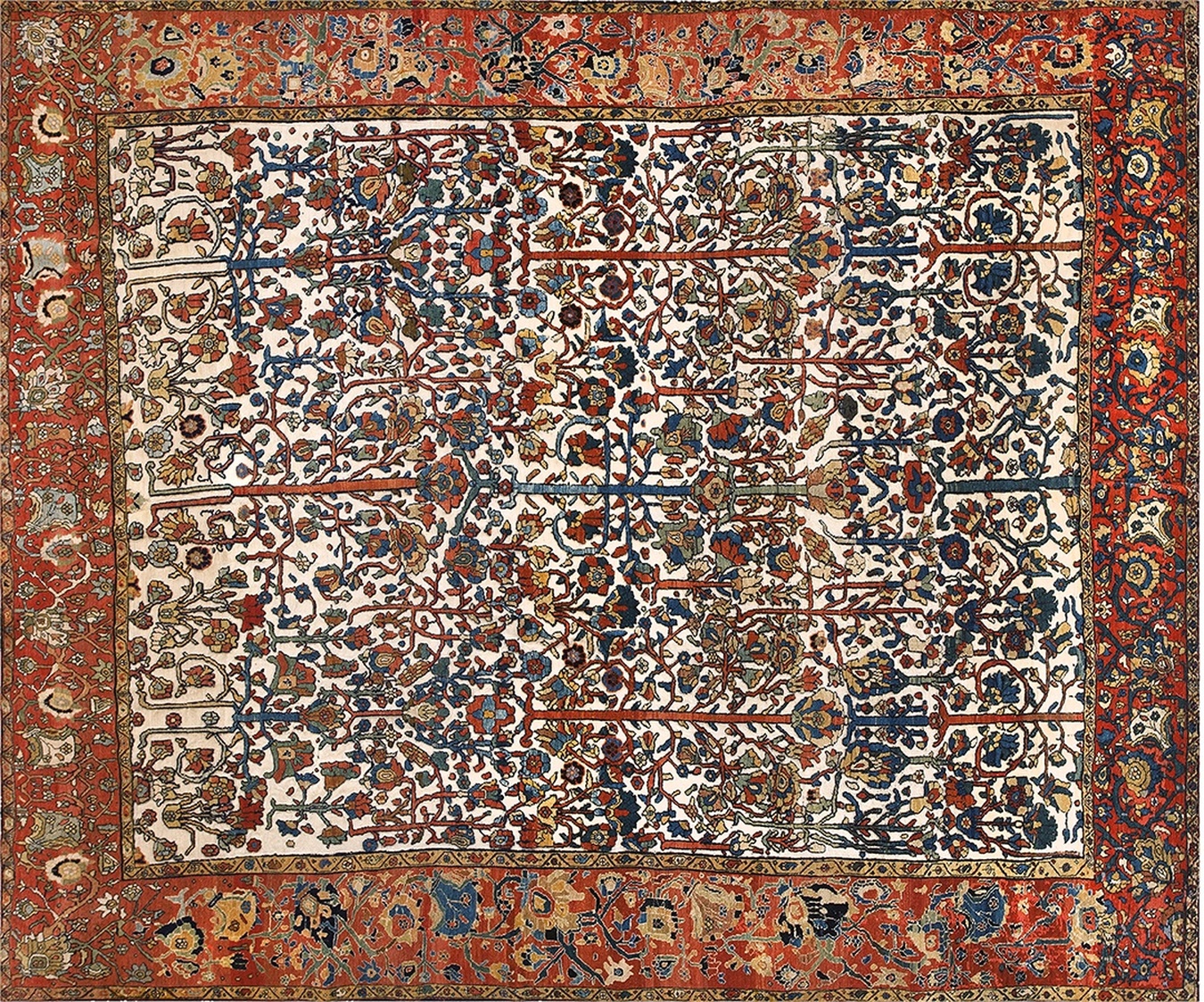
Antique Wool & Silk Ivory Beige Cream White Hand Knotted Pile Rug – by Rugs On Net
Are Classic Traditional Rugs Always Hand-Knotted Wool?
The foundation of authenticity in classic traditional rugs is hand-knotting. These rugs are typically woven with a wool pile, prized for its durability, warmth, and ability to hold rich natural dyes. Wool remains the most common choice because it balances longevity with softness, making it ideal for both everyday use and heirloom-quality pieces.
Luxury variations may use silk—either in highlights or full construction—while more practical rugs often incorporate cotton as part of the base structure. While wool is standard, the defining trait of a genuine traditional rug is not the fiber alone but the method: the painstaking process of hand-knotted rugs.
Machine-made copies may imitate the look of Persian or Turkish styles, but they lack the irregularities, tactile depth, and sense of artistry that come only from human craftsmanship.
Foundation Materials: Wool, Cotton, Silk
The choice of foundation—the warp and weft threads that support the pile—greatly influences how a rug feels and how long it lasts.
- Wool Foundation: Provides elasticity and warmth, common in nomadic or tribal rugs. It yields a dense, plush surface but is less dimensionally stable than cotton.
- Cotton Rug Foundation: Offers strength and structural stability. Cotton warps allow finer knotting, making them ideal for intricate Persian carpets. They prevent warping and help the rug lie flat for centuries.
- Silk Foundation: Introduces sheen, suppleness, and luxurious flexibility. A silk rug with silk warp threads reflects light beautifully, enhancing design clarity. However, this also makes the rug more delicate and costly, suited for display rather than heavy wear.
Thus, a cotton rug foundation is often the best compromise for longevity, while silk transforms the feel and elegance of a rug into something extraordinary.
Knotting Techniques: Persian vs Turkish
- Persian Knot (Senneh, Asymmetric) — Why: This knot wraps around one warp thread and partially around the other, allowing for higher knot counts and delicate detail. It is the hallmark of finely woven Persian rugs, enabling graceful curves and floral designs.
- Turkish Knot (Ghiordes, Symmetric) — Why: This knot encircles two warp threads symmetrically, producing a bulkier, more durable weave. Common in Anatolian and Caucasian rugs, it favors bold geometry and strong outlines.
Both knot types define the aesthetic character of their respective traditions—Persian for fluid elegance, Turkish for structural boldness.
Knot Density and Durability
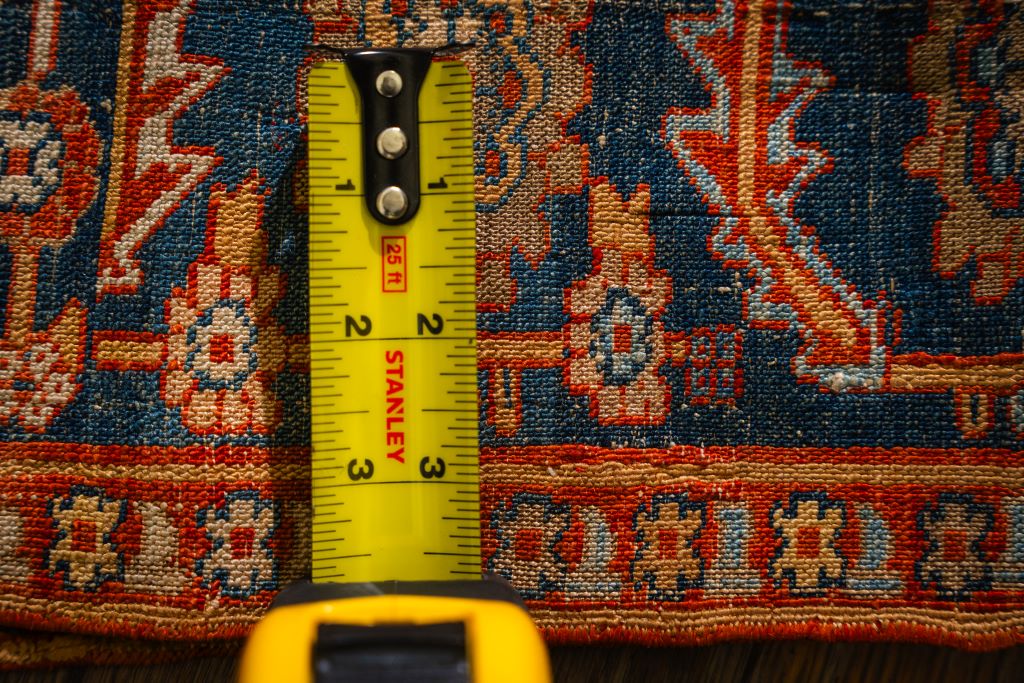
A detailed inspection of a richly colored oriental rug pattern while measuring its dimensions.
- High Knot Density — Why: With hundreds of knots per square inch, patterns achieve sharper definition and greater intricacy. This level of detail increases value and indicates months or years of labor.
- Medium Knot Density — Why: Balances detail with durability, ideal for household use. Still fine enough for traditional motifs but practical for longevity.
- Low Knot Density — Why: Creates more rustic, tribal looks with simpler designs. These rugs are sturdy and often less expensive, though less refined.
In every case, rug knot density directly affects both the clarity of design and the lifespan of the rug.
Distinguishing Authentic from Machine-Made
- Handmade Rugs Show Irregularities — Why: Subtle variations in weave, knot tension, and color (abrash) prove authenticity. Machine-made rugs are too uniform.
- Back of the Rug Reveals Knots — Why: On a hand-knotted rug, the design is visible on the reverse, while a machine-made traditional rug has a stiff, grid-like backing.
- Materials Matter — Why: True classics use wool, silk, or cotton, while synthetics dominate machine production.
- Borders and Fringes — Why: Hand-knotted rugs have fringes as part of the foundation; machine-made fringes are often sewn on.
Machine-made versions mimic vintage styles with printed or power-loomed patterns, but they lack the tactile depth, natural dyes, and enduring value of authentic handwoven rugs. Ultimately, hand-knotting and careful material selection remain the pillars of classic traditional rug authenticity, ensuring a rug that endures not just decades but generations.
Color Palettes and Dye Traditions
Classic vs Contemporary Color Palettes
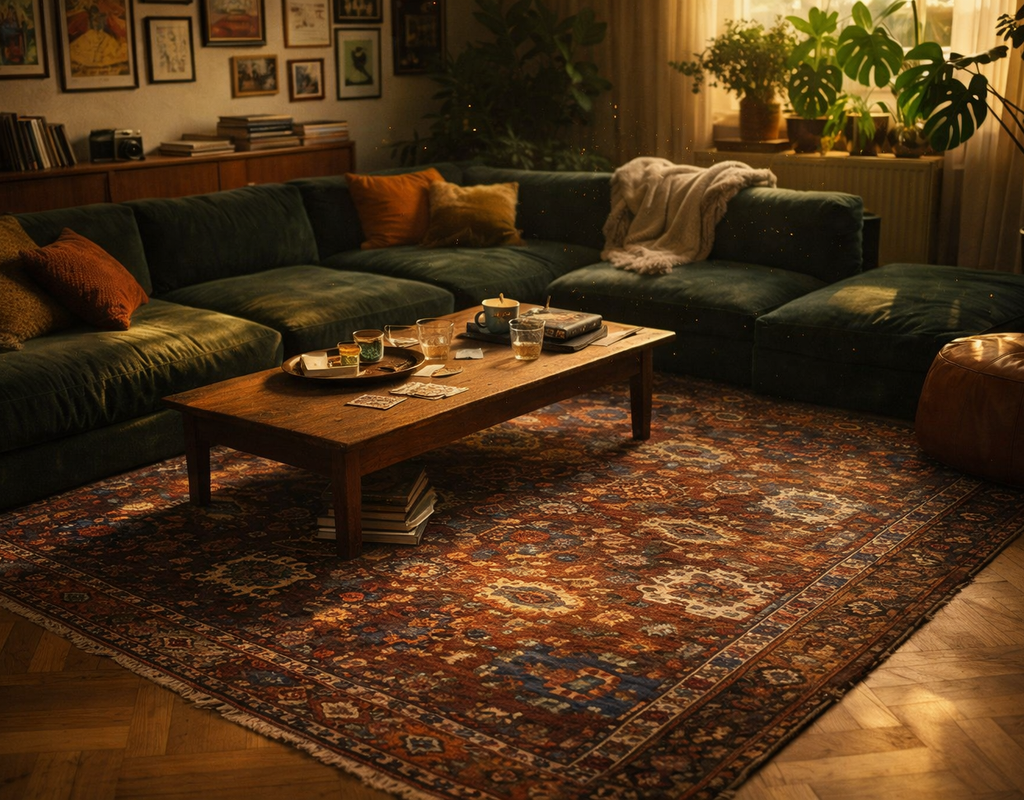
A richly patterned, traditional rug grounds this intimate living space filled with deep greens and warm wooden accents.
- Madder Red, Indigo Blue, and Gold — Why: These deep, saturated hues form the foundation of the classic color palette in Persian and Anatolian rugs. They were achieved with natural dyes that offered richness and staying power.
- Ivory and Green Highlights — Why: Ivory provided contrast and clarity, while green—derived from overdyeing indigo with yellow—symbolized paradise and balance.
- Saffron, Pomegranate, and Walnut — Why: These less common natural sources introduced brilliant yellows, earthy browns, and warm undertones, elevating the luxury of special pieces.
In contrast, many contemporary rugs marketed as “traditional” employ synthetic dyes. These result in more uniform coloration—clean but lacking the layered depth of natural pigment.
Modern palettes may also include muted grays or pastel tones to suit today’s interiors, diverging from the bold harmony of traditional rug colors.
Natural Dyes and Abrash
What makes an authentic natural dye rug distinct is not just the source of the color but the way it lives in the fibers. Natural dyes bond uniquely with wool, silk, or cotton, creating luminous tones that change with the light. Subtle inconsistencies in dye lots create abrash—delicate shifts in shade across the rug’s surface.
Far from being flaws, these tonal variations are prized as markers of artistry and authenticity, revealing the human hand in the weaving process. Abrash ensures that each rug is one-of-a-kind, with colors that appear to breathe and move. Synthetic dyes, by comparison, produce flat, uniform tones. While efficient, they lack the life and depth that make natural dye rugs so enduringly captivating.
Color Symbolism
- Red — Why: Symbol of wealth, luck, and joy; madder root reds are especially associated with prosperity.
- Blue — Why: Indigo shades signify peace, spirituality, and protection, connecting earthly life with the heavens.
- Green — Why: Sacred color of paradise and renewal, often used sparingly due to its religious associations.
- Gold and Yellow — Why: Evoke royalty, power, and sacred light, often reserved for high-status pieces.
- Ivory/White — Why: Purity and balance, a grounding backdrop for more vibrant motifs.
These symbolic layers ensure that traditional rug colors are not only beautiful but also carriers of meaning, embedding cultural values directly into the design.
Does Aging Enhance Color?
Unlike many modern textiles, antique rugs grow more beautiful with time. Aging produces rug patina—a mellowing of hues that transforms bold contrasts into soft harmonies. Reds deepen into burgundy, blues soften into sky tones, and golds acquire a warm glow. This mellowing does not diminish the design; it enhances it, lending an antique rug color palette its characteristic depth and sophistication.
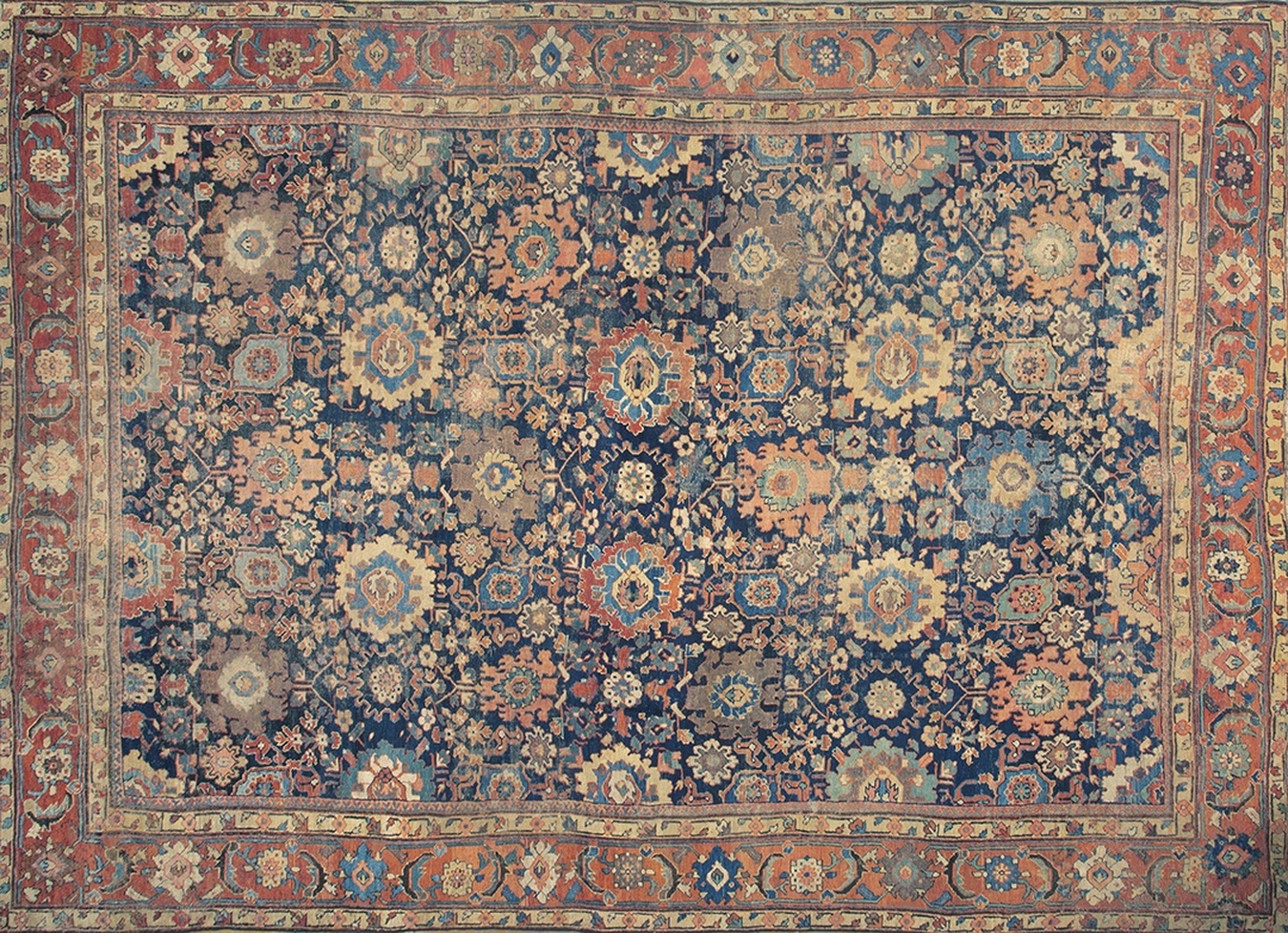
Collectors prize this natural evolution, seeing patina as proof of authenticity and endurance. Far from fading, a well-preserved rug’s colors become more balanced and nuanced over the decades. It is this interplay of natural dyes, abrash, and patina that ensures classic traditional rugs hold a beauty and charm impossible to replicate in newer, synthetic-dyed counterparts.
Regional and Style Variations
Persian City and Village Rugs
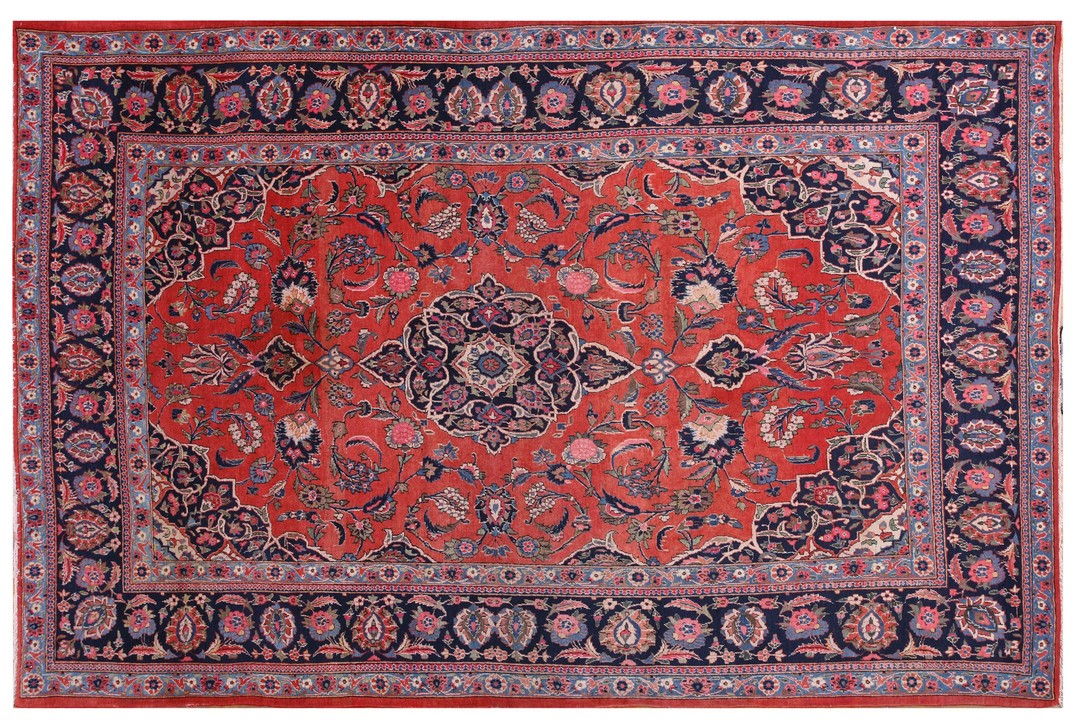
- Isfahan, Kashan, Tabriz — Why: These urban weaving centers produced some of the finest Persian rug styles, distinguished by precise knotting, refined medallions, and lush floral fields. They embody the Persian mastery of delicate curvilinear motifs and balanced composition.
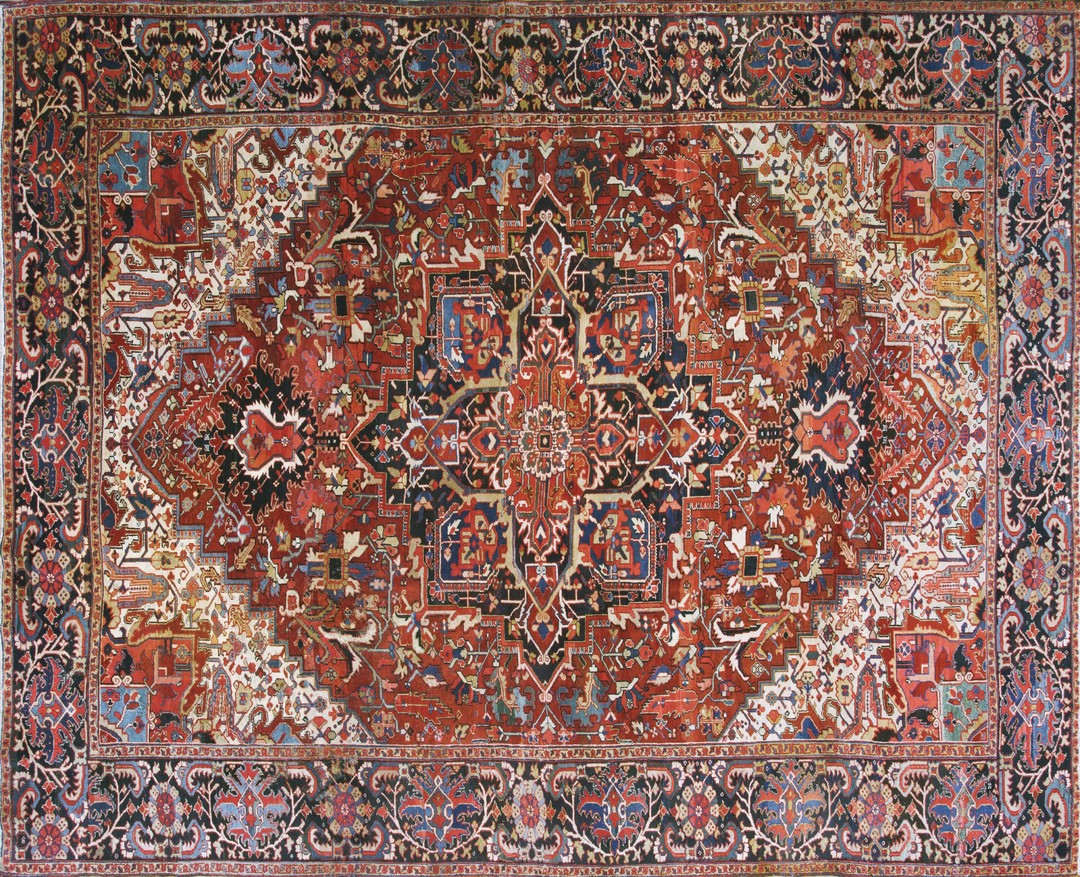
- Heriz and Serapi — Why: Known for bold geometric layouts, large medallions, and strong outlines. Their durable construction makes them both functional and highly collectible.
- Qashqai, Bakhtiari, Baluch — Why: These tribal and village traditions rely on wool foundations, simple tools, and deeply symbolic geometric forms. They carry the spirit of nomadic identity and local storytelling into every knot.
Together, these urban and rural traditions illustrate why Persian weaving is considered the gold standard: floral finesse in the cities, geometric strength in the villages.
Turkish/Anatolian & Caucasian Styles
- Oushak (Uşak) — Why: Famous for soft palettes of gold, apricot, and pale blue with large-scale medallions or open fields. Their understated elegance influenced European collecting tastes.
- Hereke — Why: Courtly Turkish rugs woven with silk, known for ultra-fine knotting and luxury appeal. Once woven for the Ottoman sultans, they remain symbols of status and artistry.
- Kilim Flatweaves — Why: Lacking pile, kilims rely on bold geometric motifs, color blocks, and reversible weaving. They represent one of the oldest Anatolian traditions.
- Caucasian Rugs (Kazak, Shirvan, Sevan) — Why: Highly geometric, featuring stars, crosses, rams’ horns, and bold reds and blues. These Caucasian rugs embody tribal energy and visual power, appealing to collectors who value raw strength over refinement.
Indian Mughal Carpets
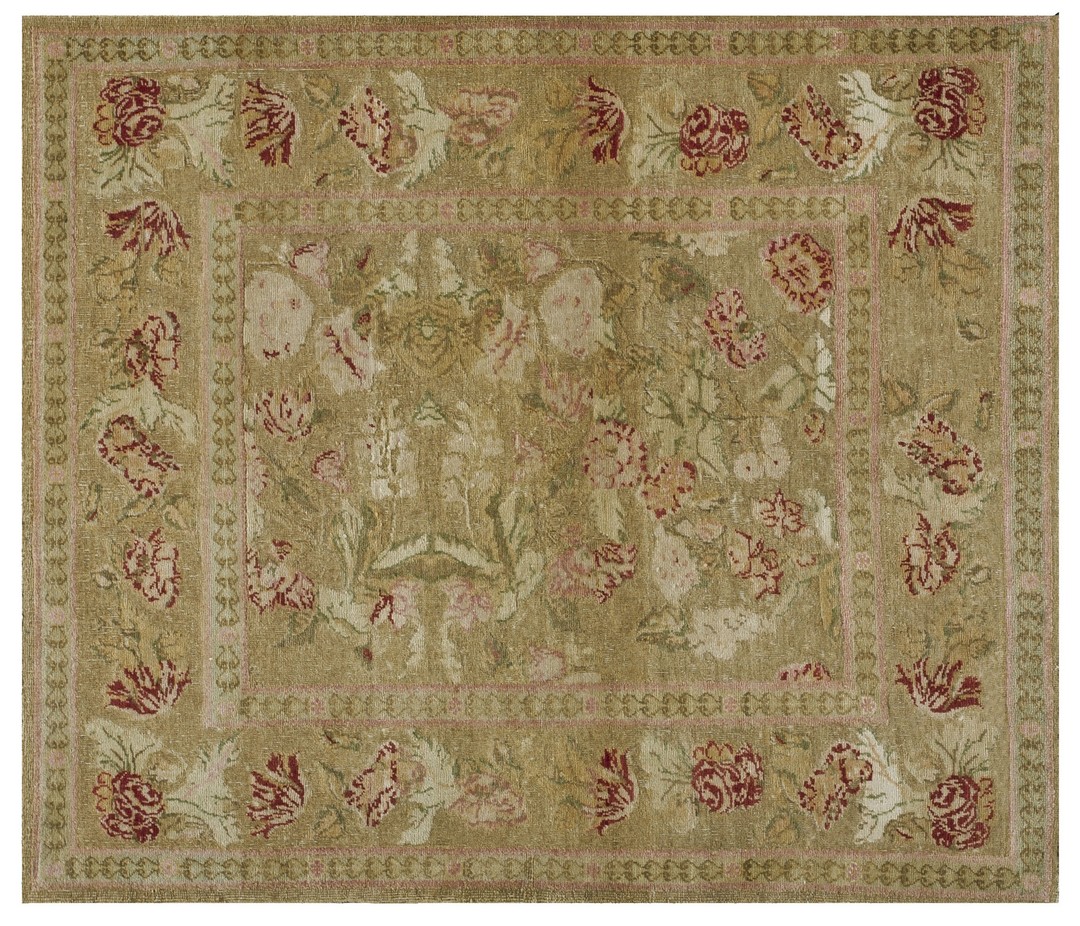
- Millefleur Designs — Why: Rugs filled with tiny blossoms, reflecting Persian influence yet adapted into the Indian garden aesthetic.
- Hunting Carpets — Why: Dynamic depictions of animals and hunters, symbolizing courtly life and royal leisure.
- Lattice and Pastel Palettes — Why: Ordered layouts and softer colors defined a uniquely Mughal sensibility.
- Agra and Amritsar — Why: Later centers that produced larger motifs, broad fields, and commercial adaptations for export markets.
Mughal carpets stand out for their naturalism, pastel delicacy, and storytelling—bridging Persian influence with Indian artistry.
Chinese & East Asian Traditions
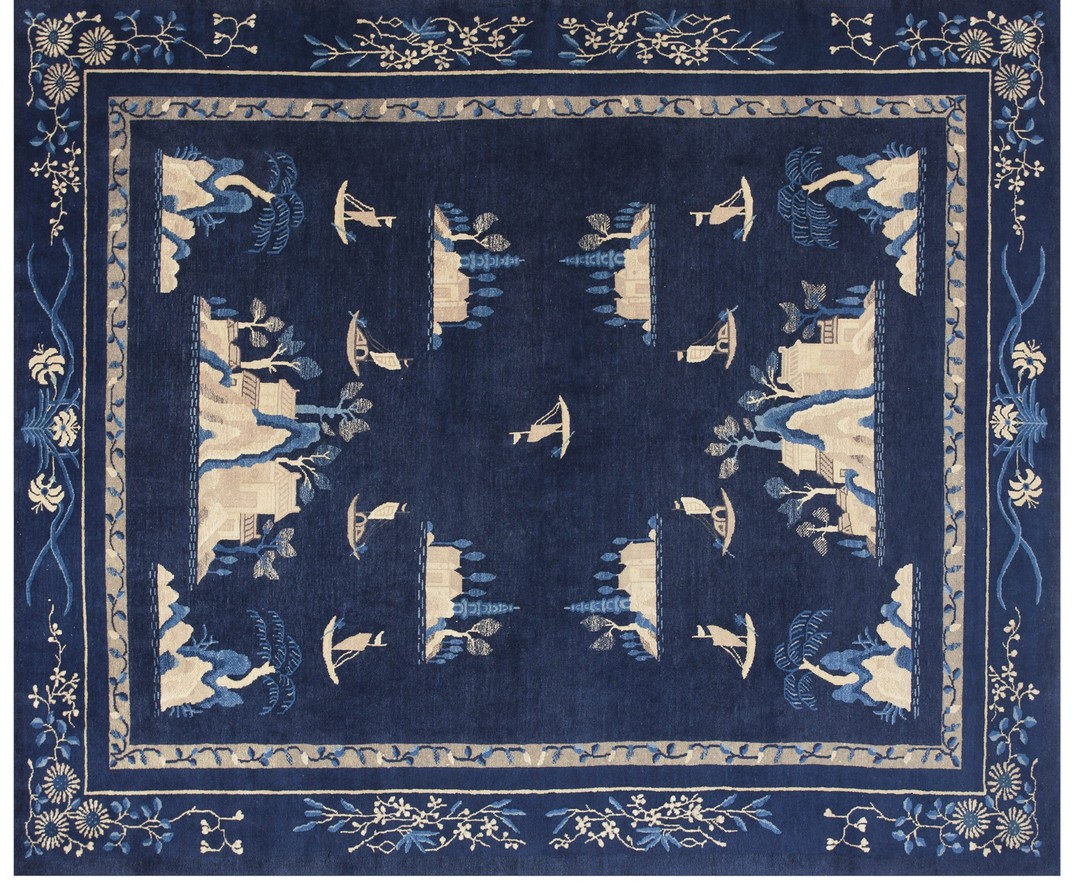
- Medallion-and-Corner Layouts — Why: Inspired by Persian prototypes, yet infused with Chinese symbolism.
- Lotus and Dragon Motifs — Why: Spiritual and imperial symbols central to Chinese design, representing purity, power, and eternity.
- Gold and Navy Palettes — Why: Luxurious contrasts reflecting East Asian aesthetics.
- Art Deco Hybrids — Why: In the early 20th century, Chinese workshops blended traditional motifs with Western Art Deco geometry, creating collectible vintage rug styles.
These rugs show how East Asia adapted the “classic” visual grammar to its own spiritual and cultural context.
Transitional/Distressed Styles: Modern Classic?
Today, many interiors feature transitional rugs—pieces that mimic the faded look of old masterpieces through deliberate distressing. While this vintage rug style may capture the atmosphere of age, it is not the same as an authentic antique. True classics acquire patina naturally through decades of use, with color mellowing and wool softening. Distressed finishes, by contrast, are products of modern taste and mass production. So, is a distressed rug traditional or modern? It falls firmly into the modern category.
Though inspired by heritage, it is a stylistic reinterpretation, not a continuation of weaving tradition. The distinction matters: classic rugs are cultural artifacts, while transitional pieces are contemporary décor trends designed to echo their charm. Across Persia, Anatolia, the Caucasus, India, and China, classic traditional rugs vary dramatically in look, but every style shares a devotion to craftsmanship, symbolism, and artistry.
These differences highlight why collectors and designers still distinguish between floral elegance, geometric strength, and the authenticity of time-worn patina.
The Evolution and Western Adoption
How Classic Designs Emerged
The story of classic Persian rug history begins with nomadic and village weaving traditions that were deeply functional, yet highly symbolic. Early rugs featured bold geometric motifs, woven on simple looms using wool-on-wool construction. Over time, as empires consolidated power, weaving evolved into a refined courtly art. In the Safavid dynasty of Persia (16th–17th century), workshops sponsored by shahs elevated rug-making into high art.
Floral motifs, garden layouts, and intricate borders flourished, supported by urban centers like Isfahan, Kashan, and Tabriz. In the Ottoman Empire, court weavers at Hereke and Oushak produced luxurious silks and monumental carpets, while Mughal India infused Persian influence with its own naturalism, hunting scenes, and pastel tones.
Thus, classic traditional rug designs first emerged from the blend of nomadic ingenuity and imperial patronage, evolving into the archetypal models that still define timeless rug style.
Who Popularized the Medallion Layout?
The medallion layout—a central roundel or star-shaped figure surrounded by quarter designs in the corners—was popularized in Safavid Persia. Workshops in Tabriz, Kashan, and Isfahan perfected this layout, making it a hallmark of traditional Persian rugs.
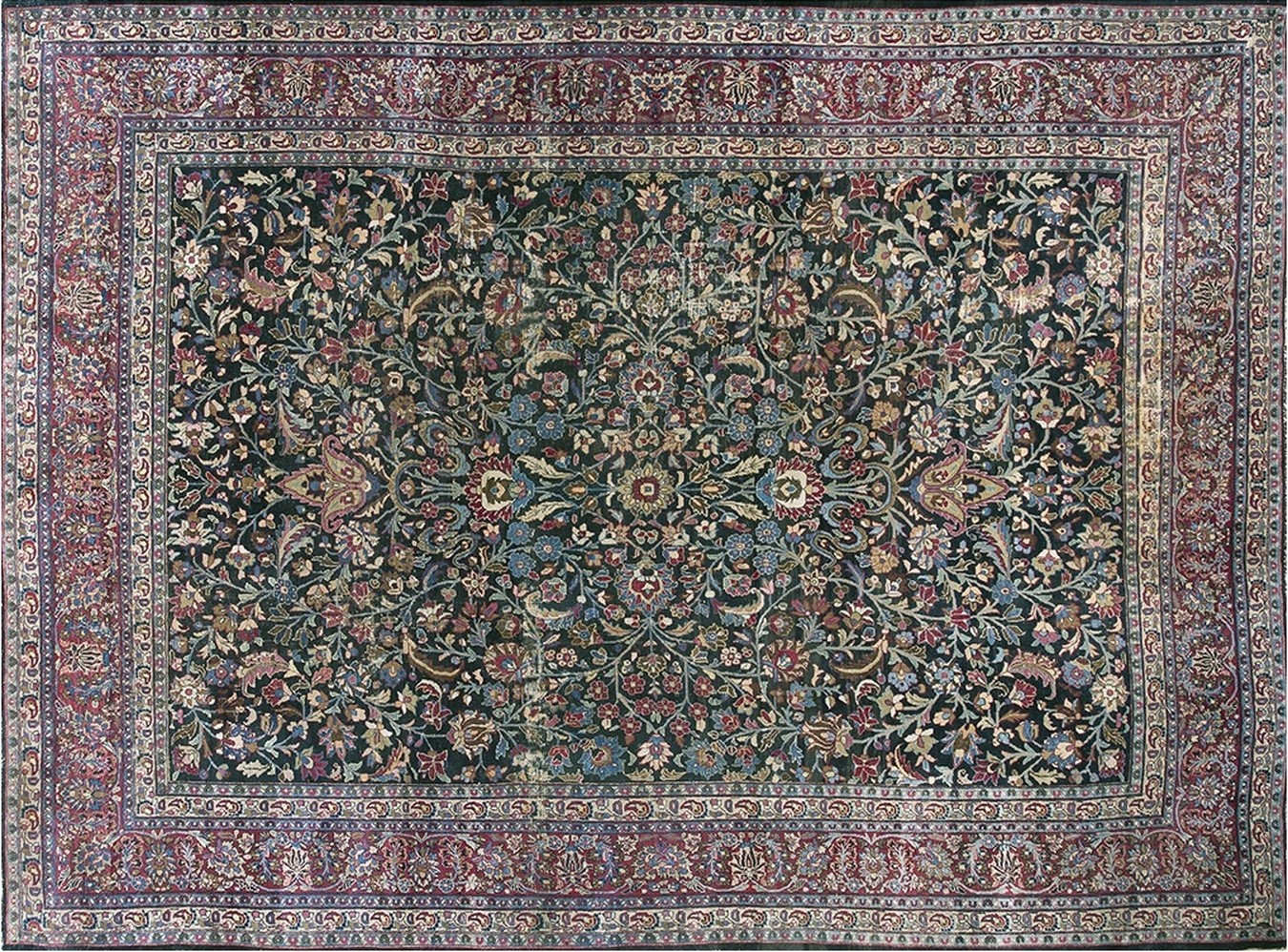
The medallion symbolized unity, order, and cosmic balance, resonating with Islamic art’s emphasis on geometry and symmetry. From Persia, the layout spread to Anatolia, India, and eventually China, where it was adapted with local motifs such as dragons and lotuses. Its centralizing power and adaptability made it one of the most enduring formats in rug history.
European Demand and Influence
The European rug market first embraced Persian designs during the Renaissance. From the 14th through the 16th centuries, imported carpets appeared in the homes of aristocrats and in the paintings of masters such as Hans Holbein and Lorenzo Lotto—so much so that certain Anatolian designs are still called “Holbein” or “Lotto” rugs today. These depictions symbolized wealth, status, and global connection.
By the 19th century, a full-blown Oriental rug revival had taken root in Europe and America. The Victorian and Edwardian eras (c. 1850–1910) witnessed unprecedented demand for hand-knotted Persian and Turkish rugs. Export firms like Ziegler & Co. in Persia produced carpets tailored to Western tastes, often with softer palettes, larger scales, and design modifications that blended authenticity with commercial appeal.
This period also marked the rise of machine-made imitations, which allowed middle-class households to mimic aristocratic fashion. Still, originals remained prized as the pinnacle of craftsmanship. European demand, while commercializing some traditions, also preserved them by creating global markets for weavers.
The Oriental Rug Revival
- Victorian Obsession — Why: Rugs became emblems of domestic luxury in Victorian homes, fueling unprecedented imports.
- Edwardian Continuity — Why: A preference for softer colors and large-scale patterns ensured Persian and Turkish rugs remained fashionable.
- Ziegler Workshops — Why: Adapted Persian designs for Western living rooms, bridging East and West.
- Arts & Crafts Movement — Why: Emphasized handwork and authenticity, restoring appreciation for the integrity of traditional weaving.
- American Expansion — Why: By the early 20th century, the U.S. had become a major importer, solidifying rugs as a global design staple.
The Oriental rug revival established classic designs as universal symbols of taste, elegance, and heritage. It ensured that hand-knotted Persian, Turkish, and Indian rugs were no longer just regional treasures but part of a global aesthetic vocabulary—cementing their place in both history and modern design.
Buying Guide: Classic Traditional Rugs Today
Where to Find Affordable Classic Traditional Rugs Online
- Reputable Rug Dealers — Why: Trusted sellers often provide detailed provenance, care information, and authenticity guarantees. This ensures that when you buy a classic traditional rug, you’re purchasing a piece of lasting value.
- Specialty Platforms & Auctions — Why: Online auction houses and specialty rug sites can offer competitive prices, especially for vintage or estate pieces. Bargains are possible if you research carefully.
- Direct-Import Shops — Why: Dealers who work directly with weaving communities often provide better pricing, fair trade practices, and more authentic rugs. This is a reliable way to find an affordable Persian rug without sacrificing quality.
Buying direct or through established sellers protects you from counterfeits and ensures that your purchase reflects the artistry of true handwoven rugs.
Are Antique Rugs Still a Good Investment?
- Handmade Craftsmanship — Why: Antiques are built to last, often surviving for generations, making them both usable and collectible.
- Rising Scarcity — Why: As fewer authentic hand-knotted rugs remain in circulation, values tend to rise over time.
- Intrinsic Artistry — Why: Antique rugs are cultural artifacts, not just floor coverings, meaning their worth extends beyond the material.
An antique rug investment is still strong today, provided the rug is in good condition, properly cared for, and authentically sourced. Collectors and designers continue to value these pieces as heirlooms and symbols of enduring beauty.
Price Factors: Authenticity, Age, Material
- Authenticity — Why: A genuine, hand-knotted rug commands far more value than a machine-made imitation.
- Age — Why: Older rugs with patina, rarity, and historical provenance generally carry higher prices.
- Material — Why: Silk > wool > cotton in terms of cost and desirability. Silk rugs have sheen and finesse, while wool remains the durable, versatile classic.
These elements explain why authentic traditional rugs are more expensive than modern alternatives—they require time, artistry, and materials that cannot be cheaply replicated.
Machine-Made “Traditional” Rugs: Pros & Cons
Machine-made versions mimic vintage traditional rugs by printing or power-looming Oriental-style patterns onto synthetic fibers.
- Pros: Lower cost, uniform designs, accessible for budget-conscious buyers.
- Cons: Lack the tactile depth, abrash, and longevity of hand-knotted rugs. They hold little to no resale value and are considered décor rather than heritage.
A machine-made traditional rug is fine for short-term style, but it cannot match the authenticity, beauty, or investment potential of handmade classics.
Can Haggling Lower Prices?
In bazaars and traditional rug shops, bargaining is part of the culture. Sellers often expect negotiation, especially for vintage or tribal rugs. Buyers can respectfully counteroffer, ask for discounts on cash payments, or bundle purchases to reduce cost. The key is knowledge—understanding rug quality, knot density, and materials ensures that you haggle fairly without undervaluing the artistry. For Western showrooms and online sales, however, prices are often fixed. The bazaar buying tips that work in Istanbul or Tehran may not apply on e-commerce platforms.
How to Spot a True Classic
- Check Knotting — Why: Back of the rug should reveal hand-knotted detail, not a machine grid.
- Look for Natural Dyes & Abrash — Why: Subtle shade variations signal authenticity, unlike flat synthetic colors.
- Examine Foundation — Why: Cotton or silk foundations with wool pile indicate traditional methods.
- Identify Motifs — Why: Medallions, boteh, and floral vines tie a rug to classic traditions.
- Research Seller Reputation — Why: A trustworthy dealer reduces risk of buying counterfeits.
A careful buyer following this rug buying guide can distinguish a timeless heirloom from a mere imitation, ensuring both beauty underfoot and value over time.
Classic Traditional Rugs in Modern Interiors
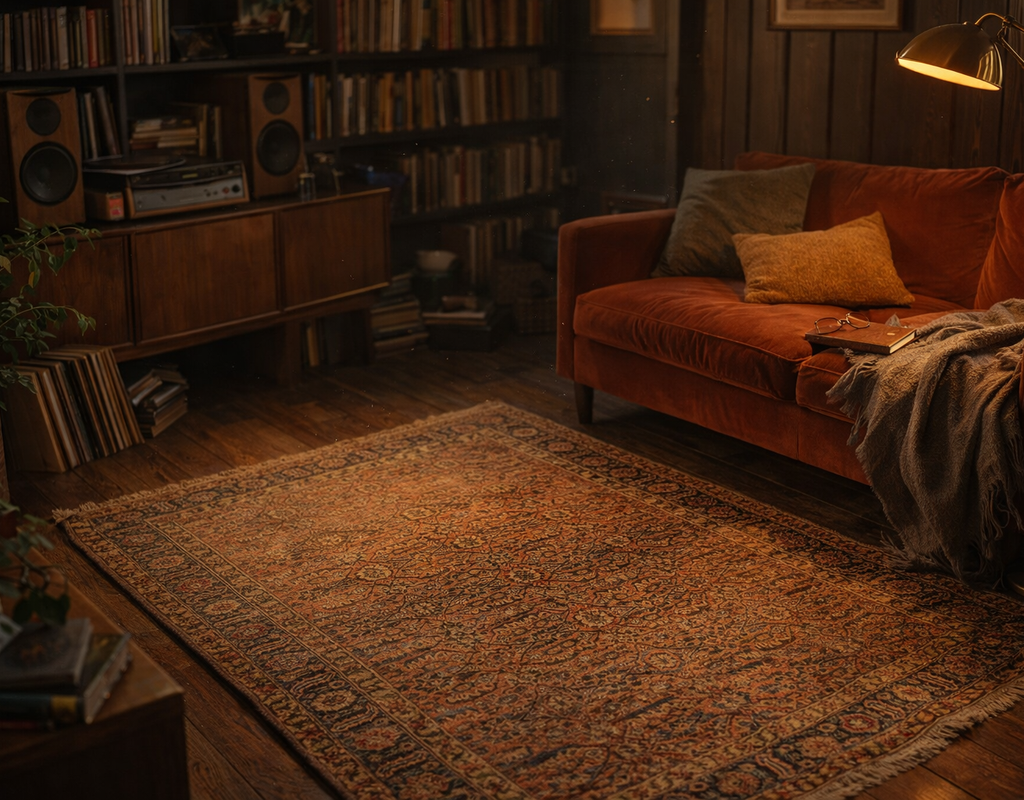
An intimate reading corner defined by rich textures and vintage character.
Decorating with Classic Rugs
- Anchor for Any Style — Why: A classic rug decor piece grounds a room, adding depth whether paired with antiques, modern furniture, or minimalist spaces.
- Eclectic Layering — Why: Layering rugs of different eras or textures creates warmth and personality, blending old-world artistry with contemporary flair.
- Color Harmony — Why: Traditional palettes—reds, blues, ivories, and golds—bring richness that ties diverse furnishings together.
- Statement Piece — Why: A medallion or allover design functions as artwork underfoot, commanding attention without overwhelming.
These qualities make classic traditional rugs timeless anchors in interior design—versatile enough to adapt while always elevating the space.
Are Distressed Finishes Traditional or Modern?
The rising popularity of the distressed rug reveals a distinction between history and trend. True wear and patina occur naturally over decades, softening colors and lending antique rugs their sought-after glow.
In contrast, distressed finishes applied to new rugs are modern design strategies meant to mimic this effect.
Thus, a distressed finish is modern, not traditional. It borrows from the visual language of age but lacks the authenticity of a hand-knotted rug that has lived generations. While attractive in contemporary décor, it is better seen as a vintage-look rug than as a continuation of tradition.
New Rugs, Old Look: How Realistic?
- Pattern Accuracy — Why: Modern weavers can replicate medallions, borders, and motifs from historic rugs with impressive precision.
- Abrash Simulation — Why: Some new rugs imitate the tonal shifts of natural dyes, but without the organic unpredictability of true abrash.
- Artificial Distressing — Why: Chemical washes or machine-worn surfaces create faded effects, yet they cannot replace the nuanced character of age.
- Material Choice — Why: Natural wool and silk help a new rug appear more authentic; synthetics often betray the illusion.
A new rug can look convincingly designs classic, but collectors and connoisseurs recognize the difference. Authenticity comes not only from design but from the lived history of a piece.
Actionable Care and Longevity Tips
- Rotate Regularly — Why: Prevents uneven wear and fading by distributing foot traffic and sunlight exposure.
- Use Rug Pads — Why: Protects both the rug and the floor, adds cushioning, and reduces slippage.
- Professional Cleaning — Why: Preserves dyes and fibers, especially for hand-knotted wool or silk rugs.
- Avoid Direct Sunlight — Why: Prolongs vibrancy and prevents premature fading of traditional rug colors.
- Store Carefully — Why: Roll, never fold, and keep in a cool, dry place to avoid damage.
Following these rug care tips ensures that both antique and newly woven classics can endure for generations, retaining their beauty and role as symbols of timeless interior design.
Legacy, Cultural Meaning, and Collectibility
Symbolism & Cultural Roles
- Dowry and Marriage Gifts — Why: A rug often formed part of a bride’s dowry, symbolizing prosperity, security, and continuity for the new household.
- Status and Wealth — Why: Owning a fine rug was a sign of prestige, with silk or intricately knotted pieces marking high social standing.
- Religious and Spiritual Use — Why: Prayer rugs with mihrab motifs oriented worshippers and embodied sacred space.
- Protective Motifs — Why: Rug symbolism often encoded talismans—such as the evil eye, tree of life, or ram’s horn—woven into patterns to safeguard the household.
- UNESCO Recognition — Why: Some weaving traditions, such as Kashan in Iran, are honored as protected cultural practices, elevating them from craft to heritage.
These symbolic layers establish classic rug heritage as more than artistry: each piece is a cultural artifact that speaks of family, faith, and identity.
Are Classic Traditional Rugs “Timeless”?
Yes—timeless traditional rugs endure precisely because they embody both beauty and meaning. Their appeal has survived centuries of shifting design trends, maintaining relevance in both palatial courts and modern interiors. The combination of natural materials, skilled hand-knotting, and symbolic motifs ensures that they never fall out of fashion.
Their timelessness also comes from cross-cultural recognition: whether in a European Renaissance painting or a contemporary designer’s living room, these rugs communicate artistry, balance, and cultural continuity. They are not passing décor trends, but cultural legacy rugs whose value deepens with time.
Community, Heirlooms, and Heritage
- Family Heirlooms — Why: A rug heirloom is often handed down across generations, carrying stories and blessings within its threads. Its wear and patina add layers of memory rather than diminish its worth.
- Community Identity — Why: Weaving traditions preserve regional pride and transmit skills from elders to younger artisans, sustaining cultural continuity.
- Collectibility and Value — Why: Antique hand-knotted rugs often appreciate in value due to rarity, condition, and historical significance, making them prized by collectors as both investments and cultural artifacts.
Owning a classic rug means joining this chain of heritage. Each piece is a connection to centuries of craftsmanship, a tangible reminder that artistry and tradition can endure.
Key Internal Linking Opportunities
- For deeper exploration of investment pieces, see our Antique Persian Rugs collection.
- To learn about layout and design evolution, see Medallion Rugs.
- For guidance on materials and authenticity, see Wool Rugs.
Classic traditional rugs are both functional and transcendent—woven with skill, symbolism, and story. They are objects of lasting beauty and classic rug heritage, enduring as cultural treasures, family heirlooms, and timeless investments.
Explore a Few of Our Favorite Classic Traditional Rugs
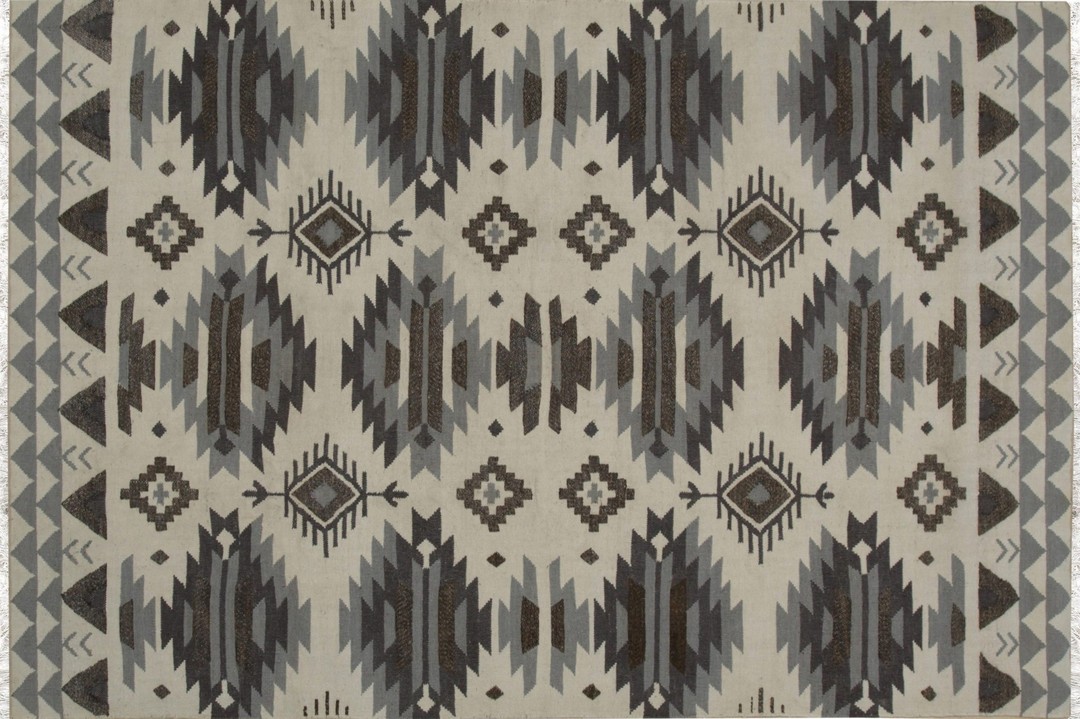
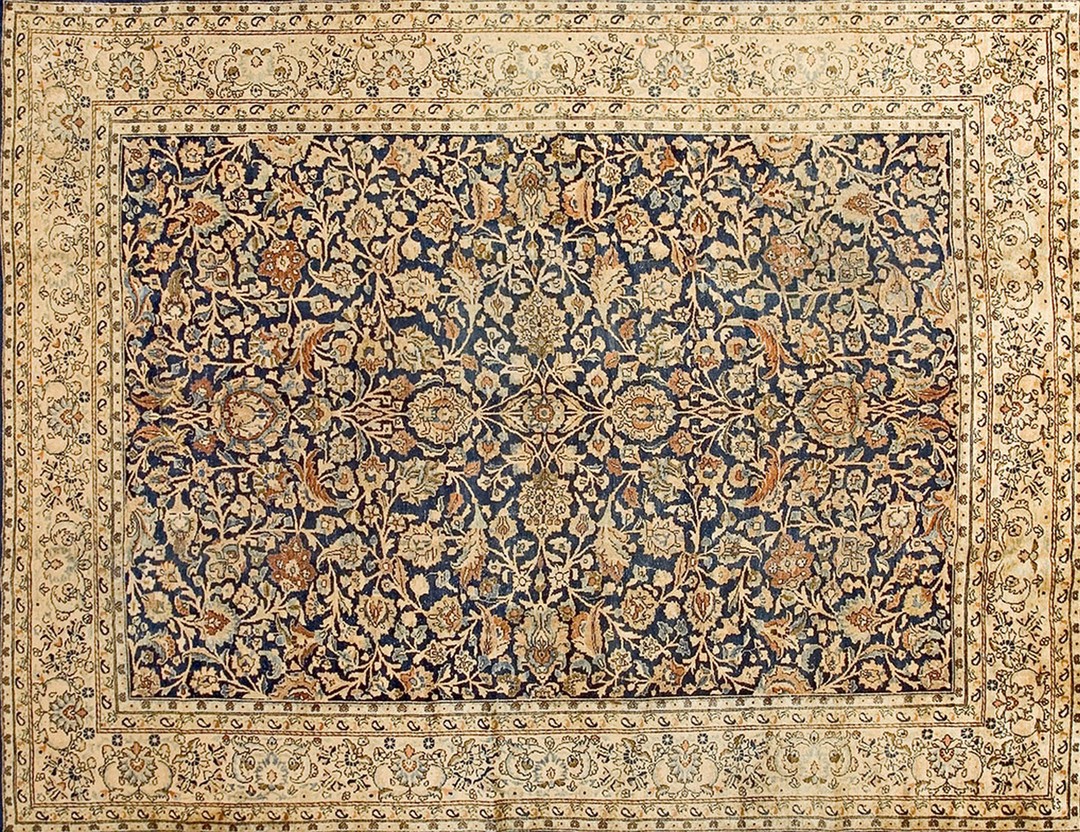
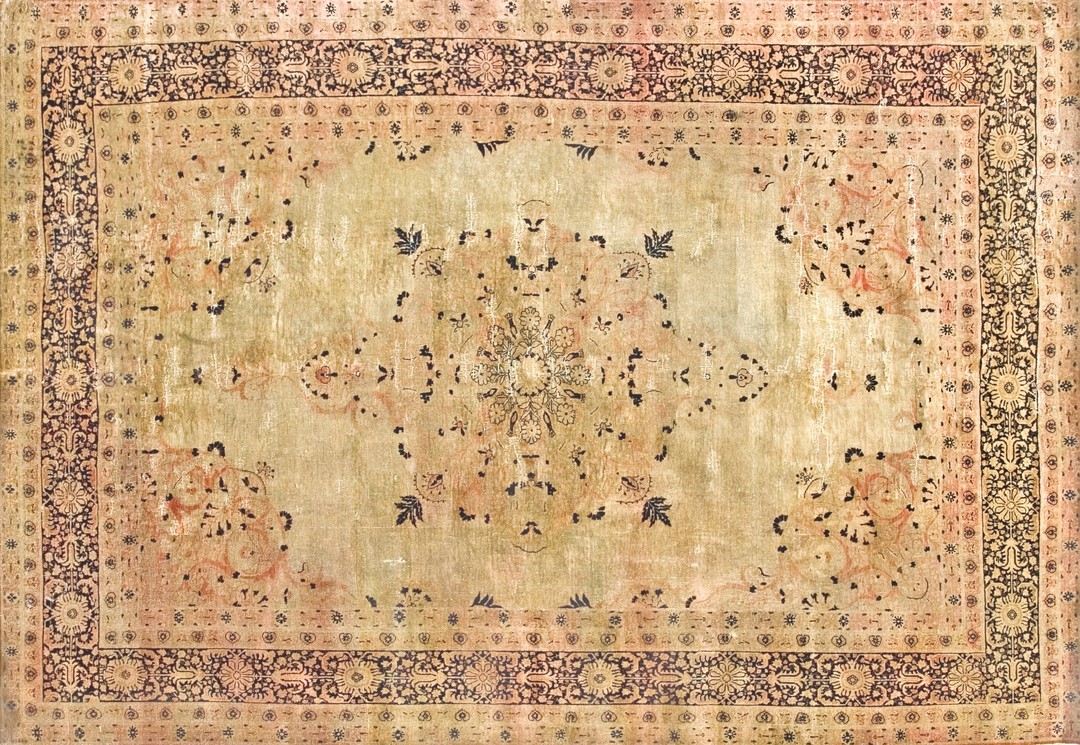
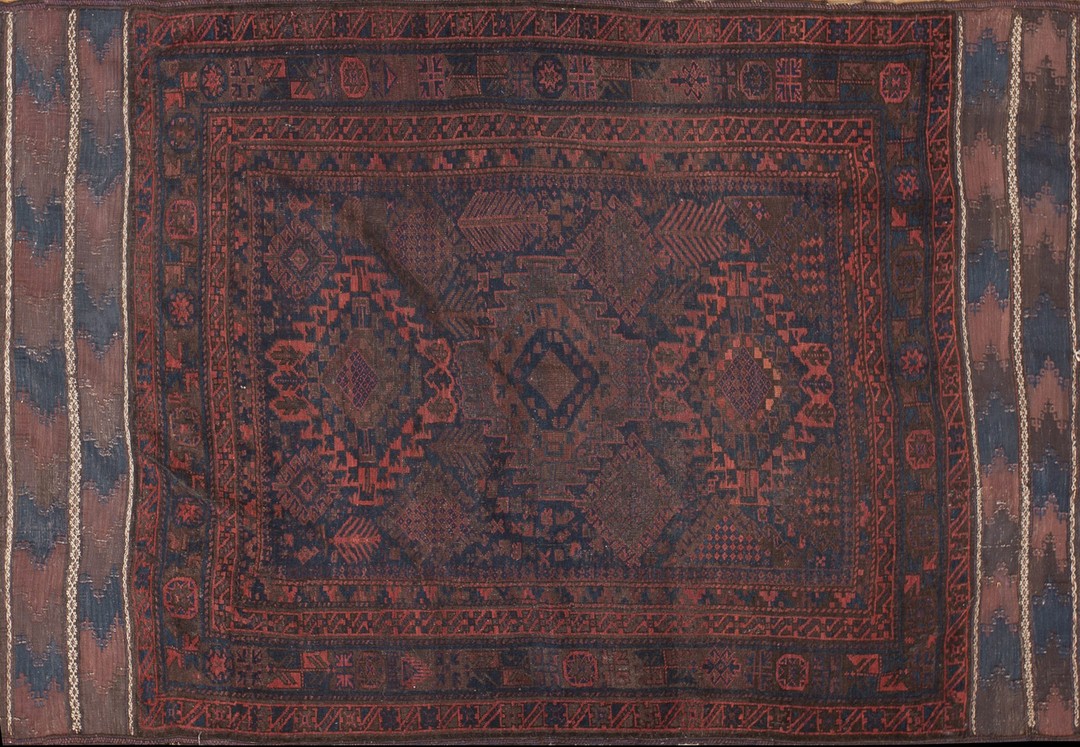
FAQ
- What should I check before buying traditional rugs in the U.S.?
Verify weave (knots on back), fiber content, a clear return policy, and pad compatibility; ask about dye stability and care instructions.
- Are printed or power-loomed traditional rugs good alternatives?
Yes—printed/power-loomed traditional rugs deliver the look for less, but they lack the texture and longevity of hand-knotted weaves.
- How do I prevent moth damage to wool traditional rugs?
Vacuum regularly (front and back), keep areas dry/bright, rotate, and use sealed storage with breathable wraps; cedar can help.
- Where can I see traditional rugs in the U.S.?
Visit museums with major rug collections, like The Metropolitan Museum of Art (NYC) and The Textile Museum (Washington, D.C.).
- What motifs appear on classic traditional rugs?
Expect central medallions, Herati and boteh (paisley) repeats, and layered borders; Turkish Oushak and Persian styles are iconic.
- How much do traditional rugs cost?
Machine-made 8×10 traditional rugs can be under \$300; hand-knotted 8×10 pieces commonly range around \$2,000–\$8,000+.
- Are traditional rugs flame-safe?
Wool traditional rugs are naturally flame-resistant and self-extinguishing; synthetics may melt and drip when exposed to high heat.
- Do traditional rugs off-gas?
Hand-knotted wool traditional rugs have minimal odor; hand-tufted rugs with latex backings may off-gas—air out 24–72 hours.
- Can robot vacuums handle traditional rugs with fringe?
Usually—set no-go zones or tuck fringe under; tassels can tangle rotating brushes.
- Will traditional rugs fade in sunlight?
They can; rotate traditional rugs every 3–6 months and limit direct UV to keep colors even.
- How do I spot-clean wool traditional rugs safely?
Blot (don’t rub) with a wool-safe detergent solution and cool water; always test for colorfastness on a hidden spot first.
- How often should traditional rugs be professionally cleaned?
As a rule, every 12–18 months—more often with pets, kids, or heavy traffic.
- How often should I vacuum traditional rugs?
Vacuum weekly overall and daily in high-traffic zones; use suction only on wool traditional rugs and never vacuum the fringe.
- What rug pad is best under traditional rugs?
A felt-and-natural-rubber pad gives grip and cushioning; size it \~1–2″ smaller than the traditional rug on all sides.
- Are traditional rugs safe over radiant floor heating?
Use low-pile wool or flatweave traditional rugs with thin, non-rubber pads; avoid thick shag and follow floor maker temperature limits.
- Do traditional rugs work in modern interiors?
Absolutely—traditional rugs add depth and contrast to clean-lined furniture; designers are mixing them with contemporary pieces again.
- How should I place traditional rugs in a living room?
Aim to get at least the front legs of sofas/chairs on the traditional rug; common sizes are 8×10 or 9×12 for seating areas.
- What size traditional rug under a 6-chair dining table?
An 8×10 traditional rug usually works, giving about 24″ beyond the table so chairs stay on the rug when pulled out.
- Are traditional rugs practical with pets and kids?
Yes—wool traditional rugs naturally resist many stains (lanolin helps), and busy patterns conceal mess; blot spills quickly.
- Do wool traditional rugs shed?
Some initial lint is normal, but well-sheared, hand-knotted traditional rugs shed minimally; hand-tufted pieces can shed more as latex breaks down.
- Are wool traditional rugs durable for high-traffic rooms?
Yes—quality hand-knotted wool traditional rugs can last decades, with well-kept pieces often reaching 50–100+ years.
- What does KPSI mean on traditional rugs?
Knot-per-square-inch indicates detail density; fine traditional rugs often approach \~200 KPSI or more, while village weaves can be lower and bolder.
- How can I tell if traditional rugs are truly hand-knotted?
Flip them—hand-knotted traditional rugs show individual knots on the back and have fringe that’s part of the warp, not sewn on.
- Are traditional rugs usually hand-knotted or machine-made?
Both exist, but classic traditional rugs are often hand-knotted; machine-made versions mimic the look at lower cost.
- What defines classic traditional rugs?
Traditional rugs typically feature medallions, floral/vine vines, and bordered fields in rich reds, blues, and ivories, often inspired by Persian and Turkish designs.