
Introduction to White, Cream, and Ivory Rugs
Explore our complete range of Ivory Beige Cream White color rugs and find the luminous foundation your home deserves.
Definition and Range of White, Cream, and Ivory Rug Making
In the context of textile arts, the terms white, cream, and ivory describe a spectrum of natural light neutrals that range from the sharp clarity of pure white to the warmer softness of cream and the subtle yellowish-beige tones of ivory. These hues often emerge directly from undyed wool rugs, where the natural color of the fiber dictates the palette without the intervention of dyes.
Variations in sheep breeds, regional environments, and processing methods produce subtle differences, giving rug makers a diverse array of natural neutrals to work with. Unlike synthetic whites, which can appear stark, the natural character of ivory and cream provides warmth and depth, bridging the line between raw material authenticity and artistic choice.
Why These Colors Are Fundamental in Rug History
The prominence of neutral colored area rugs in weaving traditions stems from both practicality and symbolic resonance. For centuries, rug makers relied on the fibers most accessible to them, and undyed wool offered a ready supply of durable material in soft, light shades. These natural tones became the base upon which artisans layered their motifs, borders, and contrasts.
Far from being secondary, white rugs and cream rugs often acted as the canvas that heightened the visibility of darker pigments such as indigo, madder red, and walnut brown. Their neutrality also ensured versatility, making them adaptable in homes across cultures, whether as prayer rugs, dowry pieces, or ceremonial weavings.
In historical contexts, ivory was particularly valued not just for its availability but for its ability to lend sophistication and serenity to textiles.
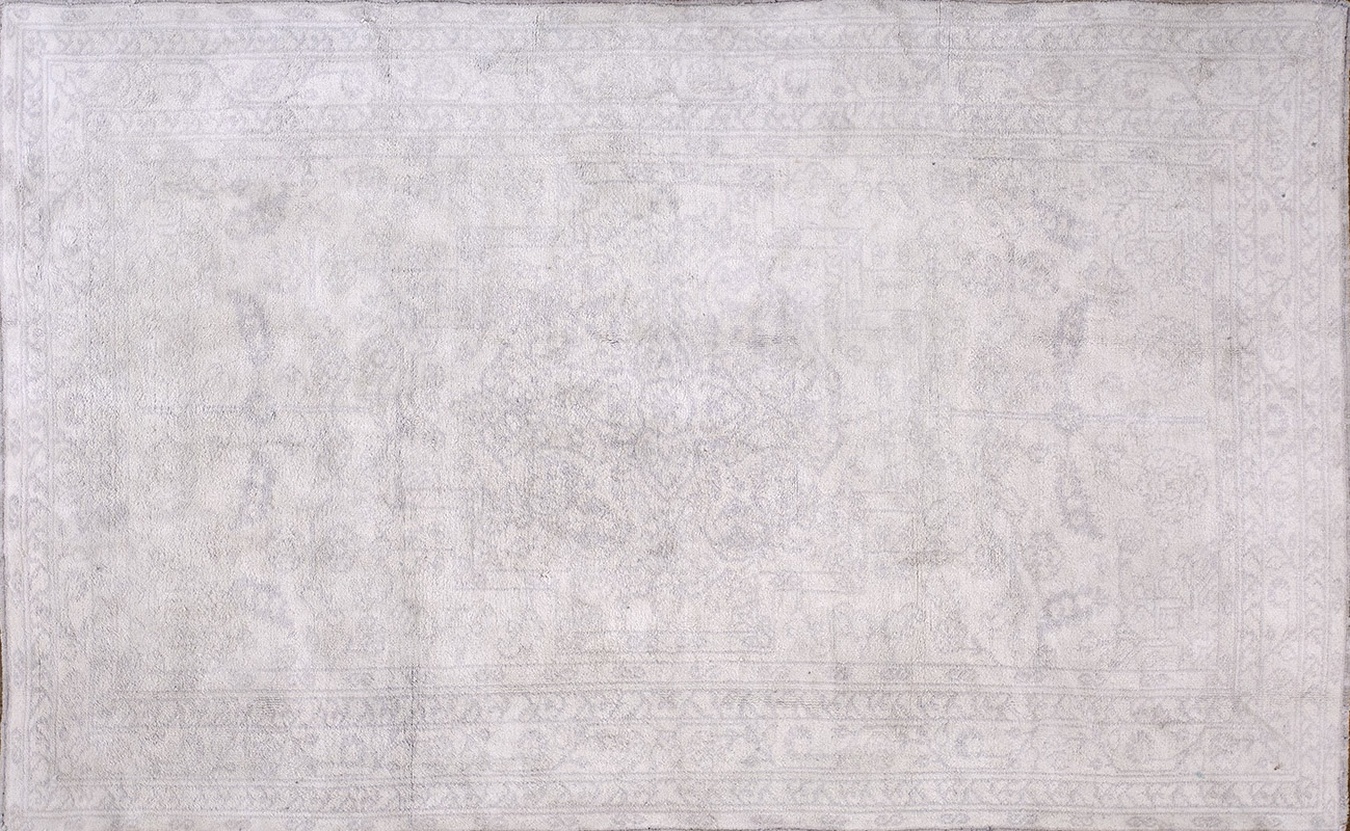
Antique Agra – Cotton Small Scatter Size Cotton Gray Rug – by Rugs On Net
Ivory rug design is documented in Persian, Turkish, and Central Asian carpets, where pale fields served as dramatic stages for bold medallions or intricate floral patterns. These tones were not simply backgrounds; they were integral to the hierarchy of design, shaping the aesthetic balance of countless iconic rug styles.
Emotional and Decorative Appeal
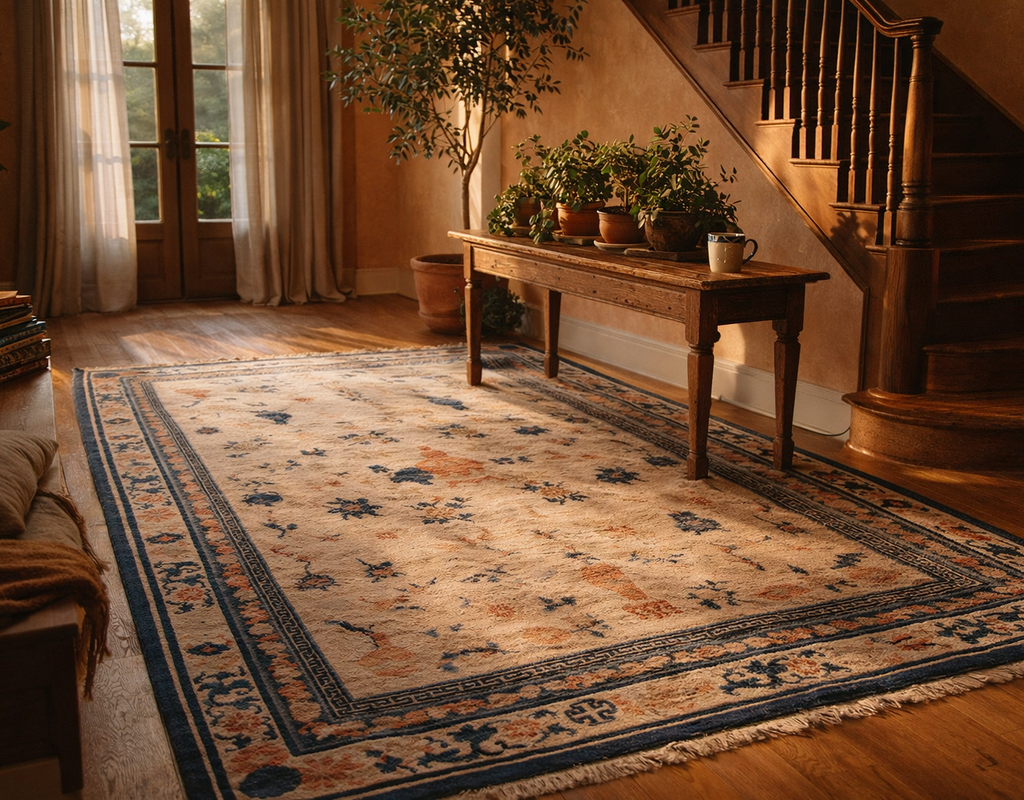
A traditional floral area rug adds warmth and character to this naturally lit entryway space.
The enduring popularity of white, cream, and ivory rugs lies in their emotional resonance as much as their visual flexibility. Across cultures, ivory has been associated with clarity and virtue, its soft brightness linked to ceremonial purity. Designers today continue to view ivory rugs as symbols of purity because of this visual clarity, their connection to undyed wool, and their long-standing role in sacred or significant spaces.
A pale neutral Ivory rug can evoke openness, calm, and timeless elegance—qualities that make these tones a cornerstone of both traditional interiors and contemporary design schemes. Decoratively, their light-reflective qualities help expand space, bringing brightness into rooms while harmonizing with any palette. A cream Ivory rug can soften bold interiors, while a white rug can create sharp modern contrasts or minimalist calm.
Ivory, with its balance between warmth and lightness, bridges classic and modern aesthetics, grounding a room without overpowering it.
Heritage and Contemporary Appeal
The thread that ties these hues together is their ability to connect ancient weaving traditions with modern design sensibilities. Neutral rugs embody both history and innovation—timeless in their role as symbols of purity and versatility, yet contemporary in their ability to adapt to evolving décor trends.
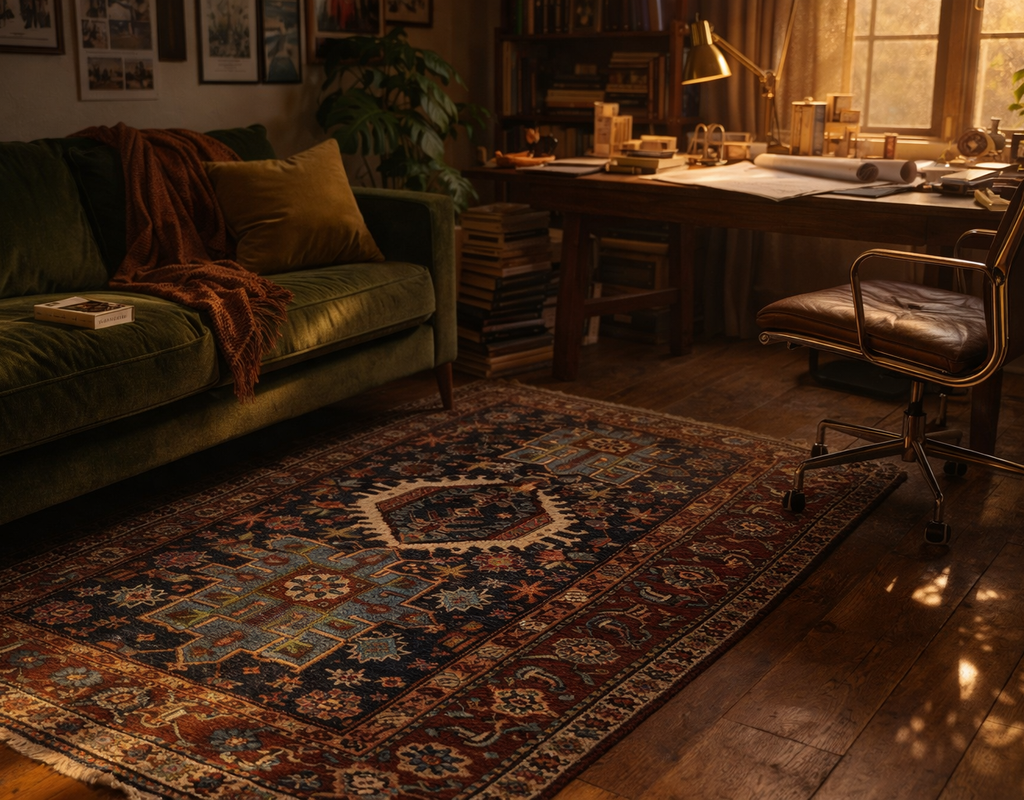
A handsome traditional rug anchors the seating and workspace in this warmly lit, vintage-inspired study.
From centuries-old tribal rugs to today’s minimalist interiors, white and cream rugs have always been more than backgrounds. They are focal points that embody continuity, beauty, and the enduring artistry of rug making.
Visual Characteristics and Tonal Variation
Hue Range and Natural Abrash
The palette of whites in Ivory rug making is far from singular, extending from snow-white brilliance to soft eggshell and into the golden undertones of ivory. This range arises naturally from the fibers themselves. A natural ivory rug woven from undyed wool often display subtle tonal shifts depending on the breed of sheep and the environment in which they were raised.
Cotton produces a crisper, cooler white, while silk offers a luminous clarity, its fibers reflecting light with a pearly sheen that elevates the elegance of a white silk rug.
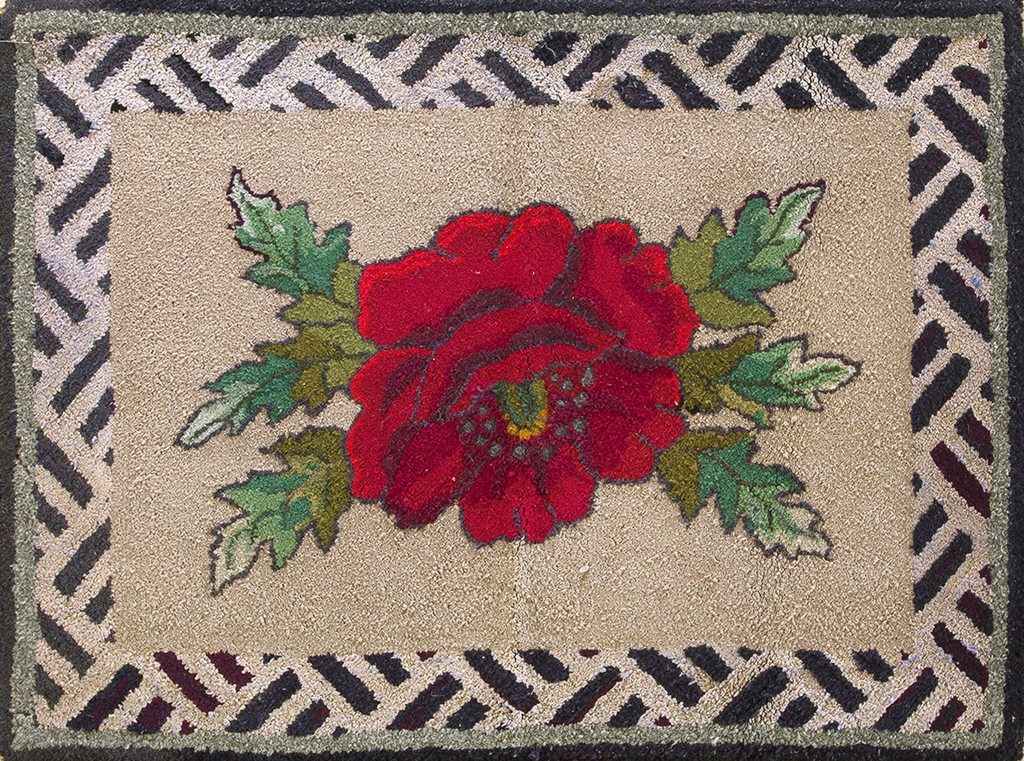
Wool 1930s Ivory Beige Cream White Antique American Hooked Rug by Rugs On Net
One of the most prized visual traits in handmade rugs is abrash wool—the gentle striations or tonal variations that appear across a rug’s surface. These occur naturally when different dye lots or fiber batches are woven together, even when no dyes are used. In a white, cream, and ivory rug, abrash can manifest as gentle bands of tonal contrast, enriching the surface with a sense of authenticity and depth.
Rather than flaws, these subtle irregularities are cherished markers of handcraft, a reminder of the artisan’s process and the organic origin of the materials.
Patina, Yellowing, and Aging
While these light neutrals begin with clarity, time weaves its own character into their surfaces. Aging rug color is shaped by sunlight, oxidation, and environmental exposure. Pure white wool may gradually mellow into cream, ivory, or even warm beige tones as the years pass. This transformation is not accidental but a natural consequence of fiber chemistry.
Sunlight’s UV rays, for instance, break down the lanolin and natural oils within wool, leading to oxidation that deepens the tone. Direct Answer: Sunlight causes ivory rugs to yellow because UV exposure breaks down wool’s natural oils, triggering oxidation that shifts whites toward cream or yellow, especially when exposure is prolonged.
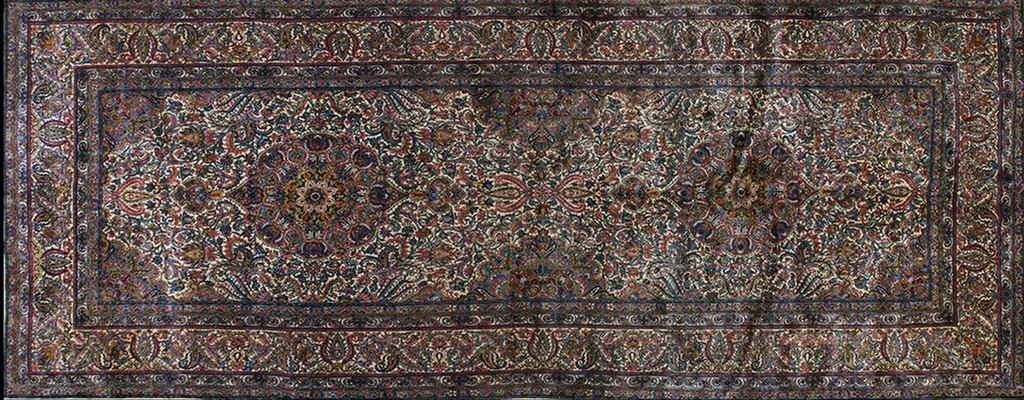
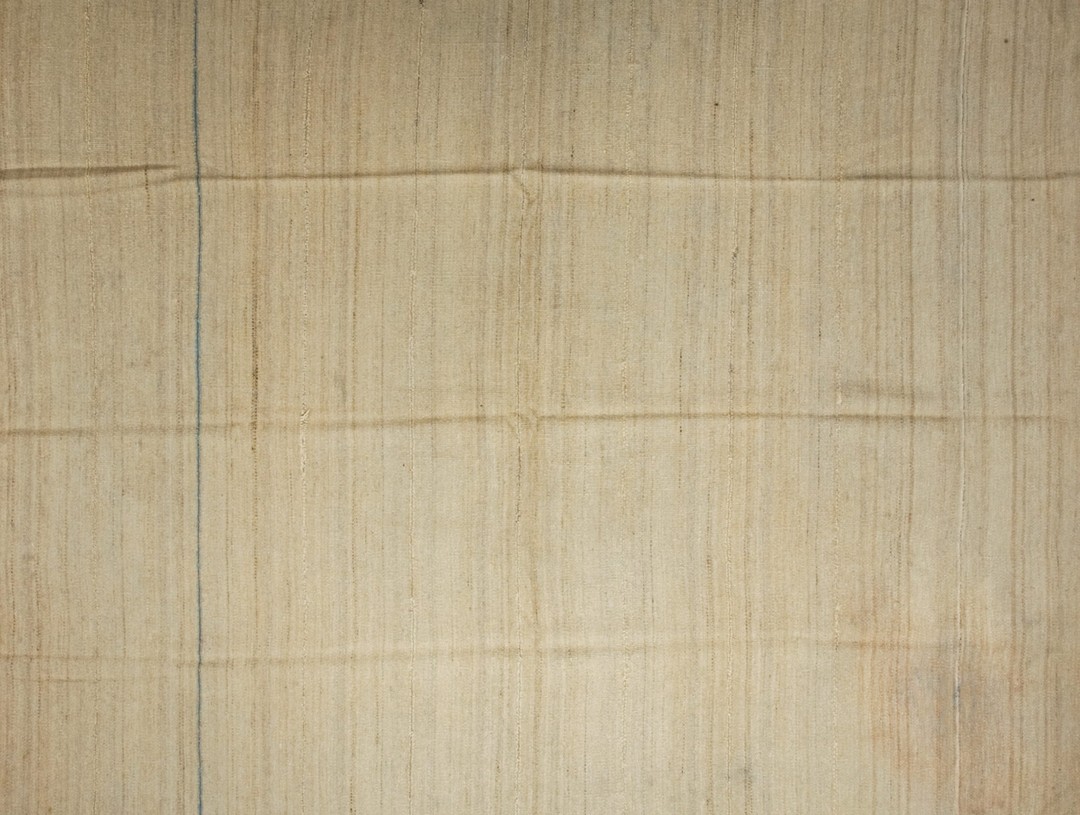
Antique Kilim Persian Knotted Rug by Rugs On Net
Unlike artificial bleaching, which strips character from a textile, this slow mellowing is valued by collectors and connoisseurs. The antique patina of older rugs—those creamy, honeyed hues layered onto once-white fields—tells a story of age, environment, and continuity. It is this gentle evolution of color that transforms a rug from simple furnishing into a historical object with presence and personality.
Authenticity Through Age and Variation
The beauty of rug yellowing and tonal shifts lies in their honesty. They cannot be reproduced convincingly by mechanical or chemical processes; they are the result of time itself. An ivory rug with an aged golden hue or a field marked by subtle abrash is not diminished but elevated.
These qualities attest to authenticity, artistry, and endurance. The interplay of natural fiber properties, organic environmental change, and the artisan’s hand ensures that each white, cream, or ivory rug possesses its own distinct tonal signature—never static, always alive with history.
Historical and Cultural Significance
Persian Symbolism and Tradition
In Persian weaving, the symbolism of white Ivory rugs is deeply rooted in spirituality and cultural expression. White and ivory appear in prayer rugs, religious motifs, and ceremonial pieces, where they embody purity, innocence, and peace.
In Persian tradition, white / Ivory rugs symbolize purity, innocence, peace, and the soul’s spiritual clarity. The use of ivory in the field of a carpet could suggest divine presence, serving as a meditative ground for prayer or reflection.
In classical Persian ivory rug meaning, the pale background heightened the brilliance of floral medallions or arabesque patterns, ensuring both visual radiance and spiritual resonance. The choice of white was deliberate, signaling a desire for harmony and connection to higher ideals.
Turkish, Caucasian, Central Asian, and Berber Meanings
- Turkish/Anatolian — White represented cleanliness, joy, and hope. Wedding rugs often incorporated ivory fields, while leaders’ tents displayed white grounds as symbols of clarity and authority. — Why: These associations elevated the rug’s role as both a blessing and a marker of prosperity.
- Caucasian — In the Caucasus, white fields or motifs were linked to life, light, and renewal. They were also thought to ward off evil by reflecting brightness into dark or dangerous spaces. — Why: The color carried protective symbolism and conveyed optimism for continuity of life.
- Central Asian — Among Turkmen and related weavers, white highlighted tribal symbols and borders. It represented moments of renewal within the rug’s repeating motifs. — Why: White threads contrasted strongly with darker palettes, emphasizing spiritual and protective designs.
- Berber/Moroccan — Direct Answer: Beni Ourain rugs are typically cream colored because Berber weavers used undyed sheep’s wool, naturally creamy or ivory, which symbolized simplicity, truth, and hospitality. In broader Berber practice, white rugs were blessings for fertility and protection within the home. — Why: The natural fiber tone became a cultural emblem of honesty, domestic warmth, and continuity across generations.
Status, Prestige, and Social Context
Beyond spiritual and symbolic meaning, white and cream tones historically signaled prestige. Maintaining a white as luxury rug required resources, attentive care, and often the help of household staff. In many societies, only the wealthy could afford to display and preserve pristine light rugs, turning them into markers of refinement and social standing.
A Berber cream Ivory rug in a rural Moroccan household may have symbolized blessings and fertility, while an ivory Persian carpet in a royal court conveyed both spiritual purity and worldly wealth. Across nearly every major rug-producing region, white and ivory carried positive connotations: peace, purity, light, and spiritual clarity.
Whether woven for prayer, marriage, leadership, or household blessing, these pale tones connected practical intent with deeper cultural hopes, making them some of the most meaningful colors in rug history.
Materials, Dyes, and Construction Techniques
Natural Fibers: Wool, Cotton, Silk
- Wool — The foundation of most traditional rugs, wool provides durability, resilience, and natural tonal beauty. Undyed wool rugs often carry soft ivory or cream hues, though true pure white wool is rare. — Why: Its lanolin content protects fibers and maintains vibrancy, while natural abrash adds depth to the surface.
- Cotton — Naturally off-white, cotton is used primarily in warps, wefts, and sometimes to highlight small motifs. Cotton in rugs provides structure and helps maintain crisp contrast in pale designs. — Why: Its absorbency makes it ideal for subtle dyeing, and its brightness helps lighten rug foundations.
- Silk — Naturally ivory in tone, silk contributes unmatched sheen. An ivory silk rug is celebrated for its luminous, pearly effect, often used in luxury pieces or as delicate highlights in woolen fields. — Why: Silk reflects light beautifully, elevating both neutral and richly colored designs.
Whitening Methods: Ancient to Modern
- Ancient Practices — Rug makers once relied on sun-bleaching, lime or alkaline washes, and fulling with fermented urine to whiten fibers. — Why: These methods harnessed natural processes, preserving fiber strength while gently lightening tones.
- Modern Methods — Chemical bleaching with hydrogen peroxide and optical brighteners is now common, especially in industrial production. — Why: These methods produce stark whites quickly, but chemical whitening can weaken fibers and eventually cause yellowing or loss of stability.
Dye Sources for Cream/Ivory Tones
- Chamomile — Produces a weak golden-yellow when used lightly. — Why: It gives wool a soft, creamy warmth without overpowering the natural tone.
- Weld — A traditional yellow plant dye, easily diluted for pale cream effects. — Why: Creates controlled cream tones that complement undyed fields.
- Walnut Husk (Diluted) — Normally deep brown, but in weak concentrations yields beige or ivory warmth. — Why: Adds subtle depth, giving the wool a natural patina-like tone.
Direct Answer: Natural dyes like weld, chamomile, and diluted walnut husk create subtle cream tones in wool, producing the nuanced warmth seen in many antique rugs.
Synthetic vs Natural Whites
Modern rug production often uses synthetic fibers such as polypropylene and acrylic, which can be dyed into a stark synthetic white Ivory rug that resists yellowing. However, these fibers lack the depth, warmth, and tactile richness of wool or silk. Direct Answer: Synthetic fibers hold white dye differently than wool because they absorb and reflect color in a uniform way, producing a whiter shade but without wool’s natural abrash or warmth.
The rug materials that best keep white color vibrant are high-quality undyed wool, silk, and mercerized cotton, which maintain bright whites with enduring character.
Synthetics hold white shades firmly, but they cannot develop the natural patina prized in traditional textiles. Ultimately, the most beautiful whites in rugs remain those achieved through undyed natural fibers, not chemical processes. These hues carry authenticity, age gracefully, and embody the artistry of traditional rug making.
Regional & Style Highlights
Signature Persian, Turkish, and Moroccan White/Cream Rugs
- Persian Nain — A Nain ivory rug is instantly recognizable for its pale ivory field adorned with deep blue medallions and arabesques. — Why: This balance of ivory and indigo symbolizes elegance, clarity, and refinement, representing one of Persia’s most sophisticated weaving traditions.
- Turkish Hereke — Courtly Hereke rugs often featured silk ivory backgrounds, woven for Ottoman palaces and elite households. — Why: The luminous ivory silk base created a refined stage for elaborate floral motifs, emphasizing luxury and precision craftsmanship.
- Moroccan Beni Ourain — The classic white Moroccan rug, woven from undyed sheep’s wool, presents a creamy ivory field accented by minimal dark linear motifs. — Why: Its simplicity and warmth reflect Berber values of truth, hospitality, and domestic comfort, making it iconic in global design.
- Ivory Sultanabad & Shirvan — Persian ivory Sultanabad carpets and Caucasian Shirvan rugs also relied on pale fields to highlight bold, geometric motifs. — Why: The ivory ground emphasized design clarity while signaling prestige and cultural significance.
Modern and Minimalist Ivory Rug Styles
- Minimalist Ivory Rug — Inspired by traditional undyed wool rugs, minimalist styles emphasize smooth ivory fields, sometimes with subtle texture or tonal variation. — Why: They align with modern tastes for simplicity, purity, and uncluttered elegance.
- Contemporary Abstracts — Neutral ivory tones serve as bases for abstract washes or faint geometric imprints. — Why: The restrained color palette makes them adaptable across interior design schemes while still providing visual depth.
- Luxury Neutrals — Modern silk and wool blends recreate the luminous glow of antique ivory rugs with updated durability. — Why: They merge the cultural prestige of ivory tones with contemporary expectations for softness and resilience.
White/Neutral Rugs in Coastal, Scandinavian, and Contemporary Décor
- Neutral Coastal Rug — In seaside interiors, ivory and cream rugs evoke sand, driftwood, and sun-bleached stone. — Why: They reflect natural light, producing calm, airy environments that mirror coastal landscapes. — Direct Answer: Geometric, lattice, and subtle abstract motifs in light neutrals (ivory, sand, beige) suit coastal interiors—offering airiness and understated elegance.
- Scandinavian Styles — Undyed wool rugs in off-white or cream echo natural themes central to Nordic design. — Why: They embody warmth, minimalism, and functionality, often complemented by wooden furniture and muted palettes.
- Contemporary Interiors — White and cream rugs act as grounding elements in modern homes, pairing equally well with bold accent pieces or all-neutral palettes. — Why: Their timeless quality ensures versatility across evolving trends, bridging tradition and innovation.
From ivory Sultanabads to white Moroccan rugs, these styles showcase the enduring prestige of ivory and cream tones. Their influence continues in today’s minimalist ivory rugs and neutral coastal rugs, proving that pale grounds remain at the center of both heritage and modern décor.
Patterns, Design, and Usage Strategies
Rug Patterns That Disguise Dirt
- Herati Motifs (Persian) — Dense, repeating floral and diamond motifs create intricate fields. — Why: The layered design breaks up surface irregularities, making stains less visible.
- Tribal Geometrics — Strong angular patterns and multitone colorways conceal everyday wear. — Why: Bold contrast distracts the eye from spots and dirt.
- Beni Ourain Diamonds — The dark lattice over a cream ground is both iconic and practical. — Why: High-contrast diamonds offset discoloration on the lighter field.
- Abrash and Variegation — Natural wool variations introduce tonal striations. — Why: This authentic irregularity helps hide traffic marks or fading.
Direct Answer: Dense motifs, variegated backgrounds, and high-contrast borders all help disguise dirt on mostly white Ivory rugs, making them ideal for active households.
Patterns for Coastal and Neutral Interiors
- Geometric and Lattice — Subtle diamond or trellis forms suit seaside spaces. — Why: They echo nautical ropes and nets while staying understated.
- Abstract Washes — Soft, cloudlike patterns in ivory, sand, or pale beige. — Why: They mimic driftwood, dunes, and water, perfect for coastal white rug design.
- Minimalist Stripes — Thin tonal bands across a cream or ivory field. — Why: Clean lines add structure without overpowering the neutral palette.
These patterns ensure a white rug with beige walls or gray backdrops feels lively yet balanced, grounding the room while complementing its airy atmosphere.
Combining Ivory Rugs with Other Colors and Materials
An ivory rug thrives when paired with layered neutrals. Combining it with off-white walls or soft grays creates depth rather than uniformity. Direct Answer: Yes—mixing ivory with off-white walls creates visual interest and prevents a “washed-out” look.
Adding natural materials like oak, linen, or stone introduces texture, while accent colors—navy, terracotta, or deep green—give contrast and personality. Layering rugs, such as placing a patterned ivory kilim over a larger jute base, adds dimension and luxury to contemporary spaces.
White Flat-Weaves vs Shags: Maintenance Comparison
A flat-weave white rug is practical for high-traffic homes. Its smooth, low surface holds less debris, vacuums easily, and shows dirt minimally. By contrast, a shag cream rug offers plush comfort but demands more care; its deep pile traps dust, crumbs, and pet hair. Families seeking a balance of elegance and convenience often prefer flat-weaves, while shags excel in cozy, low-traffic areas like bedrooms.
A patterned ivory rug not only elevates interior style but also proves functional in busy households. When paired thoughtfully—layered with neutrals, contrasted against off-white walls, or adapted to coastal motifs—these rugs bring both beauty and practical resilience to modern design.
Aging, Care, and Preservation
How White & Cream Rugs Change Over Time
- Natural Mellowing — Whites gradually soften into cream or pale yellow. — Why: Oxidation of natural oils in wool and exposure to air shift color gently with age.
- Patina Development — Antique rugs often develop a warm, honeyed surface. — Why: This change is valued by collectors, representing history and authenticity.
- Abrash Enhancement — Tonal striations become more pronounced over time. — Why: Wear accentuates the artistry of handwoven variations.
Sunlight, Cleaning Products, and Yellowing Risks
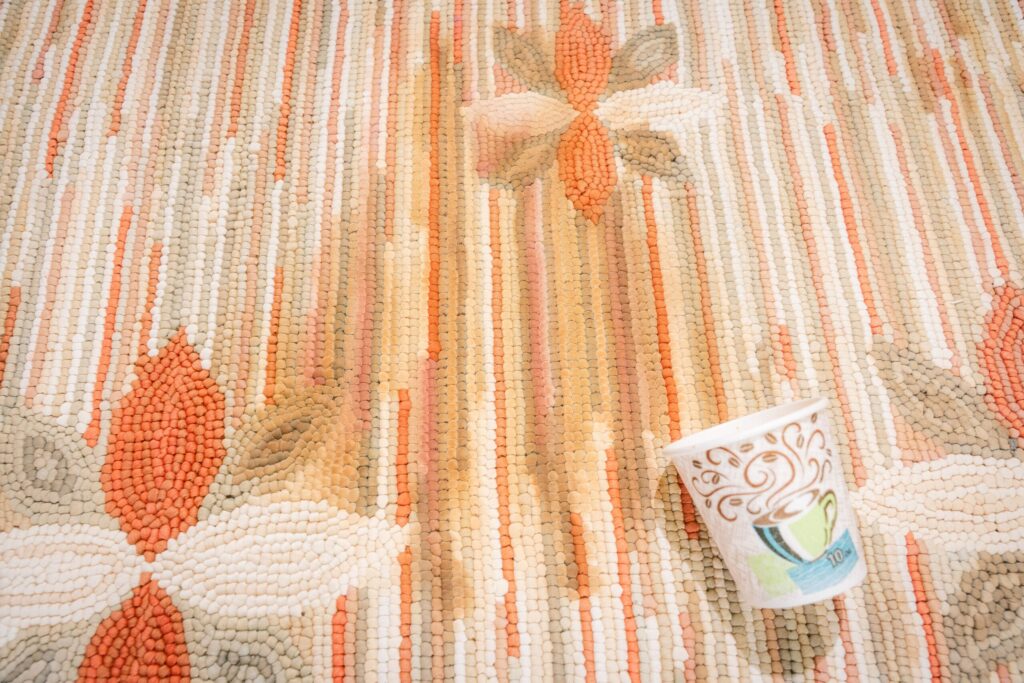
Close-up view of a tipped paper coffee cup resting on a handwoven wool rug, highlighting the rug’s dense pile, subtle color variations, and traditional geometric motifs in warm neutral and terracotta tones.
- Sunlight (UV Rays) — Breaks down wool’s natural oils and accelerates oxidation. — Why: Leads to fading, yellowing, and weakened fibers.
- Smoke and Air Pollutants — Infuse fibers with discoloration. — Why: Environmental residue can stain pale tones permanently.
- High-pH Cleaners — Strip protective oils and cause fiber brittleness. — Why: Over time, they trigger uneven discoloration and premature wear.
Direct Answer: Yes—flat-weaves have less pile and trap less dirt, so they’re easier to vacuum and spot-clean than shag rugs.
Rug Pads and Placement for Longevity
- Rug Pad Benefits — A quality pad reduces friction, blocks soil transfer, and cushions fibers. — Why: Direct Answer: Rug pads create a barrier against floor grime and moisture, helping maintain cream Ivory rug color.
- Strategic Placement — Avoid high-traffic entryways and sunny spots. — Why: Direct Answer: Ivory rugs last longer in low-traffic areas (bedrooms, quiet living rooms) and should be rotated periodically to prevent uneven wear.
Hydrogen Peroxide, Bleaching, and Optical Brighteners
- Hydrogen Peroxide — In careful dilution, it can reverse some yellow stains. — Why: Direct Answer: Diluted hydrogen peroxide oxidizes stains, lightening yellowed spots, though overuse risks fiber damage.
- Optical Brighteners — Found in many detergents, they initially enhance whites. — Why: Direct Answer: They degrade over time, leaving permanent yellowing in wool or silk piles and should be avoided.
- Chemical Bleaching — Fast but harsh, stripping fiber integrity. — Why: Long-term weakness and instability often outweigh short-term whitening results.
Professional vs DIY Cleaning
- Professional Hand-Washing — Trained rug cleaners use safe, pH-balanced methods. — Why: Safest for preserving wool, silk, and cotton without risking damage.
- DIY Cleaning — Spot-cleaning with mild solutions is possible for small stains. — Why: Effective for quick response, but improper products risk discoloration or fiber harm.
For many, hand-knotted white Ivory rugs are worth higher maintenance costs. Their artistry, durability, and ability to age with character often outweigh the effort—especially when cared for with professional cleaning and proper placement. White and cream rugs remain timeless, but their brilliance requires thoughtful care.
White Ivory rug maintenance means guarding against sunlight, avoiding harsh cleaners, using pads, and respecting the fiber’s natural chemistry. Done right, these steps prevent rug yellowing and preserve both beauty and value for generations.
Sustainability, Value, and Modern Consumer Choices
Eco-Friendliness of Undyed Ivory Wool
- Undyed Wool Eco Rug — Rugs woven from natural ivory wool avoid synthetic dyes altogether. — Why: This lowers environmental impact, eliminates chemical runoff, and produces fibers that are safe for the home.
- Sustainable Ivory Rug — By embracing natural tones, consumers choose rugs that are both renewable and biodegradable. — Why: They support traditional artisanship while reducing reliance on industrial chemical processes.
Direct Answer: Yes—choosing undyed ivory wool for eco sustainability is ideal, since it is low-impact, chemical-free, and offers organic beauty.
Maintenance Costs vs Long-Term Value
- Higher Upkeep — White and cream rugs require more regular cleaning. — Why: Pale tones show wear more quickly, but maintenance preserves long-term vibrancy.
- Durability Advantage — Hand-knotted and artisan ivory rugs often outlast synthetics. — Why: Their strong construction and natural fibers ensure decades of use when properly cared for.
- Investment Quality — Extra care costs are offset by the rug’s ability to age gracefully and retain prestige. — Why: Authentic whites develop character through subtle patina, making them both functional and collectible.
Resale Value and Color Fading
Market perception plays a key role in the white Ivory rug resale landscape. Direct Answer: Subtle, even patina enhances vintage charm and can increase value, as mellowed tones are prized for authenticity. However, heavy yellowing, stains, or uneven fading reduce resale potential, as they suggest neglect rather than natural age.
A well-aged patina rug value rests in its balance—gentle shifts toward cream are desirable, while damage or discoloration lowers demand. Direct Answer: An ivory rug placed alongside walnut furniture will age beautifully. As the rug mellows to warmer cream tones, it harmonizes with the rich browns of walnut, enhancing the layered warmth of the interior.
Are White Rugs Worth It?
- Sustainability — Sustainable ivory rugs crafted from undyed wool support eco-friendly living. — Why: They minimize chemical use and highlight natural fiber beauty.
- Aesthetic Longevity — Ivory and cream tones transcend trends. — Why: Their neutrality ensures relevance in both traditional and modern décor.
- Resale and Collector Value — Well-preserved ivory rugs retain prestige. — Why: Their rarity, craftsmanship, and aged patina make them desirable in the secondary market.
- Emotional and Decorative Payoff — They bring light, purity, and warmth to interiors. — Why: Few design elements carry such universal symbolic and visual appeal.
White, cream, and ivory rugs demand care, but their rewards are substantial. By embracing their eco sustainability, recognizing the beauty of patina, and appreciating their long-term artistry, consumers find that these rugs are more than décor—they are investments in heritage, value, and timeless style.
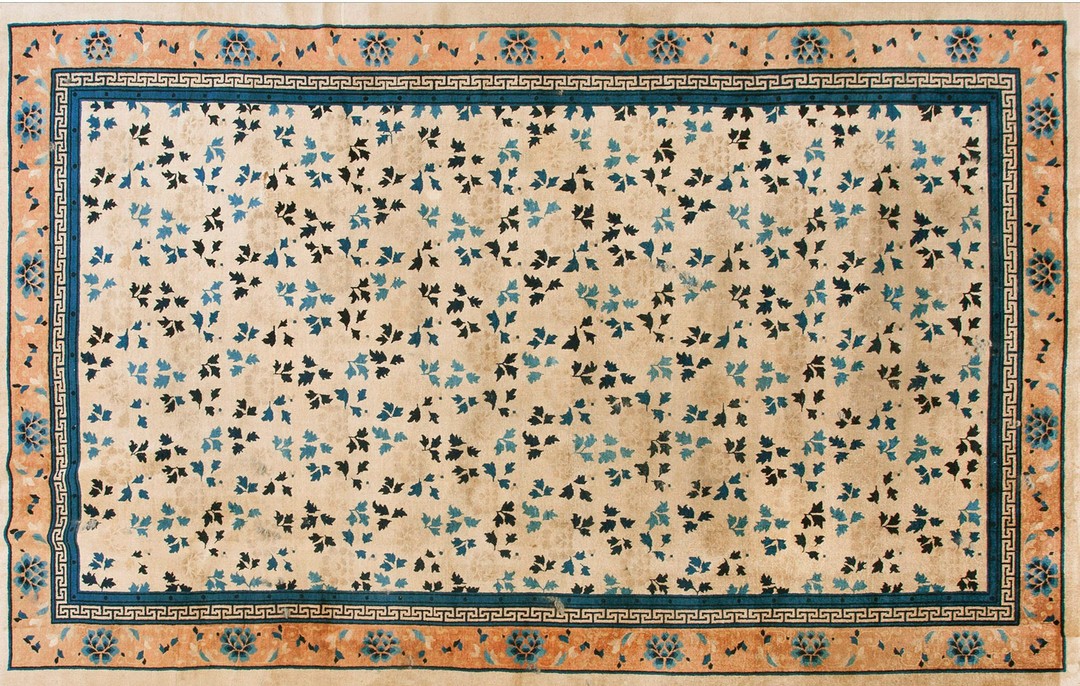
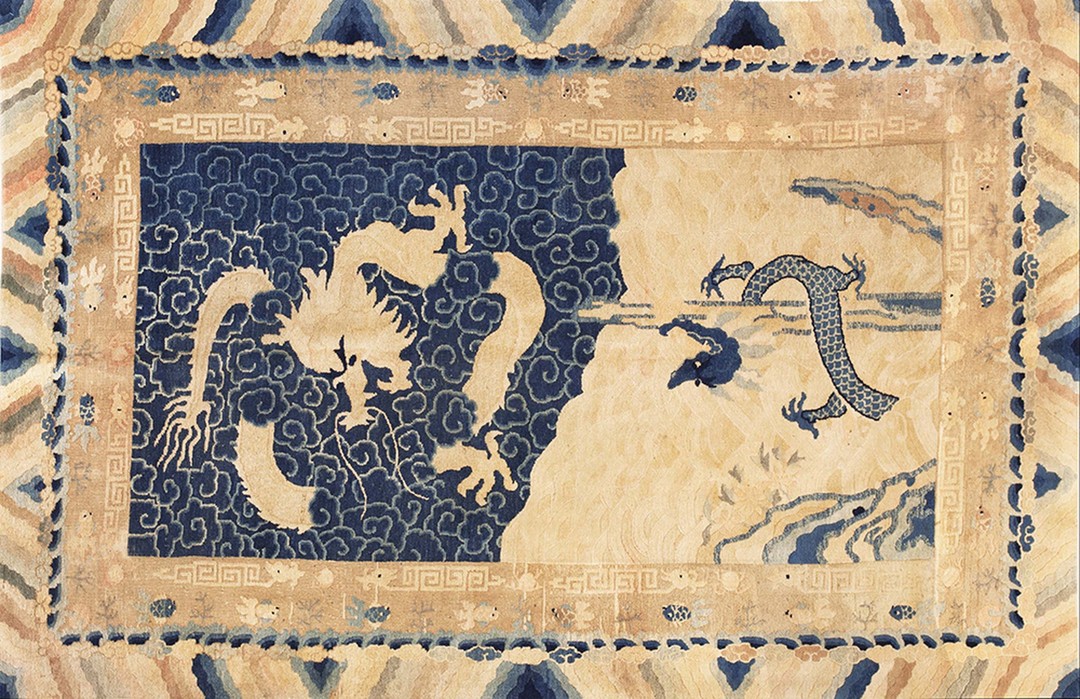
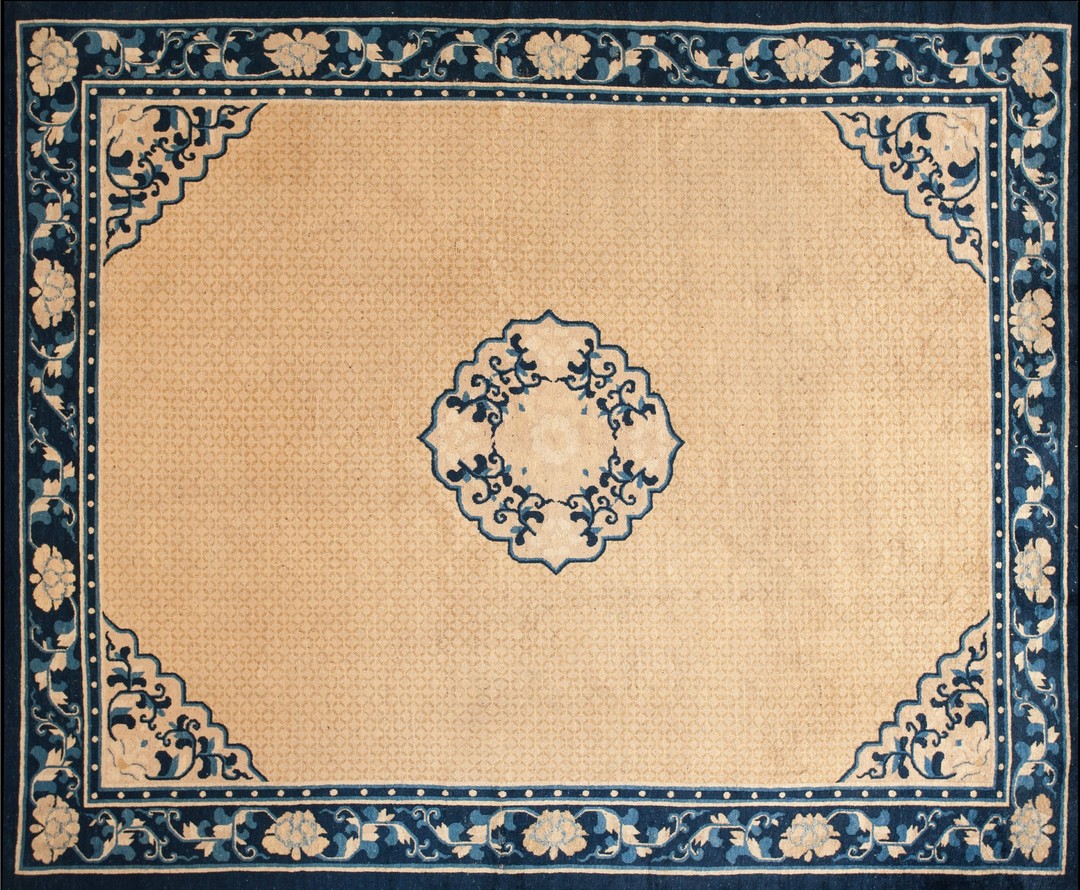
Browse Some of Our Favorite Ivory Rugs
FAQ
- What do white, cream, or ivory rugs typically cost?
Budget synthetics run \~\$50–\$300 for 8×10; quality wool often \$400–\$1,200; handmade pieces can exceed \$2,000. Prices vary with size, weave, and origin.
- Do sunlight and windows affect white or ivory rugs?
Yes—UV can yellow or fade fibers. Rotate rugs every 3 months and consider UV-filtering film or shades on south-facing windows.
- Can I put a cream rug under a dining table, and what size works?
Yes—just pick low-pile, stain-resistant cream rugs. Size so the rug extends 24–30 inches past the table to keep pushed-back chairs on the rug.
- Do off-white rugs hide stains better than white rugs?
Slightly—off-white rugs hide minor soil better than stark white. Choose patterns mixing 2–3 tones to camouflage dirt between cleanings.
- How often should I deep-clean a white rug?
Professionally clean every 12–18 months, sooner with pets or heavy traffic. Always test cleaners and avoid optical brighteners on wool.
- Are ivory runners practical for hallways?
Yes, if you choose flatweave or low-pile constructions and add a non-slip pad. Leave 4–6 inches of exposed floor along each side for a tailored look.
- Is stain protector safe on a white wool rug?
Use only WoolSafe-approved protectors; some products aren’t recommended for white wool. Reapply every 6–12 months or after professional cleaning.
- How do I minimize footprints and tracks on white rugs?
Pick low-pile or loop white rugs; cut-pile shows tracking more. Groom occasionally with a carpet rake and vacuum in alternating directions weekly.
- Will a cream rug brighten dark wood floors?
Yes—light cream rugs create high contrast and lighten the room. Choose subtle patterning to hide dirt and aim for at least 9×12 in large spaces.
- Are washable white rugs worth it?
For small sizes and mess-prone areas, yes; they fit 4.5–5.5 cu-ft washers. Larger rugs can be cumbersome—verify your machine’s capacity before buying.
- Do wool ivory rugs shed?
Yes, new wool rugs shed for the first 3–6 months. Vacuum gently with suction only and avoid aggressive beater bars to reduce fuzz.
- Can robot vacuums handle a shaggy cream rug?
Many struggle with high-pile shag. Use no-go zones or magnetic strips and consider pile heights under 1 inch for robot-friendly cleaning.
- What size white area rug works for most living rooms?
Aim for 8×10 or 9×12 so at least the front legs of seating sit on the rug. Leave 12–18 inches of exposed floor as a border.
- Are white outdoor rugs a bad idea?
Not necessarily—choose UV-stabilized polypropylene and hose off promptly after spills. Expect more frequent cleanings; monthly rinses in summer keep them bright.
- How do I get red wine out of a white rug?
Blot, then apply a mix of 2 parts hydrogen peroxide to 1 part dish soap; test first. Rinse with water, blot dry, and repeat until the stain lifts.
- What rug pad should I use under a cream rug on hardwood floors?
Use a natural-rubber/felt pad; avoid PVC pads that can discolor finishes. Trim the pad 1–2 inches smaller than the rug to keep edges flat.
- Do ivory rugs pair well with gray sofas?
Yes—ivory adds warmth and contrast to gray. Balance the palette with one additional warm accent (e.g., tan leather) and ensure the rug is 6–8 inches wider than the sofa on each side.
- Are white shag rugs hard to maintain?
They require more care—shake outside and vacuum with the beater bar off. Reserve shag for low-traffic rooms and plan a deeper clean every 6–12 months.
- What’s the best material for cream rugs under a dining table?
Choose low-pile polypropylene or indoor/outdoor performance weaves for easy wiping. Size so chairs stay on the rug when pulled out—about 24 inches beyond the table on all sides.
- Can I use bleach on a white wool rug?
No—chlorine bleach damages wool and can cause yellowing. For synthetic white rugs, test 3% hydrogen peroxide on an inconspicuous spot first.
- Will an ivory rug turn yellow over time?
It can, especially with UV exposure and some cleaners. Reduce risk by rotating every 3 months and using UV-filtering shades or film on sunny windows.
- How do I keep a white rug clean day-to-day?
Vacuum high-traffic paths daily and the rest weekly using a suction-only setting. Blot spills immediately; a 1:1 mix of cool water and mild detergent handles most fresh spots.
- What’s the difference between ivory rugs and cream rugs?
Ivory rugs are off-white with a faint yellow tint; cream rugs read warmer and more yellow. Check samples at two times of day to judge undertones against walls and floors.
- Are cream rugs good for high-traffic homes with kids or pets?
Yes, in low-pile synthetics like polypropylene or nylon for easy cleaning. Expect better stain resistance than natural fibers; vacuum daily in busy zones.
- Do white rugs make small rooms look bigger?
Yes—white rugs reflect light and visually expand space. Choose a size that leaves 8–18 inches of floor showing; typical living rooms use 8×10 or 9×12.