
Introduction to Angora Rugs: Fiber, Feel, and Distinction
Explore our unique selection of luxury Angora rugs and experience unmatched softness.
What Defines an Angora Rug?
An Angora rug is defined by the rare and delicate fibers it incorporates—Angora wool sourced from Angora rabbits, not goats. This distinction is critical: while mohair is often mislabeled as this fiber, true Angora derives only from rabbits. Mohair, taken from the Angora goat, has its own qualities—durable, silky, and lustrous—but it is not the same fiber.
An Angora rabbit rug is a textile that integrates this prized wool into its surface, either throughout the pile or as decorative highlights, creating a material of incomparable softness and sheen. Because Angora fibers are fragile and costly to produce, they are seldom used for the entirety of a carpet.
Instead, they appear in select luxury Angora carpets, antique Anatolian textiles, or modern designer pieces where rarity and distinction are the goals.
The “Lanolin Grip”: How to Feel for Quality
When testing an Angora or Mohair rug, don’t just look for shine—feel for the “lanolin grip.” High-grade mohair is packed with natural oils that give it a slightly waxy, “heavy” feel. This oil is what makes the rug naturally stain-resistant and gives it that famous “glow.” If a rug looks shiny but feels dry or “crunchy” to the touch, it has likely been over-processed with chemicals and has lost its natural protective properties.
Why Designers and Collectors Seek Angora Fibers
Designers and collectors pursue these fibers for their unique marriage of softness and radiance. Unlike ordinary wool, which has a matte finish and a resilient but firm hand, Angora wool yields a cloud-like touch, almost melting under the hand. The microscopic structure of the fiber allows light to refract, producing the characteristic luminous sheen that sets this fiber apart.
In a rug, this translates into a surface that glows under shifting light, heightening both texture and depth of pattern. For collectors, an Angora wool rug is more than a floor covering—it is an object of status and luxury, valued for rarity.
Production is limited because Angora rabbits yield far less fiber than sheep or goats, and harvesting requires meticulous care. The result is an exclusivity that appeals to connoisseurs of textiles.
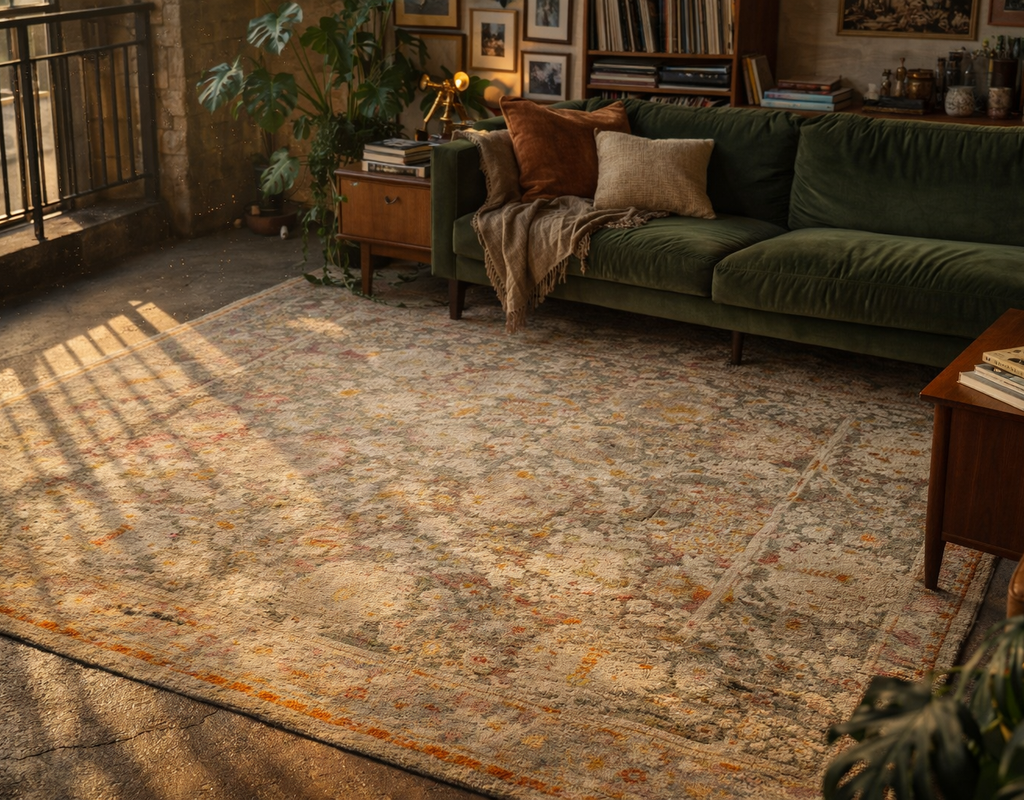
A subtly patterned area rug anchors a cozy, sunlit living room styled with vintage and natural elements.
For interior designers, incorporating these fibers brings a tactile luxury unmatched by conventional wools or silks. A well-placed luxury Angora carpet becomes both centerpiece and sensory experience, prized for its ability to transform a space.
Summary of Angora’s Unique Appeal
- Extraordinary Softness — These fibers are some of the softest in the natural world, offering a plush, almost ethereal touch. — Why: This softness enhances the comfort and prestige of rugs, appealing to tactile and visual senses alike.
- Radiant Sheen — Angora’s natural luster creates a glowing effect under light, distinct from matte sheep’s wool. — Why: The sheen amplifies pattern clarity and gives rugs a luminous depth, elevating them to luxury status.
- Rarity and Exclusivity — Limited fiber yields from rabbits make Angora one of the rarest materials used in rug-making. — Why: Scarcity enhances value, making an Angora rabbit rug a coveted acquisition for collectors.
- Distinction from Mohair — This fiber comes from rabbits, mohair from goats, and the two fibers differ in feel and use. — Why: Knowing this distinction protects buyers from confusion and ensures appreciation of true Angora’s rarity.
- Luxury Applications — Angora wool is rarely used for entire rugs due to delicacy and cost, instead appearing in curated, high-end pieces. — Why: This selective use highlights as a mark of exclusivity, ensuring it remains a premium material.
True Angora rugs stand apart in the textile world for their extraordinary feel and radiant luster.
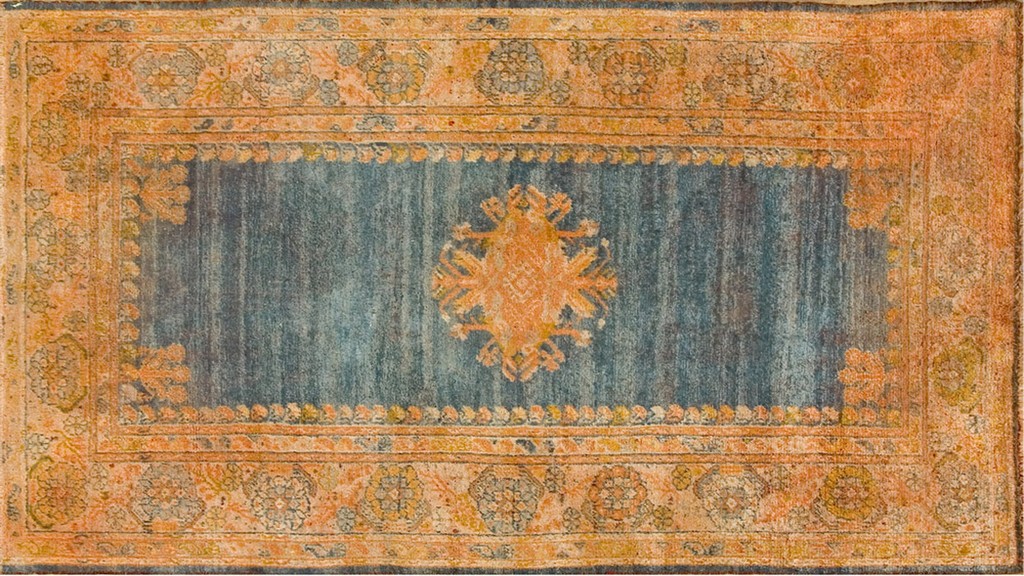
Antique Oushak Hallway Runner Angora Blue Rug by Rugs On Net
Recognizing the difference between Angora vs mohair is essential when buying rugs and seeking authenticity, while the rarity of this fiber ensures that every rug made with it embodies a level of luxury and distinction unattainable with common fibers.
What is Angora Wool? Source, Fiber Traits & Terminology
Angora Rabbit Wool vs. Mohair (Angora Goat)
Clarity is essential when discussing this fiber. True Angora rabbit wool comes exclusively from Angora rabbits, whereas mohair comes from Angora goats. The confusion arises because both animals share the “Angora” name, yet their fibers differ significantly. Angora rabbit wool is ultra-fine, cloud-soft, and delicate, with a diameter of just 12–16 microns.
Mohair, by contrast, is coarser at 25–45 microns, stronger, and glossier. In rug terminology, this distinction matters: an Angora rabbit rug emphasizes softness and warmth, while a mohair rug emphasizes durability and sheen. Buyers should note that although mohair is sometimes marketed as Angora, the two fibers serve different roles—mohair providing strength and resilience, Angora wool offering unmatched softness and luxury.
Technical Qualities: Fineness, Softness, and Warmth
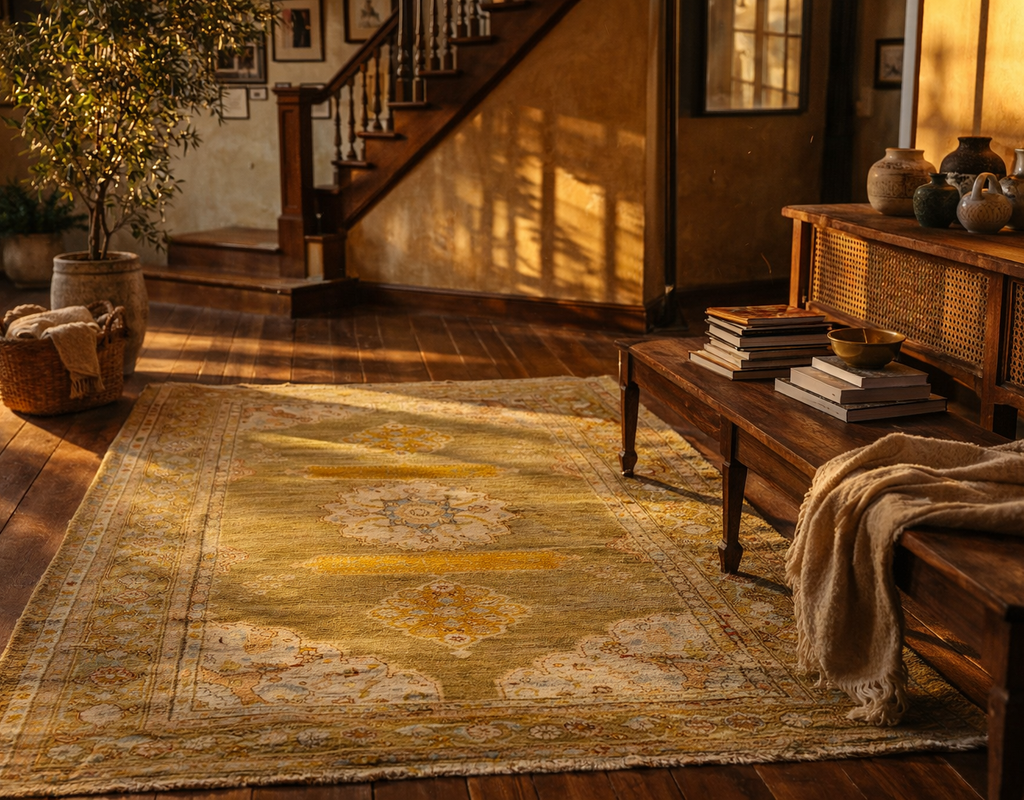
Golden hour light accentuates the texture and traditional design of the moss-green area rug in this richly decorated entryway.
- Ultra-Fine Fiber Diameter — Angora rabbit fibers measure between 12–16 microns, far finer than sheep wool or mohair. — Why: This fineness produces extreme softness, giving rugs a plush, silky touch that feels luxurious underfoot.
- Hollow Fiber Insulation — Each strand of this fiber is hollow. — Why: The hollow core traps air, creating exceptional hollow fiber insulation that makes Angora rugs warmer than sheep wool rugs without added weight.
- Non-Irritating Surface — Angora fibers have low-relief scales compared to sheep’s wool. — Why: This gives them a silky, non-itchy texture, making Angora rugs more comfortable for sensitive users.
- Warmth-to-Weight Ratio — Angora is significantly warmer and lighter than most sheep wool. — Why: This efficiency allows for warmth without bulk, enhancing the appeal of this high-end fiber in rugs.
The Kid Mohair Tier: The “Silk” of Anatolia
While most “Angora” rugs use the hair of adult goats, the rarest and most expensive pieces utilize Kid Mohair. Taken from the first shearing of a young Angora goat, this fiber is as fine as silk but carries the warmth of wool. If you encounter a Turkish Filikli or Tulu that feels exceptionally soft—almost like a rabbit—you are likely looking at Kid Mohair. It is the most prized “luxury” fiber in the nomadic weaving tradition.
The Science of Sheen and Halo
One of Angora’s most distinctive traits is its sheen and halo effect. The microscopic fiber structure bends and scatters light, producing a luminous glow that enhances the rug’s depth and texture. Unlike the uniform shine of mohair, Angora’s halo creates a soft aura around each fiber, giving the rug a glowing, ethereal appearance. Combined with its hollow construction, the fibers also excel at thermal regulation: warm in cold conditions yet breathable.
This explains why Angora wool pile area rugs feel warmer than sheep wool counterparts, while still remaining light. In summary, Angora rabbit wool is defined by its fineness, softness, and hollow-fiber warmth, distinguishing it clearly from mohair.
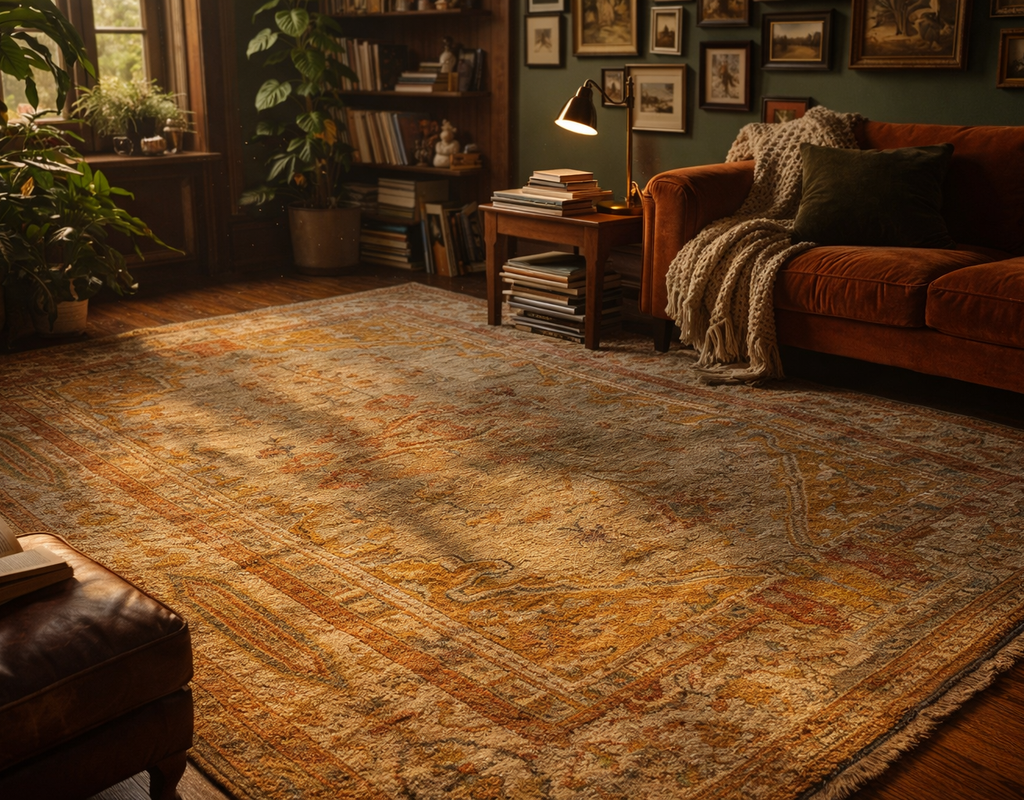
Natural light streams across the heavily patterned, warm-toned area rug in this inviting, literature-filled room.
Its radiant sheen, luxurious feel, and superior insulation make it an exceptional but delicate choice for high-end rug making, with qualities unmatched by common wool.
How Angora Wool is Used in Rugs
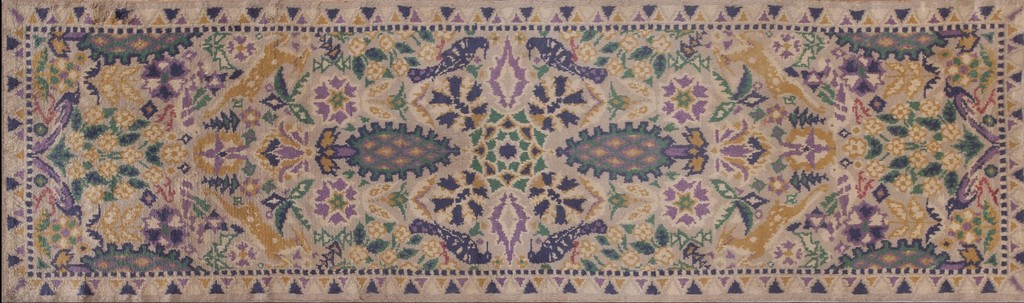
Antique Donegal – Arts & Crafts Hallway Runner Angora Ivory Rug by Rugs On Net
Pile, Blends, and Structural Considerations
- Pile Only, Not Structure — Angora is almost never used in the warp or weft of rugs. — Why: Its delicate fibers lack the tensile strength needed for foundational elements, making it best suited for this fiber’s pile or decorative tassels.
- Blending for Strength — Most rugs feature Angora blend rugs of 20–30% Angora combined with 70–80% sheep wool. — Why: This balances Angora’s softness and sheen with wool’s resilience, reducing shedding and extending the rug’s lifespan.
- Pure Angora Rarity — Entirely Angora rugs are extremely uncommon. — Why: While their luster is striking, the fragility of pure Angora fibers makes them impractical for heavy use.
- Mohair vs. Angora — Unlike fragile Angora rabbit wool, mohair can be woven into long-pile knotted rugs such as Tulu or Filikli rugs without issue. — Why: Mohair’s durability allows pure use, whereas Angora usually requires blending.
Pure vs. Blended Angora in Construction
A hand-knotted Angora rug made purely from rabbit fiber is more a textile art piece than a floor covering, often displayed as a wall-hanging or accent. The practical solution is blending this fiber with sturdier sheep wool, ensuring that softness and radiance remain while improving durability.
This construction approach allows artisans to highlight Angora’s tactile qualities without compromising the rug’s function.
Ideal Weaves for Angora’s Qualities
- Hand-Knotted Rugs — Showcase Angora’s luminous sheen and depth of color best. — Why: The precision of knotting amplifies the fiber’s natural glow, creating vibrant surfaces.
- Hand-Tufted Rugs — Enhance plushness and tactile appeal. — Why: Tufted construction highlights Angora’s velvety softness, but such rugs are best in low-traffic zones.
- Medium to Long Pile — Best for displaying Angora’s “halo” effect. — Why: Fibers catch and diffuse light, creating a glowing surface.
- Wall Hangings & Tapestries — Preserve Angora’s beauty without exposing it to foot traffic. — Why: Decorative use allows enjoyment of its softness and luster without wear.
- Flat woven Kilims — Rarely suitable for Angora. — Why: The fiber’s delicacy makes it ineffective for tightly woven, durable flatweaves.
Cleaning & Maintenance
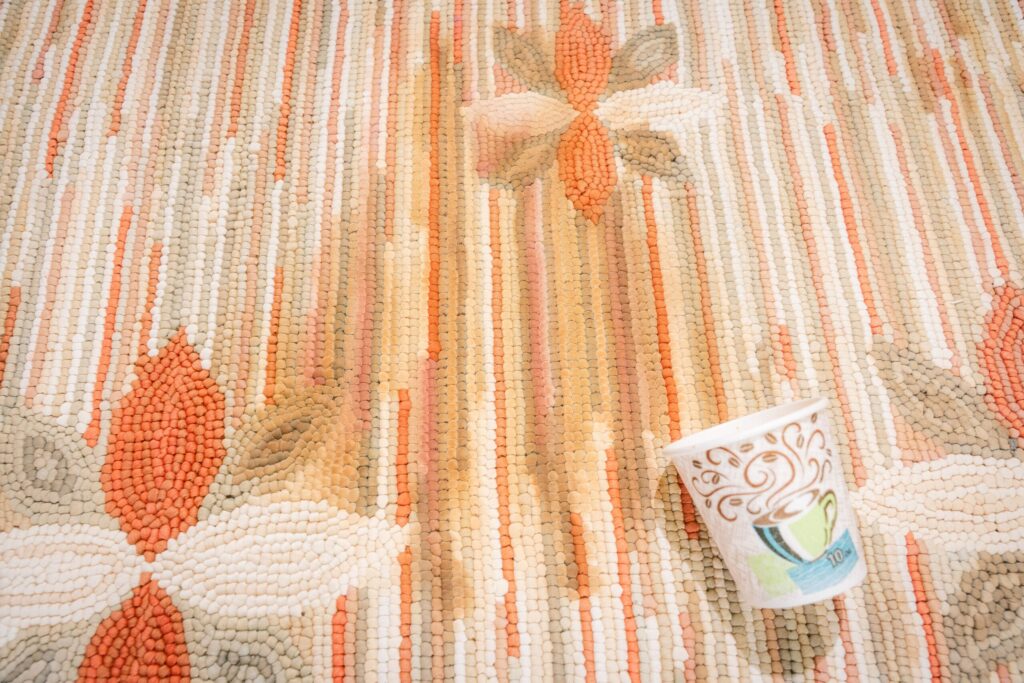
Close-up view of a tipped paper coffee cup resting on a handwoven wool rug, highlighting the rug’s dense pile, subtle color variations, and traditional geometric motifs in warm neutral and terracotta tones.
- Gentle Vacuuming — Use a suction-only vacuum with no beater bar. — Why: Aggressive brushes can pull Angora fibers from the pile, accelerating shedding.
- Safe Cleaning Agents — Mild, non-alkaline wool detergents are recommended. — Why: Harsh chemicals strip the fibers and diminish sheen.
- Spot Cleaning — Blot, never scrub. — Why: Scrubbing distorts the delicate fibers and worsens shedding.
- Professional Care — For significant soiling, rugs should be handled by specialists experienced in cleaning Angora rugs. — Why: Angora’s fragility requires methods different from standard wool or mohair.
In short, Angora’s role in rugs is deliberate and specialized. Whether in a hand-knotted rug, blended accent piece, or decorative in Tulu rug, its brilliance lies in the pile—where softness, sheen, and luxury can be displayed to their fullest, provided careful cleaning and gentle maintenance are observed.
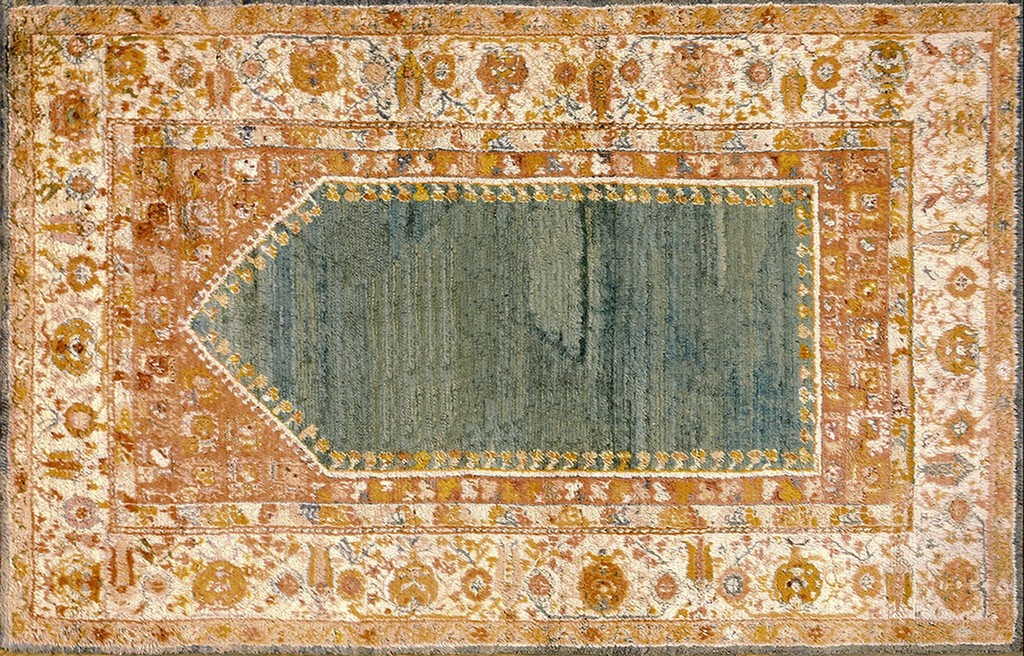
Antique Oushak Small Scatter Size Angora Blue Rug by Rugs On Net
Geographic and Cultural History
Turkish Origins: The Ankara Connection
The story of this fiber begins in Ankara, Turkey, historically known as Angora, which gave its name to both the rabbit and the goat breeds. The Angora rabbit origin is traced to this region, where its delicate, luminous fibers first captured attention as rare luxury materials.
Similarly, the Angora goat of Ankara produced mohair, a stronger and more durable fiber that became central to the textile identity of Anatolia. In both cases, the association with “Angora” connoted refinement and prestige, and this legacy continues in rug terminology today.
Mohair in Anatolian & Tribal Rugs
While true Angora rabbit wool was almost never woven into Turkish rugs due to fragility, mohair from Angora goats was widely used in Anatolian weaving. Long-pile Tulu rugs and shaggy Filikli rugs often incorporated mohair, producing vibrant, plush textures that served both aesthetic and functional purposes.
In rural Anatolia, mohair rugs were more than decorative—they were talismans of folklore, believed to protect against scorpions when spread on floors and bedding. In the urban trade centers like Oushak, rugs marketed as Angora Oushak often featured high-grade mohair or lambswool rather than rabbit Angora. This distinction underscores how “Angora” became shorthand for fineness and luxury, even when the fiber used was mohair.
Angora in Global Textile History
The prestige of Angora extended far beyond Anatolia. By the 18th and 19th centuries, Angora rug history intersected with global trade routes. France became a hub for Angora rabbit wool production, especially in luxury garments and accessories, while China adopted Angora in both textiles and high-end crafts.
The fiber’s luminous softness made it a favorite of elite markets, mirroring how Turkish mohair rugs had earlier dominated Ottoman court life and later fueled industries in South Africa and Texas. This international spread reinforced Angora as a global symbol of refinement, whether in apparel or home décor. Today, this fiber for rugs and textiles may come from diverse sources—Germany, Chile, and China being major producers.
However, quality and ethical standards vary significantly by region, making provenance a key consideration for buyers of these luxury carpets. From Ankara Angora roots to Angora rabbit origin myths and the rise of Turkish mohair rugs, the history of this fiber is tied to ideas of status, softness, and cultural symbolism.
Whether in Anatolian Tulu rugs, Angora Oushak carpets, or French and Chinese luxury markets, these fibers trace a legacy of prestige that continues to shape their appeal today.
Folklore & Protection: The Scorpion Guard
In the villages of Central Anatolia, an Angora rug was more than a luxury; it was a protective talisman. Local tradition holds that scorpions and snakes are repelled by the natural oils and the unique texture of mohair. Whether scientifically proven or not, this folklore led to the tradition of using long-pile Tulu rugs as bedding and floor coverings in the desert-like regions of Turkey, where such pests were a daily concern.
Angora Rugs in Traditional & Modern Styles
Animal Welfare and Industry Reforms
Concerns around Angora welfare surged after PETA exposés revealed severe mistreatment of rabbits in unregulated farms. As a result, many global fashion and home brands banned Angora altogether. The industry responded with reforms: ethical producers now emphasize careful shearing, humane housing, and strict traceability.
For mohair, the Responsible Mohair Standard (2020) was introduced, requiring goat welfare and sustainable land management in South Africa and beyond. These certifications signal a broader market shift—consumers now expect not only beauty in a rug, but also assurance of cruelty-free rug production.
In today’s market, an ethical Angora rug is valued not only for its softness and sheen but also for its traceable, humane origins. Consumers increasingly demand sustainable Angora wool and Responsible Mohair certifications, reflecting the understanding that true luxury must respect both animals and the environment.
Care, Cleaning & Allergies
Hypoallergenic Properties
One of the often-overlooked advantages of Angora rabbit wool is its hypoallergenic profile. Unlike sheep wool, it contains very little lanolin, the natural oil that can trigger sensitivities in some users. For this reason, a hypoallergenic Angora rug may be suitable for individuals who find sheep wool irritating.
However, fiber blends must always be considered: many Angora carpets combine this fiber with sheep wool, which reintroduces lanolin and may affect sensitive users. Pure Angora, when ethically sourced, offers a soft, low-irritation alternative that still provides warmth and sheen.
Cleaning & Maintenance Best Practices
- Vacuuming Angora Wool — Use only suction-based vacuuming, without beater bars or rotary brushes. — Why: Mechanical agitation pulls delicate Angora fibers from the pile, causing premature shedding.
- Spot Cleaning with Wool-Safe Cleaner — Employ only mild, non-alkaline detergents formulated for wool. — Why: Strong chemicals strip the fiber’s natural sheen and can damage its structure.
- Avoid Hot Water and Soaking — Cold water with gentle blotting is recommended. — Why: Heat and oversaturation cause matting, shrinkage, and loss of Angora softness.
- Professional Cleaning — Arrange professional care annually or as needed. — Why: Specialists in cleaning Angora carpets use methods designed for delicate natural fibers, ensuring safety and longevity.
The Moth Warning: A “Sweet” Fiber
Because Angora and Mohair fibers are so pure and rich in protein, they are a delicacy for clothes moths. Collectors should be extra vigilant with these pieces. While a standard wool rug should be checked once a season, an Angora rug in a low-traffic area or on a wall should be inspected every 2-3 months. Using a natural cedar or lavender sachet nearby is a simple way to protect your investment from these “fiber connoisseurs.”
How to Prolong the Life of Angora Rugs
An Angora rug maintenance routine is essential to protect these luxury fibers. Rotate rugs periodically to prevent uneven wear and fading, and always keep them away from heavy traffic zones. Direct sunlight should be minimized, as UV exposure can dull the fiber’s luminous sheen. For mohair rugs, brushing helps maintain gloss, but brushing rabbit Angora rugs accelerates shedding and should be avoided.
By treating Angora as a specialty textile—better suited for bedrooms, sitting rooms, or display areas—owners can ensure its radiant softness lasts for years. Proper care is the key to preserving the softness, glow, and luxury of Angora. With gentle handling, professional attention, and mindful placement, an Angora rug retains both its tactile appeal and radiant beauty for generations.
Conclusion: Who Should Choose Angora Rugs?
What Kind of Buyer is Angora Best For?
To buy an Angora rug is to invest in one of the most luxurious fibers in the textile world. These rugs are best suited for connoisseurs, collectors, and homeowners who appreciate sensory indulgence—the softness, haloed glow, and visual drama that Angora uniquely provides. They are not everyday carpets for bustling hallways or family rooms, but specialty pieces for quiet spaces, collections, or carefully curated interiors.
Buyers with allergies may consider them if sourced from pure Angora rabbit wool, which is low in lanolin, though blends should be checked carefully. Above all, Angora appeals to those willing to support ethical and sustainable production and who value provenance as much as beauty.
Pros, Cons, and Care Tips in a Nutshell
- Unmatched Softness and Sheen — Angora carpets offer a tactile and visual luxury rare in any other fiber. — Why: The fine hollow fibers create a plush surface and glowing halo effect.
- Rarity and Prestige — True Angora rugs are highly collectible and signal exclusivity. — Why: Limited fiber yields and skilled weaving ensure scarcity.
- Care Demands — Require suction-only vacuuming, wool-safe cleaning, and professional maintenance. — Why: Delicate fibers shed and can be damaged by harsh methods.
- Not for High-Traffic Areas — Best in bedrooms, sitting rooms, or as wall displays. — Why: Foot traffic accelerates wear and diminishes luster.
When to Consider Angora Alternatives
- Merino Wool Rugs — Offer softness at a fraction of the price. — Why: A practical substitute for buyers wanting comfort without Angora’s fragility.
- Faux-Angora Rugs — Acrylic fibers mimic appearance and fluff. — Why: Budget-friendly but lack natural warmth and sheen.
- Mohair and Tulu Rugs — Provide durability with a silky finish. — Why: Mohair retains shine and strength where rabbit Angora would be too delicate.
- Turkish Oushak Rugs — Traditional Anatolian designs sometimes marketed as “Angora,” typically woven with lambswool or mohair. — Why: They balance tradition, strength, and luminous appeal.
Actionable Takeaways & Call to Action
For buyers asking, “Who should buy Angora rugs?” the answer is clear: those who seek luxury, rarity, and artistry, and who are prepared to provide attentive care. If you have ethical concerns, you do not need to avoid this fiber altogether—support only certified cruelty-free and sustainable Angora wool sources to align beauty with responsibility.
Angora rugs represent the pinnacle of luxury rug care and collecting: glowing, tactile treasures meant for appreciation rather than wear. For buyers seeking practical alternatives, explore options like mohair, merino, or faux blends, but for those drawn to unmatched softness and luster, this fiber remains singular.
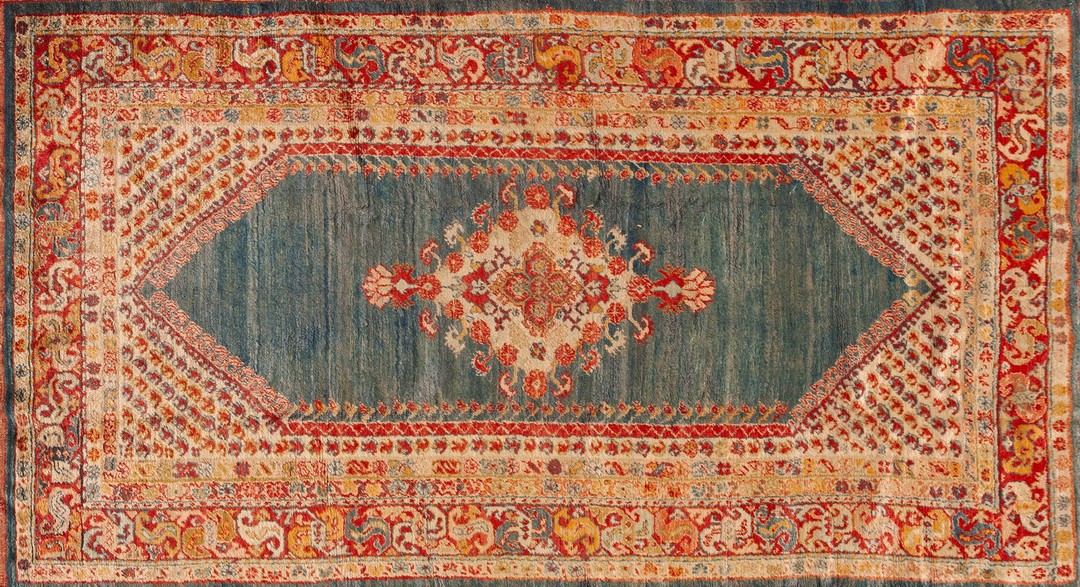
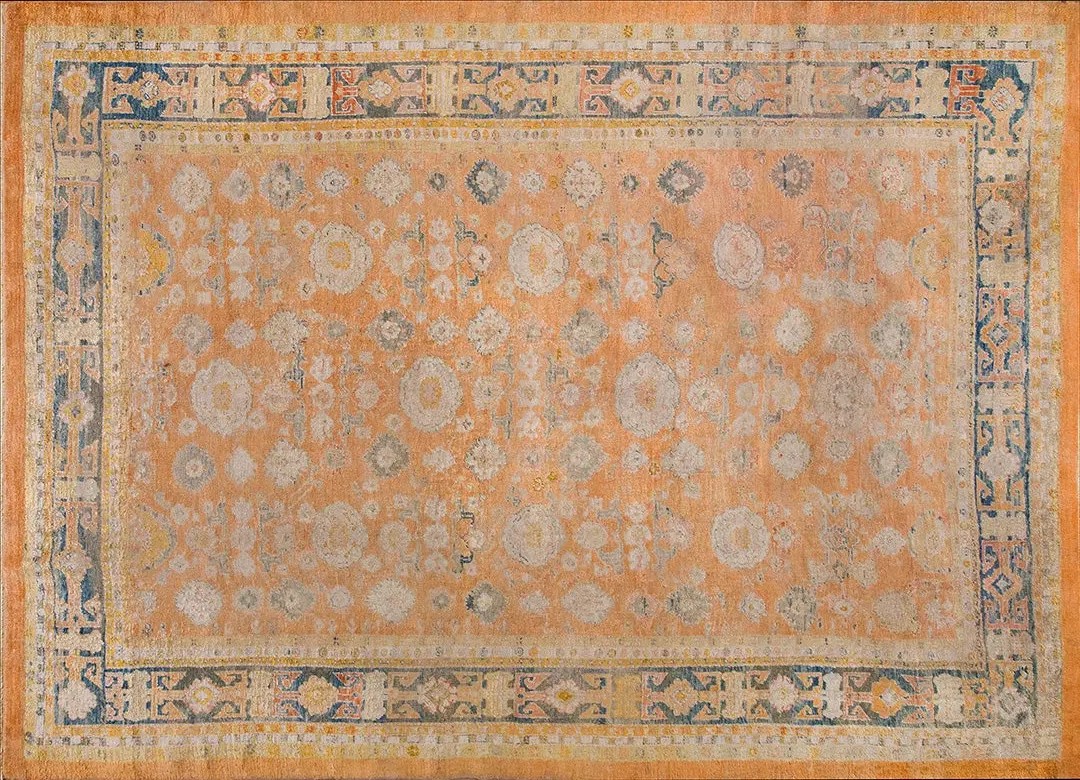
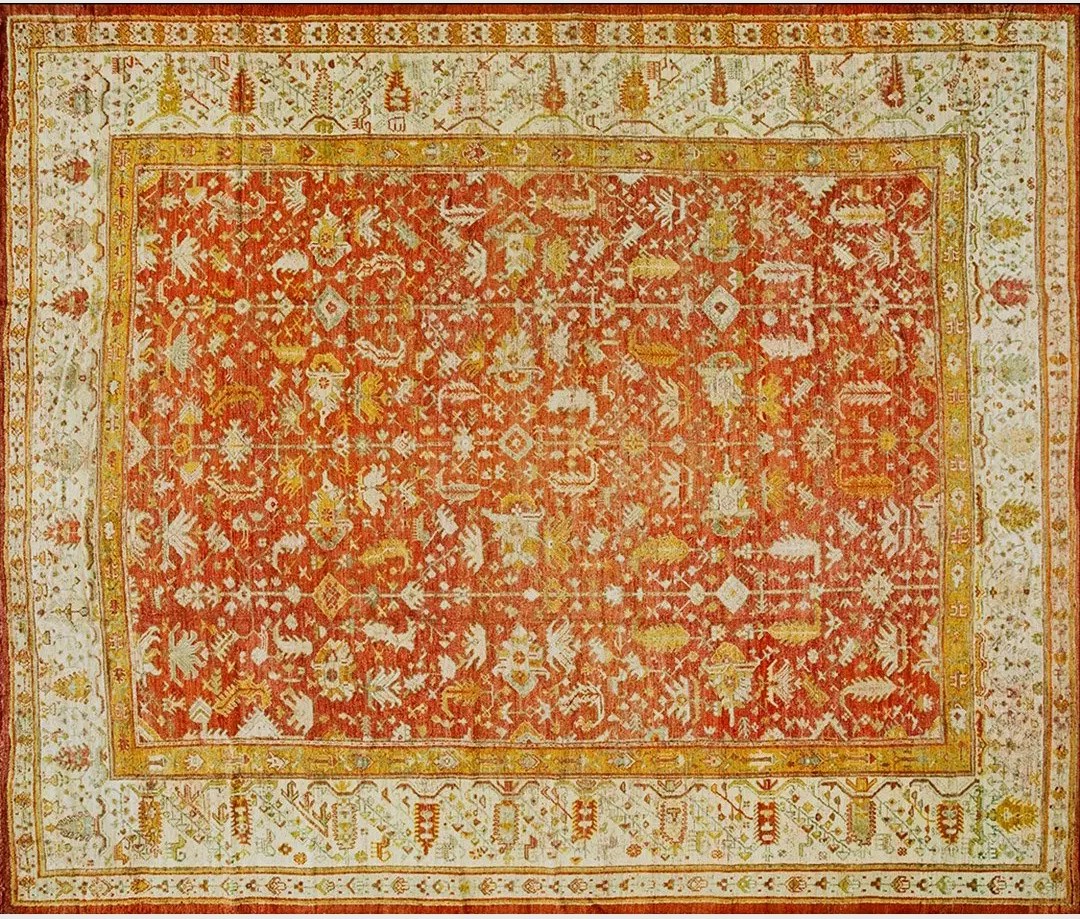
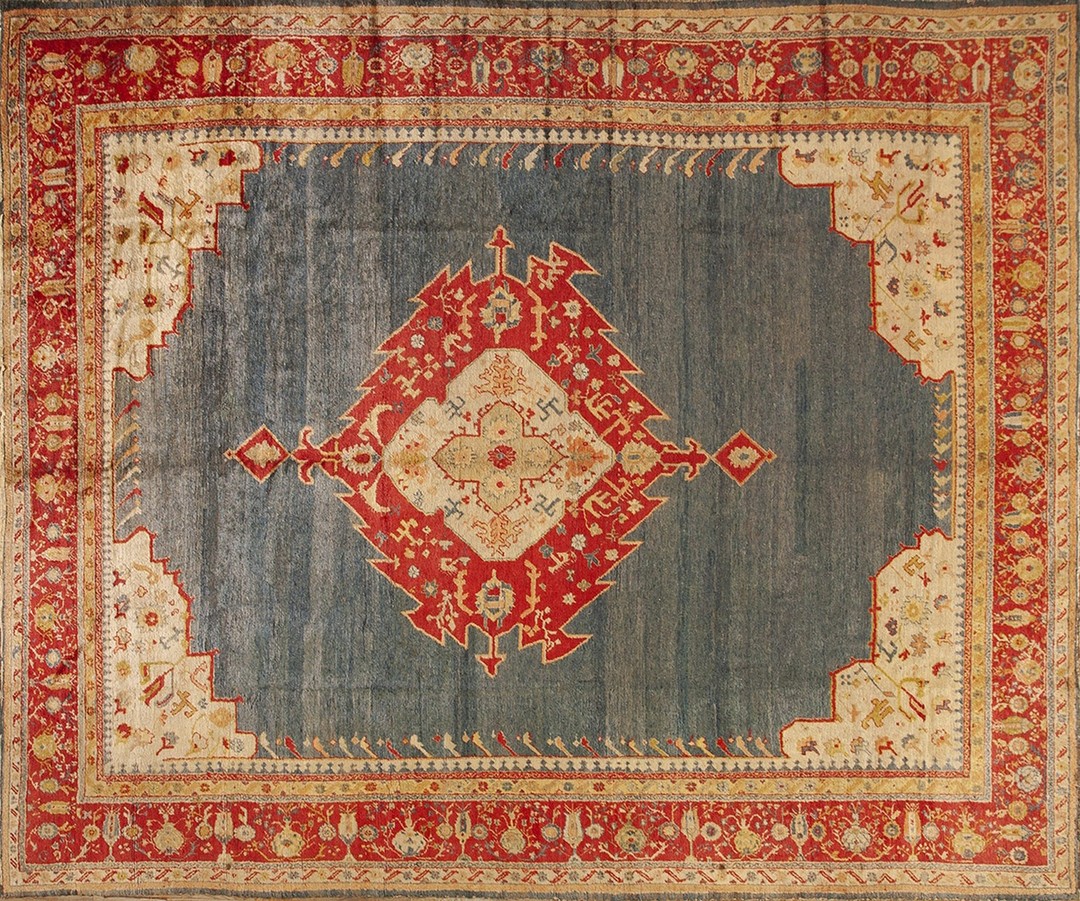
Explore a Few of Our Favorite Angora Rugs
FAQ
- Can professional cleaners handle Angora wool rugs?
Yes—choose a cleaner experienced with mohair and hand-made rugs. Request cold-water, wool-safe processes and avoid aggressive agitation to protect the pile.
- How do I identify genuine Angora wool rugs?
Look for silky luster, a soft hand, and clear fiber labeling like “mohair” or “Angora goat hair.” Provenance notes (e.g., Anatolian Tulu) add confidence.
- What rooms suit Angora wool rugs best?
Bedrooms and living rooms benefit from their softness and sheen. Avoid messy kitchens or muddy entryways unless you choose a shorter-pile, darker Angora rug.
- Are there ethical concerns with Angora wool rugs?
Investigate sourcing. Some brands have raised welfare issues with angora/mohair. Look for suppliers with independent animal-welfare standards and transparent supply chains.
- Do Angora wool rugs attract moths?
Like most animal fibers, yes—if dirty or stored poorly. Regular vacuuming, sunlight exposure, and proper storage help deter moths; consider traps or professional treatment if needed.
- How should I store Angora wool rugs?
Clean and fully dry the rug, roll pile-inward, and wrap in breathable cotton. Add moth protection and store in a cool, dry place off the floor.
- Can I use Angora wool rugs on stairs?
Not ideal. Mohair’s silky, low-friction surface and potential long pile can be slippery and wear quickly on stair treads. Choose dense, low-pile wool instead.
- Are Angora wool rugs fire-resistant?
Mohair fibers are naturally flame-resistant compared to many synthetics. Always follow standard safety practices and avoid exposing any rug to open flames or embers.
- Are Angora wool rugs hypoallergenic?
Sensitivities vary. Mohair has smoother scales and less lanolin than many sheep wools, but dust and dander still accumulate—vacuum regularly and consider professional cleanings if allergies flare.
- How much do Angora wool rugs cost?
Prices vary widely by size, pile, and craftsmanship. Small vintage mohair pieces can be a few hundred dollars; large, hand-knotted or designer Angora rugs can reach several thousand.
- Will Angora wool rugs fade in sunlight?
Mohair takes dye brilliantly but, like most natural fibers, can fade with strong UV. Rotate the rug every 3–6 months and use window treatments where possible.
- Are Angora wool rugs warm and insulating?
Very. Mohair insulates well and feels cozy in cooler seasons while remaining breathable. It’s popular in bedrooms, lounges, and reading nooks.
- What rug pad is best under Angora wool rugs?
A dense felt pad (¼–½ inch) adds cushioning and grip without grabbing fibers. Avoid sticky or heavily textured pads that can abrade mohair.
- Do Angora wool rugs work with radiant floor heating?
Yes, with care. Keep surface temperatures moderate, use a breathable felt pad, and avoid rubber pads that can trap heat and moisture.
- How do Angora wool rugs compare to regular wool rugs?
Mohair (Angora) rugs have higher luster and good resilience versus typical sheep-wool rugs. Standard wool generally offers greater elasticity and broader style/price options.
- Are Angora wool rugs good for homes with pets or kids?
They’re best in low-wear rooms. Long fibers can snag on claws and attract crumbs; choose shorter-pile mohair rugs, darker tones, and use a felt pad.
- Where do Angora wool rugs traditionally come from?
Many traditional long-pile Angora wool rugs originate in central Anatolia (Turkey), notably Tulu rugs. Today, mohair rugs are woven globally using Angora goat hair.
- Are Angora wool rugs soft?
Yes—mohair fibers feel silky and produce a noticeable luster. Many buyers describe Angora wool rugs as luxuriously soft underfoot compared with standard wool.
- Are Angora wool rugs durable in high-traffic spaces?
Mohair is strong and resilient, but long-pile Angora wool rugs (e.g., Tulu styles) suit low-to-moderate traffic. Reserve heavy-traffic areas for denser, shorter piles.
- How should I clean spills on Angora wool rugs?
Blot immediately with a dry cloth, then dab cool water sparingly. Avoid steam and harsh chemicals; use pH-neutral solutions and book a professional wool specialist for stains.
- How do I vacuum Angora wool rugs safely?
Use suction-only or a brushless upholstery head, moving with the nap. Avoid beater bars or high-power settings that can fuzz or pull mohair fibers.
- Do Angora wool rugs shed?
Expect light initial shedding, especially with longer-pile mohair rugs. Regular, gentle vacuuming without a beater bar usually minimizes loose fibers over a few weeks.
- Are Angora rabbit wool rugs practical?
Generally no. Angora rabbit fiber felts and sheds easily, so Angora rabbit wool rugs lack durability for floors and are uncommon compared with mohair rugs.
- Are Angora wool rugs the same as mohair rugs?
In rugs, yes—mohair comes from Angora goats and is commonly marketed as Angora. Angora rabbit fiber is different and typically used in apparel, not rugs.
- What are Angora wool rugs?
Angora wool rugs usually refer to mohair rugs made from Angora goat hair—lustrous, warm, and resilient. True Angora rabbit wool is too delicate for floor use and is rarely used.