
Foundations: Region, Scope, and Defining Traits
Discover our curated range of authentic Central Asian tribal rugs and bring ancient history into your home.
Geographical Scope of Central Asia
Central Asia encompasses five republics—Turkmenistan, Uzbekistan, Kyrgyzstan, Kazakhstan, and Tajikistan—each with its own weaving traditions yet bound together by shared geography and history. This region sits at the heart of Eurasia, historically intersected by the Silk Road, the trade route that connected China to the Mediterranean.
Caravans crossing deserts, mountains, and steppes exchanged not only goods but also motifs, dyes, and techniques, making the region a living laboratory of textile innovation.
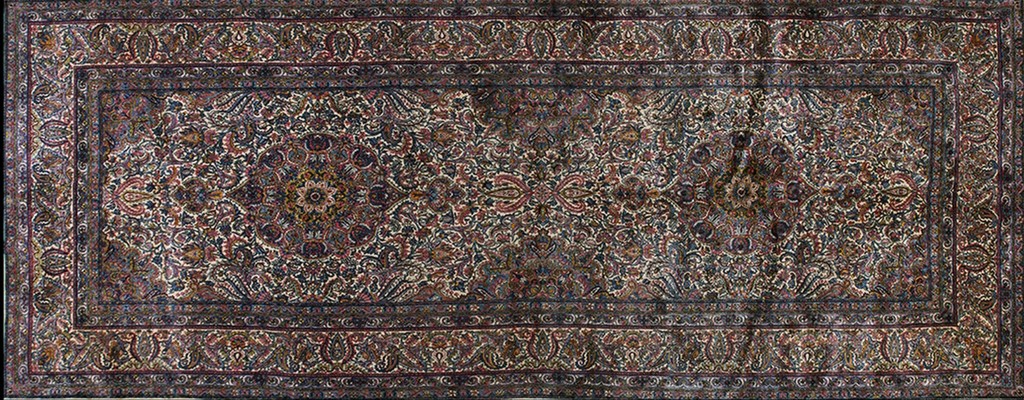
Antique Kilim Persian Knotted Rug by Rugs On Net
The rugs of Central Asia are inseparable from this Silk Road heritage, embodying the cultural crossroads where Persia, China, India, and the Ottoman world once converged.
Cultural Markers of Central Asian Rugs
- Tribal identity woven in designs — Why: Each tribe or clan encodes its lineage and social symbols into rugs, ensuring continuity of heritage.
- Nomadic utility and portability — Why: Rugs serve practical functions in yurts as flooring, wall hangings, and saddle covers, reflecting the mobile lifestyle of steppe peoples.
- Geometric rug designs — Why: The prevalence of bold, repetitive geometry (guls, ram’s horns, rosettes) connects to spiritual beliefs and serves as protective symbolism.
- Vibrant palettes of natural dyes — Why: Reds, indigos, and earthy tones highlight cultural aesthetics and durability, reinforcing regional distinctiveness.
- Storytelling through motifs — Why: Rugs act as visual texts, with symbols conveying fertility, strength, or protection against evil.
Key Rug Types and Definitions
- Pile carpets (Turkmen, Uzbek) — Why: Known for their dense wool knots and signature tribal motifs like guls, these carpets are Central Asia’s most globally recognized exports.
- Felt rugs (Kyrgyz) — Why: Made by compressing sheep’s wool, these thick shyrdaks are durable and warm, reflecting nomadic traditions in mountain climates.
- Embroidered suzanis (Uzbek, Tajik) — Why: Large textiles with vibrant floral embroidery used in weddings and dowries, showcasing artistry beyond weaving.
- Kilims (Kazakh, Uzbek, Turkmen) — Why: Flatwoven rugs that emphasize graphic geometric patterns, prized for their reversibility and symbolic motifs.
What Sets Central Asian Rugs Apart
What distinguishes rugs of Central Asia is the fusion of bold geometric motifs, tribal symbolism, and nomadic practicality. Patterns such as guls—octagonal medallions associated with Turkmen tribes—or ram’s horns that symbolize fertility and strength, make these textiles visually arresting and culturally meaningful. Their strong red, blue, and ivory palettes lend them instant recognizability.
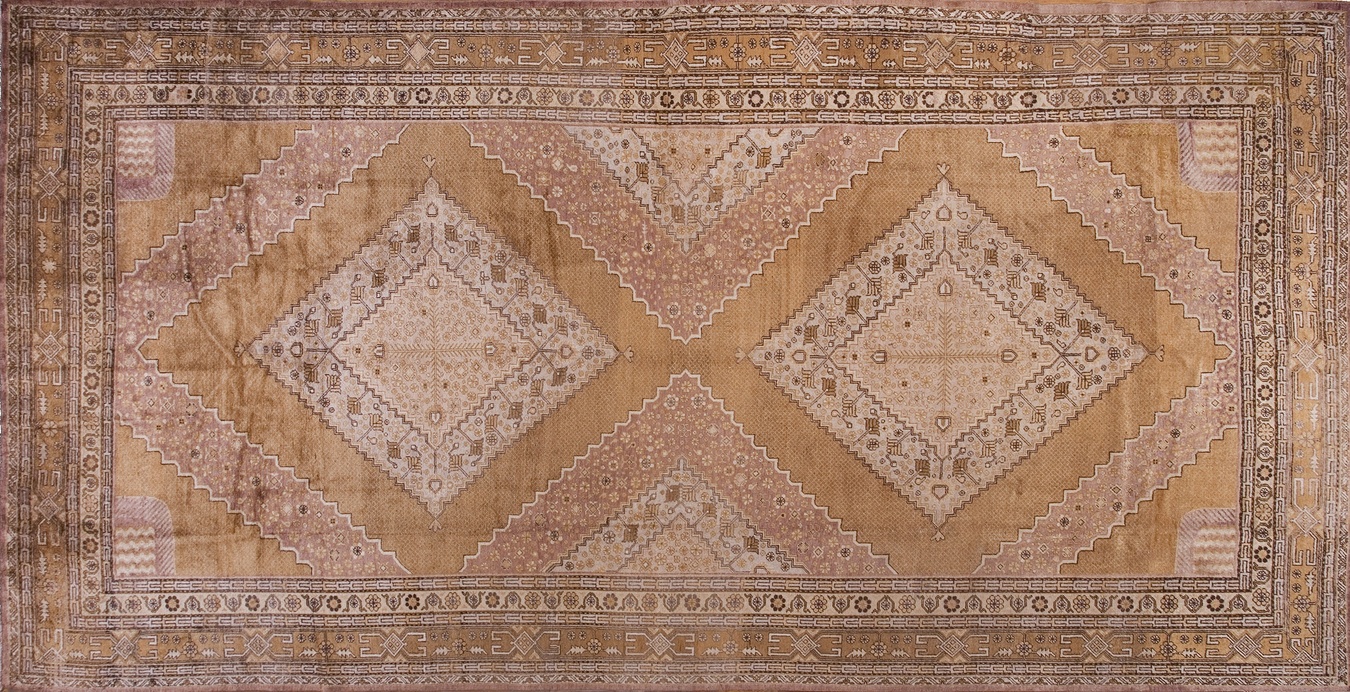
Antique Khotan Large Room Size Wool Coral Rug – by Rugs On Net
Unlike Persian or Turkish rugs, Central Asian weaving traditions emphasize repetition and symmetry rooted in tribal identity, making them a testament to survival in harsh steppes and deserts. These are not just decorative objects but functional art, defining domestic space in yurts and conveying collective identity.
Organization of This Guide
This guide explores Central Asia’s textile heritage in depth. Beginning with its geographic and cultural foundations, it progresses to the major types of rugs, the weaving heritage and transmission of skills, regional variations, trade and collecting, and finally, the modern industry and its sustainability. Each section highlights how nomadic weaving, tribal motifs, and Silk Road carpets continue to shape global appreciation for these textiles.
By following this structure, readers will gain both historical insight and practical understanding of why rugs of Central Asia remain among the most distinctive and meaningful textiles in the world.
Timeline: Weaving History of Central Asia
Origins in Nomadic Life
The roots of Central Asian rug traditions stretch back more than two millennia, embedded in the rhythms of nomadic life. The most striking evidence is the Pazyryk Carpet, discovered in a Scythian burial mound in the Altai Mountains and dating to the 5th century BCE. Considered the world’s oldest surviving pile carpet, it demonstrates that advanced weaving techniques were already present among steppe cultures.
Long before this masterpiece, tribes such as the Scythians and Saka relied on felt rugs, mats, and coverings to insulate and furnish their yurts. These nomadic rug traditions were utilitarian yet symbolic, crafted from sheep’s wool and often decorated with geometric or animal motifs that provided both warmth and cultural identity.
Silk Road Era & Imperial Patronage
From the 1st to the 15th centuries, the Silk Road weaving tradition transformed local crafts into cosmopolitan art. Central Asia’s cities—Samarkand, Bukhara, and Kashgar—became hubs where Persian, Chinese, and Turkic motifs intermingled in textiles traded across continents. Imperial patronage during the Timurid era elevated rug weaving to legendary status: chronicles describe Samarkand’s Timurid carpets of golden silk that dazzled visiting envoys.
These antique rugs exemplified not just luxury but also the cultural synthesis born from caravan exchanges. The Silk Road’s legacy ensured that rugs of Central Asia carried a visual language recognizable from Istanbul to Beijing, embedding the region into a global textile network.
Russian & Soviet Transformations
The 19th-century Russian conquest and the rise of the Soviet Union in the 20th century profoundly altered rug production. Under Soviet rule, Soviet rug factories standardized designs and shifted weaving from home-based tribal traditions to collective industrial output. Some rugs even became tools of ideology, with “propaganda rugs” bearing portraits of Lenin or Stalin.
The devastation of two world wars and Soviet collectivization disrupted rural economies and shrank artisan independence. Yet ancestral skills endured: elders and families quietly preserved antique Turkmen rug techniques, teaching them within households even as official designs dominated factories. This resilience kept symbolic tribal motifs alive during decades of political upheaval.
Post-Soviet Revivals & UNESCO Heritage
Independence in 1991 opened a new chapter for Central Asia textile heritage. Governments and local cooperatives began reinvesting in rug making as both cultural pride and economic opportunity. Festivals across Turkmenistan, Kyrgyzstan, and Uzbekistan celebrated national weaving arts, while international recognition followed. UNESCO inscribed Turkmen carpets and Kyrgyz felt traditions as elements of intangible cultural heritage, spotlighting their global significance.
Training programs and artisan cooperatives now work to ensure the survival of suzanis, kilims, and felt rugs, balancing authenticity with the demands of globalization. In today’s market, these revived crafts stand as both cultural ambassadors and living links to nomadic ancestors. Central Asian rug history thus mirrors the region’s broader identity: nomadic roots, Silk Road cosmopolitanism, Soviet disruption, and post-Soviet revival. The continuity of skills despite wars and collectivization underscores the resilience of artisans whose work still defines the region’s cultural tapestry.
Rug Weaving Heritage: Skills, Transmission, and Survival
Techniques: Pile, Flatweave, Felt, Embroidery
Rugs of Central Asia encompasses an unusually wide spectrum of textile arts, each linked to nomadic necessity and regional style. Pile knotting, practiced with wool or silk, defines Turkmen and Uzbek carpets, where dense knots create durable surfaces adorned with tribal guls or geometric medallions. Flatweave kilims, widespread across Kazakh, Turkmen, and Uzbek communities, rely on interlaced wefts and warps to produce bold, reversible designs ideal for portable use in yurts.
Felt rug making, especially the Kyrgyz shyrdak, involves layering and compressing wool into thick panels, then applying appliqué motifs cut in mirror-image pairs. In the highlands of Kyrgyzstan’s Naryn region, women gather in communal workshops, washing, rolling, and pressing fleece with water and heat before sewing vibrant rams’ horns and solar rosettes into the felt—ensuring resilience against the mountain cold.

A detailed focus on the intricate, vivid colors and geometric weave of a traditional textile rug.
Finally, Suzani embroidery of Uzbekistan and Tajikistan transforms cloth with silk-threaded florals and vines, often prepared for weddings and dowries. Together, these crafts reveal a diversity rooted in nomadic survival and ceremonial meaning.
Role of Family and Community
- Mother-to-daughter teaching — Why: Family apprenticeship ensures technical precision and preserves patterns unique to each lineage.
- Communal felt making — Why: In Kyrgyz and Kazakh villages, groups of women roll and press shyrdaks together, turning rug creation into a social ritual.
- Ritual and symbolism — Why: Collective participation embeds meaning; motifs applied by many hands carry shared blessings of protection and prosperity.
- Household economies — Why: Rugs are both domestic necessities and sources of income, allowing women’s labor to sustain entire families.
Preservation Amid Change
Modernization, mass production, and global markets have threatened the continuity of generational craft, yet preservation efforts remain strong. Elders in rural households safeguard endangered techniques, transmitting them through informal instruction. Formal institutions add structure: state workshops such as Turkmenhaly organize production while private ateliers and artisan cooperatives enable independent creativity. NGOs, notably the Kyrgyz Crafts Council, support training, exhibitions, and market access for young weavers.
Apprenticeship schemes offer formal channels for family apprenticeship traditions to adapt, ensuring that girls who once learned exclusively at home can now refine skills in structured settings. This blend of intimate instruction and organized training reflects how tradition is preserved amid modernization, balancing authenticity with livelihood in a globalized economy. At its heart, Central Asian rug weaving is sustained by multigenerational skills and communal bonds.
The cooperative pressing of a Kyrgyz shyrdak or the quiet passing of knotting techniques from mother to daughter demonstrates that rugs are more than material objects: they are living vessels of identity, survival, and cultural pride.
Signature Styles & Rug Types of Central Asia
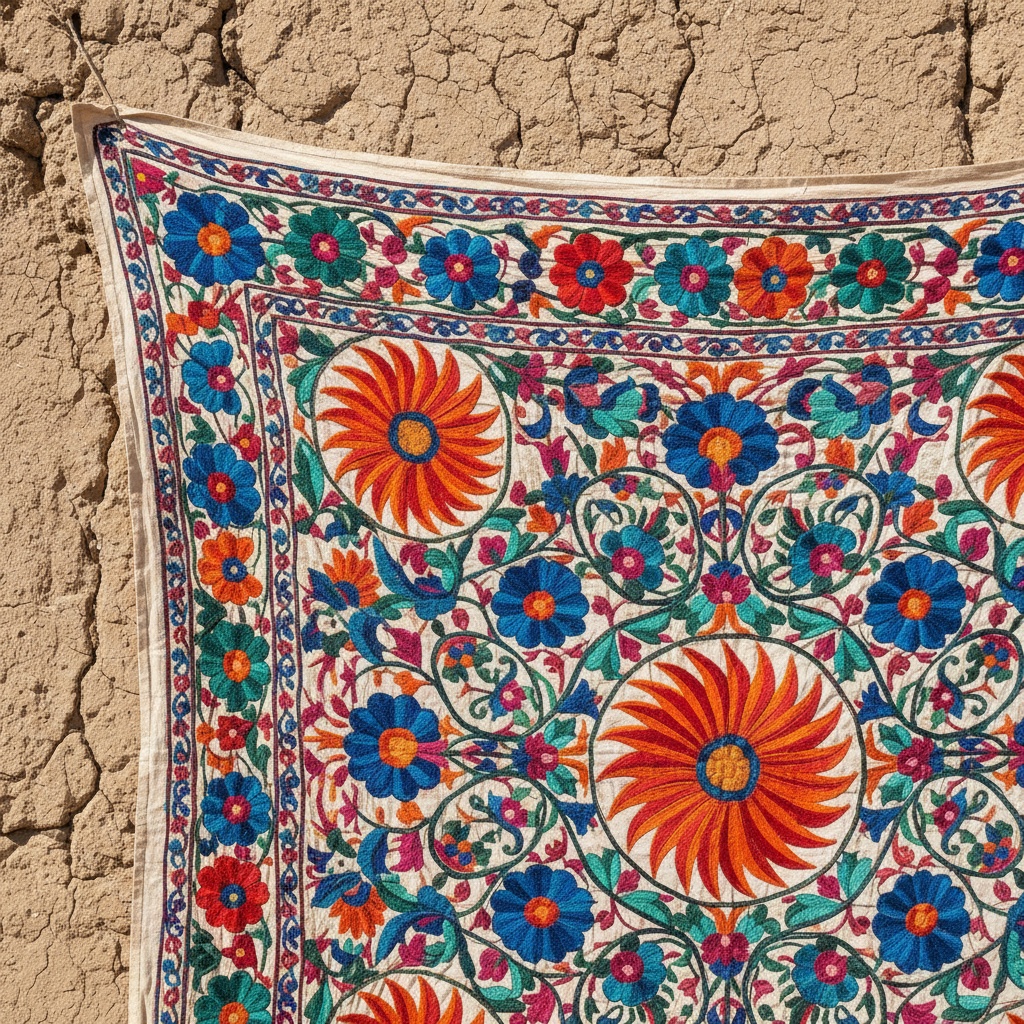
Vibrant Suzani embroidery style
Turkmen Tribal Carpets (Tekke, Yomut, Salor)
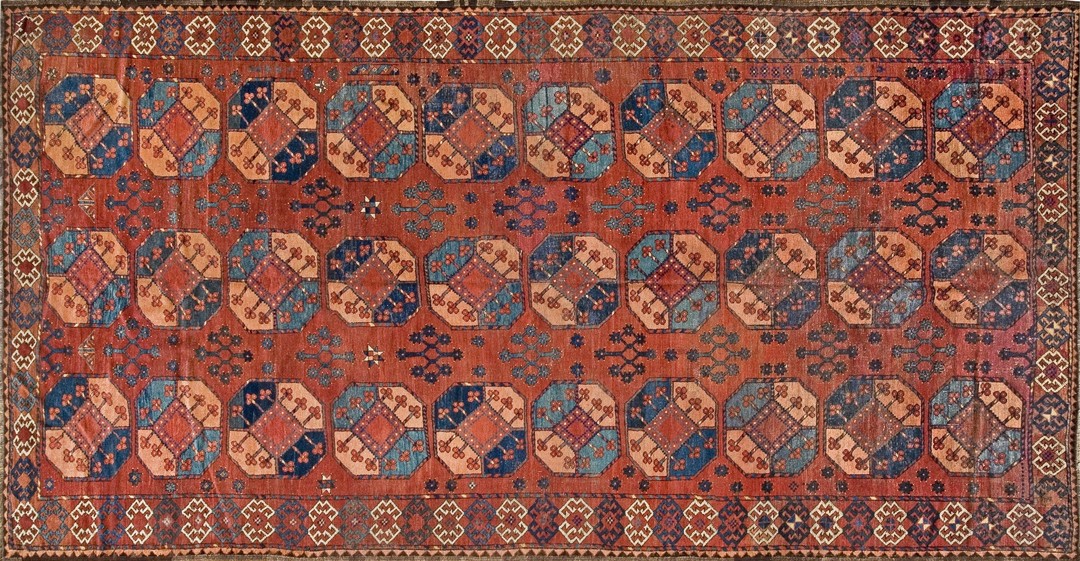
The Turkmen carpet is perhaps the most emblematic of all Central Asian rug styles, immediately recognizable by its dense crimson fields and repeating tribal guls. Each Turkmen tribe wove its identity into distinct motifs, turning rugs into visual signatures. Tekke guls, typically rounded or octagonal, dominate Tekke carpets, projecting refinement and balance.
By contrast, Yomut designs favor more angular or polygonal guls, lending their rugs a bolder, almost architectural character. The Salor tribe, once considered among the most prestigious, favored intricate layouts with larger, commanding motifs. The cultural weight of these designs is so great that the national flag of Turkmenistan incorporates five tribal guls, underscoring the carpet’s role as a symbol of collective heritage.
Kyrgyz Felt Rugs (Shyrdak, Ala-kiyiz)
Among nomadic peoples of the Tien Shan, the shyrdak felt rug remains a cornerstone of daily and ceremonial life. Crafted by layering compressed wool and cutting mirrored appliqué patterns into the felt, shyrdaks showcase spirals, ram’s horns, and plant forms, their contrasts heightened by dyed colors. The ala-kiyiz, by contrast, is made by rolling dyed wool into a single pressed piece, yielding softer outlines.
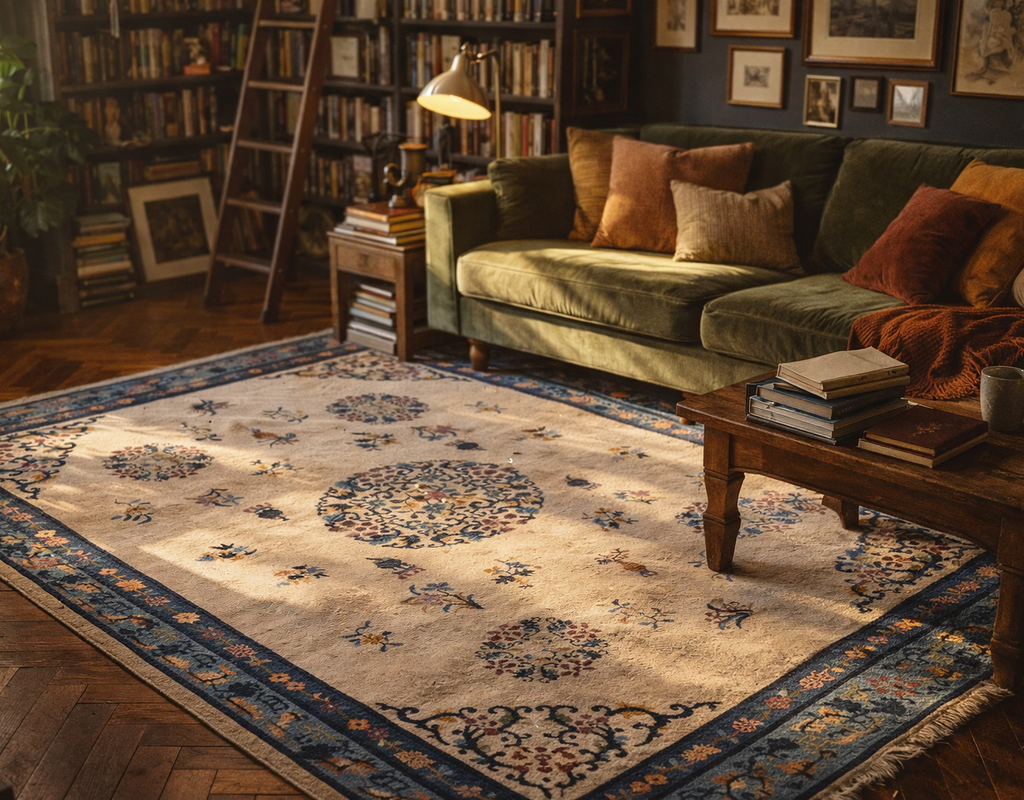
A beautifully detailed traditional rug brightens the warm, book-filled sanctuary of this richly decorated living space.
Both are made communally: women gather to roll, press, and stitch, transforming the process into a social event that reinforces bonds. Beyond utility as insulation for yurts, these rugs are tangible expressions of Kyrgyz identity and artistry.
Uzbek/Tajik Suzani Embroideries
Unlike pile or felt rugs, the Uzbek suzani occupies a unique space as embroidered textile art. Stitched onto cotton or silk with brilliant silk threads, suzanis feature radiant suns, rosettes, vines, and blossoms, embodying fertility and protection. Traditionally made as part of a bride’s dowry, they straddle utility and ceremony—used as wall hangings, bed covers, or ceremonial backdrops.
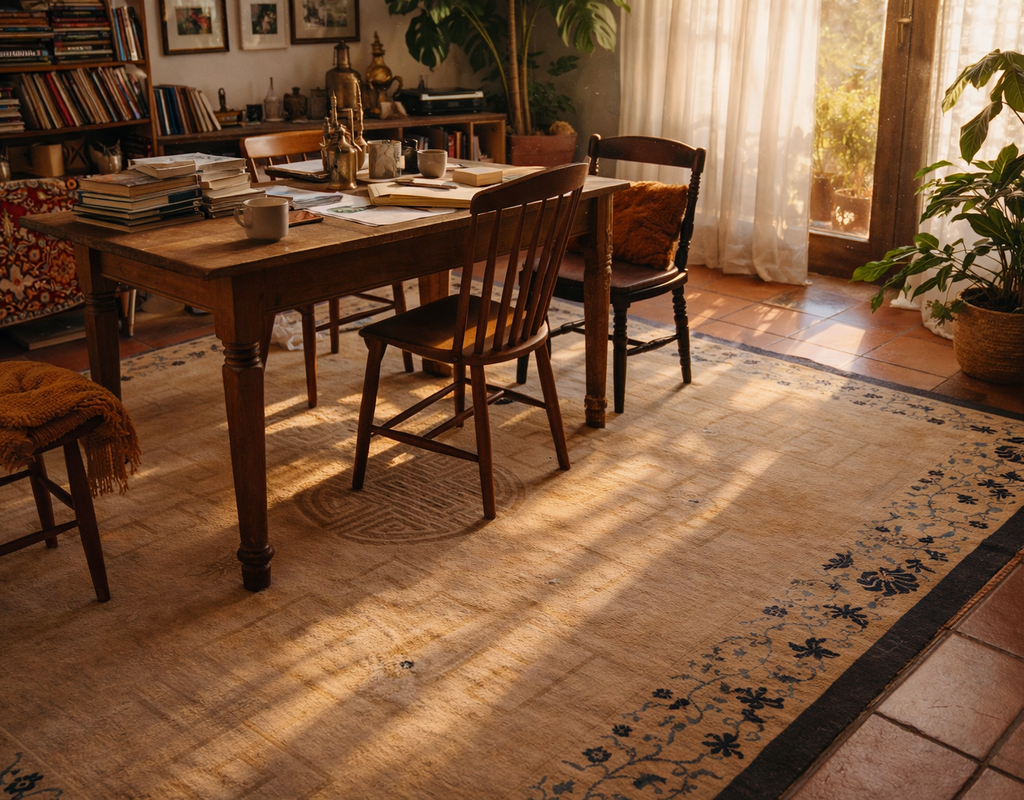
Natural light illuminates a cozy dining space anchored by a lightly patterned area rug with striking blue floral accents.
Tajik embroiderers favor slightly different stitch techniques than their Uzbek counterparts, but both share the luminous color and symbolic richness that have made these embroideries global icons. Their classification as “rugs” stems from their functional overlap with wall and ground textiles, though they are rarely used underfoot.
Kilim Flatweaves (Kazakh, Uzbek, Turkmen)
The Kazakh kilim and its relatives across Uzbekistan and Turkmenistan exemplify the flatweave tradition: no pile, only warp and weft woven into crisp geometric motifs. Bold diamonds, chevrons, and hooked medallions dominate, often set in high-contrast color schemes. Yes, Kazakh flatweaves are recognizable for their bright primary color palettes, particularly reds, yellows, and blues, which lend them an unmistakable vibrancy.
Shared symbols echo those found in Anatolian and Caucasian weaving, highlighting a pan-nomadic vocabulary of protection, fertility, and strength. Reversible and lightweight, kilims were ideal for transport and use in nomadic interiors.
Regional Differences
Each region’s rugs carry a distinct voice: Turkmen carpets prioritize repetitive tribal guls; Kyrgyz shyrdaks emphasize appliqué abstraction; Uzbek suzanis transform cloth into embroidered gardens; and Kazakh kilims burst with chromatic energy.
Taken together, the rugs of Central Asia styles form a tapestry of regional expression, each reflecting adaptation to climate, economy, and cultural symbolism.
Bukhara Rugs vs. Other Central Asian Types
Among Uzbekistan’s contributions, the Bukhara carpet is especially prized. Originating in the Kashkadarya region, these rugs draw from Oghuz-Turkic motifs but are woven with finer, softer pile and deeper reds than heavier tribal weavings. Their elegance and refinement made them coveted trade goods on the Silk Road, distinguishing them from the more robust, utilitarian rugs of nomadic groups.
Collectors value their balance of density, sheen, and cultural resonance. rugs of Central Asia are prized above all for their bold geometric motifs and tribal symbolism, qualities that make them visually striking and culturally resonant.
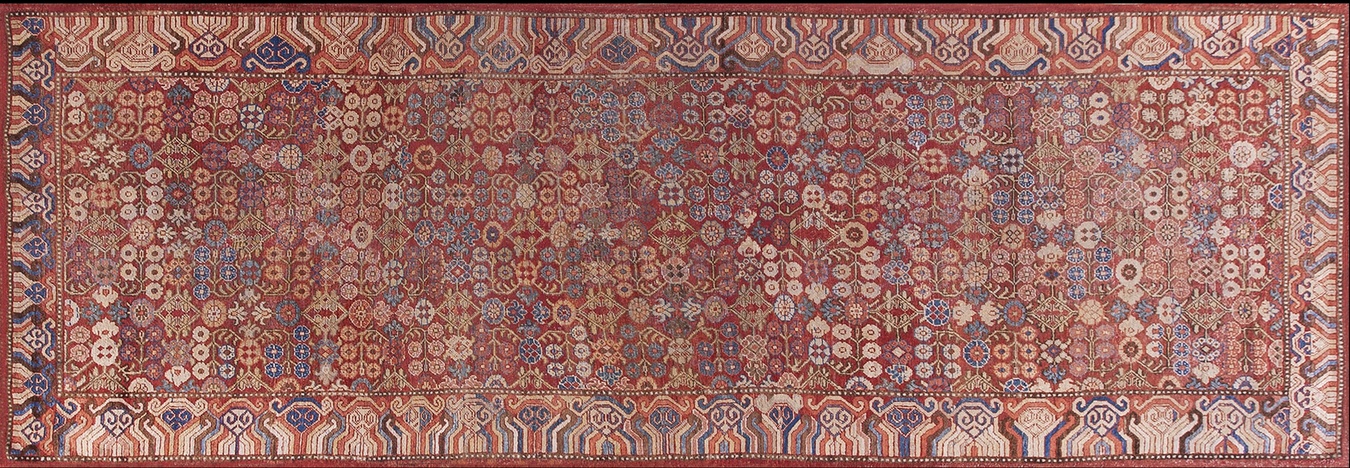
Antique Khotan Hallway Runner Wool Persimmon Rug – by Rugs On Net
Whether it is the rounded Tekke gul, the angular Yomut design, the mirrored appliqué of a shyrdak felt rug, or the floral radiance of an Uzbek suzani, each textile encodes heritage into form. These rugs are more than decoration—they are cultural documents woven into wool, silk, and felt.
Regional Hotspots & Landmark Rug Centers
Turkmenistan: Mary Region, Ashgabat Carpet Museum
Turkmenistan remains a cornerstone of the heritage of the rugs of Central Asia, with the Mary carpet region producing some of the finest Tekke and Salor rugs. Known for dense red fields and perfectly repeated guls, Mary is also home to national carpet festivals where tribal weavers present their best work.
In the capital, the Ashgabat museum—officially the Turkmen Carpet Museum—serves as both archive and stage, preserving antique tribal carpets and hosting weaver competitions that keep traditions alive. Its displays highlight how Turkmen motifs, including the Tekke gul, remain central to national identity, even appearing on the state flag.
Uzbekistan: Kashkadarya, Samarkand, Fergana Valley
In Uzbekistan, rug culture thrives in several distinct centers. Kashkadarya rugs, sometimes called Bukhara carpets, trace their lineage to Oghuz-Turkic designs and are prized for their soft pile and deep reds. Efforts are underway to secure geographical indication status to protect their authenticity. In Samarkand, the historic Registan bazaar continues to attract travelers seeking antique textiles and vibrant Silk Road carpets.
Meanwhile, the Fergana Valley weaving tradition contributes richly to Uzbekistan’s textile landscape, producing silk pile rugs and reviving older weaving methods. This valley is now at the forefront of weaving revivals, blending heritage with contemporary artistry.
Kyrgyzstan: Naryn Highlands, Shyrdak Festival
The Naryn shyrdak tradition epitomizes Kyrgyz rug making. In the highlands, communities gather to craft layered felt rugs with bold appliqué motifs of rams’ horns and spirals.
Every year, the Shyrdak Festival celebrates this heritage, showcasing artisanship, music, and nomadic culture. More than an exhibition, the festival helps sustain communal practices of felt making, ensuring that these rugs continue to serve as both practical insulation and cultural identity markers.
Tajikistan: Sughd & Khatlon Regions
Tajikistan’s weaving centers highlight regional diversity. The Sughd region produces Kayrakum carpets, which blend Pamiri influences with modern design elements. These textiles often incorporate geometric medallions softened by regional floral flourishes.
In the Khatlon region, unique tribal motifs persist despite modernization pressures, keeping alive a distinct local vocabulary in rug design. These areas demonstrate Tajikistan’s ability to preserve tribal identity through continued weaving traditions.
Kazakhstan: Turkestan, Almaty, and Kazakh Flatweaves
Kazakhstan’s contributions to Central Asian rug styles come primarily through kilims and flatweaves. Workshops in Turkestan and Almaty maintain production of rugs with the classic “Kazakh” medallion motif, while Kazakh flatweaves are recognized for bold diamonds and, often, striking primary color palettes.
These vibrant rugs not only embody nomadic practicality but also project visual drama that distinguishes them within the region.
Marketplaces and Museums
- Registan bazaar, Samarkand — Why: Historic Silk Road marketplace where antique textiles and carpets are still bought and sold.
- Ashgabat museum — Why: Landmark institution that safeguards Turkmen carpet heritage and hosts weaving competitions.
- Tashkent State Museum of Applied Art — Why: Houses Uzbekistan’s finest suzanis and pile rugs, contextualized within broader craft traditions.
- Khujand Carpet Exposition, Tajikistan — Why: Preserves Pamiri and Sughd-region rug heritage.
- Local bazaars in Tashkent, Bukhara, and Osh — Why: Offer travelers living access to rug traditions beyond museum walls.
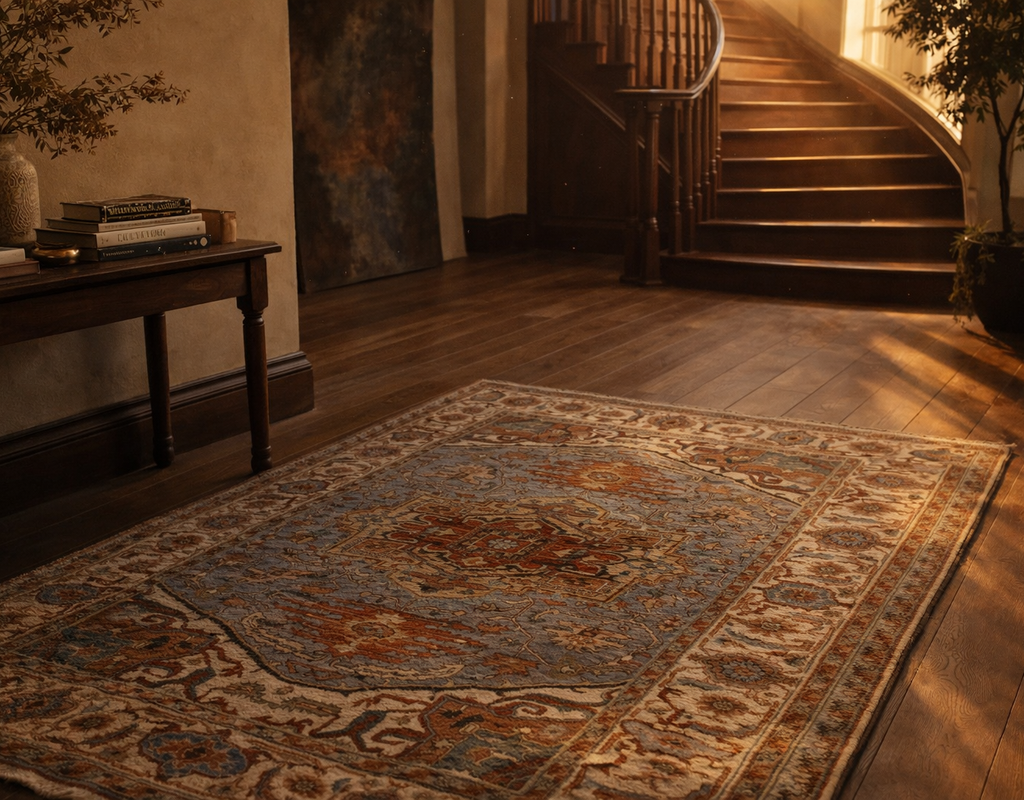
An antique-style oriental rug anchors the warm, sun-drenched foyer, contrasting beautifully with the dark wood architecture.
The Altyn Asyr Bazaar
The beating heart of Turkmen rug commerce is the Altyn Asyr Bazaar, located in Ashgabat. Recognized as Central Asia’s largest rug market, it displays thousands of carpets daily, ranging from tribal Tekke Bokhara masterpieces woven in the Mary province to modern productions. Buyers from around the world converge here to acquire authentic Turkmen carpets, making the bazaar both an economic hub and a cultural showcase.
From the Mary carpet stronghold in Turkmenistan to Kashkadarya rugs in Uzbekistan, from Naryn shyrdak felt traditions to Kayrakum carpets of Sughd, each region contributes a unique thread to the Central Asian textile story. Museums, bazaars, and festivals ensure these crafts are not only preserved but continually reintroduced to new audiences, reaffirming their place at the center of global appreciation for rug culture.
Modern Industry, Trade, and Sustainability
Production, Export, and Economic Impact
The modern rug industry of Central Asia remains a vital economic sector, balancing deep tradition with global trade. Uzbekistan’s carpet exports reached 1.8 million square meters in the first quarter of 2025, valued at US $5.4 million, signaling strong international demand. In Turkmenistan, the state-run Turkmenhaly enterprise oversees much of the industry, and by 2002, nearly 80% of its production was exported.
These figures illustrate how Central Asian rug export remains a cornerstone of both national identity and international commerce. Yet the industry also faces challenges from machine-made imports and an aging workforce, which put pressure on maintaining artisanal authenticity while expanding trade.
Heritage Protection, UNESCO, and GIs
Protecting cultural heritage has become integral to sustaining rug traditions. UNESCO heritage recognition for Turkmen carpets and Kyrgyz felt arts elevates global visibility and adds prestige to these crafts. This recognition also encourages GI certification, such as ongoing campaigns for the “Bukhara Carpet,” which would protect Kashkadarya weavers against imitation and establish stronger branding abroad.
These measures highlight how heritage protection is not just symbolic but also an economic safeguard, ensuring that traditional weavers retain market share in a competitive textile world.
Environmental Sustainability
In response to growing global demand for eco-conscious textiles, artisans are reviving natural dye carpets crafted with indigo, madder, and walnut husks. Wool labeled as “organic” and the adoption of eco-friendly rug certifications further align the region with international sustainability trends.
Such efforts not only reduce environmental impact but also position Central Asian weaving within the premium sustainable textile market. Internal initiatives link heritage and ecology, presenting natural dye revival as both an environmental practice and a return to ancestral authenticity.
Women’s Cooperatives and Fair Trade
- Empowering rural women — Why: Fair trade weaving programs provide income and independence in regions where economic opportunities are limited.
- Preserving endangered skills — Why: Women-led cooperatives often specialize in heritage techniques such as felt rug making or suzani embroidery.
- Fair trade certification — Why: Ensures that artisans receive equitable wages while promoting transparency for global buyers.
- Cultural leadership — Why: Women’s role as transmitters of generational knowledge makes cooperatives essential to long-term preservation.
Key Industry Stats and Recent Trends
- 1 million m² exported by Uzbekistan in Q1 2025 — Why: Demonstrates the scale of regional rug production and its resilience in global markets.
- % of Turkmen rugs exported by 2002 — Why: Highlights the historical reliance on international trade for economic survival.
- Aging artisan workforce — Why: A pressing challenge, requiring new apprenticeships and government-supported training programs.
- NGO-backed festivals and apprenticeships — Why: Provide visibility for young artisans and help sustain endangered weaving traditions.
Today, the industry of area rugs of Central Asia is not merely about commerce; it is a balancing act between export growth, cultural survival, and ecological adaptation. From fair trade weaving initiatives to natural dye carpet revivals, the industry is redefining what it means to be both traditional and modern.
In this way, sustainability is understood in three dimensions: cultural continuity, environmental responsibility, and economic fairness—ensuring that eco-friendly rugs and heritage weaves alike will continue to thrive in the decades ahead.
Quick Reference: Culture, Travel, and Rug Buying
Currency, Languages, Time Zones
Traveling the region requires some practical orientation. Turkmenistan uses the manat, speaks Turkmen, and follows UTC+5, with Ashgabat International Airport as the main gateway. Uzbekistan operates with the soʻm, where Uzbek is the dominant language, also UTC+5, with arrivals through Tashkent Islam Karimov International Airport.
Kyrgyzstan uses the som, has both Kyrgyz and Russian as official languages, and is UTC+6, with Bishkek’s Manas International Airport serving as hub. Kazakhstan works with the tenge, speaks both Kazakh and Russian, and straddles UTC+5/6; Almaty International Airport is its primary entry point. Tajikistan relies on the somoni, speaks Tajik and Russian, follows UTC+5, and welcomes travelers through Dushanbe International Airport.
Major Rug Festivals and Events
The cultural calendar highlights several Central Asian rug festivals. Turkmen Carpet Day each May in Ashgabat honors the Tekke, Yomut, and Salor weaving legacies, featuring national competitions and exhibitions. In the Kyrgyz highlands, the Shyrdak Festival in Naryn celebrates communal felt rug making, immersing visitors in nomadic traditions.
Artisans’ Week in Tashkent showcases weaving, embroidery, and applied arts from across Uzbekistan. In Tajikistan, the Silk & Spices Festival in Khujand blends rug exhibitions with culinary and cultural performances. These festivals offer travelers direct access to artisans, weaving demonstrations, and the chance to purchase authentic textiles.
How to Identify Authentic Central Asian Rugs
- Natural dyes and wool — Why: Genuine rugs use vegetable dyes such as madder and indigo, along with high-quality sheep’s wool, ensuring both durability and vibrant aging.
- Hand-knotting and weaving — Why: Authentic carpets show irregularities in knots or weft lines, distinguishing them from machine-made products.
- Tribal motifs — Why: Designs such as Tekke guls, ram’s horns, and rosettes encode cultural heritage, making them markers of authenticity.
- Seller reputation and provenance — Why: When buying area rugs from established merchants, rug museums, or certified cooperatives reduces the risk of imitation and guarantees cultural integrity.
Rug Travel Tips: Where to See, Buy, and Learn
For those planning a rug travel guide itinerary, landmarks and markets abound. The Ashgabat Carpet Museum in Turkmenistan is unmatched for its collection of tribal carpets and Guinness-record oversized weaves. In Uzbekistan, the Tashkent rug museum (State Museum of Applied Art) exhibits suzanis and silk carpets alongside historic artifacts.
The Khujand Carpet Exposition in Tajikistan preserves Pamiri and Sughd weaving traditions. Travelers seeking direct purchases can visit the Registan bazaar in Samarkand, where antique and new carpets are sold amid historic Silk Road splendor, or the Altyn Asyr Bazaar in Ashgabat, Central Asia’s largest carpet market. Seasonal festivals, bazaars, and workshops across the region provide opportunities not just to buy rugs of Central Asia, but to learn about the artistry that sustains them.
This quick reference equips travelers and collectors with essential cultural orientation, the main rug museum destinations, the key Central Asian rug festivals, and reliable authentic rug tips. Whether visiting bazaars in Samarkand or festivals in Naryn, every encounter with rugs of Central Asia is both a purchase and a passage into living heritage.
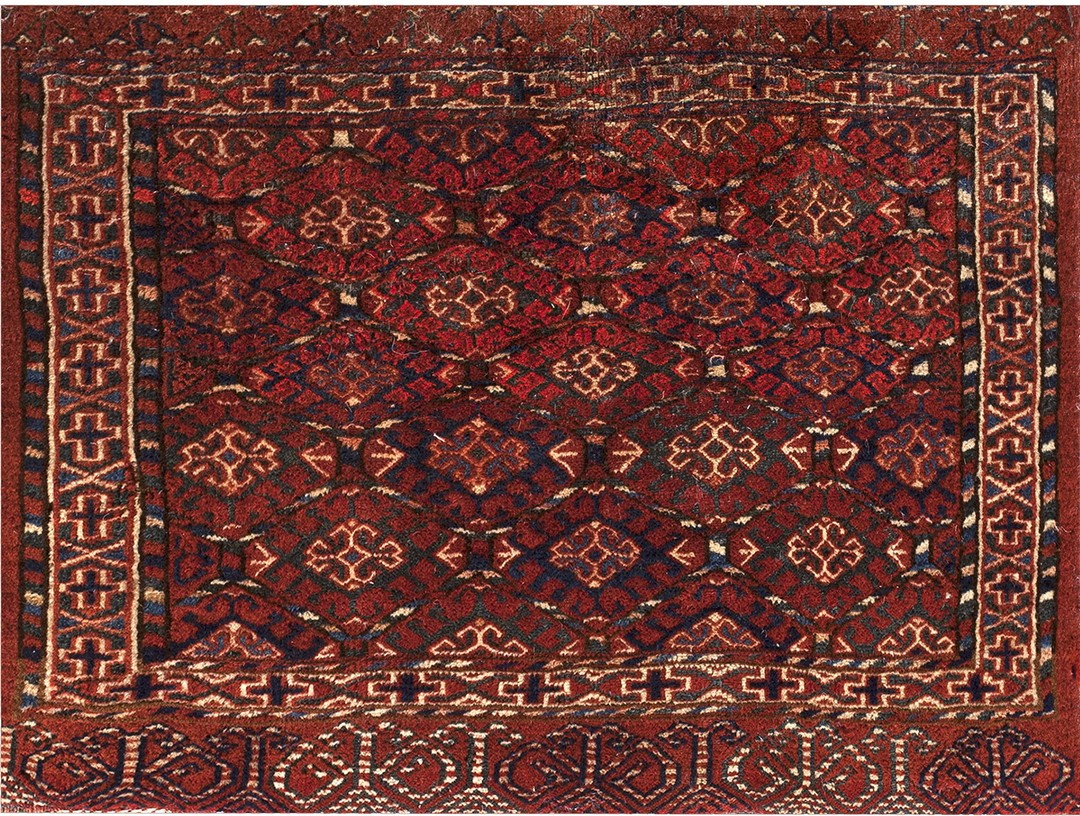
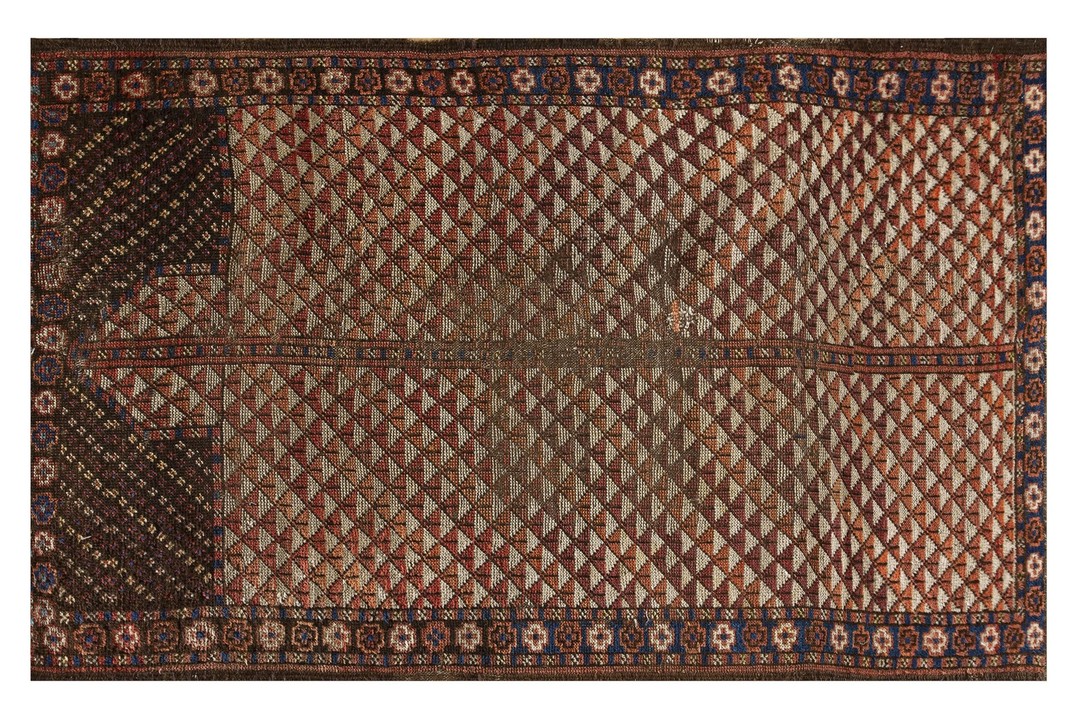
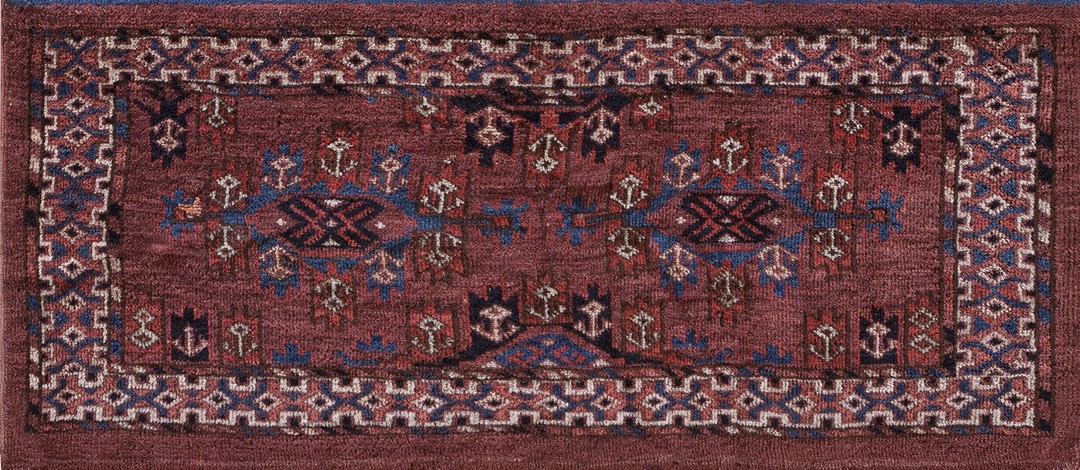
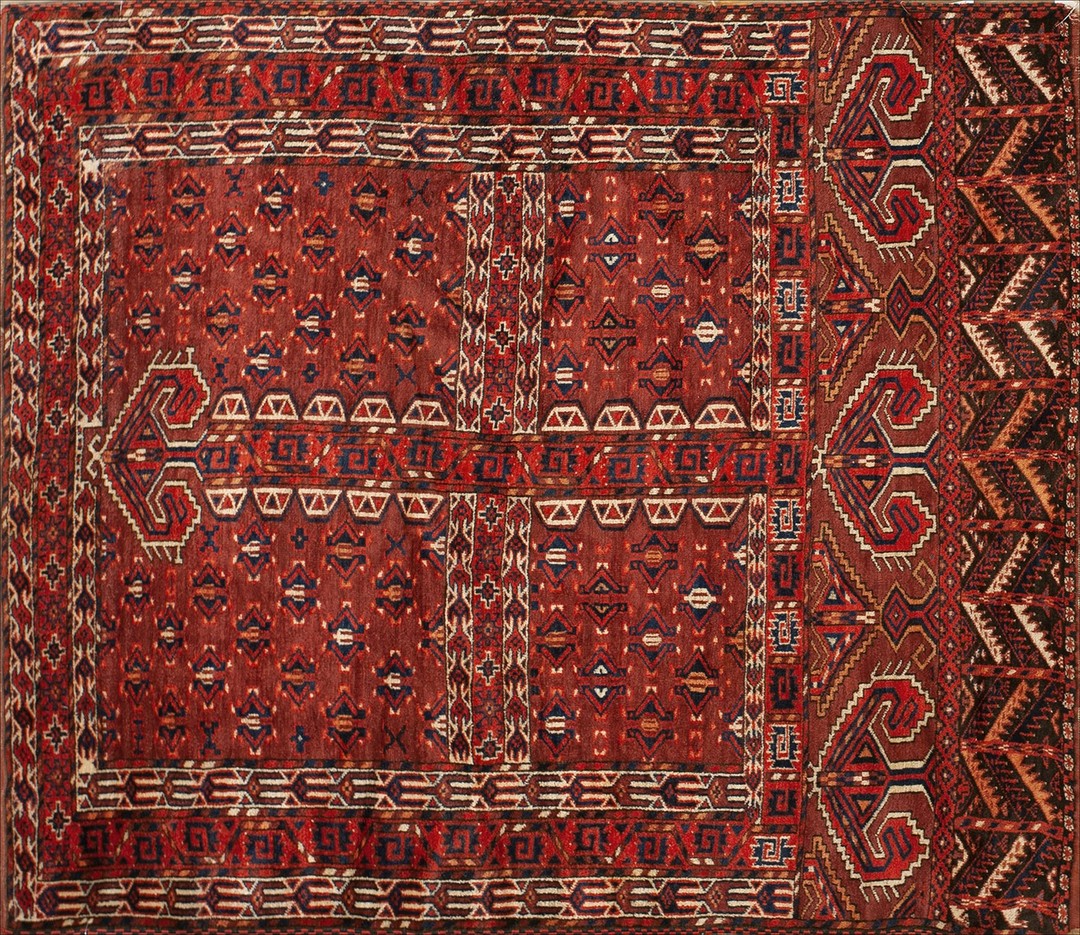
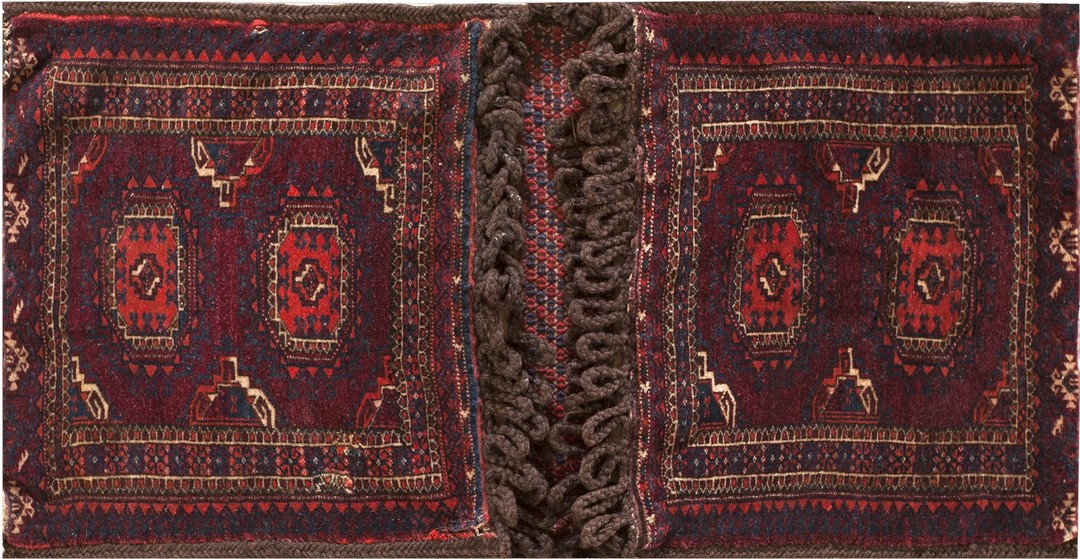
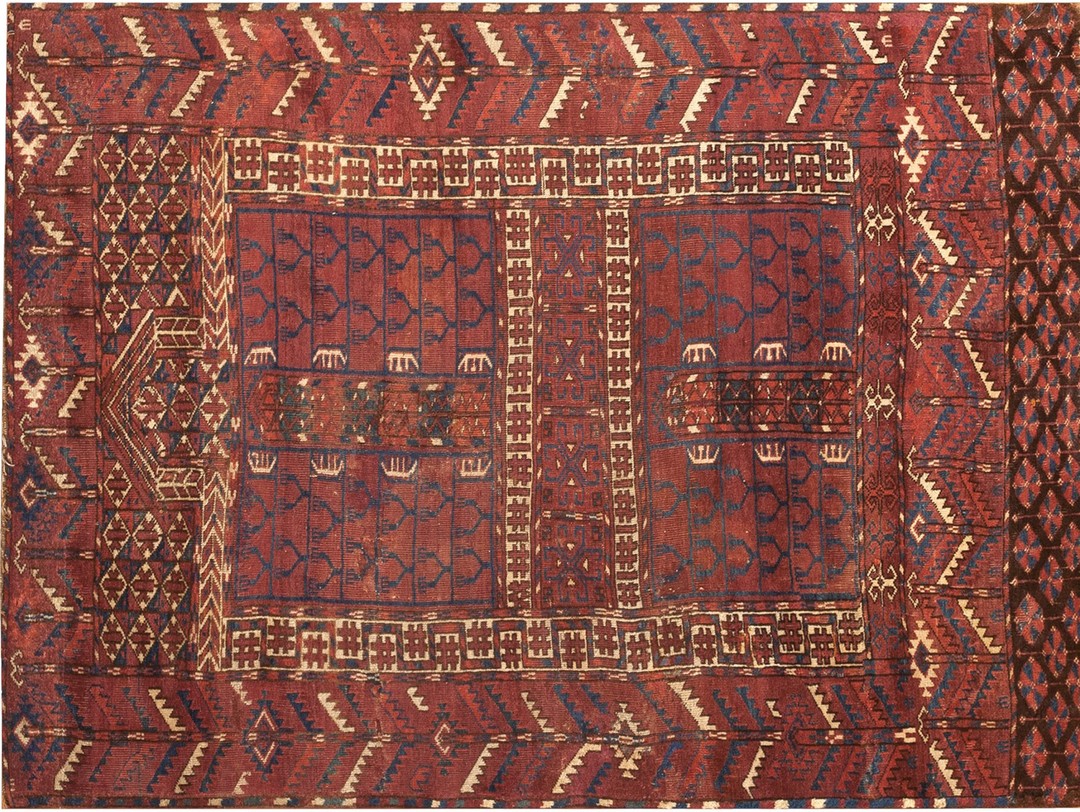
Explore Some of Our Central Asian Rugs
FAQ
- What accessories help Central Asian rugs last?
Use a pad trimmed 1–2 inches smaller than the rug, rotate quarterly, and shield from strong sun. For storage, roll in acid-free paper and elevate off the floor.
- Any risks or red flags when buying?
Avoid rugs with strong chemical odors, brittle fibers, or painted repairs. Ask about provenance and age; export-restricted artifacts or looted items pose ethical and legal risks.
- Are Central Asian motifs right for modern decor?
Geometric motifs and rich reds suit modern rooms as strong focal points, while kilim stripes add texture. Try layering a 3×5 over a neutral flatweave for contrast.
- What are Karakalpak or Uzbek rug types?
Karakalpak weavings are rarer, including flatweaves and mixed techniques; Uzbek output includes Arab-Uzbek kilims and Ersari-associated Beshir pile rugs. Urban workshops historically produced special commissions.
- Tekke vs. Yomut—what’s the difference?
Tekke designs show small, regimented guls in rows; Yomut often use larger octagons, diagonal layouts, and distinctive borders. Handle, palette, and minor motifs also differ by tribe.
- How much do Central Asian rugs cost?
Small vintage pieces can start around a few hundred dollars; room-size antiques often run into the thousands. Exceptional collector examples can exceed five figures.
- Can I use them over radiant floor heating?
Wool rugs can work over radiant heat on low or moderate settings; avoid excessive temperatures. A breathable pad helps prevent heat buildup and moisture trapping.
- Are these rugs good for homes with kids and pets?
Low-pile wool Turkmen and sturdy kilims stand up well to kids and pets. Pair with a natural-rubber pad to prevent slips and protect floors.
- How do I care for a felt shyrdak?
Shake or vacuum gently with suction, spot-blot immediately, and dry flat away from heat. Avoid steam or soaking; saturated felt can distort.
- How should I clean a Turkmen or Uzbek pile rug?
Vacuum with suction (no beater bar), blot spills with cool water, and avoid harsh chemicals. For deep cleaning, choose a professional experienced with hand-knotted wool.
- How do I tell a hand-knotted “Bokhara” from a machine-made look-alike?
Flip it over: hand-knotted backs show slight knot variation and woven fringes, not sewn-on. Machine pieces look uniform and may have stiff, glued backings.
- Do Central Asian rugs use natural dyes?
Many older rugs used natural dyes like madder and indigo; newer ones may use synthetic or revived vegetal palettes. Request dye details and expect some abrash from small dye lots.
- Are shyrdak felt rugs durable for daily floors?
Dense felt handles foot traffic well and insulates cold floors. Keep them dry, rotate, and use a rug pad to reduce slippage and wear.
- What do common motifs symbolize?
Guls can act like tribal emblems, while ram’s-horn motifs on felt symbolize prosperity and protection. Meanings vary by tribe and maker, so avoid rigid interpretations.
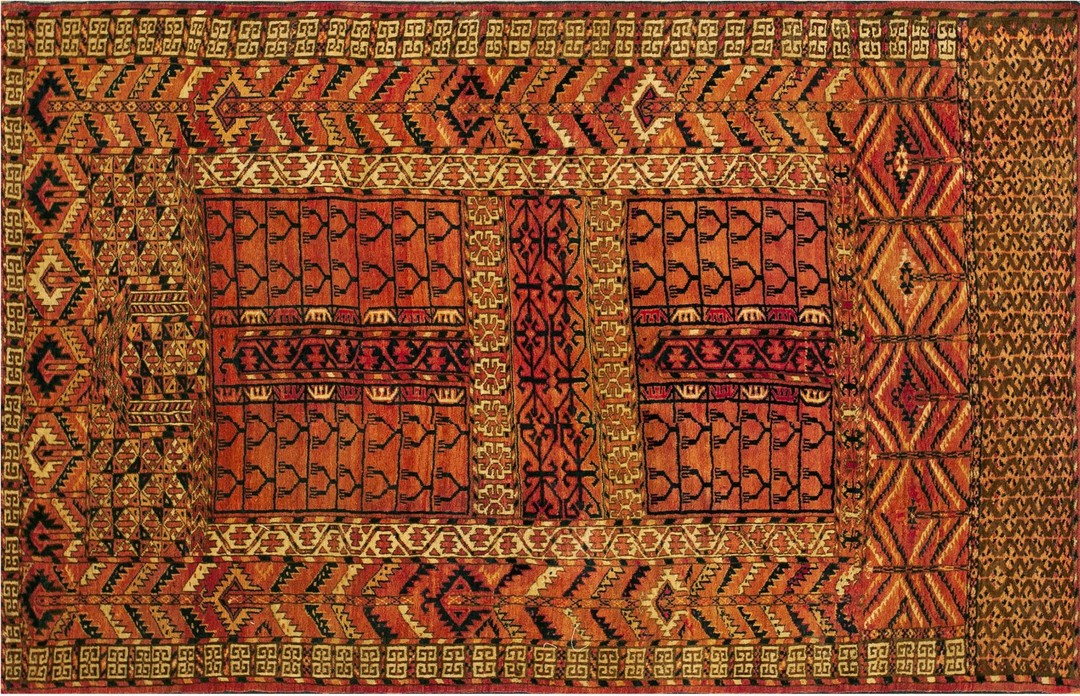
- What is an ensi?
An ensi is a Turkmen yurt-door hanging with panelled fields and protective borders. It’s both functional and symbolic.
- What’s a kilim or palas from Central Asia?
These are flatwoven rugs without pile, used as floor coverings or hangings. Uzbek and Arab-Uzbek kilims often feature bold stripes or diamond geometrics.
- What sizes are common?
Nomadic and village rugs favor portable sizes like 3×5, 4×6, and up to roughly 6×9. Larger room carpets usually come from settled village workshops.
- Are Afghan rugs part of this tradition?
Northern Afghanistan hosts Turkmen groups, including Ersari, whose weavings align with Central Asian traditions. Many “Afghan” rugs from that region share Turkmen structures and palettes.
- How can I identify an Ersari/Beshir rug?
Look for Ersari designs with elongated motifs and often asymmetric knots; Beshir fields may include herati-type repeats. Colors frequently mix brick reds, blues, and browns.
- What materials are typical?
Predominantly wool pile and foundations, with some cotton warps or wefts and occasional silk highlights. Natural dyes like madder were common before synthetic anilines spread in the late 19th century.
- Are Central Asian rugs hand-knotted or flatwoven?
Both occur: pile-knotted Turkmen pieces and flatweaves like kilim/palas, plus thick felt rugs. Many village or nomadic weavings come from portable looms.
- What are shyrdak and ala-kiyiz felt rugs?
Shyrdak uses cut-felt mosaic stitched together; ala-kiyiz uses pressed felt appliqué. Both are Kyrgyz felt carpets recognized by UNESCO in 2012.
- What does “Bokhara/Bukhara rug” really mean?
It’s a trade name for Tekke-style Turkmen designs featuring rows of guls, not necessarily woven in Bukhara. Many contemporary “Bokhara” rugs are woven in Pakistan, Afghanistan, or Turkmenistan.
- What is a Turkmen rug and why are “guls” important?
Turkmen rugs are hand-knotted tribal carpets with repeating octagonal guls tied to specific tribes like Tekke or Yomut. Palettes typically feature madder reds with dark blue accents.
- What are Central Asian rugs?
Central Asian rugs include Turkmen pile carpets, Uzbek/Karakalpak kilims, and Kyrgyz/Kazakh felt shyrdaks and ala-kiyiz. Most use hand-spun wool with geometric motifs like guls and ram’s-horn patterns.