
Introduction to Rug Buying
Why a Rug Buying Guide Matters
Rug buying is rarely straightforward. Prices can range from under $100 for machine-made synthetics to more than $50,000 for rare antiques, leaving many buyers unsure how to tell genuine quality from clever marketing. This confusion often makes consumers vulnerable to scams. Common pitfalls include vendors mislabeling polyester as “silk,” or providing vague certificates that do not actually prove a rug’s authenticity.
A rug buying guide is essential because it provides clarity on the huge differences in value, construction, and materials, helping buyers make informed choices instead of costly mistakes. Learning the rug buying basics equips beginners with the confidence to navigate this complex market.
Key Terms Every Buyer Should Know
Understanding terminology when shopping for area rugs is the first step in a rug quality guide.
A few key rug buying terms stand out:
- KPSI (Knots Per Square Inch) — Why: This measures knot density, an indicator of detail and labor. Higher KPSI often means finer craftsmanship and higher value.
- Hand-knotted — Why: A true handmade rug is knotted individually, unlike machine-made pieces. Knowing this distinction helps buyers avoid inflated claims and better understand what hand-knotted rugs explained actually means.
- Pile height — Why: This refers to the thickness of the surface fibers. It affects durability, feel underfoot, and how a rug performs in high-traffic areas.
- Warp and weft — Why: These are the vertical and horizontal foundation threads of a rug. Recognizing them helps a buyer identify authenticity when examining the back of a rug.
- Rug pad — Why: Though often overlooked, rug pads extend the lifespan of a rug by reducing friction and protecting floors from scratches.
By mastering these terms, buyers build a vocabulary that makes it harder for dealers to mislead them. This knowledge transforms rug buying from a guessing game into an informed decision-making process.
Rug Buying: What to Look for
Hand-knotted vs. Machine-made
One of the first distinctions every buyer should learn is whether a rug is hand-knotted or machine-made. The difference directly impacts price, durability, and authenticity.
Flipping a rug over to inspect the back is one of the best ways to verify authenticity. Authentic hand-knotted rugs always show their knotwork clearly.
Signs of Quality Craftsmanship
Not every handwoven rug is equal.
While rug buying, people should look for key rug quality signs that signal superior craftsmanship:
- Weight and substance — Why: A well-made rug feels substantial; flimsy rugs often indicate shortcuts in materials or weave.
- Even edges and straight lines — Why: Precise finishing prevents curling and ensures longevity.
- No loose threads or gaps — Why: Secure weaving indicates durability and professional finishing.
- Natural materials (wool, silk, cotton) — Why: These age beautifully, unlike synthetics that degrade or shed prematurely.
Rug Pads and Why They Matter
Rug buying is incomplete without a pad. Rug pads benefits go far beyond comfort. They prevent slipping, which enhances household safety, especially on hardwood or tile floors. Pads also act as a protective layer, shielding floors from scratches and reducing friction that wears down rug fibers.
By adding cushioning, they improve comfort underfoot while extending the life of the rug. For any type of rug—hand-knotted or machine-made—a rug pad is an essential investment.
Rug pads are important when buying rugs because they increase safety, protect floors, provide extra comfort, and most importantly, extend the rug’s lifespan.
Rug Buying: Setting a Budget
Price Ranges: From Machine-made to Antique
Rug prices vary dramatically depending on size, material, age, and weaving technique.
A rug price guide helps buyers understand where different options fall:
These ranges illustrate the gap between affordable rugs vs. luxury rugs. A synthetic machine-made rug might be a quick solution for temporary use, while an antique wool or silk piece can command five-figure prices due to rarity and craftsmanship.
How Designers Allocate Budgets When Shopping for Rugs
Professional interior designers often recommend setting aside 10–20% of the total furnishing budget specifically for rugs. This ensures that the rug is treated not as an afterthought but as the design anchor of the space.
Since rugs tie together color schemes, furniture placement, and room flow, they are worth a deliberate portion of overall spending. These rug buying budgeting tips prevent overspending in other areas and leaving too little for a foundational element.
Rug Buying: When to Splurge vs. Save
Rug buying has many facets to it. One of them is knowing whether to splurge or save. This usually depends on the rug’s role and placement. For a formal living room where the rug will be a centerpiece, investing in a high-quality hand-knotted rug can provide both beauty and longevity.
In contrast, for high-traffic areas or children’s rooms, a durable but inexpensive machine-made option may be more practical. Budgeting upfront ensures buyers do not fall into impulse purchases that overshoot their limits.
Measuring a room for a rug begins with deciding on placement. For a living room, measure the seating area and ensure the rug is large enough so at least the front legs of furniture rest on it.
For dining rooms, measure the table plus 24–30 inches on all sides so chairs remain on the rug when pulled out. For bedrooms, rugs should extend beyond the bed frame by at least 18–24 inches. Careful measurement ensures the budget aligns with the correct size choice.
Rug Buying: Materials Affecting Price
Shopping for Rugs Made of: Wool, Silk, Cotton, Jute / Sisal
When embarking on rug buying quests, different rug materials carry different price points, durability levels, and design effects.
A clear rug material comparison helps buyers decide:
- Wool — Why: Ranges from $4–20 per sq.ft. Wool is resilient, naturally stain-resistant, and soft underfoot. It offers the best balance between durability and price, making it a go-to material for everyday use.
- Silk — Why: Prized for its luxurious sheen and fine detail, silk commands premium prices. However, it is delicate and better suited for low-traffic or decorative spaces.
- Cotton — Why: Often used in flatweaves and backing, cotton is affordable and easy to clean, though less durable than wool.
- Jute/Sisal — Why: Eco-friendly and textured, these natural fibers offer rustic appeal. They are coarse underfoot and stain easily, so they’re best in casual or low-use settings.
Synthetics: Polypropylene, Nylon, Polyester
For rug buying budget concerns, synthetic fibers provide practical alternatives.
- Polypropylene — Pros: $1–5 per sq.ft., highly stain-resistant, lightweight, and affordable. Cons: Less plush and less durable than wool.
- Nylon — Pros: Strong and colorfast, often used in commercial settings. Cons: Can flatten with heavy use.
- Polyester — Pros: Vibrant color options at a low cost. Cons: Prone to shedding and less resilient over time.
These fibers make sense for temporary solutions, rentals, or high-traffic areas where replacement is expected.
Cost per Square Foot by Material
How to Decide Between Wool and Synthetic When Rug Shopping
The choice comes down to rug fiber durability versus budget. Wool rugs vs. synthetic rugs is a trade-off: wool costs more but offers superior resilience, natural stain resistance, and a lifespan of decades. Synthetics are cheaper and easier to replace but rarely last beyond a few years.
People who go rug buying and are seeking long-term value should lean toward wool, while those on a tight budget or needing temporary solutions may opt for synthetics.
Material choice directly affects both cost and longevity, with wool standing out as the most balanced option for everyday use.
Weave Density and Construction When Buying Rugs
Rug Buying and Knot Density (KPSI) Explained
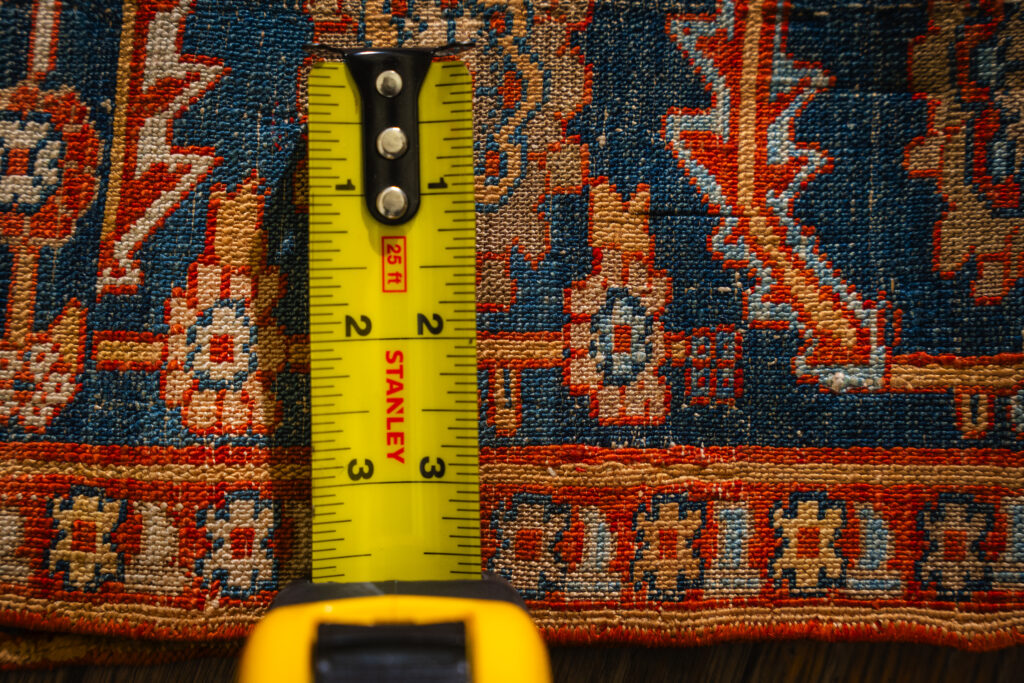
One of the most referenced terms when going rug buying is the weave quality. In a rug quality guide is KPSI (Knots Per Square Inch). While a higher knot density allows for more intricate detail and fine design, it does not automatically mean a rug will last longer.
A coarse tribal rug with lower KPSI but made of strong wool can outlast a delicate silk rug with an extremely high KPSI. The key lesson: weave density reflects design precision, not guaranteed durability.
Shopping for Rugs that are: Hand-knotted, Tufted, Machine-made
Hand-knotted rugs represent the pinnacle of craftsmanship, with each knot tied individually. Tufted rugs are quicker to produce and less costly but rely on latex or glue, which can break down over time.
Machine-made rugs, while inexpensive, lack the longevity and character of handcrafted pieces.
How Construction Impacts Longevity
Rug construction types are the single biggest factor in lifespan. Hand-knotted rugs can last a century with proper care, while tufted rugs usually hold up for a decade or two.
Machine-made rugs are designed for affordability but typically need replacing after several years. Beyond construction, material quality and maintenance also determine how long a rug remains in good condition.
Common Rug Buying Mistakes Buyers Make
A frequent rug buying mistake is assuming knot density rugs with higher KPSI are always better investments. Another error is trusting vague dealer claims without flipping the rug to inspect construction. Buyers often overlook backing materials, which can reveal whether a rug is authentic or cheaply made.
Failing to ask about weave and relying solely on surface appearance are pitfalls that lead to overspending or buying rugs with limited lifespans.
The biggest rug buying mistakes people make when buying rugs are confusing density with durability, not checking the back for authenticity, and trusting dealers who inflate value.
Recognizing rug weave durability and construction types prevents costly errors and ensures buyers choose rugs that match both budget and long-term needs.
Rug Buying: Repair and Restoration and Their Effect on Price
Professional Repairs that Add Value
In the world of antiques, rug restoration costs are not an expense but an investment—when the work is done properly. Skilled weavers who use original techniques, matching wool, dyes, and knot types, can restore an antique rug’s structural integrity while preserving its authenticity.
When going our rug buying, keep in mind that such antique rug repair can actually sustain or even increase market value, especially for rare pieces where originality matters.
Shoddy Repairs that Lower Value
By contrast, poor repair work can destroy a rug’s value. Shortcuts such as re-glued backings, patchy dyeing, or machine stitching not only compromise durability but also signal to collectors that the rug has lost authenticity.
In the resale market, visible repairs immediately lower a rug’s appeal and price, regardless of age or origin.
Cleaning vs. Replacement
- Professional cleaning — Why: Safe for quality rugs; extends lifespan and prevents dirt from cutting fibers. Essential for antique and high-end rugs.
- Minor restoration — Why: Reinforces worn edges or small holes using traditional weaving, which protects long-term value.
- Replacement — Why: For inexpensive tufted or machine-made rugs, full restoration often costs more than buying a new piece. In these cases, replacement is the practical choice.
This balance between rug cleaning vs replacement depends largely on the rug’s construction and overall worth.
Placement Consideration: Are Larger Rugs Always Better?
While bigger rugs can anchor open layouts, they are not always the best choice. Oversized rugs may overwhelm a room, limit furniture flexibility, or blow a budget unnecessarily.
In many cases, layering medium rugs or using one large rug only in the seating zone provides a more balanced design. As with restoration, placement requires matching the rug to the specific space and its long-term value.
Repairs and restoration preserve or enhance value only if they follow traditional methods. Anything less risks lowering both quality and price.
Buyer Beware – Avoiding Common Mistakes
Tourist Bazaar Scams
One of the most common rug buying mistakes happens in tourist markets abroad. Vendors often present viscose or artificial silk as genuine silk, charging luxury prices for inferior fibers. Certificates of authenticity may be vague or meaningless, designed only to reassure unsuspecting buyers.
Another frequent trick is inflated claims of age or origin, where a new rug is sold as a century-old “antique.” The rule of thumb for overseas rug buying tips is to trust but verify—never rely solely on the seller’s word, and avoid cash-only deals that leave no proof of purchase.
Too-small Rugs and Mis-sizing
The single biggest complaint when people go out rug buying happens after the rug was purchased. People complain that they choose a rug that is too small for the intended room. A small rug can make a space feel disjointed and undersized.
As noted in the rug sizing section, measuring correctly is essential: at least the front legs of major furniture should rest on the rug in living rooms, and dining rugs must accommodate chairs even when pulled out. Mis-sizing is not just a design issue—it also wastes money when the rug fails to serve its purpose.
Rug Buying Tip: Dealer Red Flags
- Rushing the sale — Why: High-pressure tactics discourage buyers from inspecting the rug carefully.
- No return policy — Why: Reputable dealers stand behind their products; refusing returns signals a lack of confidence in authenticity.
- Vague or inconsistent claims — Why: Shifting stories about origin, age, or material suggest dishonesty.
- Cash-only transactions overseas — Why: Leaves the buyer without a paper trail or recourse if the rug is misrepresented.
Common Rug Buying Mistakes Buyers Make
The most frequent mistakes include falling for fake silk in bazaars, buying rugs that are too small for the room, and trusting dealers who pressure or mislead.
Buyers also err by not flipping rugs to examine the back, failing to verify knot type, or overlooking red flags in paperwork and guarantees. By learning how to avoid rug scams and recognizing these warning signs, shoppers can protect their investment and buy with confidence.
How to Find a Reputable Dealer or Store To Shop At
Shopping For Rugs at Specialty Rug Galleries vs. Big-Box Stores
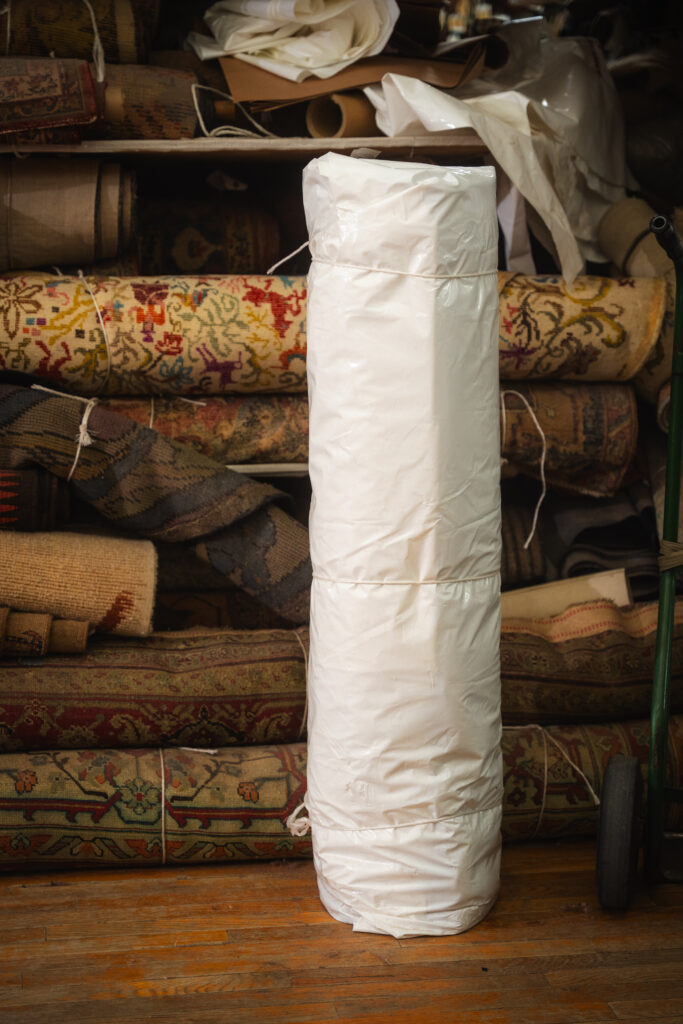
Where decide to go rug buying, directly affects quality and confidence in the purchase. Comparing sources helps clarify buyer expectations.
For those wondering where to buy rugs, specialty galleries and reputable local dealers often provide the best balance of transparency, expertise, and long-term value. You can visit these stores in person or you can shop for their area rugs online.
Ask for Documentation and Appraisals When Buying Rugs
Reputable rug dealers will provide documentation about the history of the rugs. The include things like a rug’s origin, materials, and construction method. For high-value or antique rugs, a written appraisal by a certified expert safeguards against inflated claims.
When going out rug buying, people should never hesitate to request this—it is a sign of professionalism and transparency. Without it, authenticity and fair pricing are difficult to prove.
Leveraging Rug Cleaners and Interior Designers
When searching for trusted rug sellers, referrals often work better than advertisements. Professional rug cleaners frequently know which local dealers consistently handle authentic, high-quality pieces.
Similarly, interior designers who source rugs for clients rely on reputable suppliers, making them a reliable source of recommendations.
So reach out to such people to ensure you get value when going out rug buying.
Placement Consideration when Shopping: Open Concepts
In open floor plans, designers use rugs to define zones. For example, one large rug may anchor a living area while another distinguishes a dining space nearby.
Placement decisions depend on scale, with rugs large enough to unify furniture groupings without overwhelming the flow. Correct sizing and placement ensure rugs act as design anchors rather than afterthoughts.
A dealer’s reputation and transparency are the clearest indicators of trustworthiness. Choosing sources with documentation and referrals ensures confidence in both quality and price.
Rug Buying for the Home
Rug Buying Based on Room Function
- Bedroom rugs — Why: Comfort is the priority, so soft wool or shag rugs create warmth and coziness underfoot.
- Dining room rugs — Why: Flatweaves or low-pile rugs work best, since they allow chairs to slide easily and are easier to clean after spills.
- Rugs for kids’ rooms and pet-friendly areas — Why: Stain-resistant synthetics such as polypropylene are practical, durable, and easy to maintain.
These choices show how practicality varies by room: the right material and construction should always fit the function of the space.
Rug Buying Based on Design Style
Rugs also play a role in tying together overall decor. For modern homes, clean lines and solid or geometric designs emphasize minimalism. Traditional spaces benefit from Persian-inspired patterns, rich colors, and classic borders.
Eclectic interiors can mix textures and patterns, layering pieces to add depth and individuality. Matching rugs to the dominant style ensures cohesion and harmony across the home.
Layering Rugs in Home Spaces
Layering rugs is a growing trend in rugs for home design. For example, a large neutral rug can act as a base, while a smaller patterned rug layered on top adds visual interest and defines a zone.
This technique is especially useful in open-concept homes where multiple functions share one space.
Placement in Living and Dining Rooms
Where should rugs be placed in a living room? Ideally, a rug should anchor the seating area so that at least the front legs of sofas and chairs rest on it. This unifies the furniture and avoids the “floating rug” look.
What rug shapes work best for dining rooms? Rectangular rugs are the standard because they mirror the shape of most dining tables, but round rugs can work beautifully with circular tables. The key is ensuring the rug extends 24–30 inches beyond the table on all sides, so chairs remain on the rug even when pulled out.
Function and style guide every decision—soft comfort in bedrooms, practical flatweaves in dining rooms, durable synthetics for pets and kids—all while maintaining visual cohesion.
The Pet-Owner’s Cheat Sheet
If you have dogs or cats, your choice of fiber is the difference between a 20-year investment and a 2-year mistake.
Pet owners points in mind as you shop for your rugs:
- Choose Wool: Naturally oily (lanolin), wool is the best at resisting liquid stains and odors.
- Avoid Viscose/Rayon: Often sold as “Art Silk,” these fibers are basically paper. Water or pet accidents can cause the fibers to yellow and collapse permanently.
- Avoid Loops: If your cat loves to scratch, stay away from “Hand-Loomed” or “Loop” piles, which can be unraveled by a single claw. Stick to “Cut Pile” rugs.
The Foundation: Why Rug Pads Aren’t Optional
Think of a rug pad as the “shock absorber” for your rug. It isn’t just to stop the rug from sliding; it prevents the rug’s knots from being ground against the hard floor like sandpaper. A quality felt-and-rubber pad can extend the life of a rug by 10 years by absorbing the impact of foot traffic and providing a “breathable” layer that prevents moisture buildup.
Buying Rugs for Businesses and Hospitality
Hotel and Hospitality Needs
Hospitality rugs serve both functional and aesthetic purposes. Hotels and resorts often use wool or wool-blend rugs because they are naturally flame-retardant, durable, and luxurious. These rugs also provide noise-dampening, which improves guest comfort in high-traffic environments.
Busy, patterned designs are common because they conceal soil and wear, extending the time between professional cleanings while maintaining an elegant look. The challenge is always balancing elegance with practicality.
Offices and Commercial Spaces
For offices and other commercial spaces, commercial grade rugs are the standard. These rugs are typically flat, low-pile, and designed to withstand heavy foot traffic without matting down.
Their streamlined construction also allows for easy maintenance, making them ideal for lobbies, hallways, and conference rooms. Business rugs must focus on durability, but color and design choices can still enhance branding and workplace atmosphere.
Balancing Luxury with Utility
The central principle in hospitality and business rug selection is finding the equilibrium between beauty and long-term performance. A luxurious rug can create an impression of sophistication for clients and guests, but it must also survive constant wear.
Wool blends, patterned designs, and reinforced constructions achieve this balance, allowing businesses to invest confidently without sacrificing practicality.
Can One Rug Work Across Multiple Rooms?
For homes, one rug style can sometimes transition across several rooms if it complements the broader décor. However, in hospitality rugs or commercial settings, different rooms usually demand different rug types.
A hotel lobby may require a plush, patterned rug for impact, while guest rooms benefit from quieter, comfort-focused designs, and hallways need durable, low-pile options. The key is coordination—rugs across different rooms should relate in tone and style but be tailored to each space’s functional demands.
In hospitality and business contexts, rugs must balance elegance with durability, supporting both visual appeal and heavy, daily use.
Shopping For Rug Sizes and Placement
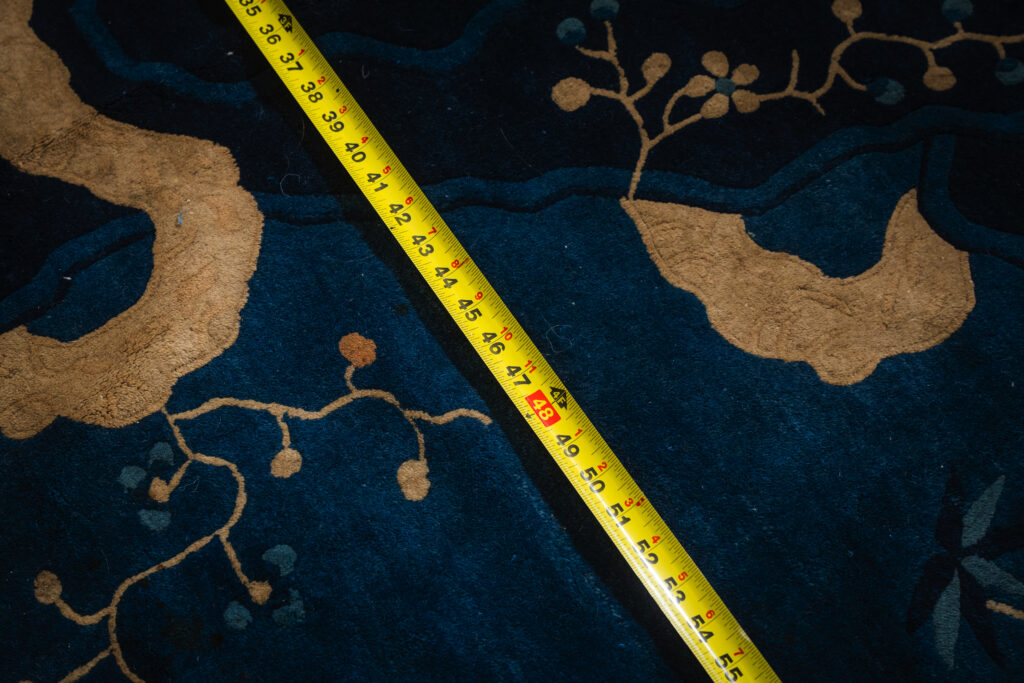
Measuring and Standard Sizes
The foundation of any rug sizing guide is accurate measurement. Standard rug sizes vary by room, but they should always relate to the furniture layout.
For unique layouts or oversized rooms, custom rugs ensure proper scale and proportion.
Placement Rules
- Living room — Why: Place rug under at least the front legs of sofas and chairs; this ties the seating together visually.
- Dining room — Why: Rug should extend 24–30 inches beyond the table on all sides to keep chairs stable.
- Bedroom — Why: For a queen bed, 8×10 is standard; for a king, a 9×12 rug ensures balance and coverage.
- Open-concept layouts — Why: Rugs define zones, preventing spaces from blending together chaotically.
Following these rug placement rules ensures the rug enhances rather than detracts from the room.
The Dining Room “24-Inch” Rule
The biggest mistake in rug buying is a dining rug that is too small. To find your perfect size, measure your table and add 4 feet to both the length and width. This ensures a 24-inch border on all sides. This isn’t just for looks; it prevents the “chair trip,” where a chair leg gets caught on the edge of the rug every time someone sits down.
The Setup: Placing Your Rug
The “Light vs. Dark” Side: Understanding Pile Direction
Every hand-knotted rug has a “direction” to its pile. If you stand at one end of the rug, it may look vibrant and saturated; from the other end, it may look silvery and light. This is caused by the angle of the knots reflecting light. When your rug arrives, try it in both directions. One orientation may harmonize with your room’s windows, while the other might look better under evening lamplight.
Shopping for Rugs to Layer and Open-Concept Layouts
Layering rugs creates depth, especially in large rooms or open concepts. A neutral base rug can establish scale, while a patterned or textured rug layered on top defines activity zones like dining or lounge areas. This technique is especially helpful for tying together large, open layouts.
FAQ
- What should I know about returns and sampling when buying a rug online?
Check return windows (often \~30 days) and who pays return shipping. Order swatches to preview color/texture; dye lots can vary.
- Any setup tips after buying a rug to fix curls or waves?
Reverse-roll the rug, weigh edges, or gently steam through a towel to relax fibers. Most creases flatten within a few days.
- How do I verify authenticity when buying a hand-knotted or vintage rug?
Inspect the back: real fringes are part of the foundation and knot rows look irregular, not glued. Request knot count, origin, dye tests, and repair history—or consult a certified appraiser.
- What should I check before buying a viscose (“art silk”) rug?
Viscose / rayon is moisture-sensitive and stains easily; avoid in dining rooms or humid spaces. If you love the sheen, reserve it for low-traffic bedrooms.
- How do I avoid off-gassing issues when buying a rug?
Air new rugs out with ventilation or brief sun exposure, and seek OEKO-TEX or low-VOC certifications. Off-gassing usually fades within days to weeks.
- Will robot vacuums work if I’m buying a rug?
They handle low- to medium-pile rugs best; thick shags and long fringe cause tangles. Use “carpet boost” modes and tuck fringe under.
- What about door clearance when buying a rug near swinging doors?
Most interior doors have about a 1/2-inch gap over finished floors; keep rug+pad low-profile. Choose ≤1/4-inch combined thickness where doors sweep.
- Can I put an area rug over carpet when buying a rug for a carpeted room?
Yes—use a rug-to-carpet pad or grippers to prevent creeping and buckling. Choose a low-profile rug and anchor with furniture.
- How much should I budget when buying a rug?
Expect wide ranges: machine-made often \$3–\$15 per sq ft; hand-knotted commonly \$30–\$200+ per sq ft. Size, materials, and origin drive price.
- Are washable rugs worth buying for busy areas?
Yes for entryways, kitchens, and playrooms; they’re thin and easy to launder. Note large sizes may strain home washers—pair with a pad for comfort.
- Should I expect shedding when buying a wool rug?
Yes—initial shedding is normal for 3–6 months; vacuum 1–2 times weekly. Loop piles shed less than high-pile shags.
- Which rugs are best to buy for allergies or asthma?
Low-pile wool or tightly woven synthetics trap less dust and clean easily; use a HEPA vacuum. Avoid shag, and wash or deep-clean regularly.
- If I’m buying a rug for a sunny room, how do I prevent fading?
Select fade-resistant fibers (e.g., solution-dyed polypropylene) and rotate the rug every 3–6 months. Consider UV-filter window film or shades.
- What should I consider when buying a rug for radiant heated floors?
Choose low-tog rugs (target ≤2.5 tog) and breathable pads to avoid blocking heat. Avoid thick rubber backings and heavy foam that insulate.
- Which rug pad should I buy with rugs for hardwood floors?
Use natural rubber + felt or 100% felt pads; avoid PVC/cheap latex that can discolor finishes. A 1/4-inch felt pad gives cushion without raising door thresholds.
- Do I need a rug pad when buying a rug?
Yes—pads stop slipping, protect floors, and extend rug life. Size the pad 1–2 inches smaller than the rug; 1/4–3/8-inch thickness suits most rooms.
- When buying a flatweave rug versus plush, how do I decide?
Flatweaves are thin, reversible, and door-friendly; plush pile adds comfort but needs more maintenance. Use flatweaves in entries and kitchens; reserve plush for bedrooms.
- Is hand-knotted worth it when buying a rug versus hand-tufted?
Hand-knotted rugs can last decades; hand-tufted often last about 3–10 years due to latex backings. Pick hand-knotted for heirloom durability and detail.
- When buying a rug for pets and kids, what should I look for?
Choose low-pile, patterned, stain-resistant or washable rugs. Aim for easy-clean synthetics or dense wool and use a pad to prevent slips.
- Which materials should I choose when buying a rug for high-traffic areas?
Pick durable wool or stain-resistant polypropylene/nylon in low pile. Flatweaves and tightly woven rugs hide wear and vacuum easily.
- How wide should a hallway runner be when buying a rug?
Leave 4–6 inches of exposed floor on each side and 6–12 inches at the ends. Choose lengths that cover about three-quarters of the hall.
- When buying a rug for a queen or king bed, what size works?
Use 8×10 for a queen and 9×12 for a king to leave about 24 inches around the bed. Align the long side with the headboard wall.
- When buying a rug for the dining room, how big should it be?
Make the rug extend at least 24 inches past the table edges so chairs stay on the surface. Round tables pair well with round rugs.
- How do I pick living room size when buying a rug?
Choose 8×10 or 9×12 so front furniture legs sit on the rug, leaving 18–24 inches of walkway. Center it parallel to the sofa.
- What’s the first step when buying a rug for any room?
Measure the seating or table footprint, then choose size before style. Typical starting sizes are 5×8, 8×10, and 9×12 feet for most homes.