
Introduction to Animal Pelt Rugs
Explore our stunning range of premium Animal Pelts Rugs for a striking statement piece.
Animal Pelt Rug Definition
An animal pelt rug is made from a treated animal skin that retains its fur or hair-on surface, distinguishing it clearly from leather rugs, which are smoothed and hair-free. These rugs, sometimes called hide rugs or fur rugs, keep the natural coat intact, offering texture, sheen, and warmth in a way that leather cannot.
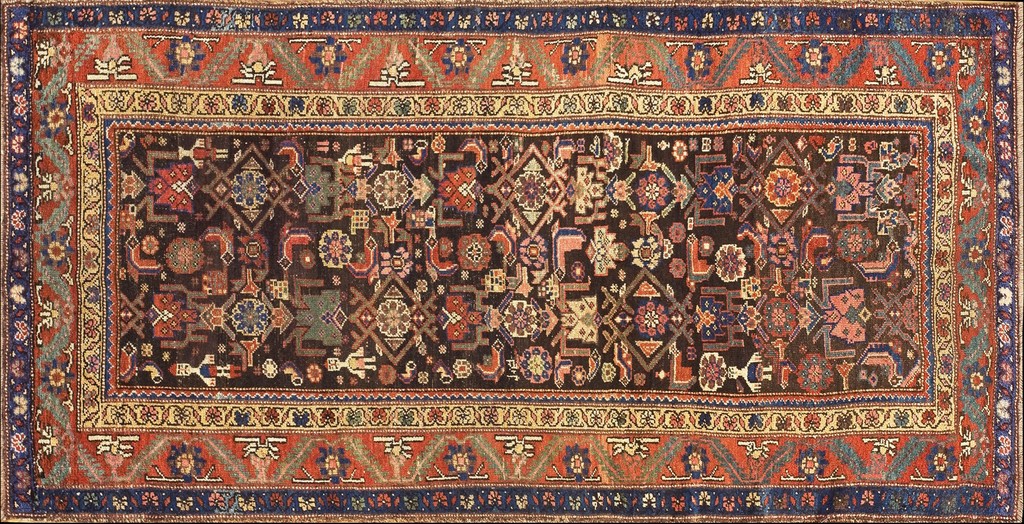
Antique Persian Allover Geometric Wool Hand Knotted Pile Brown Earth Tone 1880s Rug by Rugs On Net
While a leather rug emphasizes durability and sleekness, a fur-on rug highlights organic individuality—the unique patterns of hair growth, natural coloration, and irregular edges that make each piece one of a kind. When described as a real animal rug or natural pelt, it refers specifically to this unaltered fur-bearing quality.
Key Features & Modern Usage
- Unique texture and feel — Why: The natural fur offers softness underfoot and tactile richness that synthetic imitations cannot match.
- Organic, irregular shapes — Why: Unlike machine-cut area rugs, animal pelt rugs preserve the silhouette of the animal, adding authenticity and rustic charm.
- One-of-a-kind patterns — Why: Each hide has distinct markings, ensuring no two animal skin rugs are ever identical, which appeals to collectors and designers seeking individuality.
- Statement-making design — Why: Whether placed in a minimalist interior or a rustic lodge, a luxury pelt rug acts as a visual centerpiece that grounds the room.
- Versatile placement — Why: Used on floors, draped over furniture, or even hung as wall art, fur rugs bridge practical use and decorative artistry.
- Natural insulation — Why: The warmth-retaining qualities of fur make these rugs not only visually appealing but also functionally cozy in colder climates.
Today, animal pelt rugs are favored for their ability to bring nature indoors. They appear in bohemian lofts, luxury chalets, and rustic cabins alike, blending primal heritage with high design.
Historical Roots
The story of animal skin rugs begins in prehistory, when early humans relied on pelts for survival. Before woven textiles, pelts provided crucial warmth, comfort, and insulation against the cold ground. Laying down a natural pelt was less about decoration and more about protection, a necessity born from resourcefulness. As societies advanced, the role of pelts shifted from survival gear to status symbol.
Royal courts, tribal leaders, and nomadic households alike displayed real animal rugs as a sign of power, wealth, or spiritual connection. Pelts from rare or exotic animals were particularly prized, linking them to prestige and ceremony. Over centuries, the fur-on rug evolved into a design icon, valued not only for practical warmth but for its beauty.
By the 19th and 20th centuries, with global trade and interior design movements, pelts became staples in hunting lodges, aristocratic homes, and later, bohemian-inspired urban spaces.
The evolution of the animal pelt rug thus mirrors human progress itself: from a survival tool on the cave floor to a luxury pelt rug celebrated for its individuality and natural artistry.
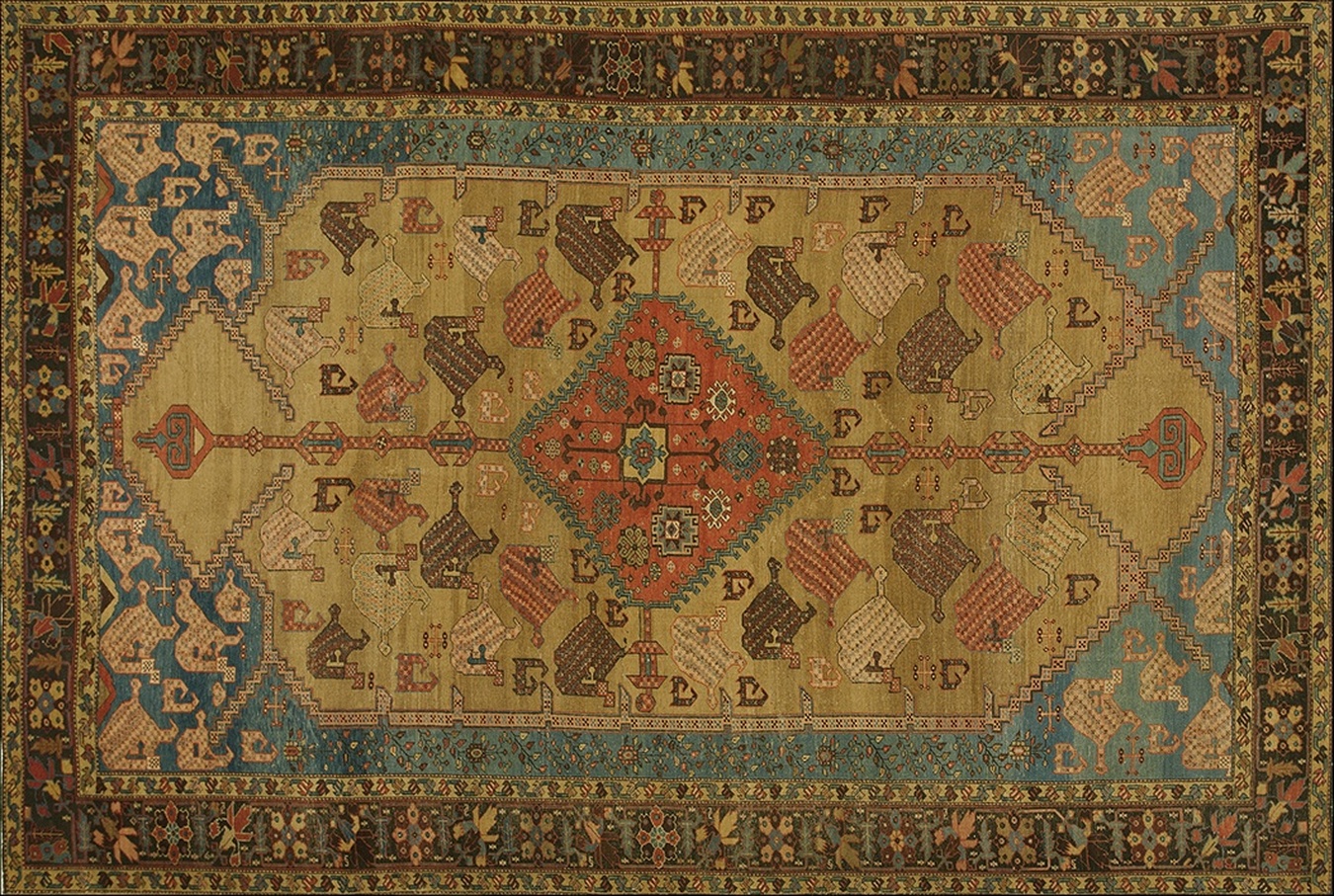
This continuity underscores why such rugs remain timeless—rooted in utility, yet continually reinvented as emblems of design. In every era, the appeal remains the same: an authentic expression of nature, where each rug is unique, irreplaceable, and enduringly tied to human culture.
Etymology and Naming
What’s a Pelt, Hide, or Skin?
The words pelt, hide, and skin often appear interchangeable, but their origins and usage highlight important distinctions. A pelt refers specifically to an animal’s skin with its hair or fur still attached, making it the correct term for most fur rugs and natural pelts.
The word comes from Old French pelette and Latin pellis, both meaning “skin” or “covering.” A hide, by contrast, traditionally refers to the skin of larger animals such as cows, buffalo, or horses. The English root hyd carries associations with toughness and durability.
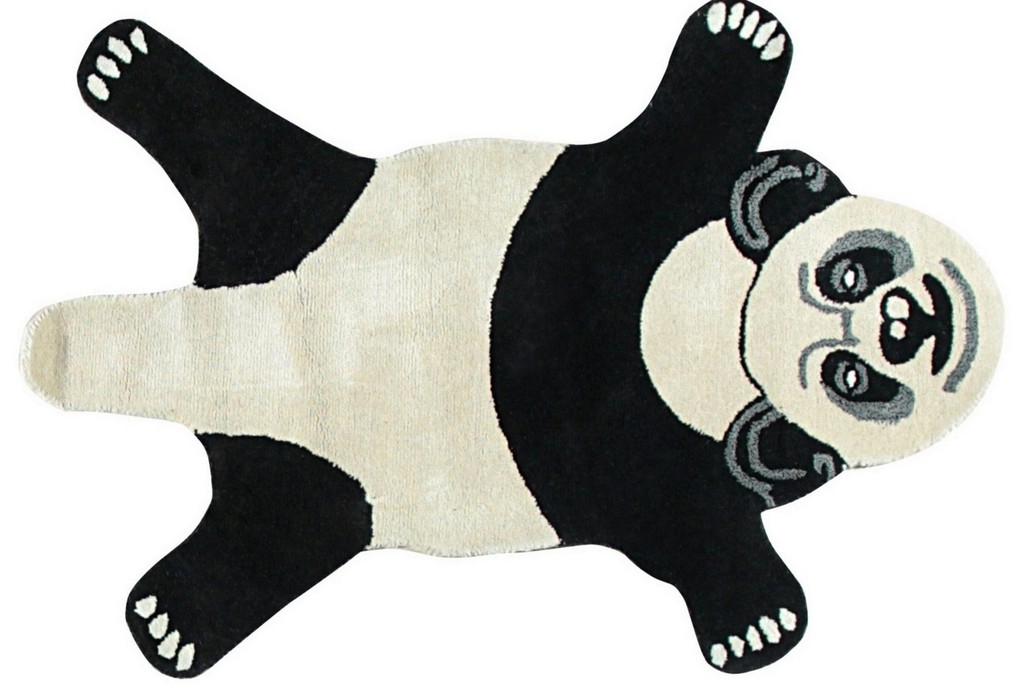
Brenda Clara Black & White Hand Tufted Wool Rug by Rugs On Net
Skin is the broadest term, describing the outer covering of any animal, large or small, whether furred, feathered, or scaled. Thus, in the context of animal pelt rugs, “pelt” emphasizes the fur-on quality, “hide” emphasizes size and thickness, and “skin” remains the most general word. Understanding pelt vs hide clarifies terminology for both buyers and collectors.
Common Rug Terms by Animal Type
- Sheepskin rug — Why: Among the most common and recognizable pelts, celebrated for softness, warmth, and affordability.
- Cowhide rug — Why: Popular for their large size, durability, and striking spotted or brindle patterns that suit rustic and modern interiors.
- Buffalo robe — Why: Historically prized in North America for warmth and ceremonial use; reflects indigenous traditions.
- Kaross rug — Why: In South Africa, a kaross is a traditional blanket or rug made from multiple sewn-together animal skins, highlighting cultural and ritual value.
- Goatskin, reindeer, or exotic pelts — Why: Each carries distinct texture, cultural association, and design appeal, from Nordic reindeer hides to Himalayan goat pelts.
These names typically reflect the species of animal, the intended use, or the size of the skin, helping shoppers match product terminology to their needs.
Global Names and Cultural Terminology
Across cultures, the naming of animal skin rugs often reveals deeper ties to tradition, status, or survival. In Southern Africa, the kaross was more than a covering—it served as clothing, bedding, and ritual object, embodying heritage. In North America, the buffalo robe symbolized both survival in harsh winters and cultural identity for Plains tribes.
In Europe, sheepskin and reindeer hides were essential in pastoral communities, valued not only for warmth but as markers of rural life. Modern design markets often adopt these traditional terms—such as cowhide rug or sheepskin—to emphasize authenticity and connect contemporary products with long-standing heritage. Knowing the animal skin names and their cultural roots not only aids in shopping and research but also adds appreciation for the histories embedded in each animal pelt rug.
In short, the words we use—whether pelt, hide, skin, or kaross—are more than descriptions. They are linguistic reminders of the journey from survival necessity to cultural tradition and, finally, to global design icon.
Materials & Construction
Animal Sources
- Sheepskin — Why: Valued for plush softness, warmth, and accessibility, sheepskin rugs are often byproducts of the meat industry, making them relatively sustainable.
- Cowhide — Why: Large, durable, and visually striking, cowhide rugs are versatile in interior design and often considered eco-friendly cowhide options since they maximize use of the entire animal.
- Reindeer & Deer — Why: Common in Nordic and alpine traditions, reindeer and deer pelts offer unique textures with cultural significance in colder climates.
- Bear — Why: Coarse and heavy, bear pelts were historically tied to survival and prestige, though less common in modern interiors due to ethical concerns.
- Big Cats & Zebra — Why: Exotic pelts symbolize luxury and rarity, though modern trade restrictions and conservation laws limit availability.
- Goatskin — Why: Smaller and often rougher, used in both rustic décor and traditional practices.
Each source offers different tactile qualities: plush sheepskin, smooth cowhide, coarse bear, or sleek exotic fur. These differences shape both design appeal and ethical considerations.
Traditional Tanning & Preservation Methods
Preserving animal pelt rugs historically relied on natural techniques: drying in the sun, smoking to repel insects, or rubbing in fats and oils for flexibility. Later, tanning processes using alum, vegetable extracts, or chrome salts made pelts longer lasting and more pliable. Today, tanning animal pelts continues with a balance between tradition and sustainability.
Vegetable tanning, which uses natural tannins from bark and plants, is more eco-conscious than chrome tanning, though it is labor-intensive. In many cases, pelts like cowhide and sheepskin are already byproducts of food industries, making them less wasteful and more sustainable than exotic furs sourced solely for their hides.
This explains why some pelts, especially eco-friendly cowhide or sheepskin, are widely accepted in both luxury and sustainable décor.
Texture, Sheen, and Finishing
One of the defining qualities of a fur rug is its texture and sheen. Sheepskin feels lush and dense, cowhide offers a smooth, sleek surface, and bear pelts bring rugged coarseness. The finishing process—whether left natural, polished, or dyed—affects both feel and appearance.
Does dyeing affect cowhide rugs’ natural sheen? Yes. Dyeing, particularly with bold or dark hues, often reduces the natural luster of cowhides. The hair can lose its reflective quality, giving a more matte appearance. For buyers who value the glossy, natural markings of a real cowhide rug, undyed or lightly treated finishes preserve that unique shine.
Faux vs. Real Pelt Rugs
- Faux fur rug — Why: Made from synthetic fibers, they mimic appearance and texture without animal use, appealing to vegan or cruelty-free buyers.
- Real vs faux cowhide — Why: Real cowhide is more durable, eco-friendlier as a byproduct, and offers unmatched individuality, while faux hides are often made from petroleum-based fibers that lack sustainability.
- Practicality — Why: Faux fur can be easier to clean and less costly, while real pelts age gracefully and offer natural warmth.
Should I choose faux hide over real cowhide? The choice depends on priorities. For ethical or budget-conscious buyers, faux rugs are suitable, though less sustainable long term. For those seeking authenticity, durability, and natural individuality, real cowhide rugs remain unmatched.
Are animal pelt rugs considered eco-friendly? When sourced responsibly, yes. Pelts like cowhide and sheepskin are sustainable because they are byproducts of the meat industry, minimizing waste. Exotic or endangered species, however, are not eco-friendly and raise ethical and conservation concerns.
In sum, the construction and finishing of animal skin rugs blend heritage techniques with modern sustainability standards, offering buyers the choice between luxury pelt rugs rooted in tradition and faux fur rugs aligned with animal-free ethics.
Design Characteristics of Animal Pelt Rugs
Natural Outline, Pattern, and Texture
Unlike machine-cut textiles, animal pelt rugs retain the natural outline of the animal, giving each piece irregular yet organic contours. The hide pattern rug varies widely depending on the species. Cowhides often feature brindle or spotted markings with smooth textures, while sheepskin brings a plush, dense feel. Reindeer and deer rugs present shorter, velvety hairs with muted tones, while bear pelts are coarse and rugged.
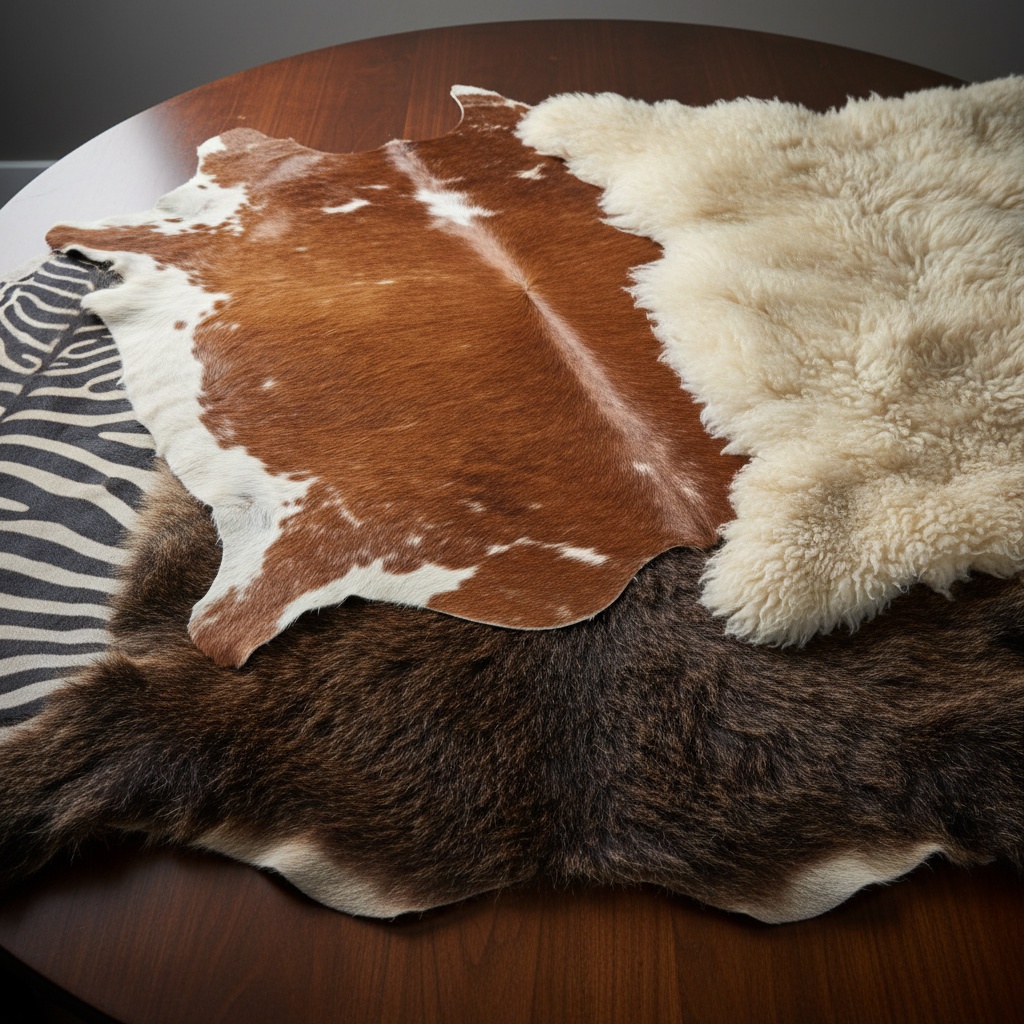
Variety of textures and patterns found in natural pelts.
Exotic species, such as zebra rugs, showcase dramatic stripes, and leopard rugs are celebrated for their spotted warmth. Each natural fur rug carries an inherent individuality, shaped by the animal’s coat and markings.
Animal Print Rugs vs. Real Pelts
- Real pelts — Why: Preserve authentic texture, sheen, and irregular patterns, making them prized for individuality and natural artistry.
- Animal print rugs — Why: Created by printing or dyeing onto a base material, often cowhide or synthetic fiber, to replicate patterns like zebra stripes or leopard spots. They offer stylistic flexibility without requiring exotic species.
- Synthetic animal print — Why: Widely available and cruelty-free, but lack the tactile authenticity of natural fur rugs.
The choice between real pelts and animal print rugs reflects a balance between authenticity and versatility.
What is a Floral Motif Rug?
A floral rug or floral motif rug is distinct from animal hides. Rather than imitating fur or markings, these rugs feature woven or printed flower patterns.
Common in Persian and Oriental designs, they embody stylized blossoms, vines, and garden imagery, aligning with traditional textile artistry rather than the natural outline of a pelt.
How is a Zebra-Print Hide Rug Constructed?
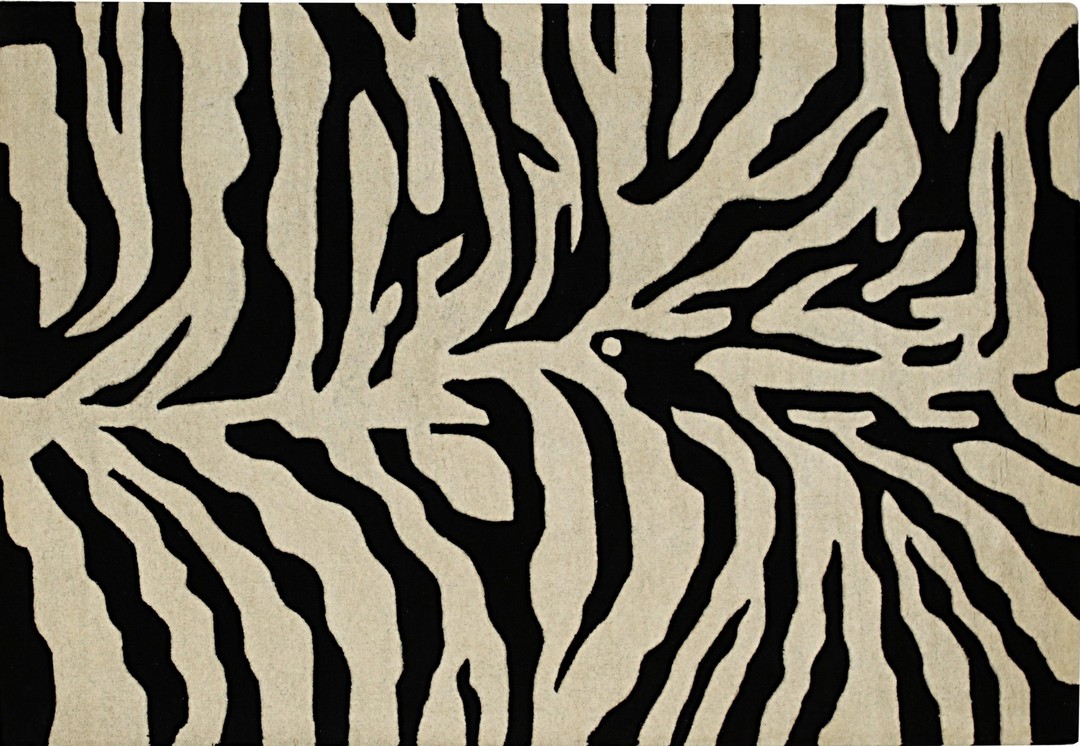
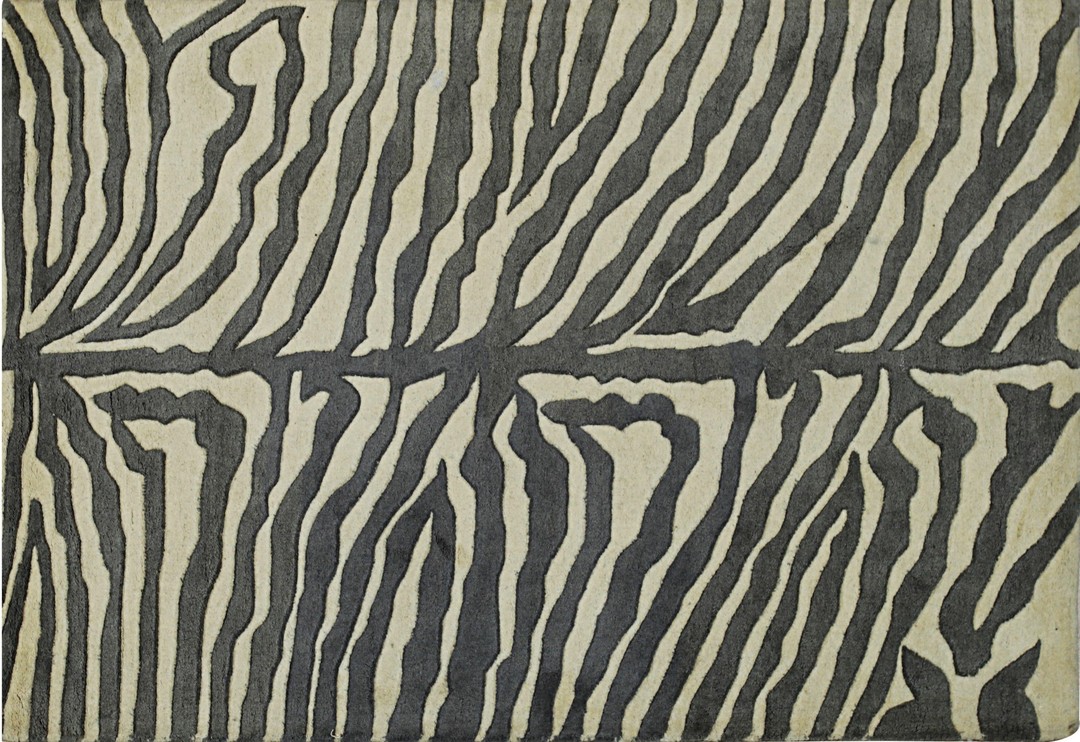
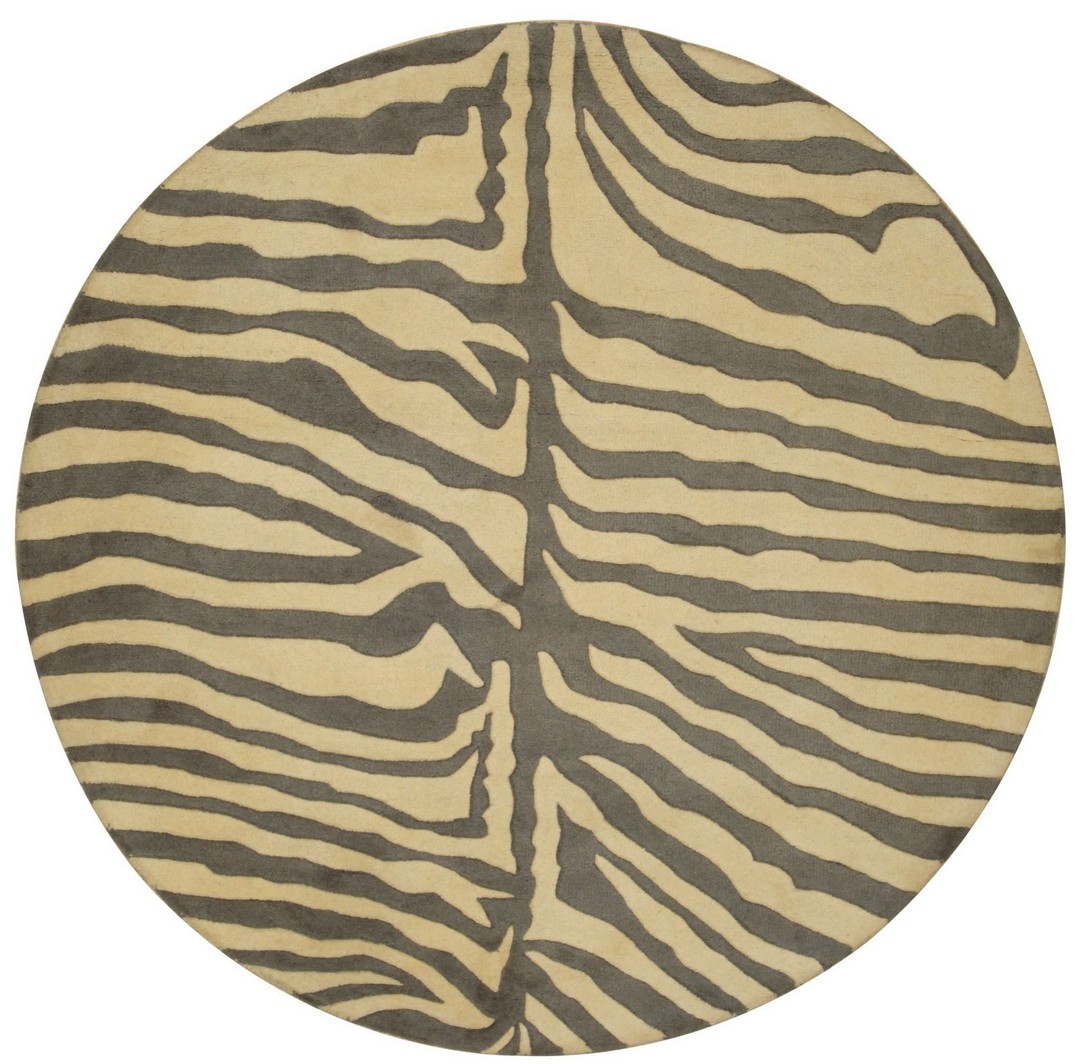
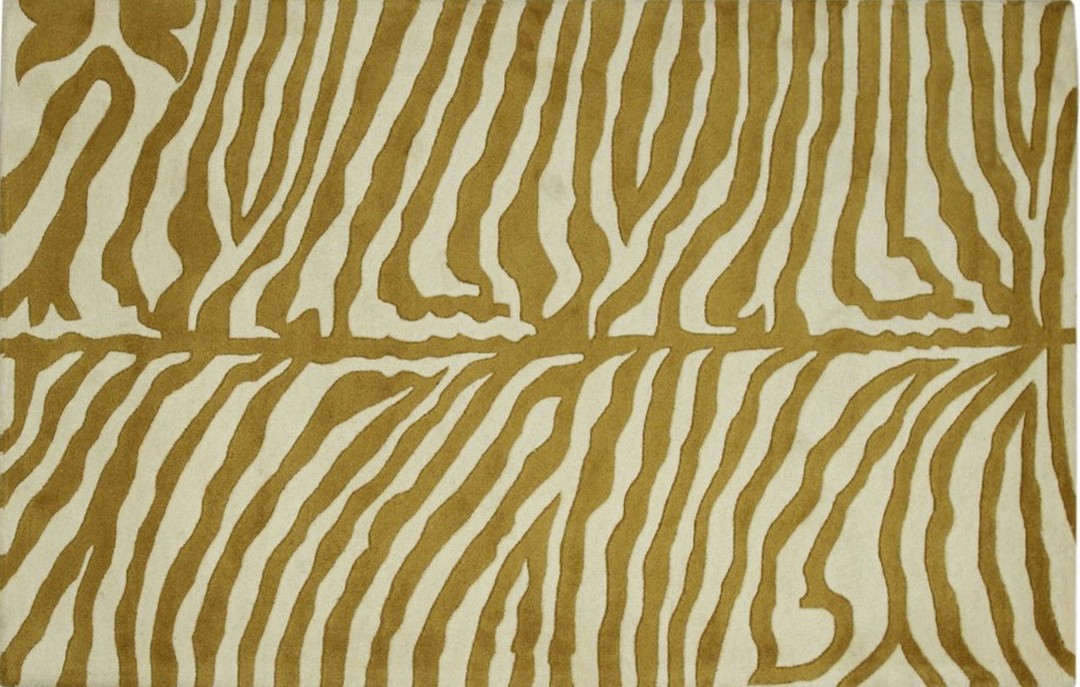
A zebra rug may be made from a real zebra hide in historical or antique contexts, but most modern versions are crafted by dyeing or printing cowhide to mimic zebra stripes.
This method preserves the durability and smoothness of cowhide while delivering the striking, high-contrast look of zebra. By printing onto a hide rug, manufacturers achieve the bold striped aesthetic without sourcing endangered species.
Leopard Print vs. Zebra Print Rugs
How do leopard and zebra print rugs differ? A leopard rug typically displays warm-toned spots, evoking glamour, sensuality, and a layered richness. In contrast, a zebra rug features sharp black-and-white striping, offering graphic impact and a modern edge. The difference lies not only in the motif but in the atmosphere each creates: leopard print rugs suit eclectic, glamorous interiors, while zebra hide rugs lend themselves to minimalist or contemporary spaces where contrast is key.
By understanding these distinctions, buyers can navigate between the raw individuality of natural fur rugs, the stylistic adaptability of animal print rugs, and the entirely separate category of floral rugs that celebrate woven artistry rather than animal pattern. Each option brings a unique visual language into interior design, from rustic authenticity to bold, decorative flair.
Historic & Cultural Evolution
Prehistoric, Indigenous, and Survival Uses
The animal pelt history of rugs begins in prehistory, when early humans relied on pelts as both insulation and bedding. In cold climates across Europe and Asia, natural pelts served as vital protection against the ground’s chill, while in North America, buffalo robes were used as blankets and rugs to endure harsh winters.
Indigenous peoples adapted locally available animals: karosses in Southern Africa, sewn from multiple hides, functioned as clothing, coverings, and ceremonial objects. In these early contexts, cultural animal rugs were tools of survival first, art forms later.
Medieval, Colonial, and Trophy Rugs
By the medieval period, pelts transcended practicality and became powerful symbols of status. In Europe and Asia, rulers and nobility displayed bear, leopard, or tiger rugs as evidence of wealth and dominance. These trophy rugs signaled conquest, exoticism, and authority, often presented as gifts or spoils of war.
During the colonial era, hunters in Africa and India brought home tiger or zebra rugs as souvenirs of adventure and empire, embedding animal pelts into a culture of display rather than necessity. To own such rugs was to project prestige, courage, and connection to the wild.
Why Cowhide Rugs Became Popular
Why did cowhide rugs gain popularity historically? Their rise in the 19th century stemmed from the growth of the cattle industry in North and South America. As cattle were raised in massive numbers for meat, their hides became abundant byproducts.
Cowhides were durable, naturally patterned with striking spots or brindle streaks, and large enough to cover broad floor areas. This combination of cowhide popularity factors—abundance, toughness, and decorative appeal—made them accessible yet stylish, bridging rustic ranch life with mainstream interior design.
Animal Pelt Rugs as Cultural Symbols
Throughout history, animal pelt rugs have embodied cultural meaning far beyond their practical use. In Asia, tiger skins once adorned thrones, symbolizing royal power and divine protection. Among African tribes, karosses carried ritual significance, marking identity and status. In Western hunting lodges, a bear trophy rug draped across a floor or wall evoked courage and mastery over nature.
Even today, the symbolism endures: to own a cultural animal rug is often to own a piece of tradition, whether rustic, royal, or ritualistic. From prehistoric caves to modern interiors, animal skin rugs have reflected humanity’s shifting relationship with nature—first as survival essentials, then as luxury trophy rugs, and now as design pieces that carry both heritage and artistry.
Regional Variations
Arctic and Nordic: Reindeer, Sheepskin, Seal
In Arctic and Nordic regions, reindeer hides were indispensable to Sámi and other indigenous groups, offering insulation against subzero conditions. Sheepskin rugs provided warmth in Scandinavian households, while seal pelts were used in coastal communities for both clothing and coverings.
These regional pelt rugs were not just décor—they were survival gear shaped by geography and climate.
North America: Buffalo, Bear, Cowhide
The buffalo rug was central to Plains tribes, used as blankets, floor coverings, and ceremonial items. Bear rugs symbolized strength and were common as hunting trophies in settler cabins.
By the 19th century, cowhide rugs emerged as practical and decorative options in ranch culture, their abundance tied to the booming cattle industry. Texas and the American Midwest still celebrate cowhide as part of their rustic heritage.
South America: Cowhide, Llama, Sheep
Brazil and Argentina dominate the global cowhide rug export market, renowned for durable, large hides with bold patterns. Llama and sheep pelts were historically used in Andean communities, both for insulation at high altitudes and as woven trade goods.
Today, South America remains a hub for eco-friendly cowhide sourcing, where hides are treated as byproducts of the meat industry, ensuring sustainable practices.
Europe: Sheepskin, Bear, Imported Exotics
Across Europe, sheepskin rugs were staples of rural households, while bear rugs carried prestige among nobility and hunters. During the colonial era, Europe imported exotic pelts—such as tiger or zebra rugs—used to decorate palaces and hunting lodges.
Modern Europe continues the tradition with high-quality tanning of domestic sheepskin and regulated trade in exotics.
Africa: Leopard, Cowhide, Kaross
In Southern Africa, the kaross—a stitched blanket of multiple hides—served as both clothing and bedding. Among the Zulu and other groups, leopard skins held ritual importance, worn by chiefs and spiritual leaders as symbols of authority.
African cowhides, with their strong durability and striking markings, are widely used in both traditional households and export markets, bridging local customs with global décor.
Asia: Tiger, Goat, Ritual Pelts
In Asia, tiger skins once decorated thrones and temples, symbolizing royal power and divine protection. Goatskin rugs were used in nomadic households across Central Asia, prized for accessibility and warmth.
Ritual pelts, whether goat or tiger, often carried spiritual significance, representing guardianship, prestige, or connection to ancestral tradition.
Oceania: Kangaroo, Possum
In Australia, kangaroo hides and possum pelts were historically used by Aboriginal peoples for cloaks and rugs, tailored to local environments.
Australia is also a leading exporter of sheepskin rugs, supplying international markets with high-quality, sustainably sourced products.
Sustainability and Sourcing
Where can I find sustainably sourced cowhide rugs? Brazil and Argentina are recognized as leaders in responsible production, where hides are natural byproducts of the beef industry. Buyers should look for certifications and transparent supply chains that emphasize ethical tanning and eco-conscious practices.
Across the world, animal pelt rugs reflect geography, climate, and social hierarchy—whether in the form of a Sámi reindeer hide, a Plains buffalo rug, a Zulu kaross, or an Argentine cowhide. Their continued use connects survival traditions with modern global design, where sourcing and sustainability are increasingly central to their story.
Eco-Friendliness & Sustainability
Are Animal Pelt Rugs Eco-Friendly?
Are animal pelt rugs eco-friendly? The answer depends on sourcing and processing. Cowhide rugs and sheepskin rugs are often byproducts of the meat industry, meaning no animals are raised solely for their pelts. This minimizes waste and makes them more eco-friendly than furs taken from endangered or exotic species.
In contrast, trophy hunting rugs or unregulated exotic skins raise serious ethical and environmental concerns. The most sustainable choice is a sustainable hide that is responsibly sourced and transparently processed.
Sourcing: Byproduct vs. Trophy vs. Faux
- Byproduct hides — Why: Eco-friendly cowhide rugs and sheepskins are natural byproducts of farming, turning what would be waste into useful, long-lasting home décor.
- Trophy rugs — Why: Big cat, bear, or exotic pelts are often obtained through hunting and are not sustainable; they carry conservation and ethical issues.
- Faux vs real fur rug — Why: Faux fur avoids animal use, but it is typically made from synthetic plastics derived from petroleum, which introduces long-term environmental costs.
For those concerned with sustainability, responsibly sourced real cowhide or sheepskin often has a smaller ecological footprint than faux alternatives, provided tanning practices are regulated.
Where to Find Sustainably Sourced Cowhide Rugs?
Where can I find sustainably sourced cowhide rugs? South America—especially Brazil and Argentina—is renowned for high-quality, eco-friendly cowhide rugs produced as byproducts of the beef industry.
Reputable retailers disclose sourcing details, highlight vegetable tanned rugs, and avoid harmful chrome processes. Ethical buyers should look for brands that certify their hides as responsibly processed, ensuring transparency in both tanning and export.
Dyeing & Tanning Impacts
Does dyeing affect cowhide rugs’ natural sheen? Yes. Bold or dark dyes often dull the reflective surface of cowhide, reducing its natural luster. While dyeing expands design options—offering vivid colors or zebra-print styles—it can compromise the original sheen that makes sustainable hides so appealing. From an environmental standpoint, dyeing and tanning are the most significant factors in the eco-footprint of fur rug processing.
Vegetable tanning uses natural tannins from bark and leaves, qualifying as a green tanning method. Chrome tanning, while faster, introduces heavy metals into wastewater and is less eco-conscious. Thus, a vegetable tanned rug represents a balance of durability, aesthetics, and environmental responsibility.
In sum, the most eco-friendly choice is a byproduct cowhide or sheepskin that has been vegetable tanned, sourced from regulated farms, and minimally dyed to preserve both its natural sheen and its environmental benefits.
Animal Print Rugs in Interior Design
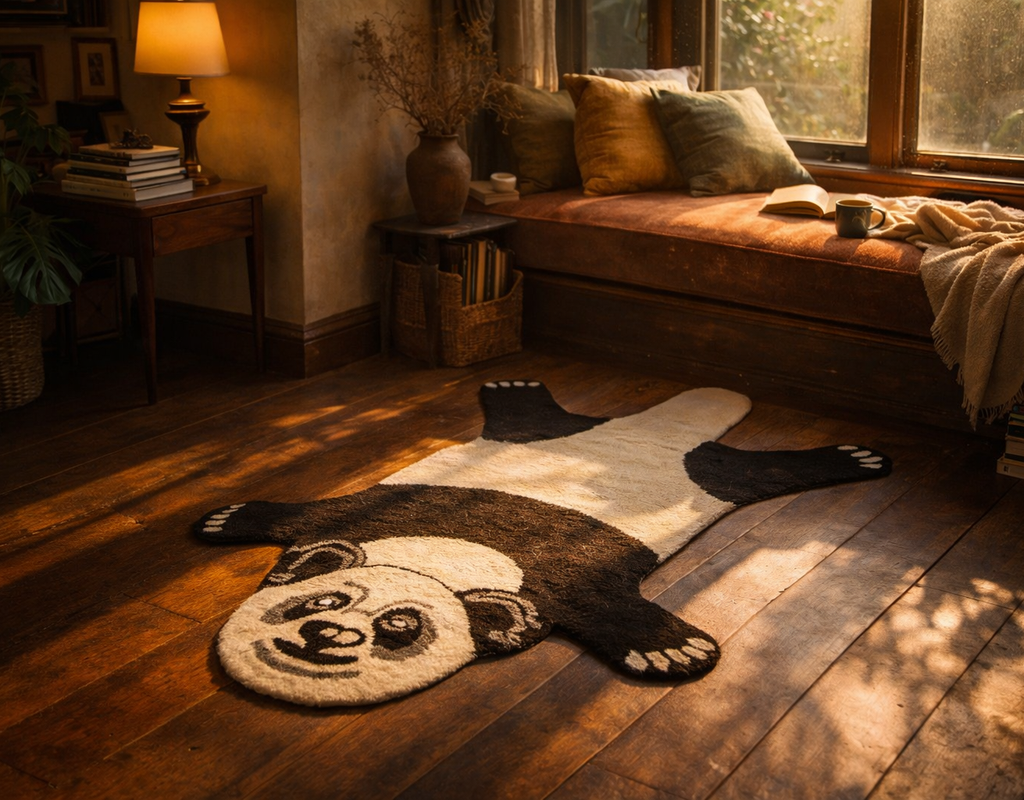
A charming panda rug adds a touch of playfulness to this sun-drenched, rustic reading corner.
Statement Piece vs. Neutral
Can animal print area rugs act as focal points? Yes. Bold designs like a zebra rug or a large leopard rug instantly command attention, making them ideal as a focal point rug in living rooms or open spaces. Their high-contrast patterns draw the eye, anchoring furniture arrangements and setting the tone for the entire room.
At the same time, animal prints can also serve as design neutrals.
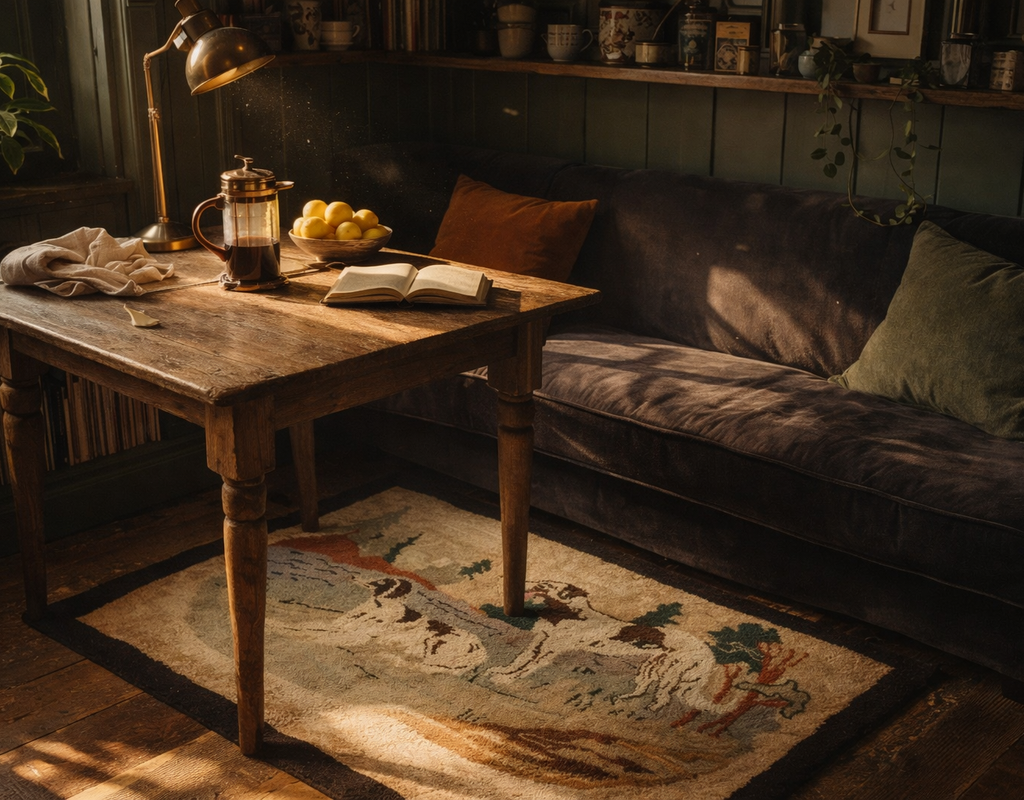
A charmingly rustic corner setup with a vintage brass lamp casting light on a wooden table and a unique scenic rug.
Subtler hides, such as cowhide in muted tones or zebra rugs with softer striping, can blend seamlessly into interiors, functioning much like a solid or earth-toned rug would. The difference lies in intent: bold animal prints signal drama, while understated hides create organic harmony.
Animal Print Rugs as Focal Points
When used as a statement, animal print décor brings energy and visual depth. A leopard rug, especially with its spotted warmth, suits eclectic or glamorous interiors and remains a leopard print trend in 2025, balancing fashion-forward style with timeless appeal.
Zebra stripes, by contrast, deliver graphic boldness that complements modern or black-and-white spaces. Both act as natural conversation starters, ideal when the goal is to make the rug the star of the room.
Animal Print as Design Neutral
Can animal print rugs work as design neutrals? Absolutely. A cowhide rug with gentle brindle patterns or a light reindeer hide can serve as a quiet backdrop in a room.
The organic shapes and earthy tones read as natural textures rather than loud prints, offering subtle grounding without overwhelming other elements. In this way, animal pelts function as the perfect design neutral, bridging minimalism with nature.
Pairing Animal Print/Floral Rugs with Minimalist Interiors
Does a floral rug complement minimalist interiors? Yes—much like animal hides, floral motif rugs can add warmth and personality to a pared-down setting. In minimalist interiors dominated by clean lines and neutral palettes, an animal print rug or floral rug becomes the soft counterpoint, preventing the space from feeling sterile.
A zebra rug introduces dynamic rhythm, while a sheepskin or floral rug adds softness and layered comfort.
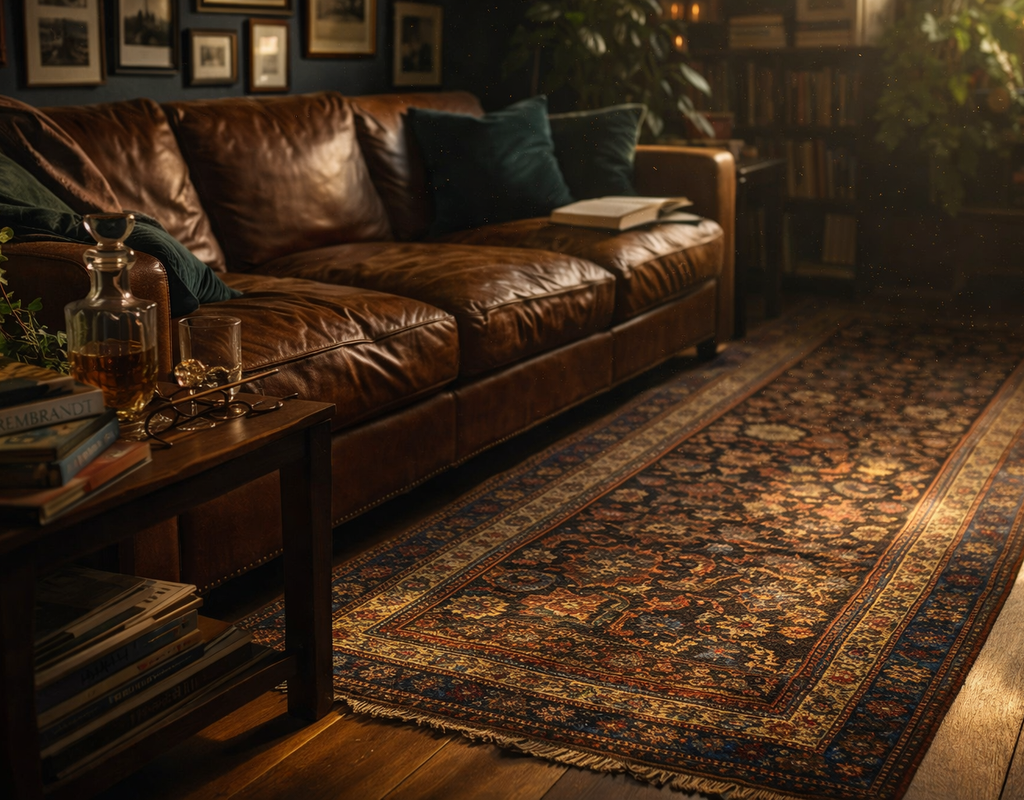
The warm glow of the lighting enhances the luxurious textures of the leather sofa and the antique runner rug in this inviting, traditional space.
In practice, designers often use animal print décor not as excess but as balance—either as a focal point rug to spark energy or as a minimalist interior rug that gently ties the room together. Whether bold leopard or subtle cowhide, these rugs prove their versatility by shifting effortlessly between statement and neutral roles.
Floral Motif & Print Rugs in Context
Origins of Floral Motifs in Persian Carpets
How did floral motifs first appear in Persian carpets? The tradition of the Persian floral carpet traces back to the Safavid era (16th century), when weavers drew inspiration from royal gardens, vineyards, and paradise imagery.
Flowers, vines, and arabesques symbolized abundance and divine beauty, echoing the Persian concept of the garden as a reflection of paradise. Through Silk Road trade, these motifs spread to India, Turkey, and Europe, embedding the floral rug as a central design tradition in global weaving.
Modern Floral Rugs: Digital Print vs. Woven
Are modern floral rugs digitally printed or woven? Both. Digital print rugs use advanced printing technology to apply floral patterns onto synthetic or blended bases, offering affordability, wide variety, and easy customization.
Woven floral rugs, by contrast, are hand-knotted or machine-loomed, prioritizing durability, texture, and authenticity. A digital print rug suits trend-driven or budget-conscious buyers, while a woven wool floral rug ensures longevity and tactile richness.
Vintage vs. Contemporary Floral Designs
Should I choose vintage or contemporary floral designs? Vintage floral rugs, often hand-knotted, carry historical charm with soft patinas, muted palettes, and organic wear that make each piece unique.
Contemporary floral rugs, whether woven or printed, tend to experiment with bolder colors, abstract blossoms, or oversized motifs that align with modern décor. Choosing between vintage floral and contemporary floral depends on intent: vintage offers timeless authenticity, while contemporary aligns with fashion-forward versatility.
Materials for Vintage Floral Rug Textures
What materials create vintage floral rug textures? Most traditional vintage floral rugs were made with hand-spun wool dyed using vegetable-based colors, resulting in plush textures and subtle tonal variations. The use of natural fibers ensures breathability and warmth, while vegetable dyes lend softness and depth that synthetic colors cannot replicate. Occasionally, silk highlights were woven into floral Persian carpets, enhancing sheen and intricacy.
Average Price of Custom Floral Wool Rugs
What is the average price of custom floral wool rugs? Is a $15-per-sq-ft floral wool rug fair? Yes, a rate of $15 per square foot is fair for mid- to high-quality wool floral rugs. At this price, buyers can expect durable wool, strong knot density, and reliable finishing. Higher-end, fully hand-knotted Persian floral carpets or bespoke luxury designs may cost significantly more, depending on dye quality, wool type, and artisan reputation.
For buyers seeking a balance between authenticity and affordability, $15 per sq. ft. represents a solid benchmark. In short, the floral rug spans centuries of evolution: from the lush gardens of Persia to digitally printed contemporary pieces. Whether vintage with wool and vegetable dyes or modern with digital flexibility, floral motifs continue to bridge history, artistry, and modern home design.
Buying Guide & Care
Real vs. Faux Cowhide: Which to Choose?
Should I choose faux hide over real cowhide? The decision depends on priorities. Real cowhide rugs are authentic, highly durable, and each piece is unique, making them long-lasting investments. They are often byproducts of the meat industry, making them relatively sustainable and waste-reducing.
In contrast, faux hides are animal-free and usually more affordable, but they are made of synthetic fibers that wear faster and lack the individuality of natural hides. For buyers seeking authenticity and a decades-long lifespan, real cowhide is best; for those prioritizing cost or vegan choices, faux is an alternative.
Where to Buy: Vintage, Custom, Sustainable
- Vintage rugs — Why: Offer character, patina, and historical value. Buying vintage also extends the lifespan of existing products, aligning with sustainability.
- Custom rugs — Why: Allow size, shape, and motif customization, especially for floral rugs where clients may request bespoke garden-inspired patterns.
- Sustainable rugs — Why: Certified sellers, especially those offering cowhides from South America or sheepskin from Australia, ensure eco-friendly sourcing and regulated tanning methods.
Preventing Fading on Floral Wool Rugs
How do I prevent fading on floral wool rugs? Keep rugs out of direct sunlight to avoid UV damage, rotate them periodically to ensure even exposure, and consider using window films or shades in bright rooms.
For delicate vintage rug care, professional cleaning with wool-safe methods preserves both the fibers and vegetable-based dyes.
Lifespan of High-Quality Floral Rugs
How long do high-quality floral rugs typically last? A floral rug lifespan can stretch across decades—even centuries—if the rug is hand-knotted from wool and properly maintained. Factors like foot traffic, sunlight exposure, and cleaning practices influence longevity.
With attentive care, many wool floral rugs become heirlooms passed down through generations.
Is $15/sq ft Fair for Floral Wool Rugs?
Is a $15-per-sq-ft floral wool rug fair? Yes. At this price, buyers can expect mid- to high-quality craftsmanship, natural wool fibers, and strong knot density.
It represents a solid balance between affordability and durability, though rare Persian floral carpets or luxury custom designs can far exceed this range.
Care & Maintenance Tips
- Vacuum lightly — Why: Prevents dirt buildup without pulling at delicate fibers.
- Rotate regularly — Why: Ensures even wear and fading, prolonging the rug’s life.
- Avoid moisture — Why: Wool and hides can warp or mildew if kept in damp conditions.
- Use rug pads — Why: Protects both rug and floor, prevents slipping, and reduces stress on fibers.
- Professional cleaning — Why: Necessary for delicate dyes, vintage pieces, or when dealing with stubborn stains.
In summary, buying the best floral rug or cowhide depends on aligning ethical choices, budget, and style with an understanding of care. Proper maintenance not only prevents rug fading but also ensures that a well-made piece—whether a cowhide vs faux hide choice or a custom floral wool rug—becomes a lasting part of the home.
Modern Market, Ethics, and Trends
Why Leopard Print Rugs Are Trending in 2025
Why are leopard print rugs trending in 2025? The leopard print rug 2025 surge is driven by nostalgia, fashion crossovers, and versatility. Leopard patterns channel mid-20th-century glamour while aligning with today’s maximalist interiors.
They balance boldness with adaptability—warm, spotted tones can serve as both statement and neutral in a space. Fashion houses’ renewed embrace of leopard print has reinforced the animal print rug trend, moving it from couture runways into everyday home design.
Faux Fur & Digital Printing in the Market
The demand for ethical and affordable options has propelled faux fur rugs and digitally printed hides. Faux fur offers cruelty-free softness, though typically from synthetic fibers, while digital print rugs replicate zebra, leopard, or tiger motifs onto cowhide or synthetic bases.
This allows consumers to enjoy the look of exotic pelts without conservation risks. For buyers seeking a sustainable hide rug, reputable sellers now emphasize eco-byproduct cowhides and vegetable-tanned finishes, ensuring a balance between style and ethics.
Antique vs. Modern Pelt Rugs
Antique fur rugs carry historic value, often prized for hand-tanning techniques, patina, and their link to cultural heritage. Collectors view them as heirlooms of craftsmanship and history. By contrast, modern pelt rugs prioritize sustainability, ethical sourcing, and design flexibility.
For buyers today, the guide is clear: choose antiques for heritage and rarity, modern pelts for everyday durability and conscious living, and faux or printed versions when ethics or budget drive the decision.
Conservation, Regulation & Cultural Continuity
Strict regulations now govern the use of endangered species in the rug trade, with tiger, leopard, and zebra pelts protected by international law. In place of endangered skins, artisans and designers turn to synthetic alternatives or creative interpretations, ensuring traditions such as ceremonial or ritual rugs can continue without ecological harm. This shift preserves cultural continuity while protecting vulnerable wildlife.
The modern market for animal print rugs is story-driven, ethical, and design-savvy. Buyers increasingly seek authenticity alongside sustainability—whether through a responsibly sourced sustainable hide rug, a cruelty-free faux fur rug, or a fashion-forward leopard print rug 2025. This convergence of heritage, regulation, and creativity ensures that animal pelt rugs remain not only relevant but central to contemporary design conversations.
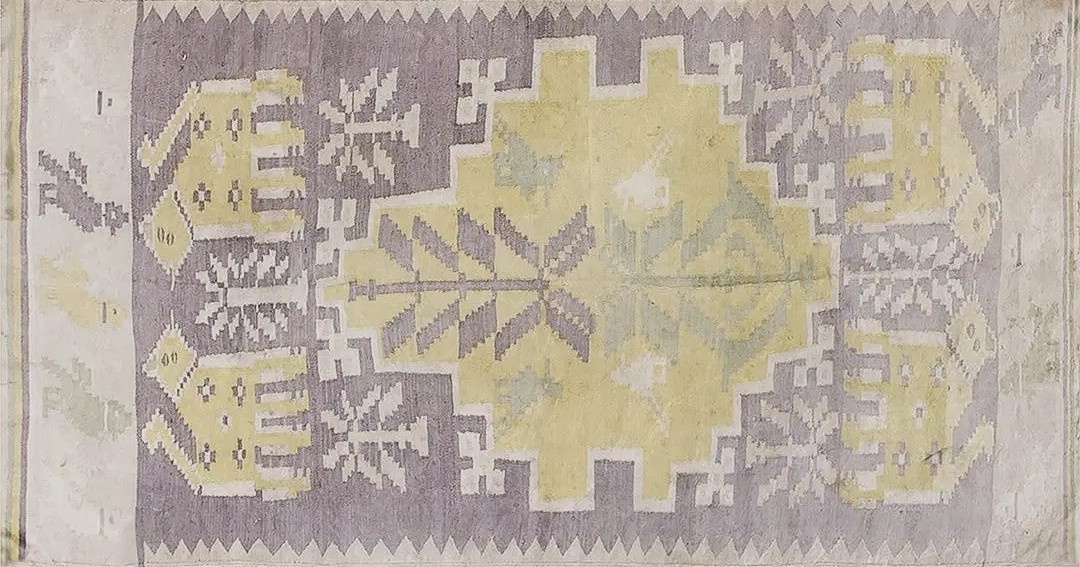
Explore a Few of Our Animal Pelt Design Rugs
FAQ
- Any ethical considerations when buying?
Avoid endangered species; verify legal species and permits for exotic hides. Prefer chrome-free or certified tanning and responsibly sourced products.
- How do I prevent slips and trips with hide shapes?
Use a thin felt/rubber pad and corner grippers; keep edges out of tight paths and door swings.
- Do real hides smell?
A new leather scent is normal and fades with airing. Strong chemical odors suggest poor tanning—air out or avoid.
- What do these rugs typically cost?
Real cowhides often run about \$150–\$500; single-pelt sheepskins around \$99–\$129; 8×10 animal-print area rugs commonly range \$150–\$600.
- Are hide rugs suitable outdoors?
Not for permanent outdoor use. Choose polypropylene indoor/outdoor animal-print rugs for weather resistance.
- Can I use these rugs over heated floors?
Yes, if temperatures stay moderate—aim under about 80°F (27°C) and choose thinner constructions for better heat transfer.
- Do robot vacuums work on hide-shaped rugs?
Sometimes, but edges can flip and snag. Create no-go zones or lift the hide before running the robot.
- Are pelt-motif rugs good with pets and kids?
Cowhide is durable and hair-on hides resist stains; avoid loop piles that snag claws. Sheepskin is cozy but better for low-traffic, supervised areas.
- My hide rug corners curl—how do I flatten them?
Lightly mist top and underside at the curl, sandwich with towels, and weight overnight. Repeat as needed; avoid soaking.
- Are printed animal-pattern rugs machine-washable?
Only if the manufacturer says so. Otherwise, spot-clean with mild detergent, vacuum without a beater bar, and consider professional cleaning for deep resets.
- How do I care for sheepskin rugs?
Shake and brush regularly; vacuum without a beater bar. For deeper cleaning, use cool water and wool-safe detergent; air-dry away from heat and sun.
- How do I clean a cowhide rug?
Vacuum with suction only, not a beater bar. For oily spots, apply cornstarch 2–3 hours, then vacuum; for spills, use a lightly damp cloth—don’t oversaturate.
- Do I need a rug pad under hides or prints?
Yes. Use felt + natural-rubber pads to prevent slips, protect floors, and extend rug life. Trim pads 1–2 inches smaller than the rug.
- Should I layer a hide over another rug?
Yes—place the hide atop a flat jute or sisal base for contrast and stability. Angle the hide for visual flow.
- Can I put a hide-shaped rug under a dining table?
It’s possible but impractical; chair legs catch on irregular edges. Use an 8×10 animal-print rectangle instead so chairs stay fully on the rug.
- Where do pelt motifs work best in a home?
Use hide-shaped rugs to break up rigid layouts (living rooms, offices) and animal-print rectangles where chairs move (bedrooms, hallways). Avoid irregular edges in tight walkways.
- What sizes do hide-shaped rugs come in?
Many full cowhides cover roughly 55 sq. ft., about 5×6 feet. Calfskins and sheepskins are smaller (often \~2×3 feet).
- How can I tell if a cowhide rug is real?
Flip it—real hides have a suede-like leather back with natural pores and unique, non-repeating markings. Faux versions often use fabric or rubber backings.
- Are zebra hides legal?
Only certain species (e.g., Burchell’s) are trade-legal with proper permits; others aren’t. Verify species, provenance, and paperwork.
- Is it legal to buy real big-cat skin rugs?
Generally no—tiger and leopard skins are banned under CITES/ESA. Stick to motifs or legal species; when in doubt, ask wildlife authorities before purchasing.
- What’s special about Tibetan tiger rugs?
They symbolize protection and power in Buddhist tradition and historically replaced actual skins for meditation. Many are mid-size mats around 3×5 feet.
- Which motifs are most popular?
Zebra, leopard/cheetah, and tiger lead for prints; cowhide and sheepskin dominate real pelts. Abstracted “tiger-stripe” looks are common in contemporary rugs.
- Are animal-print rugs in style or just trendy?
They’re a long-running “neutral with attitude.” Designers still use leopard or tiger as statement accents; scale and restraint keep them timeless.
- What’s the difference between a real hide, a faux hide, and an animal-print area rug?
Real hides are leather with hair; faux hides are synthetic look-alikes; animal-print area rugs are woven/printed textiles. Real hides feel heavier; prints come in common sizes like 5×8 or 8×10.
- What does “animal pelt motif” mean in rugs?
It’s a rug design that imitates hide patterns (zebra, leopard, tiger) or hide shapes, using real hair-on hides or printed/tufted textiles. Many are standard rectangles; others are hide-shaped.