
Introduction: The Timeless Allure of Kashan Rugs
Explore our curated selection of stunning Kashan Rugs available now.
Why Kashan Rugs Are Considered Iconic
Kashan rugs are celebrated as one of the most iconic Persian rug traditions, blending historical depth, technical mastery, and striking beauty. Woven in the ancient city of Kashan, these carpets have long been seen as benchmarks of quality in the world of textile arts.
Collectors, interior designers, and homeowners prize them not only for their durability but also for their timeless elegance, a quality rooted in their refined weaving techniques, high-grade wool, and harmonious designs.
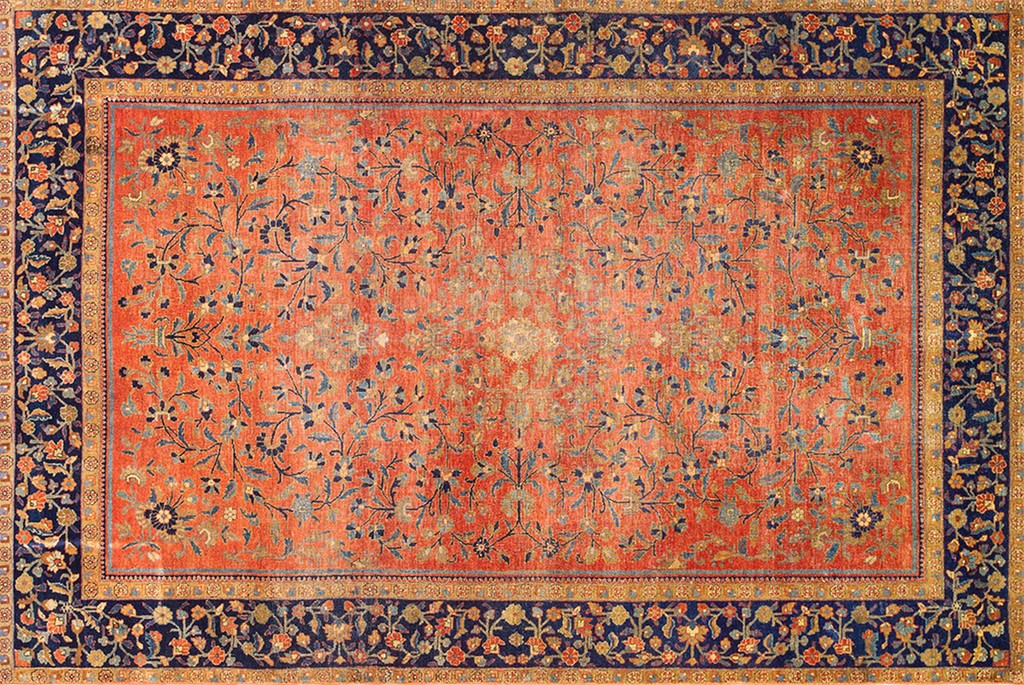
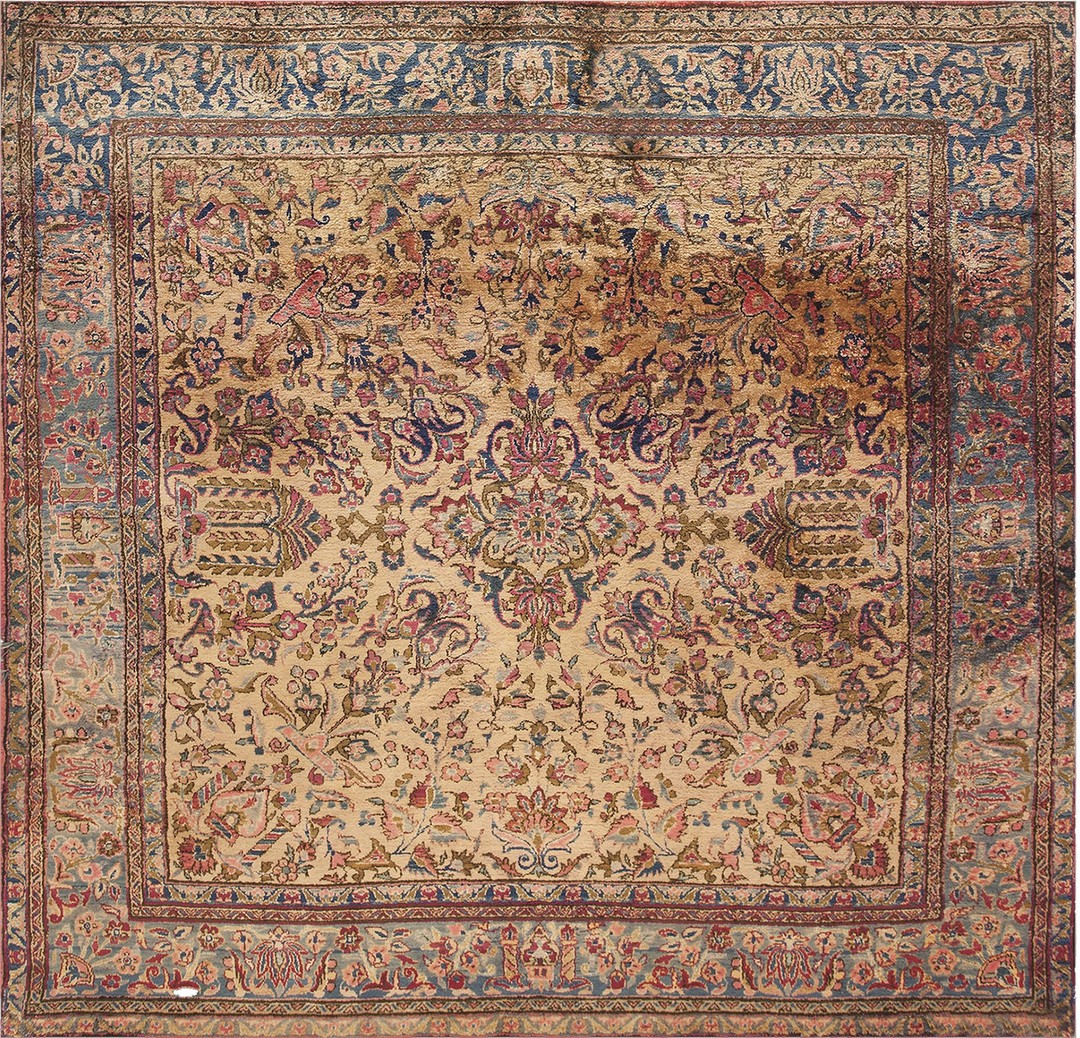
Fine Floral Small Size Happy Rustic Coral Color Antique Persian Kashan Rug by Rugs On Net
They embody the archetype of a classic Persian carpet, with medallion-and-corner patterns, floral arabesques, and balanced use of natural dyes that set the standard for city-style weaving in Iran. The Kashan weaving tradition has thus secured an enduring reputation for producing some of the finest hand-knotted carpets in existence.
Country of Origin
Kashan rugs originate in Iran, specifically in the Isfahan Province of central Iran. This region has been at the heart of Persian cultural and artistic life for centuries, and Kashan’s name has become inseparable from the notion of luxury Persian carpets.
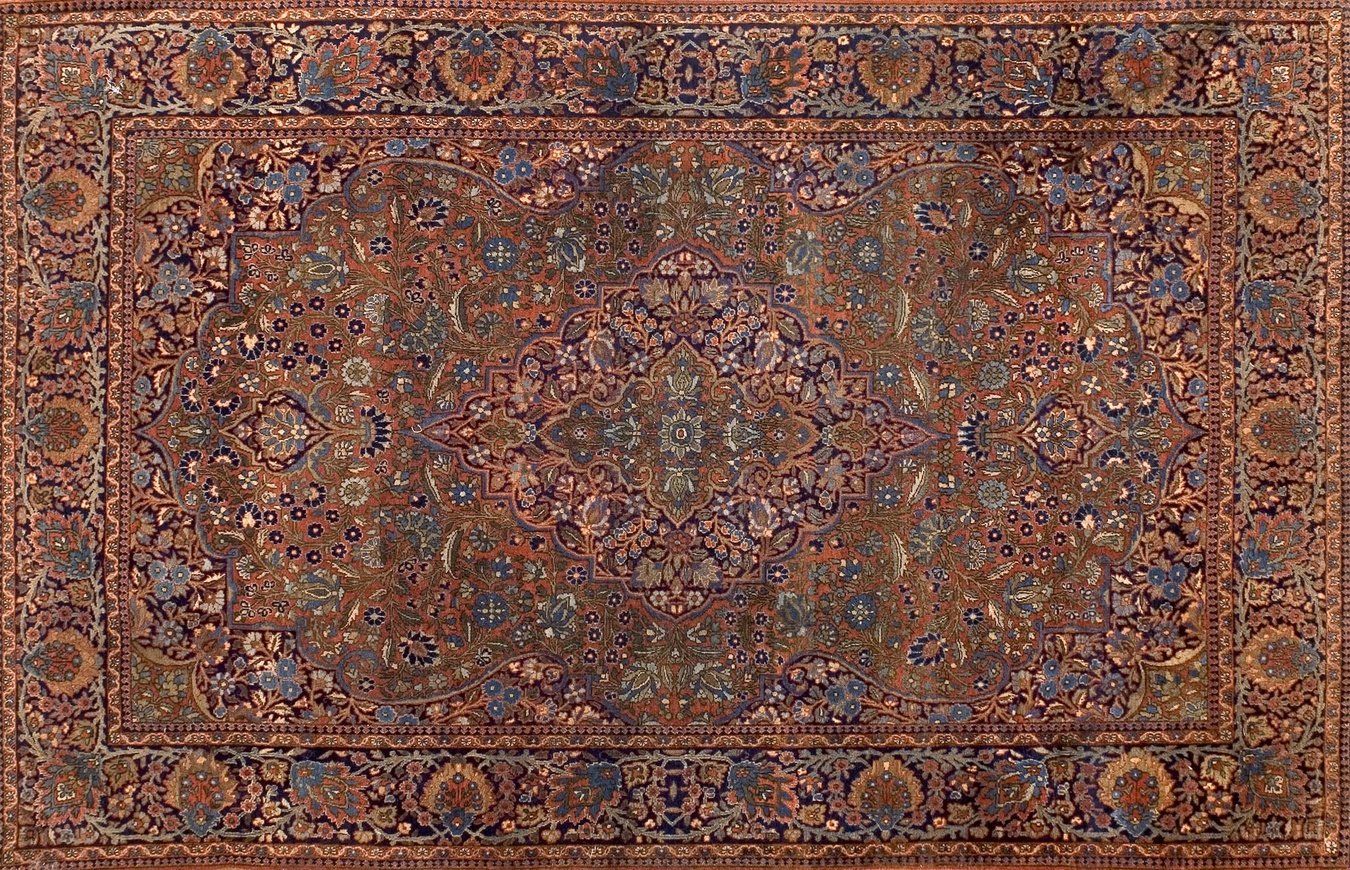
To this day, the city stands as a vital center of rug weaving, where artisans carry forward methods refined across generations.
Kashan’s Population Today
Modern Kashan is a thriving city with a population of over 300,000 residents. Despite its growth and modernization, the city has retained its traditional industries, with carpet weaving continuing as one of its defining crafts.
This balance of old and new reflects Kashan’s identity: a place where ancient techniques still shape products that appeal to contemporary markets worldwide.
Historical Heritage and Craftsmanship
Kashan’s reputation for textiles dates back to antiquity. The city has been a hub for weaving since at least the Safavid dynasty, when royal patronage elevated its workshops to international acclaim.
Kashan’s carpets became prized exports, sought in European courts and beyond. This historical heritage gives Kashan rugs a pedigree that few other weaving centers can claim.
Even today, their production is associated with the same meticulous standards: tightly knotted structures, silky wool or silk blends, and symmetrical designs that embody Persian artistry at its peak.
The Enduring Desirability of Kashan Persian Rugs
What makes Kashan rugs timeless is their dual identity: they are at once deeply traditional and perfectly suited to modern interiors. Their classic medallion motifs and floral arrangements complement historical décor, while their rich palettes and sophisticated symmetry fit seamlessly into minimalist or contemporary homes. This adaptability ensures that a luxury Kashan carpet remains desirable not only as a collectible artifact but also as a living piece of design.
For many, owning a Kashan city rug means possessing both a slice of Persian cultural identity and an artwork that never goes out of style. Kashan rugs thus occupy a rare position: they are icons of Persian weaving, born in Iran’s Isfahan Province, sustained by the craftsmanship of a city of more than 300,000 people, and celebrated worldwide for their artistry and elegance.
Geographic & Historical Origins of Kashan
Where Is Kashan?
Kashan lies in Isfahan Province, Iran, strategically positioned between the great cultural capitals of Isfahan and Tehran. Nestled near the edge of the Dasht-e Kavir desert, it has long served as a crossroads of trade, particularly for textiles and carpets. Its geographic position on historic caravan and silk routes enabled Kashan to flourish as a center of commerce, connecting artisans with both domestic and international markets.
This desert-edge placement gave Kashan a unique character—an oasis of artistry and craftsmanship sustained by the movement of goods and people. The city’s location remains central to its identity as a hub for Kashan Persian rugs and related crafts.
How Old Is Kashan?
Kashan is one of the world’s oldest continually inhabited cities, with an age of roughly 7,000 to 9,000 years. Archaeological findings confirm that it has been a cradle of human civilization since prehistoric times, making it far older than many of today’s great metropolises.
This antiquity underscores the weight of tradition in Kashan’s history, where weaving and craftsmanship trace back thousands of years.
Sialk Hills and Early Heritage
The Sialk Hills (Tepe Sialk), located on the outskirts of Kashan, are among the most important prehistoric sites in Iran. Excavations have revealed evidence of advanced crafts, metallurgy, and urban planning dating back to around 6000 BCE.
For the study of Persian civilization, Sialk Hills stands as tangible proof of Kashan’s role in nurturing early cultural and artistic expression. This site directly links the city’s modern reputation for rugs and textiles to an unbroken chain of material culture spanning millennia, marking Kashan as a place where the foundations of Persian artistry were first laid.
Fin Garden and Bazaar of Kashan
The Fin Garden, situated southwest of the city center, is one of the most celebrated Persian gardens in Iran. Recognized as a UNESCO World Heritage site, it embodies the classical Persian concept of paradise on earth, with symmetrical layouts, flowing water channels, and cypress-lined paths.
Its serene design reflects the same harmony and balance that characterize Kashan city rugs.
Equally important to Kashan’s cultural fabric is its historic bazaar. The Bazaar of Kashan, expanded in the 19th century under the patronage of Agha Bozorg, remains an architectural jewel of the city.
Within its labyrinthine passageways lies the famous Timche-ye Amin od-Dowleh, a trading hub crowned by a vast domed roof admired for its intricate engineering and beauty. This bazaar not only functioned as a center of commerce but also as a nucleus for the thriving rug trade that carried Kashan carpets far beyond Iran.
A Continuous Cultural Legacy
From the prehistoric settlements at Sialk Hills to the elegance of the Fin Garden and the bustling Kashan bazaar, the city embodies continuity. Kashan’s role on trade routes and its historical resilience have made it more than just a geographic location—it is a living testament to Iran’s artistic and cultural lineage.
Its strategic desert-edge position, its antiquity of over seven millennia, and its landmarks all reinforce why Kashan is recognized not only as a city of history but as the enduring heart of the Kashan weaving tradition.
Cultural Legacy and Safavid Influence
The Impact of Safavid Rule on Kashan Carpets
The Safavid dynasty, particularly under Shah Abbas I (1588–1629), transformed Kashan into a royal hub of artistry and innovation. During this era, Kashan rose to prominence as one of the leading centers for luxury carpets in Persia. The Safavids established royal court workshops that elevated weaving from a local craft to a state-sponsored art form.
These workshops refined techniques, standardized motifs, and expanded production for both domestic use and international export. Safavid Kashan rugs are renowned for their medallion-and-floral designs, graceful arabesques, and balanced symmetry—motifs that became the hallmark of classical Persian carpets. The patronage of the Safavid court not only secured Kashan’s place in Persian art heritage but also gave its carpets enduring recognition as some of the most technically sophisticated and visually striking in the world.
Kashan’s Court Workshops and Exports
The Safavid court systematized the production of Kashan carpets by assigning skilled artisans to create masterpieces for palaces, mosques, and diplomatic gifts. These carpets, often woven in silk and sometimes adorned with precious metals, became symbols of Persian imperial power.
Many of these works were exported to Europe, where they were coveted in royal courts and aristocratic collections. This early global demand for Kashan weaving established its reputation abroad, ensuring that the Kashan weaving tradition would be synonymous with both luxury and cultural prestige.
UNESCO World Heritage Status and Carpet Recognition
Kashan’s cultural significance continues to be recognized on a global scale. The Fin Garden, located southwest of the city, has been inscribed as a UNESCO World Heritage site under criteria ii, iv, and vi—acknowledged as a masterpiece of Persian garden design, a cultural landscape that influenced later developments, and a site imbued with deep symbolic meaning.
The geometry, water channels, and cypress-lined avenues of Fin Garden echo the same harmony found in Kashan Persian rugs, where balance and symmetry define the artistry. Equally important, in 2010 UNESCO inscribed Kashan carpet weaving as part of the Intangible Cultural Heritage of Humanity. This designation affirms the enduring importance of UNESCO Kashan carpet traditions, not only as material artifacts but as living practices that connect modern artisans to centuries of inherited skill.
A Global Symbol of Persian Art Heritage
The legacy of the Safavid period remains central to Kashan’s identity. By elevating rug weaving into an imperial art form, the Safavids placed Kashan at the forefront of Persian art heritage. The UNESCO recognitions of both Fin Garden and Kashan carpet weaving underscore the city’s lasting global influence, linking its past achievements to its present role as a custodian of World Heritage Persian gardens and carpets.
Kashan thus endures as a beacon of cultural continuity, where the artistry of the Safavid era continues to inspire and define the aesthetics of Persian rug design today.
Materials and Construction of Kashan Rugs
Wool, Silk, and Cotton in Kashan Rug Foundations
The enduring prestige of Kashan rugs begins with their exceptional materials. Traditionally, the pile is woven from high-grade wool, often kork wool (the soft fleece from the underbelly of lambs) or fine merino wool, prized for its sheen and resilience. This produces a surface that is both lustrous and durable, ideal for rugs that must withstand centuries of use. The warp and weft are typically cotton, giving the carpet a firm and balanced structure.
In more luxurious examples, artisans introduce silk highlights into the pile or employ silk selvages and bindings, enhancing both texture and visual brilliance. The interplay of wool, cotton, and silk ensures that a Kashan wool rug achieves not only beauty but also extraordinary longevity.
Knot Type and Knot Density
Kashan rugs are woven with the asymmetrical Persian knot (Senneh knot), which allows for greater flexibility in rendering complex designs compared to the symmetrical Turkish knot. A defining feature is their high knot density, typically ranging from 150 to over 400 knots per square inch (KPSI). This density enables artisans to achieve crisp, intricate patterns, from delicate floral arabesques to balanced medallion-and-corner motifs.
The impact of knot density on value is direct: the higher the knot count, the more detailed the design and the greater the time investment required for weaving, often measured in months or even years. As a result, carpets with higher densities command significantly higher prices in the market. Fine Persian knot density is thus a hallmark of Kashan’s reputation for quality, distinguishing its rugs from coarser village or tribal carpets.
Mohtasham Kashan Construction
Among all Kashan rugs, Mohtasham Kashans represent the pinnacle of craftsmanship. Produced in the late 19th and early 20th centuries under the guidance of master weaver Hadji Mollah Mohtasham, these carpets are revered as “the best of the best” in Persian rugmaking. They are characterized by exceptionally fine weaving, often reaching 400+ KPSI, and the exclusive use of premium kork wool, which gives them a velvet-like softness.
Mohtasham Kashans often feature soft pastel palettes—pale blues, ivory, and delicate rose—along with rare silk bindings or selvages that enhance their elite status. The combination of technical excellence, material refinement, and aesthetic restraint has made Mohtasham Kashans some of the most sought-after examples in the global market for luxury Persian weaving.
Kashan Rugs’ Legendary Durability and Quality
The choice of superior materials, the mastery of the Persian knot, and the tradition of double-wefted, medium-low pile construction give Kashan rugs their legendary reputation for durability. A Kashan rug material composition ensures a dense, lustrous pile capable of lasting generations, while its intricate detailing testifies to the skill of Kashan’s artisans.
Whether a finely woven Mohtasham masterpiece or a traditional Kashan wool rug, the construction methods of these carpets embody the timeless balance of function, beauty, and craftsmanship that defines Persian weaving at its highest level.
Design Characteristics: Patterns, Colors & Symbolism
Traditional Medallion-and-Corner Patterns
The defining aesthetic of Kashan carpet patterns is the classic medallion-and-corner (lachak-toranj) layout. At the heart of the rug rests a large, finely detailed central medallion, often circular or diamond-shaped, which anchors the composition. Surrounding this focal point, corner spandrels echo elements of the medallion, creating symmetry across the field.
This design is one of the most recognizable in Persian rug artistry and became a Kashan hallmark under Safavid patronage. The clarity of the medallion rug format, paired with balanced ornamentation, makes Kashan carpets timelessly elegant and highly sought after in both traditional and modern interiors.
Iconic Floral Motifs and the Shah Abbasi Pattern
No Kashan rug is complete without the abundance of floral motifs that animate its field and borders. Among these, the Shah Abbasi motif—a stylized palmette flower introduced during the reign of Shah Abbas I—stands as the most iconic. Combined with lotus blossoms, spiraling vines, and arabesques, these motifs create a tapestry of interconnected growth, symbolizing eternal renewal.
The lavish use of floral patterns in Kashan weaving not only reflects Persia’s deep association with gardens but also elevates the rug into a symbolic paradise garden beneath one’s feet.
Borders, Color Palettes, and Natural Dyes
The borders of Kashan rugs often feature repeating Shah Abbasi flowers framed by scrolling vines and curled leaves. These intricate guard bands enclose the field, giving the rug a sense of architectural completeness. Color is another defining characteristic. Traditional Kashans are renowned for their signature red and blue fields, balanced by ivory or cream highlights.
Natural dyes supplied the vibrancy: madder root for deep reds, indigo for rich blues, walnut husks for warm browns, pomegranate rind for golden yellows, and cochineal for brilliant crimson accents. The enduring stability of these natural dye Kashan rugs has allowed antique examples to retain their brilliance over centuries, distinguishing them from later chemical-dyed counterparts.
Symbolic Meanings
Kashan carpets are not only decorative but profoundly symbolic. The central medallion often represents the universe or sun, radiating order into the surrounding design. Floral motifs and vines embody eternity and unending life cycles, while the cypress tree stands for immortality.
The overall effect evokes the concept of the Persian paradise garden, a symbolic microcosm of cosmic harmony, nature’s beauty, and spiritual refuge. This layering of Persian rug symbolism transforms Kashan rugs into living works of art, where each detail resonates with cultural and metaphysical meaning.
Modern Adaptations of Classic Designs
While antique Kashans adhere closely to the medallion-and-floral canon, modern designers often reinterpret these motifs with simplified palettes, abstracted floral forms, or larger-scale medallions. Contemporary adaptations may favor subdued neutrals over crimson and indigo or introduce minimalist borders while retaining echoes of the traditional Shah Abbasi motif.
These updates keep Kashan designs relevant, bridging centuries-old aesthetics with today’s design trends, ensuring that the medallion rug remains both a symbol of heritage and a versatile element in global décor. In sum, Kashan rugs are celebrated for their finely drawn floral details, balanced medallion structures, and vibrant natural dyes—an art form where symbolism transforms woven textiles into expressions of both earthly beauty and cosmic order.
Famous Types & Regional Variants
Mohtasham, Dabir, Manchester, and Silk Kashan Subtypes
Over centuries, Kashan’s weaving tradition has produced distinct subtypes that reflect variations in material, technique, and artistry. The Mohtasham Kashan rug, woven in the late 19th and early 20th centuries, is considered the pinnacle of Kashan craftsmanship. Known for its teardrop medallion, soft pastel palettes, and exceptionally fine weave—often exceeding 400 knots per square inch—these rugs were crafted with premium kork wool and sometimes silk bindings. They embody the elegance and precision that collectors prize as “best of the best.”
The Dabir Kashan rugs, associated with the Dabir workshop, are equally celebrated for their superior use of extra-fine kork wool and large-format designs. Their expansive room-sized carpets demonstrate both technical mastery and aesthetic harmony, making them highly desirable among connoisseurs. By contrast, the Manchester Kashan emerged in the early 20th century as a response to global markets. These rugs employed merino wool imported from Manchester, England, resulting in a softer and more lustrous pile.
They bridged Persian craftsmanship with international trade, appealing especially to European buyers. Finally, the Kashan silk carpet represents the height of luxury. Entirely woven from silk with ultra-high knot counts, these carpets are rare, dazzling, and extraordinarily valuable. Their shimmering texture and intricate detail elevate them into the realm of fine art rather than everyday utility.
Aran-Bidgol’s Role in Trade
North of Kashan lies Aran-Bidgol, a town that has become the modern hub of production and distribution for Aran-Bidgol rugs. While Kashan proper retains its historic reputation, much of today’s large-scale weaving and carpet trade is centered in Aran-Bidgol. Its workshops and factories continue to sustain regional exports, ensuring that Kashan’s name remains globally recognized in the rug market.
Without Aran-Bidgol’s industry, Kashan’s role in modern commerce would be far less prominent, making the town essential to the survival and visibility of the Kashan weaving tradition.
Village and Contemporary Variations
Beyond the elite courtly and workshop productions, Kashan also nurtured village weaving traditions. These village Kashans often feature slightly coarser weaves and more geometric interpretations of the classic medallion-and-corner designs. Though less intricate than city masterpieces, they retain the essence of Kashan carpet patterns, making them both affordable and durable.
In contemporary times, Kashan workshops have adapted designs to global markets, reinterpreting traditional floral motifs with modern palettes such as neutrals and grays, or experimenting with larger-scale patterns for minimalist interiors. This evolution ensures that the Kashan silk carpet and its woolen counterparts remain relevant to both collectors of antiques and homeowners seeking modern elegance.
A Spectrum of Quality and Legacy
From the prestige of the Mohtasham Kashan rug to the innovation of the Manchester Kashan, from Dabir’s masterful wool to the pure silk masterpieces, Kashan rugs span a spectrum of artistic and material achievement.
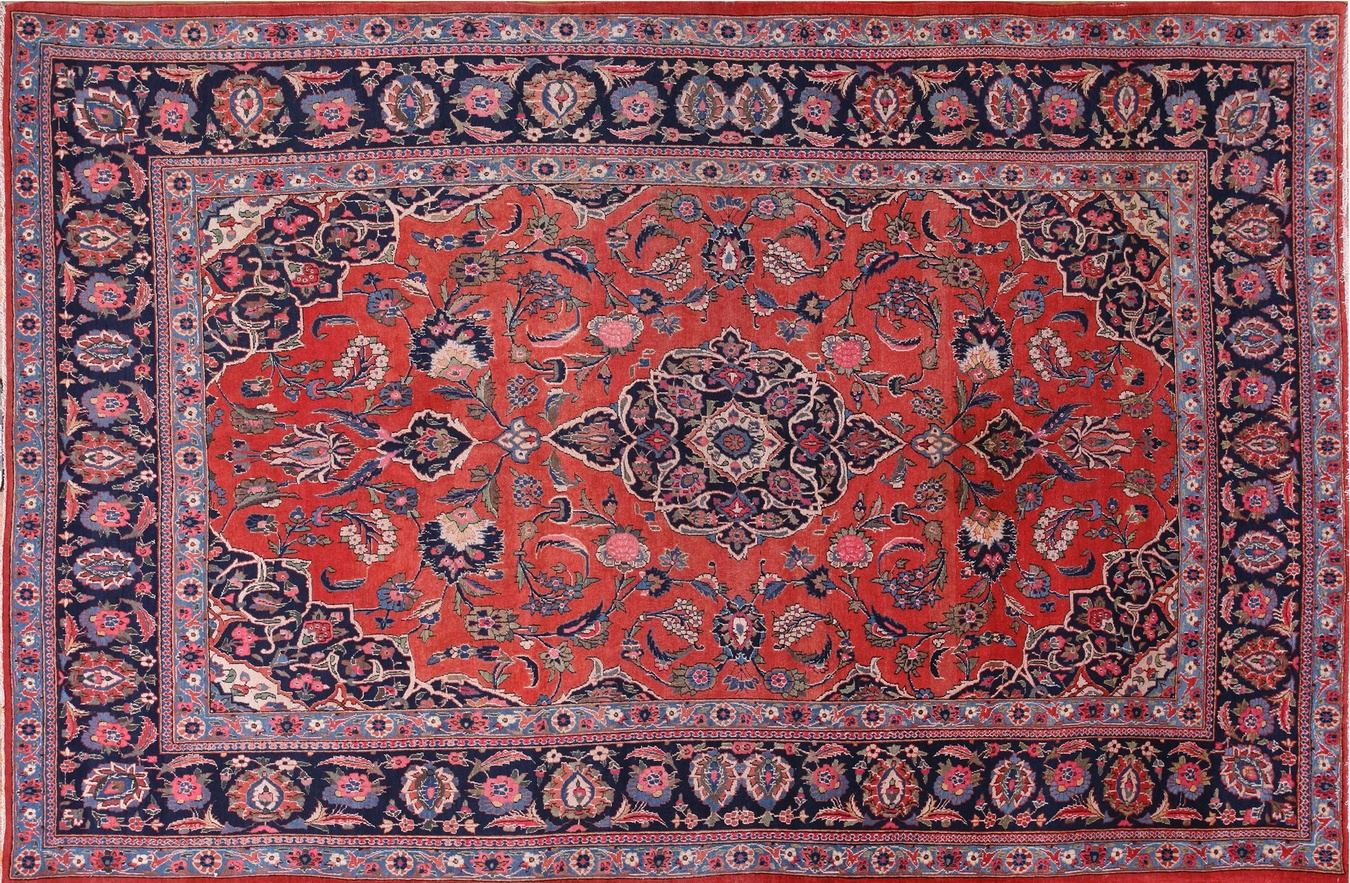
Antique Kashan Room Size Wool Coral Rug – by Rugs On Net
At the same time, Aran-Bidgol’s trade dominance and village adaptations demonstrate the resilience and adaptability of this tradition. For collectors and enthusiasts alike, each subtype represents not only a different tier of quality but also a chapter in the unfolding story of Kashan’s weaving heritage.
Market Value, Collectibility & Investing
Antique Kashan Medallion Rugs as Investments
For seasoned collectors, antique Kashan medallion rugs are regarded as blue-chip assets within the rug market. Their combination of age, artistic refinement, and historical pedigree ensures strong demand, often translating into steady appreciation over time. Like fine art, these carpets embody both cultural value and financial potential.
Pieces woven during the Safavid revival, particularly Mohtasham Kashans or rugs with royal or workshop provenance, command premium prices at international auctions. Their enduring prestige makes them not just furnishings but long-term investments, often handed down as heirlooms that continue to grow in value across generations.
Knot Density and Its Impact on Value
A critical driver of pricing is knot density, measured in knots per square inch. A fine knot count value signals both technical sophistication and time-intensive production, with higher counts allowing for more detailed motifs and refined drawing. Rugs at the upper end of the spectrum—300 to 400+ KPSI—are rarer, more labor-intensive, and thus considerably more valuable.
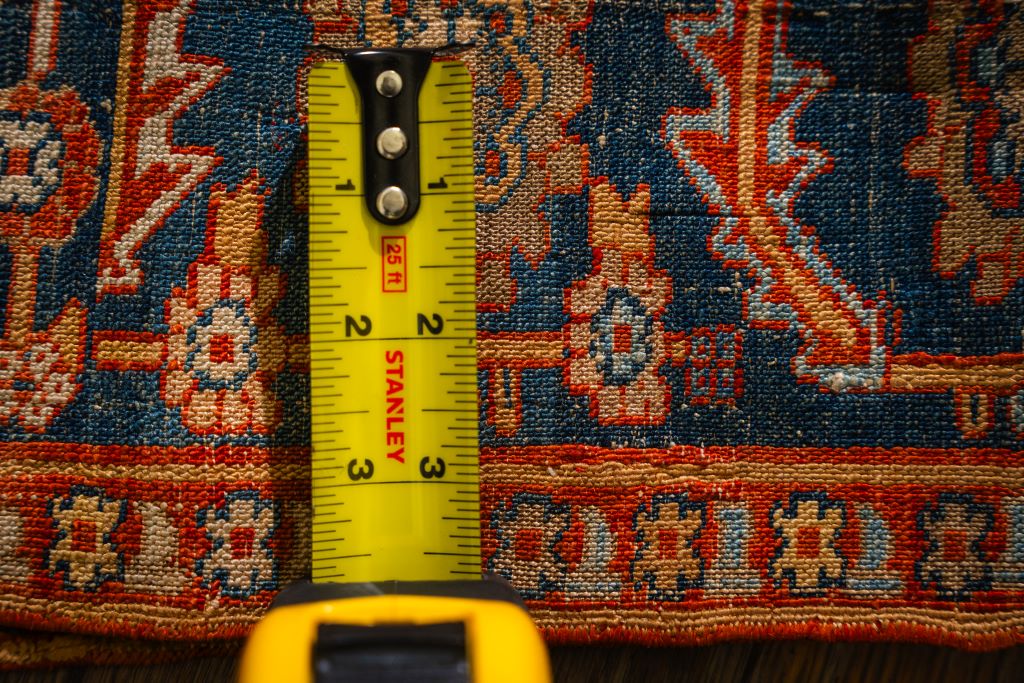
A detailed inspection of a richly colored oriental rug pattern while measuring its dimensions.
In contrast, lower knot densities, while still durable, indicate less precision and command more modest prices. When combined with premium Kashan rug materials such as kork wool or silk, knot density becomes one of the most reliable indicators of market worth.
Sanctions and Market Threats
Global politics also play a role in the value of Kashan rugs. Sanctions on Iran have complicated exports, restricting the flow of new carpets to international markets. While this limits contemporary production, it simultaneously increases the desirability of existing antique and vintage pieces, which are seen as finite resources.
Collectors often view these conditions as adding scarcity value, though the long-term impact of sanctions poses challenges for sustaining Kashan’s weaving tradition. Thus, while sanctions can threaten future production, they also elevate the importance and collectibility of the rugs already in circulation.
How to Identify an Authentic Kashan
Recognizing an authentic Kashan is key for collectors and investors alike. Hallmarks include the use of the asymmetrical Persian knot, a tight and consistent weave, and the presence of fine kork wool or silk detailing. Traditional medallion-and-corner patterns and intricate floral borders, particularly with the Shah Abbasi motif, are strong indicators.
Genuine Kashans often exhibit short to medium-low pile, double-weft construction, and harmonious color palettes dominated by deep reds, indigos, and ivory. Provenance documents from workshops such as Mohtasham or Dabir add further authenticity and increase market value.
Kashan Rugs as Blue-Chip Collectibles
The convergence of artistry, material excellence, and cultural prestige positions Kashan rugs among the most collectible Persian carpets. From the rising value of antique medallion pieces to the market scarcity heightened by sanctions, Kashan rugs exemplify why Kashan rug investment remains a trusted path for collectors. With knot density as a technical benchmark and authenticity as a safeguard, these antique Persian carpets continue to prove that in the rug world, Kashans are among the safest and most rewarding acquisitions.
Modern Kashan Rugs: Trends & Innovation
Modern Reinterpretations of Kashan Floral Motifs
In recent years, the modern Kashan rug has evolved to meet the needs of contemporary interiors while preserving its historic identity. Designers reimagine the traditional medallion-and-corner format and abundant florals by softening their impact: neutral backdrops, subdued palettes, and minimalist interpretations of vines and blossoms are now common.
Instead of the saturated crimsons and indigos of antique pieces, today’s weavers often favor taupe, ivory, gray, and muted blues, allowing the rugs to integrate seamlessly into minimalist and modern homes. These adaptations demonstrate how Kashan’s timeless artistry continues to thrive as a contemporary Persian carpet, resonating with new generations of buyers while retaining its historic elegance.
Kashan vs. Isfahan for Rug Shopping
When comparing Kashan vs Isfahan, both cities stand at the pinnacle of Persian rug production, yet each carries a distinct character. Kashan is considered the “classic classic” of Persian weaving, defined by its medallion rugs, floral borders, and enduring accessibility in global markets. Isfahan, on the other hand, is known for its more elaborate arabesques, lighter fields, and often even finer knot counts, appealing to connoisseurs seeking extreme technical precision.
For many collectors and shoppers, Kashan’s balance of history, tradition, and availability makes it the quintessential choice, while Isfahan offers a rarified alternative. Ultimately, both belong to the highest tier of Persian artistry, with Kashan retaining its role as the archetype of the Persian carpet.
Machine-Made and International Copies
Not all rugs labeled “Kashan” in today’s markets are genuine. Many Kashan design rugs are machine-made reproductions produced internationally, often in countries such as Turkey, India, or China. While these copies may imitate the medallion-and-floral layouts of traditional Kashans, they lack the hallmarks of authenticity: fine kork wool, hand-knotting, natural dyes, and the dense, resilient pile of originals. A machine-made imitation can never replicate the depth, luster, and durability of a true handwoven Kashan.
For buyers, understanding these differences is crucial—authentic Kashan rugs represent centuries of artistry, while industrial copies are decorative floor coverings with little cultural or collectible value.
Heritage Meets Contemporary Style
The story of modern Kashan weaving is one of adaptation without compromise. From updated motifs that suit sleek interiors to its comparison with fellow giants like Isfahan, Kashan continues to be recognized as the archetypal Persian rug—a perfect fusion of tradition and innovation.
By distinguishing authentic handwoven Kashans from mass-produced imitations, collectors and homeowners alike can appreciate why this weaving center has remained synonymous with elegance and authenticity for centuries.
Kashan Rugs in Interior Design
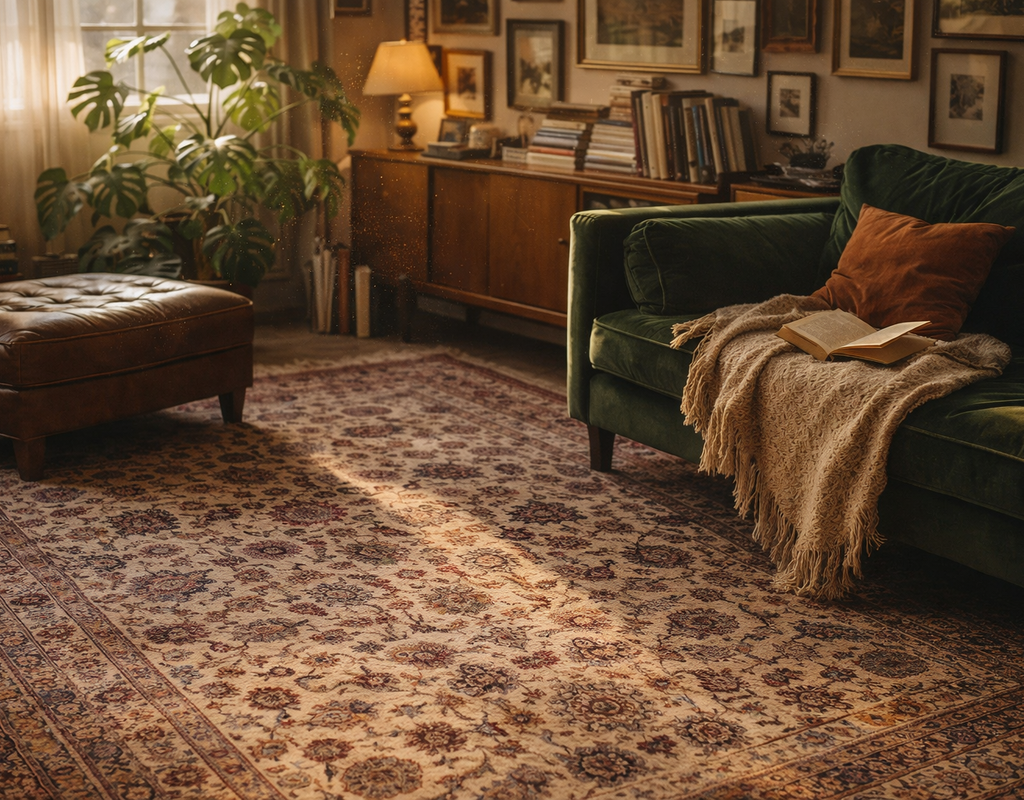
A warm and inviting corner defined by rich textures, warm light, and a traditional patterned area rug.
Ways to Decorate with Kashan Rugs
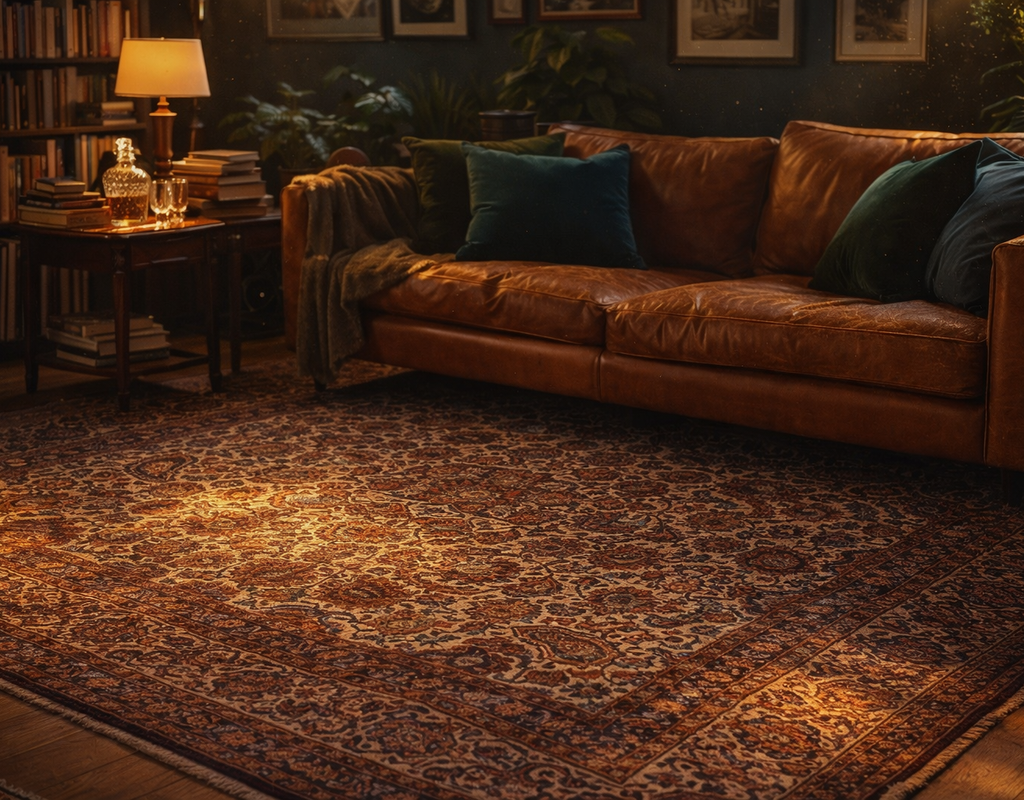
A traditional patterned rug anchors this moody and luxurious reading nook beside a rich leather sofa.
- Anchor a living room — Why: A Kashan rug interior design choice adds depth and balance, grounding seating areas with its medallion symmetry and rich hues.
- Enhance a dining space — Why: Durable construction and timeless motifs make them ideal for dining rooms, where they frame tables elegantly and withstand foot traffic.
- Warm up a study or library — Why: Their intricate floral patterns and deep reds or blues create an atmosphere of gravitas and focus, complementing wood furnishings.
- Add character to boutique interiors — Why: In retail or hospitality spaces, decorating with Persian carpets lends cultural sophistication and a sense of curated artistry.
- Bridge traditional and modern decor — Why: Neutral-toned contemporary Kashans integrate seamlessly with minimalist interiors, while antique examples resonate with classic decor.
Using Kashan Rugs as Statement Pieces
A statement rug transforms a room into a canvas of culture. With their bold medallions, intricate borders, and vibrant natural dyes, Kashan carpets often serve as the focal point of a space. Whether displayed in a large living room or laid beneath a dining table, they instantly infuse the setting with classic rug decor that feels both timeless and refined.
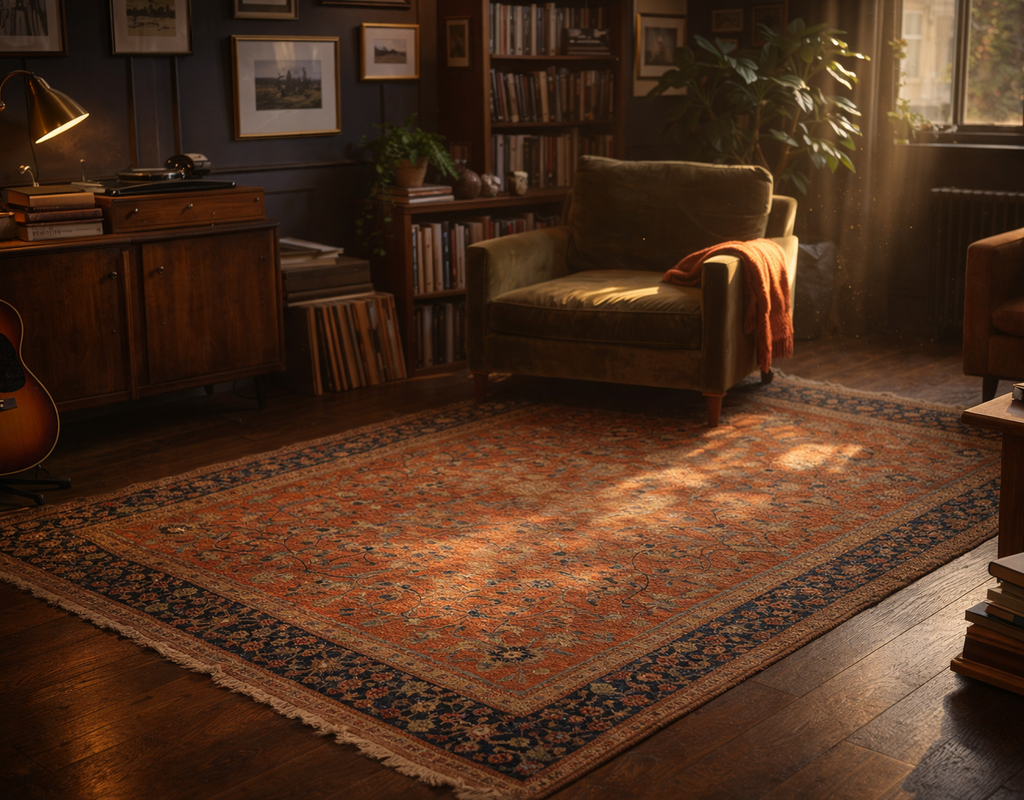
A vintage-style area rug anchors the seating area in this dimly lit, richly textured library space.
In minimalist interiors, a Kashan rug becomes a singular burst of artistry; in traditional settings, it reinforces elegance and heritage.
Designer and Collector Preferences
Designers often turn to Kashan rugs for their unmatched versatility. They offer a balance of luxury and accessibility—suitable for both sophisticated residential interiors and curated commercial spaces. Collectors, by contrast, are drawn to the artistry, historical pedigree, and investment potential of antique Kashans.
Both groups appreciate that these carpets are more than floor coverings; they are woven artworks that blend function with beauty. By uniting artistry, durability, and cultural depth, Kashan rugs remain one of the most enduring elements in Kashan rug interior design. For homeowners, decorators, and collectors alike, they offer the perfect combination of practicality and timeless elegance—an anchor of style that never fades.
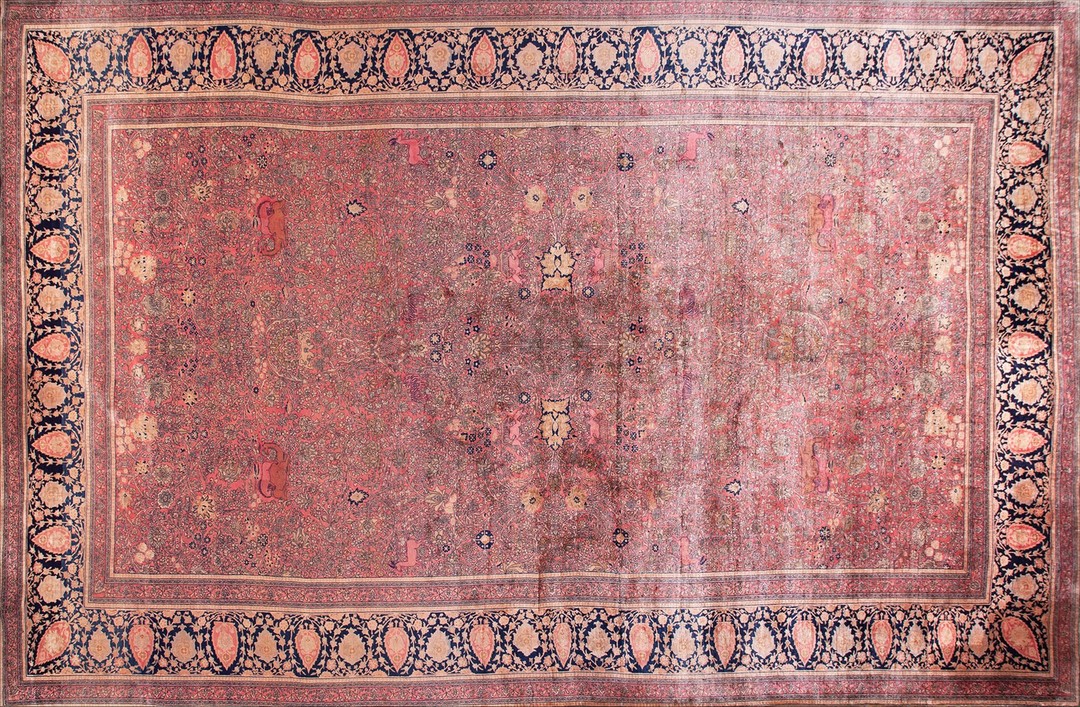
Explore a Few of Our Favorite Kashan Rugs
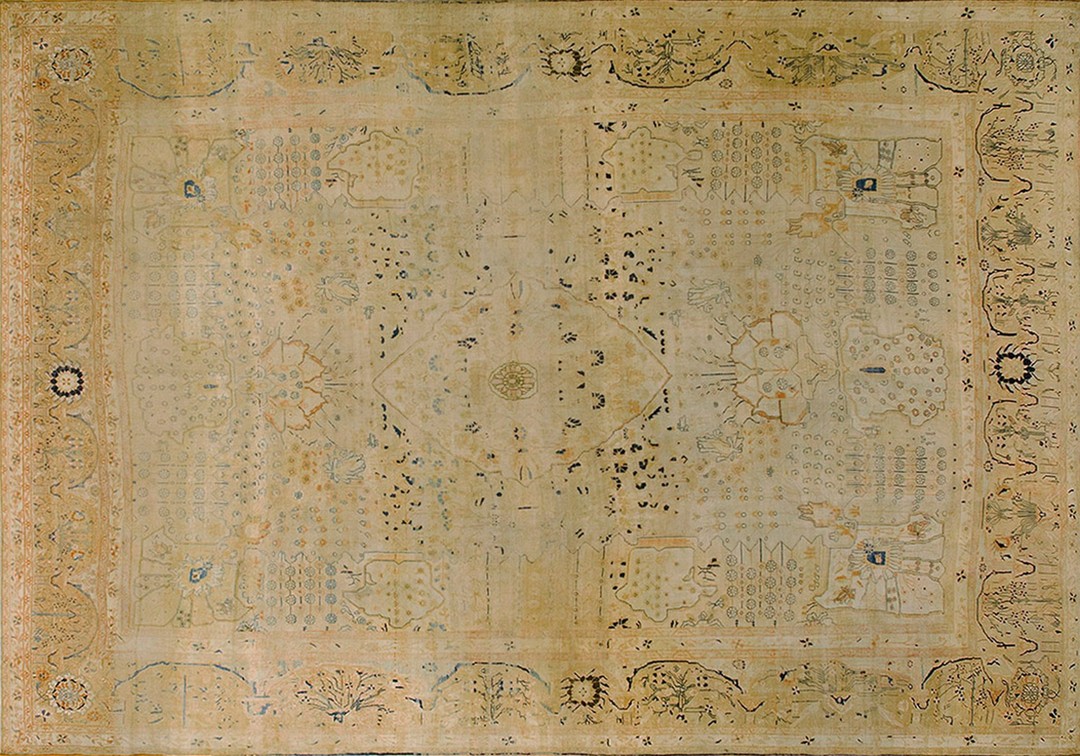
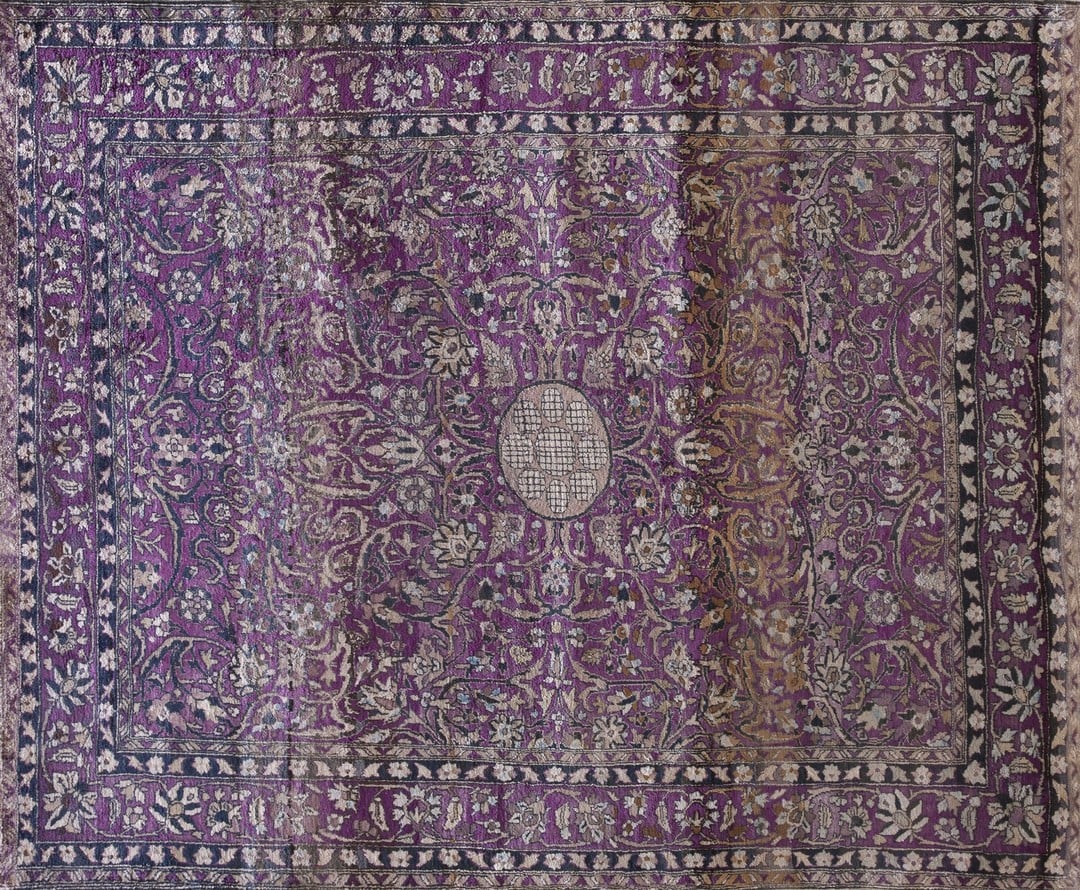
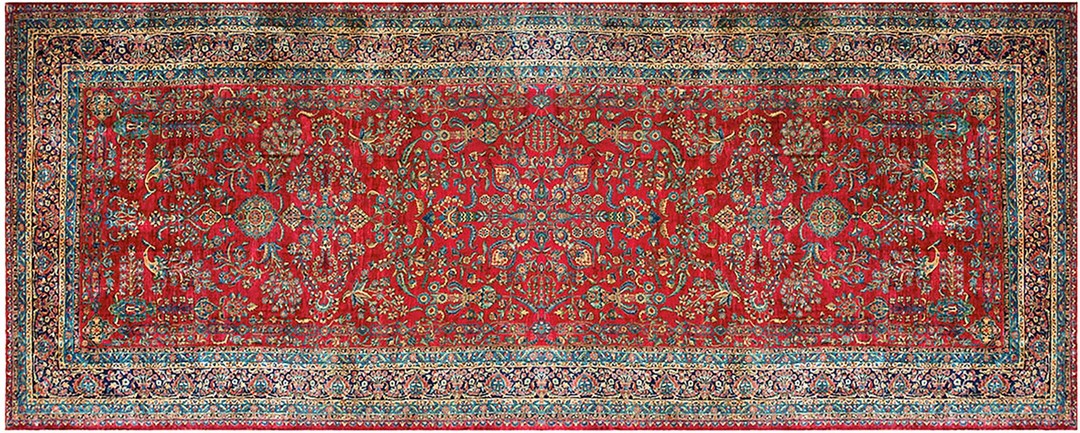
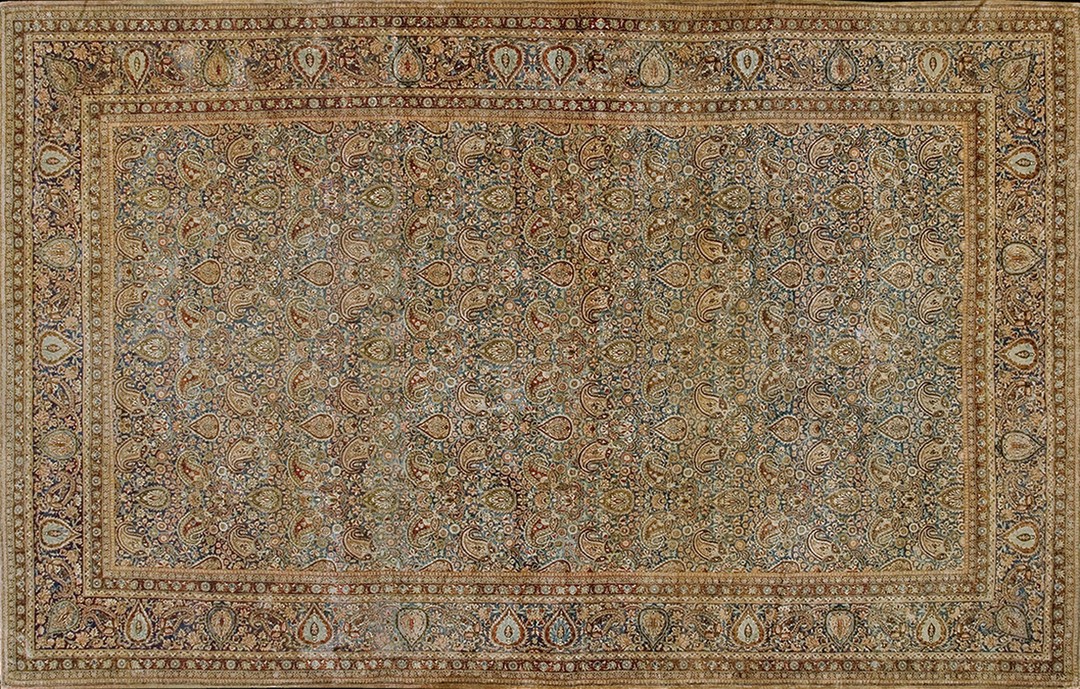
FAQ
- Are Kashan rugs a good investment?
Top-tier Kashan rugs—especially 19th-century Mohtasham/Manchester pieces—can hold or grow in value, but returns vary. Buy what you love and keep documentation and condition pristine.
- Where should I buy Kashan rugs in the U.S.?
Seek reputable dealers, auction houses, or estate sales. Ask for written return policies, a detailed invoice, and any provenance or import documentation.
- Are “Kashan design” rugs the same as Kashan rugs?
No—Kashan design rugs copy patterns but are woven outside Iran (e.g., India, Pakistan, China). They typically have lower KPSI and prices than Iranian Kashan rugs.
- What are telltale features of older Kashan rugs?
Older Kashan rugs often show blue weft yarns, cotton foundations, and classic red/navy palettes; some Manchester pieces have distinctive magenta silk selvages.
- How can I date a Kashan rug (antique vs. vintage)?
Antique Kashan rugs are 100+ years old; vintage are about 20–99 years. Look for hand-spun wool, natural-dye abrash, age-softened pile, and oxidized browns.
- Do Kashan rugs shed or bleed?
New wool Kashan rugs may shed lightly for weeks; vacuum gently without a beater bar. Always dye-test before spot cleaning to prevent bleeding.
- What sizes are Kashan rugs commonly available in?
Kashan rugs range from mats to palace sizes; 5×7, 8×10, and 9×12 are widely found, plus runners around 2.5×8–12 feet.
- What rug pad works best under Kashan rugs?
A 1/4–3/8 inch felt or felt-rubber pad adds cushion, prevents slips, and reduces wear. Choose heat-rated pads if placing Kashan rugs over radiant floors.
- Can a Kashan rug sit over radiant (underfloor) heating?
Yes—wool Kashan rugs are fine with a breathable pad; keep floor surface near or under \~85°F. Avoid thick, insulating pads that block heat transfer.
- Can I use a robot vacuum on a Kashan rug with fringe?
You can, but Kashan rug fringes may tangle. Use no-go zones, lift or cover fringes, and choose low suction; manually vacuum edges.
- How do I care for a silk Kashan rug?
Avoid DIY wet cleaning; silk Kashan rugs should be cleaned by specialists only. Keep them out of strong sunlight and rotate gently to limit wear.
- How should I clean a Kashan wool rug at home?
Blot—not rub—spills; test dyes, then use cool water with a wool-safe detergent. Avoid steam; deep clean professionally every 1–3 years depending on traffic.
- Are Kashan rugs good for homes with pets and kids?
Yes—wool resists soiling and compresses well. Blot accidents immediately with cool water and wool-safe detergent, and schedule professional cleaning every 1–3 years.
- Are Kashan rugs durable for high-traffic areas?
Wool Kashan rugs wear well thanks to dense construction; use a quality rug pad and rotate every 6–12 months. Avoid constant direct sun to prevent fading.
- How much do Kashan rugs cost?
Hand-knotted Kashan rugs in 8×10 often retail around \$3,000–\$10,000; exceptional antiques can exceed \$20,000. Smaller scatter sizes may start near \$1,000–\$4,000.
- Are Kashan rugs legal to buy in the U.S. right now?
Yes—pieces already in the U.S. can be bought and sold, but importing new Iranian-origin Kashan rugs has faced U.S. restrictions since 2018. For specifics, consult current OFAC guidance.
- What does “Manchester” mean on Kashan rugs?
It refers to imported merino wool from Manchester (U.K.) used in some late-19th/early-20th-century Kashan rugs. The pile appears velvety and luminous compared with ordinary wool.
- What is a Mohtasham Kashan rug?
Mohtasham Kashan rugs are rare 19th-century workshop pieces using ultra-fine “Manchester” merino wool and very high knot counts. They’re highly collectible and often command five-figure prices.
- How do Kashan rugs differ from Isfahan or Nain rugs?
Kashan rugs usually have cotton foundations and richer red/navy palettes; Isfahan/Nain often use silk foundations and lighter ivory/blue tones with higher KPSI. Borders and drawing tend to be softer in Kashan.
- How can I tell a hand-knotted Kashan rug from a machine-made one?
Flip it: you should see individual knots and slight irregularity on a Kashan rug’s back, and fringe that’s part of the foundation—not sewn on. Perfect grid backs signal machine-made.
- Are Kashan rugs always hand-knotted?
Authentic Kashan rugs are hand-knotted with asymmetrical (Persian) knots, typically around 120–300 KPSI; elite antiques can exceed 300 KPSI. Machine-made “Kashan design” pieces exist but aren’t true Kashan rugs.
- What materials are Kashan rugs made of?
Most Kashan rugs use high-quality wool pile on cotton warp and weft; silk pile or silk highlights appear on finer examples. Wool offers durability and natural stain resistance.
- What colors do Kashan rugs typically use?
Kashan rugs most often blend deep reds, navy blues, and ivory, with accents of gold or light blue. Natural-dye older pieces may show subtle abrash (tone shifts).
- What patterns define Kashan rugs?
Classic Kashan rugs feature a round or diamond medallion, corner spandrels, and Shah Abbas palmettes with scrolling vines. Red fields with navy borders are common.
- What are Kashan rugs?
Kashan rugs are Persian hand-knotted carpets from Kashan (central Iran), famed for curvilinear florals and a central medallion. Most use wool pile on cotton foundations and date from the late-19th century onward.