
Introduction to Scandinavian Rugs
Discover our curated selection of authentic Scandinavian rugs available for immediate purchase.
Definition & Geographic Scope
Scandinavian rugs originate from the northern European region comprising Norway, Sweden, and Denmark. While the term “Nordic” sometimes extends further to include Finland and Iceland, the designation “Scandinavian rugs” traditionally refers specifically to those woven within this core trio of countries. Each nation contributes distinctive weaving practices shaped by climate, culture, and available materials. Rug making in Scandinavia is more than a craft; it is a reflection of the region’s identity, forged through long winters, a deep relationship with nature, and centuries of textile innovation.
Scandinavian Rugs in Global Context
In the global market, Scandinavian rugs hold a position of prestige, standing shoulder-to-shoulder with Oriental and Asian carpets. They are admired not only for their functionality but also for their modernist aesthetic, clean lines, and subtle geometric or abstract patterns. Unlike regions where rugs historically served as ceremonial or status objects, in Scandinavia, rugs evolved equally from necessity—providing warmth in harsh Nordic climates—and artistry—expressing cultural design philosophies. Today, collectors and interior designers value these pieces for their timeless elegance and adaptability, making them staples in both traditional and contemporary spaces worldwide.
Where is Scandinavia Located in the Rug World?
In the rug world, Scandinavia is firmly recognized as a northern European hub of textile artistry, distinguished from both the Persian and Asian rug traditions yet considered equally important. Scandinavia’s place is unique: it does not compete directly with Oriental weaving centers but instead defines its own design language rooted in simplicity, function, and restrained beauty. Thus, when experts or collectors refer to Scandinavian rugs, they invoke more than geography—they acknowledge a signature aesthetic that blends Nordic practicality with enduring artistic innovation. Scandinavian weaving, whether from Sweden, Denmark, or Norway, represents a fusion of history, climate, and design philosophy. These Nordic rug traditions are globally recognized not just for their origin but for embodying the distinctive cultural spirit of Scandinavia.
Historical Evolution of Rug Weaving in Scandinavia
Ancient Weaving Roots
The history of Scandinavian rugs begins long before rugs themselves arrived. As early as 5000 BCE, archaeological finds confirm that weaving techniques were practiced across Scandinavia, though these were limited to textiles such as linen, wool, and woven bands rather than carpets. These early weavings were essential for survival in the cold Nordic climate, serving as clothing, blankets, and wall coverings. Scandinavian weavers were also indirectly connected to Eurasian trade networks, where textiles traveled along the same routes that would later carry silks and rugs into Europe. The groundwork for rug-making lay in these ancient looms, establishing a cultural tradition of textile craftsmanship that predated the arrival of true carpets by millennia.
Viking Era & Oriental Influence
During the Viking era (c. 800–1000 CE), Scandinavian seafarers expanded trade routes that stretched from the British Isles to Byzantium and beyond into the Islamic world. This exchange introduced luxury Oriental carpets to the north, sparking inspiration among Norse artisans. While Vikings themselves did not yet weave rugs, imported pieces brought from Constantinople and Persia exposed Scandinavians to new possibilities in textile artistry. These Viking rugs, though foreign-made, influenced Scandinavian design sensibilities by demonstrating how textiles could serve not only as warmth but also as status symbols.
The Invention of the Rya Rug
The most important milestone in Scandinavian rug history came in the 14th century, when the Rya rug emerged in Ry parish, Sweden. These deep-pile woolen rugs were initially designed for warmth, used as cloaks and bedding in fishing communities. Their thick, shaggy construction was perfectly suited to harsh Nordic winters. Over time, Rya rugs evolved into highly decorative pieces, gaining symbolic and artistic significance.
Wedding and Folk Weavings
By the early modern period, rugs and textiles had become woven into the very fabric of Scandinavian social life. Wedding traditions in particular elevated rugs to ceremonial objects. Wedding Rya rugs and rölakan flatweaves were often woven as part of a bride’s dowry, decorated with initials, dates, and symbolic motifs to bless the marriage. These wedding weavings carried immense sentimental value, passed down through generations as family heirlooms. Folk art designs—floral, geometric, or narrative—reinforced local identity, making textiles both practical and deeply personal.
Industrialization & Rag Rugs
The industrial revolution reshaped rug-making across Scandinavia.
- Rural effects: Farmers and villagers continued producing traditional handwoven rugs, maintaining folk patterns and ceremonial styles. — Why: This preserved older weaving customs against the backdrop of mechanization.
- Urban effects: In cities, the rise of rag rugs (trasmattor) made from recycled textiles democratized rug ownership. — Why: These industrial revolution rugs offered affordability and accessibility, ensuring every household could own a woven floor covering.
This duality meant that while industrialization transformed production, it also helped preserve Scandinavian weaving as a living tradition.
20th Century Artisans & the Modernist Movement
In the early 20th century, Scandinavian rug design underwent a renaissance. The work of Märta Måås-Fjetterström, a Swedish designer, placed Scandinavian modern rugs on the world stage. Her studio’s innovative designs combined folk motifs with modernist principles of abstraction and simplicity, appealing to collectors and museums worldwide. This period marked the peak of mid-century Scandinavian rug design, when artisans bridged tradition and modern art to create pieces that were both functional and celebrated as high design. Scandinavia’s rug evolution thus reveals a unique blend of outside influence and native innovation: from Viking encounters with Byzantine carpets, to the invention of the Rya rug, to ceremonial wedding textiles, and finally to the global prominence of modernist weaving. Each phase reflects the region’s capacity to adapt, preserve, and reinvent its textile identity.
Key Types & Techniques of Scandinavian Rugs
Rölakan (Swedish Flatweave Kilim)
Among the most distinctive Swedish kilim rugs is the rölakan, a flat-woven textile known for its reversible nature. Constructed using interlocking weft techniques, rölakan rugs are durable, lightweight, and patterned with geometric motifs such as diamonds, chevrons, and stylized florals. Traditionally, they were woven as marriage gifts, carrying initials and dates to commemorate unions. Their double-sided structure made them practical in rural homes, while their artistry made them treasured heirlooms. In Halland county, rölakan weaving was once a hallmark of village life, and though production has largely diminished, some workshops still continue the craft in traditional form, preserving its role in Sweden’s cultural textile identity.
Ryijy / Rya (Long-Pile Rug)
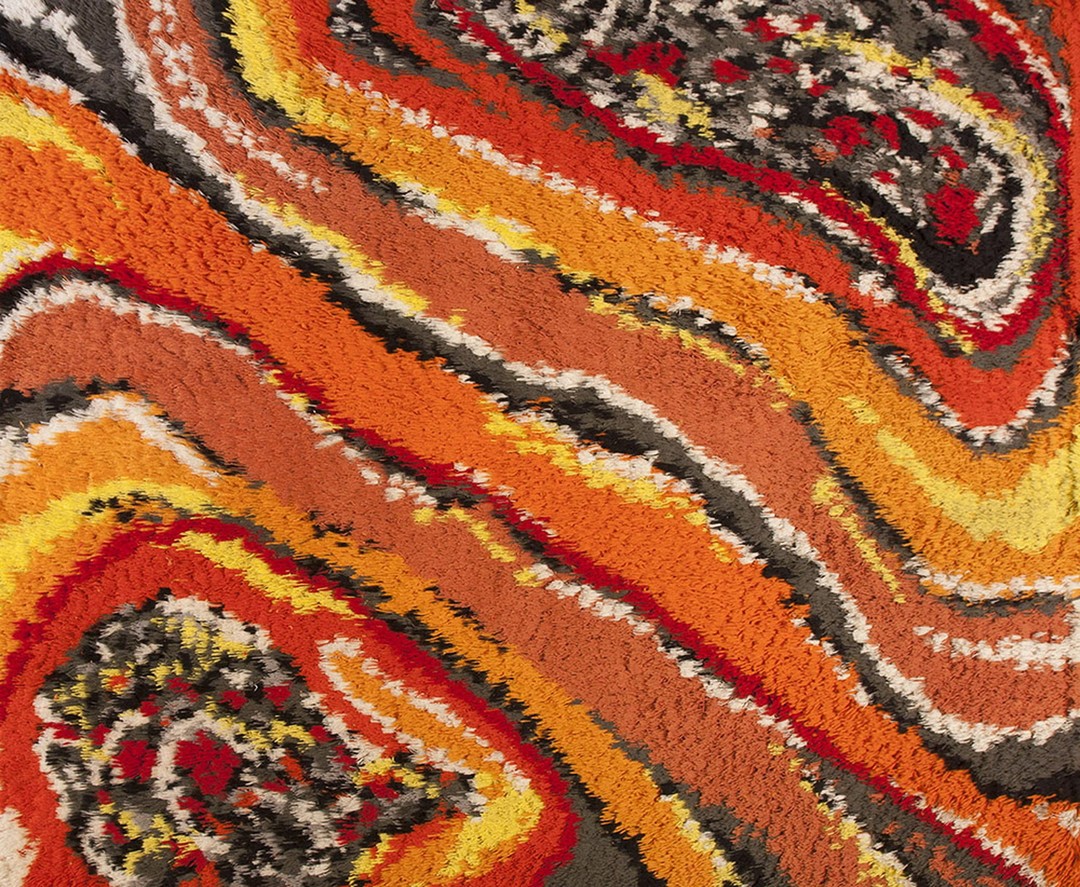
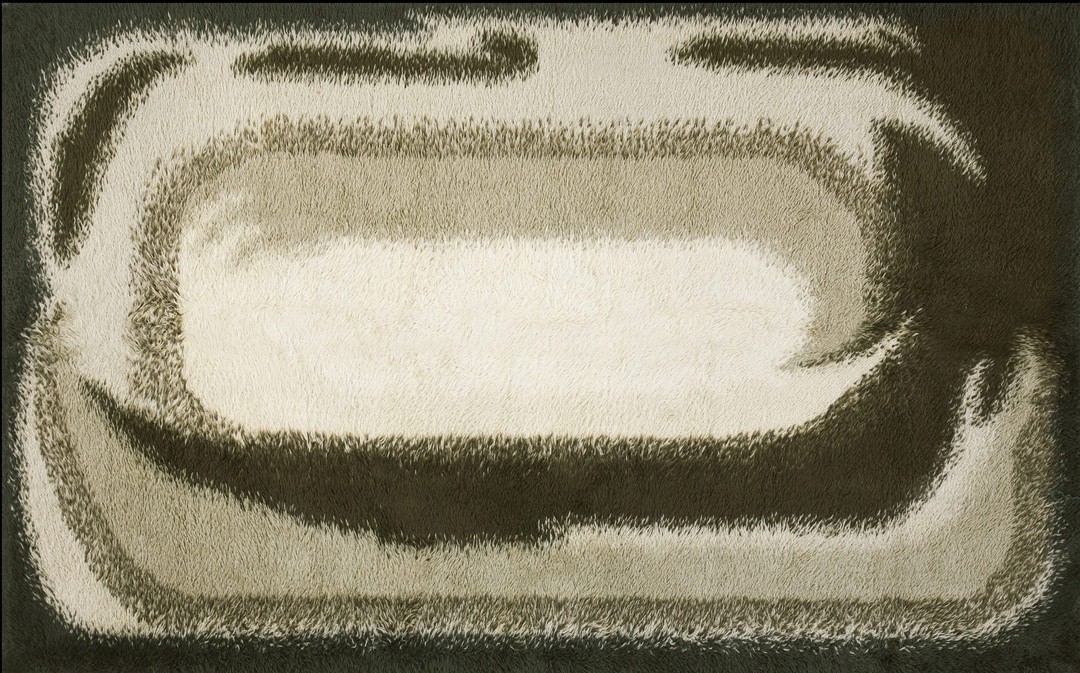
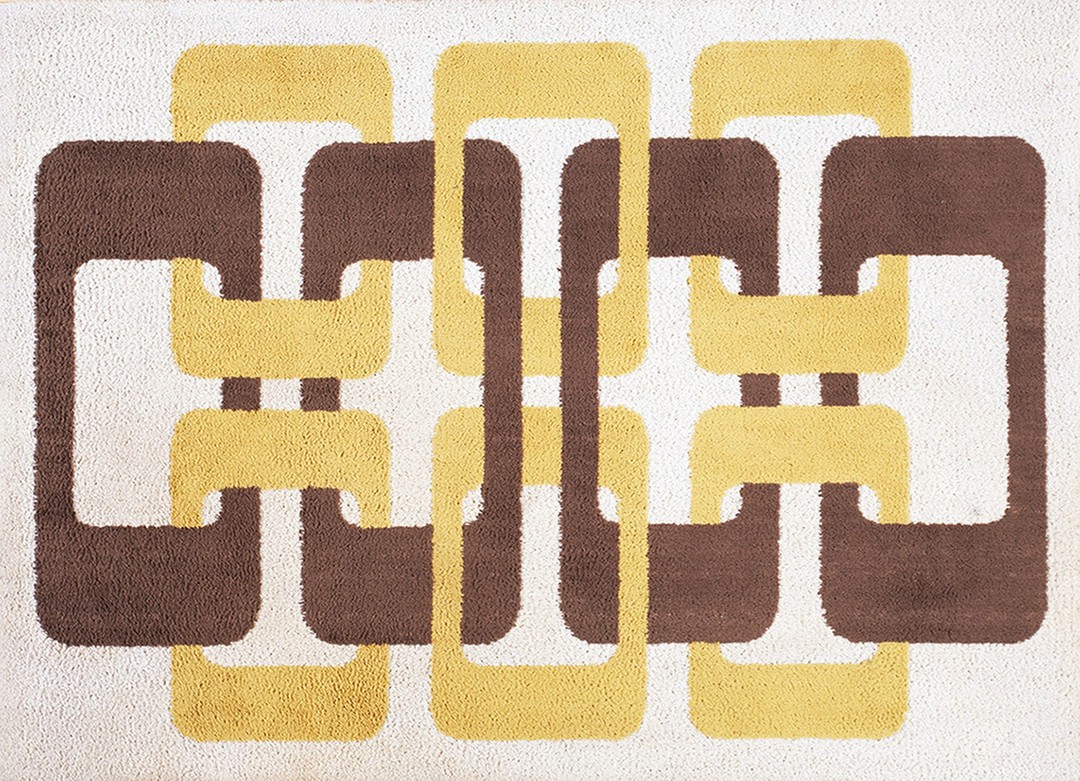
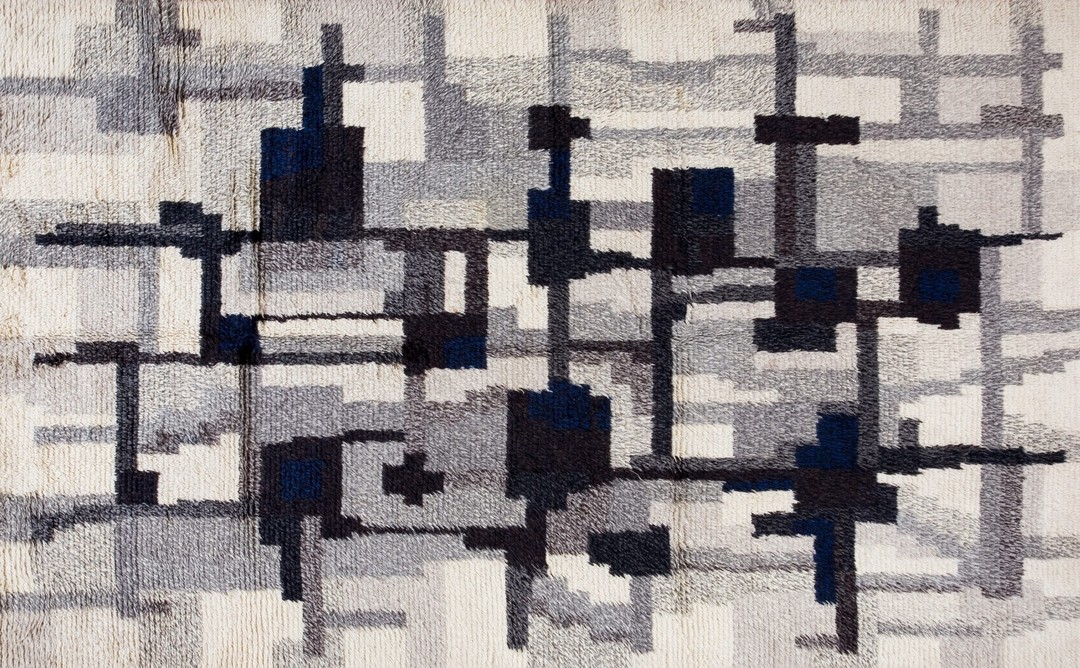
The rya rug, also called ryijy in Finland, represents Scandinavia’s most iconic contribution to global rug traditions. Unlike the flat rölakan, a rya is a knotted long-pile rug, constructed from heavy wool tufts pulled through a ground weave. Originally developed in 14th-century Sweden and Norway, these rugs were first used as bedding and cloaks, often with a double-sided design for warmth and versatility. Over time, rya rugs transitioned into decorative art, celebrated for their bold geometric or abstract designs. In the modern era, their shaggy texture and minimalist motifs made them a centerpiece of Scandinavian design during the mid-century movement. To this day, rya rugs embody both function and modern appeal, making them a bridge between heritage craft and contemporary interior style.
Damask Weaving
Though not technically classified as rugs, Scandinavian damask weaving is essential for understanding the region’s broader textile artistry. Woven primarily in linen and silk, damasks rely on a complex contrast of warp and weft patterns to create shimmering floral, geometric, or heraldic motifs. Scandinavian damask represents the pinnacle of loom innovation and was central to elite households, churches, and ceremonial use. Its legacy is vital because it shows how Scandinavian weavers mastered sophisticated techniques, influencing the design vocabulary later applied to rug-making.
Regional Rug Types
Scandinavian weaving is deeply regional, with each area contributing distinct traditions:
- Åkle (Norway): A flatweave with bright bands and tapestry techniques. — Why: It reflects Norwegian folk heritage and remains a classic ceremonial textile.
- Scandinavian rag rug (trasmatta, Denmark & Sweden): Made from recycled fabric strips. — Why: These democratized rug ownership during industrialization, symbolizing resourcefulness.
- Sami textiles (Lapland): Incorporating reindeer motifs and indigenous patterns. — Why: They highlight cultural diversity and indigenous influence within the Nordic rug landscape.
- Finnish flatweaves (Häme province): The Häme region in Finland became the primary producer of modern flatweaves, carrying the rölakan style into the 20th century. — Why: This preserved traditional weaving while adapting to evolving markets.
The rölakan and rya remain the foundational Scandinavian rug types, but the wider spectrum—from damask weaving to åkle and rag rugs—illustrates the rich diversity of Nordic rug traditions.
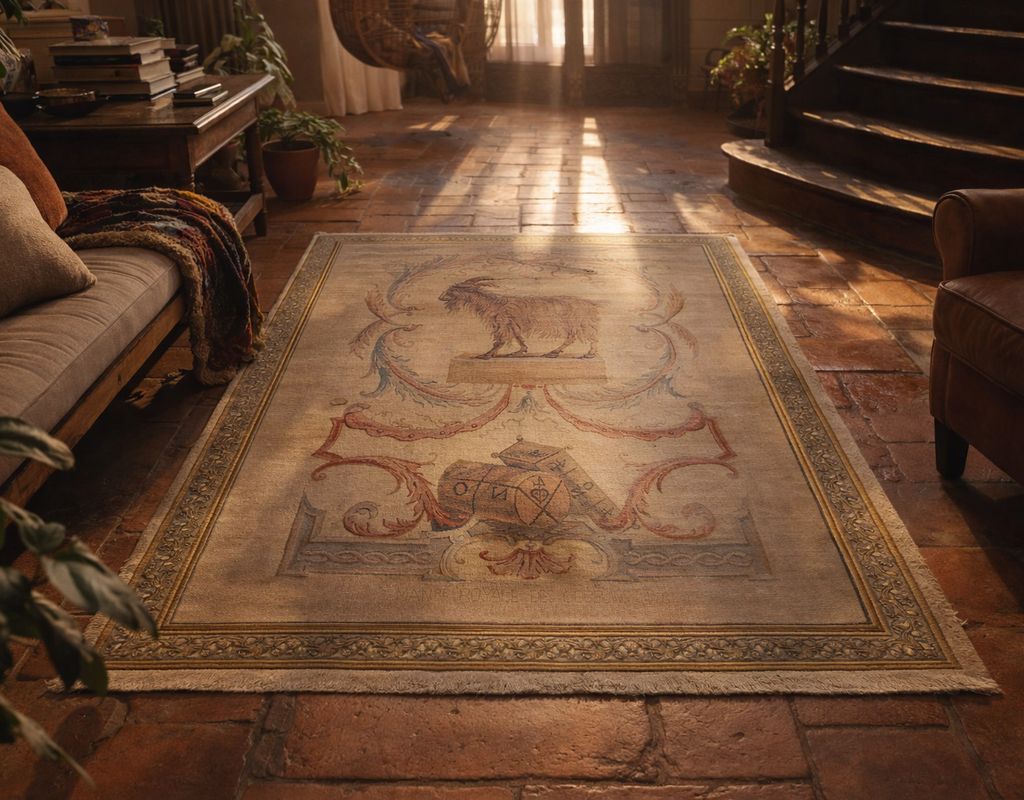
A unique, tapestry-style area rug anchors the cozy, sunlit space beside a plush sofa and leather armchair.
Distinctive Features & Design Language
Minimalism & Modernism
Scandinavian rugs are unique in design because of their minimalist aesthetic, which stems directly from the Nordic environment and cultural ethos. Long winters and limited natural resources encouraged a “less is more” approach, where every textile had to balance utility and beauty. Materials such as wool were precious, so designs avoided unnecessary excess, resulting in clean lines, restrained compositions, and an emphasis on durability. This pared-down look resonated with the Scandinavian modernism movement of the 20th century, where rugs became essential complements to functional furniture and uncluttered interiors. Thus, Scandinavian minimalism in rugs is not only a design choice but also a reflection of climate, culture, and philosophy.
Iconic Motifs and Palettes
Scandinavian rugs are defined by their use of symbolic and nature-inspired imagery, woven into a Nordic color palette of earthy, muted, and balanced tones.
- Stylized flowers — Why: Represent fertility, family, and ties to the natural world, common in wedding weavings.
- Geometric patterns (diamonds, chevrons, grids) — Why: These provide visual rhythm, with Danish Fyn rugs especially known for their bold geometrics that reflect local folk traditions.
- Animal and bird motifs — Why: Symbolize prosperity and protection, especially in rural communities.
- Nature colors (ochre, moss green, slate, indigo, off-white) — Why: Reflect the surrounding landscape, evoking forests, fjords, and coastlines.
These rug motifs combine personal storytelling with broader cultural symbols, ensuring that Scandinavian rugs are as expressive as they are practical.
Functional Beauty
At the heart of Scandinavian weaving lies the principle of functional design. Rugs were created first for insulation and durability, but their beauty was never secondary. Whether a rölakan flatweave with its reversible practicality or a rya rug designed to double as bedding, each piece was intended for daily use while also displaying artistry. This functional beauty remains central today: Scandinavian rugs are admired because they fit seamlessly into modern homes, balancing comfort, utility, and understated elegance.
Landmark Inspiration
Scandinavian rugs often draw directly from iconic rug landmarks and cultural heritage sites, translating architectural and artistic motifs into woven form:
- Urnes Stave Church (Norway) — Why: Its interlacing wooden carvings inspired rug motifs of spirals and stylized vines.
- Drottningholm Palace (Sweden) — Why: Its tapestries and interiors influenced color palettes and ornamental detail.
- Folk art and rural churches — Why: Everyday decorative traditions provided inspiration for floral, narrative, and symbolic designs.
By weaving in references to both monumental and humble landmarks, Scandinavian rug design maintains a dialogue between place, culture, and craft, making every rug a bridge between lived function and aesthetic heritage. In sum, Scandinavian rugs are known for minimalism because they emerge from a culture that values simplicity, resourcefulness, and harmony with nature. Their motifs—drawn from flowers, geometrics, landscapes, and landmarks—ensure each rug is not just a floor covering but a story woven in wool.
Regional Rug Heritage
Skåne, Sweden
The southern province of Skåne holds a special place in Scandinavian textile heritage. Known for its marriage textiles and Scanian art weaves, the region produced Skåne wedding rugs that were woven as part of dowries and adorned with initials, floral patterns, and symbolic motifs. These textiles were not only functional but also powerful expressions of identity and love. In the 20th century, Skåne experienced a design revival, with creative hubs like Malmö and Båstad leading workshops and exhibitions that brought Scanian art weaves into dialogue with modern design movements. Today, museum displays and local craft collectives ensure this rich tradition continues to inspire.
Setesdal & Telemark, Norway
In Norway, the regions of Setesdal and Telemark are celebrated for their åkle tapestries, richly decorated coverlets woven in krokbragd (crooked path) patterns. These textiles were central to both marriage ceremonies and holiday traditions, often laid out on festive occasions or given as heirlooms. The weaving techniques from these valleys remain some of the finest examples of Norwegian tapestry artistry, their bold colors and geometric structures embodying centuries of rural storytelling through wool.
Møre og Romsdal, Norway
Further north, Møre og Romsdal became renowned for its mastery of damask drawloom weaving and “billedvev” (picture-weaving). Local artisans elevated textile arts by weaving complex narrative and floral scenes into cloth, a practice that required immense technical skill. Regional museum collections preserve these masterpieces, offering a window into how weaving in Norway evolved beyond function into high art. This tradition forms a vital chapter in the broader history of heritage weaving across Scandinavia.
West Jutland, Denmark
Denmark’s West Jutland became the industrial heartland of Scandinavian rug production. Companies such as Ege Carpets pioneered the transition from rural, handwoven textiles to large-scale modern manufacturing, a shift that brought Danish carpets into international markets. Notably, West Jutland is also a leader in eco-innovation, with Danish carpet producers today emphasizing recycling, non-toxic dyes, and sustainable wool sourcing. This industrial strength has allowed Danish carpets to retain global relevance while aligning with 21st-century environmental values.
Wider Nordic Contributions
Beyond the Scandinavian mainland, additional Nordic traditions enrich the textile landscape:
- Gotland wool (Sweden): Celebrated for its silky texture and strength, Gotland wool rugs are more durable than mainland varieties, making them highly prized for longevity.
- Finnish weaving (Häme province): Finland sustained the modern flatweave tradition, ensuring continuity of rölakan-style rugs into the 20th century.
- Icelandic wool rugs: With dual-coated fleece offering warmth and weather resistance, Icelandic wools are ideal for shaggy rya-style rugs.
- Sami textiles (Lapland): Indigenous Sami weaving contributes vibrant colors, symbolic patterns, and cultural diversity to the Nordic textile heritage.
Each of these regions demonstrates how climate, economy, and tradition shaped weaving identities across Scandinavia. From Skåne wedding rugs to Norwegian tapestry coverlets, and from Gotland wool durability to Danish eco-leadership, the Nordic rug heritage thrives as both living craft and cultural legacy.
Modern Industry, Sustainability & Collectibility
Contemporary Artisans & High-End Brands
The modern Scandinavian rug industry is defined less by mass production and more by artisan workshops and luxury brands. In Sweden, Kasthall continues to craft handwoven and tufted rugs that blend tradition with contemporary design, often sought by interior designers worldwide. Denmark’s Ege Carpets has become a global leader in sustainable carpet manufacturing, pioneering innovations in recycling and modular carpet tiles. In Norway, Røros Tweed emphasizes local wool and small-scale production, keeping alive the deep heritage of weaving tied to rural communities. Alongside these major players, numerous smaller workshops across Scandinavia preserve heritage techniques—such as handwoven rölakan and shaggy rya rugs—ensuring that sustainable Scandinavian rugs remain tied to their cultural roots.
Sustainability Trends
Environmental stewardship is both a traditional and modern Nordic value. Scandinavian rug makers today emphasize eco-conscious production in several key ways:
- Local wool sourcing — Why: Utilizing Swedish wool lowers carbon emissions and supports regional sheep farming, though more than 50% of Swedish wool is still wasted.
- Natural dyes — Why: Many Swedish kilims and flatweaves use plant-based or mineral-based dyes, ensuring eco-friendly production and vibrant longevity.
- Eco-certification — Why: Standards such as the Nordic Swan Ecolabel guarantee rugs are free of harmful chemicals and meet strict sustainability benchmarks.
- Recycled rugs and materials — Why: From rag rugs to modern chemical recycling, reusing textiles reduces waste while keeping Scandinavian innovation alive.
These practices make eco-friendly Nordic carpets among the most sustainable choices on the global market.
Market Challenges
Despite their reputation, the Scandinavian rug industry faces pressures from globalization. Cheaper imports compete with artisan-made rugs, forcing traditional workshops to fight for survival. Recycling programs, while promising, remain in early stages, and many consumers are unaware of the environmental benefits of locally made rugs. For artisans, survival depends on balancing authenticity with modern demands, as both collectors and everyday buyers increasingly prioritize eco-friendly rugs.
Collectibility & Price Comparison
The vintage Scandinavian rug value depends on provenance, condition, and design.
- Vintage Swedish rugs — Why: Particularly those designed by mid-century names such as Märta Måås-Fjetterström, they command high prices due to their iconic place in the global modernist design movement.
- Norwegian folk rugs — Why: While highly respected for heritage and regional identity, they typically sell for less than Swedish designer pieces, making them more accessible to collectors.
- Rya rugs — Why: Their shaggy appeal makes them collectible, though values vary depending on whether they are folk-traditional or mid-century modernist versions.
Collectors prize Scandinavian rugs for their designer provenance, age, natural materials, and craftsmanship, with Swedish examples often fetching the highest prices.
In today’s market, sustainable Scandinavian rugs embody both heritage and innovation, ensuring that eco-conscious buyers and collectors alike continue to value them as symbols of functional beauty, Nordic sustainability, and timeless design.
Care, Display, and Living With Scandinavian Rugs
Rug Care & Cleaning
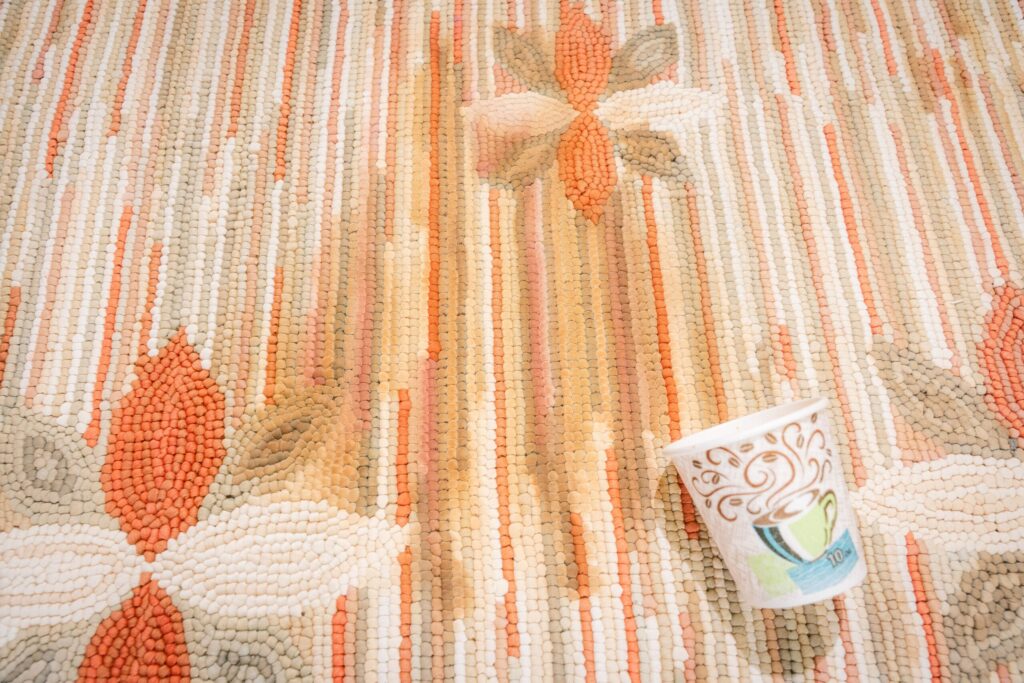
Close-up view of a tipped paper coffee cup resting on a handwoven wool rug, highlighting the rug’s dense pile, subtle color variations, and traditional geometric motifs in warm neutral and terracotta tones.
Scandinavian rug care begins with understanding the material and weave.
- Flatweaves (rölakan, kilims) — Why: These rugs are sturdy but require gentle vacuuming and occasional airing. Harsh detergents should be avoided, as they can weaken fibers. Spot cleaning with mild soap is preferred.
- Antique flatweave care — Why: Many older pieces use natural plant and mineral dyes that are sensitive to light. To preserve them, display out of direct sunlight and rotate regularly to prevent uneven fading.
- Pile rugs (Rya, Gotland wool) — Why: Their dense surfaces can trap dirt, so periodic shaking and careful vacuuming protect fibers. Professional cleaning is recommended for long-term preservation.
Proper cleaning practices ensure these textiles retain both durability and beauty for generations.
Living Room Suitability
Scandinavian rugs are designed for everyday use as well as display, reflecting the region’s emphasis on functional beauty. Rya rug durability makes them suitable for living rooms, though long piles may compress under heavy furniture or constant foot traffic. Modern rya designs often use tougher yarn blends, extending their lifespan in high-traffic living rooms. Flatweave rugs, by contrast, excel in durability and are easily reversible, making them practical for family spaces, kitchens, and halls. Whether pile or flatweave, Scandinavian rugs are ideal for those seeking textiles that are both resilient and elegant.
Where to See and Buy
Scandinavia offers a wealth of opportunities for viewing and acquiring authentic rugs:
- Nordiska Museet, Stockholm — Why: Houses one of the largest collections of Swedish flatweaves, rya rugs, and marriage textiles.
- Copenhagen design shops near Tivoli Gardens — Why: For those wondering where to buy rugs near Copenhagen’s Tivoli Gardens, the city’s central design district offers both contemporary Scandinavian brands and heritage-inspired collections.
- Regional weaving festivals in Norway and Sweden — Why: Local markets and fairs remain important sources for authentic handmade pieces, often with direct links to artisans.
- Workshops and artisan studios — Why: Purchasing directly from weavers supports living traditions and ensures provenance.
Scandinavian rugs embody the principle that practicality and artistry go hand in hand. With thoughtful care and placement, they not only endure daily life but also enhance it, offering warmth, design, and heritage in every thread.
Quick Facts, Landmarks & Cultural Reference Points
Country Data, Major Cities, Landmarks
The Scandinavian countries—Norway (Oslo), Sweden (Stockholm), and Denmark (Copenhagen)—form the core of this northern European region. Each capital is a cultural hub where traditional and modern rug design intersects with broader art and architecture. Iconic landmarks often woven into rug motifs include:
- Urnes Stave Church, Norway — Why: Its intricate wooden carvings inspired interlacing vine and spiral designs in Norwegian textiles.
- Drottningholm Palace, Sweden — Why: As a royal residence, its tapestries and interiors influenced both the Nordic color palette and ornamental rug motifs. Together, these landmarks underscore how heritage and design are inseparable in Scandinavian rugs.
Museums & Workshops
Scandinavia offers rich destinations for those seeking to explore or purchase authentic textiles:
- Nordiska Museet, Stockholm — Why: The premier collection of Swedish rugs and textiles, including rölakan flatweaves, rya rugs, and Skåne wedding rugs.
- Setesdal Museum, Norway — Why: Renowned for its åkle tapestries and krokbragd patterns, central to Norwegian textile identity.
- Textilforum, Herning, Denmark — Why: Showcases Denmark’s weaving and Danish carpet innovations, including industrial pioneers like Ege Carpets.
- Artisan fairs and design shops — Why: From Telemark’s weaving festivals to Copenhagen’s design boutiques near Tivoli Gardens, these are living marketplaces for both heritage and contemporary rugs.
Scandinavia today remains both a design destination and cultural reference point for rug lovers. With its rug museums, artisan fairs, and landmark-inspired motifs, the region preserves a living connection between tradition, artistry, and modern sustainability.
Explore a Few of Our Favorite Scandinavian Rugs
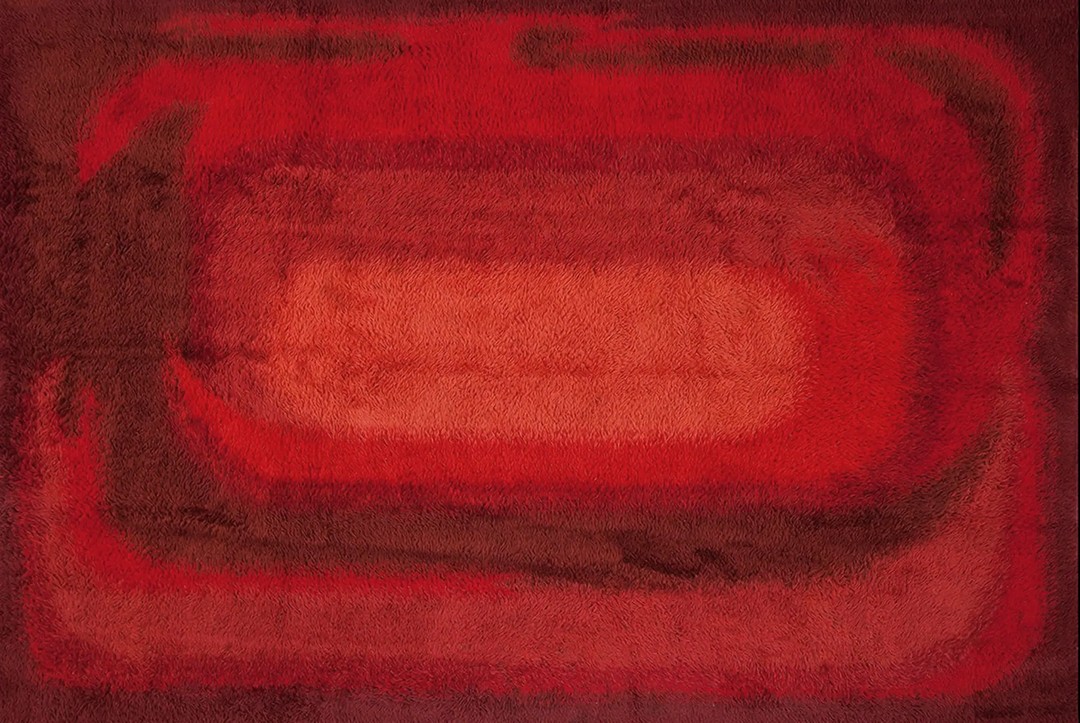
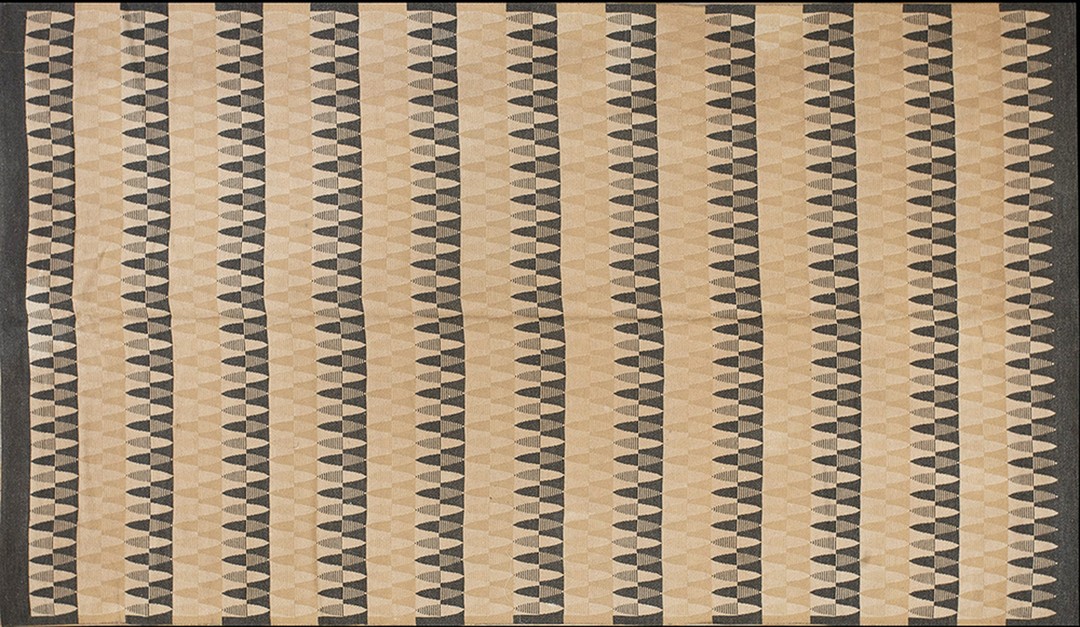
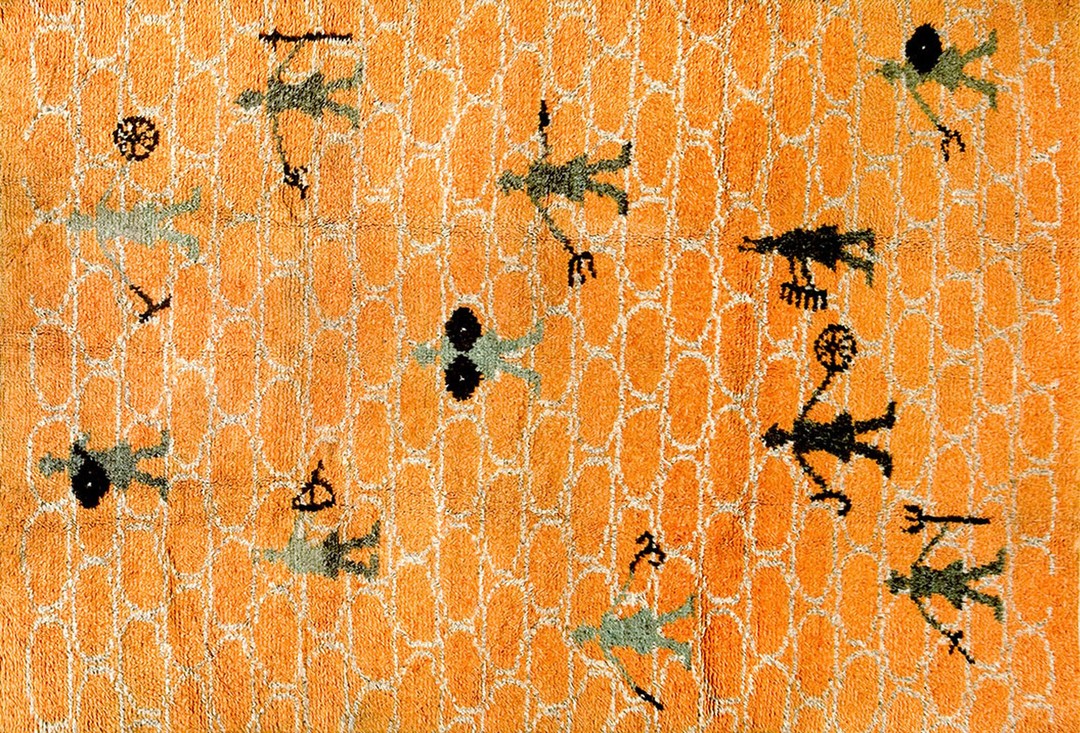
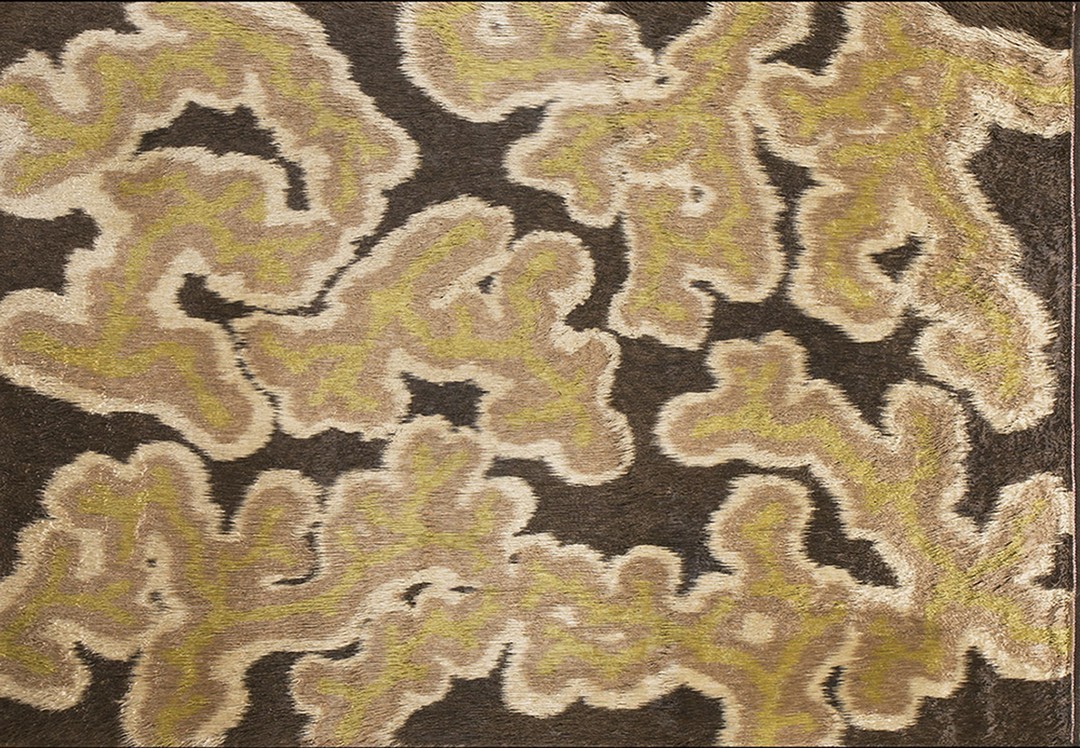
FAQ
- Where are Scandinavian rugs made today?
MMF still weaves in Båstad, Sweden, while many contemporary “Scandi-style” rugs are produced in India or Turkey. Always check country-of-origin labels.
- What hallway runner length should I choose?
Leave 3–6 inches of floor visible on each side. Most halls suit 8–12-foot runners; add a thin non-slip pad to prevent travel.
- Are Scandinavian rugs eco-friendly?
Often—wool is renewable and long-lasting, and buying vintage extends product lifecycles. Avoid synthetic backings if minimizing off-gassing.
- How do I style them in a modern room?
Let the rug set the palette—repeat one or two colors in textiles or art. Pair with light woods like oak or birch to emphasize calm, clean lines.
- Do Scandinavian rugs fade in sunlight?
Yes wool dyes can lighten with strong UV. Rotate every 3–6 months and use window shades; variegated patterns better camouflage gradual fading.
- What rug pad works best?
Felt or felt-rubber pads protect floors and prevent slipping; trim 1–2 inches smaller than the rug. On heated floors, use a thin, heat-safe pad and avoid sticky PVC.
- Can I use them outdoors?
No wool dislikes prolonged moisture and UV. Choose polypropylene outdoor rugs for a Scandinavian look outside.
- Are Scandinavian rugs good in dining rooms?
Yes flatweaves are thin so chairs slide easily and crumbs vacuum out. Aim for an 8×10 under a 60-inch table so chairs stay fully on the rug.
- Are new Scandinavian-style rugs handmade?
Both exist. Handwoven flatweaves and knotted rya last longer and cost more; affordable “Scandi look” power-loomed rugs trade longevity and resale value for price.
- Which Scandinavian rug designers should I know?
Märta Måås-Fjetterström, Barbro Nilsson, Marianne Richter, Viola Gråsten, and Ingegerd Silow. Many pieces carry initials—MMF/AB MMF, BN, MR, or IS—woven at the edge.
- How can I spot an authentic Swedish vintage piece?
Look for woven signatures like MMF or AB MMF plus designer initials (e.g., BN, MR). Linen/cotton warps, balanced palettes, and consistent age wear also support authenticity.
- What steps can I take to stop moths from damaging my wool rugs?
Keep rugs clean and moving—vacuum front and back, rotate, and store dry. For small infested textiles, freezing near −4°F (−20°C) for 72 hours can help; consult a conservator for antiques.
- How do I care for a rya/ryijy rug?
Shake or brush to lift pile and vacuum gently without a beater bar. Professional cleaning is recommended; expect pile shading on 1–3 inch fibers.
- How do I clean a röllakan flatweave?
Vacuum with low suction and no beater bar, then rotate regularly. Blot spills with water and a clean cloth; schedule professional washing every 1–3 years.
- Are Scandinavian rugs pet-friendly?
Yes flatweaves are easy to vacuum and don’t trap fur. Avoid deep-pile rya shags for heavy-shed pets.
- Do they work over radiant floor heating?
Yes thin wool flatweaves transmit heat well; avoid thick pads and rubber backings. Keep rugs clear of thermostat sensors and use low-R pads on heated floors.
- What are the common materials used?
Wool pile or weft on linen or cotton warp is standard; some mid-century pieces include hemp or cowhair. Wool’s natural lanolin offers light stain resistance.
- What are the typical rug dimensions available?
Modern Scandinavian-style rugs follow 5×8, 8×10, and 9×12; authentic vintage Swedish examples are often smaller like 4×6 or 6×9. Hallway runners commonly measure 8–14 feet long.
- How do Scandinavian rugs compare to Persian rugs?
Scandinavian pieces favor geometric minimalism and flat tapestry weaves; Persian rugs are usually knotted-pile with curvilinear florals. Flatweaves are thinner and slide easily under doors and chairs.
- How much do Scandinavian rugs cost?
Vintage Swedish flatweaves often range \$800–\$5,000; top MMF designer works can reach \$20,000–\$60,000+. New “Scandi-style” power-loomed options typically cost \$150–\$1,000.
- Are Scandinavian flatweaves reversible?
Yes many röllakan are fully reversible and can be flipped to even wear. Rotate every 3–6 months to prevent traffic patterns.
- Are Scandinavian rugs durable in high-traffic areas?
Yes röllakan flatweaves are tightly woven and excel in hallways, living rooms, and dining spaces. Reserve deep-pile rya shags for lower-traffic rooms.
- What is a rya (ryijy) rug?
A long-pile, knotted wool rug originally used as a bed cover. Pile typically runs about 1–3 inches.
- What is a Swedish röllakan rug?
A reversible flatweave, tapestry-woven with wool weft over linen or cotton warp. Expect crisp geometrics and durable, low-profile construction.
- What are Scandinavian rugs?
Handwoven designs from Nordic traditions—especially Swedish röllakan flatweaves and shaggy rya/ryijy piles—typically wool on linen or cotton warp with geometric motifs. Many popular pieces date from the 1940s–1960s.