
Entryway Rugs 101: What They Are and Why Foyers “Destroy” Rugs
Your entryway rugs rugs set the tone before anyone says a word. It’s the transition space, the first impression, and one of the hardest-working surfaces in the home. These two pages help keep the bigger layout in mind.
Worth reviewing first: room-by-room placement rules and a practical guide to rug selection.
Explore the other room guides: Study, Living Room, Family Room, Dining Room, Bedroom, Library, Kids Rooms.
Definition: Entryway Rugs as “soil-management textile”
An entryway rug is often purchased as a decorative accent, but its primary function is that of a heavy-duty “soil-management textile.” Unlike Area Rugs in low-traffic zones like bedrooms, an entry rug for high traffic serves as the home’s first line of defense. It must actively capture grit and moisture brought in from the outdoors before these elements damage interior hardwood or tile.
Beyond protection, these rugs manage safety and sanitation at the threshold. They reduce slip risks on slick floors caused by wet shoes and minimize the transfer of allergens and bacteria into living spaces.
While they undoubtedly set the aesthetic tone for the home, entryway rugs are chosen by performance first, style second. A functional foyer rug acts as a filter, trapping debris while enduring constant friction, making it a critical component of home maintenance rather than just a visual accessory.
Curated for comfort, beauty, and endurance.
Why entries wear faster than other rooms
Foyers subject Textiles to specific mechanical stresses that do not exist elsewhere in the home. The primary culprit is the combination of “pivot traffic” and abrasive particulates. When people enter a home, they rarely walk in a straight line; they stop, wipe their feet, and turn to hang a coat or move toward another room. This twisting motion grinds shoe soles into the rug fibers.
When this pivot action is combined with outdoor soil, the result is accelerated wear. Grit acts like sandpaper against the fibers of a foyer rug. Sand and dirt particles are sharp; when ground into the rug’s foundation by turning feet, they cut the fibers at the base.
Wet grit increases this damage potential, creating a slurry that adheres to fibers and significantly raises the slip risk on surrounding hard surfaces if the rug becomes saturated. Consequently, a rug that might last decades in a dining room can be destroyed in a few years in an entryway without the correct structural properties.
What “good” looks like at the threshold
Identifying the best rug for front door area placements requires looking for specific structural features that handle moisture and friction.
When evaluating options, prioritize the following characteristics:
- Low pile or flat profile: Low profiles reduce dirt trapping and allow for easy vacuuming. Crucially, they prevent “door drag,” ensuring the door swing clears the rug surface without binding or curling the edges.
- Dense weave structure: A tight, dense construction resists grit grinding into the rug’s foundation. It keeps debris on the surface where it can be easily removed, rather than allowing it to sink deep into the pile.
- Stable, flat edges: Flat edges and stable corners are safety features, not aesthetics. Curling corners create immediate trip hazards and allow dirt to migrate under the rug, scratching the floor beneath.
- Patterned or Heathered Coloring: Regarding the question of what colors hide dirt best in entryway rugs, multi-colored patterns or heathered weaves are superior to solid colors. They visually mask grit and minor stains between cleanings.
Common buyer myths to avoid
Many homeowners unintentionally shorten the lifespan of their rugs by adhering to misconceptions about quality and comfort.
To select a durable textile, avoid these common errors:
- Myth: “Thicker is better”: High-pile or plush rugs are detrimental in foyers. They trap dirt deep in the fibers where vacuums cannot reach, and they frequently cause door clearance issues. When asking “what rug pile height is best for doors,” the answer is almost universally a low pile (often under 0.25 to 0.5 inches) to ensure clearance.
- Myth: Cotton or Plush constructions are superior for comfort: While soft, these materials hold moisture and stain easily. When considering if flatweave rugs are better than plush for entryways, the answer is yes; flatweaves or tight loops offer the necessary durability and ease of cleaning that plush textures lack.
- Myth: Vacuuming is optional or occasional: Because grit acts as sandpaper, vacuuming is non-negotiable at the door. Regular removal of abrasive particles is the only way to prevent premature fiber destruction.
- Myth: Size is a guess: Guessing leads to “floating” rugs that look cheap or rugs that obstruct door operation. Referencing a specialized Rug Size Guide is essential to ensure the rug anchors the space without interfering with architectural elements.
The Foyer Triage: A 30-Second Thickness Test
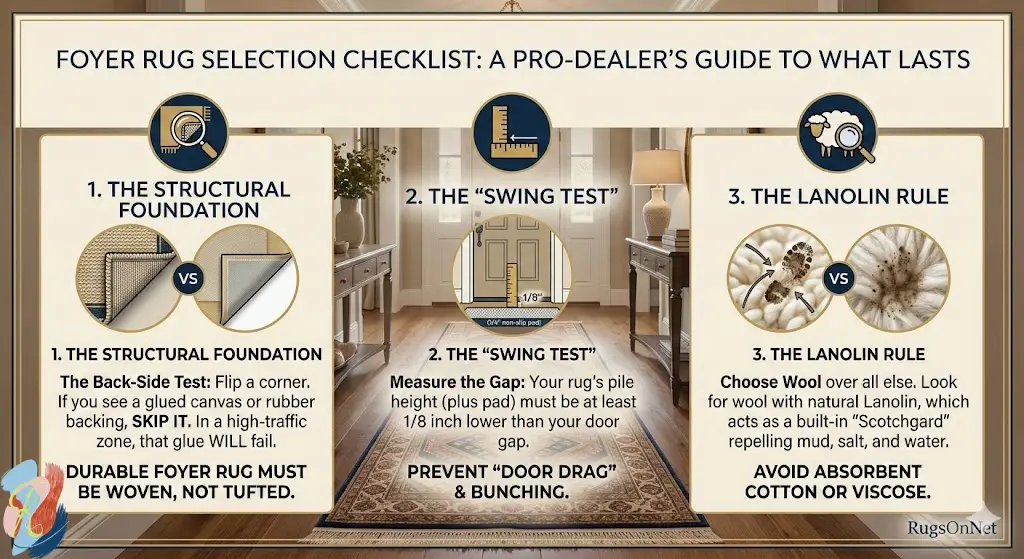
Before you fall in love with a rug, perform the “Swing Test.”
Here is how you do it:
- Measure the Gap: Open your front door and measure the distance between the floor and the door’s bottom edge.
- The 1/8″ Buffer: A rug and pad combined must be at least 1/8 of an inch lower than that gap.
- The Finger Test: If you can’t slide your index finger under the door while it’s closed, you almost certainly need a flatweave or an ultra-low-pile rug (under 0.25″).
Measure First: Door Clearance, Traffic Path, and Layout Rules
Door swing + clearance rules
The most critical failure point in entryway rug placement occurs when the rug height obstructs the door swing. Before considering aesthetics, homeowners must measure the Vertical gap between the bottom of the door and the floor.
This measurement dictates the maximum door clearance rug pile height. If a rug is even slightly too thick, it creates friction called “door drag,” which damages the rug binding, scrapes the floor finish, and makes entering the home difficult. “Almost fits” is not a viable standard; if the door catches, the rug fails.
Apartment dwellers and those in urban environments often face tighter clearances, necessitating ultra-thin profiles like flatweaves or low-pile synthetic mats. Beyond the pile height, the rug’s edge integrity is paramount to avoid creating “speed bumps.” A rug that is too thick or has curling corners becomes an immediate trip hazard at the threshold.
To ensure safety and functionality, the rug must lay completely flat and allow the door to pass over it seamlessly. Consequently, the answer to “should an entry rug cover the door swing area?” is yes, provided the vertical clearance allows for frictionless movement.
Where the rug should start and end
Determining where an entryway rug should start and end requires prioritizing the “capture zone”—the specific area where feet make contact with the floor upon entry. The rug should begin close enough to the threshold (typically within 6 to 12 inches) to catch the very first step. This helps ensuring that grit and moisture are deposited on the textile rather than the hard floor.
If the rug starts too far into the room, users will inevitably step on the bare floor first, defeating the purpose of a soil-management textile.
When mapping out foyer rug sizing, favor shapes that match the true traffic path rather than the room’s ideal symmetry. Observe where people naturally walk when entering; they may cut corners or pivot toward a coat closet.
The rug coverage must extend through these pivot points. A common mistake is centering a rug in the room while leaving the high-traffic walkway exposed. Whether using a runner, a doormat, or a larger landing rug, the textile must physically cover the route people take to protect the flooring effectively.
How much floor should show around the rug
Standard interior design rules regarding floor visibility apply to foyers, but they must be balanced against the need for floor protection.
How much floor should show around entryway rug guide:
- 12 to 18 inches of exposed floor: This standard border creates a deliberate, framed look in larger foyers, separating the rug from the walls to prevent the space from feeling cramped or “wall-to-wall.”
- 3 to 5 inches in tight spaces: In narrow hallways or small vestibules, a smaller reveal maximizes the protective surface area without overwhelming the limited Square footage.
- Uniform gaps on opposing sides: Keeping the floor reveal consistent on parallel sides (e.g., the long sides of a runner) establishes visual order and guides the eye forward, even if the ends of the rug have different spacing.
Placing a rug under a console table
Integrating furniture with floor coverings presents specific challenges, particularly when asking “how do I place a rug under a console?” The goal is to maintain stability for the furniture while keeping the rug flat. There are three practical placement options for a rug under console table entryway setups:
- All legs on: Ideally, a large entry rug allows the console table to sit entirely on the textile. This anchors the furniture and prevents wobbling.
- Front legs on: If the rug is smaller, placing just the front two legs of the console on the rug is acceptable, provided the rug pile is low enough that the table does not tilt visibly.
- No legs on (Floating): In narrow halls, the rug (often a runner) should run parallel to the console, leaving a strip of bare floor between the rug edge and the table legs. This prevents the rug from looking “stuffed” under the furniture.
Regardless of the layout, using a high-quality non-slip pad is essential to keep the rug anchored against the friction of entry traffic. (See our Rug Pad Guide for safety specifications).
Best Constructions for Entryway Rugs
Flatweave / kilim: clearance and vacuuming advantages
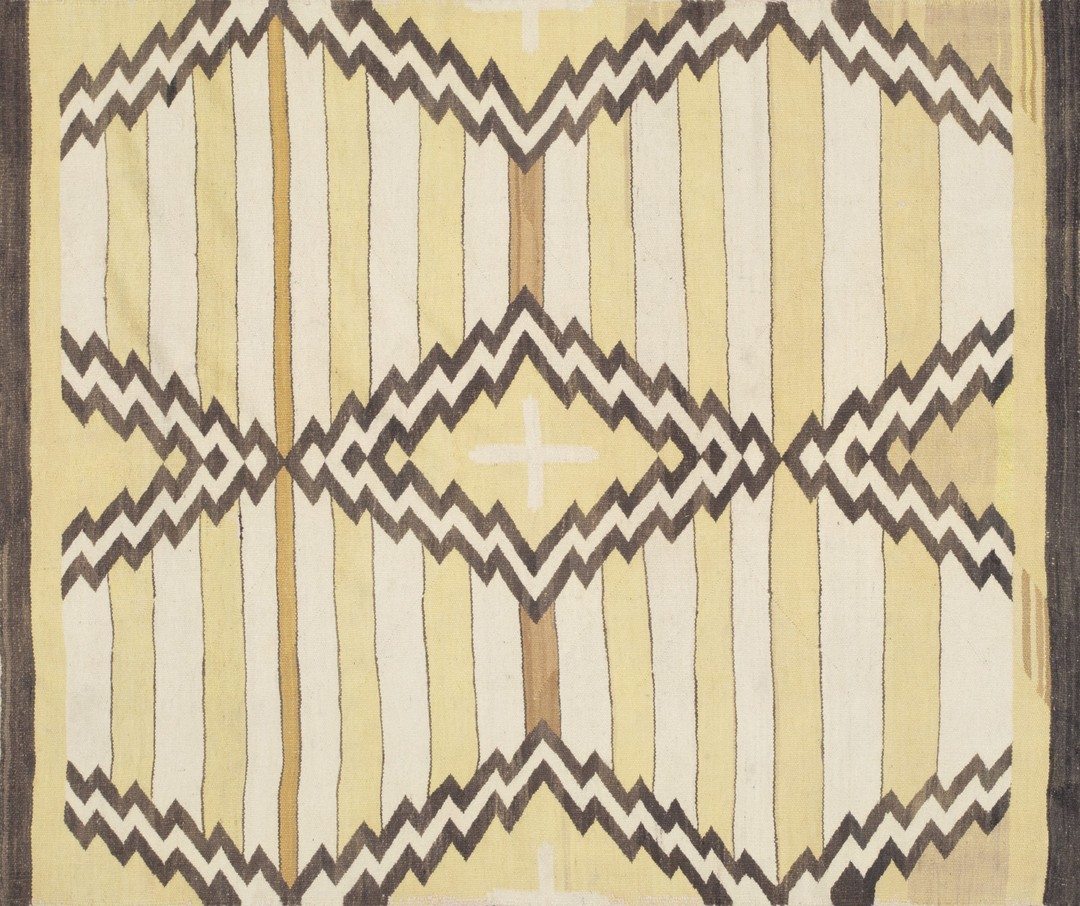
Flatweave entryway rugs, such as a Kilim or Dhurrie, is frequently the superior choice for high-traffic foyers. Lacking a standing pile, these rugs eliminate the issue of crushing; there are no vertical fibers to flatten under heavy foot traffic.
This profile offers significant mechanical advantages: it allows doors to swing freely without “door drag” and enables vacuums to remove grit directly from the surface rather than extracting it from deep within a plush pile.
When selecting a flatweave, the focus must be on edge quality. Because these rugs are light, the binding or selvage (the finished side edges) endures the most stress. A loose edge will curl and fray rapidly under pivoting feet.
To answer the common question, “Are flatweave rugs better than plush for entryways?” the answer is a definitive yes for functionality. They offer better clearance and easier soil removal, provided they are anchored with a high-quality rug pad to prevent slipping and bunching.
Hand-knotted low pile: durable and repairable
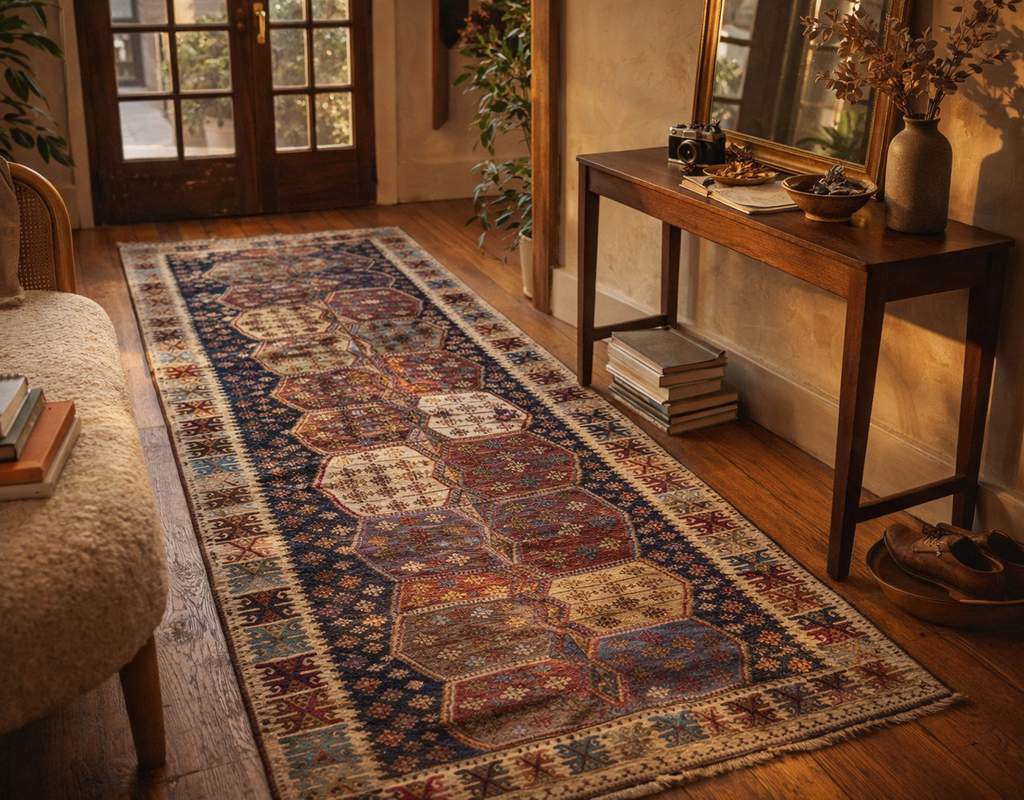
For homeowners seeking heirloom quality, a hand-knotted low pile rug for entryway use offers unmatched longevity. In this construction, every individual knot is tied to the foundation, creating a density that naturally repels grit.
Unlike machine-made counterparts, hand-knotted Wool rugs are repairable; if a specific area wears down or the fringe unravels, a professional can restore it.
However, these rugs are best specified for moisture-controlled entries. While wool is resilient, the cotton foundation of many hand-knotted rugs can rot if subjected to constant saturation.
They are ideal for “dry” foyers or homes with a vestibule that captures the bulk of rain and snow before the main rug is reached.
Tufted rugs: comfort vs faster threshold wear
Hand-tufted rugs are constructed by punching wool through a canvas backing and sealing it with latex glue. While they offer a plush feel and a lower price point, buyers must have realistic expectations regarding their lifespan in a foyer. The latex adhesive can break down over time, especially if exposed to temperature fluctuations near a drafty door.
Furthermore, tufted rugs are typically thicker than woven options. When determining what rug pile height is best for doors, tufted options often exceed the critical 0.25 to 0.5-inch limit, causing door jams.
If comfort is the priority, a tufted rug is acceptable, but it should be viewed as a semi-permanent solution that will wear faster than knotted or flatwoven alternatives.
Indoor/outdoor woven: wet-entry practicality
For homes in climates with heavy rain, snow, or mud, an indoor outdoor rug for front door placement is the most practical solution. Modern “performance” rugs made from Polypropylene or PET (recycled Polyester) mimic the look of natural fibers but are chemically inert. They do not absorb water, making them immune to mold and mildew.
The primary advantage here is cleaning frequency. These rugs can often be taken outside and hosed down to remove heavy mud and salt deposits, a maintenance method impossible with wool or cotton. They provide the “entry-proof” durability required for the harshest transition zones.
Comparison of Rug Constructions
| Construction | Clearance | Cleaning Ease | Wear Resistance | Wet Tolerance |
|---|---|---|---|---|
| Flatweave (Kilim) | Excellent | High (Surface only) | Moderate to High | Low (unless synthetic) |
| Hand-Knotted | Moderate | Moderate | Excellent (Repairable) | Low to Moderate |
| Hand-Tufted | Poor (Thick) | Low (Traps dirt) | Low to Moderate | Low (Glue breakdown) |
| Indoor/Outdoor | Excellent | High (Hose down) | High (Synthetic) | Excellent |
Ultimately, the best entryway rug construction is one that aligns with your specific climate and door clearance. A rug chosen for performance—prioritizing a low profile and dense structure—will survive the threshold significantly longer than one chosen for aesthetics alone.
Materials for Mud, Snow, and City Grit
Our Performance Ranking for Foyer Materials
Not all “natural” fibers are created equal at the threshold.
Here is how we rank them for the foyer:
- Grade A: High-Lanolin Wool. The natural oils act as a stain repellent. High-altitude wool (like Ghazni) is the only material I recommend for serious high-traffic areas.
- Grade B: Hand-Knotted Silk. Surprisingly durable, but only if the knot density is high (300+ KPSI). It’s beautiful but can be slippery without a superior pad.
- Grade F: Viscose & “Art Silk.” Avoid these entirely. They are basically processed wood pulp. One rainy day or snow-covered boot will permanently yellow the fibers and cause them to collapse.
Wool performance: resilience and finishing quality
When asking “how do I choose an entryway rug material?”, the answer for dry to moderate climates is almost invariably wool. Wool is widely considered the best material for entryway rug applications due to its complex cellular structure.
The fiber possesses a natural spiral “crimp” that acts like a microscopic spring, allowing it to compress under heavy footsteps and recover its shape instantly. This resilience prevents the “pathing” or matted trails common in cheaper textiles.
However, not all wool is equal at the door. The performance relies heavily on finishing quality. High-lanolin wool repels dry soil and liquid spills naturally, keeping contaminants on the surface for easy removal.
Conversely, chemically processed or “dead” wool (harvested from butchered sheep) lacks this elasticity and will wear out prematurely. For a mud room entry rug, wool is excellent at hiding soil, but it requires regular vacuuming to prevent grit from cutting the fibers.
Synthetics for wet entries
For households dealing with heavy rain or snow, a rug for snowy entryway placement requires moisture tolerance that natural fibers cannot provide. Synthetic fibers like polypropylene (olefin) and solution-dyed acrylic are hydrophobic; they are essentially plastic and absorb zero moisture.
This characteristic prevents the growth of mold, mildew, and rot, which are significant risks when organic rugs are left saturated.
Synthetics are specified for wet entries because they tolerate aggressive cleaning. Unlike wool, which requires pH-neutral cleaners, many polypropylene rugs can be cleaned with bleach solutions or taken outside and hosed down.
While they may flatten faster than wool under heavy pivot traffic, their ability to withstand constant wetting makes them the pragmatic choice for harsh winter climates.
Coir, jute, and sisal scrape function
Natural plant fibers like coir, jute, and sisal are frequently used in foyers for their texture, but they function primarily as mechanical scrapers. Coir (coconut husk) is exceptionally stiff and excellent at physically brushing heavy mud and debris from shoe soles.
However, these materials have significant limitations regarding moisture control. Plant fibers are highly absorbent and prone to rot if they remain wet. They can also become brittle and shed, adding dust to the entryway.
They are best utilized in covered areas or dry seasons where their scraping ability is needed, but water exposure is controlled.
Wool vs synthetic for muddy shoes
Homeowners frequently ask, “should I choose wool or synthetic for muddy shoes?” The decision depends on the type of soil (wet vs. dry) and the user’s willingness to clean.
| Fiber | Pros | Cons | Best Climate | Best Habits |
|---|---|---|---|---|
| Wool | Resilient crimp; hides dry soil well; naturally stain resistant. | Absorbs water; dries slowly; sensitive to harsh chemicals. | Dry or Moderate (City grit/Dry dirt) | Regular vacuuming; “no shoes” policy helpful. |
| Synthetic (Poly) | Hydrophobic (waterproof); bleach cleanable; affordable. | Matts down faster; oil-based stains can bind to fibers. | Wet/Snowy (Slush/Mud/Salt) | Frequent hose-downs or scrubbing. |
| Plant (Sisal/Jute) | Aggressive scraping texture; natural aesthetic. | Rots if soaked; absorbs stains instantly; difficult to clean. | Arid/Dry (Sand/Dry soil) | Shake out often; avoid liquids. |
Dye bleed and transfer risk
A critical risk in wet entryways is fugitive dye. When answering the wool vs synthetic entryway rug debate, one must consider that water acts as a solvent.
If a saturated wool or cotton rug sits on a hard floor, unstable dyes can bleed out, permanently staining the wood, tile, or grout underneath. This is particularly common in older, hand-dyed rugs or lower-quality imports.
Wet entries raise the bar for colorfastness. Synthetics are typically solution-dyed (color is added while the fiber is liquid), making them colorfast and safe for wet floors.
If using a natural fiber rug in a wet zone, it is imperative to use a solid, waterproof rug pad to create a barrier against moisture migration and dye transfer.
Size & Shape Cheatsheets for Foyers and Hallways
How big an entryway rug should be
When determining how big should a rug be in entryway spaces, the primary metric is the “walk-off” distance rather than aesthetics alone. Effective soil management requires enough linear footage for a person to take multiple steps on the textile. A rug that only captures one footstep allows the second step to deposit outdoor grit directly onto the hardwood.
To maximize performance, the entryway rug size should be as large as the space permits while maintaining proper borders. A longer capture zone significantly improves soil control; the more surface area available to brush shoe soles, the less dirt enters the main living areas. Consequently, “size is performance”—a larger rug protects the home more effectively than a minimal mat.
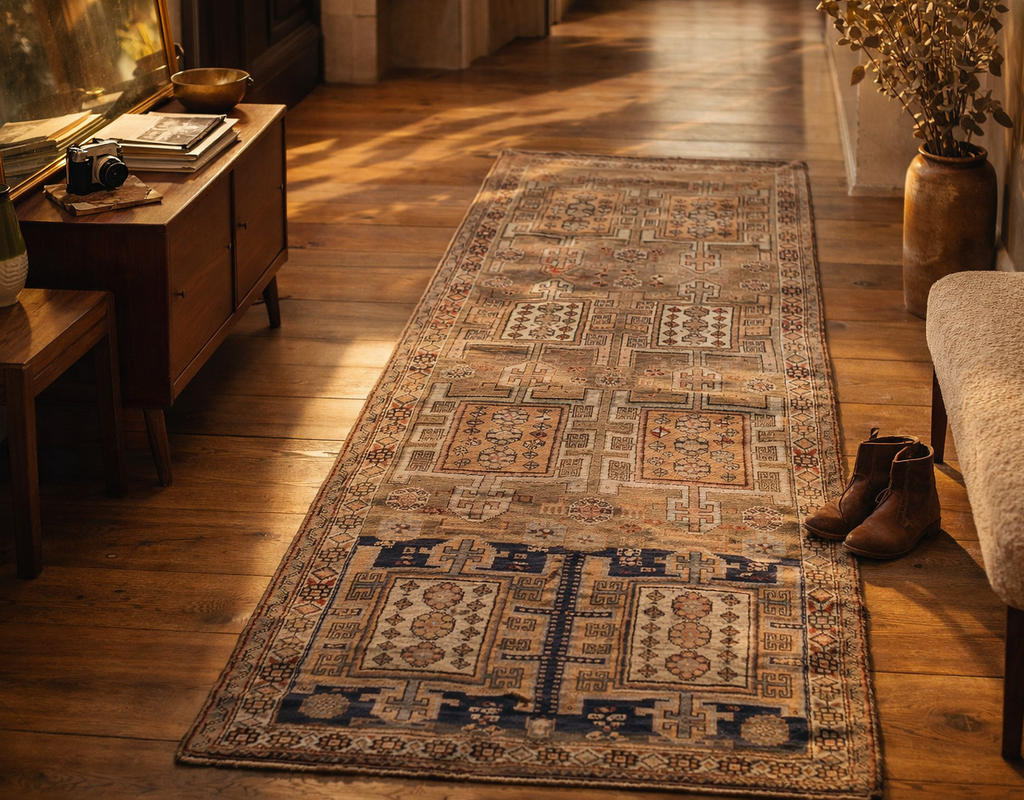
Runner entryway rugs in foyers
Runners are excellent problem solvers for specific architectural layouts. You can absolutely use a runner rug in a foyer, particularly if the entry immediately transitions into a long hallway or if the traffic path is strictly linear.
However, a runner is less effective in wide, open foyers where guests might pivot or gather. In these scenarios, a “landing rug” (such as a 4×6, 5×8, or 6×9 rectangle) is superior because it covers the turning radius.
Runners solve long paths by guiding movement, while landing rugs solve turning zones by creating a broad, protected area for greeting guests and removing coats.
Standard hallway runner width
When sizing a foyer runner rug size, proportion is key. The standard width for pre-made runners is typically between 2 feet 6 inches and 3 feet. For a standard hallway, the goal is to center the runner while leaving visible floor on either side.
Answering “what size runner fits a standard hallway width” requires measuring the hall’s width and subtracting 8 to 12 inches total (4 to 6 inches per side). This reveal prevents the runner from looking like wall-to-wall carpeting and protects the baseboards from vacuum cleaner scuffs.
For wider halls (4 feet or more), a standard 2.5-foot runner may look anemic; in these cases, seek out wider runners (3 to 4 feet) to maintain visual balance.
Round foyer sizing
Round foyers demand specific geometry to feel harmonious. Using a Rectangular rug in a circular room often creates awkward negative space.
When calculating round foyer rug size, follow these guidelines:
- Center the Circle: A round rug should be centered directly under the central light fixture or architectural focal point to anchor the room’s symmetry.
- Leave a Consistent Border: Similar to rectangular rooms, a round rug should leave a 12- to 18-inch border of flooring visible around the perimeter to define the space.
- Ensure Furniture Coverage: If there is a center table, the rug must be large enough that the table legs do not perch precariously on the edge. The rug diameter should extend well past the table footprint.
Should entryway rugs cover the door swing area
Ideally, no. If your foyer allows for it, start the rug after the door’s full swing radius. This prevents ‘corner curl’ over time and ensures your main decorative rug never catches the door’s edge
However, this is only viable if the door clearance rug pile height allows the door to pass over the rug without friction. If the door drags, the rug must be pulled back beyond the swing radius.
This compromise reduces the capture zone, so in these cases, a secondary, ultra-thin mat may be required right at the door, or the homeowner must commit to a flatweave construction that fits under the sweep.
Style That Survives: Pattern, Color, and “Visual Resilience”
Patterns that hide soil
In a high-traffic zone, “visual resilience” is a critical design feature. A rug that looks pristine only when it is brand new is a liability in a foyer.
When selecting a high-traffic pattern, prioritize “visual interruption.” Intricate designs prevent the eye from focusing on individual particles of grit or minor tracking stains.
The following foyer rug pattern ideas excel at maintaining a clean appearance between vacuuming sessions:
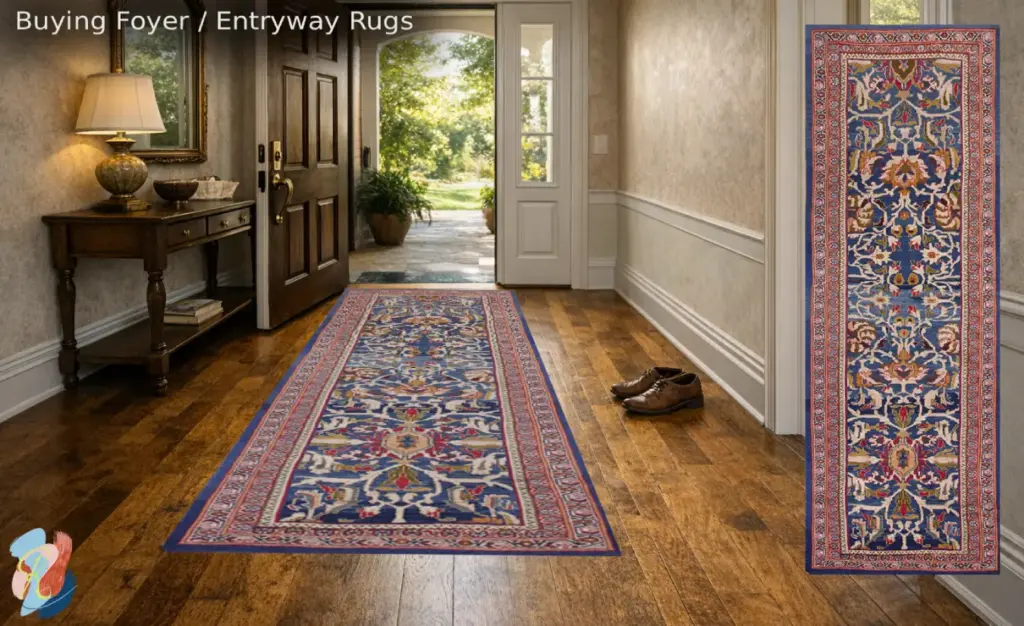
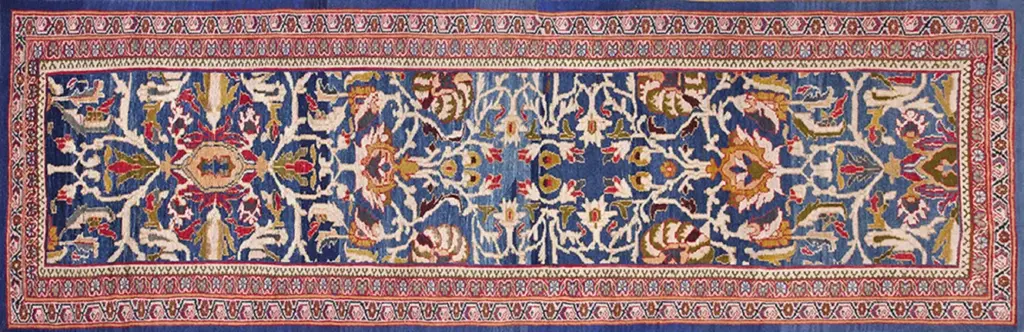
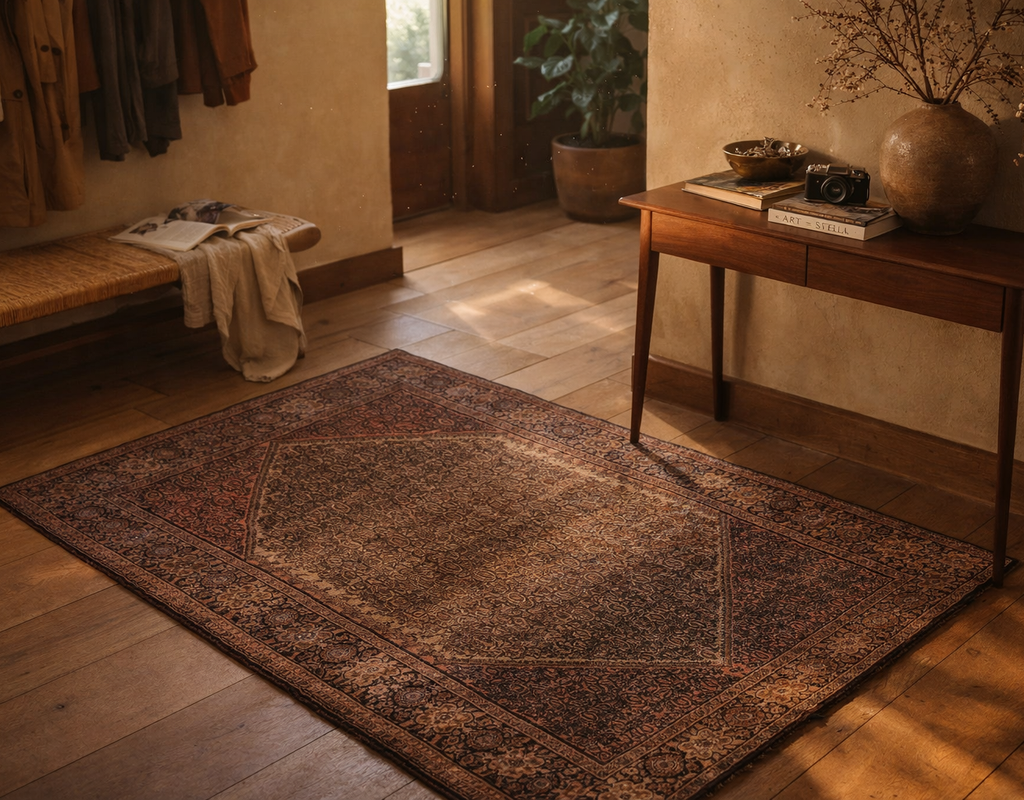
- Intricate Traditional (Persian / Oriental rug designs): The high density of visual information—complex motifs, vines, and borders—breaks up the visual field, making it nearly impossible to spot small debris or dried mud.
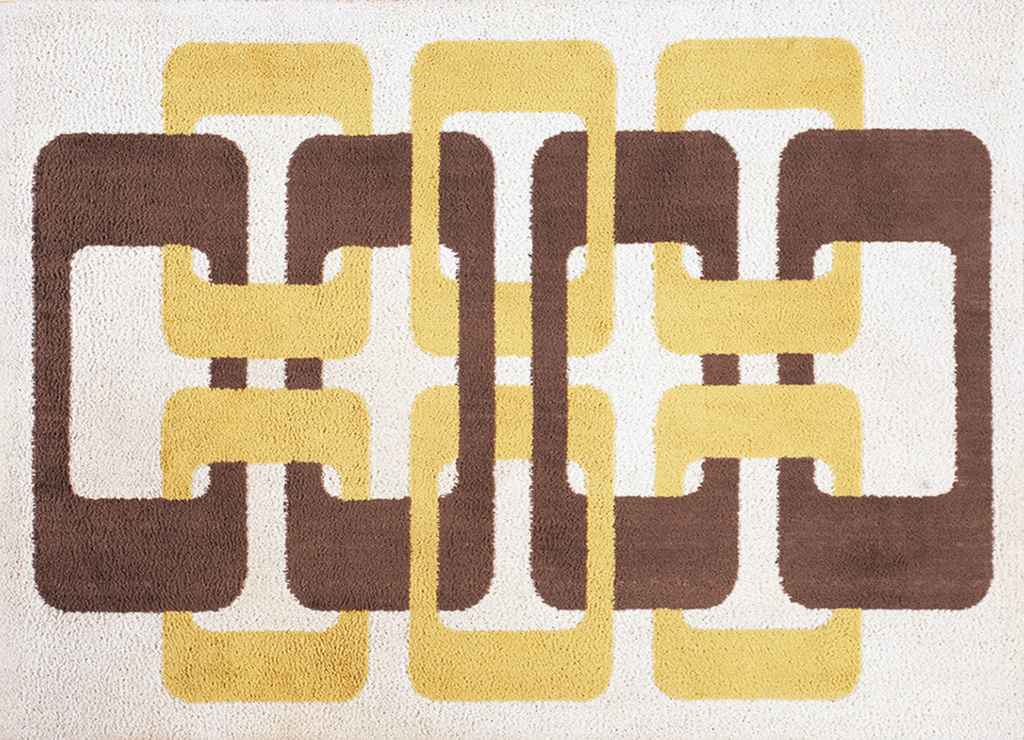
- Small-Scale Geometrics: Tightly repeating shapes create a rhythm that distracts the eye. A high traffic rug pattern with high contrast (e.g., a dark lattice on a medium ground) effectively camouflages wear paths.
- Heathered or “Abrash” Styles: These designs utilize yarns that vary in color intensity (e.g., a mix of slate, charcoal, and silver). Because the rug already looks intentionally varied, new dust blends in rather than standing out.
Best colors to disguise entry grit
Selecting the best color for entryway rug performance is less about specific hues and more about “value”—the relative lightness or darkness of the color. Extremely dark colors (black, navy) act like a backlight for light-colored dust and lint. Conversely, extremely light colors (cream, white) spotlight dark mud and scuffs.
When selecting a color palette, the answer to “what colors hide dirt best in entryway rugs?” is found in the medium values. Mid-tone grays, warm taupe, rusty terracotta, and sage greens are the most forgiving because they mimic the natural colors of earth and pavement.
These shades allow the rug to “absorb” the visual impact of incoming soil. An entry rug that hides dirt effectively typically combines these medium values with heathering or abrash, ensuring that pattern scale and depth override the temptation of trendy, delicate color names that fail at the threshold.
“Edge discipline” as both style and safety
While the center of the rug handles the soil, the edges define the rug’s lifespan. In an entryway, “edge discipline” refers to the structural integrity of the borders. This is where style meets safety. Avoid rugs with fringe (tassels) at the door. Fringe is a mechanical weak point that gets caught in vacuum cleaners and chewed up by pivoting shoes, instantly making the rug look tattered and “tired.”
Instead, prioritize rugs with wide canvas bindings or tightly serged edges. These finishes provide a crisp, deliberate visual border that signifies quality while preventing the corner curling and fraying that lead to trip hazards. A clean, stable edge keeps the foyer looking tailored; a frayed fringe makes the entire home feel neglected.
Solid light rugs: when they work
Solid light-colored rugs are the most difficult to maintain in a foyer. They lack the camouflage of patterns and the forgiveness of medium tones. However, they can work in specific scenarios if the homeowner accepts a strict maintenance commitment.
A solid cream or beige rug is viable only in “no-shoes” households or entries protected by a large exterior vestibule that captures the majority of the grit. Even then, “looks clean longer” is rarely achieved with light solids; they require frequent professional cleaning and immediate spot treatment. For most active households, relying on a solid light rug is a setup for frustration, as the “traffic lane” will turn gray within weeks, ruining the intended aesthetic.
Safety First: Non-Slip Pads, Curling Corners, and Sliding Rugs
Non-slip pad necessity
When asking “does an entryway rug need a non-slip pad?”, the answer for any hard surface flooring is a non-negotiable yes. A safe foyer rug is defined by its stability; “pretty” entryway rugs that slide are a safety problem, not a decor element. Hardwood, tile, and stone offer zero friction against textile backings, meaning the momentum of a person entering the door can easily transform an unsecured rug into a “surfboard,” leading to dangerous falls.
Beyond preventing slips, a non slip pad for entryway rug applications is essential for preventing buckling. As feet pivot and turn, they push the rug fabric against itself, creating ripples. These ripples are immediate trip hazards. A high-quality rubber or felt-and-rubber pad locks the rug to the floor, ensuring it remains flat and taut against the mechanical stress of daily traffic. (See our Rug Pads guide for specific material recommendations).
Preventing curled corners and edge lift
Curling corners are among the most common tripping hazards in foyers. To prevent rug corners from curling and causing accidents, homeowners must address edge lift immediately.
Fixing corners early prevents bigger failures and falls. Use these methods to maintain a flat profile:
- Reverse Rolling (“Back-rolling”): Rolling the rug tightly in the opposite direction of the curl breaks the tension in the backing and encourages the fibers to relax flat against the floor.
- Corner Grippers or Rug Tape: These adhesive devices provide a mechanical hold, physically adhering the corner to the floor to counteract the natural tendency of the fiber to lift.
- Steam Treatment: Applying steam (carefully, depending on fiber) relaxes the stiff backing materials that often cause curling, allowing gravity to flatten the edge.
- Weight Training: Placing heavy books or furniture on the corners for 24-48 hours after unrolling forces the structure to acclimate to a flat position.
Why rugs slide even with pads
Homeowners are often frustrated when they buy a pad, yet the rug still moves. Answering “why do entryway rugs slide even with pads?” requires looking at the interface between the floor and the pad. The most common culprit is dust. If the floor was not perfectly clean before the pad was laid, a layer of fine dust acts like ball bearings, reducing friction.
Additionally, pad mismatch is a frequent issue. Using a felt-only pad (designed for comfort) on a hard floor provides no grip; a rubberized surface is required to stop rug from sliding entryway floors. Finally, moisture saturation plays a role. If a mat becomes sodden with rain or snow, water can seep between the pad and the floor, creating a hydroplane effect that compromises the grip and risks damaging the floor finish.
Routine inspection
Safety in the entryway is not a “set it and forget it” task. Routine inspection is a necessary maintenance habit. Check the rug weekly for signs of edge lift or pad degradation.
Saturated mats can become hazards themselves; if a rug is waterlogged, it loses its ability to contain mess, and wet grit increases the slip risk on the surrounding hard surfaces. If the rug is damp, lift it to dry the floor beneath and verify the pad is still intact and gripping effectively.
Treat the Entry Like a System: Two-Stage “Walk-Off” Zones
Two-stage setup: outside scraper + inside absorber
Treating the entry as a system is significantly more effective than relying on a single decorative rug to handle all environmental abuse. The most efficient walk off mat system home design mimics commercial building standards by employing a two-stage defense.
This approach extends rug life and keeps floors cleaner by assigning specific jobs to specific zones:
- Stage 1: The Scraper (Outside): Located immediately outside the door, this mat (usually coir, rubber, or dense synthetic) aggressively scrubs large debris, mud, and snow from shoe soles before they ever cross the threshold.
- Stage 2: The Absorber (Inside): Located just inside the door, this textile (the “entry rug”) captures the remaining fine dust and absorbs moisture that the scraper missed, preventing it from tracking onto the hardwood.
Sizing the walk-off zone by “steps”
The effectiveness of an entryway mat and rug system is directly proportional to its length. Sizing the walk-off zone is not about matching furniture; it is about “step count.” Soil capture data indicates that a person needs to take at least 4 to 6 steps on a mat system to remove 80-90% of debris from their shoes.
If the internal rug is only 2 feet long (one step), the second step lands on the bare floor, depositing grit immediately. Therefore, the goal is to maximize the capture zone. Combining a 3-foot exterior mat with a 5-foot interior runner creates an 8-foot total walk-off zone, ensuring that by the time a guest reaches the living room, their shoes are effectively clean. More capture steps equals less grit grinding into your interior rugs.
Layered rugs in small entryways
Homeowners frequently ask, “can layered rugs work in a small entryway?” The answer is yes, but only if clearance is prioritized. Layering a small, textured scatter rug over a larger, flat-woven base can add style and extra absorbency, but it creates height.
In a layered entryway rugs setup, the bottom rug must be ultra-thin (like a flatweave or jute) to act as a foundation. The top layer should be small enough to stay clear of the door swing entirely. If the door must swing over the layered section, the combined height will almost certainly cause “door drag” or jamming. Layering is best reserved for the “landing zone” past the immediate door swing radius.
Mapping commercial best practice to homes
Commercial buildings use massive walk-off mats because they work. Mapping this best practice to a residential setting requires a practical translation of the best rug setup for muddy entry conditions. You do not need industrial-looking rubber mats in your foyer.
Instead, install a high-quality coir doormat outside (the “commercial scraper”) and a dense, low-pile wool or washable synthetic runner inside (the “commercial absorber”). This invisible system maintains the aesthetic of a welcoming home while providing the heavy-duty soil control found in an office lobby. By viewing the entry as a functional decontamination zone rather than just a decorative transition, you protect the rest of the home’s flooring investment.
Maintenance Reality: Cleaning, Wet Risks, and Collector Cautions
Vacuuming for grit removal
Maintenance determines lifespan more than brand claims, and nowhere is this truer than in the foyer. Because abrasive soil acts like sandpaper on textile fibers, answering “how to clean entryway rug” begins with aggressive prevention. Regular vacuuming—at least twice weekly in active homes—is the only way to remove the microscopic grit that slices through wool and cotton fibers underfoot.
For entryway rug maintenance, turn off the vacuum’s beater bar if using a loop-pile or flatweave rug to prevent snagging. Instead, rely on strong suction to lift the dirt. For cut-Pile Rugs, the beater bar helps vibrate the dust loose from the foundation, but ensure the height is set correctly to avoid abrading the surface. The goal is to extract the particulate matter before pivoting feet can grind it into the rug’s backing.
Wet shoes and spot-cleaning
Wet shoes bring in a slurry of mud, salt, and chemicals that require immediate attention. A common pitfall is the impulse to “spot-clean harder” by scrubbing the stain. Rubbing a wet wool or cotton rug forces the soil deeper into the pile and can distort the fiber texture (blooming).
Instead, always blot spills with a clean, dry white cloth to absorb as much moisture as possible. If a cleaning solution is necessary, use a pH-neutral cleaner specifically designed for the fiber type. For salt stains on wool, a diluted vinegar solution can help neutralize the alkali, but it must be blotted dry immediately. Never leave an entry rug soaking wet on a wood floor; lift it to air dry from both sides to prevent mildew and floor damage.
Dye migration and why some rugs don’t belong in foyers
Wet entry placement can permanently damage bleed-prone rugs. This is a critical caution for collectors: vintage and antique rugs, often dyed with natural or early synthetic dyes, are highly susceptible to “fugitive” colors. When these rugs get saturated by wet boots or snow melt, the red and blue dyes can migrate into the white areas, ruining the design value.
To prevent dye bleed rug disasters, test any vintage piece for colorfastness before placing it in a high-risk zone. If the dye is unstable, the rug belongs in a dry living room, not a foyer. For wet entries, stick to solution-dyed synthetics or Modern Rugs with colorfast guarantees. If you must use a valuable rug in the entry, ensure it is protected by a waterproof walk-off system and a solid barrier pad.
When to replace an entry rug
Knowing when to replace foyer rug textiles is a matter of safety and sanitation. While high-quality rugs can last for years, the entry takes a beating that eventually compromises function.
Replace the rug if you observe the following:
- Persistent Curling: If corners refuse to lay flat despite tape or steaming, the backing structure has failed, creating a permanent trip hazard.
- Bald Spots or Foundation Show-Through: Once the pile is worn down to the warp and weft, the rug can no longer trap soil effectively, allowing grit to damage the floor underneath.
- Permeating Odors: If a rug smells of mildew or pet dander even after professional cleaning, the bacteria have colonized the latex or cotton foundation, making it a sanitary liability.
- Shattered Backing: If you find white powder or crumbles under the rug (common with tufted rugs), the latex glue has disintegrated, meaning the tufts will soon pull out.
The Foyer Maintenance Calendar: A Seasonal Guide
Because the entryway is a “high-friction” zone, standard cleaning isn’t enough.
Follow this schedule to ensure your foyer rug lasts for decades rather than years:
Weekly: The “Grit Sweep”
- Vacuum: Use high suction but disable the beater bar (especially on flatweaves or silk-blend rugs) to prevent fraying.
- The Goal: Remove abrasive sand and salt before they settle into the foundation and begin “sawing” through the fibers.
Monthly: The “Pivot Check”
- Rotate the Rug: Turn the rug 180 degrees. Entryway rugs wear unevenly because people tend to step in the same spot every time they enter. Rotation ensures the “pivot wear” is distributed.
- Inspect the Pad: Ensure the non-slip pad hasn’t shifted. A bunched pad creates a trip hazard and causes the rug to stretch unevenly.
Seasonally (Every 3 Months): The “Deep Shake”
- Beat the Rug: If the size allows, take the rug outside and give it a traditional beating. Vacuums often miss the fine dust trapped deep in the knots.
- Check for “Salt Ring”: In winter, salt can create a crusty residue on the underside. Blot with a 1:1 water-and-vinegar solution to neutralize it.
Every 1–3 Years: Professional Immersion Wash
- No Steam Cleaning: Never allow a “carpet cleaner” to use steam or harsh chemicals on a fine wool or silk rug.
- The Professional Way: Send the rug to a specialist for a full-immersion hand wash. This removes the deep-seated oils and grit that household vacuums simply cannot reach.
Quick Decision Guide: Pick the Right Entry Rug in 60 Seconds
Decision tree by climate
Choosing the best entryway rug starts with the weather outside your door.
Use this quick filter to match the material to your environment:
- Wet, Snowy, or Muddy: Choose Synthetic (Polypropylene / PET) or Indoor / Outdoor constructions. These materials are hydrophobic, meaning they will not rot, smell, or hold onto moisture, allowing for aggressive cleaning.
- Dry, Dusty, or City Grit: Choose Wool Flatweave or Low-Pile Wool. Wool’s natural crimp hides dry soil and resists crushing better than any other fiber, making it the best foyer rug for high traffic** in dry zones.
- Arid or Sandy: Choose Coir or Sisal. These coarse plant fibers act as heavy-duty scrapers to physically brush sand off shoes, provided they stay relatively dry to prevent degradation.
Decision tree by household habits
Your lifestyle dictates the maintenance level you can tolerate.
Select your profile below:
- “Shoes On” Active Household: Prioritize Multi-Colored Patterns or Heathered Weaves. Solid colors will show traffic lanes immediately; complex patterns effectively camouflage the inevitable soil between vacuuming sessions.
- Pets and Kids: Select Low-Pile or Flatweave over loops. Claws can snag loop piles (like Berbers), unraveling the rug. A **Durable Rug for entryway** use in this context must be easy to scrub and impossible to snag.
- “No Shoes” / Formal Entry: You can opt for Hand-Knotted Wool or softer textures. Without the abrasion of street shoes, you can prioritize aesthetics and comfort, though a low profile remains best for safety.
Decision tree by layout constraints
Space limitations often override style preferences.
Let the architecture guide the shape:
- Tight Door Clearance (Apartments): Stick to Flatweaves (Kilims / Dhurries) or ultra-thin mats. If the door swing gap is less than 0.5 inches, anything with a pile will cause door drag and frustration.
- Long, Narrow Hallway: Use a Runner. It directs the traffic flow and protects the walking path. Ensure you leave 4-6 inches of floor visible on both sides for a balanced look.
- Wide, Open Foyer: Use a Landing Rug (Rectangular or Round). A runner looks lost here; a 5×8 or 6×9 rug anchors the space and covers the pivoting zone where people turn to greet guests.
Final buyer checklist
Before clicking “buy,” verify these four points. If you only remember one rule, it is this: The best performing entryway rugs are low-profile, dense, and have secure edges.
- Measure the Vertical Gap: Confirm the door can pass over the rug height. “Almost fits” creates friction that ruins the rug binding.
- Check Edge Stability: Avoid fringe or loose bindings. Edges must be serged or canvas-wrapped to survive kicking and tripping.
- Buy the Pad Immediately: Safety requires flatness and traction. Buckling is a hazard, and a pad is the only way to lock the rug to the floor.
- Plan a Walk-Off System: Combine an outdoor scraper mat with your indoor rug. This system provides the highest ROI of any upgrade, keeping 90% of dirt out of your house.
One-table summary: The 60-Second Entryway Rugs Buying Guide
| Entry Condition | Best Construction | Best Material | Best Pattern/Color | Must-Have Safety |
|---|---|---|---|---|
| Wet / Snow / Mud | Indoor/Outdoor or Low Loop | Polypropylene / PET | Heathered Grey/Brown | Waterproof Pad |
| Dry / City Grit | Flatweave or Low Cut-Pile | Wool | Intricate Traditional | Felt + Rubber Pad |
| Tight Clearance | Flatweave (Kilim) | Wool or Cotton | High Contrast Geo | Rubber Anchor Tape |
| Pet / Kid Heavy | Low Cut-Pile (No Loops) | Synthetic or Wool | Med-Dark Multi-Color | Washable/Scrubbable |
| Sand / Beach | Coarse Weave | Coir / Sisal / Jute | Natural Tan / Beige | Heavy Rubber Backing |
Why Source Your Entryway Rug from Rugs On Net?
An entryway rug is an investment in your home’s first impression and the protection of your floors.
At Rugs On Net, we don’t just sell rugs; we curate textiles that meet a professional standard of “Foyer-Ready” durability.
- The Curator’s Eye: I personally vet every rug for structural integrity. If a rug has a weak foundation, brittle wool, or fugitive dyes that will bleed in the rain, it doesn’t make it into our foyer collection.
- Authenticity Guaranteed: We specialize in hand-woven, high-lanolin wool pieces. You will never find “art silk,” viscose, or glued-back tufted rugs in our inventory.
- Technical Guidance: We don’t just ship a rug; we provide the specific non-slip padding and clearance advice needed to ensure your door swings perfectly on day one.
- A Family Legacy: As a multi-generational family business, my reputation is woven into every piece we sell. We prioritize education and scholarship over “fast-furniture” sales.
Curated for comfort, beauty, and endurance.
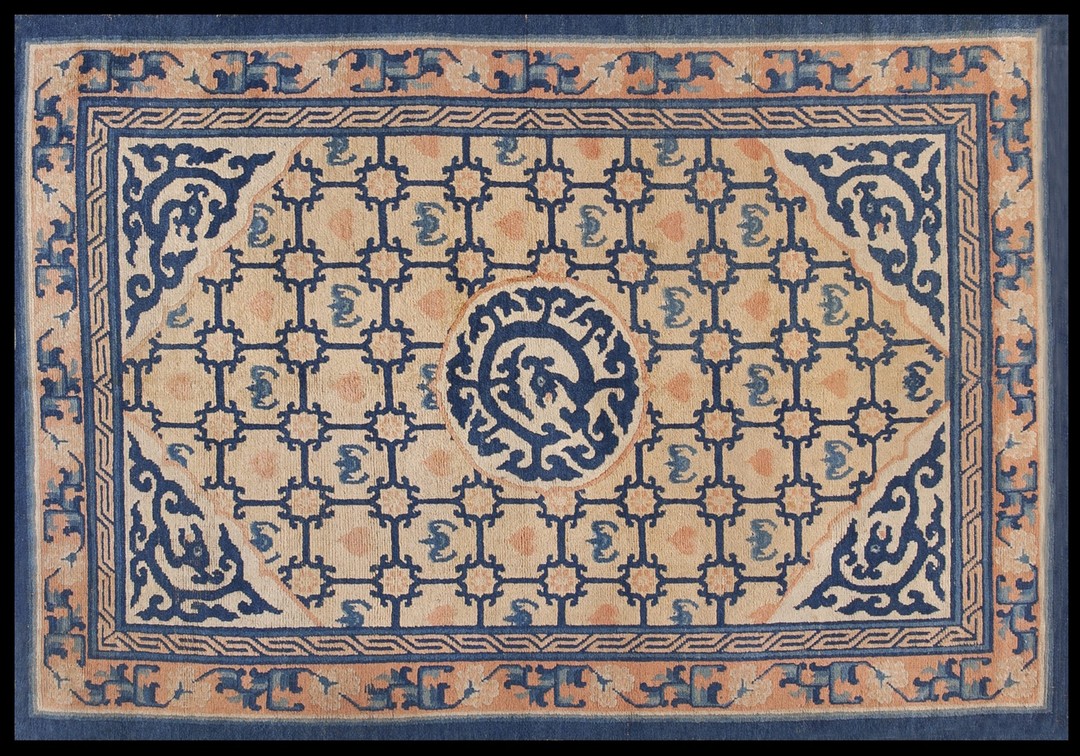
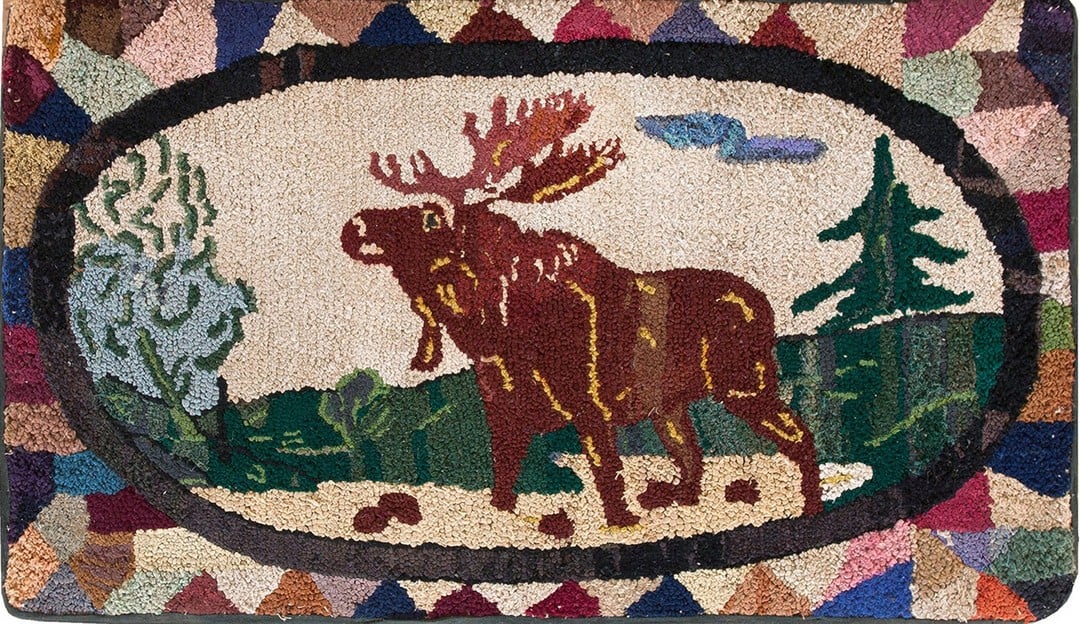
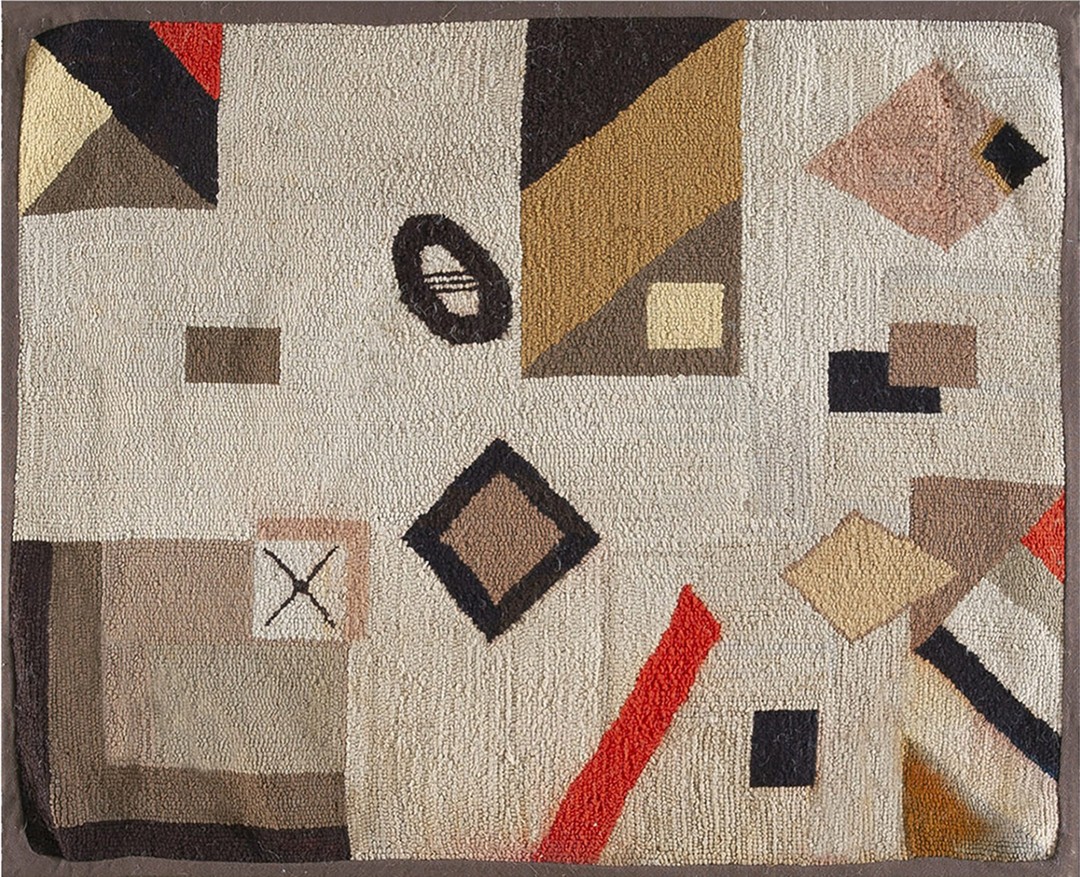
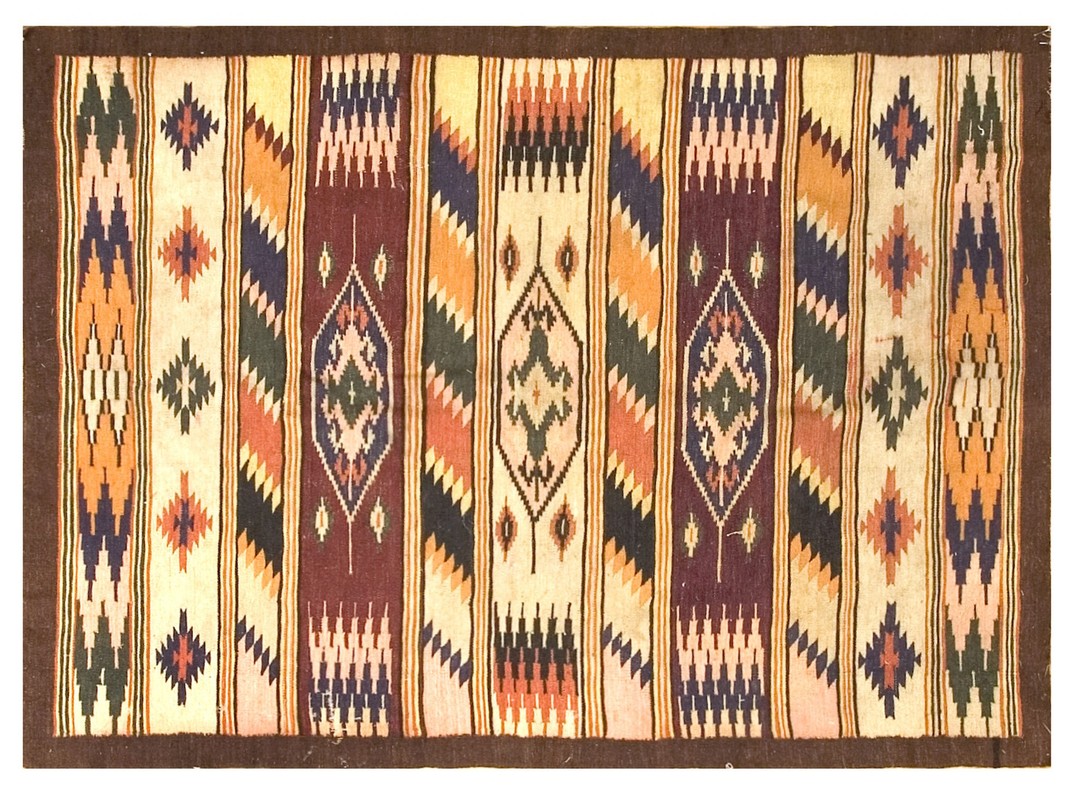
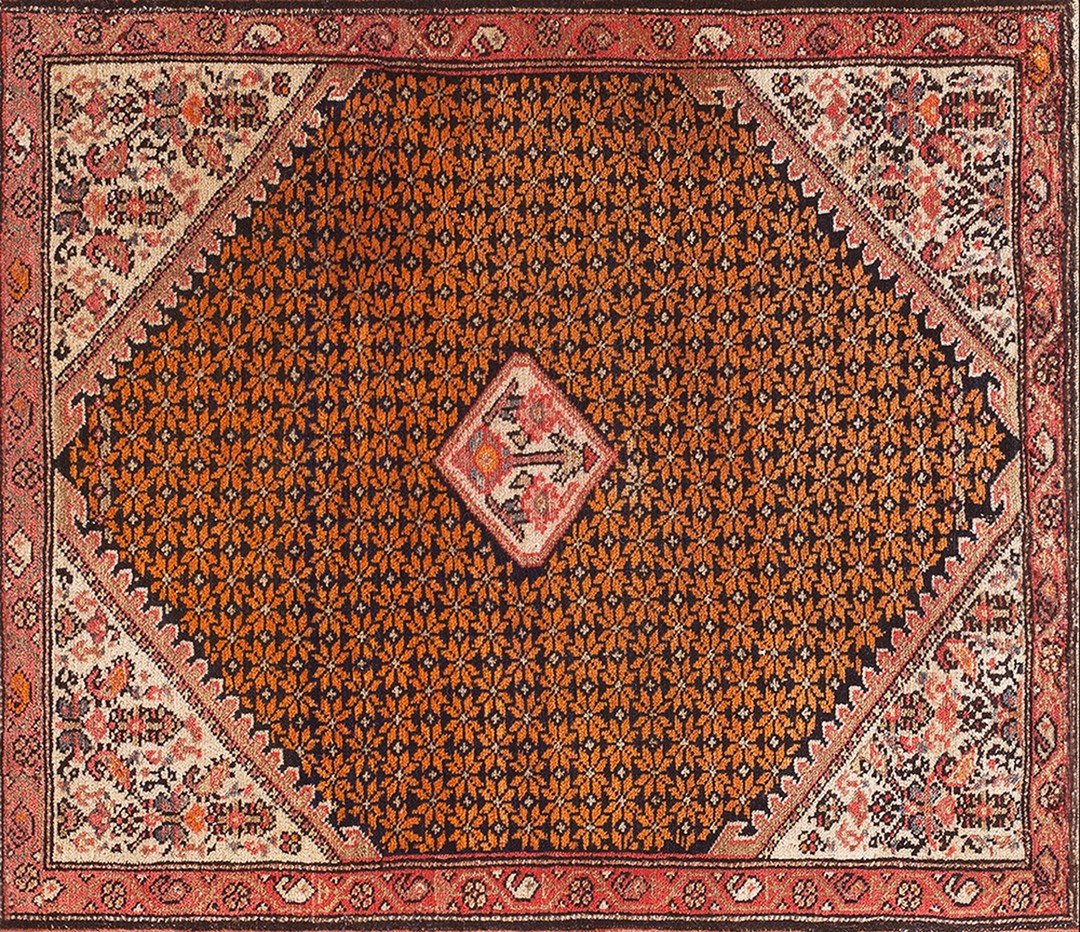
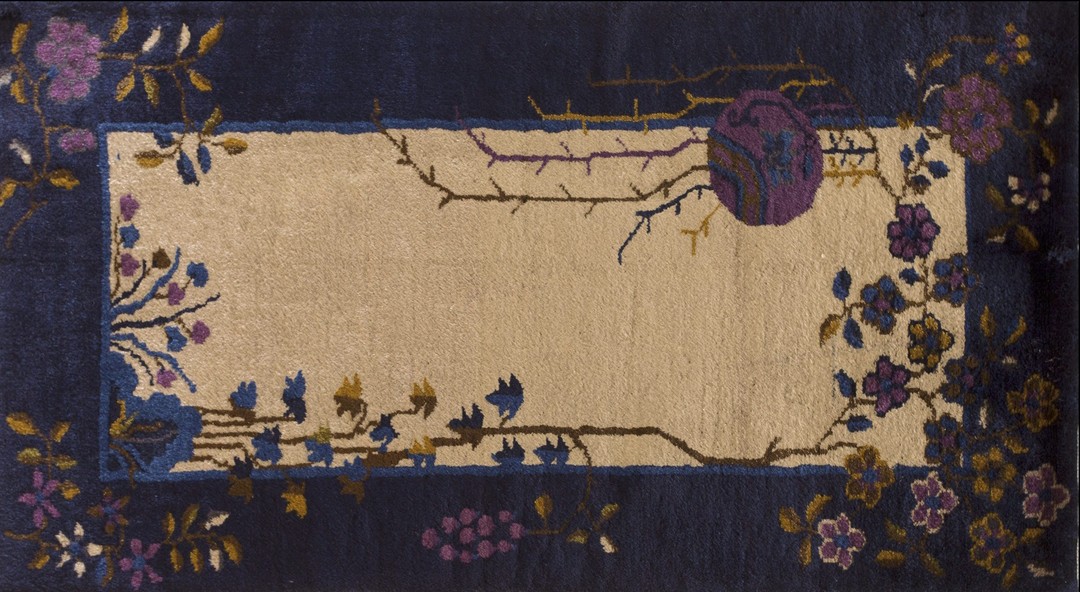
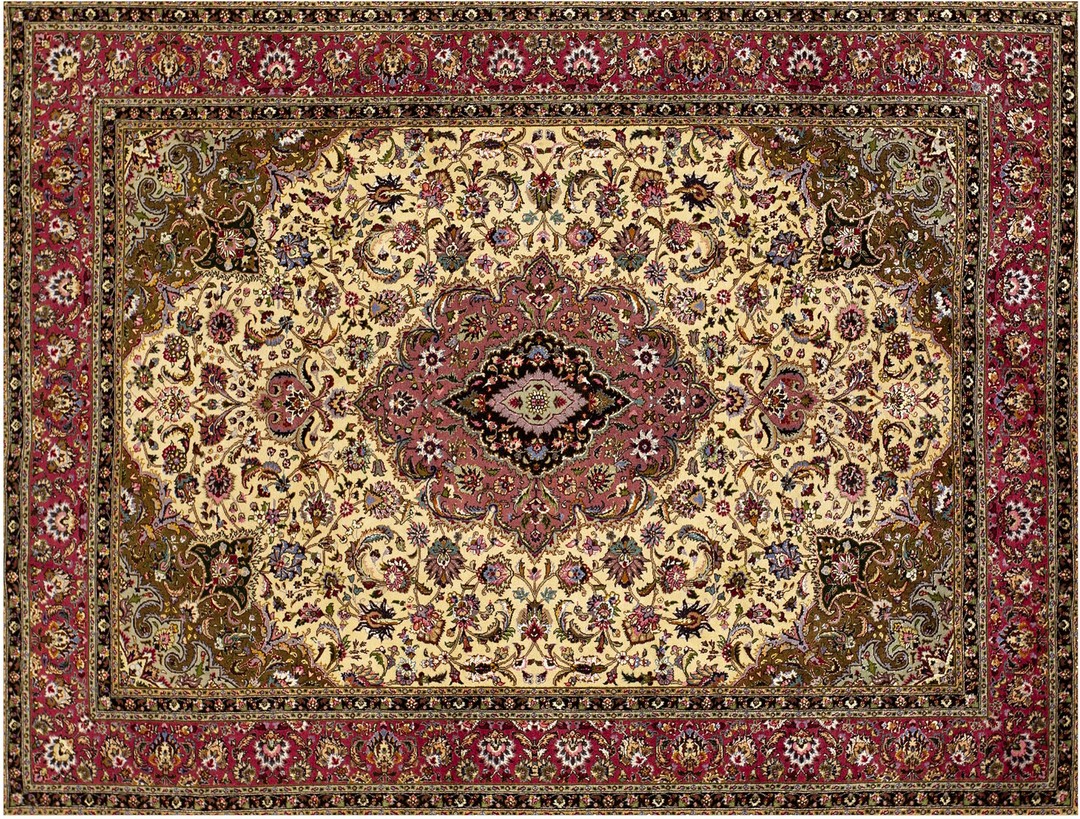
Explore a Few Favorite Entryway Rugs
FAQ
- What is the main purpose of foyer and entryway rugs?
Foyer rugs define the entrance, protect floors, and create a welcoming transition from outdoors to indoors.
- Can foyer rugs work in open-concept homes?
Yes, foyer rugs help visually define the entry area within open floor plans.
- Should entryway rugs be centered or offset?
Foyer rugs are usually centered with the door or architectural features for a balanced, welcoming look.
- Are antique or handmade rugs suitable for foyers?
Handmade rugs can work in foyers if they are durable and properly padded, but they may require more care.
- How often should foyer rugs be replaced?
Entryway rugs may need replacement sooner than other rugs, often every few years depending on traffic and material.
- What patterns are best for foyer rugs?
Busy or geometric patterns are ideal for foyer rugs because they disguise wear and everyday debris.
- Do entryway rugs help with sound control?
Yes, entryway rugs soften footsteps and reduce echo, especially in tiled or hardwood foyers.
- Can you layer rugs in a foyer?
Layering is possible, but foyer rugs should remain flat and stable to avoid bunching or tripping.
- How thick should a foyer rug be?
Foyer rugs should be thin enough to avoid door clearance issues, typically under ½ inch with the pad included.
- Are washable rugs practical for entryways?
Washable entryway rugs are convenient for busy homes, especially where mud, pets, or kids are common.
- How do you clean foyer and entryway rugs?
Regular vacuuming and periodic spot cleaning keep foyer rugs fresh, with deeper cleaning depending on the material.
- Should foyer rugs match the rest of the home?
Foyer rugs should coordinate with nearby spaces but can introduce contrast to set the tone for the home.
- What colors work best for foyer and entryway rugs?
Medium to darker tones and patterned entryway rugs hide dirt better than solid light colors.
- Are rug pads necessary for entryway rugs?
Rug pads are strongly recommended for foyer rugs to prevent slipping and reduce wear from frequent movement.
- Can foyer rugs protect hardwood floors?
Yes, foyer rugs help protect hardwood by trapping grit and moisture before it spreads into the rest of the home.
- How far should an entryway rug sit from the door?
Entryway rugs should sit far enough inside so the door clears easily, usually with at least 3–6 inches of space.
- What shapes work best for foyer rugs?
Rectangular foyer rugs are most common, but round rugs work well in circular or open-concept entryways.
- Are indoor-outdoor rugs good for foyer use?
Indoor-outdoor rugs are practical for foyers because they resist moisture and stains while still providing visual structure.
- How durable do entryway rugs need to be?
Entryway rugs should be highly durable since foyers experience constant traffic, moisture, and dirt from shoes and outdoors.
- Should foyer rugs be low pile or high pile?
Low-pile foyer rugs are safer and easier to clean, reducing tripping hazards and preventing doors from catching.
- What materials are best for foyer and entryway rugs?
Wool, flatwoven cotton, and performance blends are popular because they handle foot traffic and shed dirt more easily than high-pile rugs.
- Are runner rugs better than area rugs for foyers?
Runner rugs work best in long or narrow foyers, while rectangular area rugs suit square or open entryway layouts.
- How do you choose the right size entryway rugs for small foyers?
Small entryway rugs typically range from 2×3 to 3×5 feet, large enough to catch dirt but not overwhelm tight spaces.
- What size foyer rugs work best for entryways?
Foyer rugs should allow the door to open fully and leave 6–12 inches of floor visible on each side for balance and clearance.