
Living Room Rugs: What You’re Really Buying (Definition + System Mindset)
The living room rugs anchor everything. Furniture layout, scale, and flow all respond to it. These two pages help make sure the foundation is right before you build around it.
Good places to start: the complete rug buying guide and placement principles that work.
Explore the other room guides: Study, Family Room, Dining Room, Bedroom, Foyer / Entry, Library, Kids Rooms.
Living Room Rugs Defined
When buying living room rugs, you are not simply purchasing a decorative textile. You are executing a technical matching process. Living room rugs are defined by how well their physical properties—size, structure, fibers, dyes, and underlay—align with the room’s specific layout, traffic patterns, and usage goals.
This selection process must be tied directly to the realities of your home. You must evaluate the foot traffic volume, the need for acoustic dampening, and the required level of comfort before looking at patterns.
A common question arises: Should you buy a rug before the sofa?
Buying the perfect living room rugs gets harder when you do not start from the rug. Most top interior designers agree that it is far easier to match fabrics and colors to a rug than it is to match the rug to existing colors. This does not mean you must buy the rug first. It just means that if you not buy the rug first, it may take a bit longer till you find that perfect carpet that will ties everything in.
Why Rugs On Net for Your Living Room?
Expertise isn’t just about the rug; it’s about the legacy and the lifetime of the textile in your home.
The Digital Gallery
Our online platform offers high-fidelity photography and expert-vetted descriptions. You aren’t just browsing images; you are accessing a curated collection where the dye chemistry, knot density, and structural integrity have already been verified by master appraisers.
The Showroom Experience
Visit us in person to feel the lanolin-rich wool and see how the colors shift under different lighting. Our consultants don’t just sell rugs; they help you calculate the “Impact Insulation” and “Traffic Tolerance” specific to your floor plan.
The Integrity Guarantee
Every living room rug we carry is selected for its long-term investment value. We prioritize genuine hand-knotted foundations over “disposable” machine-made alternatives, ensuring your rug becomes a family heirloom, not a landfill item.
Why Living Rooms Are “Rug-Dependent” Rooms
Living rooms rely on rugs more than any other space in the home to function correctly. Without a rug, a living room with hard flooring often suffers from poor acoustics, characterized by echoes and amplified noise. The best rug for living room use absorbs sound, stabilizes furniture, and protects the permanent flooring from scratches and wear patterns caused by foot traffic and chair legs.
This dependency extends to safety and maintenance. A rug manages slip risks and traps dust that would otherwise float in the air, impacting the room’s cleaning burden. When determining what pile height is best for a living room, consider the traffic. High-traffic rooms benefit from low-pile or flatweave structures because they are durable and easy to vacuum. Low-traffic, lounging-focused rooms can support thicker, higher-Pile Rugs for maximum comfort, provided you accept the increased cleaning effort.
The Rug as a System: Fiber, Structure, Foundation, and Pad
To succeed in how to choose living room rugs, you must view the purchase as a composite system rather than a single item. The performance of the rug relies on the interaction between its four main components.
- Face Fiber: The material (Wool, Nylon, Polypropylene) determines the rug’s stain resistance, crush resistance, and longevity under foot traffic.
- Structure: The construction method (knotted, tufted, woven) dictates how well the fibers stay anchored and how the rug sits on the floor.
- Foundation/Backing: This hidden layer provides dimensional stability, ensuring the rug keeps its shape and does not distort under heavy furniture.
- Rug Pad: Do living room rugs need a rug pad? Yes. The pad acts as the shock absorber for the system, preventing fiber crushing, stopping slippage, and protecting the floor beneath..
Treat the rug + pad as one performance system. A high-quality rug placed without a pad will wear out significantly faster, as the fibers get crushed against the hard subfloor with every step.
Quick Decision Hierarchy
Use this hierarchy to prioritize your decisions. Choose your layout strategy first; style comes after.
| Priority Step | What to Decide | Why It Matters |
|---|---|---|
| 1. Layout & Size | Determine if furniture legs will be all-on, front-legs-on, or floating. | A rug that is too small destroys the room’s proportions and functionality. |
| 2. Traffic & Use | Assess kids, pets, and shoe policies. | High traffic demands wool or synthetics; low traffic allows for delicate fibers. |
| 3. Foundation | Select the rug pad type. | Prevents slipping and extends the lifespan of the rug’s fibers. |
| 4. Style & Color | Choose pattern and aesthetic. | This is the final cosmetic layer applied to a functional foundation. |
Start With Layout: Placement Strategies That Don’t Fail
Placement Strategies: All Legs On, Front Legs On, and Floating
Successful living room rugs placement depends on selecting a strategy before you ever measure the floor. The relationship between your furniture’s footprint and the textile determines the room’s sense of proportion.
There are three primary configurations to consider:
- All Legs On Strategy: This approach creates a distinct, luxurious “room within a room,” making it the gold standard for open-concept spaces where the living area must be visually separated from dining or kitchen zones.
- Front Legs On Strategy: This is the most common and versatile compromise; it physically connects the seating pieces to the rug for visual stability without requiring the massive dimensions (and cost) of an “all legs on” layout.
How Should a Rug Sit Under a Sofa?
The question of how should a rug sit under a sofa is a matter of anchoring versus disconnection. To properly anchor the room, the rug must engage with the sofa physically. A rug that stops several inches short of the sofa legs creates a visual gap that makes the furniture appear to “float” untethered, fragmenting the space.
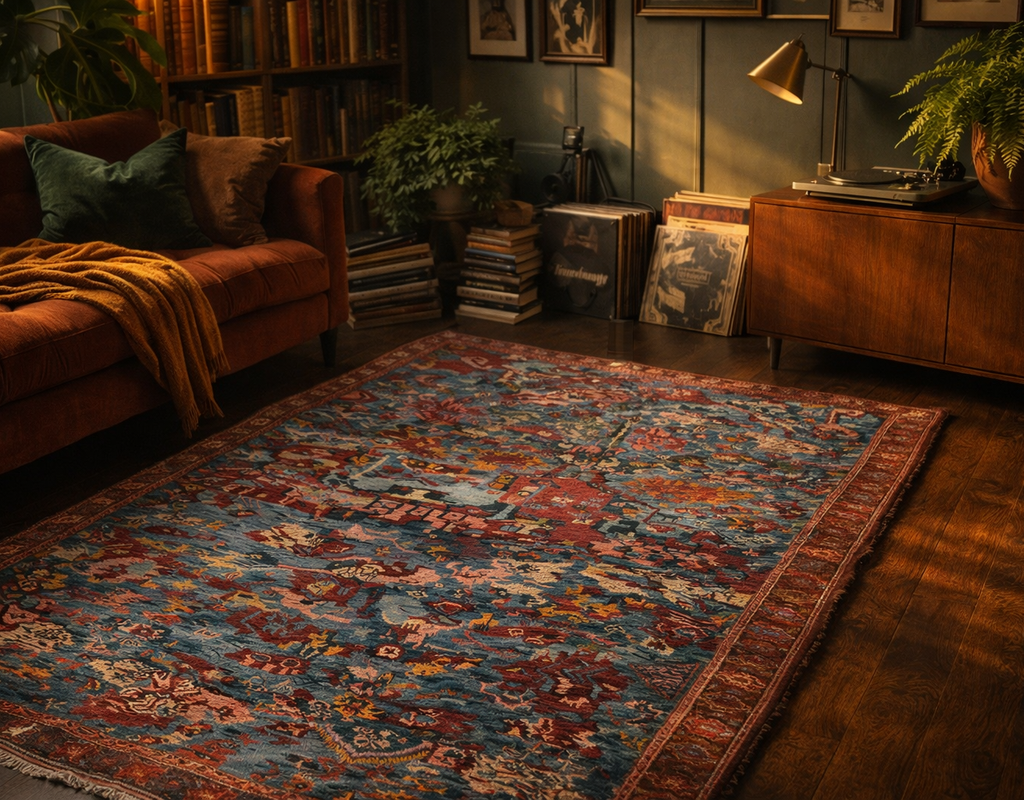
For optimal rug under sofa placement, the rug should extend at least 6 to 12 inches under the front legs of the sofa. This overlap ensures that when you sit down, your feet land on the rug rather than the bare floor. In larger “all legs on” layouts, the rug should extend behind the sofa by at least 6 inches to fully frame the piece.
Should All Furniture Legs Be on the Rug?
Should all furniture legs be on the rug? The answer depends entirely on the scale of the room.
In large rooms or open floor plans, putting all legs on the rug is the superior choice. It creates a unified zone and prevents furniture from shifting during use. However, in smaller, enclosed living rooms, an “all legs on” strategy can backfire.
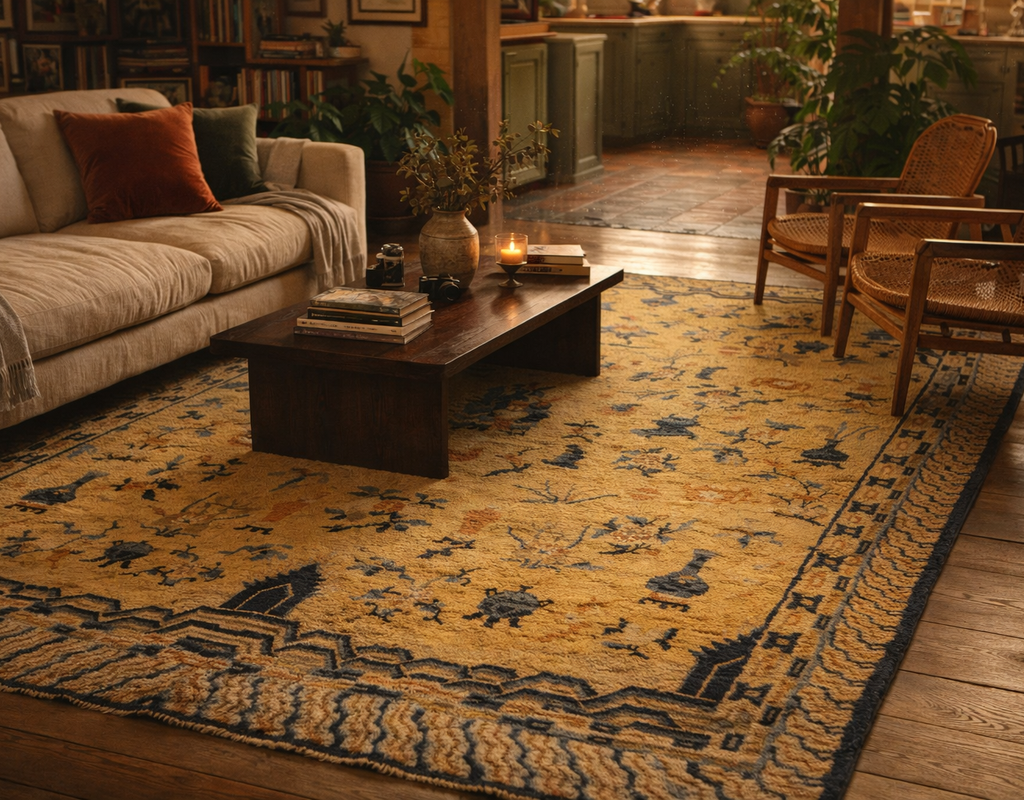
If the rug is large enough to hold all furniture legs in a small room, it often comes too close to the walls, creating a “wall-to-wall carpeting” look that suffocates the space. In these scenarios, the “front legs on” approach creates necessary breathing room around the perimeter, making the room feel larger.
Placing a Rug With a Sectional
How do you place a rug with a sectional? This requires specific attention because sectionals have complex footprints involving corners and extended chaises. The most critical rule in sectional rug placement is to treat the unit as a single block.
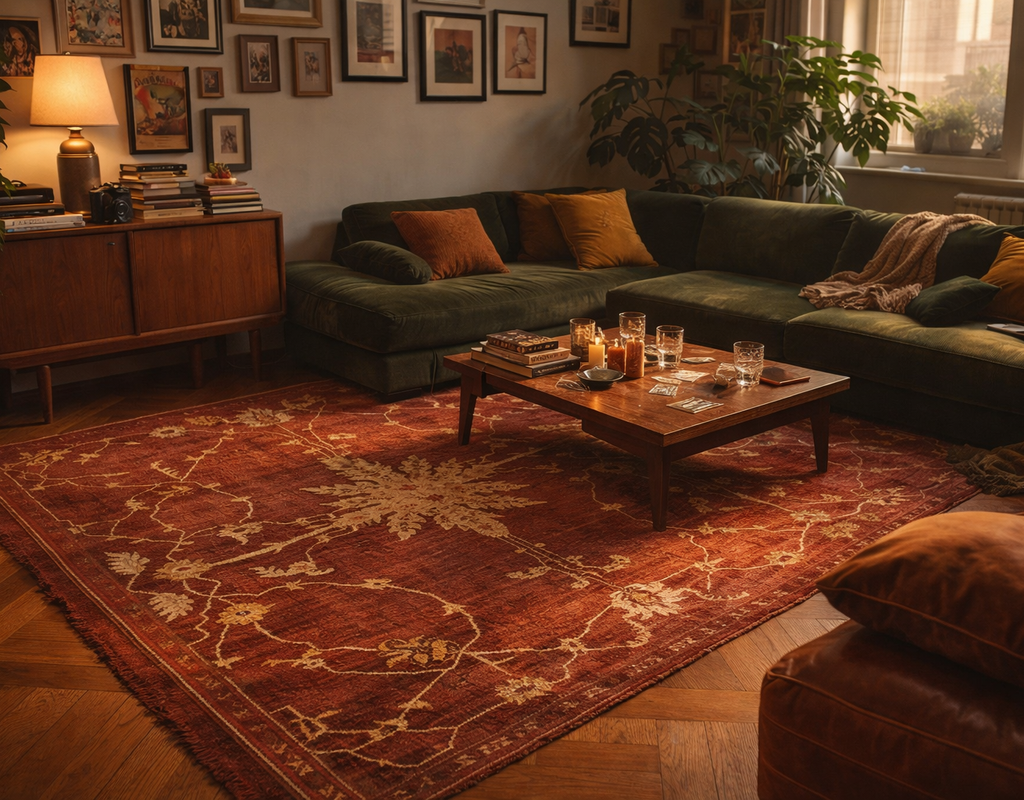
Do not let the corner of the sectional or the end of a chaise “fall off” the rug. The rug must be large enough to extend beyond the chaise lounge and accommodate the entire L-shape or U-shape footprint. Walk-lane abrasion typically runs from the sofa to the coffee table and out toward the entryway. If the rug edge falls right in the middle of a high-traffic path, it creates a tripping hazard and uneven wear.
Where Should the Rug End Near the Walls?
Once you anchor the seating, consider the room’s perimeter. A rug should never touch the baseboards in a living room setting. To create proper framing and balance, aim for 12 to 18 inches of exposed floor between the rug edge and the wall.
This negative space frames the rug and highlights the permanent flooring. In smaller rooms, you can reduce this border to 8 inches, but going narrower often looks like an installation error. Conversely, leaving too much bare floor (more than 24 inches in a standard room) creates a “floating island” effect where the rug feels too small for the architecture of the space.
Sizing & Measuring: The Proportion Rules Buyers Miss
How Do You Measure for Living Room Rugs?
Many buyers fail because they guess dimensions based on Room Size rather than furniture layout. Learning how to measure for living room rugs requires a strict sequence: decide on the placement strategy first (all legs on vs. front legs on), arrange the furniture, and then measure.
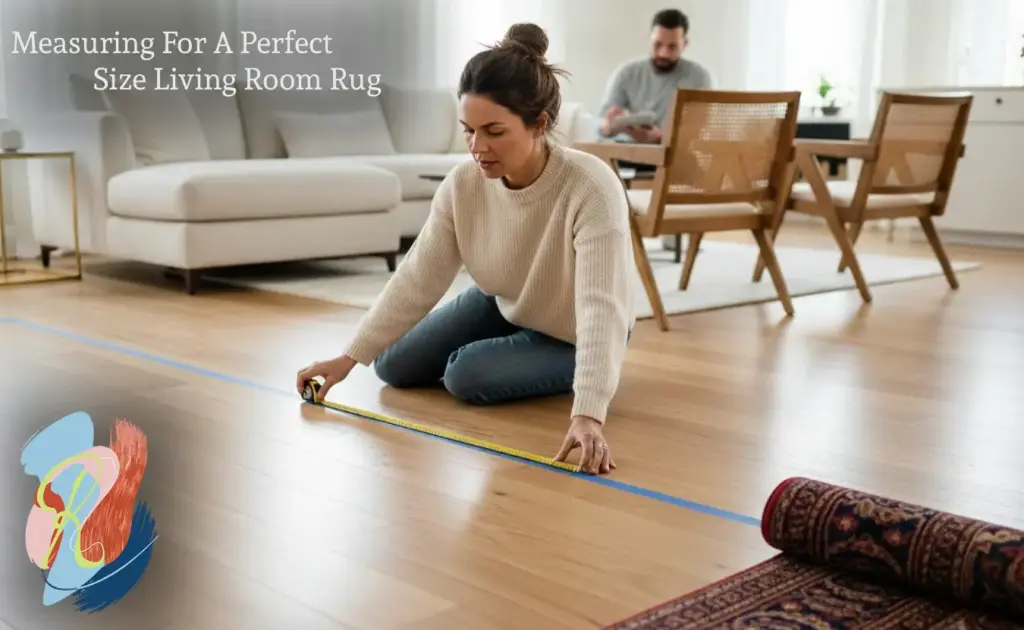
The most effective method involves using painter’s tape on your floor to visualize the footprint.
- Select Your Layout Strategy: You cannot determine the dimensions until you decide if the rug will sit under the front legs or anchor the entire furniture group.
- Arrange Furniture Completely: The rug must serve the furniture configuration, so the sofa and chairs must be in their final positions before you measure.
- Mark the Perimeter with Painter’s Tape: This allows you to physically see the rug’s boundaries, ensuring it covers traffic lanes and doesn’t encroach on walkways or swing doors.
- Measure the Taped Area: This provides the exact dimensions required, allowing you to buy the closest standard size (e.g., 8×10 or 9×12) without guessing.
How to Measure Like a Pro
- Clear the Space: Move your coffee table out of the way.
- The Tape Method: Use blue painter’s tape to outline where you want the rug to sit.
- Test the Walkways: Walk around the taped area. Ensure the edge isn’t right where your heel lands.
- Measure the Tape: Measure the width and length of your tape outline. Always round UP to the nearest standard rug size (e.g., if you measure 7’6″ x 9’6″, buy the 8′ x 10′).
Living Room Sizing FAQ
-
Is a 5×7 rug big enough?
Rarely. A 5×7 is usually too small for a standard living room and creates a “floating island” effect. It is best reserved for small apartments or under a small coffee table only. -
What size rug for a sectional?
Standard sectionals require at least an 8×10, but a 9×12 is ideal to ensure the rug extends past the chaise. -
Should the rug touch the wall?
No. Leave 12-18 inches of bare floor between the rug and the baseboards to frame the room correctly.
How Big Should a Rug Be for Sofas?
When determining how big should a rug be for sofas, the primary rule is width. The rug must always be wider than the sofa itself. If the rug is narrower than the sofa, the furniture visually “swallows” the rug, making the entire arrangement look top-heavy and cheap.
The best rug sizes for sofa pairings covers the entire “coffee table zone.” It must be large enough to sit under the front legs of the sofa, extend under the coffee table, and reach the front legs of any accent chairs on the opposite side. This ties the conversation area together into a cohesive unit.
How Much Rug Should Extend Past the Sofa?
To achieve a professional look, you must consider the side margins. How much rug should extend past the sofa? Ideally, the rug should extend at least 6 to 12 inches beyond the arms of the sofa on both sides.
This side extension is critical for balance. It prevents the sofa from looking like it is crowding the edge of the textile. If you are utilizing an “all legs on” strategy in an open-concept room, the rug should also extend at least 6 inches behind the back of the sofa to fully frame the seating area.
Standard Living Room Rug Sizes by Layout
Use this living room rugs size guide to match your furniture configuration with the appropriate rug dimensions. These are standard pairings that generally succeed in average-sized homes.
| Seating Type | Placement Style | Suggested Rug Size |
|---|---|---|
| Standard Sofa (7–8 ft) | Front Legs On | 8’ x 10’ or 9’ x 12’ |
| Standard Sofa + Chairs | All Legs On | 9’ x 12’ or 10’ x 14’ |
| Small Apartment Sofa | Front Legs On | 6’ x 9’ or 5’ x 8’ |
| Large Sectional | Front Legs On | 9’ x 12’ or 10’ x 14’ |
| Large Sectional | All Legs On | 10’ x 14’ or Custom |
What Happens If a Living Room Rug Is Too Small?
What happens if the living room rug is too small? The consequences are both visual and functional. Visually, an undersized rug creates the “postage stamp” effect, where the rug floats disconnected in the center of the room. This makes the room feel smaller and the furniture layout feel temporary or unfinished.
Functionally, a small scatter size area rug creates tripping hazards. If the rug does not reach the furniture legs, the edges sit exposed in the middle of walking paths. Furthermore, walk-lane abrasion is concentrated on a smaller surface area, causing the rug to wear out faster. Even if budgets are tight, a correct size in a cheaper material always looks better than a high-end rug that is too small.
Construction 101: What Determines Longevity (and What the Back Reveals)
Construction Drives Longevity and Repairability
When evaluating rug construction for living room use, understand that the method of assembly is the single biggest “lifespan lever” in your purchase. While fiber dictates stain resistance, construction dictates whether the rug will survive the heavy compression of sofa legs and the abrasion of constant foot traffic.
In a high-use living room, repairability matters almost as much as initial durability. A rug constructed with independent knots can be re-knotted if damaged by a pet or vacuum cleaner. Conversely, rugs held together by glue or latex backing (like tufted rugs) are generally disposable; once the glue degrades, the rug fails. Always prioritize structural integrity over surface aesthetics for primary living spaces.
Hand-Knotted Traits
To identify durable living room rugs construction, inspect the back of the rug. A genuine hand-knotted rug will display the pattern on the back with nearly the same clarity as the front. This “mirror effect” proves that the pile is physically tied to the foundation, not just glued on.
Additionally, inspect the fringe. In hand-knotted rugs, the fringe is the exposed end of the warp threads that run through the entire length of the rug. It acts as the skeleton. If the fringe is sewn on as a separate piece, the rug is likely machine-made or tufted, which indicates a lower tier of structural stability.
Flatweave Traits
When comparing a hand knotted vs flatweave rug, the flatweave is distinct because it lacks pile entirely. Constructed by interlacing warp and weft threads (similar to a basket), these rugs are extremely durable because there is no pile to crush or mat down under heavy furniture.
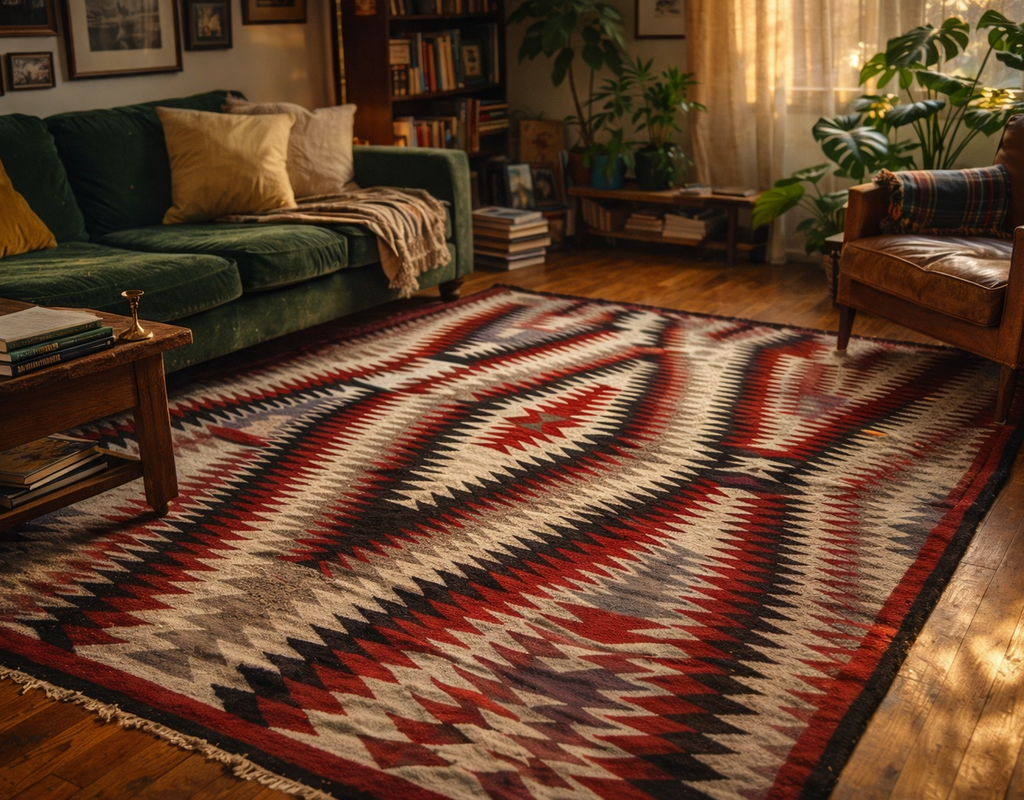
Flatweaves are often reversible, effectively doubling their lifespan. If one side gets dirty or fades, you can flip it over. Their tight, interlaced structure leaves little room for dirt to hide, making them easier to maintain in high-traffic zones, though they offer less cushion than knotted varieties.
Edge Finishing and Corners
Always inspect the back, edges, and corners of the rug before buying it. The “selvage” (the side edges) and the corners are the first points of failure. Quality construction shows at these stress points. If the side binding looks loose, uneven, or glued, the rug will likely suffer from “creep” (warping out of shape) or curling corners within a year.
Why do rugs wrinkle or slide in living rooms? While often a result of missing rug pads, structural wrinkling occurs when the rug’s foundation is too loose or the tension is uneven. A tightly woven edge prevents the rug from losing its dimensional stability under the weight of a sectional.
Construction Comparison
While buyers often ask what pile height is best for a living room? (a factor primarily driven by fiber choice), the construction method sets the baseline for performance.
| Construction | Best For | Longevity | Repairability | Typical Issues |
|---|---|---|---|---|
| Hand-Knotted | Forever homes; heavy traffic areas. | High (50+ years) | Excellent | High initial cost; heavy to move. |
| Flatweave | High traffic; dining/living transitions. | High (20+ years) | Moderate | Can slip easily; less cushion. |
| Hand-Tufted | Low-traffic lounges; budget updates. | Low (3–7 years) | None | Shedding; glue delamination; odors. |
| Power-Loomed | Budget-conscious families; temporary aesthetic. | Medium (5–15 years) | Low | Side binding failure; fringe unraveling. |
Fibers & Pile Height: Matching Feel to Real-World Cleaning
Pile Height Tradeoffs
When debating low pile vs high pile living room rugs options, you are balancing physical comfort against maintenance realities. Pile height directly impacts “vacuumability”, shedding, and how much grit becomes trapped deep within the rug’s foundation.
What pile height is best for a living room? For most households, a low-to-medium pile (approximately 1/4 to 1/2 inch) is the optimal choice. While high-pile rugs (shags) offer a plush initial feel, they act as “grit traps,” capturing dust, crumbs, and pet dander near the base where vacuums cannot easily reach. This trapped grit acts like sandpaper, sawing through fibers from the bottom up.
Conversely, extremely low piles or flatweaves are easy to clean but offer less acoustic dampening and comfort. Choose comfort, then confirm you can maintain it; if you cannot commit to frequent, powerful vacuuming, avoid high-pile rugs.
Wool in Living Room Rugs
Wool is widely considered the best rug material for living room use due to its molecular structure. Wool fibers have a natural crimp (like a spring) that provides exceptional resilience and recovery under compression. This means that when heavy furniture, such as a sofa or media console, sits on a wool rug, the fibers are more likely to bounce back once the weight is removed compared to synthetic counterparts.
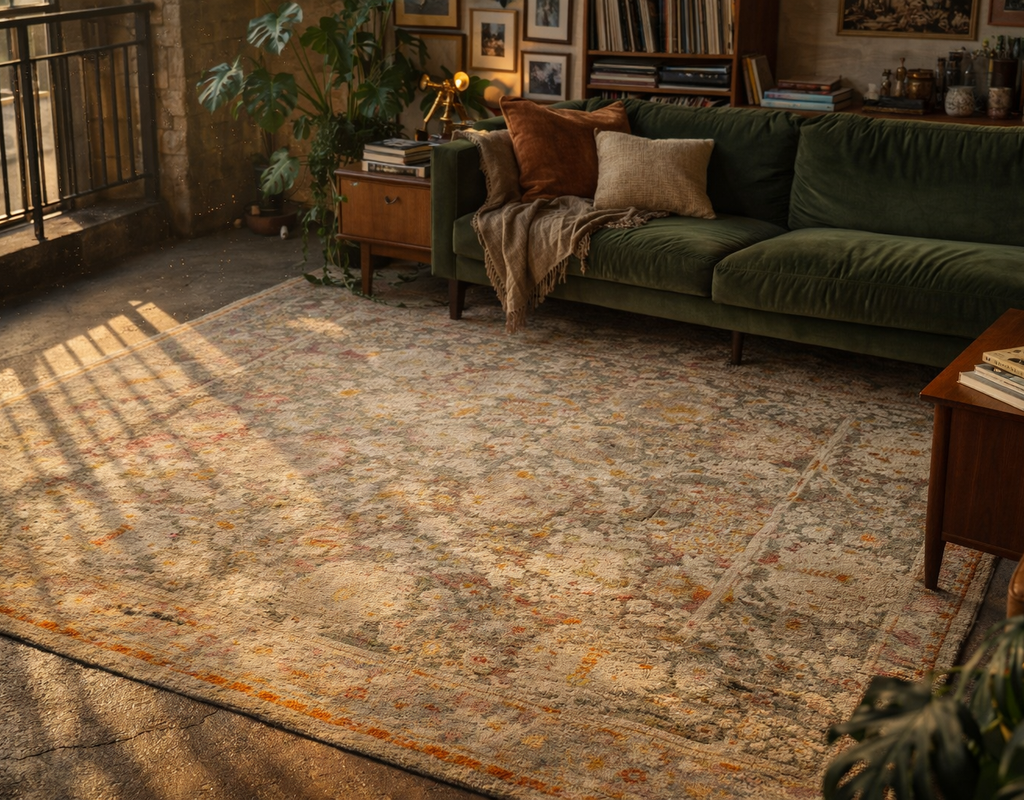
Furthermore, wool contains natural lanolin, which repels moisture and stains to a degree. This makes it a “workhorse” fiber that can withstand the daily abrasion of a main living space while retaining its appearance for decades.
Cotton Foundations
While the face fiber gets the attention, the foundation (the warp and weft) dictates how the rug sits on the floor. High-quality hand-knotted rugs often use a cotton foundation. Cotton provides structural integrity while remaining flexible.
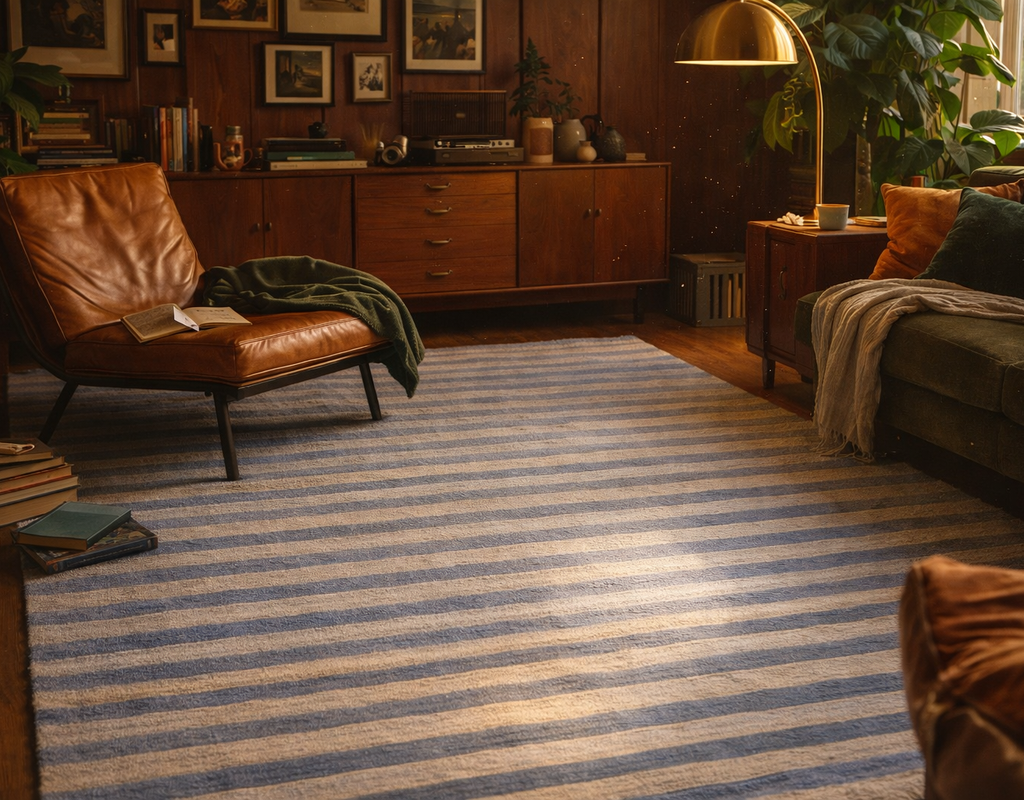
This flexibility allows the rug to have “drape”—meaning it lies heavy and flat against the floor, contouring slightly to the subfloor rather than curling up or feeling stiff and board-like, which is common in rugs with synthetic, glued backings.
Silk and Silk-Like Fibers
Fibers like real silk, Bamboo Silk, and viscose are chosen for their visual impact. They offer a high sheen and allow for intricate detail (high knot counts) that wool cannot always achieve. However, these fibers are significantly less forgiving under grit and friction.
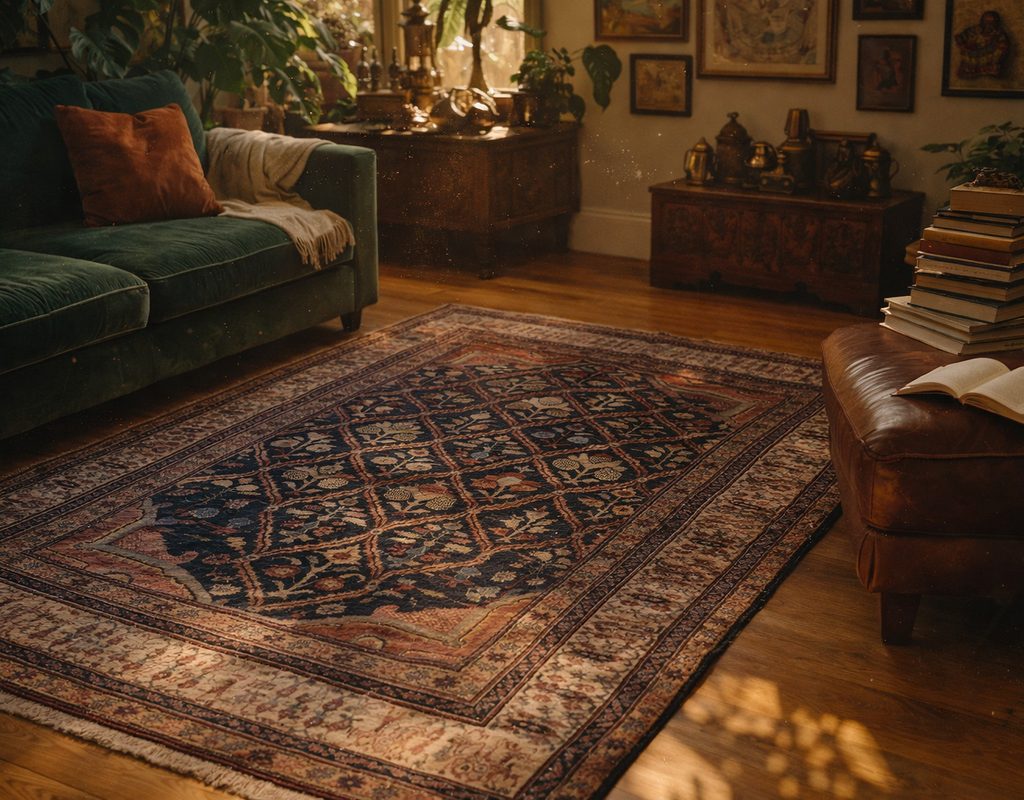
In a high-traffic living room, silk and viscose are prone to “matting” in walk lanes and can be destroyed by aggressive vacuuming or water spills. These materials are best reserved for formal living rooms with low traffic (no shoes, no pets), where the aesthetic value outweighs the need for rugged durability.
Best Materials for Busy Living Rooms
Best materials for busy living rooms, and specifically how do you pick a rug for pets, review this hierarchy of materials:
- Wool: It offers the best balance of softness, stain resistance, and crush resistance; it hides soil well and releases it easily during vacuuming.
- Polypropylene / Olefin: As a synthetic, it is stain-proof and cheap to replace, making it a strong contender for the best rug for pets in living room scenarios where accidents are frequent, provided you accept a shorter lifespan (3–5 years).
- Seagrass or Sisal: These natural plant fibers are incredibly durable and add texture, though they are difficult to spot-clean and rougher underfoot.
- Nylon: This is the most resilient synthetic; it resists crushing better than polypropylene but is prone to staining if not treated.
Rug Pads, Slip, and Curling: Fixing the “It Won’t Stay Put” Problem
Does Living Room Rugs Need a Rug Pad?
Yes. Living room rugs need rug pads. Pads are not optional accessories or upsells; they are critical performance equipment that completes the flooring system. Without a pad, the rug acts as a loose cloth on a slick surface, compromising safety and longevity.
The best rug pad for living room applications serves three distinct technical functions:
- Grip: It locks the rug to the subfloor to stop rug from sliding, preventing dangerous slips and keeping the layout aligned.
- Cushion: It adds density underfoot, absorbing impact noise and making the room quieter.
- Airflow: It creates a breathable gap between the rug backing and the floor finish, preventing trapped moisture or chemical reactions that can ruin hardwood floors.
Underlay Reduces Movement and Stress
While grip is the obvious benefit, the primary role of an underlay is to reduce “flex fatigue.” Every time you step on a rug without a pad, the fibers are crushed directly against the hard floor, and the backing is stretched and sheared. Over time, this friction breaks the structural foundation of the rug.
A pad acts as a shock absorber. It takes the impact so the rug doesn’t have to. Furthermore, by anchoring the body of the rug, the pad significantly reduces the tendency for edges to lift. Many instances of curling corners are actually symptoms of the rug constantly shifting and hitting baseboards or furniture legs.
Why Living Room Rugs Wrinkle or Slide?
Why do some living room rugs wrinkle or slide? The issue is usually a mismatch between the floor surface and the rug’s weight, exacerbated by traffic forces. Modern hardwood and laminate floors are finished with smooth polyurethane, which offers zero friction. If a rug is lightweight (like a flatweave or tufted piece) and lacks a rubberized anchor, the lateral force of walking pushes the rug forward, creating “waves” or wrinkles.
Additionally, “furniture drag” contributes to this. When you sit on a sofa, the unit often shifts slightly backward. If the rug isn’t anchored by a pad, the sofa drags the rug with it, causing buckling in the center of the room.
How to Fix a Rug That Curls
Curling corners are a tripping hazard and an eyesore. How can you fix a rug that curls? You must address the fiber memory and the mechanical grip.
- Install a Felt + Rubber Pad: A substantial pad provides a stable platform that grips the floor, preventing the movement that causes edges to fray and curl.
- Reverse Roll the Rug: Tightly rolling the rug in the opposite direction of the curl for 24–48 hours retrains the backing’s tension memory.
- Steam the Corners: Moisture and heat relax the fibers (especially wool), allowing them to lay flat again; use a steamer on the back, not the face.
- Use Corner Weights or Grippers: These provide a temporary mechanical hold to fix curled rug corners while the fibers relax, though they do not solve the underlying friction issue.
Pad Selection Basics
Select your pad based on the interaction between the subfloor and the rug type.
| Floor Type | Rug Type | Pad Priority |
|---|---|---|
| Hardwood / Tile | Flatweave / Thin Rug | Felt + Rubber Combo (Grip + Cushion) |
| Hardwood / Tile | Thick Wool / Tufted | Thin Natural Rubber (Max Grip, Low Profile) |
| Wall-to-Wall Carpet | Any Rug | **Polyester/Stiffened Pad** (Prevents “creeping” on carpet pile) |
| Radiant Heated Floor | Any Rug | Heat-Safe Rubber (Must resist drying out/sticking) |
Maintenance & Care: The Rules That Protect Value
Grit as Abrasion: Why Vacuuming Is the #1 Habit
When discussing living room rugs maintenance tips, the most critical concept to understand is that dirt is not merely an aesthetic problem; it is a physical threat. Dry soil, specifically sand and silica, acts like thousands of tiny razor blades buried deep within the pile.
Every time you step on a dirty rug, you grind these sharp particles against the fibers, cutting them at the microscopic level. This process wears down the rug’s face, leading to traffic lanes that look dull and matted not because they are dirty, but because the light-reflecting fiber structure has been destroyed. Therefore, frequent vacuuming is the only way to prevent this cumulative damage.
Vacuuming Best Practices
Many owners ask, is any vacuum fine for living room rugs? The answer is no. Using the wrong machine can destroy a textile faster than the traffic itself. To practice vacuuming a wool rug safely, follow these rules:
- Turn Off the Beater Bar: The spinning brush roll is designed to agitate synthetic wall-to-wall carpet; on a hand-knotted or looped rug, it shreds the fibers and can pull out knots.
- Use Suction-Only Canisters: These allow you to remove grit gently without mechanical abrasion, protecting the structural integrity of the pile.
- Vacuum Side-to-Side: Running the vacuum perpendicular to the fringe (side-to-side) prevents the machine from sucking up and tearing the delicate fringe ends.
- Adjust the Height Setting: If you must use an upright, set the height high enough that the brush barely skims the surface, ensuring airflow cleans the rug without beating it.
Avoid Aggressive Agitation on Valuable Rugs
For high-value or delicate rugs, tool selection is paramount. Aggressive agitation causes “blooming,” where the twisted yarns untwist and become fuzzy, ruining the pattern definition.
For the most delicate tasks, such as cleaning fringe or removing surface dust from a silk rug, bypass the main floor head entirely. Use an upholstery attachment. This focuses the suction and allows you to clean in the direction of the pile (like petting a cat) rather than scrubbing back and forth, which distorts the pile lay.
Spot Cleaning and Product Compatibility
When spills happen, the chemistry you use determines if the stain becomes permanent. A common query is: Is dish soap safe for wool? Generally, no. Most dish soaps are alkaline (high pH) degreasers designed for ceramic and metal, not protein fibers like wool.
Using high-pH products on wool can destabilize the dyes, causing bleeding, and can chemically burn the fiber, making it brittle. Furthermore, soap leaves a sticky residue that is nearly impossible to rinse out completely. This residue acts as a magnet for new dirt, causing the spot to “re-soil” and turn black within weeks. For how to clean your living room rugs spot safely, use a dedicated neutral-pH wool cleaner or simple white vinegar and water, and always blot—never rub.
Dust, Lint, Humidity, and Pest Prevention
Beyond foot traffic, environmental factors threaten your rug. Dust and lint accumulation, combined with humidity, creates the perfect breeding ground for clothes moths and carpet beetles.
These pests feast on wool proteins, specifically in dark, undisturbed areas—like underneath your sofa or media console. To prevent infestation, you must rotate the rug annually and vacuum beneath the heavy furniture at least once a month. This disturbs the habitat and removes the food source (dust and pet hair) that attracts larvae.
Pattern, Color, and Layering: Design Choices That Survive Real Life
Advanced Design Strategies
1. The “Color & Pattern” Logic
To choose the perfect color, look at the secondary color in your existing decor (pillows, art, or drapes) rather than matching the sofa exactly. Pro Tip: If your furniture is solid-colored, a patterned rug adds necessary “architecture” to the floor. If your furniture is already patterned, stick to a solid or “abrash” (variegated) rug to avoid visual chaos.
2. The Round Rug Strategy
Round rugs are excellent for softening angular rooms or highlighting a circular coffee table. When placing a round rug in a living room, ensure it is large enough that the front legs of all seating touch the edge of the circle; otherwise, the rug will look like a “spot” on the floor rather than a cohesive anchor.
3. The “Layering” Hack
If you love a high-end rug but it’s too small for your space, use the “Base-and-Jewel” method. Place a large, inexpensive natural fiber rug (like Jute or Sisal) as the base to cover the floor, then layer your smaller, decorative Persian or Modern rug on top to anchor the coffee table. This provides scale and luxury on a budget.
Patterned vs. Solid: What to Choose
The debate between a patterned vs solid living room rugs is rarely just about aesthetics; it is about “maintenance stress.” Should you choose a patterned or solid rug? If your living room sees heavy use from children, pets, or frequent entertaining, a patterned rug is the superior technical choice. Patterns act as visual camouflage, breaking up the field of vision so that lint, crumbs, and minor spots disappear into the design.
Conversely, solid-colored rugs provide a sense of calm and modernize a space, but they are unforgiving. A solid dark rug showcases every speck of dust and lint, while a solid light rug highlights every traffic path and spill. Choose pattern to reduce your cleaning anxiety; choose solid only if you can commit to daily maintenance or have a low-traffic, shoes-off household.
Colors That Hide Stains Best
If your priority is durability, color selection is your first line of defense. The best living room rugs color for stains is never a single shade, but a mix of tones.
Use this guide to minimize visible wear:
- Medium-Tone Neutrals (Taupe, Mushroom, Grey): These shades match the color of standard household dust and dried soil, making routine dirt accumulation invisible between vacuums.
- Jewel Tones (Navy, Deep Red, Forest Green): Darker, saturated colors are excellent at masking liquid spills like wine or juice that might permanently stain lighter fibers.
- **Multi-Colored Traditional (Heriz, Serapi)**: Highly detailed, multi-colored patterns are the ultimate “forgiving” palette, as the complexity of the design hides almost any accident.
Layered Rugs in Living Rooms
Are layered rugs still popular in living rooms? Yes, because they solve a functional problem: cost versus coverage. High-quality, large hand-knotted rugs are expensive. Layered rugs living room strategies allow you to buy a large, inexpensive natural fiber rug (like sisal or Jute) as the base layer to cover the necessary Square footage and protect the floor.
You can then place a smaller, higher-quality, or more decorative rug on top to anchor the coffee table and add softness. This approach provides the textural richness of a “collected” home while keeping the budget in check. The base rug handles the perimeter traffic, while the top rug provides the comfort.
Rugs as Architectural Elements in Open-Plan Rooms
In modern open-plan homes, walls have been removed, removing the visual cues that define where the “living room” ends and the “dining room” begins. In this context, the rug performs the architectural job of a wall.
Zoning is the hidden job of your living room rugs. By using a rug large enough to hold all the furniture (the “all legs on” strategy), you create a distinct island that psychologically defines the social zone. If the rug is too small, the furniture feels like it is drifting into the kitchen or walkways, destroying the room’s cohesion.
“Statement” Rugs vs. Traffic-Forward Rugs
When choosing a “statement” rug—one with bold colors, silk highlights, or high pile—you must cross-reference your choice with the construction and fiber realities. A delicate art-silk statement rug is appropriate for a formal sitting area where people sit to read, but it will fail rapidly in a “traffic-forward” path leading to the backyard.
Always map your walking paths first. If the path from the hallway to the kitchen cuts across the rug, you must prioritize a traffic-forward construction (like a wool flatweave or low-pile knot). Save the delicate statement pieces for zones protected by coffee tables or located away from main thoroughfares.
Vintage vs New: Making a Smart Long-Term Choice
How to Choose Between Vintage and New
When deciding on a vintage vs new living room rugs, you are essentially choosing between character and predictability. To answer how do you choose between vintage and new rugs, you must evaluate your “maintenance tolerance” and your desire for authenticity.
Vintage Rugs offer “dye character” and unique imperfections that make them distinct; they have already survived decades of use, proving their durability. Their complex patterns and natural abrasion often hide new stains and crumbs better than pristine new Textiles. New rugs, conversely, offer predictability. They allow you to match exact color swatches, secure standard dimensions, and often come with performance treatments that appeal to modern, spill-prone households.
Sheen and Color Clarity as Fiber/Dye Clues
In high-quality rugs, sheen and color clarity are technical indicators of fiber health and dye quality. Vintage hand-knotted rugs often possess a distinct “light side” and “dark side.” This occurs because the pile leans in one direction; looking into the pile makes the colors appear deeper and richer, while looking with the pile makes them appear lighter and shinier.
This optical variance is a hallmark of hand-knotted wool and silk. New machine-made rugs often lack this dynamic interaction with light, appearing flat from all angles. When buying, always rotate the rug to see how your room’s lighting will alter its appearance throughout the day.
Where Vintage Shines in Living Rooms
Vintage rugs excel in living rooms that function as the home’s social hub. Because these rugs are often made of hand-spun, lanolin-rich wool, they are naturally resilient. The best living room rugs for high traffic is frequently a semi-antique Persian or Turkish rug with a low pile. The density of the knots prevents dirt from settling, and the pre-existing patina means that a new scuff or traffic path blends seamlessly into the rug’s history rather than looking like damage.
Where New Wins
New area rugs win when specific dimensions or stain warranties are the priority. Vintage rugs often come in odd, non-standard sizes that can frustrate strict floor plans. If your room requires an exact 9’x12′ size rug to accommodate a large sectional, a new rug eliminates the “hunting” process. Furthermore, for households with un-housebroken pets or frequent large spills, modern “performance” rugs or replaceable natural fiber rugs offer a lower-stress solution than investing in a one-of-a-kind antique.
Final Buying Checklist
Use this checklist to finalize **how to buy living room Area Rugs** without regret. Ensure you have ticked every box before purchasing.
- Sequence Check: Should you buy a rug before the sofa? No. Confirm your furniture is purchased and the layout is finalized first to avoid sizing errors.
- Placement Strategy: Decide if you are doing “all legs on” or “front legs on” to dictate the correct dimensions.
- Size Confirmation: A “correct size” rug beats a “prettier but too small” rug every time; ensure you have adequate side extension past the sofa arms.
- Material Reality: What rug material works best for busy living rooms? Prioritize wool or high-quality synthetics for traffic; reserve viscose/silk for low-traffic zones.
- Structure Inspection: Check the back. Ensure the construction (knotted vs. tufted) matches your longevity expectations.
- Pad Purchase: Treat the rug and pad as a single system to prevent slipping, curling, and premature wear.
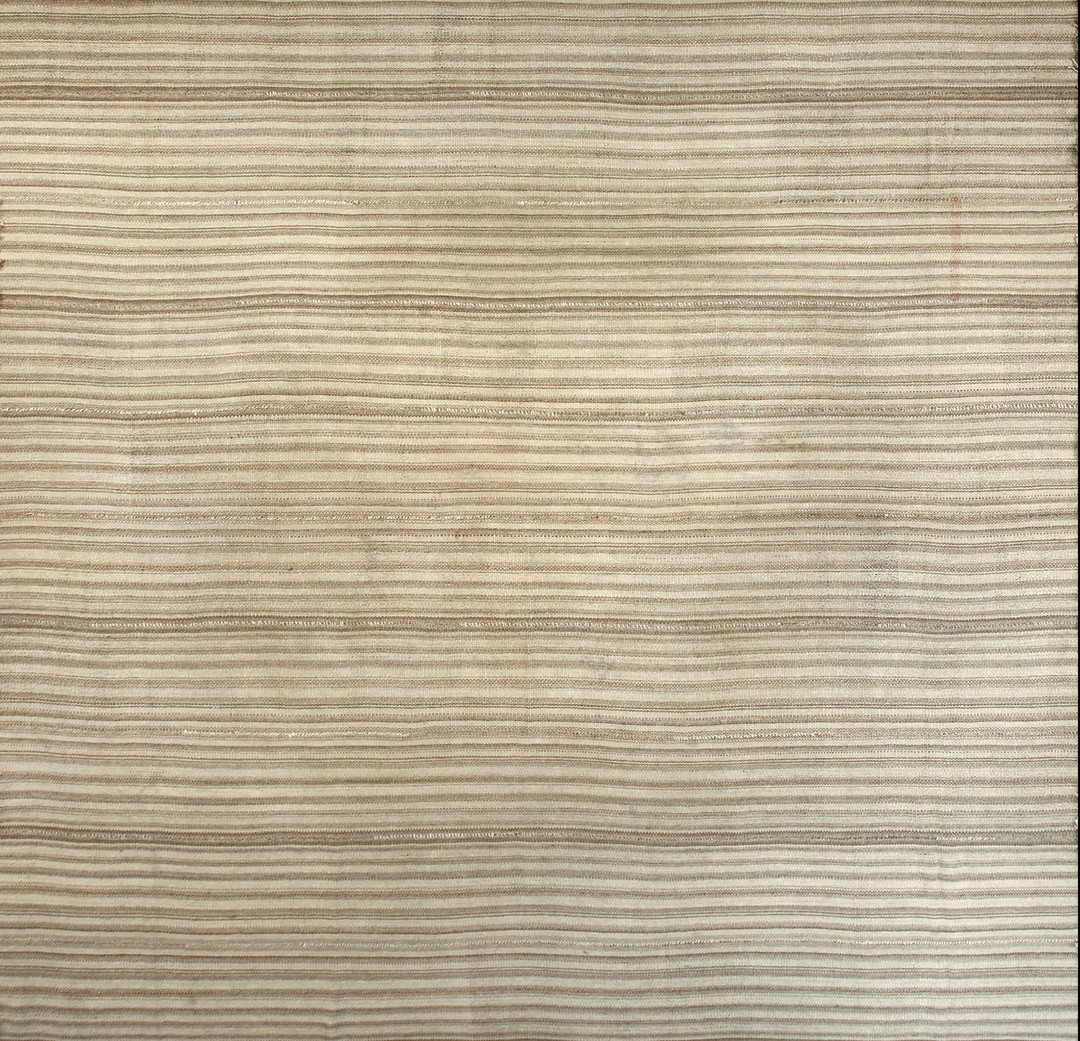
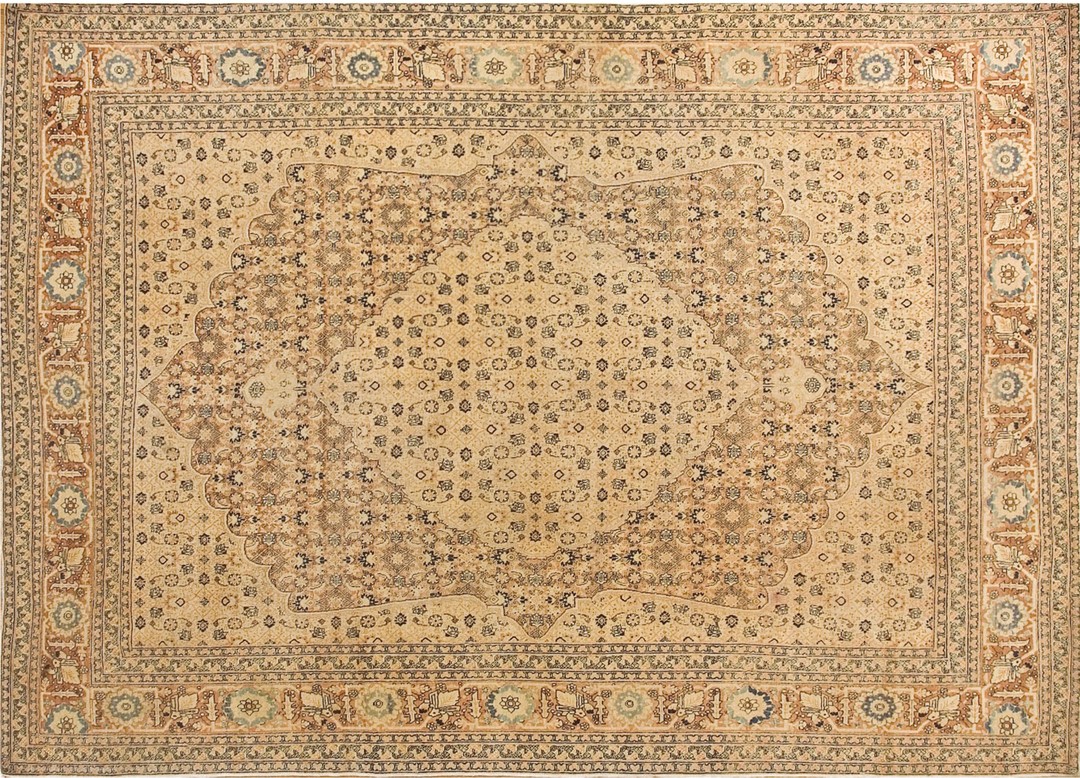
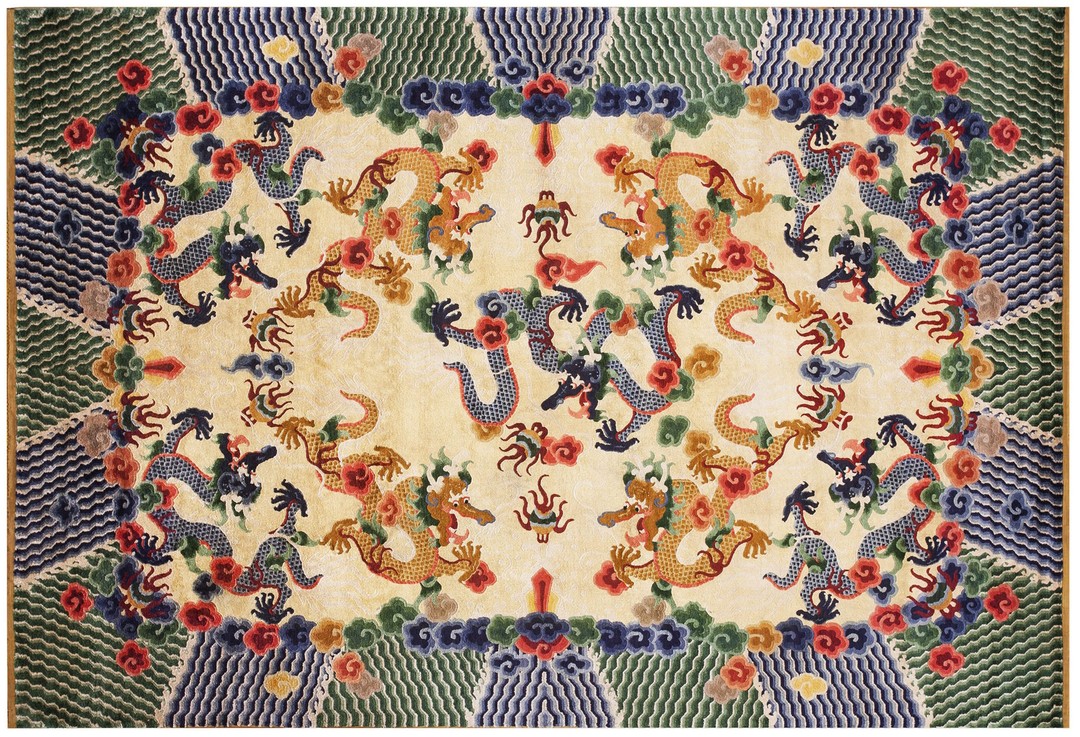
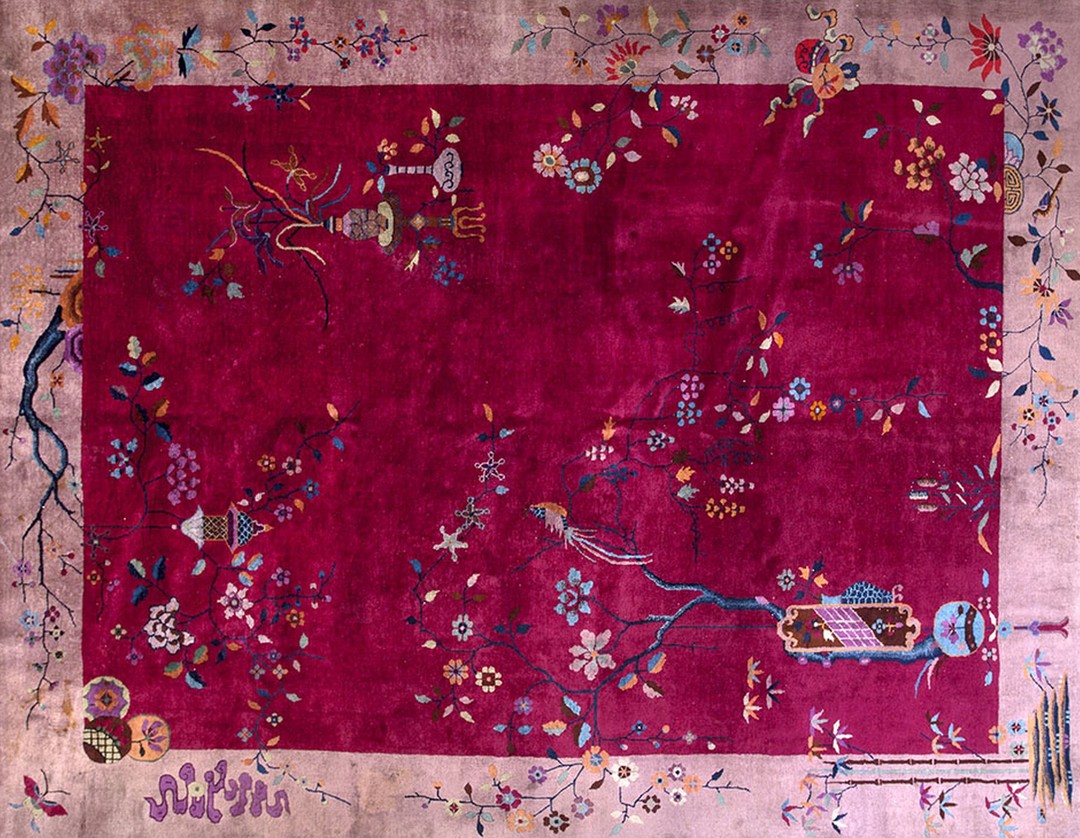
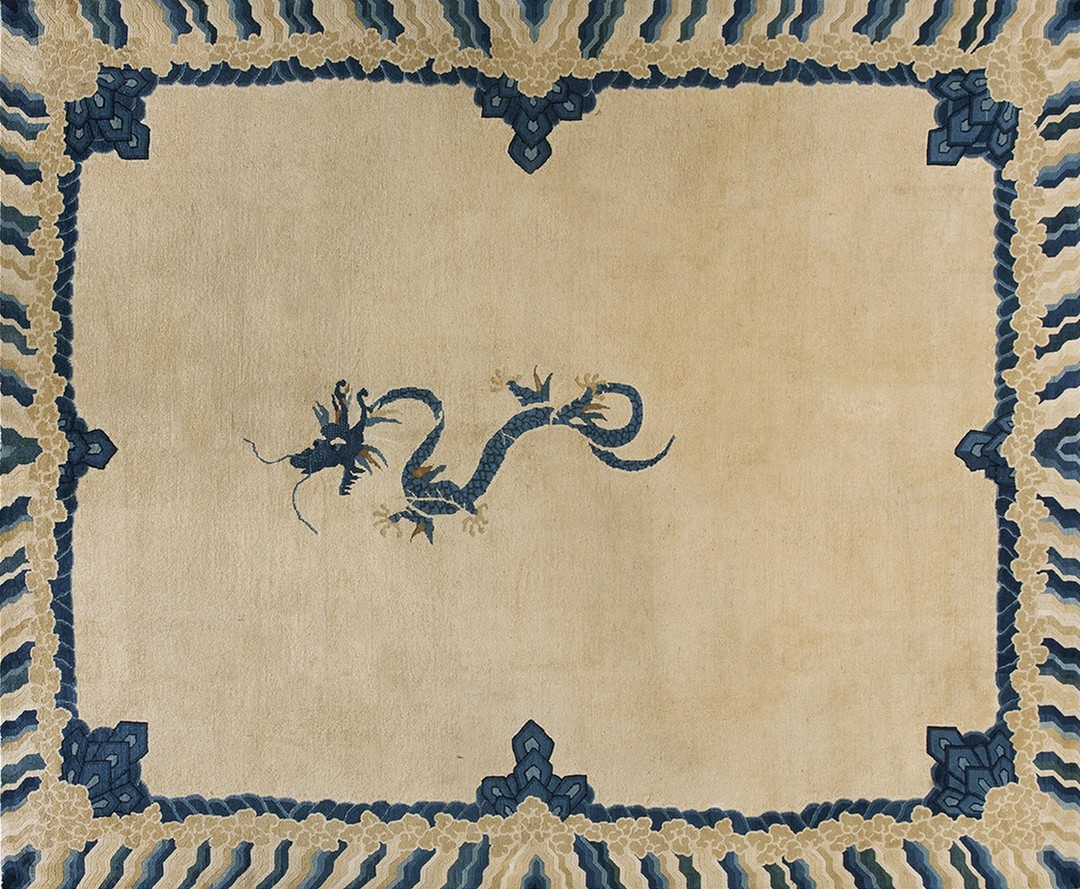
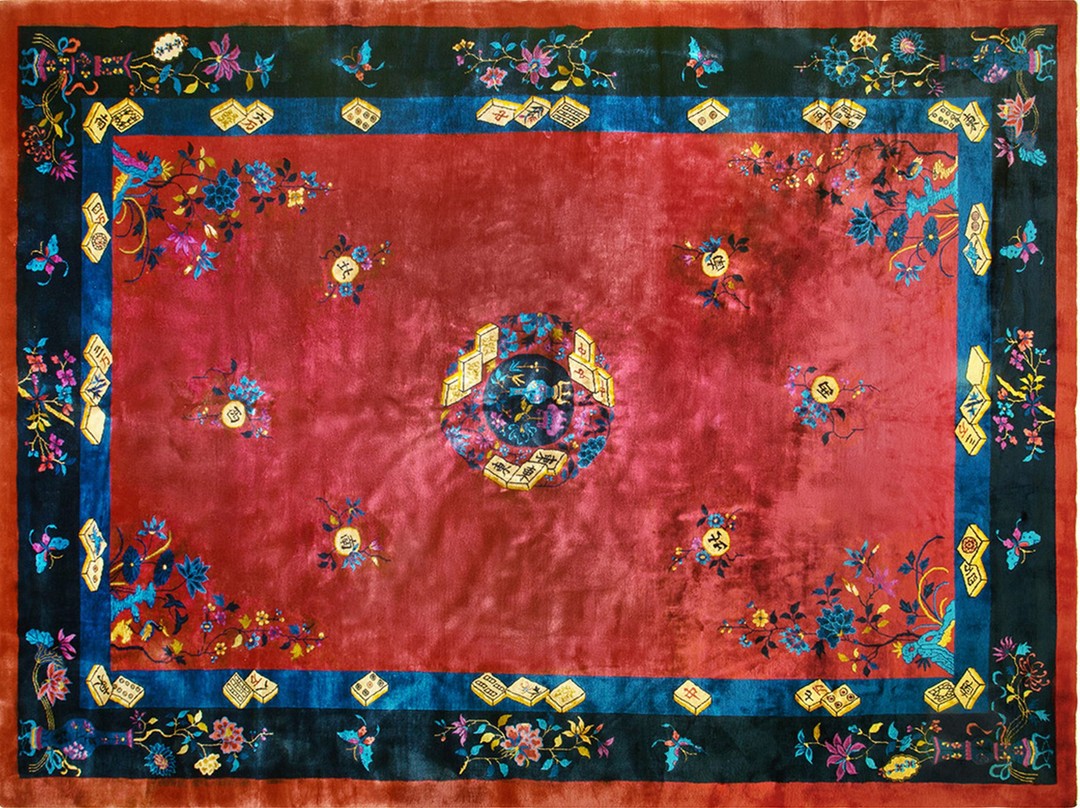
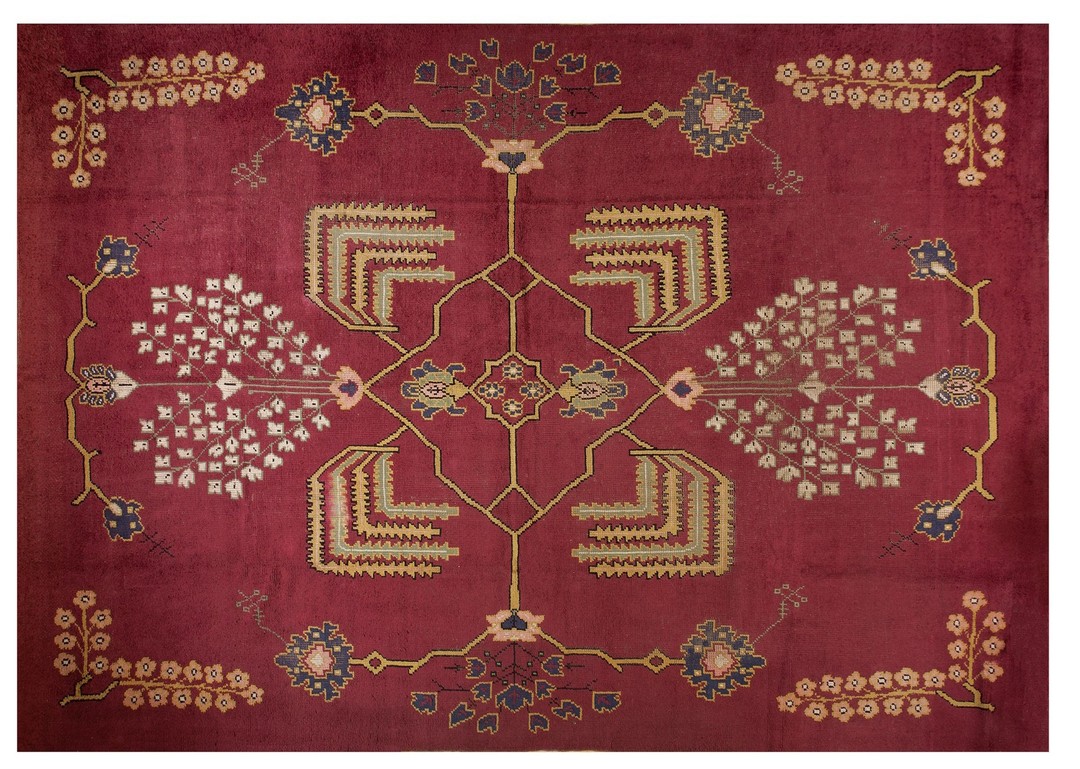
Explore a few of our favorite living room rug selections

FAQ
- How do I visualize rug size before buying?
Use painter’s tape to outline different rug sizes on the floor — this helps you see what works before purchasing.
- Do living room rugs help floor protection?
Yes — rugs protect hard floors from scratches, spills, and wear, extending their lifespan.
- What should I consider for pet-friendly living room rugs?
Durable fibers and mid-tone patterns help hide fur and wear, while easier-to-clean materials make maintenance simpler.
- What are common living room rug sizes?
Standard options include 8×10, 9×12, or 10×14 — choose based on your room and furniture footprint.
- Can I use a rug in an open-plan living room?
Yes — use rugs to define seating areas or separate zones within the larger space.
- What rug shapes work around a circular coffee table?
Round or oval rugs can complement circular furniture and create balanced visual flow.
- Can rugs help with allergies?
Rugs can trap allergens, so choose low-pile or hypoallergenic materials and clean them often to keep allergens down.
- How often should I clean my living room rug?
Vacuum regularly, rotate periodically, and address spills immediately; professional deep cleaning once a year keeps it fresh.
- How do I test rug quality before buying?
Feel the fibers, check density, and examine construction — denser weaves and quality materials generally last longer.
- Should I avoid rugs that are too small?
Yes — undersized rugs can break up visual flow and make the room feel disjointed.
- How much should I budget for a living room rug?
Rugs range widely in price; balance your budget with desired size, material quality, and longevity.
- Can rugs make a small living room feel bigger?
Lighter colors and larger rug sizes can help open up a small space and make it feel more cohesive.
- Does rug placement matter?
Yes — place the rug so it sits under key furniture and visually defines the seating area rather than floating randomly.
- What rug styles work in living rooms?
Choose a style (traditional, modern, boho, etc.) that complements your room’s aesthetic and balances patterns with furniture.
- Is it okay to use more than one rug?
Absolutely — layering or multiple rugs can define zones in larger or multifunctional living rooms.
- Is a rug pad actually necessary?
Yes — a rug pad prevents slipping, protects your floor, adds cushion, and extends the life of your rug.
- Do rugs affect acoustics in a living room?
Yes — rugs help absorb noise and reduce echo, making living rooms feel warmer and more comfortable.
- Are washable rugs good for living rooms?
Yes — they’re convenient to clean, especially if you have kids or pets, though large sizes may not fit in home washers.
- What rug shapes suit living rooms?
Rectangular rugs are most common, but round or oval rugs can work nicely with circular furniture layouts.
- How should I choose a living room rug color?
Pick a color that complements your decor — neutrals add versatility, while mid-tones and patterns help hide dirt and wear.
- Which rug pile height is best?
Low to medium pile is usually best for living rooms since it’s easier to clean and suits high-traffic foot paths.
- What materials work best for living room rugs?
Durable, low- to medium-pile materials like wool, jute, or synthetic blends are popular because they balance comfort with ease of maintenance.
- Should furniture legs be on the rug?
Ideally, all the front legs — or all legs when possible — should sit on the rug to visually unify your furniture and the space.
- How do I measure for a living room rug?
Measure your seating area first; aim for a rug that extends under most furniture and leaves a comfortable border of floor around the edges.
- What size rug should I buy for my living room?
Choose a large rug that anchors your seating area — common living room sizes are around 8′×10′ or 9′×12′ — and make sure it’s proportional to the room.