
Introduction to Tabriz Rugs
Explore our curated selection of authentic Iranian Persian Tabriz rugs to find the perfect centerpiece for your space.
What is a Tabriz Rug?
A Tabriz rug is a hand-knotted Persian carpet originating from the historic city of Tabriz in northwestern Iran, one of the world’s oldest and most important weaving centers. These rugs stand at the pinnacle of Persian craftsmanship, combining both technical precision and artistic richness. A hallmark of Tabriz weaving is its exceptionally fine knot count, often exceeding levels found in most other rug-producing regions. This technical mastery allows weavers to render highly detailed designs with clarity and fluidity, from delicate floral medallions to intricate hunting scenes.
The primary features of Tabriz rugs include their diversity of patterns, ranging from classic Persian motifs to highly innovative designs that emerged across centuries of experimentation. Common elements include central medallions, arabesque scrollwork, and elaborate borders, yet the sheer variety is unmatched—no single rug looks quite like another. The use of rich natural dyes, from deep indigo blues to warm madder reds, ensures that their colors remain vibrant for generations.
Alongside beauty, durability is a defining quality: tightly packed knots and high-quality wool or silk make rugs both luxurious and long-lasting, equally suited for daily use or display. These Persian carpets also carry cultural significance.
For centuries, they were woven not only for domestic use but also for royal courts, mosques, and diplomatic gifts. Their reputation spread early along Silk Road trade routes, embedding Tabriz as a name synonymous with excellence in textile art. Owning an authentic example continues to be regarded as both an investment and a symbol of refined taste.
Why Are Tabriz Rugs Famous Worldwide?
The global fame of of these area rugs rests on a unique blend of technical innovation, artistic variety, and historical prestige. Unlike many weaving centers that specialized in a narrow set of motifs, Tabriz became known for producing almost every style imaginable within the Persian tradition.
This versatility made them highly desirable to collectors and traders across Europe, Asia, and later America. One of the foremost reasons why the rugs are famous is their technical superiority.
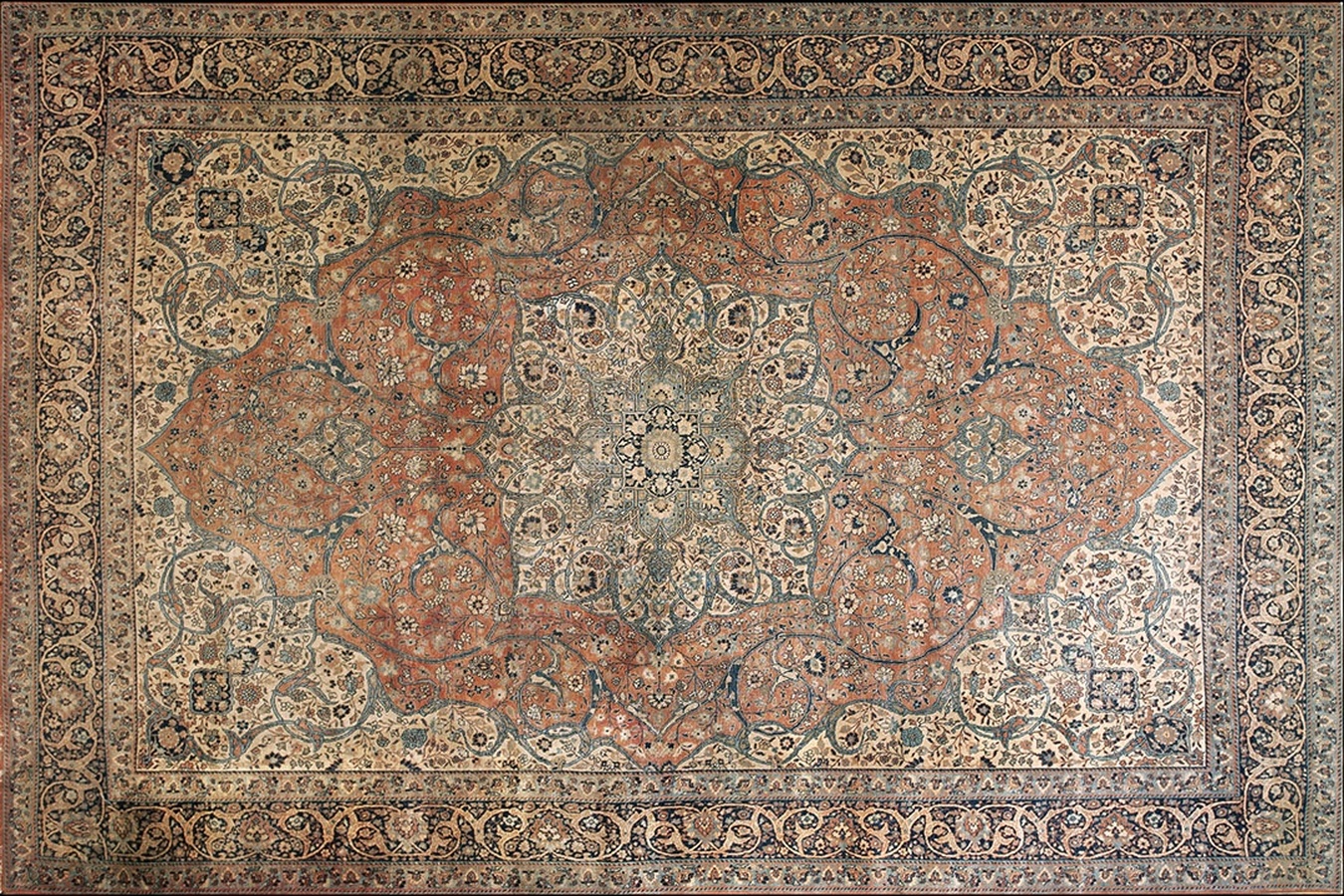
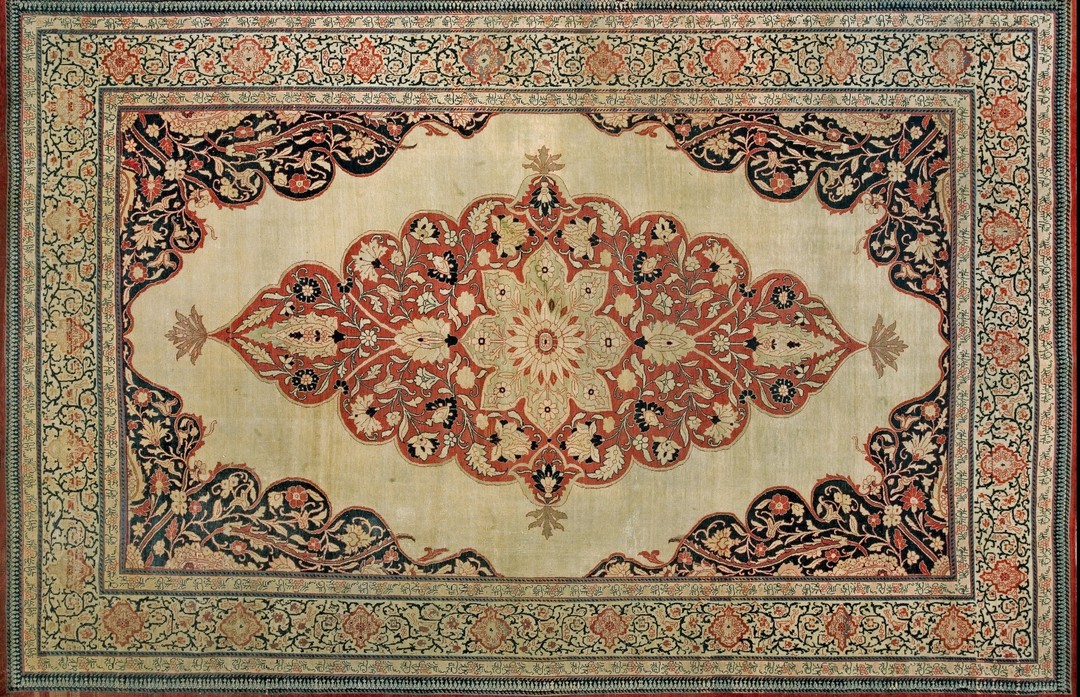
Antique Tabriz Persian Floral, Medallion Knotted Rug – by Rugs On Net
With some of the highest knot densities in Persian weaving, they allow for meticulous detail and finely shaded patterns. This means designs can include lifelike figures, landscapes, and calligraphy—artistic achievements that are rarely possible in lower-knot rugs. Another reason lies in their durability: a Tabriz rug can endure centuries of use, making it a prized heirloom that passes through generations.
Their fame also stems from cultural prestige. For centuries, Persian rulers and foreign dignitaries commissioned Tabriz carpets as symbols of wealth, artistry, and authority. Displayed in palaces, mosques, and aristocratic estates, they came to embody the grandeur of Persian culture itself. Today, they continue to be sought after by interior designers for their adaptability—equally at home in traditional settings with ornate woodwork or in modern interiors where a single rug provides a striking focal point.
Ultimately, the worldwide reputation of Tabriz rugs arises from their rare balance: they are at once highly technical and deeply artistic, traditional yet endlessly versatile, functional and timelessly elegant. This synthesis explains why these rugs remain one of the most celebrated and enduring categories of Persian carpets in the global market.
Geographic & Cultural Foundations
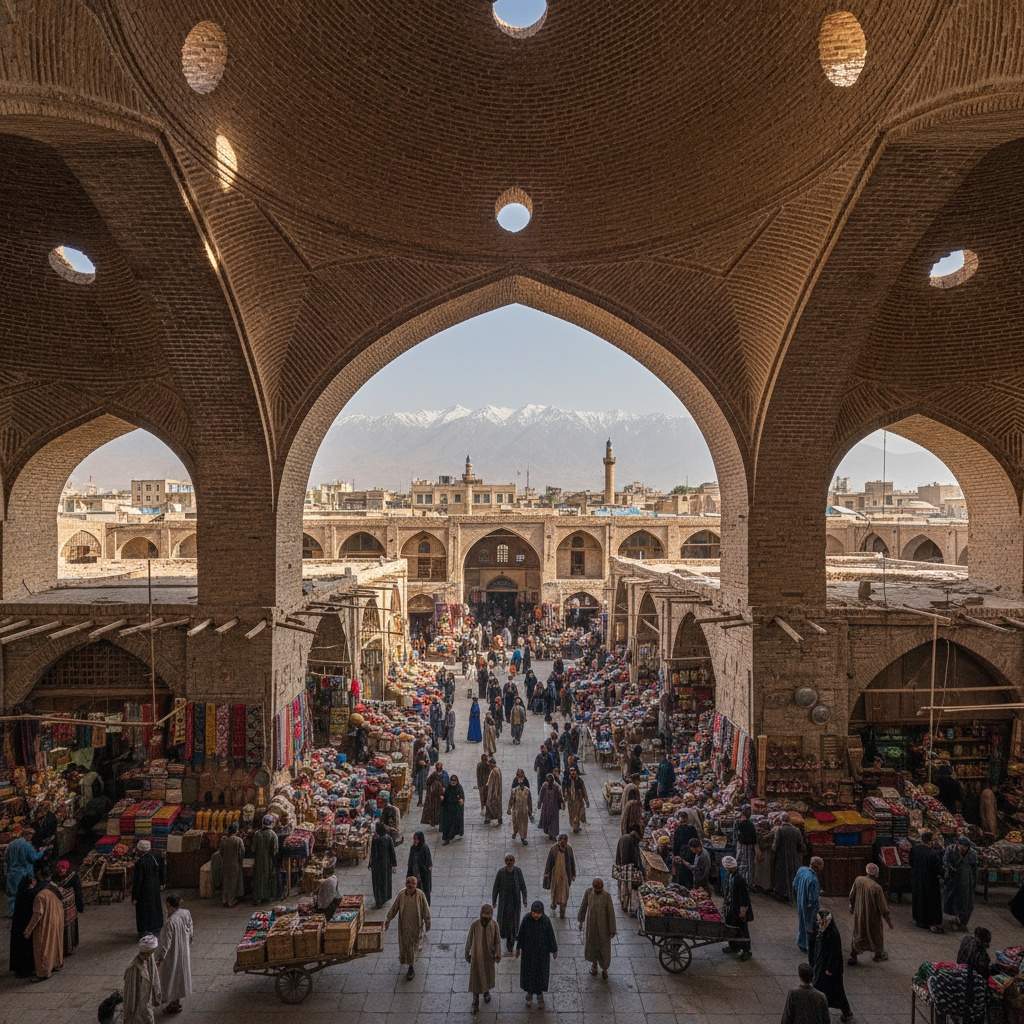
Architectural view of a bustling historic marketplace.
Where is Tabriz Located Within Iran?
The city of Tabriz lies in northwestern Iran, serving as the capital of East Azerbaijan Province. Its strategic position near the Caucasus Mountains and close to the Turkish border has historically made it one of Iran’s most important gateways to the West.
This Tabriz location at a crossroads of empires and trade routes allowed the city to flourish not only as a commercial hub but also as a cultural center that blended Persian, Turkic, and Caucasian traditions. These influences directly shaped the diversity and richness of the rug aesthetics, where floral Persian motifs often appear alongside geometric or tribal-inspired designs.
East Azerbaijan Province’s Role in Rug Exports
As the administrative and economic heart of East Azerbaijan Province, Tabriz is central to Iran’s international carpet trade. The region’s proximity to both Europe and the Ottoman sphere made it one of the earliest and most successful exporters of Persian rugs to global markets.
For centuries, East Azerbaijan rugs left through Tabriz’s trade networks to reach buyers in Istanbul, Venice, and beyond, creating a reputation for quality that remains intact today. This legacy continues, as the province plays a leading role in Tabriz rug exports, with large workshops, skilled artisans, and extensive trade infrastructure sustaining a robust presence in international markets.
Tabriz’s Proximity to Turkey and the Caucasus
Tabriz’s closeness to Turkey and the Caucasus profoundly shaped both commerce and design. Historically, the city acted as a bridge between Persian and Ottoman markets, ensuring that these magnificent area rugs were widely traded across Anatolia and incorporated into Turkish collections. This interaction led to Turkish influence on Tabriz rugs, visible in certain border patterns, color palettes, and stylized floral arrangements.
Similarly, the Caucasus contributed bold geometric elements and a taste for high-contrast designs. This fusion enriched the artistic vocabulary of Tabriz weavers, allowing them to produce rugs that appealed to both Persian and international buyers, and reinforcing the city’s role as a cosmopolitan weaving center.
Grand Bazaar of Tabriz: Location and UNESCO Status
At the heart of the city stands the Grand Bazaar of Tabriz, one of the largest and oldest covered markets in the world. Centrally located, the bazaar has long been the epicenter of trade, where merchants, collectors, and foreign buyers gathered to acquire carpets of unmatched artistry. The bazaar’s vaulted brick architecture, caravanserais, and specialized rug sections illustrate centuries of economic and cultural life in Tabriz.
In 2010, the Tabriz Bazaar UNESCO recognition underscored its importance not merely as a commercial hub but as a cultural landmark. UNESCO cited its architectural beauty, historical continuity, and enduring role as a center of regional and international exchange. For rug history in particular, the bazaar represents the living heartbeat of trade: it is where authentic Tabriz rugs moved from the hands of artisans to markets across the globe, embodying both heritage and commerce.
By combining geographical advantages, cross-cultural influences, and a trading infrastructure anchored by the bazaar, Tabriz established itself as a dominant force in the Persian carpet world. These foundations explain why the city’s rugs achieved such far-reaching fame and continue to hold a central place in global textile heritage.
Historical Evolution of Tabriz Weaving
The history of Tabriz rugs extends back more than seven centuries, with documented weaving activity as early as the 14th century and likely even earlier. Situated at a cultural crossroads, the city’s artisans absorbed influences from Persian, Turkic, and Caucasian traditions, shaping a weaving culture that became central to Iran’s identity.
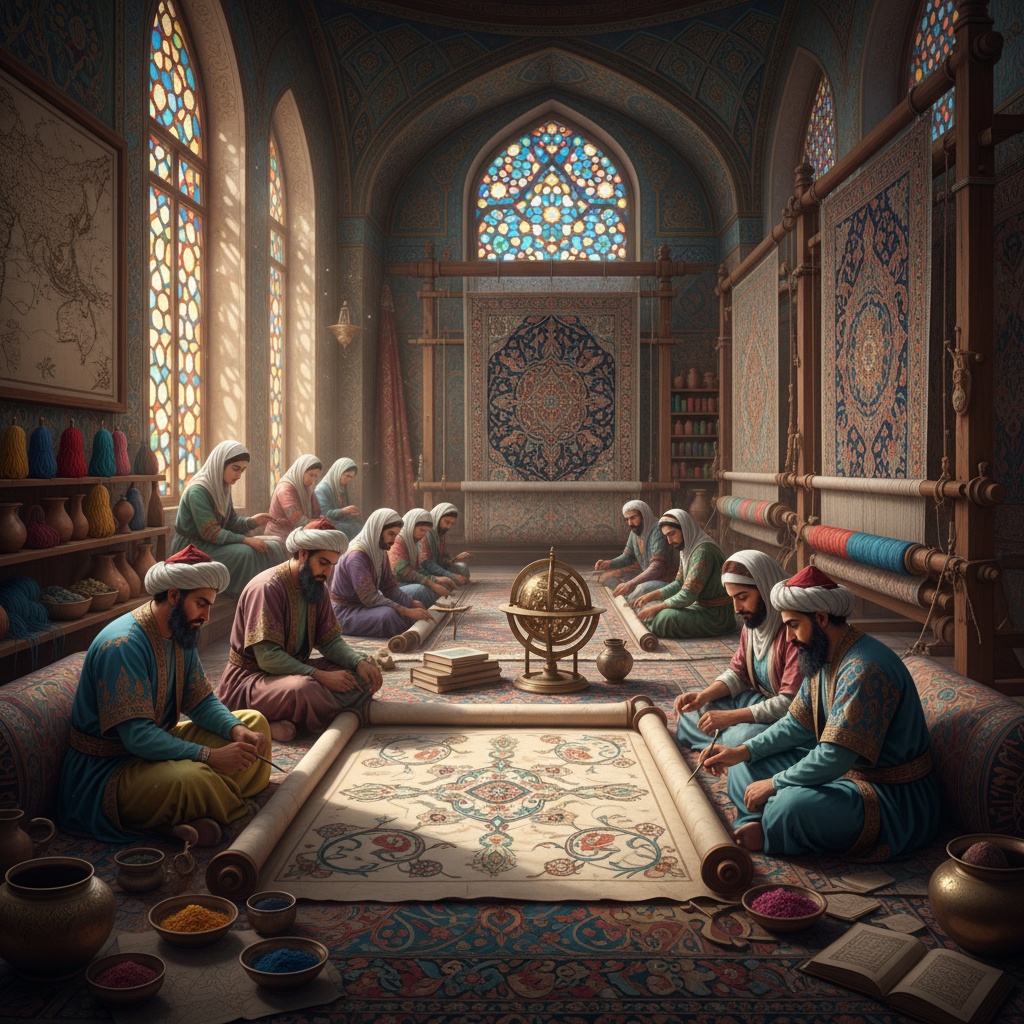
Reviewing historical carpet designs before weaving
How Old is Tabriz’s Rug-Weaving Tradition?
By the late medieval period, antique Tabriz carpets were already circulating along Silk Road routes, admired for their fine workmanship and distinctive designs. This early origin laid the groundwork for what would later become one of the most prestigious schools of carpet weaving in the Persian world.
Safavid Golden Age: Patronage and Innovation
The true flowering of Tabriz weaving came during the Safavid dynasty in the 16th and 17th centuries, often described as the Golden Age of Persian carpets. Royal patronage under Shah Tahmasp and later Shah Abbas transformed Tabriz into the artistic capital of Iran. Court-sponsored workshops employed master designers and weavers, producing carpets of unprecedented scale and refinement.
The legendary Ardabil Carpet, now housed in London’s Victoria and Albert Museum, stands as the crowning achievement of this era—an embodiment of the Safavid vision that fused technical mastery with profound artistic and spiritual symbolism. During this period, Safavid carpets from Tabriz introduced innovations such as centralized medallion layouts, arabesque scrollwork, and naturalistic floral motifs.
These designs set the standard not only for Persian weaving but also for Islamic art as a whole, influencing patterns across Anatolia, Central Asia, and India. Safavid patronage ensured that Tabriz’s reputation was cemented at the highest levels of art and diplomacy, with carpets commissioned for mosques, palaces, and diplomatic gifts to foreign courts.
19th-Century Workshops and Revival
Following a period of decline after the Safavid collapse, Tabriz weaving experienced a remarkable revival in the 19th century. This renaissance was driven by visionary workshop leaders such as Hajji Jalili, whose name remains synonymous with elegance and refinement. These workshops emphasized high knot counts, balanced compositions, and an emphasis on delicate floral designs with subtle, muted palettes.
The success of Jalili and his contemporaries restored international confidence in Tabriz rug revival quality, and carpets once again flowed from East Azerbaijan to European and American markets.
This revival not only reclaimed Tabriz’s prestige but also adapted the craft to changing tastes abroad, where Western buyers sought refined yet durable floor coverings. The 19th century thus reestablished Tabriz as a premier producer of export-quality rugs, bridging the grandeur of Safavid tradition with the needs of a modern global market.
Modern Production and Legacy
Today, Tabriz continues as a dynamic center of weaving, producing both antique-inspired carpets and forward-looking designs. On one end of the spectrum, large-scale workshops manufacture rugs for a broad international audience, ensuring the accessibility and continued prominence of Tabriz products. On the other, boutique ateliers maintain an artisanal approach, creating pieces with intricate silk inlays, experimental motifs, and finely tuned knotwork aimed at collectors and connoisseurs.
This balance between tradition and innovation underscores the enduring legacy of the city’s weaving. The city has proven resilient, weathering cycles of decline and renewal while continually adapting to cultural and commercial shifts. Whether through the grandeur of the Safavid courts, the refinement of 19th-century Jalili workshops, or the adaptability of modern production, Tabriz has sustained its role as one of the great centers of Persian artistry. Its carpets remain timeless symbols of creativity, technical mastery, and cultural heritage.
Design & Artistic Identity
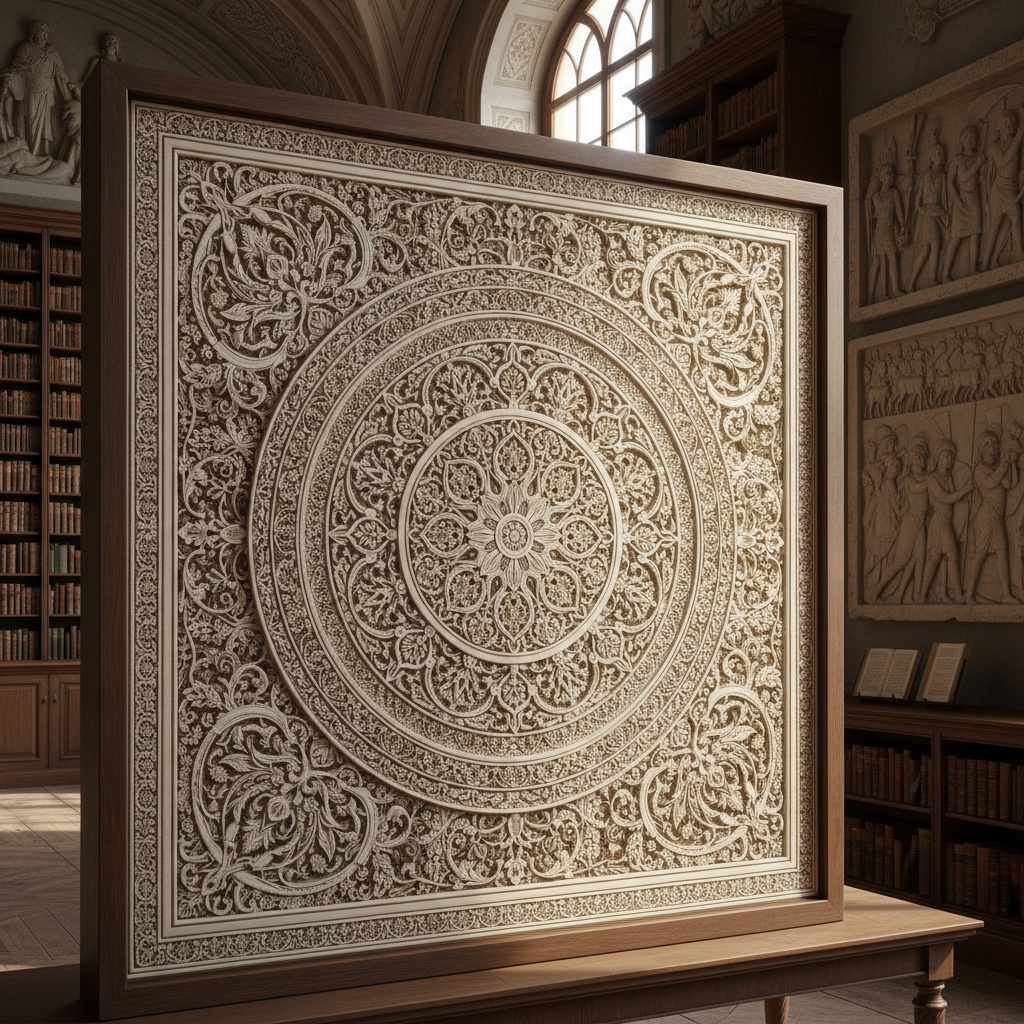
Intricate carved panel design reflecting artistic identity.
Classic Tabriz Medallion Carpet Patterns
The most recognizable expression of Tabriz carpet design is the medallion rug, particularly the Lachak-Turanj layout. This structure features a grand central medallion, often flanked by quarter-medallions or spandrels in the corners, creating a balanced and symmetrical composition. The medallions themselves can be circular, oval, or star-shaped, frequently radiating intricate floral scrollwork or arabesque detailing.
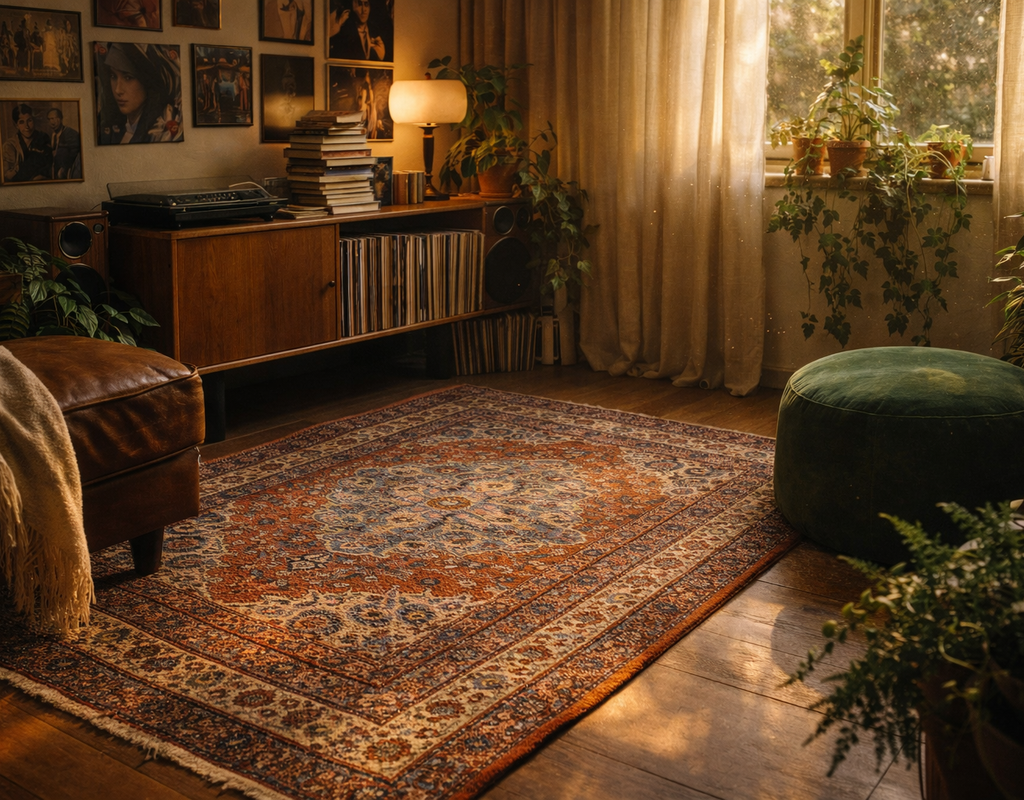
Sunlight illuminates a vintage-inspired room featuring a traditional area rug, rich leather, and abundant greenery.
Surrounding these central elements are elaborate borders filled with palmettes, vines, and rosettes, all rendered with remarkable precision. Thanks to their fine knot counts, Tabriz medallion rugs display clarity and intricacy unmatched by coarser weaves, giving the viewer a sense of harmony and rhythm across the entire surface. These carpets became archetypes of Persian weaving, influencing designs across Iran and beyond.
The Herati Motif in Tabriz Designs
Another hallmark of Tabriz artistry is the Herati motif, known locally as mahi, meaning “fish.” This repeating pattern consists of diamond-shaped lozenges enclosing a central rosette, each corner adorned with lanceolate leaves.
The resulting image is poetically described as “fish swimming around a pond.” In Herati motif rugs, the tight weave allows for perfect repetition and crisp detailing, whether the design is deployed as an all-over field or integrated within medallion frameworks.
This motif is more than decoration: it reflects a symbolic interplay of nature and geometry, a theme that resonates deeply with Persian aesthetics. Tabriz weavers elevated the Herati into one of their signature design idioms, admired both for its elegance and for the technical finesse required to execute it flawlessly.
Pictorial, Narrative, and Four Seasons Rugs
One of the most distinctive contributions of Tabriz to Persian weaving is the pictorial and narrative rug tradition. These works function almost like woven manuscripts, depicting epic tales, poetic verses, or allegorical scenes. Some draw directly from Persian literary classics such as Ferdowsi’s Shahnameh or Hafez’s lyrical poetry, transforming carpets into storytelling mediums.
Among the most beloved are the Four Seasons rugs, which divide the field into quadrants representing spring, summer, autumn, and winter, often illustrating pastoral life or courtly scenes tied to each season. These designs are unique to Tabriz, reflecting the city’s role as both a literary and artistic capital where weaving became a vehicle for cultural expression.
Color Palettes: From Rich Jewel Tones to Soft Pastels
The rug color palette of this pieces is as diverse as its patterns. Traditional carpets often employ deep indigo blues, madder reds, and ivory creams, producing a rich jewel-toned effect.
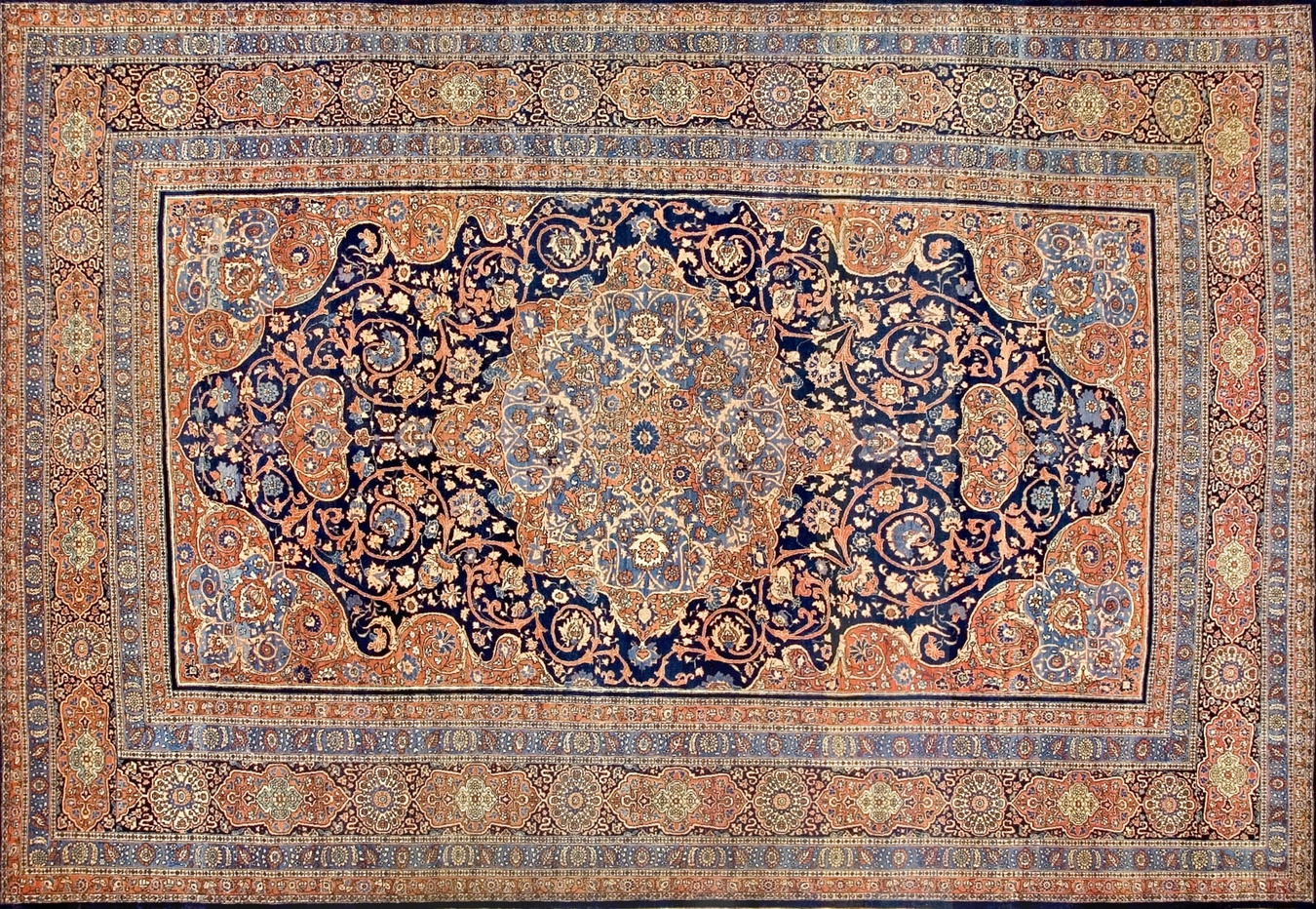
Antique Tabriz Persian Blue 1880s Rug – by Rugs On Net
By contrast, certain 19th-century workshops, notably those of Hadji Jalili, became renowned for subtler palettes, incorporating taupe, rose, soft gray, and blush tones.
These muted shades appealed particularly to European and American collectors of the time, who admired their refined understatement. Modern Tabriz production continues to offer both vibrant and pastel palettes, ensuring adaptability to a wide range of interior design styles.
Regional & Workshop Variations: Heris, Ardabil, Afshan
The artistry of Tabriz is not confined to the city itself but extends into surrounding regions, each contributing distinct identities to the broader tradition. Heris carpets, woven just east of Tabriz, are celebrated for their bold geometric medallions and sturdy construction, often seen as more rustic yet deeply rooted in Tabriz design logic.
Ardabil carpets, refined and often inscribed, emphasize medallion clarity and fine craftsmanship, famously represented by the Safavid-era masterpiece in London. The Afshan design, associated with both Tabriz and nearby villages, features an all-over floral lattice of scrolling vines and blossoms, a pattern that showcases both technical precision and organic flow. Together, these regional and workshop styles broaden the Tabriz carpet design vocabulary, demonstrating how a single weaving center gave rise to multiple schools of artistry.
This diversity, combined with high knot density and enduring innovation, secures Tabriz’s reputation as one of the most versatile and influential weaving traditions in the Persian world.
Materials & Construction
Most Common Materials in Tabriz Rugs
The foundation of every authentic Tabriz rug lies in its materials, which determine both durability and beauty. The most common Tabriz rug materials include a finely shorn pile of high-quality lamb’s wool, woven on a cotton foundation. This combination ensures both strength and softness, making the rugs durable for everyday use while still maintaining a luxurious texture.
For higher-end pieces, silk is incorporated—either in highlights within the pile to accentuate floral patterns or, in more prestigious examples, in both the pile and foundation. These silk Tabriz rugs are especially prized for their luminous sheen and clarity of detail, elevating them into the realm of collectible art.
The Turkish (Symmetrical) Knot Technique
Unlike many Persian centers that employ the asymmetrical Persian knot, Tabriz weavers traditionally use the Turkish knot (also called the symmetrical or Ghiordes knot). This technique reflects the Azeri Turkic heritage of the region and results in a stronger, more balanced structure.
The symmetrical knot contributes to the crisp precision of their carpet designs, particularly visible in the finely rendered medallions, Herati motifs, and pictorial scenes. The use of the Turkish knot also distinguishes Tabriz within the Persian weaving tradition, reinforcing its unique technical identity.
Knot Density: Distinguishing High-End Pieces
One of the most critical measures of value in a Tabriz rug is its knot density. While ordinary village rugs may range around 120–200 knots per square inch, fine Tabriz examples reach extraordinary levels of craftsmanship.
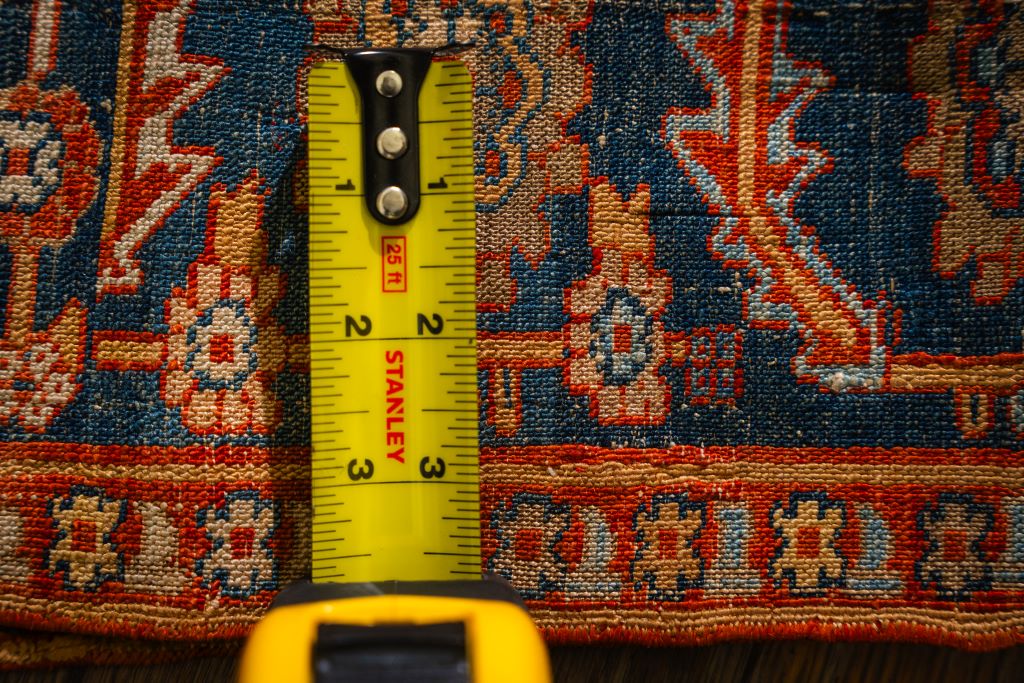
A detailed inspection of a richly colored oriental rug pattern while measuring its dimensions.
High-end pieces can exceed 50 to 80 raj (a local unit of knot density), equivalent to 300–500 knots per square inch or more. This high knot count rug construction allows artisans to produce carpets with intricate detail, lifelike figures, and delicate shading.
Collectors and connoisseurs prize these qualities, as knot density not only defines visual clarity but also serves as a reliable indicator of a rug’s quality and value.
Silk-Foundation Tabriz Rugs and Premium Value
Among the most luxurious creations are silk-foundation examples, woven with silk warps and wefts rather than cotton. These rugs possess an unrivaled fineness, with designs appearing almost like miniature paintings rendered in thread. Their luminous sheen enhances color vibrancy, while the dense knotting permits elaborate depictions of gardens, calligraphy, or epic scenes.
Because of their rarity, labor intensity, and fragility, silk Tabriz rugs command premium prices on the international market. They are less commonly used as floor coverings and more often cherished as collectible art or displayed in places of prestige.
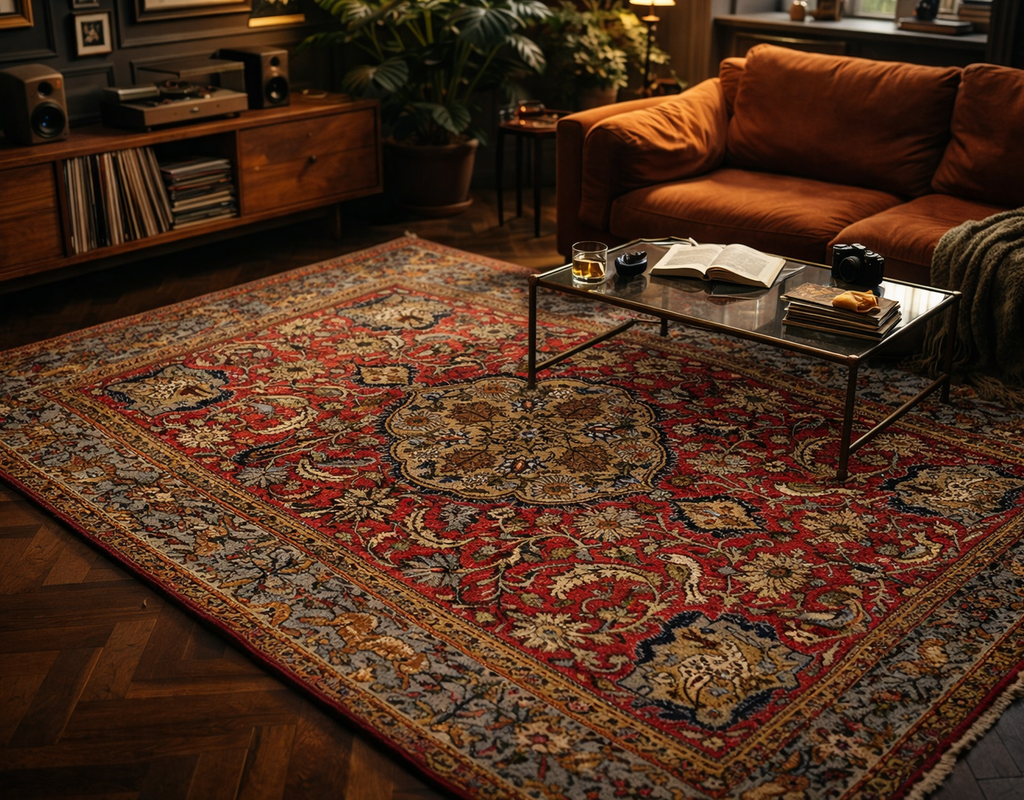
A vibrant, traditional Persian-style rug complements the warm tones of the mid-century modern living area.
How Climate Conditions Affect Wool Quality
The natural environment of East Azerbaijan also plays a crucial role in rug quality. Tabriz’s cool seasonal climate and pasture-rich highlands support healthy flocks of sheep, resulting in wool with high lanolin content, elasticity, and luster. This superior Tabriz wool quality ensures that carpets woven with local materials retain softness while resisting wear.
Climate conditions, therefore, are not just a backdrop but an active contributor to the enduring reputation of Tabriz rugs, providing artisans with raw materials that rival the finest in the Persian world.
Weaving Methods: Tabriz vs. Kashan
While both Tabriz and Kashan produce some of the finest Persian carpets, their construction techniques highlight important distinctions. Tabriz vs Kashan comparisons reveal that Tabriz rugs typically employ the symmetrical Turkish knot, whereas Kashan rugs use the asymmetrical Persian knot. Tabriz carpets often feature a shorter pile, double wefts, and denser construction, resulting in flatter, sharper designs with extraordinary clarity. Kashan rugs, by contrast, tend to have a slightly higher pile and a more fluid, painterly appearance.
These technical differences reflect not only regional preferences but also the distinct cultural and artistic identities of the two weaving centers. Through their choice of materials, knotting methods, and structural refinements, Tabriz weavers demonstrate a technical rigor unmatched in much of the Persian carpet world.
From durable wool foundations to dazzling silk masterpieces, every authentic Tabriz rug showcases the interplay of natural resources, cultural heritage, and artisanal mastery.
Authentication & Collectibility
How to Authenticate Antique Tabriz Carpets
Acquiring an authentic example of these rugs requires careful examination, as the city’s fame has led to widespread imitation. Authentication begins with the structure: Tabriz rugs almost always feature the symmetrical Turkish knot, often with double wefts and a relatively short, finely clipped pile. Materials also matter—look for high-quality wool, or in elite examples, silk pile or silk foundations.
Design elements such as medallion layouts, the Herati motif, and finely detailed floral or pictorial scenes are characteristic of Tabriz craftsmanship. Many antique rugs also include subtle workshop identifiers or inscriptions in the border, linking them to specific ateliers.
Finally, provenance is critical: documentation of prior ownership, gallery sales, or auction records helps confirm authenticity and value. For high-value acquisitions, professional appraisal by a recognized rug expert is essential to avoid the risk of misattribution.
50-Raj and Investment-Grade Tabriz Rugs
For collectors, knot density is a key benchmark of value. The term Raj refers to the number of knots in a given unit of length, and a 50 Raj rug—or approximately 300–400 knots per square inch—marks the entry into true investment-grade territory. Antique 50-Raj+ carpets, particularly those attributed to famous 19th-century masters like Hajji Jalili, are highly collectible and often appreciate in value over time.
Their extraordinary fineness allows for detail comparable to miniature painting, elevating them beyond mere floor coverings into works of art. When combined with strong provenance and excellent condition, such rugs are considered blue-chip assets within the world of textile collecting.
Are Silk-Foundation Tabriz Rugs Worth Premium Prices?
Silk foundation rugs occupy the highest echelon of Tabriz weaving. Their fineness, clarity, and shimmering quality make them exceptional, and they consistently achieve premium prices in galleries and at auction.
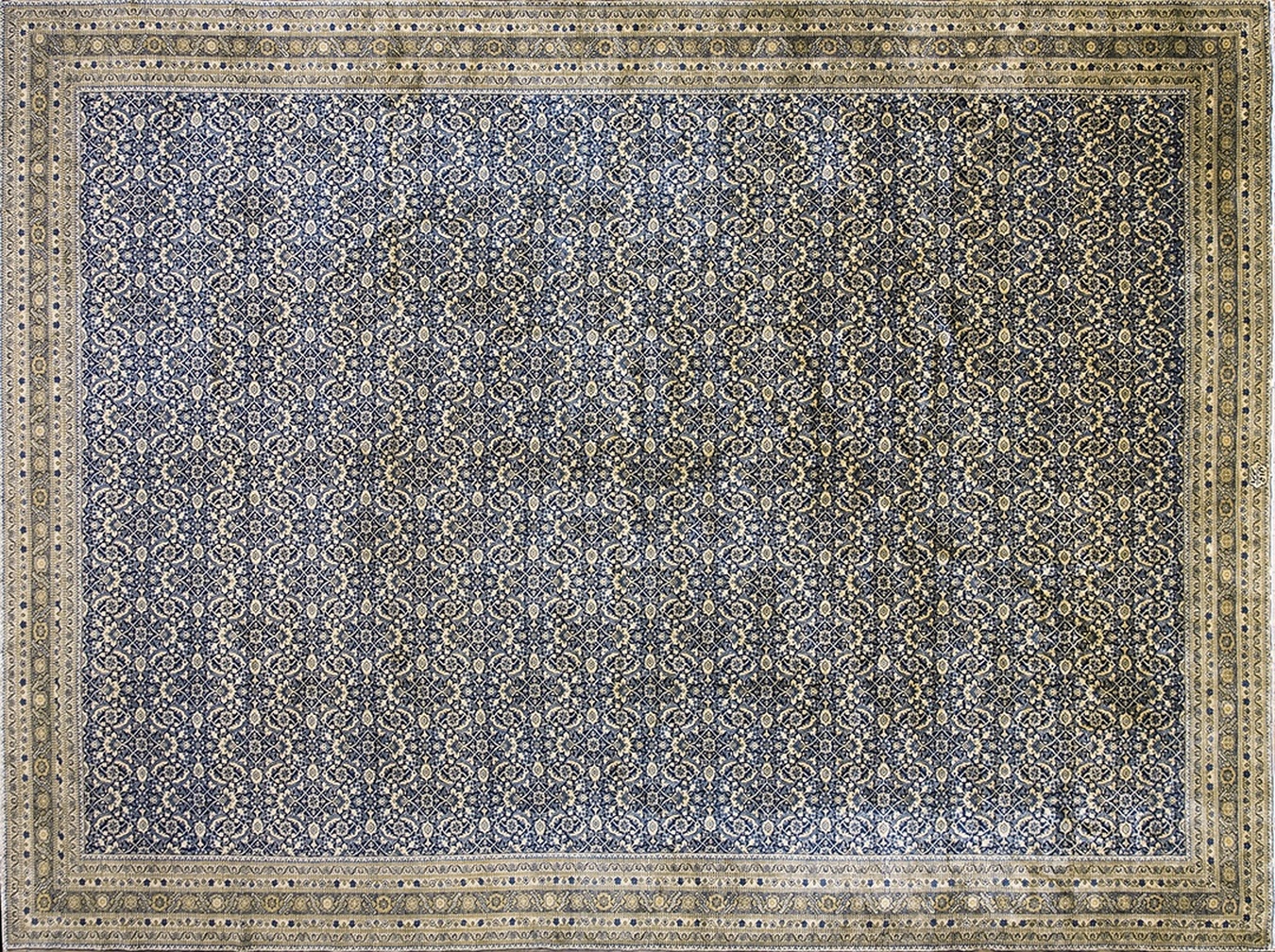
For collectors, their rarity and artistry justify the expense, though they are typically treated as decorative art or investment pieces rather than functional carpets.
Sourcing Museum-Quality Tabriz Rugs Today
For those seeking the pinnacle of Tabriz artistry, museum-quality rugs can be sourced through several avenues. Prestigious auction houses such as Christie’s or Sotheby’s periodically feature antique masterpieces, often with documented provenance stretching back to the 19th century. Leading galleries specializing in Persian carpets also carry authenticated examples, including both antiques and modern collector-grade weavings.
Private collections sometimes release pieces to market, though such acquisitions require trusted intermediaries. In addition, a small number of modern master weavers in Tabriz continue to produce exceptional silk and wool carpets at museum standards, bridging the historic legacy with contemporary artistry. The world of Tabriz rug investment rewards knowledge, patience, and discernment.
Authentication, fineness of weave, and workshop pedigree remain the most important indicators of collectibility. With careful sourcing and expert guidance, owning an antique Tabriz carpet or a finely woven silk masterpiece not only represents a tangible connection to Persian heritage but also a sound long-term investment in art.
Cultural Symbolism & Social Role
Status, Dowry, and Gift Exchange Traditions
For centuries, these rugs have been more than functional objects; they served as markers of social status and instruments of cultural exchange. In Azerbaijani and Persian custom, it was common for families to include fine carpets in a bride’s dowry.
A dowry rug symbolized prosperity, cultural refinement, and the continuity of family tradition, often treasured as an heirloom passed down through generations. Beyond the domestic sphere, these carpets were also bestowed as diplomatic gifts to rulers and dignitaries, their beauty signaling both wealth and political prestige. Thus, owning or gifting a Tabriz carpet has long conveyed honor and distinction.
Motifs and Their Symbolic Meaning
Tabriz rugs carry a dense language of symbols, with motifs that resonate with moral, poetic, and spiritual meaning.
- Medallion (sun or moon) — Why: Represents cosmic order and divine illumination at the center of life.
- Herati / Mahi (fish around a pond) — Why: Symbol of abundance, fertility, and continuity in nature.
- Lotus blossom — Why: Conveys rebirth, purity, and spiritual awakening.
- Cypress tree — Why: Emblem of immortality and steadfastness, frequently used in Persian art.
- Rose motif — Why: Expresses love, beauty, and the ephemeral nature of life.
These Persian carpet motifs form a symbolic vocabulary that transforms every authentic Tabriz rug into a woven text. The designs communicate cultural values and personal aspirations, making each carpet not merely decorative but a reflection of the worldview of its maker and owner.
Rugs in Religious, Ceremonial, and Sufi Contexts
Beyond domestic and political roles, Tabriz carpets hold profound spiritual symbolism. The Ardabil Carpet, one of the most celebrated masterpieces of Persian art, was originally created for the shrine of Shaykh Safi al-Din in Ardabil, a major Sufi center. Its monumental scale and poetic inscription exemplify how rugs served devotional and ceremonial functions, reinforcing the connection between weaving and faith.
In everyday life, smaller prayer rugs woven in Tabriz provided intimate settings for personal devotion, their medallions aligned toward Mecca. Within families, carpets marked significant rites of passage—births, weddings, and funerals—embedding themselves into the rhythm of life. Sufi traditions often viewed carpets as metaphors for the mystical path, with patterns symbolizing the harmony of the cosmos and the unity of creation.
Through these roles, Tabriz rugs operate as social and spiritual capital, carrying not only material value but also the identity and memory of the communities that wove them. Their symbolism and ceremonial use ensure that they remain deeply woven into the cultural and spiritual fabric of Persian and Azerbaijani life.
Tabriz Rugs in the Modern Market
Interior Design Applications
Today, Tabriz rug interior design continues to thrive because of the adaptability and range of these carpets.
- Statement pieces in living rooms — Why: Large medallion carpets draw the eye and establish a focal point, anchoring a space with elegance.
- Dining and reception settings — Why: Durable, tightly knotted structures withstand frequent use while maintaining refinement.
- Neutral backdrops for modern spaces — Why: Subtler Hadji Jalili palettes in taupe, blush, and gray harmonize with minimalist interiors.
- Layering and accenting — Why: Smaller pictorial or seasonal rugs provide individuality and storytelling in bedrooms, studies, or offices.
This versatility ensures that whether in a grand traditional hall or a contemporary loft, a buy Tabriz rug choice integrates timeless artistry into modern décor.
The Collectors’ Market and Record Auction Sales
The prestige of collecting Persian carpets keeps Tabriz at the forefront of global auctions.
- Signed pieces — Why: Carpets inscribed with verses, dedications, or workshop names assure authenticity and elevate investment value.
- Silk and silk-foundation rugs — Why: Their rarity, luminous quality, and fineness attract connoisseurs and consistently fetch premium prices.
These factors explain why Tabriz rug auction sales continue to command headlines, reinforcing the category as both an aesthetic and financial asset.
Can Modern Tabriz Looms Replicate Traditional Finesse?
Despite centuries of tradition, modern Tabriz workshops have not only maintained but, in many cases, equaled historic levels of craftsmanship. Looms operated by established firms such as Alabaf or the Miri Brothers produce Tabriz rug modern masterpieces with knot densities and silk detailing rivaling the Golden Age. This continuity assures buyers that contemporary production can stand alongside antique examples in both quality and artistry.
Innovation and Global Influence
The modern Tabriz weaving community also embraces innovation. Contemporary designers experiment with new color palettes—subdued earth tones, metallic accents, or even abstract patterns—while preserving classical frameworks such as medallions and Herati fields.
At the same time, the global prestige of these area rugs has led to widespread imitation: weaving centers in China and Pakistan often replicate Tabriz-style rugs for export. While these copies may be attractive, only authentic Tabriz rugs retain the cultural depth, investment value, and technical superiority associated with the Persian original.
Calls to Action: How to Start a Tabriz Rug Collection
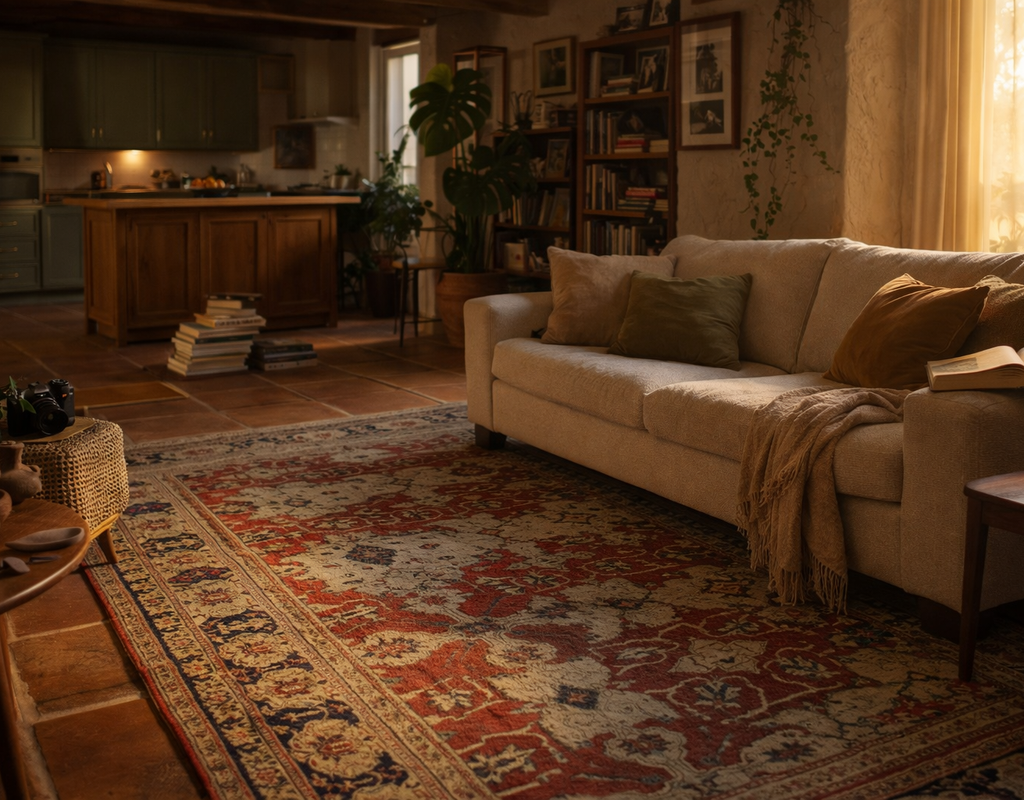
The vibrant traditional rug grounds the relaxed, Mediterranean-inspired living and kitchen space.
For those inspired to begin collecting, a few key steps ensure both enjoyment and value:
- Start with reputable dealers or auctions — Why: Guarantees authenticity and safeguards against imitations.
- Learn to recognize fineness (Raj count) — Why: Higher knot density directly influences value, detail, and collectibility.
- Diversify with different categories — Why: From pictorials to medallions to Four Seasons rugs, each type represents unique artistry and appeal.
- Consider both antique and modern pieces — Why: Antique examples carry history, while modern masterworks showcase ongoing innovation.
- Invest in care and preservation — Why: Proper cleaning and protection secure long-term value and beauty.
By approaching the market with knowledge and discernment, new collectors can confidently buy Tabriz rugs that not only enrich their interiors but also connect them to centuries of artistry and cultural heritage.
From royal courts to contemporary showrooms, Tabriz weaving remains an evolving yet timeless tradition—adaptable to modern life, yet anchored in the prestige of its Persian roots.
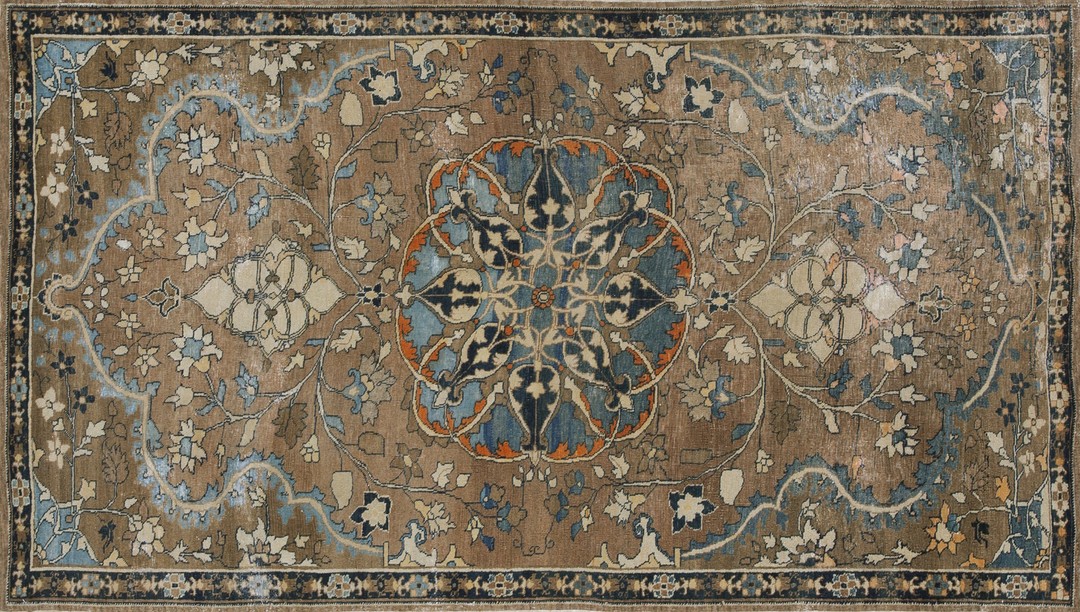
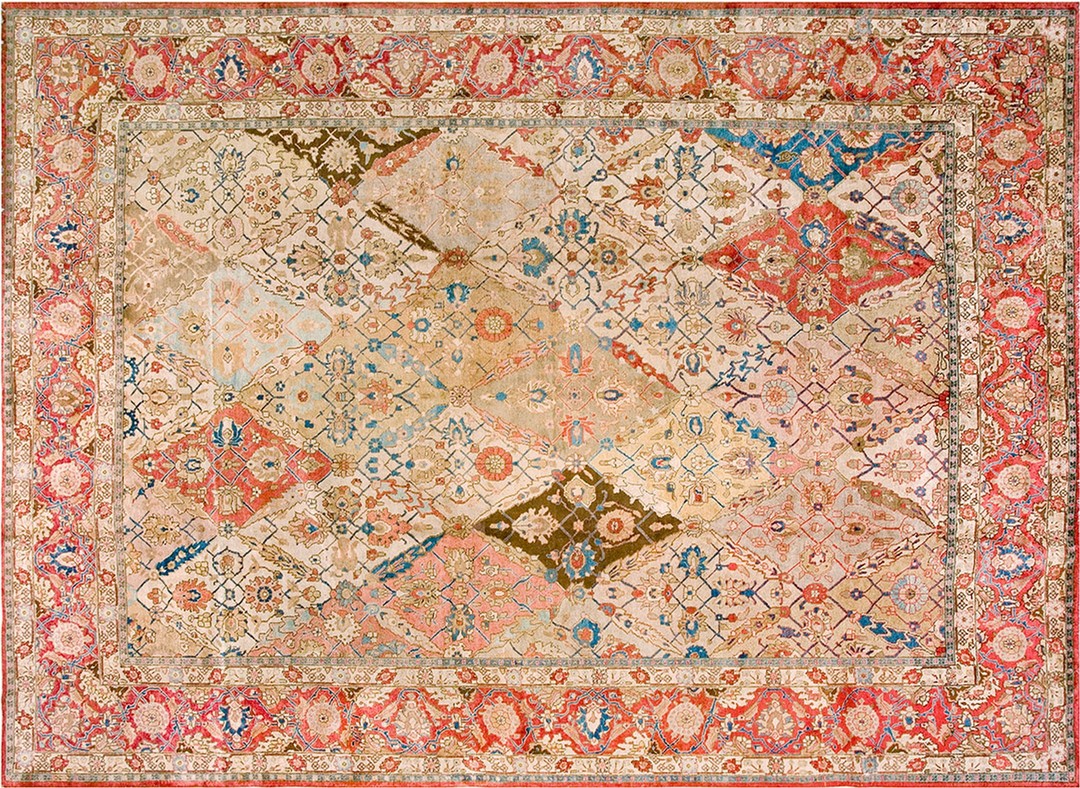
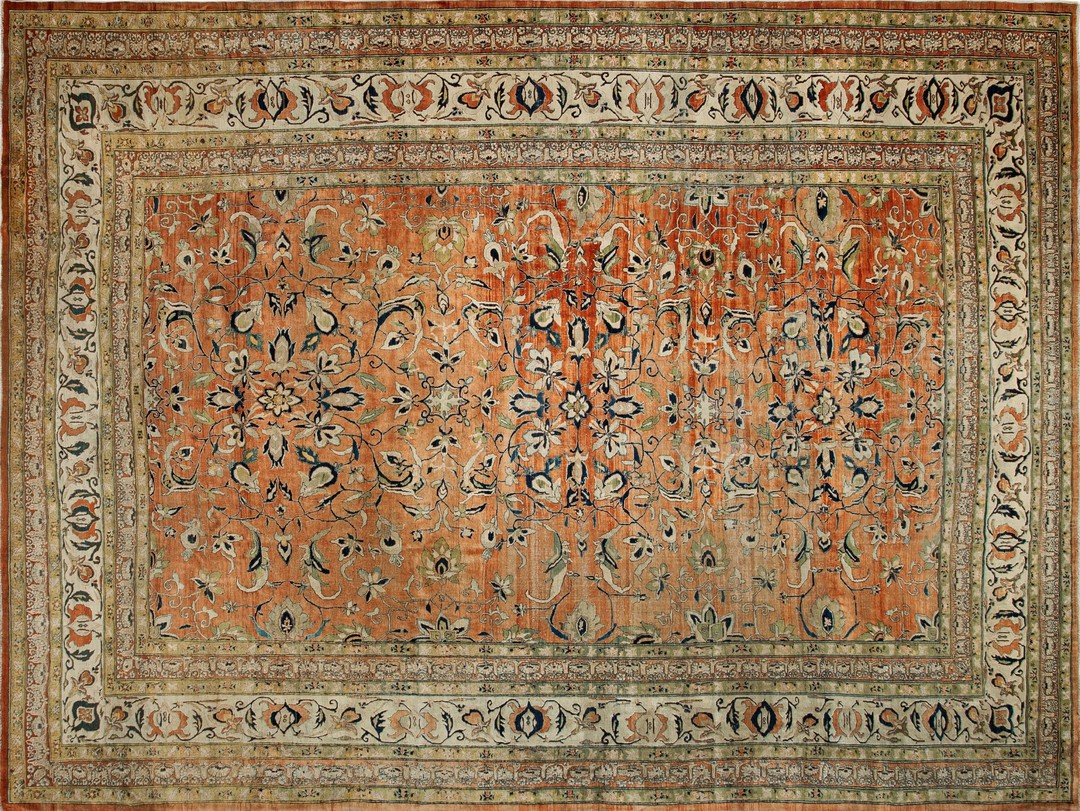
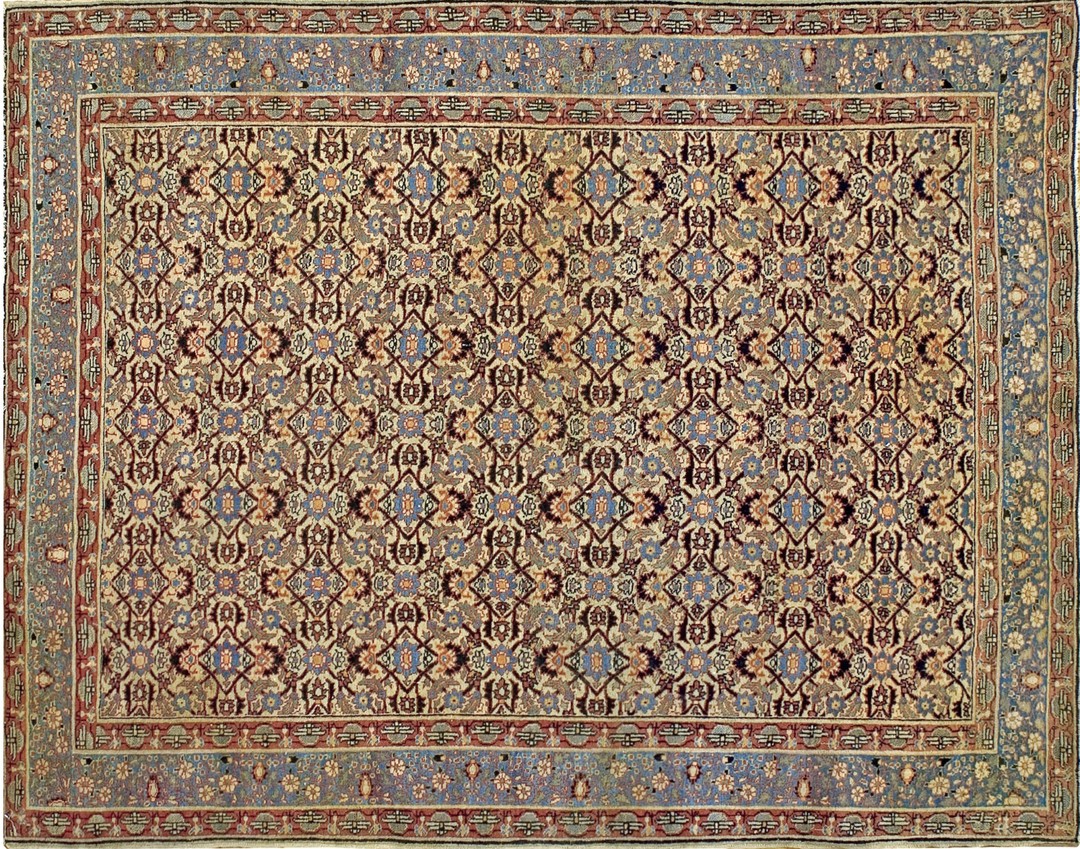
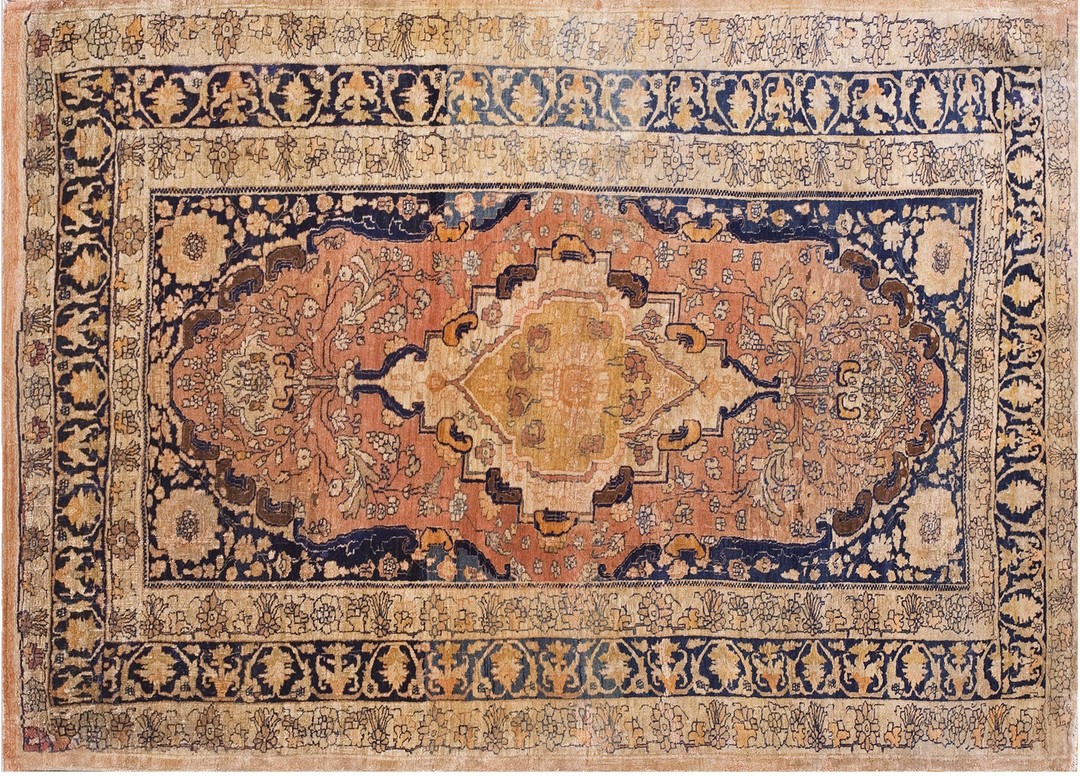
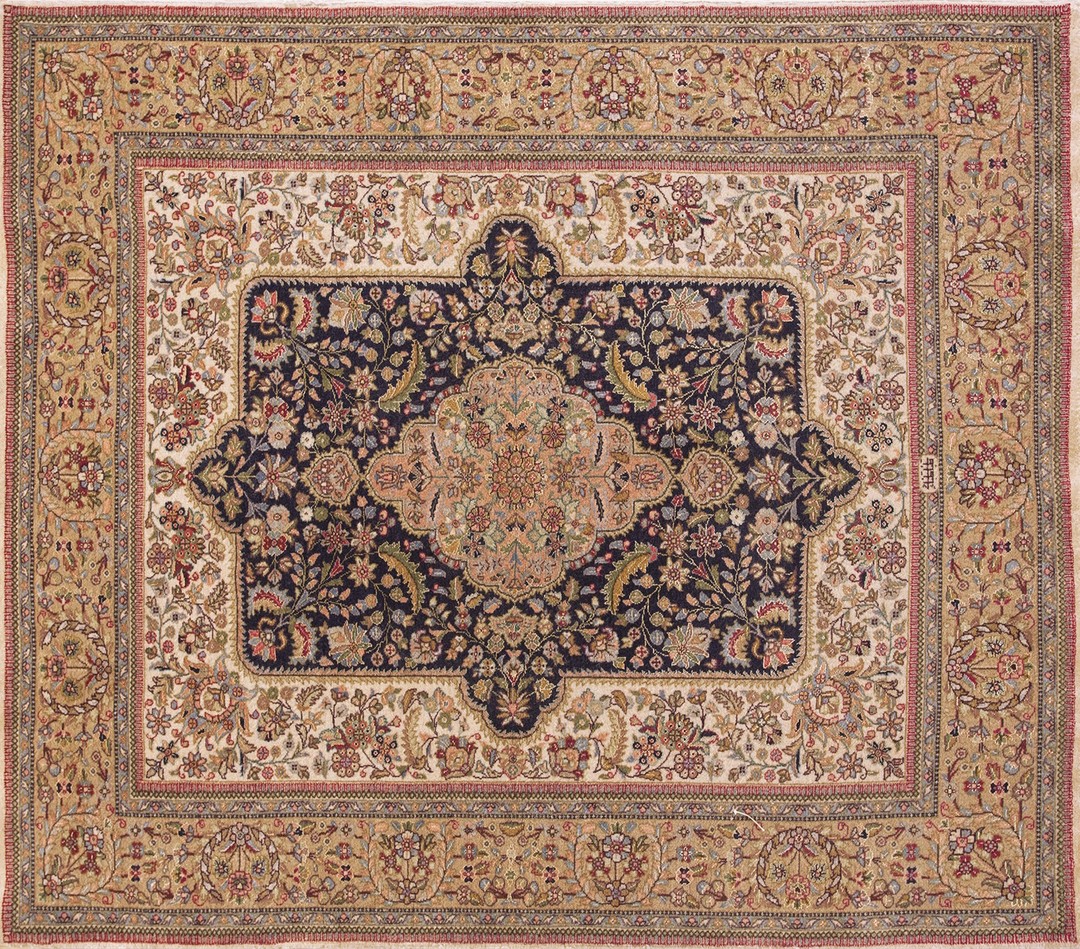
Explore Some of Our Favorite Tabriz Rugs
FAQ
- Is it legal to import new Tabriz rugs to the U.S.?
Import rules for Iranian-made carpets change over time; before purchasing abroad, check current U.S. regulations and consult a customs broker for up-to-date guidance.
- Are there “Tabriz-style” rugs made outside Iran?
Yes—many countries produce Tabriz-style rugs. Quality varies; verify materials, knot density, and finishing. If origin matters, ask for written origin statements and buy from reputable dealers.
- How do Tabriz runners perform in hallways?
Tabriz runners handle traffic well when wool-pile and tightly woven; add a nonslip felt-rubber pad and leave 3–6 inches of floor reveal on each side for clean framing.
- Do robot vacuums damage Tabriz rugs?
Use low-suction settings and block fringe to prevent tangles; avoid aggressive edge-brushes on silk Tabriz rugs. Periodic manual vacuuming still gives the most controlled care.
- Can Tabriz rugs work over radiant floor heating?
Yes—wool or silk Tabriz rugs can sit over hydronic radiant heat with a breathable pad; avoid plastic-backed pads and keep temperatures moderate to protect natural fibers and adhesives.
- Are antique Tabriz rugs a good investment?
Well-preserved antique Tabriz rugs from notable workshops can appreciate, but markets fluctuate. Buy the best condition and design you love, and request condition reports before bidding.
- How do I read fineness on Tabriz rugs without Raj numbers?
Inspect the back: tighter, smaller knots and crisp outlines indicate finer weave. Compare curve smoothness and detail density across pieces of similar size for a practical benchmark.
- Are signed Tabriz rugs a thing?
Yes—some Tabriz rugs bear Persian signature cartouches indicating a workshop or master. Signatures can add interest, but authenticity and overall quality matter more than a name alone.
- What materials are used in Tabriz rugs?
Most Tabriz rugs use wool pile on cotton foundations; higher-end pieces may include silk pile or silk highlights, and rare all-silk Tabriz rugs display extraordinary detail.
- What is a fair price range for Tabriz rugs?
Prices vary widely by age, size, fineness, and materials—vintage wool 8×10 Tabriz rugs often run mid-four figures, while fine silk or Haji Jalili examples can reach five or six figures.
- Do Tabriz rugs shed?
New wool Tabriz rugs may shed lightly for weeks as loose fibers release; regular gentle vacuuming reduces shedding. Persistent heavy shedding can indicate poor shearing or low-grade fiber.
- How should I clean Tabriz rugs at home?
Vacuum gently without a beater bar, blot spills with cool water, and avoid harsh chemicals. Professional washing every 1–3 years (sooner for heavy use) preserves pile and dyes.
- Are Tabriz rugs good with pets and kids?
Wool Tabriz rugs naturally resist soiling and spring back from compression; blot accidents quickly and avoid silk piles. Choose mid-tone patterns that camouflage everyday life.
- What do Tabriz rug colors typically look like?
Tabriz rugs range from rich reds and navy fields to subdued ivories and taupes; Haji Jalili-style pieces often favor soft neutrals, while many workshop rugs balance cream grounds with blue and rose motifs.
- How can I tell if a Tabriz rug is hand-knotted?
Flip the rug: hand-knotted Tabriz rugs show slightly irregular knots and design clarity on the back; machine-mades look overly uniform, and latex glues or mesh backings are red flags.
- What sizes are common for Tabriz rugs?
Standard sizes like 8×10 and 9×12 are common in Tabriz rugs, along with runners and small mats; palace-size and room-size antiques exist but are rarer and pricier.
- How do Tabriz rugs compare to Isfahan or Kashan rugs?
Tabriz rugs vary widely in design and fineness; Isfahan pieces often feature ultra-fine cork wool with silk details, while Kashan rugs lean classic floral medallions. Tabriz spans both formal and pictorial styles.
- How do Tabriz rugs compare to Heriz rugs?
Tabriz rugs tend to be finer and more curvilinear; Heriz rugs are geometric and bolder. A 9×12 Tabriz might show intricate arabesques, while a Heriz shows angular medallions and rugged lines.
- Are silk Tabriz rugs practical?
Silk Tabriz rugs showcase extraordinary detail and shimmer but are best for low-traffic areas; avoid rolling chairs, pet claws, and heavy moisture, and budget for specialized cleaning.
- Are Tabriz rugs durable for high-traffic rooms?
Wool-pile Tabriz rugs on cotton foundations are typically very durable due to tight weaves; place a quality felt-rubber pad and rotate every 6–12 months to even wear.
- Who was Haji Jalili in the context of Tabriz rugs?
Haji Jalili was a renowned late-19th-century Tabriz master whose rugs favor delicate drawing and restrained palettes—ivories, creams, and soft neutrals—often commanding premium prices at auction and galleries.
- What is the Mahi (Herati) pattern in Tabriz rugs?
The Mahi/Herati motif repeats a diamond with rosettes and “fish-like” leaves; Tabriz rugs often use it as an allover layout or within medallion fields for crisp, rhythmic texture.
- Do Tabriz rugs use Persian or Turkish knots?
Many Tabriz rugs use the symmetrical Turkish (Ghiordes) knot, though some workshops employ asymmetrical Persian knots; either way, higher density usually means sharper motifs and smoother curves.
- What does “Raj” mean on Tabriz rugs?
Raj is a Tabriz-specific fineness rating counting knots across 7 cm; higher numbers (e.g., 50–70 Raj) indicate finer, more detailed rugs, while 30–40 Raj are coarser, everyday qualities.
- What defines Tabriz rugs compared with other Persian rugs?
Tabriz rugs come from northwest Iran and are known for fine city weaving, curvilinear drawing, and diverse patterns—from medallion to Mahi (Herati)—often with tight structure and balanced, formal layouts.