
Introduction: The Significance of Nepalese Rugs
Discover our curated selection of authentic, hand-knotted Nepalese rugs and elevate your luxury décor.
The Legacy of Nepalese Rug Weaving
The iconic rugs Of Nepal embody both cultural pride and economic lifelines for the country. The craft of weaving rugs in Nepal is deeply intertwined with the nation’s Himalayan heritage, where artisans preserve ancient methods while adapting to modern markets.
What began as a community tradition has evolved into a thriving industry that employs thousands, including entire families of Tibetan refugees who resettled in Nepal and brought their skills with them.
Today, hand-knotted rugs of Nepal are a cornerstone of the country’s exports, recognized for their high quality, durability, and artistry. Beyond commerce, rug weaving sustains cultural continuity, ensures that spiritual motifs and ancestral techniques endure, and provides a vital source of income for rural and urban communities alike.
Nepal as a Crossroads of Himalayan Traditions
The story of Nepalese rugs cannot be told without acknowledging Nepal’s role as a crossroads of Himalayan cultures. Positioned between Tibet, India, and Bhutan, the country absorbed diverse influences that shaped its weaving heritage.
Tibetan knotting techniques—brought by refugees after 1959—were combined with local Nepali materials and motifs to form a distinct style of Himalayan rugs. These designs often carry Tibetan spiritual symbolism, such as lotus flowers or endless knots.
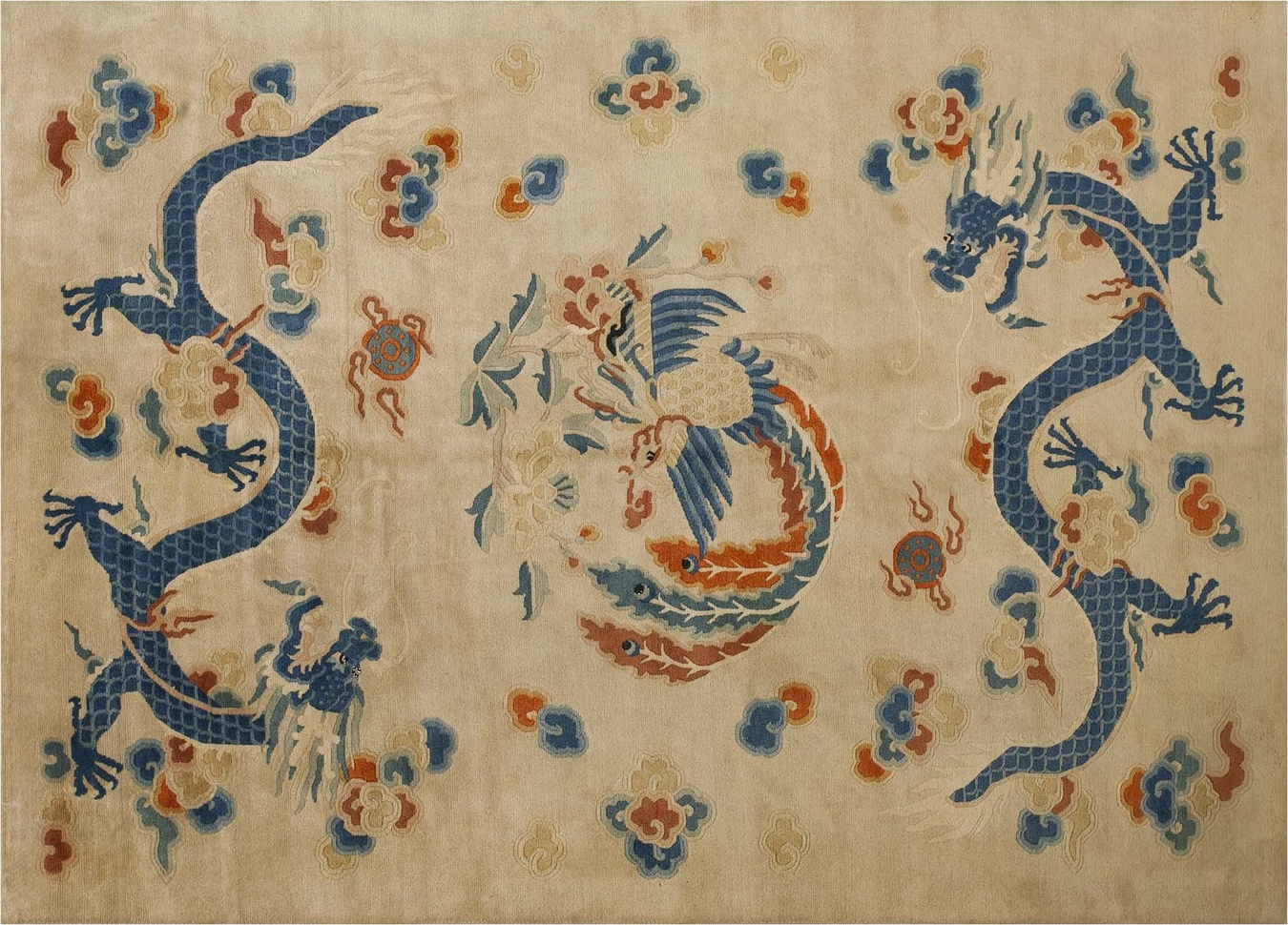
Vintage Nepal Nepal Allover Knotted Rug – by Rugs On Net
Yet they are reinterpreted through Nepali artistry with vibrant colors, bold geometric shapes, and cultural motifs tied to daily life in the Kathmandu Valley. The result is a fusion of traditions that makes Nepal rug heritage both ancient and adaptive, preserving sacred symbolism while appealing to global tastes.
What Makes Rugs Of Nepal Unique Compared to Other Countries?
Several qualities set the rugs of Nepal apart from other weaving traditions. First is the Tibetan knotting technique, which differs from Persian or Turkish knots and gives Nepalese rugs a distinctive thick, resilient pile. This makes them especially soft underfoot and well-suited for modern interiors. Second is their integration of spiritual and cultural symbolism—from Buddhist iconography to local Nepali motifs—that infuse each carpet with meaning beyond mere decoration.
Third is Nepal’s emphasis on ethical rug weaving. Many workshops and cooperatives prioritize fair wages, safe working conditions, and eco-friendly materials like hand-spun wool and natural dyes. As a result, Nepalese rugs enjoy a global reputation for being not only beautiful and durable but also responsibly produced. Nepalese rugs thus stand at the intersection of art, tradition, and ethical enterprise.
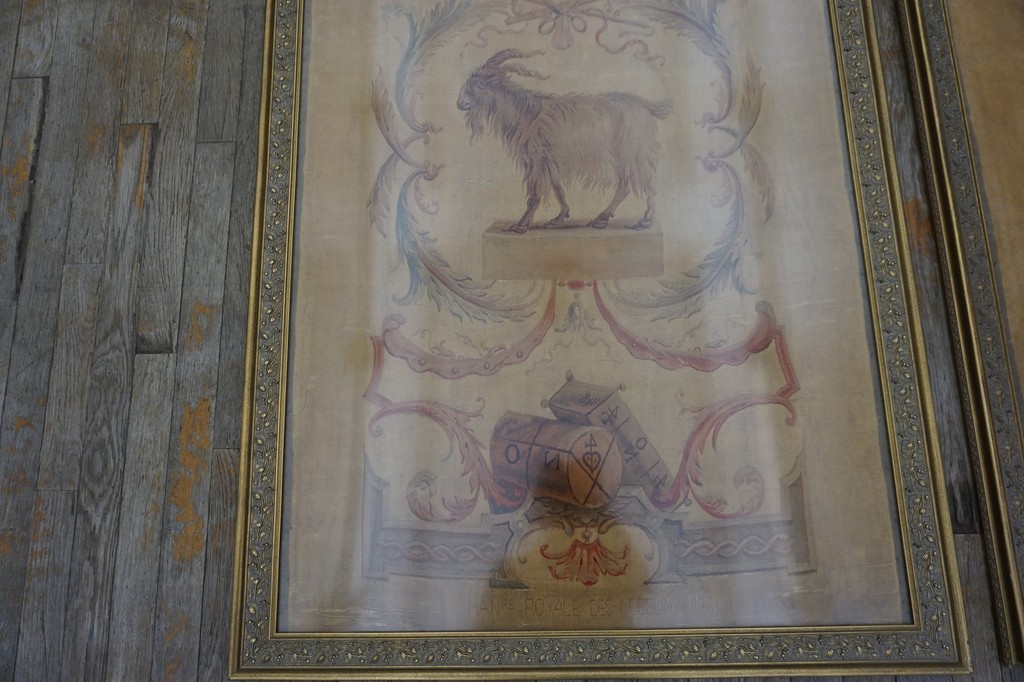
Pair of Scenic Antique 18th Century Beauvais French Tapestries by Rugs On Net
They carry forward the cultural legacies of the Himalayas while supporting sustainable growth and livelihoods in the present day, ensuring their place as some of the most respected hand-knotted carpets in the world.
Historical Roots & Timeline of Nepalese Rug Weaving
Pre-Modern Weaving: From Buddhist Origins to Himalayan Textiles
The roots of Nepal rug history reach as far back as c.600 BCE, during the era of the Buddha, when woven textiles were part of monastic life and Himalayan households. Early weaving traditions in Nepal carried spiritual significance, with Buddhist symbols incorporated into textiles that served both ritual and practical purposes.
While Nepal produced its own cloth and woolen goods, rug weaving remained modest in scale until the mid-20th century. What endured through these centuries was a deep connection between Himalayan weaving heritage and spirituality, ensuring that the art of weaving remained tied to cultural identity.
Influence of Tibetan Refugee Artisans
The defining moment in Nepal’s carpet industry timeline came after 1959, when thousands of Tibetan refugees fled into Nepal following China’s annexation of Tibet. These artisans brought with them centuries-old skills, particularly the Tibetan knotting technique that would transform Nepal’s weaving landscape. With support from international aid programs, including Swiss development initiatives in the 1960s, workshops were established to provide livelihoods for refugee families.
The result was the rebirth of rug weaving in Nepal—not as a small domestic craft, but as the foundation of a modern, export-driven industry. Tibetan refugees shaped Nepal’s modern rug industry by introducing both technique and tradition, creating Himalayan rugs that combined Tibetan symbolism with Nepali adaptations, and setting the stage for global recognition.
Export Boom and Modern Revival
By the 1980s and 1990s, Nepalese rug weaving had entered a golden era. The thick-pile hand-knotted Nepali carpets, crafted with Tibetan knotting, became sought-after in Europe and the United States, fueling an export boom. However, the rapid rise also exposed labor issues, including child labor, which damaged Nepal’s reputation in the 1990s.
Social reform efforts soon followed, most notably through certification systems such as RugMark (later renamed GoodWeave) that monitored ethical practices and rebuilt trust in the industry. Entering the 2020s, the focus of Nepal’s carpet sector shifted toward sustainability, eco-conscious production, and fair labor.
Today, Nepalese rug makers balance tradition with global standards, ensuring their area rugs are celebrated not only for artistry but also for ethical weaving practices. The history of area rugs from Nepal thus charts a remarkable arc: from ancient Buddhist-era weaving, through the transformative arrival of Tibetan refugees, to a modern industry that thrives on both cultural heritage and responsible reform.
Signature Rug Types & Iconic Techniques
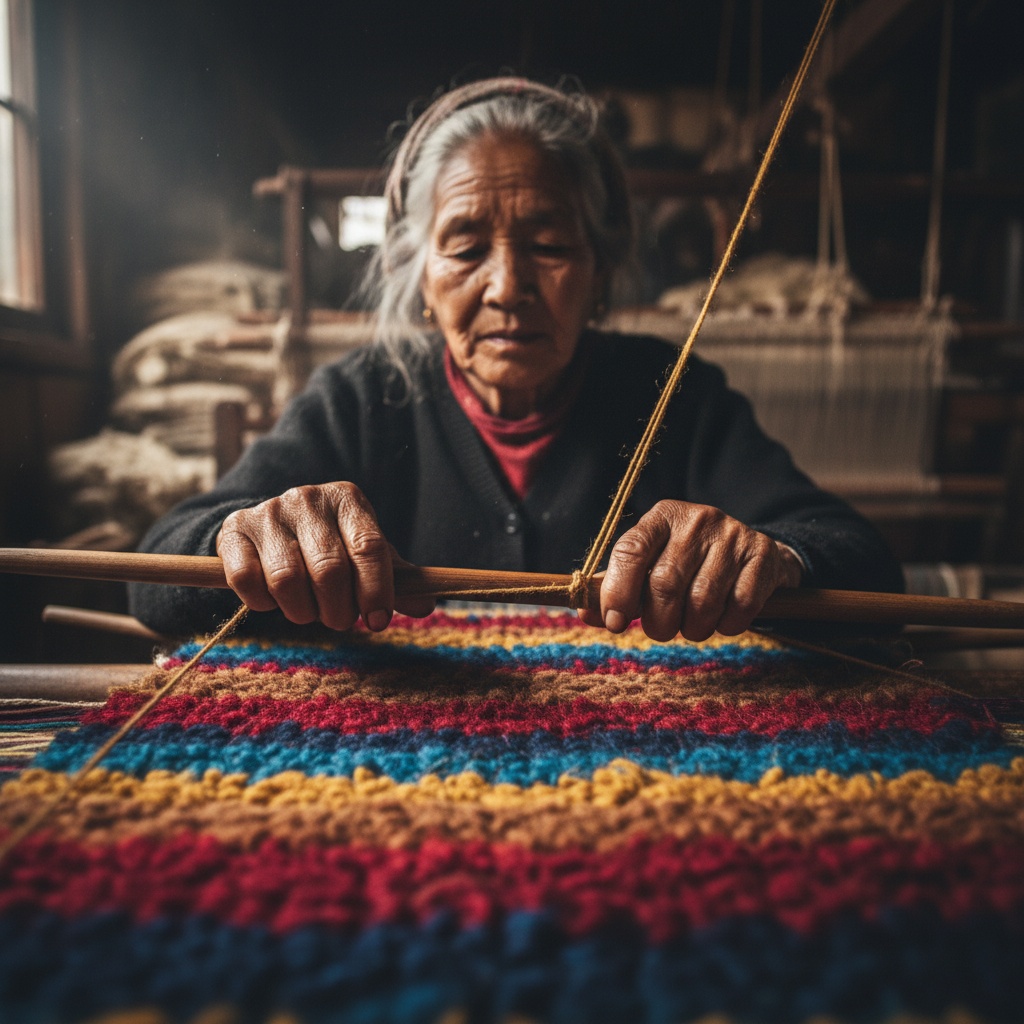
Artisan hands working traditional weaving techniques
Tibetan Knot Carpets (Galaincha)
The most iconic of Nepalese rugs are the Tibetan knot carpets, known locally as galaincha. Unlike Persian or Turkish knots, the Tibetan knot involves looping yarn around a rod, then cutting it to create a soft, resilient pile. This unique method produces carpets with exceptional thickness and warmth, making them ideal for Himalayan climates.
Beyond comfort, galaincha rugs carry spiritual meaning: traditional designs often include Buddhist motifs such as lotus flowers, endless knots, and dragons. Some weavers even recite prayers as they knot, infusing the rugs with symbolic blessings. These carpets are not only aesthetic treasures but also embodiments of spiritual practice woven into everyday life.
Radi & Pakhi Wool Rugs
Among Nepal’s traditional textiles, radi and pakhi rugs hold a special cultural place. Made from thick local wool, radi were historically crafted in mountain villages as heavy, utilitarian blankets or floor coverings. They were prized for their durability and warmth, often included as dowry gifts during marriage ceremonies, signifying security and heritage.
Pakhi wool variants served similar roles, providing everyday functionality while preserving ancestral craft knowledge. Even today, radi-pakhi rugs are valued for their rustic beauty and link to rural life, representing the enduring role of wool in Nepal’s weaving traditions.
Allo & Hemp Dhurries
In addition to wool, Nepal is renowned for its use of natural plant fibers. Allo rugs, made from Himalayan nettle, and hemp rugs are crafted into flat-woven dhurries. These eco-friendly rugs are lightweight, breathable, and often dyed with natural colors, appealing to modern buyers seeking sustainable home décor.
Allo weaving, especially in eastern Nepal, reflects an ancient tradition of harnessing wild fibers for domestic use, while hemp dhurries stand out for their strength and environmental resilience. Together, they highlight Nepal’s innovative response to global demand for eco-friendly rugs.
Other Notable Rug Types
- Sukul mats (rice straw) — Why: Sustainable mats woven from rice straw, tied to agricultural life and eco-conscious living.
- Tharu cotton dhurries — Why: Flat-weaves from the Terai region, linked to the Tharu community, preserving ethnic identity and regional heritage.
- Felt ball rugs — Why: A modern cottage industry innovation, crafted by stitching colorful felt balls into playful, durable rugs that showcase creativity and adaptability.
Tradition and Provincial Specialization
Himalayan wool rugs are traditionally made in Nepal through hand-spinning local wool, dyeing it with natural pigments, and knotting or weaving by hand. The process is labor-intensive and family-oriented, often taking weeks or months to complete a single piece. For flat-weave dhurries, production is especially concentrated in Nepal’s Terai provinces, where the Tharu community specializes in weaving cotton and hemp rugs.
Together, these diverse rug forms—pile, flatweave, and felted—demonstrate the depth of Nepal’s textile heritage. From sacred Tibetan knot carpets to rustic radi blankets and innovative felt ball rugs, the craft reflects a living tradition that connects spirituality, sustainability, and family life.
Regional Weaving Hotspots & Ethnic Traditions
Bagmati Province & Kathmandu Valley
The Kathmandu Valley, particularly Kathmandu and Bhaktapur, is the beating heart of Nepal’s carpet industry. Here, large-scale workshops and cooperatives produce the majority of hand-knotted rugs, many crafted with the Tibetan knot technique. Kathmandu Valley carpets have earned a reputation akin to a Geographical Indication, symbolizing high-quality craftsmanship recognized worldwide.
Bhaktapur rugs, in particular, reflect a fusion of Tibetan refugee artistry and local Nepali motifs, sustaining the valley as Nepal’s premier export hub. For visitors, traditional looms can often be seen in workshops just steps away from Kathmandu Durbar Square, where heritage weaving and modern production meet in the same cultural space.
Gandaki & Highland Traditions
In the Gandaki region and Himalayan highlands, weaving takes on a more rustic and localized character. The Mustang district, home to the Thakali people, is known for yak wool weaving and rugs adorned with subtle Buddhist motifs. Mustang weaving traditions are often tied to seasonal cycles and celebrated during festivals like Yartung, where textiles play symbolic roles.
Highland radi and pattu blankets, woven from local sheep wool, reflect the durability and warmth required for life in Nepal’s colder mountain regions. These textiles embody both heritage and survival, passed down through generations of pastoral families.
Province 1 & Eastern Hills
Eastern Nepal, particularly districts such as Tehrathum and Sankhuwasabha, is famed for allo fiber dhurries. Woven from wild Himalayan nettle, these flat-weaves combine strength with eco-friendly appeal. The region is also home to dhaka weaving, a patterned cotton textile central to traditional Nepali dress.
Women’s weaving cooperatives in the eastern hills play a pivotal role in sustaining these crafts, empowering artisans while promoting sustainable local economies. These initiatives ensure that weaving remains both a livelihood and a cultural practice in the region.
Terai, Lumbini & Madhesh Plains
In the southern plains, weaving traditions shift from wool to plant fibers. The Terai is known for jute mats and flat-weaves decorated with painted Mithila designs, linked to the rich artistic heritage of the Maithili community.
In the Lumbini region, such products are increasingly exported, blending folk art with commercial viability. These textiles showcase the adaptability of Nepalese artisans, who draw on regional materials to produce rugs and mats that carry both practical and cultural value.
Karnali & Sudurpashchim
In the far-western hill villages of Karnali and Sudurpashchim, wool weaving continues as a core tradition. The Jumli Radi blanket, woven from local sheep breeds, is especially prized for its thickness and warmth.
Annual weaving festivals in Karnali celebrate these crafts, ensuring that the practice remains a shared community identity. Here, weaving is not just functional but also a means of preserving regional pride and intergenerational skills in some of Nepal’s most remote areas.
Ethnic Weaving Communities
The diversity of Nepalese weaving regions reflects the many ethnic groups who sustain the craft: Tibetan refugees in Kathmandu, the Thakali of Mustang, the Tharu and Maithili in the Terai, and the women-led cooperatives of the eastern hills. Each group contributes unique techniques and motifs, ensuring that Nepalese rugs represent not one tradition but a mosaic of cultural identities.
Most hand-knotted rugs today are produced in the Kathmandu Valley, while regional specialties like Tehrathum dhurries and Jumli Radi blankets preserve the richness of Nepal’s weaving diversity. Together, these traditions demonstrate how geography, ethnicity, and community shape the identity of Nepalese rugs.
Rug Motifs, Symbolism & Cultural Inspiration
Buddhist and Hindu Landmarks in Design
Nepalese rugs often serve as woven maps of the country’s spiritual and cultural geography. Motifs drawn from Boudhanath Stupa, with its all-seeing eyes of the Buddha, appear in mandala-like compositions that radiate symmetry and calm. Designs inspired by Pashupatinath Temple reflect Nepal’s Hindu heritage, with sacred symbols and stylized temple patterns integrated into rug borders.
Even Mount Everest finds its way into rug artistry, often represented by geometric peaks or snow patterns that celebrate Nepal’s natural majesty. Together, these landmarks anchor rug motifs in the spiritual and physical landscape of Nepal, making them instantly recognizable as cultural expressions.
Traditional vs. Modern Patterns
Traditional Nepalese rugs favor Buddhist rug symbols such as lotus flowers, dragons, snow lions, and eternal knots. These motifs embody purity, protection, and spiritual continuity, passed down through centuries of weaving. In contrast, modern Nepalese rug design has embraced minimalism and abstract motifs, appealing to international tastes while retaining symbolic roots.
Geometric mandalas and reimagined floral borders reflect this balance—modern patterns that honor tradition without losing their Himalayan character. This evolution underscores how Nepalese weaving adapts while maintaining authenticity.
Color Palette & Natural Dye Sources
One of the hallmarks of natural dyed Nepal rugs is their earthy, harmonious palette. Artisans rely on traditional vegetal and mineral sources: indigo for deep blues, madder root for reds, walnut husk for warm browns, and ramje mineral blue for subtle mountain tones.
These colors not only reflect the Himalayan environment but also ensure rugs age gracefully, acquiring a patina that enhances their value. The reliance on natural dyes underscores a cultural commitment to sustainability and authenticity in rug making.
Weaving Rituals & Artisan Stories
- Spiritual reasons — Many weavers recite prayers as they knot, believing that their words of devotion become part of the fabric, turning each rug into a spiritual object.
- Family reasons — Rugs are often made to mark milestones such as marriages or dowries, embodying love, continuity, and protection for future generations.
- Cultural reasons — Weaving circles and cooperatives act as social spaces, passing stories, songs, and traditional knowledge while sustaining community identity.
The result is that every rug carries more than artistic design—it holds the spirit of its maker, the memory of its community, and the symbols of Nepal’s sacred geography. Through motifs of Boudhanath Stupa, sacred dyes, and prayerful knotting, Nepalese rugs transform into woven embodiments of culture, faith, and heritage.
Materials, Wool Quality & Sourcing
Himalayan Wool: Qualities and Global Comparison
The foundation of most Himalayan wool rugs is the region’s distinctive highland sheep wool, prized for its thickness, warmth, and lustrous texture. Its long fibers make it exceptionally durable, ideal for the dense pile of hand-knotted carpets.
Compared to Persian wools, Himalayan wool tends to be coarser but more resilient, while lacking the ultrafine softness of imported merino. This balance gives Nepalese carpets their trademark strength and longevity, well suited for both decorative and everyday use.
Allo, Hemp, Jute, and Alternative Fibers
Beyond sheep’s wool, Nepalese weavers also draw on a palette of natural fibers. Allo fiber, derived from Himalayan nettle, has been foraged and spun into strong, breathable yarns for centuries. Hemp rugs, woven flat or blended with wool, highlight Nepal’s commitment to renewable, eco-conscious materials.
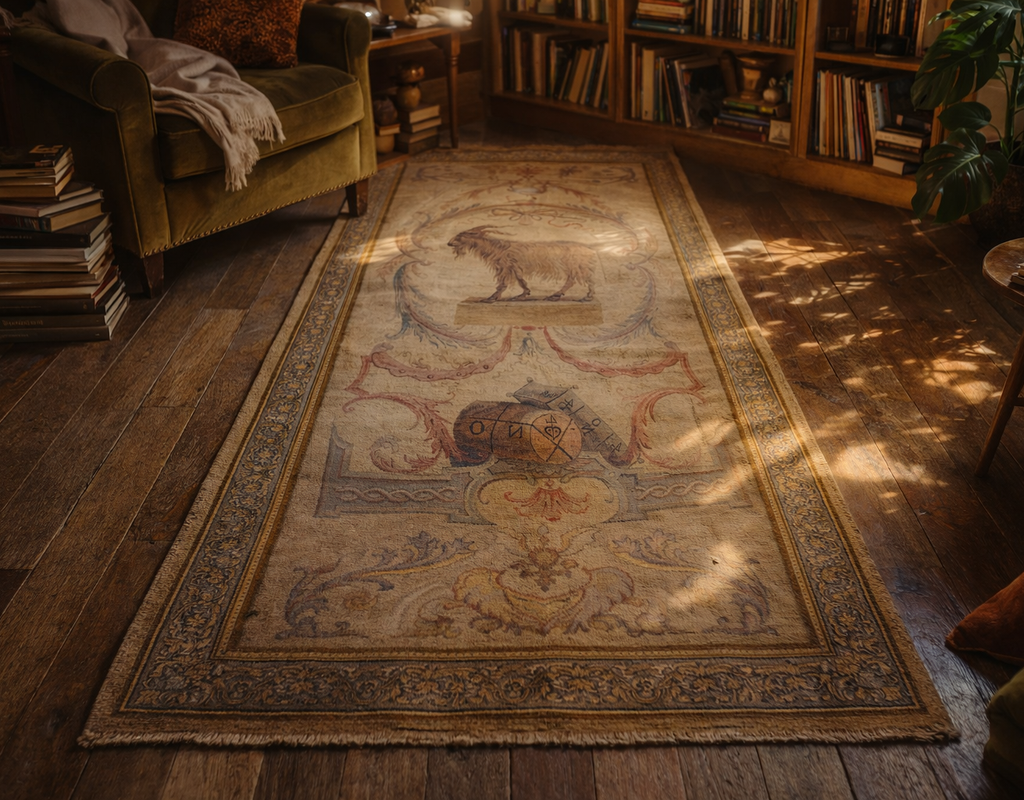
A distinctive, allegorical rug anchors this warm and scholarly reading nook.
In the Terai and Lumbini regions, jute is cultivated and woven into mats and dhurries, contributing a rustic, golden sheen. Together, these plant-based fibers broaden the definition of Nepalese rugs, tying them to both sustainability and regional diversity.
Sourcing the Finest Wool
The Bagmati Province, especially around Kathmandu and Bhaktapur, is a key center for sourcing and preparing high-quality wool for carpets. Here, workshops blend locally shorn Himalayan wool with carefully selected imports, including New Zealand merino, to achieve the ideal balance of softness and resilience.
In the highlands, raw wool from sheep and yak continues to supply traditional radi and pattu blankets. This regional variety ensures that exporters can select wool qualities tailored to international demand, from rustic textures to luxury-grade finishes.
Sustainability & Eco-Certifications
- GoodWeave Nepal — Why: Ensures rugs are free from child labor and ethically produced, giving buyers confidence in both quality and conscience.
- Sustainable Nepal rugs with natural dyes — Why: Healthier for homes, avoiding synthetic chemicals while preserving the environment.
- Allo fiber and hemp rugs — Why: Wild-harvested and renewable, they reduce reliance on intensive livestock herding.
- Solar-dried wool practices — Why: Lower carbon footprint and appeal to eco-conscious markets.
Sustainably dyed Nepalese rugs from the Terai and other regions command a premium because they combine eco-friendly materials with cultural authenticity. For collectors and homeowners alike, these certifications add value, assuring that each rug is both a work of art and a responsible investment.
In sum, Nepal’s rug heritage rests not only on the strength of Himalayan wool but also on a deepening commitment to sustainable fibers, ethical labor, and environmental stewardship.
Weaving Techniques & Rug Construction
The Tibetan Knot: Process and Cultural Importance
At the heart of Nepalese rug construction lies the Tibetan knotting technique, a method introduced by Tibetan refugees in the mid-20th century that has since defined Nepal’s international reputation. Unlike Persian or Turkish knots, the Tibetan knot involves looping yarn around a rod across the loom, then cutting it to form a plush, resilient pile.
This produces rugs with a uniquely thick and soft texture, instantly recognizable to collectors. More than a technique, Tibetan knotting in Nepal carries cultural importance: many weavers recite prayers while knotting, imbuing each rug with spiritual meaning. This blend of artistry, function, and devotion ensures the Tibetan knot remains central to Nepalese rug culture.
Knot Count & Density
The rug knot count—measured in knots per square inch—directly influences the precision of design, durability, and pricing of hand-knotted rugs. In Nepal, Kathmandu carpet density is typically higher than in other regions, with masterworks featuring intricate motifs that demand both skill and time.
By contrast, rugs from Pokhara and surrounding areas often employ lower knot counts, yielding bolder, simpler patterns at more accessible price points. Knot density not only distinguishes regional styles but also drives value in the export market: higher counts in Kathmandu rugs command premium prices, as they represent months of labor-intensive craftsmanship.
Flatweave, Dhurrie, and Felted Rug Techniques
While hand-knotted carpets dominate Nepal’s exports, artisans also practice a wide range of weaving methods. Flatweaves and dhurries, made on simpler looms, use techniques like interlacing hemp, allo, or jute fibers into durable, reversible rugs.
Felted rugs, including the popular felt ball designs, rely on compressing wool fibers through moisture and pressure rather than knotting, creating dense, playful, and eco-friendly forms. These alternative methods showcase Nepal’s versatility, offering rugs that range from rustic heritage pieces to modern innovations.
Looms & Tools
- Vertical looms in urban workshops — Why: Allow precise control for complex hand-knotted designs, central to Kathmandu’s master carpets.
- Horizontal or floor looms in villages — Why: Portable, simpler to construct, suited for dhurries, radi, and local wool blankets.
- Cutting knives and rods for Tibetan knots — Why: Essential tools for producing the thick pile unique to Himalayan rugs.
- Shears, combs, and beaters — Why: Used to trim, pack, and tighten fibers, ensuring durability and clarity of motifs.
The marriage of ancient looms, specialized tools, and the hand-knotted technique illustrates how Nepalese rugs embody both continuity and innovation. From the prayerful rhythm of Tibetan knotting to the high knot counts of Kathmandu masterpieces, every rug reflects the intersection of culture, skill, and value.
The Modern Rug Industry: Export, Economy, and Fair Trade
Industry Structure & Export Markets
Today, the Nepal rug export industry is one of the country’s most visible cultural and economic achievements. In fiscal year 2022/23, rug exports reached NPR 11.5 billion, with Germany and the United States standing as the largest markets. Rug buying in Europe and North America prize Nepalese carpets for their durability, unique Tibetan knotting, and reputation for ethical production.
Export hubs are concentrated in the Kathmandu Valley, but logistics networks extend across provinces, with costs varying by distance from the capital: producers in remote provinces like Karnali often face higher shipping fees, while exporters in Bagmati Province enjoy more efficient access to international freight routes.
Social Reform: GoodWeave and Fair Wages
The 1990s child labor scandals that briefly tarnished Nepal’s reputation prompted one of the most significant reforms in the global rug trade: the creation of GoodWeave certification. This initiative monitors workshops, ensuring carpets are free from child labor and that artisans receive fair treatment.
Today, over a third of Nepalese exporters carry this certification, making fair wage carpets a defining feature of the country’s international brand. For buyers, the GoodWeave label is more than an ethical guarantee—it adds value, positioning Nepal at the forefront of responsible rug production.
Artisan Cooperatives: Bhaktapur as a Case Study
Bhaktapur rug co-ops illustrate how cooperative models can transform lives. In this historic city, artisan groups pool resources to operate shared looms, negotiate directly with exporters, and distribute profits fairly.
These cooperatives not only ensure fair wages but also empower women, who now account for a growing share of master weavers. For global buyers, purchasing rugs directly from Bhaktapur cooperatives provides assurance that their investment supports community development and sustains traditional weaving skills.
Resilience Post-Earthquake and Pandemic
- Earthquake recovery — Why: The 2015 earthquake destroyed workshops, but local cooperatives rebuilt with community funding and external aid, keeping rug weaving alive.
- Pandemic adaptation — Why: COVID-19 disrupted exports, yet artisans shifted to home-based looms, keeping production steady while exploring new online sales channels.
- Raw material challenges — Why: Fluctuating wool imports and dye shortages pushed producers toward local sourcing and eco-friendly alternatives, fostering innovation.
The ethical rug industry in Nepal has proven remarkably resilient, weathering crises while strengthening its global standing. By combining export strength with social enterprise, certifications like GoodWeave, and cooperative empowerment, Nepal has established itself not only as a producer of world-class rugs but also as a leader in sustainable and humane craftsmanship.
Rug Shopping & Collecting: Authenticity, Value, and Trends
How to Authenticate Genuine Nepalese Rugs
For buyers and collectors, Nepal rug authentication is essential to ensure both quality and ethical value. Genuine Nepalese rugs can be identified by their hand-knotted construction, where each knot is visible on the reverse side. Look for the GoodWeave certification tag, which guarantees that the rug is free from child labor and ethically made.
Natural dyes—derived from indigo, madder, walnut husk, or ramje mineral—also indicate authenticity, as they produce warm, earthy tones that age gracefully. Provenance is another key factor: reputable sellers will provide details about the rug’s origin, materials, and weaving region.
Antique vs. Contemporary Investment
When it comes to collecting, investors often weigh antique Nepalese carpets against post-1960s examples. Antique rugs, typically those made before Tibetan refugees revitalized the craft in the 1960s, are rare and valued for their historic, rustic character.
By contrast, post-1960s rugs—produced using the Tibetan knotting technique—are prized for their dense pile, spiritual motifs, and international acclaim. Value drivers include knot density, material quality, and ethical certifications. For investors, contemporary Nepalese rugs with fine Kathmandu workshop knot counts and GoodWeave labels offer long-term appreciation while aligning with global demand for sustainability.
Pricing: Knot Count, Material, and Region
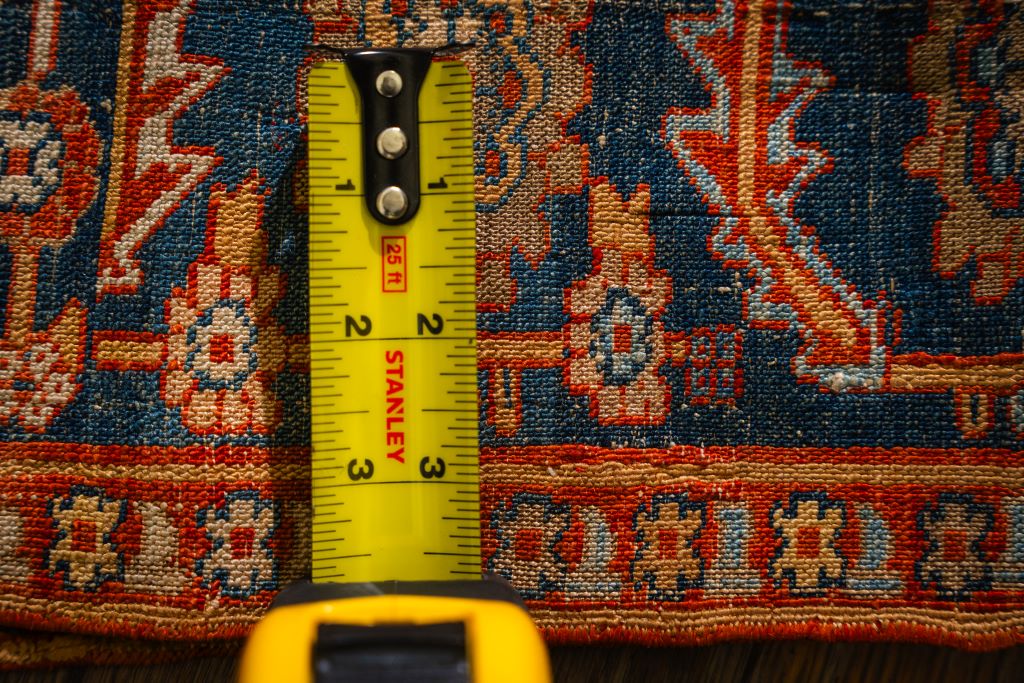
A detailed inspection of a richly colored oriental rug pattern while measuring its dimensions.
When shopping for area rugs, the price of a Nepalese rug is shaped by several measurable factors. Rugs with a higher knot count—especially those produced in Kathmandu master workshops—command premium prices due to the labor-intensive process and intricate design detail.
Material also plays a role: Himalayan wool offers strength and luster, while blends with imported merino elevate softness and luxury. Region impacts cost as well: Kathmandu-made rugs typically fetch higher values, while flat-weaves from eastern Nepal or radi blankets from Karnali are more modestly priced but culturally significant.
Export Logistics
- Bagmati (Kathmandu Valley) — Why: Lowest Nepal rug export costs due to direct access to Tribhuvan International Airport and centralized freight services.
- Pokhara (Gandaki Province) — Why: Moderate costs; secondary airport routes increase transport expenses compared to Kathmandu.
- Bhairahawa (Lumbini Province) — Why: Growing export hub; costs affected by distance from major workshops but supported by trade links to India.
- Remote provinces (Karnali, Sudurpashchim) — Why: Highest costs; long overland routes to airports raise shipping fees significantly.
Rug Tourism: Looms and Workshops
For travelers, Kathmandu rug shopping is more than a retail experience—it is cultural immersion. Tourists can witness traditional looms and weaving in action near Kathmandu Durbar Square, where family-run workshops open their doors to visitors. Nearby Bhaktapur and Patan also host cooperatives and artisan studios where the Tibetan knotting process can be observed firsthand. This form of hand-knotted rug tourism not only enhances appreciation for the craft but also directly supports artisans, creating a vital link between cultural heritage and economic livelihood. In short, authentication, provenance, and knot density safeguard buyers, while tourism and fair trade practices ensure that collecting Nepalese rugs contributes to both cultural preservation and artisan welfare.
The Future: Innovation, Sustainability & Cultural Impact
Sustainability Trends
The future of the Nepalese carpet industry is being shaped by sustainability and social responsibility. Workshops are increasingly adopting eco-friendly rug design practices: using natural dyes, employing solar-dried wool, and minimizing chemical treatments to reduce environmental impact. Alongside these processes, social reforms are prioritizing artisan welfare, with higher wages, safer working conditions, and stronger community support systems.
Buyers seeking sustainable Nepal rugs are not only purchasing a luxury product but also investing in an industry that treats both the environment and its workers with care. Sustainably dyed rugs from the Terai are especially valued, as their eco-processes and ethical production standards justify the premium for consumers who prioritize health, ethics, and authenticity.
Attracting and Training the Next Generation of Weavers
A key challenge lies in drawing younger generations into rug weaving. Many youth are tempted to leave rural areas for urban or overseas jobs, threatening the continuity of this heritage.
To counter this, training programs and artisan cooperatives are offering apprenticeships, teaching both traditional Tibetan knotting and modern design approaches. These efforts aim to make weaving not only culturally significant but also economically viable, ensuring the craft thrives well into the future.
rugs of Nepal in Global Design and Cultural Storytelling
Fair trade of the rugs of Nepal are now fixtures in international design fairs, luxury interiors, and cultural exhibitions. Their appeal lies not just in their tactile beauty but in their role as woven narratives of Himalayan life.
Each rug tells a story—whether through Buddhist symbolism, motifs of Everest, or the everyday artistry of village life. This cultural storytelling distinguishes Nepalese rugs from mass-produced textiles, reinforcing their identity as both art and heritage.
Actionable Takeaways & CTAs
- Support Nepalese artisans — Why: Buying fair trade carpets directly sustains livelihoods and empowers women and refugee communities.
- Choose GoodWeave-certified rugs — Why: Guarantees child-labor-free production, ensuring ethical standards.
- Invest in sustainable Nepal rugs — Why: Eco-friendly processes reduce environmental harm while adding long-term value.
- Celebrate heritage in your home — Why: Each rug carries centuries of Himalayan craftsmanship, offering beauty with cultural depth.
In essence, the rugs of Nepal represent a blueprint for ethical, sustainable craftsmanship in the global market.
By supporting these textiles, buyers participate in a cycle of cultural preservation, artisan empowerment, and eco-conscious design—ensuring that the threads of Nepal’s weaving legacy continue to shape both homes and heritage worldwide.
FAQ
- Are Nepal rugs good for homes with pets and kids?
Yes, especially all-wool, medium-pile rugs with patterned or heathered colors. Wool naturally resists soiling and can be professionally washed as needed.
- Where are Nepal rugs woven?
Primarily in the Kathmandu Valley—workshops cluster around areas like Patan and Jawalakhel, often staffed by Tibetan artisans.
- What rug pad works best under a Nepal rug?
Felt-and-rubber pads provide cushion and grip; choose heat-rated versions for radiant floors. Trim pads 1–2 inches smaller than the rug.
- Will Nepal rugs fade in sunlight?
Wool dyes are robust, but UV still lightens colors over time. Use window film and rotate every 6–12 months to balance exposure.
- How can I tell hand-knotted from tufted?
Flip the rug: hand-knotted backs show the pattern without mesh or latex. Tufted pieces usually have a canvas or latex backing.
- How do I verify ethical sourcing?
Look for a GoodWeave certification tag and brands with transparent supply chains. These programs audit looms and fund schooling for at-risk children.
- Can I customize color and size?
Frequently yes—many Nepal workshops offer custom dyes, sizes, and artwork proofs. Typical timelines are \~8–14 weeks plus shipping.
- Are Nepal rugs available in standard U.S. sizes?
Yes—common sizes include 5’×8′, 8’×10′, and 9’×12′, plus runners and rounds. Oversizes and squares are also available.
- How long does it take to make one?
Months. A 6’×9′ around 100-knot density can involve \~750,000 knots and 600+ weaving hours, plus dyeing, washing, carving, and finishing.
- How much do Nepal hand-knotted rugs cost?
Prices vary by size, knot count, and fibers. As a ballpark, quality 6’×9′ artisan pieces often run \~\$4,000–\$11,000; large designer 8’×10’s can exceed \$5,000.
- Is bamboo silk/viscose in Nepal rugs a problem?
It can be—viscose weakens when wet and water-marks easily. Prefer pure wool or wool-silk blends in spill-prone rooms.
- What materials besides wool appear in Nepal rugs?
Many include natural silk for sheen or bamboo silk/viscose for luster. These add glow but change maintenance needs.
- What’s the difference between 60-, 80-, and 100-knot Tibetan counts?
They’re grade labels specific to Tibetan weaving and not directly comparable to Persian KPSI. Expect finer detail—and slightly thinner pile—as the number rises.
- Does a higher knot count mean a better rug?
Higher counts capture finer detail but yield a tighter, thinner pile. For plush, textured carving, 60–80 knot qualities often feel richer.
- What knot counts are typical for Nepal rugs?
Labels like 60, 80, or 100 knot (Tibetan count) are common. Actual densities often fall roughly in the \~30–100 KPSI range depending on design and yarn.
- Are Nepal rugs safe over radiant floor heating?
Generally yes—wool breathes and tolerates moderate heat. Use a heat-rated rug pad and avoid covering more than about 50% of a heated room.
- Can I use a robot vacuum on a Nepal rug with fringe?
You can, but tuck or tape fringes and reduce brush aggressiveness to prevent tangles. No-go zones or boundary strips help.
- How often should I professionally clean a Nepal rug?
Every 12–36 months depending on traffic, pets, and soil. High-use family rooms trend toward the shorter end.
- How do I clean a Nepal wool rug at home?
Vacuum weekly with suction only (no beater bar) and blot spills using cold water and wool-safe soap. Dab—don’t scrub—to avoid fuzzing.
- Do Nepal rugs shed?
Quality hand-knotted wool sheds little after early use. Persistent shedding usually indicates tufted construction or weaker fibers rather than true Tibetan knotting.
- Are Nepal rugs durable in high-traffic areas?
Yes, hand-knotted Tibetan-wool rugs are very durable. Choose medium/low pile and rotate every 6–12 months to even wear.
- What makes Tibetan highland wool special?
It’s rich in lanolin, giving softness, spring, and natural soil resistance. Many Nepal workshops also blend New Zealand wool for consistent dyeing.
- How are Nepal rugs constructed?
Weavers loop yarn around warp threads and a metal rod, then cut the loops to form pile—the Tibetan knot. This method creates even tufts and enables crisp carving.
- Are Nepal rugs the same as Tibetan rugs?
Often, yes—many Nepal rugs are Tibetan-style pieces woven by Tibetan artisans in Nepal. Labels differ by seller, but materials and construction are closely related.
- What are Nepal rugs?
Hand-knotted rugs made in Nepal using the Tibetan knot technique, usually with high-lanolin wool. Many feature sculpted carving and modern palettes, with common grades like 60, 80, or 100 knot.