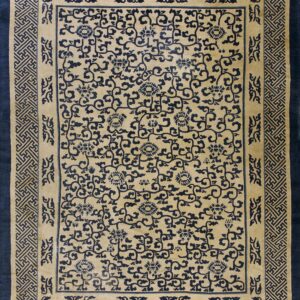
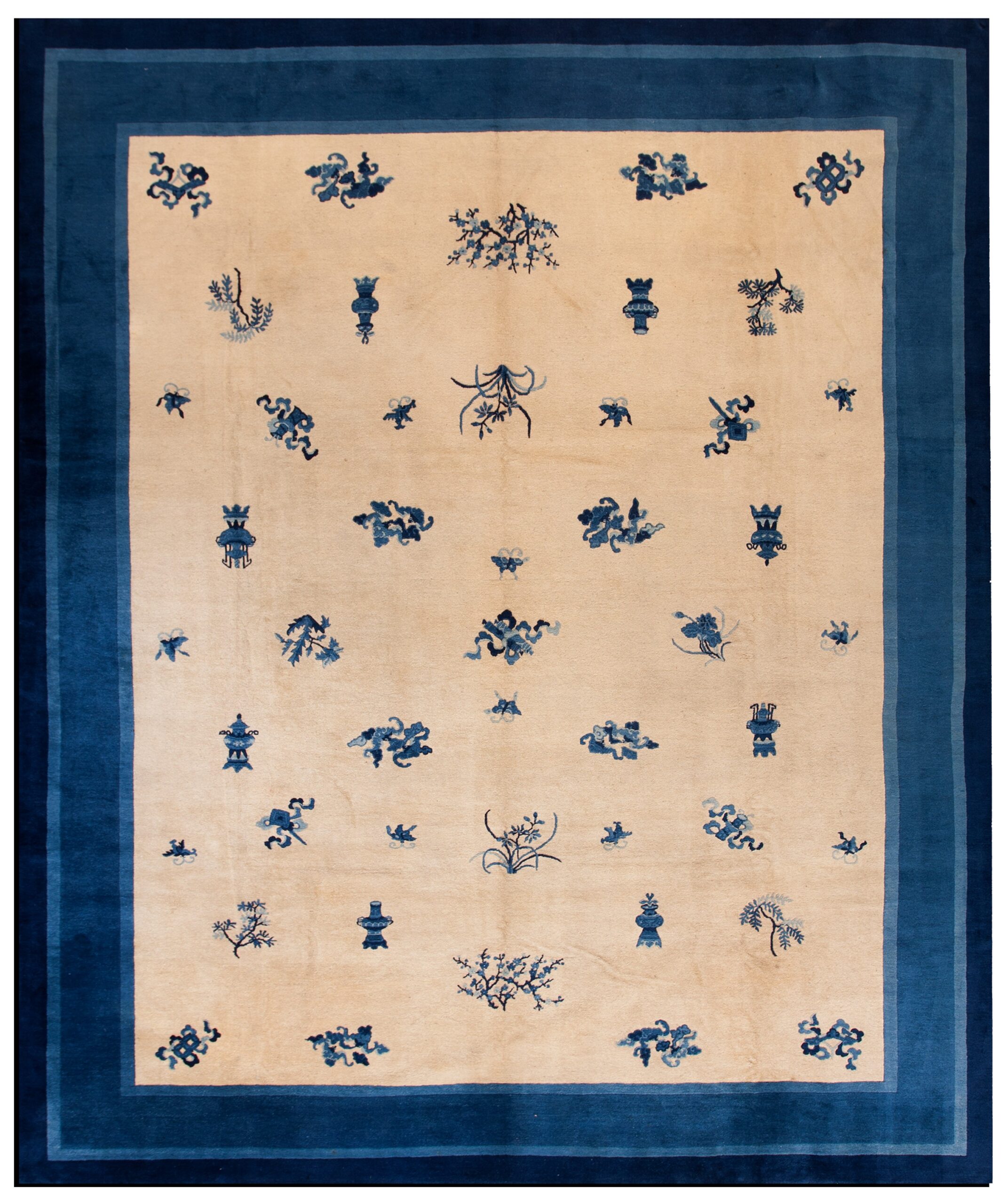
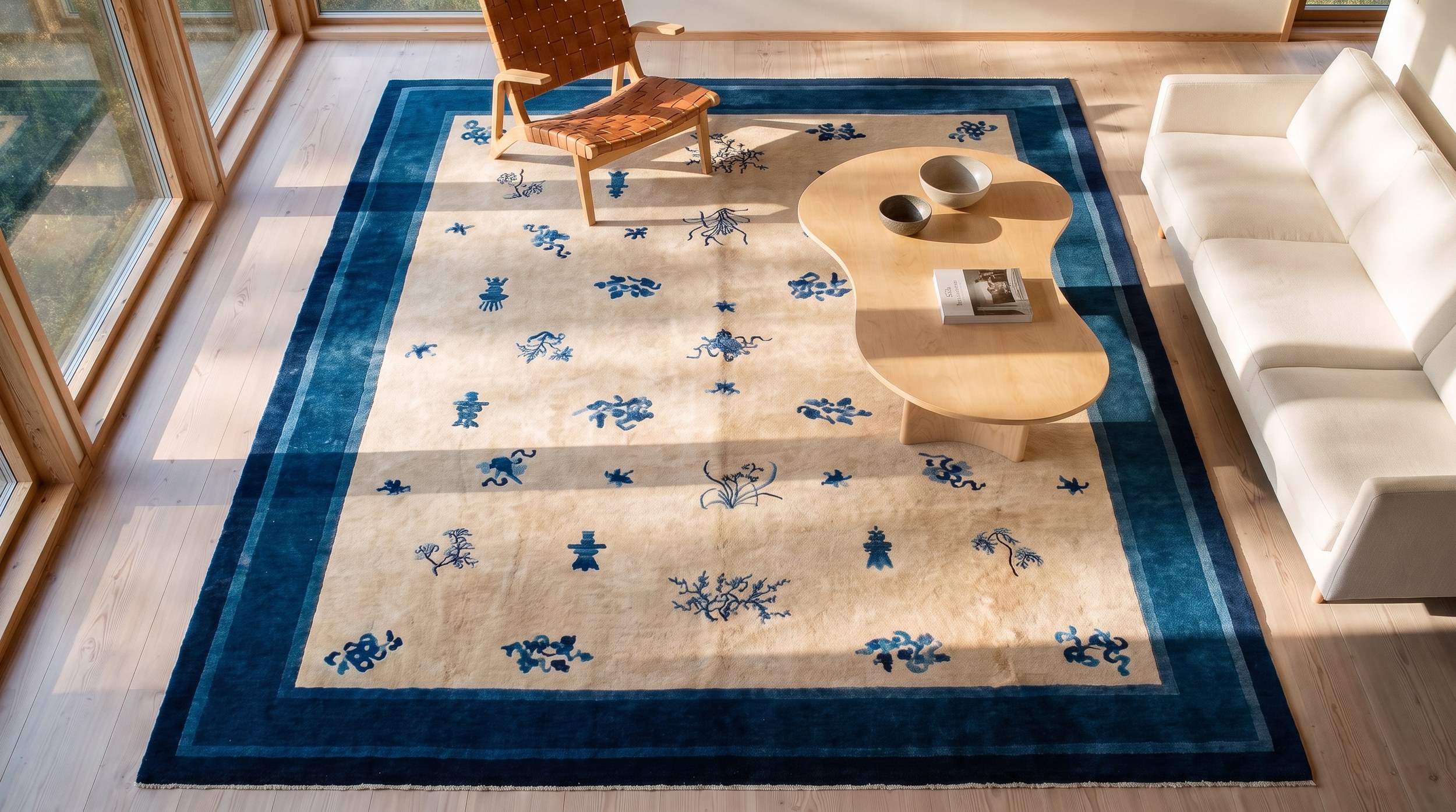
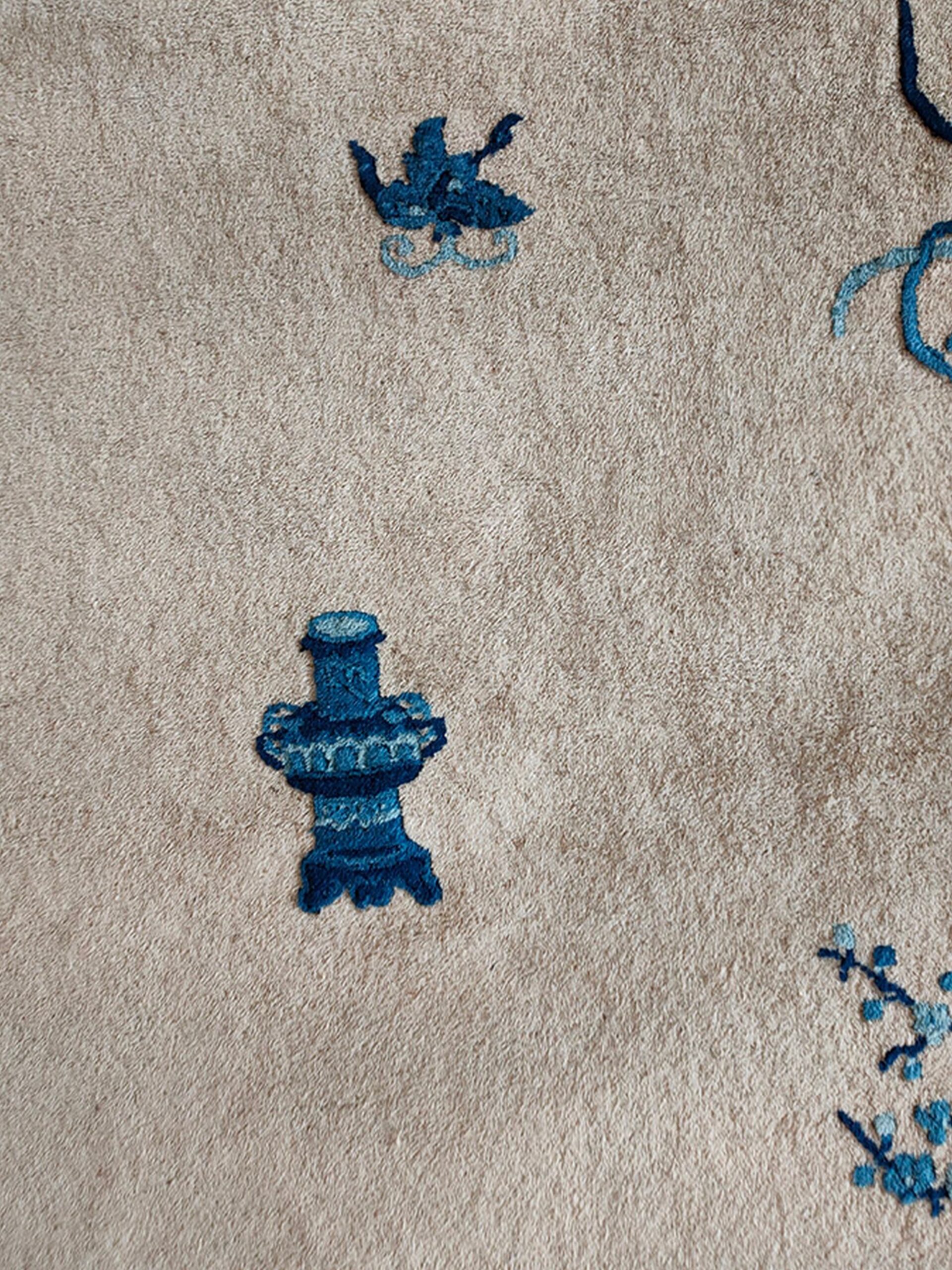
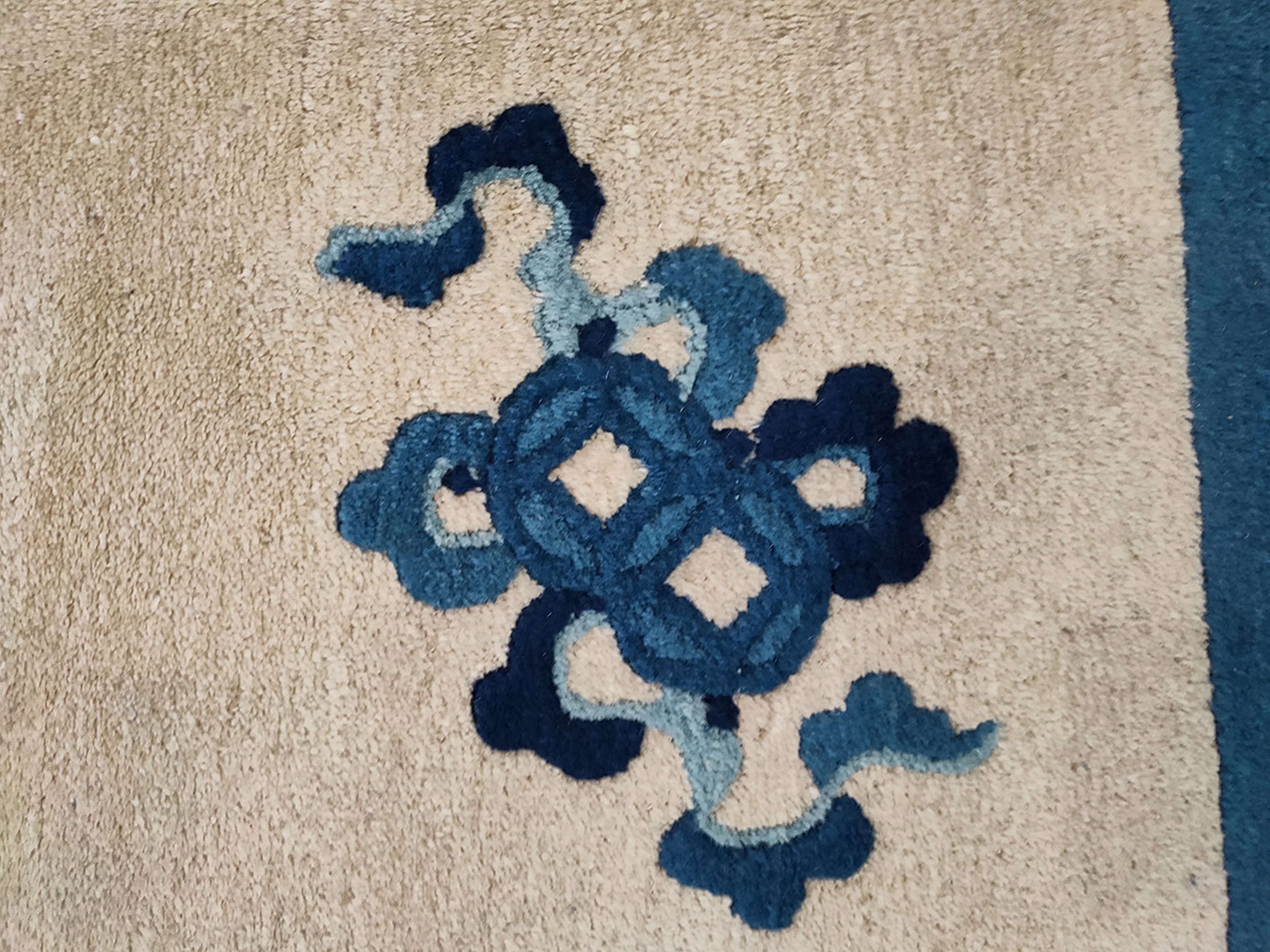
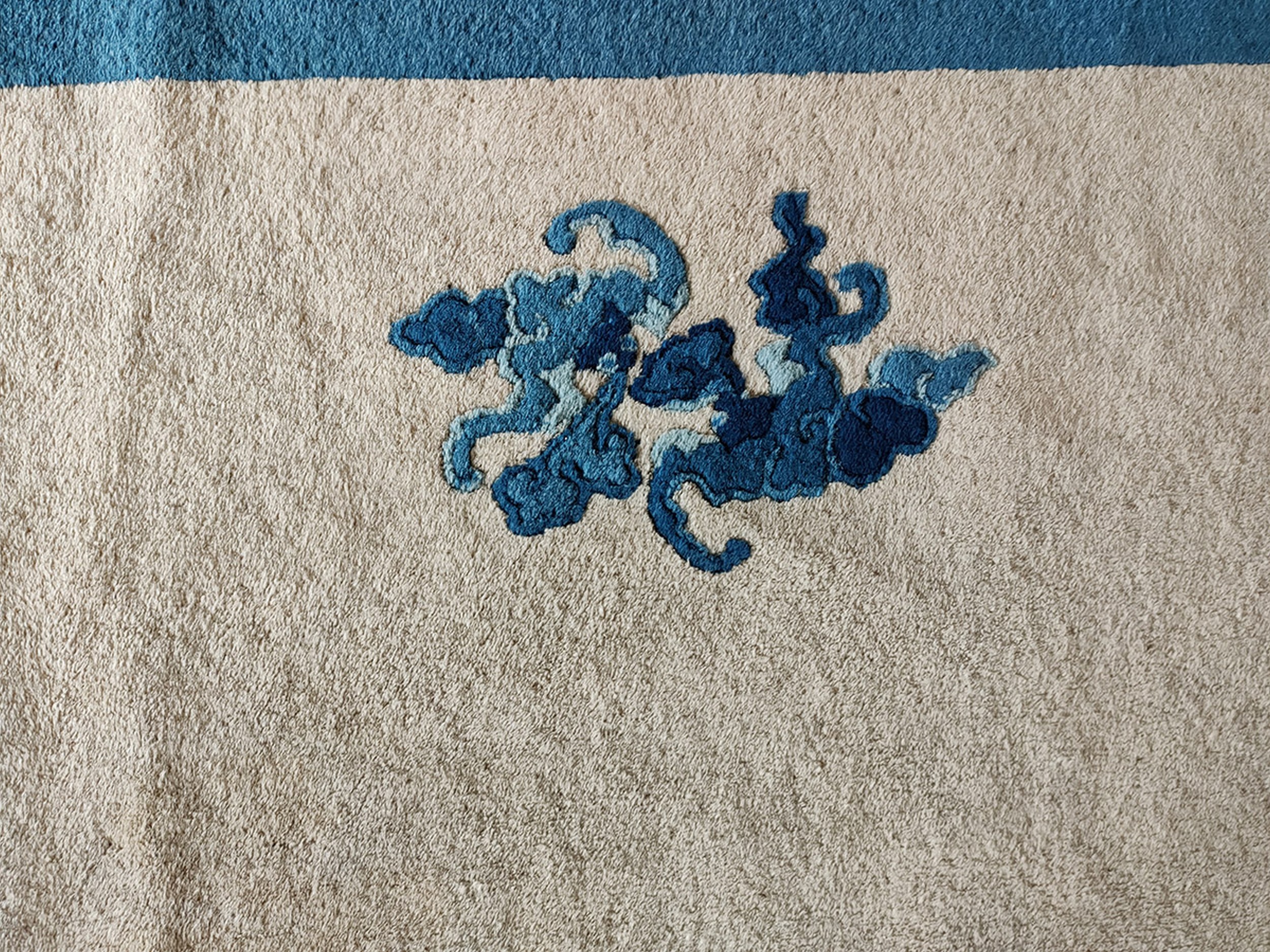
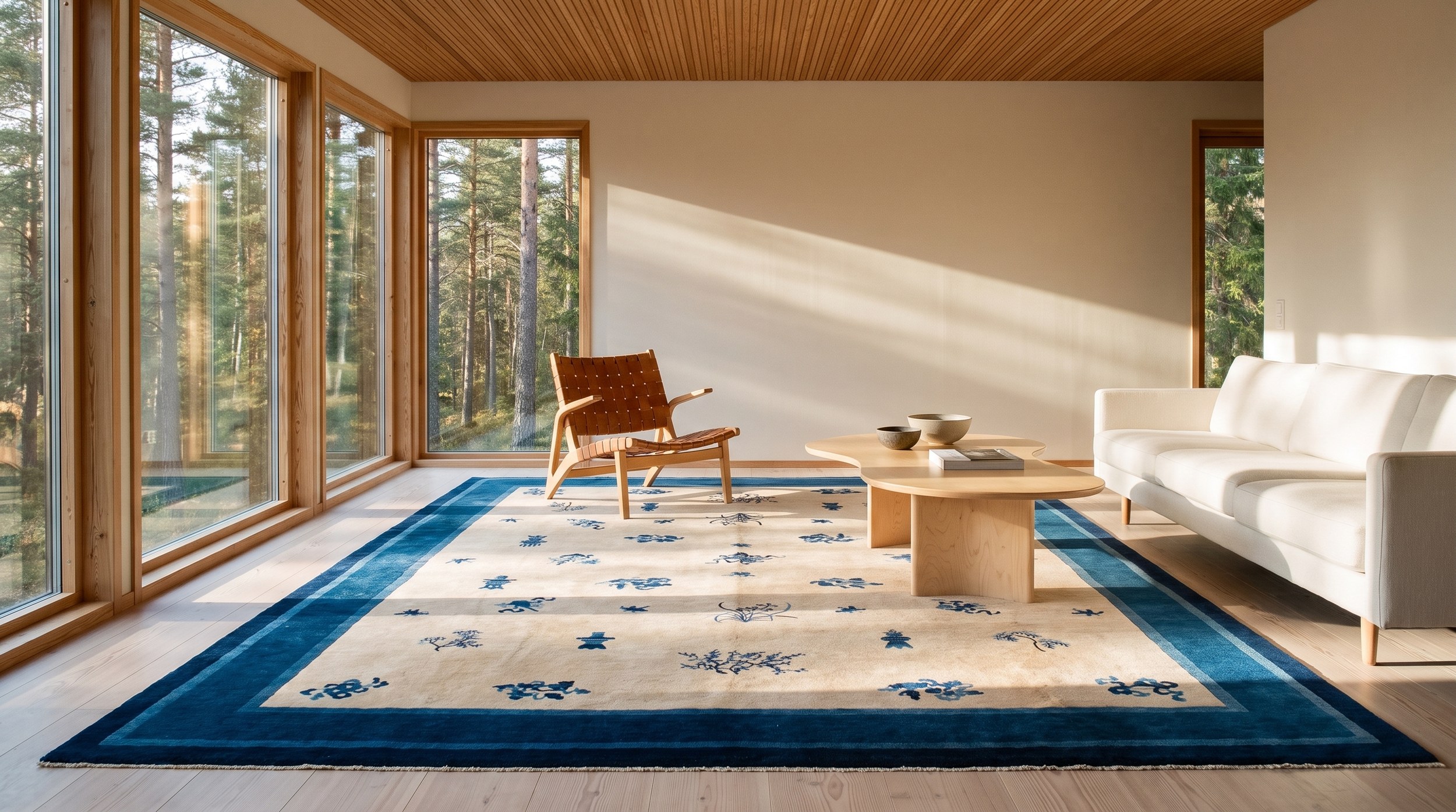
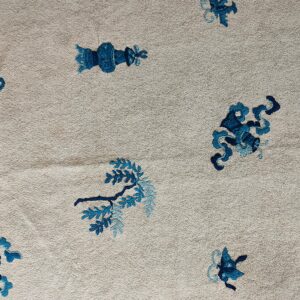
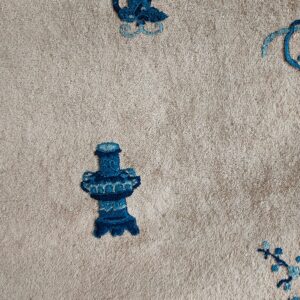
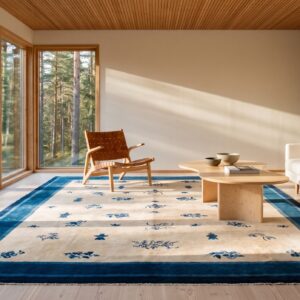
This nineteenth-century Chinese Peking carpet is a luminous and serene example of the “Qing Dynasty” aesthetic, capturing a moment of classical restraint before the more flamboyant Art Deco movement of the 1920s. Originating from the prestigious workshops of Beijing (Peking), this room-size area rug is a masterclass in the “scholar’s taste”—a design philosophy that prioritizes negative space, symbolic clarity, and a tranquil, monochromatic soul.
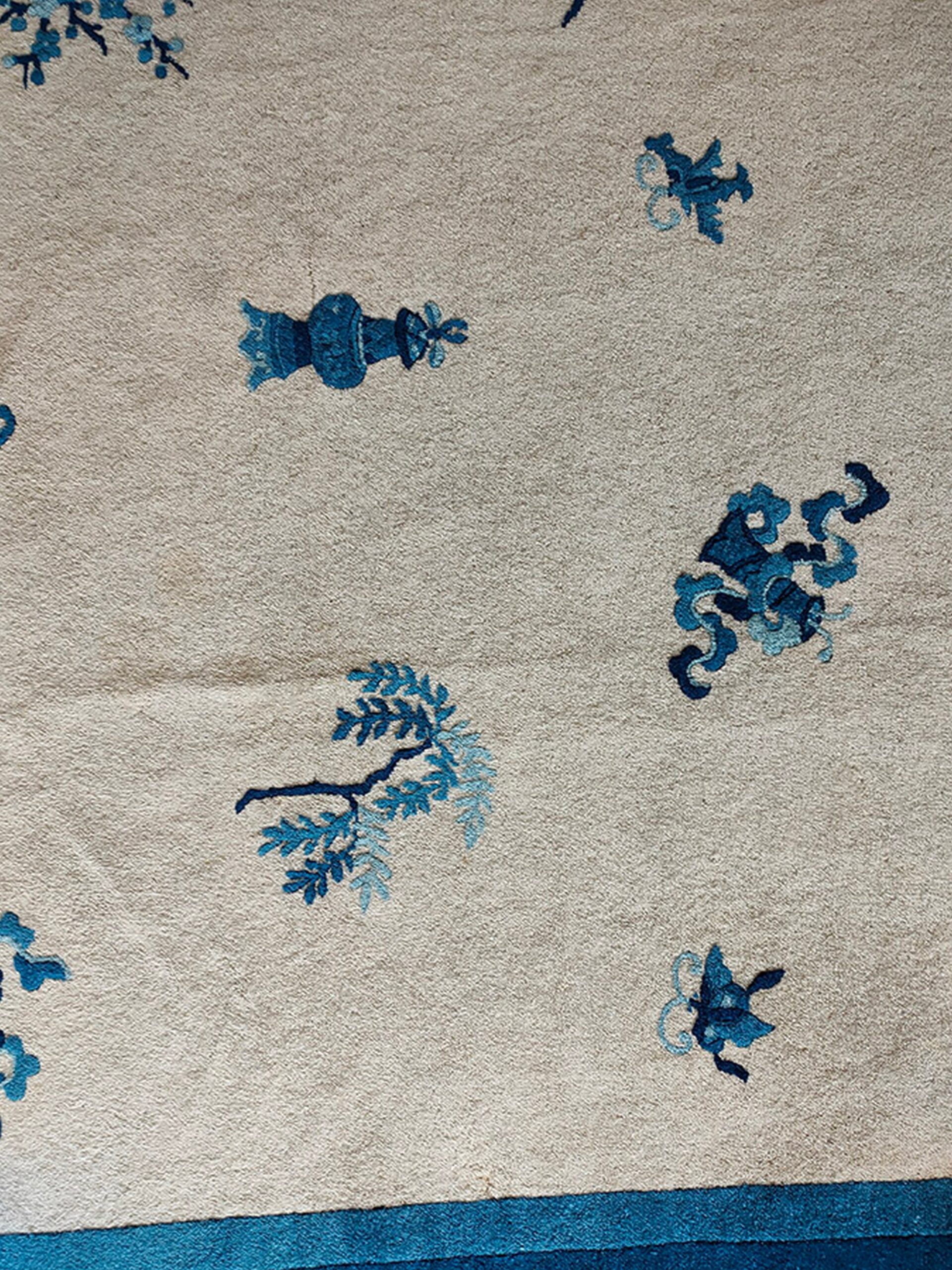
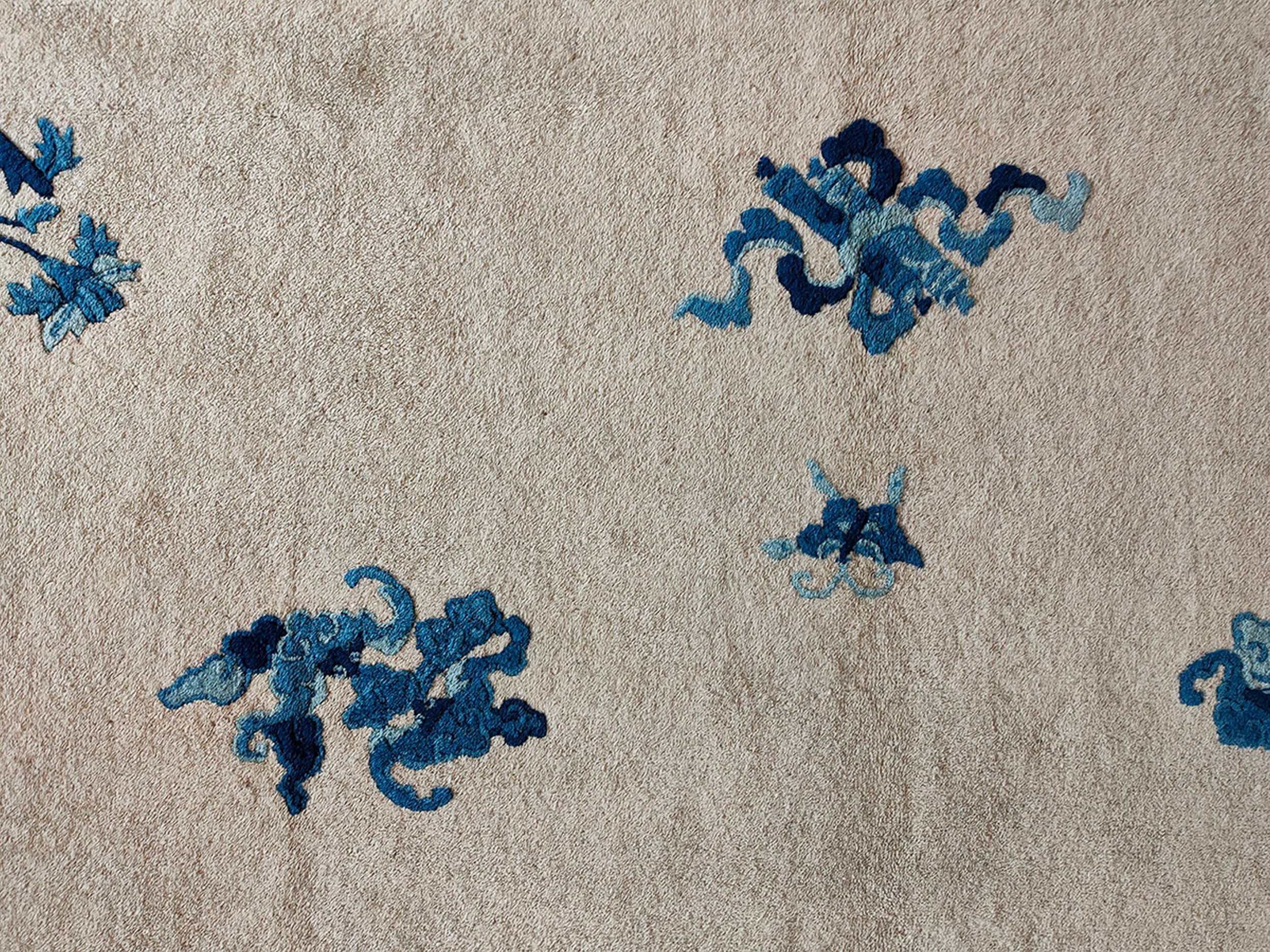
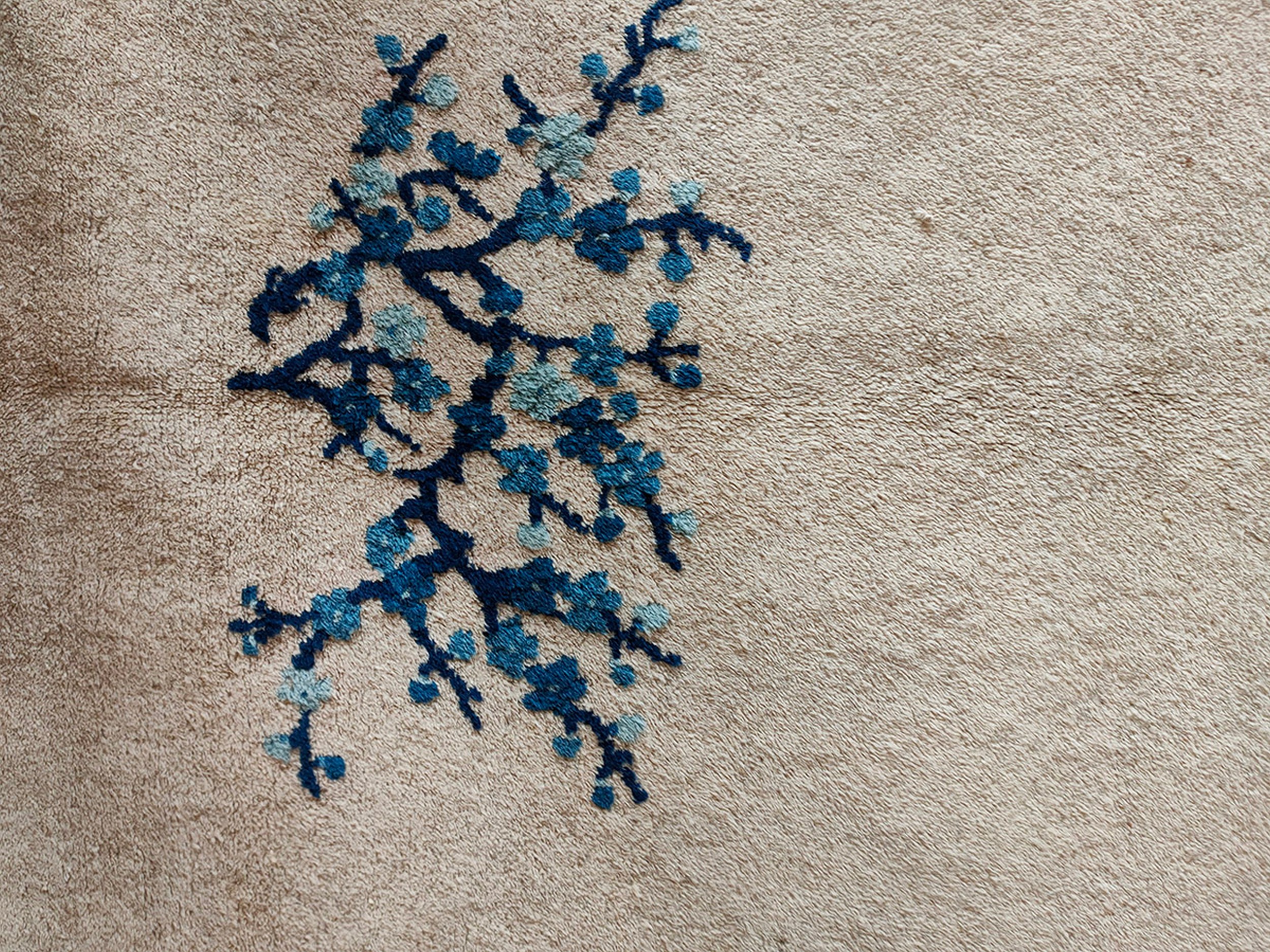
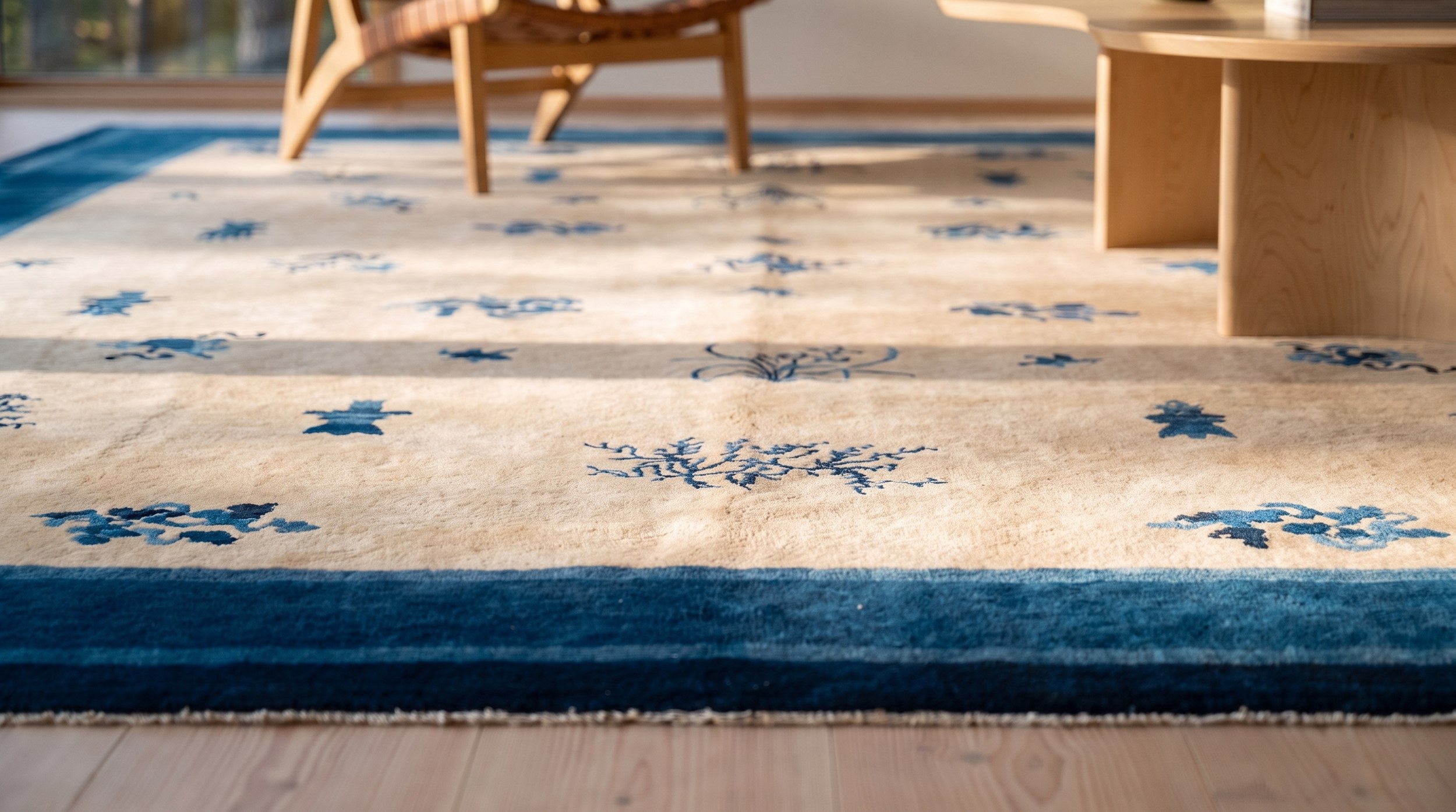
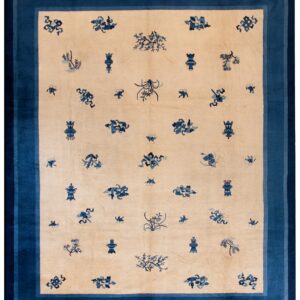
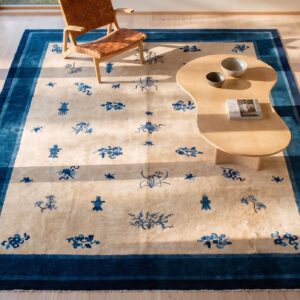
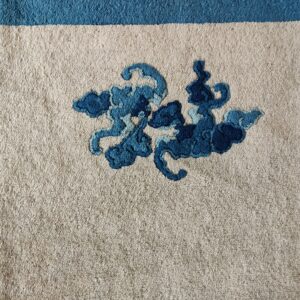
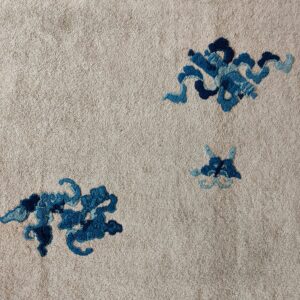
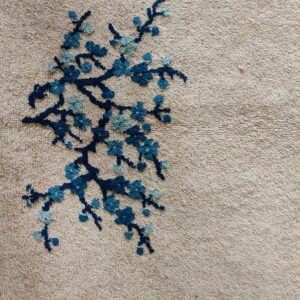
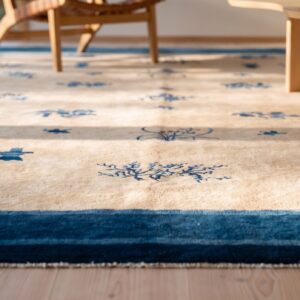
The composition is centered upon a fine allover floral design, likely featuring the “Flowers of the Four Seasons” (Peony, Lotus, Chrysanthemum, and Plum Blossom). In Chinese iconography, these botanical motifs are not merely decorative; they serve as a silent visual poem representing longevity, purity, and the cyclical nature of life. The drawing is remarkably open and “painterly,” characterized by the fluid, calligraphic lines that define high-grade Peking weaving. Unlike the dense, crowded fields of Persian rugs, this antique carpet allows the floral sprays to “float” within the field, creating an atmosphere of celestial calm.
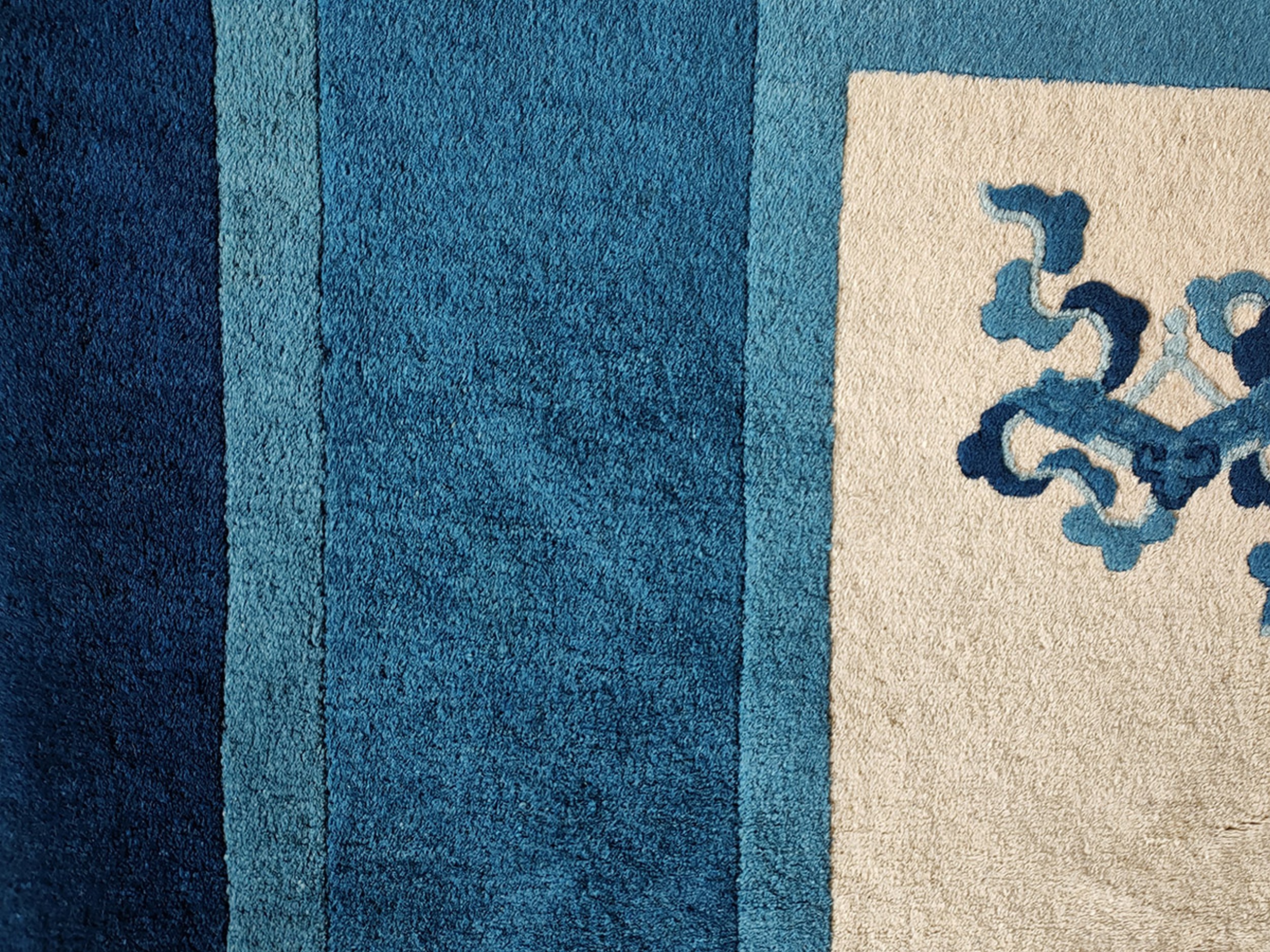
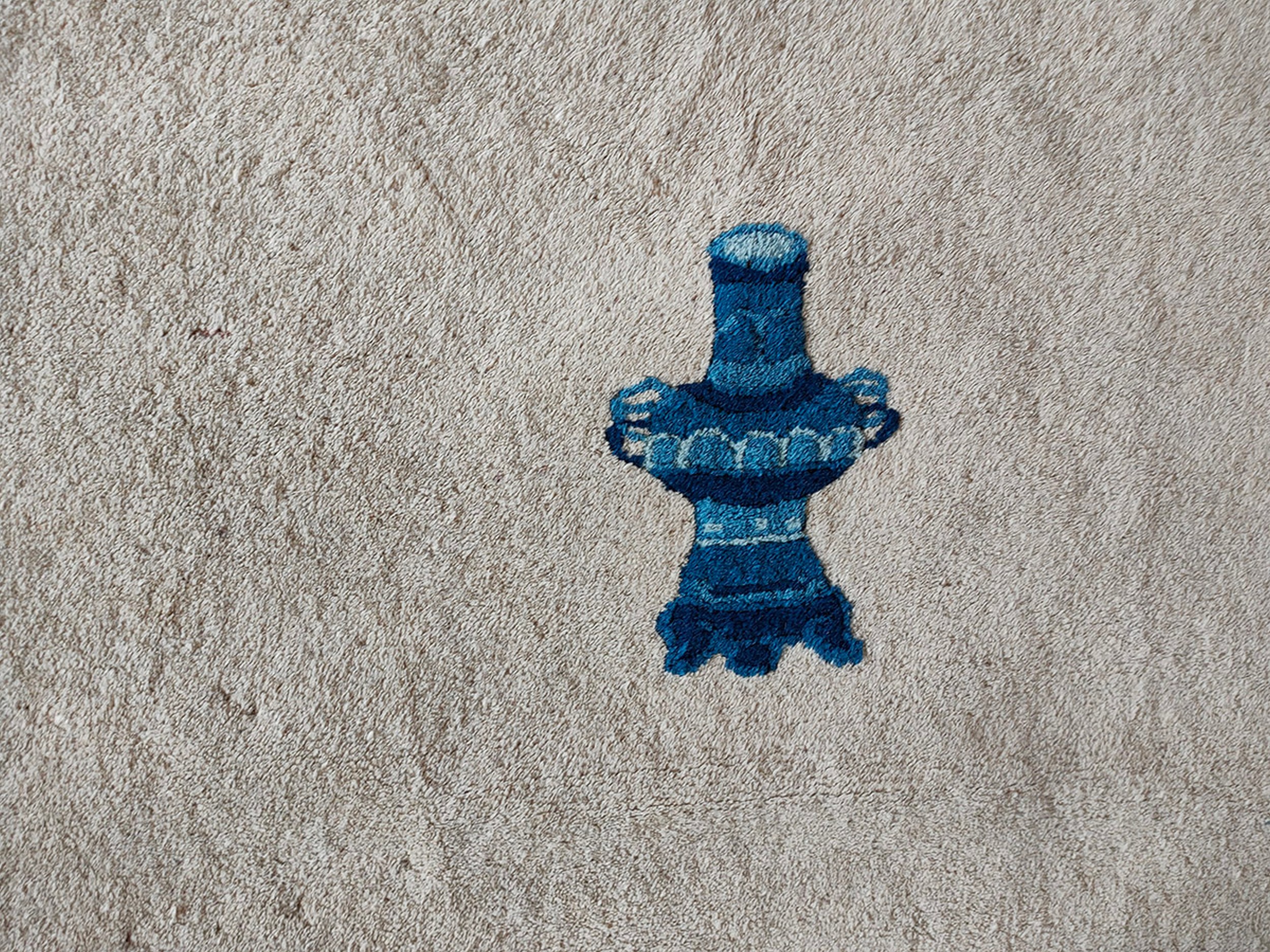
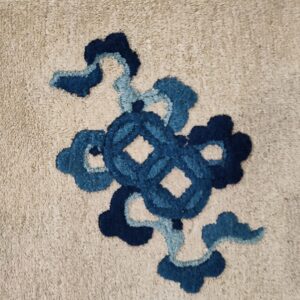
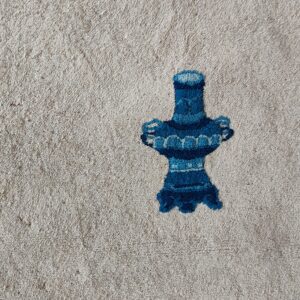
The palette is anchored by a magnificent Antique Ivory foundation. This “parchment” or “clotted-cream” ground has mellowed over more than a century into a warm, sun-drenched tone that reflects light with a soft, matte glow. Against this luminous stage, the floral motifs are rendered in a sophisticated range of Indigo Blue, Slate, and Midnight. Because this is an antique specimen, the natural dyes exhibit a beautiful “watercolor” abrash, where the blues shift in tone like the surface of a deep lake, giving the simple palette a three-dimensional depth and a sense of historical gravity.
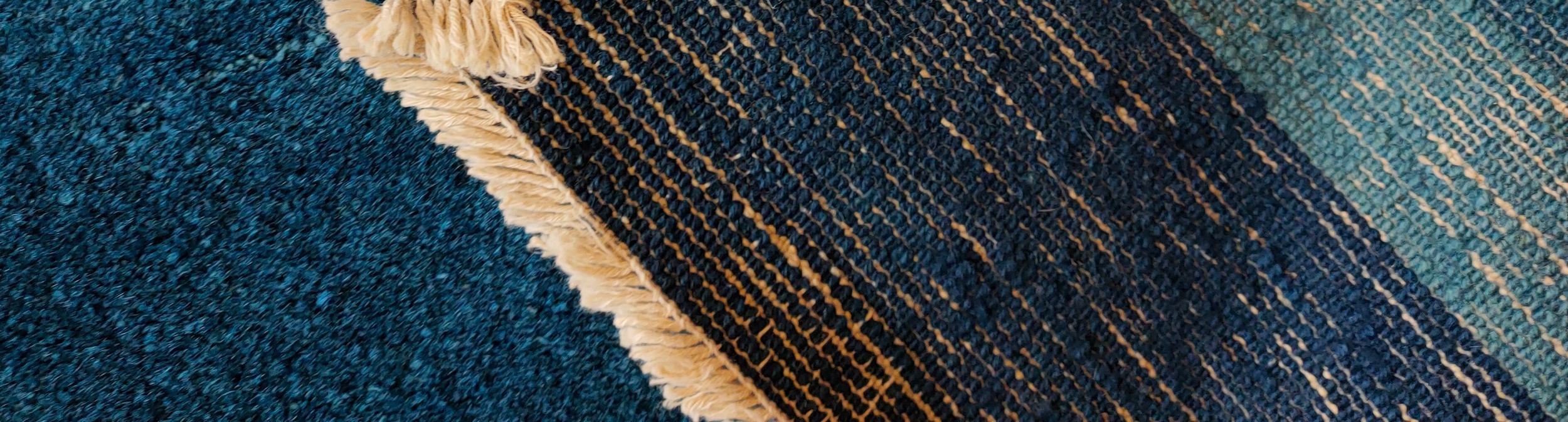
Technically, antique Chinese Peking carpets of this caliber are prized for their lush, high-grade wool pile and substantial, “meaty” handle. The wool used in these urban workshops was often sourced from high-altitude sheep and was rich in natural lanolin, resulting in a velvety surface with a subtle, healthy sheen. A hallmark of this tradition is the hand-carving or “embossing” technique, where the weaver hand-clipped the wool around the floral motifs to create a sculptural depth, making the blossoms appear to lift away from the ivory field.
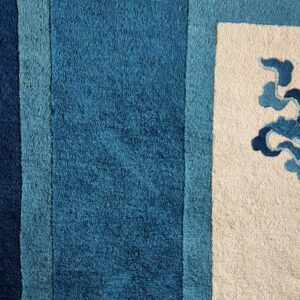
The borders act as a disciplined architectural frame, often featuring a “T-fret” or “Meander” (Greek Key) design to symbolize infinity, or a simple solid-color band that “locks in” the airy elegance of the field. To possess this ivory Peking floral antique area rug from China is to own a monument to Eastern philosophical art. It bridges the gap between the formal grandeur of the Imperial Court and the sophisticated, “less-is-more” requirements of the modern interior—transforming any room into a sanctuary of historical soul and serene, botanical grace.