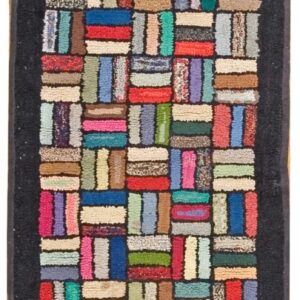
Checkerboard / Checkered Rugs
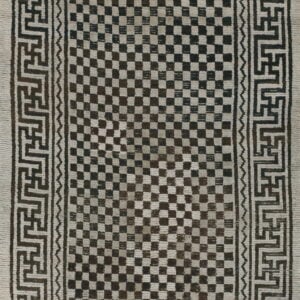
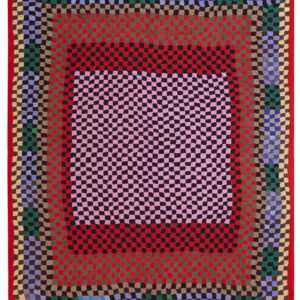
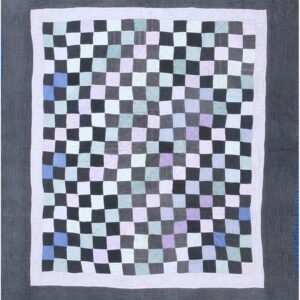
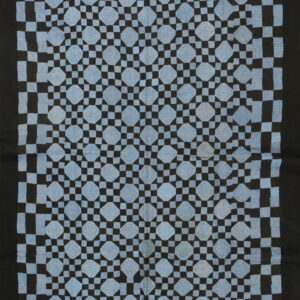
The checkerboard pattern is one of the most enduring and recognizable motifs in the history of human design, bridging the gap between ancient tribal tradition and high-concept modernism. In the world of antique and vintage rugs, the “checkered” look is achieved through the rhythmic alternation of contrasting colors, creating a visual grid that provides both structure and a sense of playful movement.
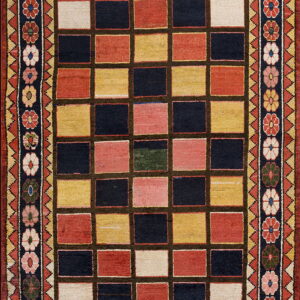
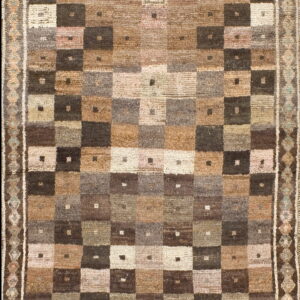
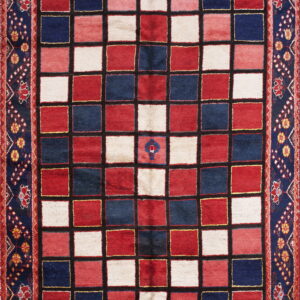
Historically, checkerboard motifs are deeply rooted in nomadic and tribal weavings, such as Berber Moroccan Beni Ourain rugs and Persian Gabbehs. For these weavers, the grid often symbolized agricultural plots, village layouts, or protection—where each square acted as a “cell” to contain or ward off specific energies. In antique Caucasian rugs, small checkerboard borders were frequently used as “guard bands” to frame more complex central medallions, providing a sharp, geometric contrast to flowing floral elements.
In the mid-20th century, the checkerboard underwent a renaissance through the Modernist and Bauhaus movements, where it was celebrated for its clean lines and mathematical purity. Today, a checkered rug—whether it’s a high-contrast black and white vintage Swedish Kilim or a tonal, earthy Turkish Tulu—acts as a powerful “neutral” that can either ground a maximalist room or add a graphic edge to a minimalist space. Because it avoids the complexity of traditional floral patterns, the checkerboard design offers a timeless, architectural appeal that feels as relevant in a contemporary loft as it does in a rustic country home.
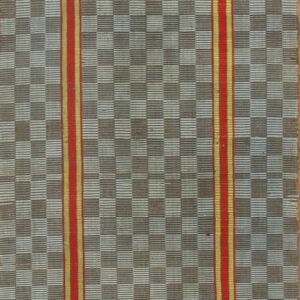
Checkerboard checkered rugs offer a striking balance of graphic precision and timeless elegance, creating a dramatic focal point in any room. Characterized by their iconic high-contrast alternating squares, these designs possess a sophisticated symmetry that effortlessly anchors modern or traditional decor; learn more about the enduring appeal of the Checkerboard Checkered Design Motif.
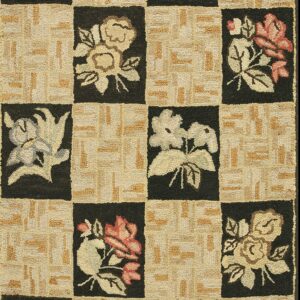
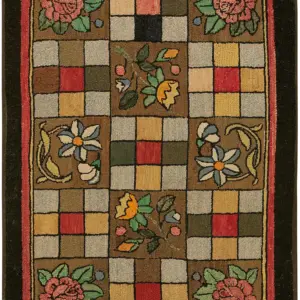
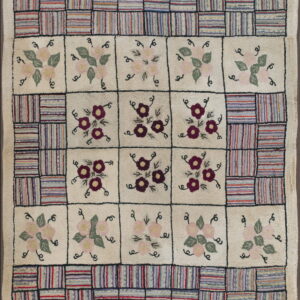
Floral Geometric Antique Early 20th Century Checkerboard Design Small American Folk Art Hooked Rug
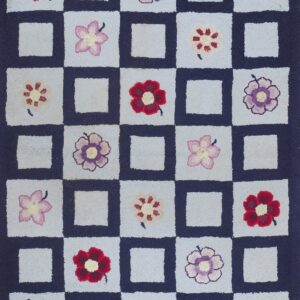
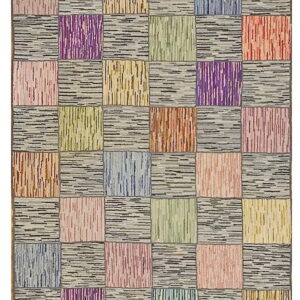
$980.00 Antique RugsRug sizes: 3x5Pale Gray Color Geometric Folk Art Checkerboard Design Antique American Folk Art Hooked Rug
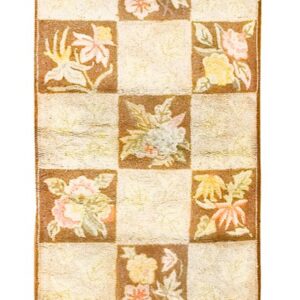
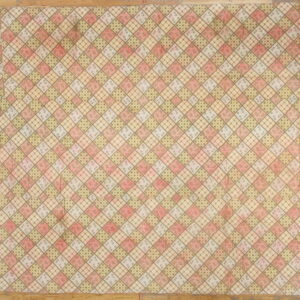
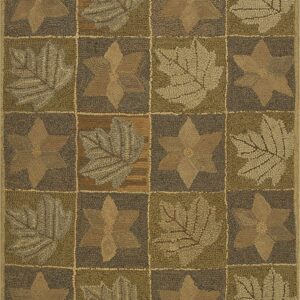
$680.00 Antique RugsRug sizes: 2.08x3.08Vintage Mid-20th Century Floral Ivory Brown Checkerboard American Hooked Hall Runner Rug
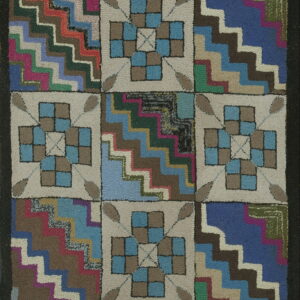
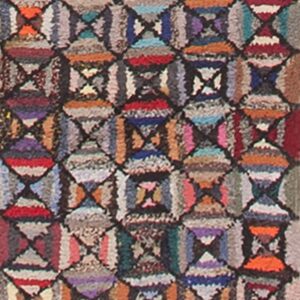
$2,300.00 Vintage RugsRug sizes: 2.04x20.05Red Antique American Sunshine and Shadow Geometric Folk Art Hooked Rug
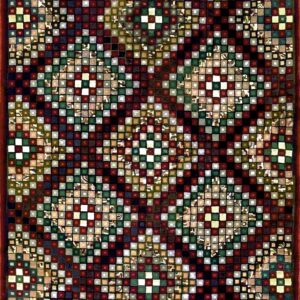
$13,600.00 Antique RugsRug sizes: 6x8.1Small Scatter Size Antique Geometric Checkered Floral Pattern American Hooked Folk Art Rug
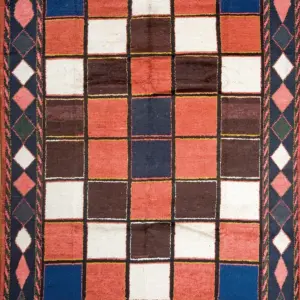
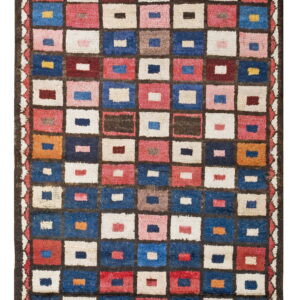
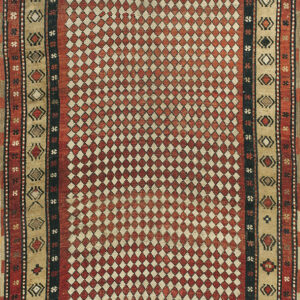
$1,300.00 Antique RugsRug sizes: 3x4.06Bold Colorful Checkerboard Design Antique Tribal Persian Gabbeh Rug
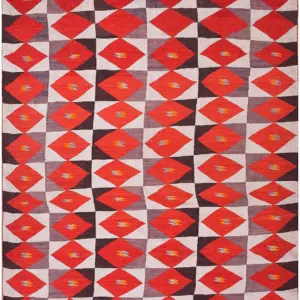
$8,600.00 Antique RugsRug sizes: 7.08x10Antique Bold Red Primitive Tribal Geometric Native American Flatweave Navajo Rug
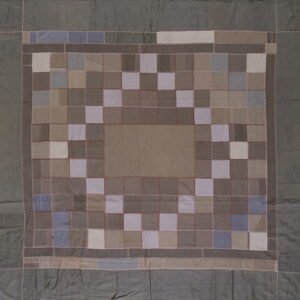
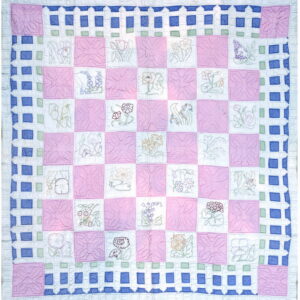
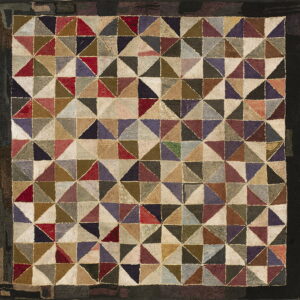
$17,000.00 Antique RugsRug sizes: 5.06x7.03Antique Multicolor Checkerboard Pattern Square American Quilt Rug
$675.00 Antique RugsRug sizes: 3.02x3.08Antique Quilt American USA Geometric Medallion Square Hand Knotted Pile Rug
$1,125.00 Antique RugsRug sizes: 6.03x6.07Antique Quilt Square Small Scatter Size Wool Multicolor Rug
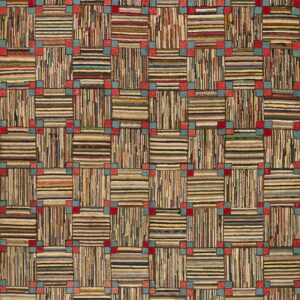
$1,125.00 Antique RugsRug sizes: 5.1x6.04Antique Basket Weave And Floral Folk Art Pattern American Hooked Rug
$6,800.00 Antique RugsRug sizes: 4.08x101925 Multicolor Small Scatter Size Hooked American Antique Wool Rug
$1,300.00 Antique RugsRug sizes: 2.05x3.1Artistic Geometric Tile Pattern Antique Folk Art American Hooked Rug
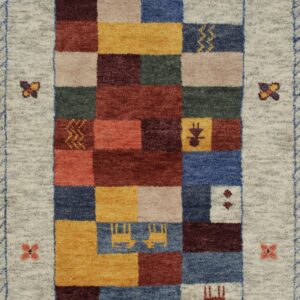
$1,400.00 Antique RugsRug sizes: 3x5Bold Colorful Tribal Geometric Checkerboard Design Antique Persian Gabbeh Rug
$3,500.00 Antique RugsRug sizes: 3.09x6.1Colorful Geometric Checkerboard Design Persian Antique Tribal Gabbeh Rug
$7,500.00 Antique RugsRug sizes: 5.1x9.04Brown Antique Tribal Geometric Checkerboard Pattern Wool Persian Gabbeh Rug
$3,400.00 Antique RugsRug sizes: 4.03x8.08Bold Rich Color Graphic Checkerboard Pattern Antique Tribal Persian Gabbeh Wool Rug
$8,800.00 Antique RugsRug sizes: 6.08x10.02Antique American Hooked Square Rug – Allover Geometric Design
$16,500.00 Antique RugsRug sizes: 8.08x8.1Antique Colorful Narrow and Long American Geometric Folk Art Hooked Runner Rug
$7,500.00 Antique RugsRug sizes: 1.08x25.02Antique American Hooked Hallway Runner Rug – Wool & Cotton Multicolor
$2,350.00 Antique RugsRug sizes: 2.02x11.08