
Introduction to Silk in Rug Weaving
Discover the unparalleled sheen and soft texture when you shop our curated collection of genuine silk rugs.
Silk’s Unique Qualities in Rugs
Silk rugs occupy a category of their own in the textile arts, distinguished by the properties of the fiber itself. Derived from the cocoons of silkworms, silk is a natural protein fiber that combines tensile strength with remarkable fineness.
These qualities allow weavers to tie exceptionally small knots with precision, enabling intricate patterns that other materials cannot easily support. Unlike wool or cotton, silk holds dyes with extraordinary brilliance, creating luminous tones and shimmering effects that shift with light.
This unique reflective quality gives lustrous silk floor coverings their radiant glow, ensuring that even a simple design appears animated and alive. The softness of silk pile rugs also sets them apart, offering a tactile luxury that few other fibers can match.
Silk as a Signifier of Luxury and Artistry
Throughout history, silk in rug weaving has been synonymous with exclusivity, wealth, and artistic mastery. Luxury silk carpets often required years of painstaking labor, sometimes with knot counts in the millions, making them rare and precious commodities.
Their fragility meant they were more likely displayed as wall hangings or ceremonial pieces than walked upon, further elevating their status as art objects rather than functional floor coverings.
Rulers, merchants, and religious institutions commissioned silk rugs to demonstrate refinement and affluence, treating them as heirlooms or diplomatic gifts.
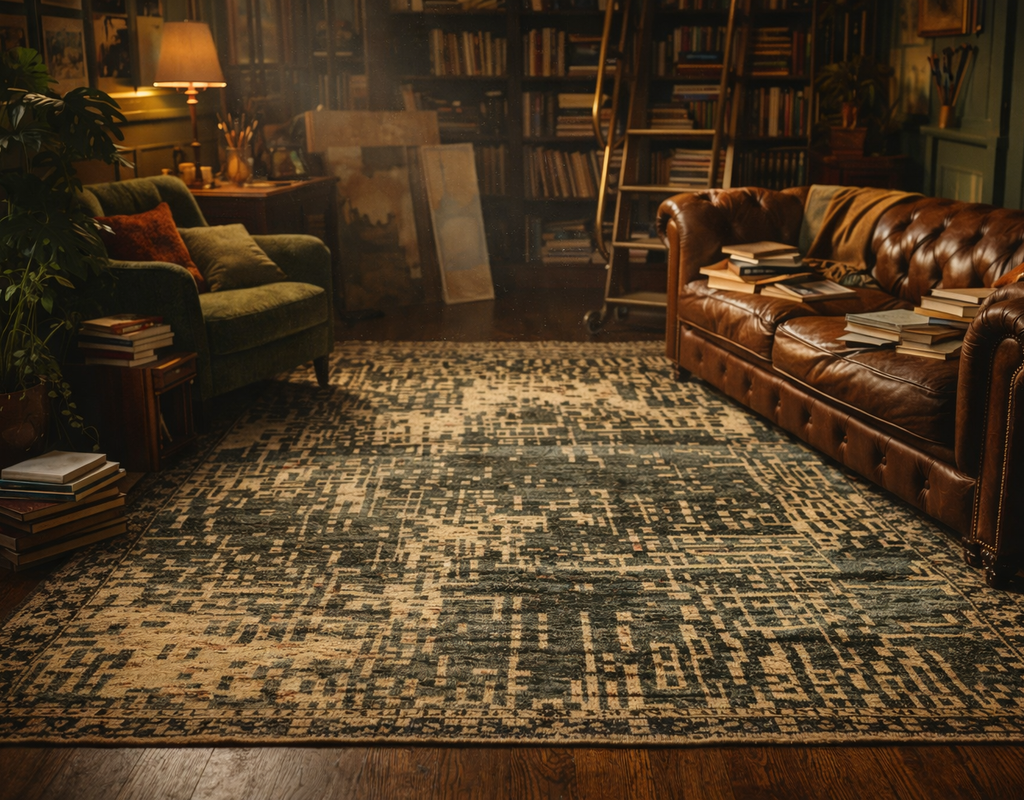
A modern abstract rug anchors the classic, richly textured comfort of this dimly lit reading room.
In both Eastern and Western traditions, the possession of silk rugs signaled not only financial means but also cultural sophistication. Their luminous appearance and the technical challenges of weaving them made these textiles the pinnacle of decorative prestige.
Silk’s Historical Prestige and Cultural Roots
The prestige of silk rugs is deeply rooted in the cultural history of silk itself. From ancient China’s guarded silk production to the flourishing Silk Road trade, the fiber was associated with mystery, rarity, and desirability. When introduced into Persian weaving traditions, silk enabled unprecedented levels of detail in carpet artistry, elevating designs with delicate floral motifs, arabesques, and medallions.
Ottoman courts, Mughal palaces, and Safavid workshops embraced silk for rugs that doubled as statements of political power and cultural achievement. The rarity of silk ensured that only the most skilled artisans and most powerful patrons had access to it, reinforcing its status as a symbol of luxury. Over centuries, these associations have persisted, so that even in today’s global market, silk rugs remain shorthand for refinement, artistry, and enduring prestige.
Silk rugs continue to embody the perfect marriage of material rarity and technical brilliance. They stand as the apex of rug luxury, distinguished not only by their soft textures and radiant sheen but also by the long lineage of cultural prestige woven into every knot. Their story lays the foundation for exploring broader questions of material sustainability and modern fiber alternatives, which remain central themes in the evolving world of rug weaving.
Silk Fiber Properties and Impact on Rugs
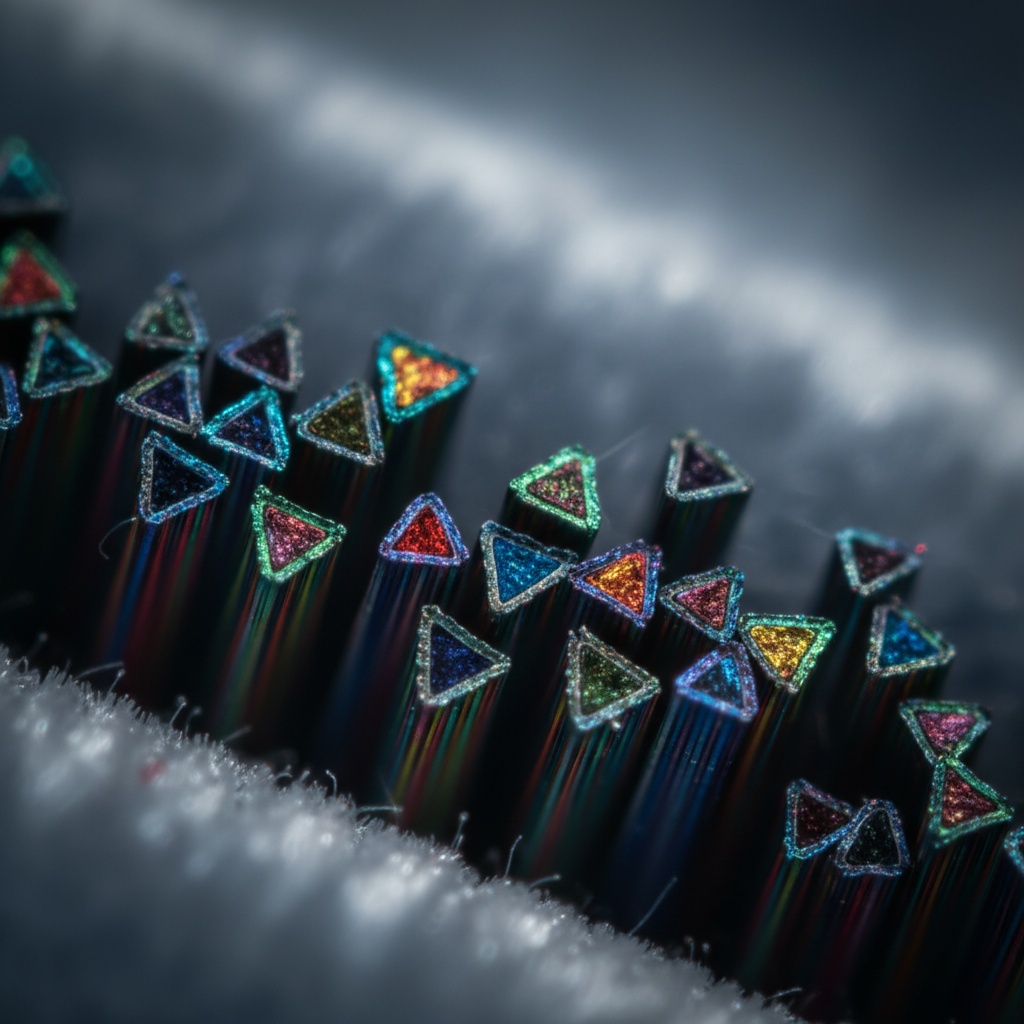
Microscopic view of fiber ends showing luster.
What Is Silk Made From in Rugs?
Silk used in rugs is derived from the cocoons of silkworms, most commonly the domesticated Bombyx mori, also known as mulberry silk. Each cocoon consists of a continuous filament of protein fiber, primarily fibroin, which is carefully reeled into threads.
Unlike plant-based fibers such as cotton, silk is an animal protein fiber, giving it distinct structural and tactile qualities. Its filaments have a natural triangular cross-section that refracts light, creating the unmistakable luster and iridescence found in silk rugs.
This unique fiber structure explains why luxury silk carpets shimmer differently depending on the angle of the light, adding depth and movement to their designs.
Why Are Silk Rugs Considered Sustainable Fiber?
Silk is often regarded as one of the more sustainable luxury fibers because it is natural, renewable, and fully biodegradable. Unlike synthetic alternatives, silk does not release microplastics into the environment. Mulberry silk production, or sericulture, has been practiced for thousands of years and remains rooted in traditional agricultural cycles.
In addition to standard mulberry silk, modern weavers sometimes use recycled silk threads and “peace silk,” which is harvested after silkworms naturally emerge from their cocoons, to appeal to buyers seeking more ethical alternatives.
However, sustainability also depends on sourcing: large-scale production can raise questions about labor practices and animal welfare. For this reason, sustainable silk rugs are increasingly associated with traceable, eco-conscious, and ethically managed supply chains.
How Does a Silk Rug Feel Underfoot?
One of the most celebrated qualities of silk pile rugs is their luxurious tactile feel. Underfoot, silk provides a velvety, smooth, and cool sensation unlike any other rug fiber. The pile is exceptionally soft, and when combined with silk’s natural sheen, it delivers an experience that is both visual and sensory.
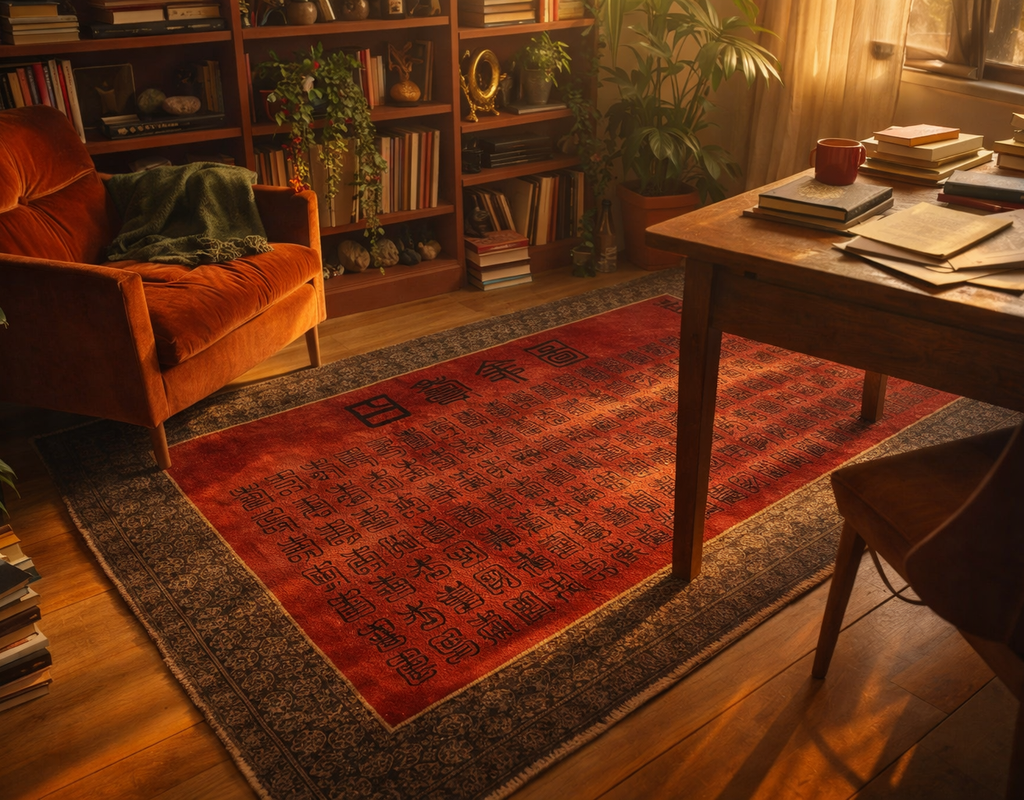
Sunlight streams into the richly toned study, highlighting the unique texture and design of the central red rug.
Many owners describe the silk rug softness as indulgent—almost liquid in its smoothness—making these rugs best suited for areas where they can be appreciated through touch, such as bedrooms or formal sitting rooms. This softness, however, comes with delicacy: silk pile feels sumptuous but is more fragile than wool when exposed to heavy wear.
Is a Silk Rug Softer Than Wool?
When comparing silk to wool, the contrast is clear. Silk fibers are smoother, finer, and often perceived as softer to the touch than wool. Wool, with its crimped structure, feels springier and offers resilience under pressure, making it ideal for high-traffic areas.
Silk, by contrast, emphasizes refinement over durability. While both fibers can achieve remarkable textures, silk rug softness is unmatched for its sleekness and cool touch. This is why silk is often used in combination with wool—either in highlights or as part of a blended pile—to enhance both softness and sheen without compromising strength.
Dye Absorption, Sheen, and Softness
Silk’s chemistry and structure make it one of the most receptive fibers for dyes. The fibroin protein allows deep dye penetration, producing saturated hues that glow with intensity. When light strikes the triangular filaments, it refracts and reflects, giving luxury silk carpets their characteristic sheen and shifting color tones, sometimes appearing iridescent. This interplay of dye and light transforms even the most subtle patterns into luminous, living designs.
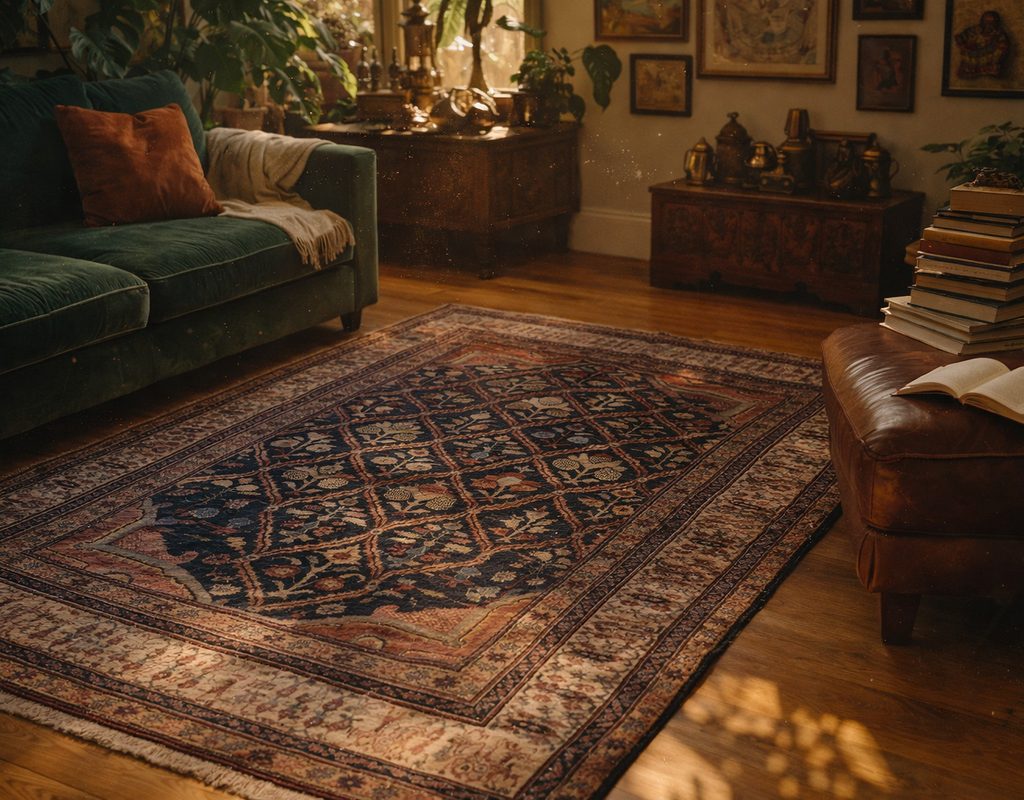
The interplay of deep jewel tones and rich textures creates a perfectly aged, comfortable reading nook.
Combined with the unrivaled silk pile feel, this brilliance ensures that silk rugs stand out not only for their tactile qualities but also for their ability to radiate color and artistry in any setting. Silk’s unique fiber properties—its softness, sheen, dye brilliance, and biodegradability—explain why it continues to define the very concept of luxury in rug weaving.
Technical Aspects of Silk Rug Construction
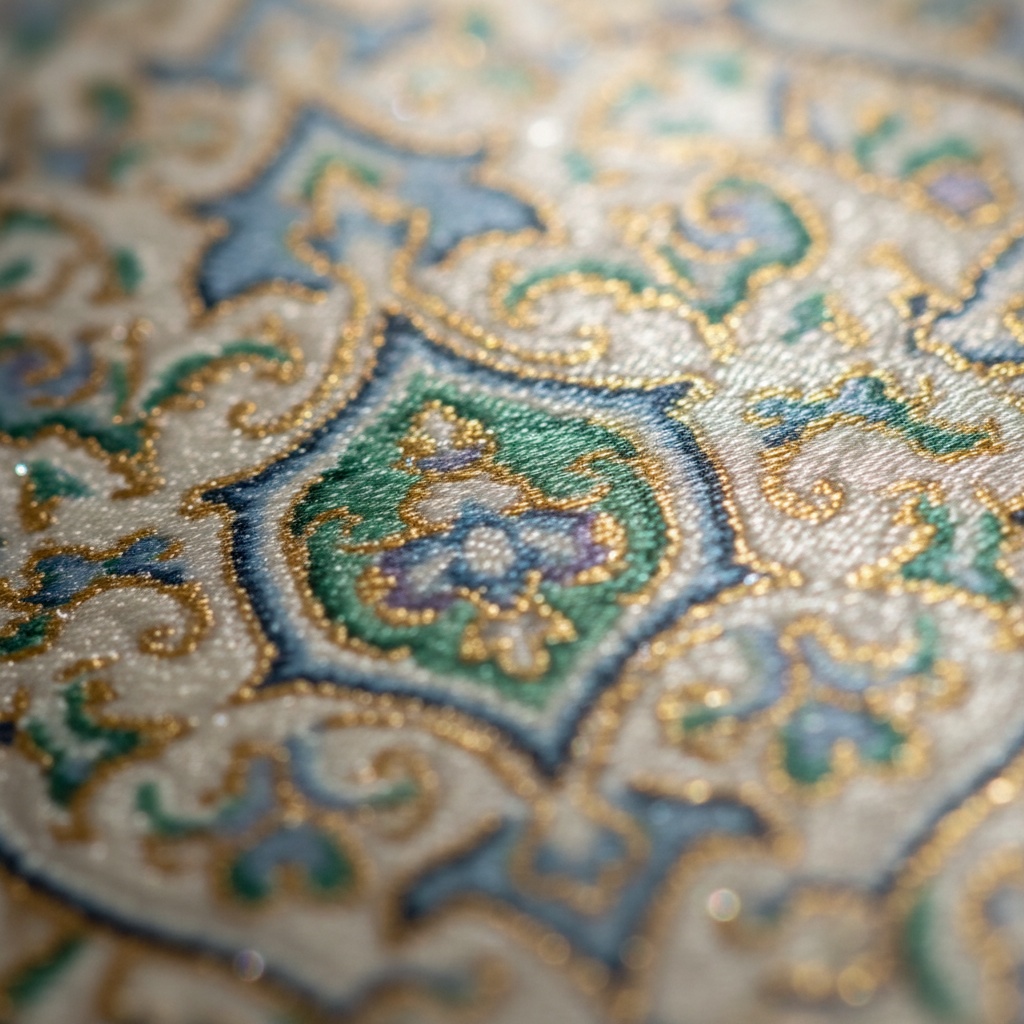
Close-up of intricate silk weave detail.
Common Weaves in Silk Persian Rugs
Persian silk rug weaves are renowned for their precision and complexity. The most common knots used are the Senneh (asymmetrical/Persian knot) and the Ghiordes (symmetrical/Turkish knot). The Senneh knot, more frequently found in Persian silk rugs, allows tighter packing of knots, which enhances the fluidity of curvilinear patterns and pictorial motifs.
This fine knotting makes it possible to render intricate arabesques, floral scrolls, and lifelike figures that would be impossible in coarser weaves. Silk can also serve as the foundation (warp and weft threads) as well as the pile, which further increases knot density and flexibility.
Using silk in both pile and foundation enables some of the highest recorded knot counts in rug weaving, often exceeding 500 knots per square inch, with masterworks reaching well above 1,000 knots per square inch. Such density allows designs with extraordinary clarity, resembling miniature paintings in textile form.
Silk’s Role in Pile vs. Foundation
Silk fibers are used in two major ways within rug construction: as the pile or as the foundation. When used in the pile, silk provides the distinctive smooth, luminous surface for which luxury silk carpets are celebrated. Its reflective properties bring patterns to life, shimmering under shifting light.
When employed as warp and weft threads, silk foundation allows tighter knotting because of its tensile strength and fine diameter, enabling patterns of unrivaled intricacy.
Many of the most prestigious Persian silk rug weaves combine both approaches—silk foundation for stability and density, and silk pile for visual radiance—producing textiles that epitomize refinement and artistry.
How Knot Density Affects Silk Rug Detail
Knot density is the single most critical factor in determining the clarity and precision of a silk rug’s design. A hand-knotted silk carpet with a high knot density functions like a high-resolution canvas: the more knots per square inch, the finer and sharper the imagery.
Rugs with 200–300 knots per square inch can already depict elaborate floral patterns, but at 500 knots and above, even the smallest leaves, feathers, or calligraphic inscriptions appear crisp and lifelike.
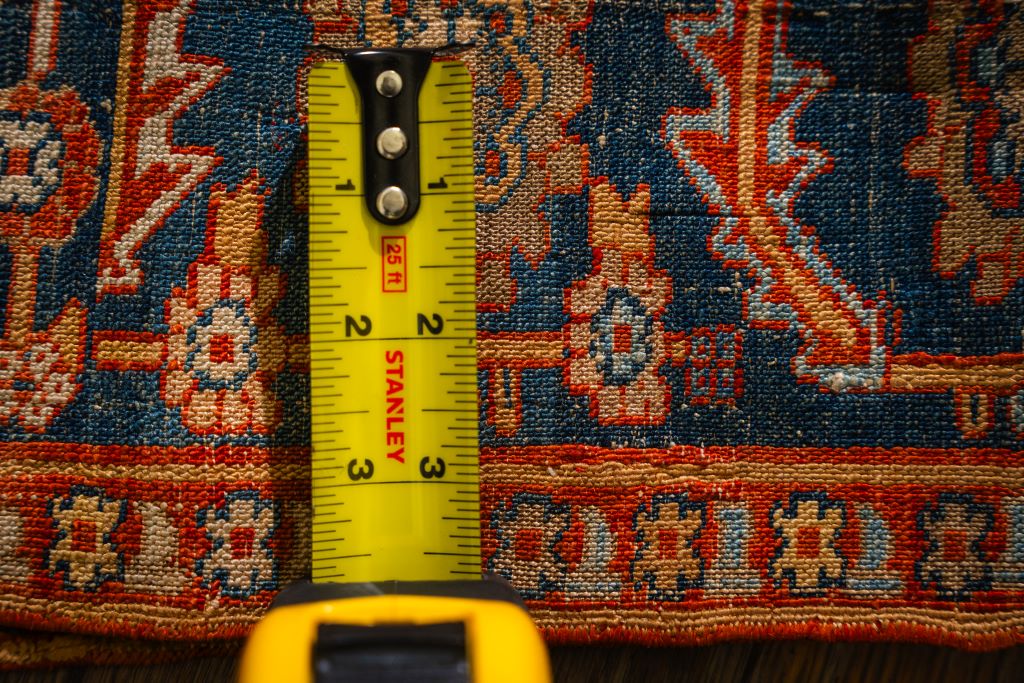
A detailed inspection of a richly colored oriental rug pattern while measuring its dimensions.
The capacity to weave such detail is why Persian silk rugs are so prized for curvilinear and pictorial compositions, often resembling works of art more than floor coverings.
Durability and Maintenance of Silk Rugs
Despite their beauty, pure silk rugs are less durable under abrasion than wool and require careful placement. They are best suited for low-traffic settings—such as bedrooms, formal salons, or wall display—rather than high-use areas like living rooms or hallways. Constant foot traffic flattens the delicate silk pile and dulls its sheen, reducing its lifespan.
When it comes to maintenance, gentle cleaning is essential. Vacuuming should always be performed without a beater bar, using only low suction to prevent fiber damage. Moisture poses a particular threat to vintage silk floor coverings, as it can weaken fibers, cause staining, and distort the sheen.
For spills or deep cleaning, only professional textile conservators or rug-cleaning specialists should be trusted. Safe methods include gentle hand-washing with pH-balanced solutions, minimal moisture exposure, and controlled drying. Harsh chemicals, steam cleaning, or mechanical agitation must be avoided, as they can irreversibly damage silk fibers.
Practical FAQs for Buyers and Owners
- How durable are hand-knotted silk carpets daily? – They are delicate and not designed for constant abrasion; they thrive in low-traffic or decorative spaces.
- Can silk rugs handle high-traffic living rooms? – No, silk pile construction lacks the resilience of wool; heavy use will quickly wear down fibers.
- How should I vacuum a delicate silk rug? – Use low suction, no beater bar, and vacuum gently in the direction of the pile.
- Does moisture ruin vintage silk floor coverings? – Yes, prolonged moisture can weaken fibers and alter sheen; immediate blotting and professional care are critical.
- What professional methods clean fine silk textiles safely? – Specialist rug cleaners use mild solutions, light hand agitation, and controlled drying, ensuring no fiber stress or chemical burn.
Silk rug knot density, foundation structure, and delicate pile all combine to create textiles of breathtaking intricacy. Yet their fragility means that hand-knotted silk carpet care must be as refined as their construction—placement, cleaning, and preservation are as important as weaving in ensuring these works of art endure.
Geographic and Cultural Roots of Silk Rugs
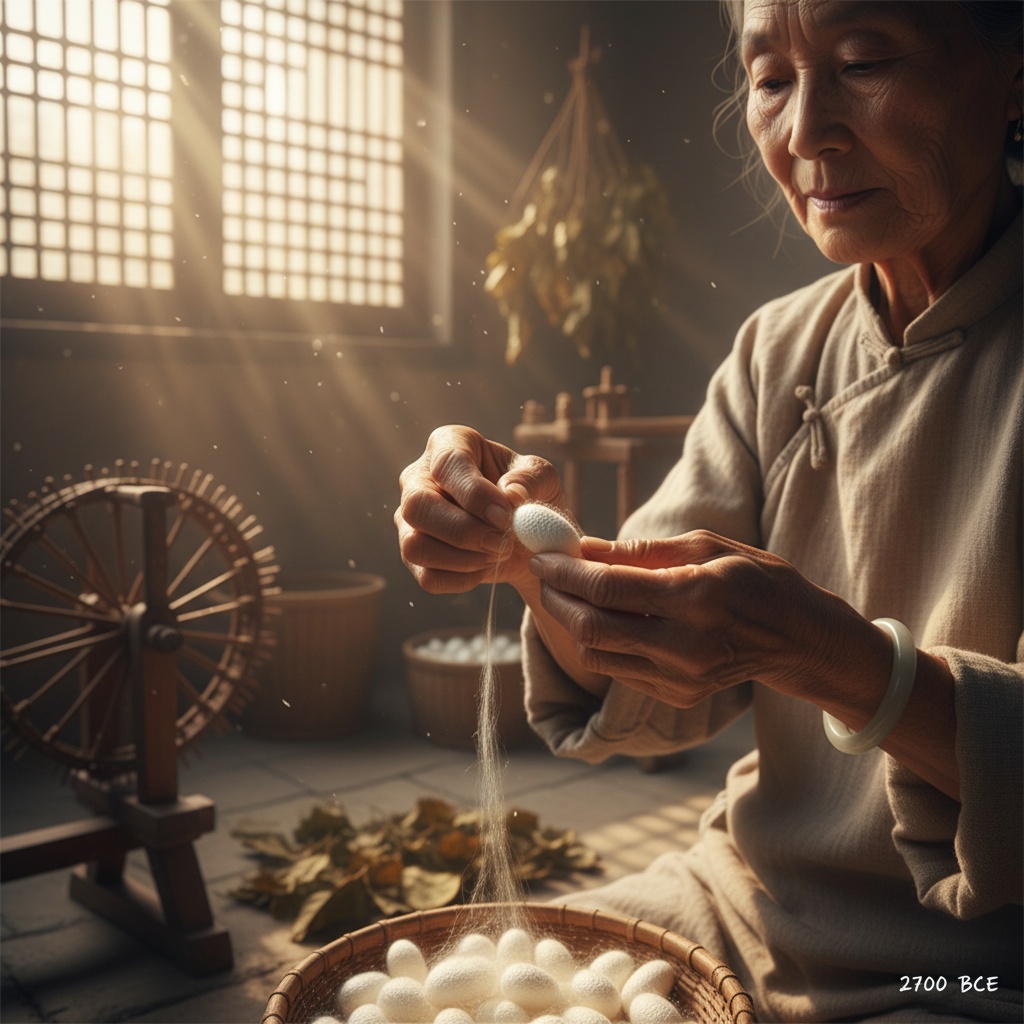
Early silk processing by hand.
Origins of Silk and Sericulture in China
The story of silk rugs begins with the discovery of silk itself in ancient China. According to legend, Empress Leizu of the Yellow Emperor’s court first unraveled a silkworm’s cocoon into thread around 2700 BCE, sparking the beginnings of sericulture.
For centuries, China maintained a strict monopoly on silk production, guarding the techniques of cultivating silkworms and reeling their filaments with the utmost secrecy. The resulting fabric was so prized that it became the foundation of the Silk Road, the vast trade network that connected East and West.
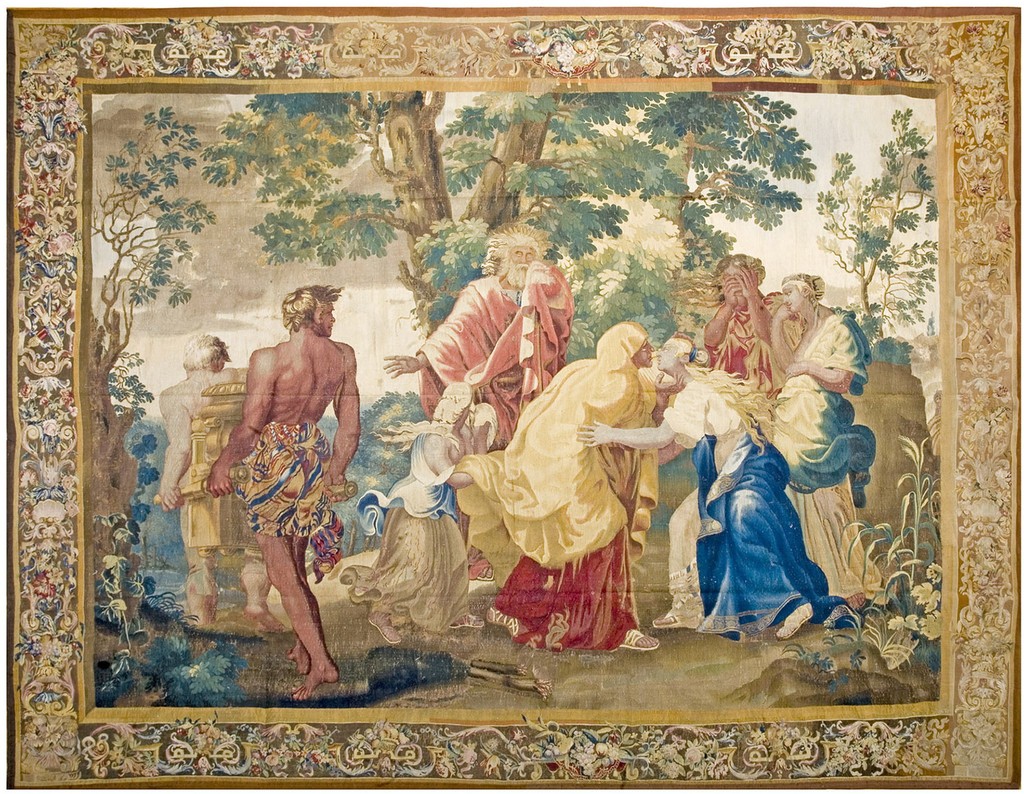
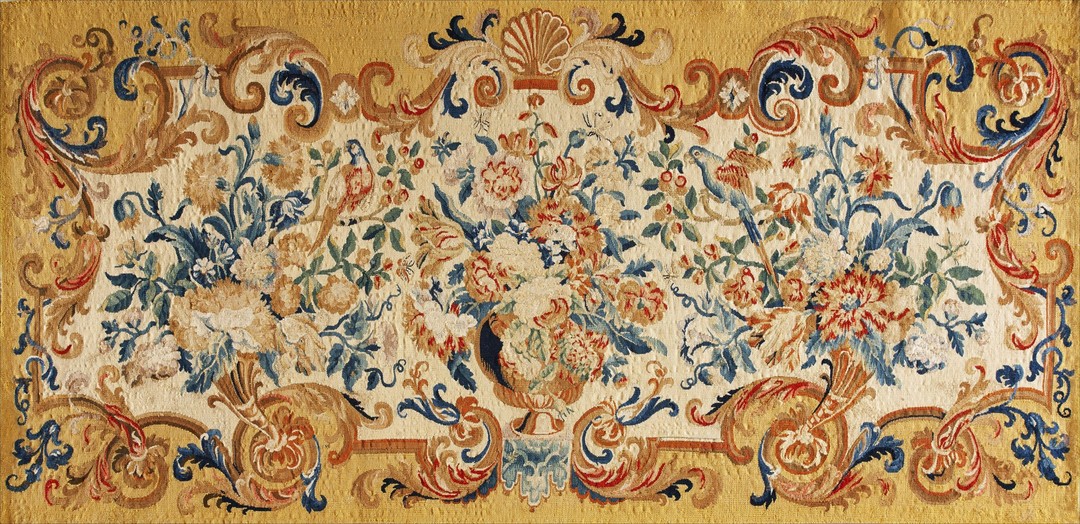
Romantic Antique Flemish Tapestry from Belgium by Rugs On Net
While Chinese weavers initially used silk for fine garments and court textiles, the knowledge of silk as a luxury material gradually expanded into rug production as the art of carpet weaving spread across Eurasia.
Spread to Persia, India, and Turkey
As silk traveled westward along the Silk Road, different cultures adapted the fiber into their own rug-weaving traditions. In Persia, silk was incorporated into carpets as both pile and foundation, elevating courtly rugs to objects of political power and artistry.
Safavid-era Persian silk carpets became famous for their luminous curvilinear designs and miniature-like detail, cementing their status as some of the finest textiles in world history. In India, Mughal emperors commissioned silk carpets for palaces, often with intricate floral designs inspired by Persian models but infused with local motifs.
Meanwhile, the Ottoman Empire embraced silk rug weaving in workshops such as Hereke, where imperial commissions combined Turkish design traditions with the shimmering brilliance of silk. Each region layered its own cultural aesthetics onto the medium, making silk rugs a truly global heritage of textile art.
Are Hereke Rugs Always Woven in Silk?
Hereke rugs, produced in the Ottoman imperial workshops beginning in the 19th century, are synonymous with opulence and technical mastery. Many of the finest Hereke silk rugs were woven entirely in silk, achieving astonishing knot densities—sometimes exceeding one million knots per square meter.
These rugs were often created as royal gifts or palace furnishings, showcasing both wealth and craftsmanship.
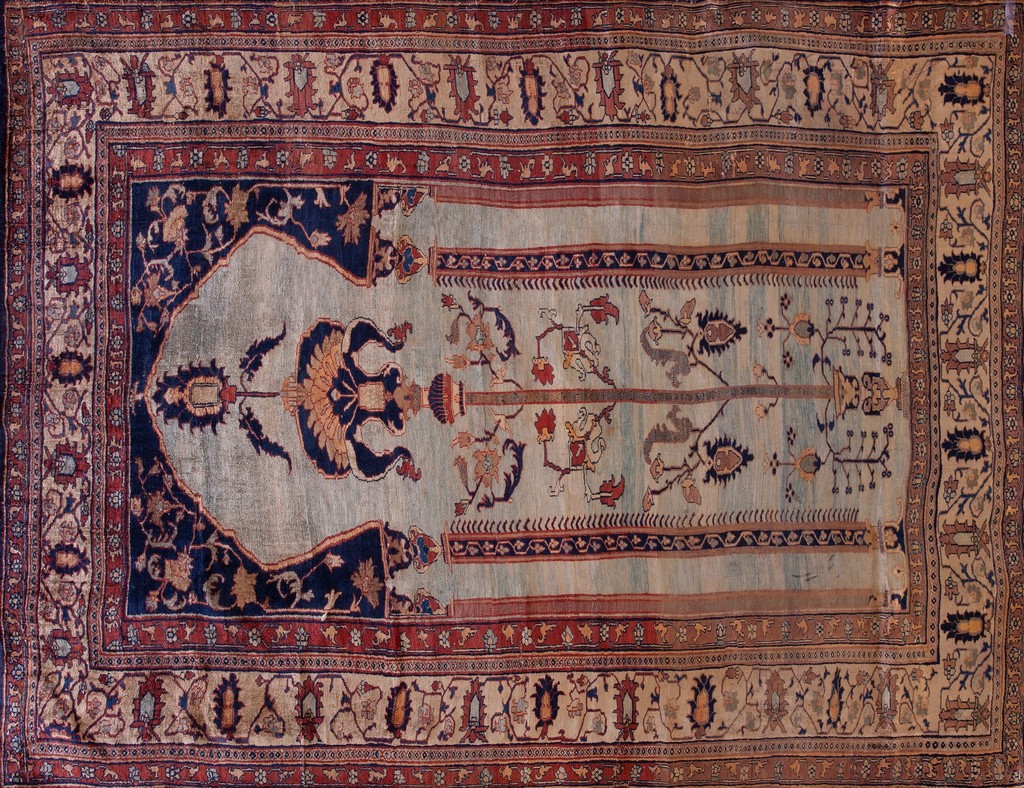
Antique Small Scatter Size Sky Blue Fine Persian Silk Heriz Muslim Prayer Rug by Rugs On Net
However, not all Hereke rugs are woven entirely from silk; some examples incorporate wool pile on cotton foundations. Still, it is the all-silk versions that became most famous, representing the pinnacle of Ottoman rug artistry and securing Hereke’s name as shorthand for luxury silk carpets.
Qum Silk Rugs and Six-Figure Prices
Among Persian silk carpets, none command greater renown in the modern market than Qum silk rugs from Iran. Emerging as a major center for weaving in the 20th century, Qum established itself with pure silk pile rugs of extraordinary refinement. Knot counts in these works frequently surpass 600 knots per square inch, with masterworks reaching even higher.
Their designs range from classical medallion layouts to pictorial scenes and calligraphic panels, executed with the precision of a miniature painting. Museum-quality examples are rare, labor-intensive, and highly collectible, which explains why Qum silk rug value can soar into the six-figure range at international auctions.
Their rarity, artistry, and condition make them among the most prized of all contemporary Persian silk carpets, sought after by collectors worldwide. Silk rugs are inseparable from the cultural heritage of the regions that wove them—China’s invention of silk, Persia’s refinement of design, India’s Mughal adaptations, and Turkey’s imperial Hereke workshops all shaped the legacy of these textiles.
Whether in the legendary Qum silk rugs or the imperial Hereke silk rugs, each weaving tradition testifies to the enduring prestige of silk in the global history of carpets.
Usage, Value, and Market Position
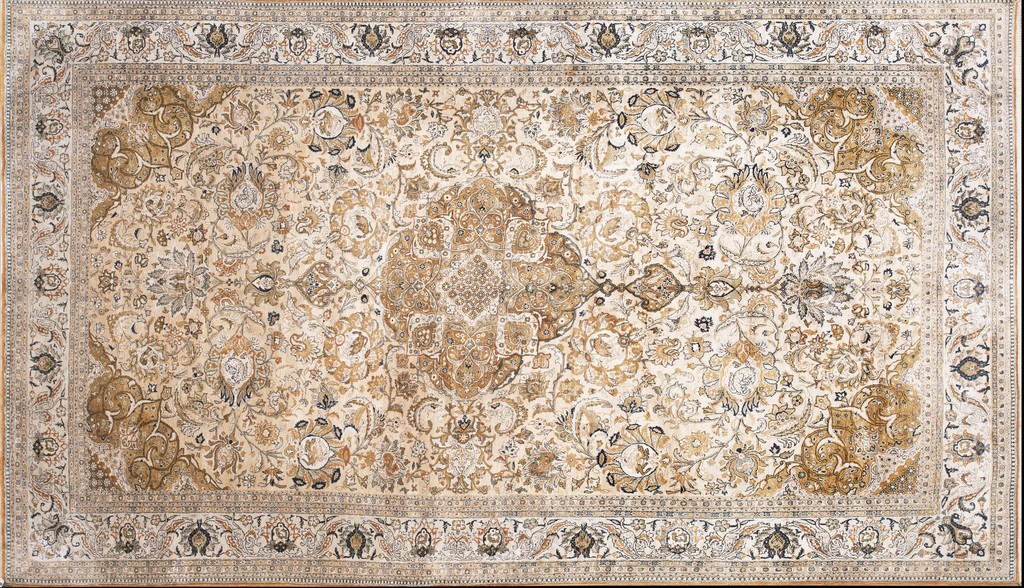
Vintage Qum – Silk Persian Knotted Rug by Rugs On Net
Key Types and Styles of Silk Rugs
- Qum (Iran): Pure silk rugs from Qum are known for their exceptionally high knot counts, refined pictorial or floral motifs, and luminous sheen. — Why: They represent the benchmark of Persian silk rug artistry and often command the highest values.
- Hereke (Turkey): Produced in imperial workshops, Hereke silk carpets are famous for astonishing technical precision and symmetrical knotting. — Why: Their legacy as palace commissions ensures enduring prestige in the luxury market.
- Kashmir (India): Kashmiri silk rugs feature delicate floral designs and soft palettes, often produced for both domestic and export markets. — Why: They provide a more accessible entry point into silk rugs while maintaining beauty and craftsmanship.
- Nain and Isfahan (Iran): Though typically woven with wool piles, these Persian styles often incorporate silk highlights in foundations or design accents. — Why: The interplay of wool and silk creates contrast and sparkle, enhancing visual depth.
- Polonaise Carpets (Historic Persia/Poland): Rare 17th-century silk rugs woven in Safavid Persia and gifted to European courts. — Why: These historic textiles are museum pieces today, prized for rarity and historic value.
What Price per Square Foot Do Silk Rugs Command?
Silk rugs are among the most expensive carpets on the global market, with price per square foot ranging from the hundreds to several thousands of dollars, depending on knot density, origin, and age. High-quality contemporary Kashmiri silk rugs may sell for $100–$200 per square foot, while Persian Qum silk rug price levels often begin in the $400–$600 per square foot range for fine examples.
Exceptional Qum or antique Hereke silk carpets can exceed $1,000 per square foot, and rare museum-quality pieces are capable of achieving six-figure totals at auction. This makes pure silk rugs not just decorative objects, but also serious investment-grade textiles.
Should I Place an Expensive Silk Rug on the Wall?
- Yes, for Preservation: Fragile silk pile wears down quickly underfoot. Hanging a wall-hanging silk rug protects the fibers and preserves its sheen. — Why: It prevents abrasion and prolongs the life of the textile.
- Yes, for Display of Artistry: Many silk carpets are pictorial or contain intricate calligraphy best appreciated at eye level. — Why: Displaying them vertically enhances their visual impact, treating them as woven artworks.
- Yes, for Investment Value: Preserving condition directly influences market value. — Why: A rug with minimal wear retains its resale and heirloom worth.
- No, for Everyday Utility: If the goal is comfort underfoot, silk is not ideal for high-traffic areas. — Why: Wool alternatives provide greater resilience.
Silk Rugs as Collector and Heirloom Items
Pure silk rugs occupy a unique position in the rug market as investment textiles. Their rarity, technical refinement, and historical prestige make them highly sought after by collectors worldwide. Families often treat them as heirlooms, passing them down through generations as symbols of cultural pride and enduring value.
The global recognition of Hereke silk carpets and Qum silk rugs ensures their reputation as benchmarks of luxury, and museum-quality examples continue to appreciate in value over time. Silk rug investment, unlike most decorative purchases, bridges artistry, cultural heritage, and financial appreciation.
Whether preserved on the wall, displayed in a formal room, or safeguarded as part of a collection, silk carpet styles remain among the most distinguished and valuable textiles ever woven.
Silk Alternatives & Modern Innovation
Real Silk vs. Artificial Silk
Modern rug markets often feature terms such as art silk, viscose silk, bamboo silk, or banana silk, which can confuse buyers. These materials are artificial silk rugs—cellulose-based fibers (like viscose rayon) designed to mimic the sheen and softness of genuine silk. While they can look similar at first glance, their performance differs dramatically.
Real silk—especially mulberry silk—is strong for its fineness, resilient, and capable of holding dyes with unmatched brilliance. Artificial silk fibers, by contrast, lack the same tensile strength, tend to wear or discolor quickly, and do not carry the long-term value of a true silk rug.
Machine-made silk rugs or viscose silk options may provide affordability and short-term visual appeal, but they are not considered luxury or investment-grade textiles in the way genuine hand-knotted silk carpets are.
How to Spot Artificial Silk in Rugs
- Price Point: Artificial silk rugs are significantly cheaper than real silk rugs. — Why: True silk commands high prices due to labor, rarity, and quality.
- Label Language: Look for words like “art silk,” “viscose,” “bamboo silk,” or “rayon.” — Why: These terms signal cellulose-based fibers rather than silk from silkworm cocoons.
- Wear and Sheen: Viscose silk rugs tend to lose luster and show traffic patterns quickly. — Why: The fibers are weaker and less elastic than real silk.
- Water Test: When wet, viscose becomes stiff and brittle, while real silk remains smooth. — Why: This reveals the difference in fiber structure.
- Durability: Artificial silk fibers break down faster with foot traffic or cleaning. — Why: They are less resilient than the fibroin protein structure of mulberry silk.
Does Bamboo Silk Offer a Greener Alternative?
Bamboo silk carpets are marketed as eco-friendly, but they are essentially a form of viscose made from bamboo cellulose. Compared to petrochemical-based synthetics, bamboo viscose does have a lower environmental footprint, making it greener than nylon or polyester.
However, it still requires intensive chemical processing and does not match the renewability or biodegradability of genuine silk. In terms of performance, bamboo silk lacks the longevity and brilliance of mulberry silk, wearing down faster in use.
For buyers prioritizing sustainability, bamboo silk may be a better choice than petroleum-based fibers, but it is not equivalent to pure silk for luxury or durability.
Should I Buy Wild Silk or Mulberry Silk Carpet?
Silk rugs are generally woven from mulberry silk, produced by domesticated Bombyx mori silkworms. Mulberry silk offers uniformity, fineness, and dye absorption unmatched by other silks, making it the gold standard for luxury carpets. Wild silk (often called tussah) comes from non-domesticated silkworms and is coarser, less uniform, and darker in tone.
While it requires less controlled farming, resulting in lower environmental intensity, its fibers lack the consistency required for the intricate patterns seen in high-knot-count Persian silk carpets. For collectors and investors seeking refinement and market value, mulberry silk is preferable. Wild silk rugs may appeal to those looking for rustic texture or less intensive sourcing, but they occupy a different category of textile altogether.
Are Machine-Made Silk-Look Rugs Worth the Savings?
Machine-made silk rugs, often woven from viscose, polyester, or blends marketed as silk-look rugs, are affordable and provide surface-level sheen. They are practical for budget-conscious buyers seeking short-term decorative impact, but they do not retain value or longevity. Their pile tends to flatten, discolor, or shed quickly, making them unsuitable as heirloom or collector’s pieces.
While they may be “worth it” for casual use, they should not be confused with the craftsmanship or durability of genuine hand-knotted silk carpets. Understanding these distinctions—mulberry vs. wild silk, real vs. artificial silk, hand-knotted vs. machine-made—is essential for buyers. Spotting fake silk rugs and recognizing the differences ensures that investment in a silk carpet is based on knowledge rather than marketing terms.
Practical Care, Cleaning & Placement
Can Silk Rugs Handle High-Traffic Living Rooms?
Silk rugs are not designed for heavy daily use in high-traffic living rooms. The fibers, though strong for their fineness, lack the resilience of wool and flatten easily under constant abrasion. Over time, this dulls the sheen and wears down the pile.
For this reason, pure silk rugs are best reserved for low-traffic areas such as bedrooms, formal salons, or as decorative wall hangings. Placing a silk rug in a high-traffic living space shortens its lifespan significantly and diminishes its investment value.
Can Blending Wool with Silk Reduce Maintenance Costs?
Yes, wool-silk blend rugs strike a balance between beauty and practicality. Wool provides durability, spring, and resistance to wear, while silk adds luminous highlights and softness. Blends reduce overall upkeep because wool fibers conceal dirt better, resist staining, and tolerate heavier use.
As a result, maintenance costs are lower compared to pure silk rugs, while still delivering the visual sparkle of silk in key design elements. For households that want silk’s radiance but need greater practicality, wool-silk blend rugs are an excellent compromise.
How Should I Vacuum a Delicate Silk Rug?
- No Beater Bar: Always disable or remove the beater bar on your vacuum. — Why: Beater bars pull and break delicate silk fibers.
- Low Suction Only: Use the gentlest suction setting available. — Why: Strong suction can distort the pile and loosen knots.
- Vacuum Rarely and Gently: Limit vacuuming to occasional light passes, following the direction of the pile. — Why: Excessive cleaning weakens fibers and diminishes sheen.
- Use a Nozzle Attachment: A smooth nozzle or handheld attachment is safer than rollers. — Why: This reduces abrasion during cleaning.
Does Moisture Ruin Vintage Silk Floor Coverings?
Yes, moisture is particularly damaging to vintage silk rugs. Water can cause fibers to weaken, dyes to bleed, and pile to warp or lose luster. Even small spills may leave permanent stains or distort the sheen.
For this reason, silk carpets should be kept away from damp areas such as basements or bathrooms and shielded from accidents in dining rooms. Any exposure to moisture should be addressed immediately by blotting gently with a clean cloth and then consulting a professional cleaner.
What Professional Methods Clean Fine Silk Textiles Safely?
- Specialist Solvent Cleaning: Reputable rug cleaners often use non-aqueous solvents. — Why: These minimize fiber swelling and prevent dye migration.
- Gentle Hand Washing with pH-Balanced Solutions: When water must be used, it should be in minimal amounts with carefully controlled detergents. — Why: Ensures safe removal of soil without damaging the protein structure of silk.
- Minimal Agitation: Professionals avoid scrubbing or mechanical action. — Why: Silk fibers are delicate and abrasion can cause irreversible wear.
- Controlled Drying: Rugs are dried flat, away from direct sunlight, with humidity monitored. — Why: Prevents warping, shrinking, or uneven sheen loss.
Caring for silk rugs requires diligence, restraint, and professional expertise. From choosing safe placements to adopting gentle cleaning habits, every step of silk rug maintenance plays a role in preserving their beauty and value for generations.
Sustainability, Ethics, and Modern Considerations
Peace/Ahimsa Silk and Animal Welfare
One of the most important developments in ethical rug production is the introduction of peace silk, also called Ahimsa silk. Unlike traditional sericulture, which typically requires silkworms to be boiled inside their cocoons to preserve the long filament, peace silk allows the moths to emerge naturally. The result is a cruelty-free process that aligns with animal welfare values.
The trade-off, however, is that fibers are shorter, less uniform, and more labor-intensive to spin, which can affect texture and increase cost. Nevertheless, peace silk has gained recognition in the luxury market as an option for buyers who want the refinement of silk rugs without compromising on ethical concerns.
Sustainability of Silk Rug Production
As discussed earlier in the fiber properties section, silk is a natural, renewable, and biodegradable protein fiber, making it inherently more sustainable than synthetic alternatives. Unlike petrochemical textiles, silk rugs do not release microplastics into the environment and can return safely to the ecosystem at the end of their lifespan.
That said, sustainability depends on more than just the fiber: energy use, dye processes, and labor practices all shape the environmental footprint of silk rug production. Workshops that embrace traditional vegetable dyes, low-impact washing, and fair-trade practices are increasingly sought after. The sustainable silk rug is as much about ethical transparency as it is about material choice.
Trends in Upcycled, Recycled, or Blended Silk Rugs
Alongside peace silk, the use of recycled silk—often from discarded sari textiles in India—has become a growing trend. These upcycled silk rugs give new life to vibrant silk fabrics, producing carpets with bold, multicolored palettes that appeal to eco-conscious and design-forward buyers.
Blended rugs, which combine silk with wool or cotton, also contribute to sustainability by reducing resource intensity while retaining silk’s luminous highlights. Such innovations allow silk’s beauty to remain central in rug weaving while adapting to contemporary environmental concerns.
Market Demand for Sustainable and Ethical Silk
Today’s rug buyers increasingly value ethical rug production, transparency, and provenance. Collectors and homeowners alike want assurance that their luxury purchases align with modern values—supporting fair wages, responsible dyeing practices, and environmentally friendly production. This has created a market shift: while traditional mulberry silk remains the standard for refinement, peace silk, recycled silk carpets, and upcycled silk rugs are carving out a respected niche.
Brands and weaving workshops that highlight their sustainable practices often find stronger resonance with younger luxury consumers who prioritize ethics alongside beauty. Silk rugs have always embodied prestige and artistry, but in the modern era, their value also lies in their alignment with ecological responsibility and humane practices. By embracing peace silk, recycled silk, and sustainable workshop methods, the tradition of silk weaving continues to evolve—ensuring that the legacy of luxury silk carpets remains relevant in a world increasingly defined by conscious consumption.
Explore a Few of Our Favorite Silk Rugs
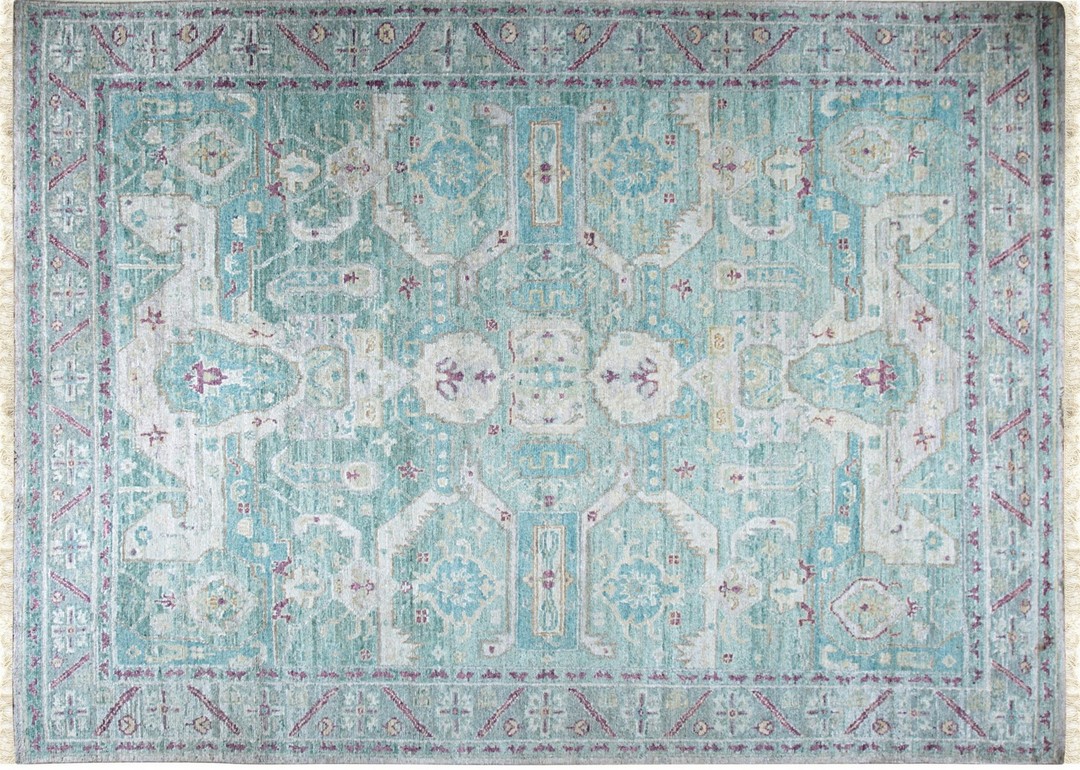
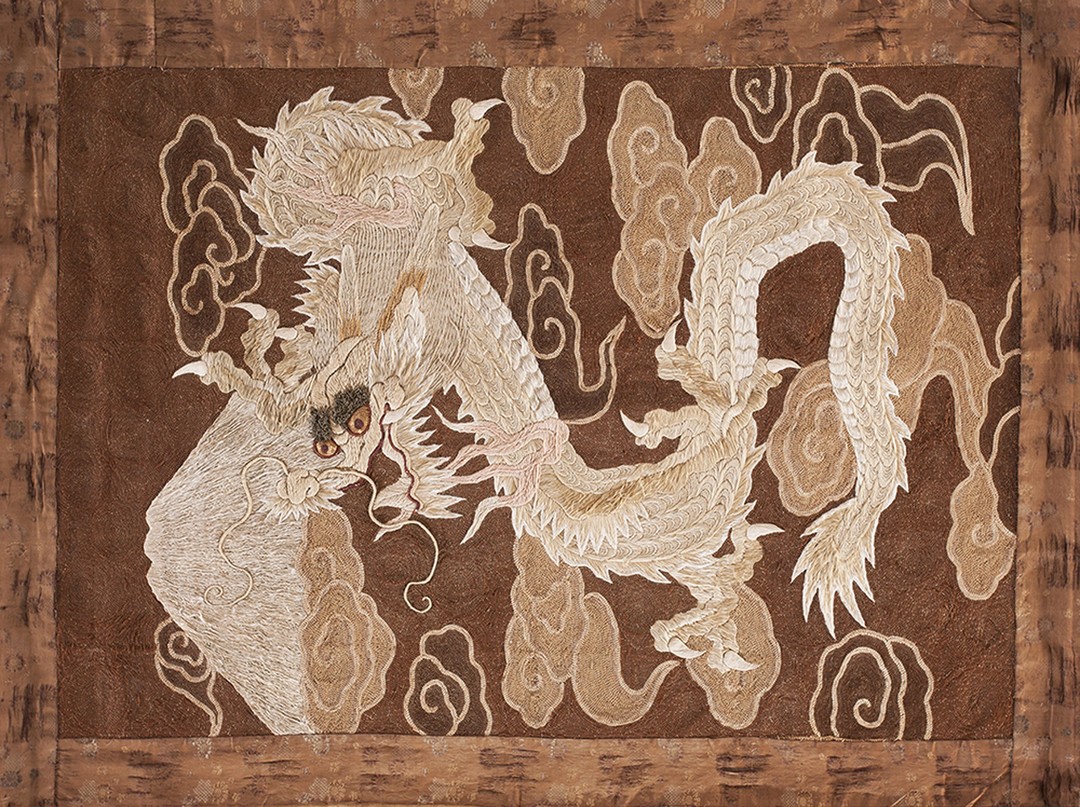
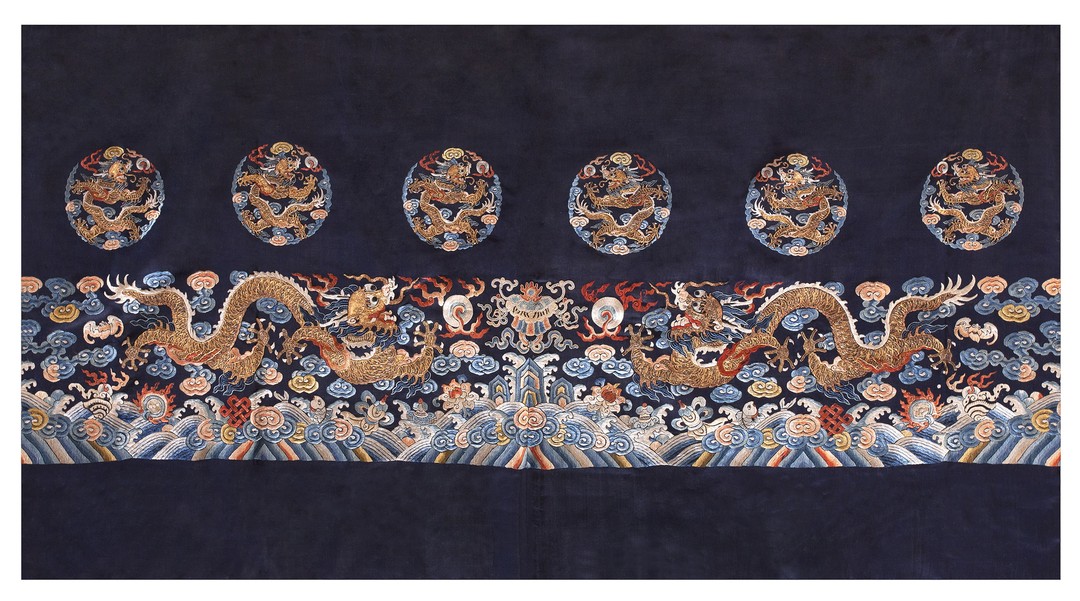
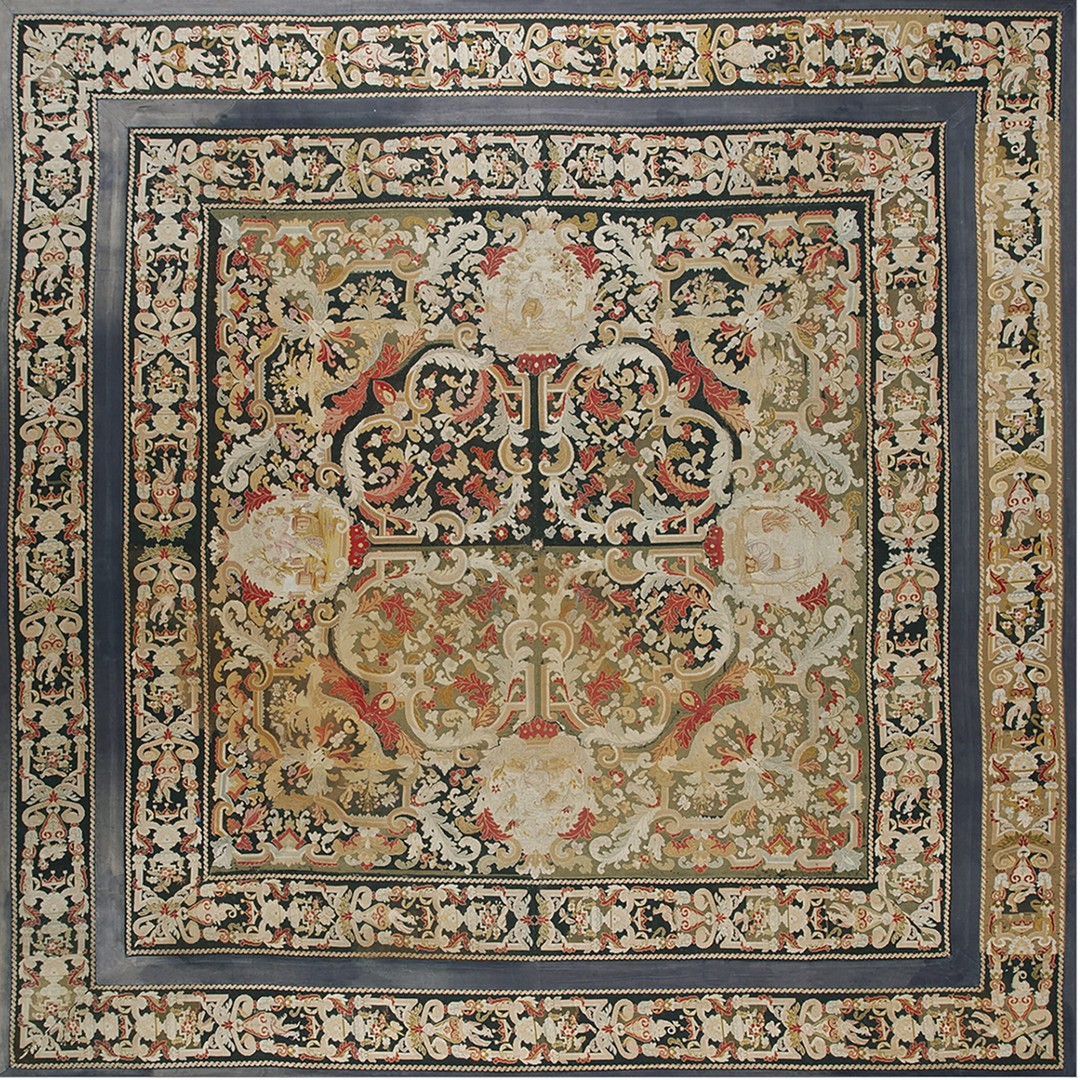
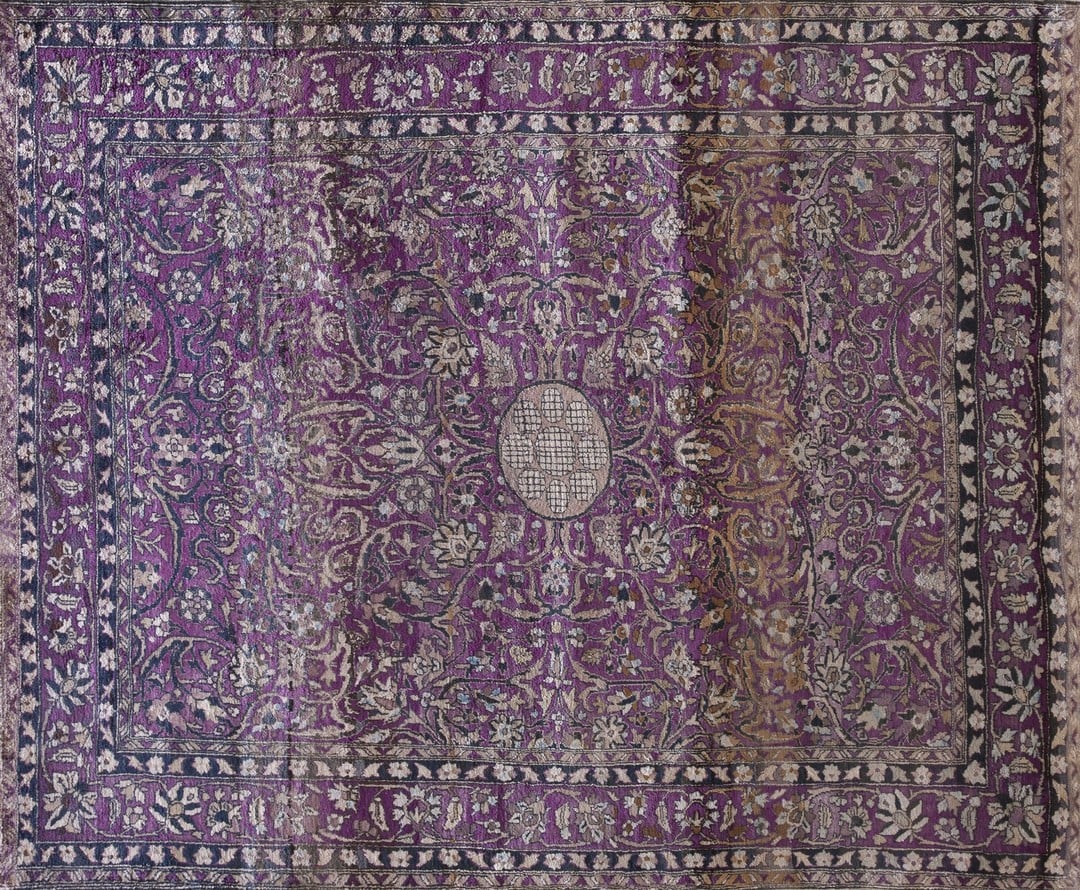
FAQ
- Are wool-and-silk rugs better than pure silk rugs?
For busy homes, yes—wool-and-silk rugs balance durability with sheen by using silk as highlights. Pure silk rugs deliver maximum luster but require gentler placement and care.
Watch: from our New York gallery
A Rare Silk and Metal Thread Rug with a Buddha Medallion
A fine silk rug with metallic thread and a Buddha at its center, signed and in excellent condition. We explain how the metal thread weave differs from the knotted silk pile.More on our YouTube channel.
- Can robot vacuums run on silk rugs?
It’s risky: brush rolls can fuzz pile and snag fringes. Keep robots off silk rugs and use a handheld with suction-only or a canister on low power.
- Are silk rugs hypoallergenic?
Silk is less hospitable to dust mites and can be a good option for sensitive users, but regular vacuuming and periodic professional cleaning still matter for air quality.
- Are “cactus silk” (sabra) rugs real silk rugs?
Often they’re plant fiber—or even rayon—marketed as “silk.” Treat cactus-silk rugs as decorative textiles and confirm fiber content before buying or cleaning.
- How should I store silk rugs?
Roll (don’t fold) the silk rug with pile inward, wrap in cotton or acid-free paper, and keep in a cool, dry, climate-controlled space. Avoid plastic, which traps moisture.
- Are silk rugs compatible with radiant floor heating?
Yes, if thin and in low-traffic areas—keep floor-surface temps under \~81°F (27°C) and avoid thick pads that trap heat. Monitor for “hot spots” under the rug.
- What rug pad is best under silk rugs?
Use a felt-and-natural-rubber pad (about 1/8–1/4 in.) for cushion and grip. Avoid cheap PVC/waffle pads that can off-gas and imprint or discolor hardwood finishes.
- What knot count (KPSI) is good for silk rugs?
Fine silk rugs often start around 300–600 KPSI; showcase pieces can exceed 1,000 KPSI. Higher KPSI aids detail, but design, dyes, and condition matter just as much.
- Why do silk rugs look lighter from one side?
Nap direction and silk’s reflectivity create a “light” and “dark” side. Rotate 180° to choose the effect you prefer and to balance shading over months.
- Do silk rugs fade in sunlight?
Yes—UV can fade dyes and weaken fibers. Use UV shades/film and rotate the rug; even a few hours of daily direct sun can cause noticeable fading over time.
- How should I vacuum silk rugs?
Use suction-only (no beater bar/brush roll) once a week; vacuum in the pile direction and avoid fringes. A mesh screen over the surface can add extra protection.
- Can I steam clean or shampoo silk rugs?
No—heat and over-wetting can shrink fibers, cause dye bleed, or leave water rings. Silk rugs should be hand-washed by trained rug pros only.
- How often should silk rugs be professionally cleaned?
Typically every 1–2 years in light traffic; sooner if soiled or exposed to pets/smoke. Rotate silk rugs every 6 months to even out wear and light exposure.
- How do I clean spills on silk rugs safely?
Blot immediately with a white cloth—no rubbing—using cool distilled water only. If color transfers or stains persist (wine, coffee, pet accidents), call a specialist promptly.
- Are silk rugs OK in hallways or as runners?
Avoid high-traffic hallways for silk rugs. Use durable wool or synthetic runners and keep silk for quieter corridors or walls.
- Can silk rugs go under a dining table?
It’s risky due to spills and chair friction. If you want the look, consider a wool-and-silk rug instead and use low-pile plus felt/rubber pad for smoother chair movement.
- Are silk rugs good with pets or kids?
Usually no—claws snag fine pile and stains can set fast. Choose wool or performance fibers for family zones and keep silk rugs in low-risk rooms.
- Do silk rugs shed?
Quality hand-knotted silk rugs should not shed under normal care. Excess shedding often signals viscose, damage, or a manufacturing issue rather than true silk fiber.
- What does “bamboo silk” or “art silk” on silk rugs mean?
Those usually indicate viscose/plant-based rayon, not silkworm silk. It mimics sheen but is less durable and more moisture-sensitive, so avoid high-traffic placement and wet cleaning.
- How can I tell if a silk rug is real silk or “art silk” (viscose)?
Labels and reputable documentation help; in person, real silk warms when rubbed while viscose stays cool. For certainty, rely on professional tests—don’t perform burn tests at home.
- Are silk rugs a good investment?
Treat silk rugs as collectible décor, not guaranteed investments. Value hinges on origin, knot count, condition, and demand—get a written appraisal for purchase, resale, or insurance.
- Where do the best silk rugs come from?
Notable centers include Qum (Iran), Hereke (Türkiye), Kashmir (India), and historic Chinese workshops. Each region is known for fine knotting and intricate designs; Qum and Hereke pieces can be extremely dense.
- How much do silk rugs cost?
Handmade silk rugs are premium: small pieces often start around \$1,000–\$5,000, while room sizes (8×10) commonly range \$10,000–\$40,000+. Signed or exceptional high-KPSI examples can exceed that.
- Are silk rugs durable enough for everyday use?
Real silk rugs are strong but best in low-to-moderate traffic spaces. Reserve heavy traffic for wool; keep silk rugs in bedrooms, studies, or formal living rooms to prevent premature wear.
- What are silk rugs, and why do they shine?
Silk rugs use natural silkworm fiber with a tight, fine pile that reflects light, creating a luminous sheen. That sheen changes with nap direction, so the rug can look lighter or darker from opposite sides.