Weeping Willow Rugs
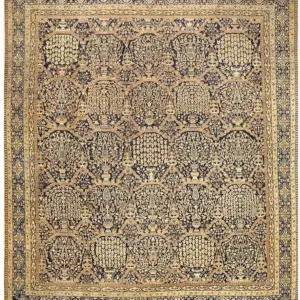
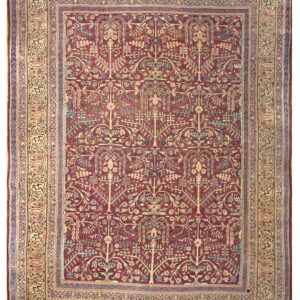
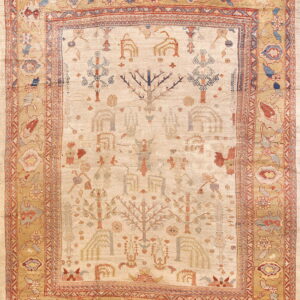
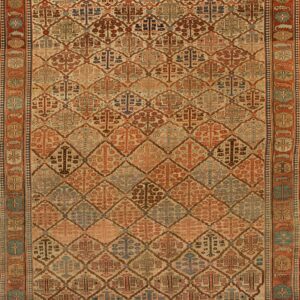
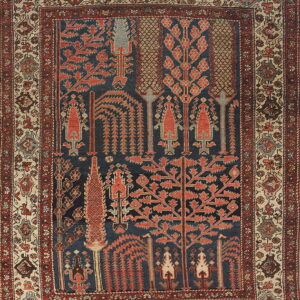
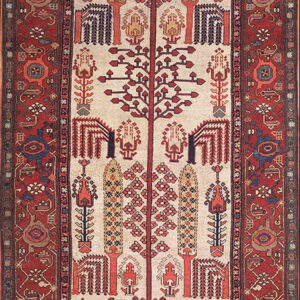
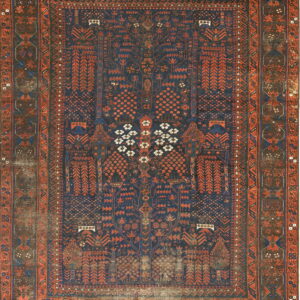
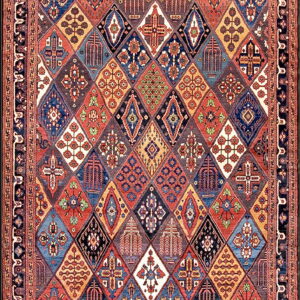
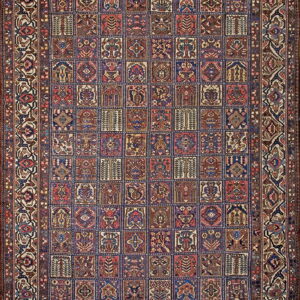
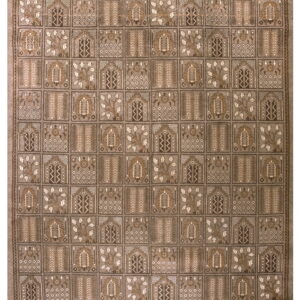
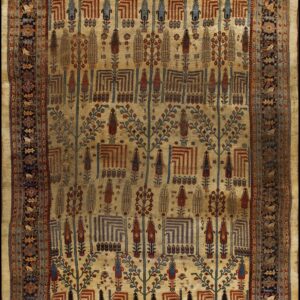
Weeping Willow rugs are admired for their flowing, downward-reaching motifs that introduce a sense of movement and quiet elegance into a space. In traditional rug scholarship, the so-called “weeping willow” design is not a literal tree depiction, but rather a stylized arrangement of drooping palmettes, elongated leaves, and pendant floral forms—motifs that appear across Persian and Anatolian weaving traditions from the 17th century onward. These cascading elements create a visual rhythm that feels both organic and architectural, making the design instantly recognizable and enduringly appealing.
Culturally, the weeping or drooping floral motif has long been associated with reflection, continuity, and the natural cycle of growth and decline, themes commonly explored in classical Islamic and Near Eastern decorative arts. Rather than conveying a single fixed meaning, the design reflects a broader aesthetic philosophy: reverence for nature, balance within asymmetry, and the beauty found in restraint. In rugs, this translated into compositions that soften large interiors, guide the eye gently across the field, and foster a sense of calm without sacrificing visual depth.
Today, Weeping Willow rugs remain highly sought after in American interiors for their ability to bridge traditional craftsmanship with livable sophistication. Whether rendered in antique palettes or more subdued, neutral tones, these rugs offer a timeless presence—equally at home in historic residences, transitional spaces, and modern homes seeking warmth and narrative. A Weeping Willow rug is not merely decorative; it is a quiet expression of heritage, artistry, and enduring design intelligence.
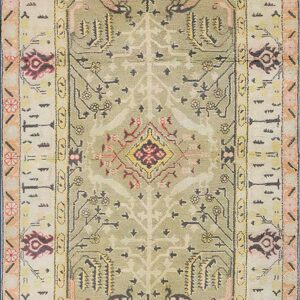
Green Antique Weeping Willow Peacock Pattern Indian Cotton Agra Rug
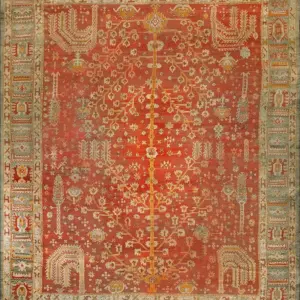
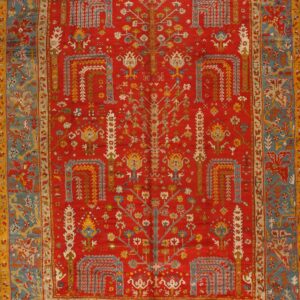
$3,000.00 Antique RugsRug sizes: 4x6Warm Red Color Antique Tribal Weeping Willow Cypress Tree Design Turkish Oushak Rug
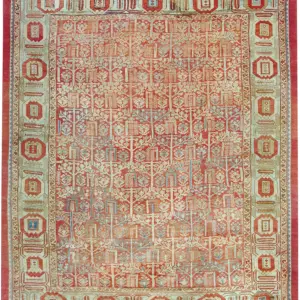
$41,000.00 Antique RugsRug sizes: 13.1x17Rustic Red Allover Tribal Geometric Weeping Willow Design Antique Persian Bakshaish Rug
$43,000.00 Antique RugsRug sizes: 10.1x13Antique Warm Red Field Tribal Geometric Weeping Willow Design Turkish Oushak Rug
$45,000.00 Antique RugsRug sizes: 12.1x15Large Antique Blue Allover Cypress and Weep Willow Trees Floral Design Indian Lahore Rug
$21,000.00 Antique RugsRug sizes: 13.08x15.06Red Floral Antique Fine Weave Persian Room Size Kerman Rug
$6,000.00 Antique RugsRug sizes: 8.07x11.07Light Cream Color Antique Tribal Geometric Room Size Persian Sultanabad Rug
$41,000.00 Antique RugsRug sizes: 10x12.03Blue , Brown Earth Tone , Ivory Beige Cream White , Red Blue Brown Earth Tone Ivory Beige Cream White Red Antique Tribal Persian Bakshaish Rug
$45,000.00 Antique RugsRug sizes: 9x13.02Antique Square Blue Persian Bakhtiari Tribal Rug with Weeping Willow Design
$7,500.00 Antique RugsRug sizes: 4x5Tribal Geometric Weeping Willow Tree Of Life Design Antique Ivory NW Persian Rug
$18,600.00 Antique RugsRug sizes: 5.03x11.02Antique Tribal Garden Design Persian 19th Century Bakhtiari Rug
$37,000.00 Antique RugsRug sizes: 7.04x13.03Vintage Mid Century Brown Geometric Garden Grid Pattern Persian Tabriz Rug
$6,800.00 Vintage RugsRug sizes: 10x13Rare Tribal Weeping Willow Design Cream Color Antique Room Size Persian Bidjar Rug
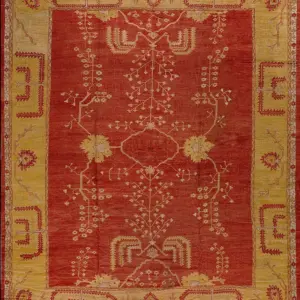
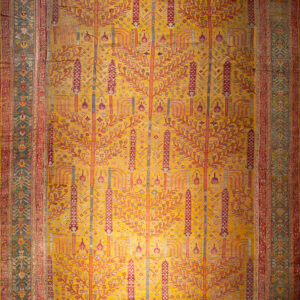
$32,500.00 Antique RugsRug sizes: 8.9x12.2Bright Yellow Color Antique Tribal Cypress Tree Weeping Willow Design Large Turkish Oushak Rug
$30,000.00 Antique RugsRug sizes: 13.8x17.6Red Color Weeping Willow Design Antique Turkish Oushak Rug
$38,000.00 Antique RugsRug sizes: 11.05x14.06