Vintage Mid Century Modern Rugs
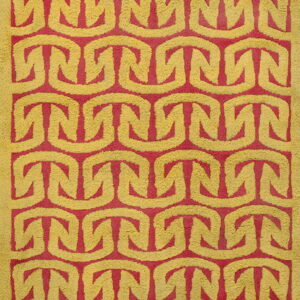
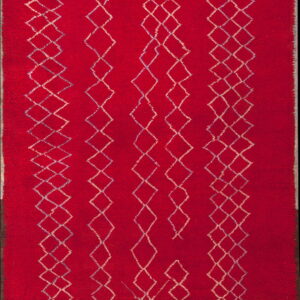
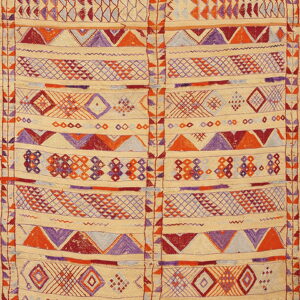
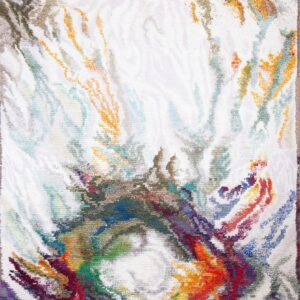
Vintage and Mid‑Century Modern design rugs capture the spirit of 20th‑century innovation and aesthetic evolution, bridging the bold creativity of the mid‑1900s with enduring style that still resonates today. Emerging alongside movements in architecture, furniture, and graphic arts, these rugs reflect a departure from traditional motifs toward clean lines, abstract forms, geometric compositions, and expressive color fields that were central to modernist design philosophies.
Often created in the period from the 1930s through the 1970’s, vintage and mid‑century rugs were shaped by a global exchange of artistic ideas — incorporating influences from Scandinavian minimalism, American studio weaving, Bauhaus abstraction, and contemporary interpretations of tribal and ethnic patterns. Whether hand‑knotted, hand‑tufted, or flat‑woven, these pieces are distinguished by innovative patterns, sculptural forms, and color palettes that range from subtle earth tones to bold contrasts, all designed to complement modern interiors.
What makes vintage and mid‑century rugs especially compelling is their ability to act as both functional floor coverings and artistic statements. They provide visual rhythm and texture while anchoring spaces with a sense of history and design integrity. In contemporary interiors — from minimalist lofts to eclectic living rooms — these rugs add a layer of timeless sophistication and cultural resonance, making them prized by designers, collectors, and style‑savvy homeowners alike.
Whether you’re drawn to the graphic precision of geometric abstracts or the playful energy of mid‑century color combinations, vintage and Mid‑Century Modern design rugs continue to inspire with their fusion of art, innovation, and lasting appeal.
Vintage Mid Century Modern Design Rugs embody the spirit of post-war optimism and functional beauty, featuring sophisticated geometric clarity, organic forms, and vibrant, optimistic color palettes. These iconic designs often feature a sophisticated blend of traditional craftsmanship and modernist influence; discover more about precursor aesthetics like Art Deco and Art Nouveau, or learn about descendant movements such as Pop Art.
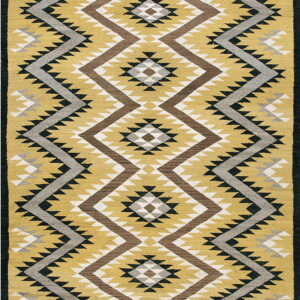
Vintage Geometric Chevron Pattern Native American Navajo Small Scatter Size Wool Yellow Rug
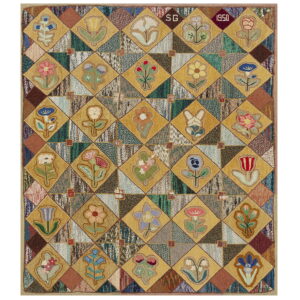
$11,050.00 Vintage RugsRug sizes: 5.08x7.1Mid Century Vintage Grid Pattern American Flowers Hooked Square Rug
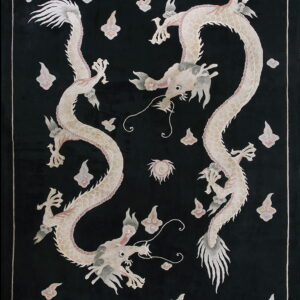
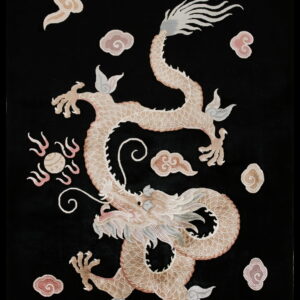
$3,800.00 Vintage RugsRug sizes: 3.1x4.06Vintage Benevolent 5 Claw Dragon Design Chinese Deco Rug
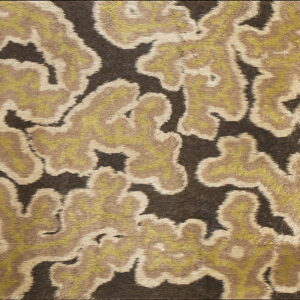
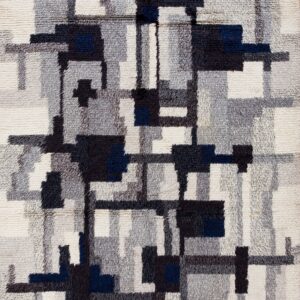
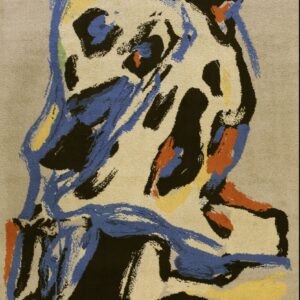
$9,800.00 Vintage RugsRug sizes: 5.07x8.07Vintage Mid Century Modern Allover Hand Knotted Pile Art Rug
$13,600.00 Vintage RugsRug sizes: 7.03x9Vintage Berber Moroccan Boucherouitte Small Scatter Size Wool & Cotton Rug
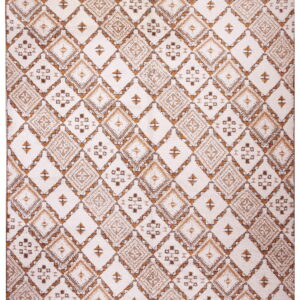
$1,100.00 Vintage RugsRug sizes: 4x6.03Vintage Mid Century Moroccan Tribal Geometric Design Rug
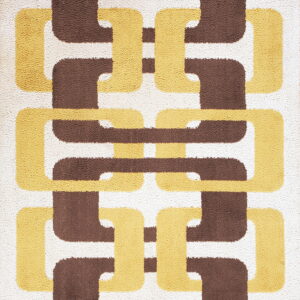
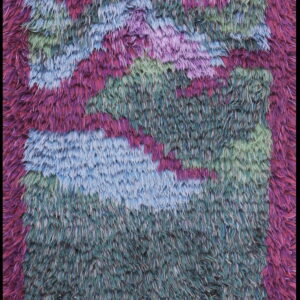
$8,800.00 Vintage RugsRug sizes: 4.09x9.08Vintage Mid Century Modern Scandinavian Shag Pile Rya Rug
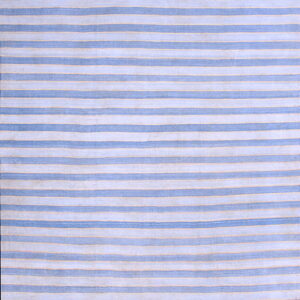
$6,800.00 Vintage RugsRug sizes: 5.07x7.09Striped Room Size Light Blue and White Antique Mid Century Indian Dhurrie Rug
$9,800.00 Vintage RugsRug sizes: 7.06x15.09Vintage Small Scatter Size Mid Century Modern Shag Wool Pile Swedish Rya Rug
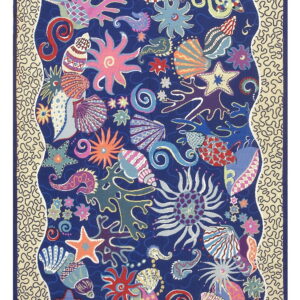
$1,350.00 Vintage RugsRug sizes: 3.03x5.04Vintage Mid Century Modern French Under The Sea Pattern Needlepoint Art Rug
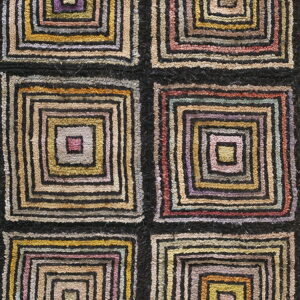
$1,650.00 Vintage RugsRug sizes: 5.08x9Multicolor Vintage American Mid Century Modern Square Hooked Rug
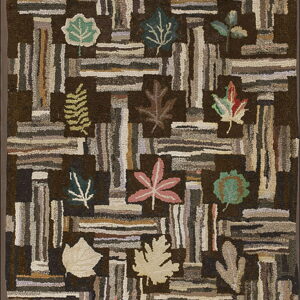
$980.00 Vintage RugsRug sizes: 1.09x2.08Bold Brown Color Vintage Mid Century American Folk Art Leafe Pattern Hooked Rug
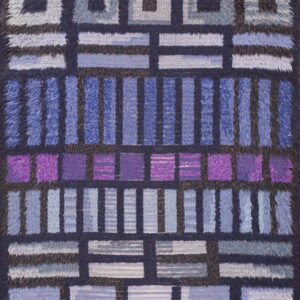
$2,300.00 Vintage RugsRug sizes: 3x5.07Vintage Mid Century Modern Geometric Gray Swedish Shag Pile Rya Scandinavian Rug
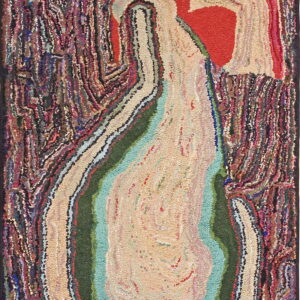
$13,600.00 Vintage RugsRug sizes: 5.1x9.1Multicolor Vintage Mid Century Modern American Hooked Artistic Folk Art Rug
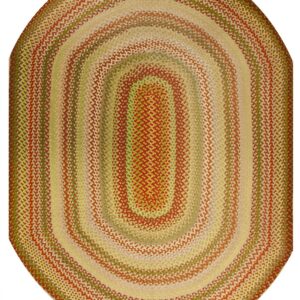
$7,000.00 Vintage RugsRug sizes: 4.06x9.06Vintage Mid Century Modern American Oval Braided Room Size Rug
$6,000.00 Vintage RugsRug sizes: 9x12.06Yara Rustic Blue Hand Tufted Wool Rug
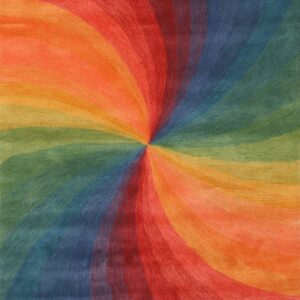
Price range: $484.95 through $679.95 New RugsRug sizes: 6x9, 8x10Talia Classic Rainbow Hand Tufted Wool Rug
Price range: $134.95 through $1,979.95 New RugsRug sizes: 6x6, 11.8x14.8, 4x4, 4x6, 5x8Vintage Mid Century Light Cream Color Faded Stripes Northwest Persian Kilim Flat Weave Rug
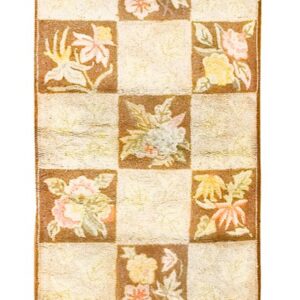
$2,700.00 Vintage RugsRug sizes: 9.05x12.02Vintage Mid-20th Century Floral Ivory Brown Checkerboard American Hooked Hall Runner Rug
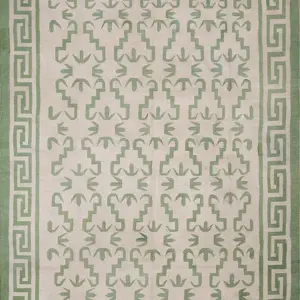
$2,300.00 Vintage RugsRug sizes: 2.04x20.05Ivory and Green Antique Indian Flat Woven Allover Geometric Dhurrie Rug
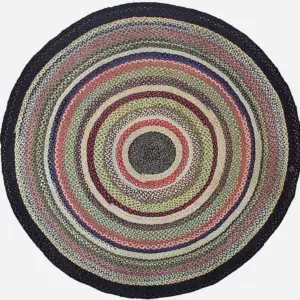
$8,400.00 Antique RugsRug sizes: 7.03x10Colorful Antique Modernist American Folk Art Braided Round Room Size Rug
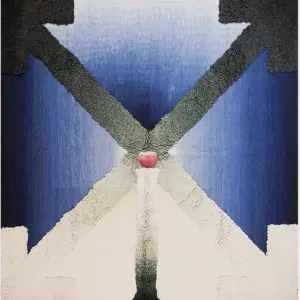
$10,500.00 Antique RugsRug sizes: 10.09x10.09Vintage Mid Century Modern Blue and Cream Square Stefan Knapp Tapestry
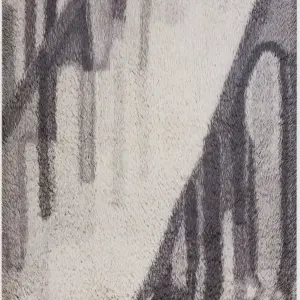
$11,300.00 TapestryRug sizes: 7.09x8.1Gray Vintage Mid Century Modern Scandinavian Swedish Rya Shag Rug
$11,000.00 Vintage RugsRug sizes: 6.02x9.06Vintage Large Room Size Yellow Tribal Geometric Moroccan Berber Carpet
$13,600.00 Vintage RugsRug sizes: 12x15