18th Century Rugs
The 18th century marked a vibrant chapter in the history of textile arts, a period when weaving traditions matured into some of the most expressive and refined rugs and tapestries ever produced. As world trade expanded and artistic ideas flowed more freely between East and West, carpets and woven hangings became prized not just for their function but as symbols of cultural sophistication, artistic achievement, and social stature.
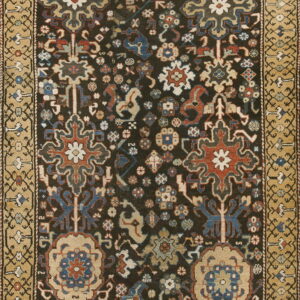
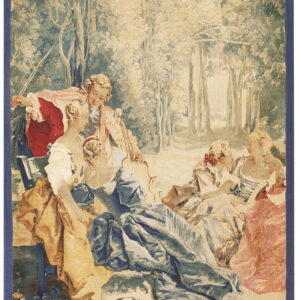
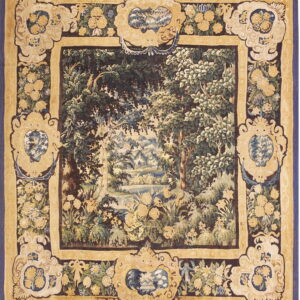
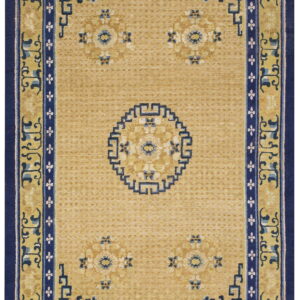
Rugs from the 18th century often reflect a heightened dialogue between regional weaving schools. Persian workshops continued to innovate with lush floral patterns, graceful arabesques, and masterful use of color, while Caucasian designs asserted bold geometric compositions and spirited contrast. Meanwhile, European tapestry ateliers—particularly in France, Flanders, and the Netherlands—elevated the craft to painterly levels of detail, weaving epic scenes from mythology, history, and pastoral life with remarkable complexity and scale.
What sets 18th-century textiles apart is their rich blend of technical mastery and aesthetic ambition. These works were created at a moment when dye technology, loom precision, and artistic exchange converged to produce rugs and tapestries of extraordinary depth, texture, and visual storytelling. Whether woven to grace the floor of a grand salon or to adorn the walls of a noble home, they were—and remain—statements of cultivated taste.
In American interiors today, 18th-century rugs and tapestries bring historic resonance and timeless artistry to both classical and contemporary settings. Collectors cherish them for their rarity and provenance; designers value their elegant narratives and visual gravitas. Displayed as singular antiques or integrated into layered décor, these textiles enrich spaces with color, heritage, and a palpable connection to an era when woven art stood at the pinnacle of creative expression.
Prefer to see a rug in person?
-
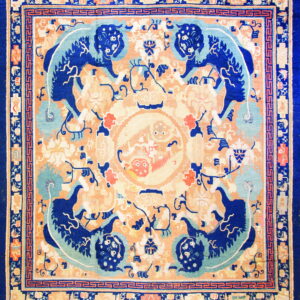
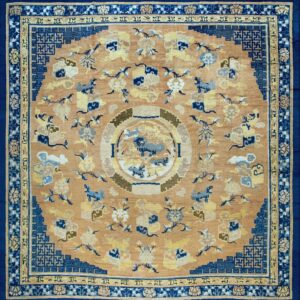
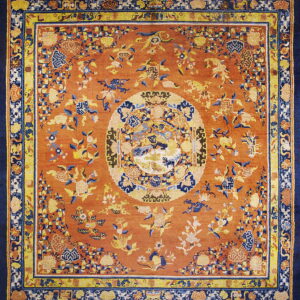
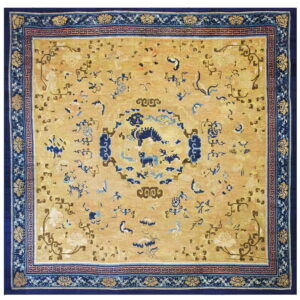
Rare Early 18th Century Antique Foo Dog Chinese Square Ningxia Carpet
$375,000.00 Antique RugsSKU: 21376Rug sizes: 12 ft 8 in x 13 ft 4 in (3.86 m x 4.06 m) -
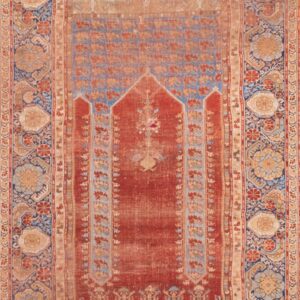
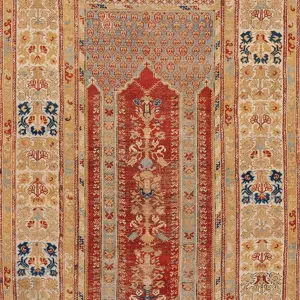
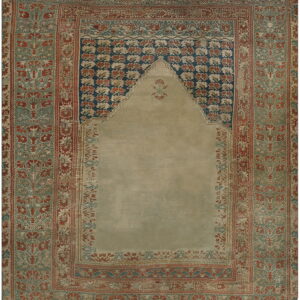
Rustic Tribal Antique Mid 18th Century Turkish Islamic Ghiordes Prayer Design Coral Rug
$18,800.00 Antique RugsSKU: 19687Rug sizes: 4 ft x 6 ft (1.22 m x 1.83 m) -
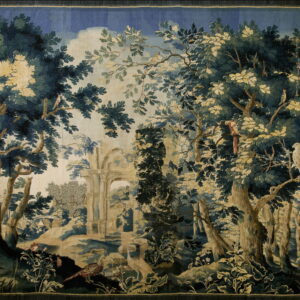
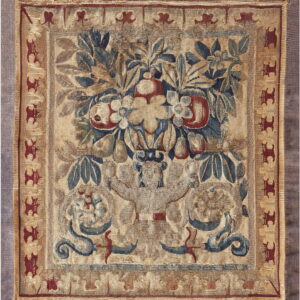
Antique “The Aviary and the Triumphal Ruin” 17th Century Flemish Baroque Verdure Tapestry
$60,000.00 TapestrySKU: 20258Rug sizes: 10 ft 9 in x 13 ft 8 in (3.28 m x 4.17 m) -
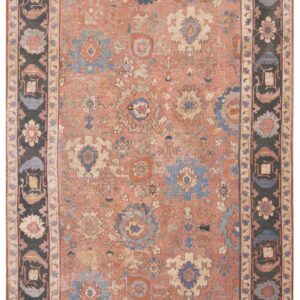
Important Early “Harshang” Pattern Antique 18th-Century Coral Northeast Persian Khorasan Carpet
$13,600.00 Antique RugsSKU: 21296Rug sizes: 5 ft 10 in x 9 ft 3 in (1.78 m x 2.82 m) -
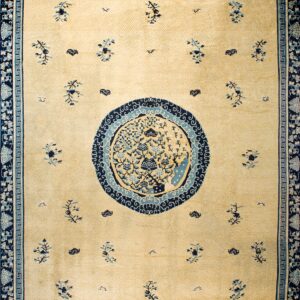
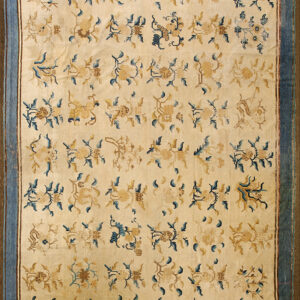
Large Size Rare Late 18th Century Antique Ivory Scenic Floral Cloud Band Chinese Ningxia Carpet
$90,000.00 Antique RugsSKU: 20233Rug sizes: 13 ft 6 in x 16 ft 6 in (4.11 m x 5.03 m) -
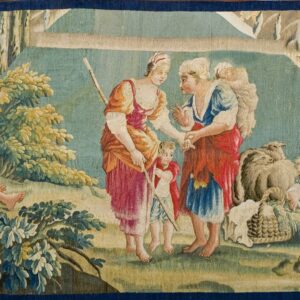
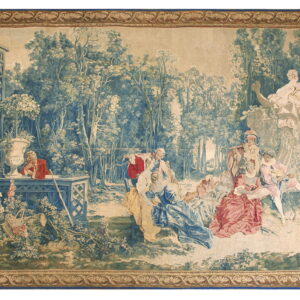
Small Horizontal Antique Mid-18th Century French Pictorial Pastoral Scene Wall-Hanging Tapestry
$9,800.00 TapestrySKU: 18270Rug sizes: 3 ft 6 in x 6 ft 6 in (1.07 m x 1.98 m) -
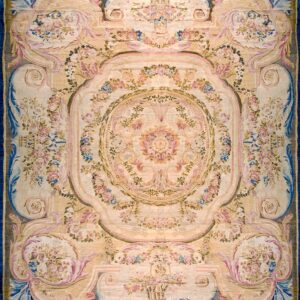
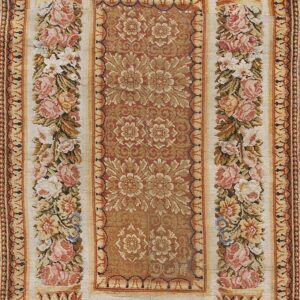
Large Square Antique 18th Century Flatwoven French Aubusson Louis XVI Period Carpet
$110,000.00 Antique RugsSKU: 19341Rug sizes: 15 ft 8 in x 16 ft 10 in (4.78 m x 5.13 m) -
Antique Chinese Lions Food Dogs Design Square 18th Century Ningxia Rug
$148,500.00 Antique RugsSKU: 18355Rug sizes: 13 ft 6 in x 13 ft 10 in (4.11 m x 4.22 m) -
Small Tribal Geometric Antique Turkish Muslim Prayer Design Red Kula Rug
$13,600.00 Antique RugsSKU: 23732Rug sizes: 4 ft x 6 ft 4 in (1.22 m x 1.93 m) -
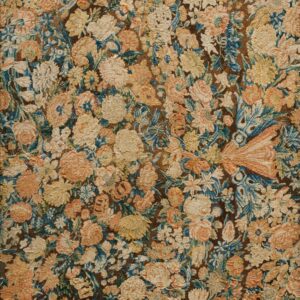
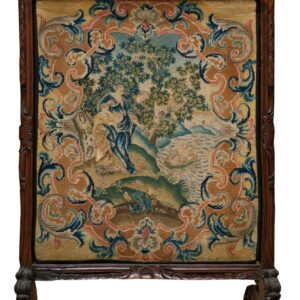
Antique Early 18th Century Floral English Needlepoint Square Rug
$5,500.00 Antique RugsSKU: 24314Rug sizes: 3 ft x 4 ft (0.91 m x 1.22 m) -
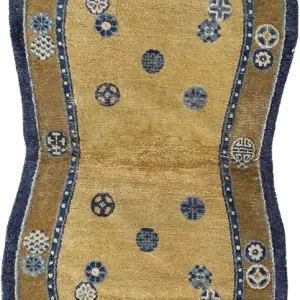
Antique Mid 18th century Chinese Horse Saddle Cover Yellow Ningxia Rug
$23,000.00 Antique RugsSKU: 21427Rug sizes: 2 ft 4 in x 4 ft 6 in (0.71 m x 1.37 m) -
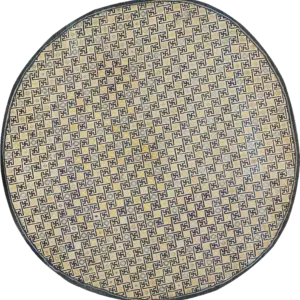
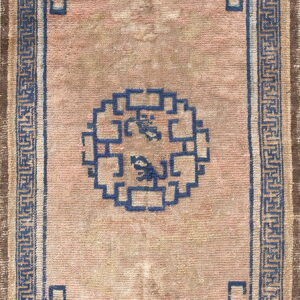
Rare Round Antique 18th Century Chinese Geometric Wan Design Ivory Ningxia Rug
$45,000.00 Antique RugsSKU: 21620Rug sizes: 9 ft 1 in x 9 ft 1 in (2.77 m x 2.77 m) -
Green , Yellow Antique Square Needlepoint Small Scatter Size Wool & Silk Green and Yellow Rug
$13,000.00 Antique RugsSKU: 25715Rug sizes: 2 ft 3 in x 2 ft 8 in (0.69 m x 0.81 m) -
Antique Besserabian Ukraine Flat Weave Rug
$27,000.00 Antique RugsSKU: 25699Rug sizes: 7 ft x 11 ft (2.13 m x 3.35 m) -
Antique Mid 18th Century Turkish Ghiordes Square Prayer Rug
$14,250.00 Antique RugsSKU: 25566Rug sizes: 3 ft 9 in x 4 ft 6 in (1.14 m x 1.37 m) -
18th Century Antique Floral Wool Pile Room Size English Axminster Carpet
$52,500.00 Antique RugsSKU: 25553Rug sizes: 7 ft x 11 ft 9 in (2.13 m x 3.58 m) -
Yellow and Blue Mid 18th Century Antique Chinese Ningxia Rug
$24,000.00 Antique RugsSKU: 25466Rug sizes: 6 ft 10 in x 11 ft 6 in (2.08 m x 3.51 m) -
Antique Textile Persian Knotted Square Rug
$6,000.00 Antique RugsSKU: 25233Rug sizes: 2 ft x 2 ft (0.61 m x 0.61 m) -
Antique Chinese – Ningxia Wide Gallery Wool Yellow Rug
$12,500.00 Antique RugsSKU: 23444Rug sizes: 4 ft 6 in x 6 ft 8 in (1.37 m x 2.03 m) -
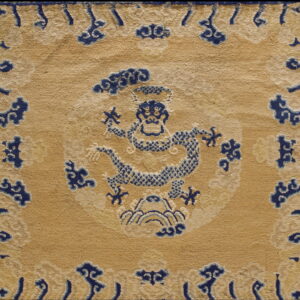
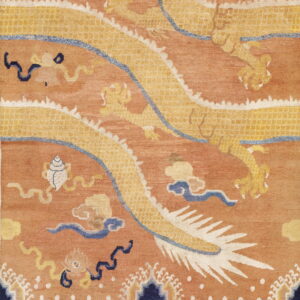
Mid 18th Century Antique Chinese Dragon Ningxia Square Rug
$140,400.00 Antique RugsSKU: 23371Rug sizes: 3 ft 2 in x 3 ft 6 in (0.97 m x 1.07 m) -
Antique Allover Floral Wool Hand Knotted Pile Ivory Beige Cream White 1750s Rug
$112,500.00 Antique RugsSKU: 22965Rug sizes: 9 ft 2 in x 13 ft (2.79 m x 3.96 m) -
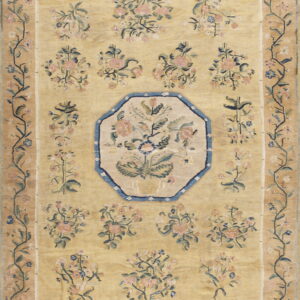
Antique Floral Medallion Wool Hand Knotted Yellow 1700s Square Rug
$675,000.00 Antique RugsSKU: 22747Rug sizes: 17 ft x 18 ft (5.18 m x 5.49 m) -
Antique 18th Century Small Square Green Flemish Tapestry
$6,300.00 TapestrySKU: 22593Rug sizes: 1 ft 8 in x 1 ft 9 in (0.51 m x 0.53 m) -
Antique Geometric Medallion Wool Hand Knotted Pile Coral 1750s Rug
$4,800.00 Antique RugsSKU: 22200Rug sizes: 2 ft 7 in x 4 ft 9 in (0.79 m x 1.45 m) -
Antique Chinese Ningxia 1750s Coral Rug
$17,200.00 Antique RugsSKU: 22033Rug sizes: 5 ft 3 in x 8 ft 8 in (1.60 m x 2.64 m) -
Square Geometric Antique Yellow Late 18th Century Chinese Ningxia Rug
$14,000.00 Antique RugsSKU: 21694Rug sizes: 5 ft 8 in x 6 ft 10 in (1.73 m x 2.08 m) -
Antique Small Early 18th Century Chinese Ningxia Scatter Rug
$12,000.00 Antique RugsSKU: 21641Rug sizes: 3 ft 11 in x 7 ft 6 in (1.19 m x 2.29 m) -
Antique Chinese – Ningxia Small Scatter Size Wool Coral Rug
$13,600.00 Antique RugsSKU: 21617Rug sizes: 2 ft x 3 ft 4 in (0.61 m x 1.02 m) -
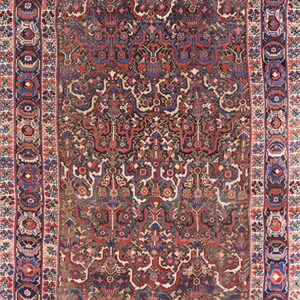
Rare Collectible Early Antique Tribal NW Persian 18th Century Gallery Runner Rug
$27,000.00 Antique RugsSKU: 21428Rug sizes: 5 ft 5 in x 13 ft 2 in (1.65 m x 4.01 m) -
Antique 18th Century French Romantic Pastoral Rococo Aubusson Tapestry “The Music Lesson”
$13,600.00 TapestrySKU: 21121Rug sizes: 4 ft 8 in x 8 ft 6 in (1.42 m x 2.59 m) -
Antique Square Tapestry Room Size Wool Rug
$33,300.00 TapestrySKU: 20986Rug sizes: 9 ft 8 in x 10 ft 4 in (2.95 m x 3.15 m) -
Antique Geometric Medallion Wool Hand Knotted Pile Yellow 1750s Rug
$12,650.00 Antique RugsSKU: 20968Rug sizes: 5 ft x 8 ft 3 in (1.52 m x 2.51 m) -
Mid 18th Century Beauvais Large Tapestry “La Musique” by Francois Boucher Antique French Wall Hanging
$126,000.00 TapestrySKU: 20947Rug sizes: 10 ft 6 in x 18 ft (3.20 m x 5.49 m) -
Rare Yellow Square Mid 18th Century Antique Chinese Ningxia Carpet
$75,000.00 Antique RugsSKU: 20853Rug sizes: 11 ft 9 in x 12 ft (3.58 m x 3.66 m) -
Antique N.W. Persian Large Room Size Wool Brown Rug
$60,000.00 Antique RugsSKU: 20419Rug sizes: 6 ft 4 in x 15 ft 8 in (1.93 m x 4.78 m) -
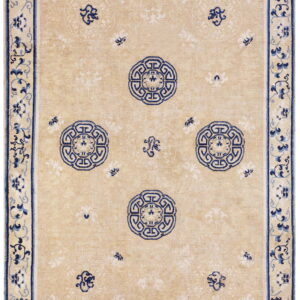
Light Color Antique Allover Design Mid 18th Century Wool Pile Chinese Rug
$30,000.00 Antique RugsSKU: 20410Rug sizes: 6 ft 4 in x 9 ft 2 in (1.93 m x 2.79 m)