
Rug sizes are written width first. In the US they are given in feet, so a 5×8 rug is 5 feet wide and 8 feet long; elsewhere they are given in centimeters or meters. To convert, divide inches by 12 to get feet, and multiply feet by 30.48 to get centimeters. For example, 96 x 120 inches is 8 x 10 feet, and 78 x 118 inches is about 6 ft 6 in x 9 ft 10 in. Handmade and antique rugs rarely match these standard sizes exactly, so always check the measured size on each listing.
| Feet | Inches | Centimeters | Meters |
|---|---|---|---|
| 2 x 3 | 24 x 36 | 61 x 91 | 0.61 x 0.91 |
| 3 x 5 | 36 x 60 | 91 x 152 | 0.91 x 1.52 |
| 4 x 6 | 48 x 72 | 122 x 183 | 1.22 x 1.83 |
| 5 x 8 | 60 x 96 | 152 x 244 | 1.52 x 2.44 |
| 6 x 9 | 72 x 108 | 183 x 274 | 1.83 x 2.74 |
| 8 x 10 | 96 x 120 | 244 x 305 | 2.44 x 3.05 |
| 9 x 12 | 108 x 144 | 274 x 366 | 2.74 x 3.66 |
| 10 x 14 | 120 x 168 | 305 x 427 | 3.05 x 4.27 |
| 12 x 15 | 144 x 180 | 366 x 457 | 3.66 x 4.57 |
| 12 x 18 | 144 x 216 | 366 x 549 | 3.66 x 5.49 |
| Runner 2.5 x 10 | 30 x 120 | 76 x 305 | 0.76 x 3.05 |
What “Rug Size” Means: From Loom Limits to Room Sizes
Loom Width Limits and the Role of Warps
The size of a rug has always been tied to the physics of the loom. A loom’s width determines the maximum width of a rug, while the length can extend along the vertical warps. In nomadic settings, portable looms were built narrow so they could be dismantled and carried. This meant most nomadic weavings were small to medium in size, ideal for tents or compact living spaces. By contrast, permanent vertical looms in urban workshops allowed wider beams and thus wider rugs, opening the path to room-size and eventually palace-size rugs. These loom width limits shaped rug size history and still explain why many antique pieces are narrower than modern buyers expect.
Nomadic and Village Weavings Versus City Workshops
Nomadic and village rugs reflect the needs of portability and modest interiors. They were woven on smaller, portable looms and rarely exceeded personal or household scale. By contrast, city workshops could install permanent looms large enough to produce expansive carpets. These workshops, often staffed by multiple weavers working simultaneously, produced room-size carpets for mansions, mosques, and palaces. This divide between portability and scale is central: nomadic weavers focused on practical, movable textiles, while urban ateliers pursued monumental design ambitions.
Historical Rug Size Names
- Dozar (≈ 4½×7′) — Why: a common household size, useful for small rooms or prayer spaces.
- Ghali (≈ 6×9′) — Why: a larger, versatile format suitable for main living areas.
- Kelleh/Kenareh (runner shapes) — Why: long and narrow, created for corridors and galleries, essential in traditional floor plans.
These names reflect how rug sizes were embedded in daily life and architecture. They also provide continuity with modern categories, as today’s “runners” or “6×9 rugs” mirror these older measurements.
Palace-Size Rarity and Royal Ateliers
When looms expanded in city centers, the largest carpets emerged from royal ateliers. Monumental examples like the Ardabil Carpet (≈ 34×17.5′) were produced for shrines and courts, requiring teams of skilled weavers and years of labor. Palace-size rugs, ranging from roughly 11×21′ to 19×30′, remain rare and costly. Their rarity stems directly from loom width limits and the immense resources required to make them. Urban workshops turned rug making from portable craft to architectural statement, linking rug size directly to status and setting.
Metric-to-Imperial Rounding in Rug Markets
As rugs entered Western markets in the 19th and 20th centuries, size conventions shifted. Traditional measures were translated into imperial standards such as 8×10 or 9×12, which became commercial benchmarks. Because original hand-knotted rugs were woven in metric or local units, sellers often rounded dimensions to the nearest foot. This practice persists, meaning buyers should always confirm actual measurements in both inches and centimeters. Misread conversions can create confusion, especially when assessing oversized rugs meaning different things in different traditions.
Oversized Rugs and Apartment Scale
In the hand-knotted trade, “oversized” often begins around 9×12. While oversized rugs are impressive in larger interiors, they can overwhelm smaller apartments if borders disappear under furniture or walking circulation narrows. To avoid this, measure carefully: an oversized rug should frame the room rather than dominate it.
Loom physics explain historical rug size limits, urban workshops enabled truly large formats, historic names like dozar and ghali map onto today’s categories, and the meaning of oversized rugs varies by context.
How Rugs Are Measured in Listings
Width × Length Order
Rug measurements are almost always listed with the shortest dimension first: width × length. For example, a 6×9 rug measures six feet across its narrow side and nine feet along its long side. Some brands invert this order, listing length before width, which can cause confusion. Always verify both numbers to avoid misinterpretation, especially when ordering for precise room layouts. Confirming the orientation of width × length ensures rugs fit as expected and helps prevent unnecessary returns.
Fringe Not Included
- Fringe is excluded from measurements — Why: Standard practice measures only the knotted area, not decorative tassels.
- Fringe lengths vary — Why: Handmade rugs often show uneven fringe; including it would create unreliable size data.
- Durability considerations — Why: Fringes can wear down or be trimmed, so counting them would make listed sizes inconsistent over time.
When comparing sizes, always exclude fringe. Measure from knot-end to knot-end for accurate dimensions.
Orientation Versus Design
Even when a rug can physically rotate, its design often suggests a “top.” Medallion-centered rugs naturally orient toward a primary viewing axis, while niche-shaped motifs or prayer designs make orientation explicit. This means a rug’s width × length might read differently depending on whether the piece is displayed with the medallion or niche upright. Buyers should consider both orientation and pattern cues when interpreting rug measurements.
Handmade Tolerance Versus Machine Exactness
| Build Type | Tolerance Range | Notes |
|---|---|---|
| Handmade Rugs | Variance of 1–4 inches common | Knot tension and loom adjustments cause irregularities; part of their charm. |
| Machine-Made | Precise to programmed size | Industrial looms deliver exact uniformity, ideal for strict floor plans. |
Handmade size tolerance means dimensions can vary slightly from what is listed. Machine-made rugs, by contrast, deliver exact specifications with little to no deviation.
Cross-Checking Inches and Centimeters
- Check both units — Why: Sellers may round up or down when converting from metric to imperial.
- Avoid mismatches — Why: A rug listed as 8×10 might actually measure 7’10″×9’9″.
- Ensure consistency — Why: Comparing cm and inches helps confirm you’re getting the true size, not an approximation.
Cross-checking both measurements ensures clarity when shopping across international and online markets.
The 18-Inch Border Rule
A common design guideline is to leave about 18 inches of bare floor around the perimeter of a rug. This visual buffer frames the rug, balances proportions, and keeps circulation clear. In small apartments, an oversized rug that pushes up to the walls can overwhelm the space, so maintaining this border creates harmony between rug and room.
Rug measurements follow width × length order, exclude fringe, and depend on both orientation and build type. Handmade rugs allow for size tolerance, machine-made rugs are exact, and confirming units in inches and centimeters prevents surprises.
How to Measure Rugs and Rooms (Step-by-Step)
Flat Lay, Smooth Edges, Measure Long/Short
- Lay the rug flat — Why: Ripples or folds distort results and add false inches.
- Smooth the edges — Why: Straightened edges reveal the true woven body.
- Measure longest and shortest sides — Why: Rugs can stretch unevenly; length and width should be checked separately.
- Exclude fringe — Why: Tassels vary and are not part of the structural size.
Measuring a rug begins with ensuring it is fully relaxed and flat on the floor, then recording the maximum length and width in inches.
Area Math and Unit Conversions
| Measurement | Formula / Conversion | Example |
|---|---|---|
| Rug area | Length × Width | 8′ × 10′ = 80 sq. ft. |
| Inches to feet | ÷ 12 | 96 in. ÷ 12 = 8 ft. |
| Feet to meters | × 0.3048 | 10 ft. = 3.05 m |
| Meters to feet | ÷ 0.3048 | 4 m = 13.1 ft. |
Using a rug area calculator or simple math helps compare rug coverage to room dimensions.
Irregular, Round, Oval, and Hide Shapes
Round rugs are measured across the diameter, taken through the center. Ovals require recording the maximum length and maximum width. Free-form or hide rugs should be measured at their extremities, corner-to-corner, to give the maximum footprint. This ensures accuracy when planning how the rug will sit within a room layout.
Tape-Out Planning with Painter’s Tape
The tape method is the most reliable way to preview rug placement before buying. Using painter’s tape, mark the exact outline of the rug size on the floor. This allows you to visualize scale, circulation paths, and furniture placement. Tape-out prevents under- or oversizing surprises and provides a three-dimensional sense of how the rug size formula will feel in your space.
Doors, Vents, Fireplaces, and Radiators
- Door swing clearance — Why: Rugs can block doors from opening fully.
- Vents and air returns — Why: Blocking airflow reduces efficiency.
- Fireplaces and hearths — Why: Rugs too close can be a fire hazard.
- Radiators and heaters — Why: Heat can warp fibers or damage rug backing.
Checking these clearances ensures a rug fits both functionally and aesthetically.
How to Measure a Room for Rug Size
To measure a room, record the interior length and width. Decide on a desired perimeter border, typically 12–18 inches. Apply the rug size formula:
- Rug length = room length − (2 × border)
- Rug width = room width − (2 × border)
Then tape out the result on the floor. This simple calculation ensures the rug frames the room properly without overwhelming the space.
To measure a rug, flatten it, measure longest and shortest woven sides, and exclude fringe. To measure a room for rug size, subtract borders using the rug size formula and tape-out the footprint. Always measure twice, confirm clearances, and visualize before buying.
Modern Standard Size Categories (What’s Most Common Today)
Small Rugs Under 4×6
- ×3 rugs — Why: Perfect as entryway mats, in front of sinks, or layered bedside.
- ×5 rugs — Why: Provide compact accents for kitchens, bathrooms, or small reading corners.
These standard rug sizes act as practical spot pieces rather than full-room anchors.
Medium Rugs: 4×6 to 5×8
- ×6 rugs — Why: Fit well in studio apartments or under coffee tables.
- ×7 / 5×8 rugs — Why: Balance coverage in smaller living rooms or under a full-size bed with legs off the rug.
Medium sizes suit apartments or modest rooms where large-scale rugs would overwhelm circulation.
Large Rugs: 6×9, 8×10, 9×12
- ×9 rugs — Why: Anchor small living rooms or secondary bedrooms.
- ×10 rugs — Why: The most popular size for standard living rooms; large enough to seat furniture legs on the rug.
- ×12 rugs — Why: Covers primary bedrooms, formal dining rooms, and open living areas, ensuring scale and balance.
Living rooms often require larger rugs than buyers anticipate. Using an 8×10 rug or 9×12 rug prevents “floating” furniture groupings and creates a unified seating zone.
Oversized Rugs: 10×14, 12×15+
Oversized rug sizes (10×14, 12×15 and above) are intended for great rooms, expansive dining areas, or formal spaces. Like palace-size rugs of history, they remain less common and vary by collection due to loom and production limits. These dimensions frame entire seating groups and emphasize luxury scale.
Round, Square, and Runners
| Category | Common Sizes | Typical Rooms / Uses |
|---|---|---|
| Runner | 2–3′ wide × 6–14′ long | Hallways, kitchens, stair landings |
| Round | 4′, 6′, 8′, 10′ diameters | Foyers, dining nooks, beneath chandeliers |
| Square | 4×4, 6×6, 8×8, 10×10 | Square dining tables, reading corners, compact rooms |
These categories fill niches where rectangular rugs do not fit, helping tailor rug measurements to both architecture and furniture.
Standard rug sizes anchor modern interiors: small for accents, medium for modest rooms, large for main living spaces, and oversized rug sizes for grand interiors. Among them, the 8×10 rug and 9×12 rug dominate most living room layouts, while runners, rounds, and squares serve functional and design-specific roles. Handmade rugs may differ slightly in exact inches, while machine-made pieces match precise dimensions.
Room-by-Room Sizing Playbooks
Living Room Legs-On Rules
- Front legs on rug — Why: Anchors the seating group and prevents the “floating sofa” look.
- ×10 or 9×12 rugs — Why: These dimensions usually allow all front legs of sofas and chairs to rest on the rug, creating balance.
- Small living rooms — Why: A 5×8 may suffice, but if furniture floats, upgrade to a 6×9 for stability.
The essential rule for a living room rug size is ensuring at least the front legs of major furniture pieces rest on the rug. This connects the seating area visually and structurally.
Dining Room +24″ Clearance
| Table Size / Shape | Typical Seats | Rug Size (allowing 24″ chair clearance) |
|---|---|---|
| 4–6′ round / square | 4 | 6×9 or 8×10 rug |
| 6–7′ rectangular | 6 | 8×10 rug |
| 7–8′ rectangular | 8 | 9×12 rug |
| 9′+ rectangular | 10–12 | 10×14+ rug |
The dining rug size must extend at least 24 inches on all sides so chairs stay on the rug when pulled out. This prevents the “chair cliff” effect where back legs hang off the edge.
Bedroom Layouts and Runners
- Queen bed rug size — Why: An 8×10 rug leaves 18–24″ extending beyond the sides and foot, creating soft landings.
- Twin beds — Why: Two side runners (about 2.5×7 each) are practical alternatives.
- Common mistake — Why: Choosing a 5×8 under a queen bed, which disappears under the frame; upgrading to an 8×10 solves this.
In bedrooms, rugs should extend past the bed to provide comfort and scale.
Open-Concept Zoning
In open concept rug layouts, rugs function as boundaries. They visually define a living area, dining area, or reading nook within one large floor plan. Each rug should stop within its designated zone, leaving a consistent perimeter of visible floor around the edges. This zoning ensures each space feels distinct without the need for walls.
Sectionals and Conversation Depth
Sectional rug size must extend ⅓ to ½ the depth of the seats. This ensures the seating area feels grounded and proportionate. For most sectionals, a 9×12 rug or larger is recommended, as smaller rugs leave the chaise or extended seating visually disconnected.
A living room rug size should be large enough for the front-legs-on rule, dining rug size must allow 24″ clearance, queen bed rug size typically works best at 8×10, and sectional rug size often requires 9×12 or larger. In open-concept spaces, rugs serve as visual boundaries, aligning design and function across multiple zones.
Runners and Galleries
Typical Widths and Lengths
- Widths of 2–3 feet — Why: Narrow profiles fit standard halls without obstructing circulation.
- Lengths of 6, 8, 10, 12, or 14 feet — Why: These match most hallways, allowing a centered fit without cutting.
These hallway runner sizes are designed to balance function and proportion, offering safe passage while adding warmth and design continuity.
Equal Side Margins in Halls
A runner should always be centered, leaving about 3–6 inches of bare floor visible on each side. This symmetry improves visual flow, keeps the runner from looking undersized, and prevents traffic from brushing the edges. The centered reveal acts as a design frame, giving the hall a polished appearance.
Extra-Long Antique and Modern Runs
Some antique runners were woven for palaces and galleries, often exceeding 20 feet in length. In today’s custom weaving, extra-long sizes can stretch to 30–40 feet, ideal for long corridors or dramatic entries. For modern homes, ordering a custom runner is often the best solution for unusually long hallways.
Stairs Versus Galleries
| Space | Width | Length | Notes |
|---|---|---|---|
| Stairs | 2–3′ typical | Varies by staircase | Requires secure installation with rods or tacking; allow nosing reveals. |
| Hallway | 2–3′ typical | 6–14′ common | Stop just before doorways; maintain equal 3–6″ margins. |
| Gallery | 3–4′ wide | 15–40′ possible | Wider and longer than runners; suited for grand architectural spaces. |
Stair runner sizing differs from hallways and galleries because safety requires firm installation and consistent reveals over each stair nosing. Galleries, by contrast, demand carpets that are longer and often wider than ordinary runners to match the scale of large spaces.
Runner width usually falls between 2–3 feet, centered with equal side margins, and lengths range from 6–14 feet for halls. Antique and custom runners can extend much longer, while stair runner sizing requires secure installation. A hallway runner size should always stop before doors, ensuring smooth clearance and visual balance.
Round, Square, and Special Shapes
Round Tables and Round Rugs
Round tables work best with round rug sizes, as the symmetry creates a balanced, centered look. To ensure comfort, always add about 24 inches beyond the table edge so chairs remain fully on the rug when pulled back. This dining clearance is about accommodating chair movement, not just covering the table footprint.
Square Rooms and Tables
- ×6 rugs — Why: Perfect for small square breakfast nooks.
- ×8 rugs — Why: Balance medium dining rooms or square living areas.
- ×10 rugs — Why: Anchor larger square rooms with proportional coverage.
A square rug size emphasizes the geometry of the room and avoids the visual imbalance of placing a long rectangle in a square space.
Ovals, Octagons, and Free-Forms
Oval rugs soften tight spaces by reducing sharp edges, making them ideal for smaller dining or living rooms. Octagonal rugs, by contrast, work in centered layouts where their angles highlight symmetry and focal points. Free-form rugs, such as abstract or hide pieces, can be used to break formality and add visual movement. The key is balance: the rug should fit comfortably in the footprint of the room or furniture group without overwhelming circulation.
Layering Shapes Strategically
Referencing the room-by-room playbooks, layering shapes can solve tricky size and shape gaps. For example, a small round rug layered over a larger rectangle creates depth and scale without requiring one massive custom piece. Layering also allows flexibility in open-concept rooms, where multiple zones can be defined by mixing round, square, or rectangular rugs.
Match rug shape to the table for harmony, allow 24 inches of dining clearance for chair pull-back, and use oval or octagon rugs for balance in unconventional spaces. Layering shapes strategically expands coverage and integrates playbook rules into flexible, modern layouts.
Custom Sizes and Broadloom Solutions
Made-to-Order Options
- Scaled patterns — Why: Many rug makers can resize a design to fit custom rug size requests, adjusting motifs without losing balance.
- Irregular footprints — Why: Alcoves, bay windows, or extra-long rooms often require tailored dimensions that standard rug sizes can’t address.
- Custom runners — Why: Long halls or staircases may need specific custom runner lengths beyond stock availability.
Made-to-order rugs provide flexibility when standard formats don’t work, ensuring the piece fits both the space and the design intent.
Broadloom Cut-and-Bound
Broadloom carpet comes in rolls, typically 12′ wide, though some mills produce 13′6″ or 15′ widths. Installers can cut broadloom to the exact size needed and finish the edges with binding. This method creates a custom area rug at an economical price, avoiding the expense of full bespoke weaving.
Seams, Lead Times, and Price Factors
| Method | Pros | Cons |
|---|---|---|
| Handmade custom | Unique, heirloom quality; scalable motifs | Long lead times (months); high cost |
| Machine custom | Faster turnaround (weeks); precise sizing | Limited design flexibility |
| Broadloom cut & bound | Quick, affordable; flexible dimensions | Seams needed for widths beyond loom size |
Seams may be unavoidable in very large rugs, and their placement should be planned so they fall under furniture or in low-traffic zones. Budget, lead time, and seam planning ultimately drive the method chosen.
Templates for Irregular Rooms
For complex spaces, such as curved walls or angled corners, a paper or cloth template can be traced on-site. This template is then sent to the workshop so the rug can be cut or woven exactly to shape. Templates ensure the rug fits snugly into nonstandard layouts without guesswork.
Custom rug size solutions and broadloom cut and bound options solve irregular layouts when standard rugs fail. Broadloom offers quick, precise dimensions with edge binding, while handmade and machine-made customs balance design freedom with longer lead times. Templates provide accuracy for challenging footprints, ensuring a perfect fit.
Oversized and Palace-Size Rugs (When Bigger Works)
Antique Rarity and Workshop Teams
True palace-size rugs from history are rare because they required large urban workshops, multiple teams of weavers, and years of labor. These monumental carpets, some exceeding 30 feet in length, were produced for shrines, courts, and royal palaces. Their scale was possible only when resources allowed for massive looms and organized workshop production. Antique examples remain prized for both their size and artistry.
Modern Production Limits
- Loom constraints — Why: Even today, few looms can accommodate rugs wider than 15 feet.
- Design options — Why: Oversized rugs are often produced in fewer patterns, since scaling motifs across huge fields requires specialized planning.
- Cost and logistics — Why: Transporting and cleaning such large rugs demands greater expense and care.
Modern oversized rugs exist, but their availability is narrower compared to common dimensions like 8×10 or 9×12.
Avoiding Overwhelm in Small Apartments
Oversized rugs can easily overpower compact spaces. If borders vanish beneath walls or circulation paths narrow, the rug feels cramped rather than luxurious. To prevent this, maintain 12–18 inches of bare floor as a visual border around the rug. This border rule keeps proportions balanced and preserves walkways. In smaller apartments, a slightly smaller large room rug—such as an 8×10 or 9×12—may achieve better results than forcing a 10×14.
Custom Versus Wall-to-Wall
When oversized coverage is necessary, two options emerge:
- Custom oversized rugs — Ideal if you want a defined area rug with scaled patterns and proportional borders.
- Wall-to-wall carpeting — Better if borders cannot be maintained and full coverage is preferred. Wall-to-wall eliminates gaps but changes the visual language from an area rug to continuous flooring.
The decision depends on whether you want the rug to act as a framed design element or a flooring solution.
Proportion and borders matter more than raw size. Oversized rugs and palace-size rugs can be stunning in large rooms, but in smaller apartments they risk overwhelming the space. Maintaining a 12–18″ border preserves balance, while custom or wall-to-wall solutions offer alternatives for ultra-large coverage.
Quick Rules, Formulas, and Calculators
60–80% Coverage Rule
- Target 60–80% coverage — Why: This range balances warmth and proportion, leaving a visible floor frame that enhances the rug’s impact.
- Too small (<50%) — Why: Rugs look like floating mats and fail to anchor furniture.
- Too large (>90%) — Why: Rugs lose definition and overwhelm circulation paths.
This rule offers a fast way to gauge rug size relative to room dimensions.
12–18″ Border Rule
The rug border rule leaves about 12–18 inches of bare floor around the rug perimeter. In very large or formal rooms, the border can extend to 24 inches for scale. This margin prevents rugs from wall-to-wall dominance while still grounding the space. It also allows architectural details like baseboards or moldings to remain visible.
Dining Formula +24″
| Table Size (Seats) | Table Dimensions | Rug Formula (Table +24″ each side) | Typical Rug Size |
|---|---|---|---|
| 4 seats | ~4′ round/square | 4′ + 2′ per side = 8′ | 6×9 or 8×10 |
| 6 seats | 6–7′ rectangular | 7′ + 4′ = 11′ | 8×10 rug |
| 8 seats | 7–8′ rectangular | 8′ + 4′ = 12′ | 9×12 rug |
| 10–12 seats | 9′+ rectangular | 9′ + 4′ = 13′ | 10×14+ rug |
This dining rug formula ensures chairs stay fully on the rug, avoiding the “cliff” effect when pulled out.
Bedroom +18–24″ Beyond Bed
- Queen bed — Why: An 8×10 rug usually extends 18–24″ beyond the sides and foot.
- King bed — Why: A 9×12 rug maintains soft landings at the edges.
- Twin beds — Why: Two runners on either side ensure coverage without waste.
This bedroom rug rule ensures a soft step each morning and keeps the rug proportionate to the bed frame.
Runner Margins 3–6″
As referenced in runner sizing, hallway rugs should leave 3–6 inches of visible floor on each side. This runner margin keeps the rug centered, improves symmetry, and allows doors to clear without interference.
Core Rug Size Formula
For quick calculation:
Rug length = room length − (2 × border)
Rug width = room width − (2 × border)
This formula, paired with tape-out validation, is the most reliable way to convert room dimensions into rug size.
These rug size rules—60–80% coverage, the rug border rule, dining rug formula, bedroom rug rule, and runner margins—deliver fast, liftable answers. Use painter’s tape to confirm dimensions in real rooms, and adjust borders for circulation and scale.
Common Mistakes and Fast Fixes
Rug Too Small
A rug that is too small makes the room feel shrunken and unanchored. The fast fix is to size up by one category—for example, move from a 5×8 to a 6×9 or from an 8×10 to a 9×12. When in doubt, size up; larger rugs almost always look better, create balance, and improve furniture placement.
Counting Fringe as Length
- Fringe doesn’t count — Why: Listed rug size refers only to the woven field.
- Fringes vary — Why: They can be uneven or trimmed over time, creating inconsistency.
- Measuring field only — Why: Ensures accurate ordering and avoids surprises when comparing rugs.
Always measure knot-end to knot-end, excluding fringe, to prevent costly buying errors.
Uneven Margins and Door Binds
- Uneven margins — Why: A rug off-center or tight to one wall looks awkward; equal borders frame the room properly.
- Door binds — Why: Rugs or pads that block door swings cause frustration; trimming a rug pad slightly smaller than the rug solves clearance issues.
Attention to margins and clearance ensures a rug works both aesthetically and functionally.
Layering as Workaround
Layering rugs is a proven solution for beloved but undersized pieces. Place a larger, neutral rug underneath and center the smaller rug on top. This scale stacking adds texture, depth, and comfort while visually expanding the coverage of a rug that would otherwise feel too small.
Wall-to-Wall Look vs. Large Area Rugs
| Look | Pros | Cons |
|---|---|---|
| Wall-to-wall | Seamless coverage, sound absorption, cozy feel | Harder to replace or clean; higher install cost |
| Large area rug | Flexible, removable, showcases floor details | Leaves borders; may require custom sizing |
The wall-to-wall carpet look is increasingly trending in modern interiors, but homeowners should weigh ongoing care and replacement costs versus the flexibility of a large area rug.
Avoid the classic error of a rug too small by sizing up, exclude fringe from measurements, and maintain even margins for harmony. Layering rugs provides a smart sizing workaround, while the wall-to-wall carpet look offers a trending but higher-maintenance alternative. Rug pad size should always be trimmed slightly smaller to prevent tripping and door clearance issues.
Buying Checklist by Construction
Handmade Tolerances
- Expect irregularities — Why: Handmade rug size tolerance comes from natural loom shifts and knot tension; measurements may vary by 1–4 inches.
- Verify exact inches — Why: Listings often round sizes; always measure the delivered rug before placement.
- Appreciate character — Why: Minor asymmetries are part of the handmade charm, not defects.
Machine-Made Exactness
- Programmed precision — Why: Machine-made rug sizes match exact loom settings, ensuring consistency.
- Uniformity for planning — Why: Standardized sizes allow easy matching with templates, pads, and pre-designed room layouts.
- Predictable fit — Why: No tolerance variations mean the rug will arrive exactly as listed.
Metric-First Listings
Many manufacturers list rugs in centimeters first. To avoid errors:
- Confirm conversions — Why: A rug described as 250×300 cm converts to ~8′2″×9′10″, not a perfect 8×10.
- Recheck labels — Why: Sellers sometimes round to the nearest foot, so comparing metric to inches ensures accuracy.
Understanding metric to inches conversions prevents ordering mistakes across international marketplaces.
Returns and Pad Sizing
Fit goes beyond the rug itself. Always trim rug pads 1–2 inches smaller than the rug’s outline for clean edges and to prevent tripping. Recheck size as soon as the rug arrives so adjustments or returns fall within the seller’s return window. This step ties back to earlier playbooks on pad sizing, door clearance, and functional fit.
Confirm exact dimensions, not rounded labels. Handmade rugs allow size tolerances, machine-made rugs deliver exactness, and metric-first listings demand careful conversions. Rug pad trimming and return awareness complete the buying checklist for confident, accurate sizing.
FAQ
-
How do rug sizes impact cost when budgeting?
Larger rug sizes cost more; pricing often tracks square footage (e.g., budget synthetics ~$2–$6/sq ft, wool/designer $10–$50+). Balance size, material, and room priorities.
Thinking
Search
ChatGPT can make mistakes. Check important info. -
How do I layer different rug sizes without clutter?
Use a larger neutral 8×10 or 9×12, then layer a smaller accent like 5×7 centered. Keep at least 3–6″ of the base rug visible.
-
What stair runner rug sizes should I plan for?
Calculate total stair run (tread depth × number of treads) plus returns and landings. Standard widths are ~26–32″ to show rail-side wood.
-
How do rug sizes compare to wall-to-wall carpet alternatives?
Large area rug sizes (like 12×15) can mimic broad coverage without permanent installation. Pair with a thick rug pad for comfort.
-
What runner rug sizes should I use along a bed?
Two runners around 2×6 or 2.5×8 on each side suit queen and king beds. A single 2.5×10 runner works at the foot in longer rooms.
-
How much floor border should I leave when choosing rug sizes?
Leave 8–12″ of floor showing in small rooms and 18–24″ in larger rooms. Consistent borders help the space feel balanced.
-
Which rug sizes work with sectionals?
9×12 or 10×14 rug sizes typically anchor sectionals. Aim for the rug to extend beyond the chaise and under all front legs.
-
What outdoor rug sizes fit a patio conversation set?
Common outdoor rug sizes are 6×9, 8×10, and 9×12. Ensure the front legs of all seating fit on the rug; allow 6–12″ from deck edges.
-
What rug sizes should I consider for kids’ rooms or nurseries?
5×8 or 6×9 rug sizes give play space without overwhelming the room. Low-pile options help with toy movement and easier cleaning.
-
How do rug sizes relate to antique and handmade pieces?
Handmade rug sizes may vary slightly from labels due to loom and finishing differences. Always check exact inches/centimeters on the listing.
-
What square rug sizes are available and when should I use them?
Square rug sizes like 6×6, 8×8, or 10×10 fit square rooms or symmetrical seating. They’re great under square tables or centered layouts.
-
What round rug sizes work under a small dining set?
For round dining tables, match round rug sizes that extend ~24″ beyond the tabletop. A 42″ table often pairs with an 8′ round rug.
-
How do I pick rug sizes for a small apartment living room?
Use rug sizes that at least span the sofa width; 5×8 or 6×9 work in tight rooms. Aim for front legs on the rug to avoid a “floating” look.
-
What rug pad sizes should I buy for area rugs?
Select rug pad sizes 1–2″ smaller than the rug on all sides (sometimes 2–3″ for thick pads). Trim to fit so pads don’t peek out.
-
How do I measure for rug sizes in an open-concept space?
Outline zones with painter’s tape, then choose rug sizes that keep 12–24″ of walkway between areas. 9×12 or 10×14 commonly anchor seating clusters.
-
Are custom rug sizes worth it?
Custom rug sizes help solve tricky rooms or odd furniture layouts. Expect higher costs; some makers price by square foot with minimums (e.g., 40–60 sq ft).
-
What counts as oversized area rug sizes?
Oversized area rug sizes typically start around 12×15 and go up to 12×18 or larger. Measure doorways and stairwells to confirm the rug can be delivered.
-
What entryway rug sizes work for small foyers?
2×3, 3×5, or 4×6 rug sizes suit most entryways. Ensure the door clears the rug and leaves 3–6″ of visible floor around the edges.
-
What hallway runner rug sizes should I consider?
Standard runner rug sizes are around 2–3 feet wide and 7–12 feet long, like 2.5×8 or 2.5×10. Leave 3–6″ of floor showing on each side.
-
What kitchen runner rug sizes are most practical?
Popular kitchen runner rug sizes are 2×6, 2.5×8, and 2.5×10. Leave a few inches between the runner and cabinets for a clean look.
-
What are the right dining room rug sizes around a table?
Choose rug sizes that extend 24–30″ beyond the tabletop on all sides so chairs stay on the rug when pulled out. For a 36×72″ table, try an 8×10.
-
What rug sizes fit a king bed properly?
9×12 rug sizes typically anchor a king bed and nightstands; 10×14 suits larger rooms. Ensure at least 18–24″ of rug extends past the bed sides.
-
What rug sizes work best under a queen bed?
8×10 area rug sizes are the most popular under a queen, with 9×12 for extra side coverage. Runners (2×6 or 2.5×8) work for a budget perimeter look.
-
How do I choose living room rug sizes for a sofa setup?
Pick rug sizes that let at least the front sofa legs sit on the rug; 8×10 or 9×12 usually fit. Leave a 12–18″ floor border around the room when possible.
-
What are the standard area rug sizes most shoppers see?
Common area rug sizes are 2×3, 3×5, 4×6, 5×8, 6×9, 8×10, 9×12, 10×14, and 12×15. Round rugs often come in 4′, 6′, 8′, and 10′.
Room Size Rugs Available Now: 8x10 and 9x12
 Antique Art Deco Chinese Oval Rug with Artistic Swirl Pattern in Red$22,500.00
 Vintage Black Double Five Claw Chinese Dragons Design Rug$9,000.00
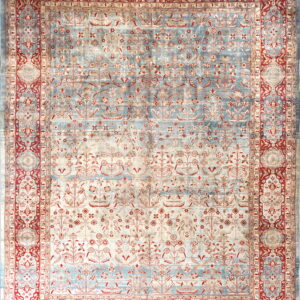 Antique Lahore Indian Knotted Rug with Allover Floral Pattern$30,000.00
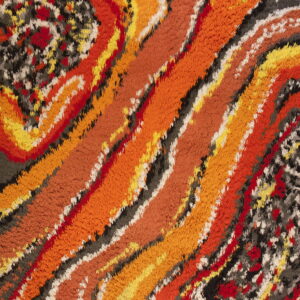 Vintage Rya Room Size Wool Multicolor Rug$13,000.00
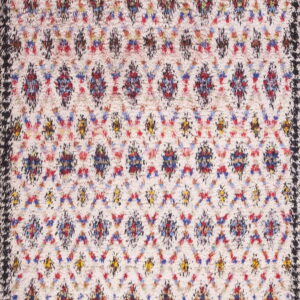 Vintage Rabat Tribal Diamon Pattern Berber Moroccan Ivory Color Shaggy Rug$11,000.00
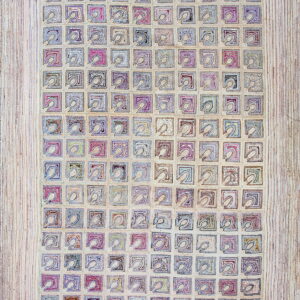 Ivory Room Size American Hooked 1890s Wool Antique Rug$21,000.00