Peking Rugs
Antique Peking rugs are a distinctive and elegant category of Chinese hand‑knotted carpets that emerged in the late 19th and early 20th centuries, taking their name from the old Western spelling of Beijing — the cultural and political heart of China. These rugs are recognized for their balanced compositions, open‑field layouts, and symbolic motifs drawn from Chinese artistic traditions, making them stand apart from the denser ornamentation of many Persian and Oriental styles.
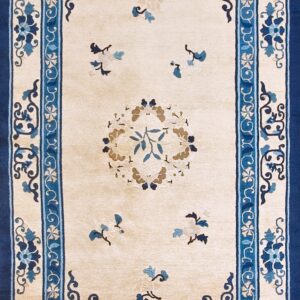
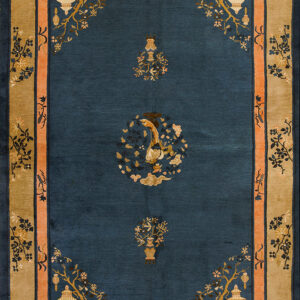
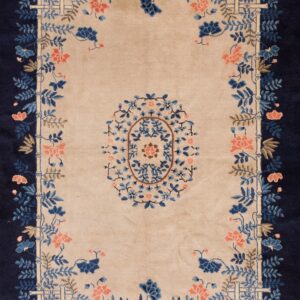
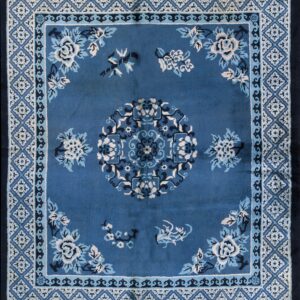
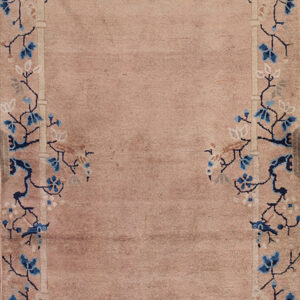
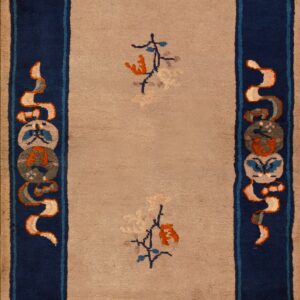
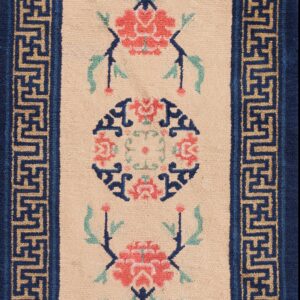
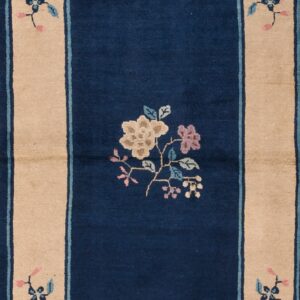
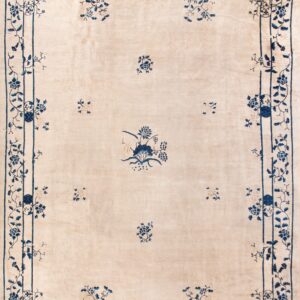
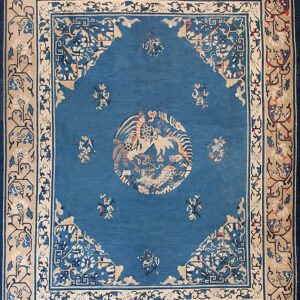
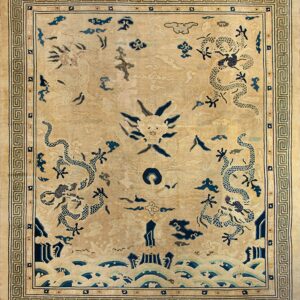
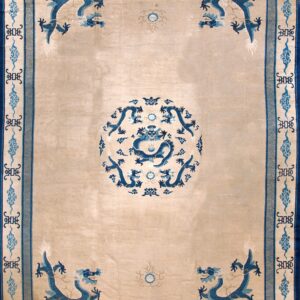
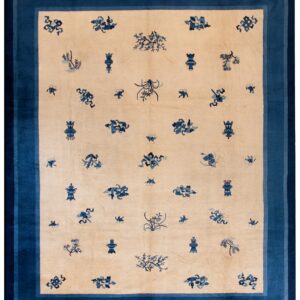
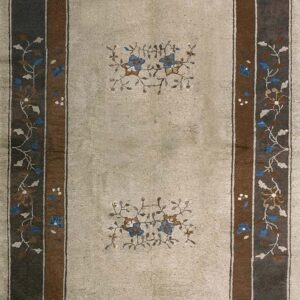
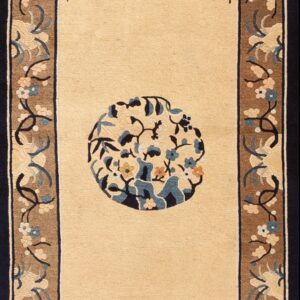
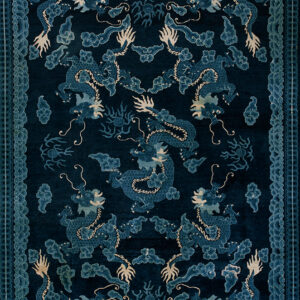
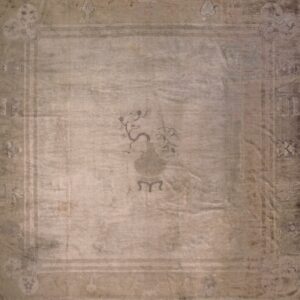
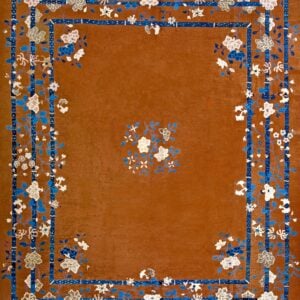
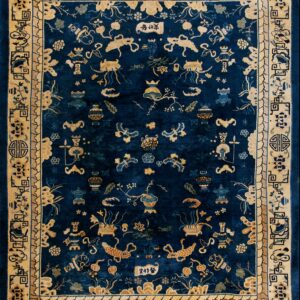
Traditionally woven with high‑quality wool on a cotton foundation, Peking rugs often feature a central medallion or elegant field of auspicious symbols such as dragons, lotuses, and classical floral elements, set within restrained borders that emphasize simplicity and harmony. The color palettes tend toward soft ivories, blues, warm neutrals, and occasional muted accents, lending these carpets a serene, timeless aesthetic that works beautifully in both traditional and contemporary interiors.
While early examples were closely tied to Chinese artistic heritage and palace or elite use, export‑era Peking rugs also adapted to Western tastes in the early 20th century, blending classic motifs with simplified designs suited to modern décor. Collectors and design enthusiasts prize authentic Peking rugs not only for their cultural richness but also for their versatility, enduring craftsmanship, and understated refinement.
Peking rugs embody the luxurious artistry of Northern Chinese weaving, characterized by their lush, thick pile and striking, stylized scenic and floral motifs. These highly decorative pieces often feature bold outlines and sophisticated palettes of ivory, blue, and gold, offering an elegant focal point for any interior; discover more about the distinct history and characteristics of Peking rugs.
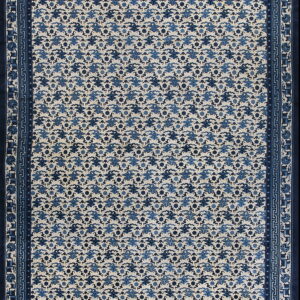
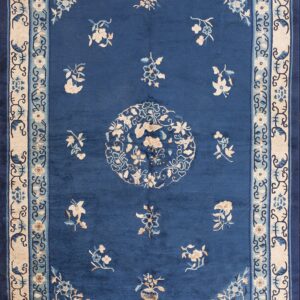
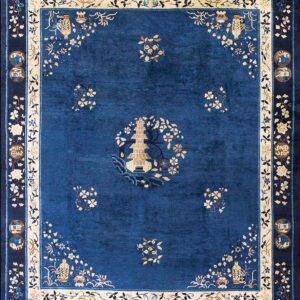
Rectangle Antique 1920s Chinese – Peking Wool Blue Knotted Room Size Rug
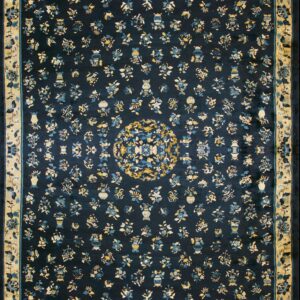
$22,500.00 Antique RugsRug sizes: 10x13.02Chinese Wool – Peking 1890s Knotted Large Oversized Big Rectangle Blue Antique Rug
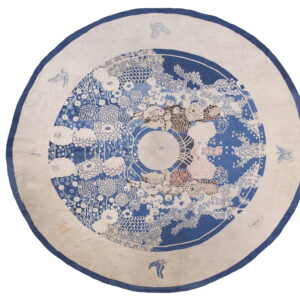
$67,500.00 Antique RugsRug sizes: 12x23Antique Artistic Chinese Soft Blue Color Wool Pile Round Peking Rug
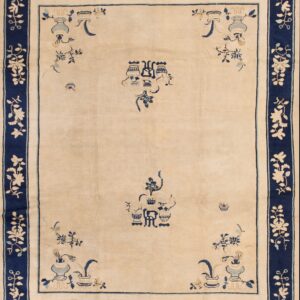
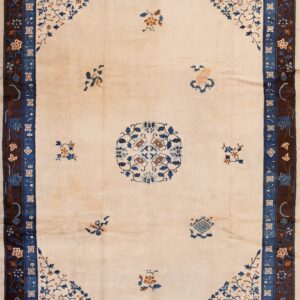
$22,500.00 Antique RugsRug sizes: 10.06x10.06Open Solid Cream Ivory Color Field Antique Floral Chinese Room Size Peking Rug
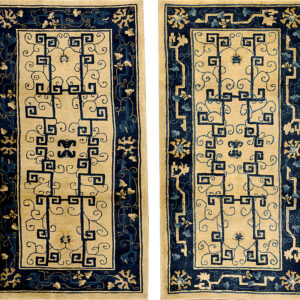
$5,000.00 Antique RugsRug sizes: 7.09x9.04Pair Of Antique Antique Small Scatter Size Ivory Wool Pile Chinese Dragons Peking Rugs
$6,000.00 Antique RugsRug sizes: 3x5.1Ivory Wool Pile Room Size Antique Chinese Open Field Floral Medallion Peking Rug
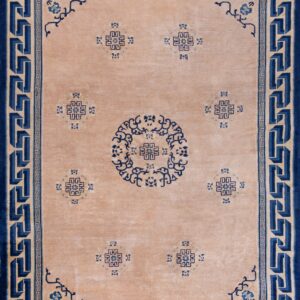
$9,800.00 Antique RugsRug sizes: 9x11.08Geometric Greek Key Border Antique Floral Medallion Chinese Room Size Ivory Peking Rug
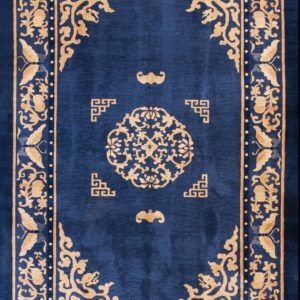
$9,100.00 Antique RugsRug sizes: 8.1x11.06Blue Open Field Medallion Antique Chinese Peking Bats Butterflies Dragons Rug
$6,800.00 Antique RugsRug sizes: 6x8.09Blue Late 19th century Antique Chinese Small Scatter Size Peking Rug
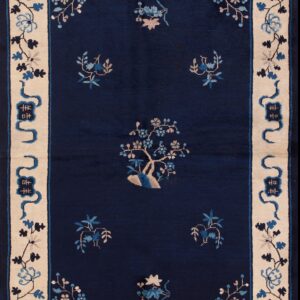
$6,000.00 Antique RugsRug sizes: 5x7.09Antique Navy Blue Open Field Floral Tree Medallion Chinese Peking Rug
$3,000.00 Antique RugsRug sizes: 5x7.08Earth Tone Allover Cloud Band Antique Chinese Bird Of Paradise Design Peking Rug
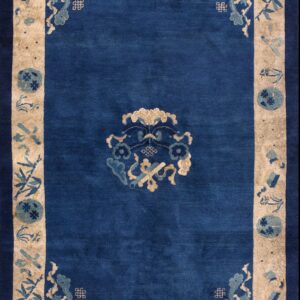
$4,250.00 Antique RugsRug sizes: 6.02x8.09Solid Open Blue Color Field Antique Chinese Floral Medallion Pattern Peking Rug
$5,000.00 Antique RugsRug sizes: 4.02x6.02Antique Light Cream Ivory Open Field Color Floral Medallion Peking Chinese Rug
$5,200.00 Antique RugsRug sizes: 4.03x6.06Blue Open Field Floral Medallion Antique Chinese Peking Area Rug
$5,250.00 Antique RugsRug sizes: 6x8.09Small Ivory Cream Color Antique Artistic Open Field Floral Medallion Chinese Peking Rug
$5,850.00 Antique RugsRug sizes: 5.02x6.1Open Solid Light Cream Color Field Antique Chinese Peking Bird Pattern Small Size Rug
$2,250.00 Antique RugsRug sizes: 3x5.08Open Field Minimalist Floral Pattern Antique Ivory Chinese Small Scatter Size Peking Rug
$1,500.00 Antique RugsRug sizes: 3x4.1Antique Chinese Ivory Small Scatter Size Floral Peking Scatter Rug
$1,500.00 Antique RugsRug sizes: 2.03x4.04Small Scatter Size Blue Antique Wool Chinese Peking Open Field Floral Rug
$1,500.00 Antique RugsRug sizes: 2.1x5.03Floral Antique Late 19th Century Scenic Medallion Blue Field Chinese Room Size Peking Rug
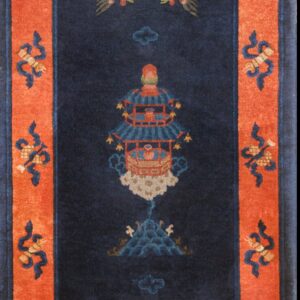
$13,000.00 Antique RugsRug sizes: 8x9.08Antique Blue Early 20th Century Chinese Cranes Cloud Bands Temple Design Peking Hallway Runner Rug
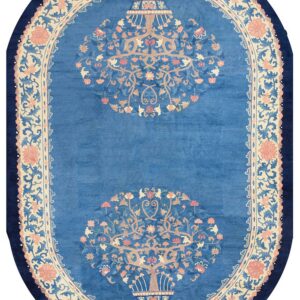
$5,600.00 Antique RugsRug sizes: 3.02x11.08Antique Early 20th Century Light Blue Chinese Peking Oval Rug
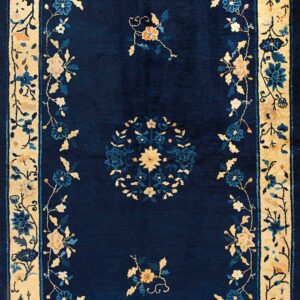
$11,400.00 Antique RugsRug sizes: 8.08x12.08Floral Inlay Pattern Early 20th Century Antique Small Navy Blue Chinese Peking Rug
$6,000.00 Antique RugsRug sizes: 5x7.09Large Early 20th Century Antique Ivory Chinese Peking Floral Pattern Carpet
$27,000.00 Antique RugsRug sizes: 10.1x17.04Room Size Early 20th Century Floral Light Blue Antique Chinese Peking Animal Rug
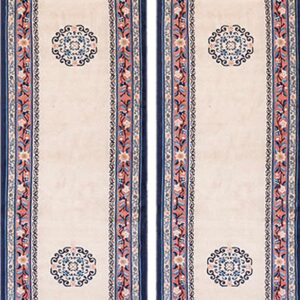
$12,000.00 Antique RugsRug sizes: 10x11.1Pair of Vintage Light Ivory Open Field Chinese Peking Hallway Runner Rugs
$9,000.00 Vintage RugsRug sizes: 2.07x21.02Ivory Antique Late 19th Century Square Chinese Peking Dragon Carpet
$45,000.00 Antique RugsRug sizes: 11.1x12.06Large Room Size Ivory Antique Open Field Floral Cloud Band Dragon Medallion Chinese Peking Rug
$30,000.00 Antique RugsRug sizes: 11.1x15.06Ivory Color Antique Late 19th Century Room Size Floral Chinese Peking Carpet
$60,000.00 Antique RugsRug sizes: 11.02x13.1Minimalist Open Ivory Color Field Antique Floral Chinese Peking Wool Pile Rug
$3,800.00 Antique RugsRug sizes: 6x9Light Ivory Cream Color Open Field Floral Medallion Antique Chinese Peking Rug
$3,000.00 Antique RugsRug sizes: 3.01x6Blue Room Size Antique Chinese Dragon Cloud Band Pattern Peking Rug
$13,600.00 Antique RugsRug sizes: 7x10Antique Ivory Minimalist Vase Pattern Square Chinese Peking Rug
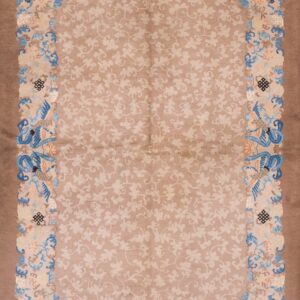
$12,260.00 Antique RugsRug sizes: 12x12Minimalist Open Brown Color Field Floral Chinese Room Size Peking Wool Rug
$8,250.00 Antique RugsRug sizes: 8x10Blue Room Size Antique Chinese Bats Butterflies Cloud Band Design Peking Carpet
$13,600.00 Antique RugsRug sizes: 8.2x10.4