American Hooked Rugs
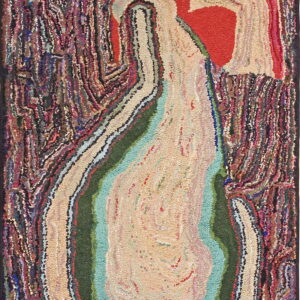
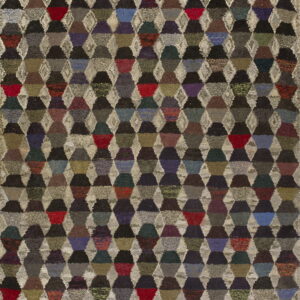
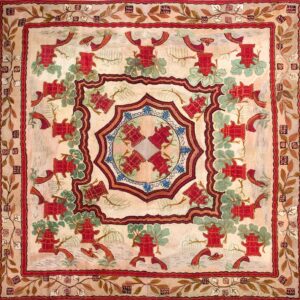
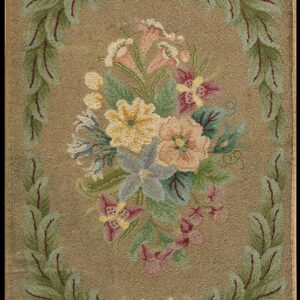
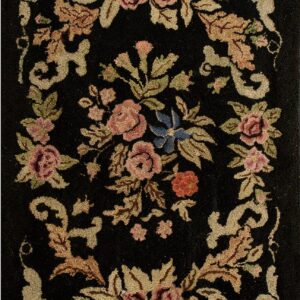
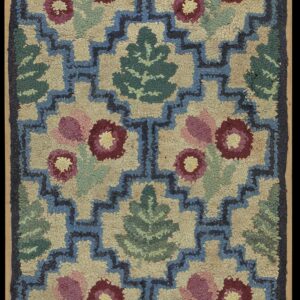
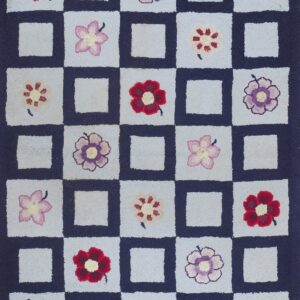
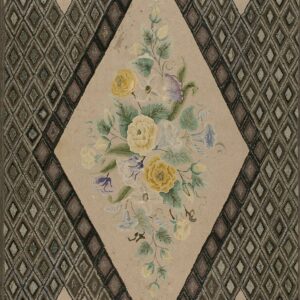
American hooked rugs are a cherished form of folk art and textile craft that emerged in the United States in the 18th and 19th centuries, born from both necessity and creative expression. Originally made by resourceful homemakers using strips of wool, cotton, or recycled fabrics, these rugs were crafted on burlap or linen foundations by pulling loops of material through the base with a hooking tool — a technique that yields a distinctive textured, low‑pile surface.
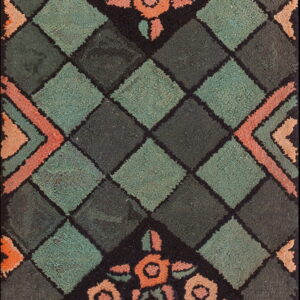
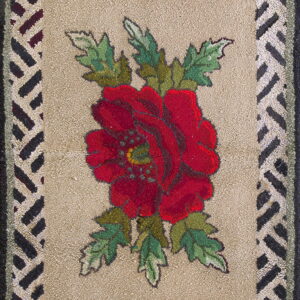
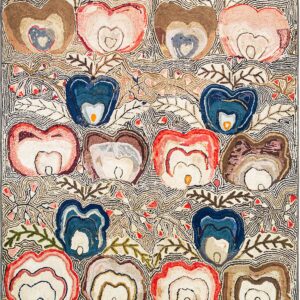
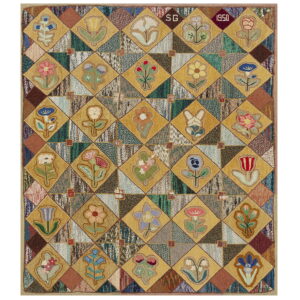
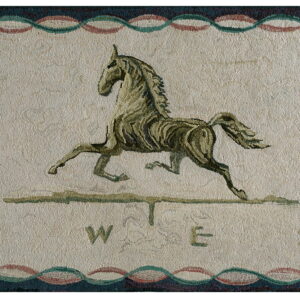
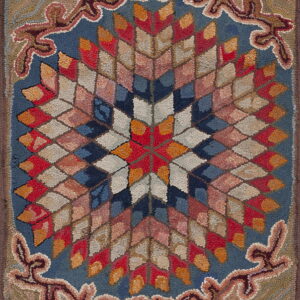
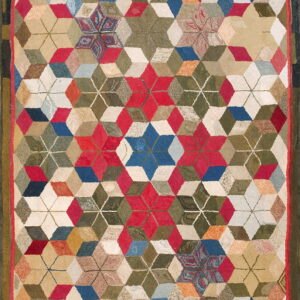
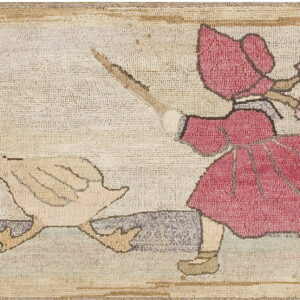
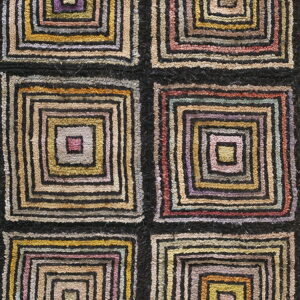
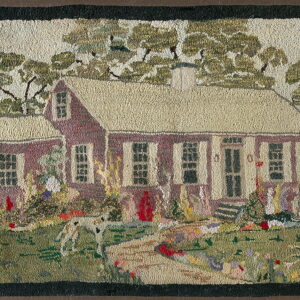
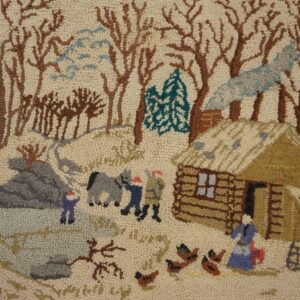
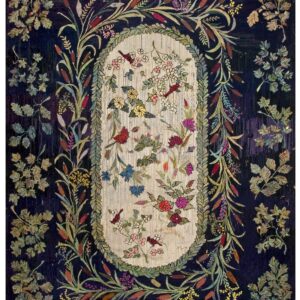
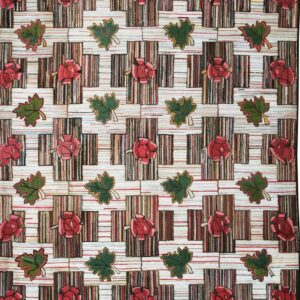
Unlike knotted or woven carpets, hooked rugs are defined by their hand‑constructed patterns, which range from bold geometrics and floral motifs to whimsical scenes of animals, landscapes, and patriotic symbols. The designs reflect the cultural heritage and personal stories of the makers, transforming everyday materials into functional art.
Celebrated for their homespun charm, warmth, and character, American hooked rugs have evolved from practical floor coverings into highly collectible pieces that resonate with both traditional and contemporary interiors. Whether appreciated for their historical value or decorative appeal, these rugs embody a uniquely American legacy of craftsmanship and creative ingenuity.
Antique American Hooked Rugs are celebrated for their distinctive loop texture and rich heritage, embodying a cherished tradition of American folk art. These charming, handcrafted textiles showcase whimsical motifs and durable construction, preserving regional craft traditions; read more about the history and artistry of American hooked rugs and explore the broader context of rugs of America.
Shop our collection of antique American Hooked rugs
Square Wool 1930s Ivory Beige Cream White Antique American Hooked Rug
$600.00 Antique RugsRug sizes: 2.03x3.011880s Wool Antique American Hooked Multicolor Jewel Tones Square Rug
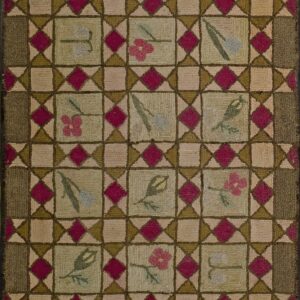
$10,000.00 Antique RugsRug sizes: 5.03x5.06Mid Century Vintage Grid Pattern American Flowers Hooked Square Rug
$3,800.00 Vintage RugsRug sizes: 3.1x4.06Antique American Hooked Square Small Scatter Size Wool & Cotton Multicolor Rug
$3,700.00 Antique RugsRug sizes: 2.09x3.06Antique Allover Geometric Wool & Cotton Hooked – Loop Pile Multicolor Jewel Tones 1900s Rug
$15,000.00 Antique RugsRug sizes: 5.08x11American Hooked Antique Small Scatter Size 1930s Wool Ivory Rug
$3,400.00 Antique RugsRug sizes: 2.02x4.02Multicolor Vintage American Mid Century Modern Square Hooked Rug
$980.00 Vintage RugsRug sizes: 1.09x2.08Vintage American Hooked Rug American Multicolor 1950s Multicolor
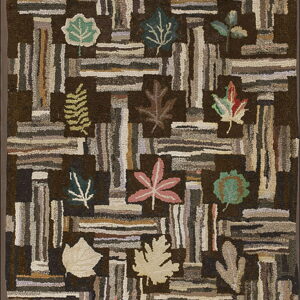
$2,300.00 Vintage RugsRug sizes: 2.01x3.04Bold Brown Color Vintage Mid Century American Folk Art Leafe Pattern Hooked Rug
$2,300.00 Vintage RugsRug sizes: 3x5.07Ivory Room Size American Hooked 1890s Wool Antique Rug
$21,000.00 Antique RugsRug sizes: 9.06x12.06Multicolor Vintage Mid Century Modern American Hooked Artistic Folk Art Rug
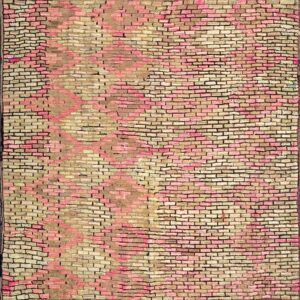
$7,000.00 Vintage RugsRug sizes: 4.06x9.06Antique American Folk Art “Hit-or-Miss” Geometric Diamond Hooked Rug
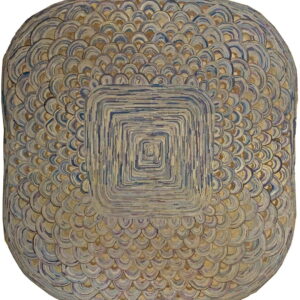
$6,800.00 Antique RugsRug sizes: 4.2x5.4Antique 1939 American Folk Art Fan Arc Square Hooked Rug
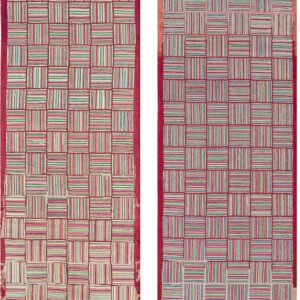
$13,600.00 Antique RugsRug sizes: 8.08x9.03Rare Pair of Antique American Folk Art Jewel Tone Hooked Hallway Runner Rugs
$5,800.00 Antique RugsRug sizes: 3.02x18.09Ivory Antique American Hooked Rug with Chinese Design – Rare Square Shape
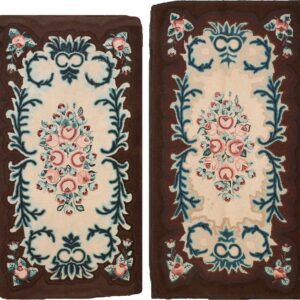
$11,100.00 Antique RugsRug sizes: 11.06x11.08Pair Of Ivory European Influenced Floral Inlay Antique Small American Hooked Rugs
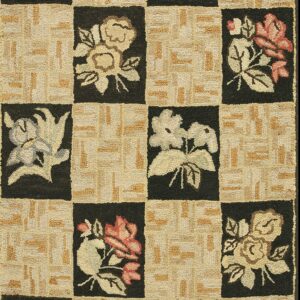
$1,360.00 Antique RugsRug sizes: 3.03x6.01Floral Geometric Antique Early 20th Century Checkerboard Design Small American Folk Art Hooked Rug
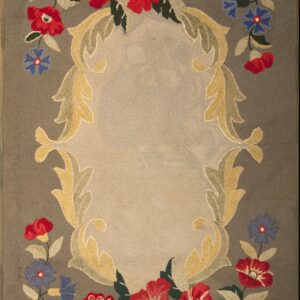
$980.00 Antique RugsRug sizes: 3x5Antique Early 20th Century Open Cream Color Field European Type Floral Medallion American Hooked Rug
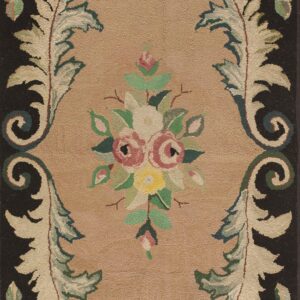
$680.00 Antique RugsRug sizes: 2.07x4.02Small Size Cream Color Antique 1930 European Influenced Floral Inlay Design American Hooked Rug
$680.00 Antique RugsRug sizes: 2.03x3.01Small Antique Black Color European Floral Inlay Pattern American Hooked Rug
$600.00 Antique RugsRug sizes: 2.04x4.02Small Size Ivory Color Antique American Folk Art Design Hooked Rug
$600.00 Antique RugsRug sizes: 2x3.08Pale Gray Color Geometric Folk Art Checkerboard Design Antique American Folk Art Hooked Rug
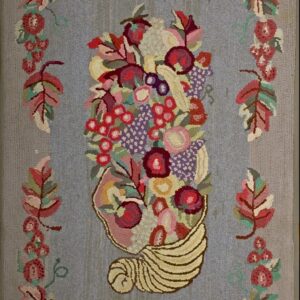
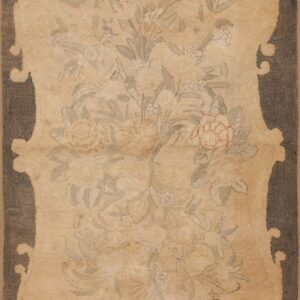
$680.00 Antique RugsRug sizes: 2.08x3.08Grey Artistic Floral Still Life Folk Art Design Small Size Vintage American Hooked Rug
$850.00 Vintage RugsRug sizes: 3.03x5.05Gray and Cream Color Minimalist Solid Open Field Antique Small American Hooked Rug
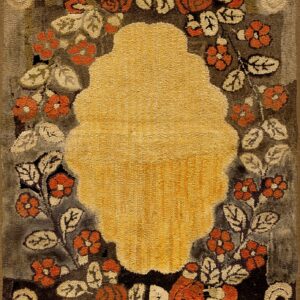
$680.00 Antique RugsRug sizes: 2.11x4.09Antique Solid Yellow Color Open Field Small American Folk Art Hooked Rug
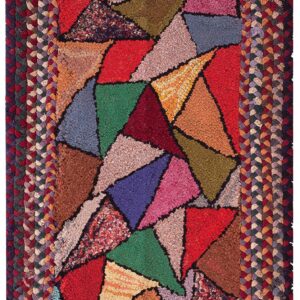
$1,300.00 Antique RugsRug sizes: 2.08x5Small Antique 1920s Bold Colorful Geometric Art Deco Pattern American Hooked Rug
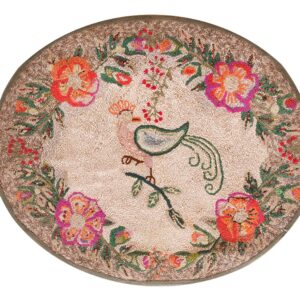
$1,150.00 Antique RugsRug sizes: 1.1x3.05Small Round Ivory Antique American Folk Art Bird Pattern Hooked Rug
$990.00 Antique RugsRug sizes: 2.08x3Vintage American Floral Folk Art Hooked Ivory Cream Color Scatter Rug
$1,300.00 Vintage RugsRug sizes: 3.04x5.07Antique Early 20th Century American Geometric Floral Folk Art Design Small Hooked Rug
$1,400.00 Antique RugsRug sizes: 2.1x5.01Gray Geometric Diamond Design With Ivory Floral Inlay Sections Antique American Folk Art Hooked Rug
$6,800.00 Antique RugsRug sizes: 4.02x8.07Small Antique Pictorial Cabin Farm Scene American Folk Art Imagery Hooked Rug
$1,000.00 Antique RugsRug sizes: 2.3x4.7Blue Early 20th Century Antique Room Size Floral Inlay Pattern American Folk Art Hooked Rug
$22,500.00 Antique RugsRug sizes: 10x14.08Early 20th Century Antique Floral American Folk Art Basket Weave Design Hooked Rug
$8,000.00 Antique RugsRug sizes: 5.1x11.1