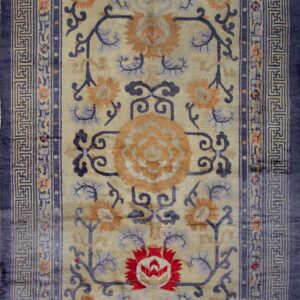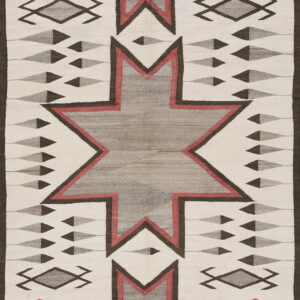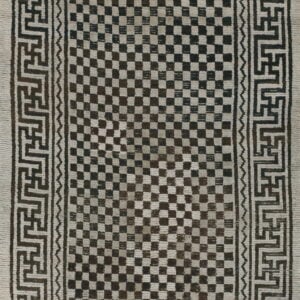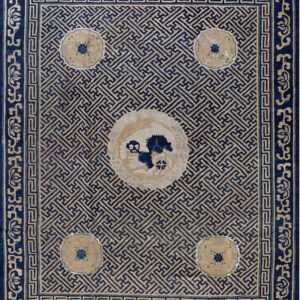
Swastika Design Rugs
Rugs featuring the swastika motif reflect one of the oldest decorative symbols in human history, appearing in weaving and textile arts long before its appropriation in the 20th century. Across many ancient cultures — from Central Asian and Caucasian carpets to Indigenous American weavings — this hooked‑cross form was used as a geometric motif symbolizing concepts such as continuity, prosperity, good fortune, or cosmic balance. In Persian and Asian traditions the motif was linked with auspicious forces and the cycle of life, while in some Native American textiles it represented the “whirling log” — a visual expression of spiritual renewal and harmony.
Because of its wide geographic and historical use, the swastika appears in a variety of rug designs — sometimes as a central element, other times woven into borders or repeating patterns — carried forward by skilled artisans who wove symbolic meaning into everyday objects.
In modern times, the symbol’s meaning has been profoundly affected by its misuse in the 20th century, and its appearance in decorative arts today is often understood through the lens of that history. Nevertheless, in the context of antique and traditional textiles, the swastika motif serves as a reminder of the deep and varied cultural heritage of rug weaving, where symbols carried stories, spiritual associations, and blessings long before they became associated with later political movements.
Swastika motif rugs showcase one of the world’s most ancient and revered textile symbols, known across many cultures for its powerful representation of eternity, movement, and well-being. These powerful four-armed designs add profound historical depth and symmetry to any floor space, making them a unique decorative choice; discover more about the fascinating history and cultural context of the Swastika Design Motif in our in-depth guide.
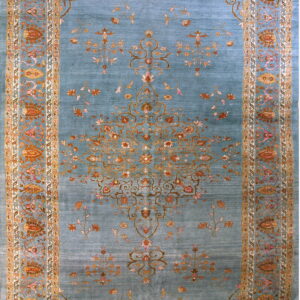
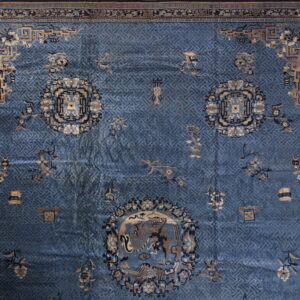
Rare Light Sky Blue Color Antique Finely Woven Intricate Large Persian Tabriz Rug
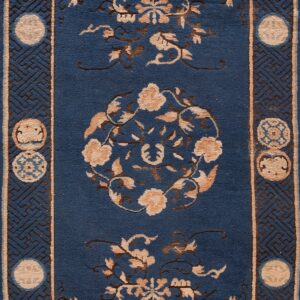
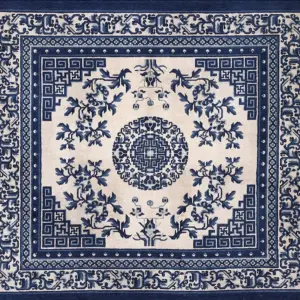
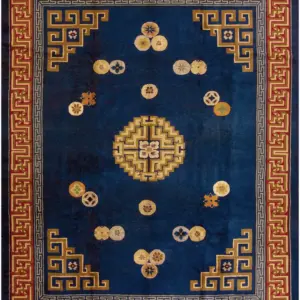
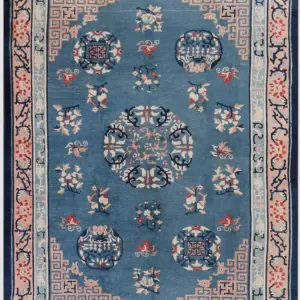
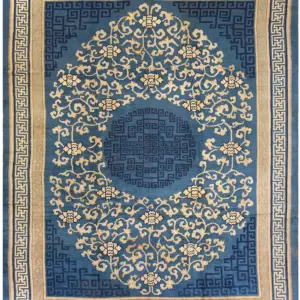
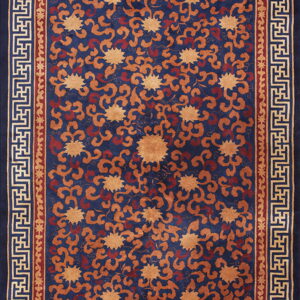
$68,000.00 Antique RugsRug sizes: 10.02x17.09Navy Blue Antique Floral Chinese Small Scatter Size Ningxia Rug
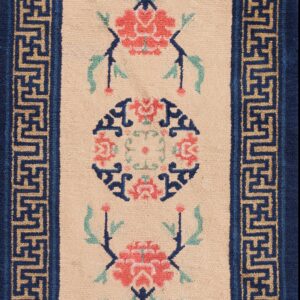
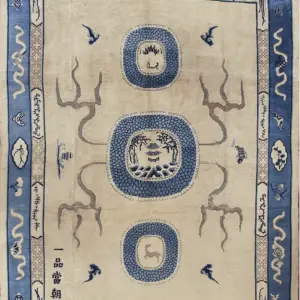
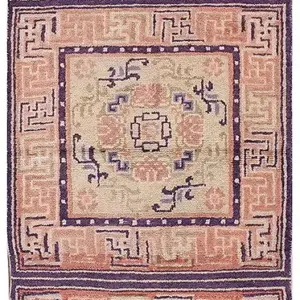
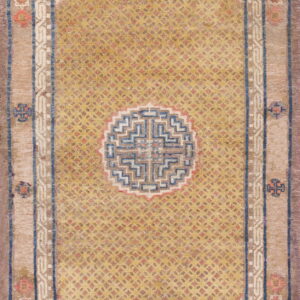
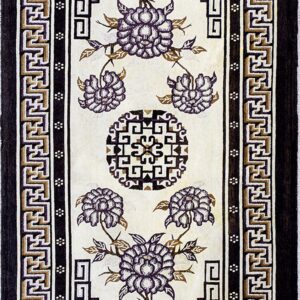
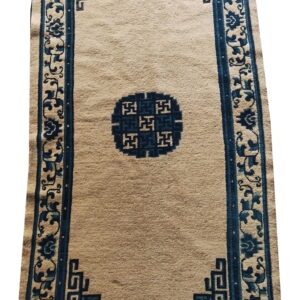
$3,750.00 Antique RugsRug sizes: 3x5.06Antique Chinese Ivory Small Scatter Size Floral Peking Scatter Rug
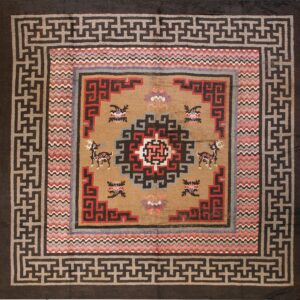
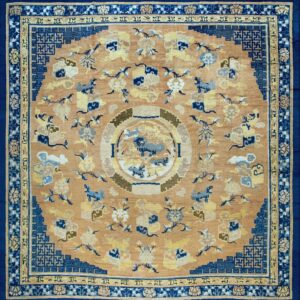
$1,500.00 Antique RugsRug sizes: 2.03x4.04Antique Early 20th Century Square Mongolian Animal Design Carpet
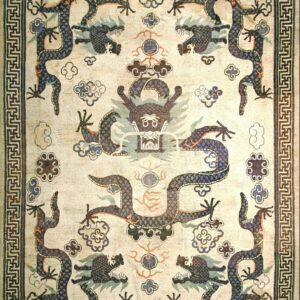
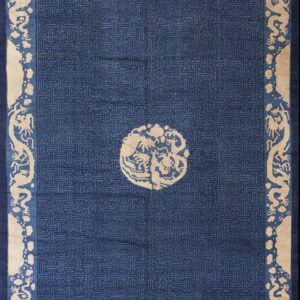
$45,000.00 Antique RugsRug sizes: 11.1x12.02Ivory Antique Mongolian Dragon Design Room Size Chinese Carpet
$26,500.00 Antique RugsRug sizes: 9.08x12Antique Chinese Lions Food Dogs Design Square 18th Century Ningxia Rug
$148,500.00 Antique RugsRug sizes: 13.06x13.1Late 19th Century Antique Artistic Ivory Chinese Peking Dragon Reindeer Bird and Koi Fish Rug
$26,250.00 Antique RugsRug sizes: 10x12.06Small Square Antique White and Blue Chinese Ningxia Area Rug
$18,800.00 Antique RugsRug sizes: 5.09x6.04Light Blue Antique Bird of Paradise Chinese Dragon Design Big Oversized Peking Rug
$30,000.00 Antique RugsRug sizes: 16x21.03Ivory Beige Cream White , Purple Ivory Beige Cream White and Purple Hand Knotted Wool Pile Antique Chinese Baotou Allover Three Squares Scatter Rug
$4,500.00 Antique RugsRug sizes: 2x5.09Royal Blue Color Antique Art Deco Chinese Room Size Wool Pile Area Rug
$9,250.00 Antique RugsRug sizes: 9.02x12Floral Antique Hand Knotted Wool Pile Light Blue Peking Chinese Dragon Rug
$9,800.00 Antique RugsRug sizes: 6.02x8.07Scenic Pictorial Ivory Antique Square Peking Chinese Area Rug
$12,000.00 Antique RugsRug sizes: 7.03x8.04Antique Square Room Size Ivory Late 19th Century Chinese Ningxia Rug
$13,600.00 Antique RugsRug sizes: 8.08x9.1Mid 19th Century Antique White and Blue Color Floral Chinese Ningxia Medallion Rug
$27,000.00 Antique RugsRug sizes: 5.9x9.2Magnificent Cloud Band Design Antique Blue Medallion Peking Chinese Rug
$22,500.00 Antique RugsRug sizes: 9x11.04Small Scatter Size Antique 19th Century Chinese Ningxia Medallion Yellow Rug
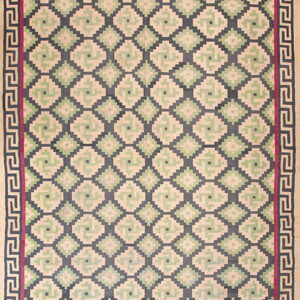
$5,250.00 Antique RugsRug sizes: 3x5.1Antique Tribal Geometric Large Long and Narrow Size Indian Flatweave Dhurrie Rug
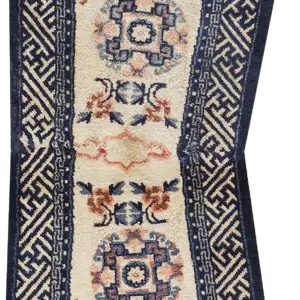
$11,400.00 Antique RugsRug sizes: 9.08x19.06Small Antique Blue and Ivory Chinese Saddle Horse Cover Rug
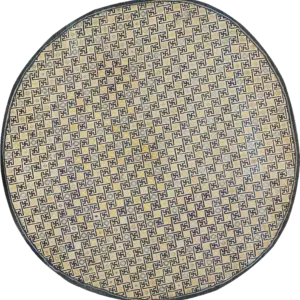
$3,000.00 Antique RugsRug sizes: 2x4.06Rare Round Antique 18th Century Chinese Geometric Wan Design Ivory Ningxia Rug
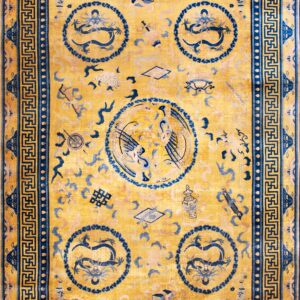
$45,000.00 Antique RugsRug sizes: 9.01x9.01Stunning Yellow Background Color Antique Dragon Chinese Bird Of Paradise Tiger Border Rug
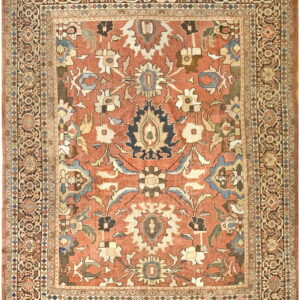
$22,000.00 Antique RugsRug sizes: 10.1x14.1Rustic Coral Antique Tribal Large Scale Pattern Persian Sultanabad Rug
$8,800.00 Antique RugsRug sizes: 9.04x11.07Artistic Floral Pattern Light Color Antique Luxurious Chinese Silk Rug
$18,800.00 Antique RugsRug sizes: 5.02x7.1Allover Tribal Geometric 8 Pointed Star Design Flatwoven Antique Native American Navajo Rug
$8,800.00 Antique RugsRug sizes: 3.09x7Wool Rectangle Geometric Medallion 1900s Antique Coral / Salmon Pink Hand Knotted Pile Rug
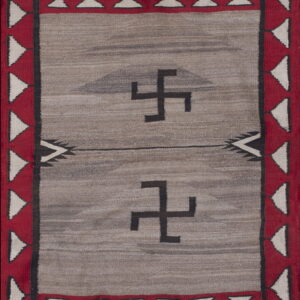
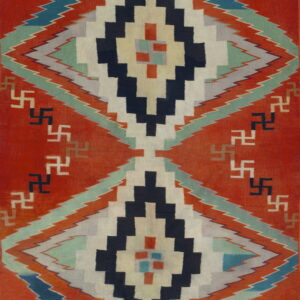
$13,600.00 Antique RugsRug sizes: 7.1x9.09Classic Square Tribal Antique Native American Swastika Design Flat Weave Navajo Rug
$6,000.00 Antique RugsRug sizes: 3x4Chinese Rectangle 1900s Blue Knotted – Peking Antique Wool Room Size Rug
$21,000.00 Antique RugsRug sizes: 10.02x13.04Chinese – Peking Blue Room Size Antique Knotted Rectangle 1890s Wool Rug
$22,500.00 Antique RugsRug sizes: 10.05x12.07Large Square 1880s Blue Wool Floral Medallion Antique Hand Knotted Pile Rug
$68,000.00 Antique RugsRug sizes: 14x15.04Small Scatter Size Antique Chinese – Peking 1890s Ivory Knotted Rectangle Wool Rug
$2,250.00 Antique RugsRug sizes: 2.07x4.06Blue Antique Rectangle Allover Floral Hand Knotted Pile 1920s Wool Rug
$21,000.00 Antique RugsRug sizes: 9x14.09Antique Red Navajo Small Scatter Size Wool Flat Weave Native American Rug
$11,250.00 Antique RugsRug sizes: 3.08x5.08