Islamic Prayer Rugs
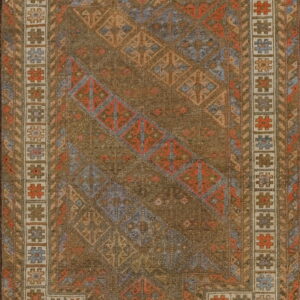
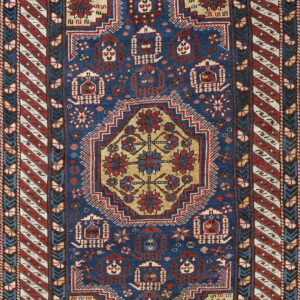
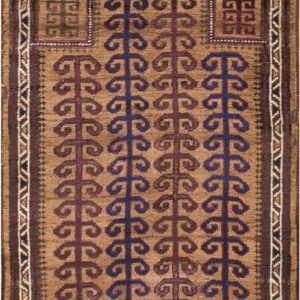
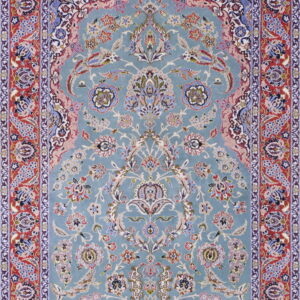
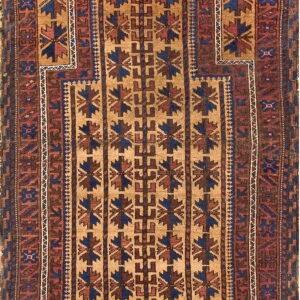
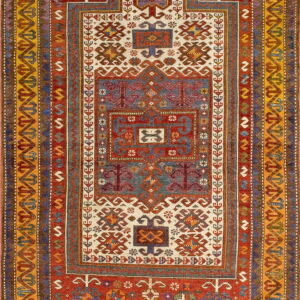
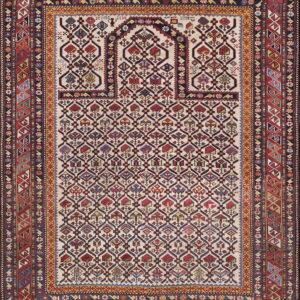
Islamic prayer rugs occupy a special place in the history of textiles, combining spiritual purpose, symbolic design, and expert craftsmanship. Unlike decorative floor coverings intended primarily for interior décor, prayer rugs are created with a specific devotional function: to provide a clean, defined space for individual worship during the salah (Islamic prayer). Although their use spans many regions — from the Middle East and North Africa to South Asia and beyond — these rugs share a central visual language rooted in centuries of religious tradition and artistic interpretation.
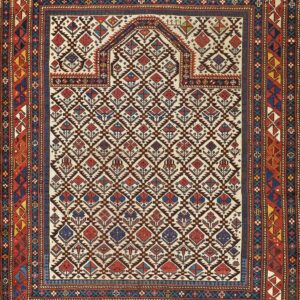
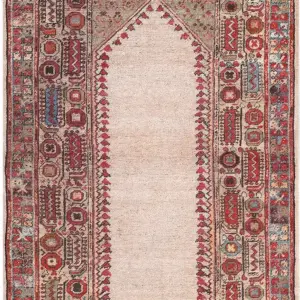
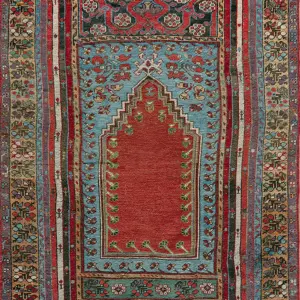
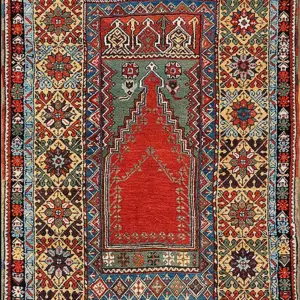
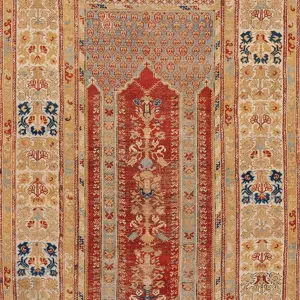
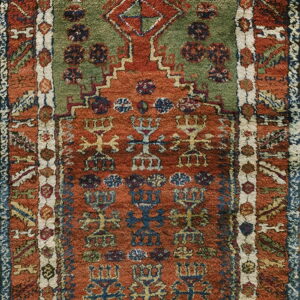
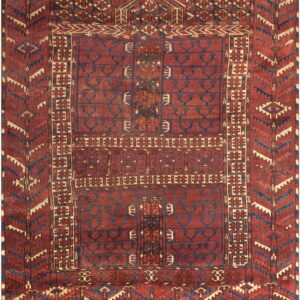
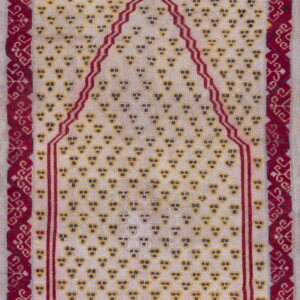
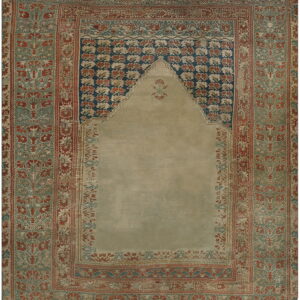
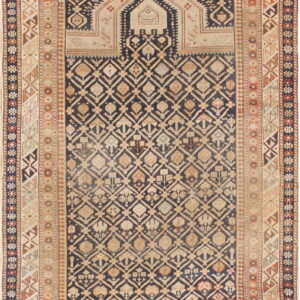
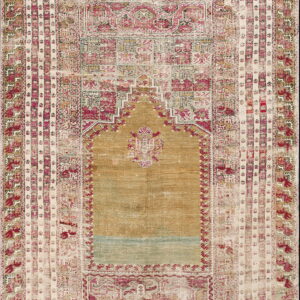
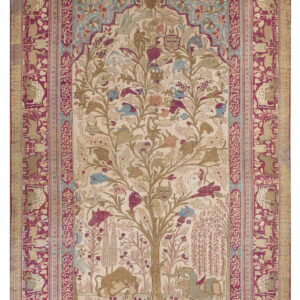
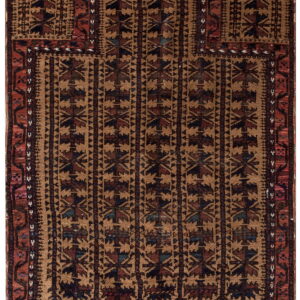
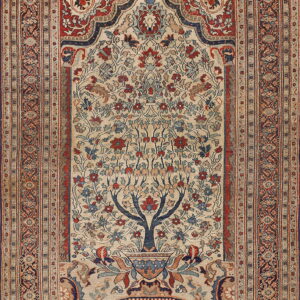
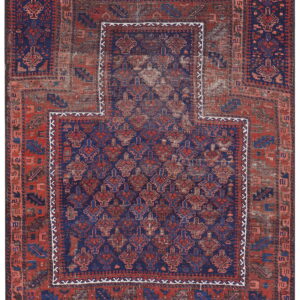
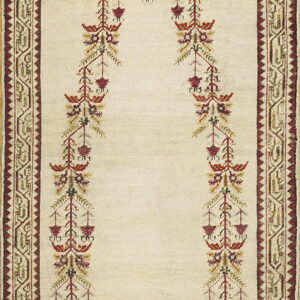
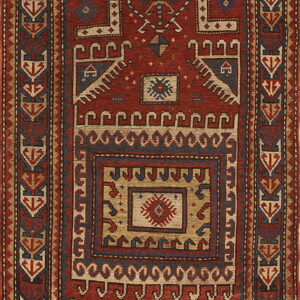
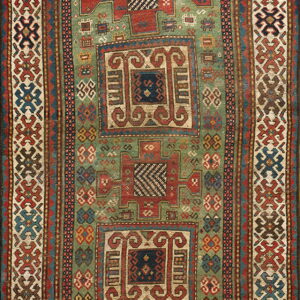
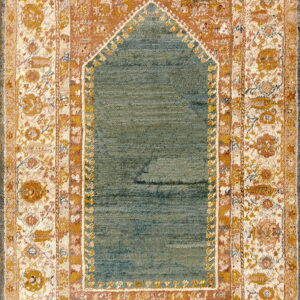
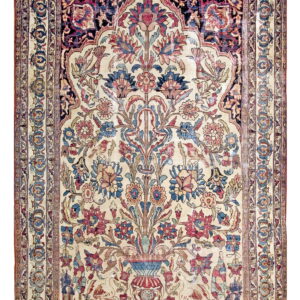
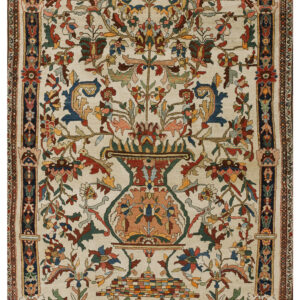
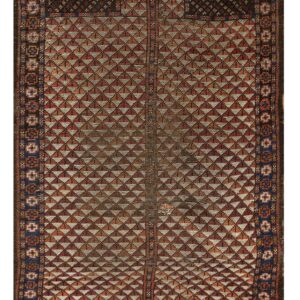
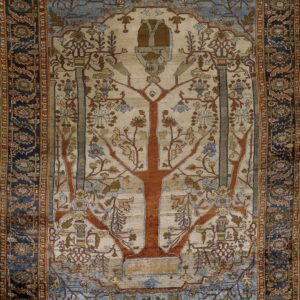
Key design elements of Islamic prayer rugs often include the mihrab, a niche or arch‑like motif that denotes the direction of Mecca (qibla) toward which Muslims pray; stylized geometric patterns that reflect aniconic artistic principles; and symbolic motifs such as lamps, trees of life, palmettes, or abstracted arabesques. The mihrab’s arch not only provides a visual focal point but also helps orient the worshipper, while the surrounding fields and borders balance rhythm and pattern in ways that support quiet reflection.
Prayer rugs are traditionally hand‑woven with high‑quality wool, cotton, or silk, and they range in size from small personal mats to larger pieces used by families or communities. The emphasis on symmetry, proportion, and symbolic resonance makes these rugs not just tools for devotion but also works of visual artistry that express cultural identity and spiritual meaning.
In both historic and contemporary contexts, Islamic prayer rugs are valued not only for their devotional role but also for their craftsmanship, design depth, and the way they bridge functionality with cultural heritage. Whether displayed as cultural artifacts, used in daily practice, or collected as examples of fine textile art, these rugs reflect a rich tradition where faith and fiber intertwine.
Islamic Prayer Rugs are deeply meaningful textiles, traditionally designed with a mihrab (arch) element to orient the worshipper toward Mecca. These exquisite rugs often feature architectural motifs, such as the mihrab or Keyhole designs, and incorporate detailed scripts; discover more about the traditional Kufic design elements used in these sacred pieces.
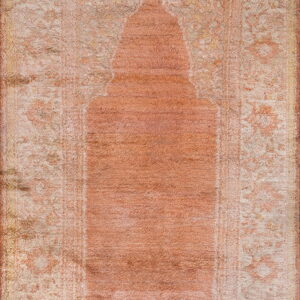
Luxurious Soft Pile Antique Coral Turkish Islamic Prayer Design Angora Oushak Rug
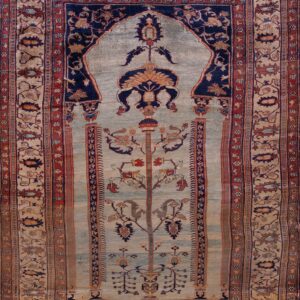
$6,000.00 Antique RugsRug sizes: 3.1x5.1Antique Small Scatter Size Sky Blue Fine Persian Silk Heriz Muslim Prayer Rug
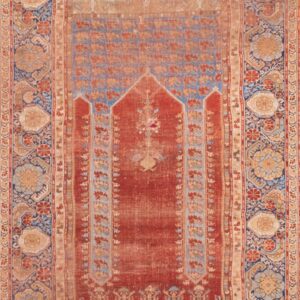
$38,000.00 Antique RugsRug sizes: 4x6Rustic Tribal Antique Mid 18th Century Turkish Islamic Ghiordes Prayer Design Coral Rug
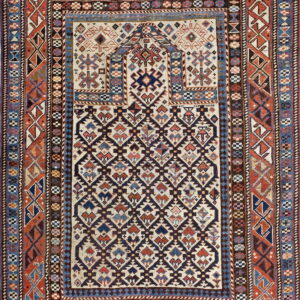
$18,800.00 Antique RugsRug sizes: 4x6Late 19th Century Ivory Antique Caucasian Dagestan Prayer Design Tribal Rug
$3,750.00 Antique RugsRug sizes: 4x5Antique Tribal Geometric Late 19th Century Ivory Caucasian Shirvan Muslim Prayer Rug
$9,800.00 Antique RugsRug sizes: 4x4.08Ivory Antique Tribal Geometric Late 19th Century Turkish Ghiordes Turkish Muslim Prayer Rug
$4,500.00 Antique RugsRug sizes: 3.06x6.04Small Tribal Antique Mid 19th Century Turkish Kirshehir Muslim Prayer Rug
$8,800.00 Antique RugsRug sizes: 3.08x5.03Coral Antique Tribal Geometric Islamic Prayer Design Late 19th Century Turkish Knoya Mujur Rug
$18,800.00 Antique RugsRug sizes: 3.07x5.08Small Tribal Geometric Antique Turkish Muslim Prayer Design Red Kula Rug
$13,600.00 Antique RugsRug sizes: 4x6.04Small Red Tribal Geometric Antique Turkish Yuruk 19th Century Muslim Prayer Rug
$5,550.00 Antique RugsRug sizes: 2.08x4.06Central Asian Antique Tribal Geometric Red Turkmen Hatchli Islamic Prayer Rug
$3,900.00 Antique RugsRug sizes: 3.02x4.04Antique Tribal Cintamani Design Turkish Ghiordes Islamic Prayer Rug
$6,000.00 Antique RugsRug sizes: 3.04x5.02Antique Mid 18th Century Turkish Ghiordes Square Prayer Rug
$14,250.00 Antique RugsRug sizes: 3.09x4.06Geometric Late 19th Century Antique Caucasian Shirvan Islamic Prayer Design Rug
$4,500.00 Antique RugsRug sizes: 3x5Antique Kashan – Silk Small Scatter Size Wool Ivory Rug
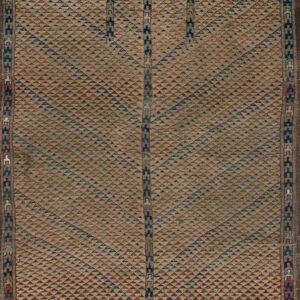
$45,000.00 Antique RugsRug sizes: 4.03x6.08Antique Tribal Persian Baluch Wool Brown Earth Tone Muslim Prayer Rug
$2,250.00 Antique RugsRug sizes: 2.06x4.02Fine Floral Vase Prayer Niche Pattern Antique Persian Small Size Khorassan Rug
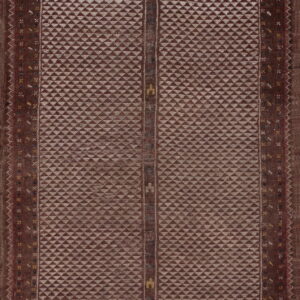
$5,600.00 Antique RugsRug sizes: 3.08x5.1Antique Tribal Persian Baluch Square Prayer Rug – Small Scatter Size
$2,625.00 Antique RugsRug sizes: 3.06x4.05Ivory Color Antique Late 19th Century Tribal Turkish Ghiordes Muslim Prayer Rug
$5,600.00 Antique RugsRug sizes: 3.03x5.08Late 19th Century Coral Antique Tribal Geometric Caucasian Kazak Islamic Prayer Rug
$5,200.00 Antique RugsRug sizes: 3x4.09Rare Antique Green Color Tribal Caucasian Kazak Double Niche Prayer Design Rug
$6,800.00 Antique RugsRug sizes: 4x7.08Soft Earthy Color Antique Tribal Islamic Prayer Design Baluch Persian Rug
$1,150.00 Antique RugsRug sizes: 3x5.03Small Scatter Size Antique Turkish Angora Oushak Islamic Prayer Rug
$8,400.00 Antique RugsRug sizes: 4x6Antique Caucasian Geometric Medallion Wool Hand Knotted Pile Blue 1900s Rug
$3,500.00 Antique RugsRug sizes: 3.06x4.1Brown Earth Tone Color Antique Tribal Muslim Prayer Design Afghan Baluch Rug
$2,600.00 Antique RugsRug sizes: 2.09x3.1Fine Vintage Persian Isfahan Small Scatter Size Blue Green Prayer Rug
$3,350.00 Vintage RugsRug sizes: 3.08x5.06Earthy Brown Antique Tribal Geometric Persian Baluch Muslim Prayer Design Rug
$2,300.00 Antique RugsRug sizes: 2.09x4.07Coral Rustic Antique Tribal Geometric Islamic Prayer Decian Caucasian Kazak Rug
$6,500.00 Antique RugsRug sizes: 3.09x6Late 19th Century Antique Caucasian Dagestan Ivory Islamic Prayer Design Square Rug
$6,800.00 Antique RugsRug sizes: 4x5Small Antique Fine Persian Vase Pattern Hand Knotted Pile Kerman Prayer Rug
$9,000.00 Antique RugsRug sizes: 7.09x11.09Tribal Geometric Antique Small Scatter Size Wool Ersari Beshir Muslim Prayer Rug
$3,750.00 Antique RugsRug sizes: 3x4.04Spectacular Fine Weave Luxurious Antique Collectible Mid 19th Century Persian Silk Heriz Rug
$119,000.00 Antique RugsRug sizes: 4.03x5.1