17th Century Rugs
The 17th century stands as one of the most illustrious periods in the history of textile arts, when carpets and tapestries were elevated from utilitarian objects to treasured works of art. Rugs and tapestries from this era reflect a world of vibrant cultural exchange—where motifs, dyes, and weaving techniques traveled along trade routes that connected Anatolia, Persia, the Caucasus, Europe, and beyond. These rare textiles speak to a time when aristocrats and powerful courts across continents prized sumptuous floor coverings and wall hangings not only for their practicality, but also as symbols of wealth, taste, and global connection.
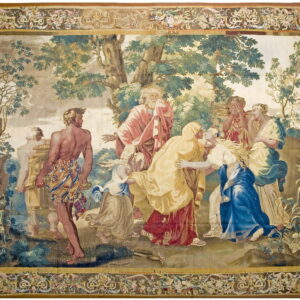
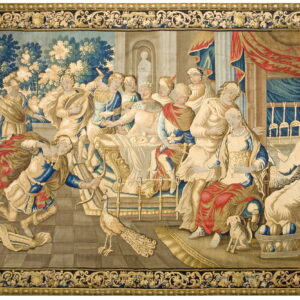
Seventeenth-century rugs are often admired for their harmonious balance of color, design, and proportion. Many feature elaborate garden compartments, medallions, floral arabesques, and intricate border work that reveal a deep lineage of Persian and Ottoman influence. Meanwhile, the tapestries of the age—especially those woven in European ateliers—frequently depict mythological, historical, and pastoral scenes rendered with painterly finesse. Together, these textiles represent both technical mastery and aesthetic ambition, crafted on looms that demanded patience, precision, and exceptional skill.
In today’s American interiors, 17th-century rugs and tapestries offer more than decorative appeal—they are conversation pieces with stories woven into every thread. Whether displayed as a dramatic wall tapestry in a study or as a rare antique rug in a formal living space, these pieces bring a sense of continuity with the past while enriching contemporary homes with texture, color, and cultural depth. Collectors and design enthusiasts alike prize them for their rarity, provenance, and the enduring beauty that has stood the test of centuries.
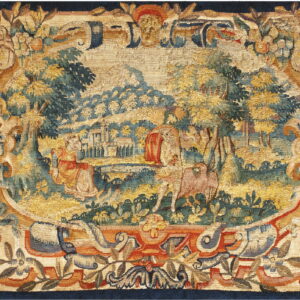
Antique 17th Century Flemish Baroque Mythological Tapestry: “The Triumph of Fidelity”
$96,000.00 TapestryRug sizes: 15.06x10.06Antique 17th Century Square Flemish Biblical Tapestry Of David and Goliath
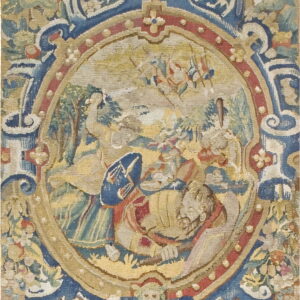
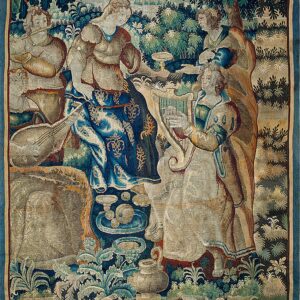
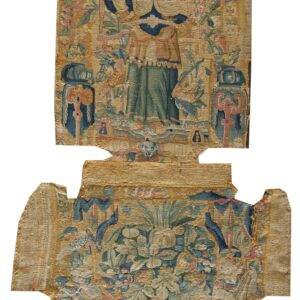
$8,600.00 TapestryRug sizes: 2.03x2.06Antique Late 16th or Early 17th Century Musical Party Garden of Love Scene Vertical Flemish Tapestry
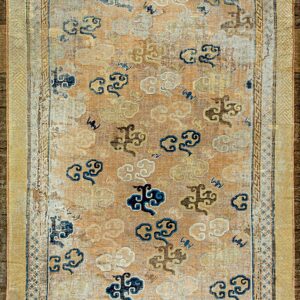
$12,800.00 TapestryRug sizes: 5.09x8.05Small Rare Collectible Antique Chinese Mid 17th Century Peking Rug
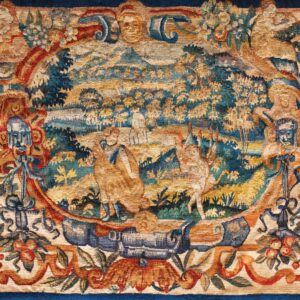
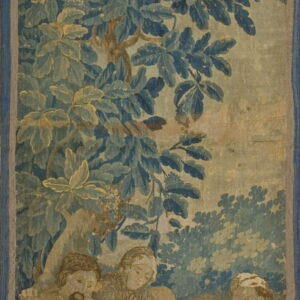
$37,500.00 Antique RugsRug sizes: 1.02x3.03Small Size Wool & Silk Antique 17th Century Wall Hanging Flemish Tapestry
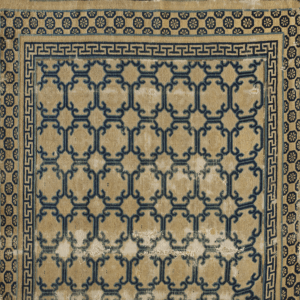
$6,750.00 TapestryRug sizes: 2x3.04Antique Ningxia Chinese Allover Geometric Hand Knotted 17th Century Rug
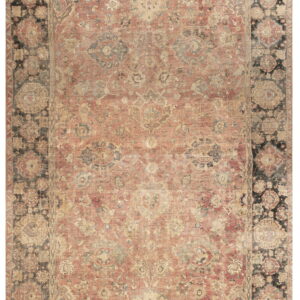
$7,500.00 Antique RugsRug sizes: 4.02x5.06